
One of the prettiest mountain regions in the world
Tajikistan is note one of the most popular of the stans for tourism, however it holds a wealth of history and the landscapes are ever so stunning. It also has elements of a lot of Persian culture which makes it even more interesting.
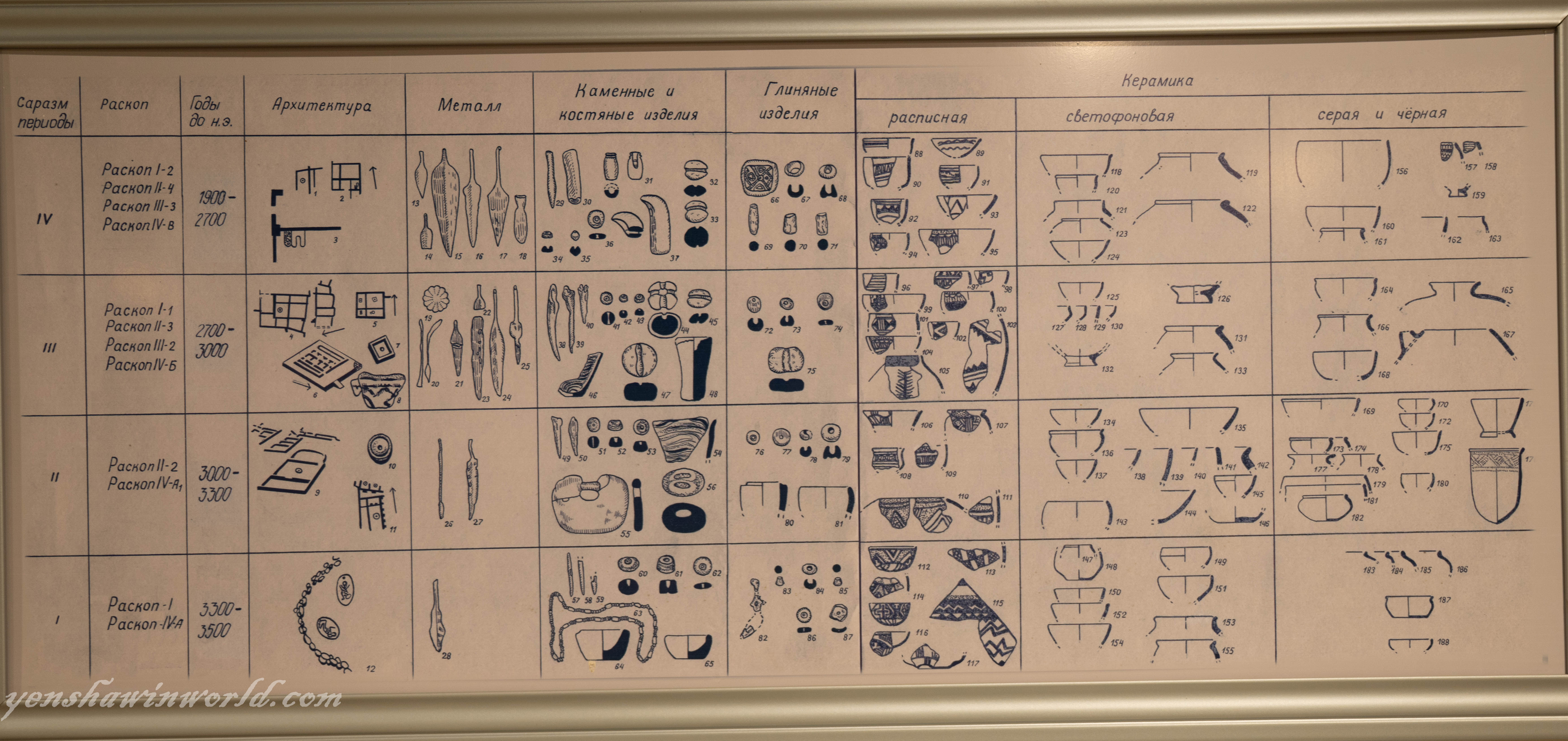
The border with Uzbekistan was quite easy. About 5 Kilometers from the border is a very interesting UNESCO site called Proto-urban Site of Sarazm. Sarazm is an archaeological site dating back to 3500–2000 BCE that represents the earliest known permanent agricultural and proto-urban settlement in Central Asia.
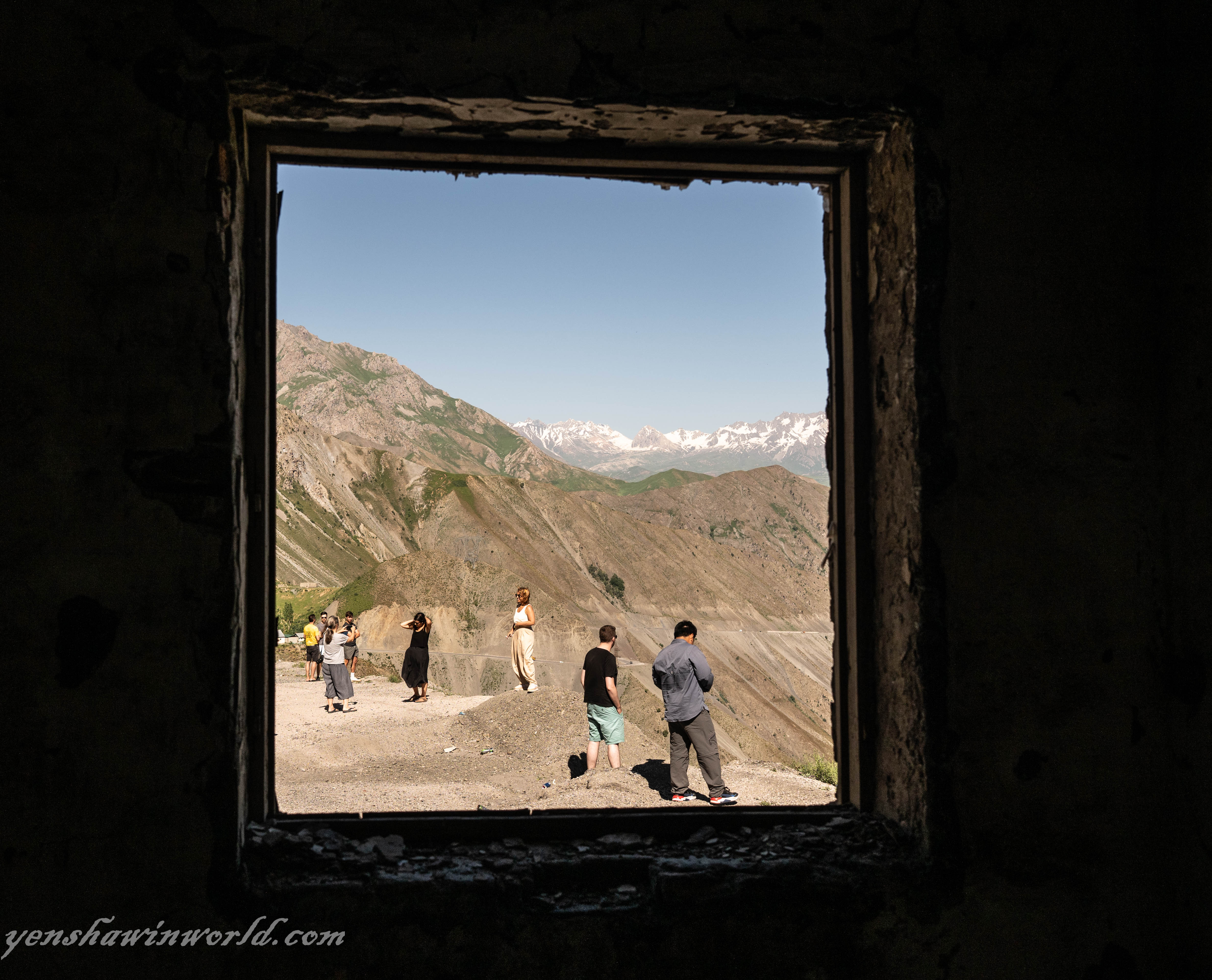
The Road to Dushanbe took us through the Fann Mountains which look like mountains you would see in Switzerland at some points and desert mountains you would see in the middle east at other points. This is what made everything all the more beautiful, with constantly changing scenery along the road.
Dushanbe (the capital) is a neat city. While there is a lot of construction going on with cranes just about everywhere constructing big buildings. However the city still has its charm with old parks and wide boulevards in just about every area. I had a chance to walk around here at night just to check things out at dusk and it was beautiful.
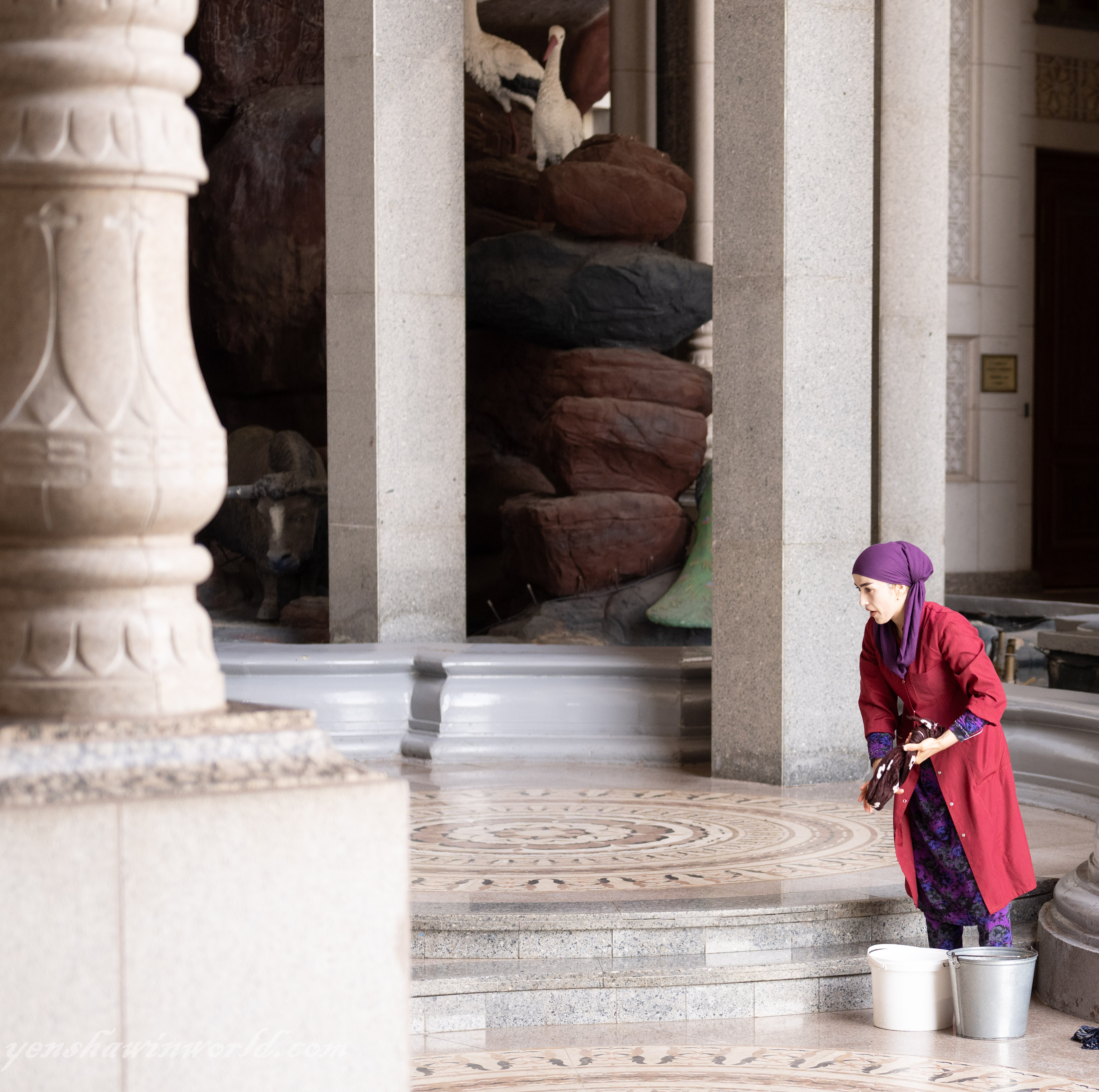
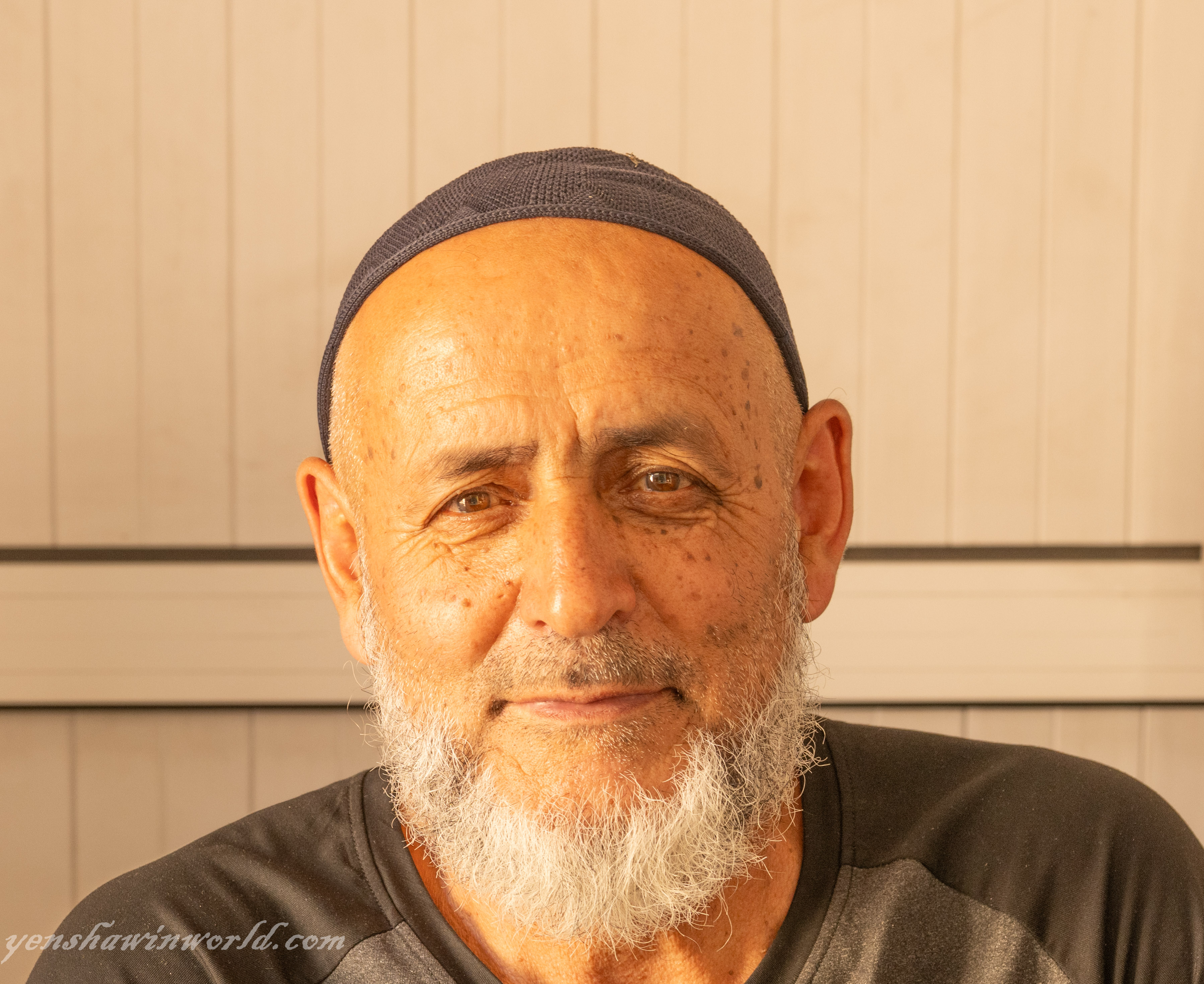
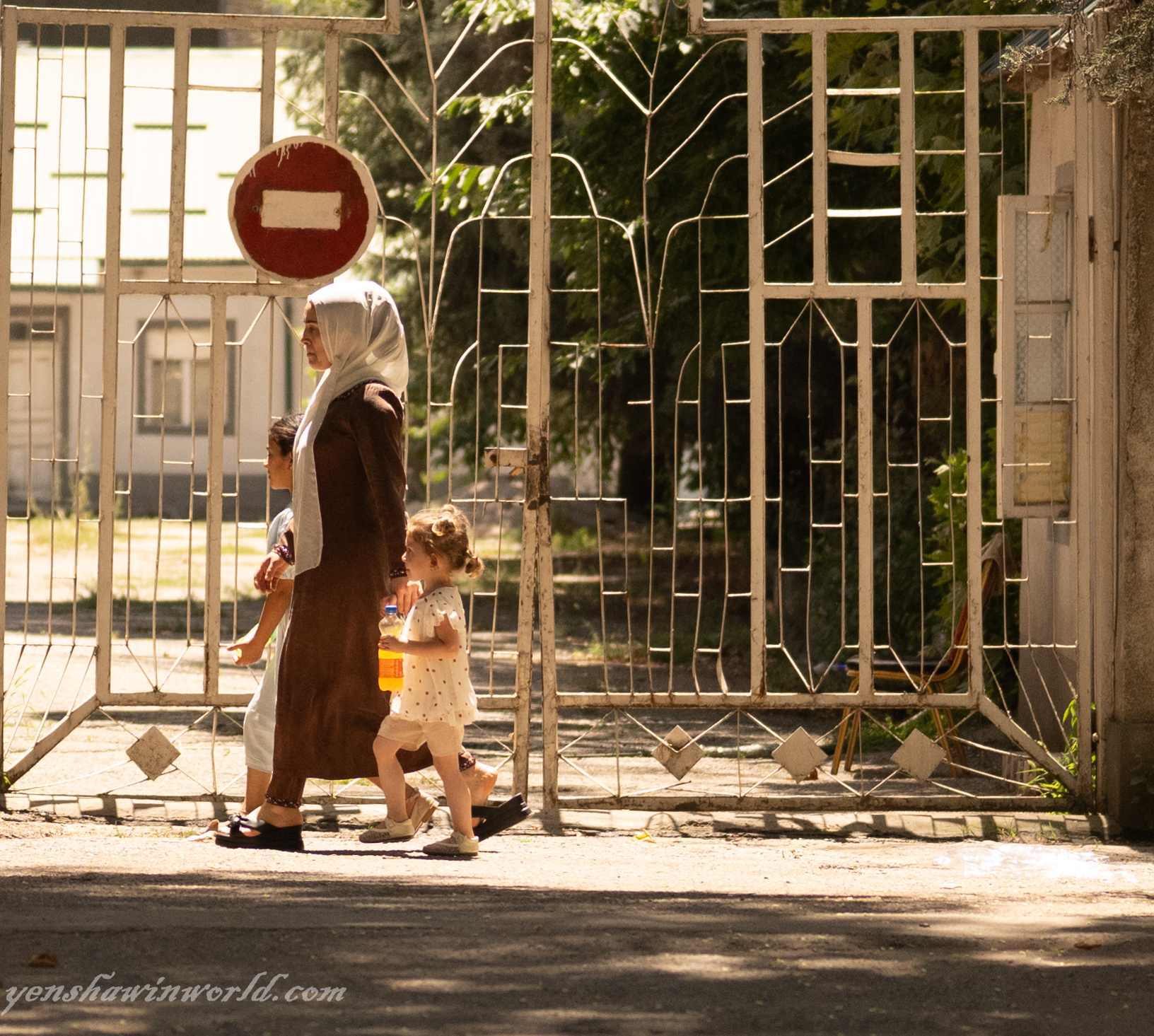
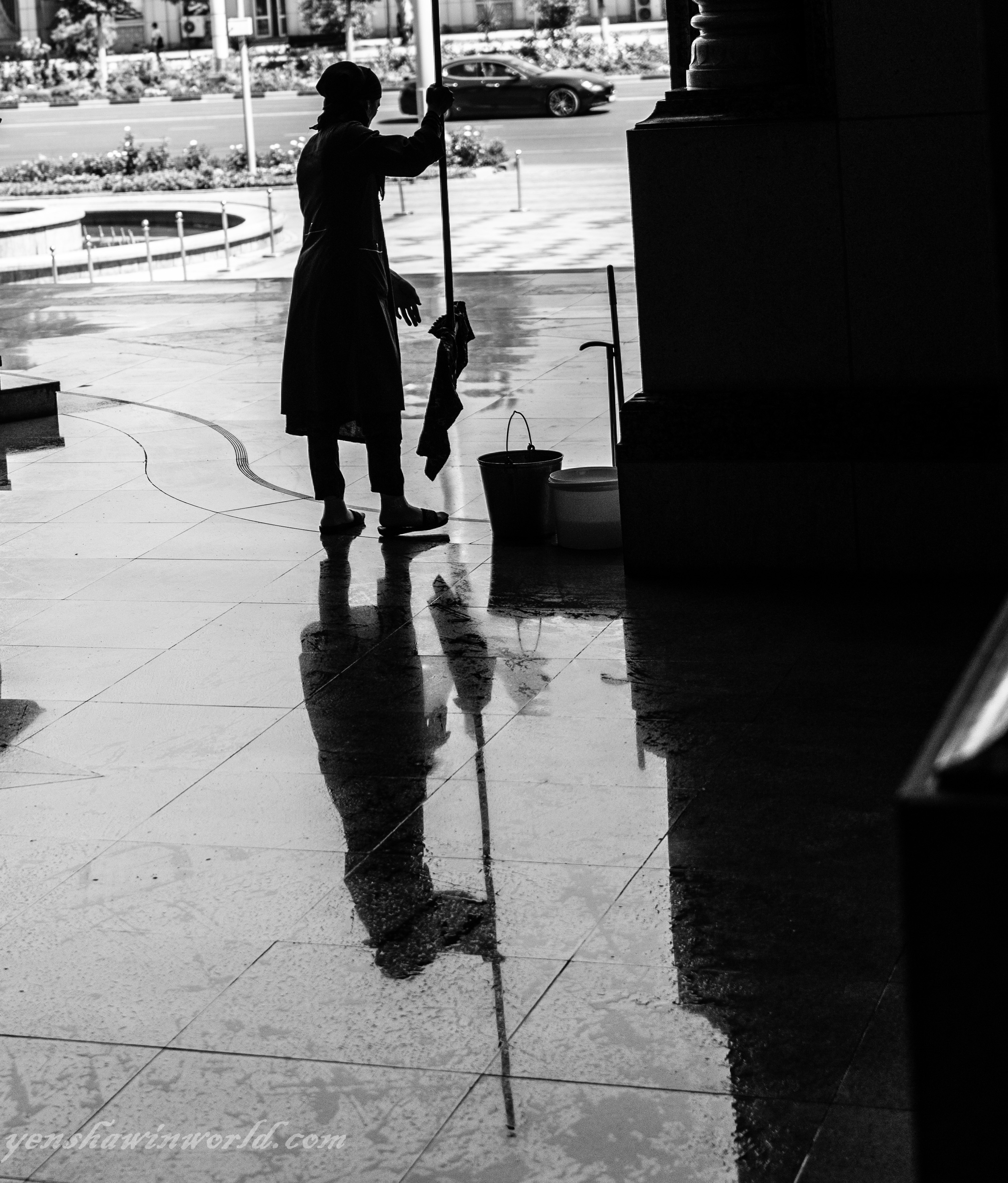
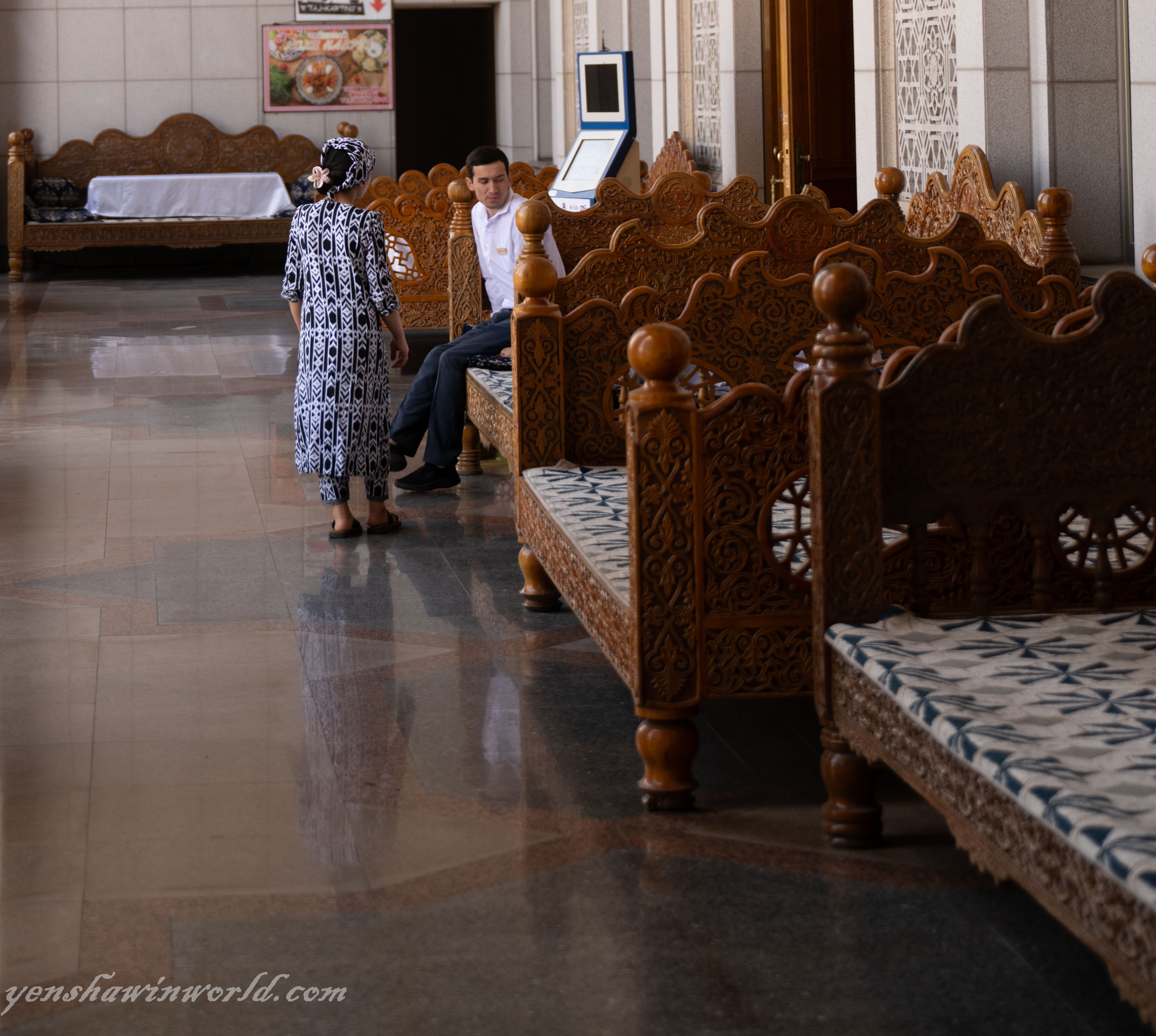
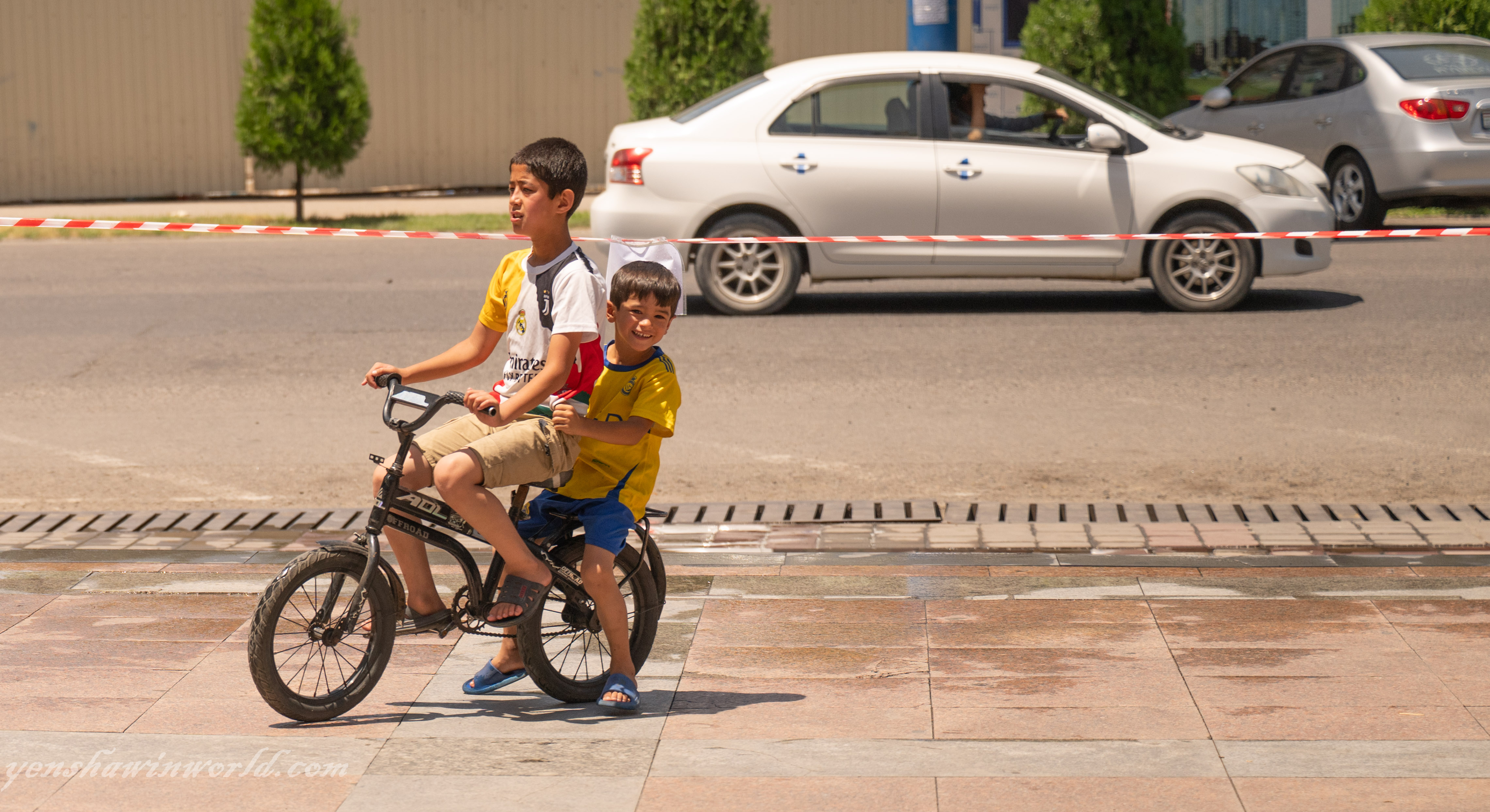
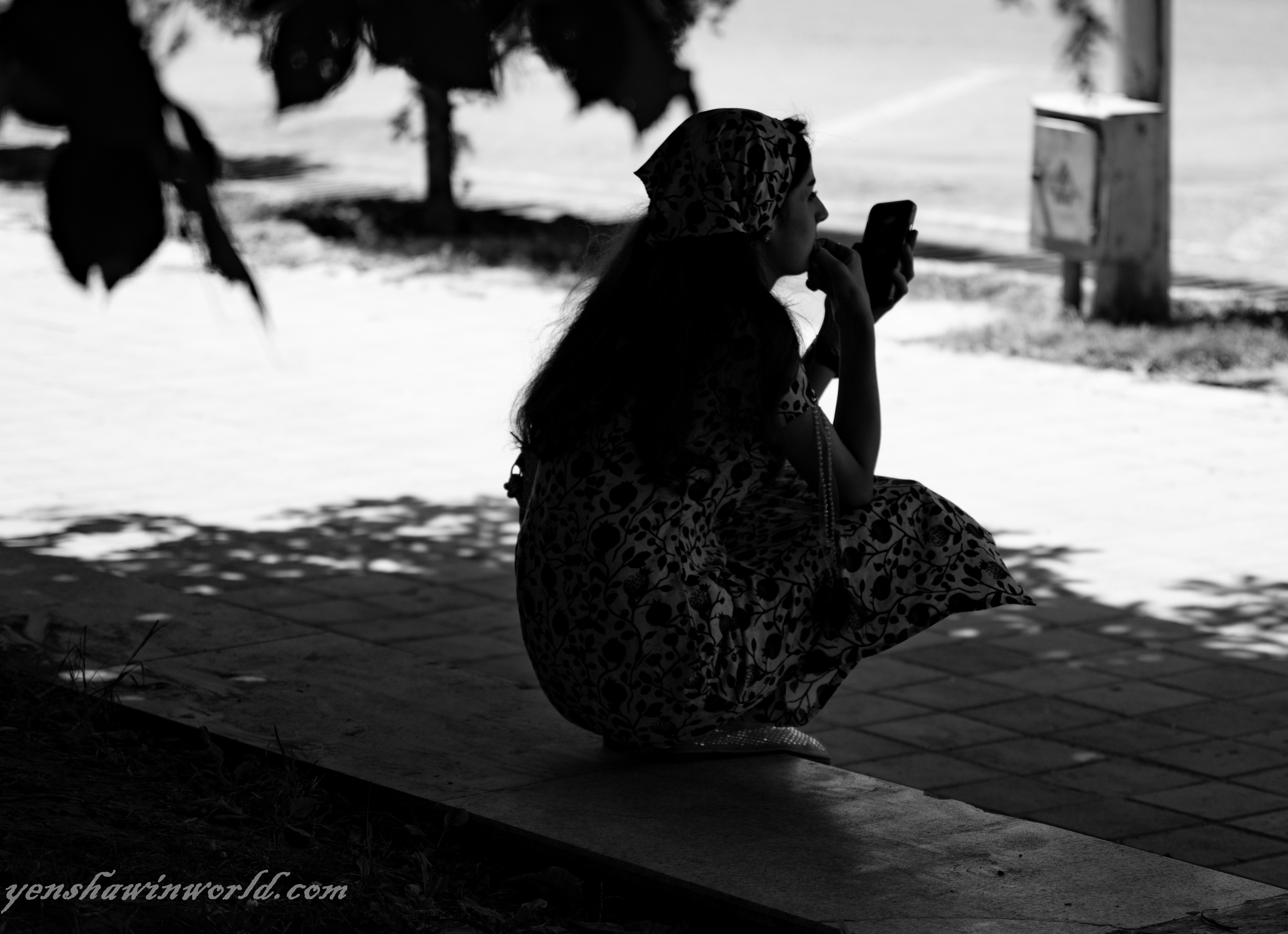
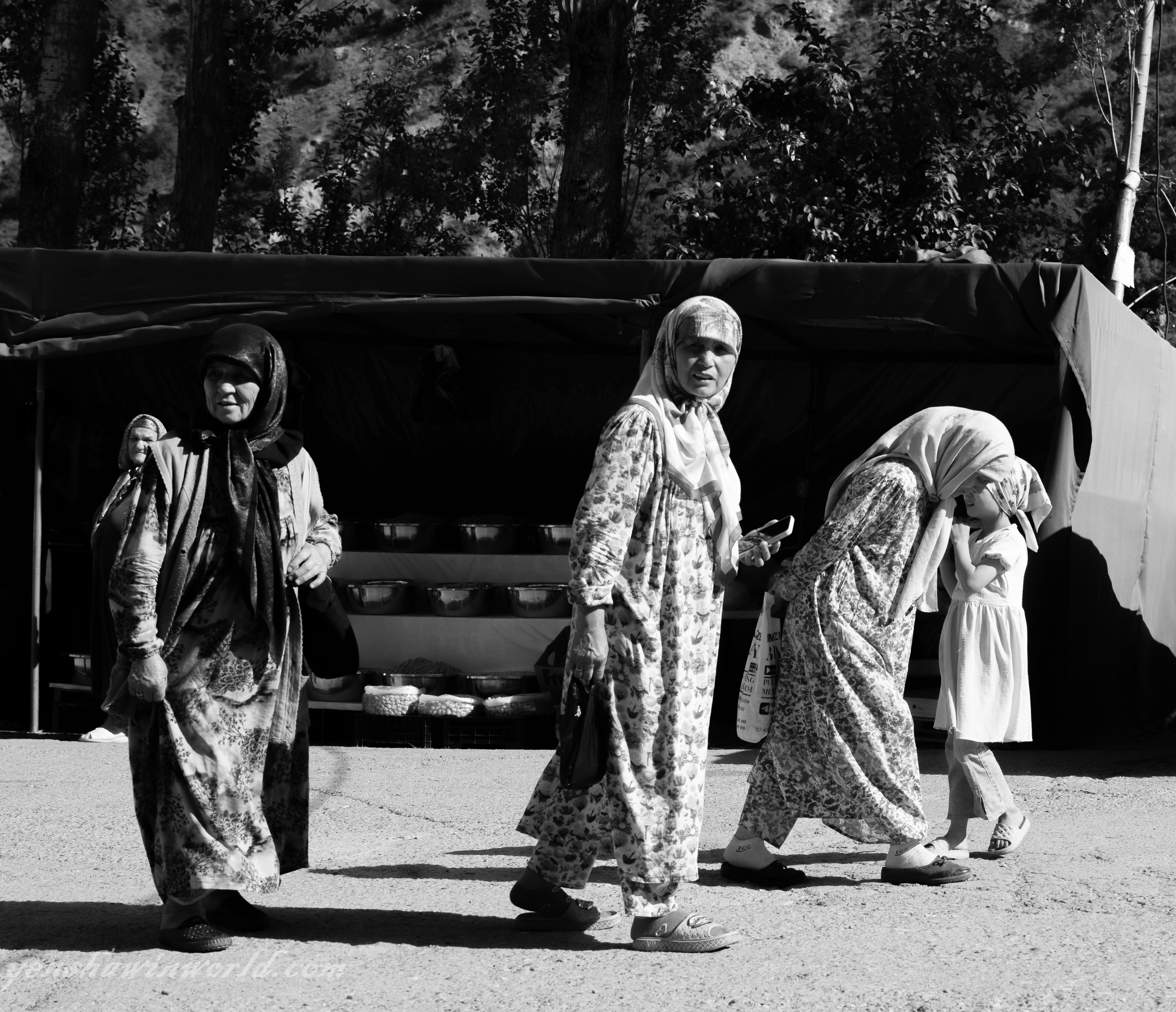
Walking around the next day for a city tour was the absolute highlight of this city as it is extremely clean with a lot of statues and interesting buildings. The sun was in perfect position pretty much the whole day. Seeing people in this city go about working or doing their own thing was the highlight of my day.
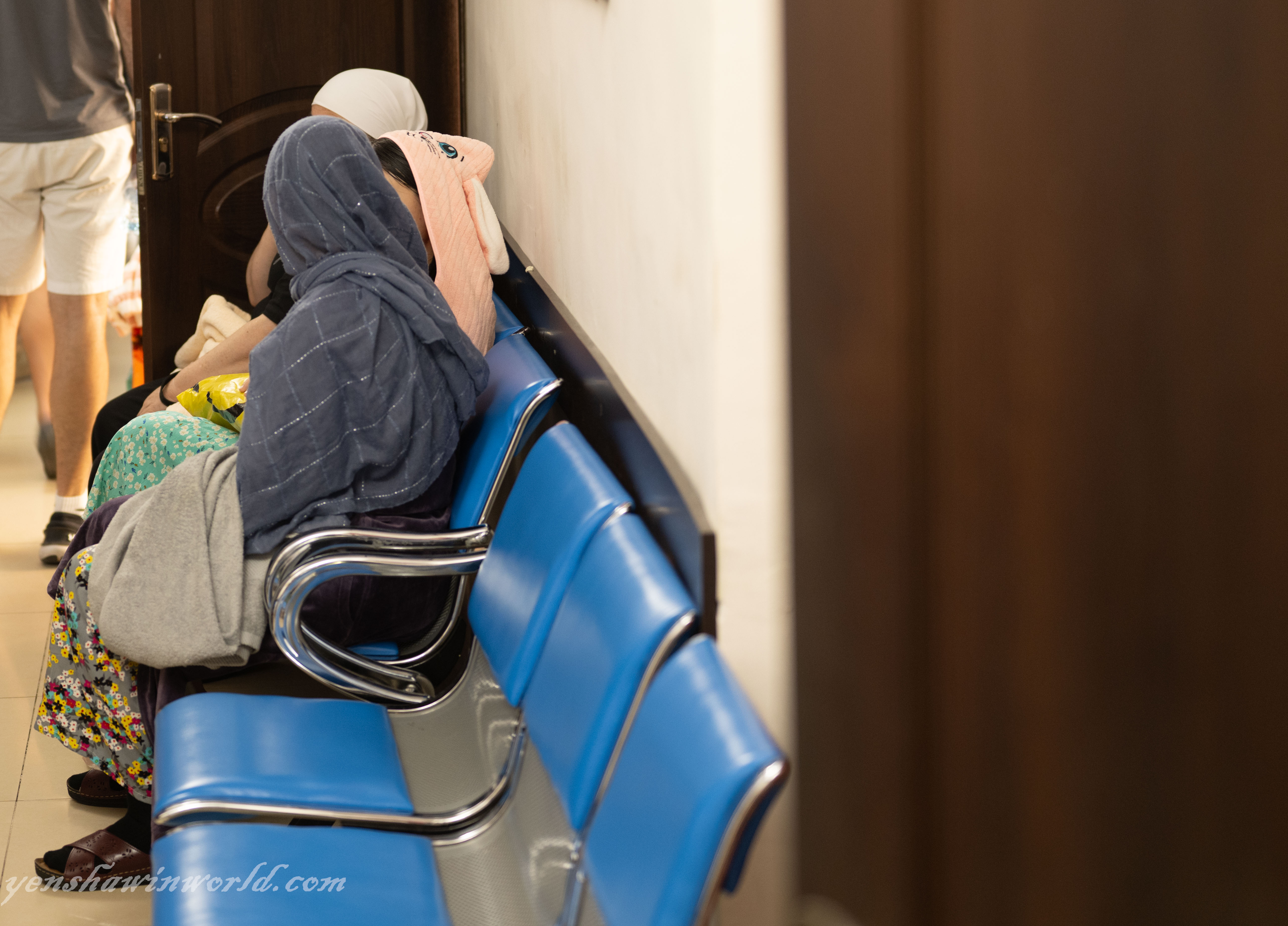
Leaving Dushanbe, we headed to one of the most interesting parts of this trip and that was a to the Khoja Obi Garm Sanatorium. Opened in 1934 and expanded with massive Soviet concrete buildings in the 1970s–80s, it was damaged during Tajikistan’s 1990s civil war before being renovated. Today, it is famous for its radioactive radon hot springs, offering budget-friendly spa packages—including radon baths, mud wraps, and massages—to treat joint, nerve, and circulation issues. This was a busy sanatorium which is still used by locals and it was extremely packed upon arrival.
The next night I stayed in perhaps the most interesting accommodation which looked like to be an old town with people still living there, however it showed signs of neglect with old outside elevators as well as dilapidated buildings that were started and never finished. The most interesting part of this was a nightclub built around a waterfall that had absolutely no people there before we arrived, but was blasting music around a small pond.
Leaving this interesting old hotel, we headed north to the city of Khujand. This was probably one of the most beautiful parts of the trip as we went through the mountains once more and were able to see the different landscapes as again it would go from desert to green in no time and then back to desert.
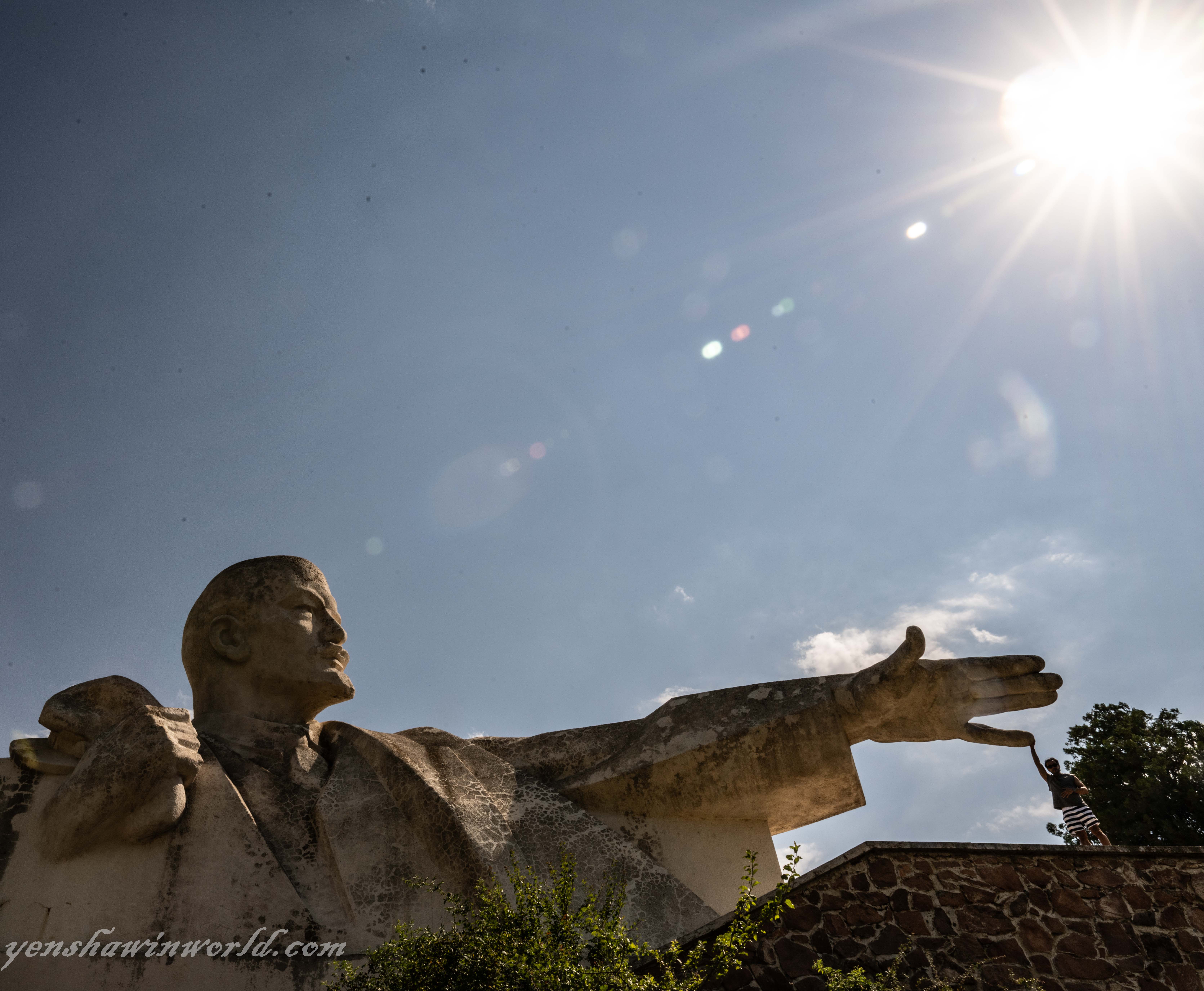
The highlight of this was the Bust of Lenin sits on a hillside just south of Istaravshan in northern Tajikistan, overlooking the Kattasay Reservoir. Built in 1965 to commemorate the opening of the Kattasay Reservoir, the massive, 20-meter-wide concrete Bust of Lenin sits on a hillside in northern Tajikistan. Originally erected as a symbol of Soviet engineering and irrigation progress, its immense scale and isolated location spared it from the post-1991 removal of Soviet statues, making it one of the largest surviving Lenin monuments in Central Asia.
This whole journey culminated in the second biggest city of Khujand which sits pretty close to the Uzbekistan border in the north. Set along the banks of the Syr Darya River at the mouth of the fertile Fergana Valley, it is one of the oldest cities in Central Asia, blending over 2,500 years of Silk Road history with Soviet-era architecture and lively modern Tajik culture. It was formerly called Leninabad during Communist times but it was changed back after independence.
A tour city and walk through the streets I saw the Islamic blend with old Soviet architecture. With so many statues in this city, it made for an interesting photography experience.
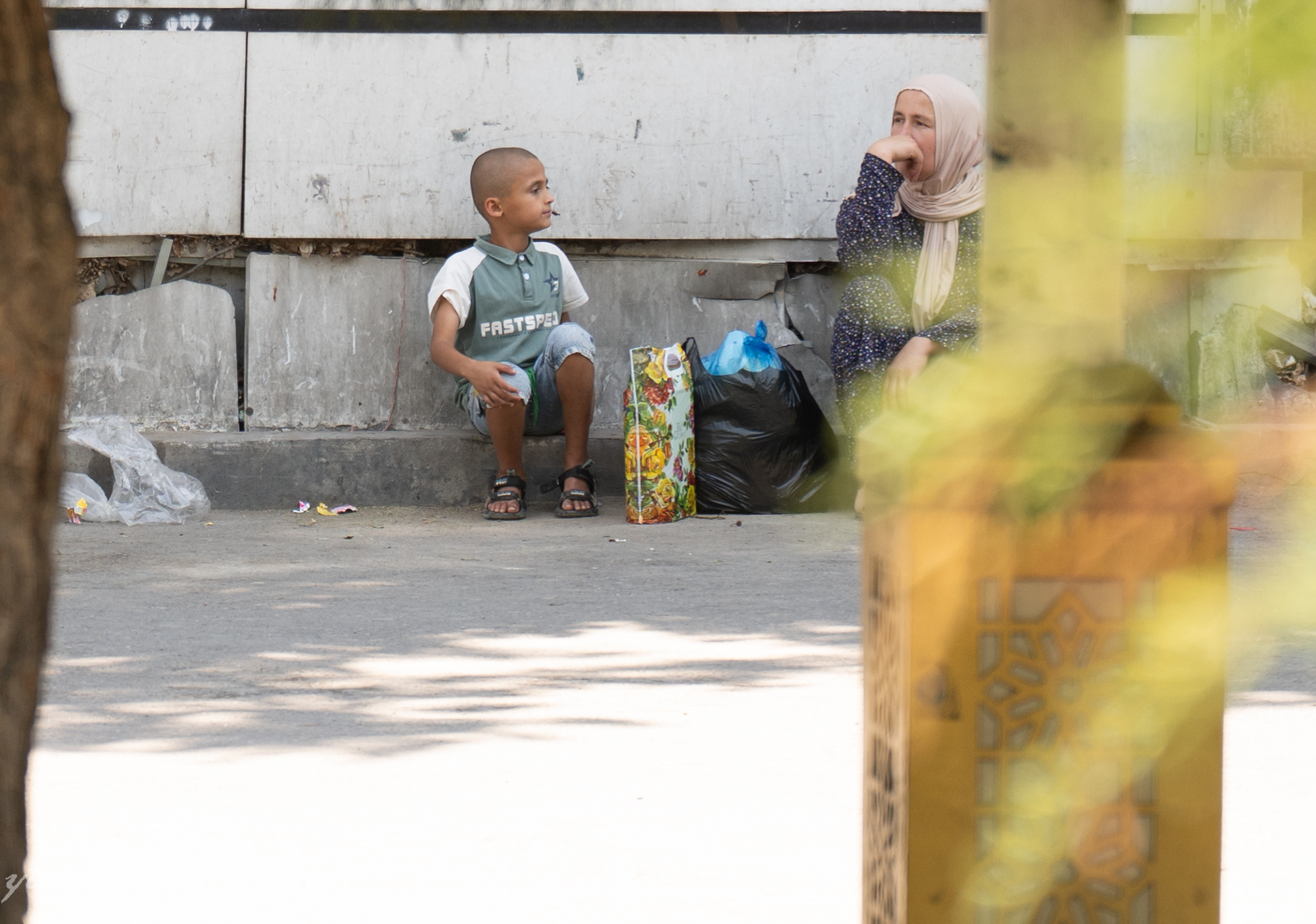
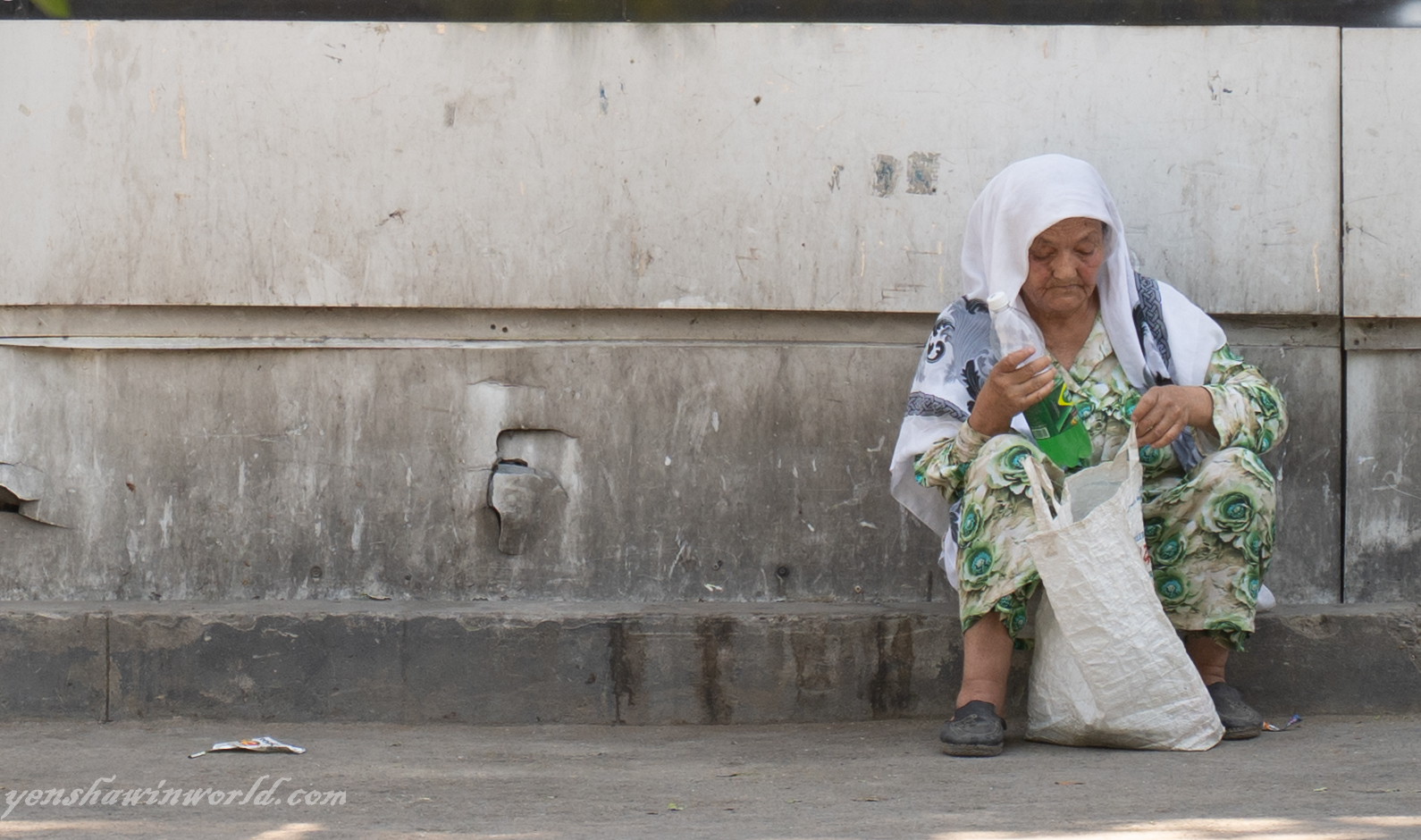
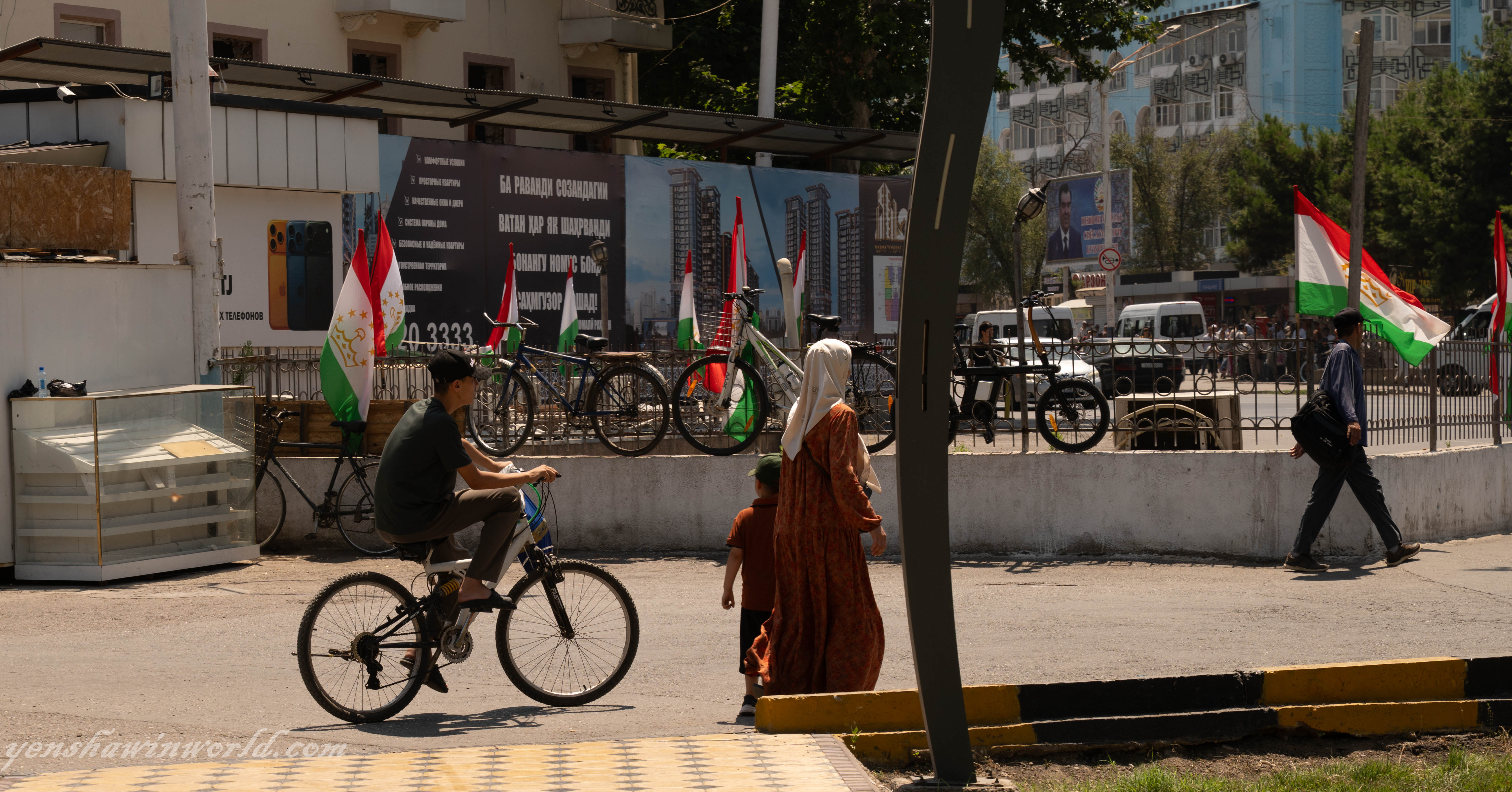
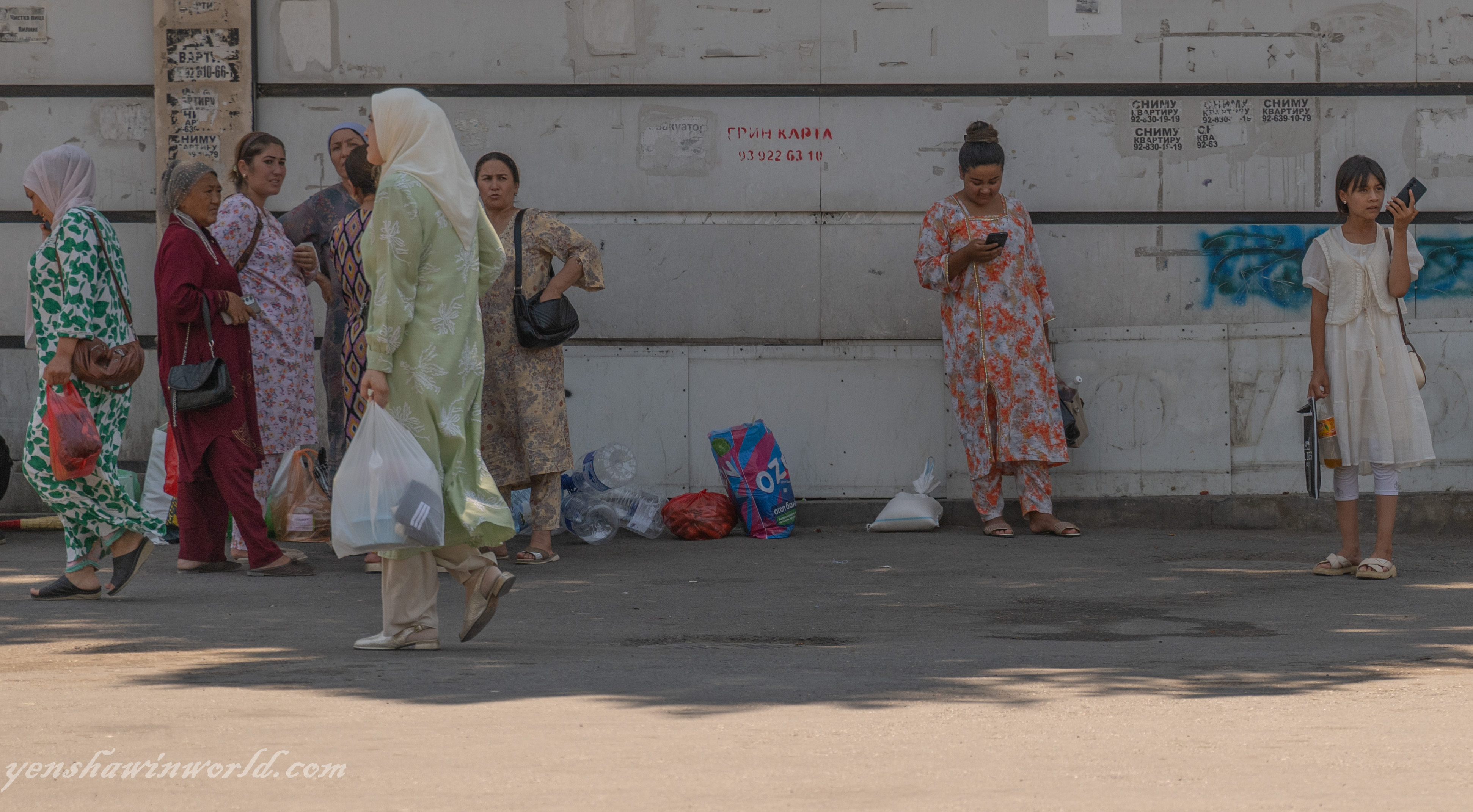
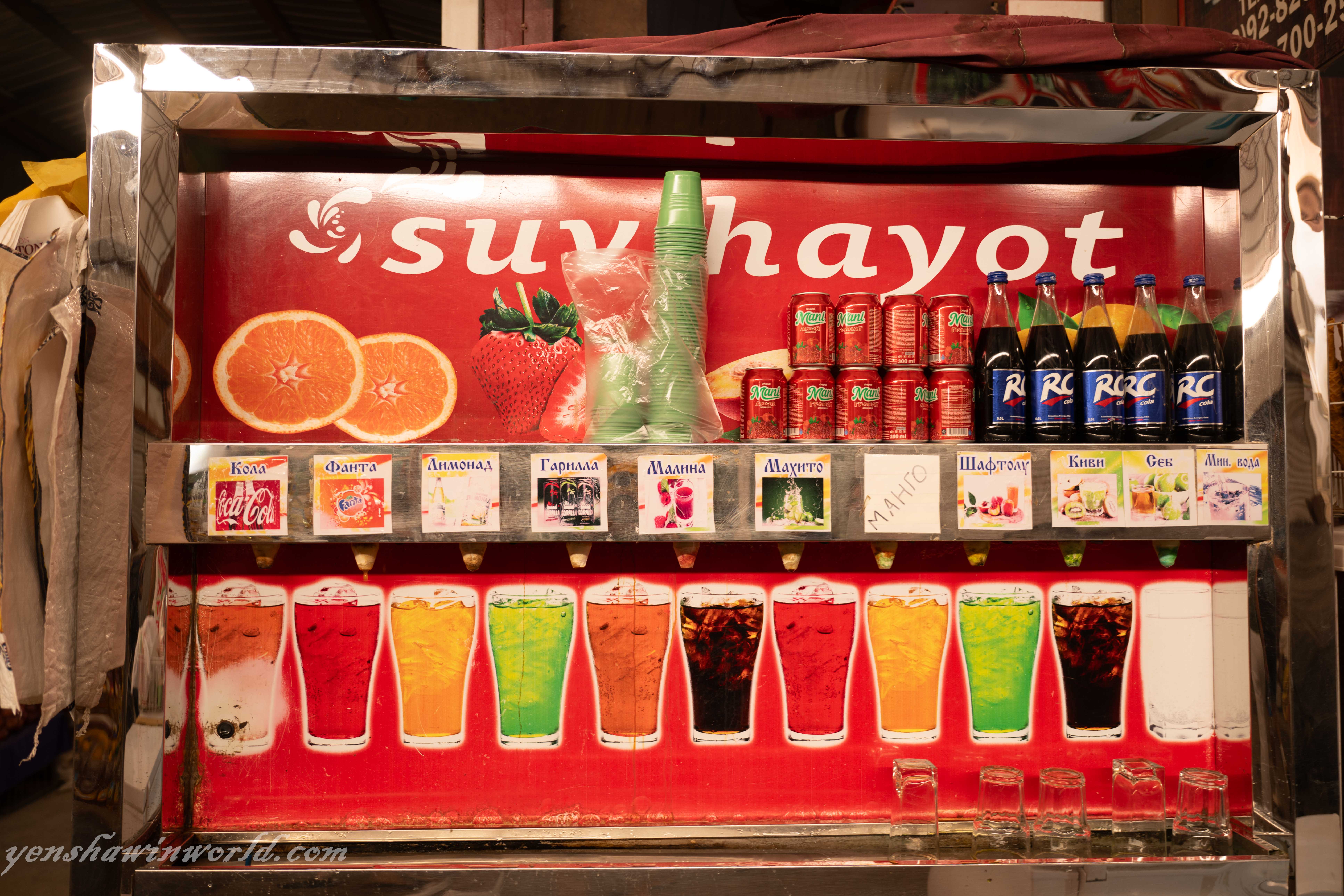
Of course the highlight of this city was the market as it was a maze of never ending stalls with people selling just about everything imaginable. This made for some great shots to end my time in Tajikistan.
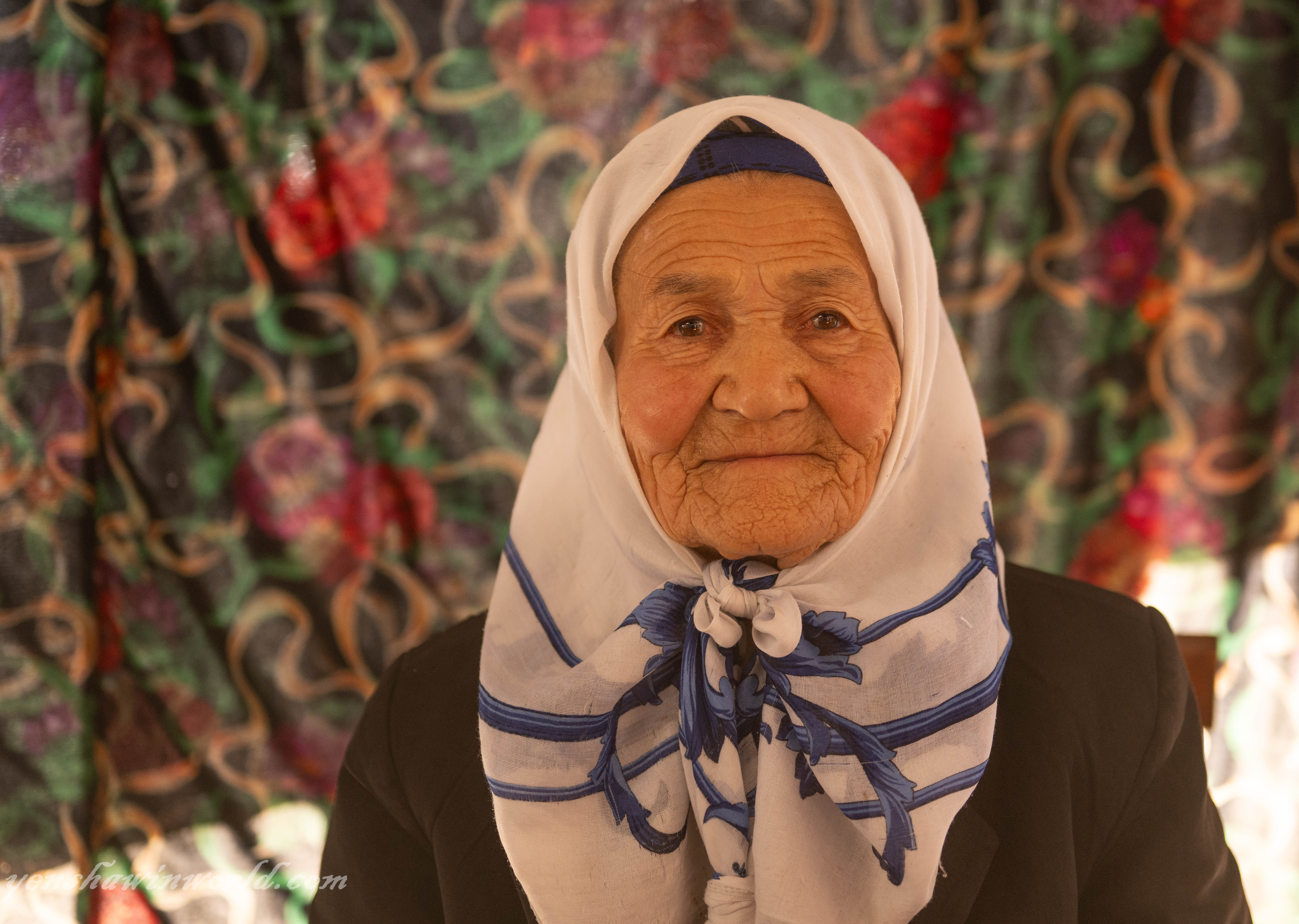
I would love to visit this country again to explore the other parts of it. It was a beautiful place and the people were lovely. I also would like to explore the Pamir Mountain region which is some of the most beautiful scenery seen in Central Asia or so I have been told.