
A beautiful country in the center of the Silk Road
Crossing the land border with Turkmenistan was a little bit of a nightmare with people crowding in the checkpoints and having to jump on three different vehicles between to get to the next checkpoint proved to be a difficult but fun border crossing.
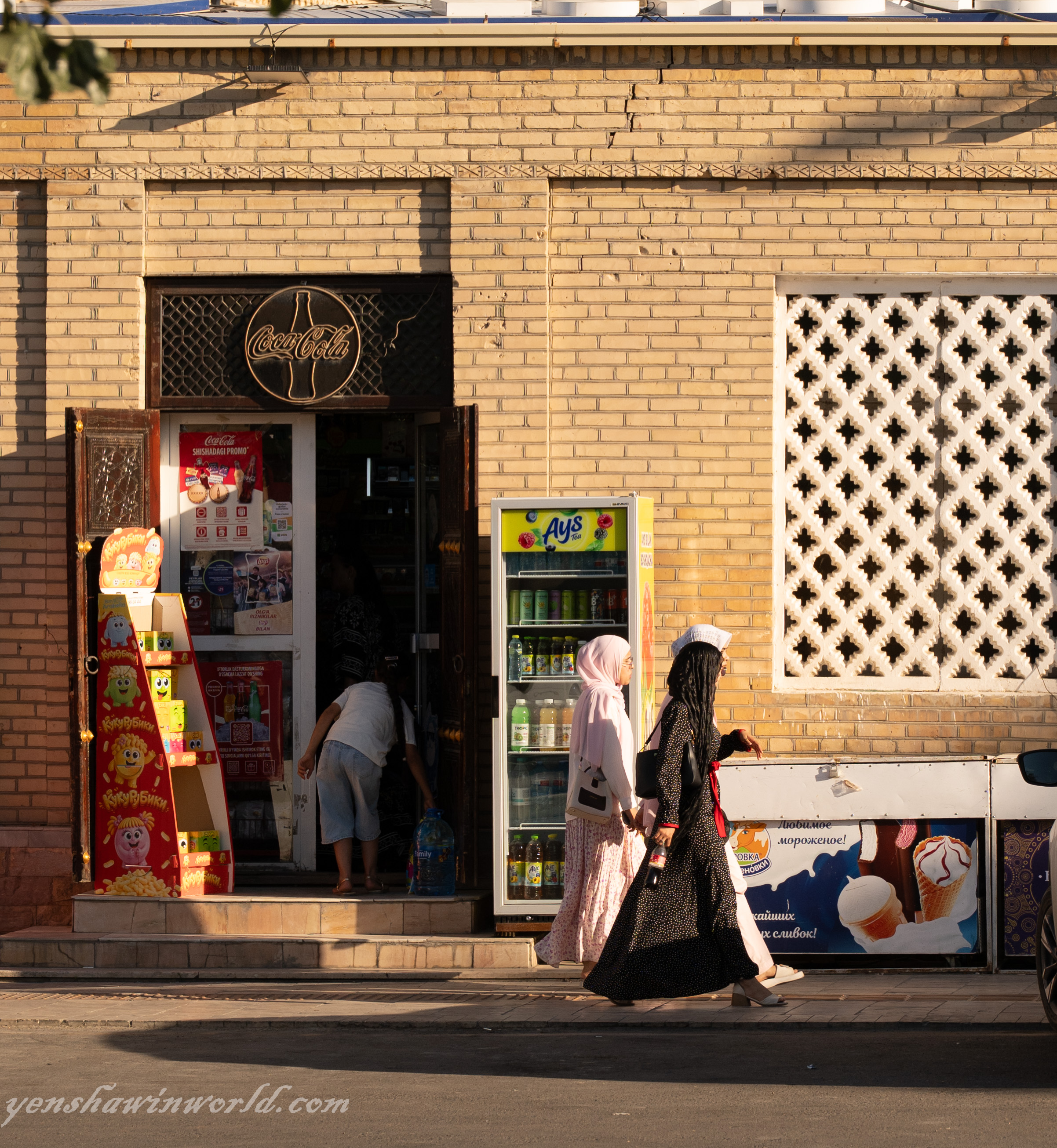
First stop was Bukhara which is a historic Silk Road City with over 2,000 years of history and a UNESCO World Heritage-listed old town. Its combination of Islamic Architecture side by side with modern dwellings made this city extremely attractive. With only roughly 300,000 residents, the city did not feel overly crazy and people went on about their daily lives while groups walked around admiring the city. I would like to spend more time here as the photography was amazing.
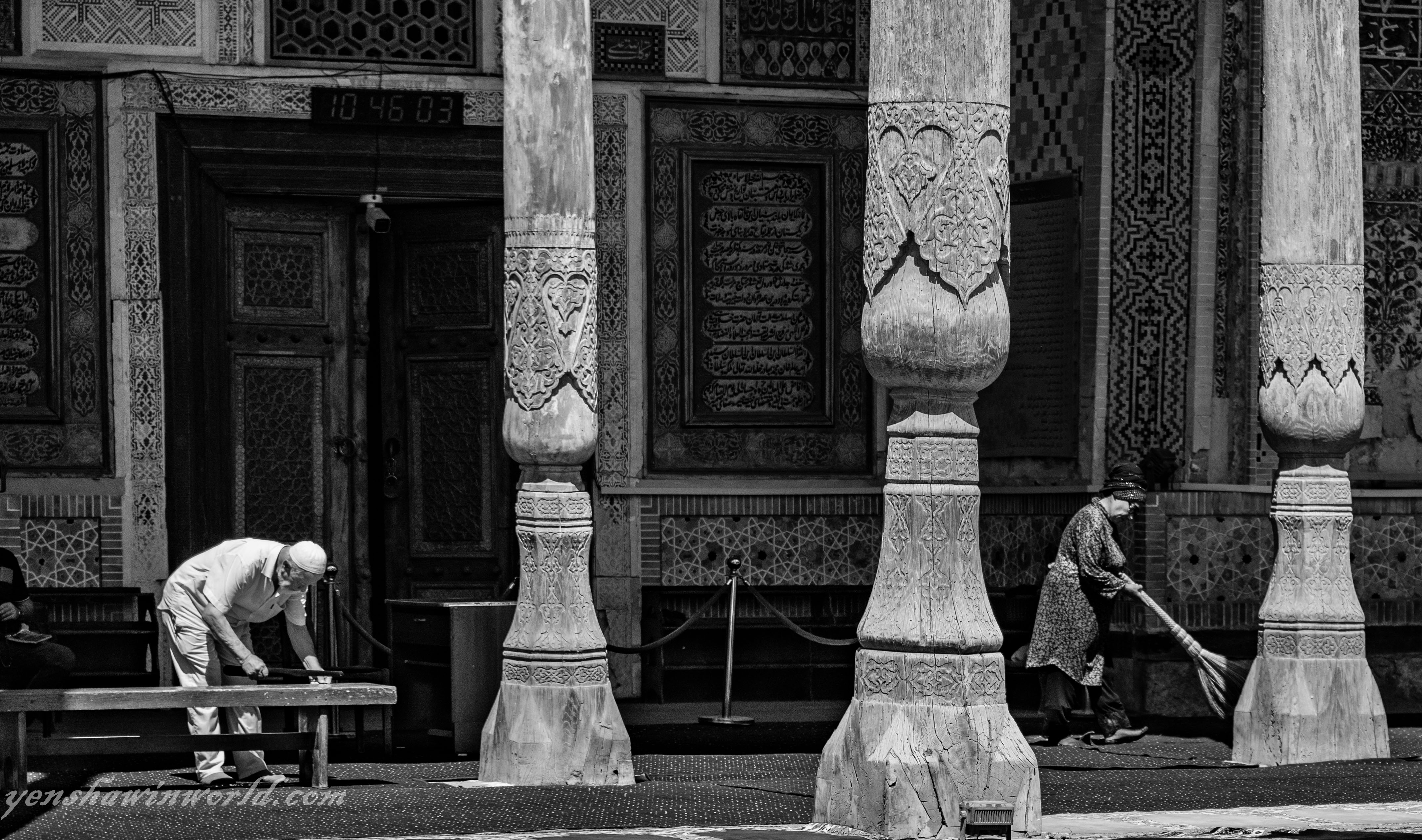
After a few hour train ride, the next city was Samarkand which is a historic city in southeastern Uzbekistan and one of Central Asia’s oldest continuously inhabited cities, known as a major Silk Road crossroads and the former capital of Amir Timur’s empire. The photography was amazing here as there were so many sites you see, that you probably need at least a few days to look at everything.
Some of the highlights to see here but not limited are Siyob Bazaar, Registan Square, Shah-i-Zinda Necropolis, Gur-e-Amir Mausoleum, Bibi-Khanym Mosque, and the Tomb of Daniel (long story behind that one), are all places to see.
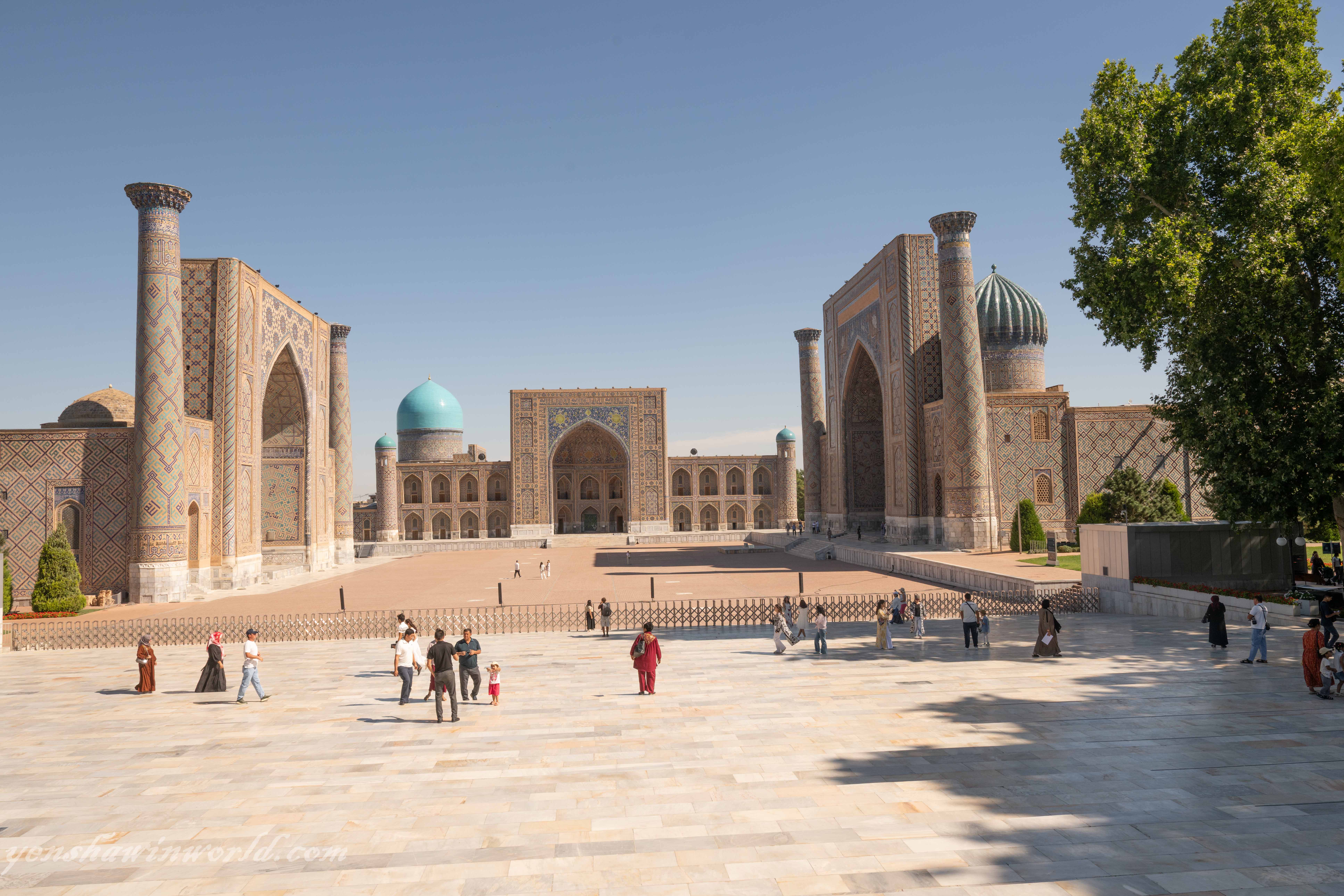
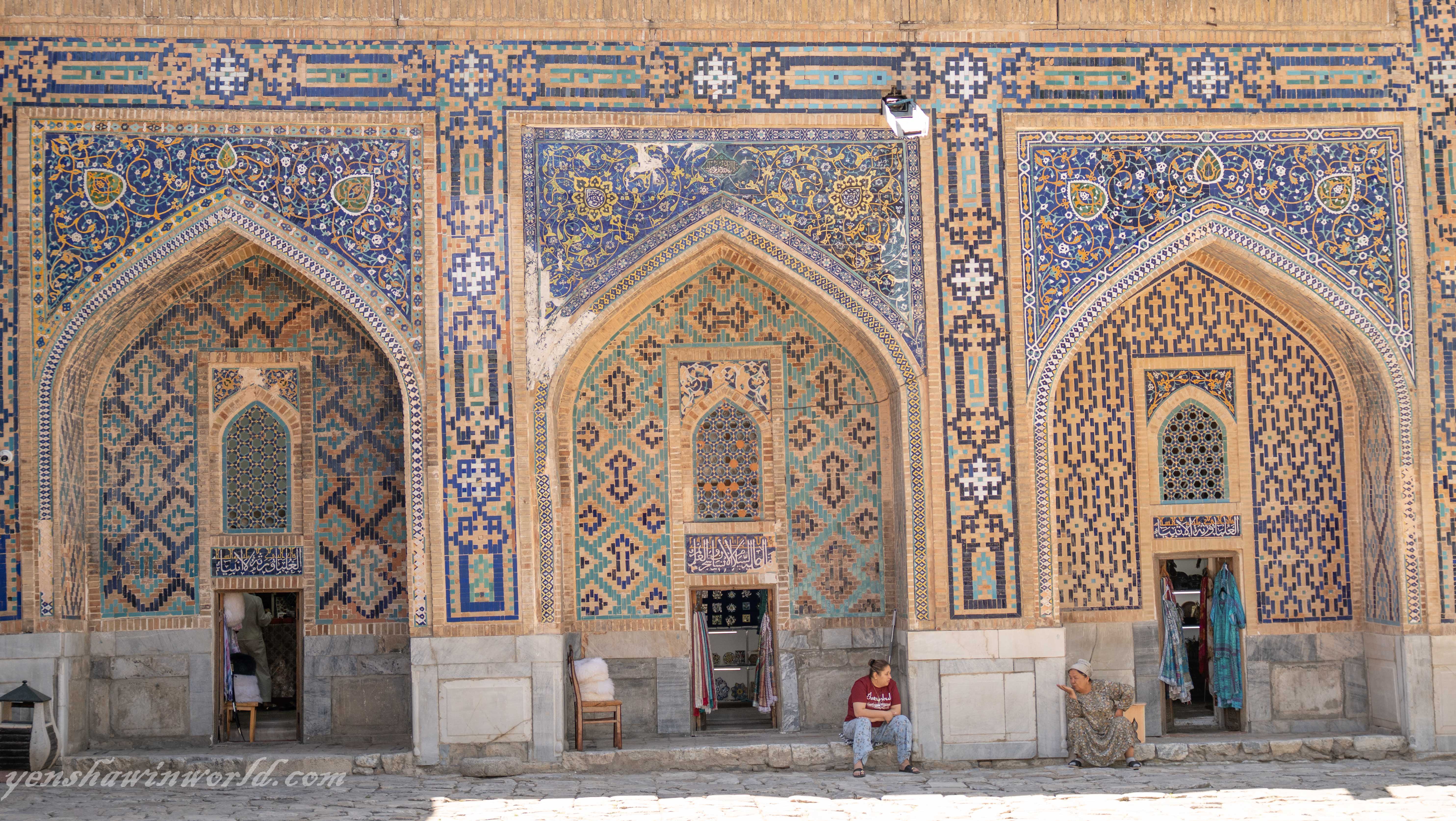
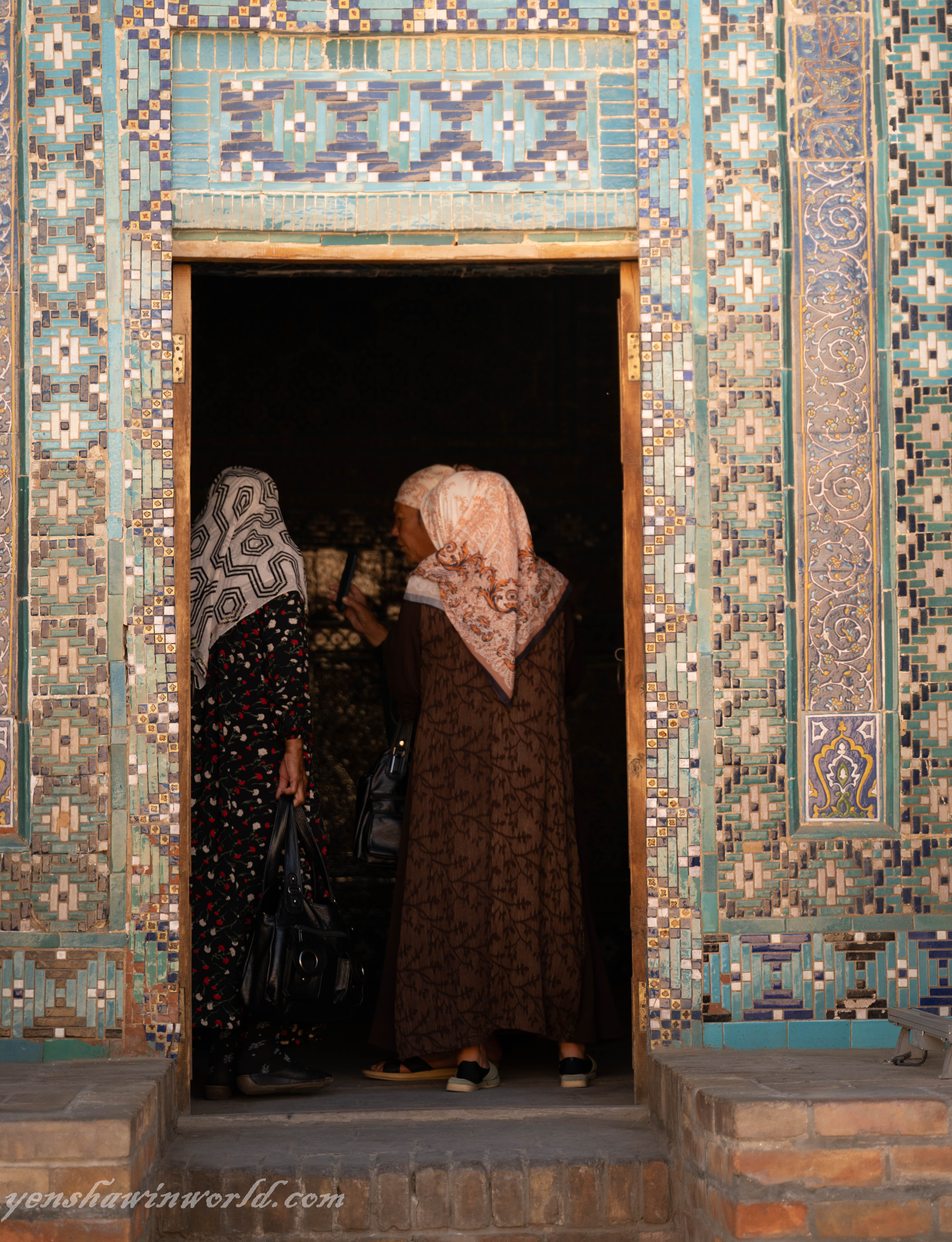
After Samarkand, there was a detour to go into Tajikistan for some days over the much easier land border. When I entered back to Uzbekistan it was an easy ride to the capital city of Tashkent which may have to be one of my favorite cities I have been to.
Tashkent is the capital of Uzbekistan and the largest city in Central Asia, home to more than 3.1 million residents. Located in the Chirchiq River valley in northeastern Uzbekistan, the city has over 2,000 years of history as a Silk Road trading hub. Much of its modern layout and wide boulevards were shaped by Soviet-era reconstruction after a devastating earthquake in 1966. Tashkent blends historic landmarks like Chorsu Bazaar and the Khast Imam Complex with Soviet modernist architecture, an ornate metro system opened in 1977, and rapid contemporary development.
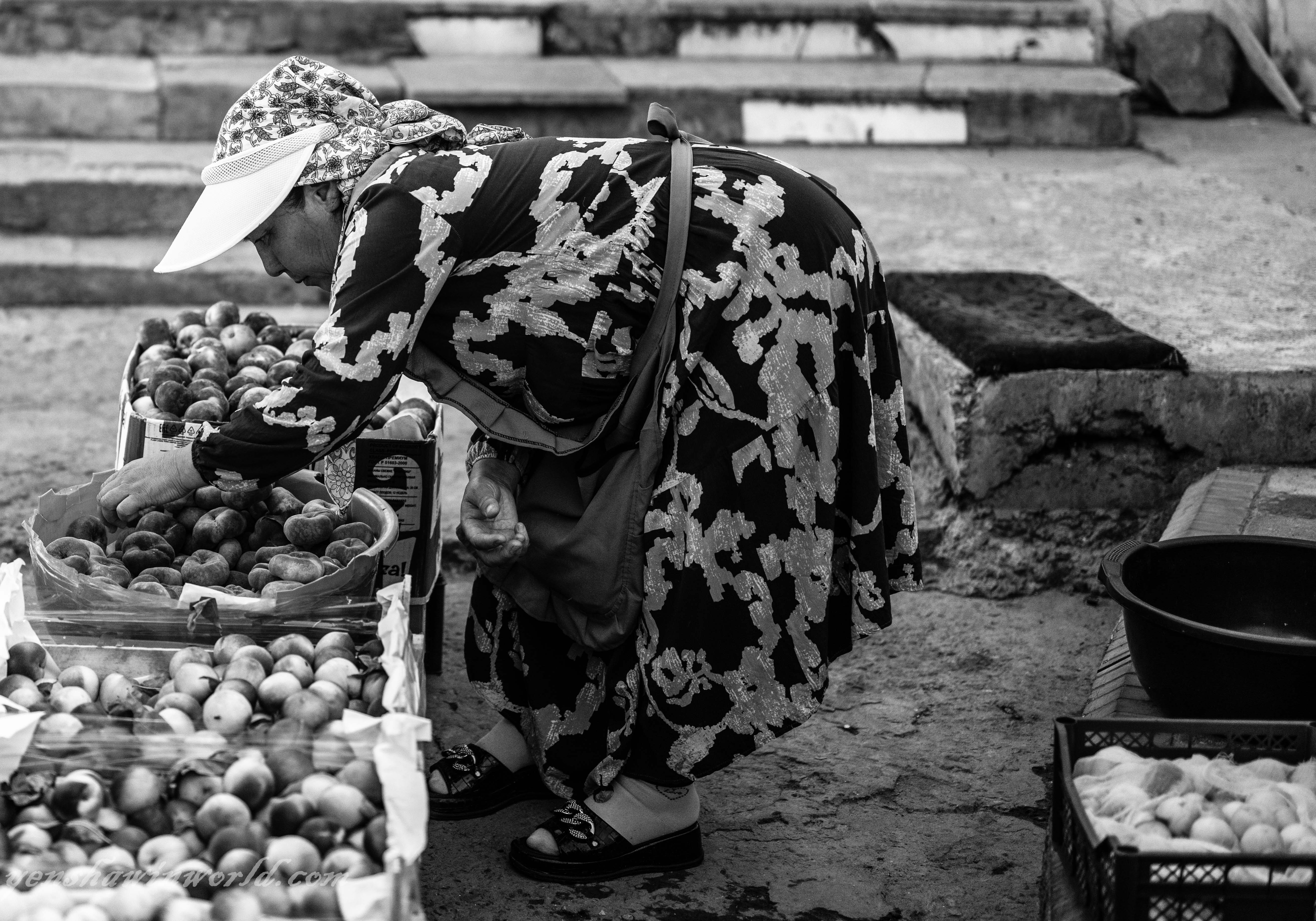
I thought the most interesting area that I saw was the Chorsu Market/Bazaar which is under a big dome with people from all walks of life selling their goods. I think there is everything here for sale as all you have to do is look. The people were extremely friendly here and the architecture was interesting as it was under a huge dome.
This is a city that has a very beautiful metro system with people moving around from station to station and some of the best art I have ever seen on a metro (reminiscent of the Moscow Metro). Each station has a different theme and it was probably the coolest (temperature wise) place in an otherwise hot city.
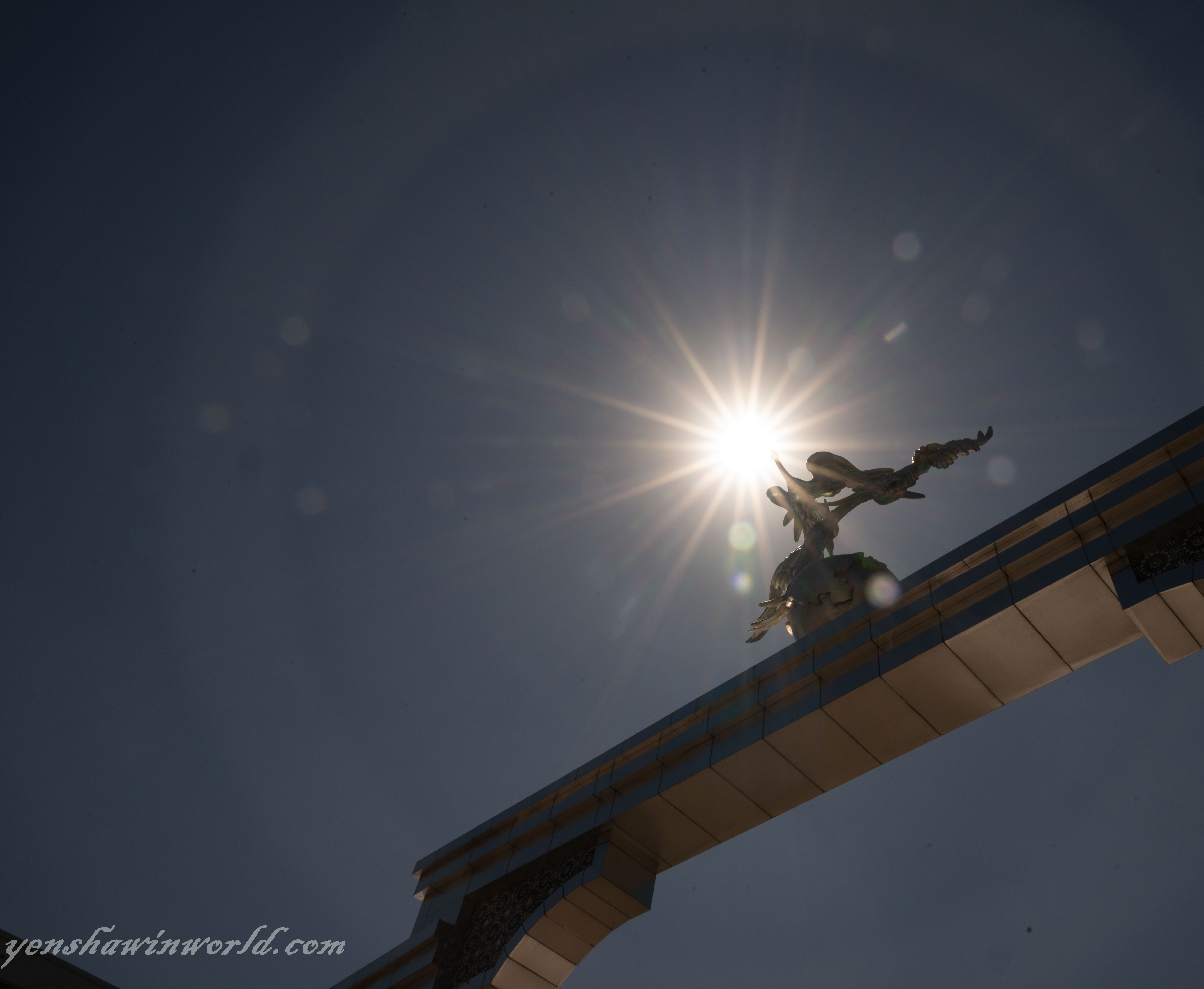
The rest of the day was magnificent albeit hot. Going to an open air museum of old soviet trains was definitely one of the highlights as was going to the television tower to see the whole of the city. A major highlight was a walk through the different parks with sculptures as well as a visit outside to the famous Hotel Uzbekistan which is a soviet era hotel. A highlight was seeing the national dish Plov being made in huge woks. This restaurant probably serves thousands of people daily and it was impressive of their system of cooking.
Leaving Tashkent on the long ride out in the lesser known parts of the country, we head to a monument out in the middle of no where. This is the Monument of the Fallen Soldiers which was surrounded by farmland. Designed in the 1980s, the monument features a circular ring of metallic figures—including soldiers with weapons and workers holding tools—mounted around a cluster of tall vertical pipes.
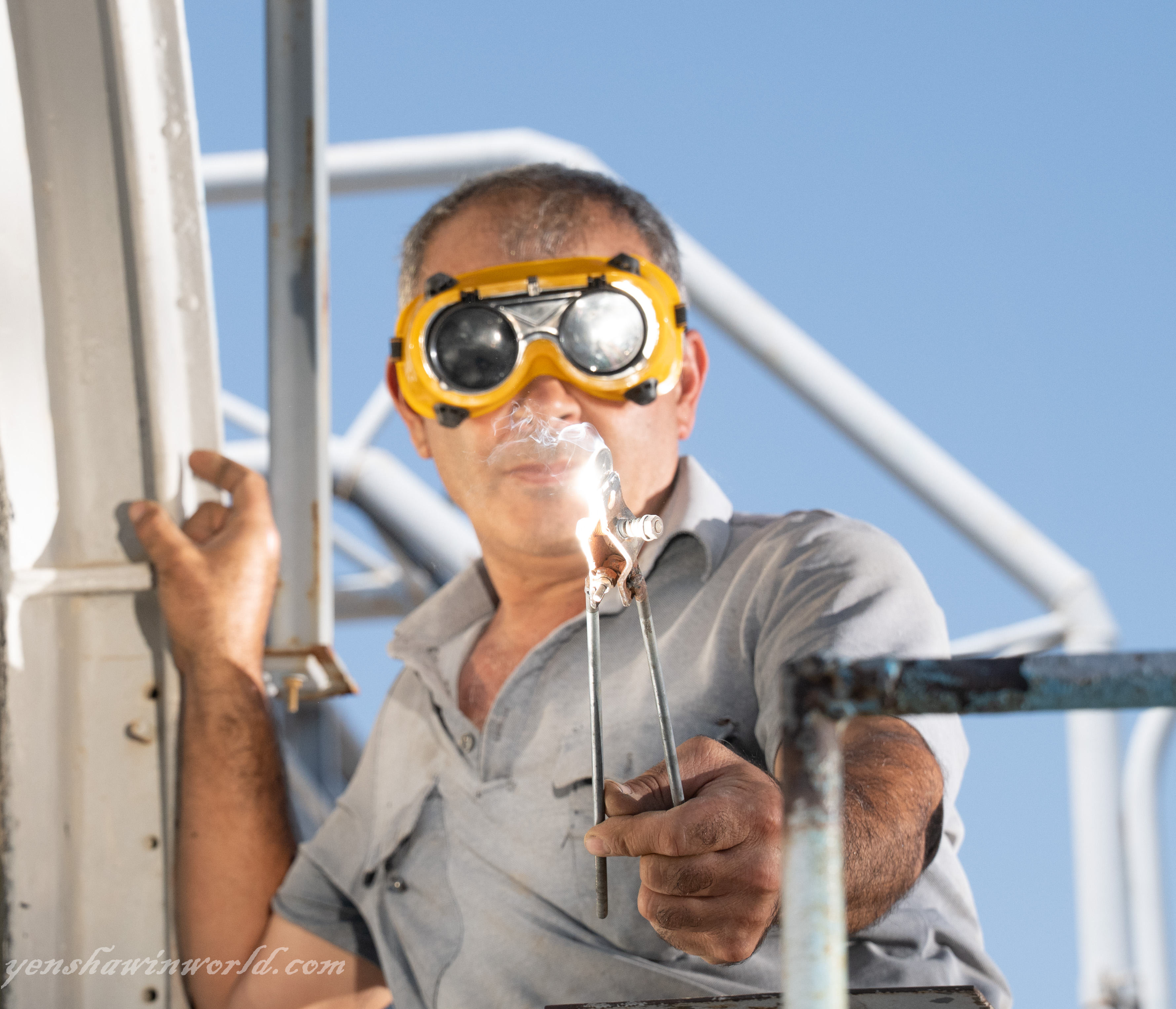
One of the highlights of this day was of course the soviet era solar furnace. The Solar Furnace of Uzbekistan ( is a massive Soviet-era solar research facility in Parkent. Built between 1981 and 1987, it is the largest facility of its kind in Asia and one of only two giant solar furnaces in the world, with the other being in France. The facility uses thousands of mirrors to concentrate sunlight, rapidly generating over 3,000°C of clean, smoke-free heat without burning fuel. This was built by the Soviet Union in a sunny, earthquake-resistant mountain area to secretly test spacecraft heat shields and military hardware.
The destination for the night was Yangiabad, which is a mountain town. This town is known as the Uzbek Alps as the surrounding area was beautiful and cool at night. Built in the late 1940s , it operated as a closed, Moscow-controlled town dedicated to uranium and silver mining. When the mines were exhausted in the 1980s, most residents left, leaving behind a small, largely retired population. The town features unique two- and three-story German-style houses constructed by ethnic Germans and post-WWII German prisoners of war, alongside decaying Soviet-era cultural palaces and empty apartment blocks. As of now this place will be a major destination for tourists and Uzbeks in the coming years.
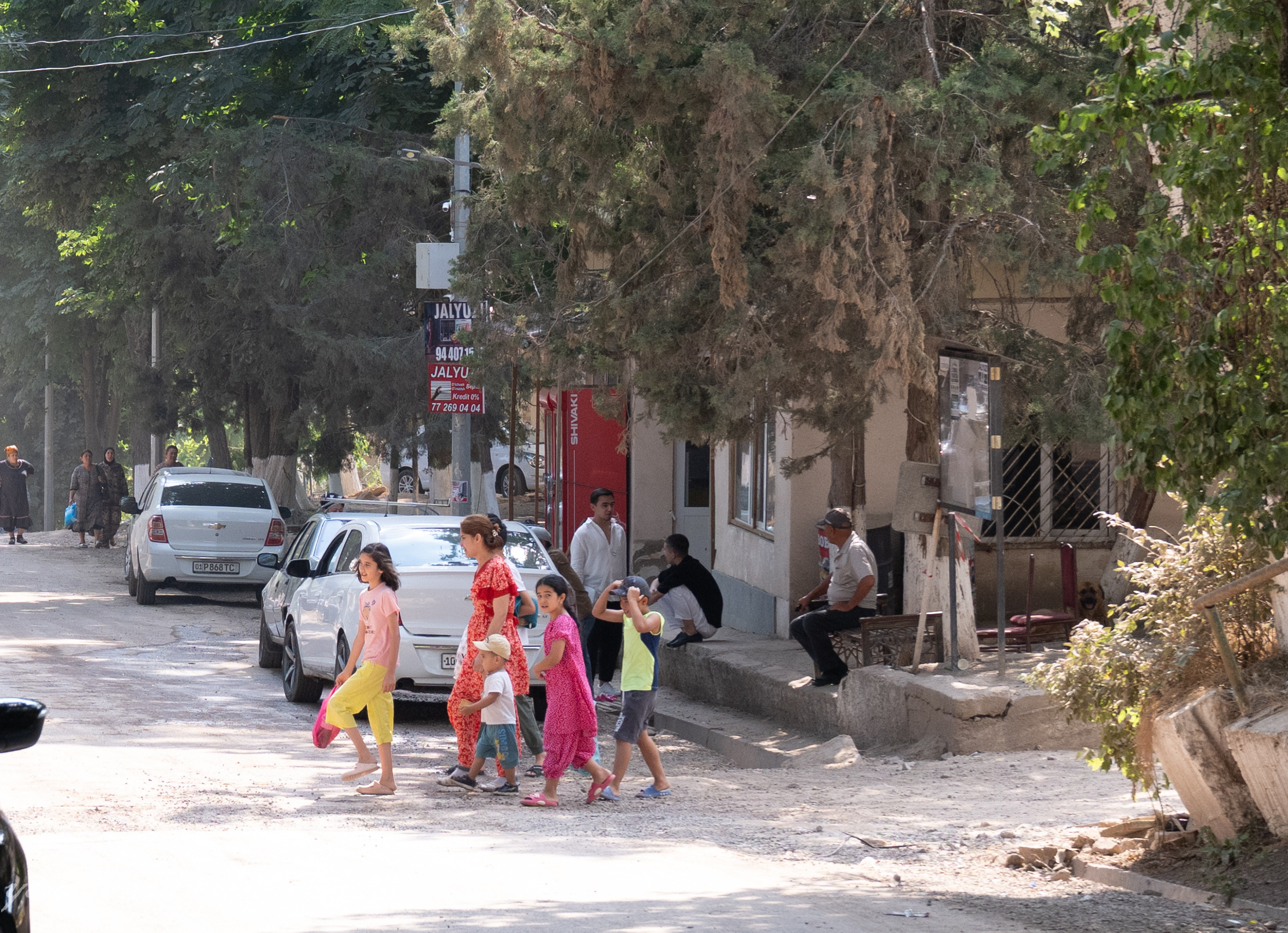
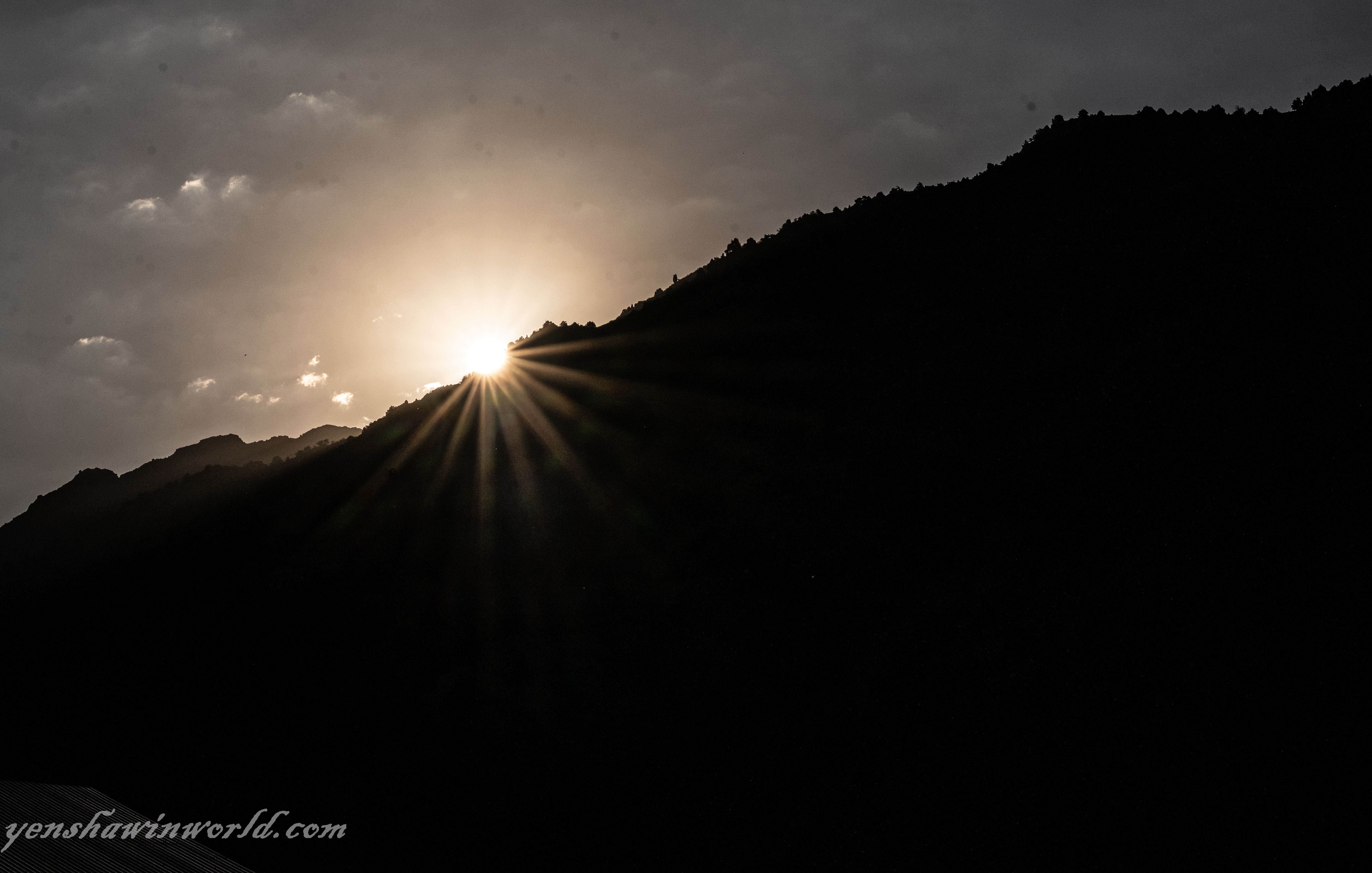
Leaving toward the border of Kyrgyzstan, was some of the most beautiful scenery on the trip. The mountains in this part of the country were beautiful and the few hour trip seemed like it took no time at all.
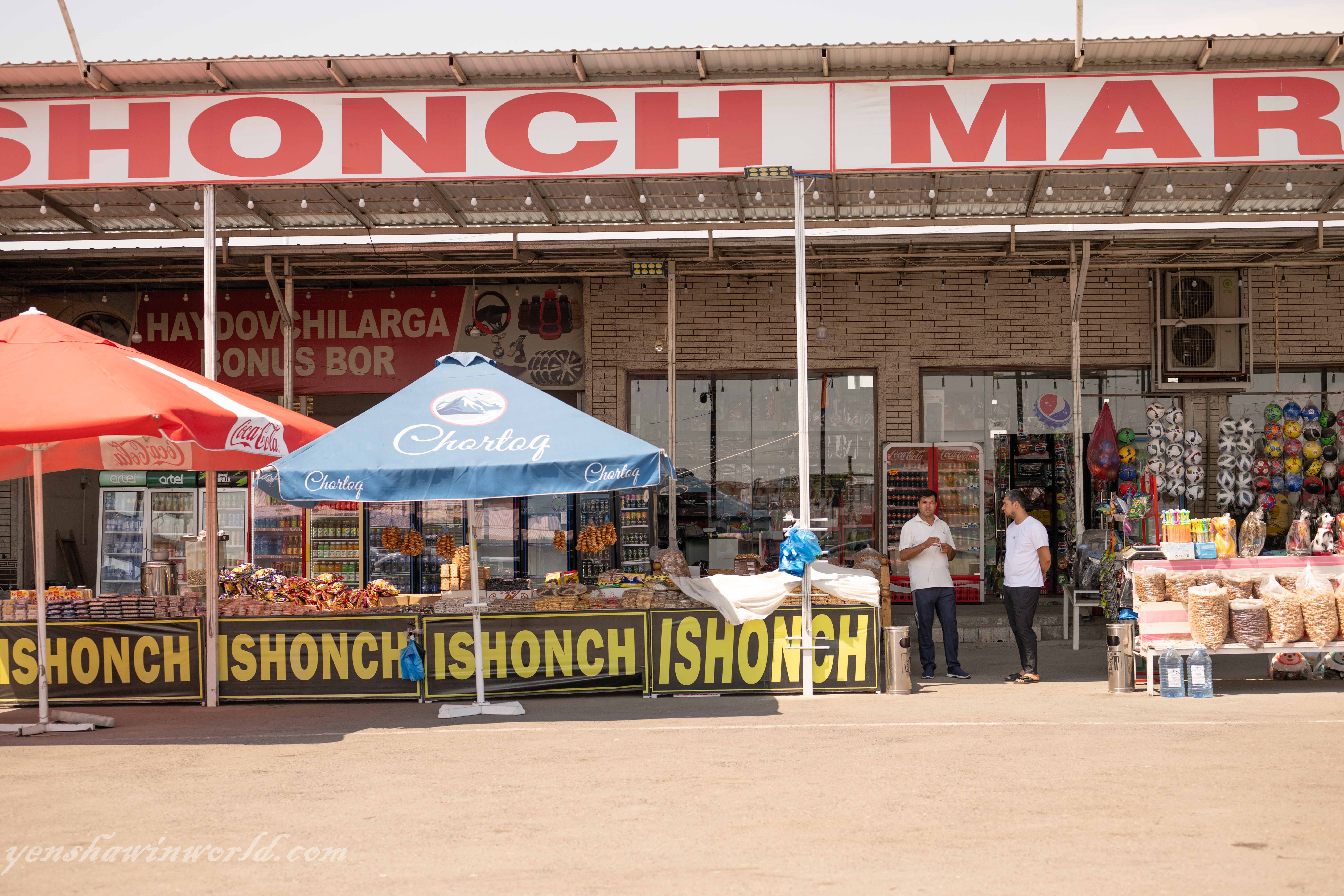
This country pretty much has it all. I will be going back in the near future in order to see some of the other parts of the country and how people live here, especially in the rural parts.