Guyana

The only English speaking country in South America is also the least visited, but has one of the most awe inspiring waterfalls in the world


Guyana which is bordered by Suriname to the east, Venezuela to the west, and Brazil to the south is the only predominantly speaking English country in South America. The country also has the least amount of tourists based on certain statistics in South America.




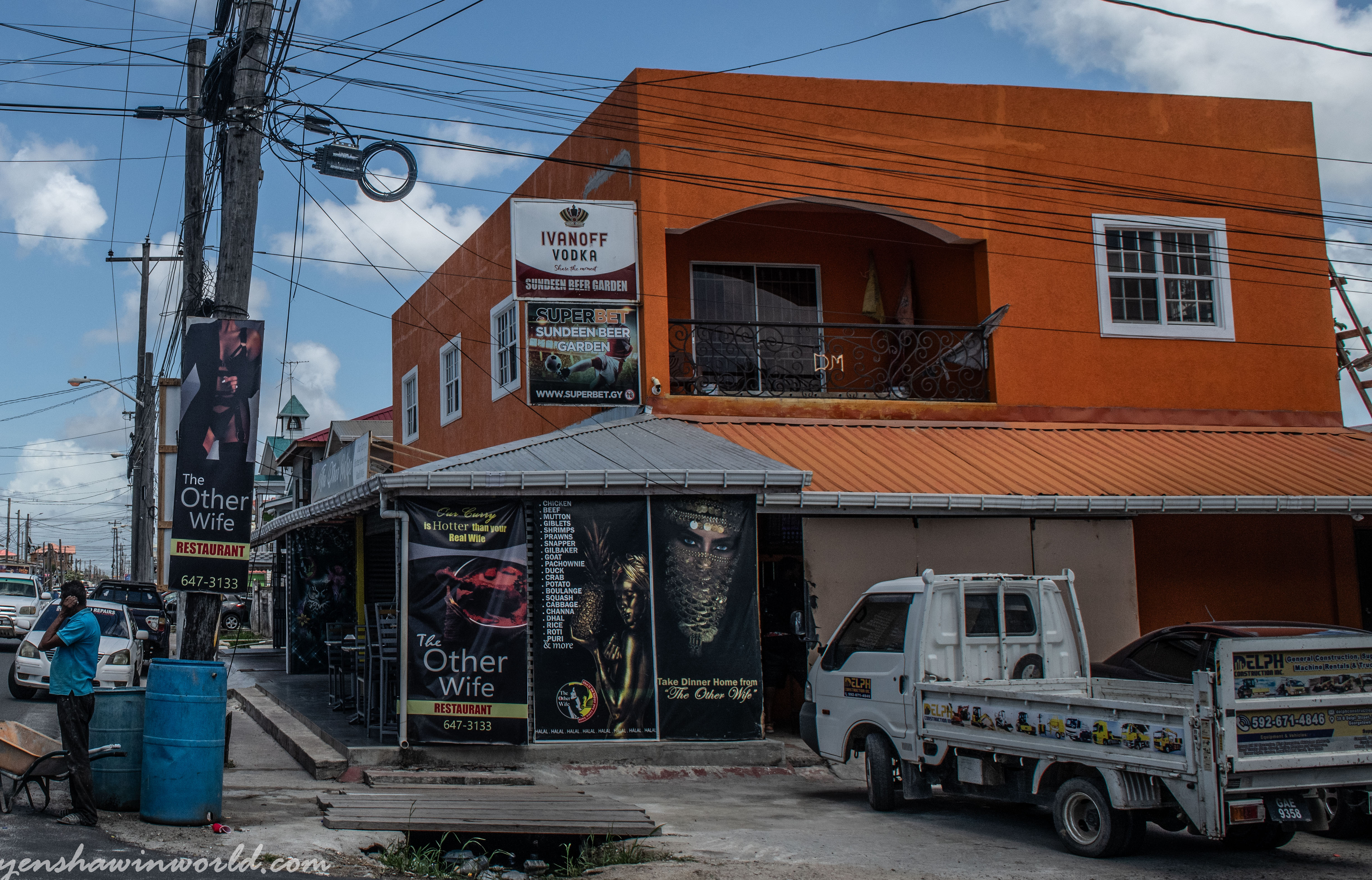



In 2015, one of the biggest offshore oil reserves in the world was discovered off the coast of Guyana which has led to prices of goods going up and new buildings popping up all over (mostly in the outskirt of Georgetown). Prices were extremely high for food here and a lot of the stuff at the supermarket was imported from the United States or Europe.







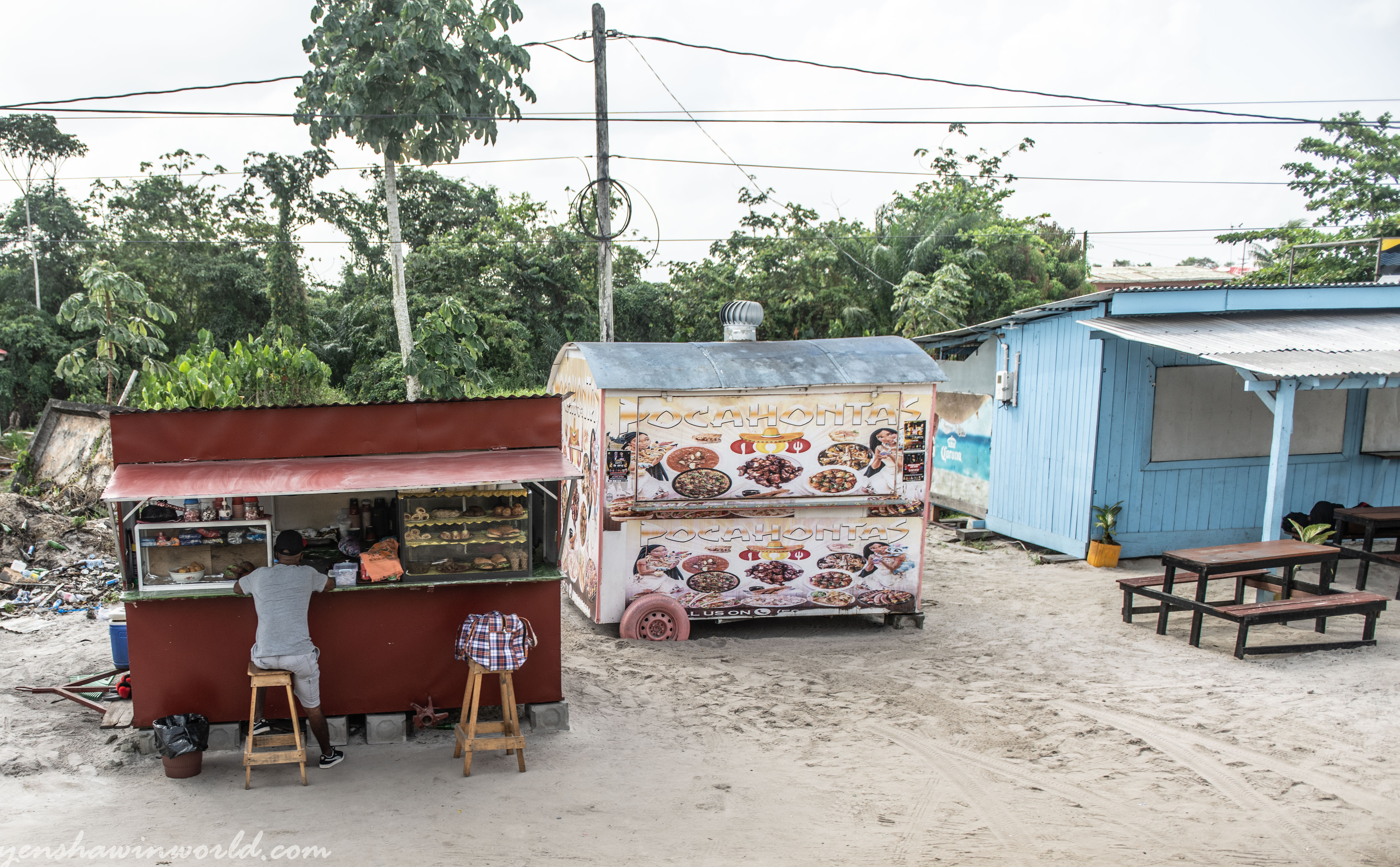




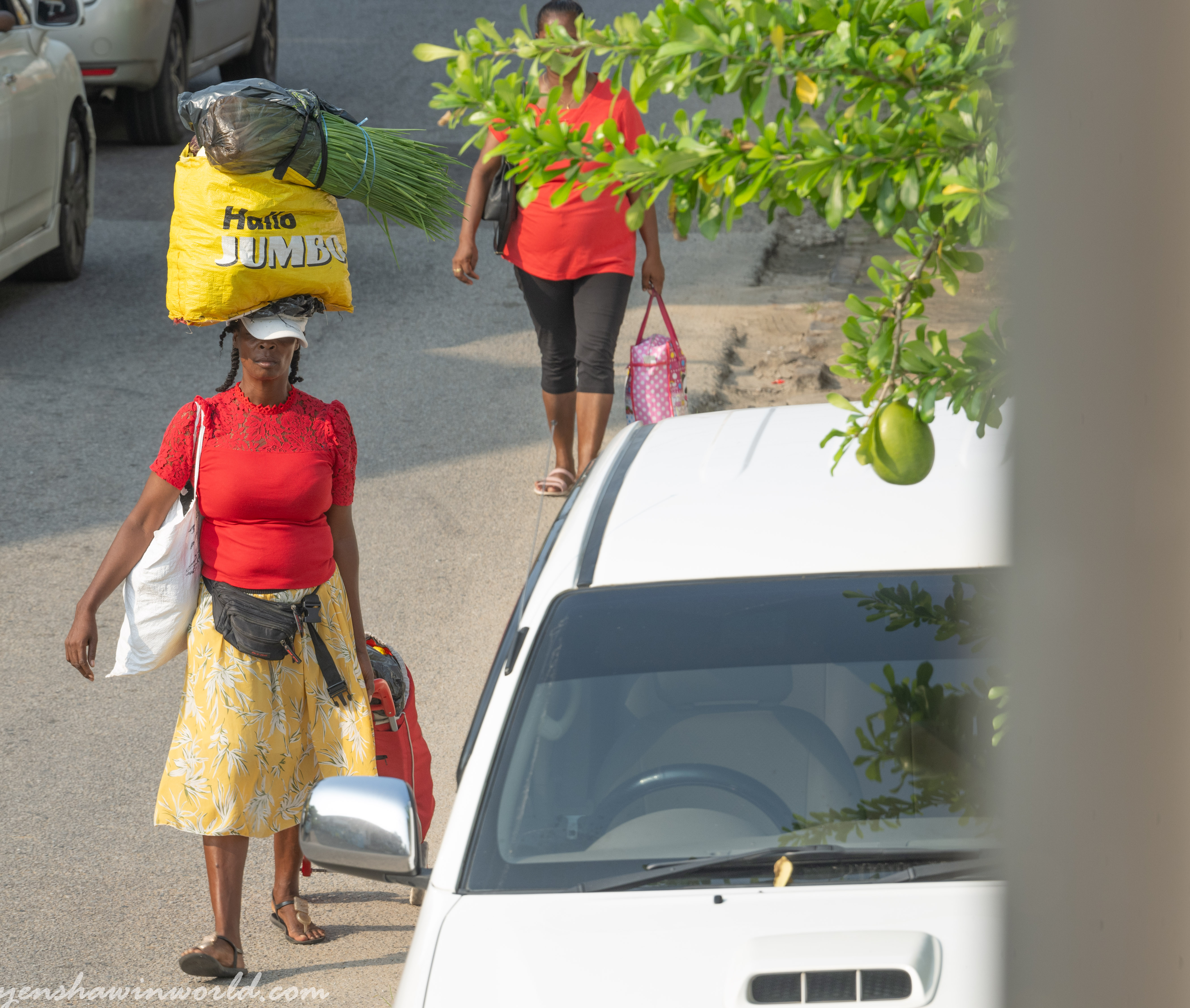
As we entered Guyana by ferry from Suriname, our first stop overnight would be the tiny town on the border of Skeldon. The city is not big at all and has one major street, but was always very busy with markets and people selling stuff.




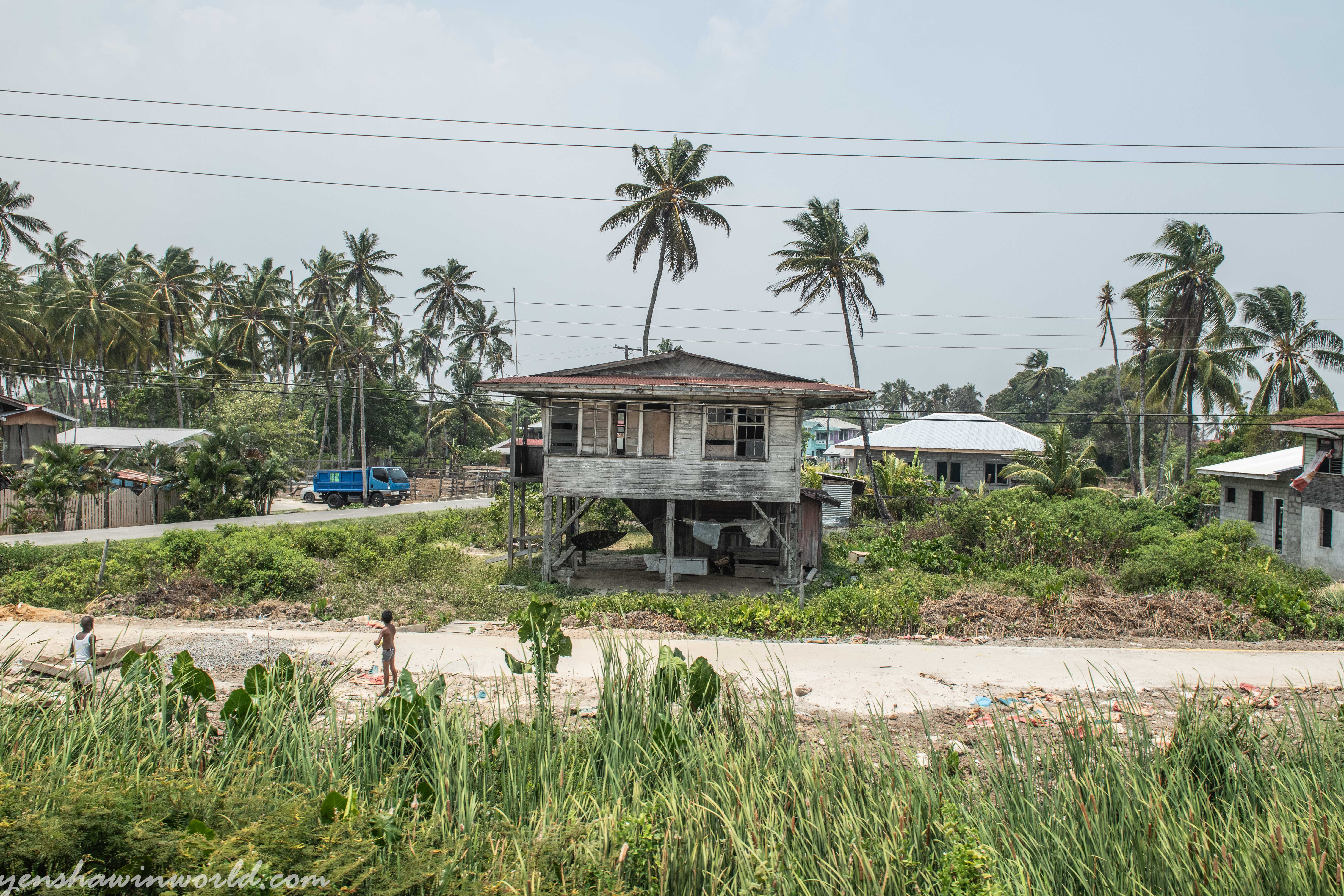

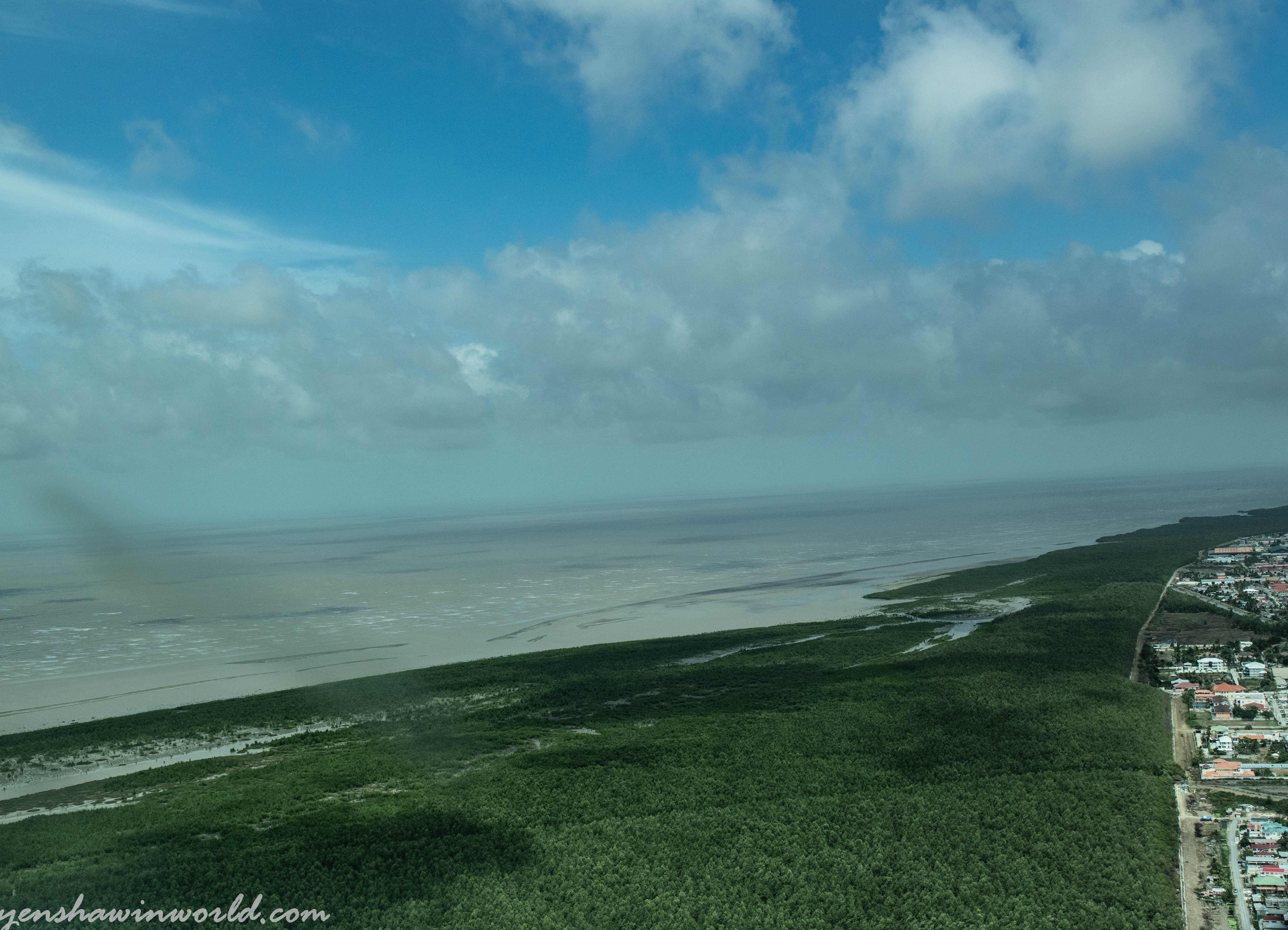




From Skeldon, it was a few hour journey to the capital of Georgetown, situated on the ocean. Along the way it was of interest to see some of the small towns with the houses built on the stilts

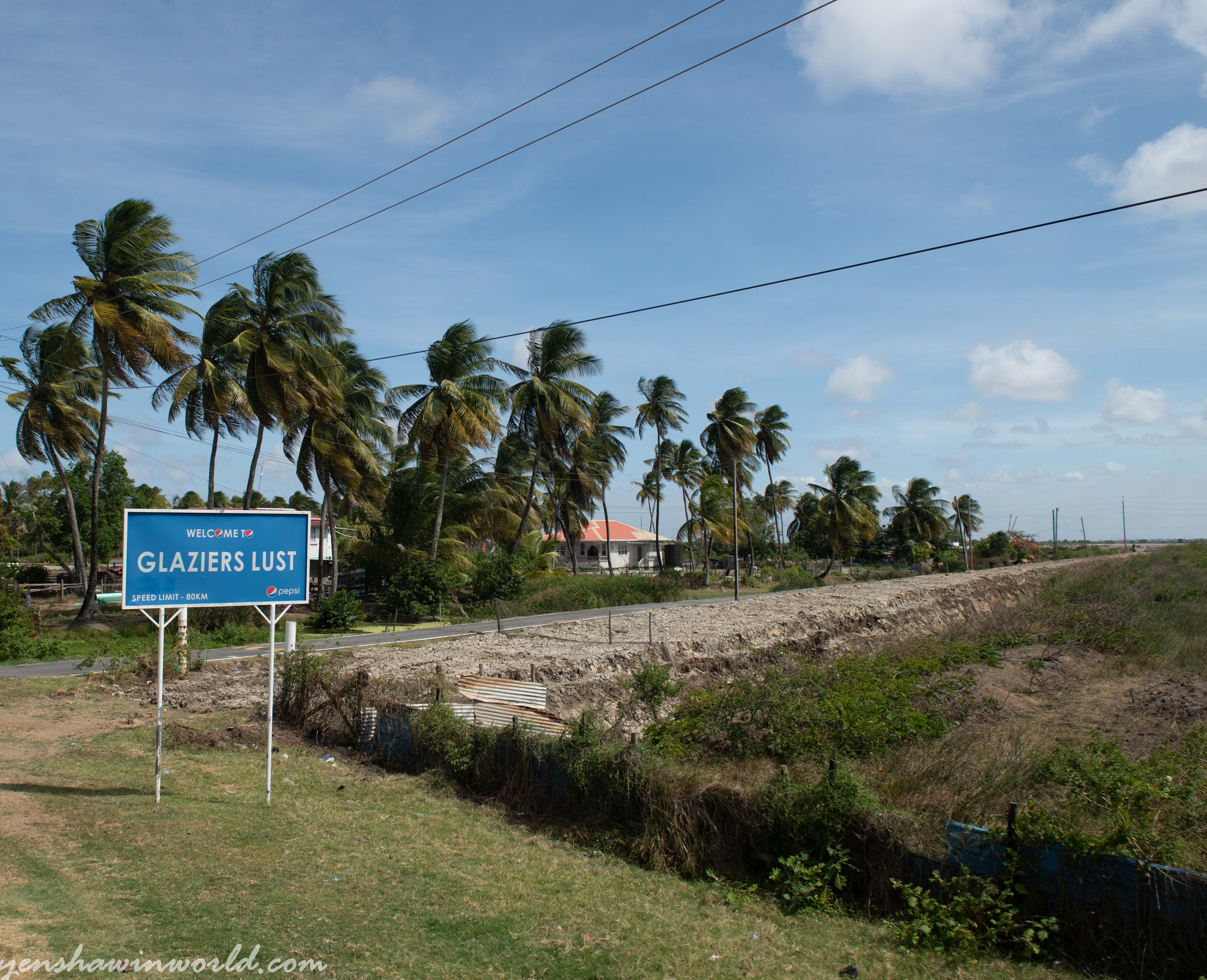
















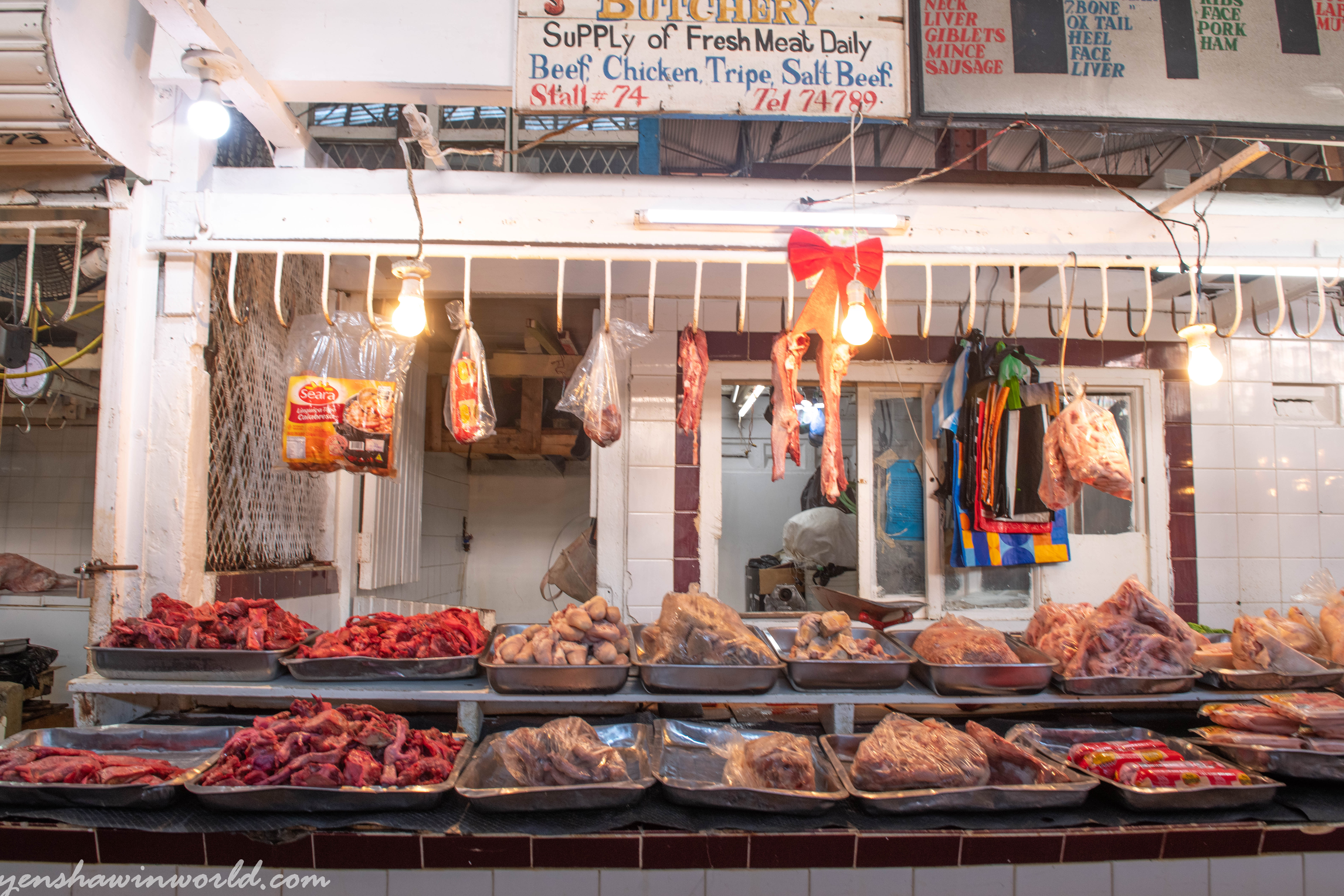













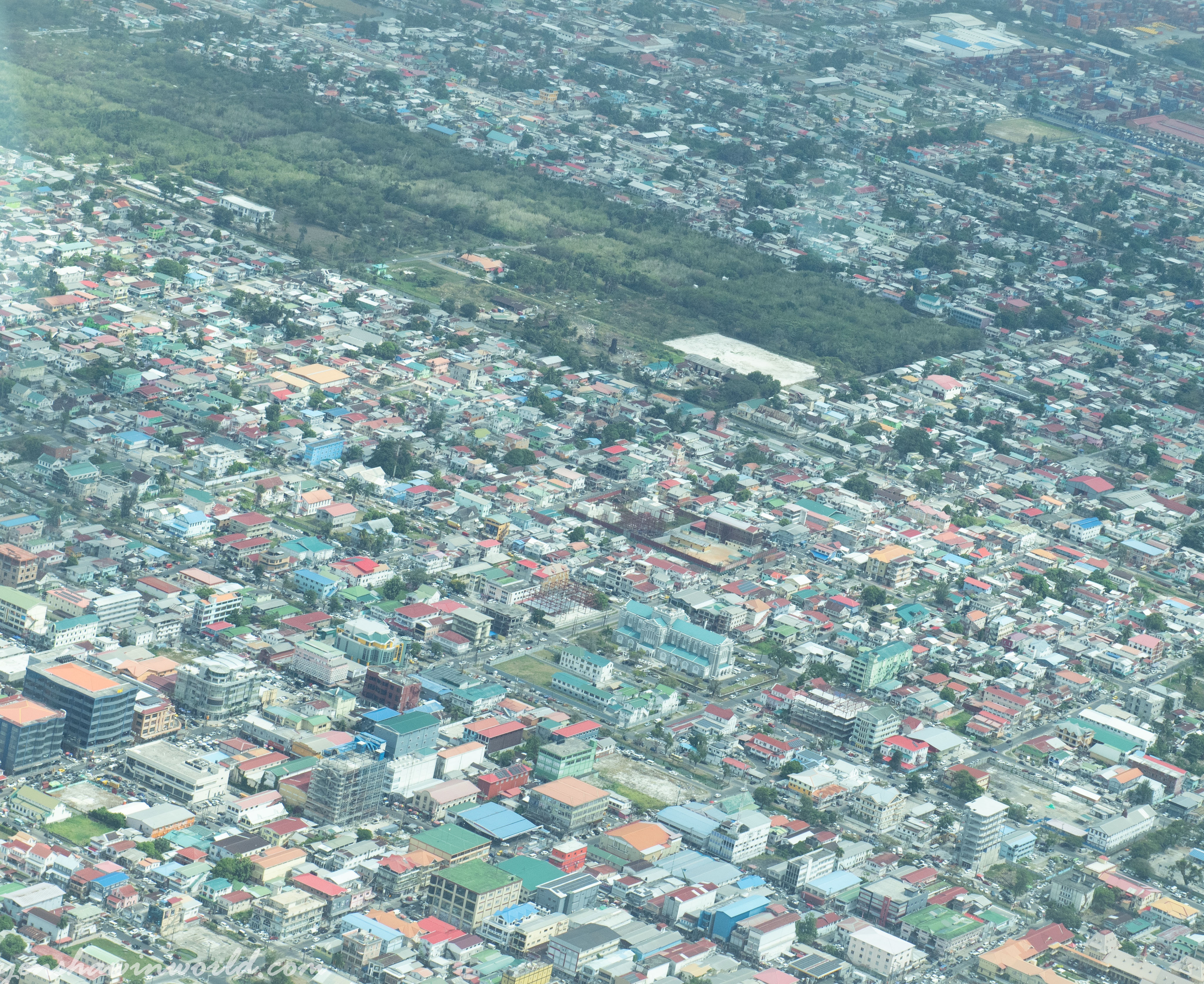






I cant say that Georgetown is the nicest city I have ever been to, with constant traffic and heat, the city was very difficult to navigate through. The market was a highlight, however people were not friendly like they are in most markets and it was very difficult to move through it for photography. The houses were old but with the influx of money, they are building new buildings in different areas…


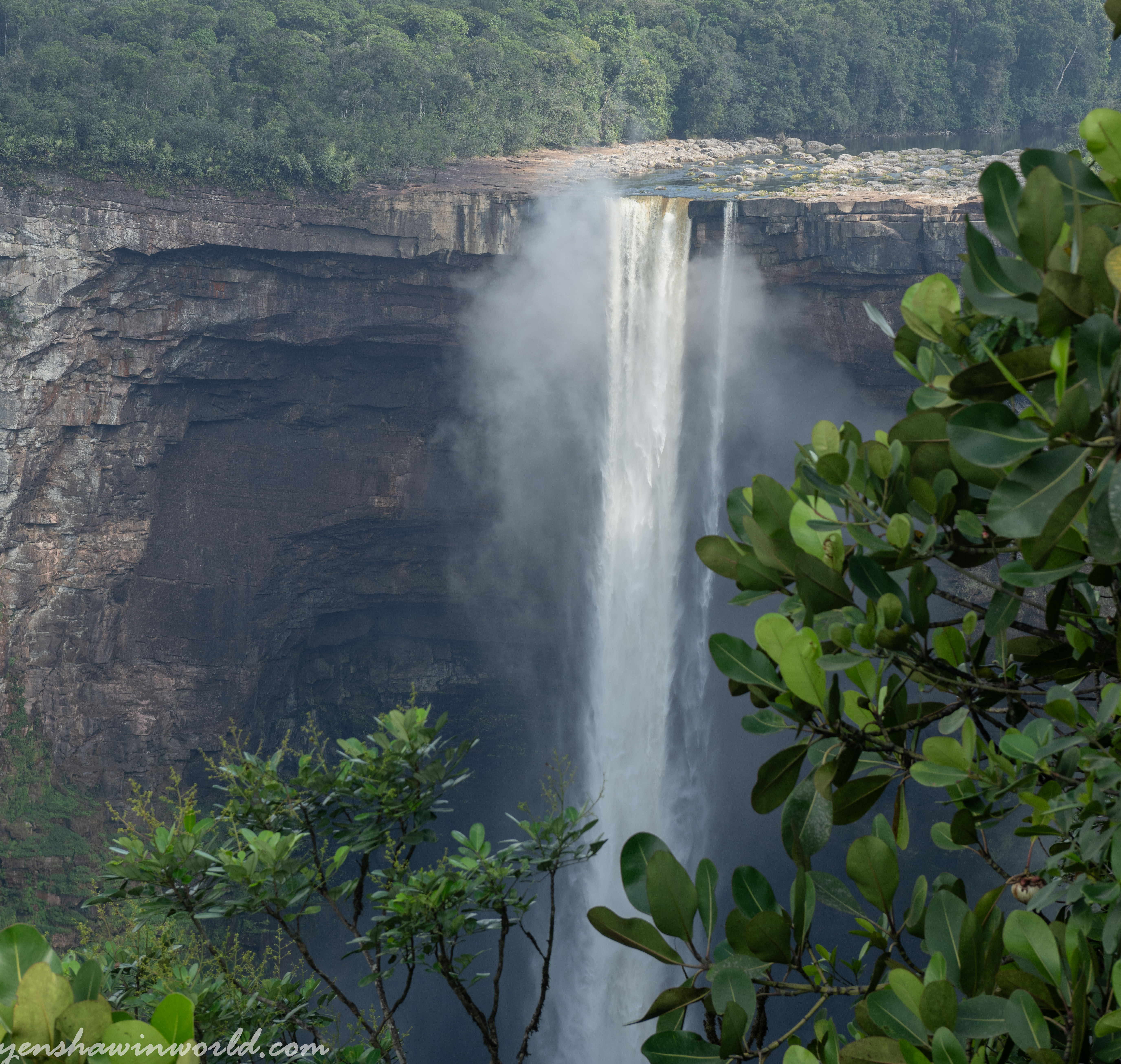







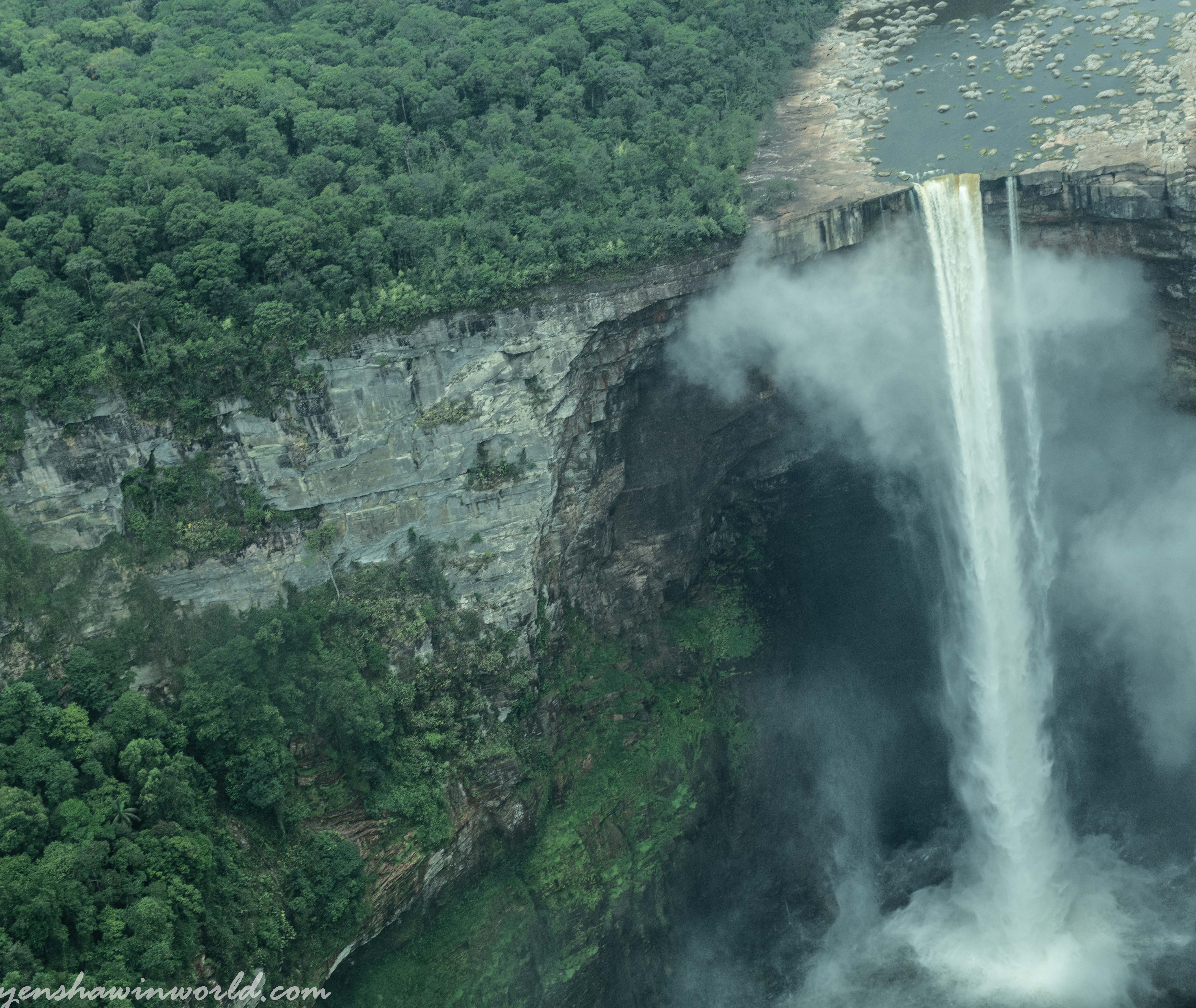





The highlight of Guyana is of course Kaieteur Falls. Kaieteur Falls is about four and a half times the height of Niagara Falls, on the border between Canada and the United States, and about twice the height of Victoria Falls, on the border of Zambia and Zimbabwe in Africa.


Pretty much the only way to get there is take an hour plane flight from Georgetown and it is dependent on weather. We were three hours late taking off so we had our trip there cut short but it was still a magnificent sight. We were able to see it from the plane as well as go to different viewing points.



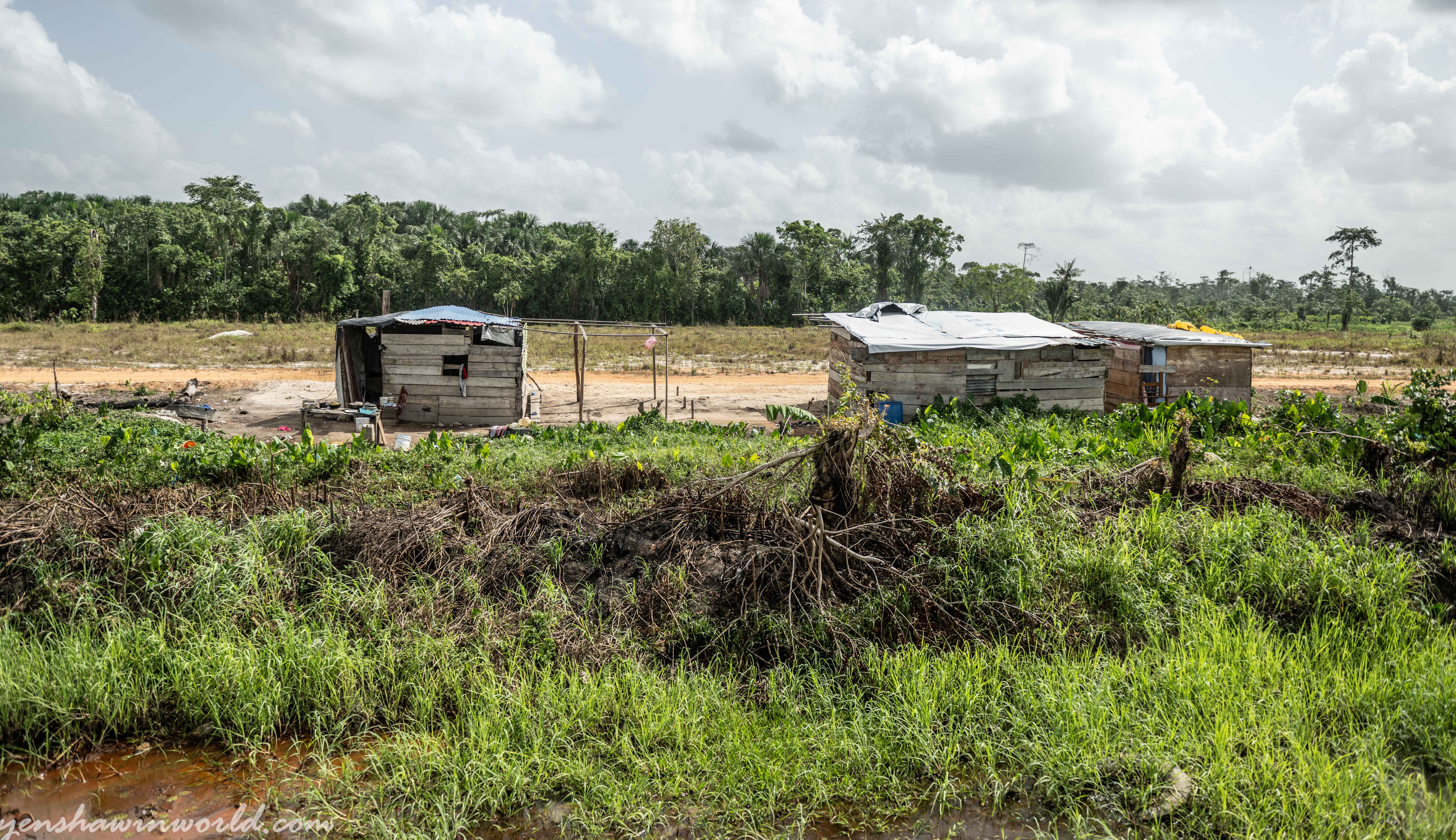
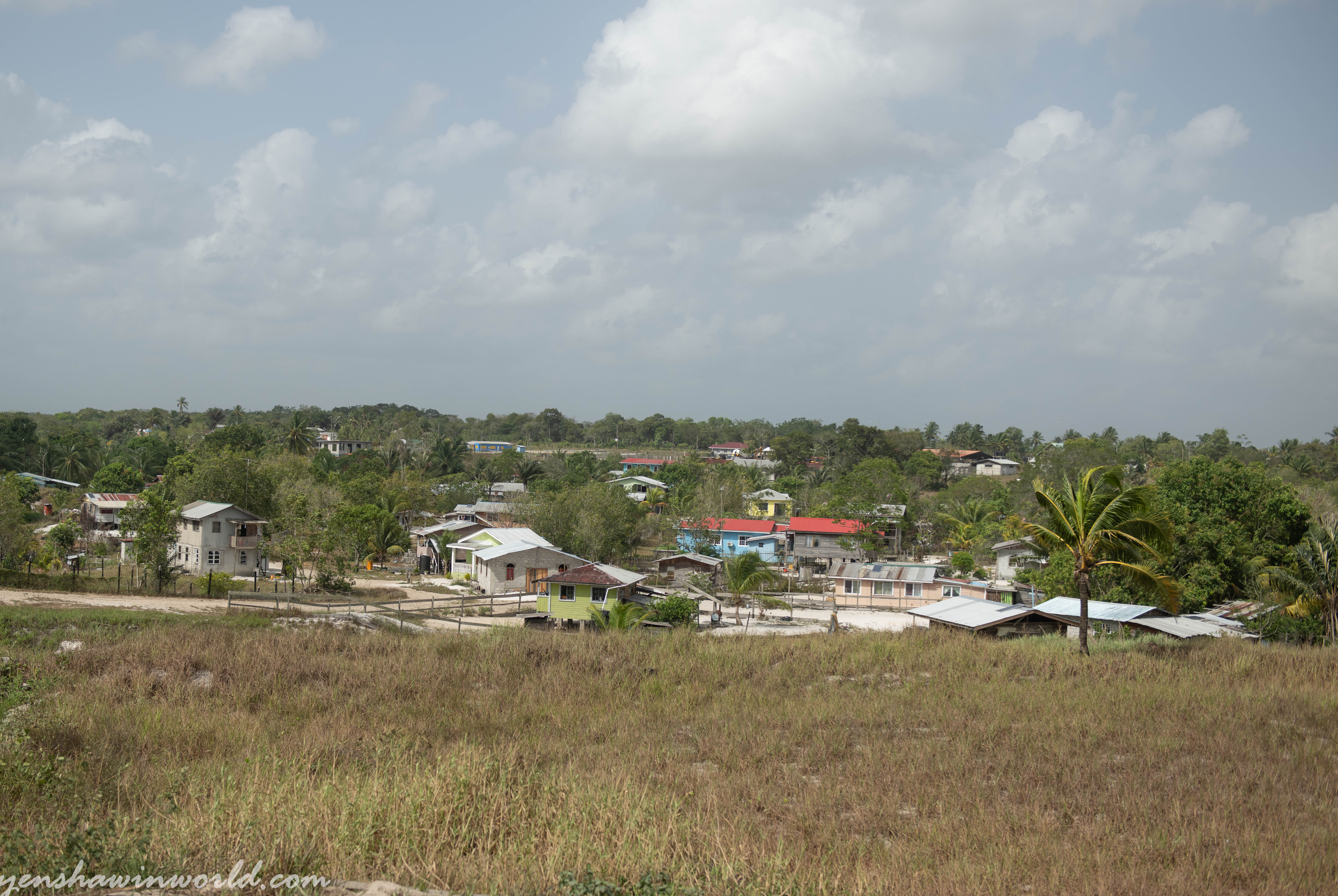







The roads leaving Georgetown headed south were not as bad as I was anticipating but a lot of the road was not tarmac. It was interesting to see the little villages outside of the city with how people live. As we drove down, the land was almost desert like with forests, but soon gave way to a rain forest.
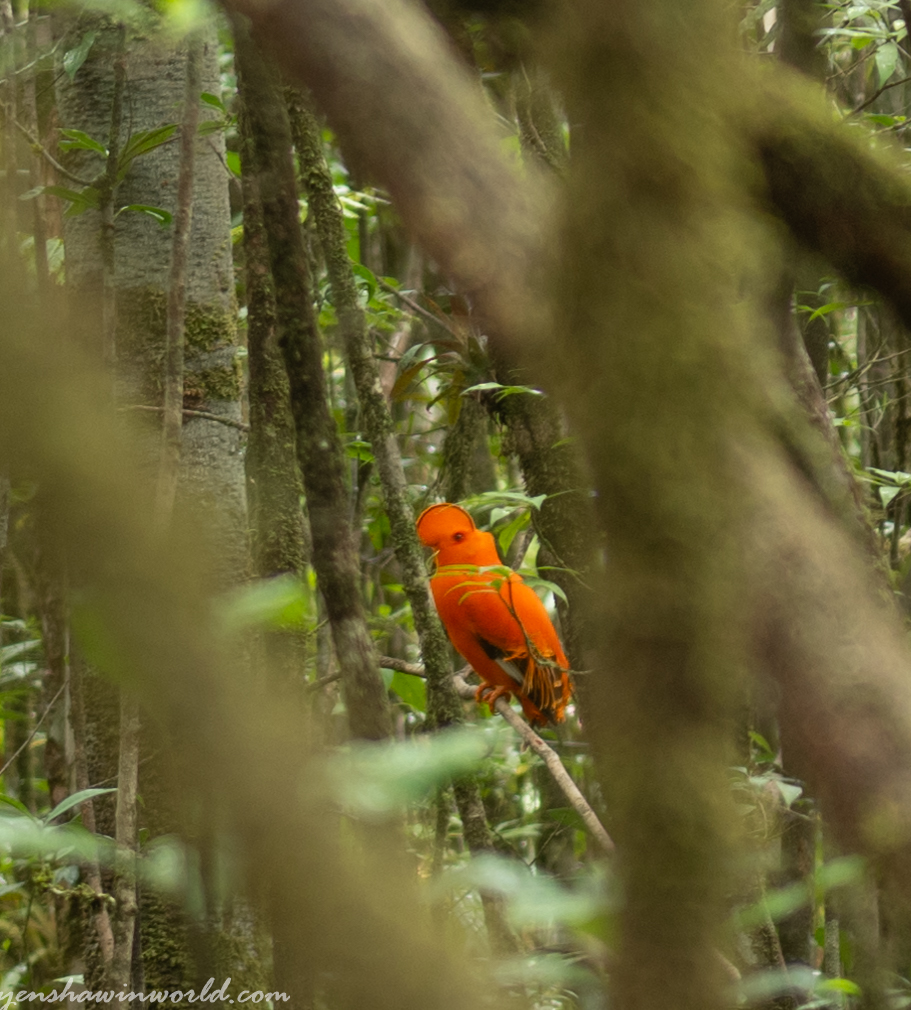












As the road became bleak with any signs of vehicles and we took another early morning ferry crossing, we ended up in Iwokrama National Park and did a canopy walk. I would not say it was one of the better canopy walks I have done, but we were still able to see the rain forest and a few birds that live in it…









A few hours after the rain forest, we came out to what seemed to be a savanna grassland. It looked something out of the Serengeti or Masai Mara, but without the animals. It looked like it had not rained there forever and some of the grassland was turning into dried up grass and bushes, this lasted all the way to the border with Brazil…

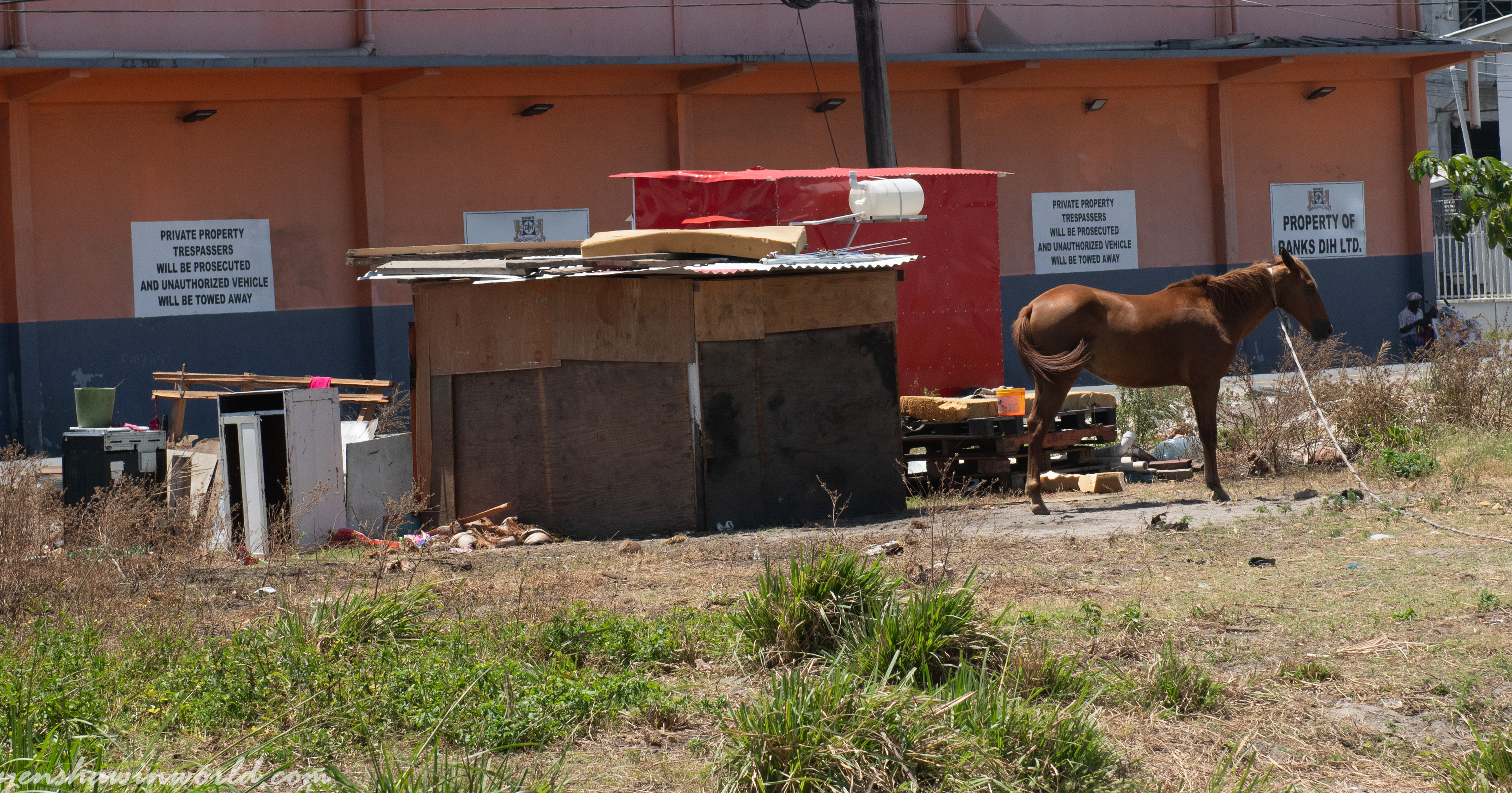
Guyana had its charm to it (outside of Georgetown) and with all of its varying landscapes, made for some very good photography. There is not much else to do here and they really have not built up their tourism sector. I would hope in the next few years with the oil they have discovered, that they are able to build up the country better, especially for the people who are less fortunate.

Suriname

A country known for its Dutch influence but has a multitude of cultures, religions, and food.

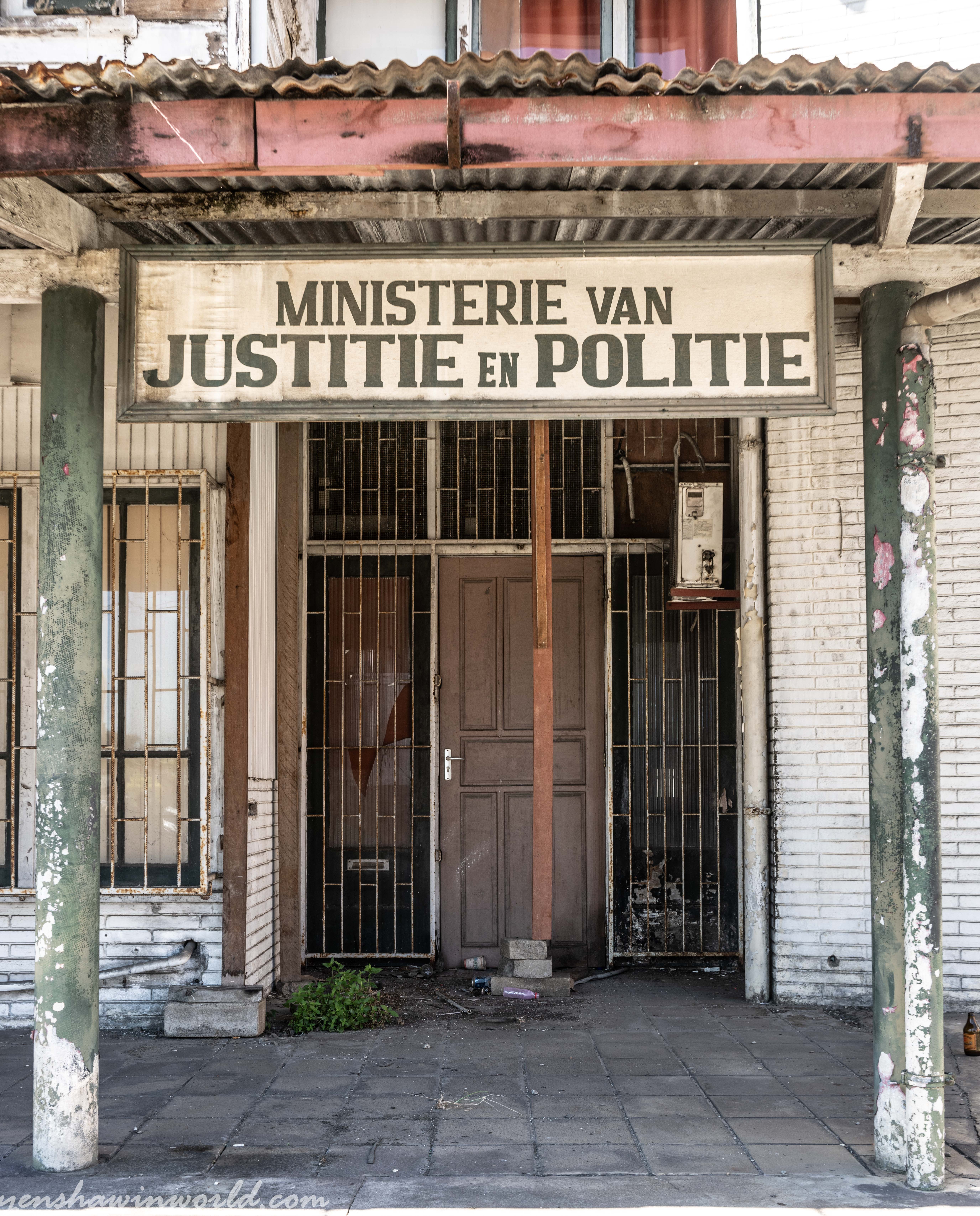





Suriname is another one of these South American countries that is rarely visited by tourists each year. Bordered by French Guiana to the East, Guyana to the West and Brazil to the South, this country has a multitude of different cultures. Their official language is Dutch from being colonized by them and all of the street names as well as buildings are in Dutch along with a lot of architecture that you would find in Europe.

There is not a lot from the border of French Guiana to the capital which is Paramaribo. Mostly small villages with light jungle dot the landscape until you get closer to Paramaribo as it opens up with ships everywhere and a huge bridge to get into the city.



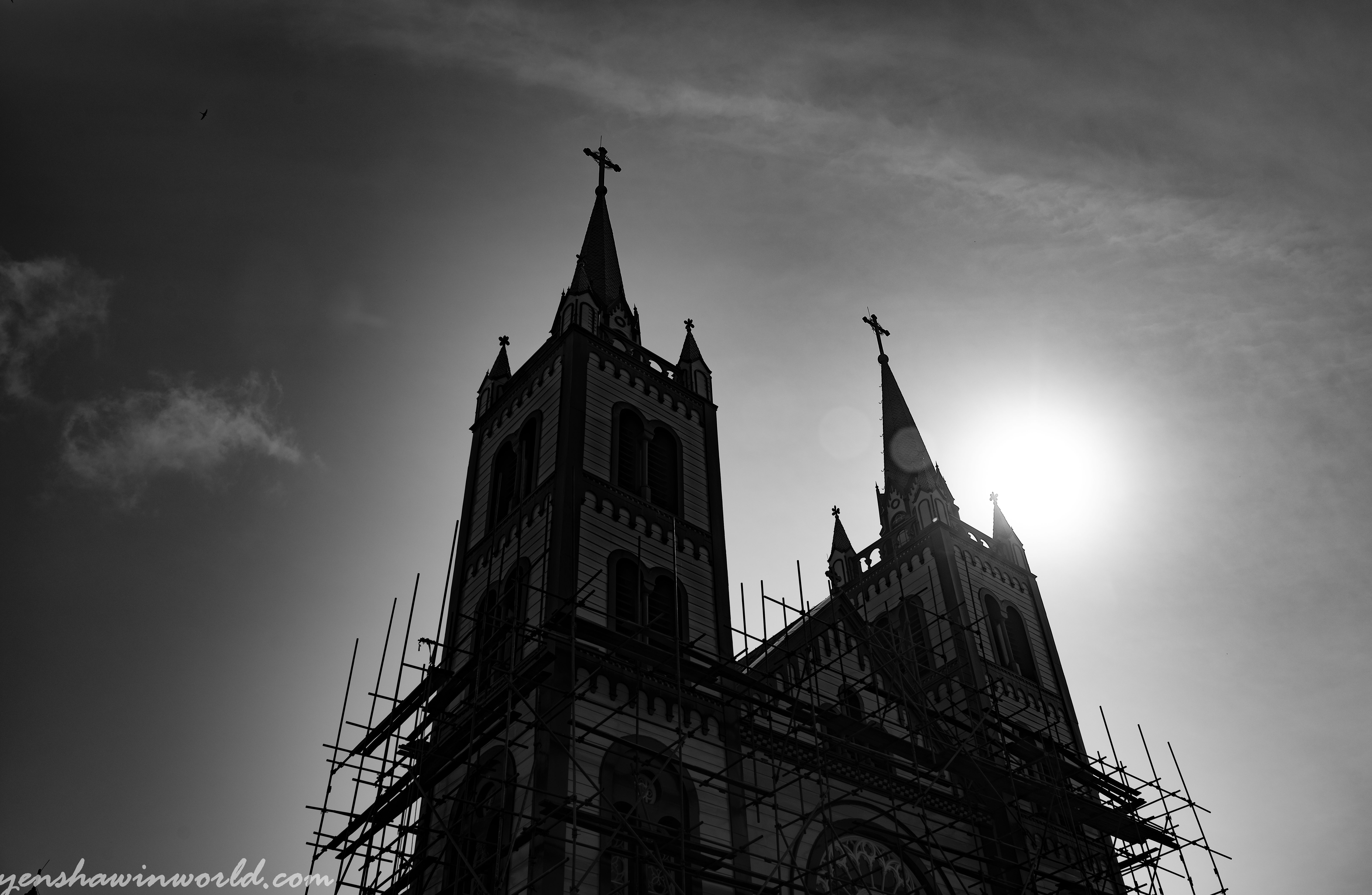

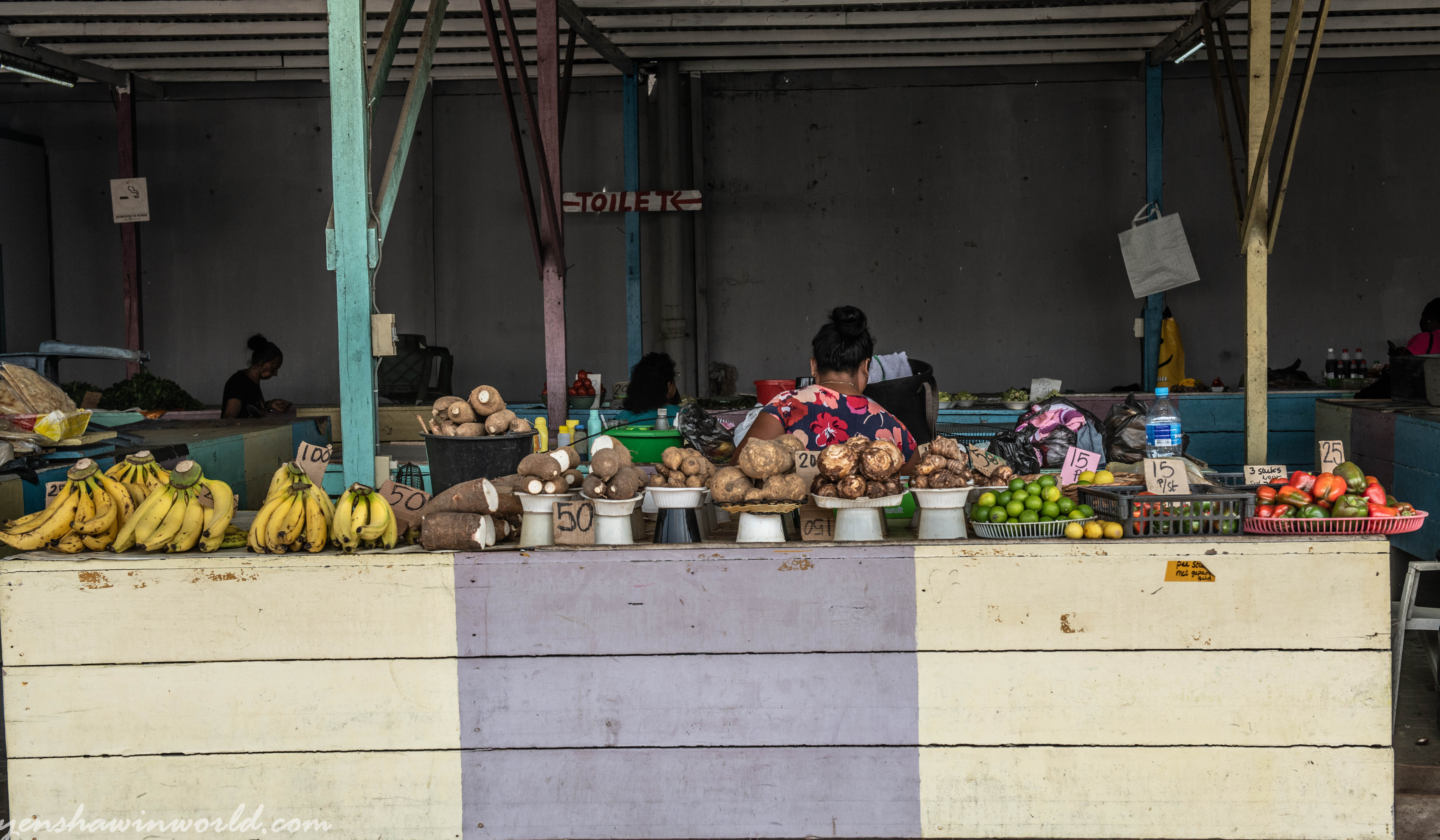



Paramaribo itself is an interesting city with different cultures and foods with a lot of European architecture. It is not uncommon for their to be a mosque, synagogue, and different Christian churches within a few blocks of each other and different ethnicity such as Chinese, Indonesian, European, Indian, and African all in the same area.
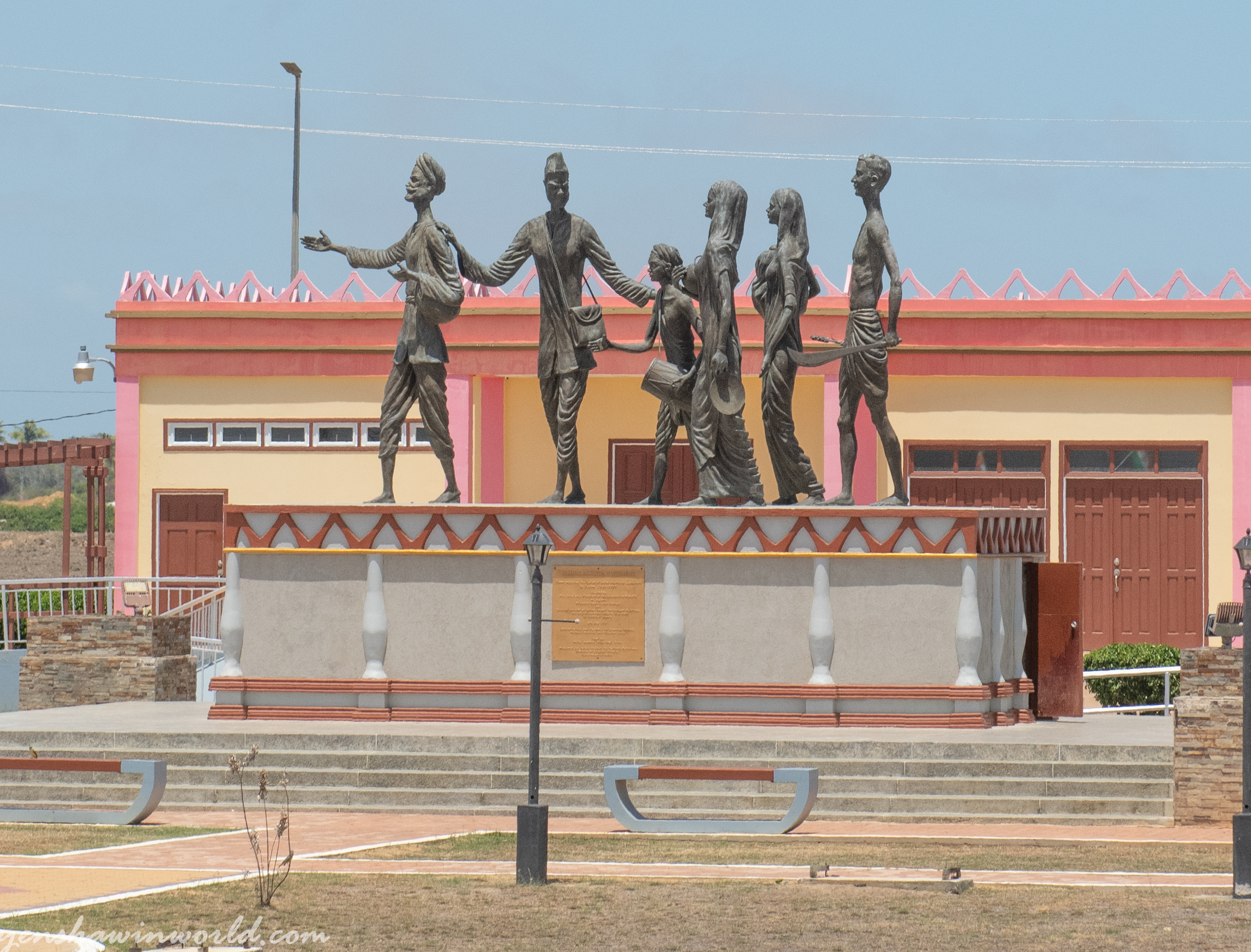
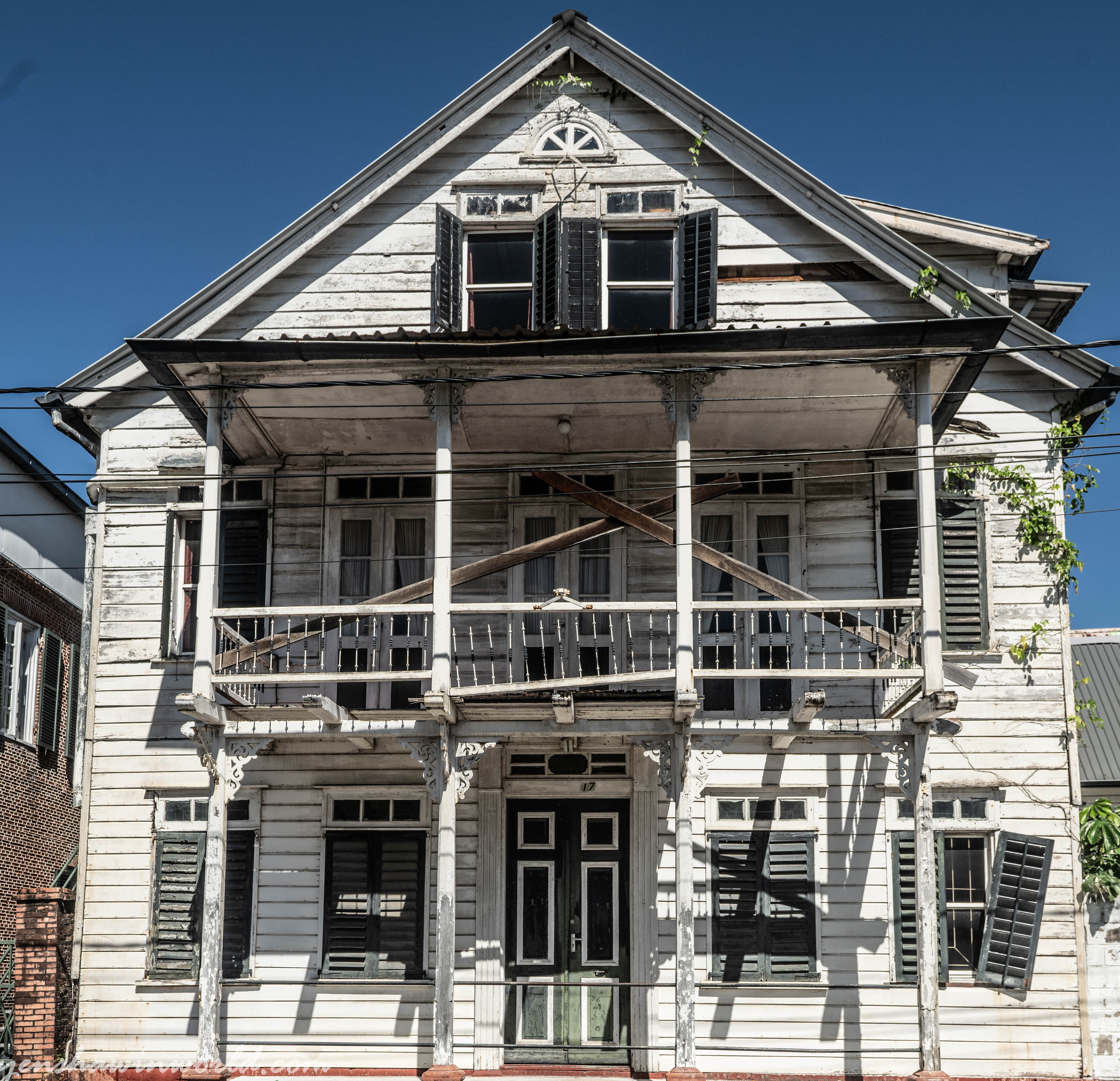











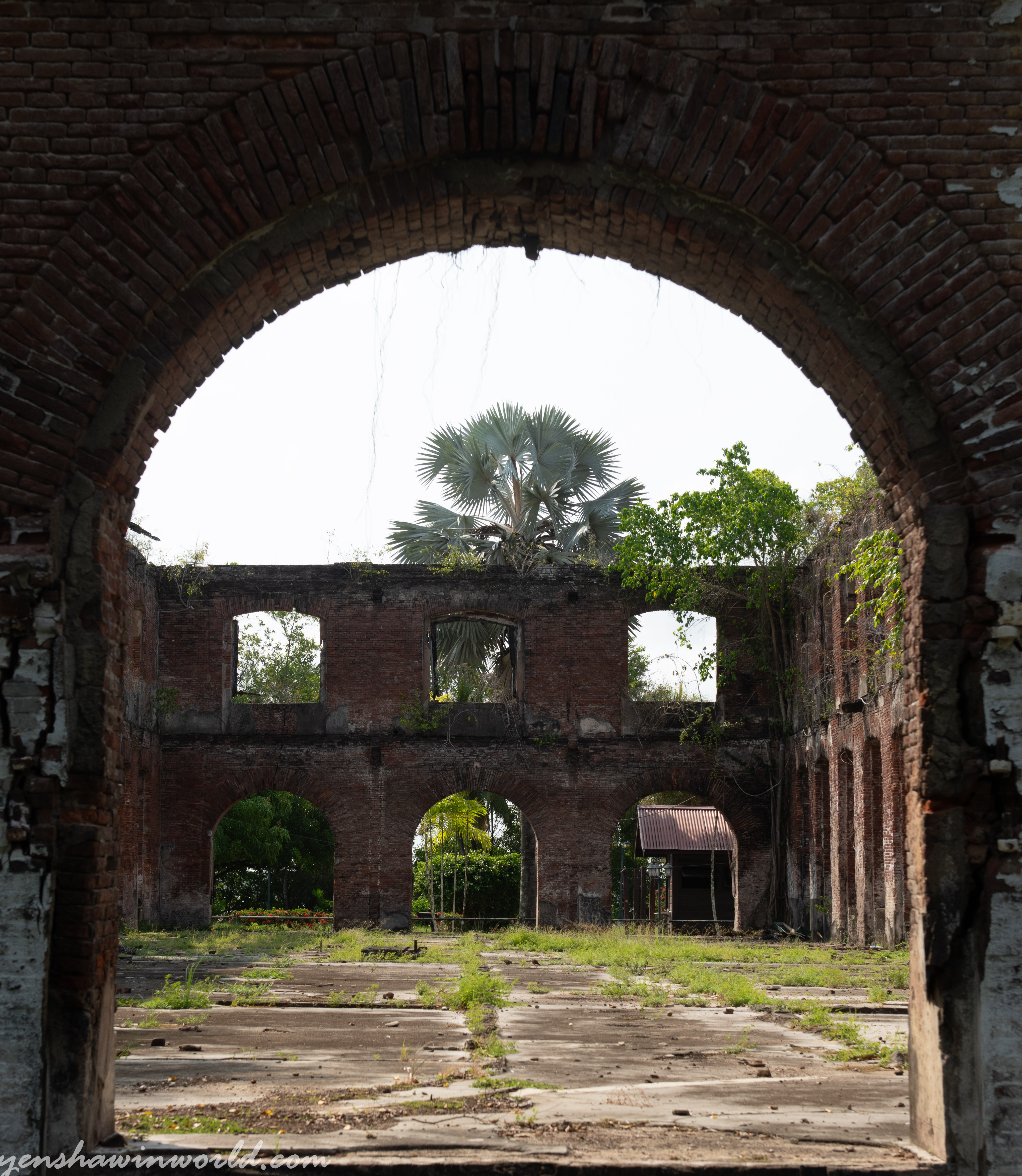















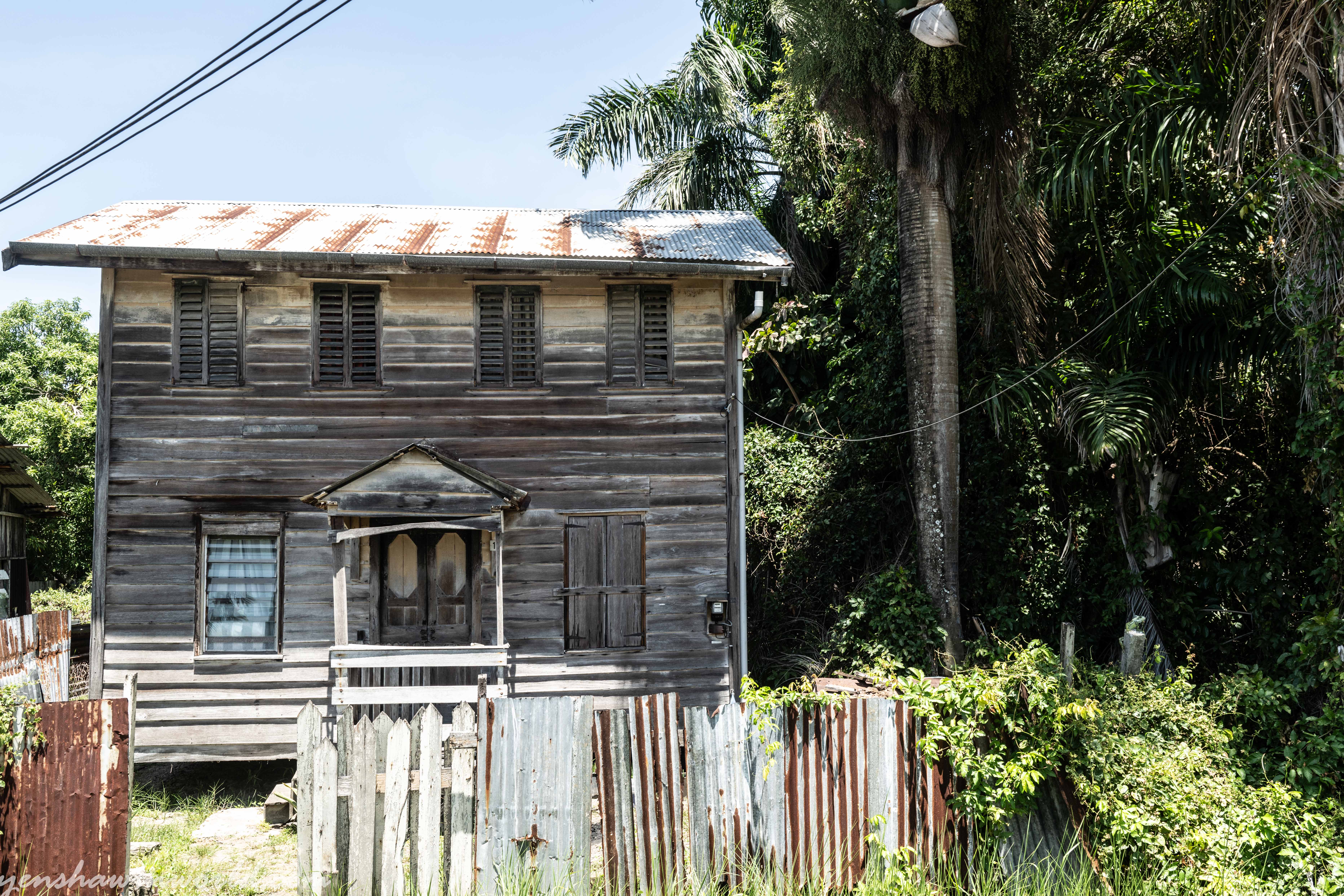
The city itself has no huge buildings and most of them are renovated from the times of the Dutch or falling into disrepair. It is a great city to photograph in with people moving around all the time despite it being hot and humid. We were lucky enough to be there during the Hindu festival of Holi as well as during Easter weekend which showed a lot of different small festivals. The city has many statues that celebrate famous heroes such as Ghandi or Simon Bolivar or cultural statues that celebrate the different ethnic groups that make up the country.



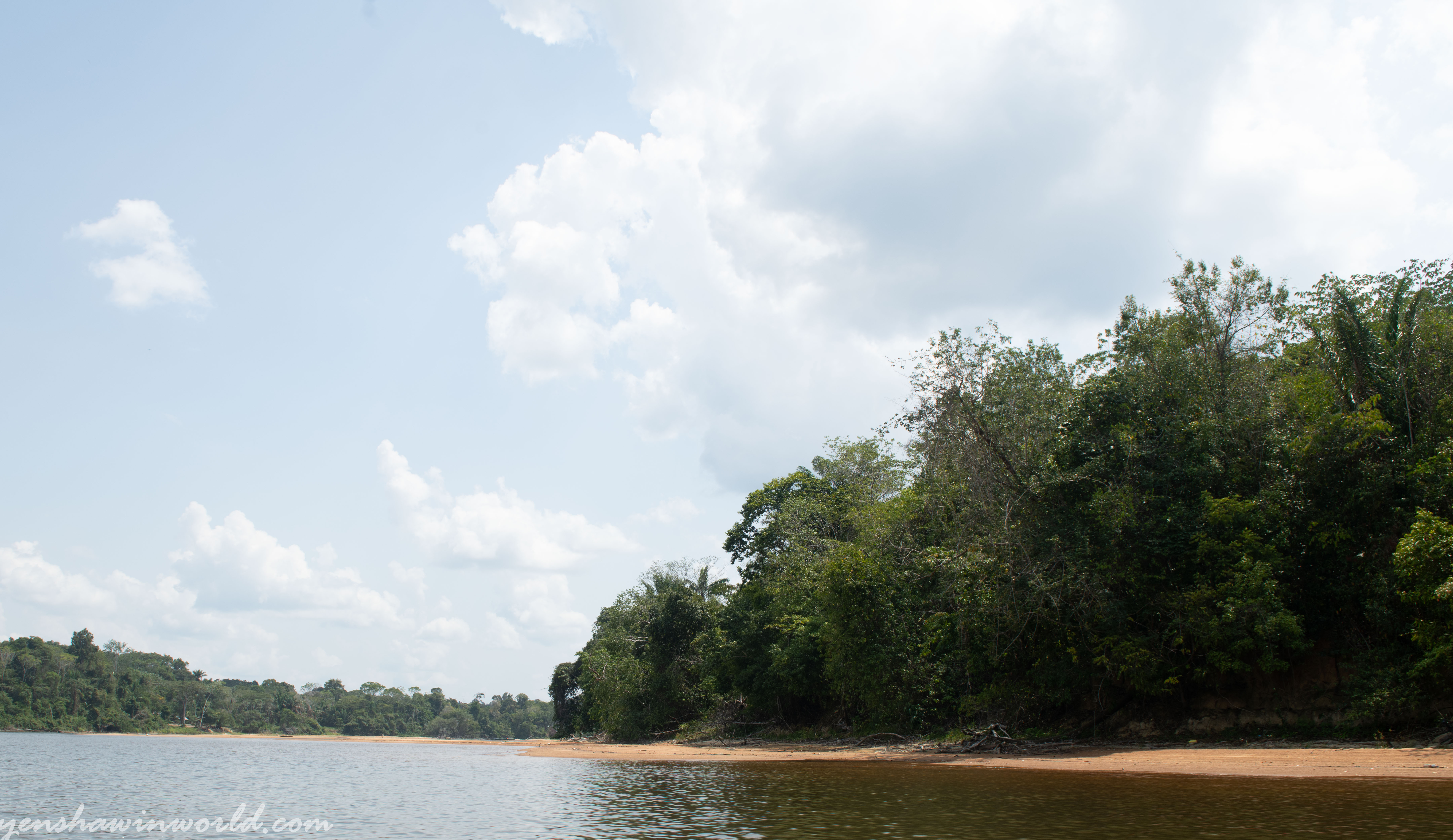


A great place to go to get away from the city is about 4 hours south on the Surinamese River. You can opt to stay out in the jungle for a few days and just enjoy the wide open spaces. With many river tributaries that make up the river, the land is often divided and you have to use boats to get to many of the villages located on the water as they are not accessible by road.




I stayed in an eco lodge that was on a small island with water on all sides. It was a beautiful up and coming small resort with jungle on all sides and water flowing all around. The days were often hot and humid but it cooled down quite a bit at night as you can hear the sounds of the jungle all around….


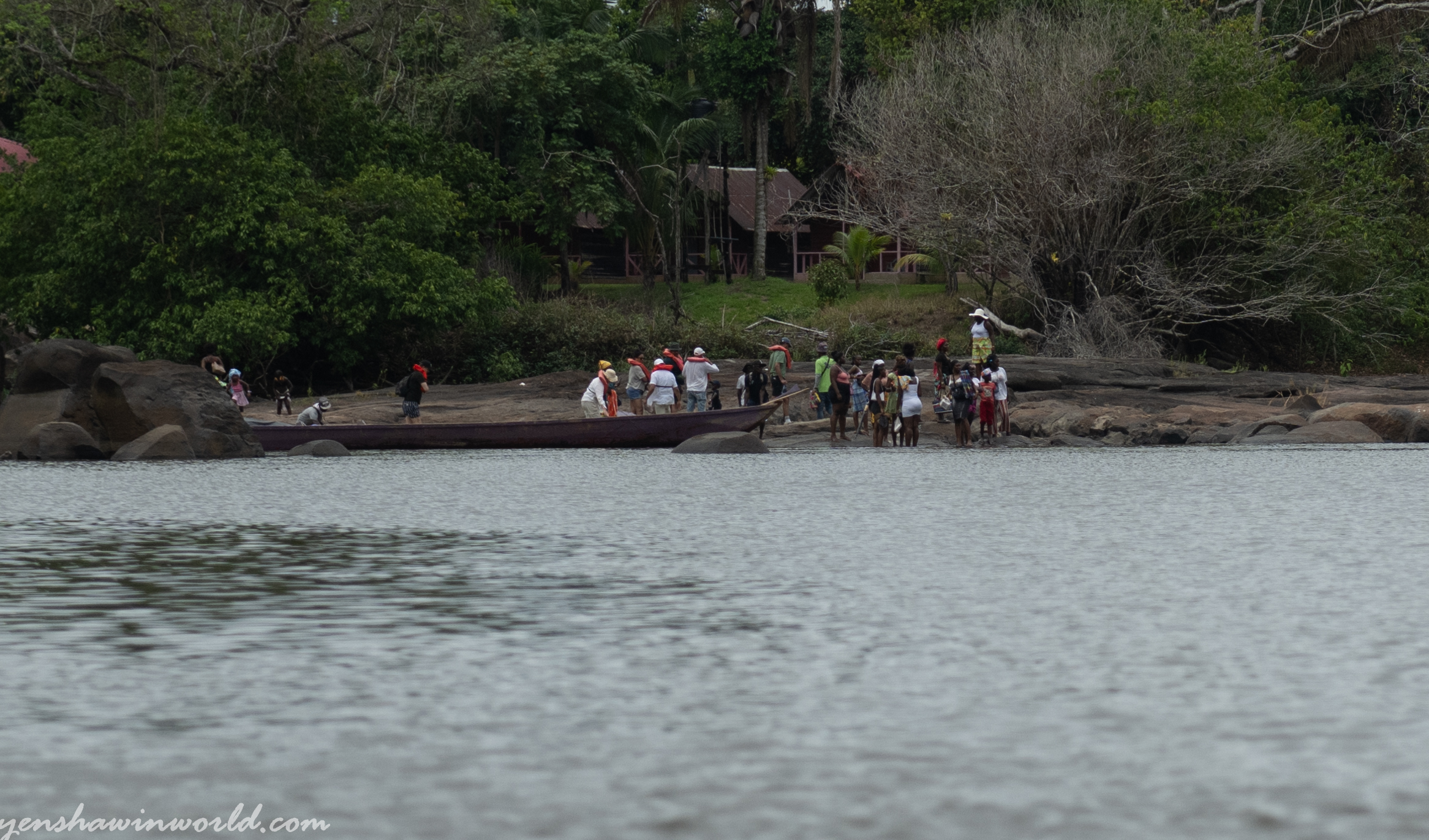



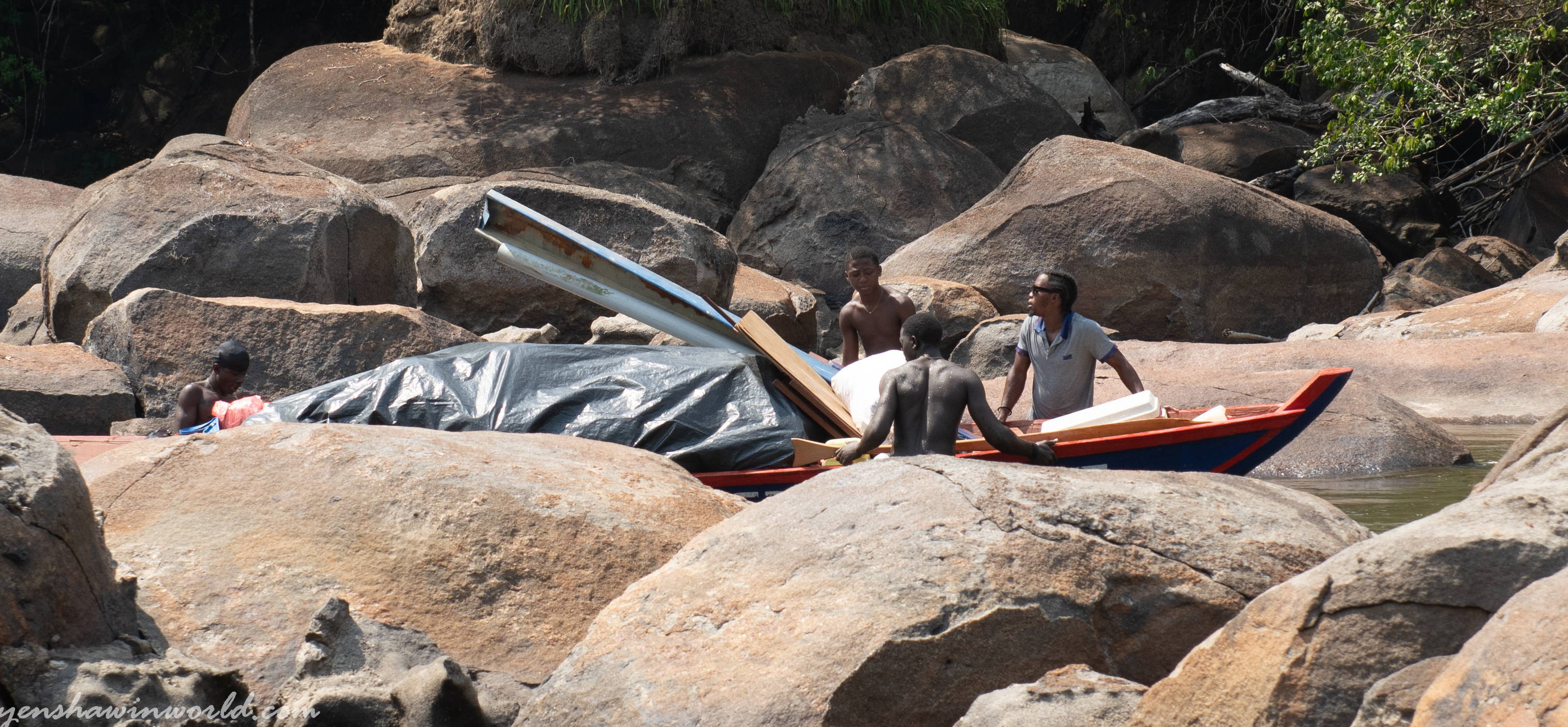


The ride out took about an hour and a half because of low water in the river in which we had to navigate through sharp rocks and get out to walk in order for the boat to get pushed through some low rapids. We were able to see the villages on the side of the water and people playing all around…

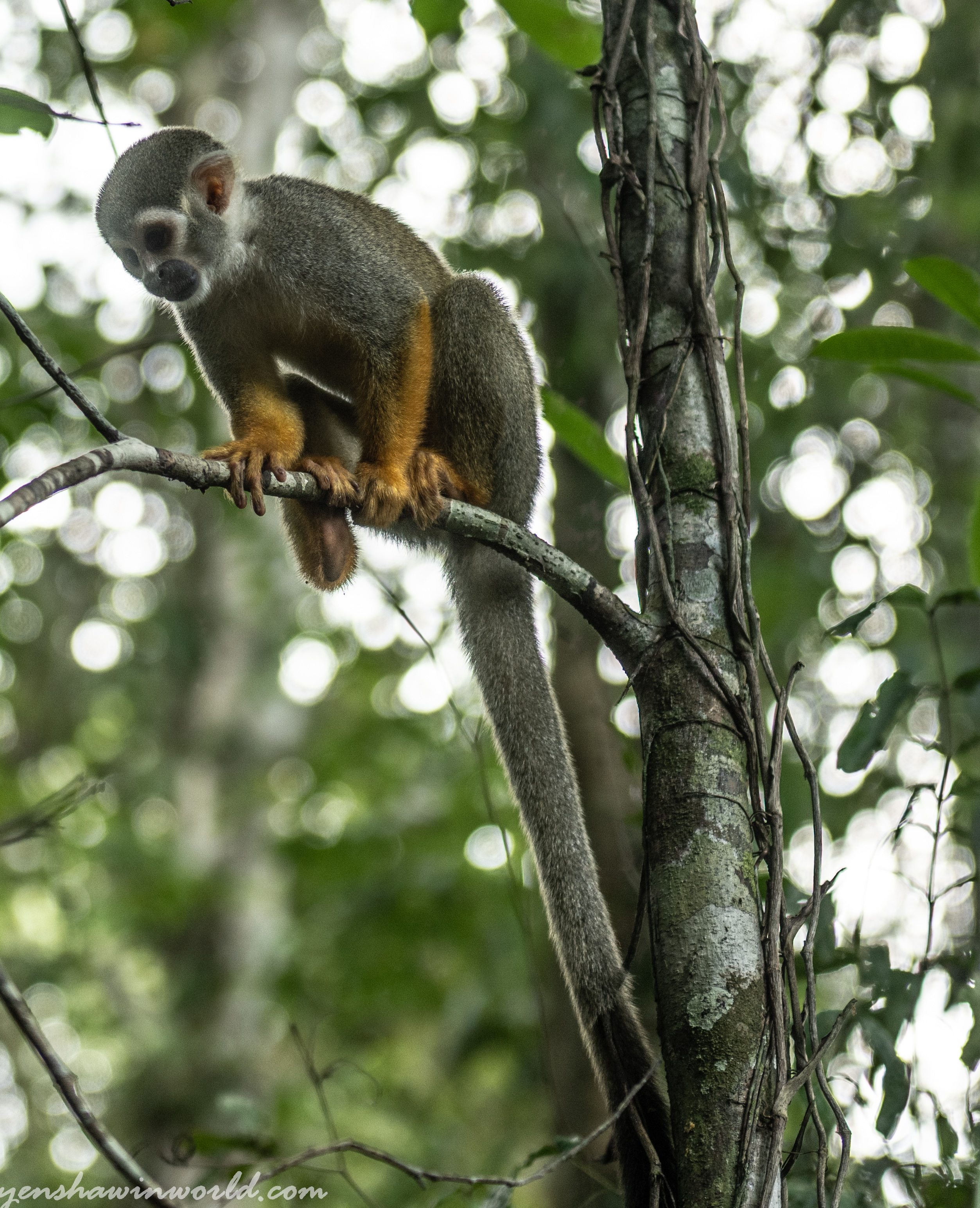










As there was a jungle to explore with squirrel monkeys running around, I went on a little excursion to walk around and learn about the trees and the plants in this area…

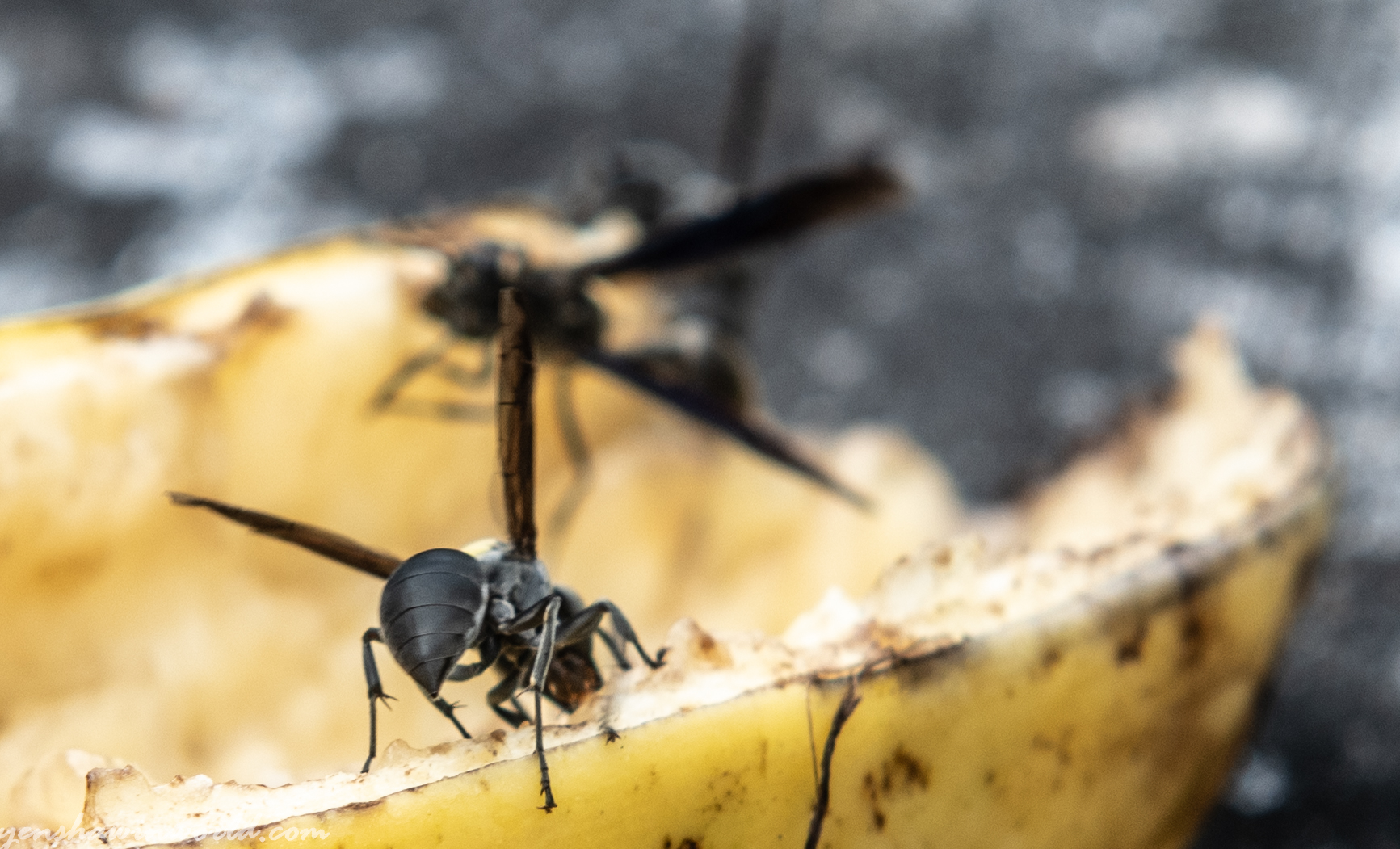
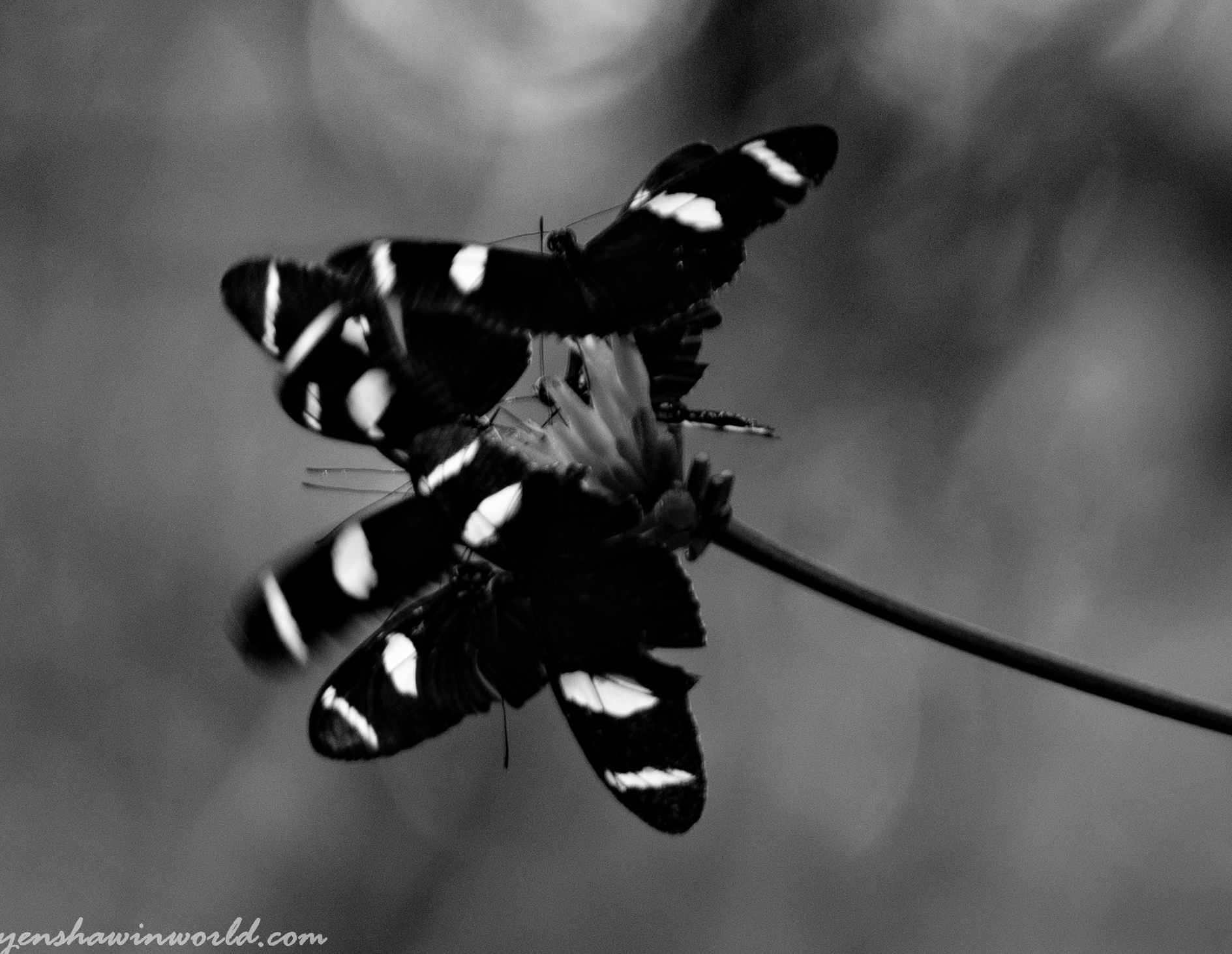


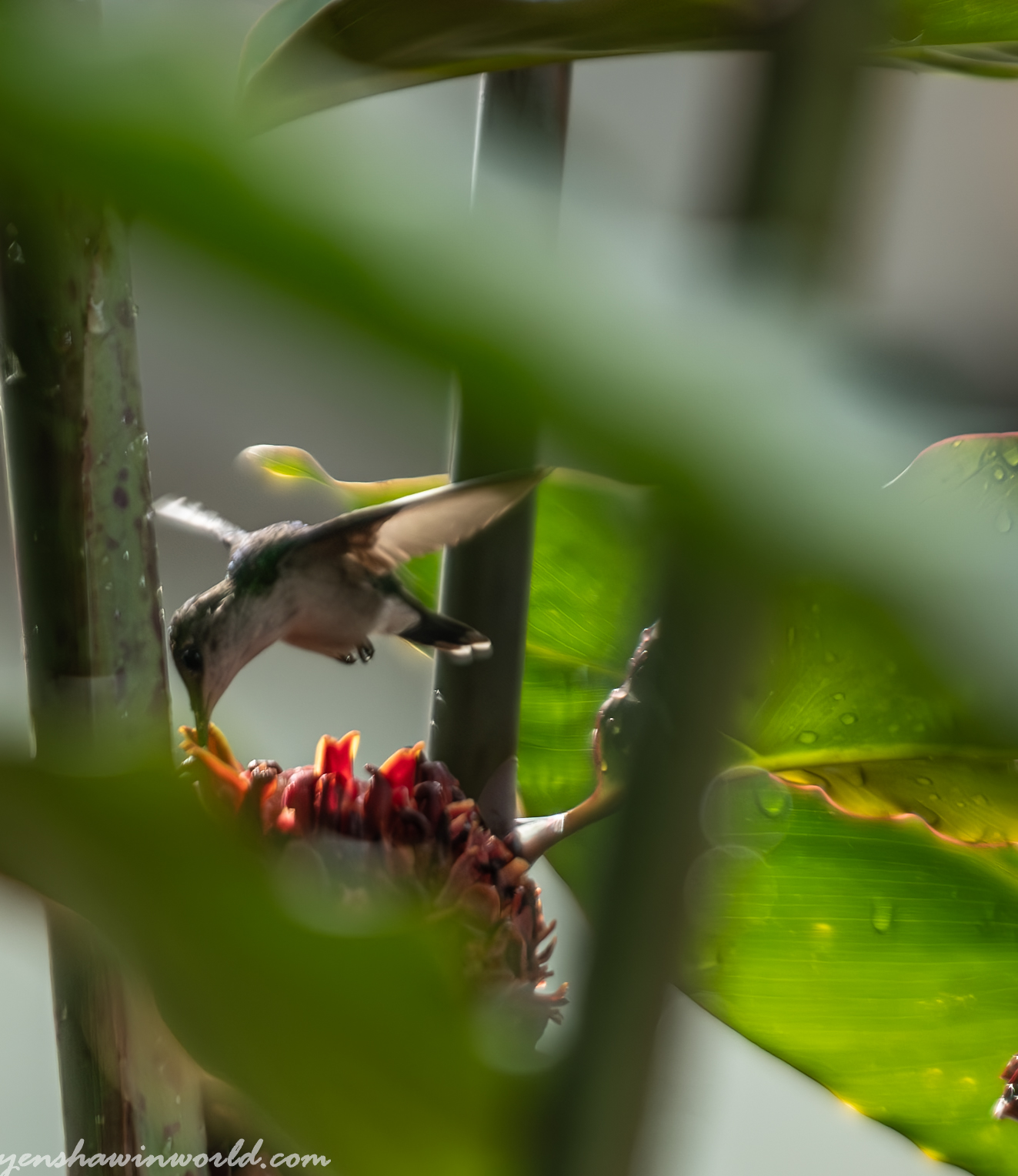

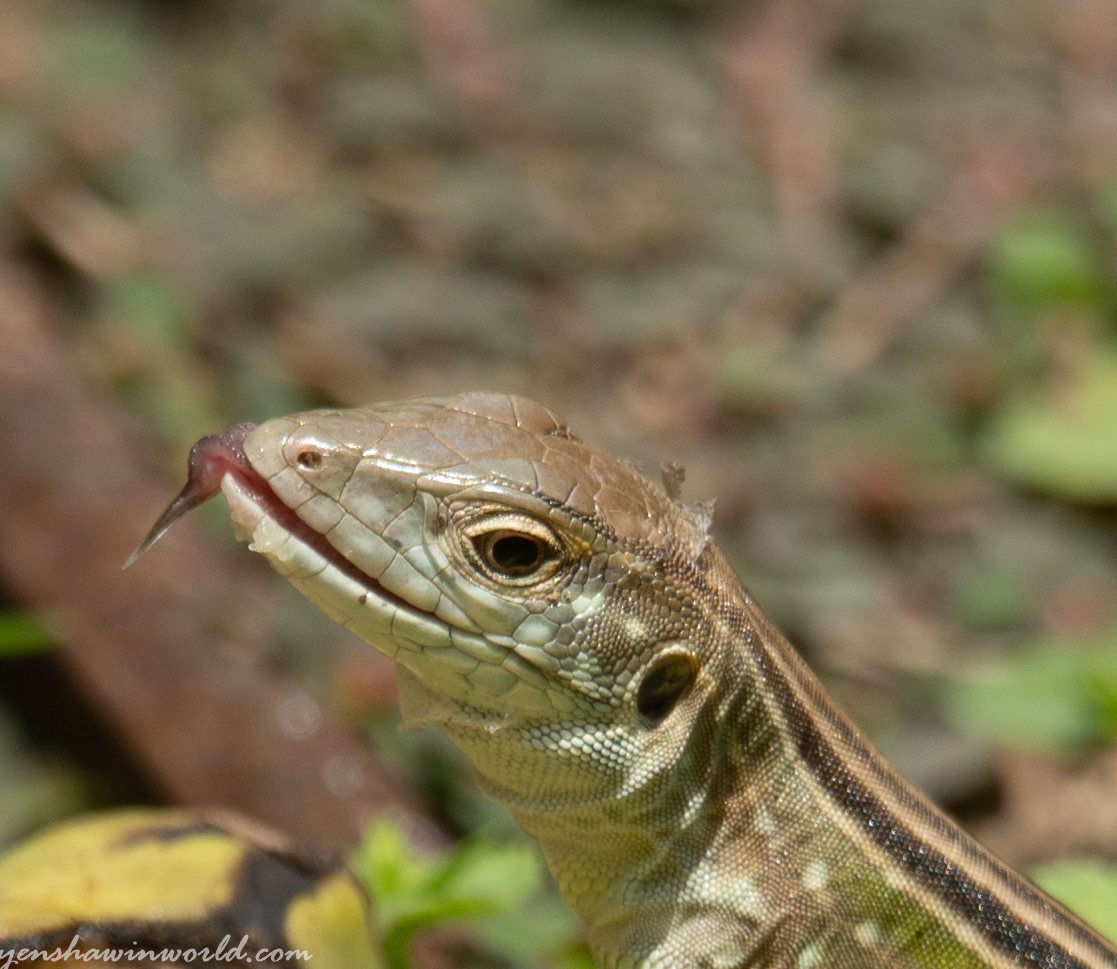
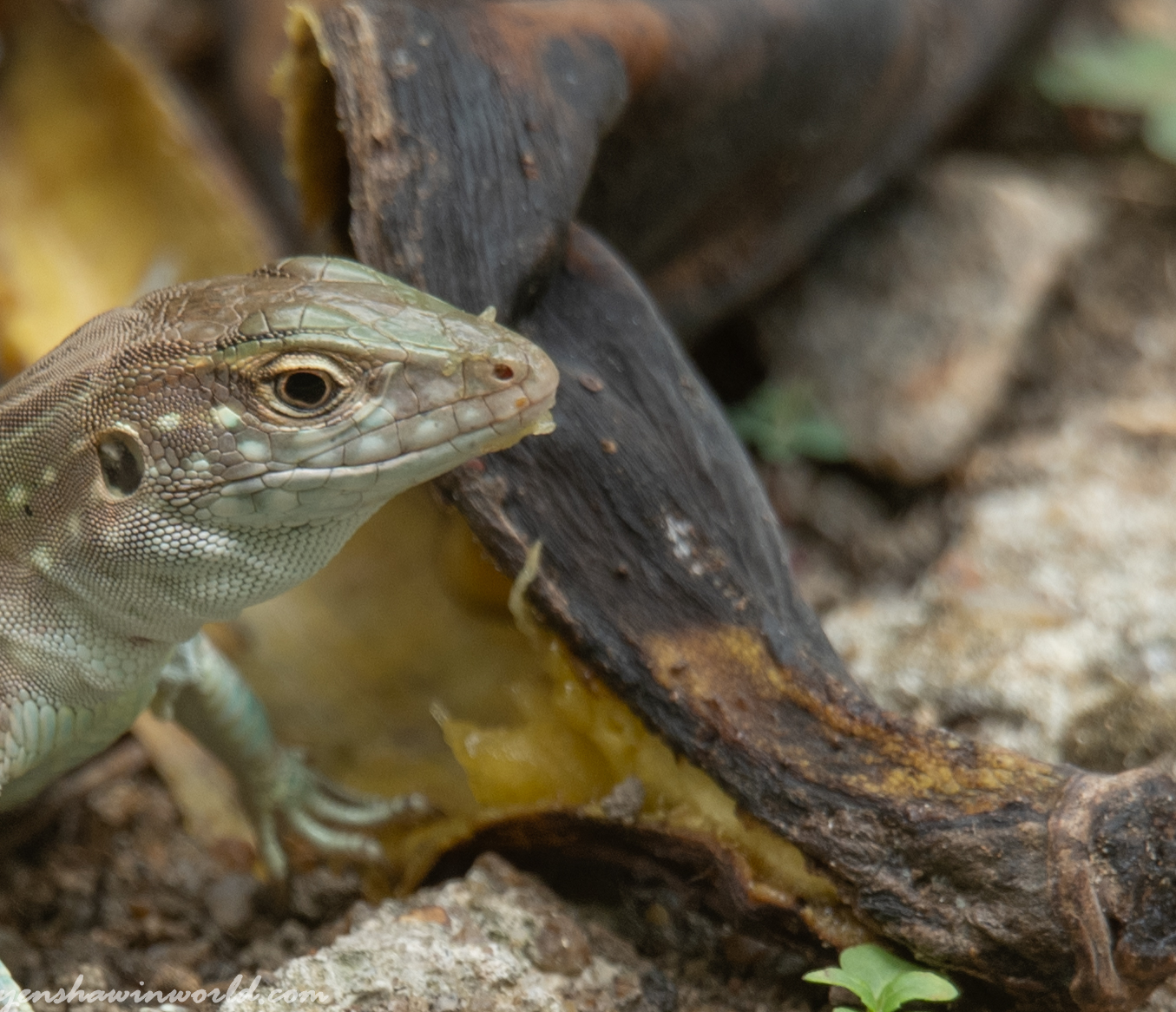
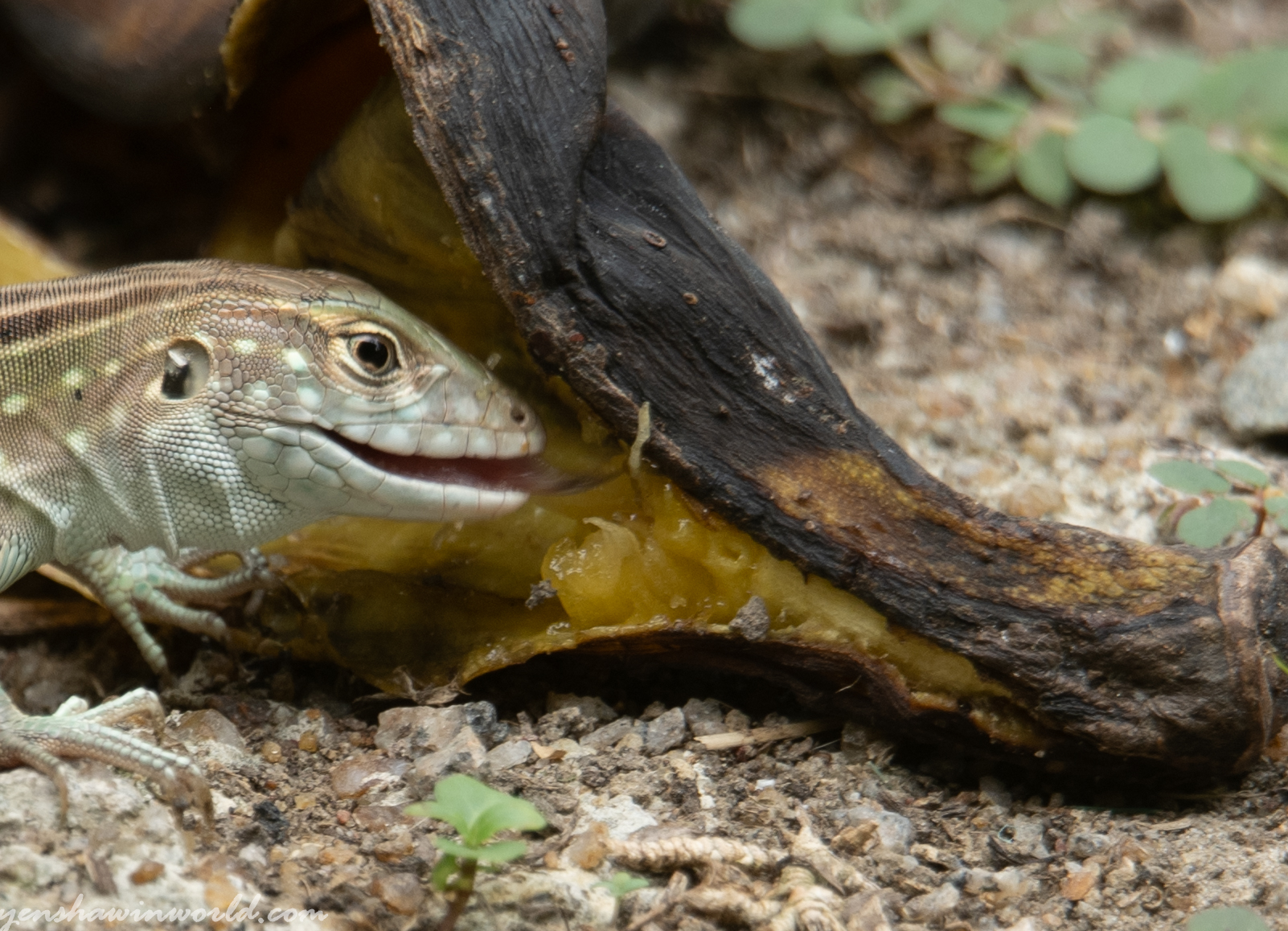
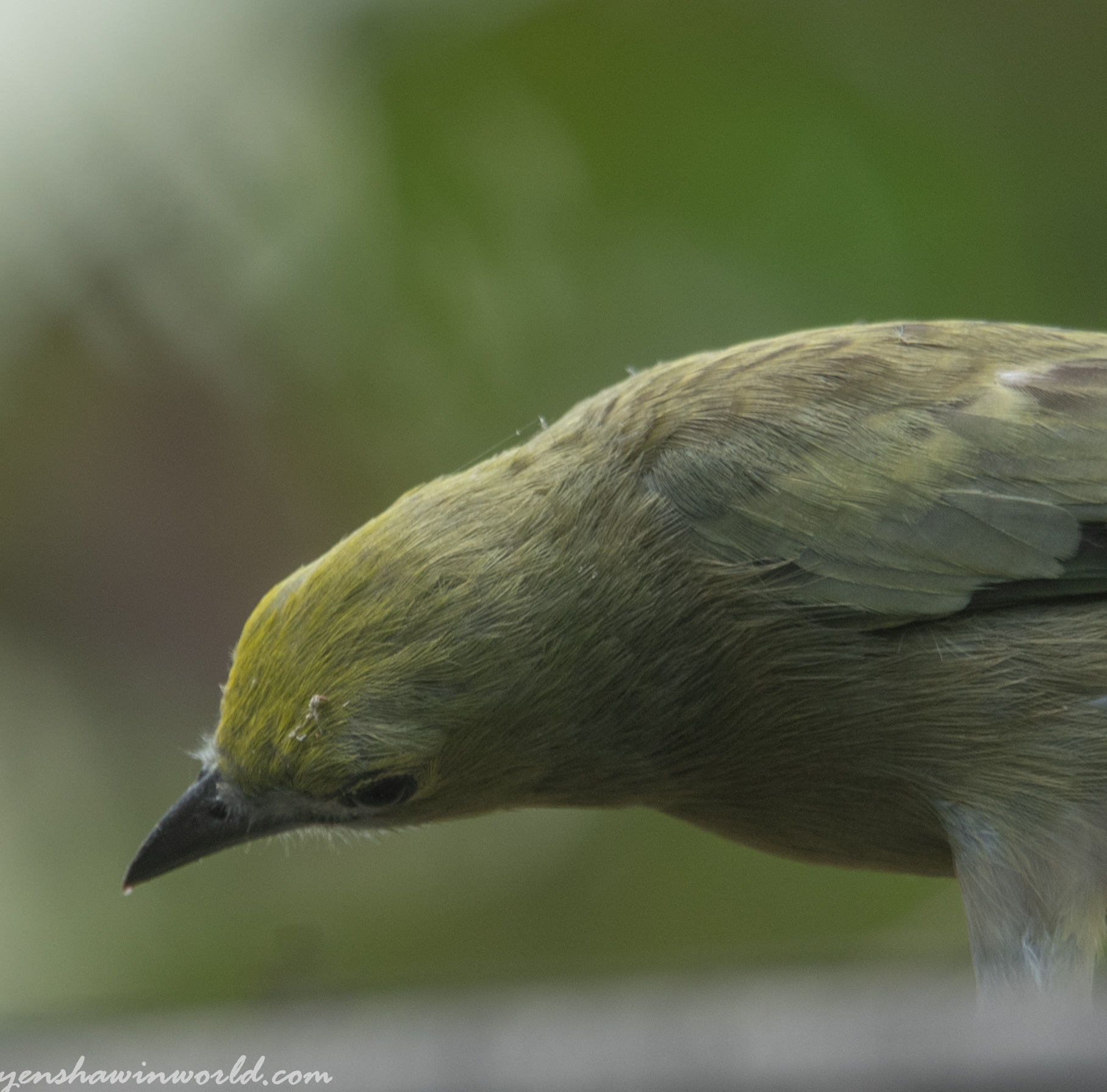
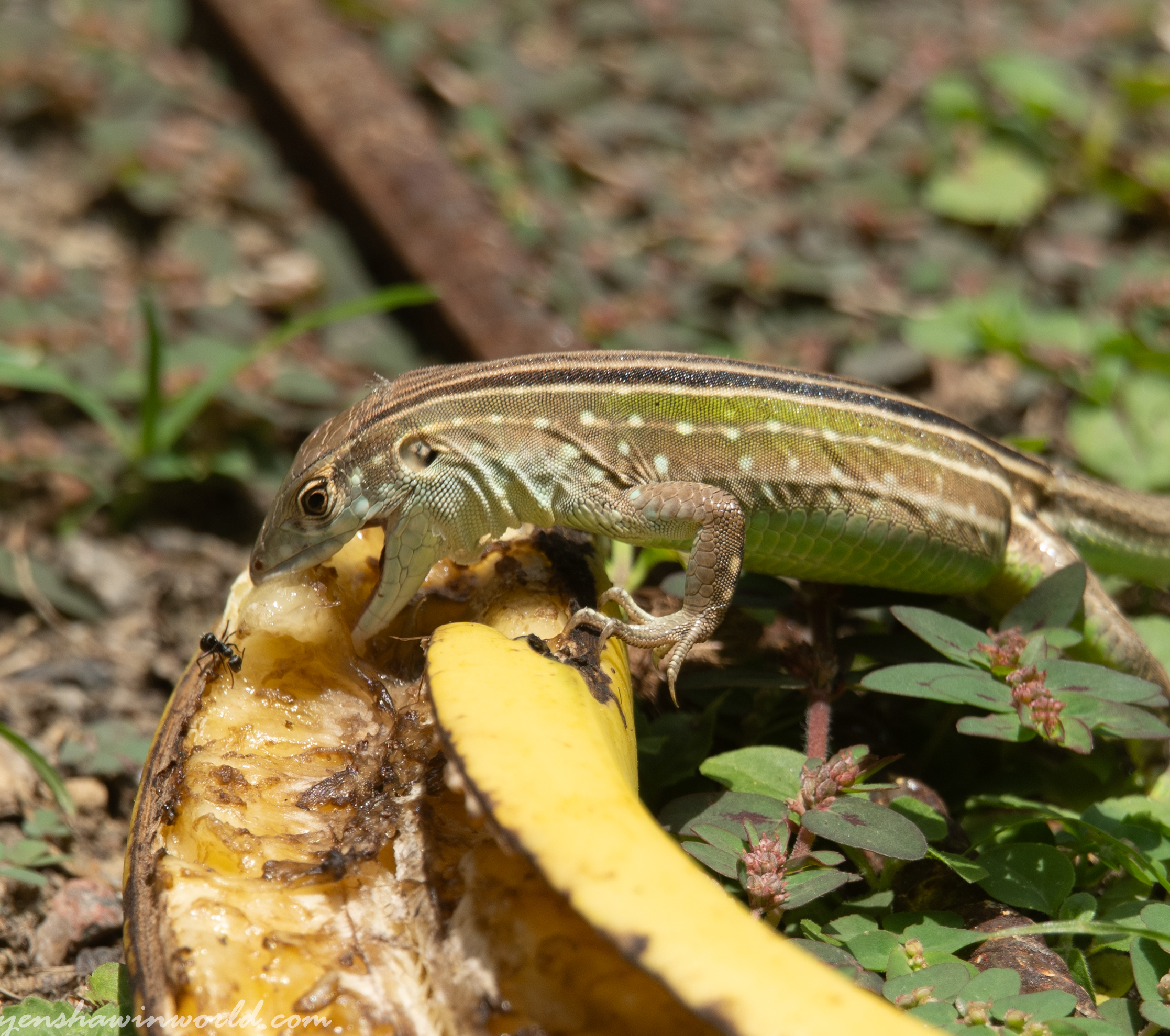

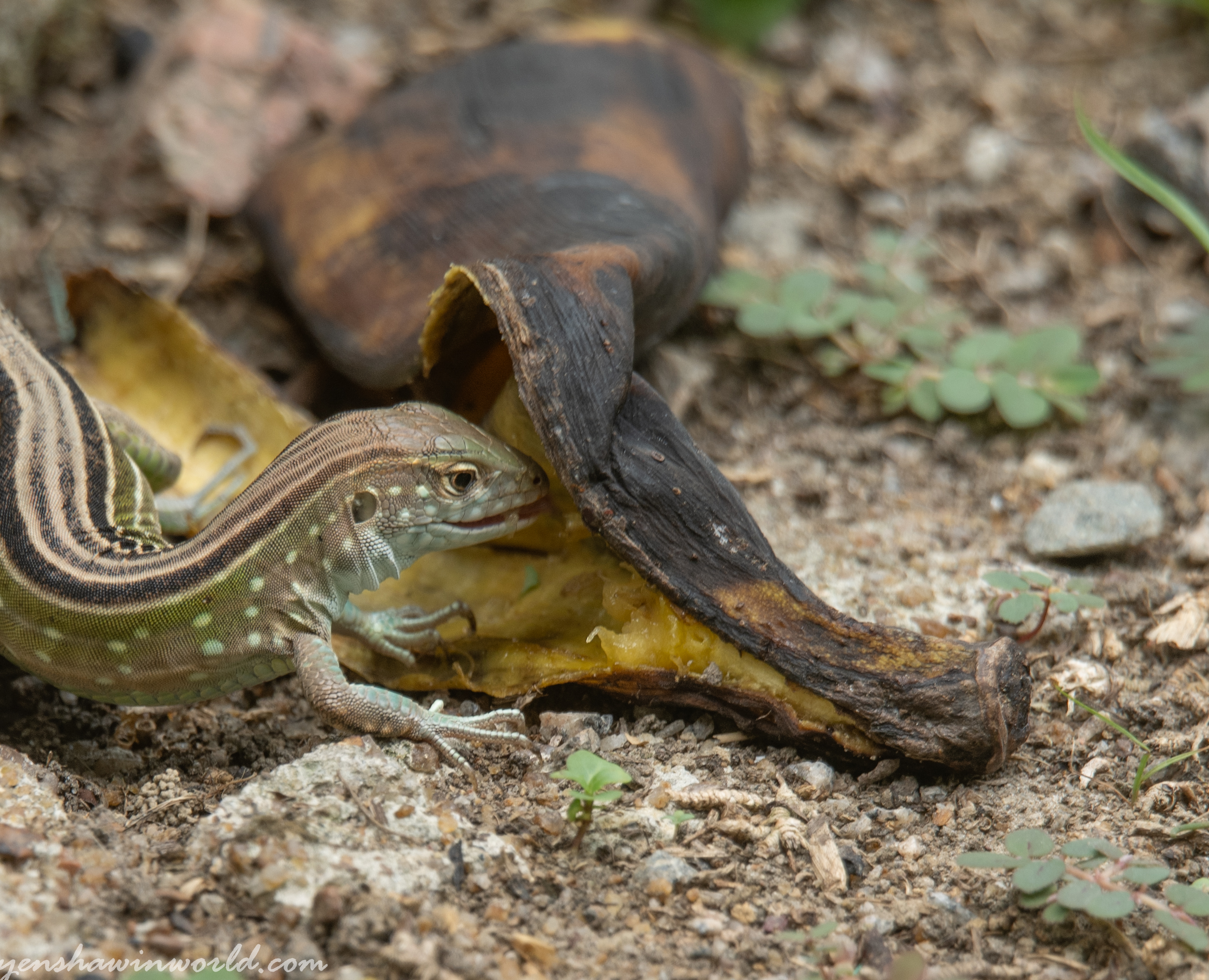
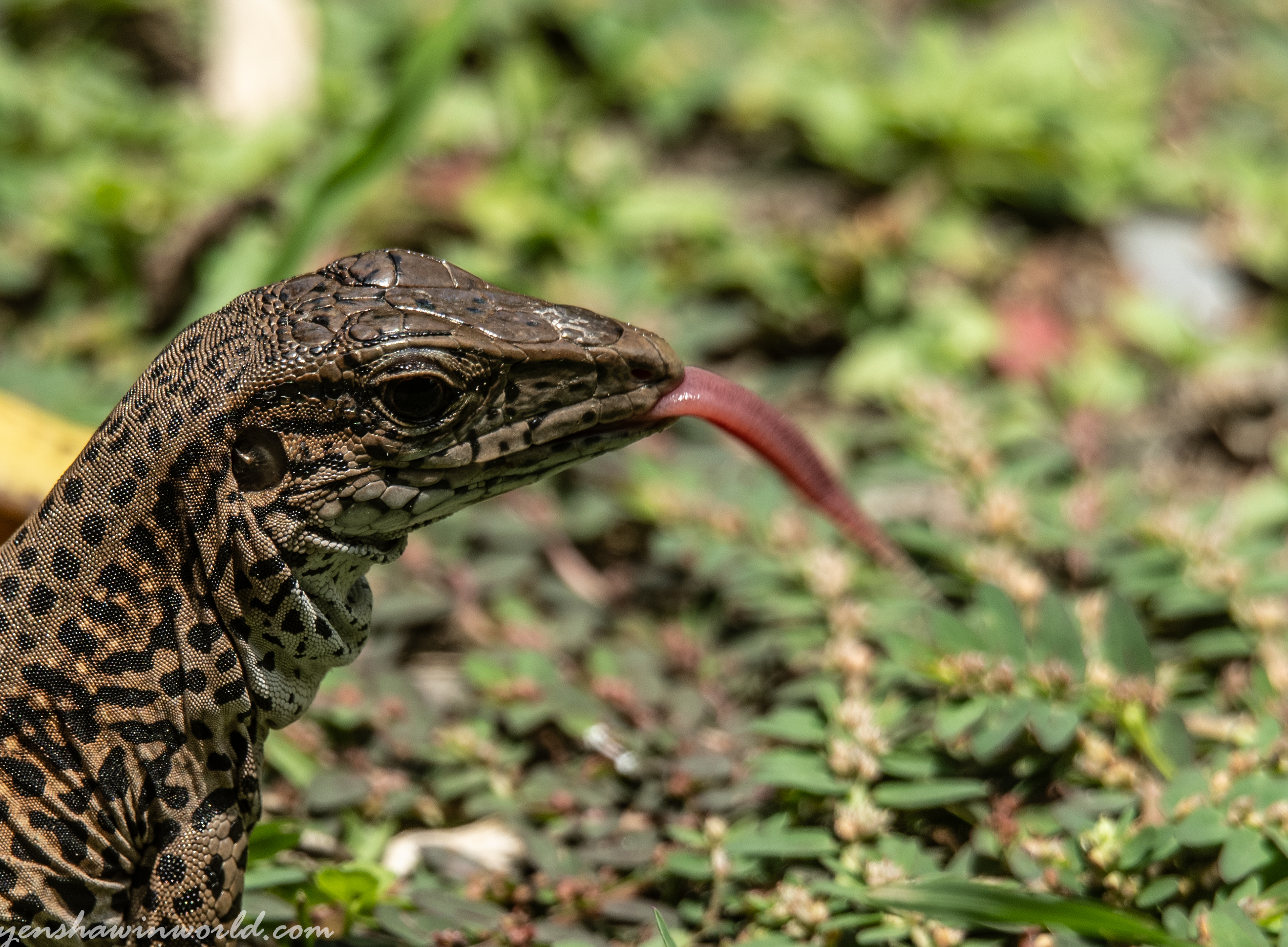
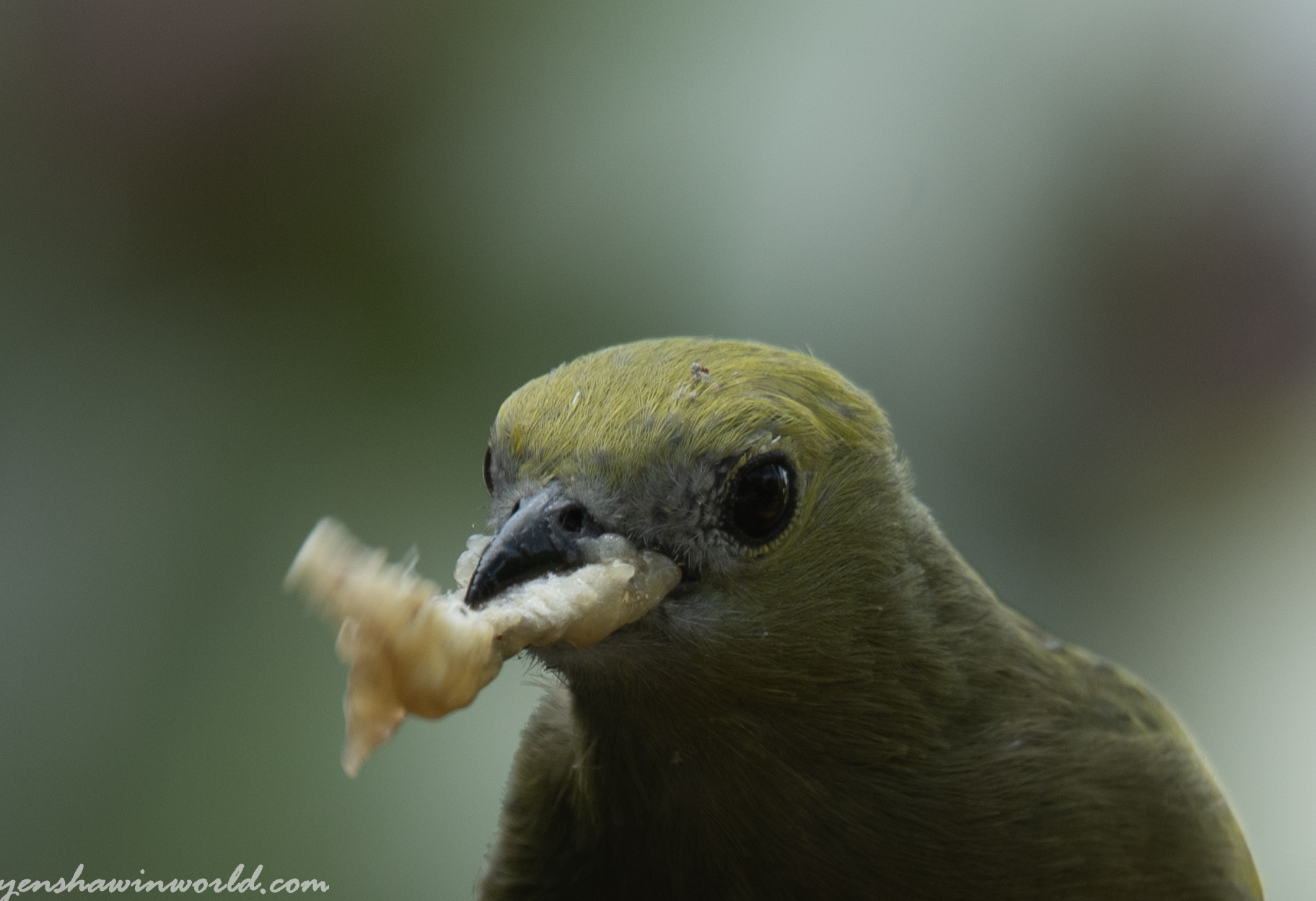





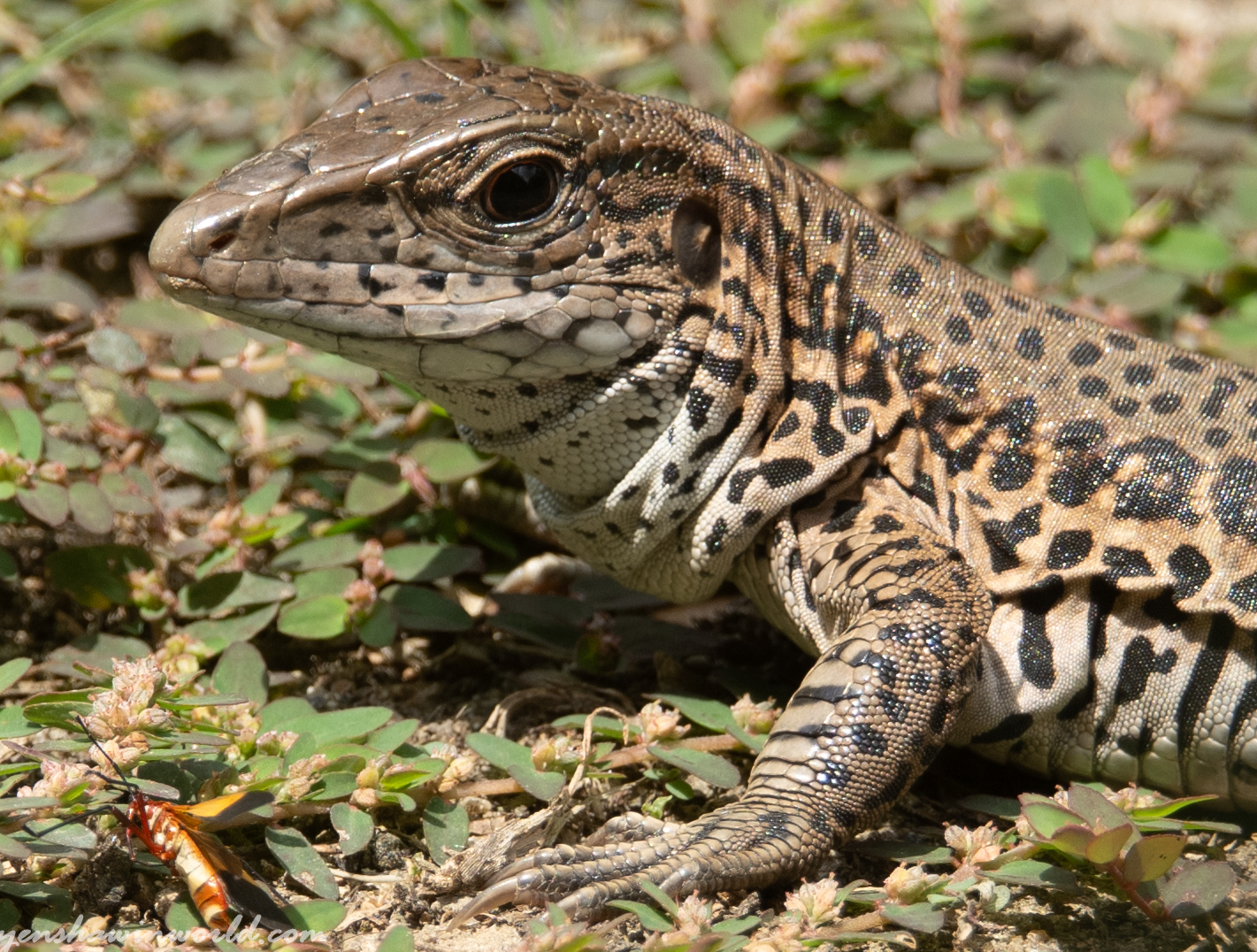


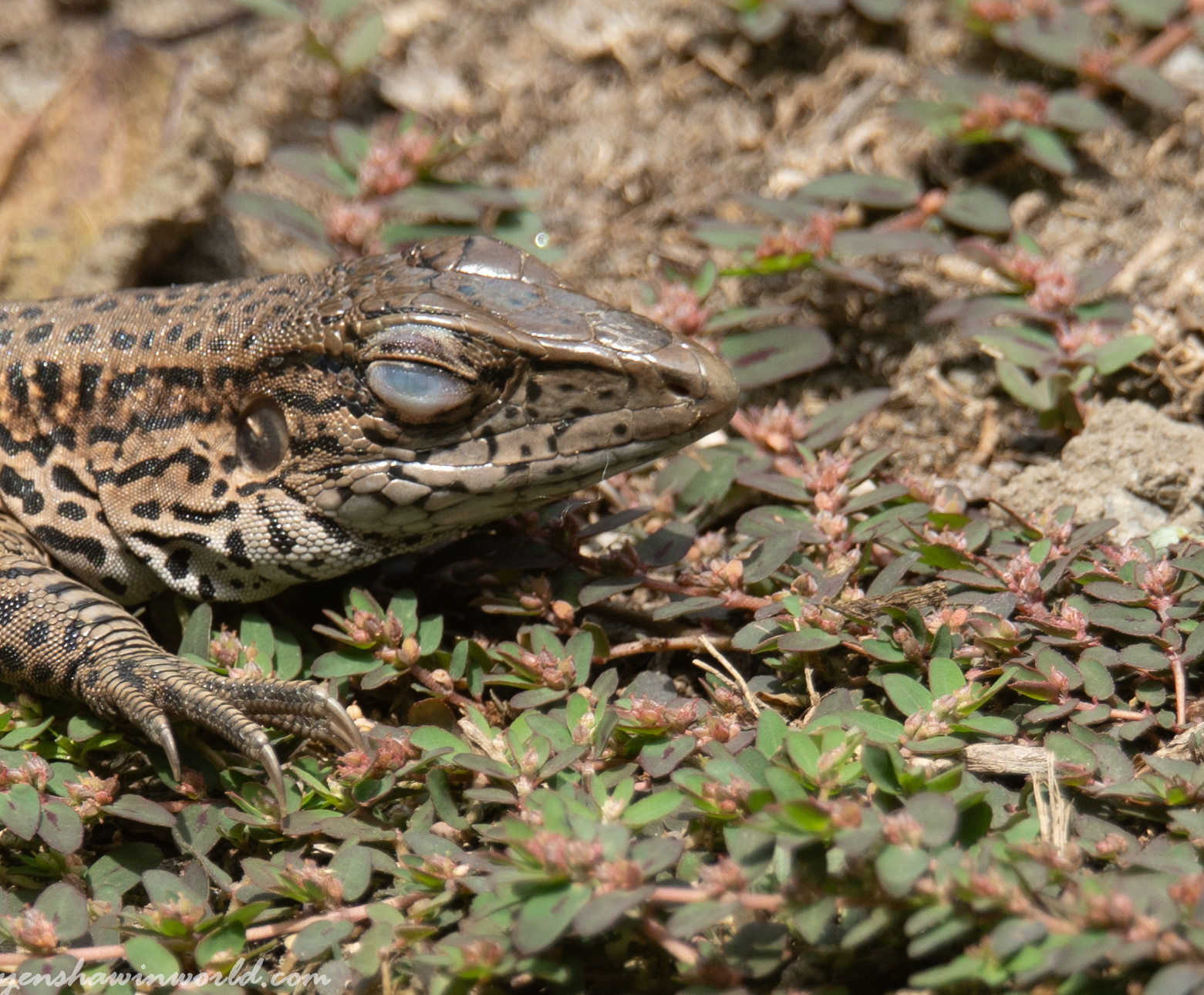
The rest of the time I just sat and photographed birds and lizards as the sun was out and I got some amazing shots of them eating some rotting bananas…






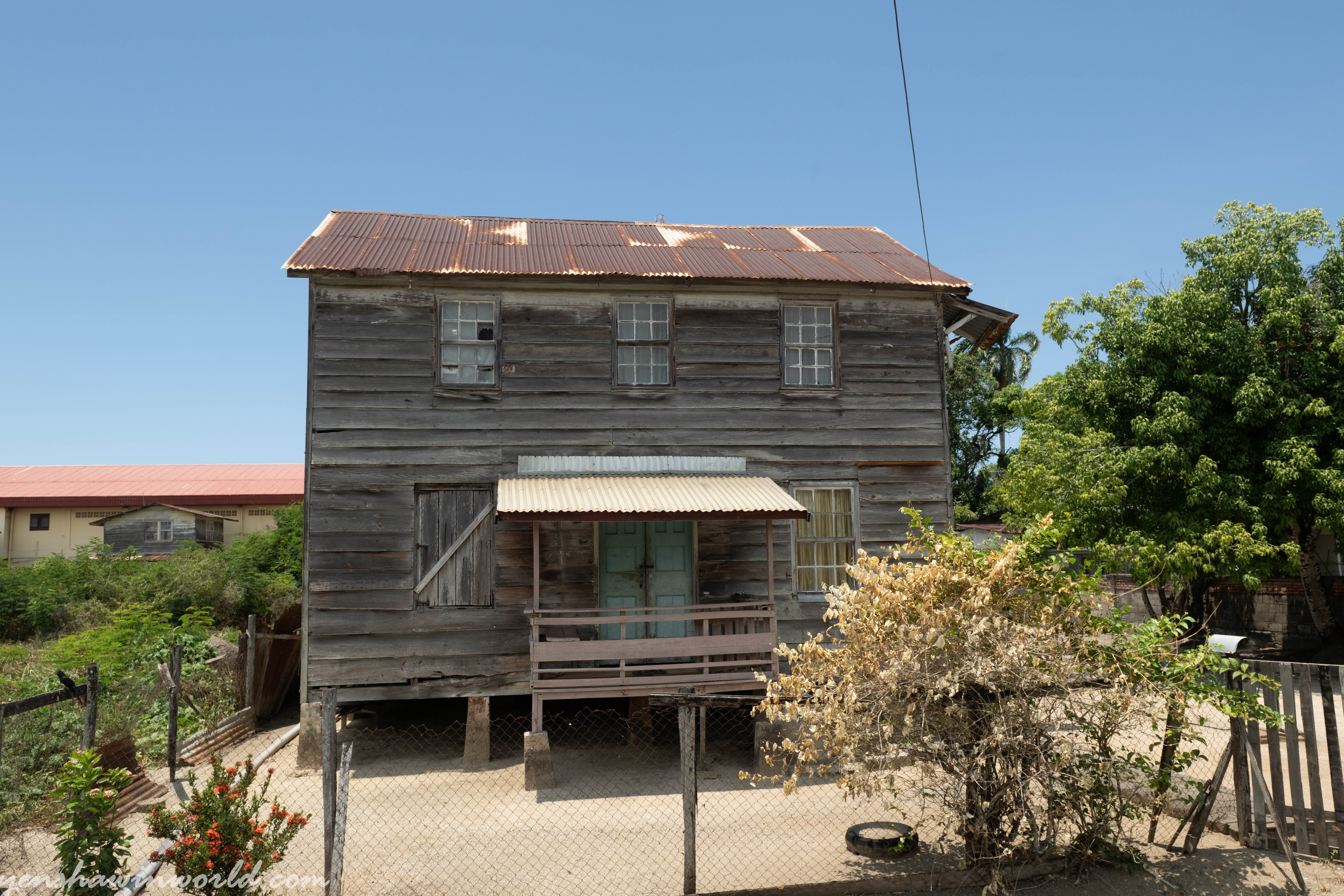

The third largest city in Suriname which is Nieuw Nickerie which only has about 13000 people is situated about an hour from the border of Guyana. It is an interesting little town in which there are houses that have fallen in disrepair but still have people living in them. The main part of the town is very lively as we were there for Easter Sunday and there were many people that came from out of town to join the festivities. Just like Paramaribo, it is not uncommon to find a church, mosque, and Hindu temple very close to one another and the people in this little town were quite friendly and hospitable.

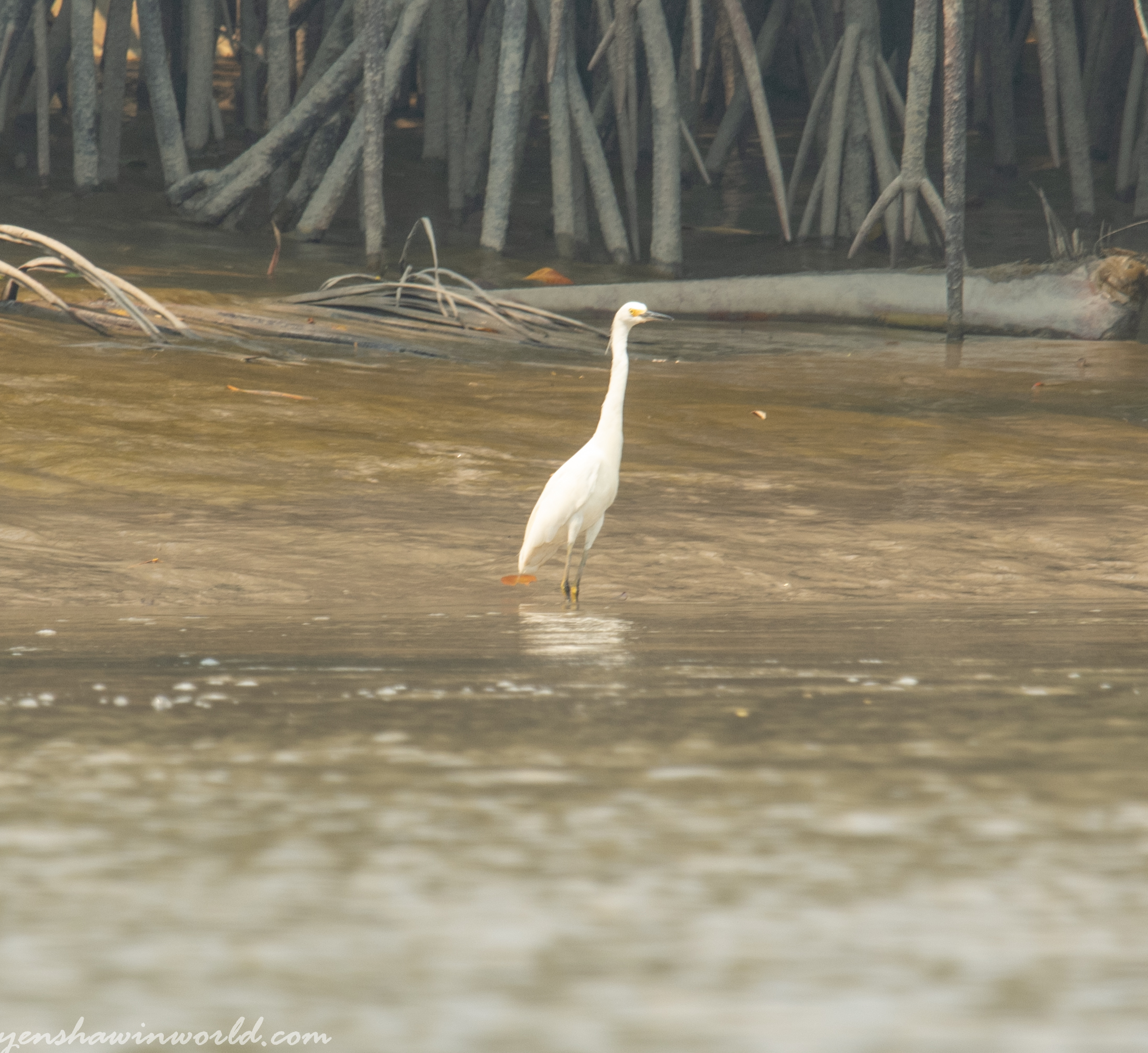
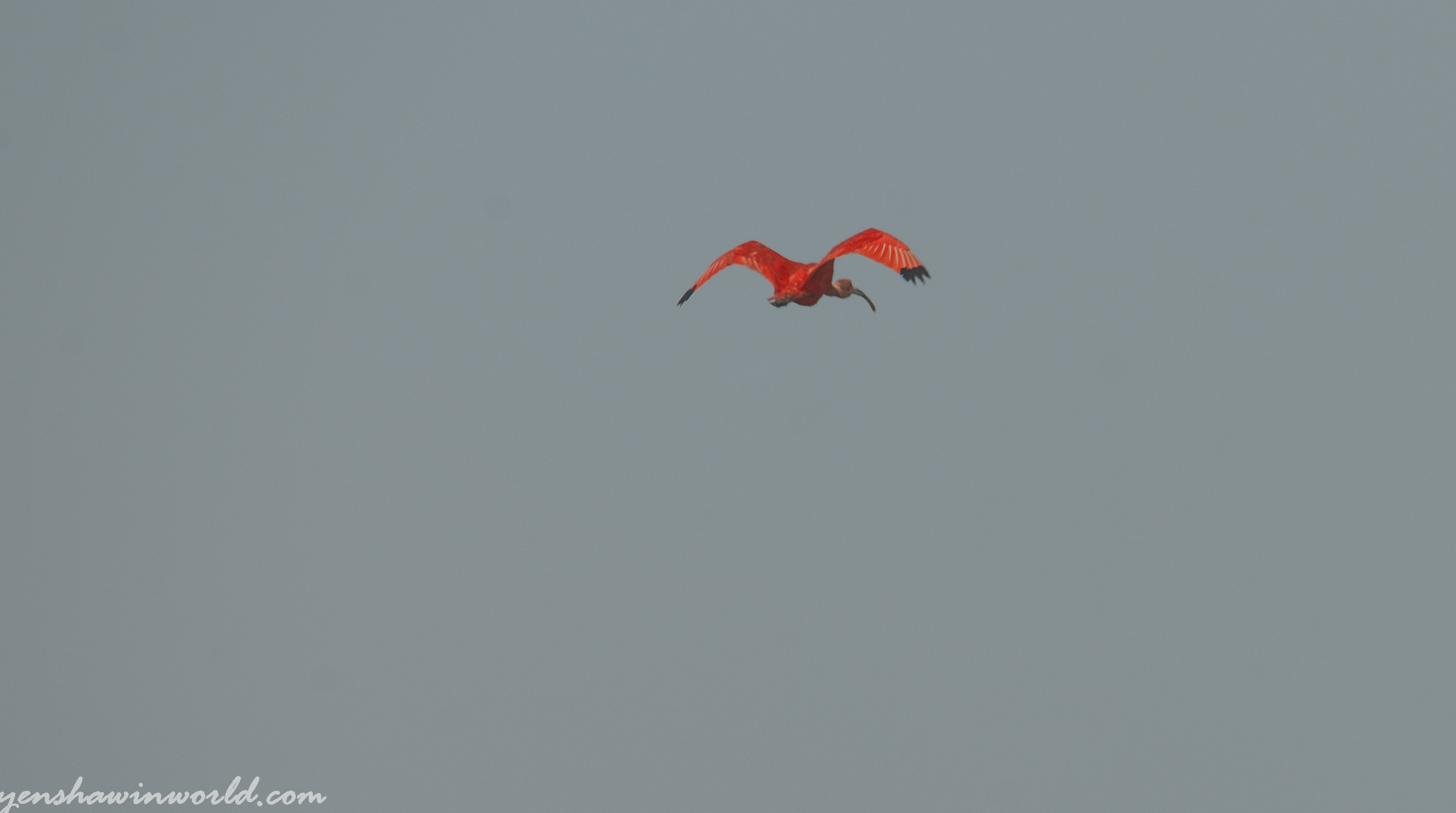
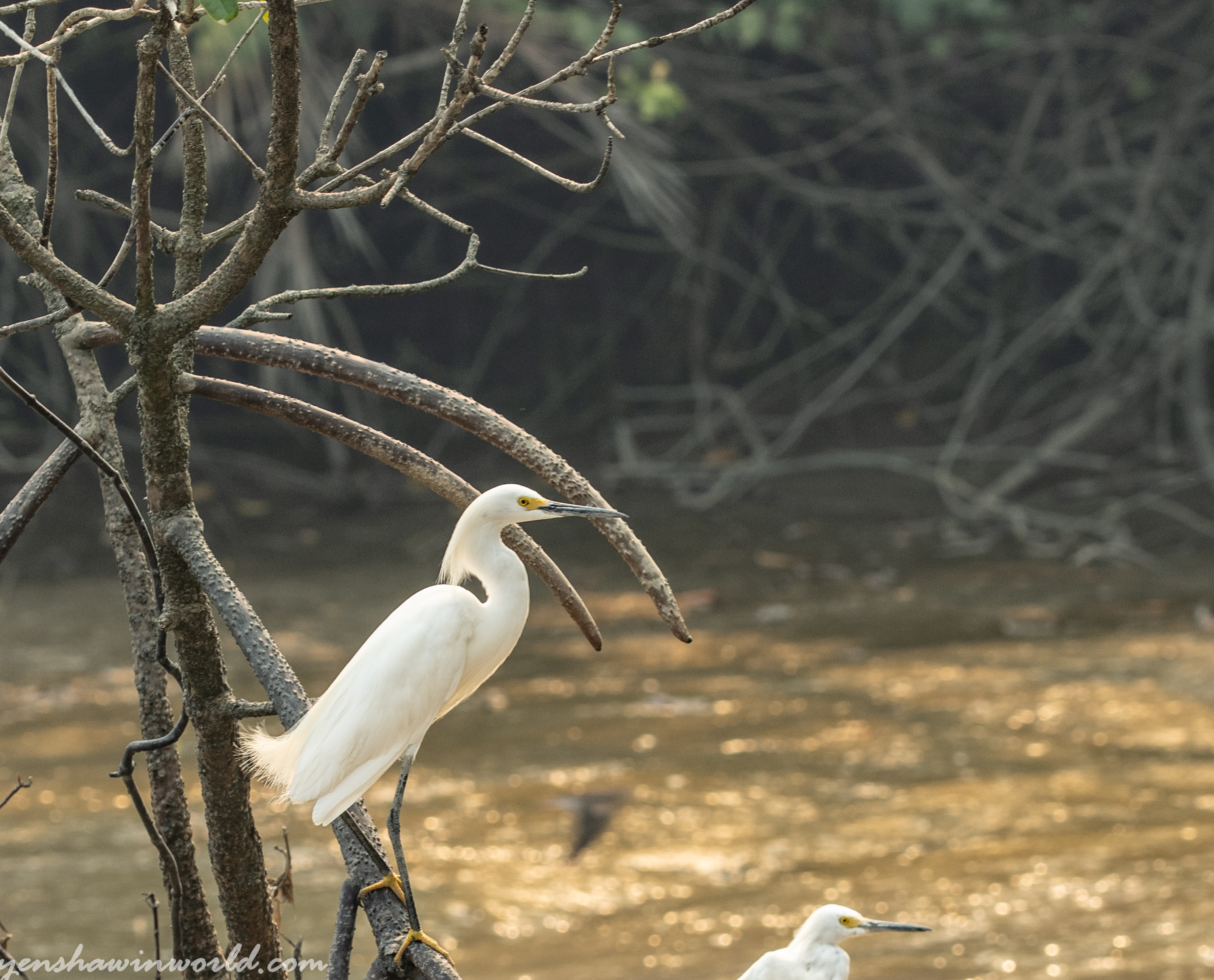

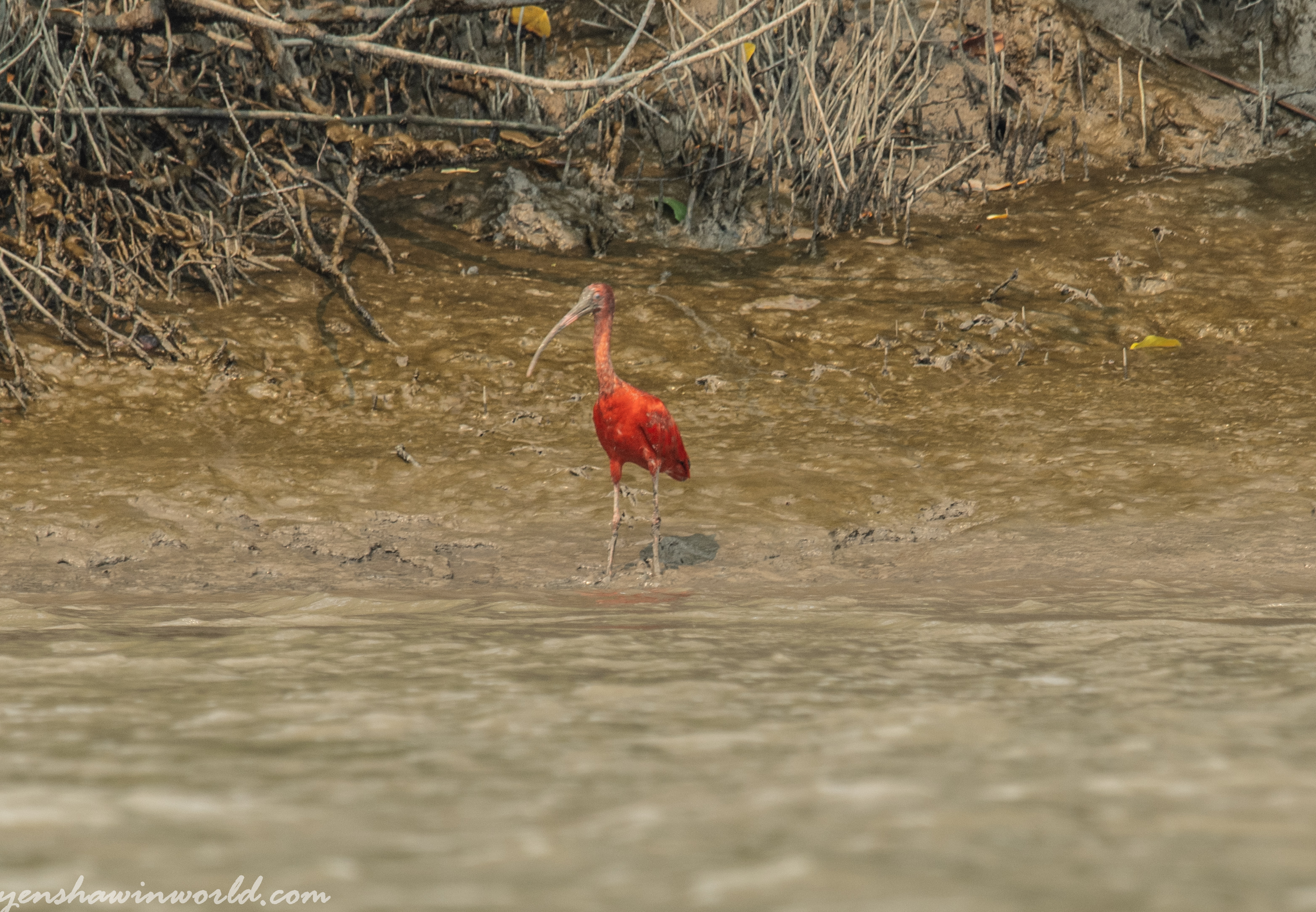

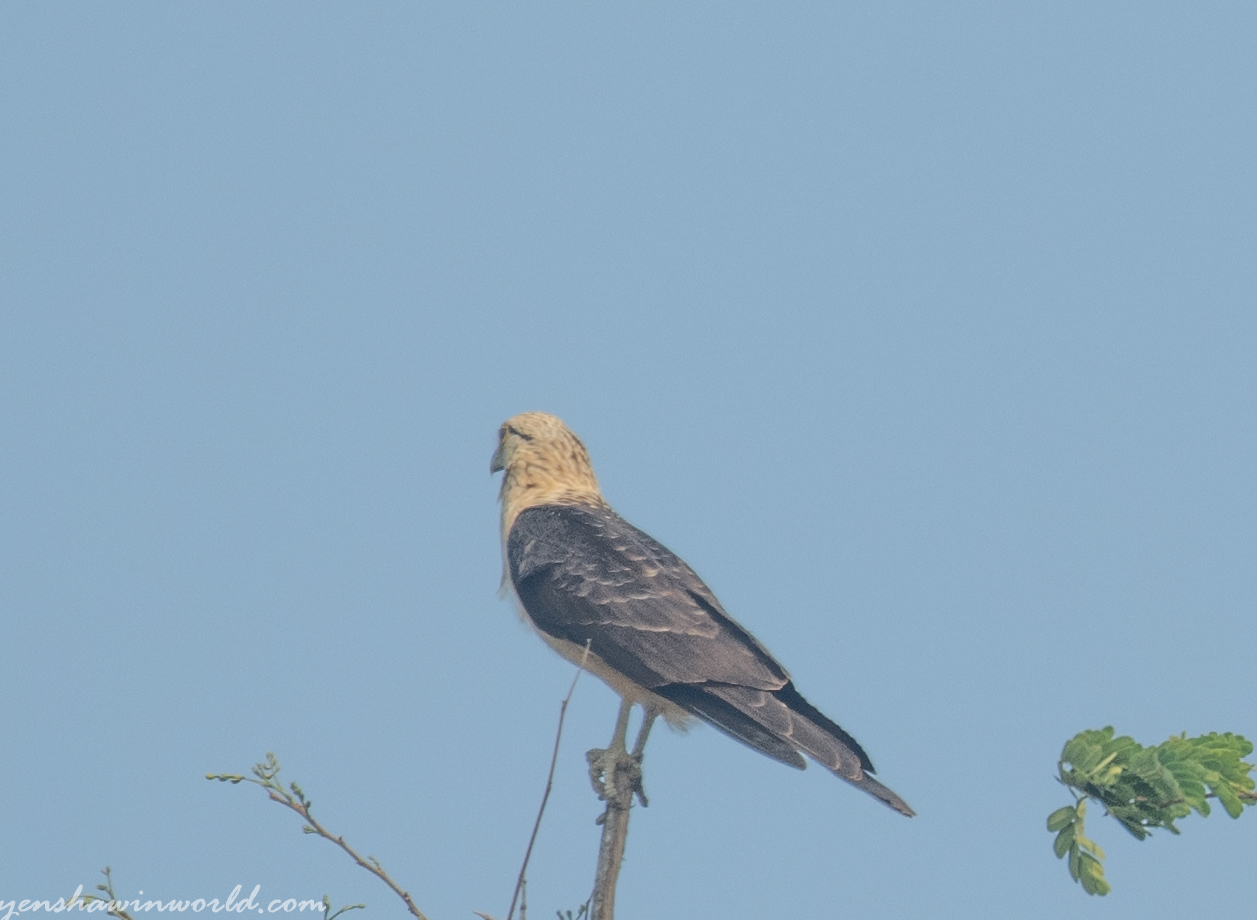
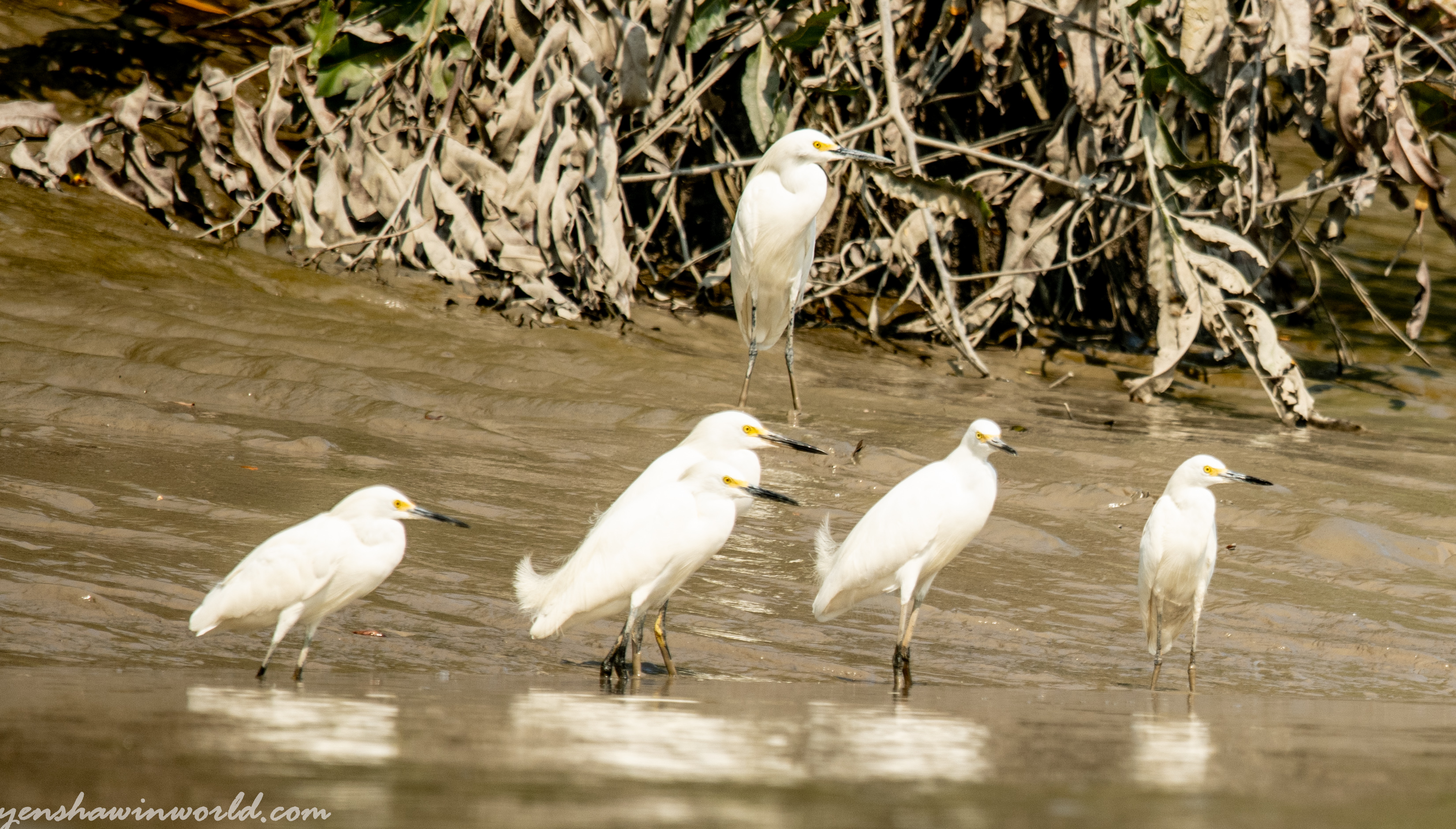

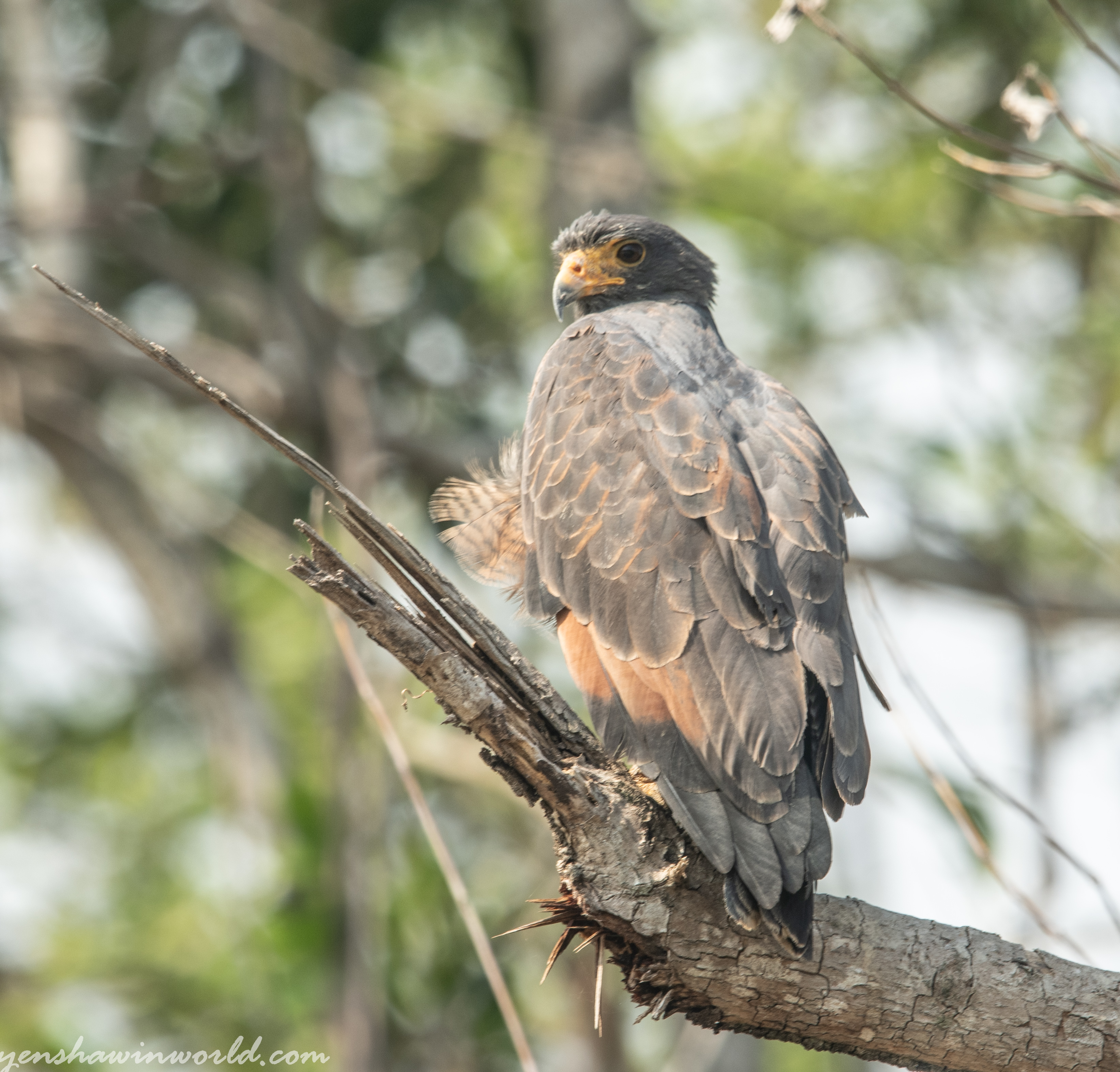

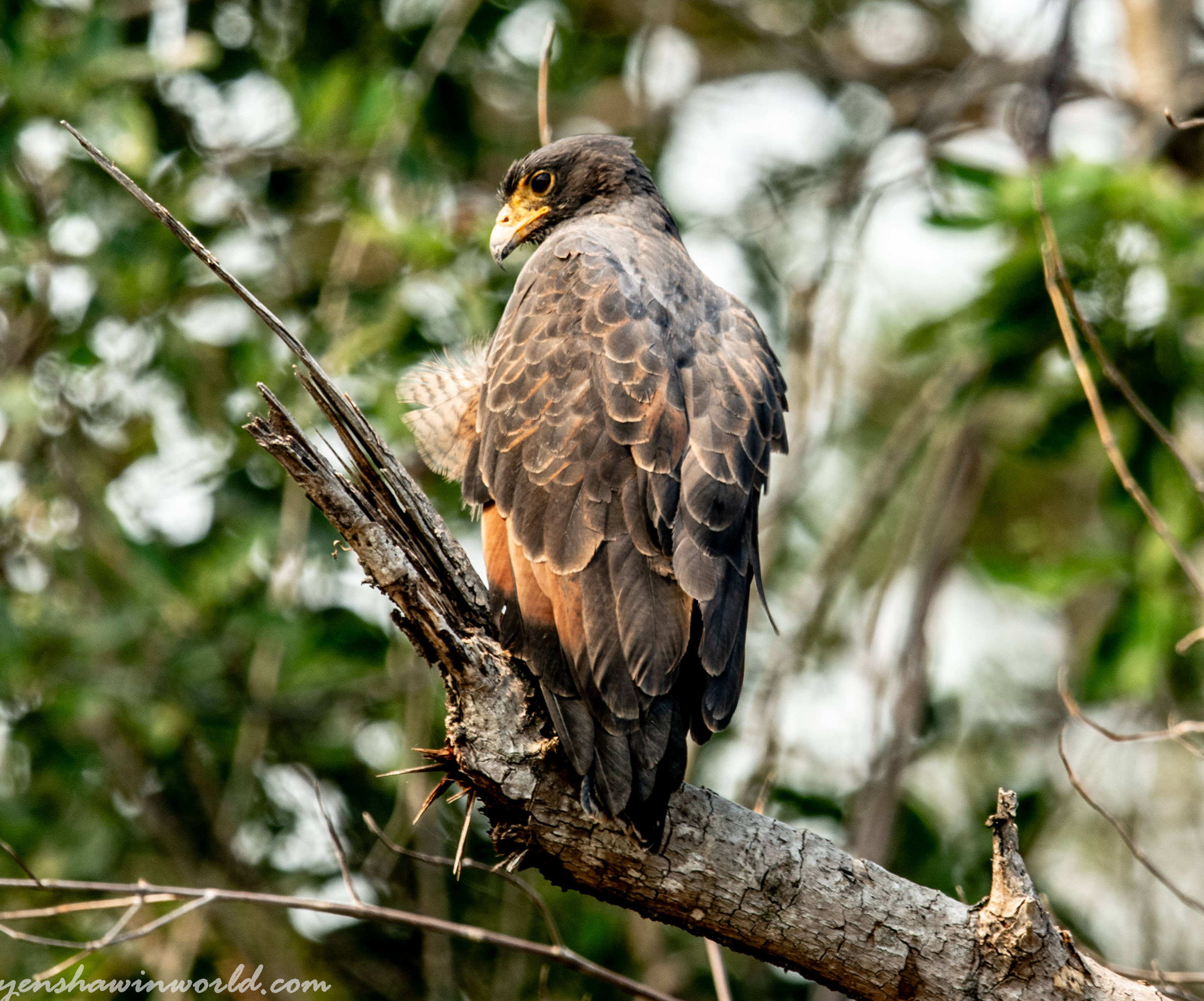
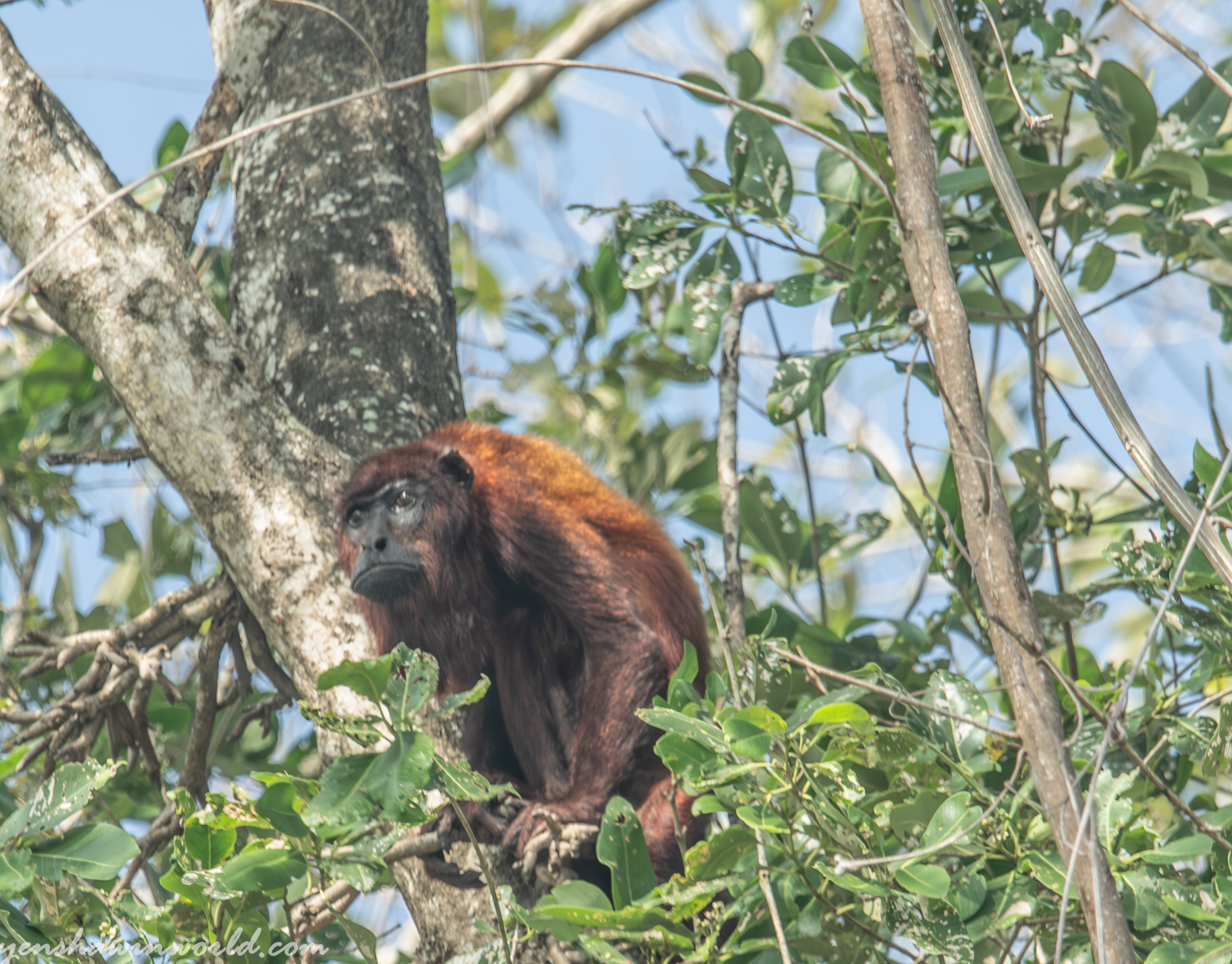
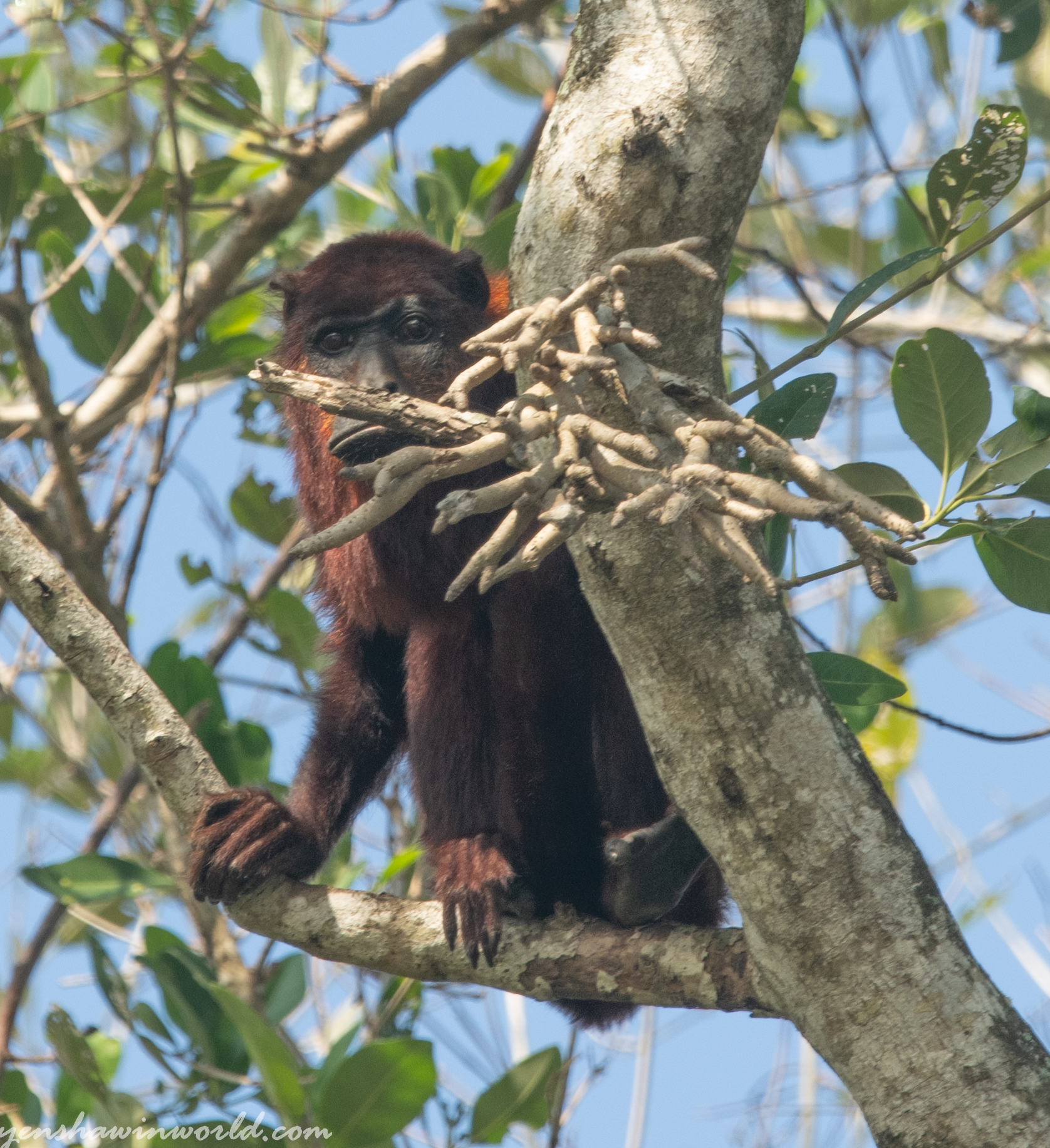


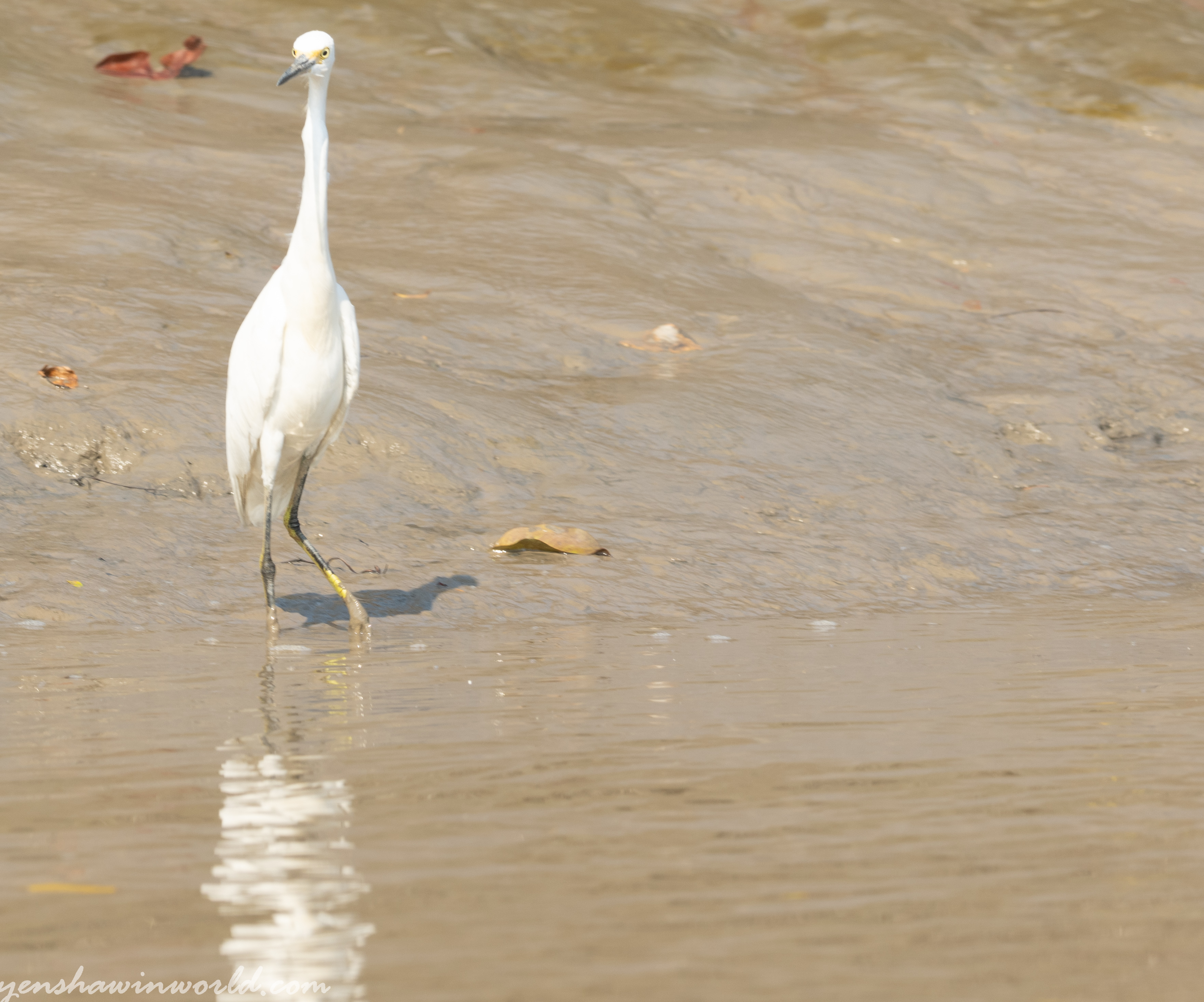
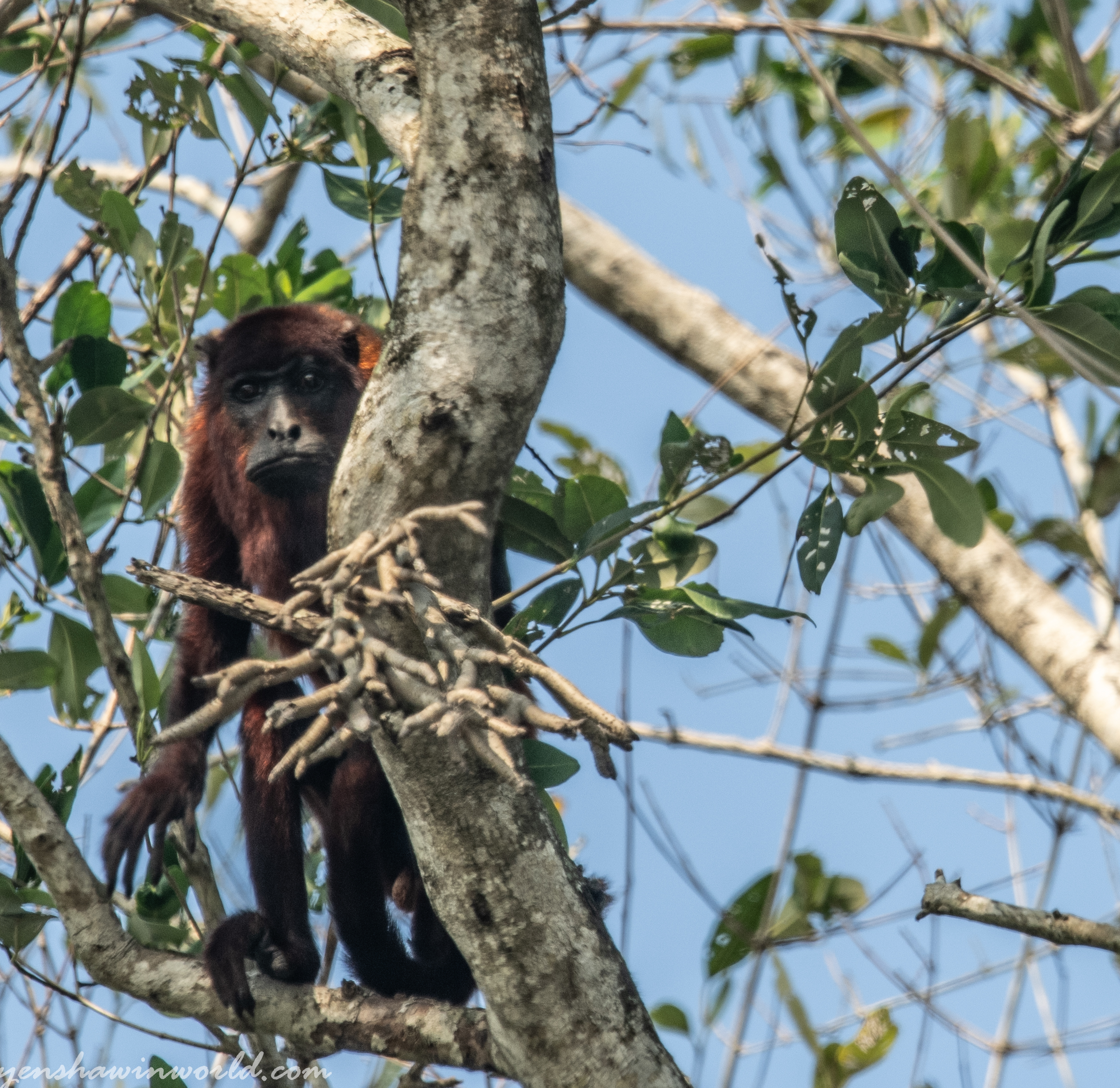
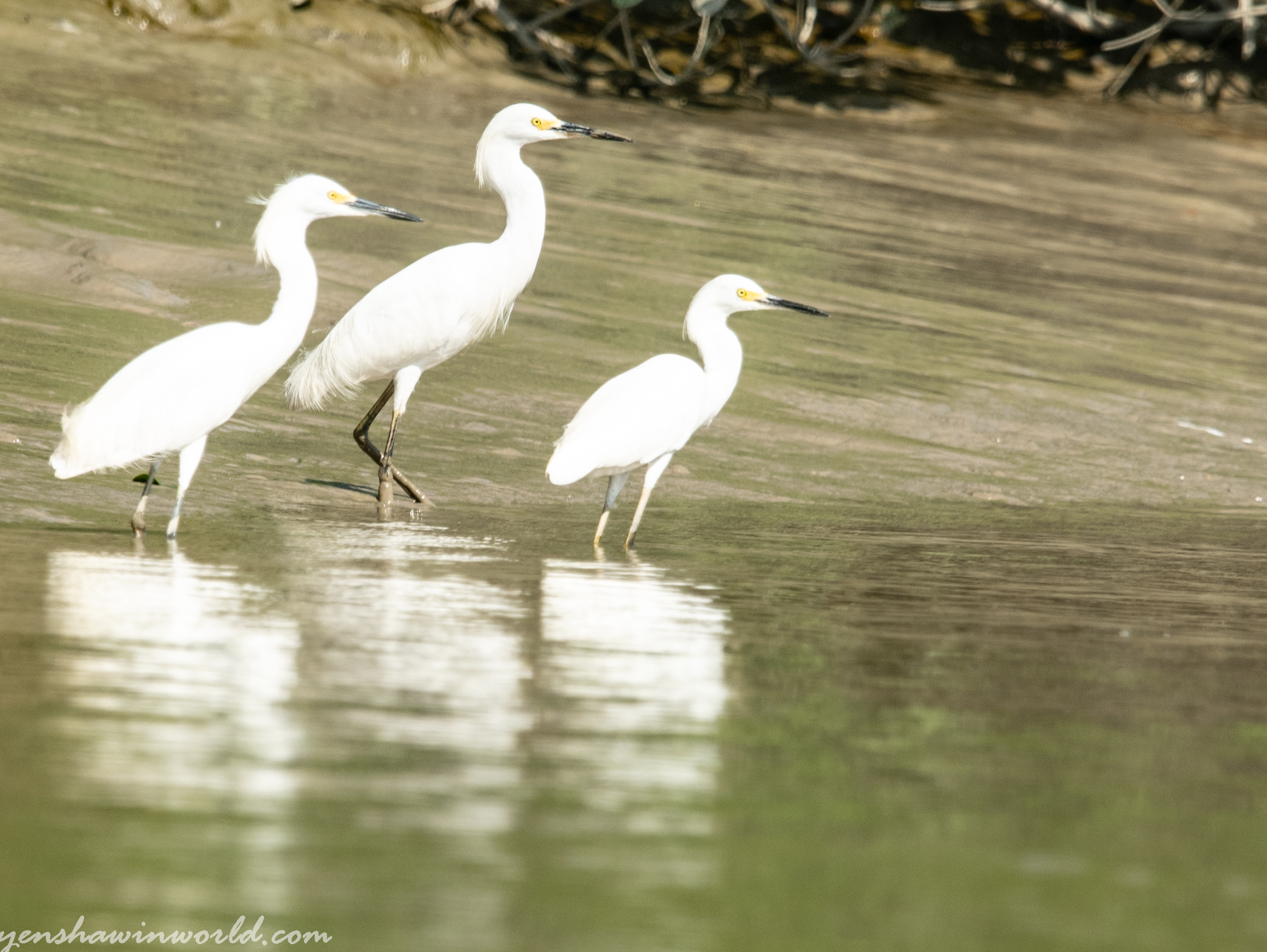
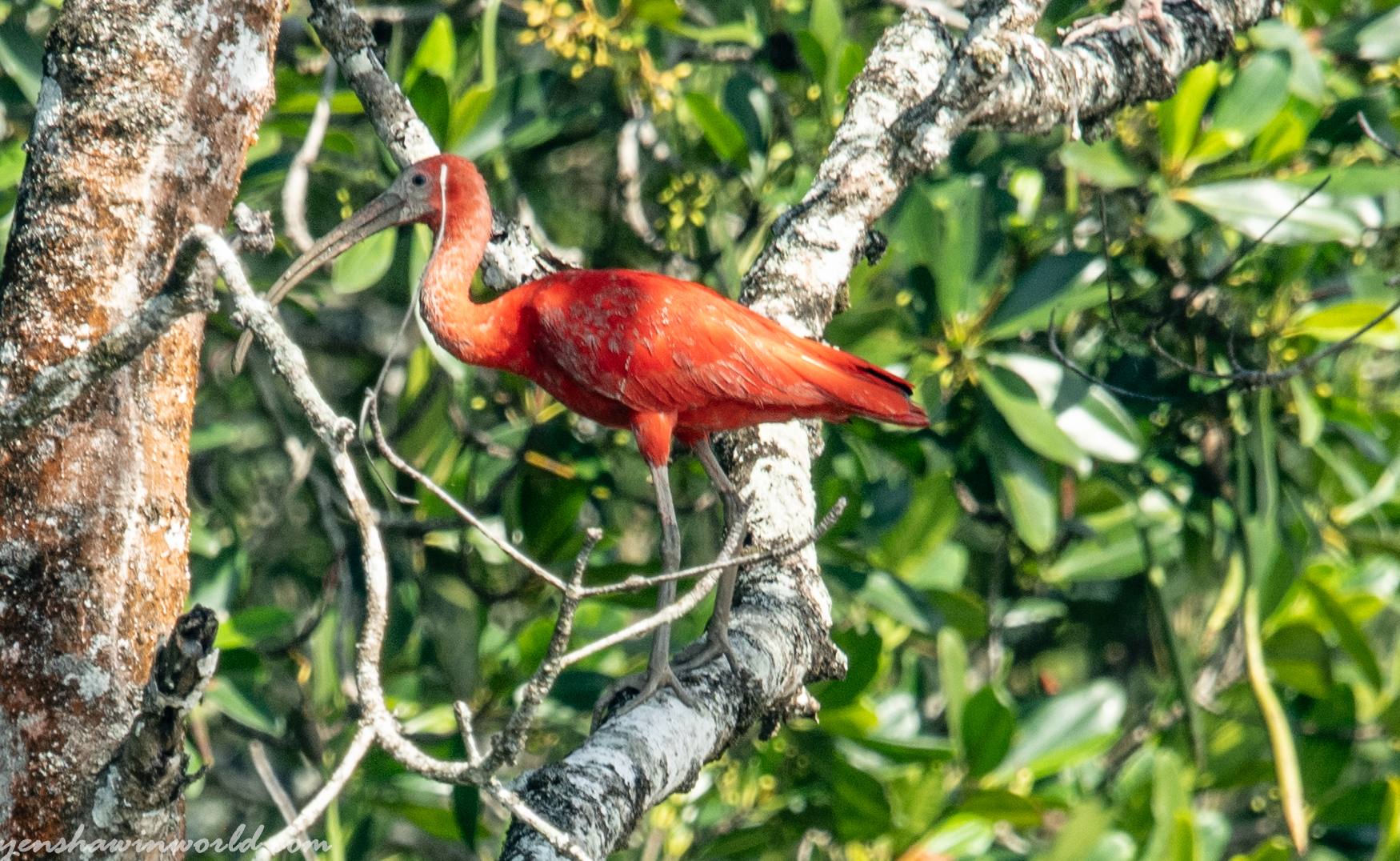



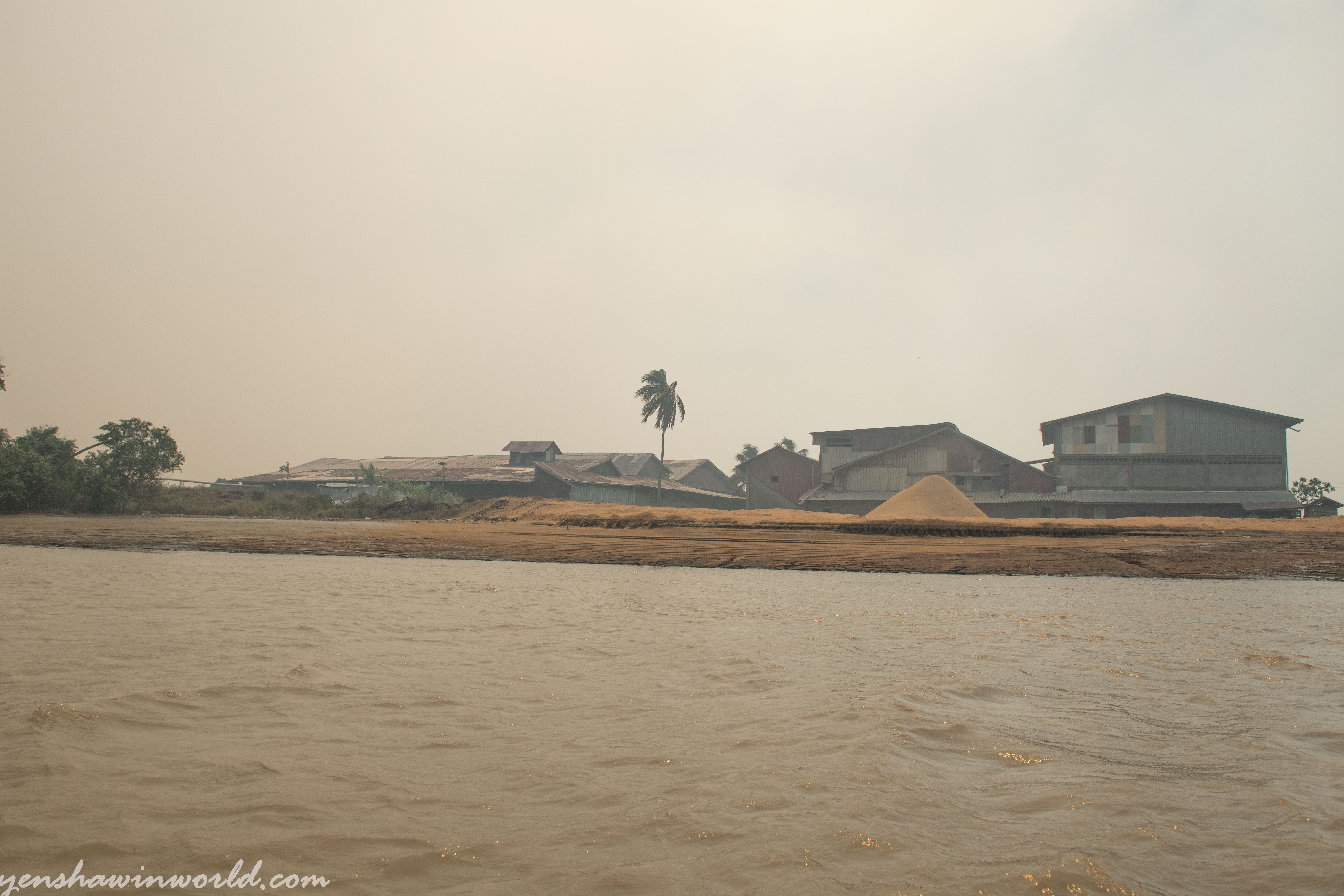
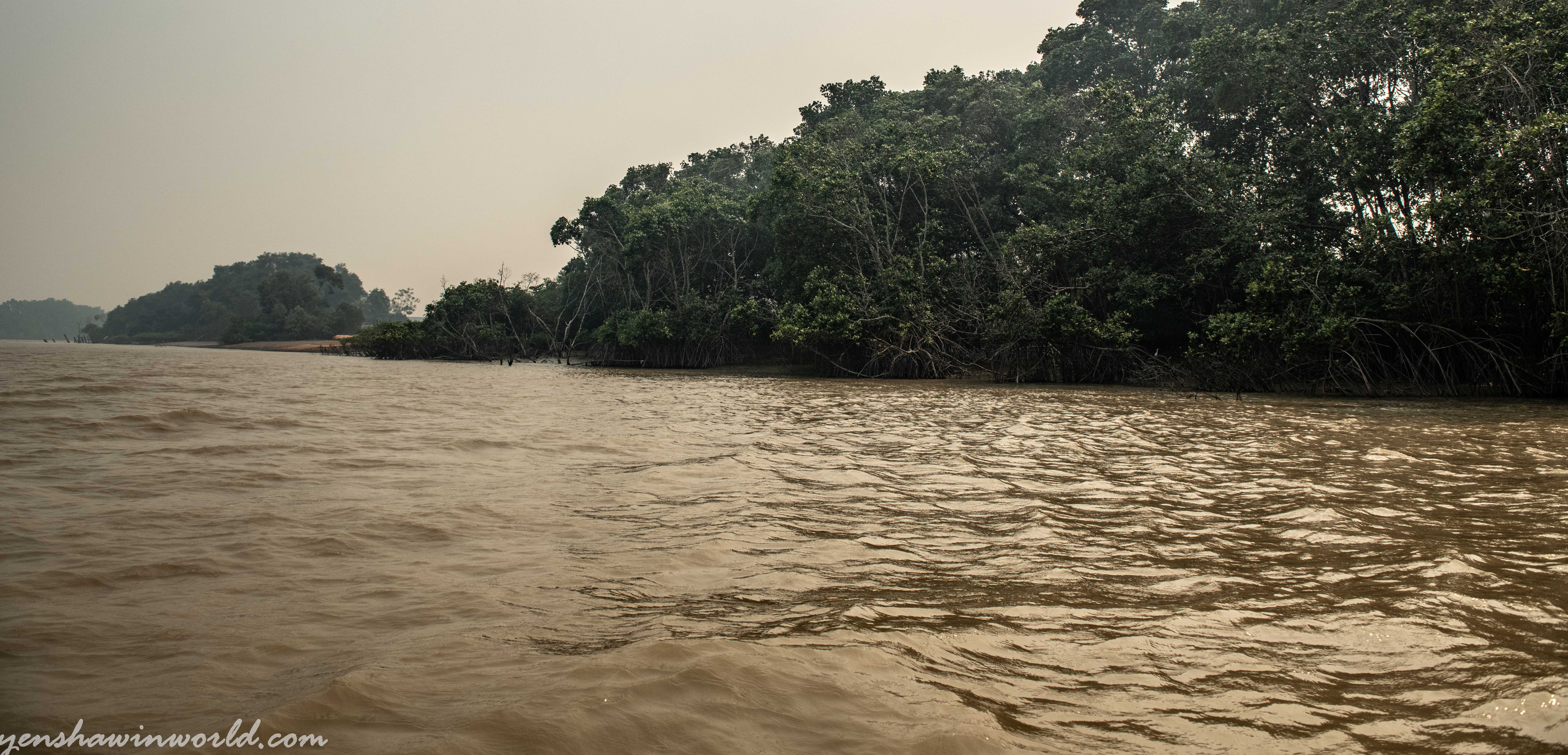


We were supposed to go and stay at Bigi Pan Nature reserve for a couple of days, but because of the extra extra dry season, we could not get in, so we took a trip down the Nickerie River for a couple of hours and saw some beautiful Ibis, Herons, as well as some Howler Monkeys. It was quite difficult for photos as they are burning the fields at this time so there was a lot of smoke which made everything very hazy…

Suriname, which I was not expecting much as a country, really surprised me as the food was great as well as the people. It is a country of so many cultures that are able to get a long despite their differences and this is a country that I could defiantly return to (with a lot of aircon)!!!