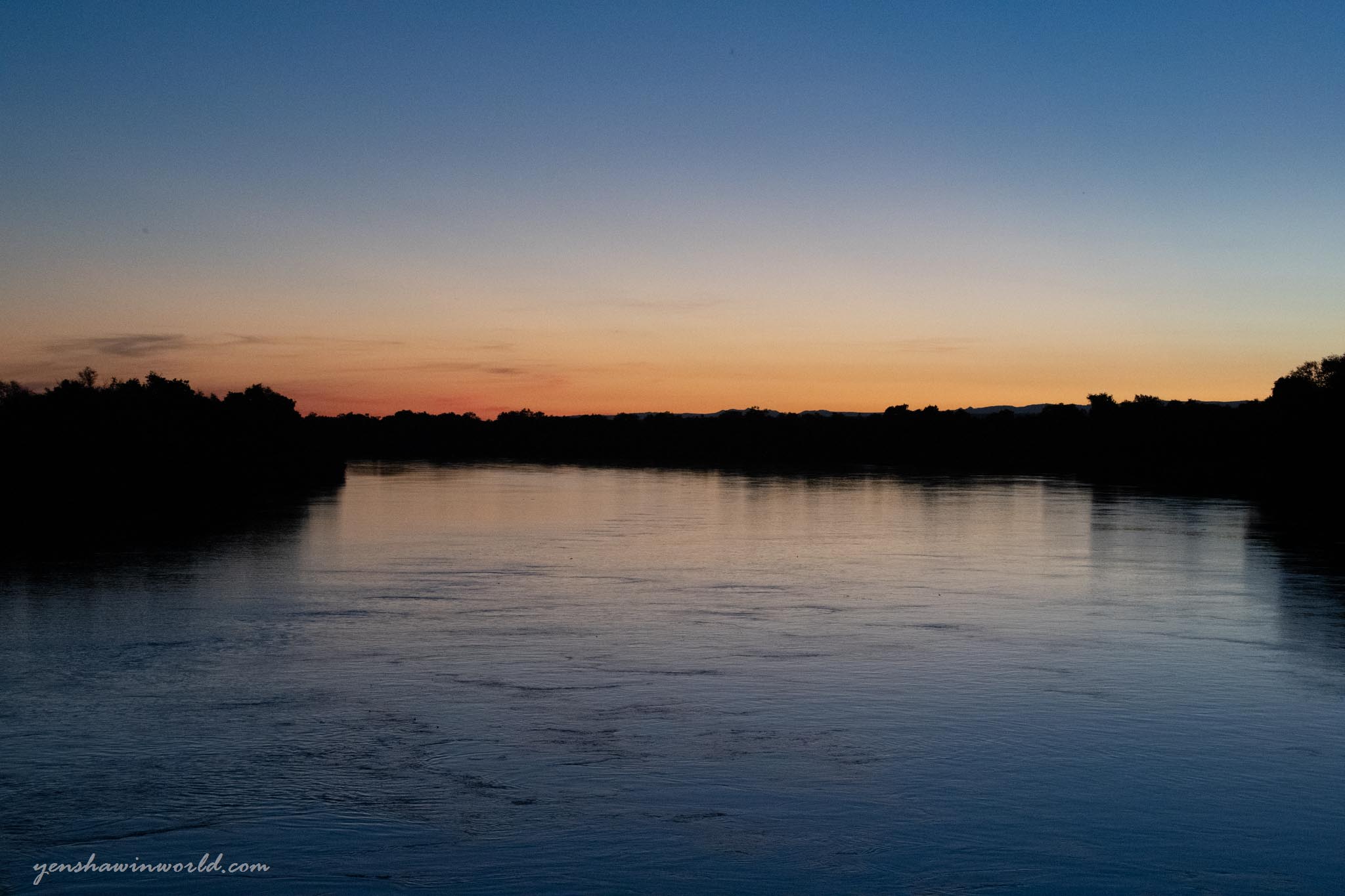
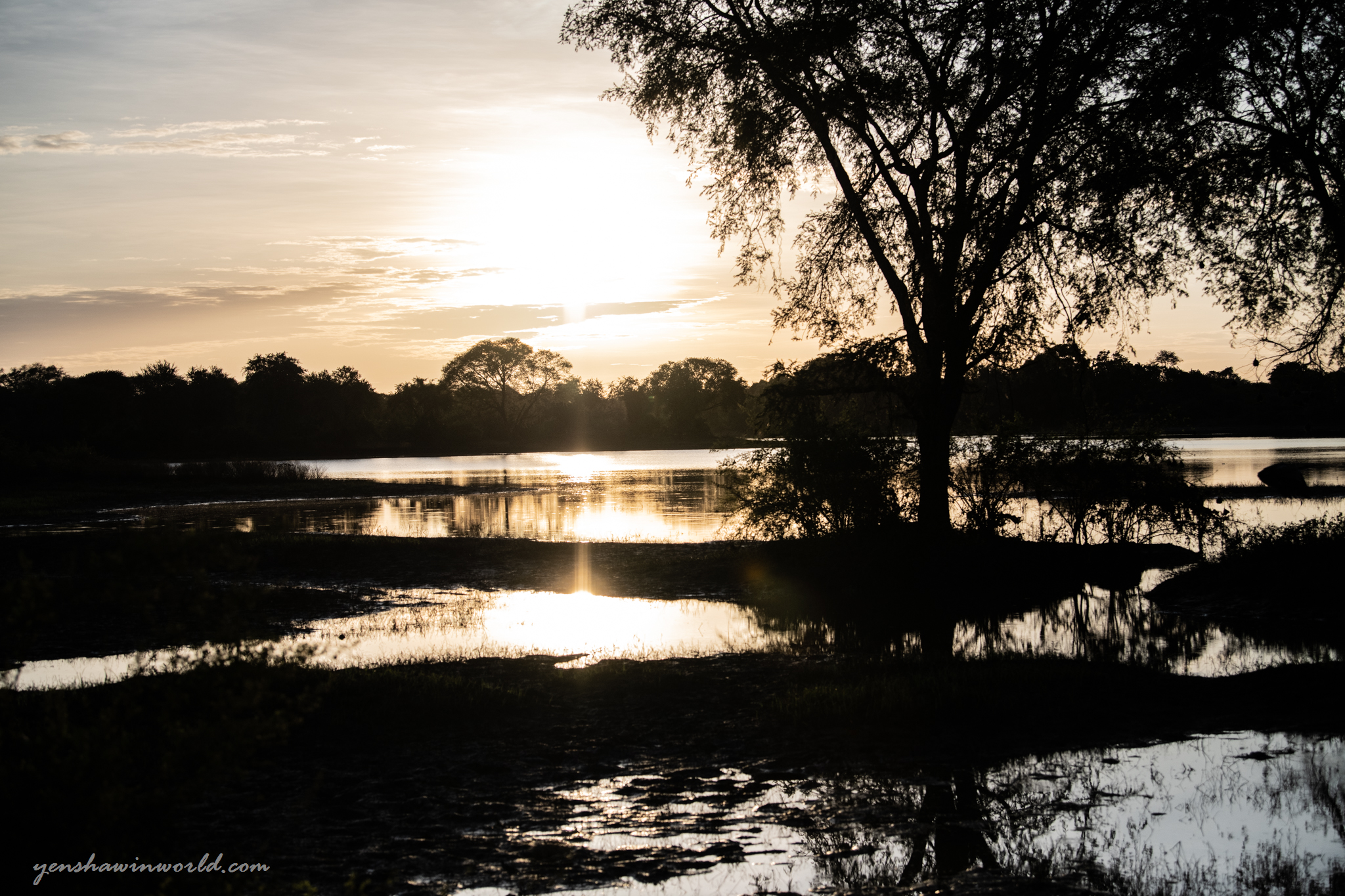
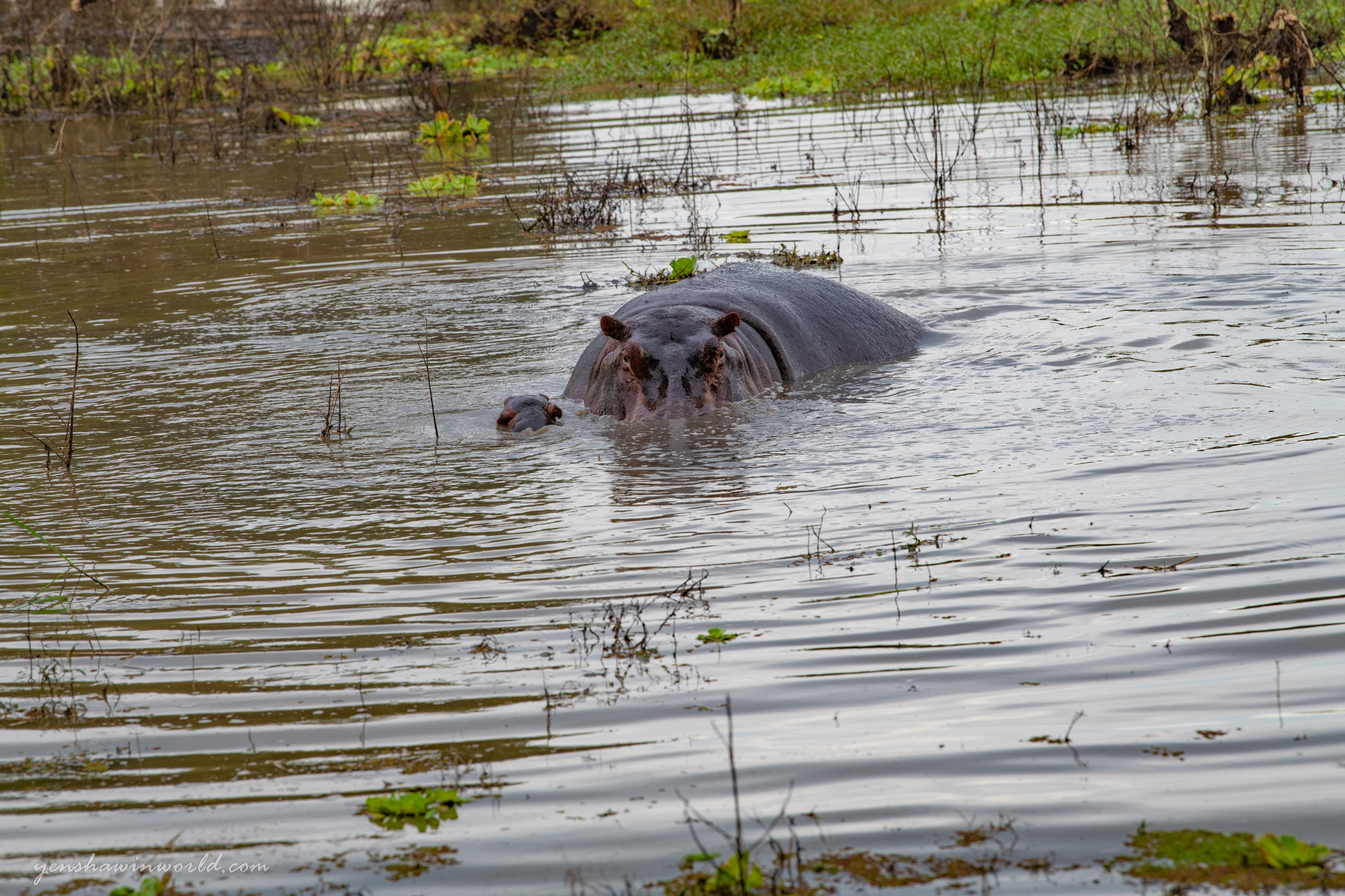
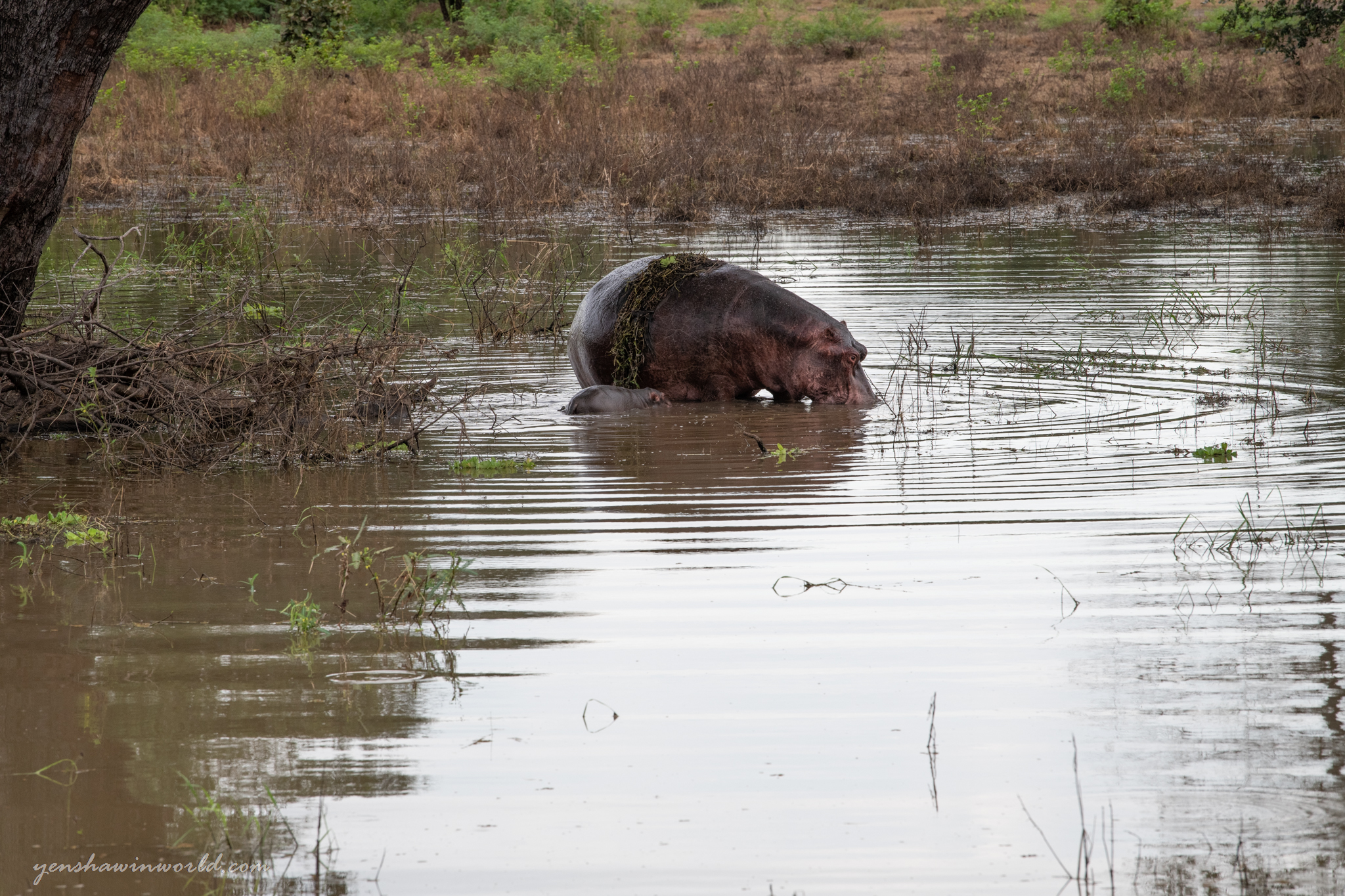
Kenya, along with Zambia is a place that I always say that I will go back to and when I say that, I actually mean it. It could be the beautiful scenery, the friendly people, the great national parks, or the great food (or all of the above). It is a country that I truly love because of the diversity of the National Parks and the different types of animals that you can see there.
My guide and fellow brother that I always am with when I am here is Silas Bala (silasbala08@gmail.com or whatsapp +254 722 898 807). He is more family now that friend and I can always count on him to help book the best accommodations and give the best recommendations on what to do with any budget and activities. I am looking forward to being with him 10 days with summer for the Wildebeest Migration!!!
SAMBURU NATIONAL RESERVE
I decided to deviate this time from my current plan of always going to Lake Nakura and Naivasha and instead stay for a couple nights in Samburu first. The reason why I like Samburu is because of the different landscape there with of course the Special Samburu 5- Grevy’s Zebra, Long Necked Gerenuk, Reticulated Giraffe, Somali Ostrich, and Besia Oryx. I also got the chance to stay inside the national park at a beautiful luxury camp called Ashnil Samburu Camp. This is one of the nicest camps I have stayed in. Not only did the rooms overlook the river and have a beautiful deck, but the food and drinks were great. It was also located near Buffalo Springs inside the park so it was very easy to do game drives.
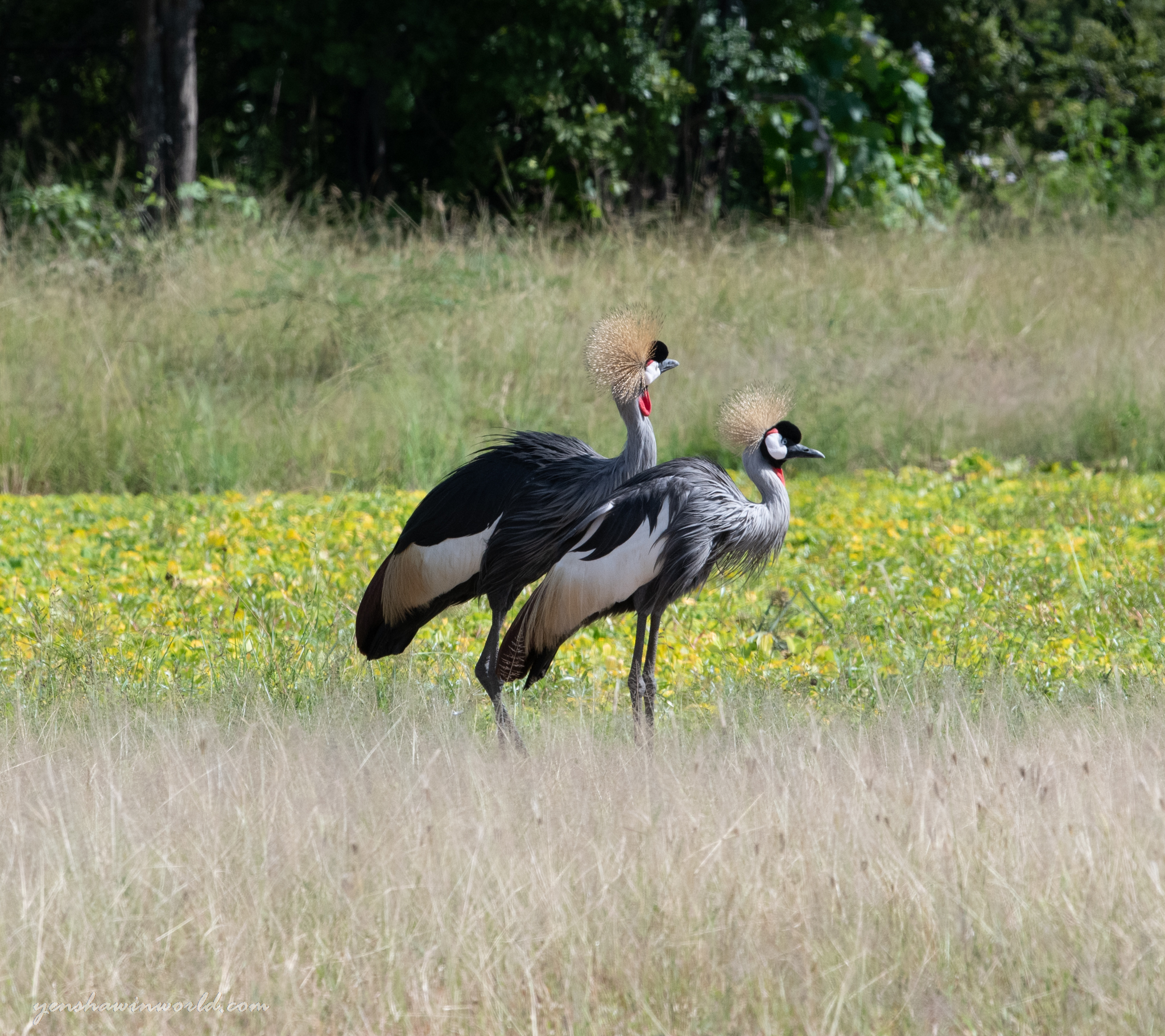
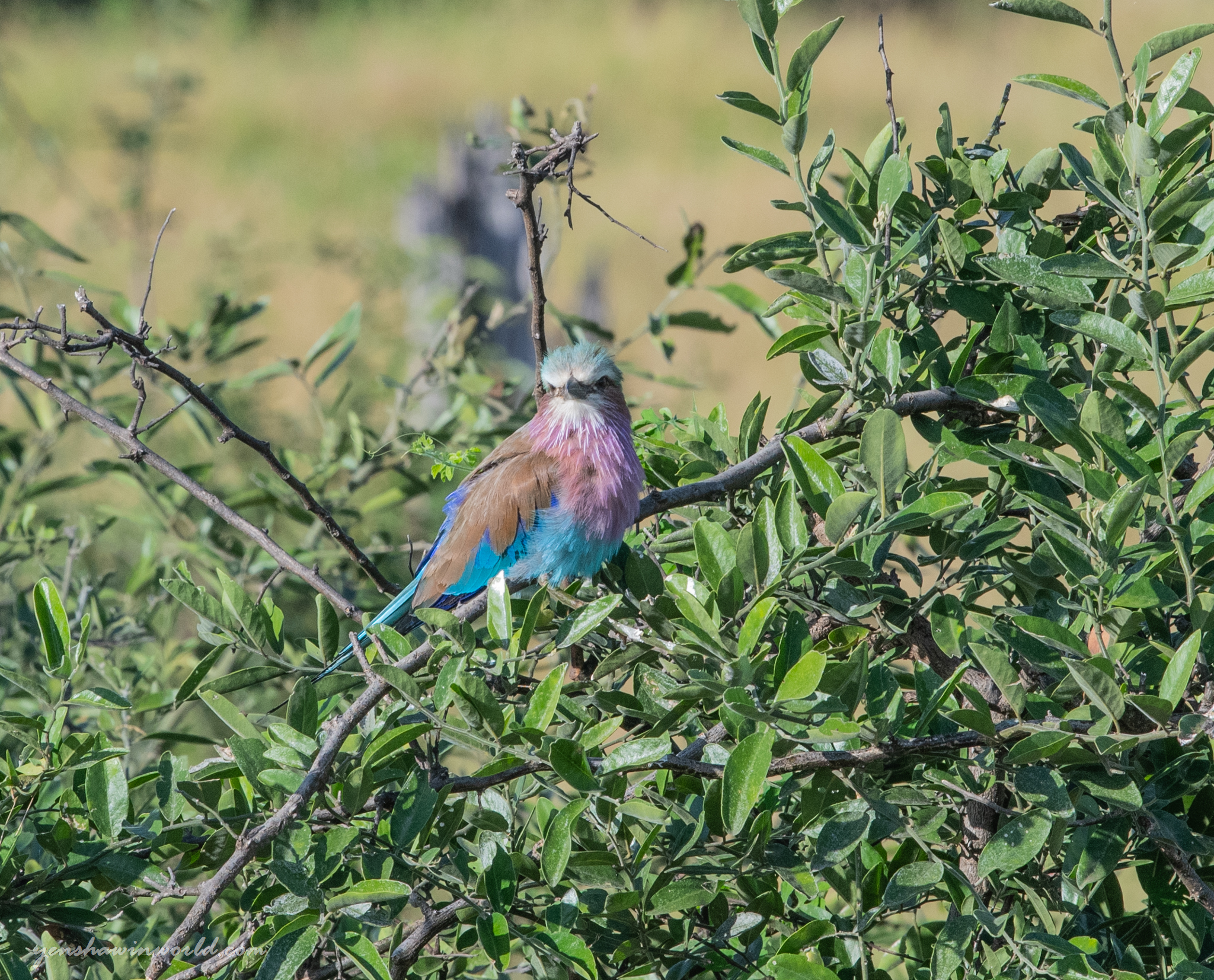
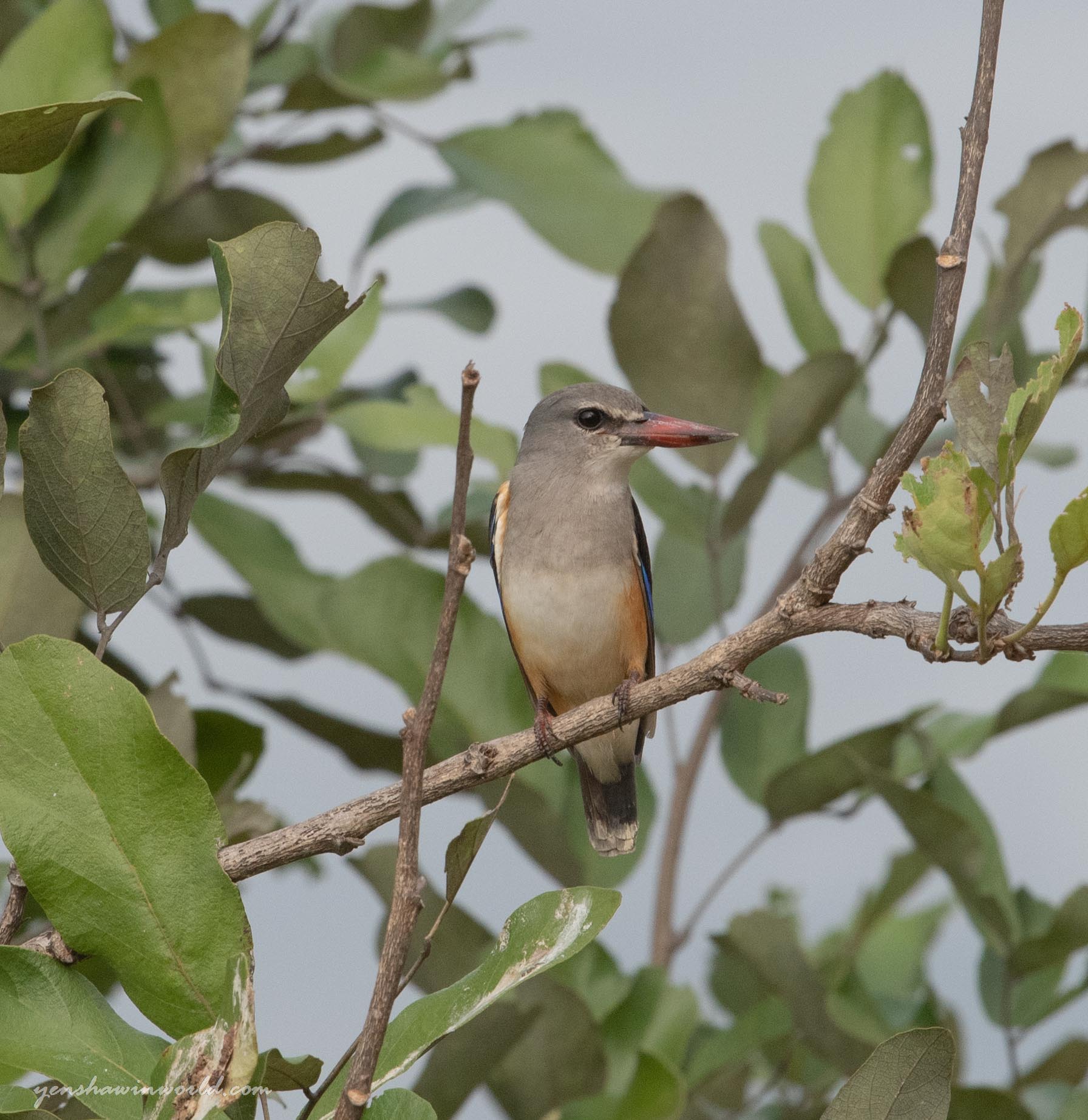
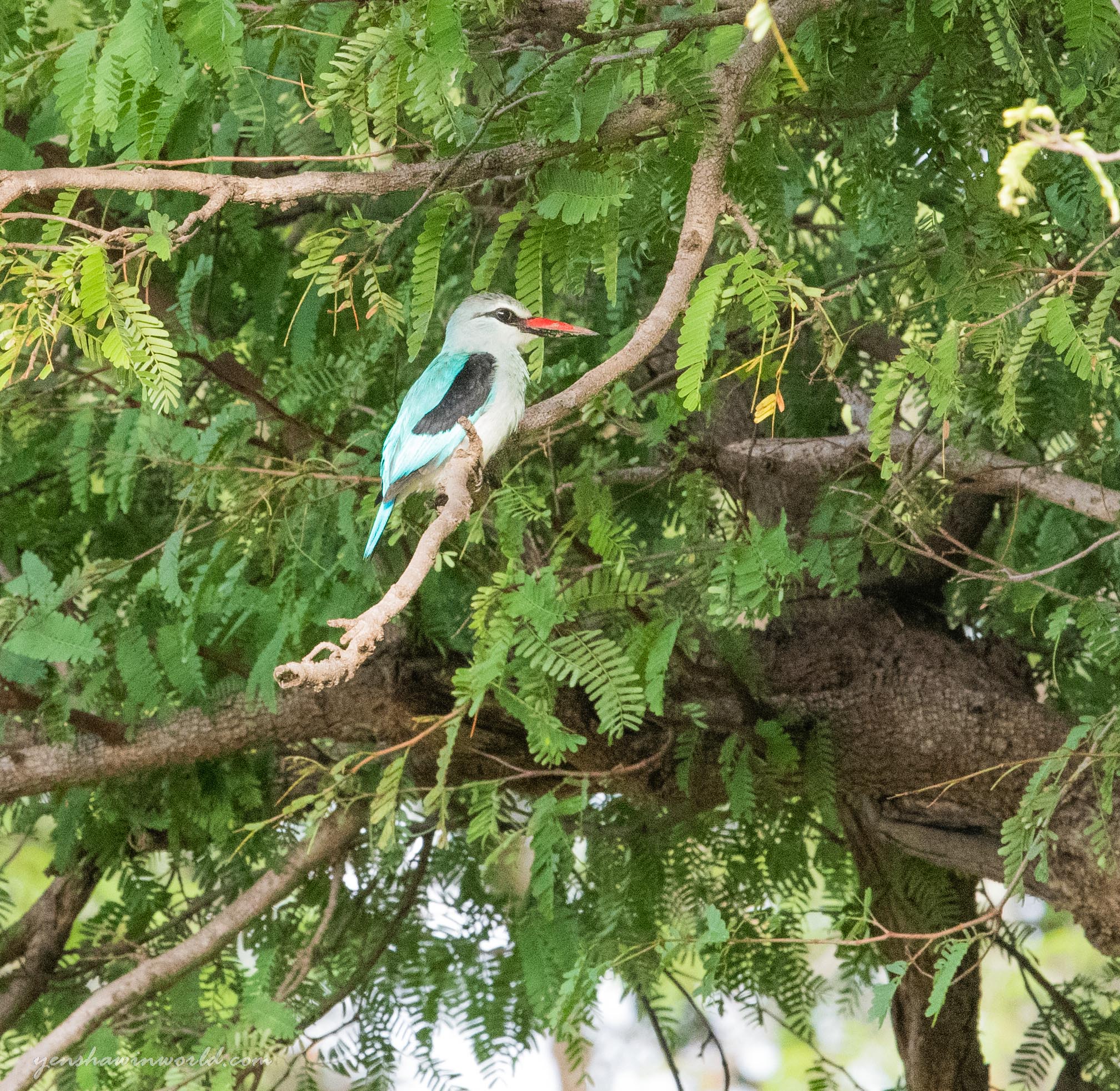
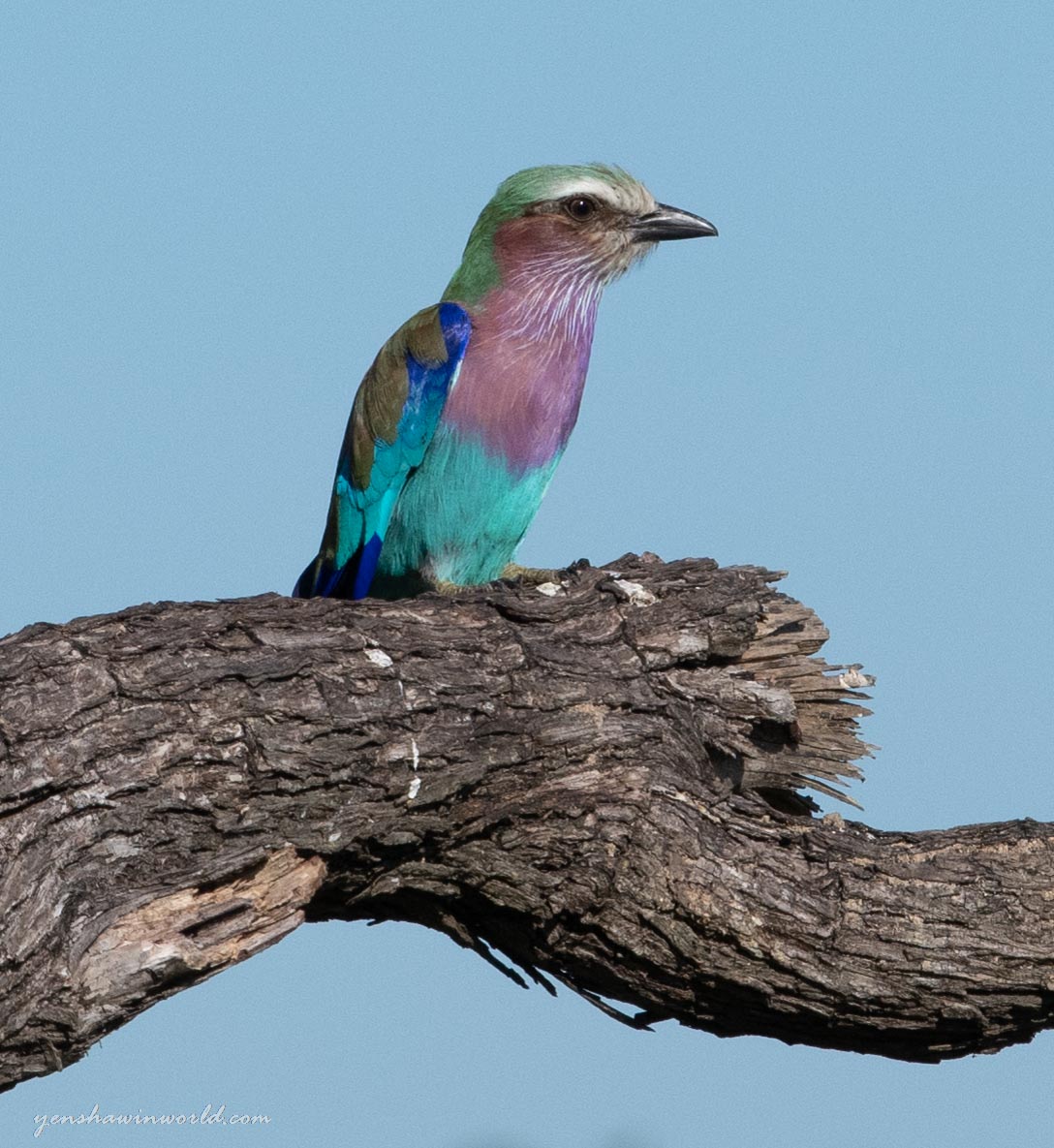
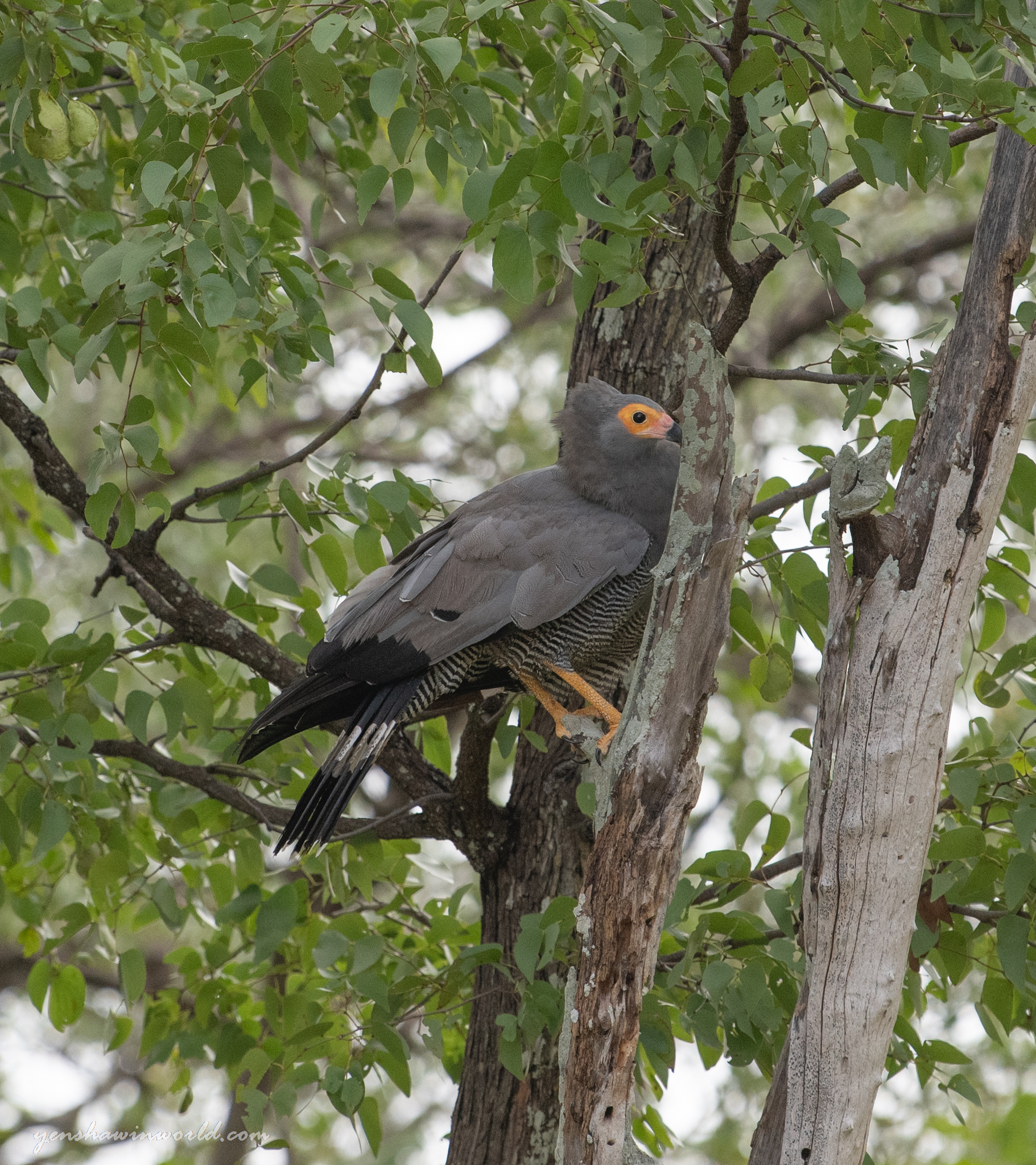
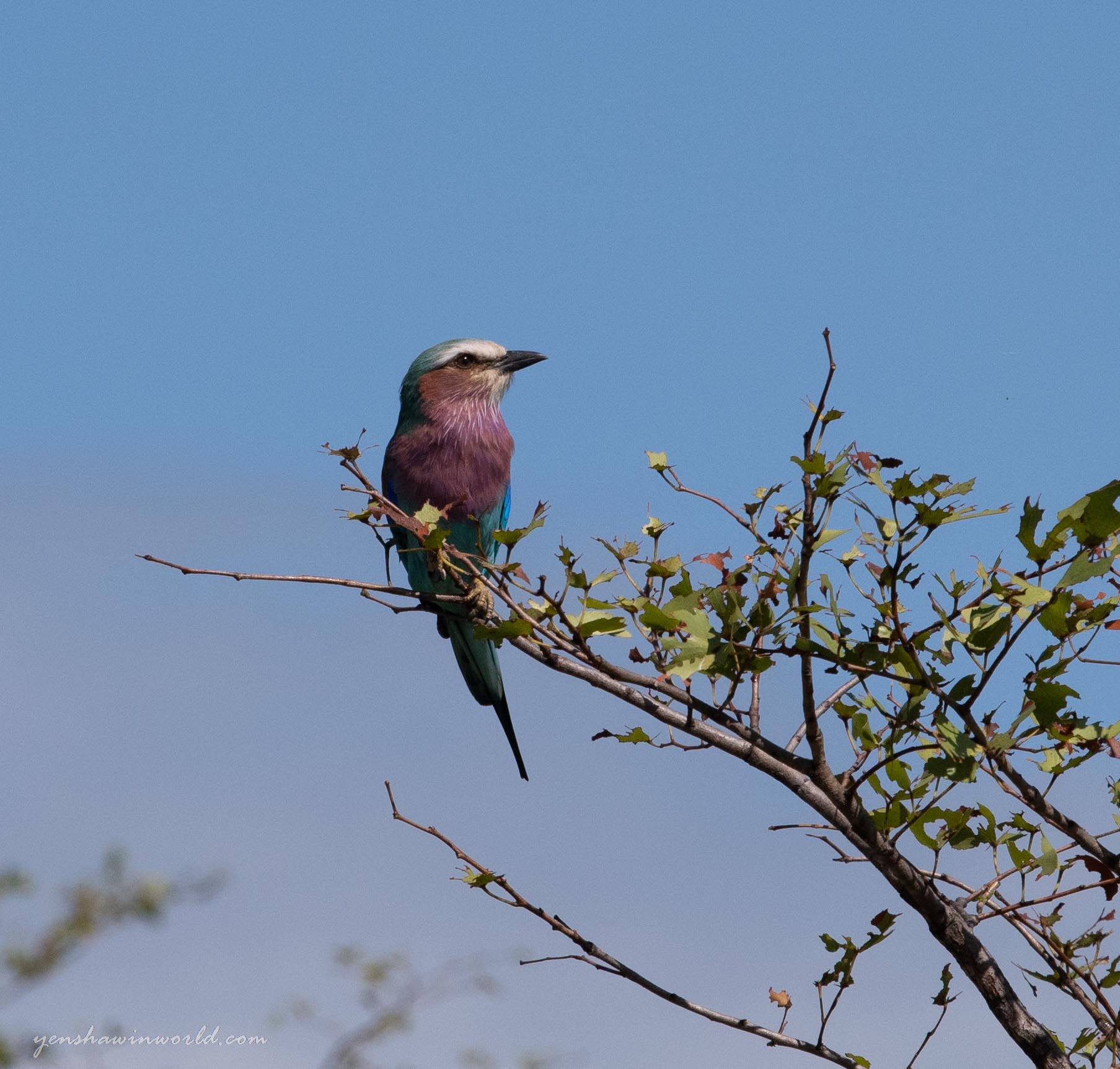
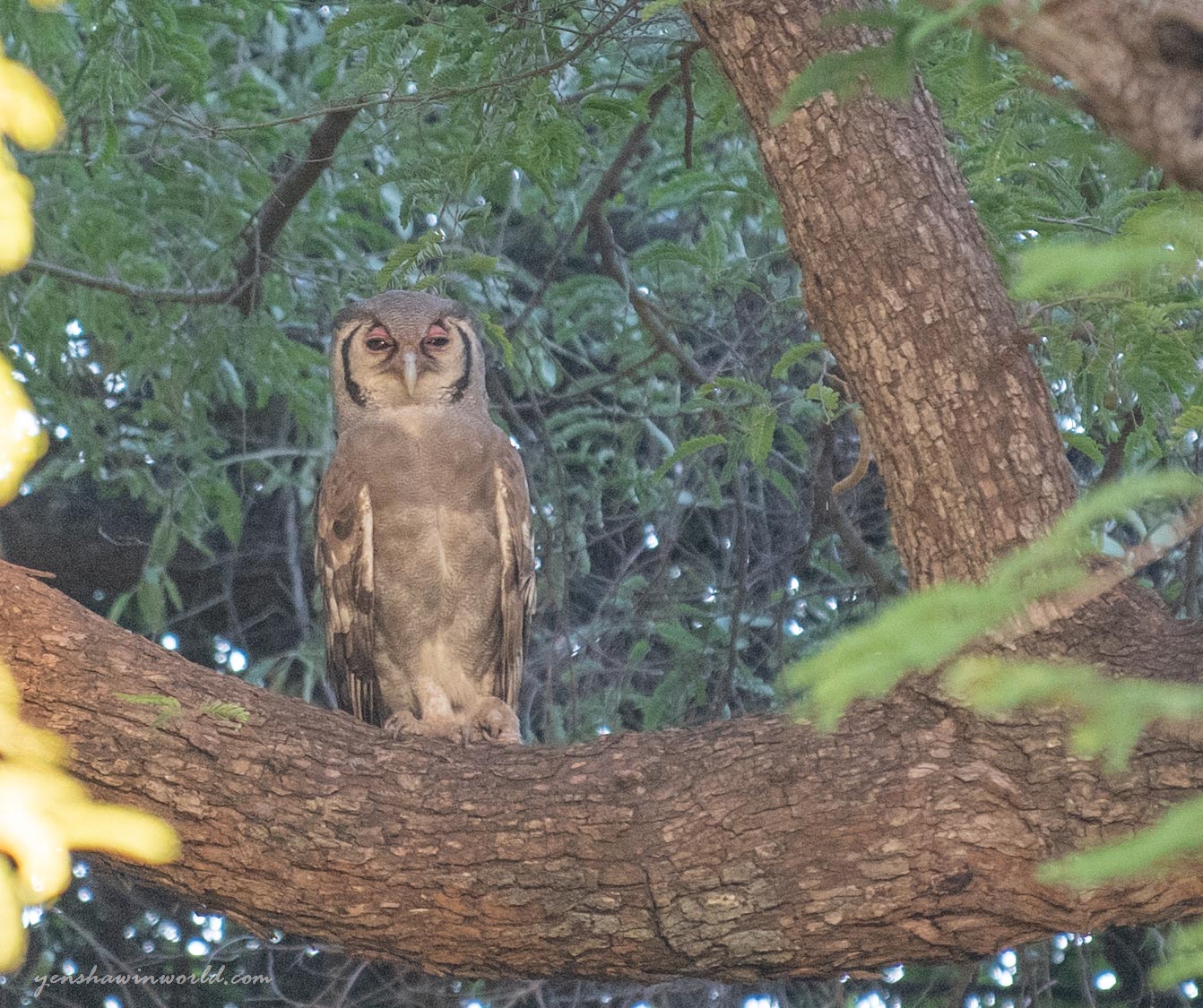
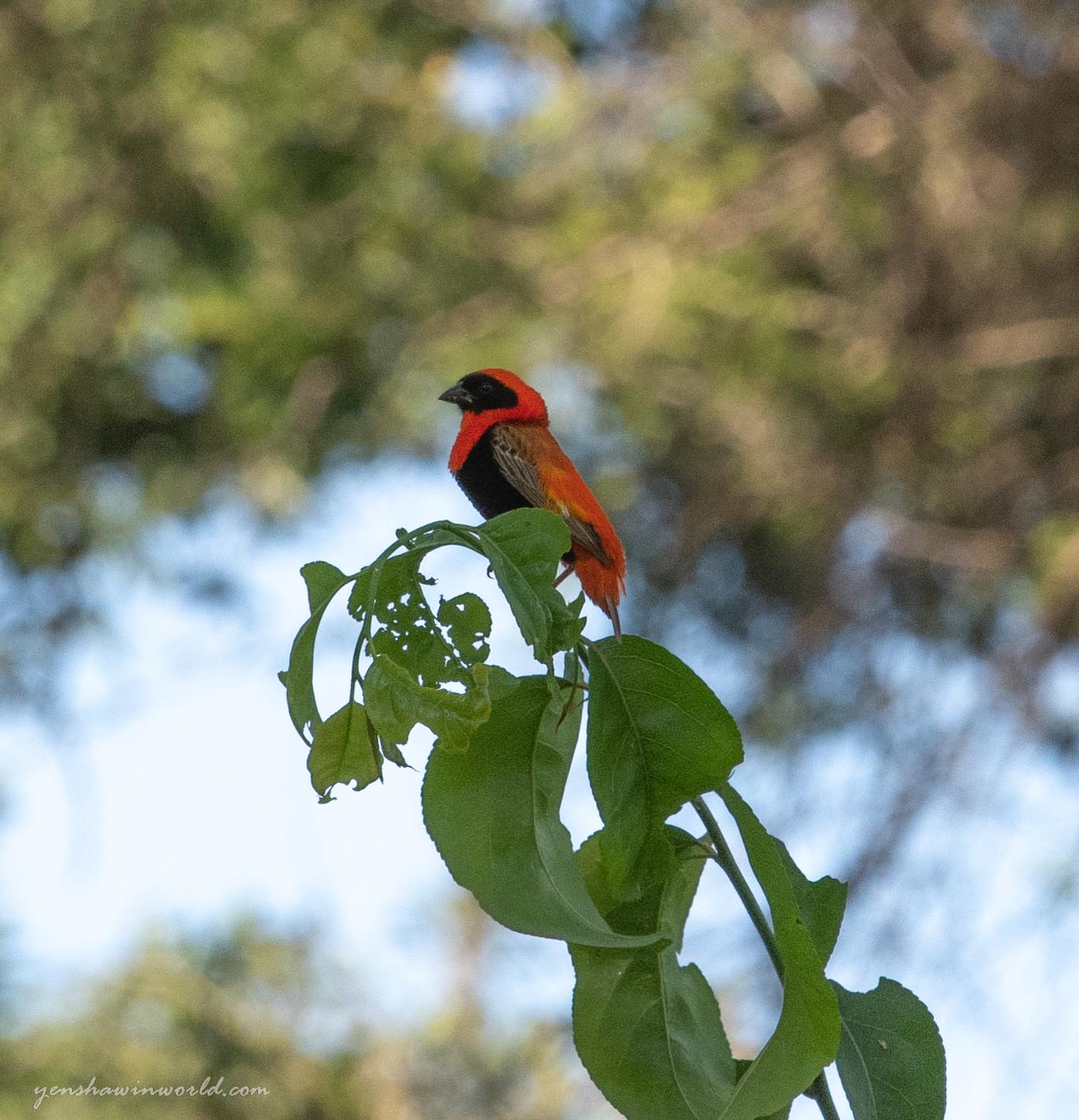
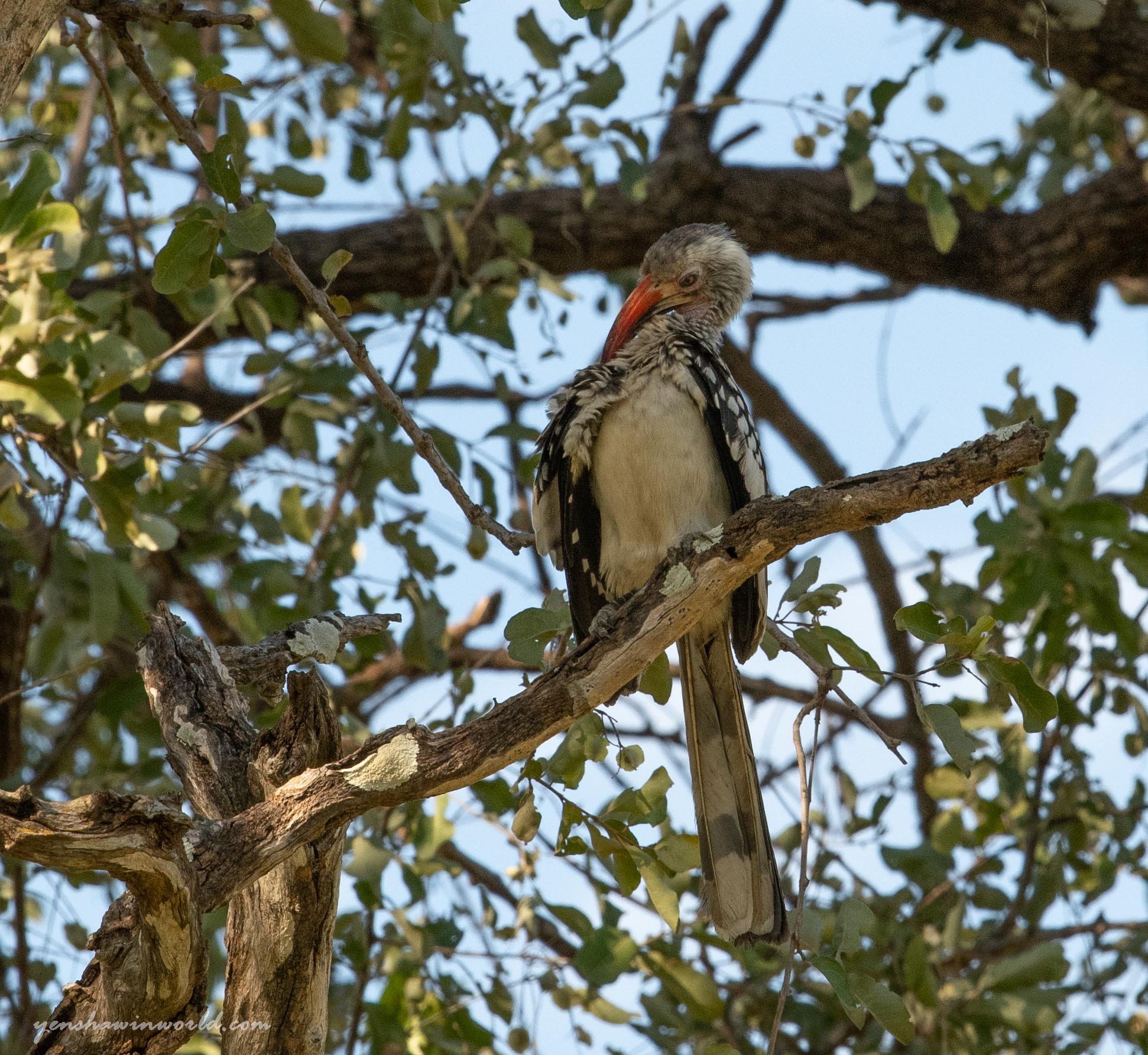
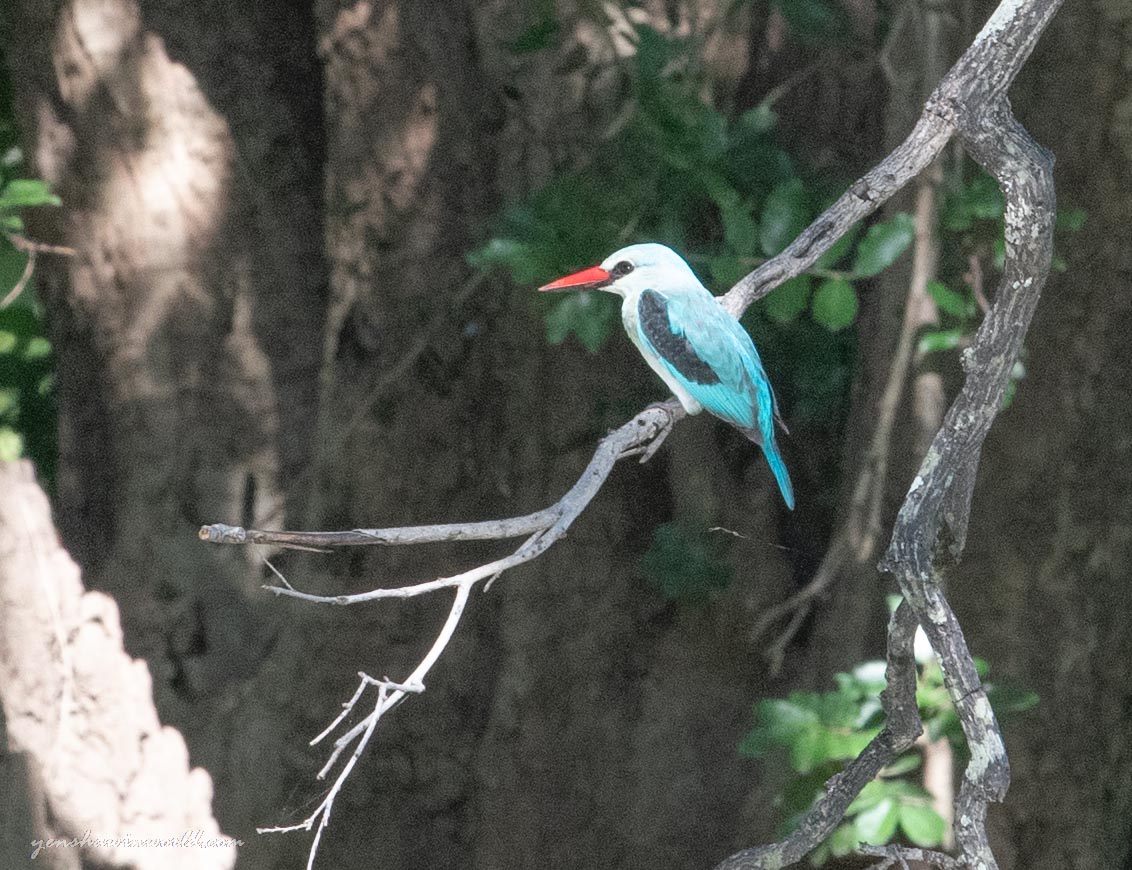
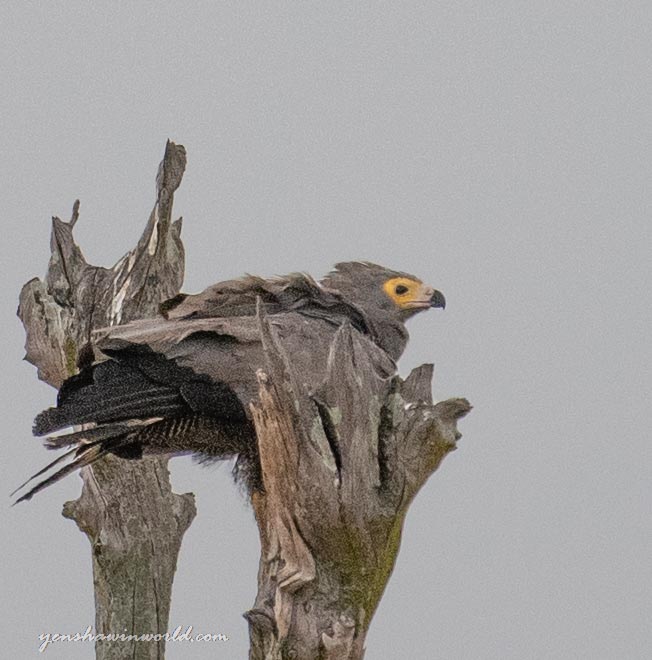
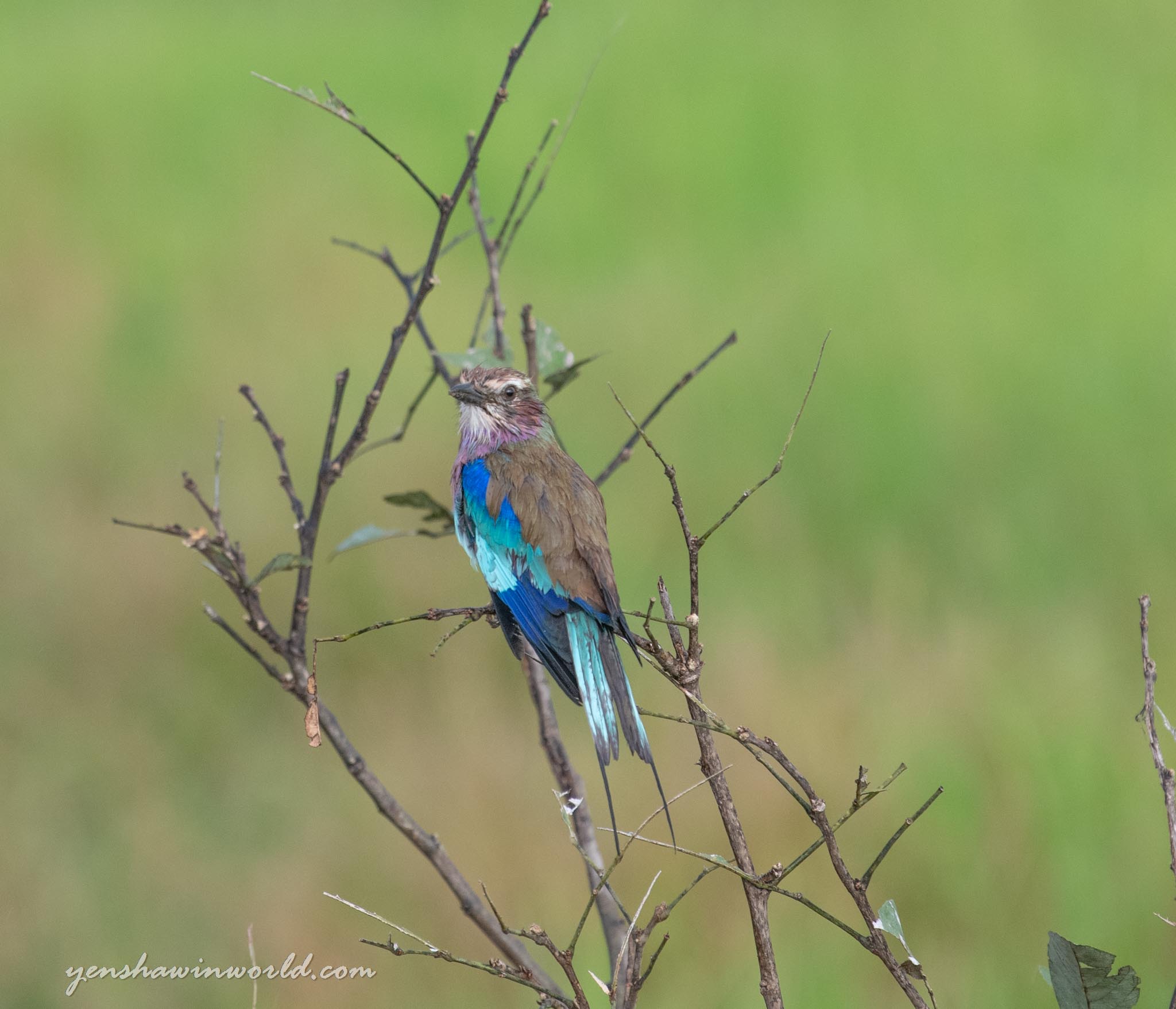
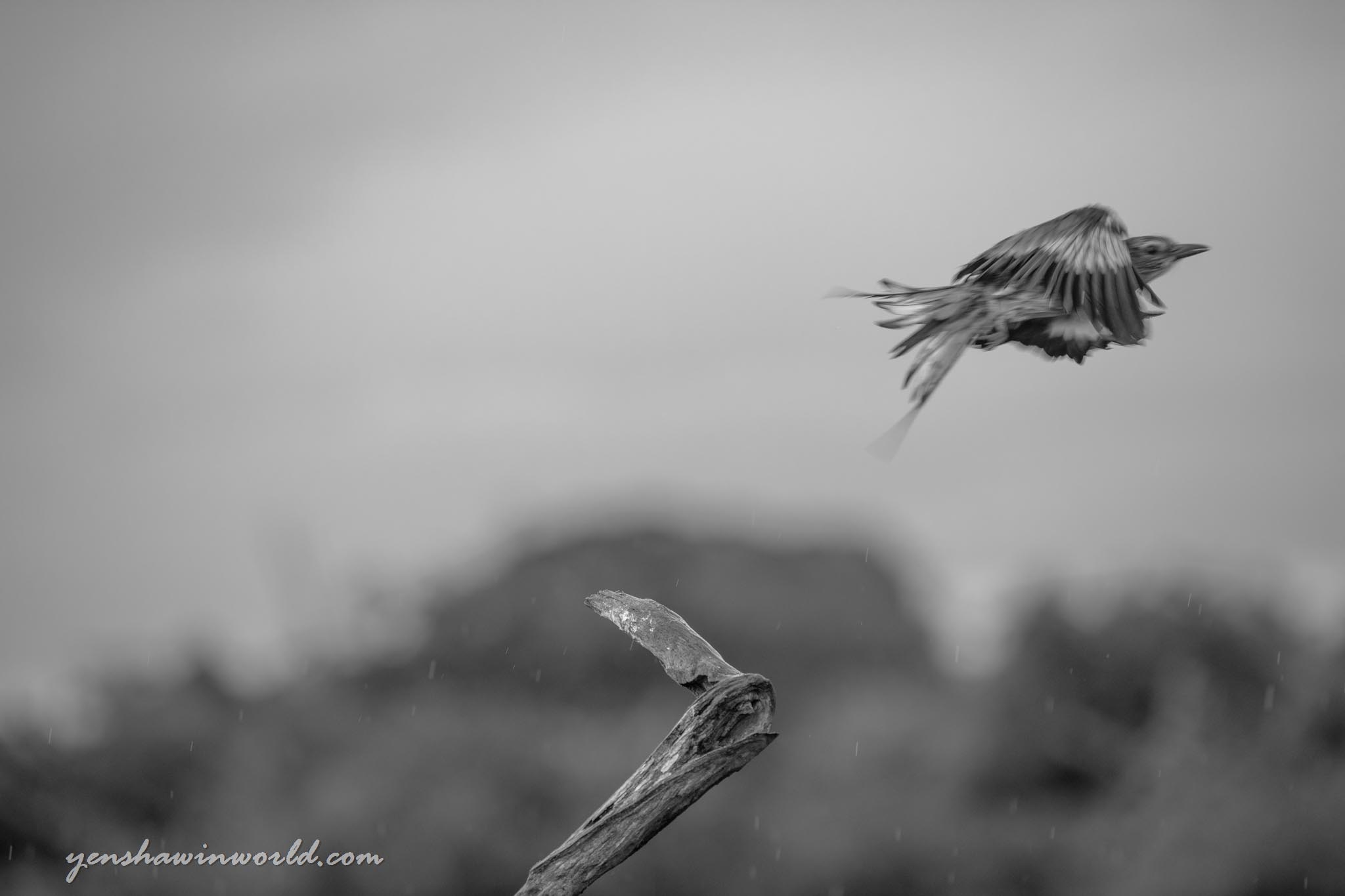
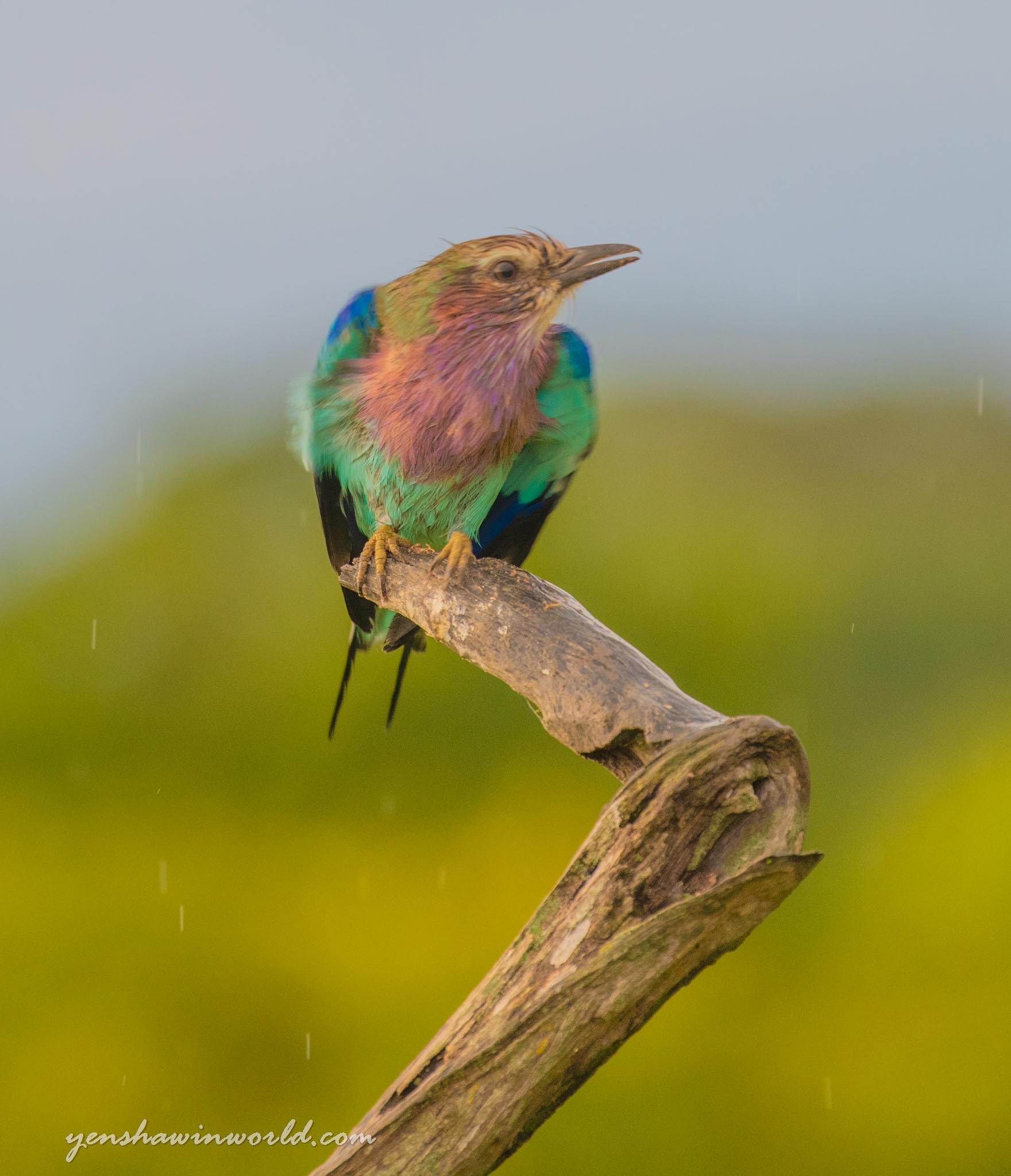
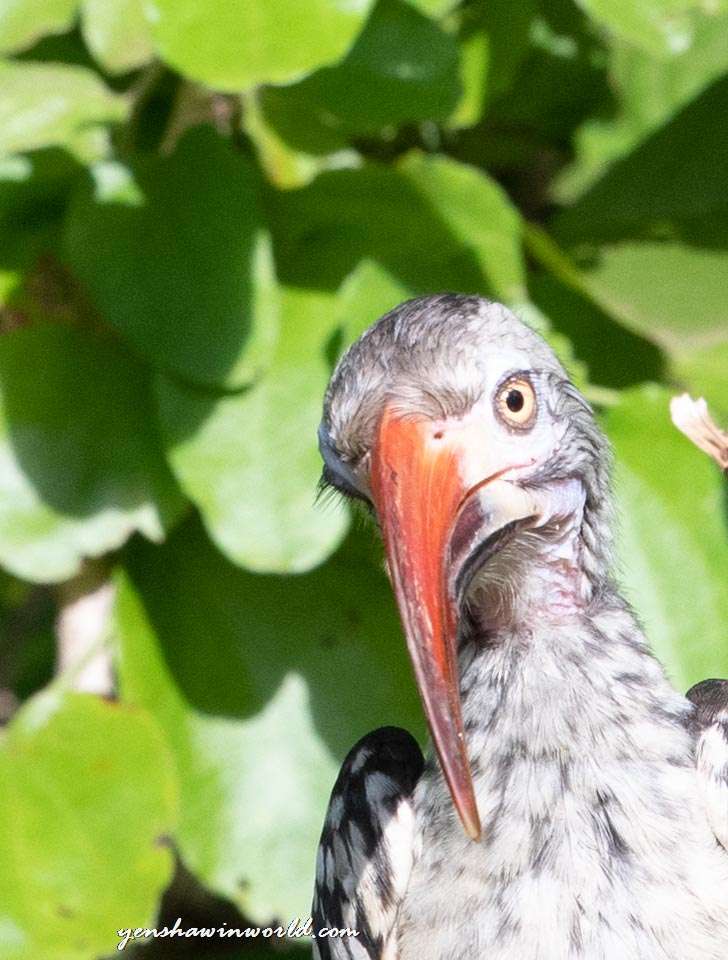
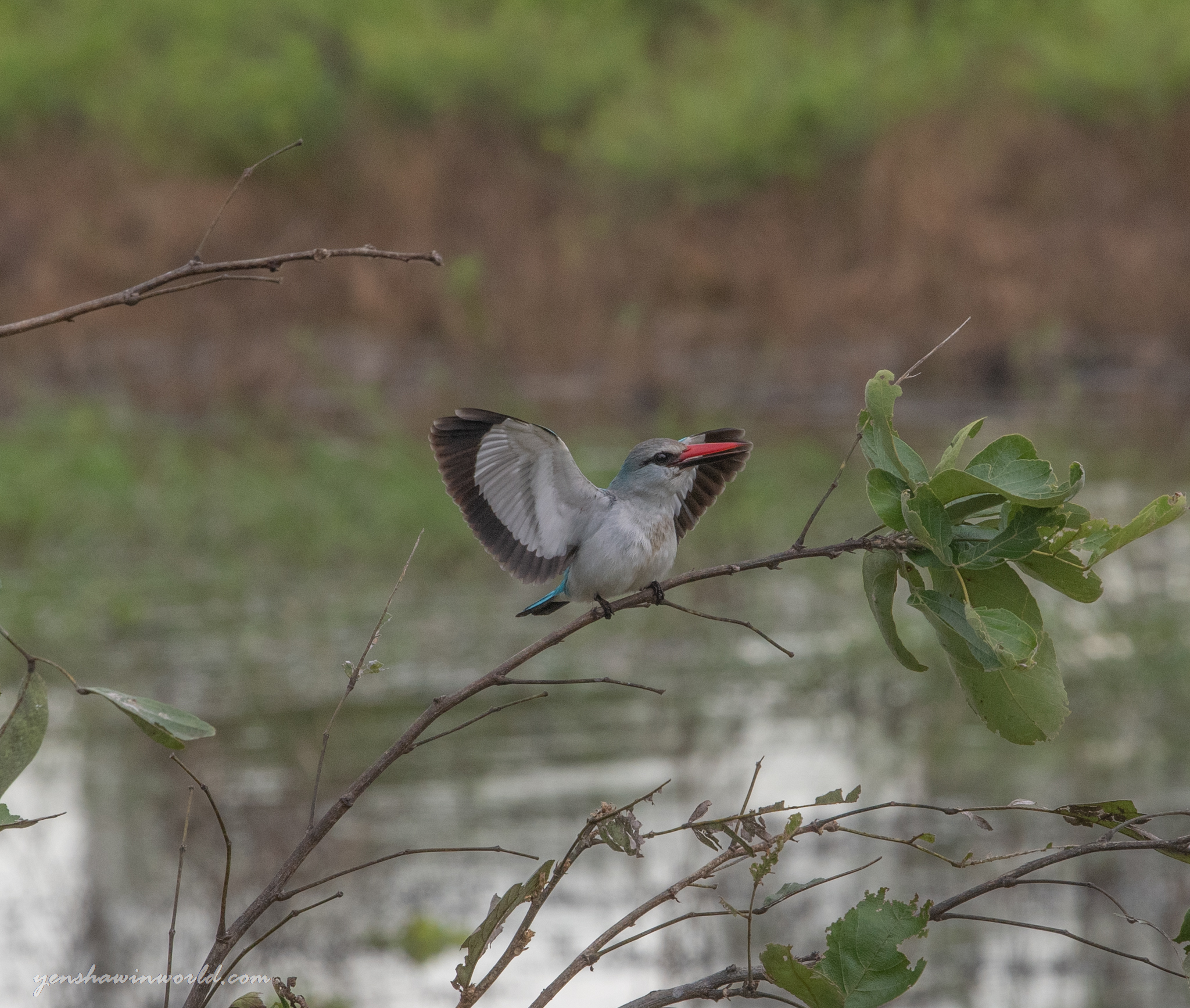
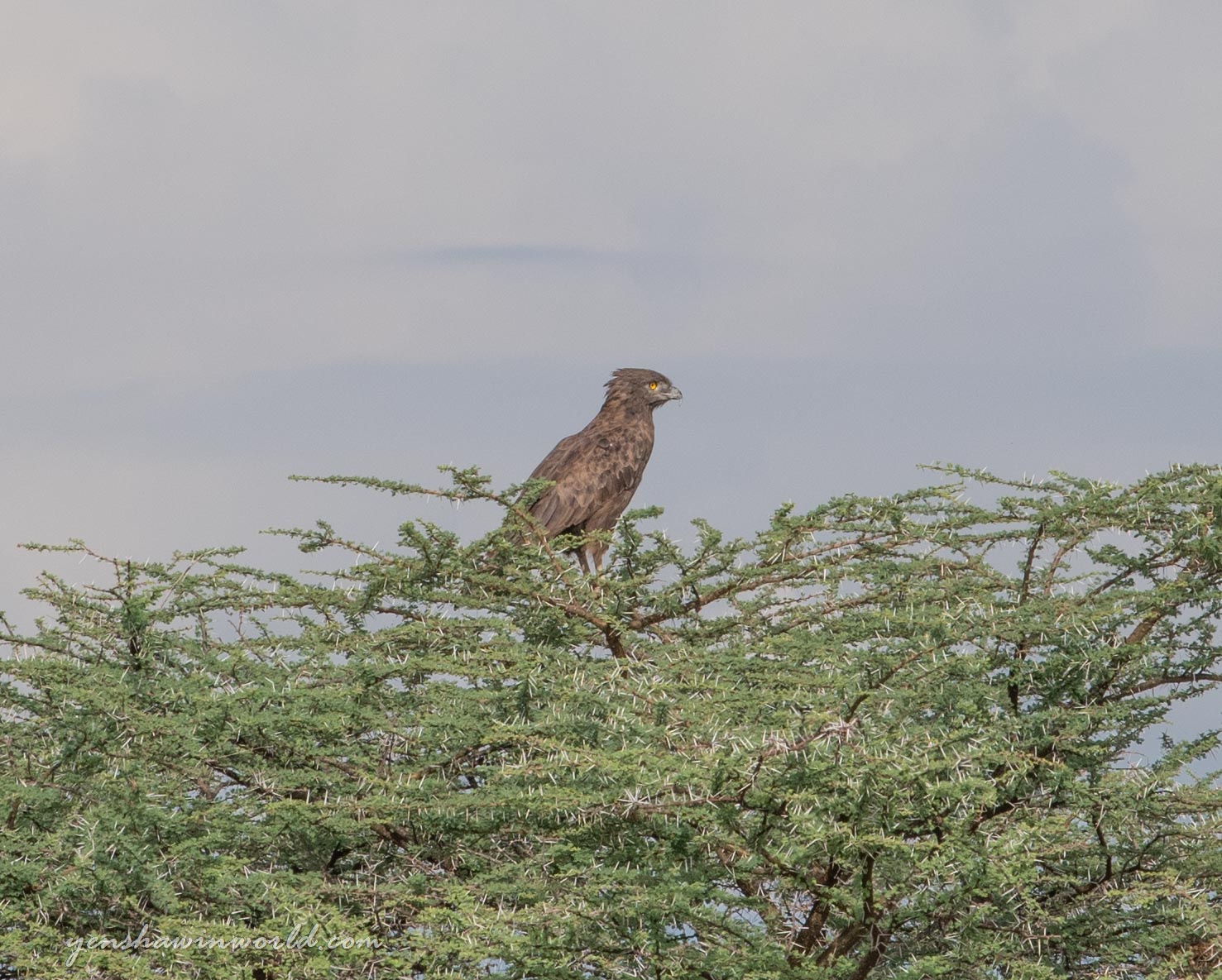
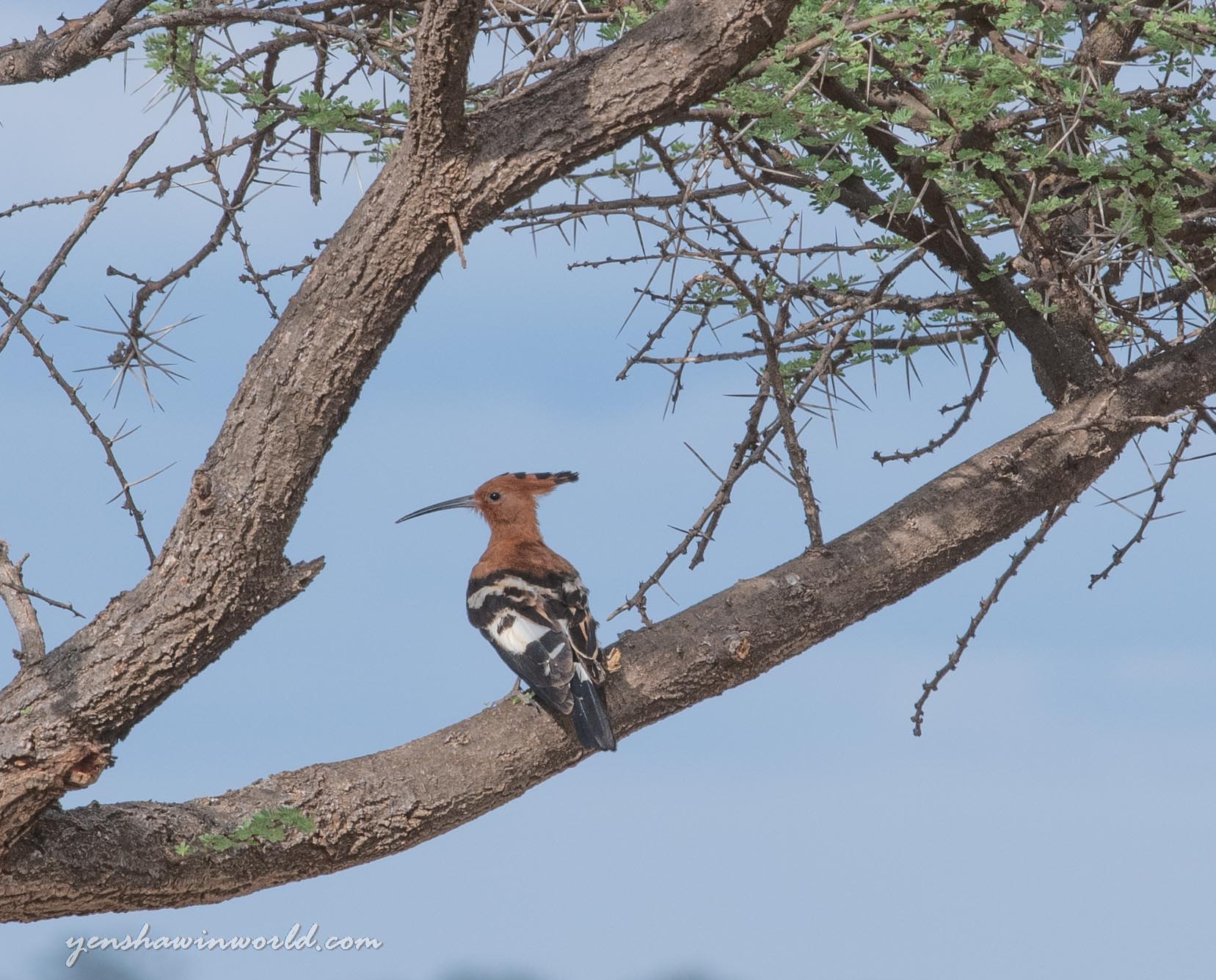
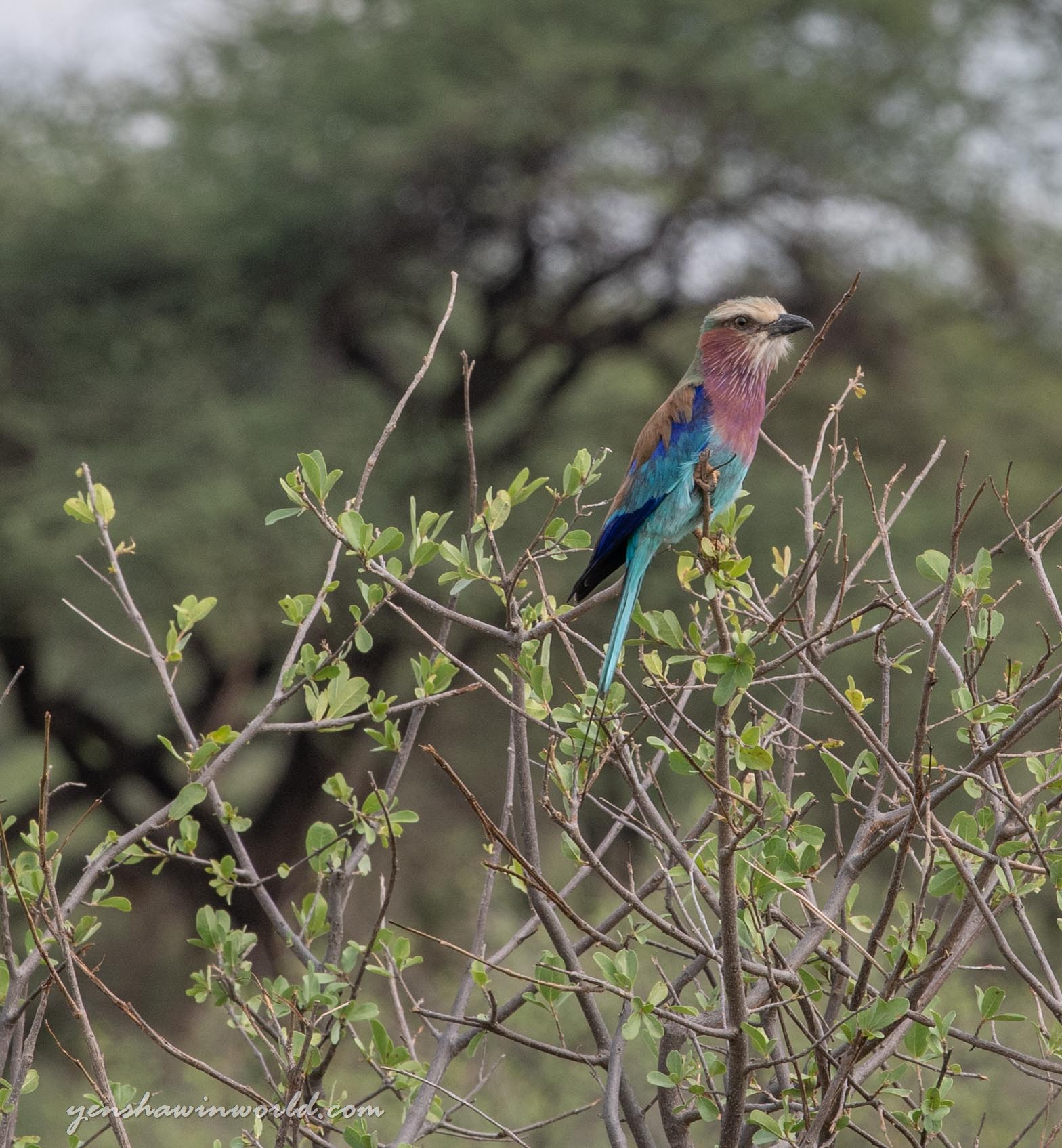
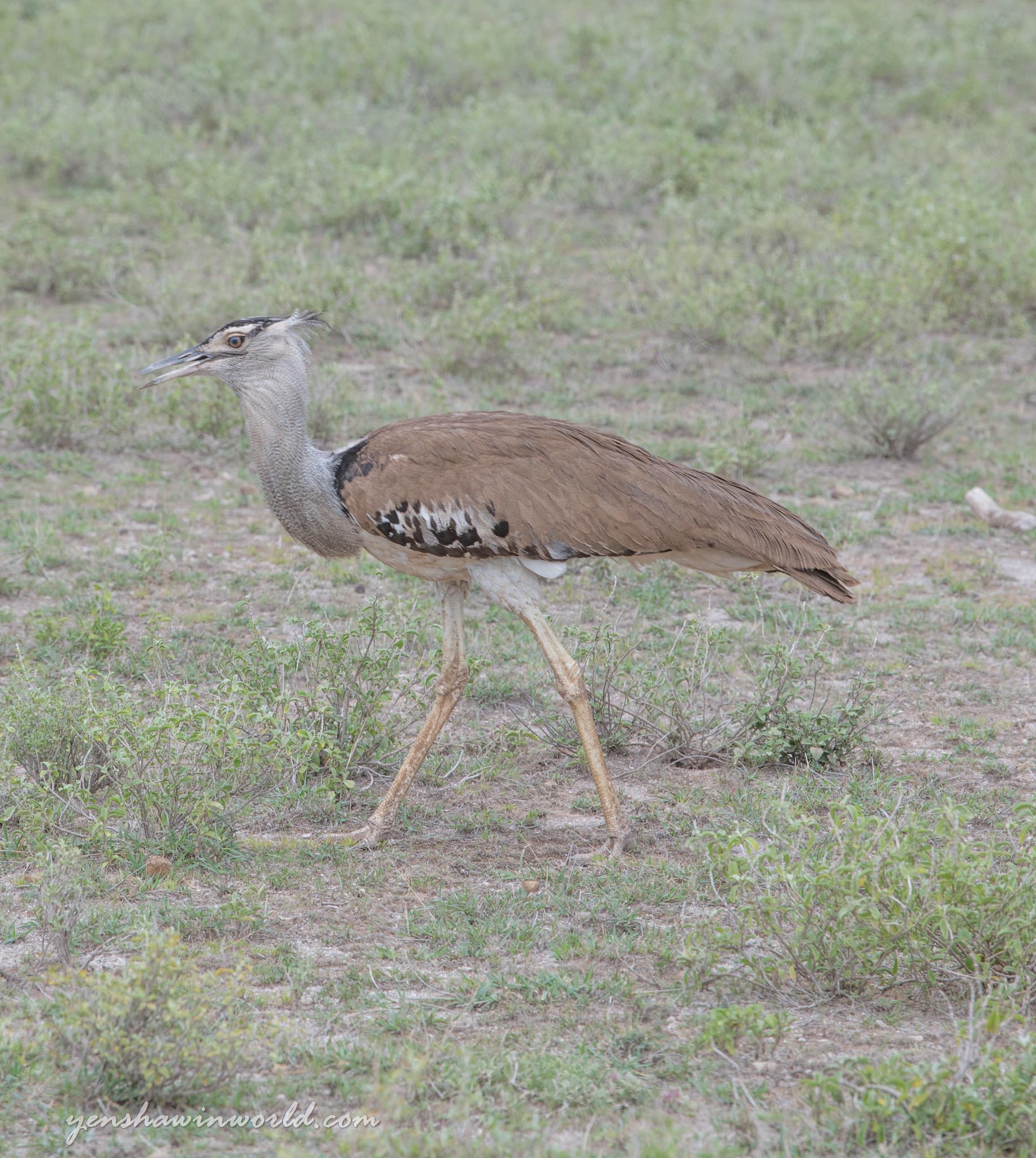
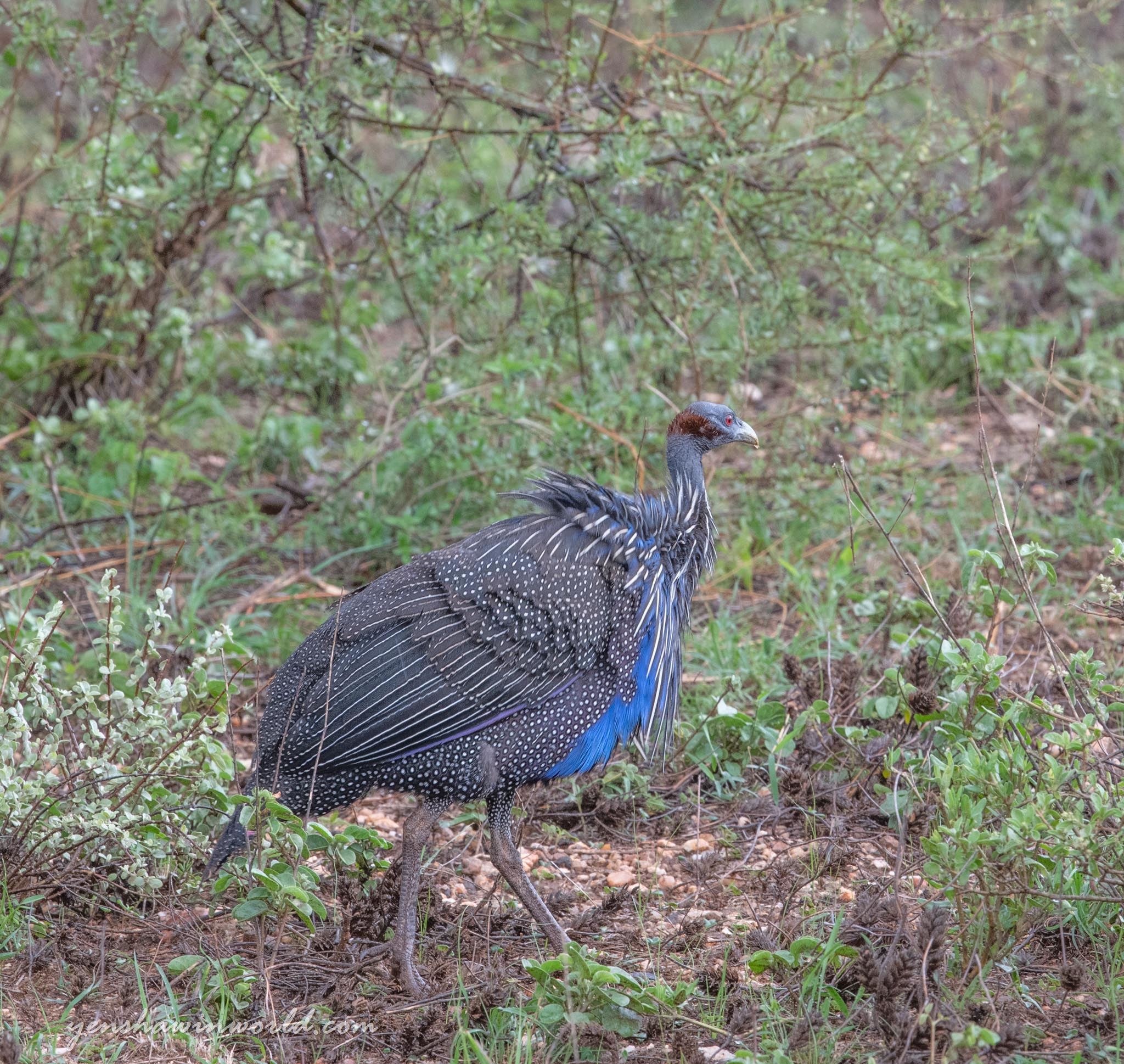
I was able to get some great shots of birds including a Crested Eagle, Hammercock, Lilac Breasted Roller, Vulturine Guinea Fowl and Secretariat.
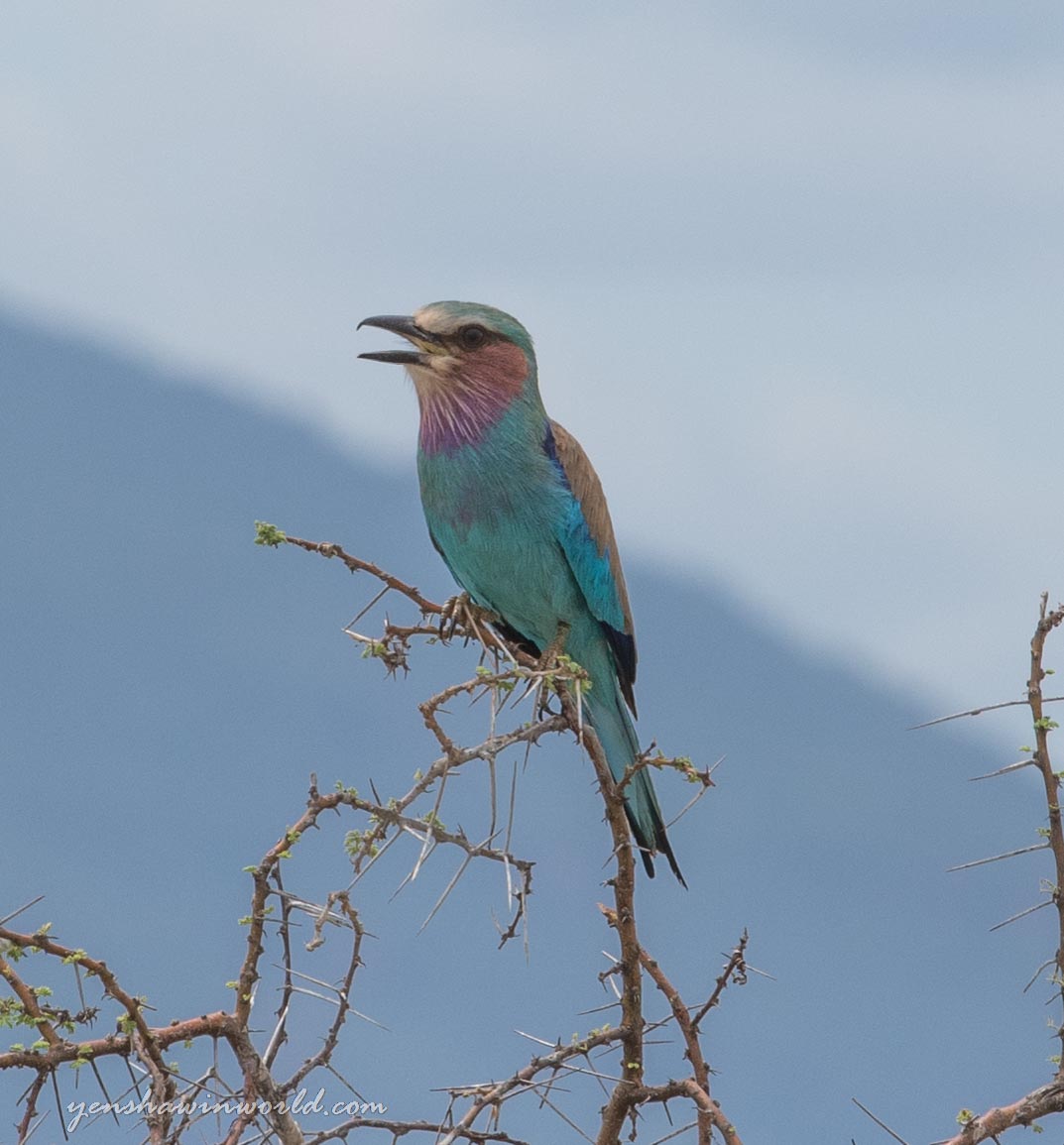
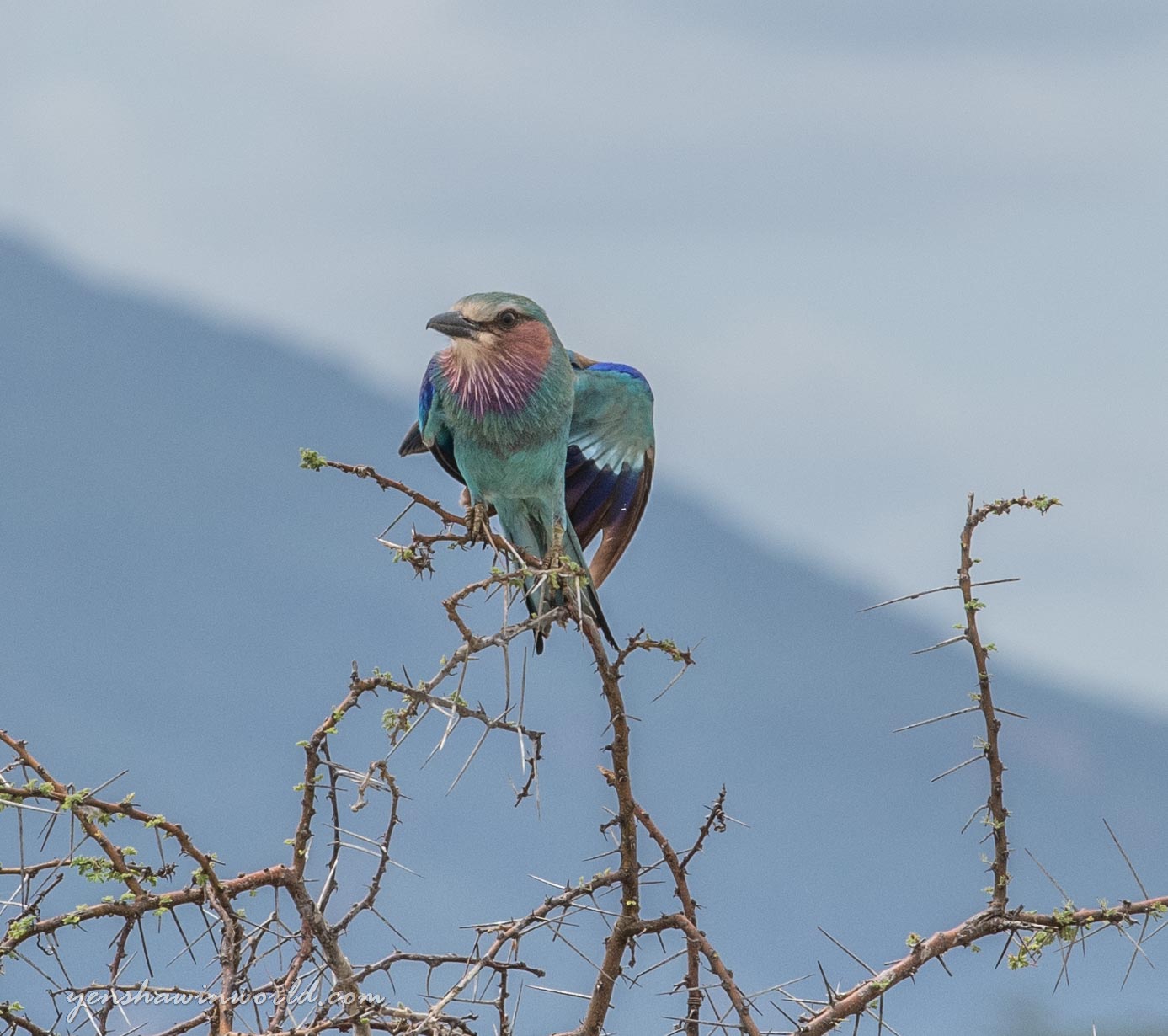
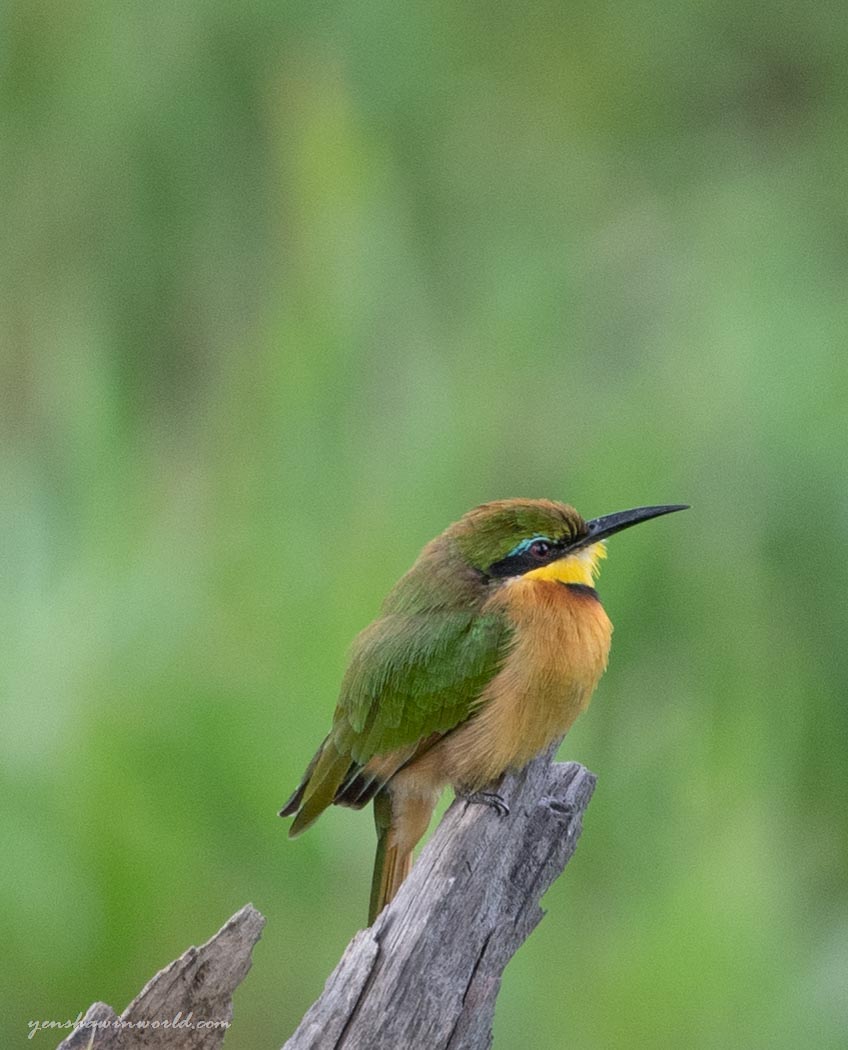
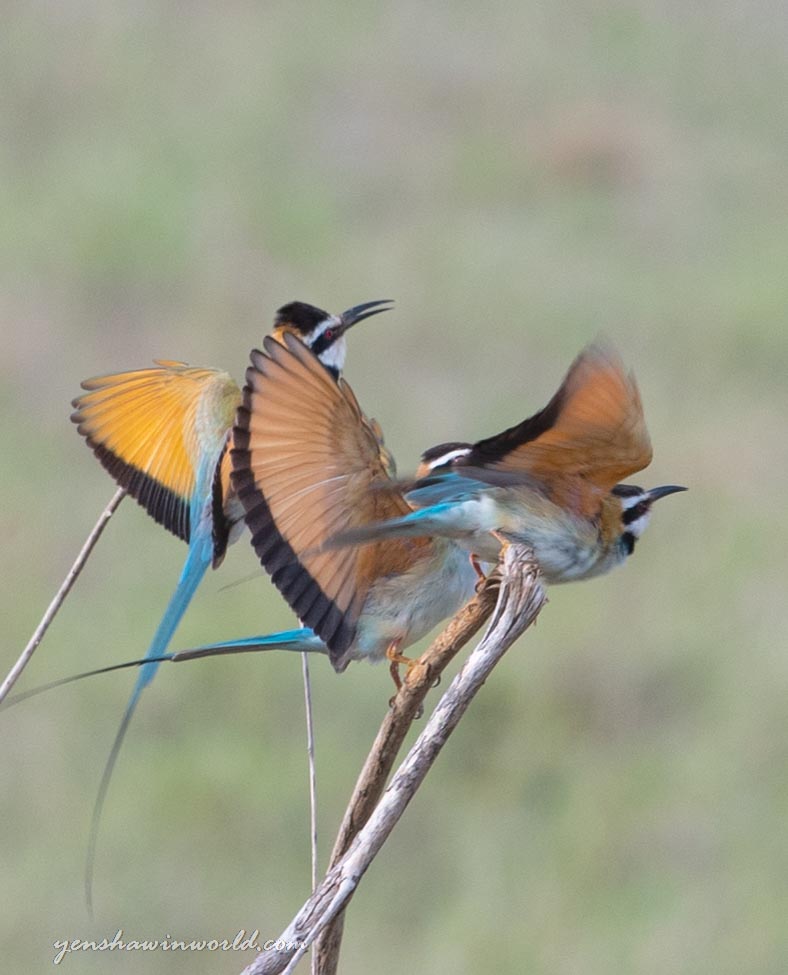
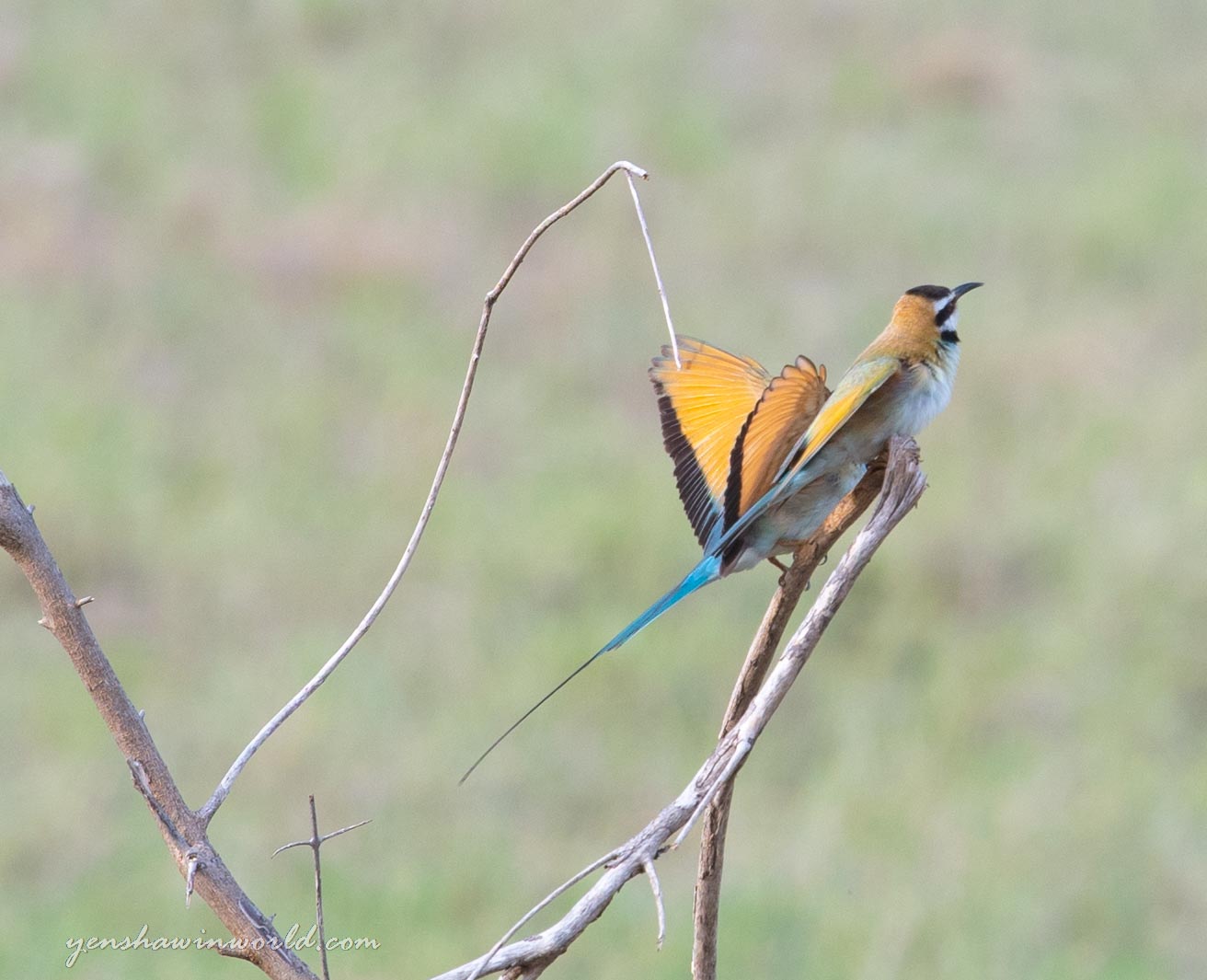
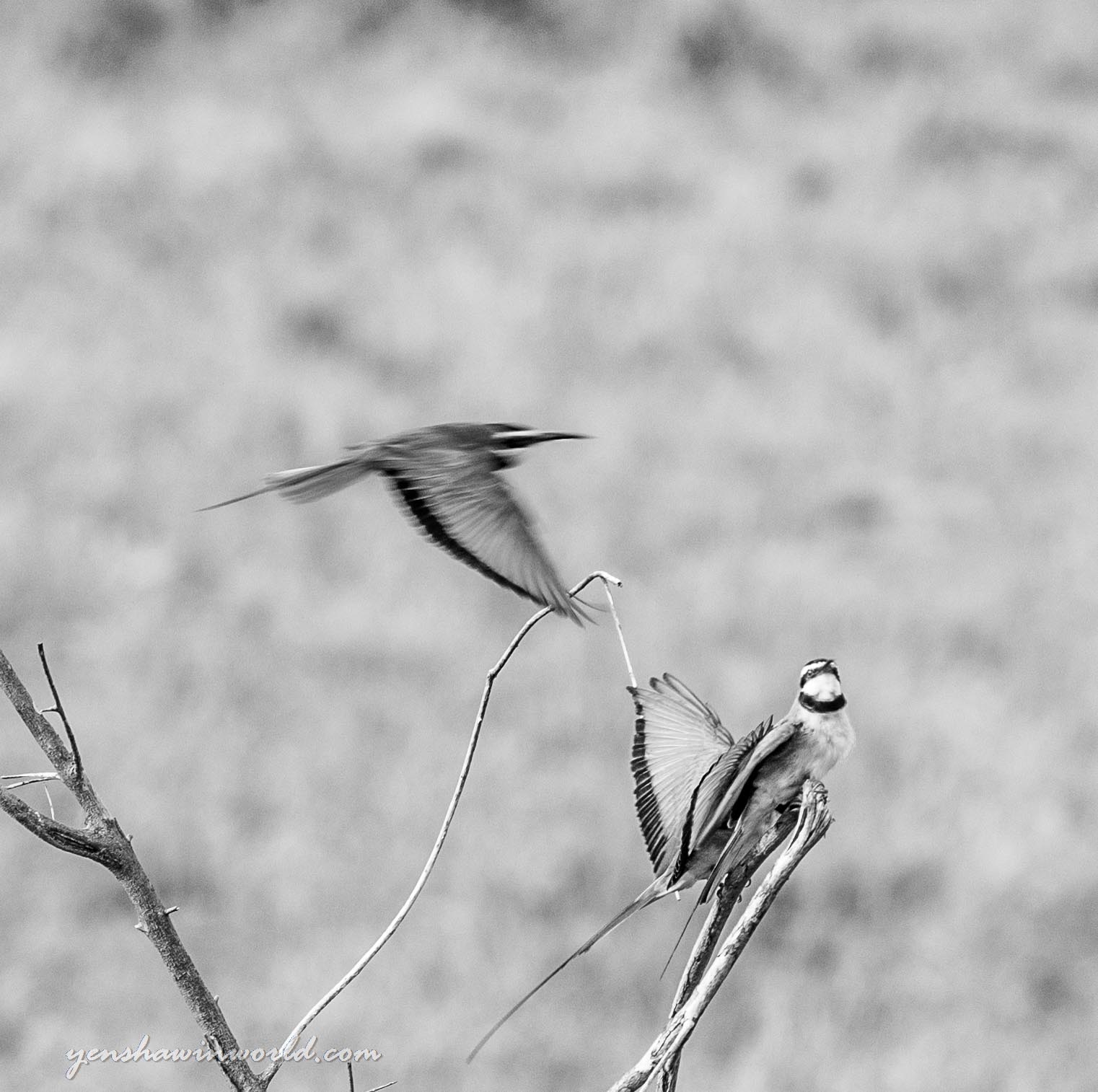
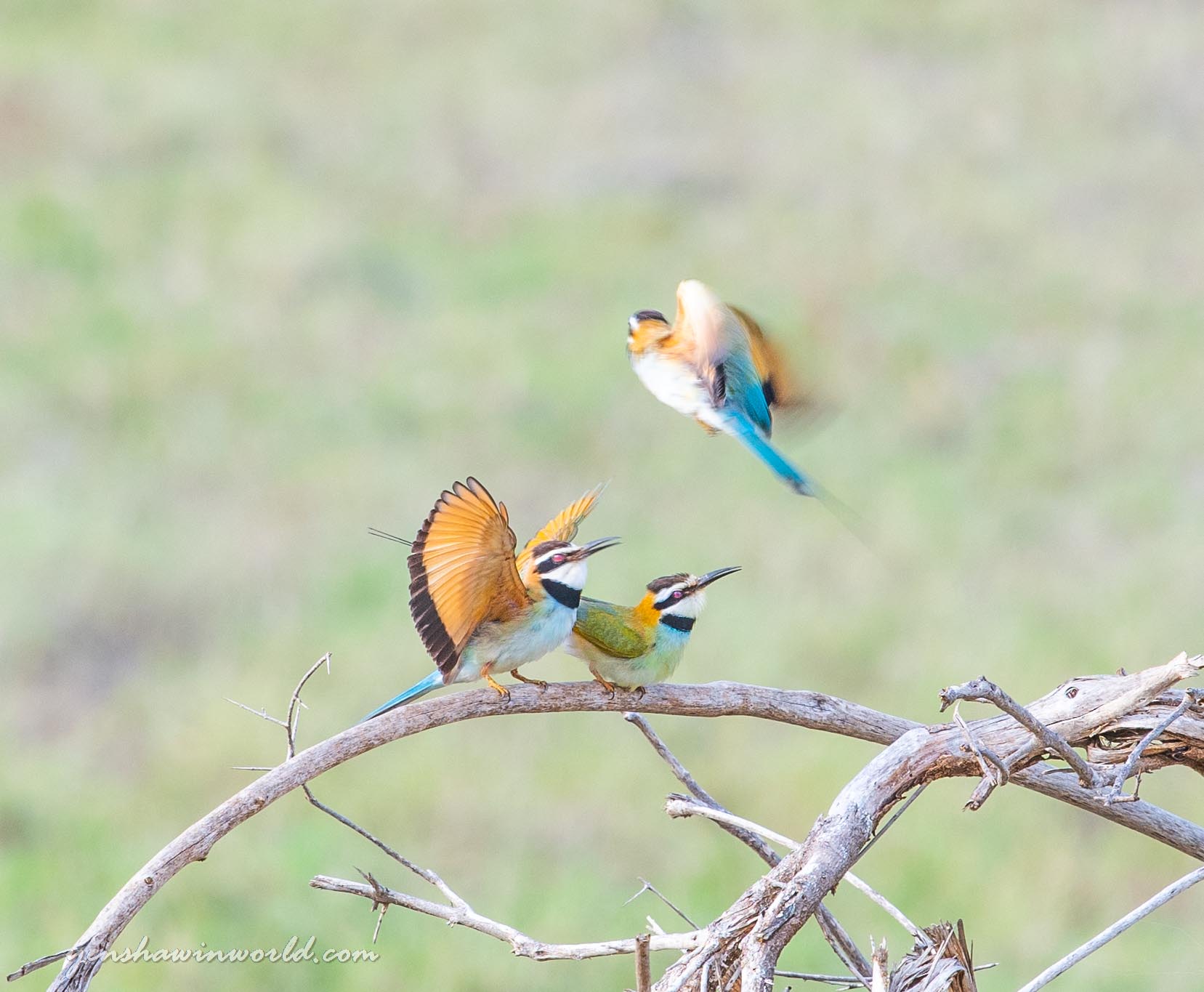
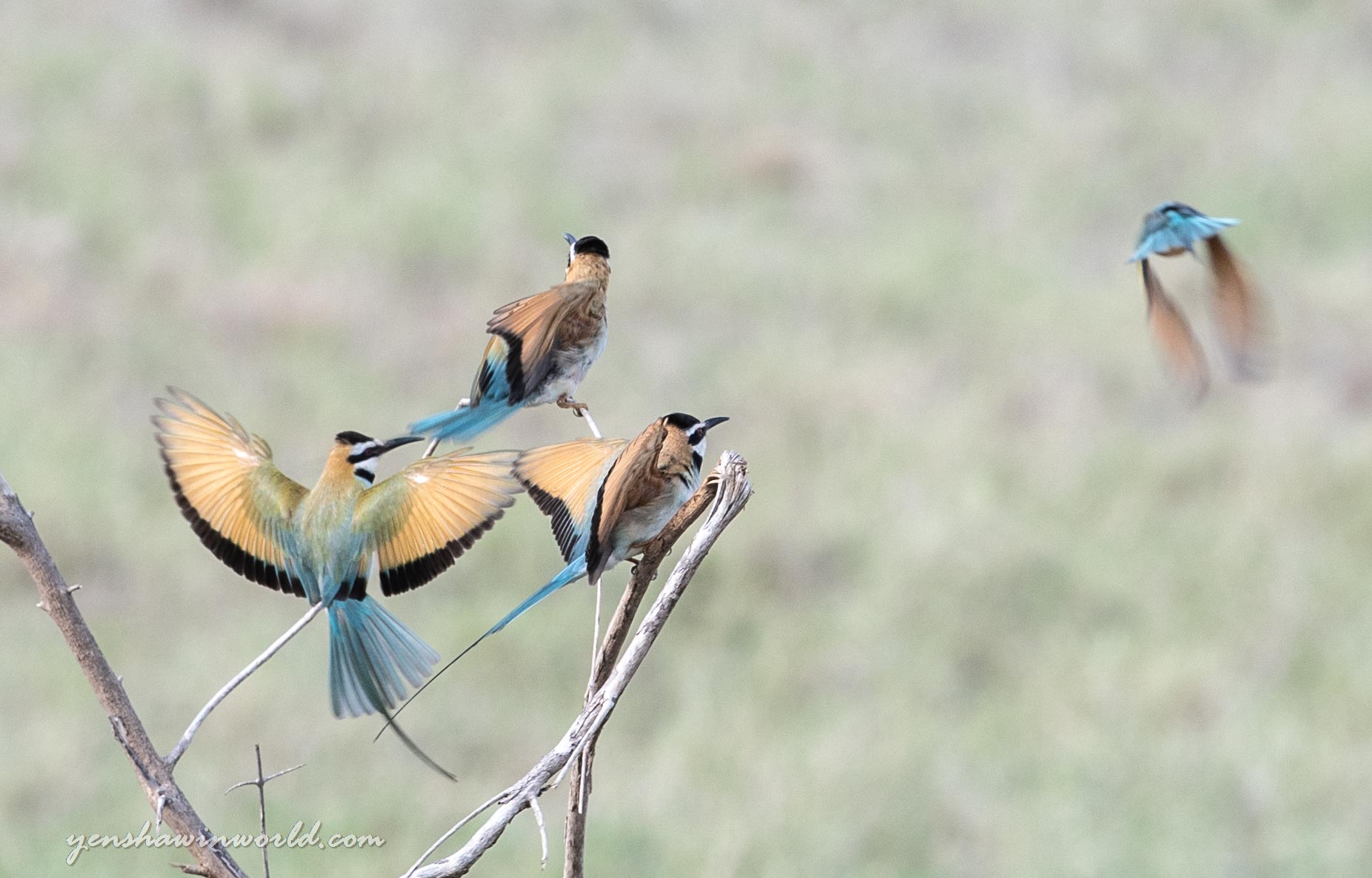
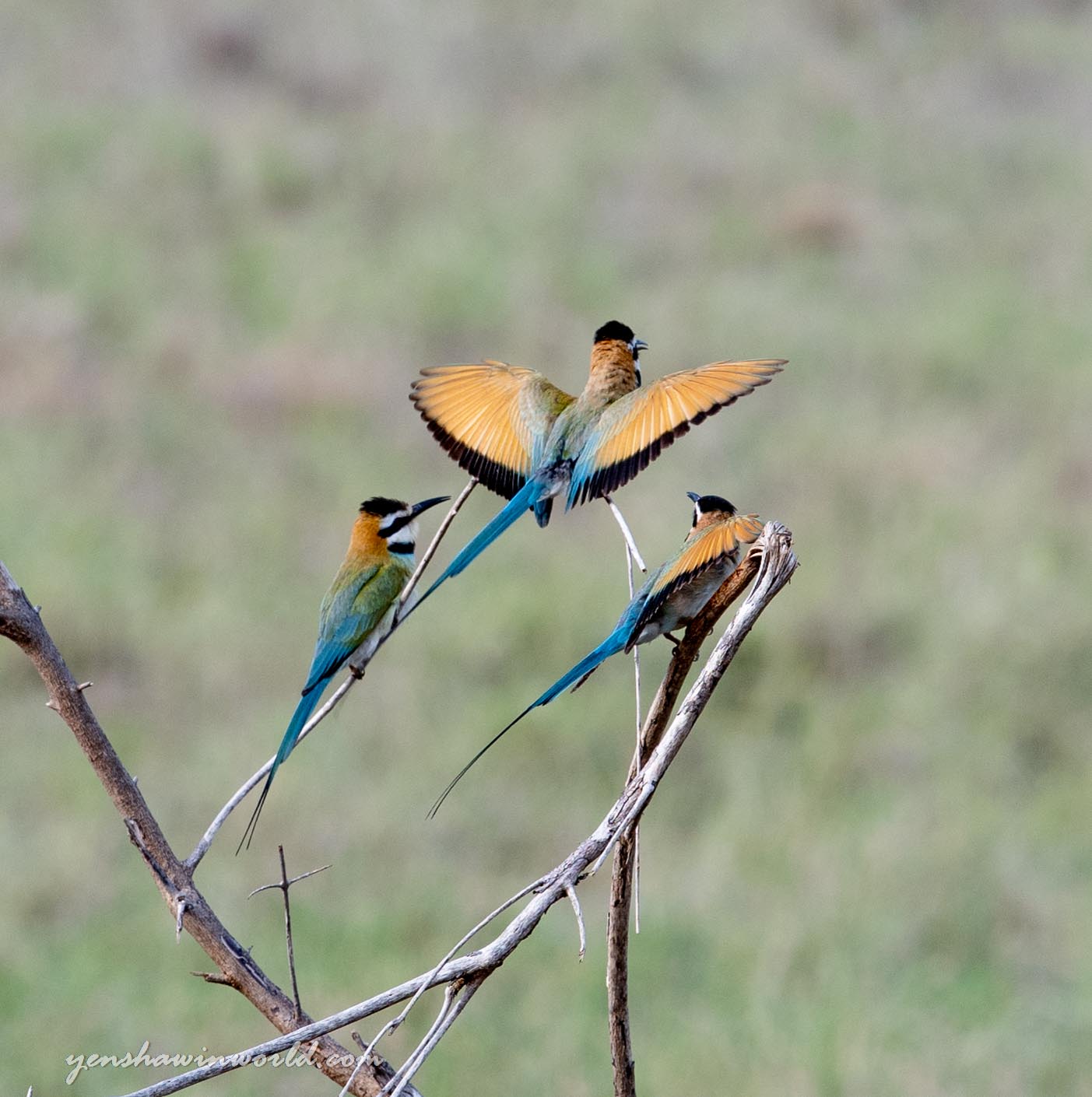
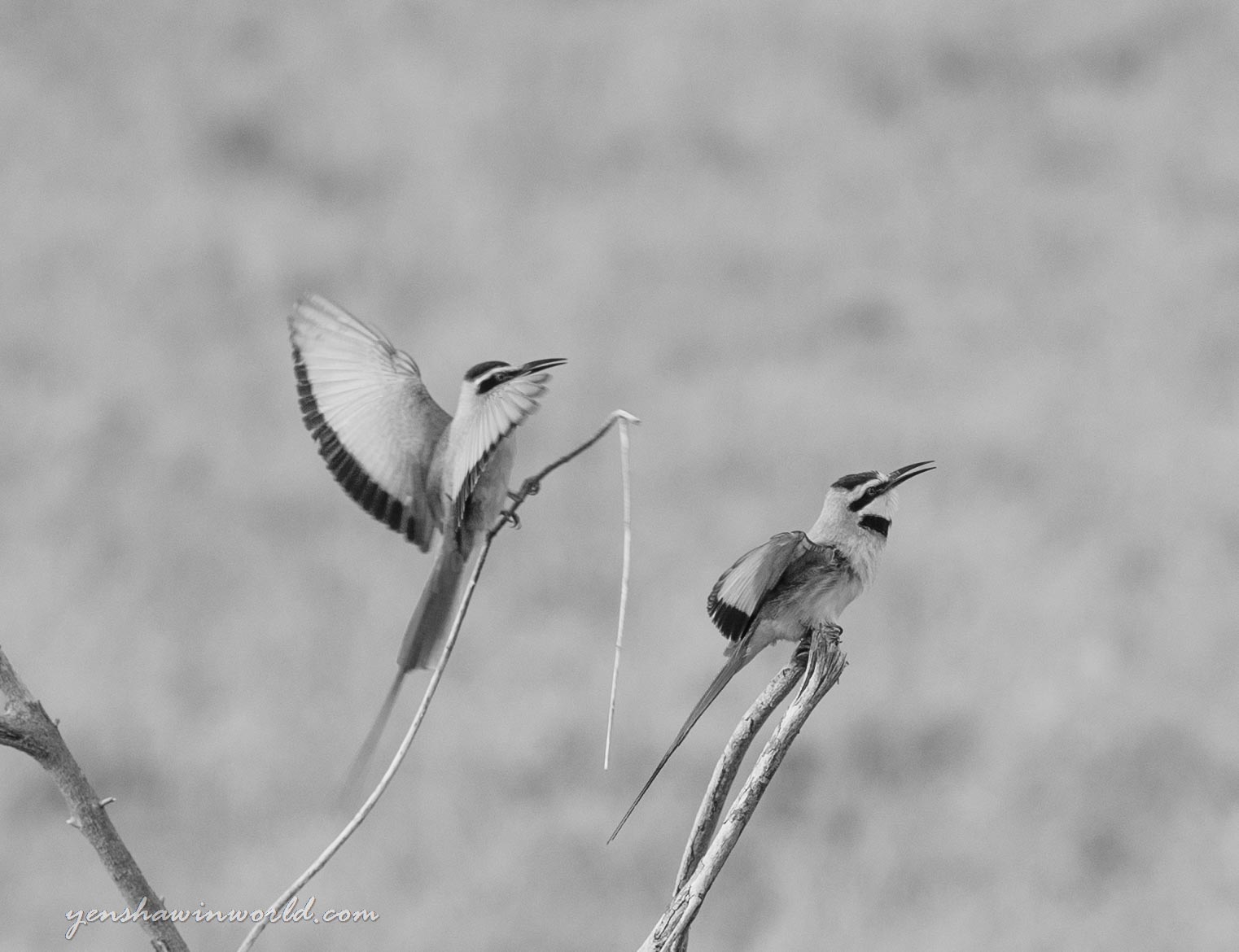
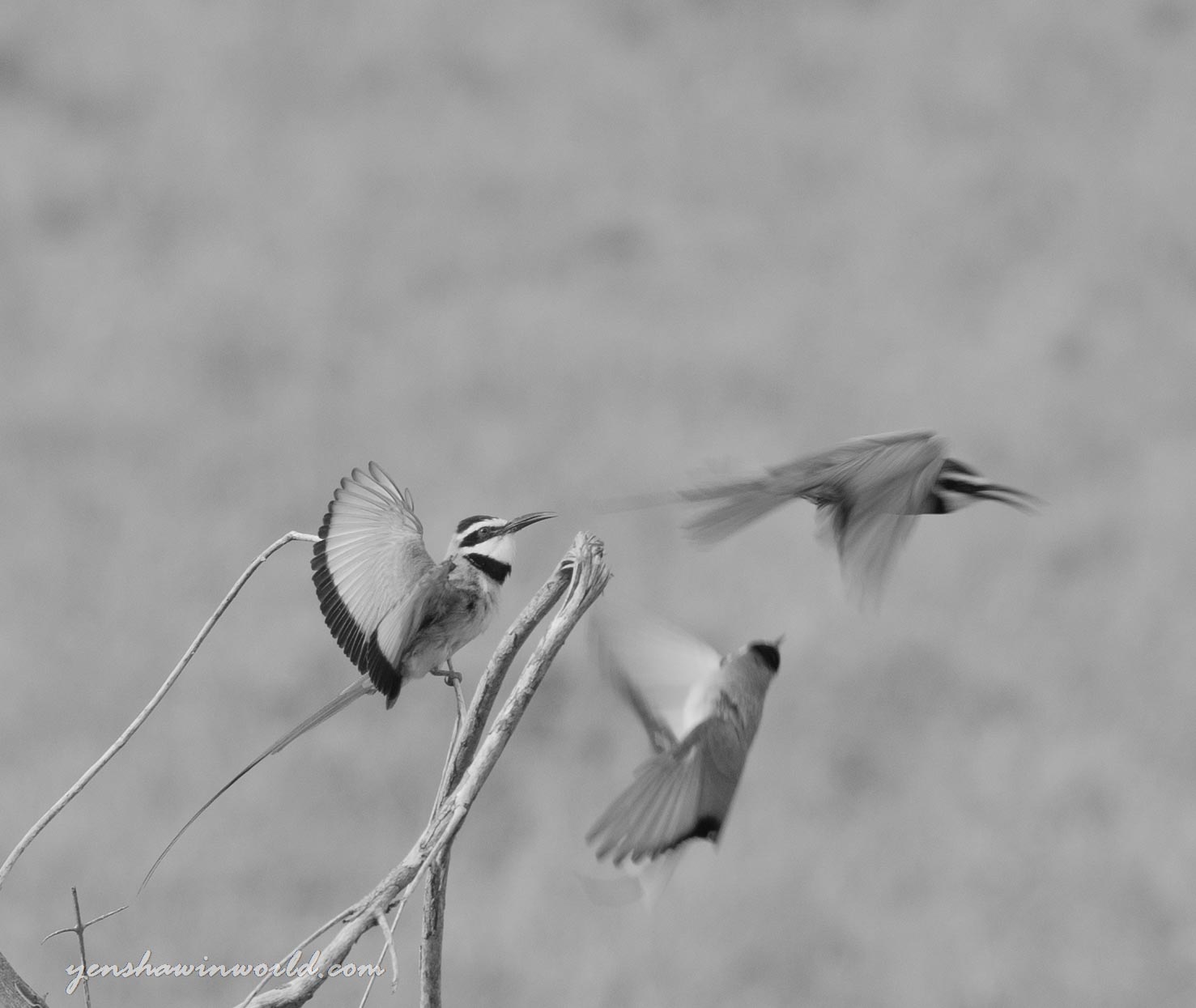
Early in the morning I noticed a shrub with a bunch of Somali Bee Eater’s having a good time flying around and chatting with each other. With the positioning of the sun and the golden hours of daylight, I managed to snap off some magnificent shots.

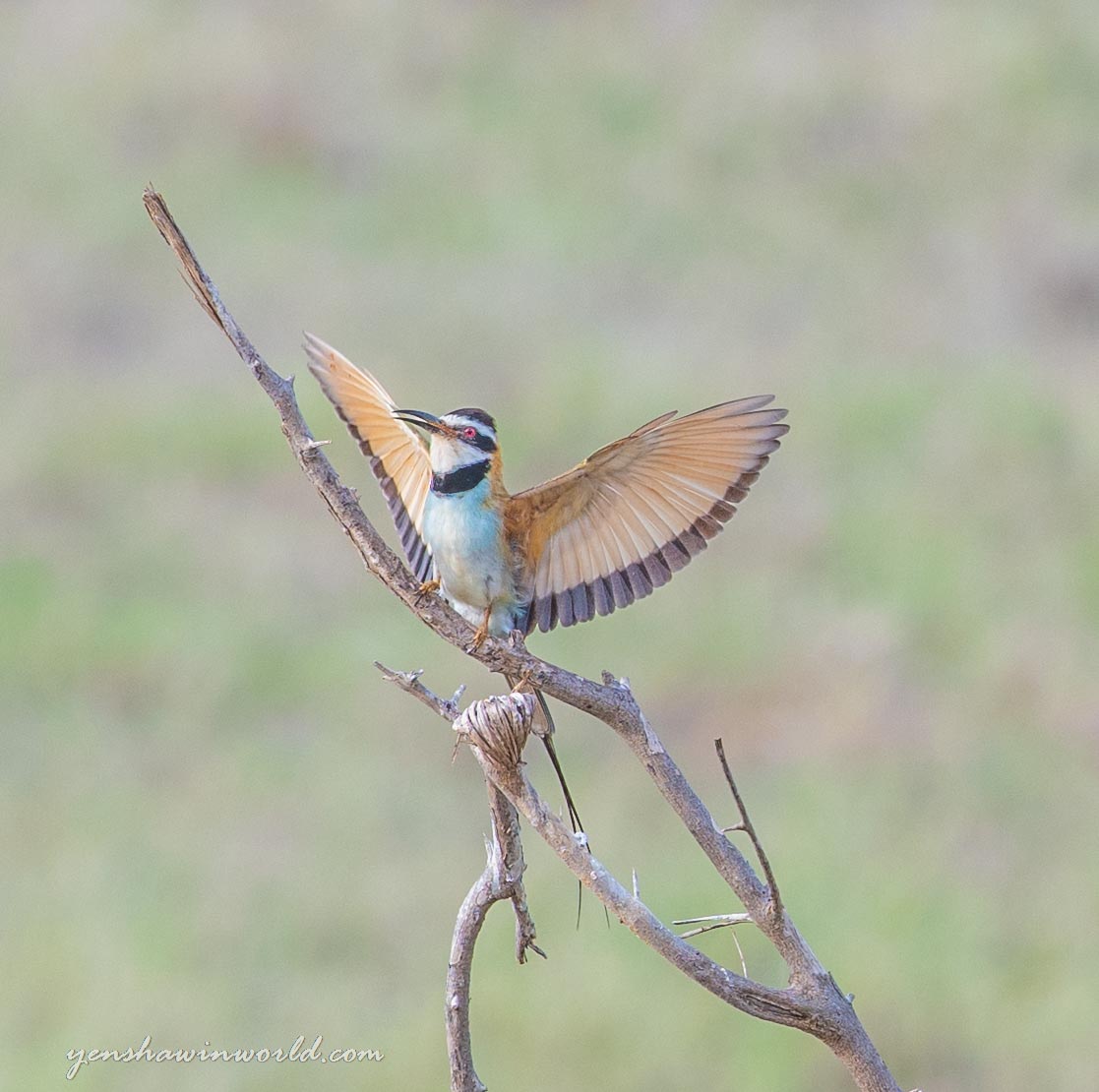
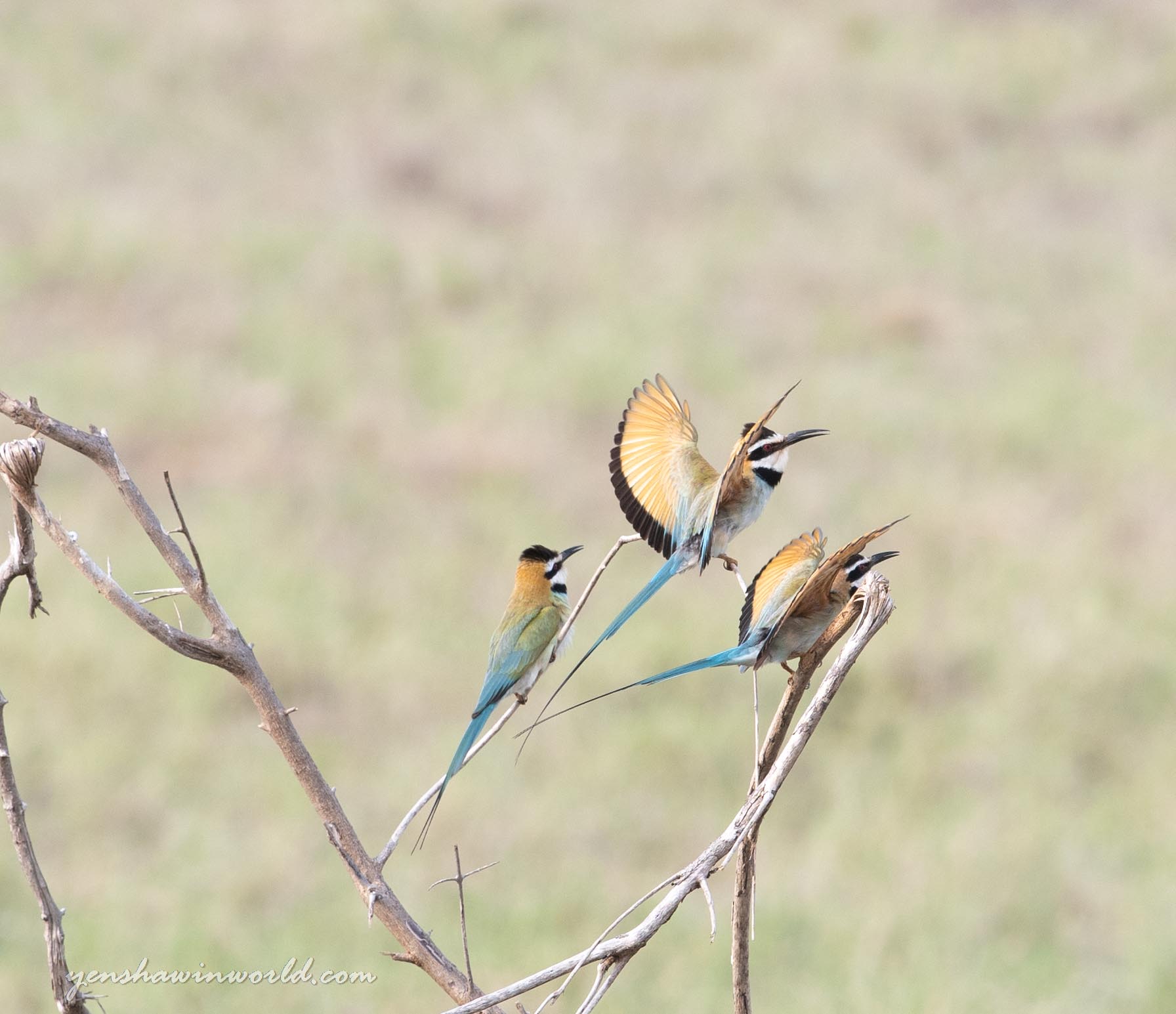
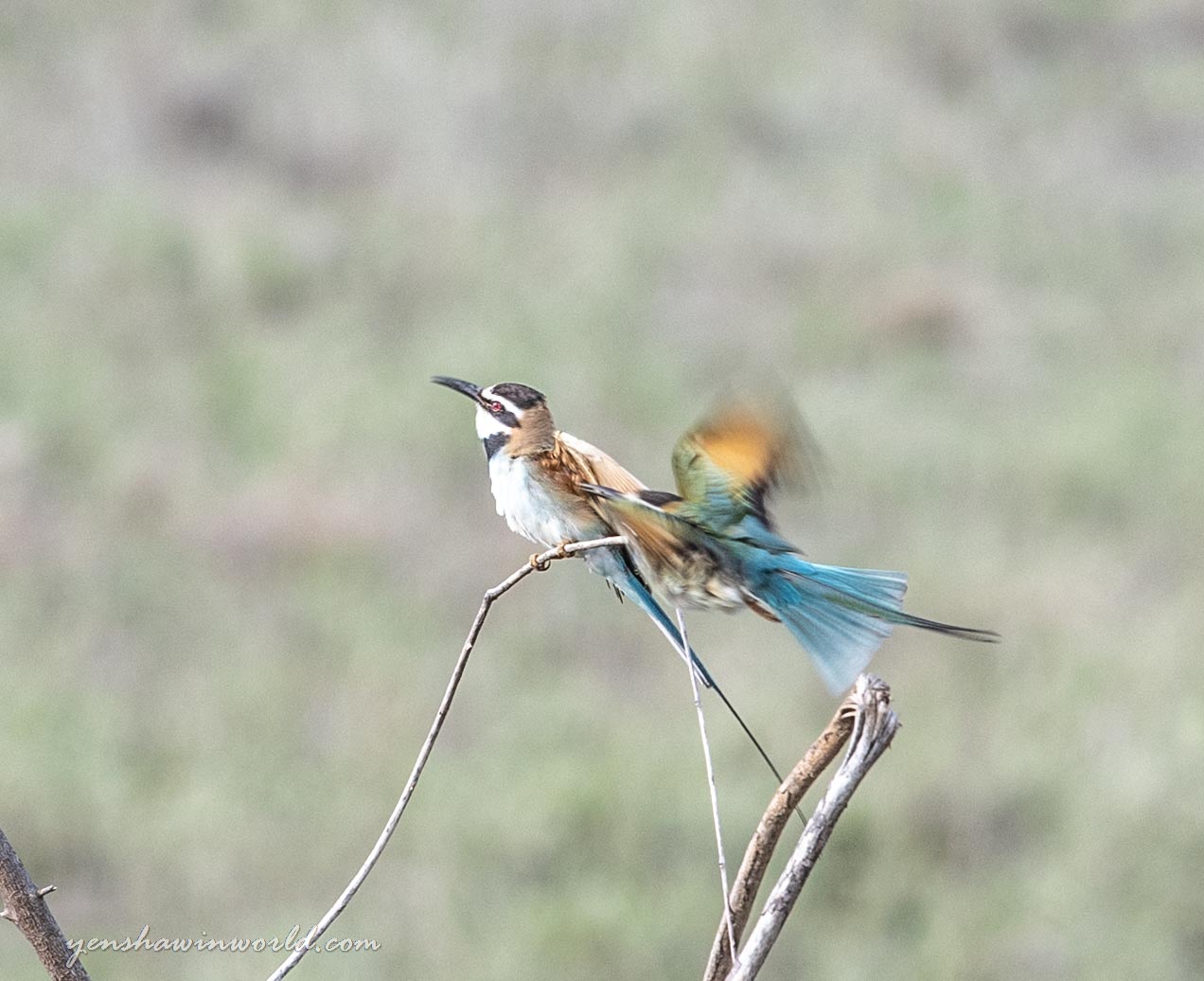
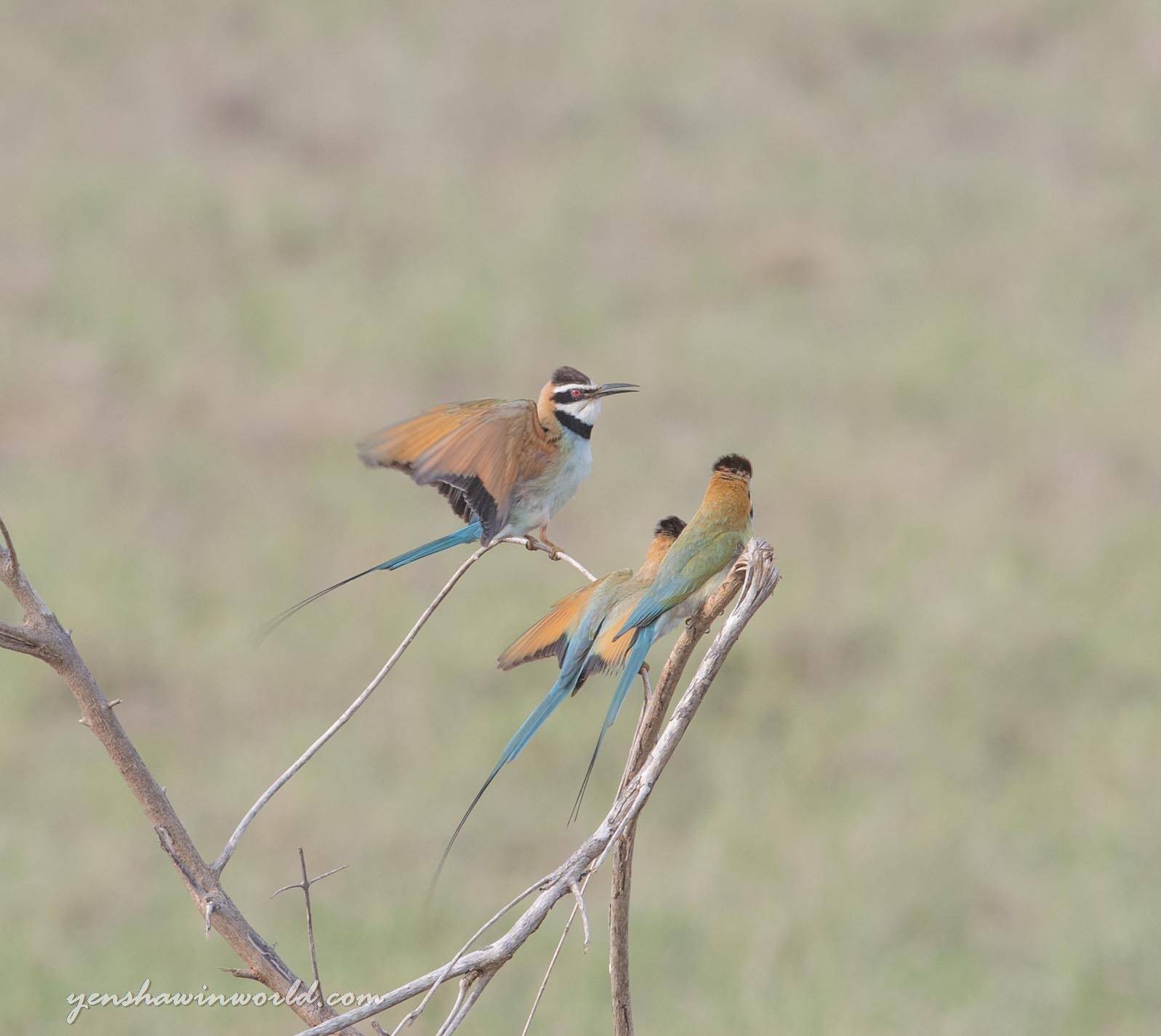
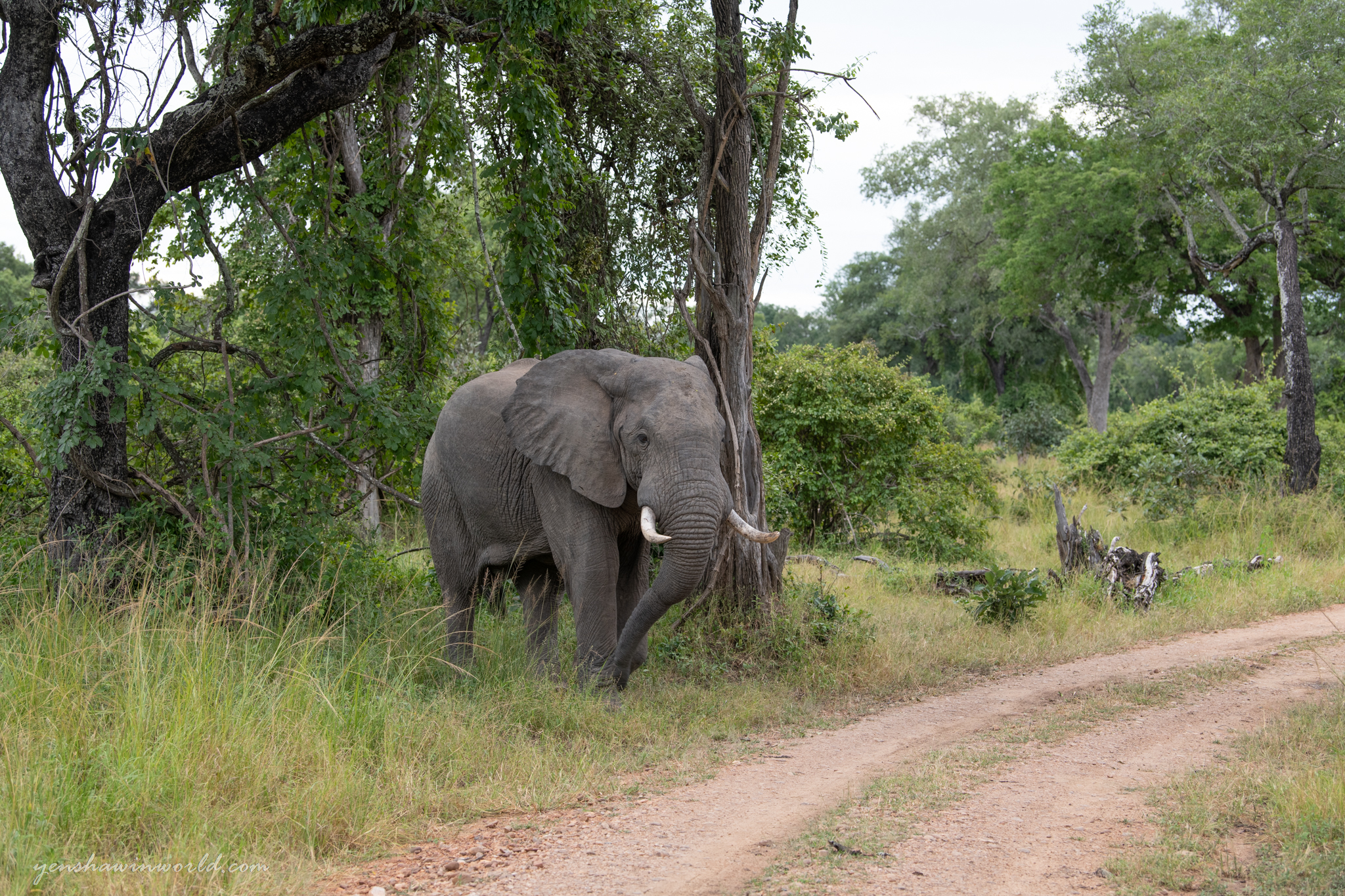
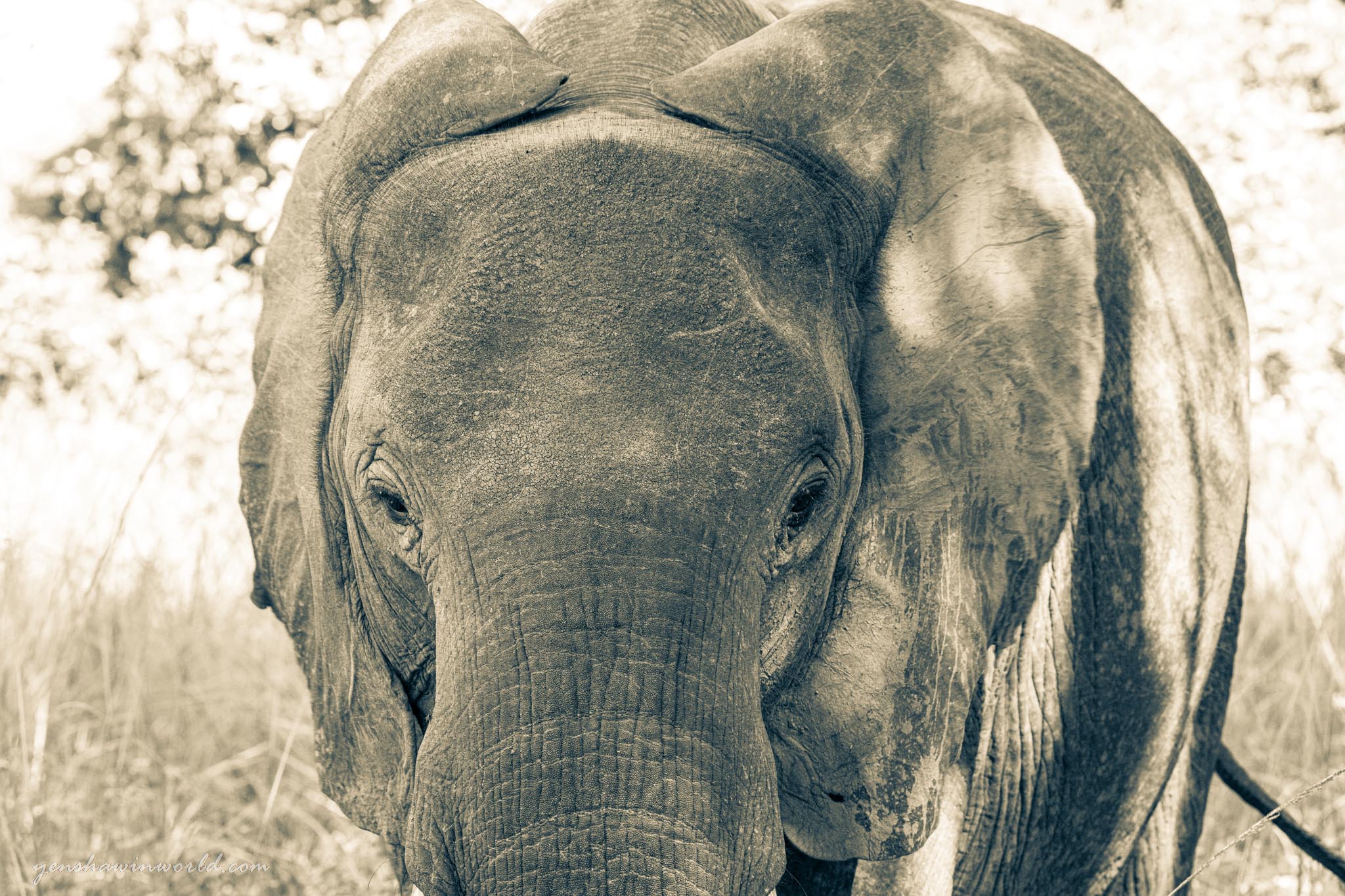
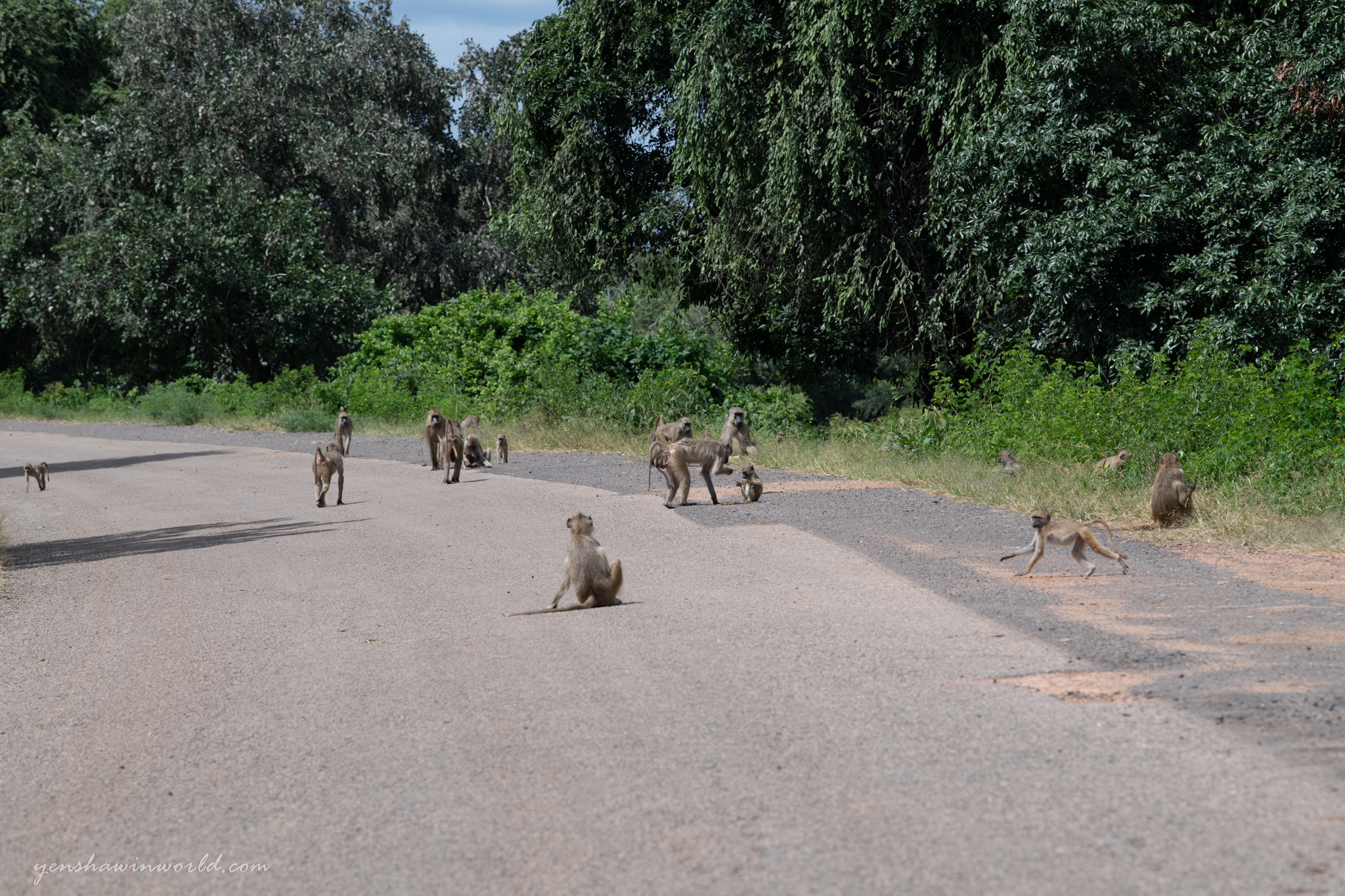
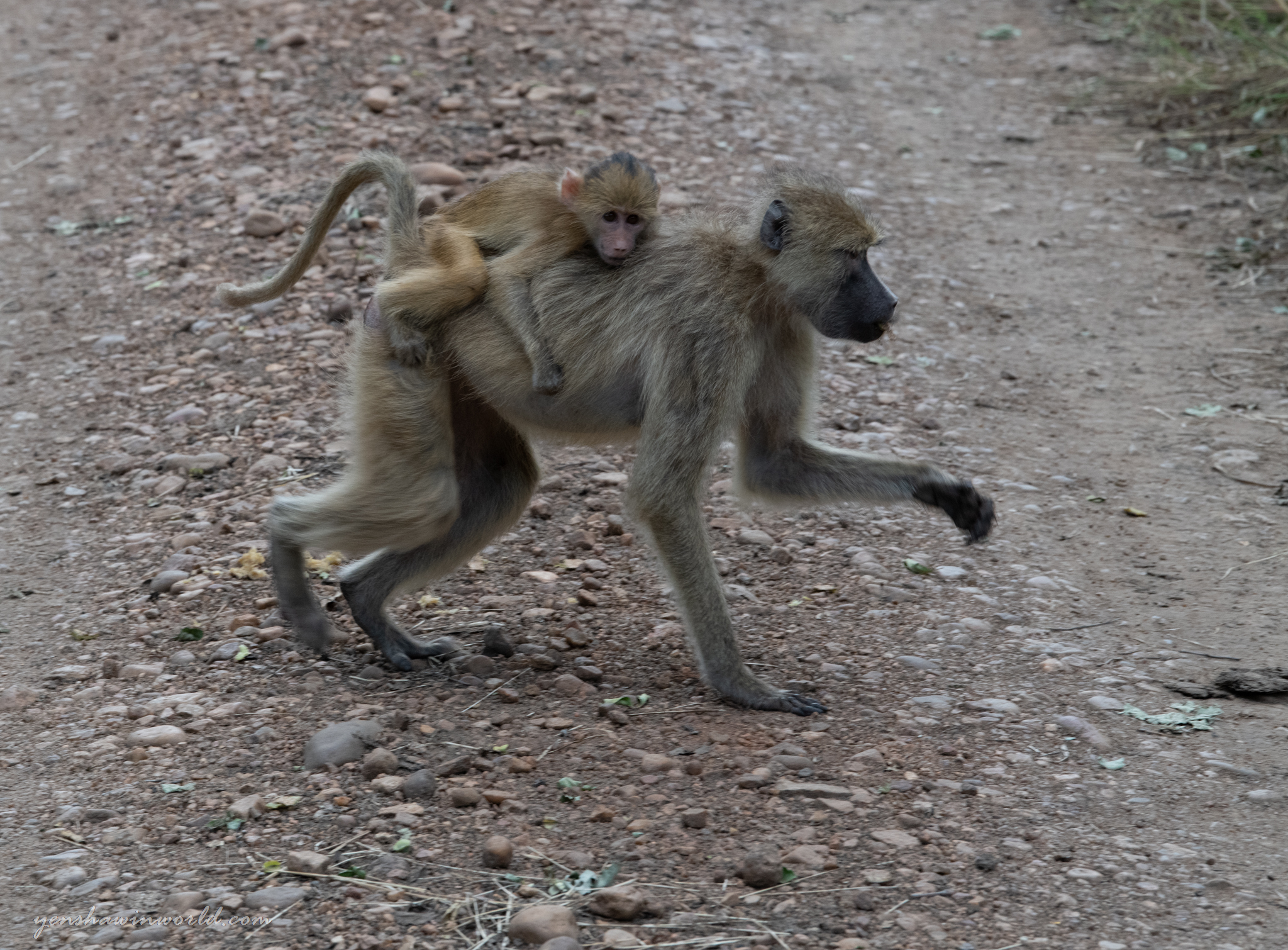
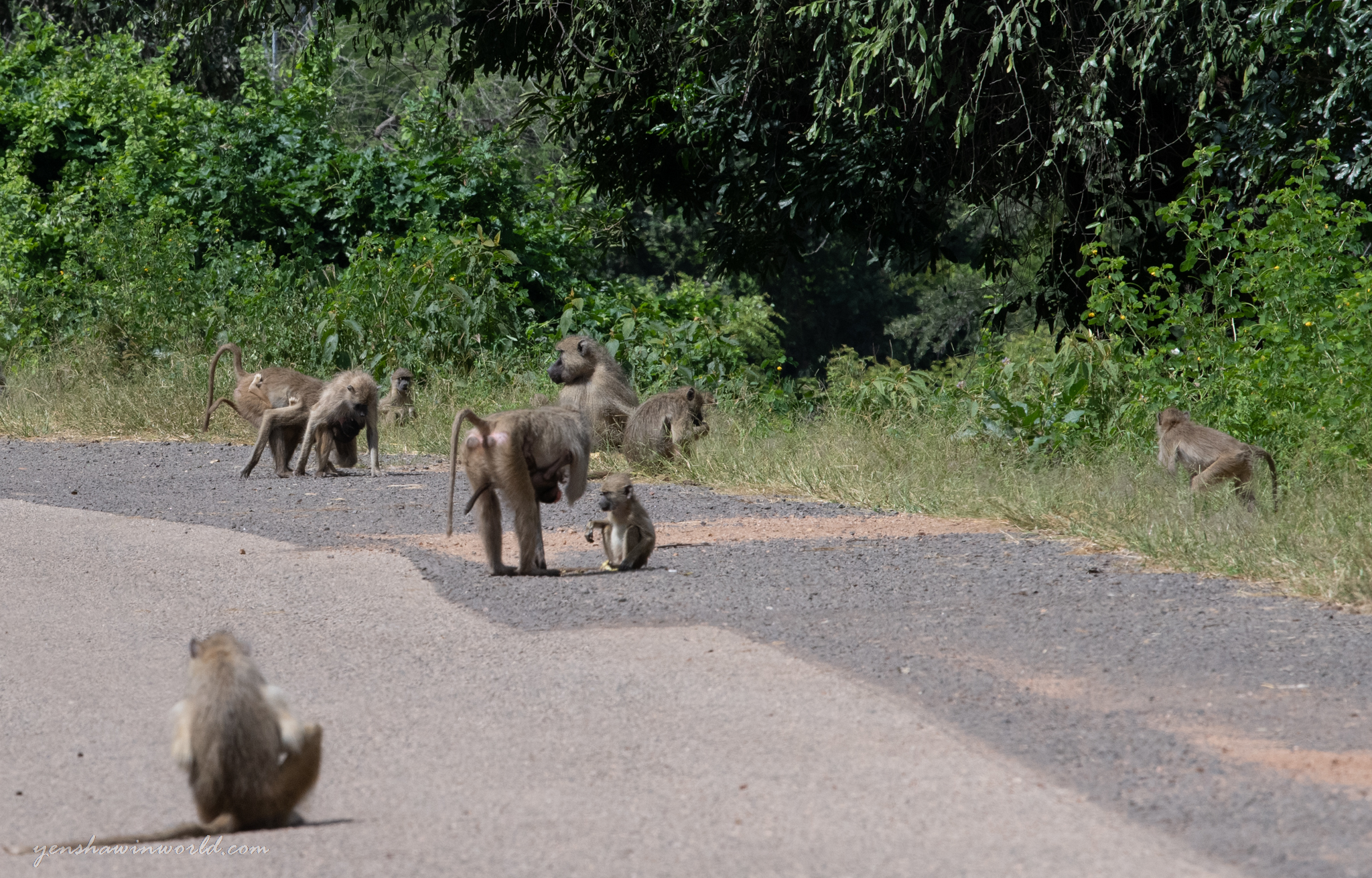
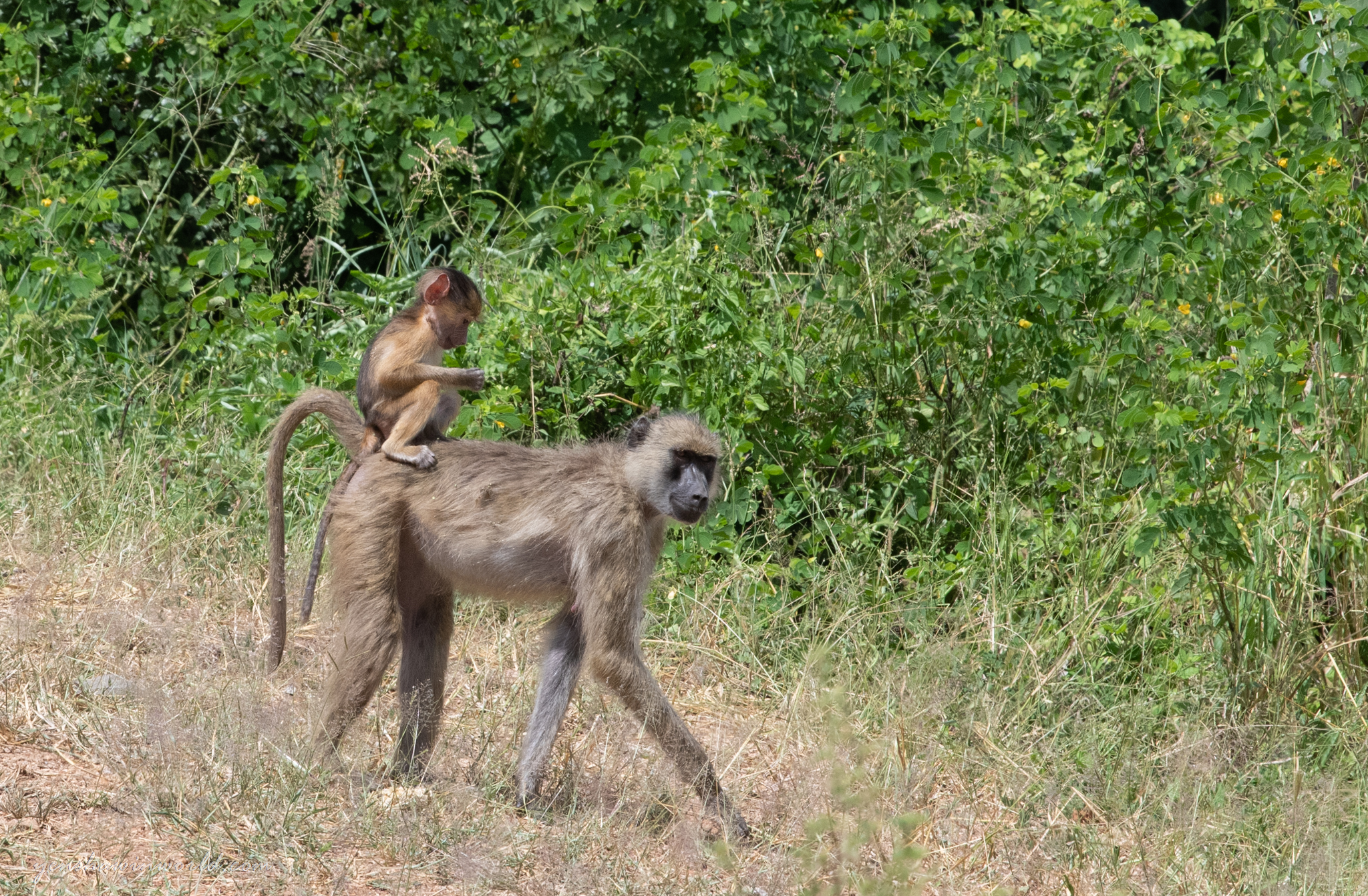
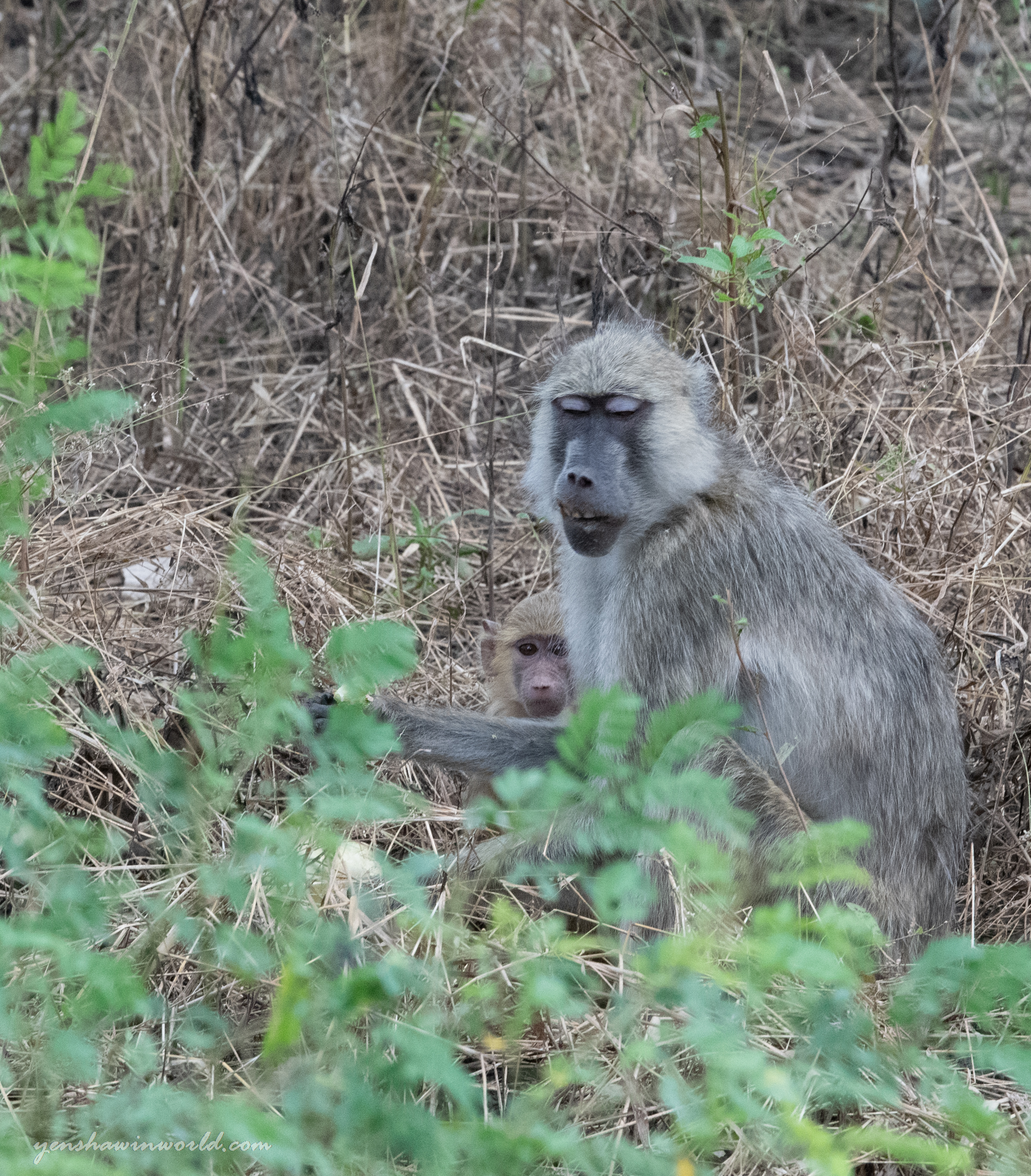
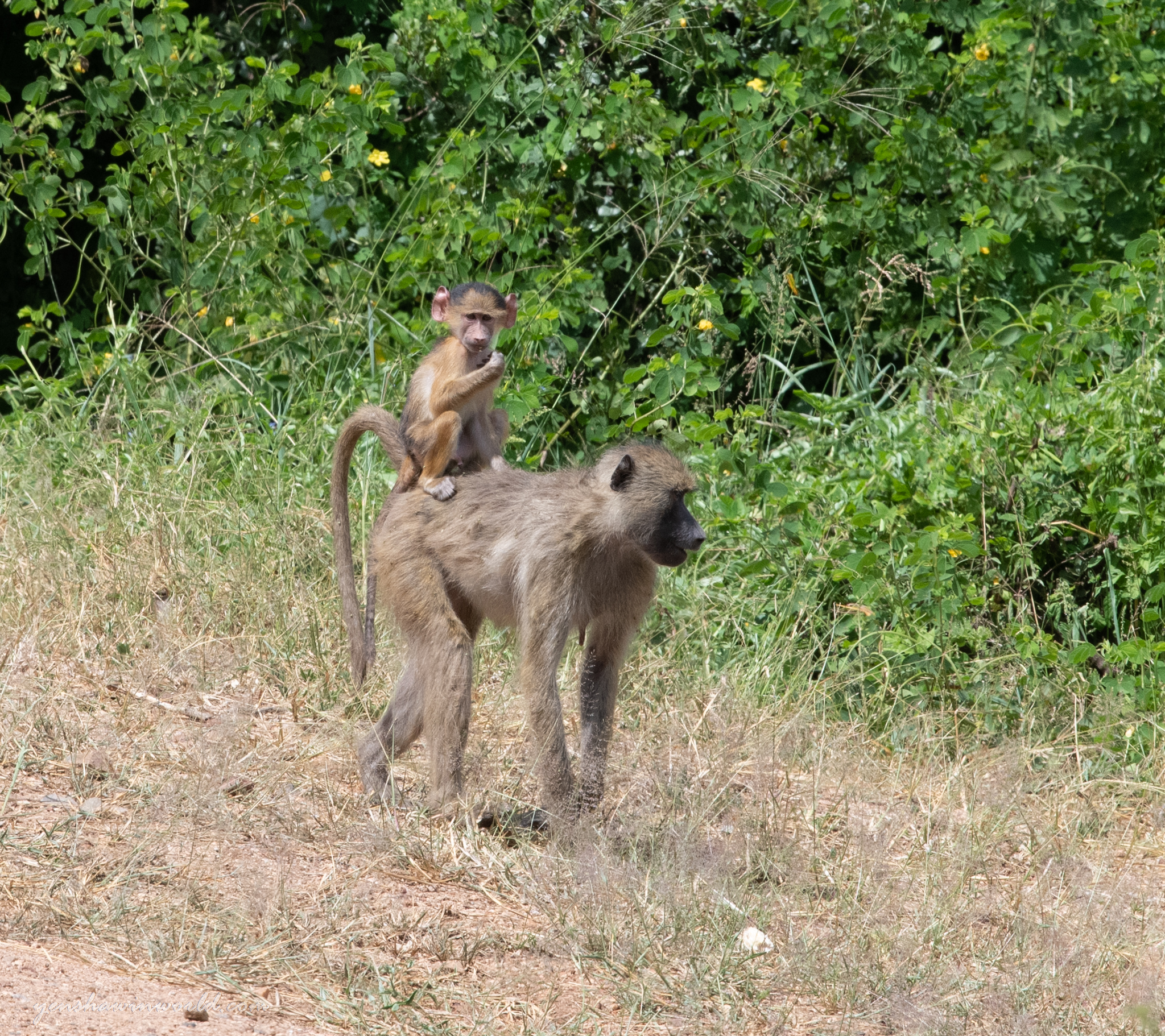
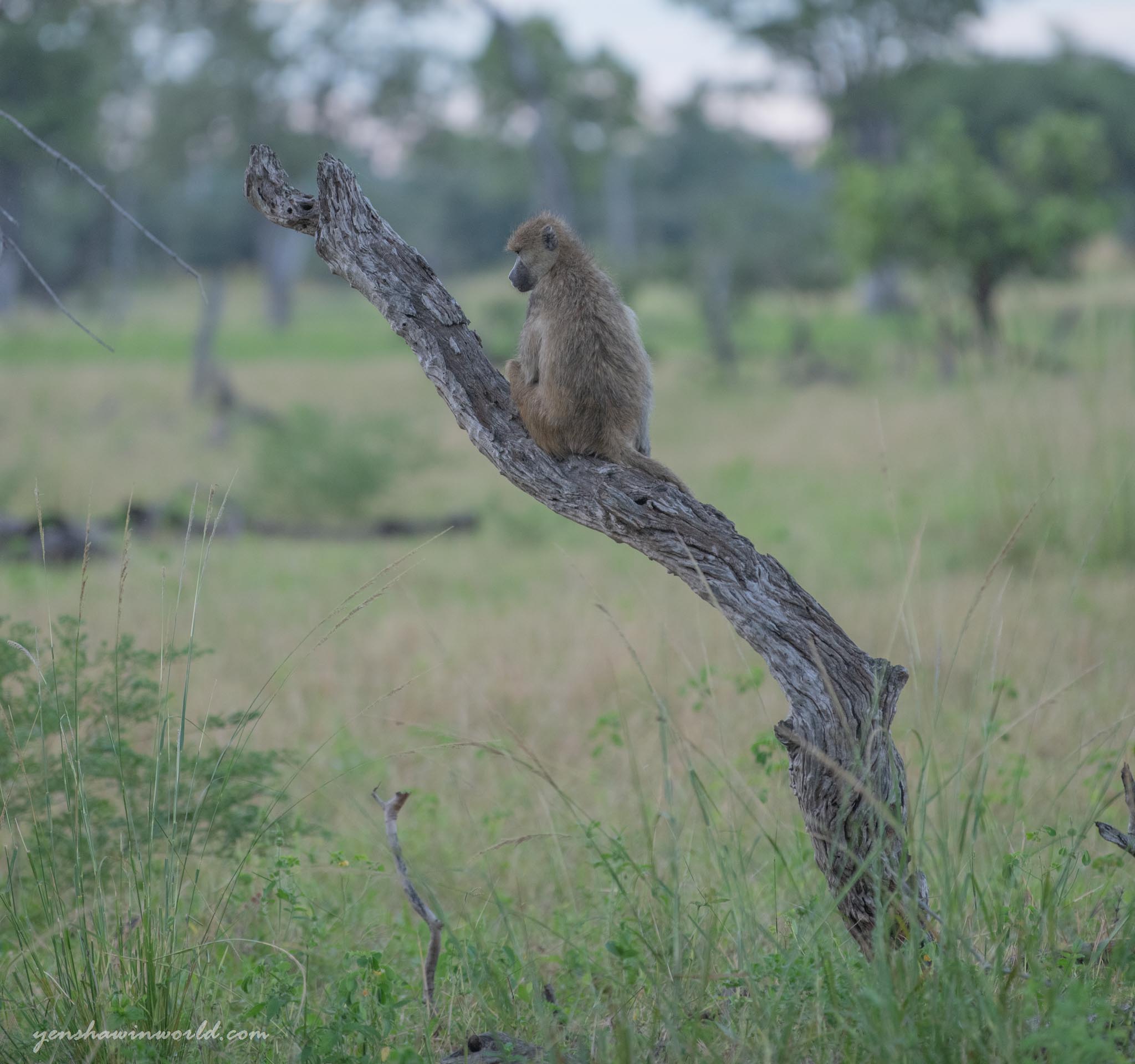
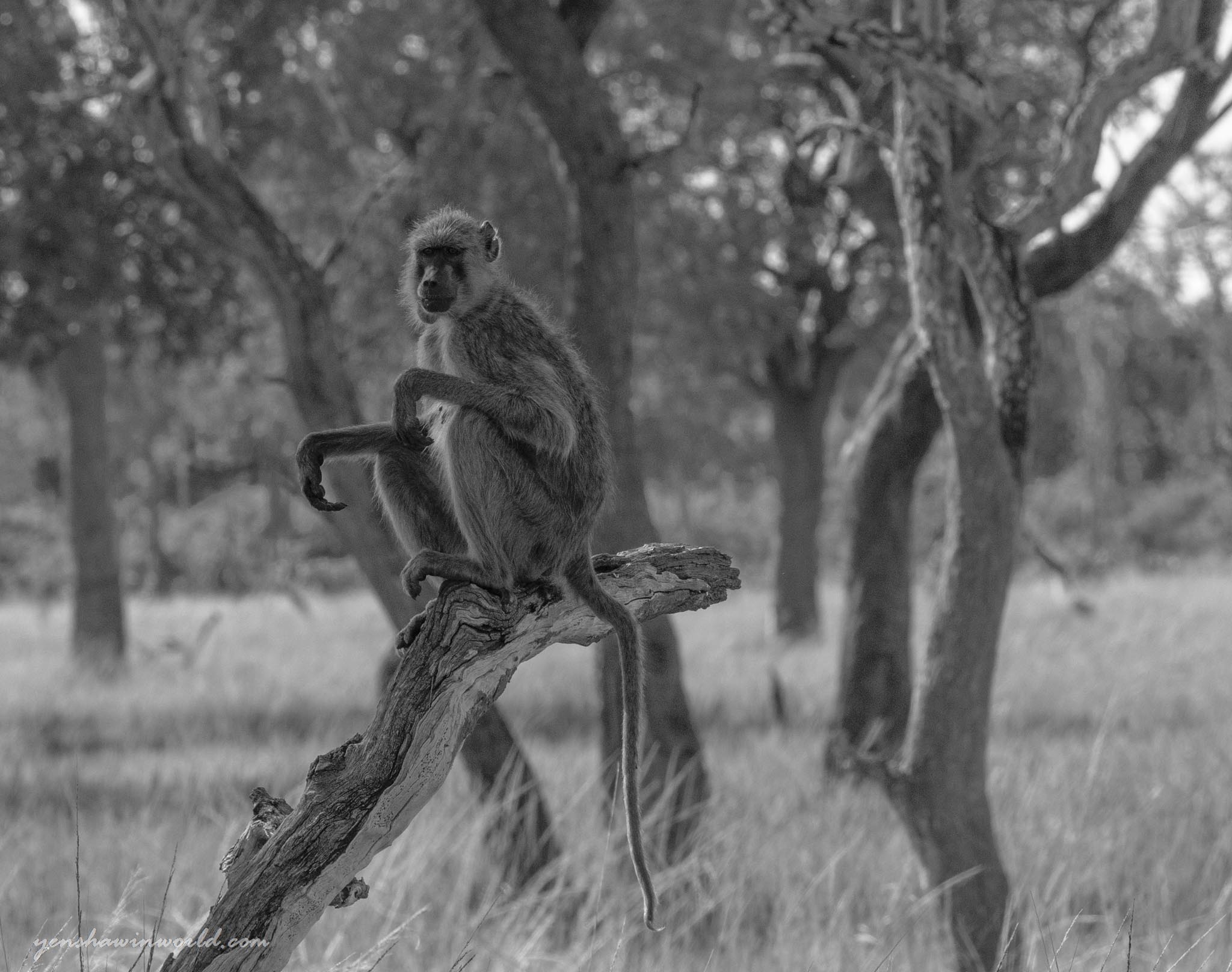
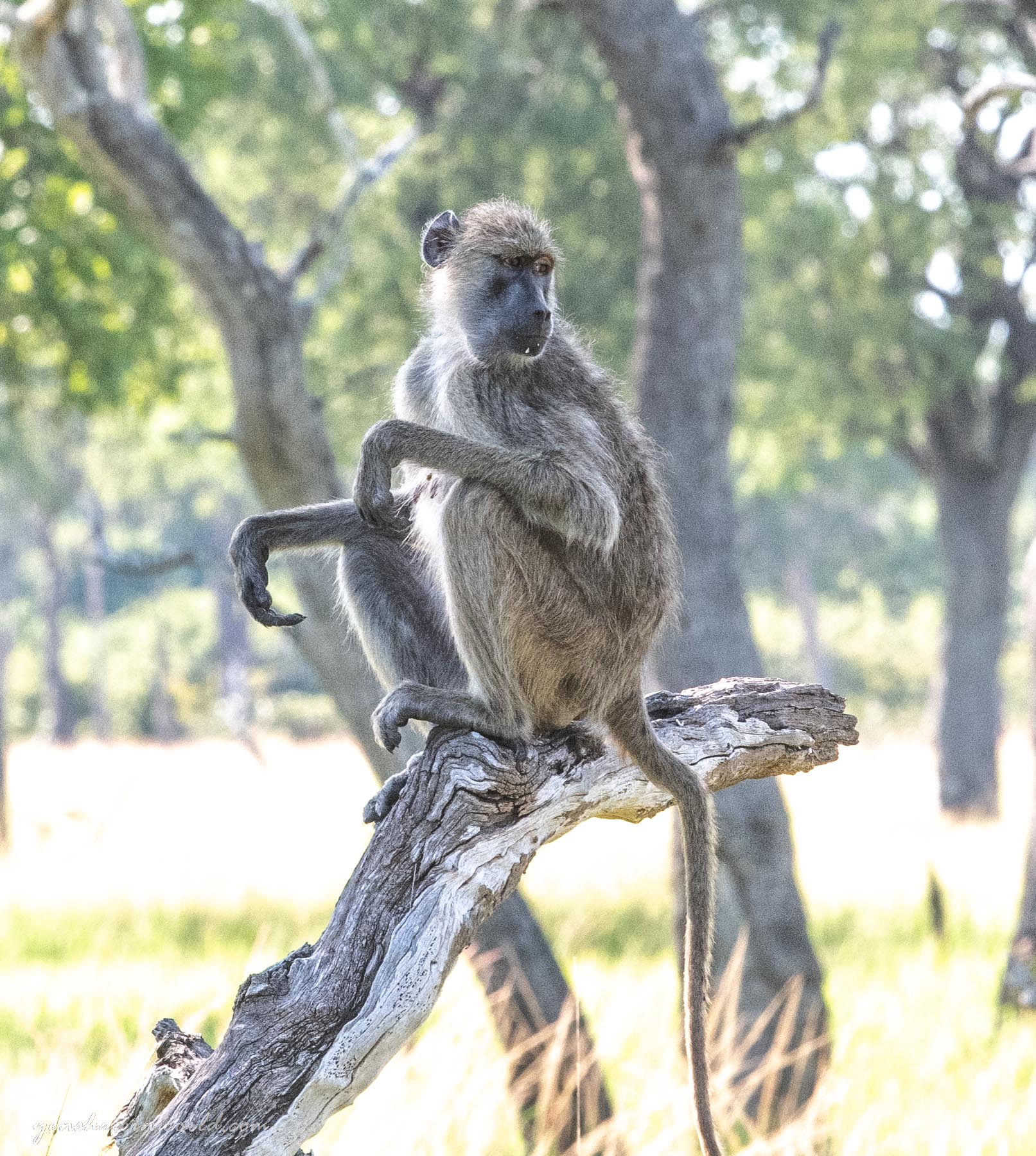
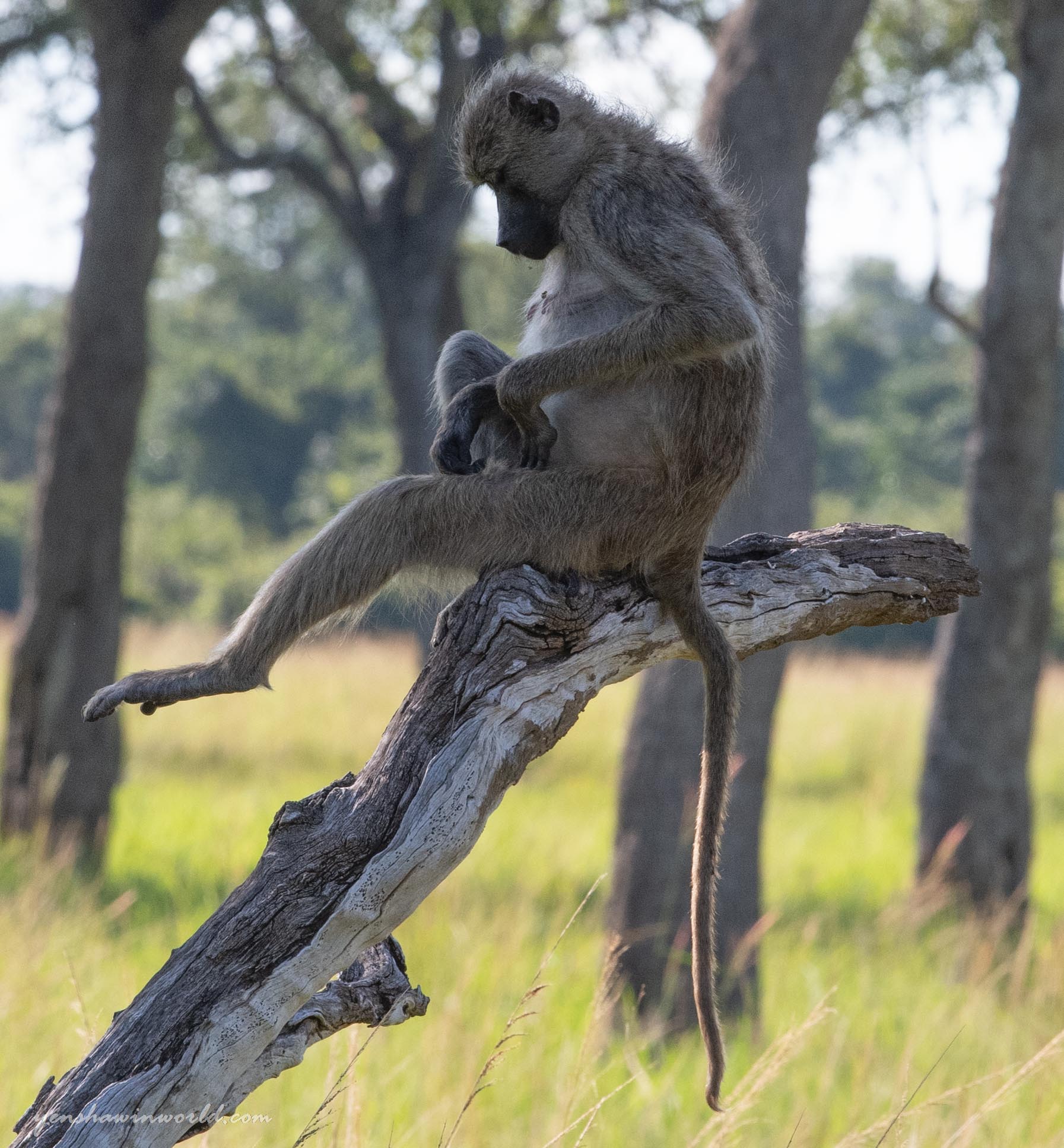
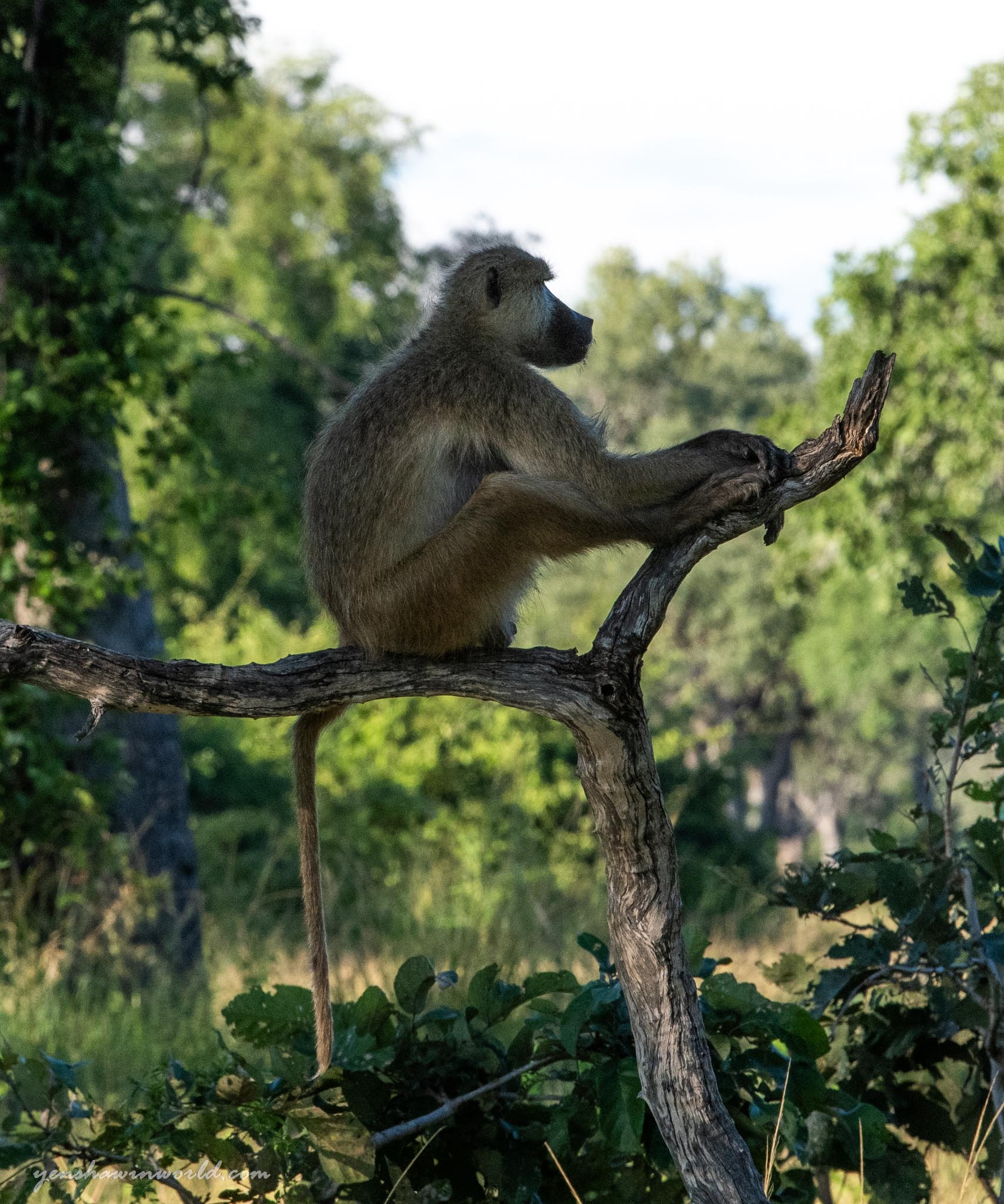
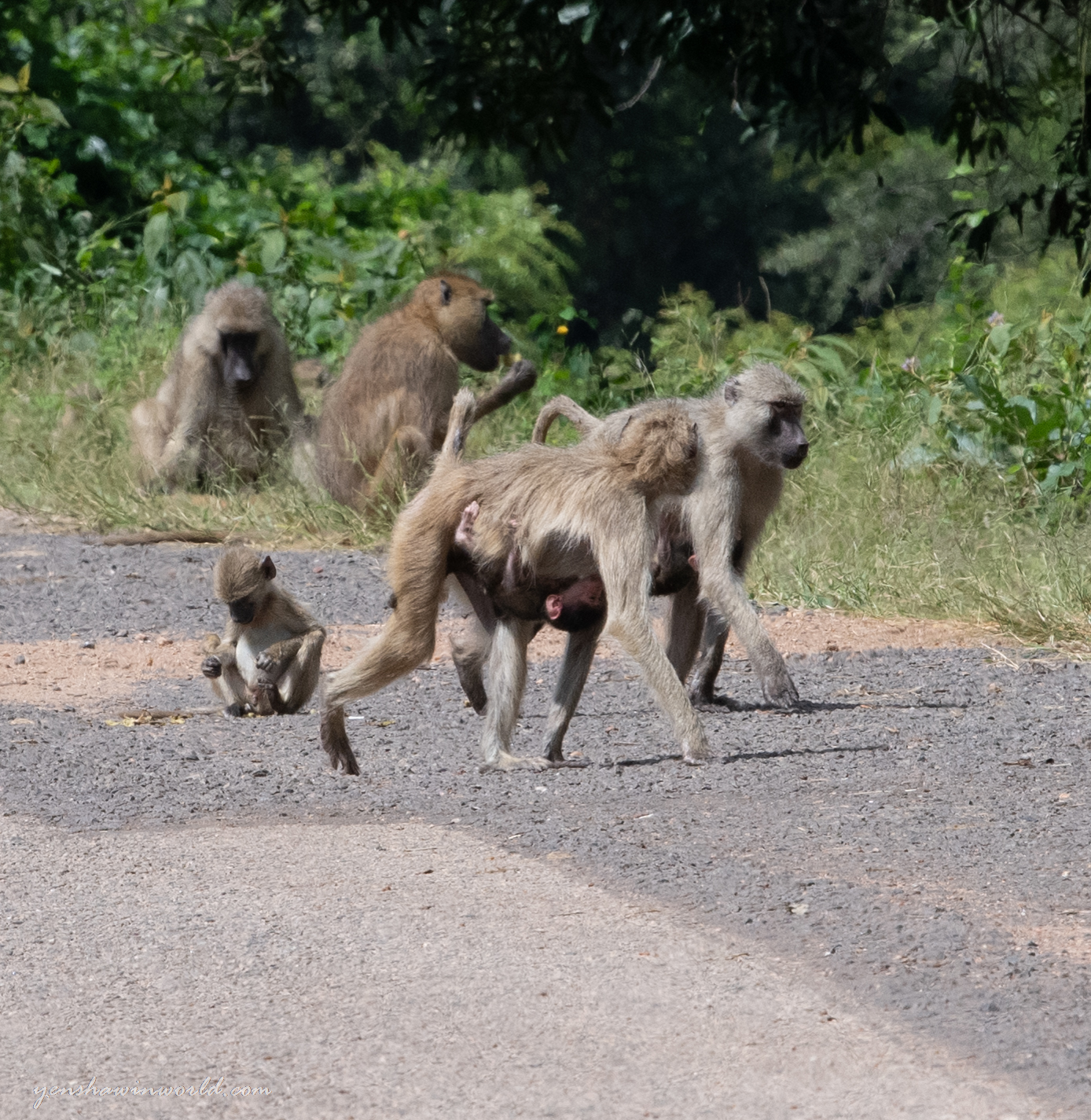
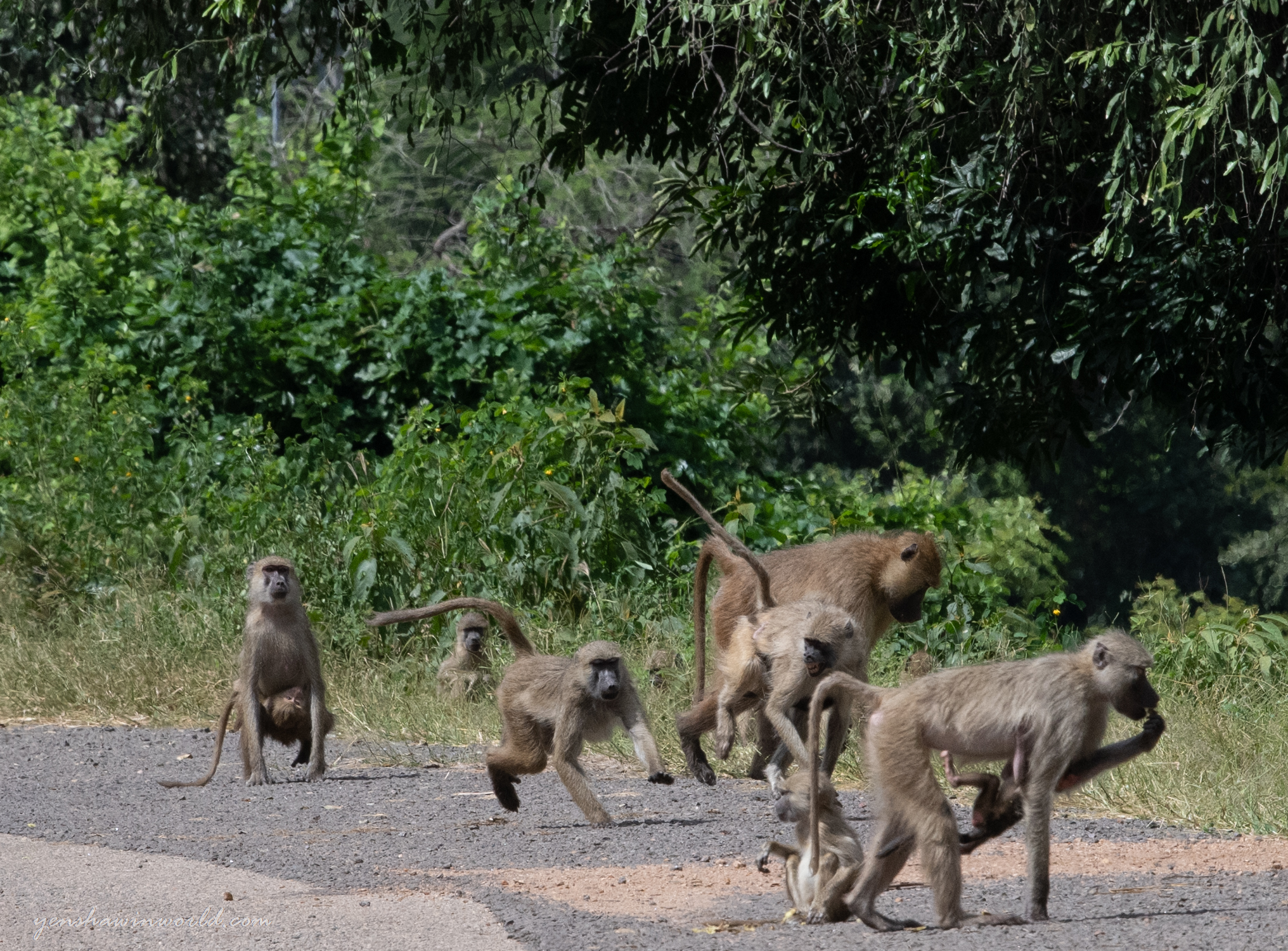
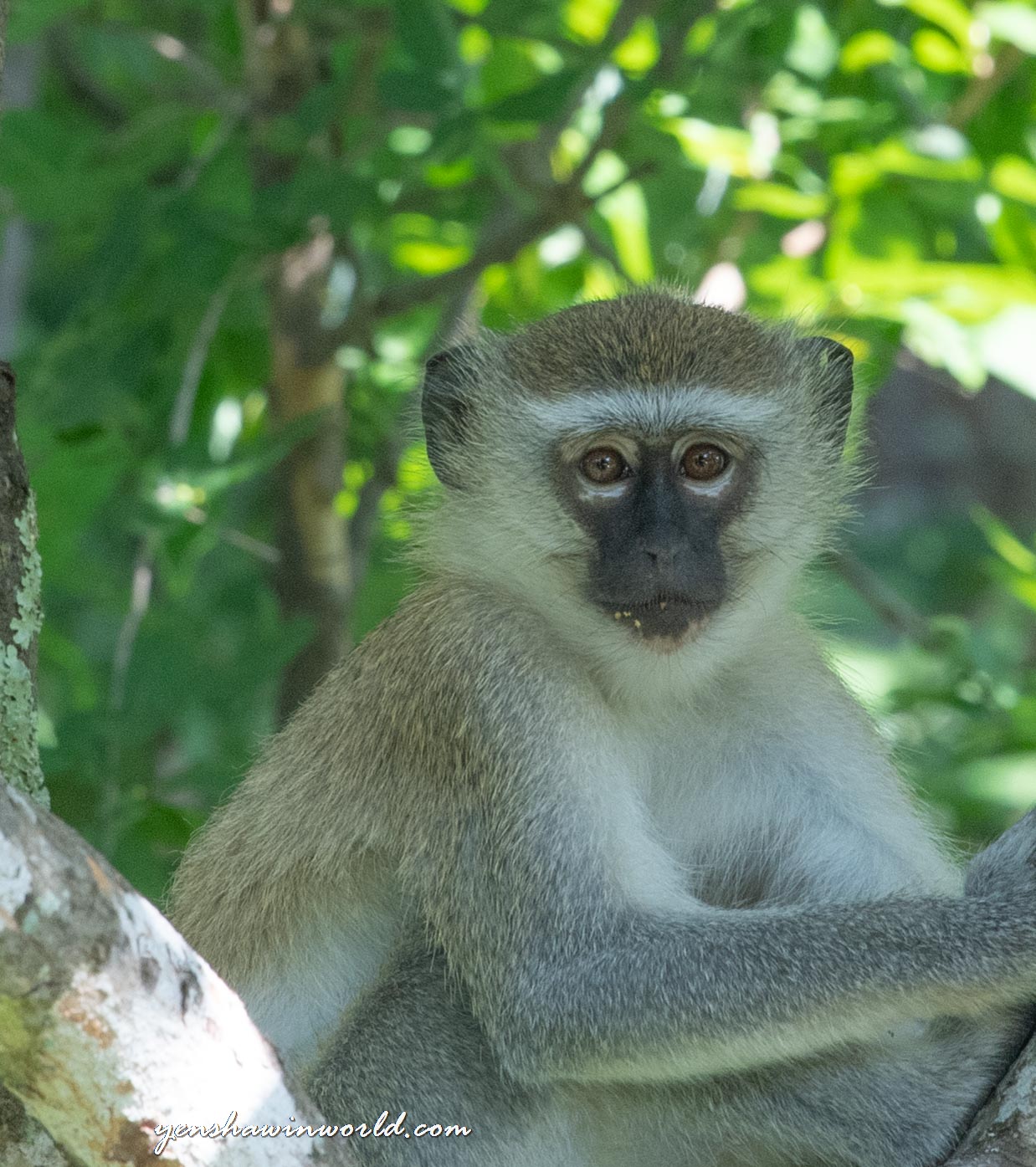
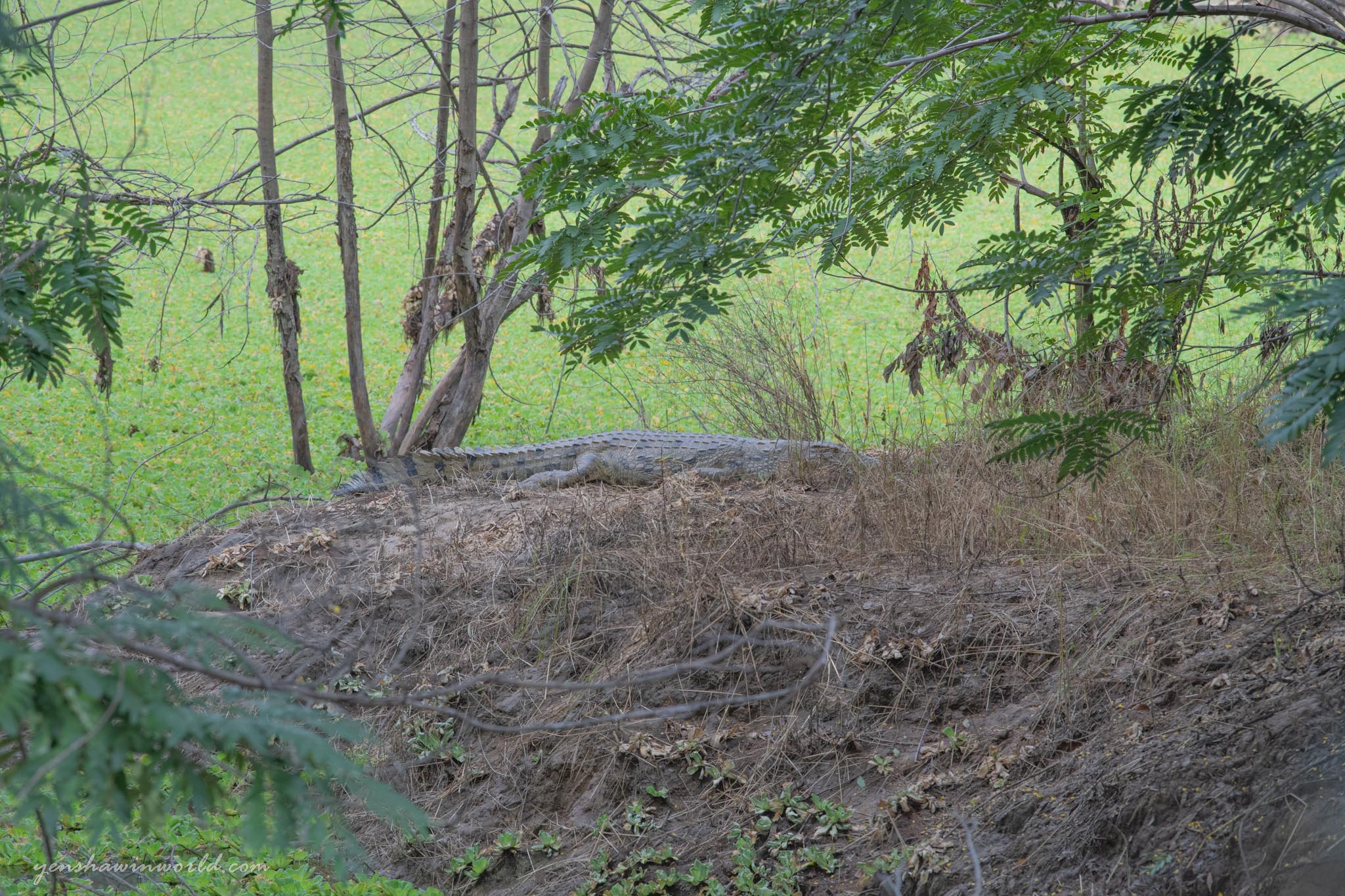
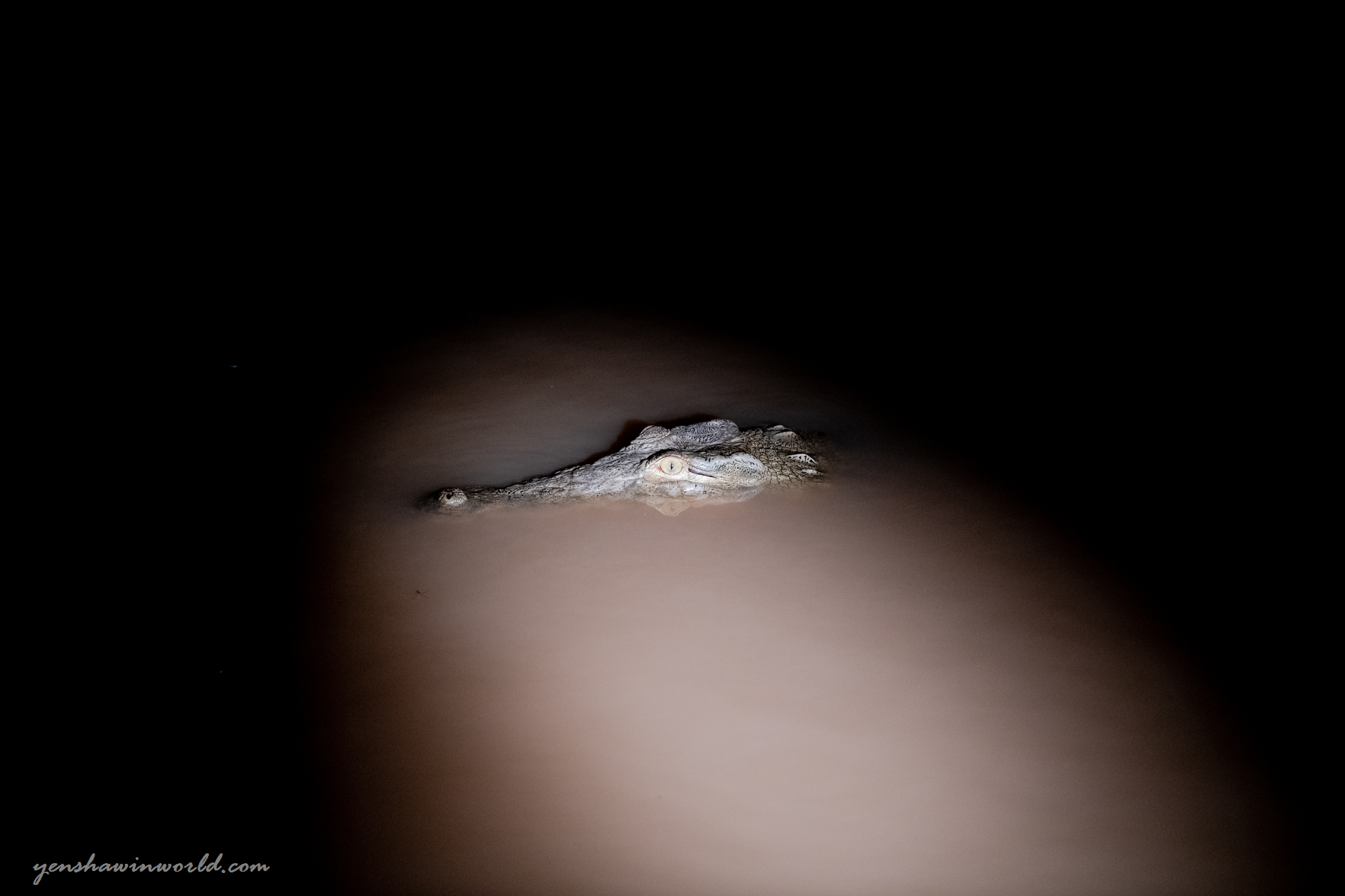
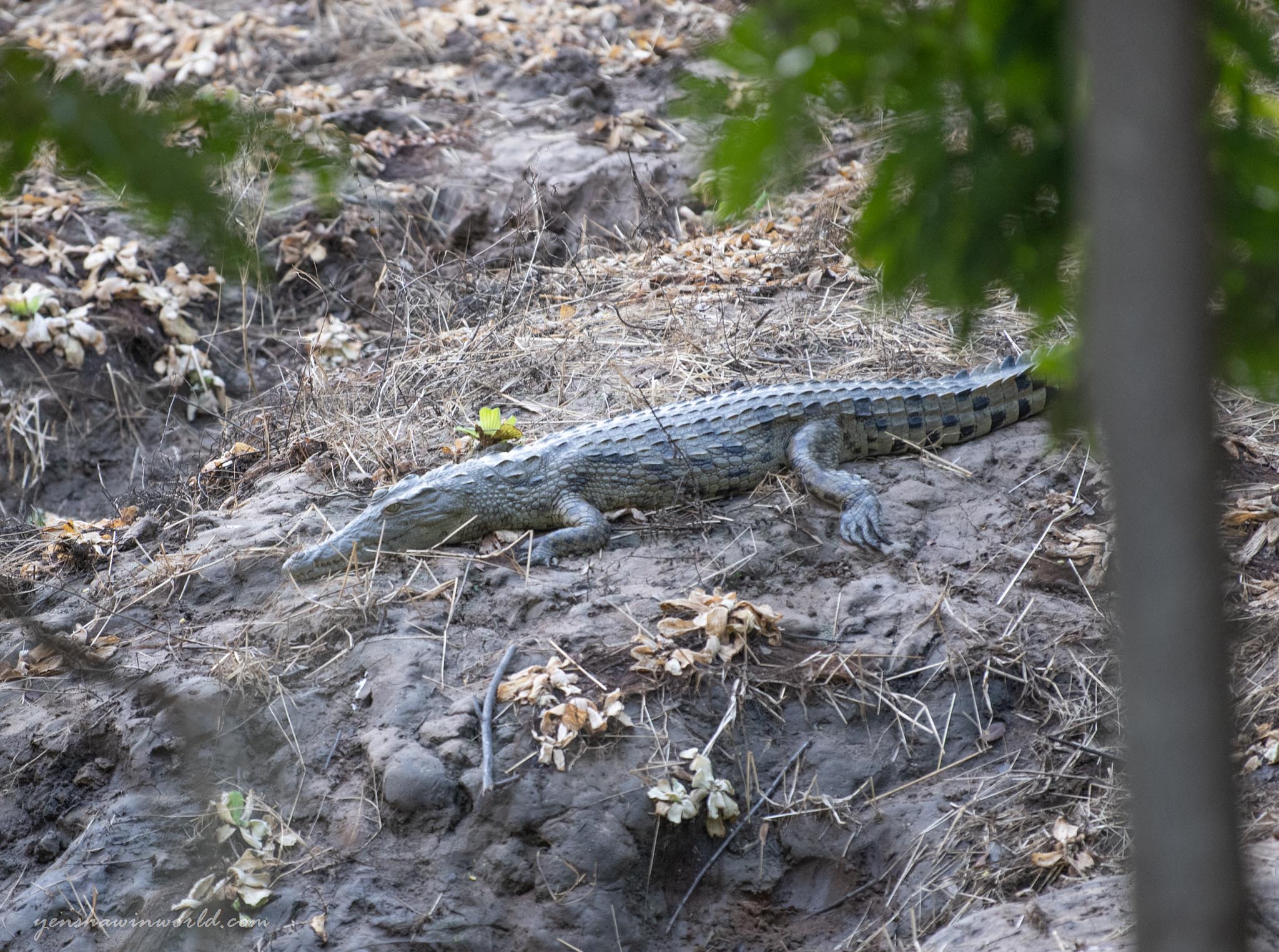
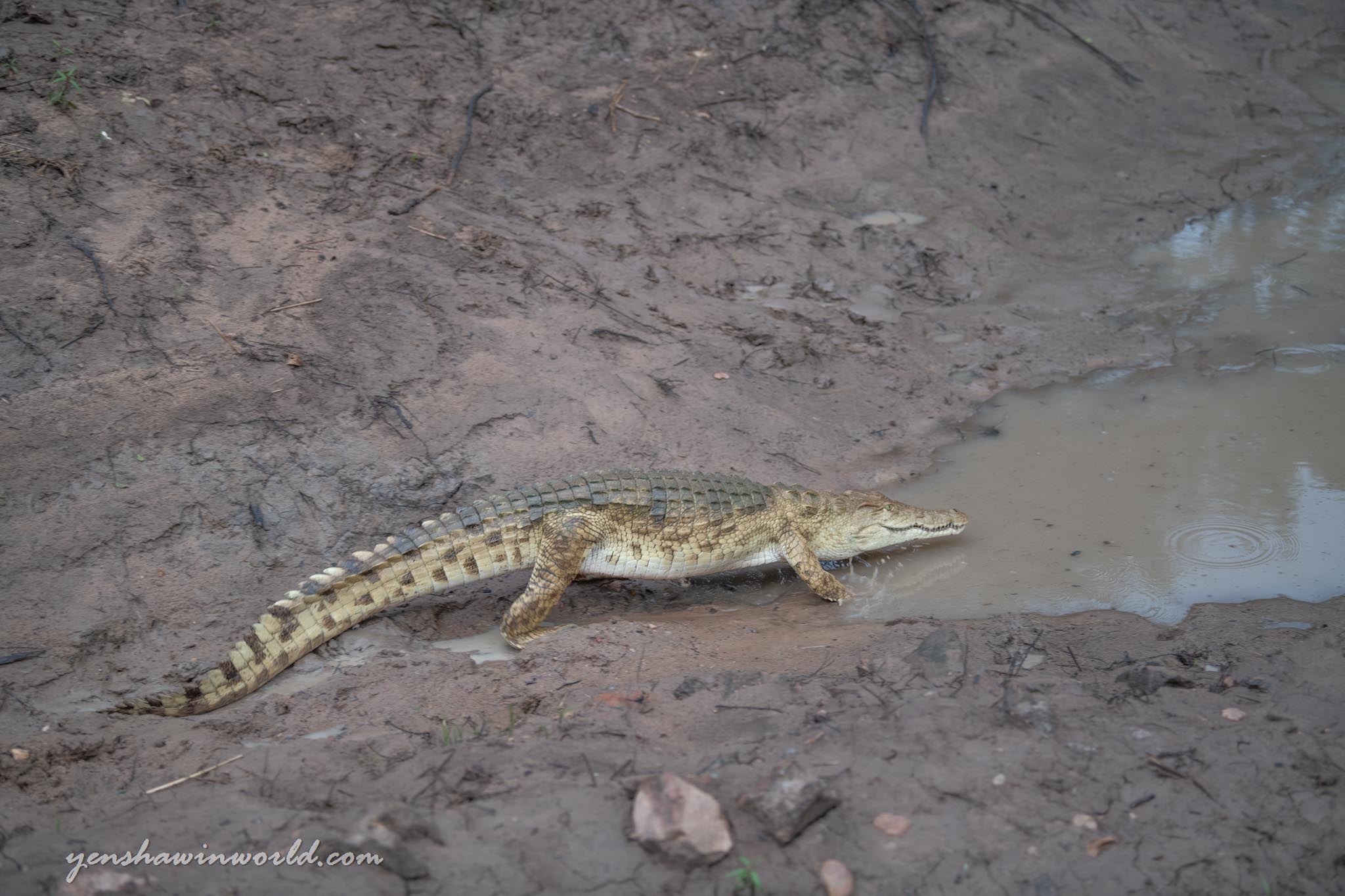
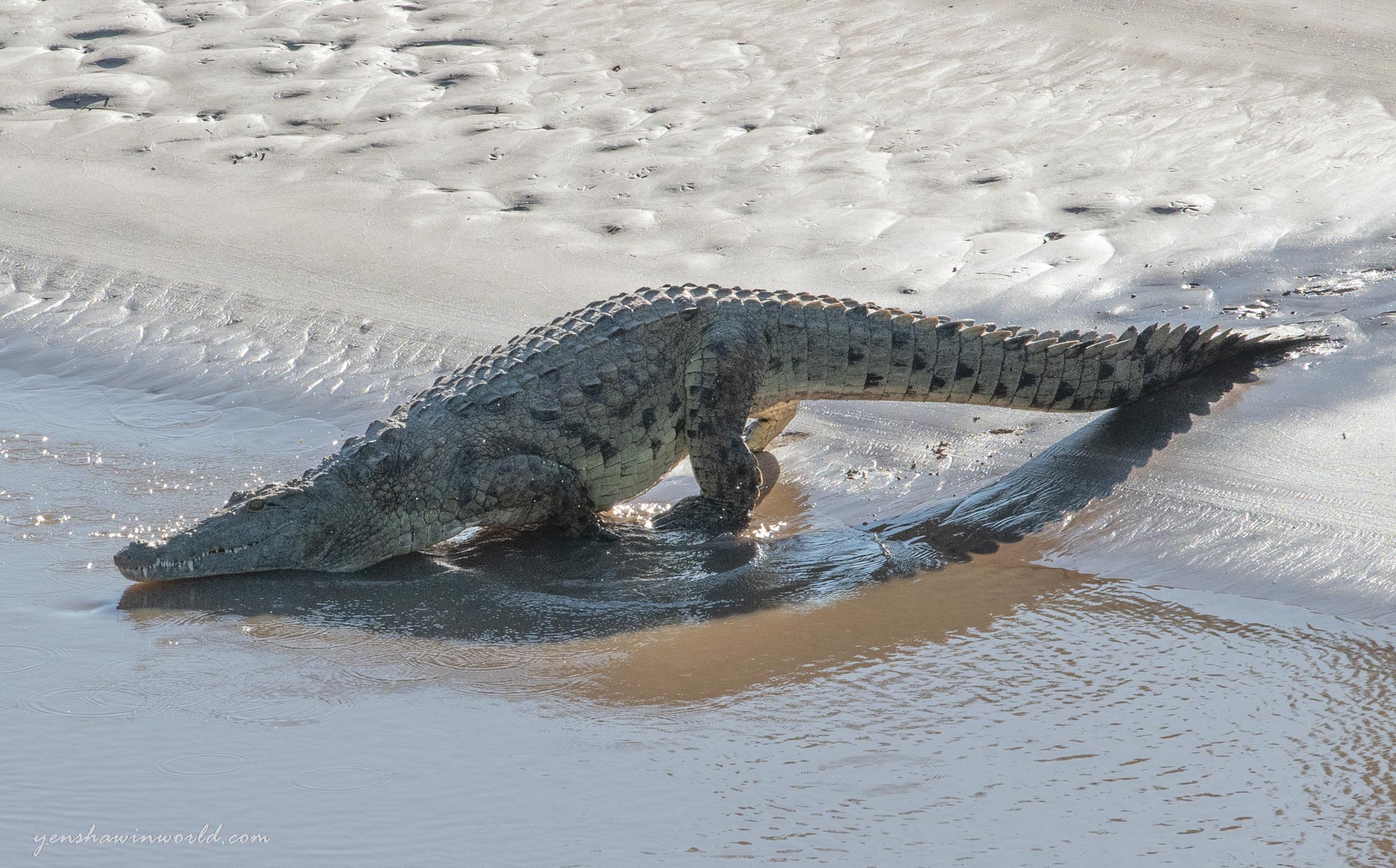
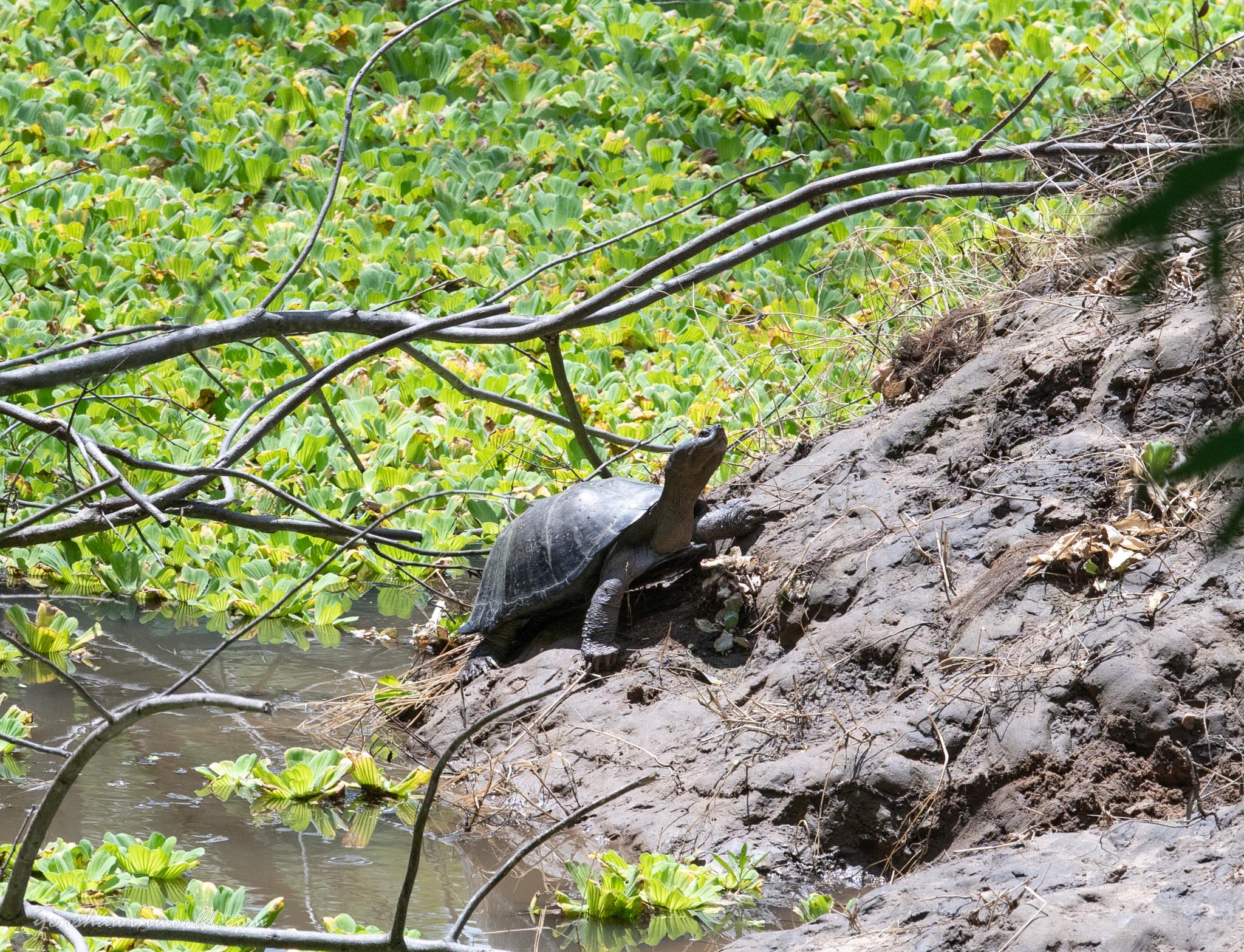
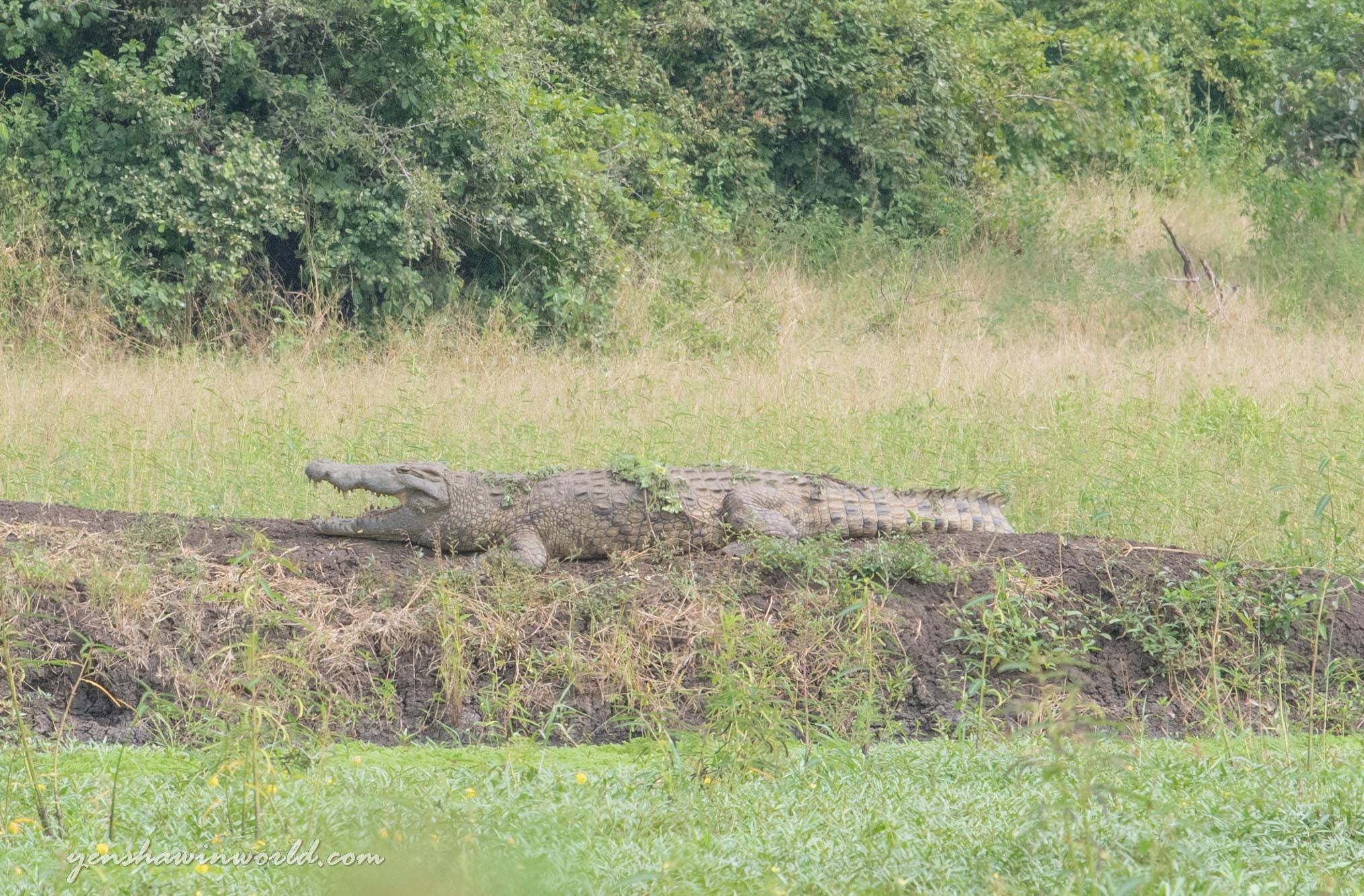
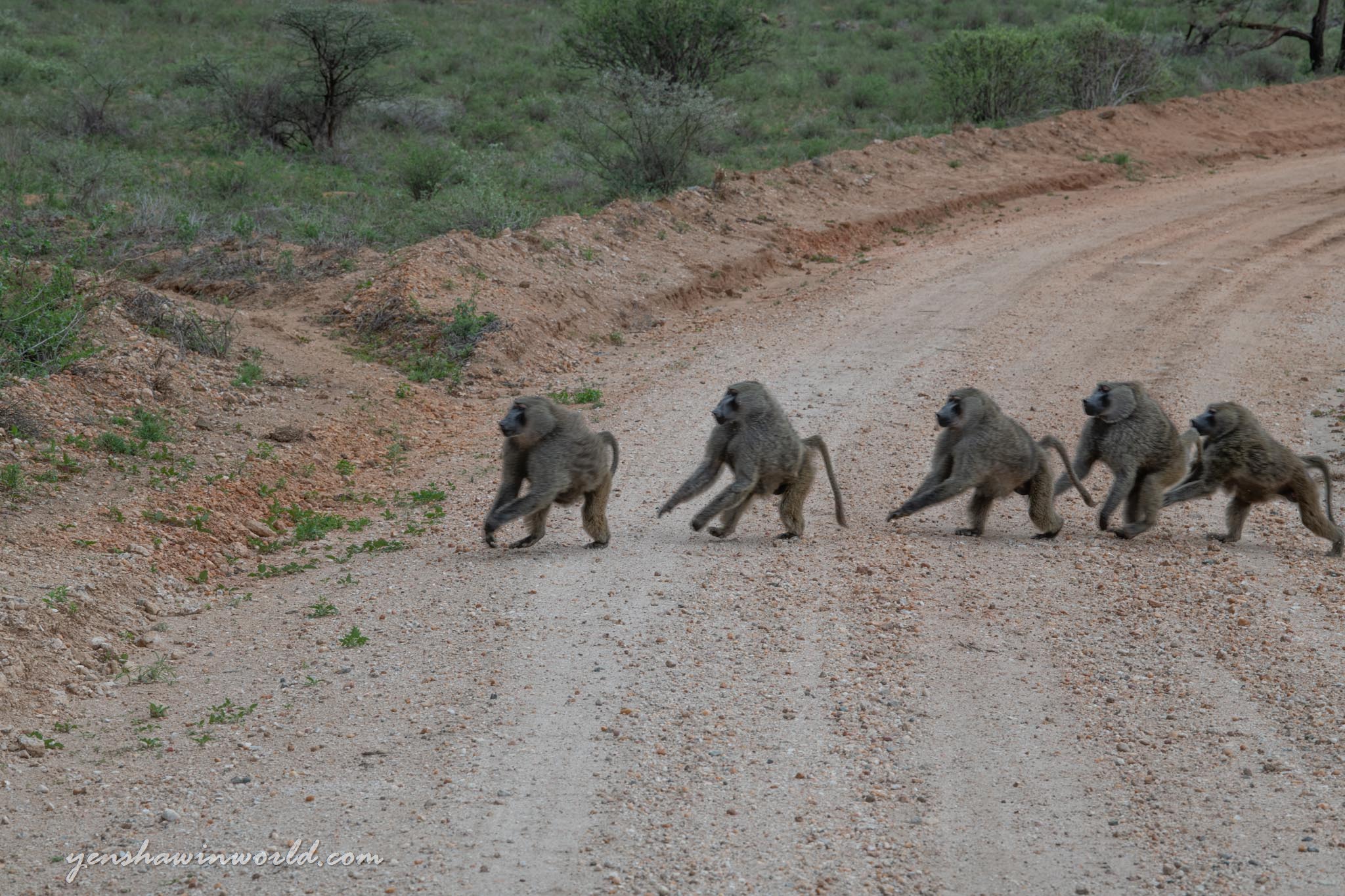
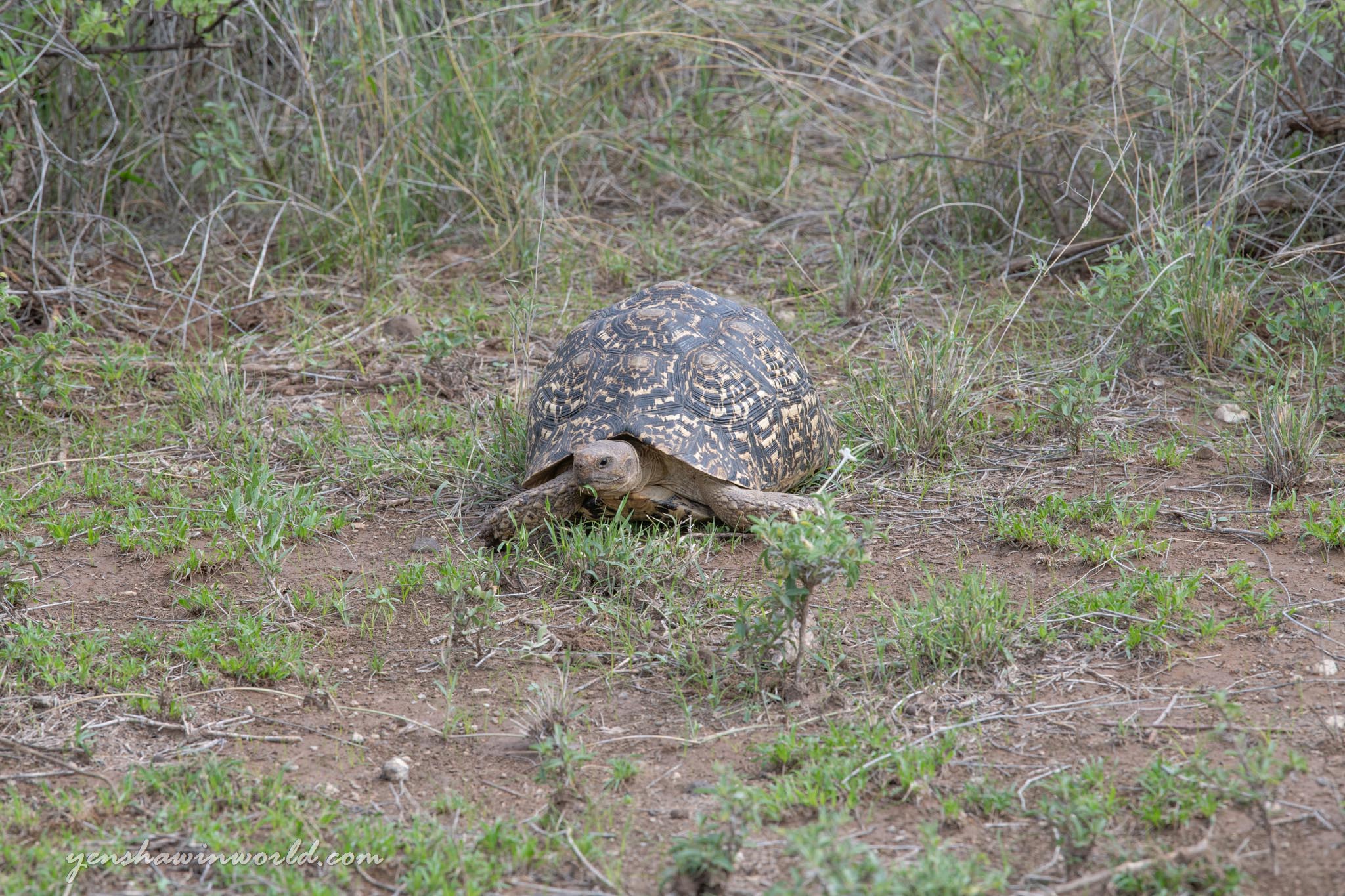
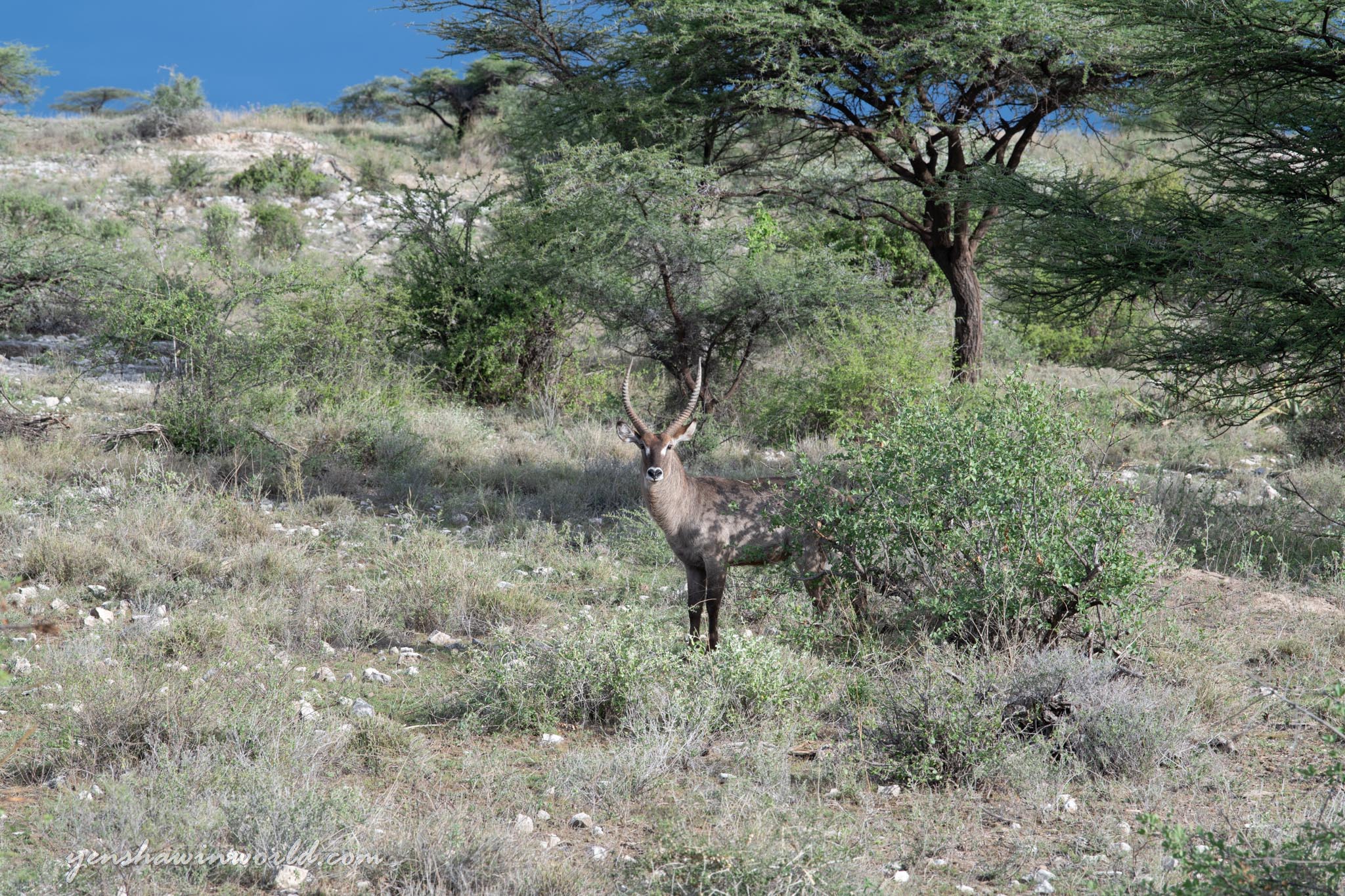
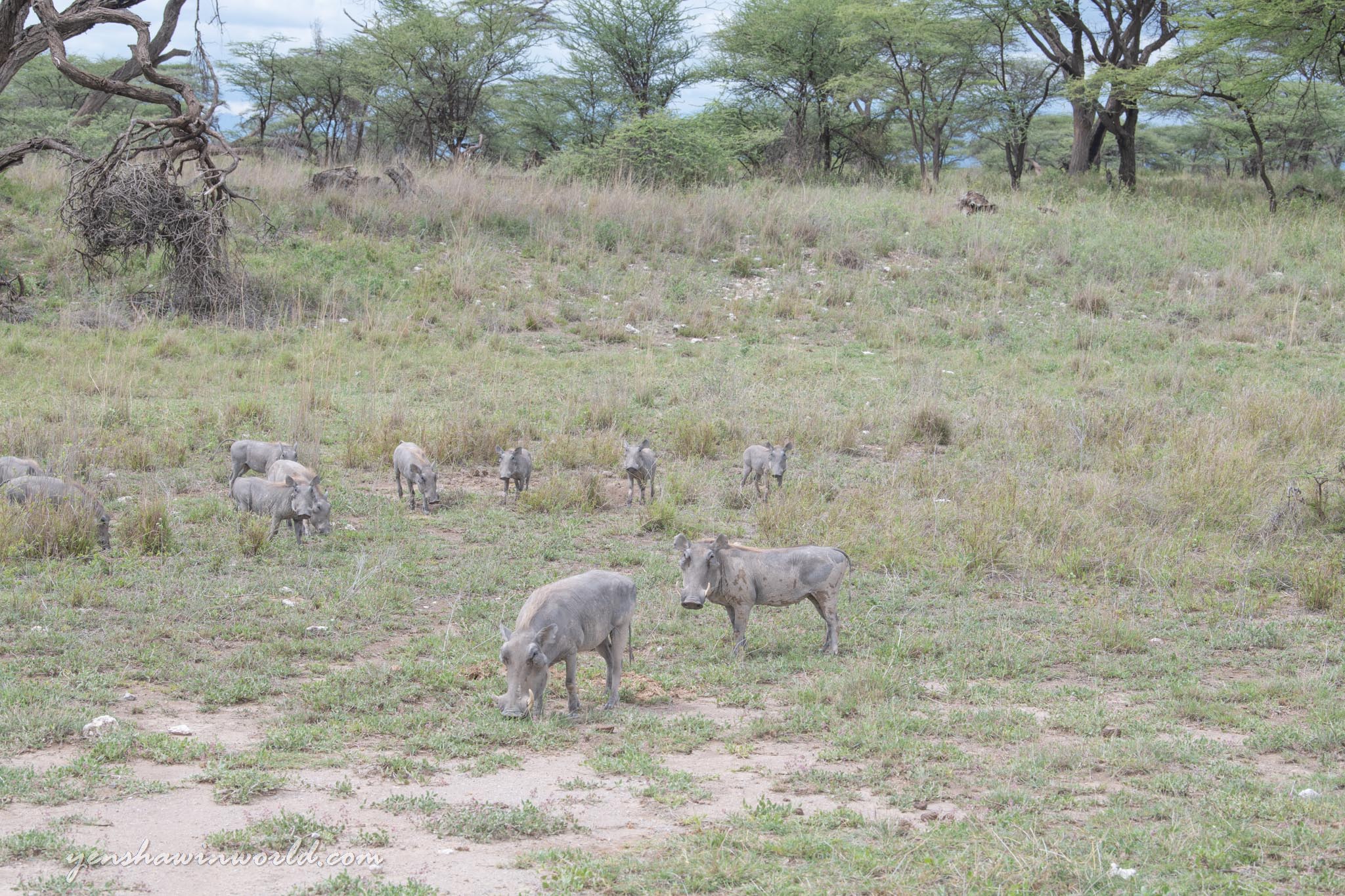
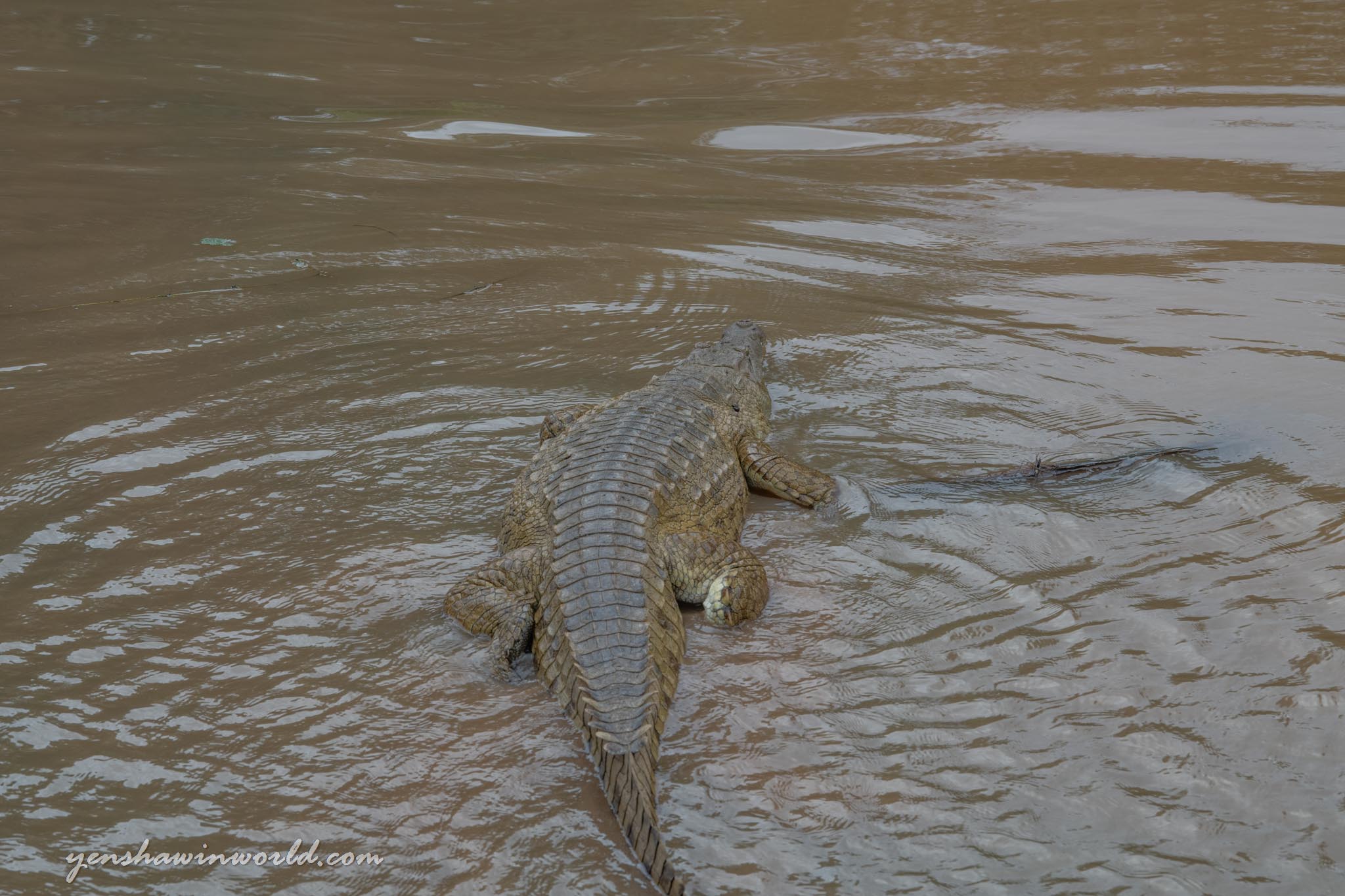
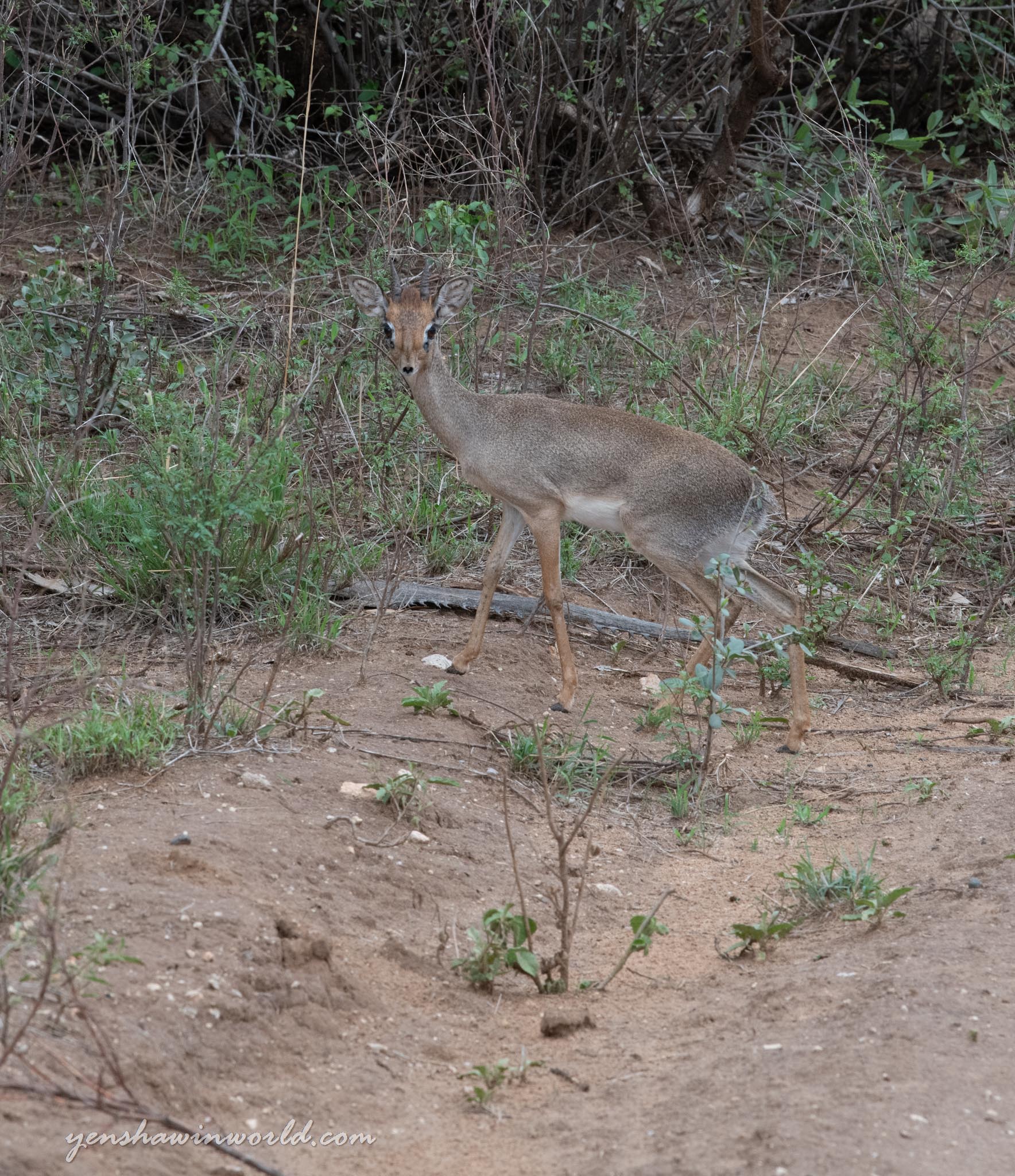
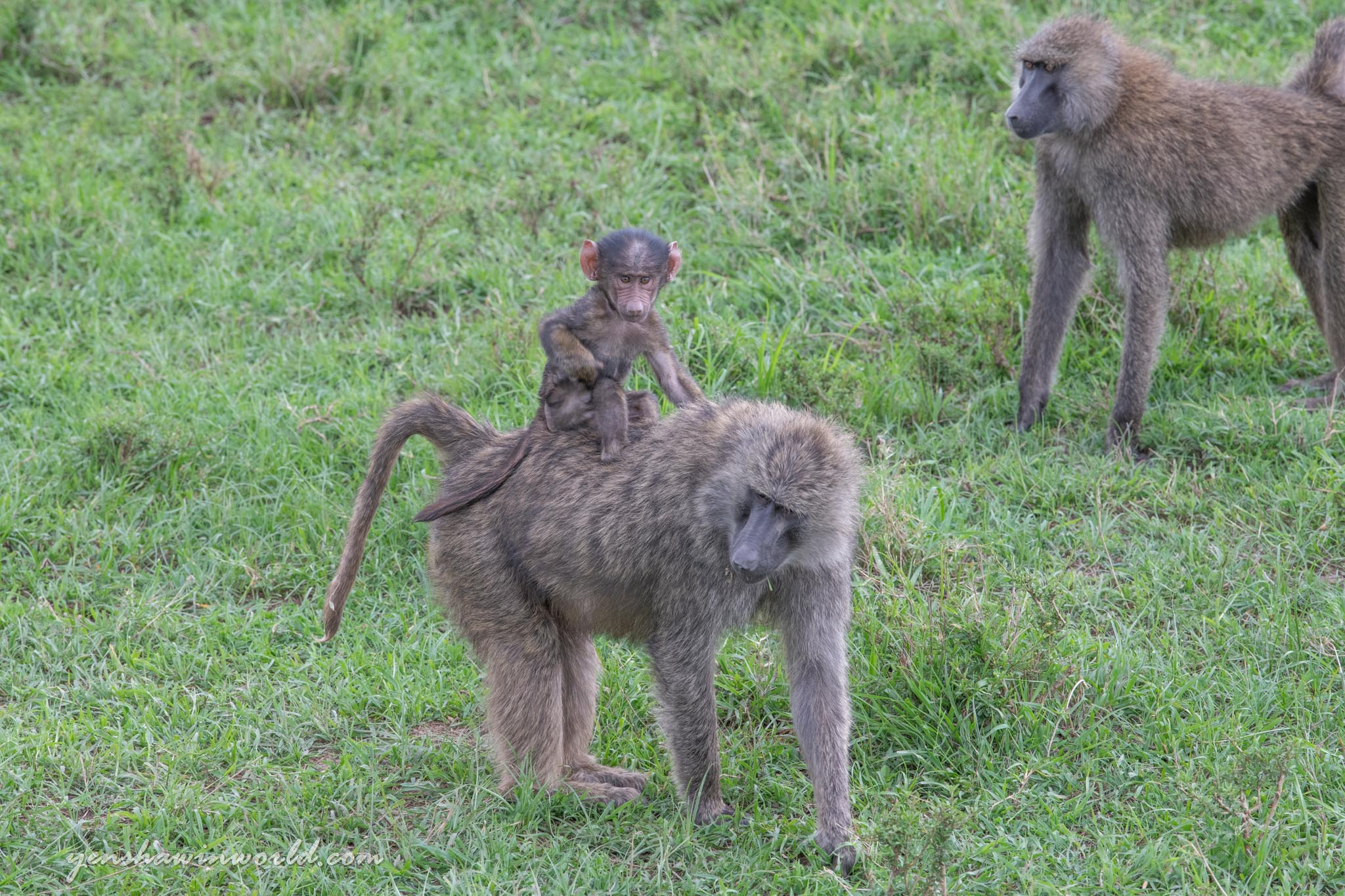
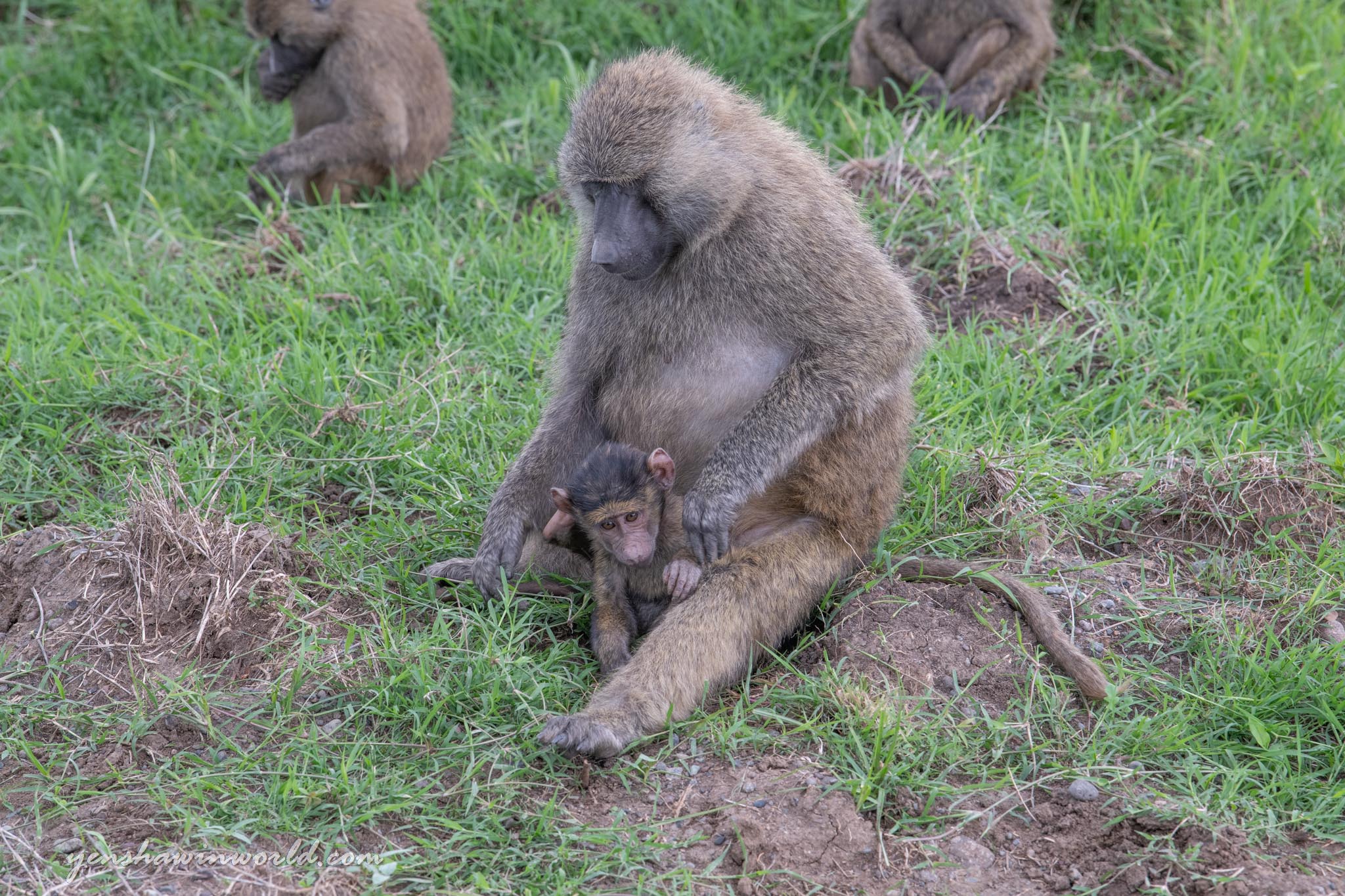
It is also interesting to see animals that you see sometimes everyday on different safaris but in a different type of habitat such as elephant with red dirt, crocodiles, baboons, leopard tortoise, dik dik, waterbuck, and pumbas.
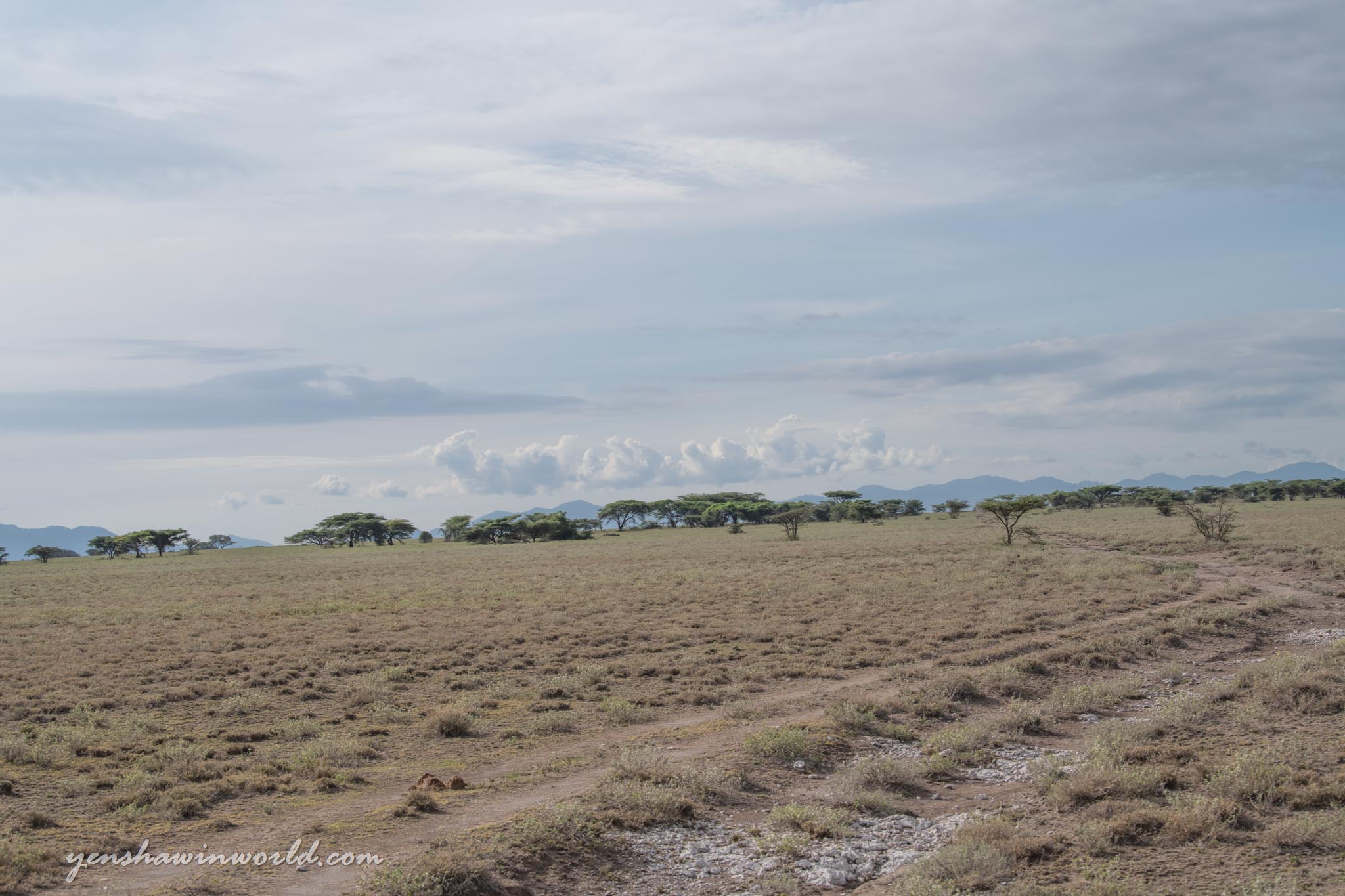

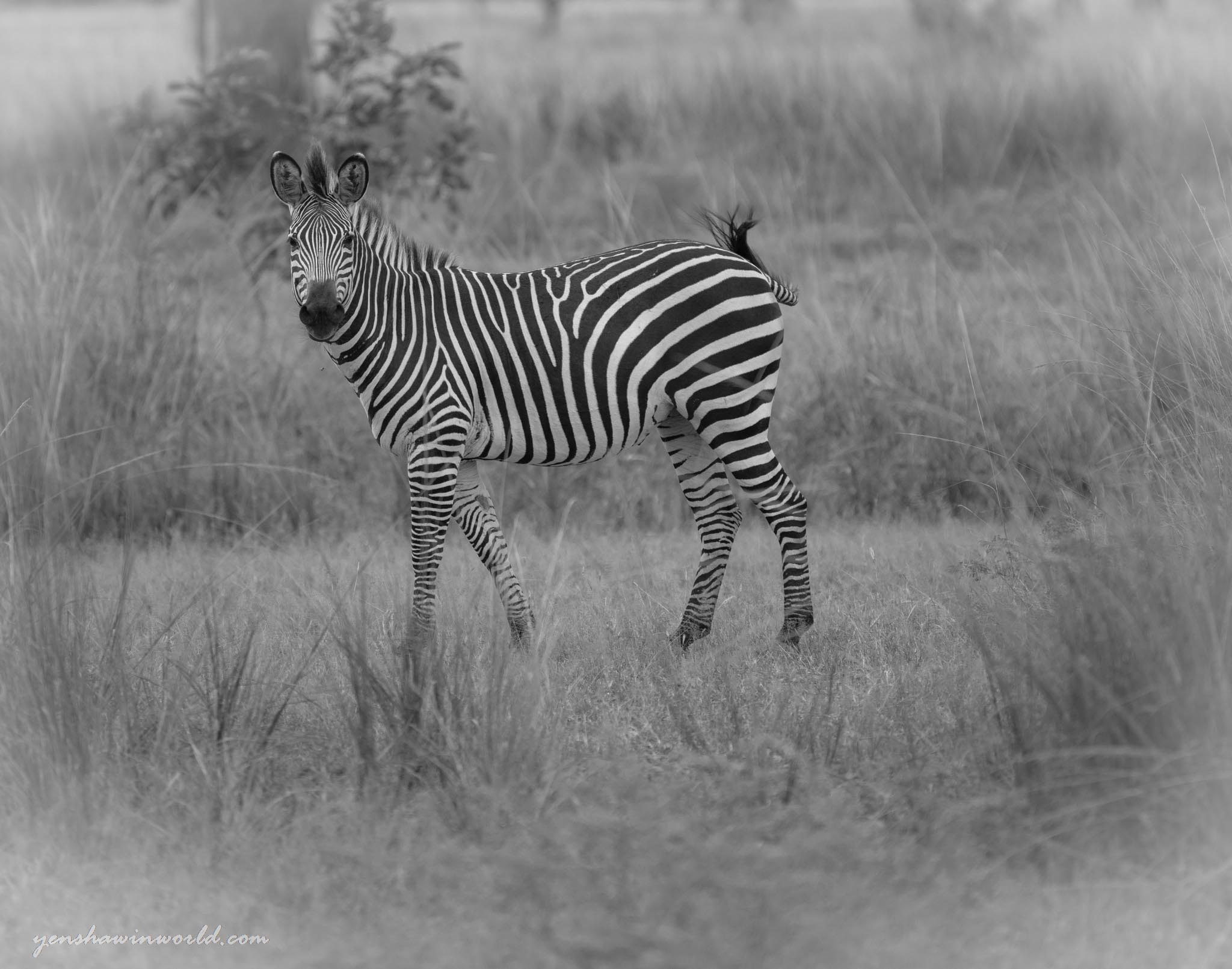
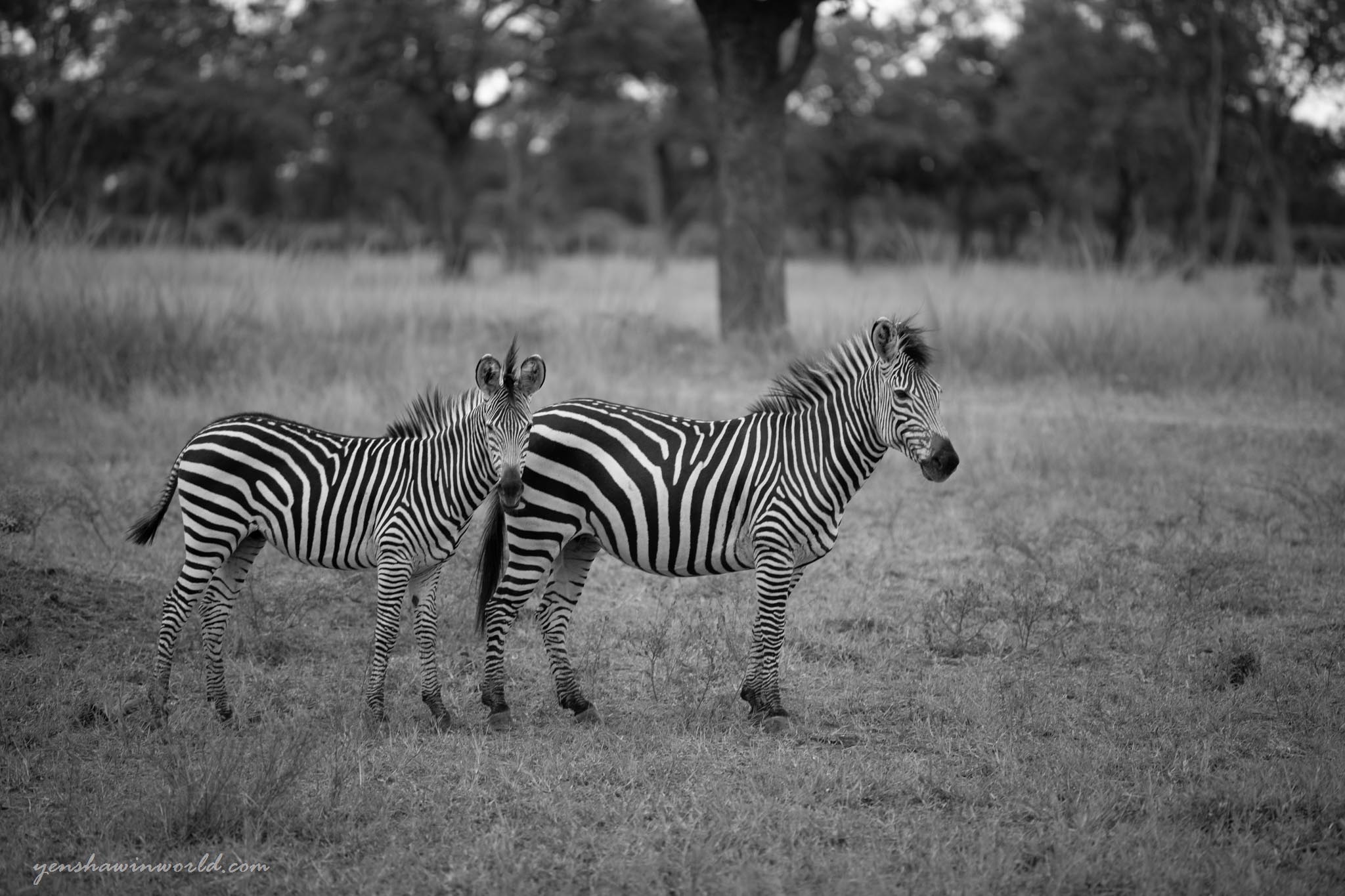
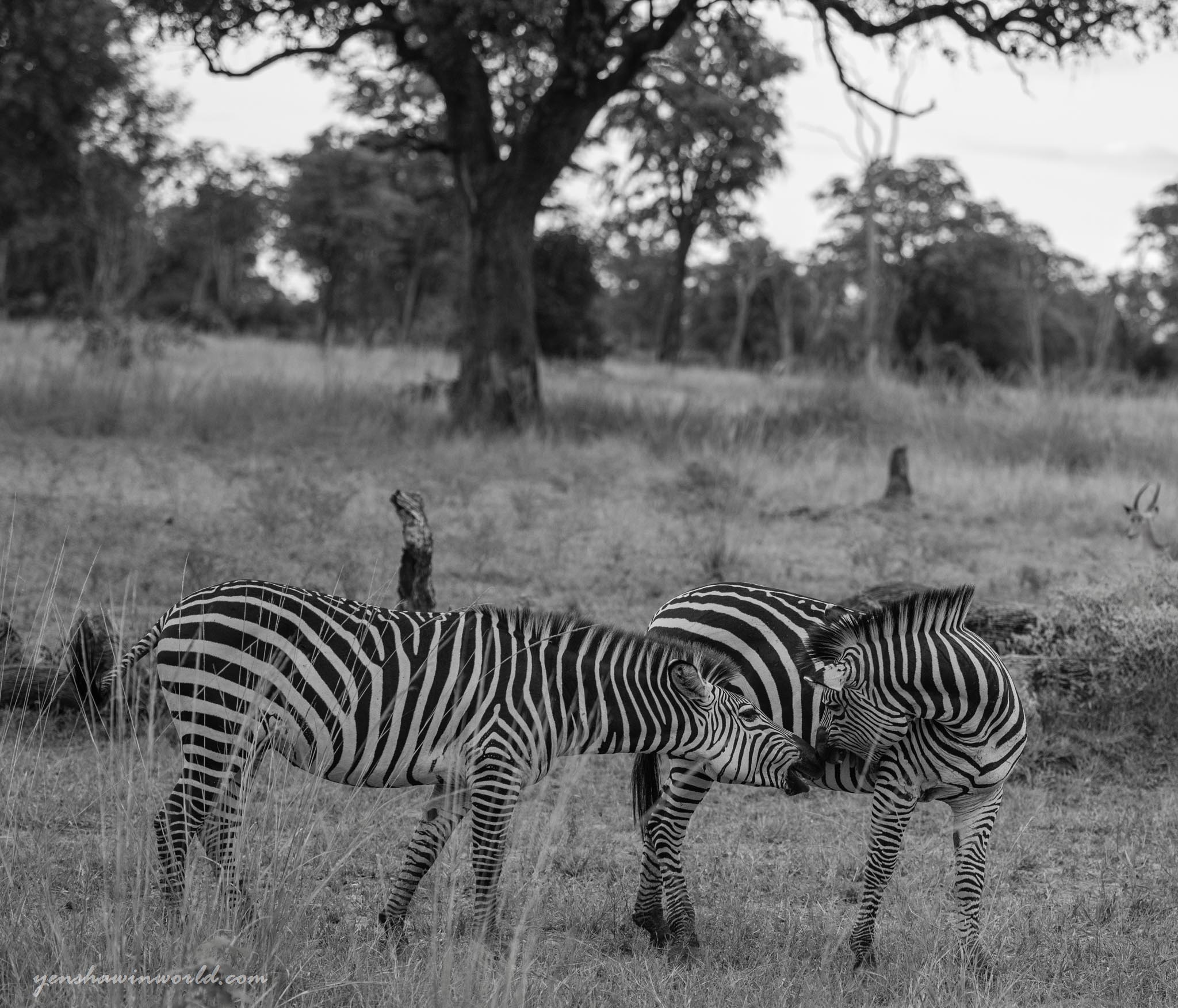
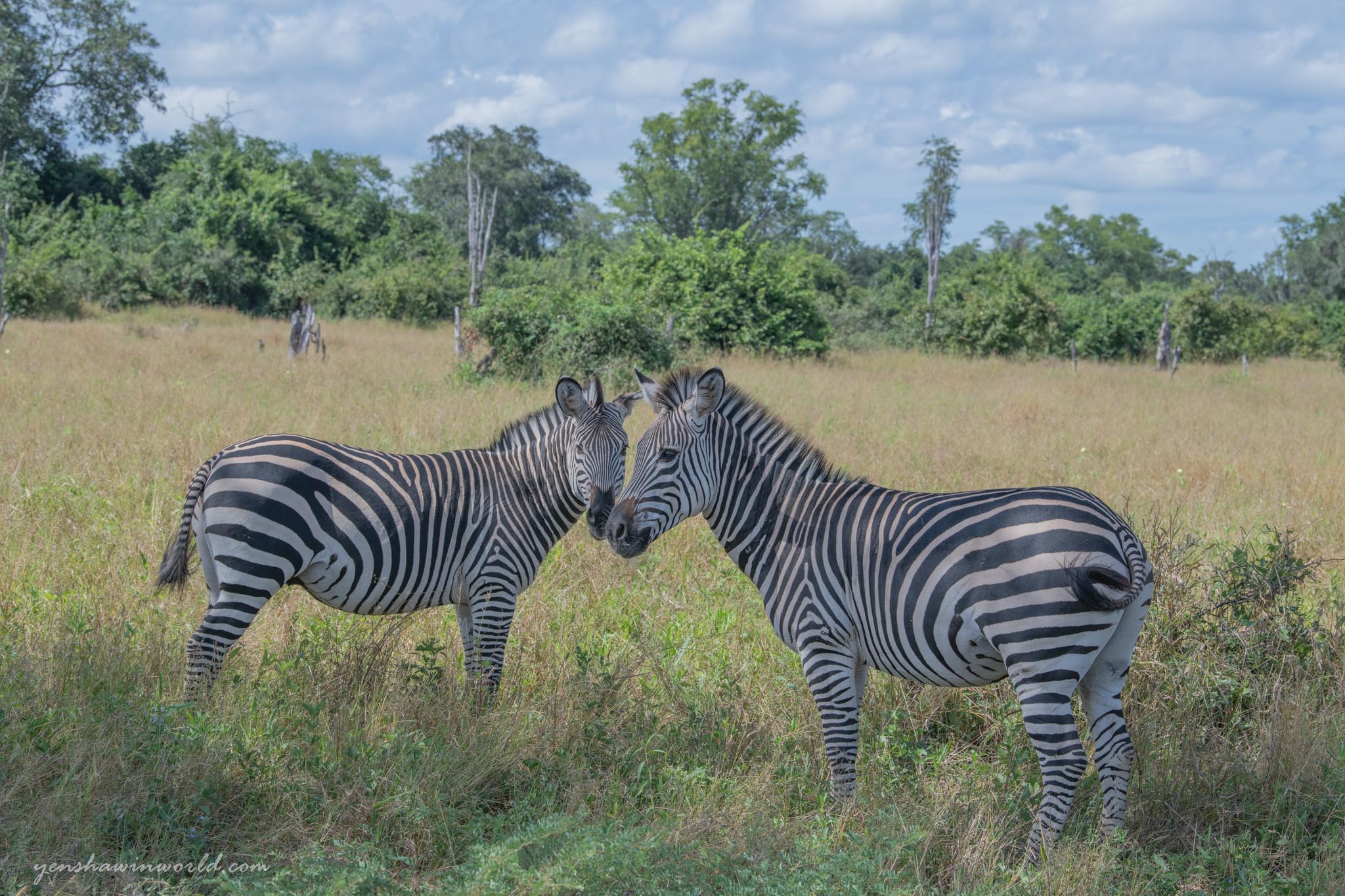
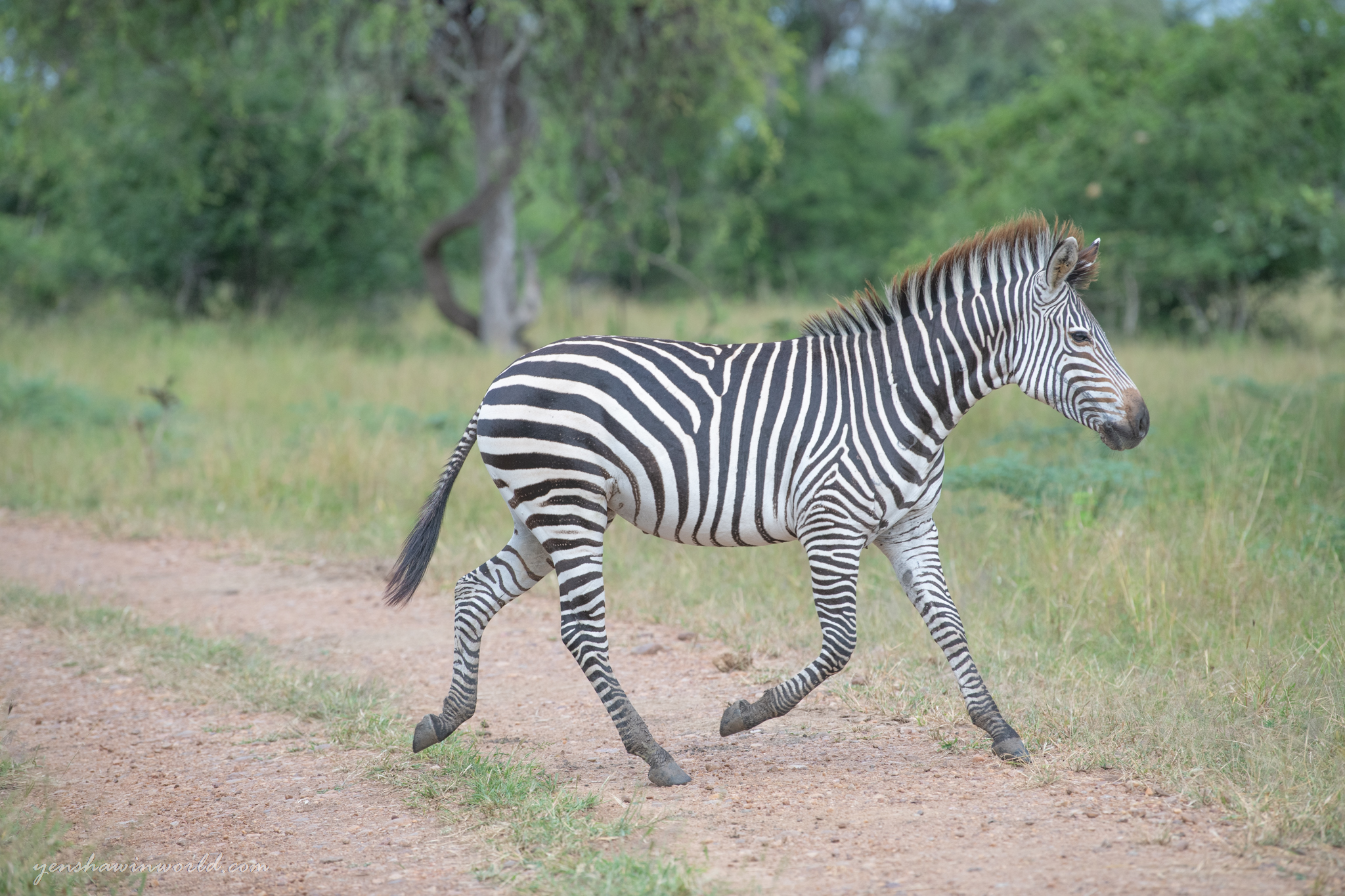
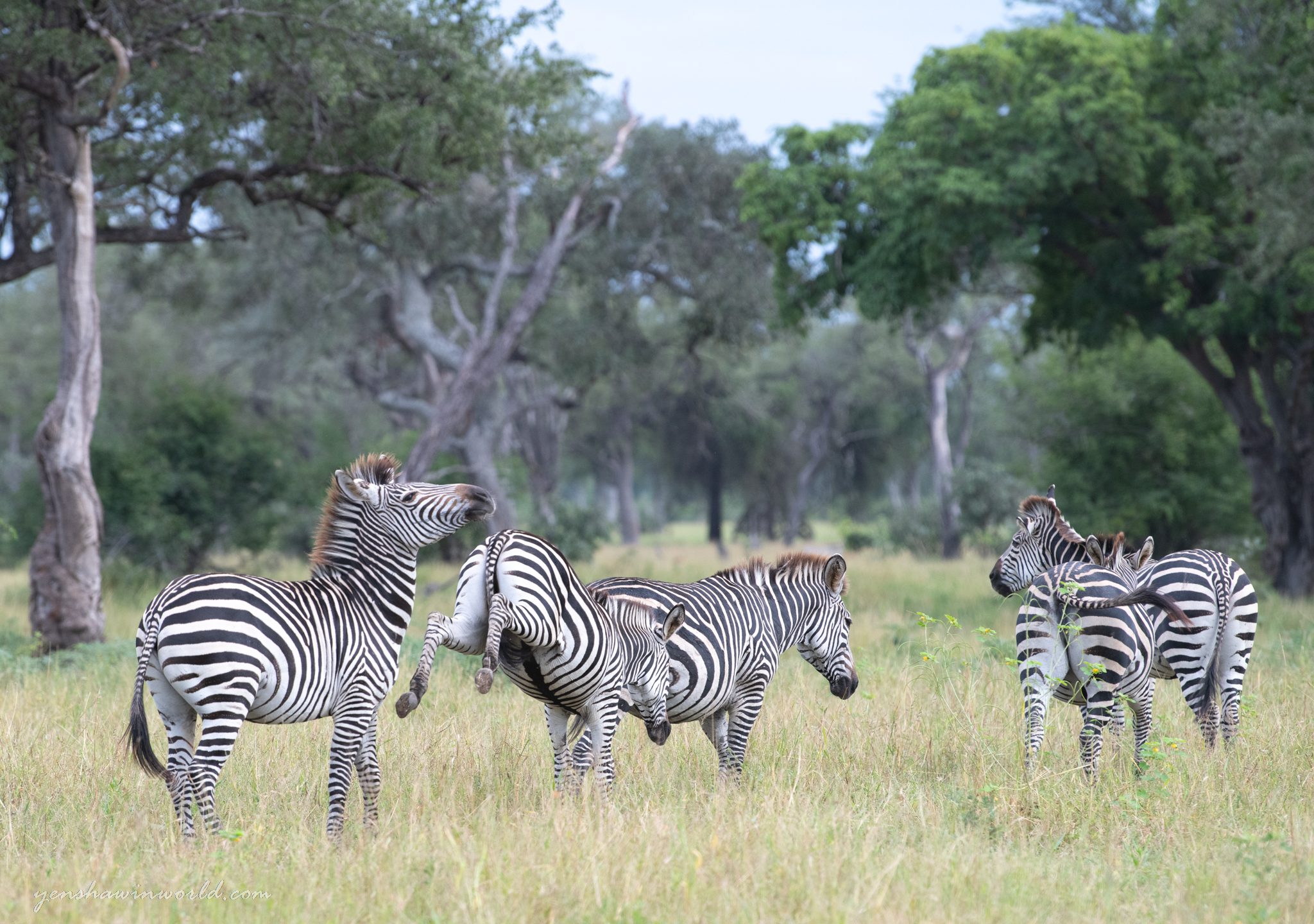
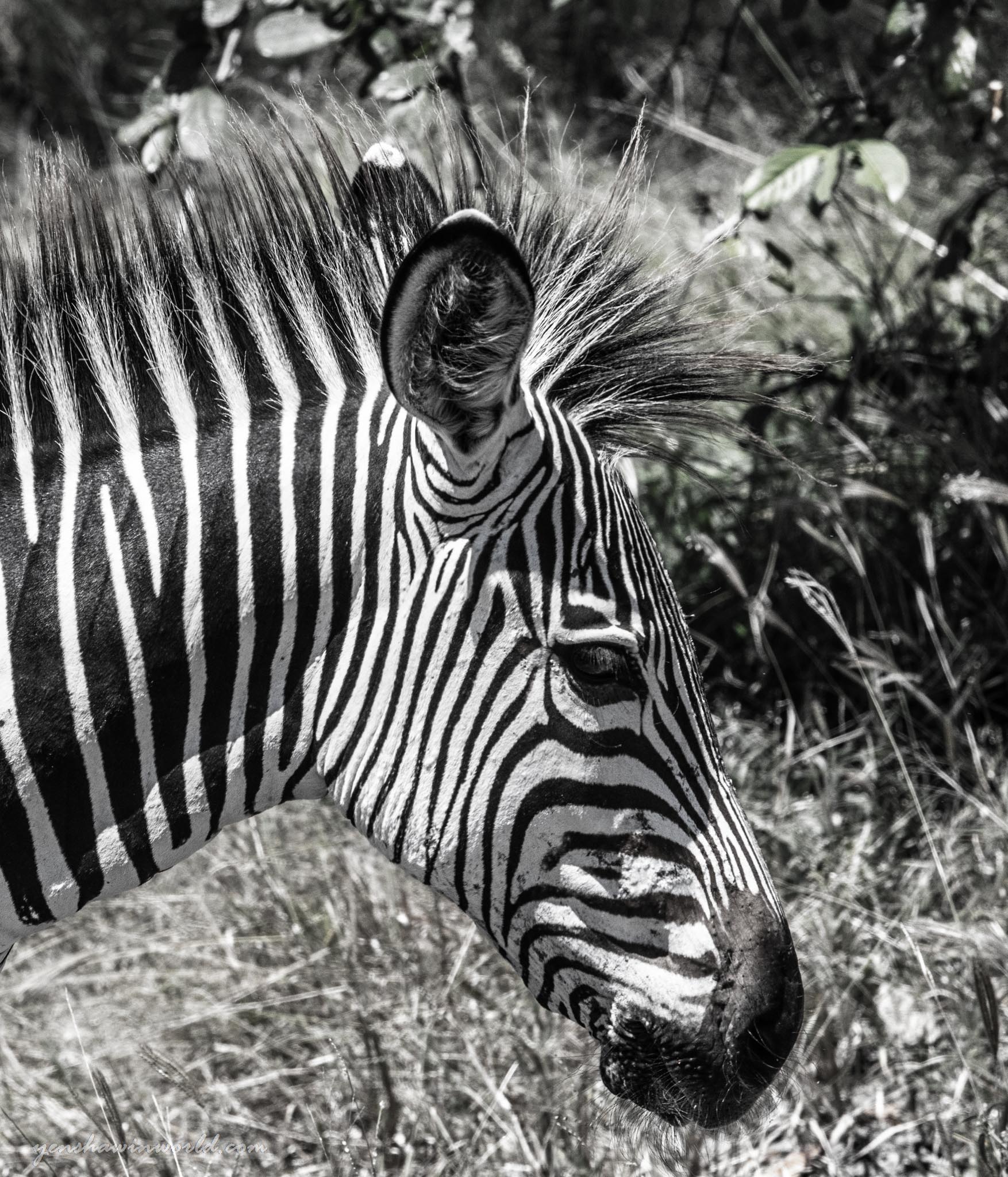
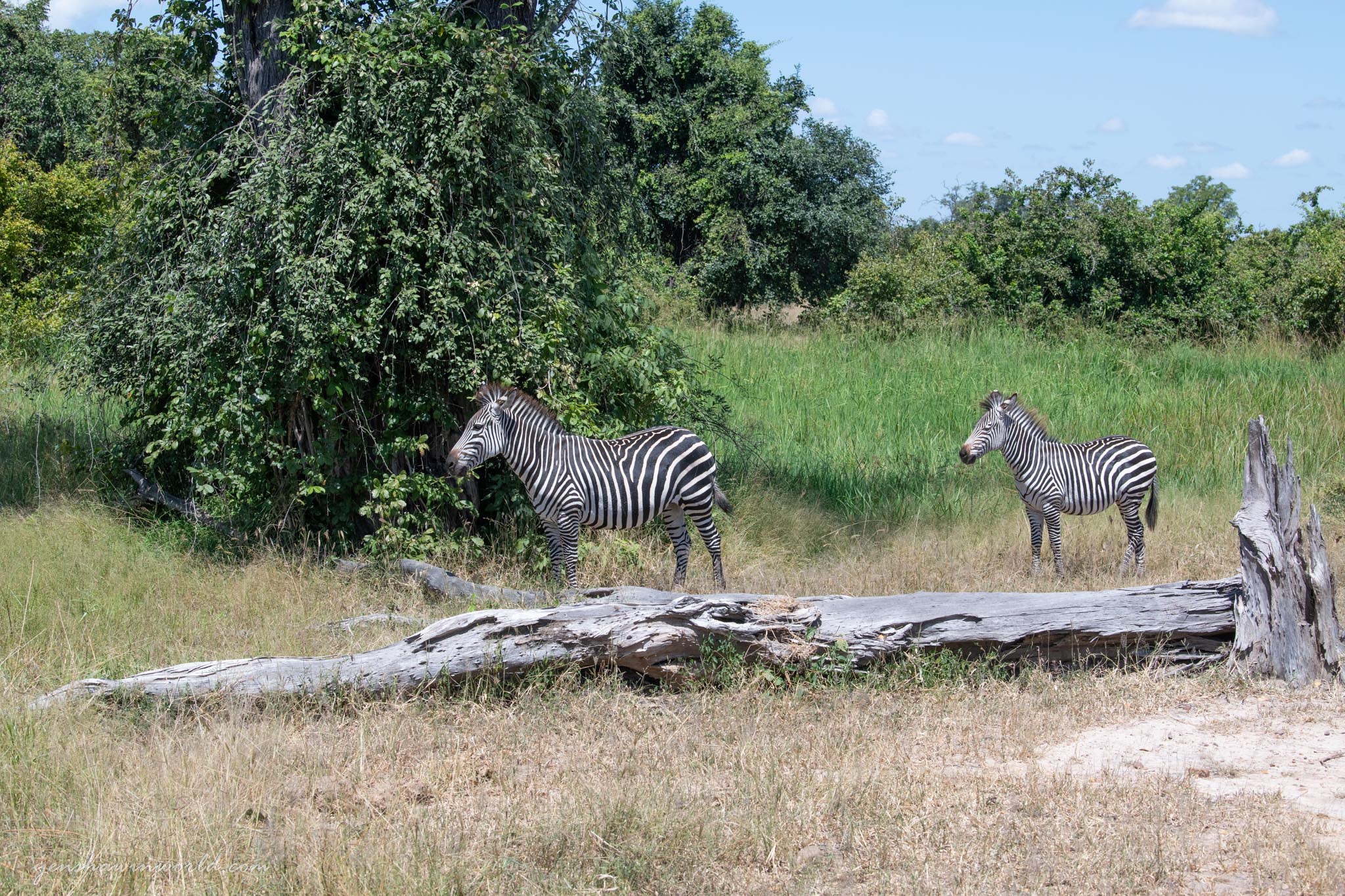
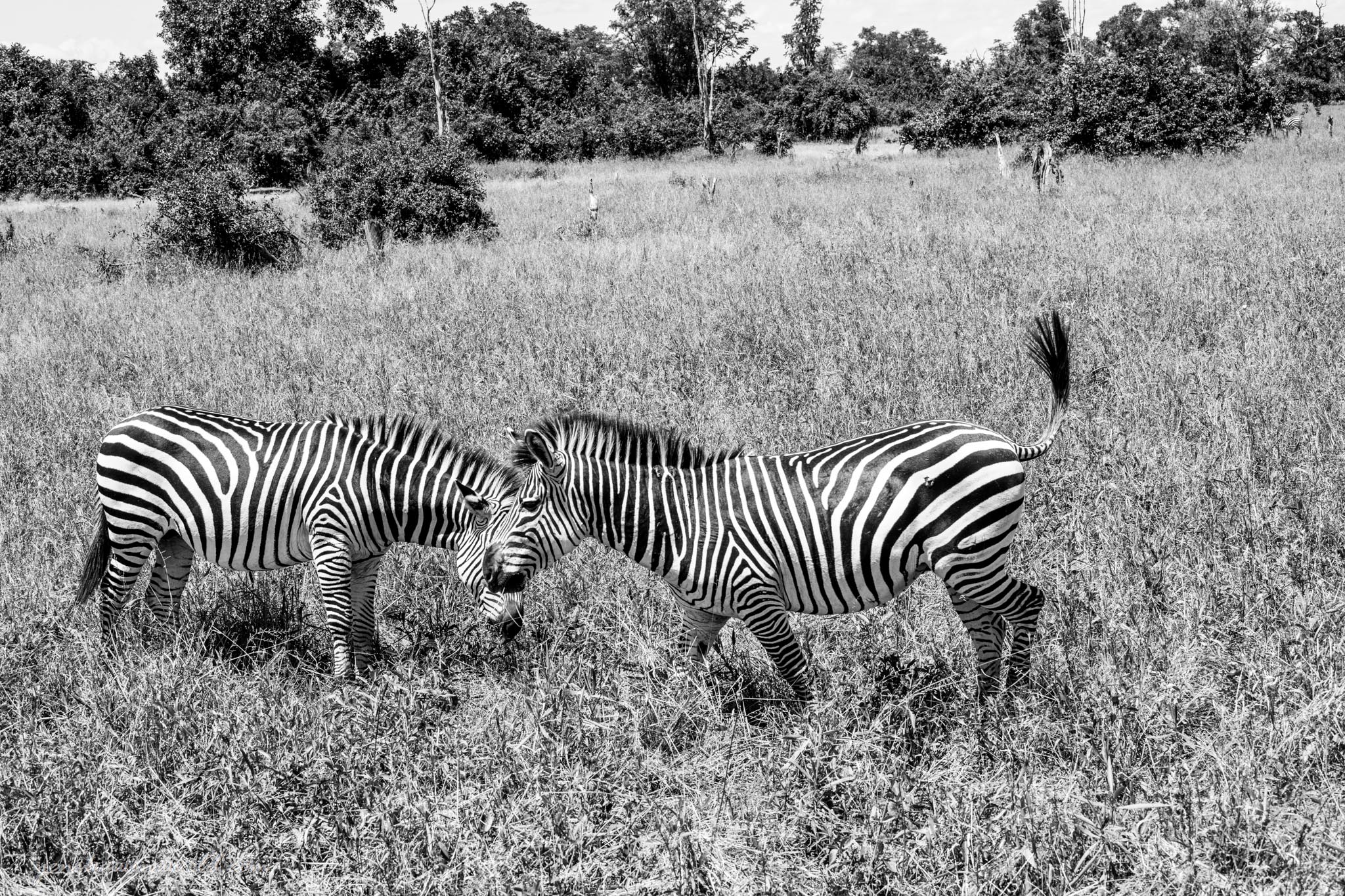
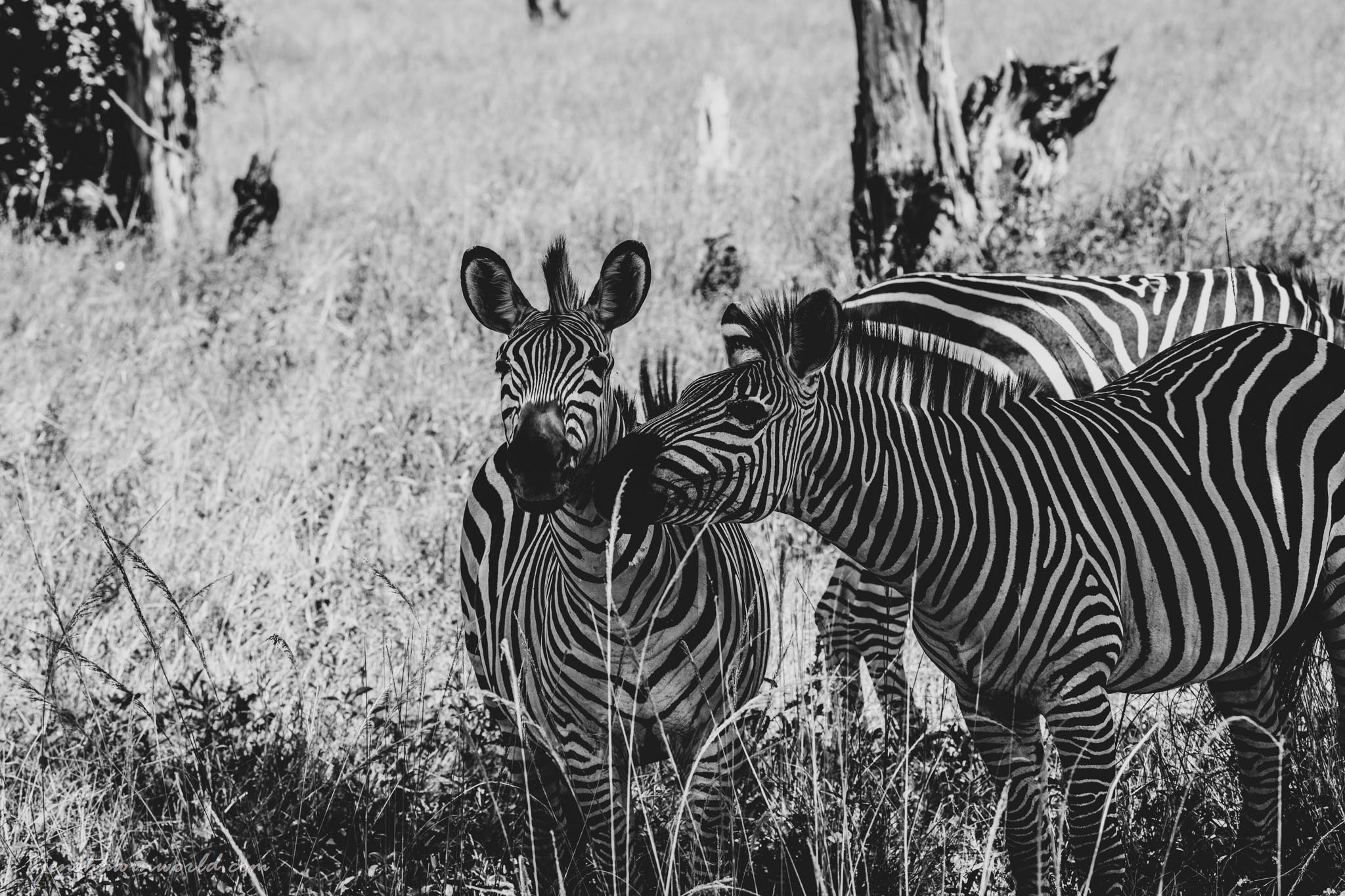
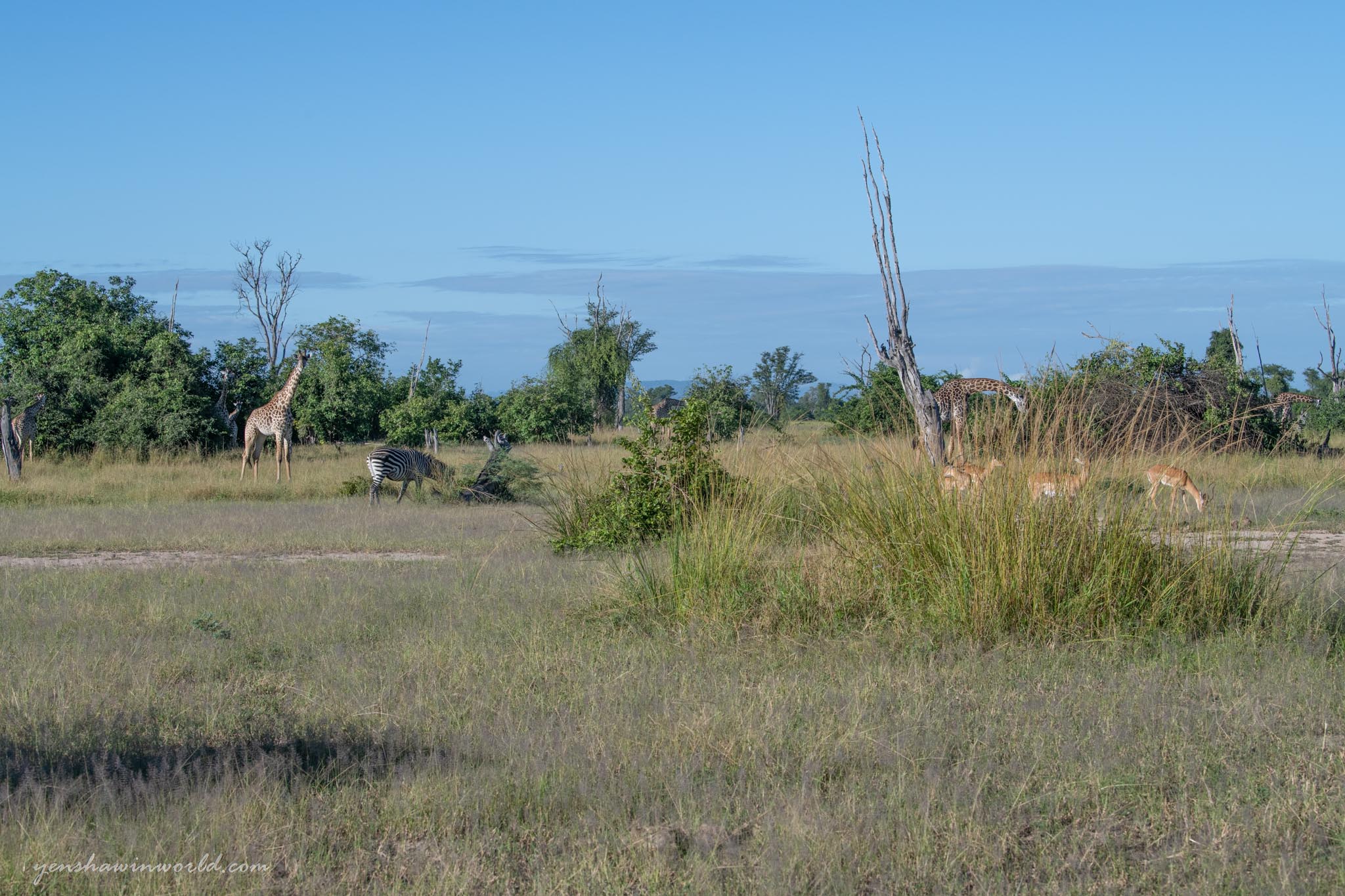
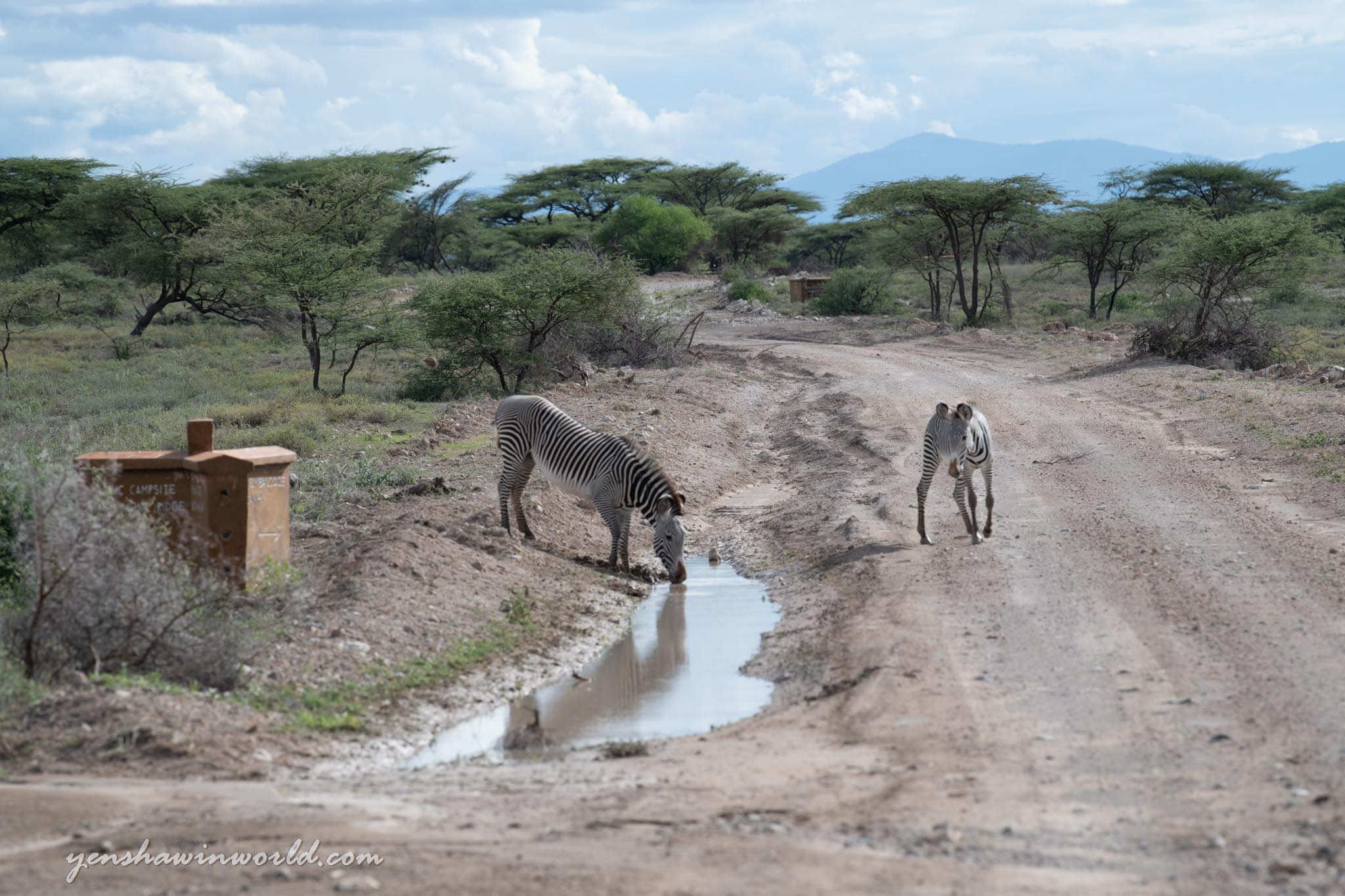
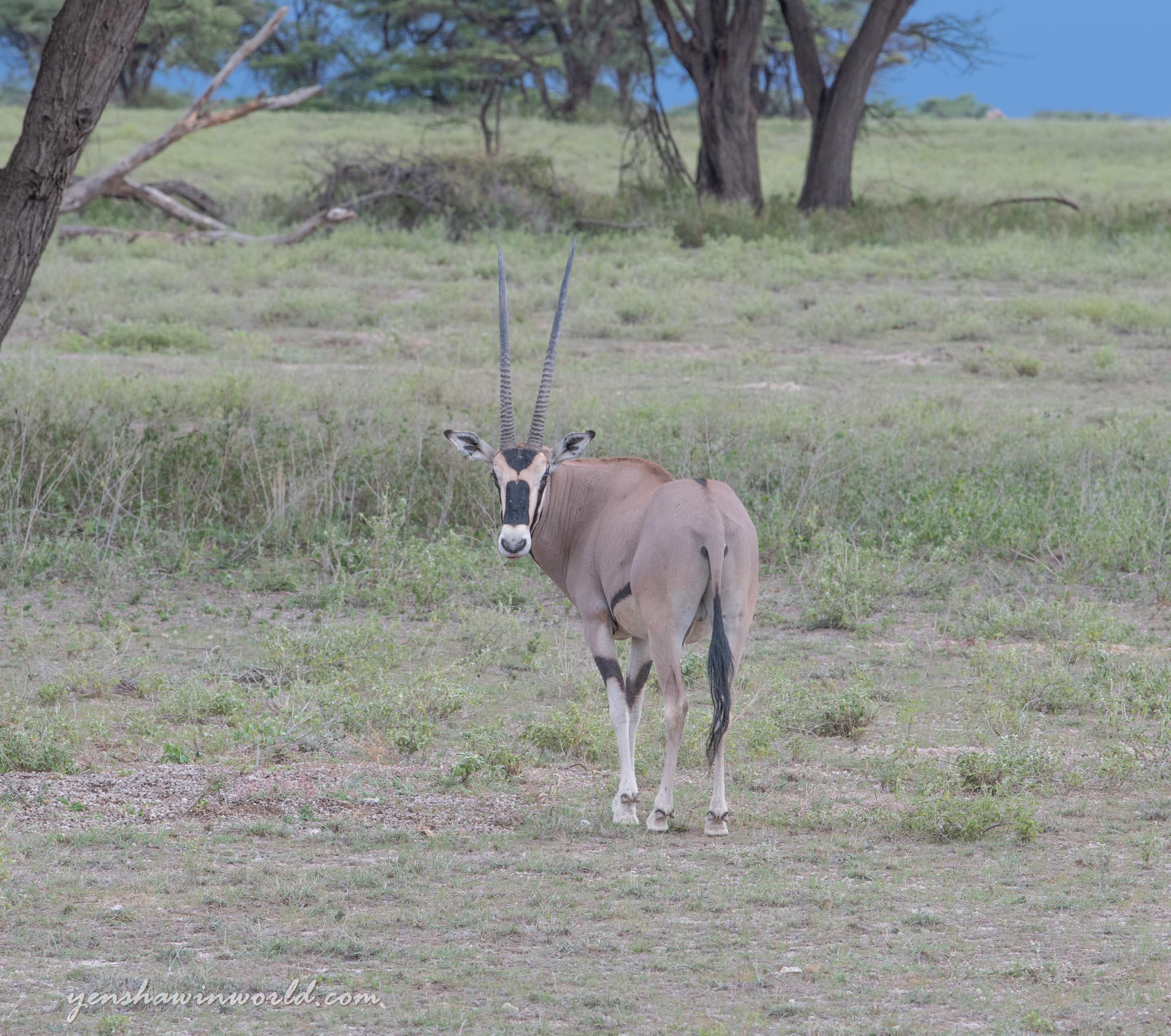
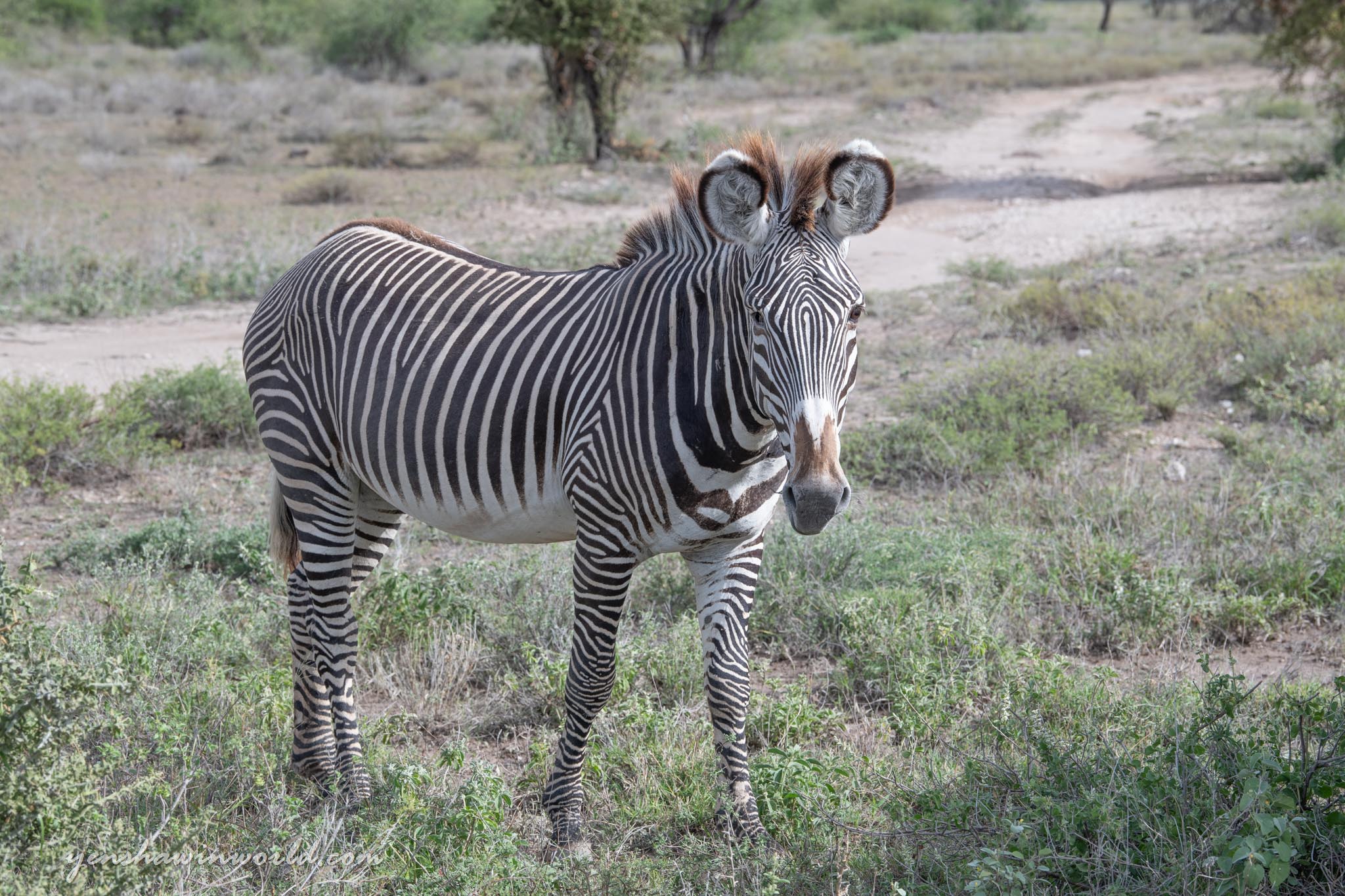
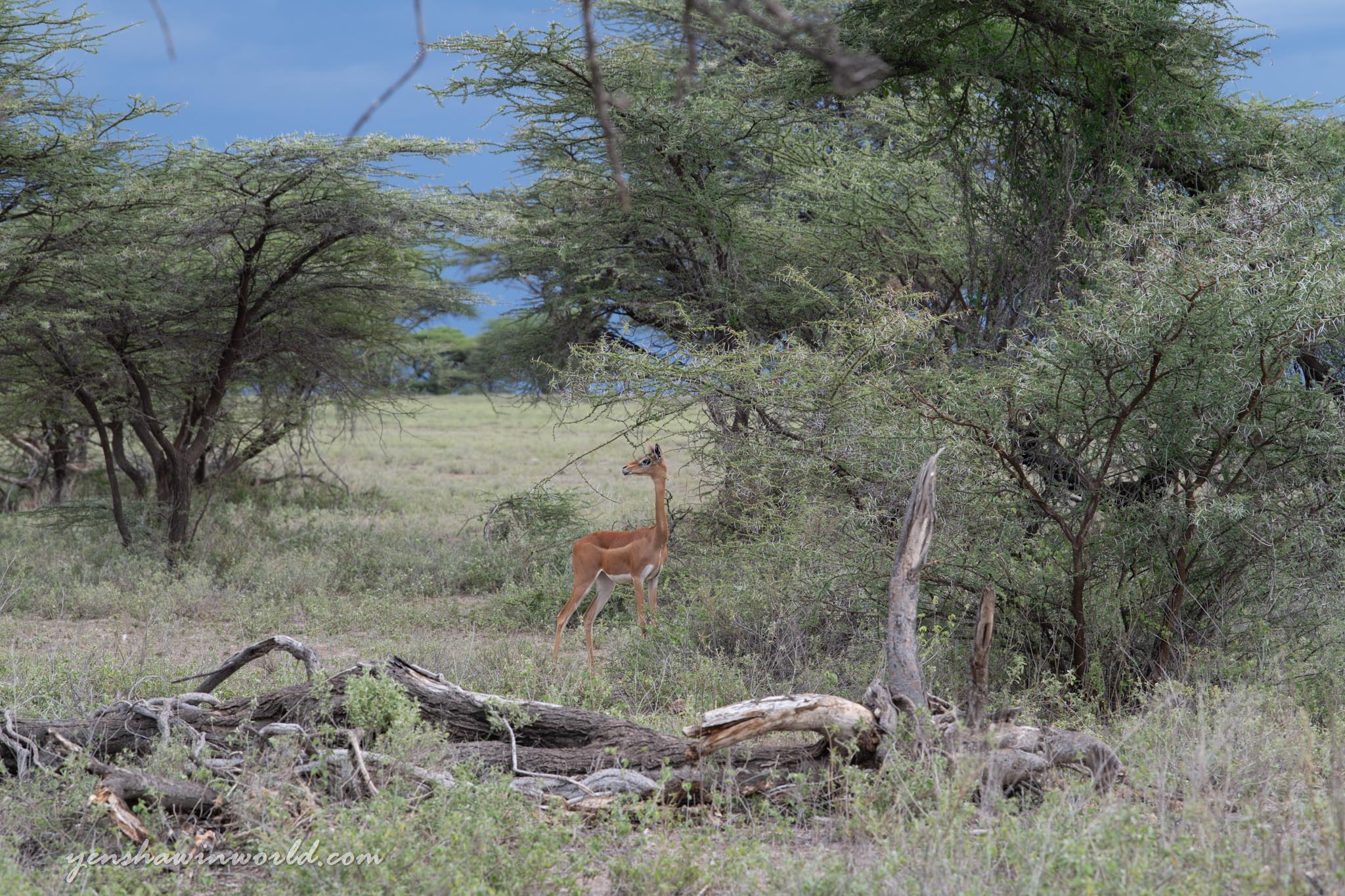
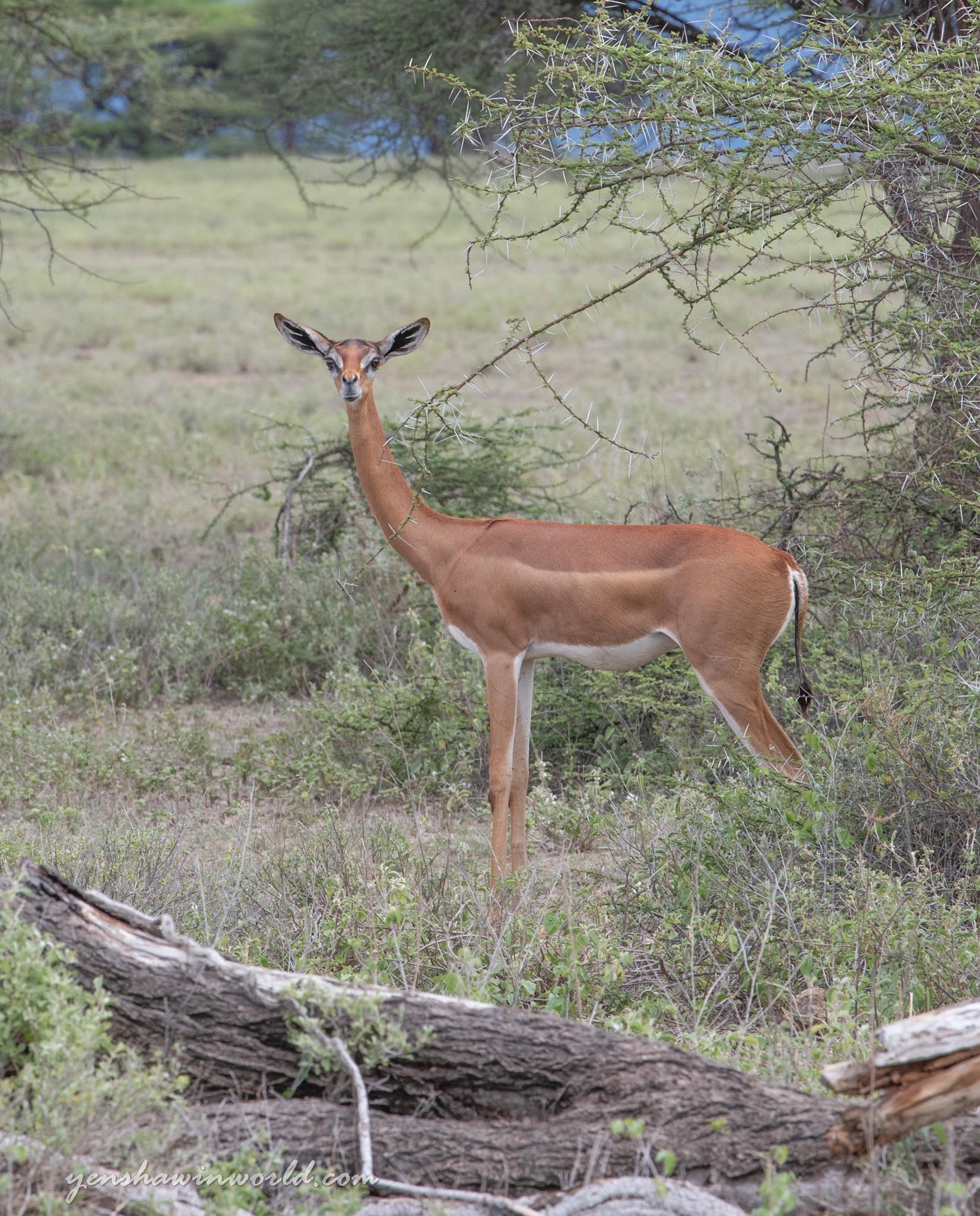
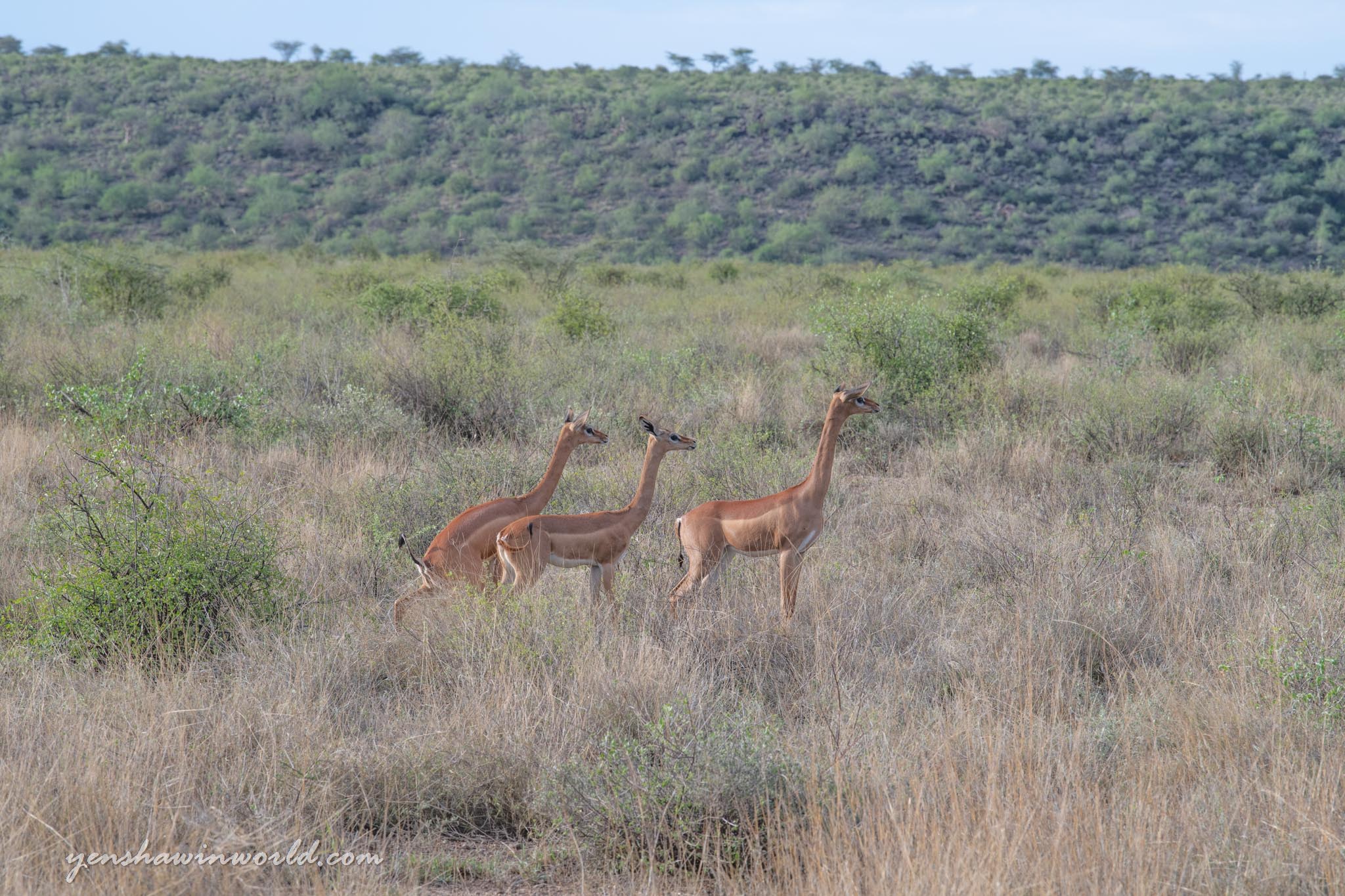
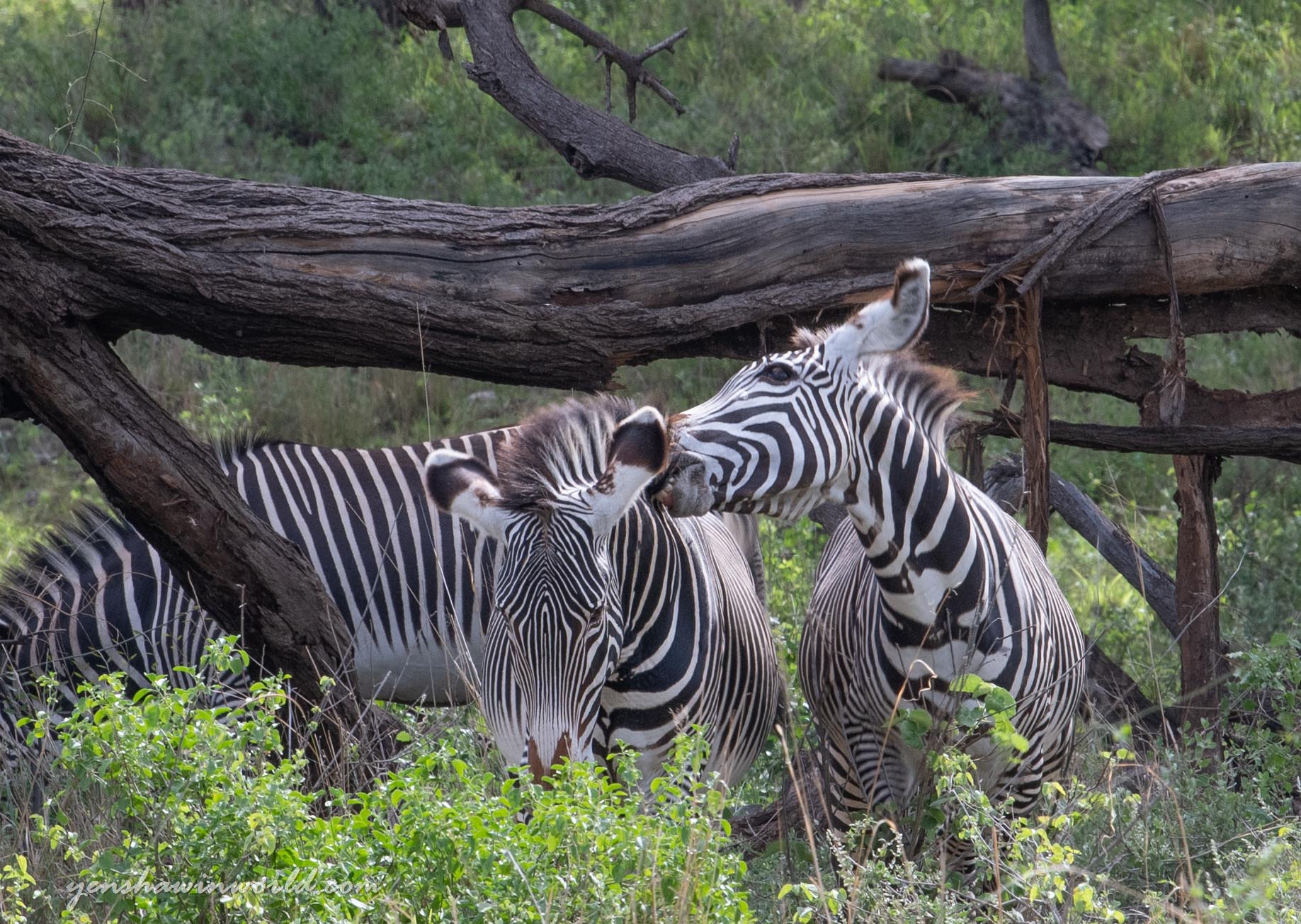
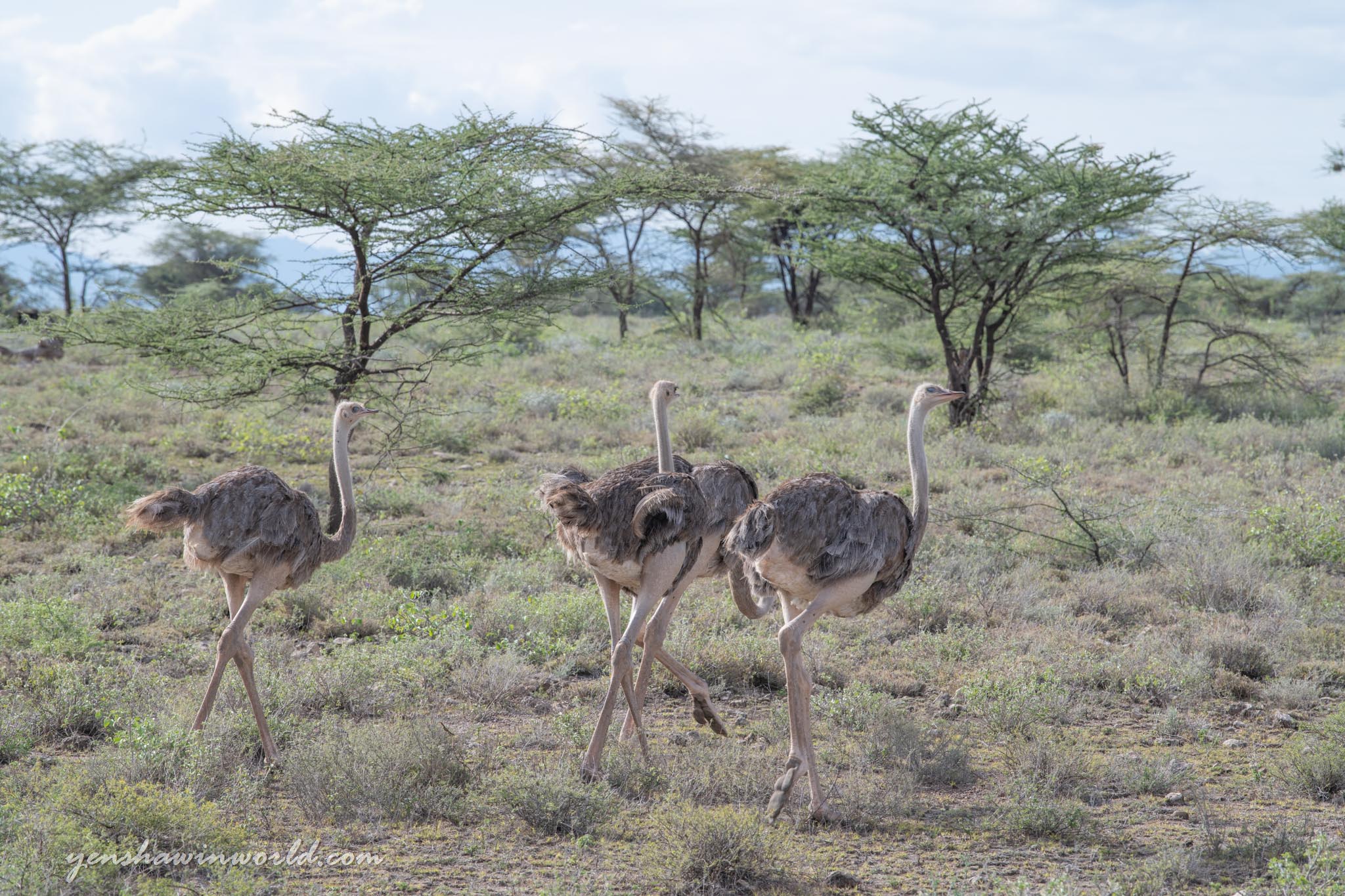
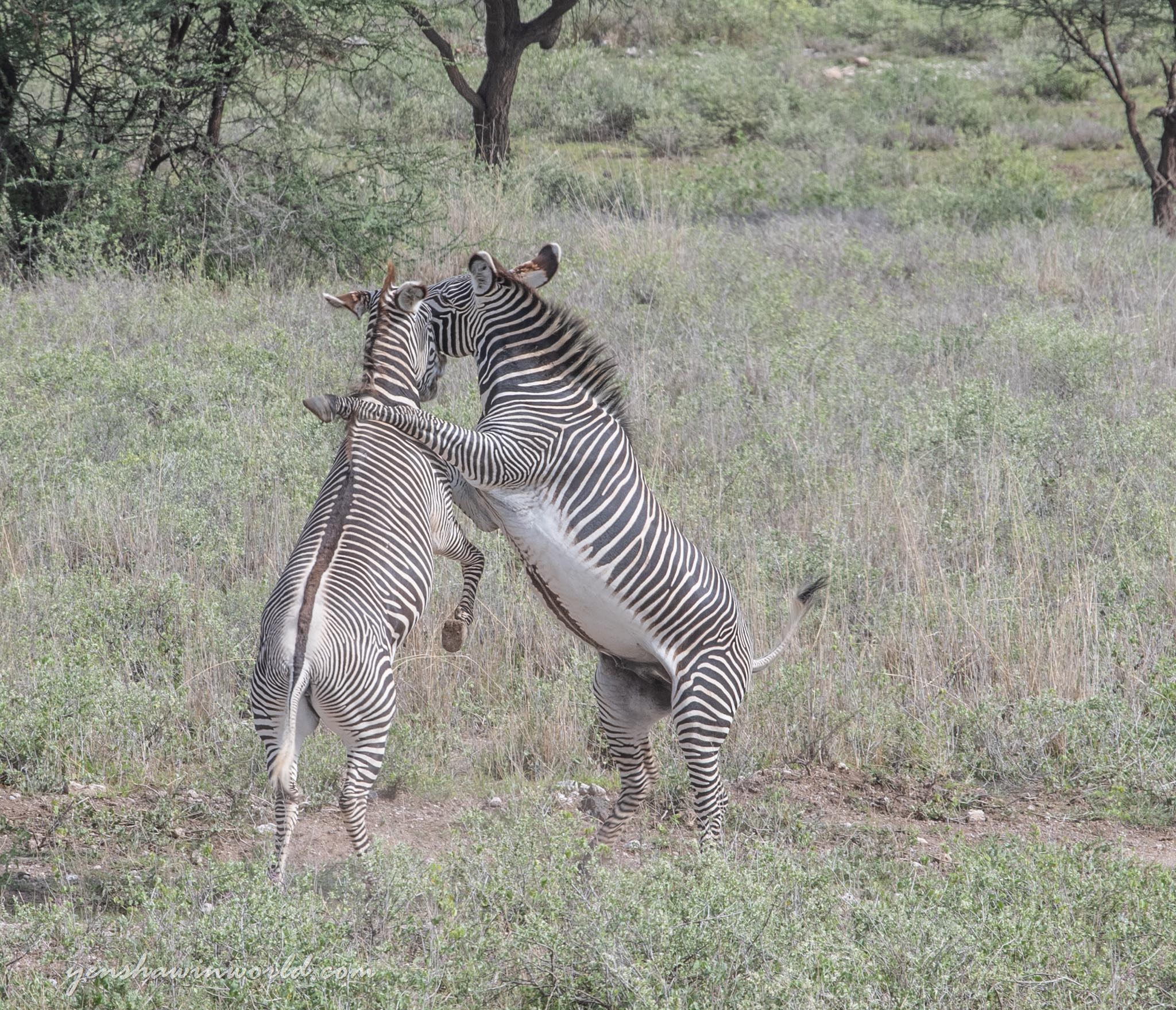
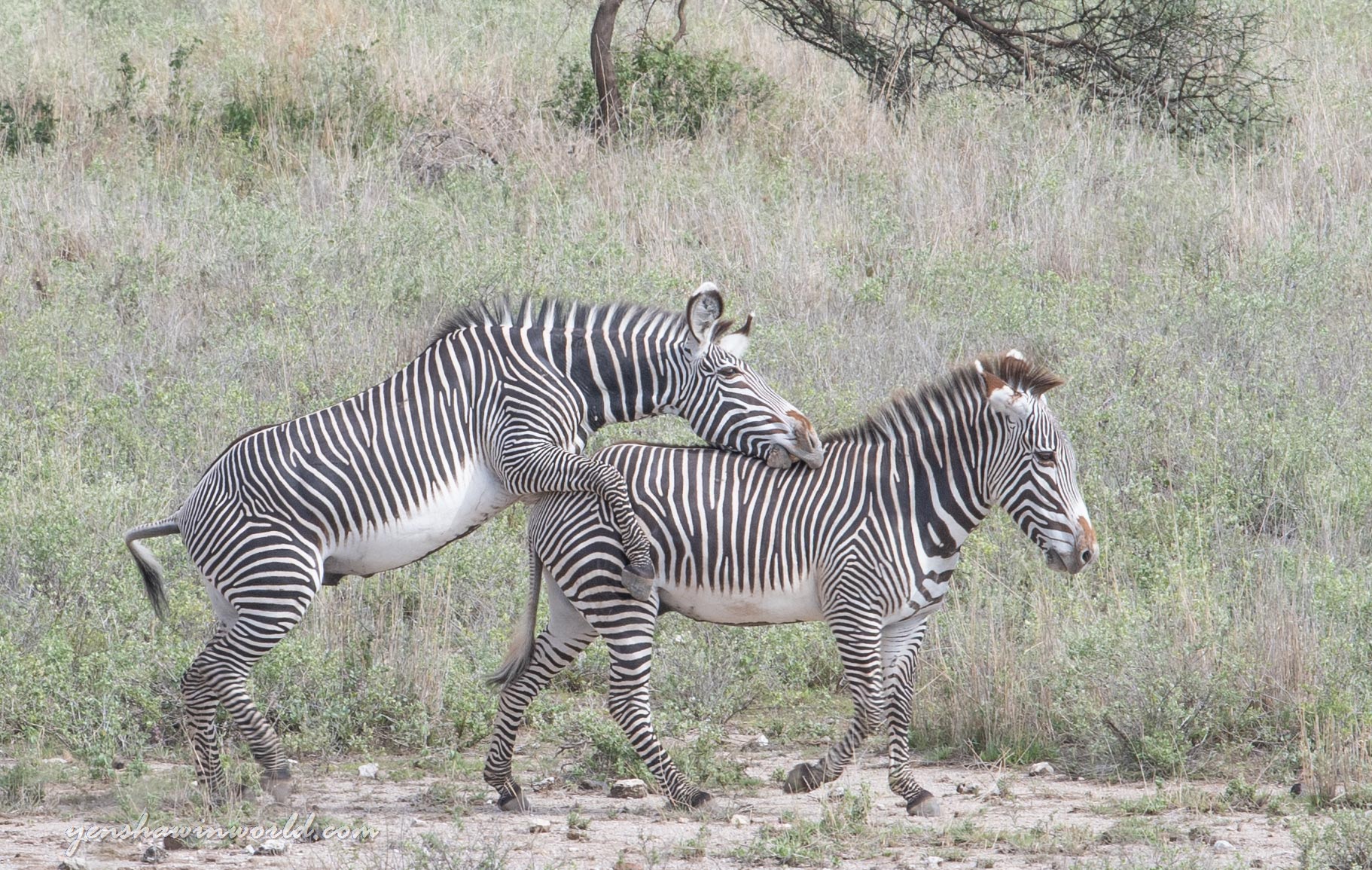
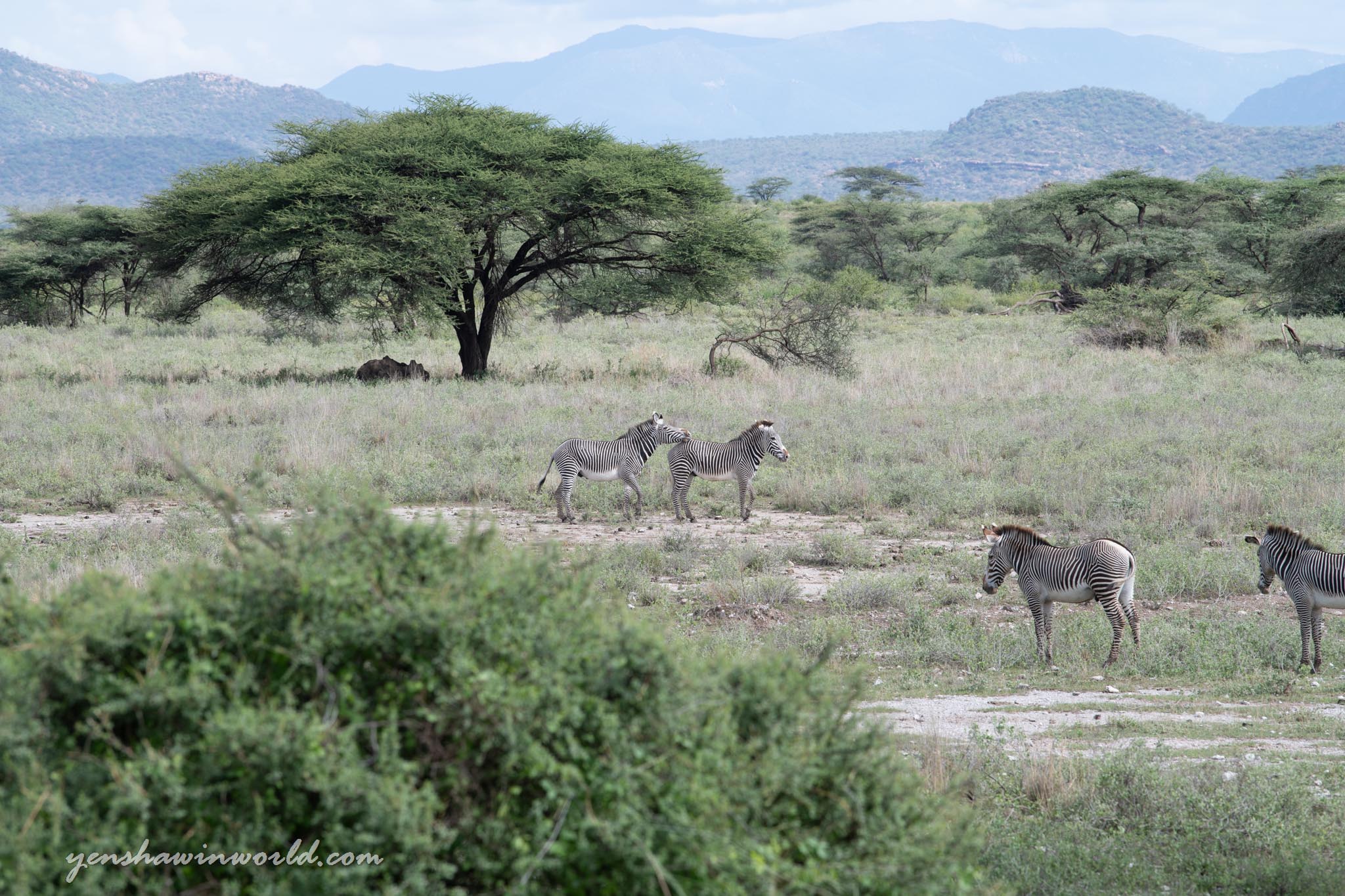
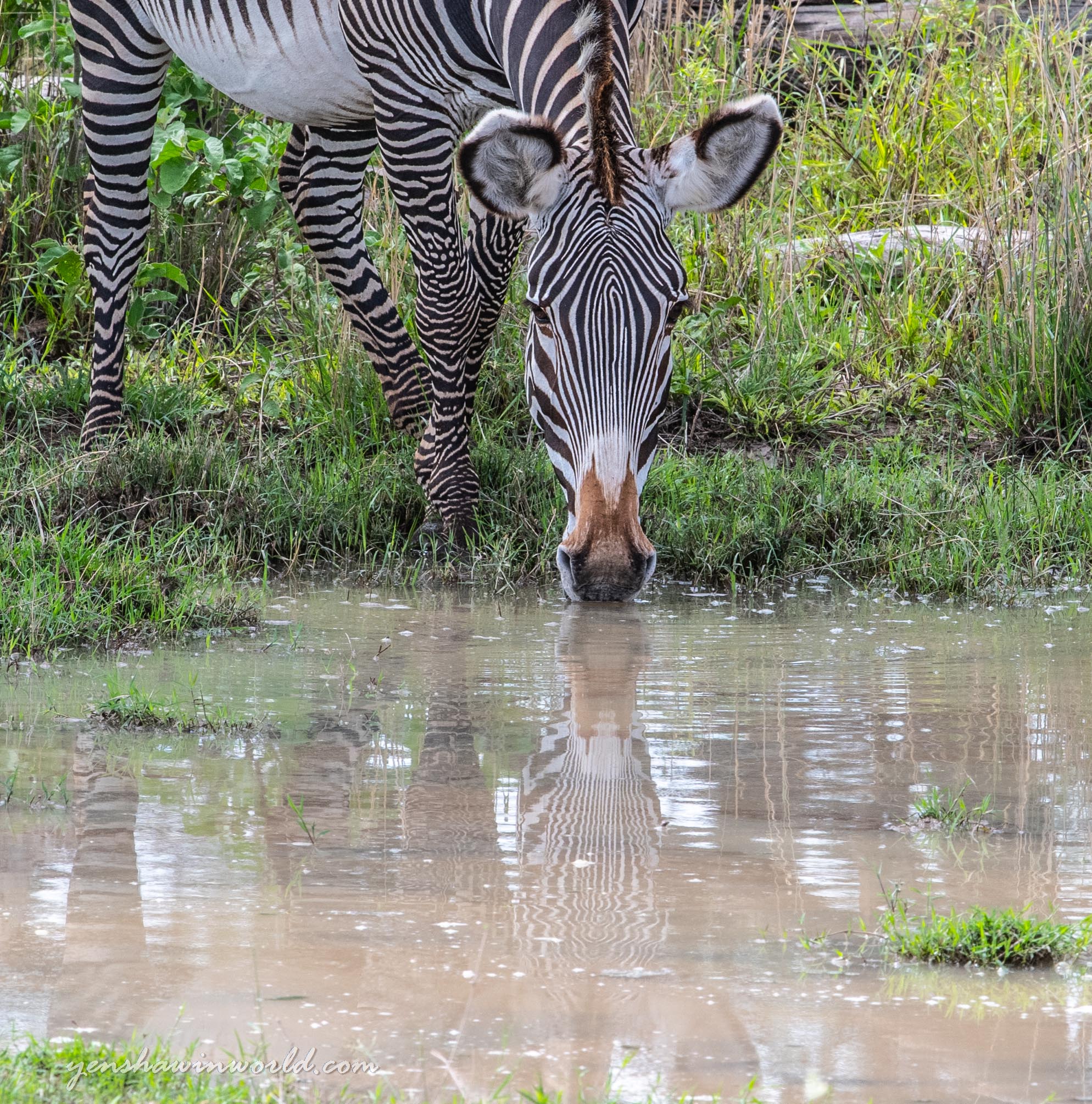
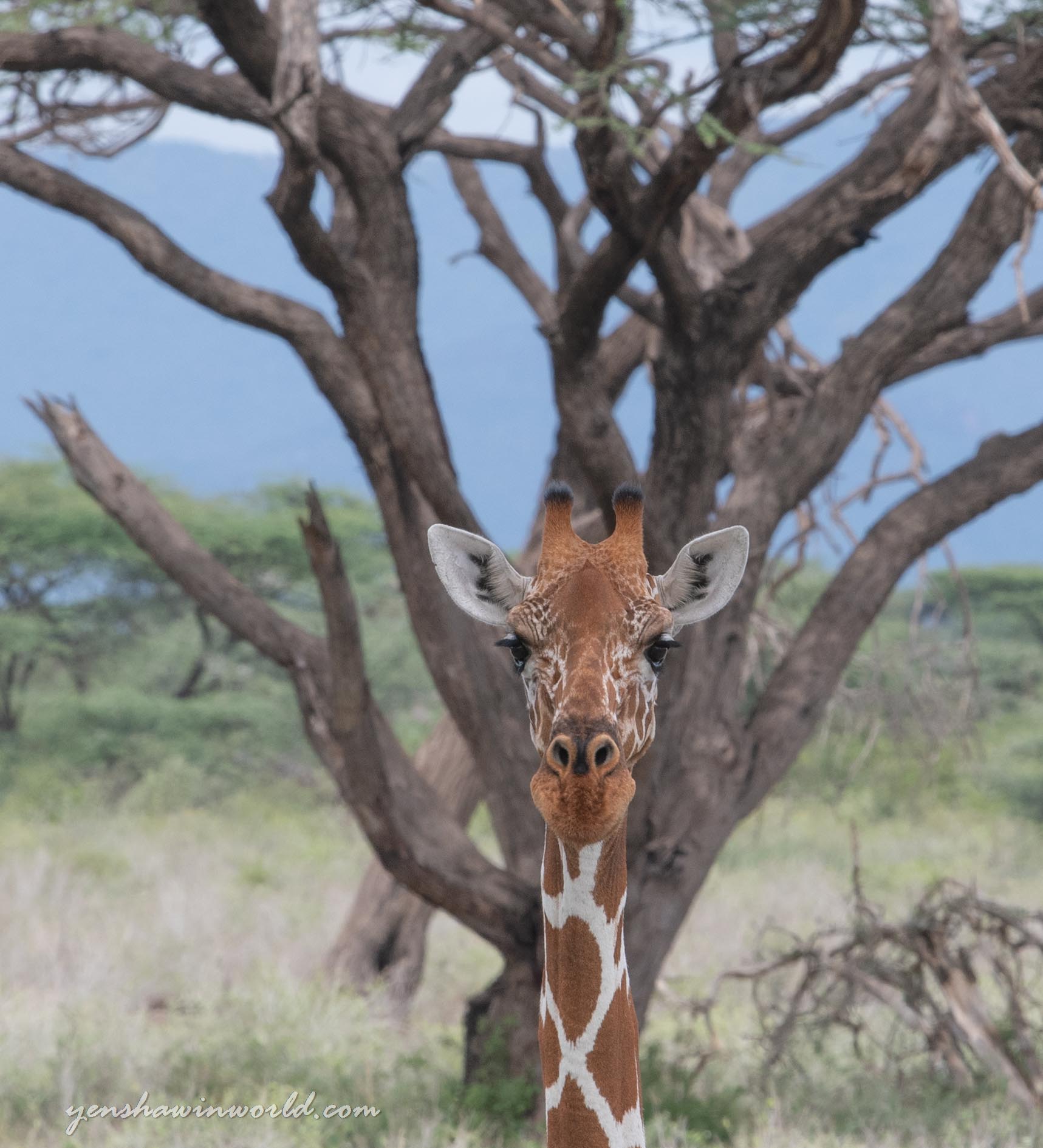
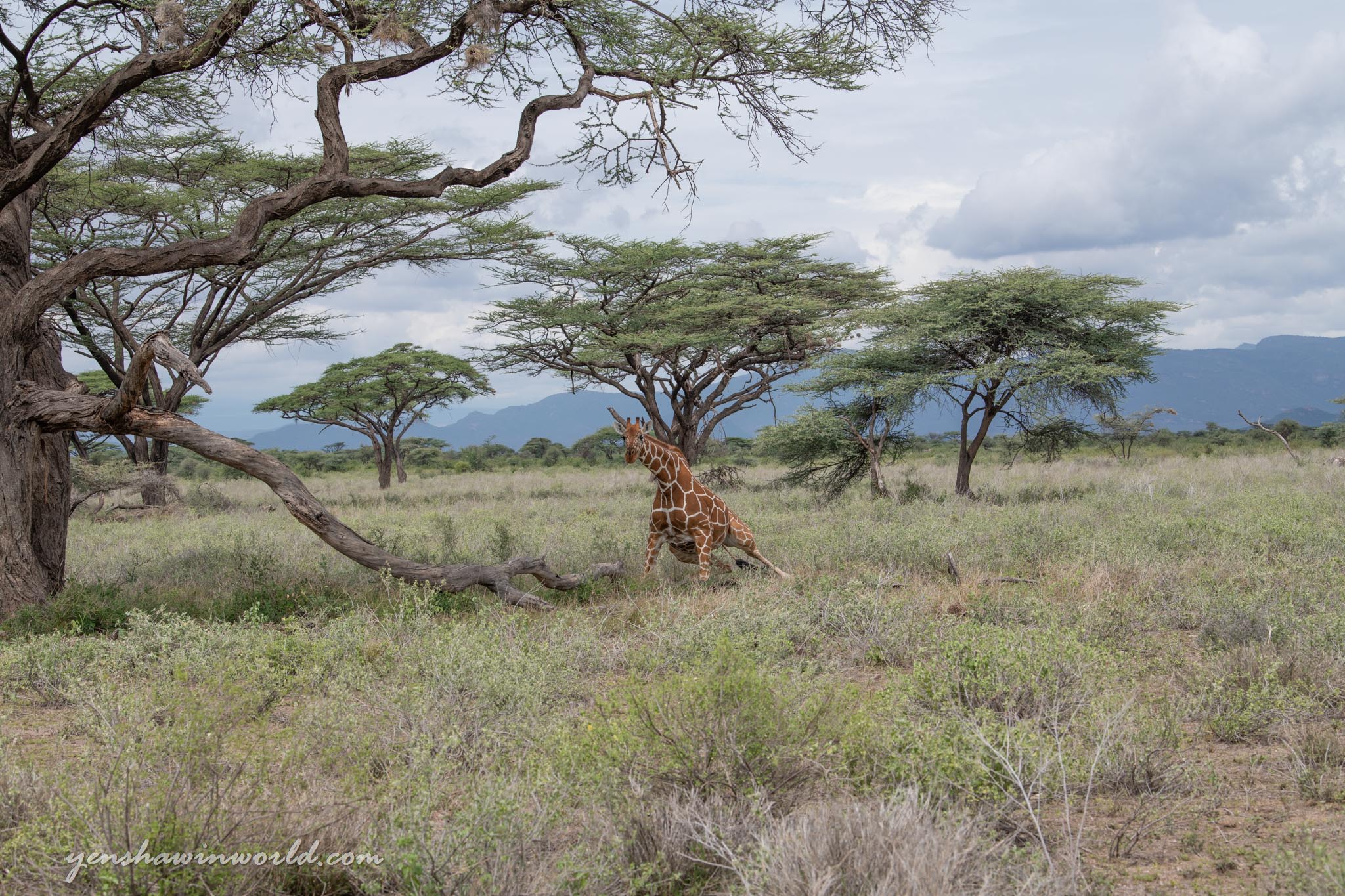
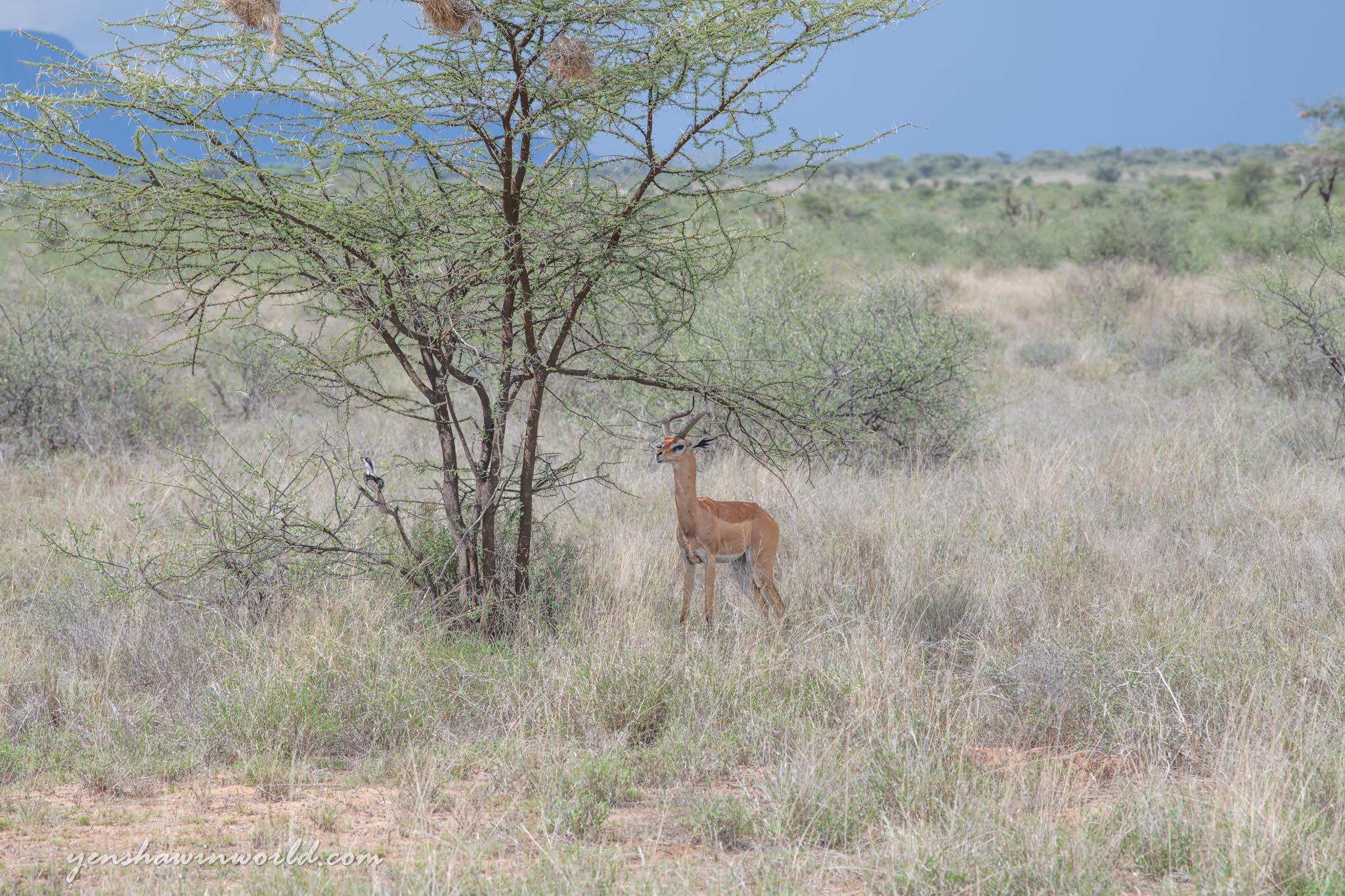
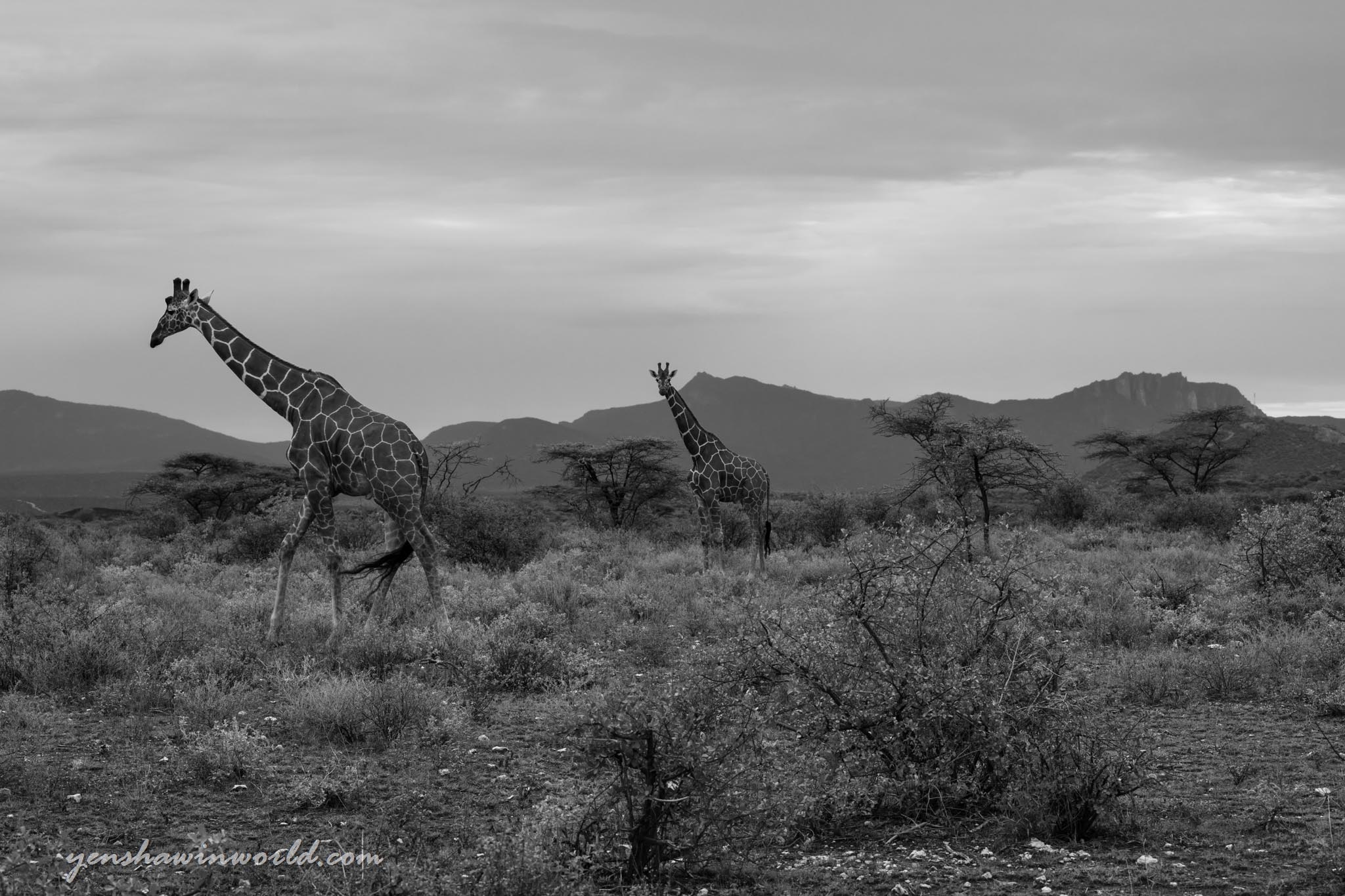
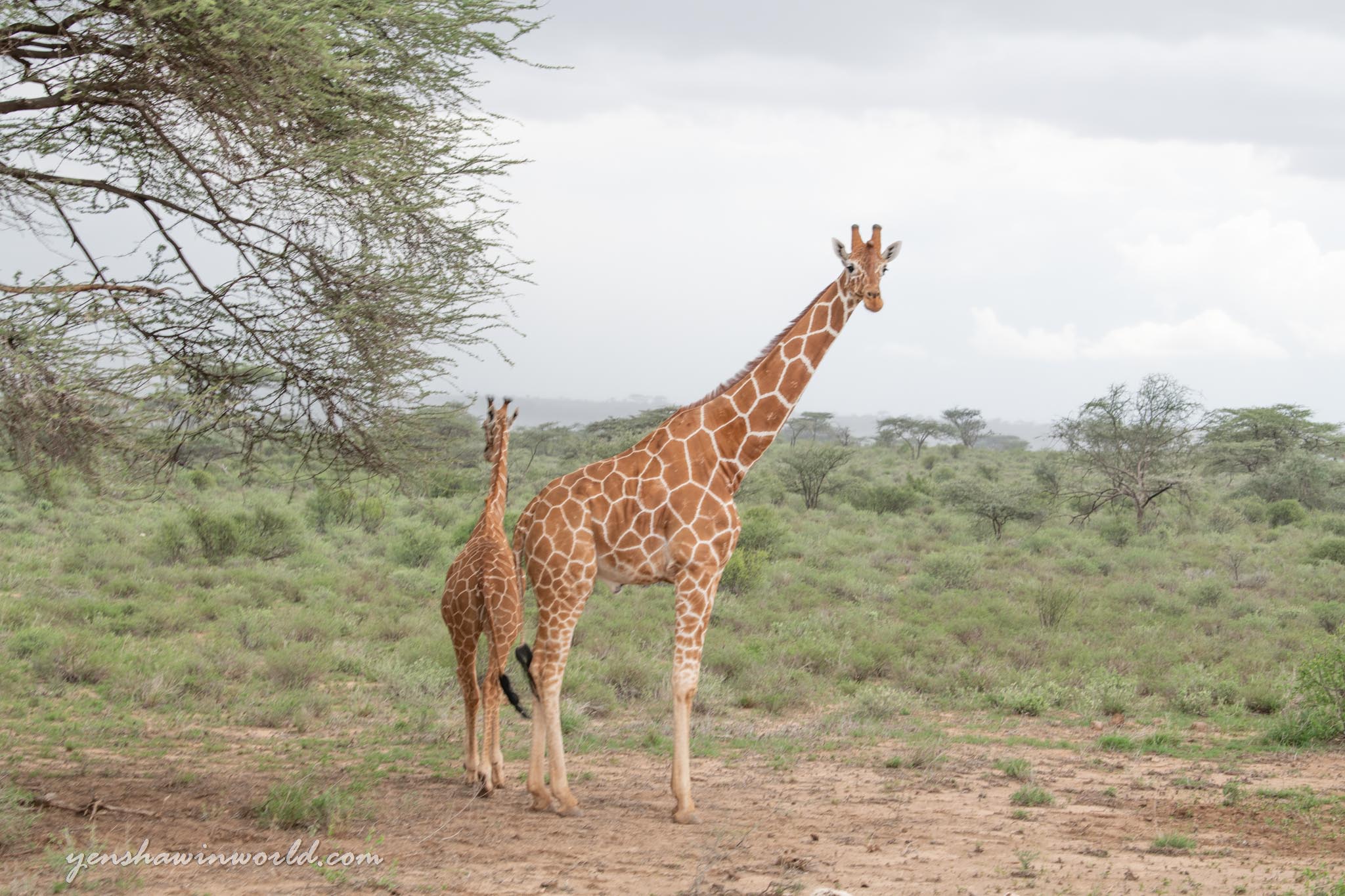
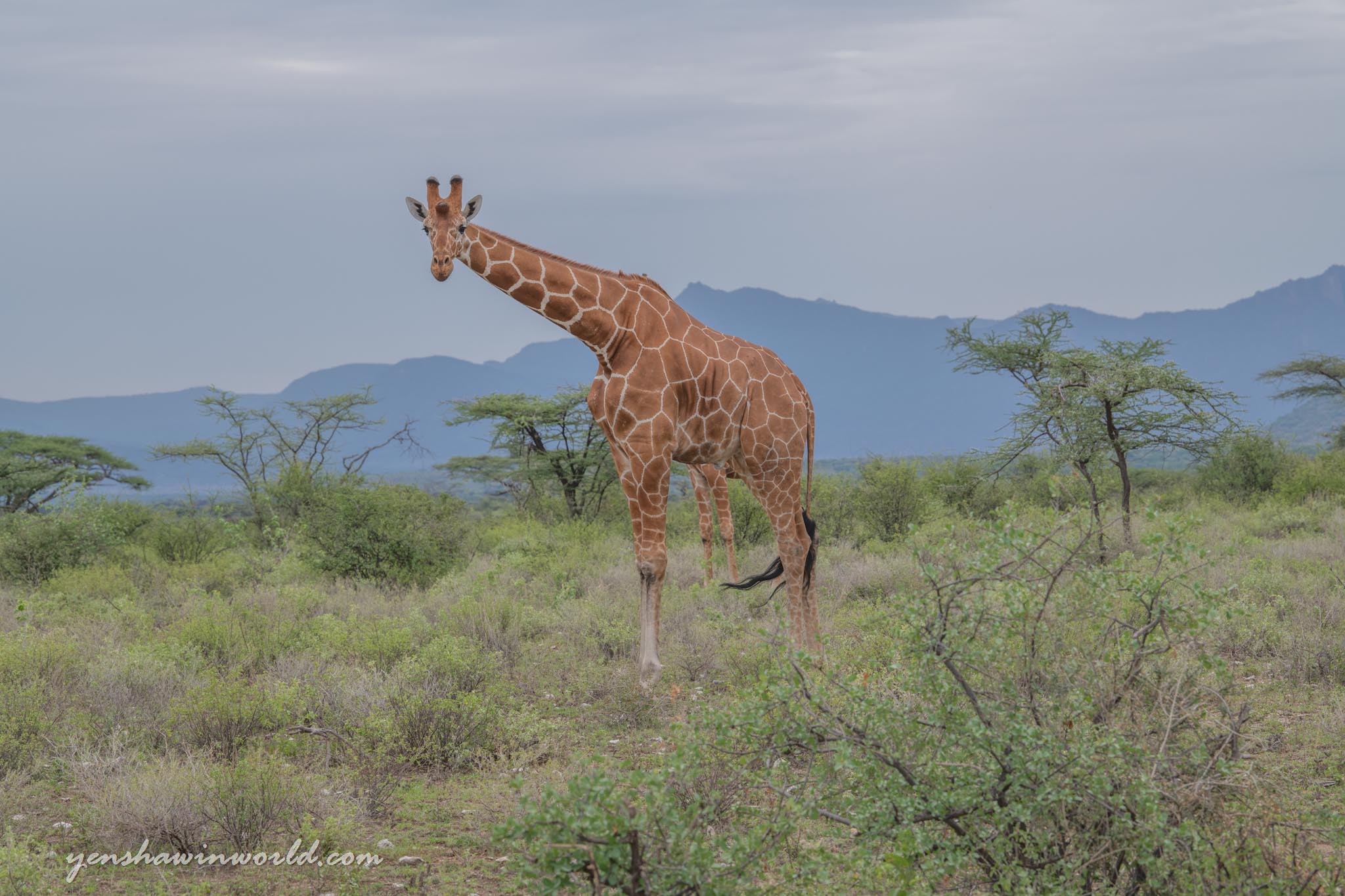
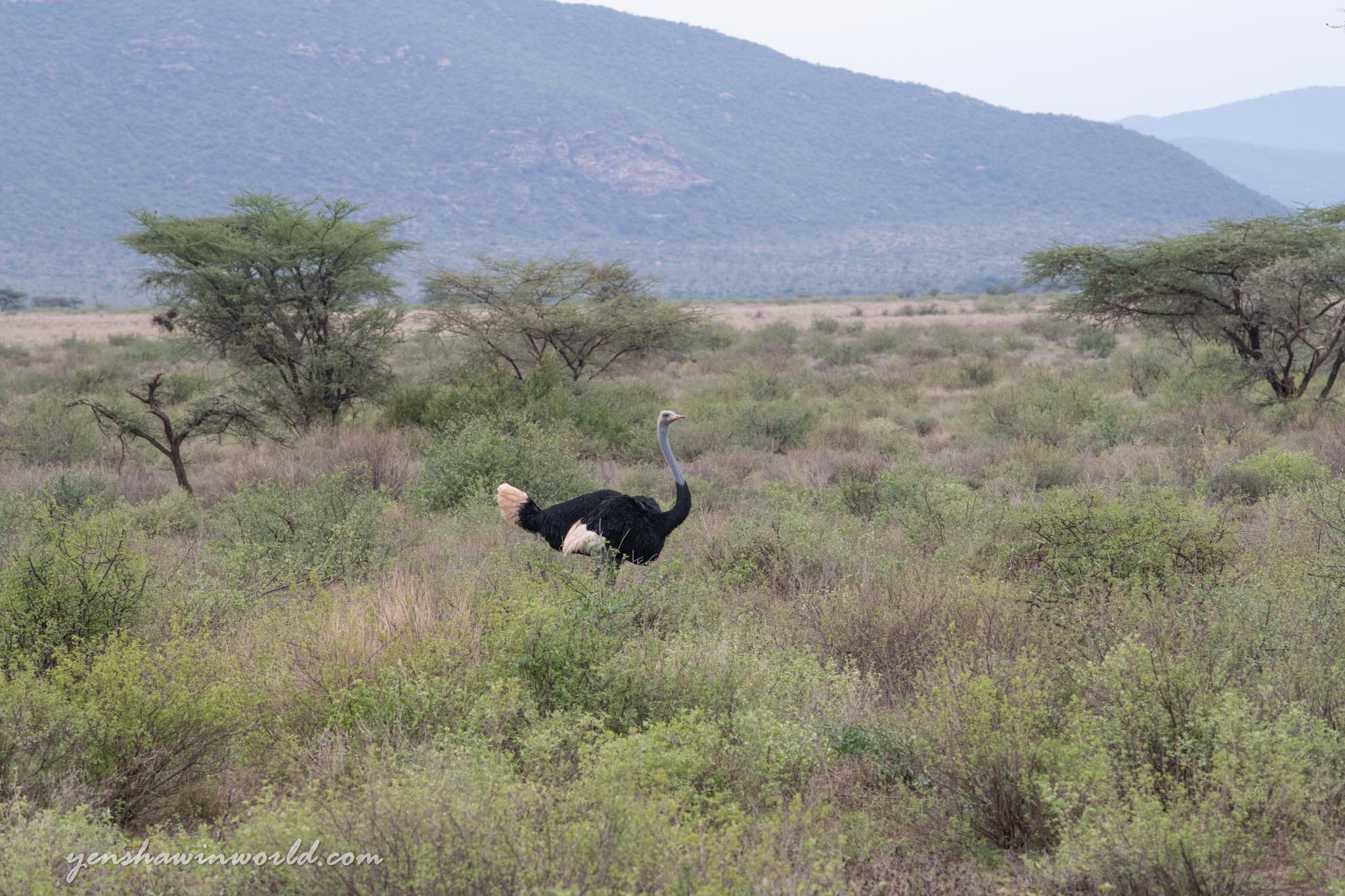
No trip to Samburu is complete without a spotting of the Samburu Special 5. As I have seen them before, I was trying to get photos of the zebras who are quite cranky in different poses and that I did!!! I also tried to line up getting zebras and giraffes in the same shot as they usually feed together and hang around with each other!!! I saw more Somali Ostriches than last time with the males being more beautiful with fluffy black feathers, and the females being a dull grey. The Oryx usually are very flighty around people and just run off when they see a car while the Gerenuk’s just enjoy standing like humans eating their leaves off short shrubs…

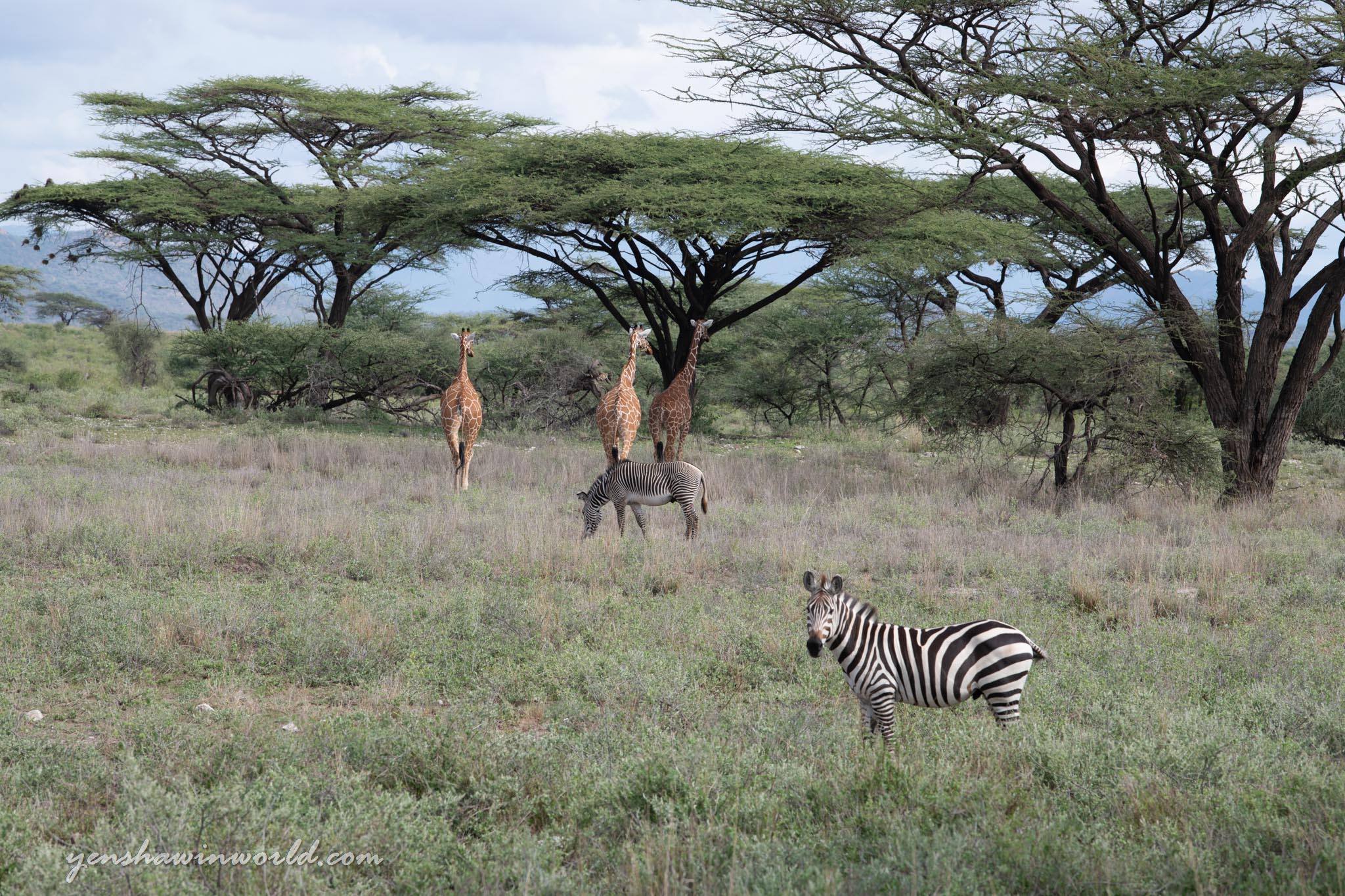
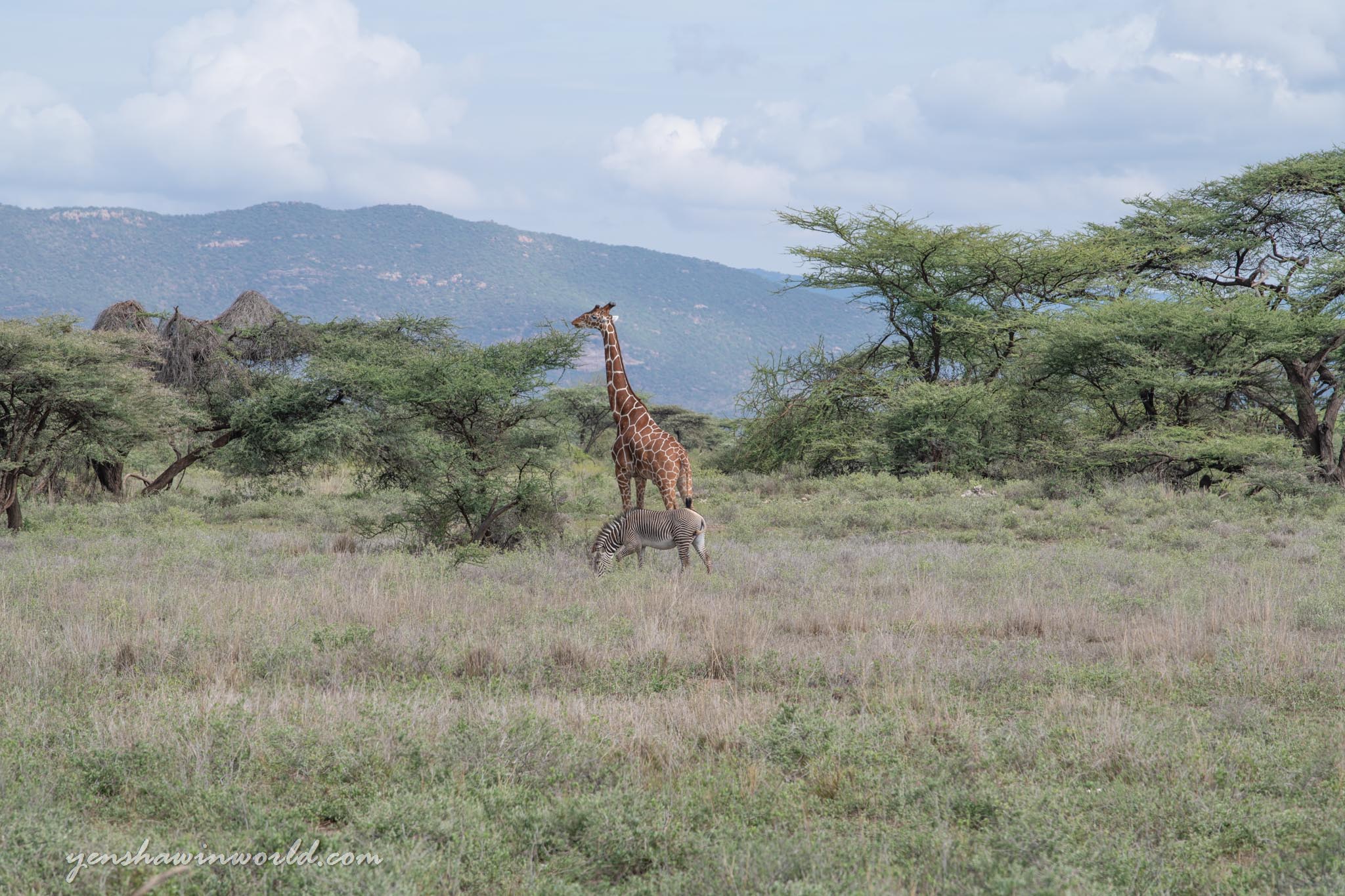
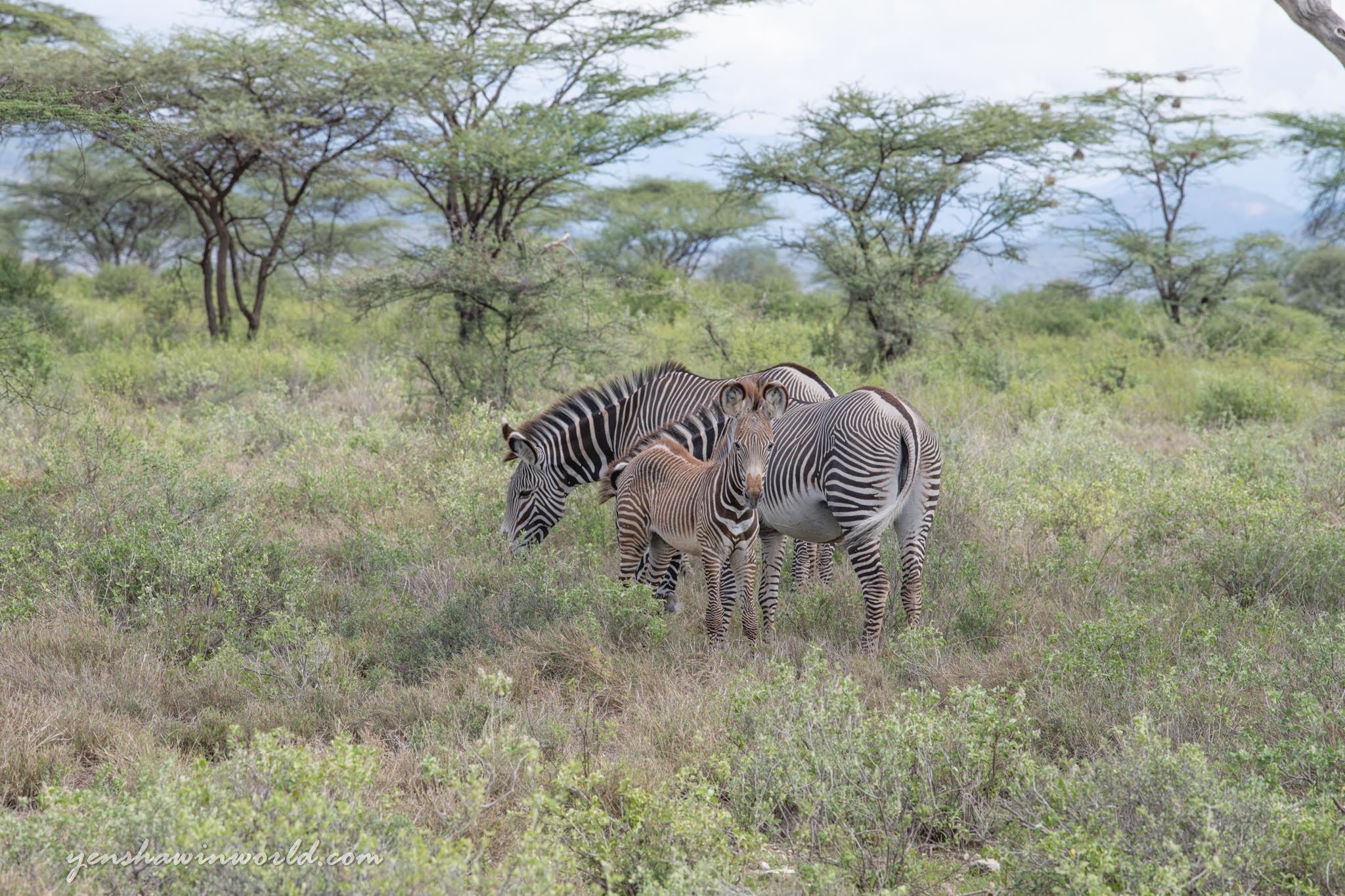
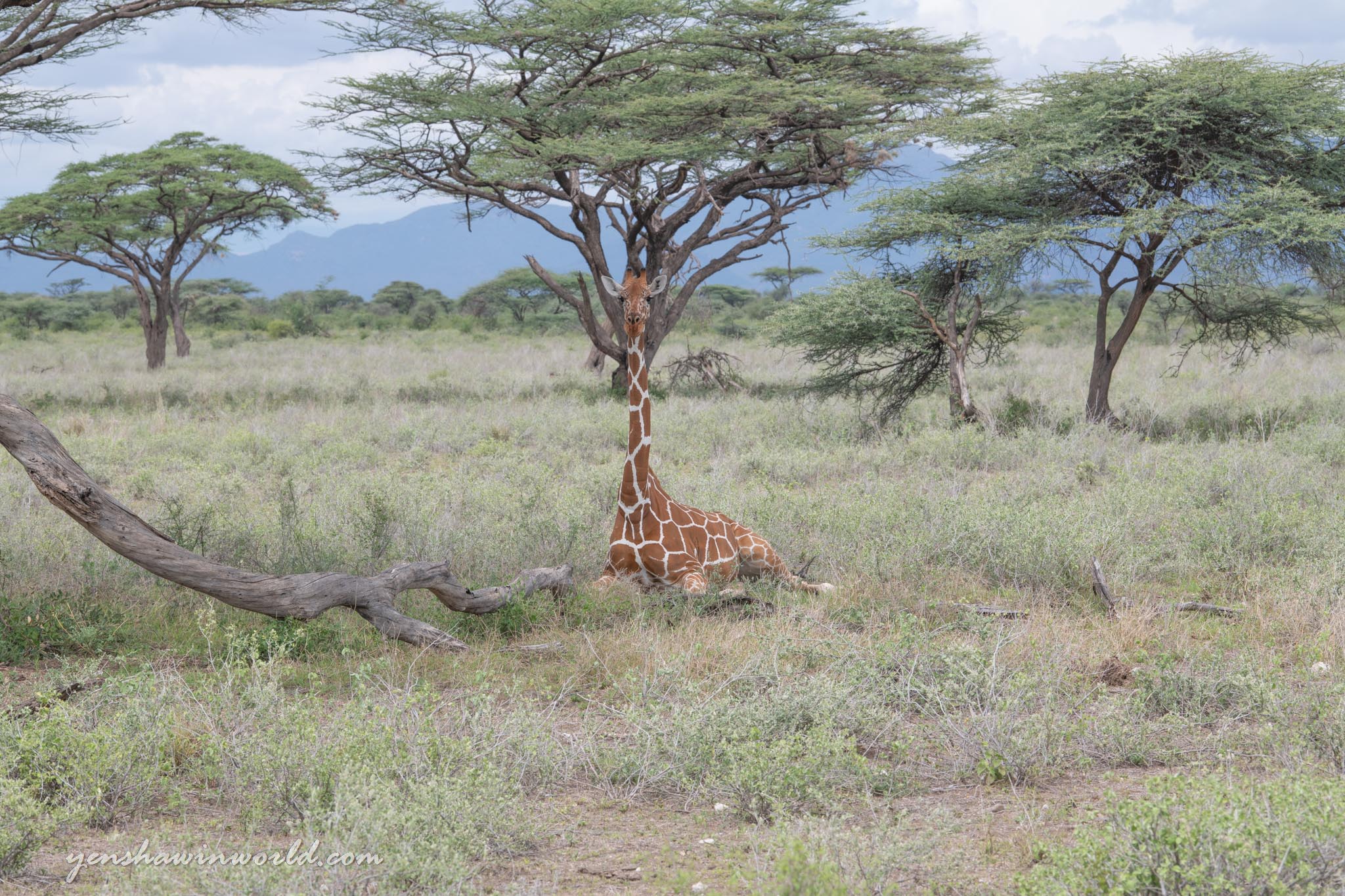

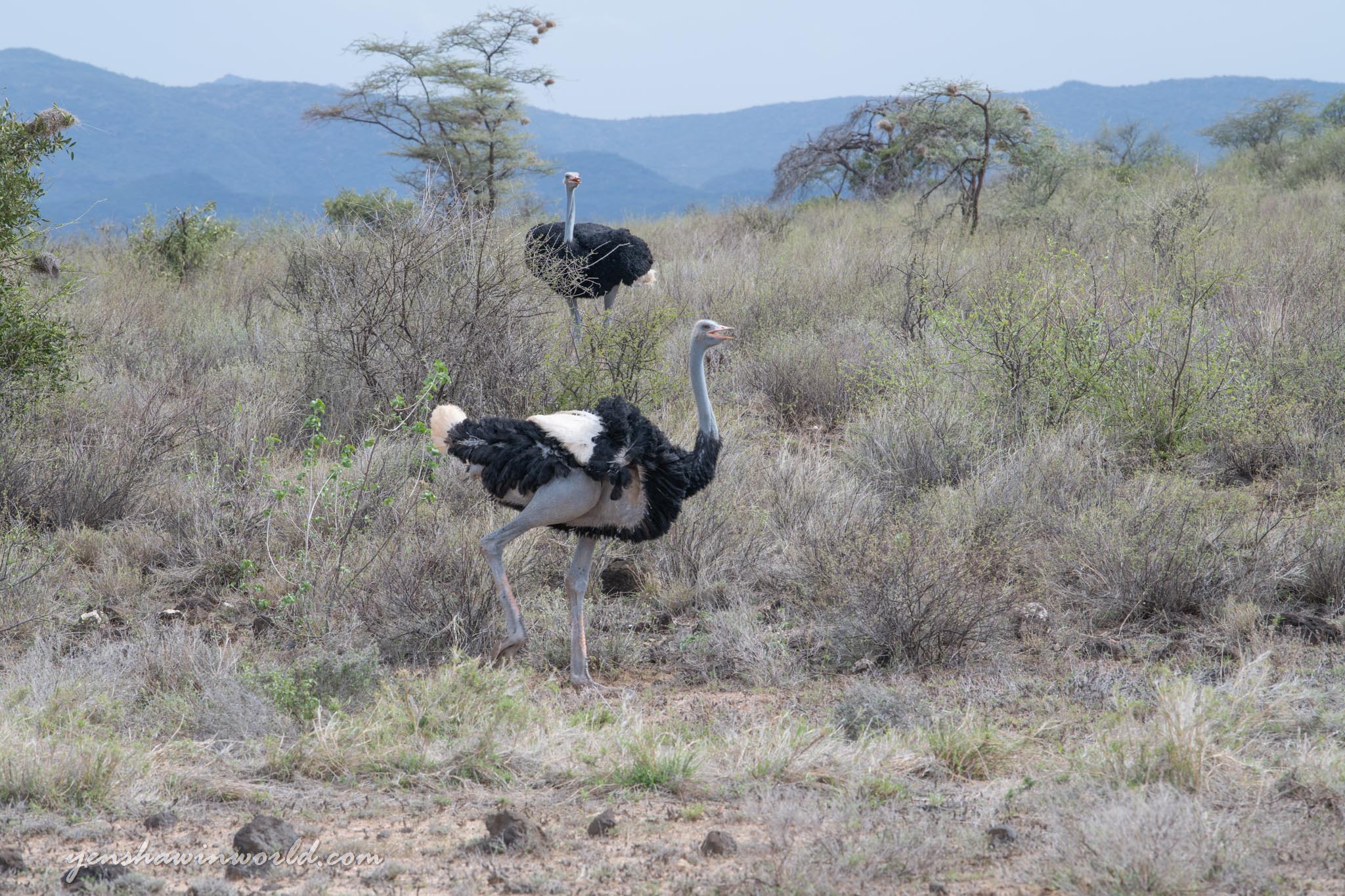
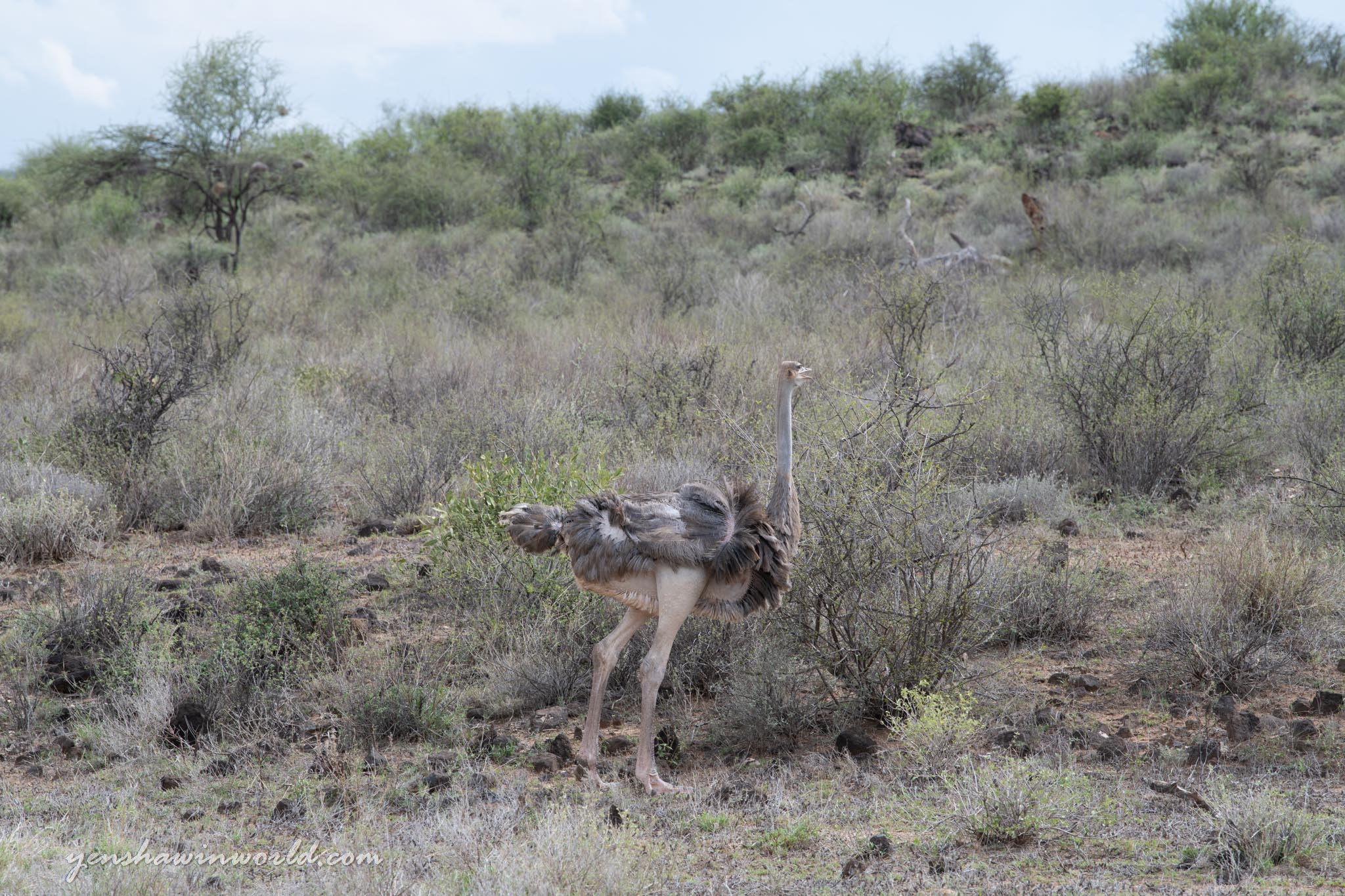
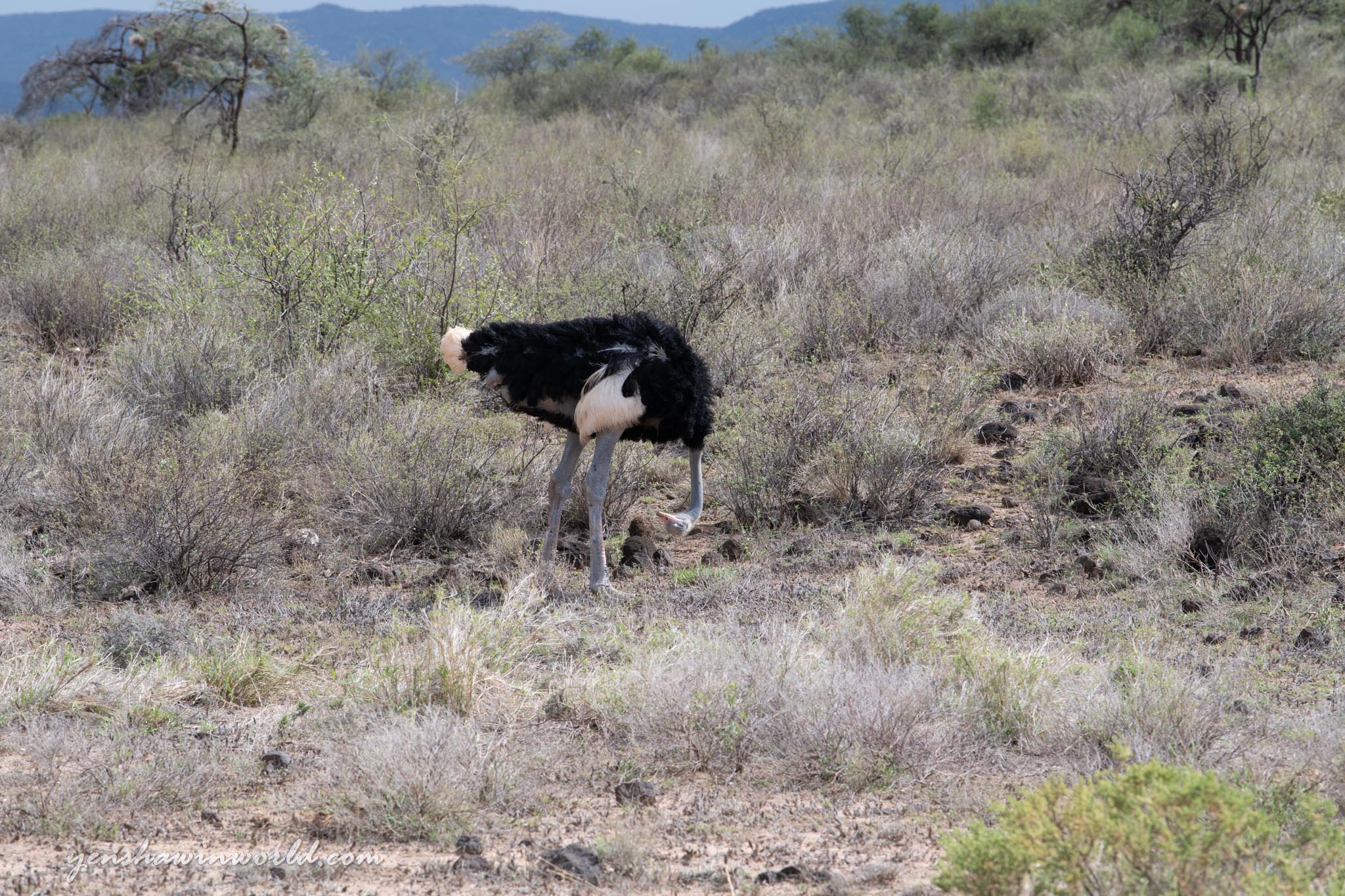

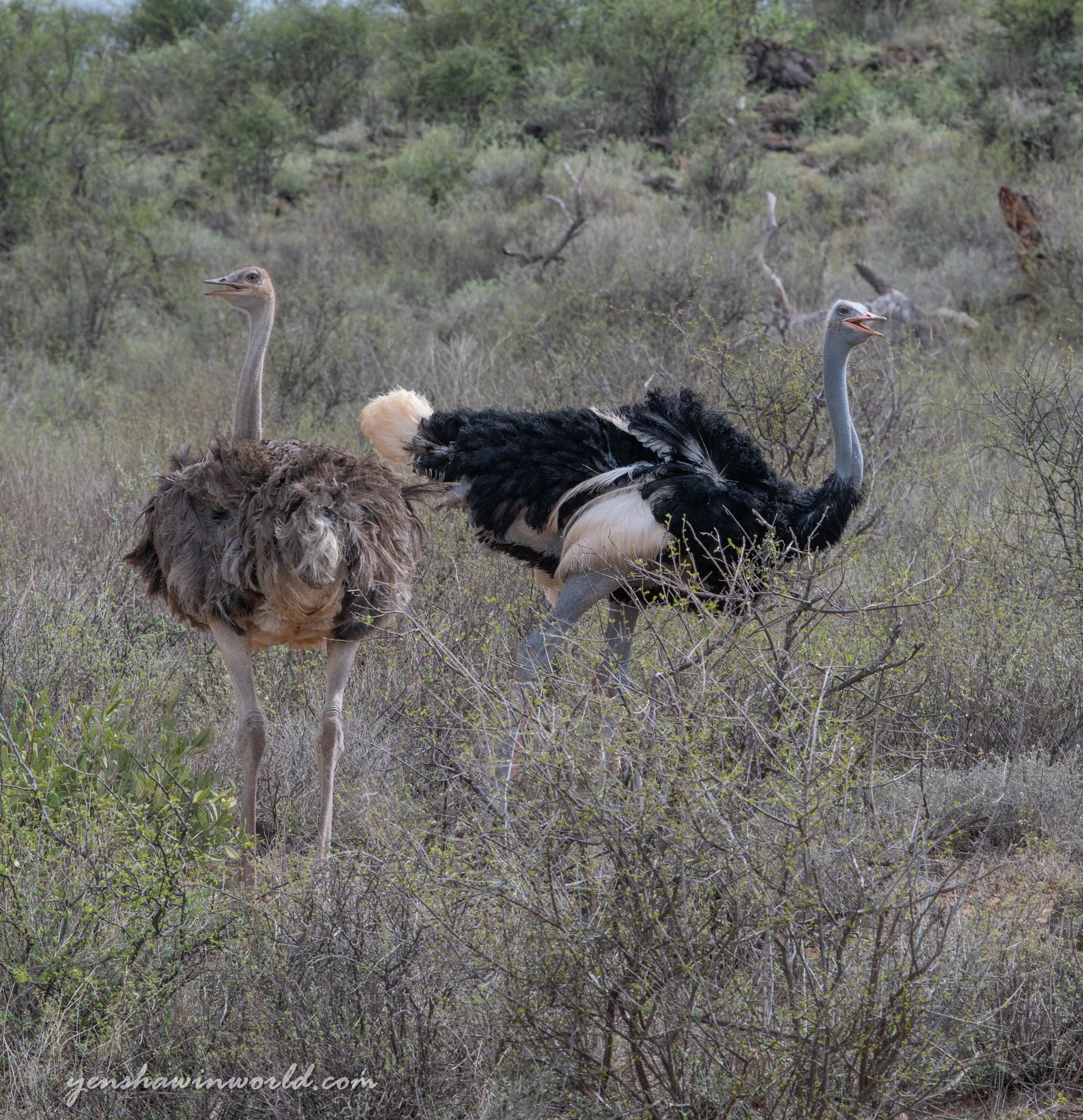

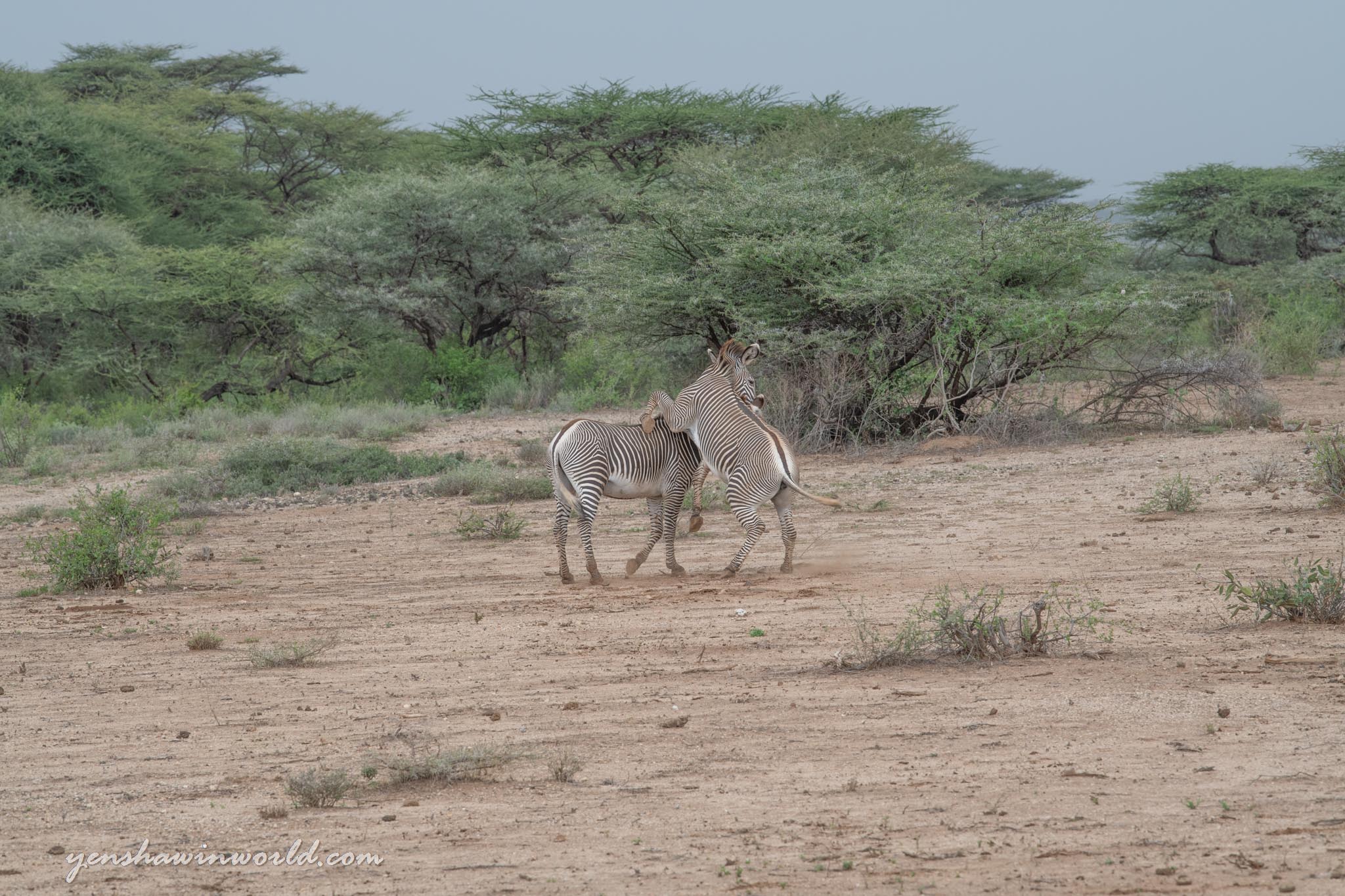
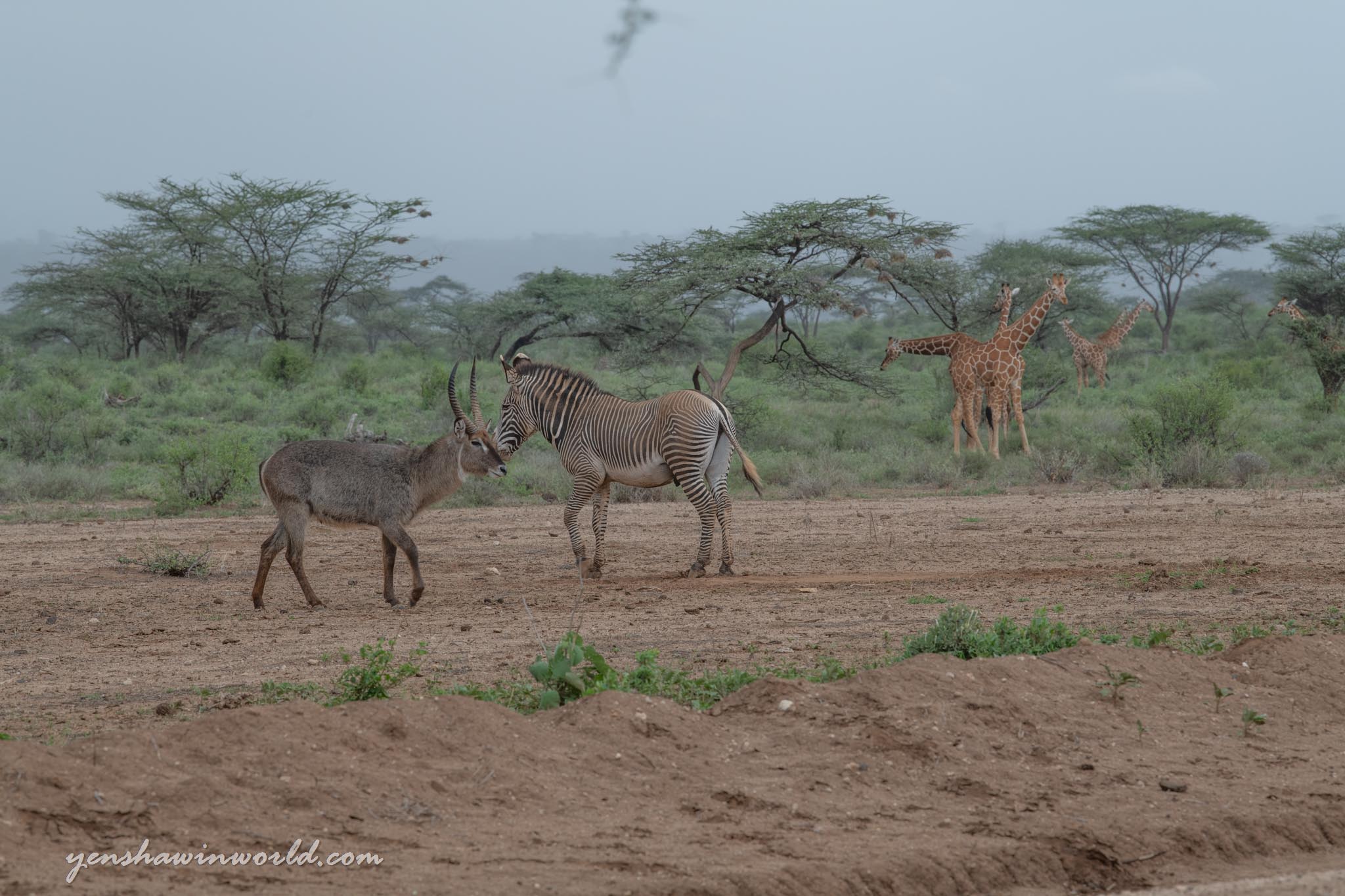
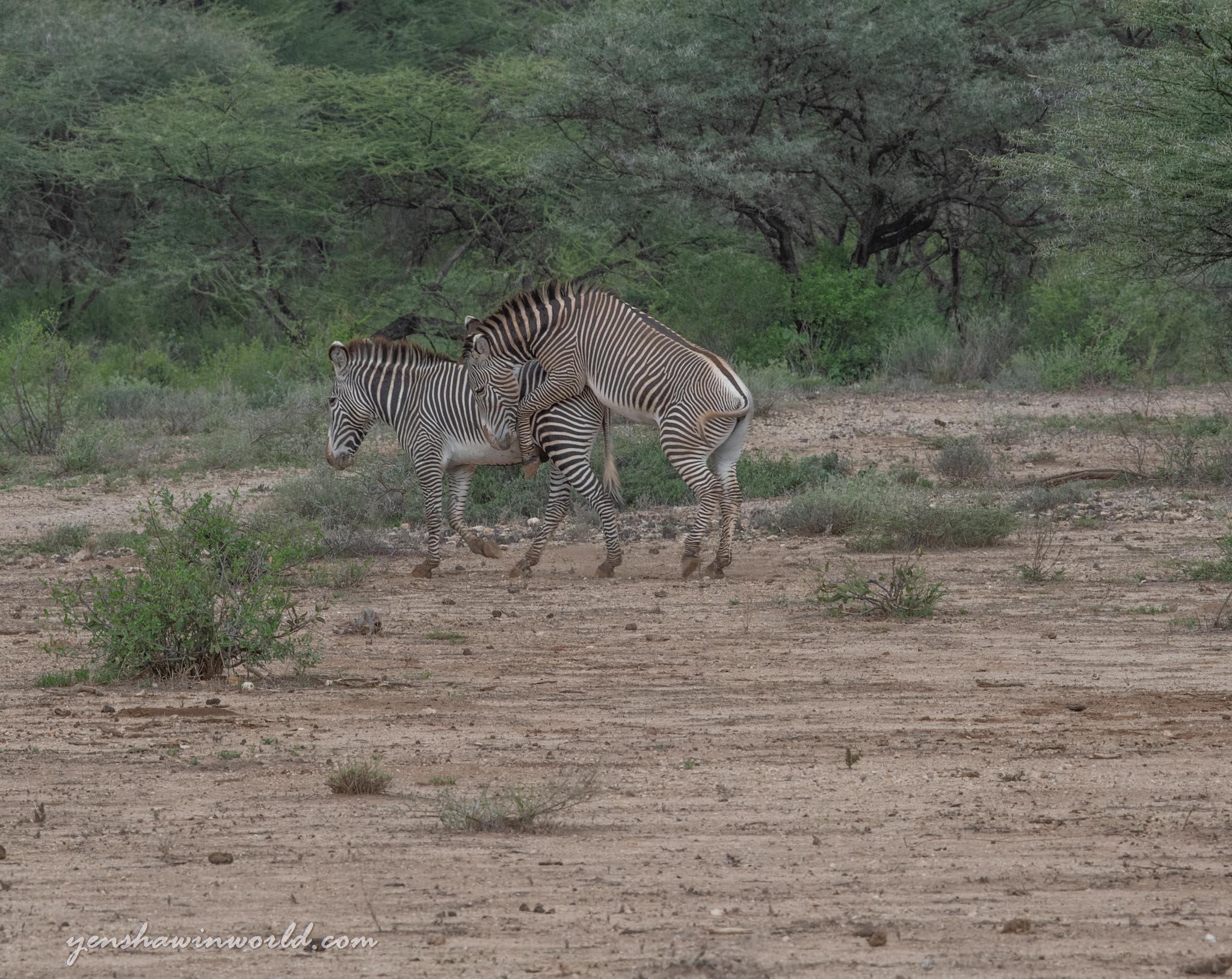
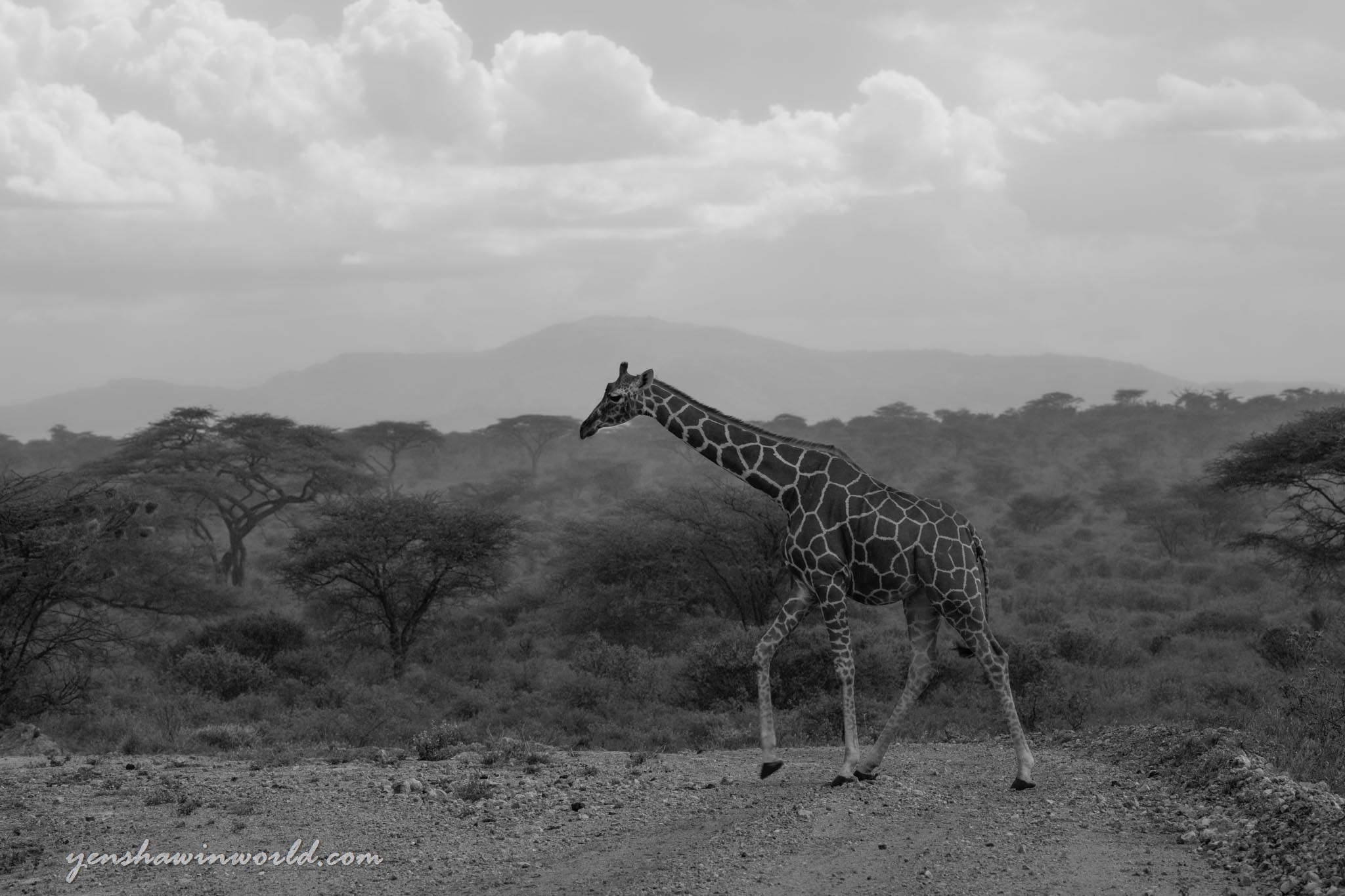
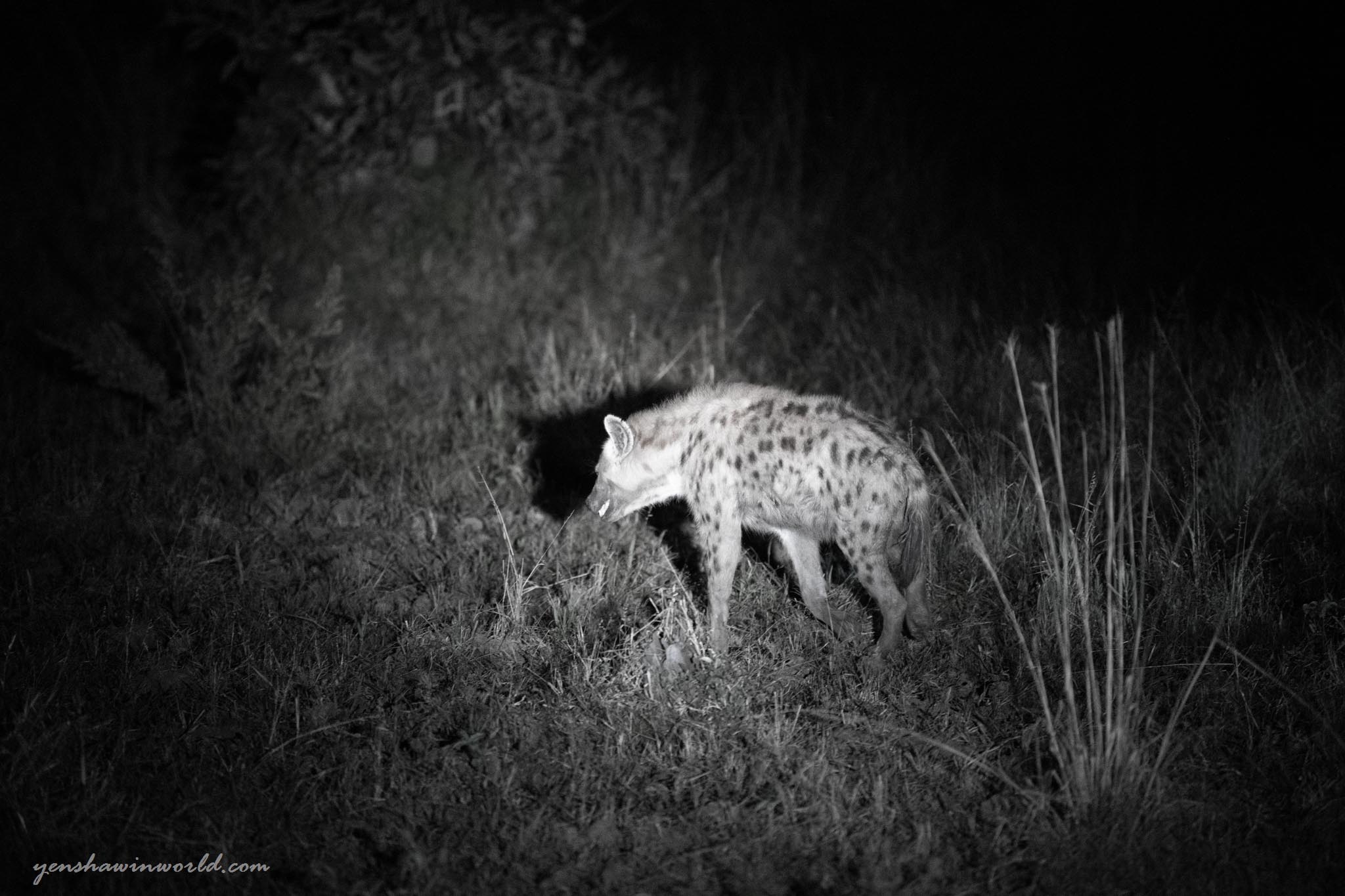
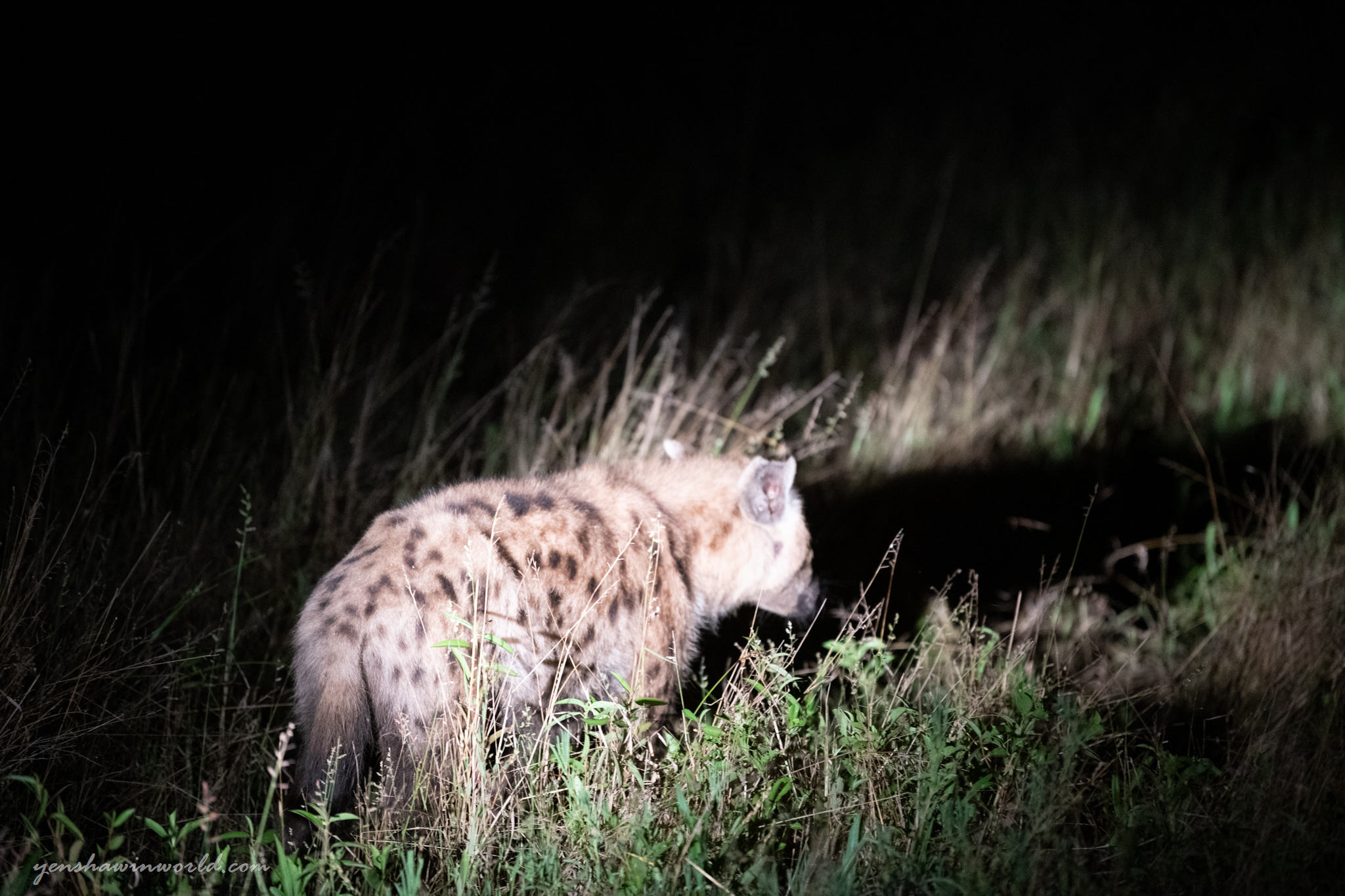
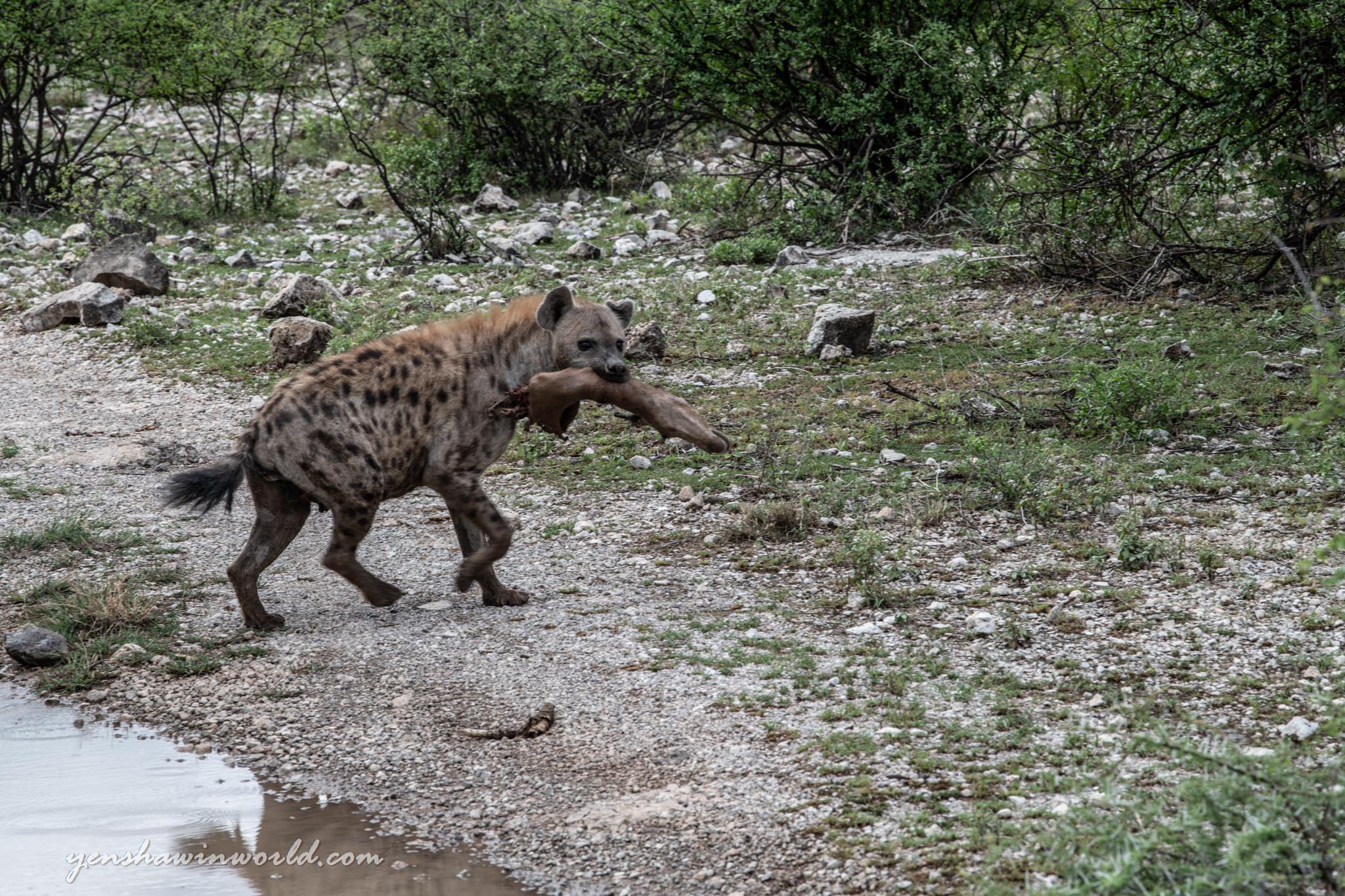
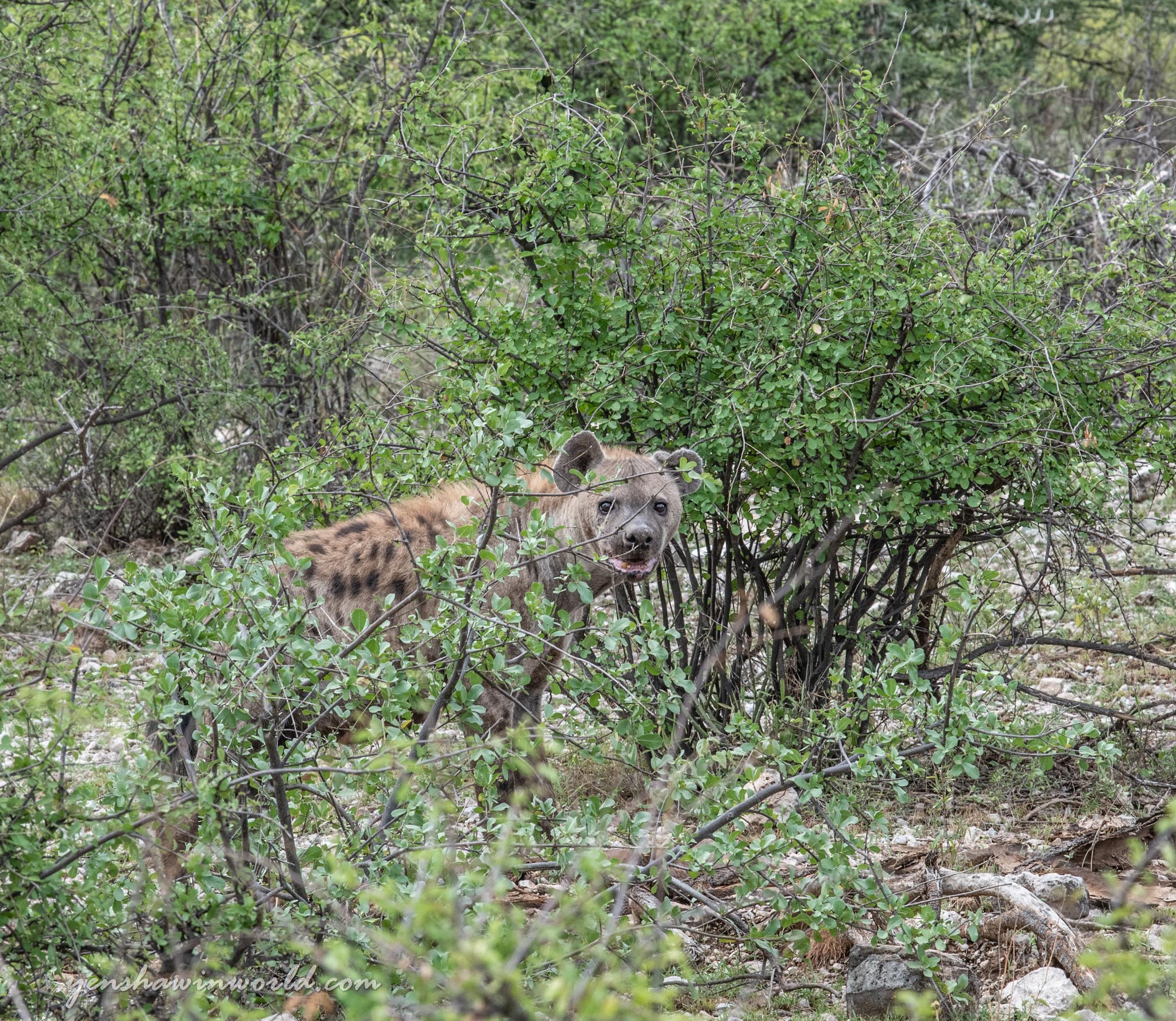
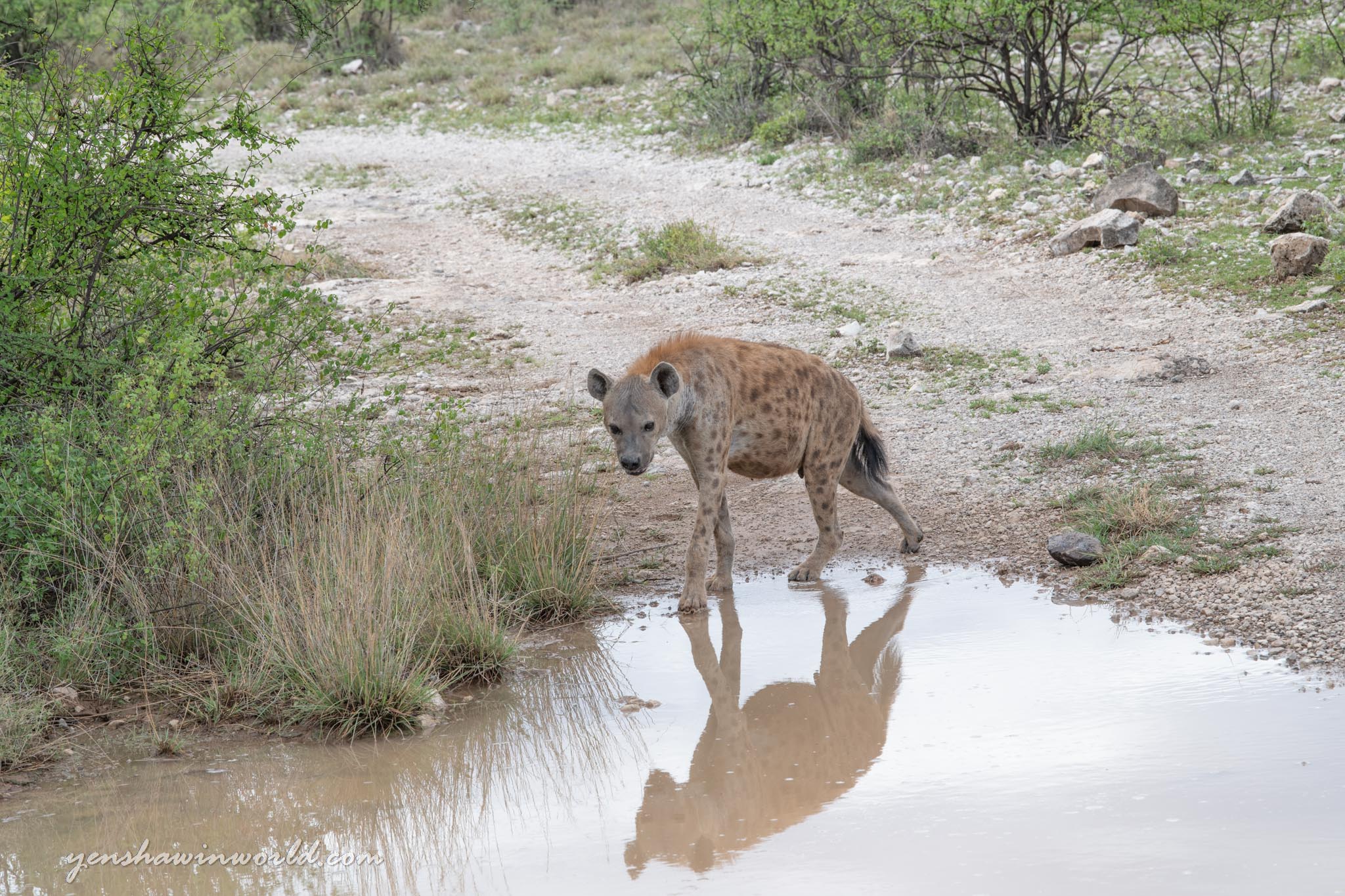
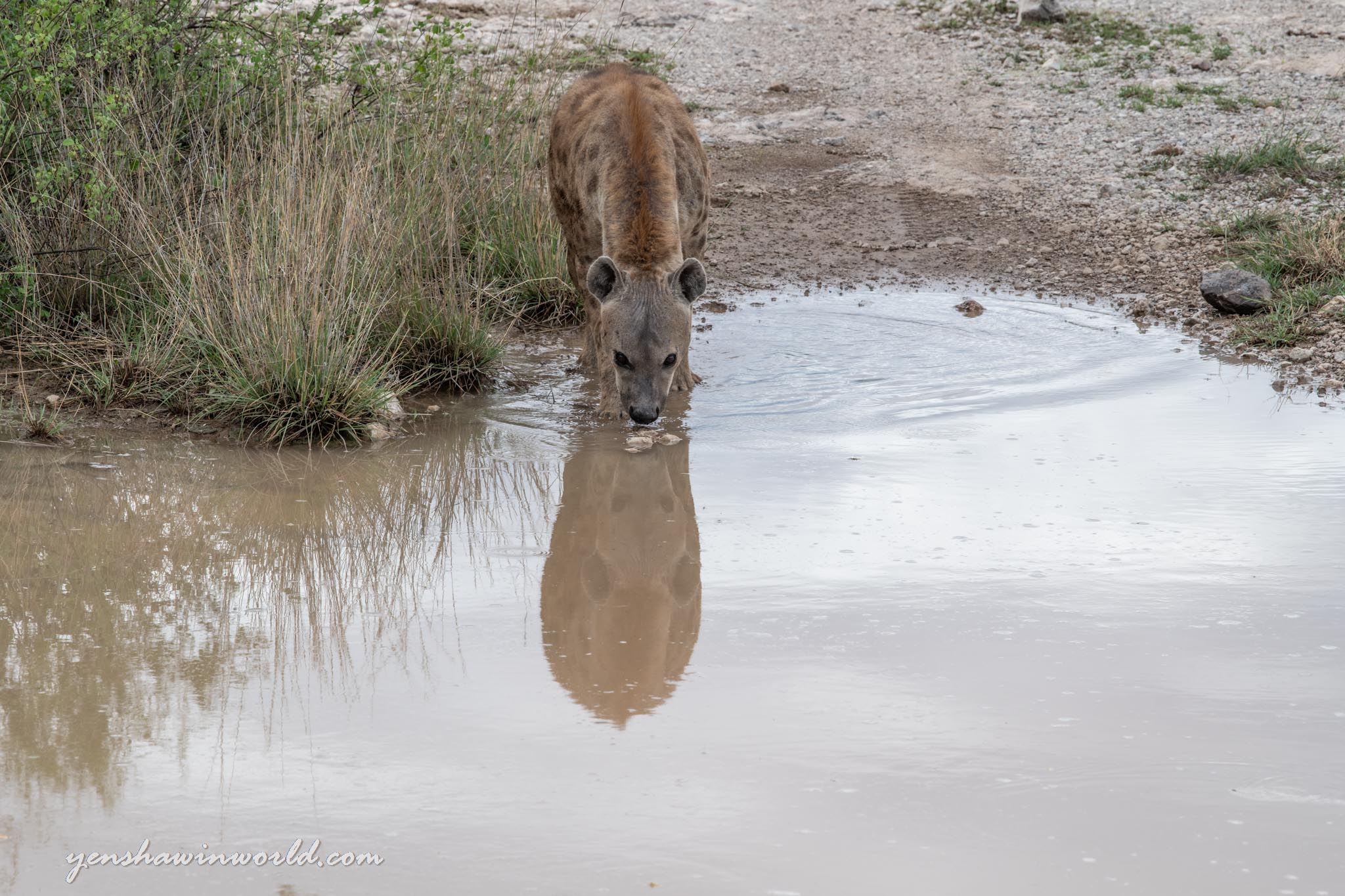
It is quite rare to see Hyena’s in the daytime as they are primarily nocturnal, however to my surprise we saw two hyenas running around with what looks the head of a gazelle and after they finished that off, they were able to run around and play from the big puddle of water in the road.
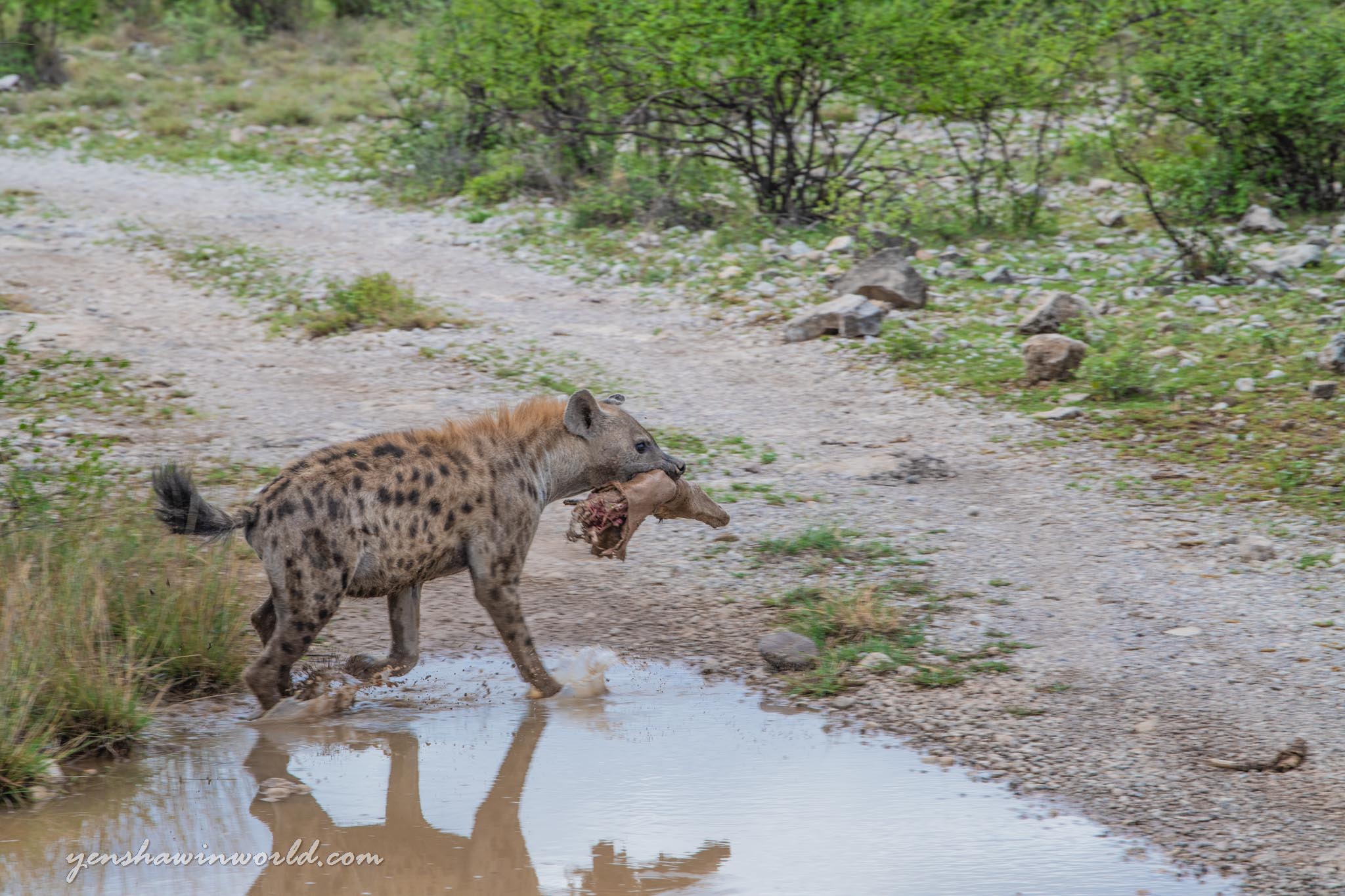
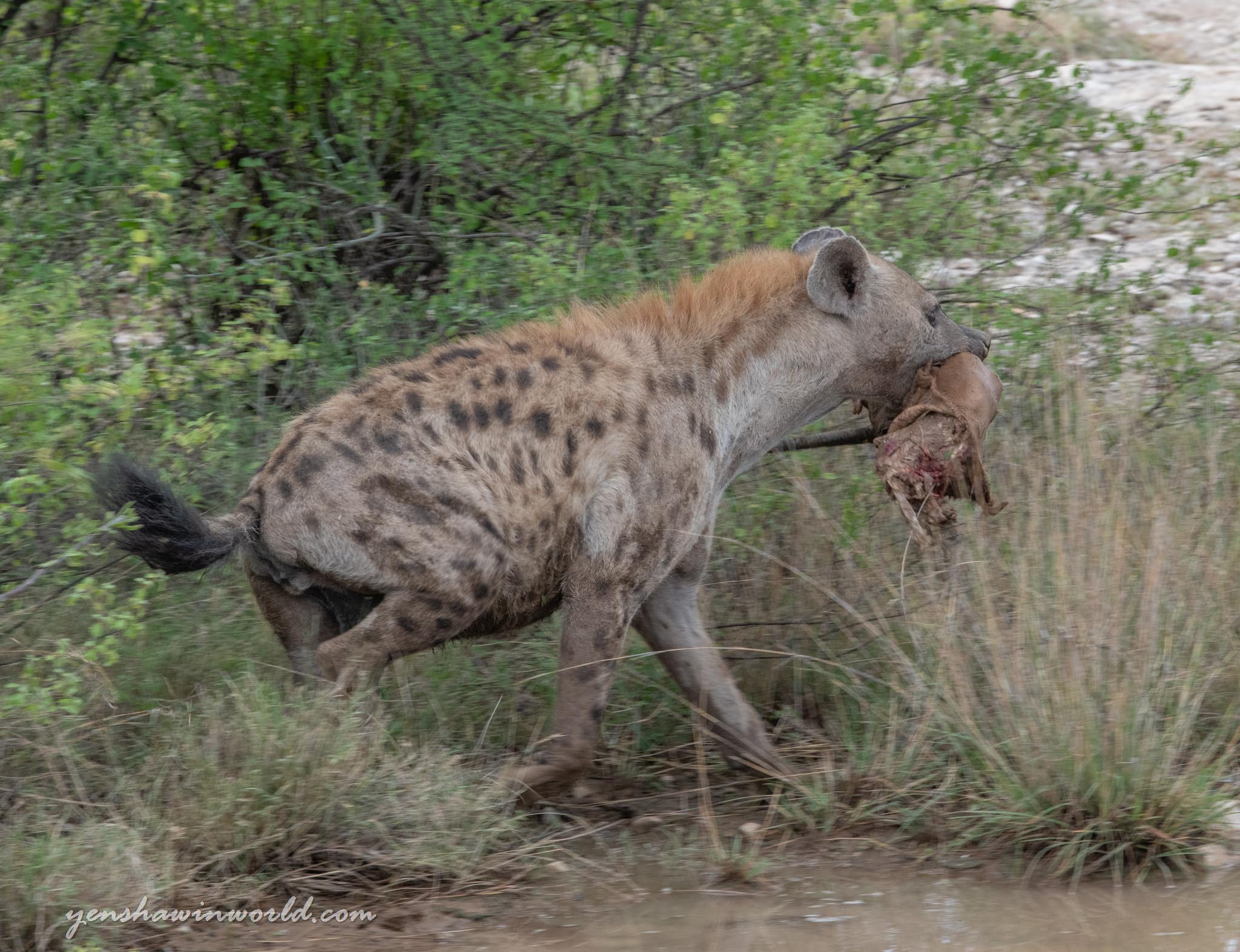
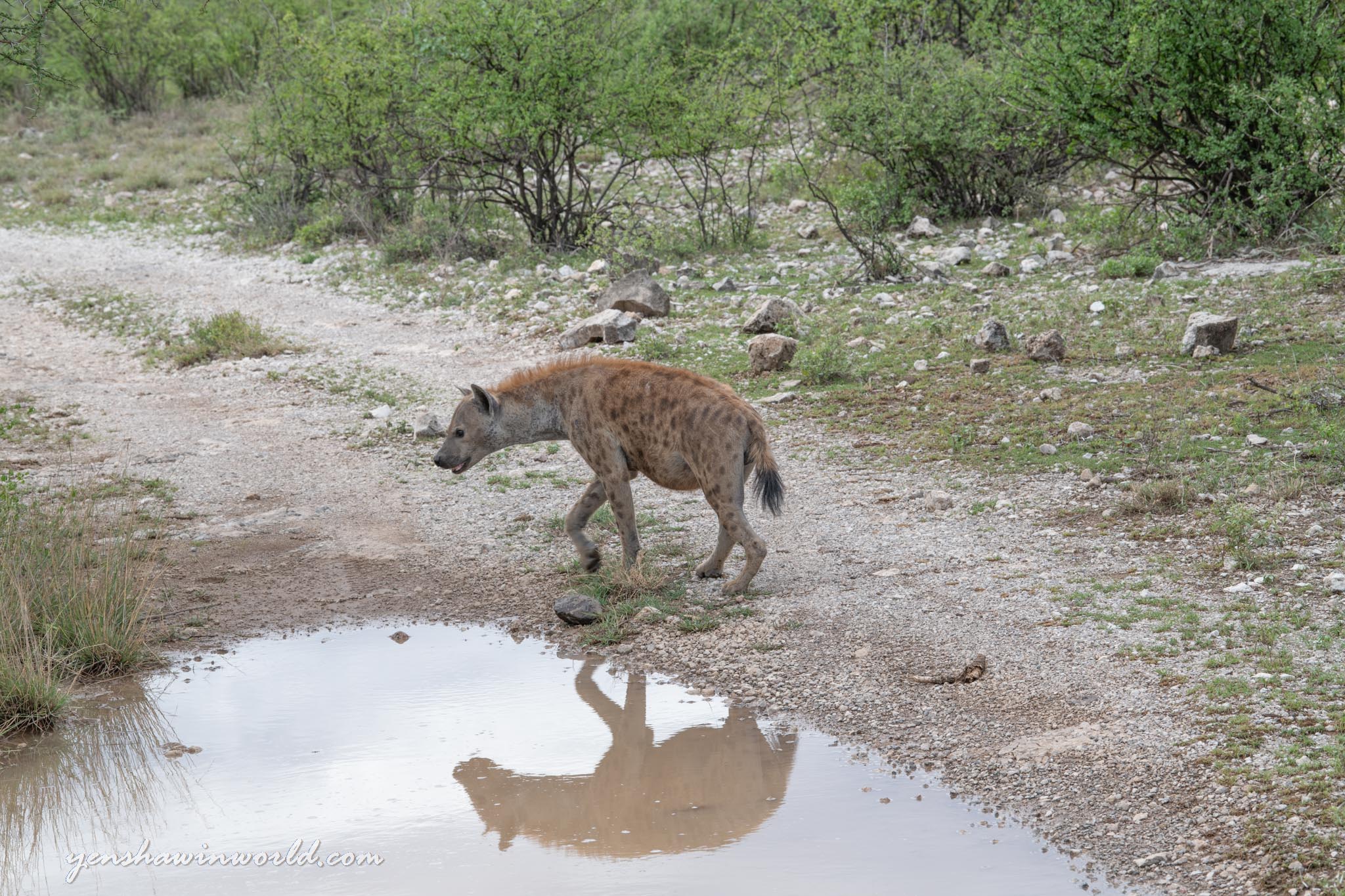
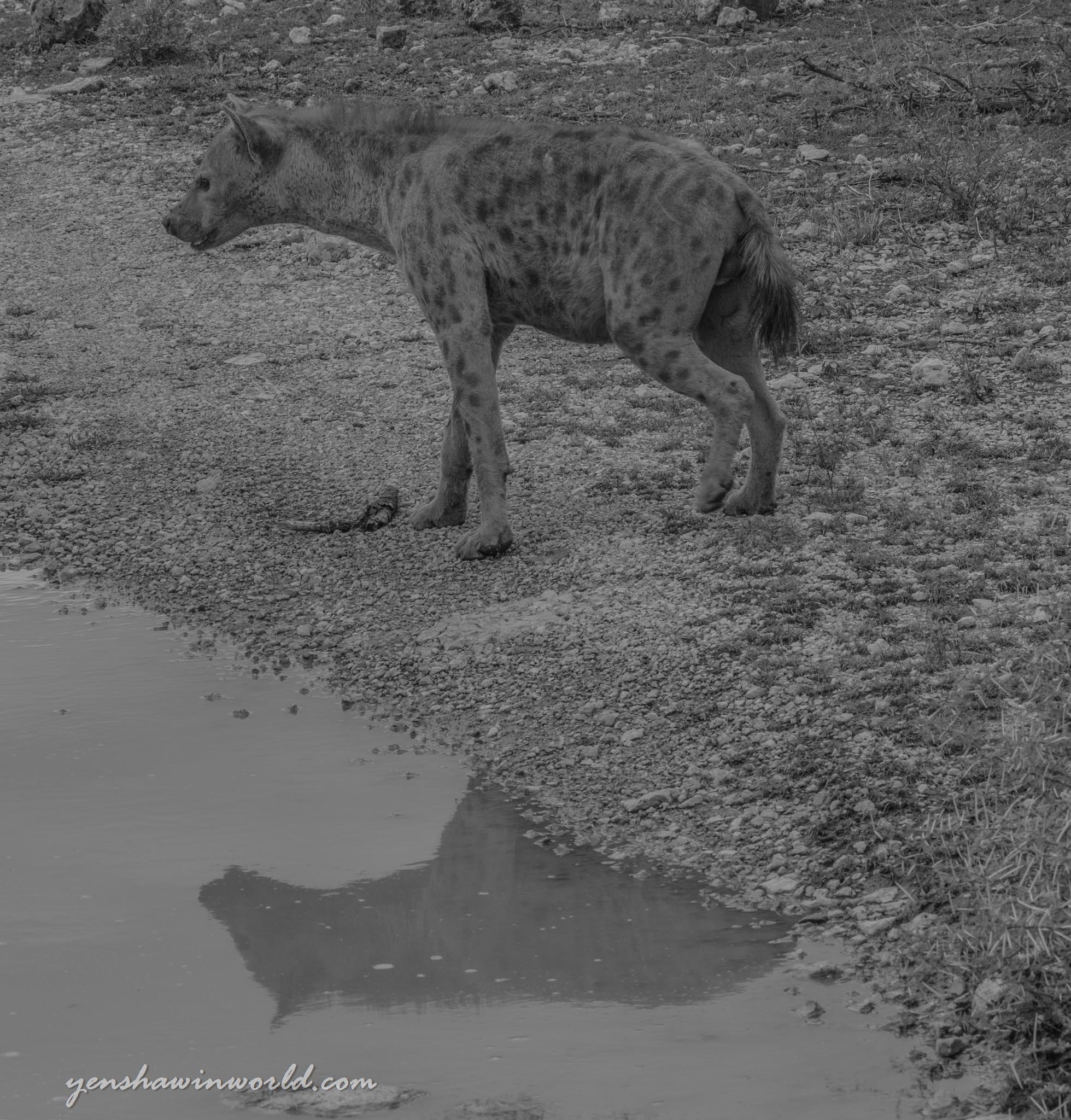
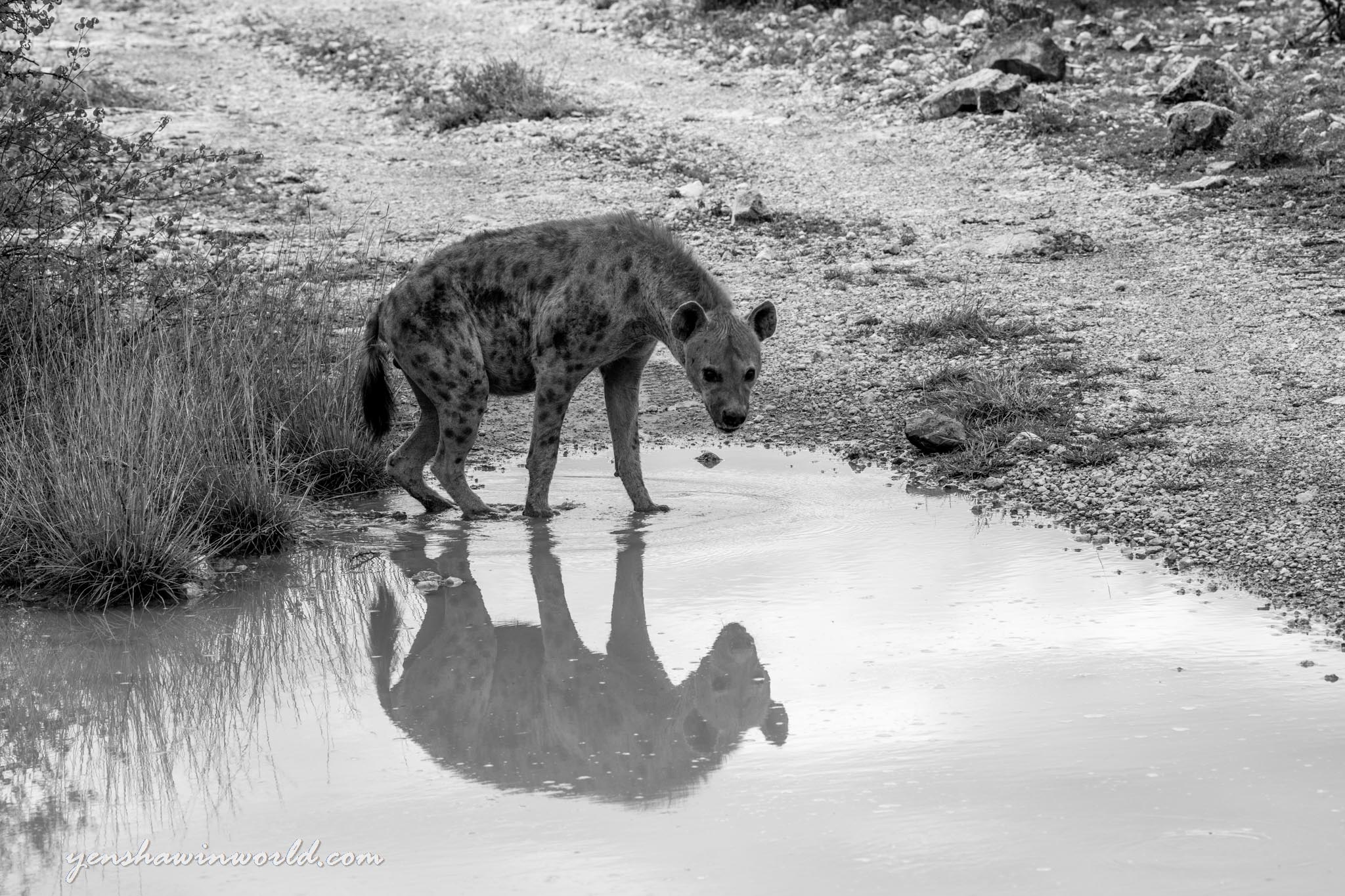
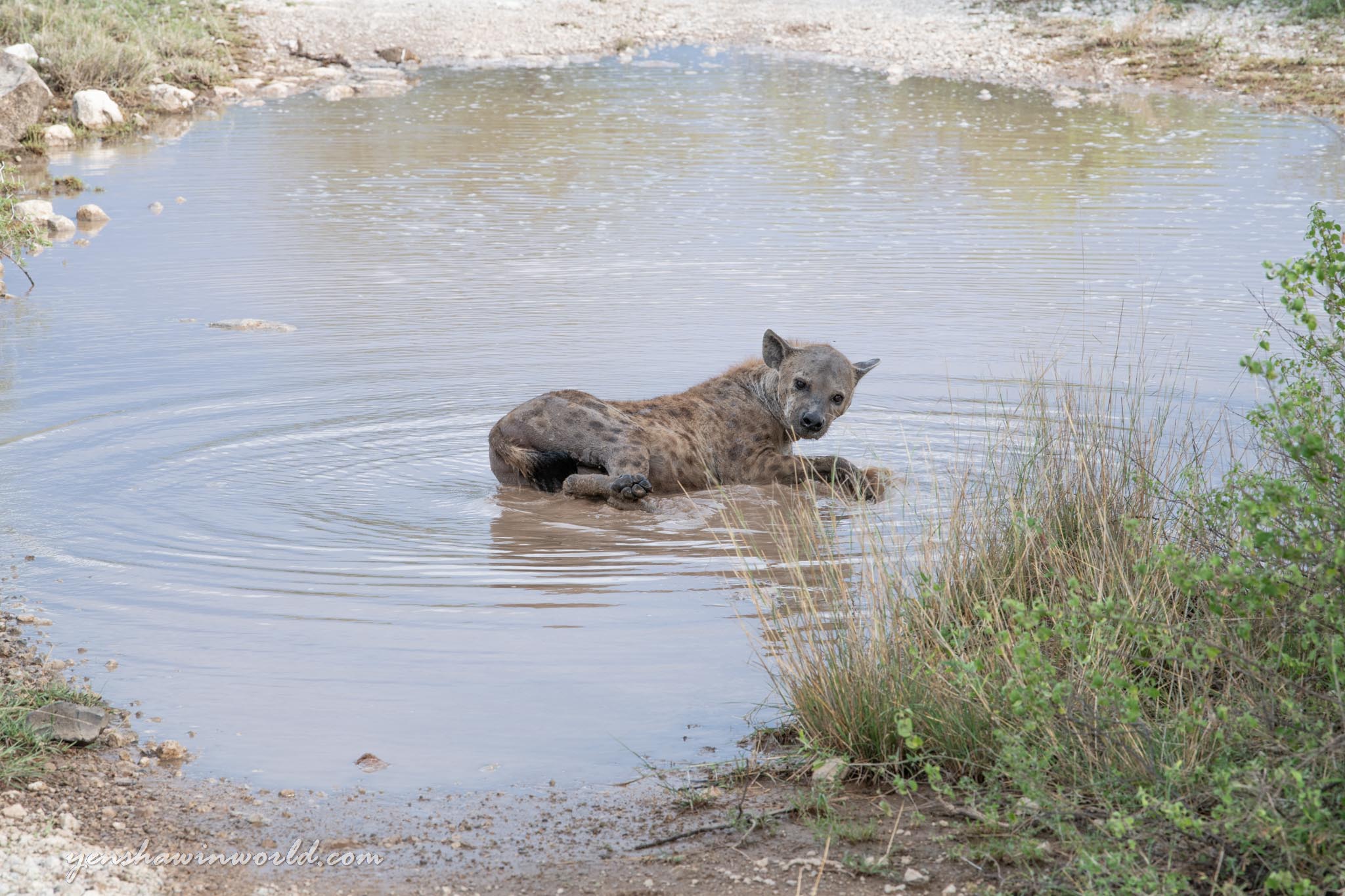
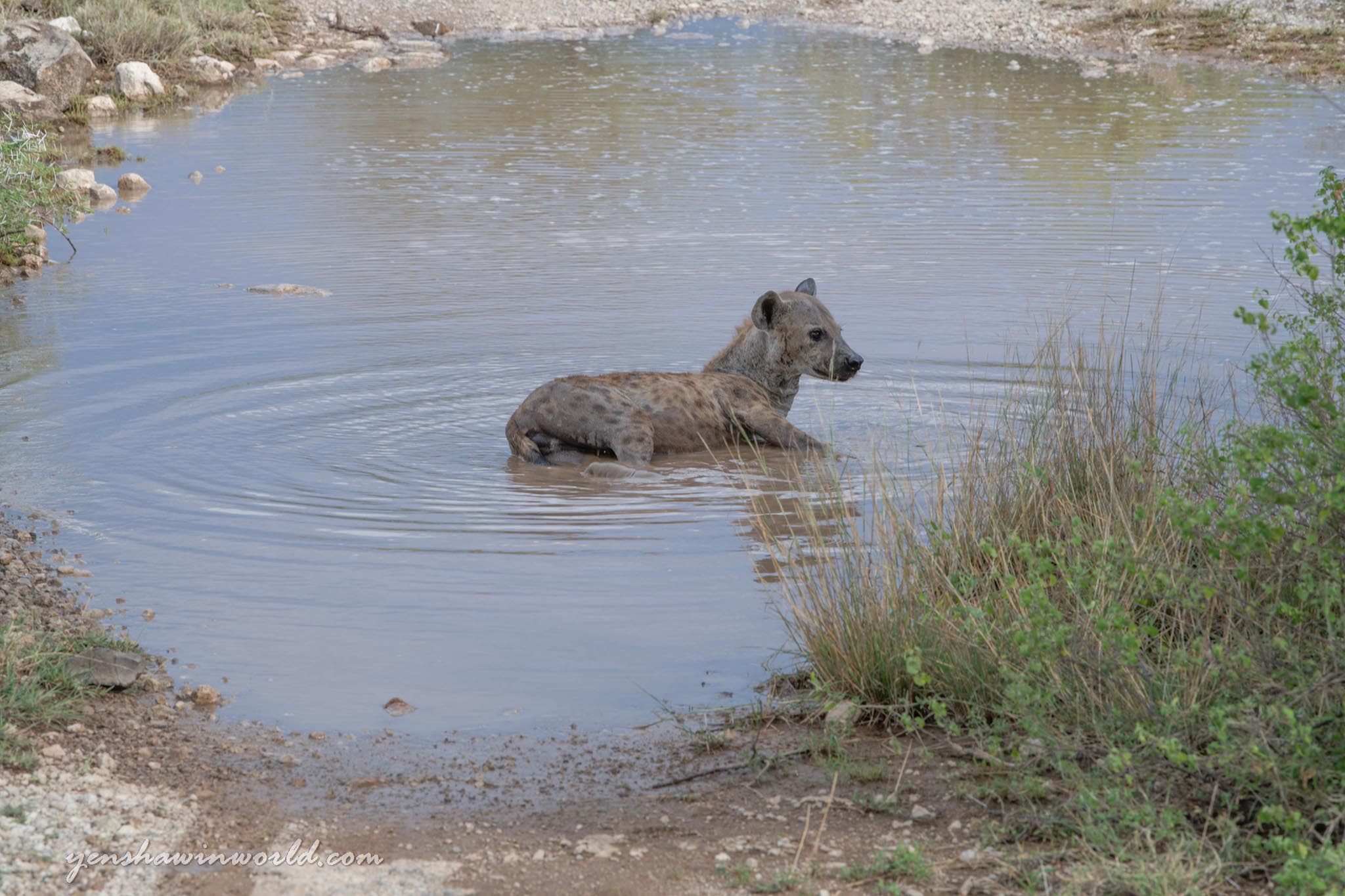
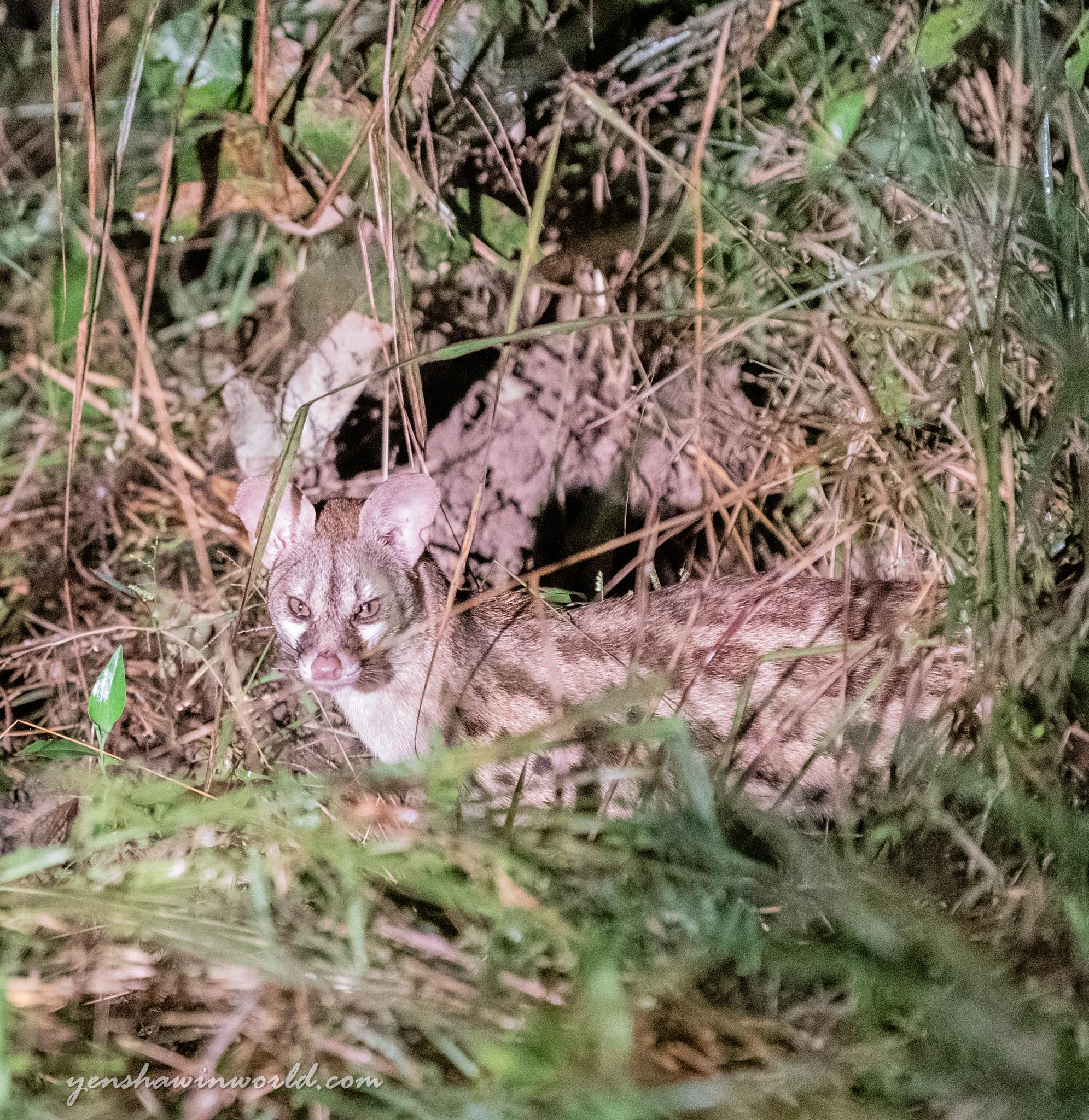
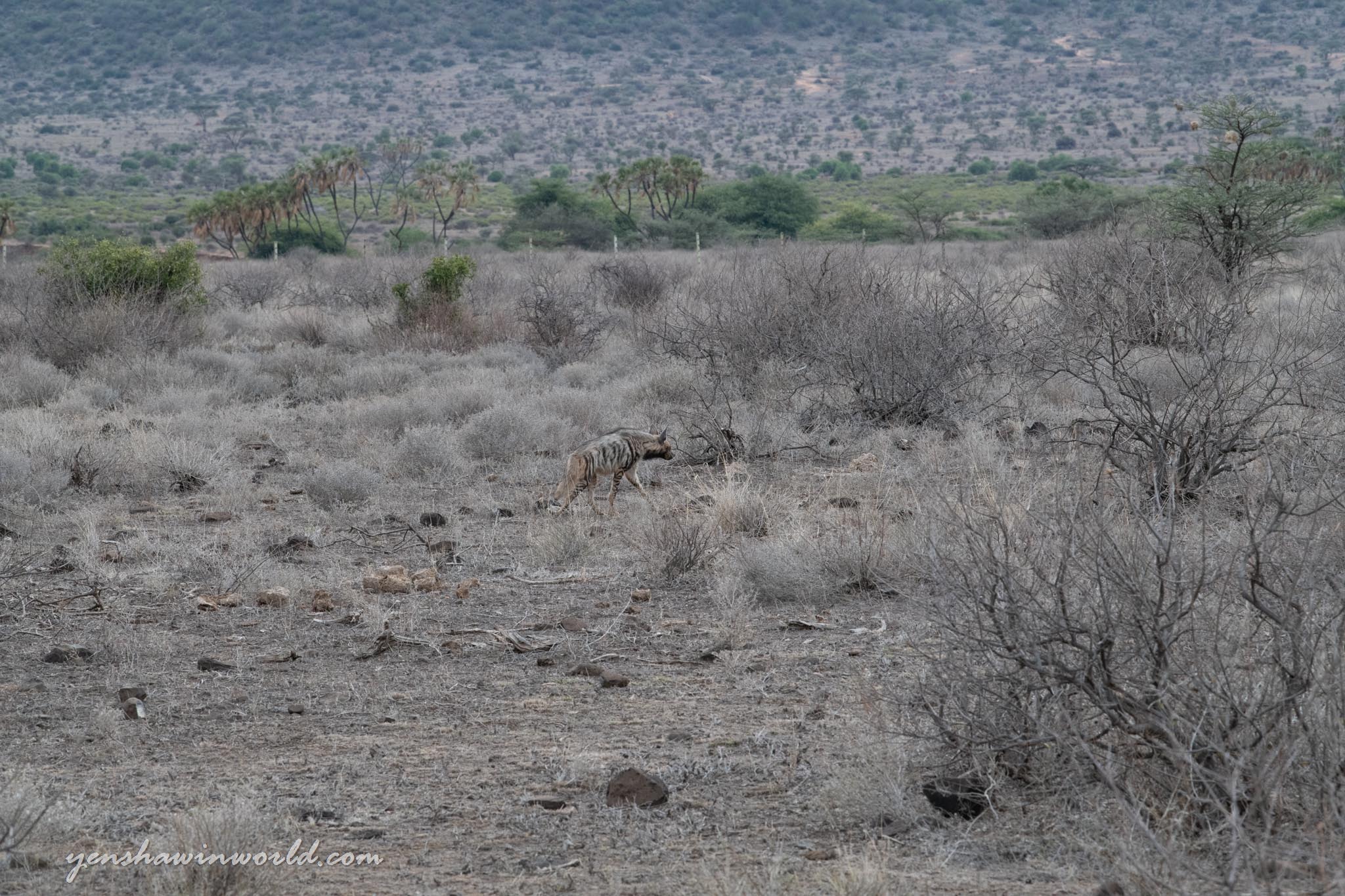
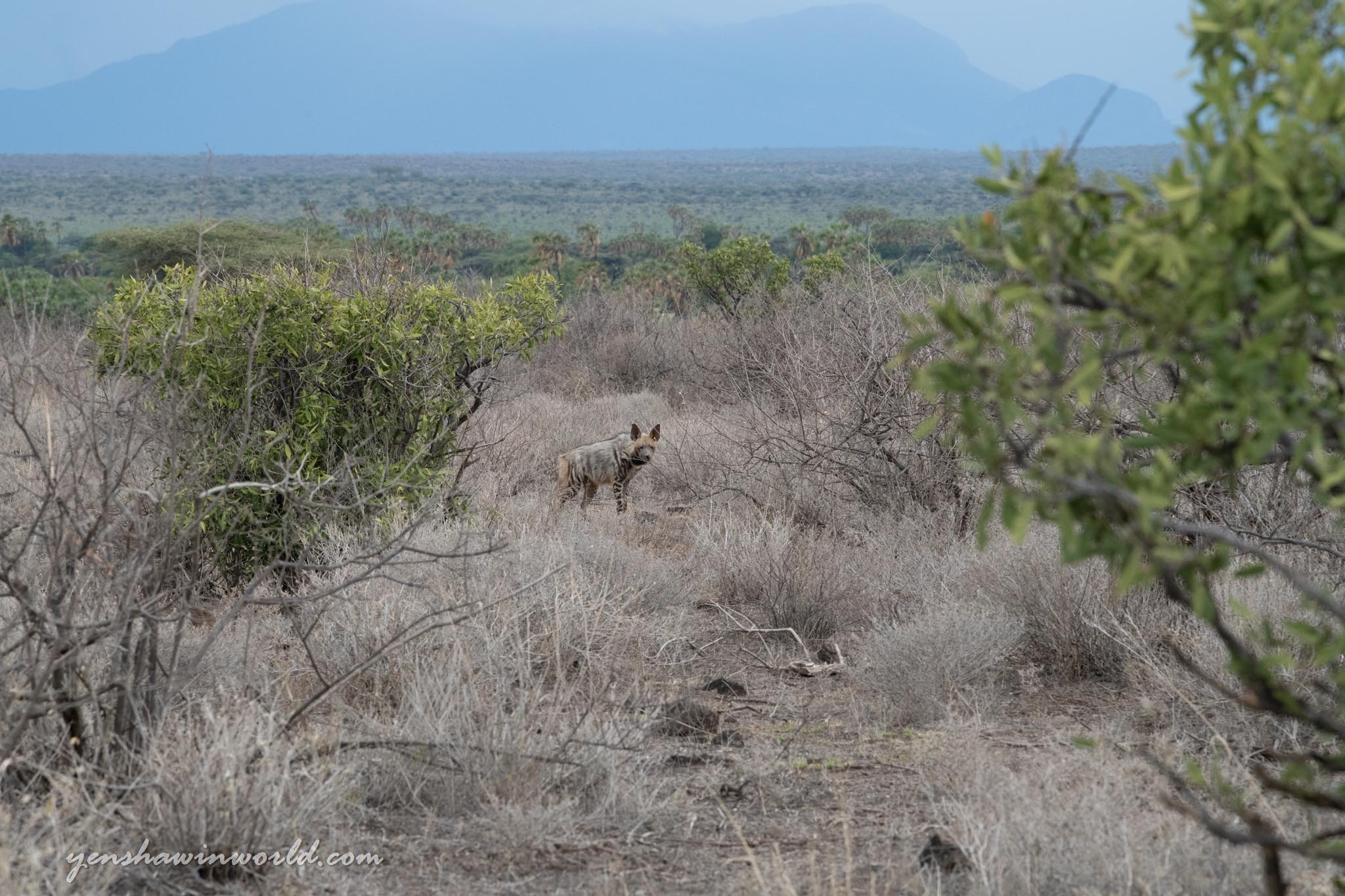
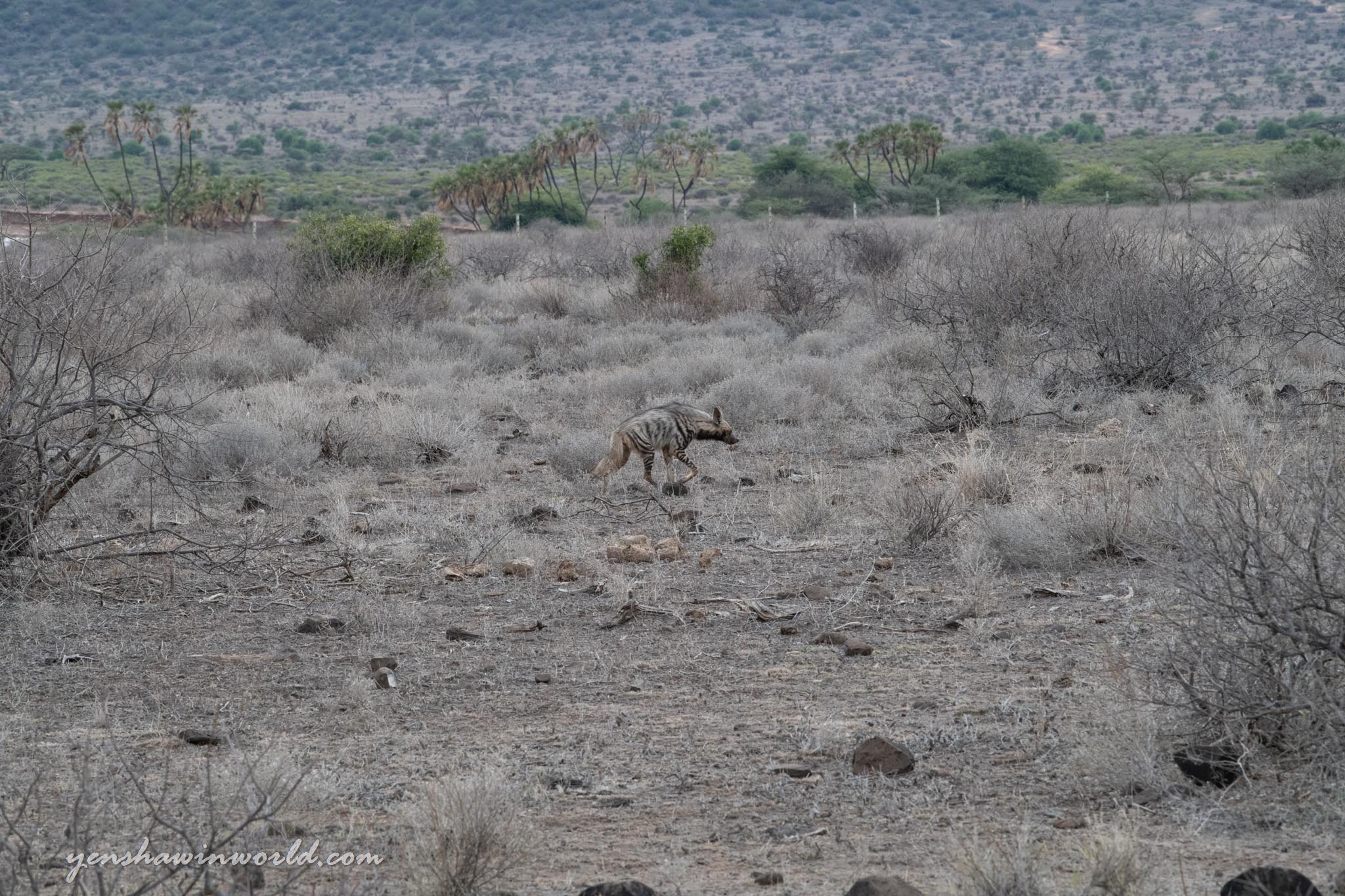
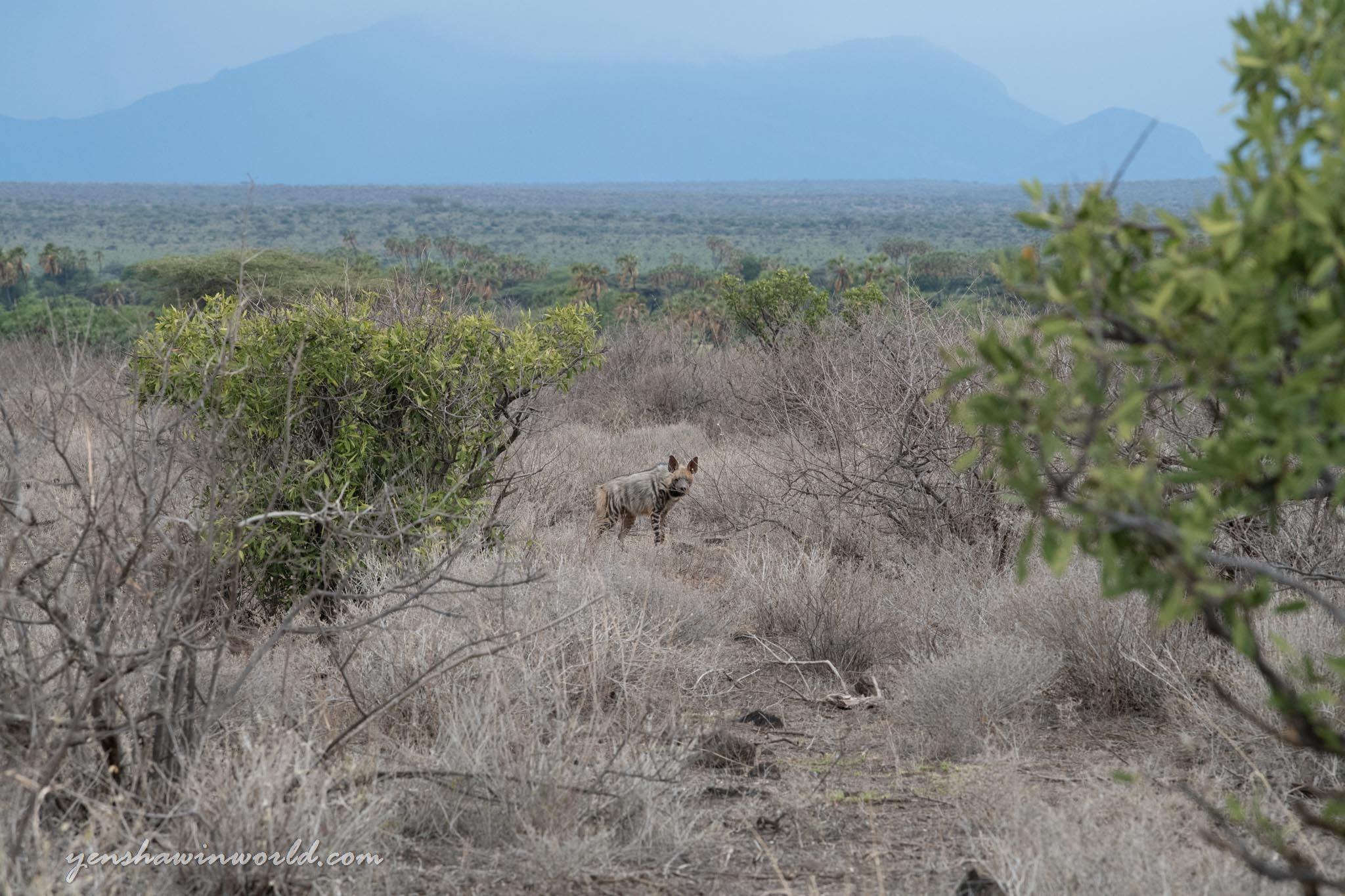
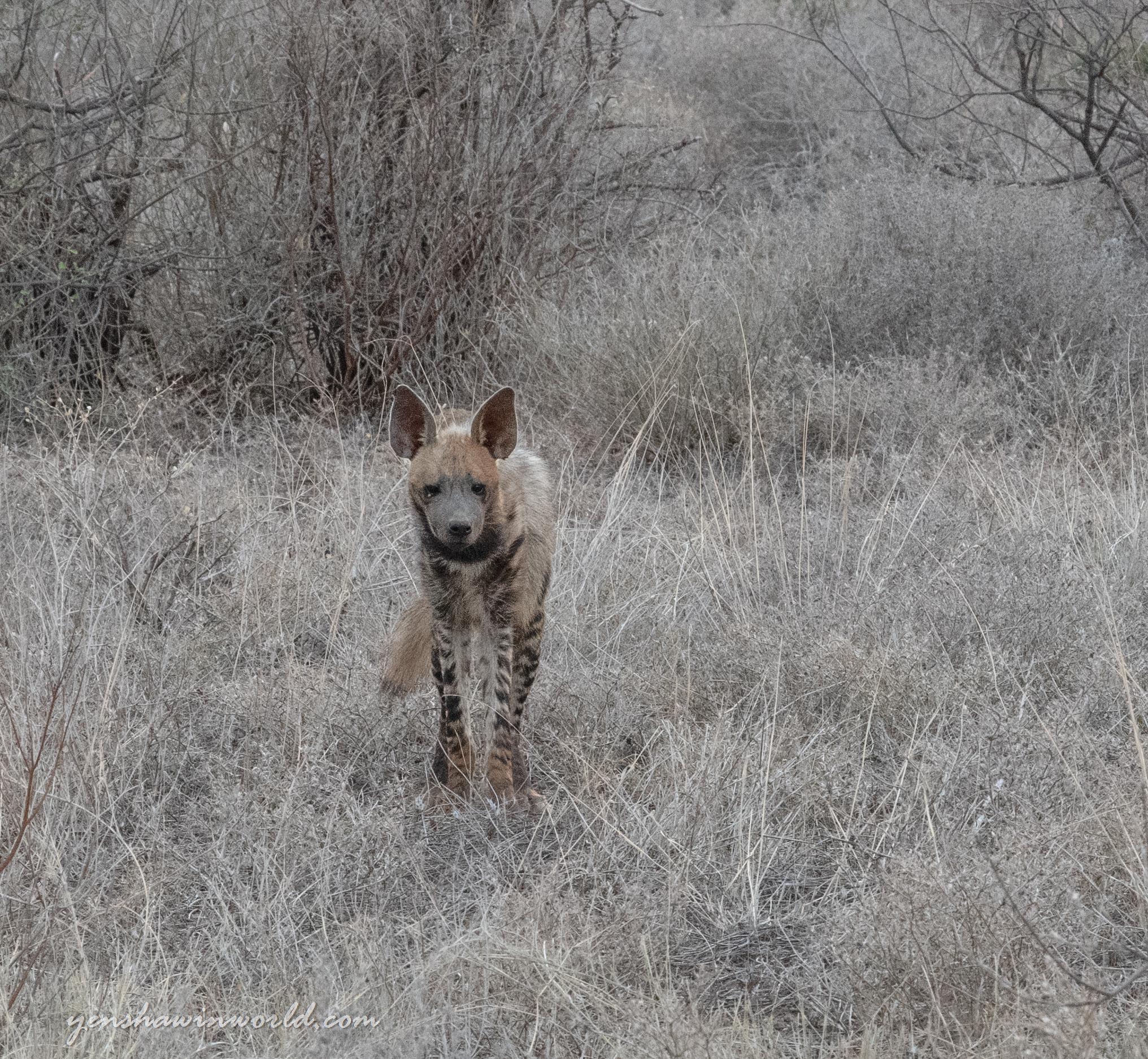
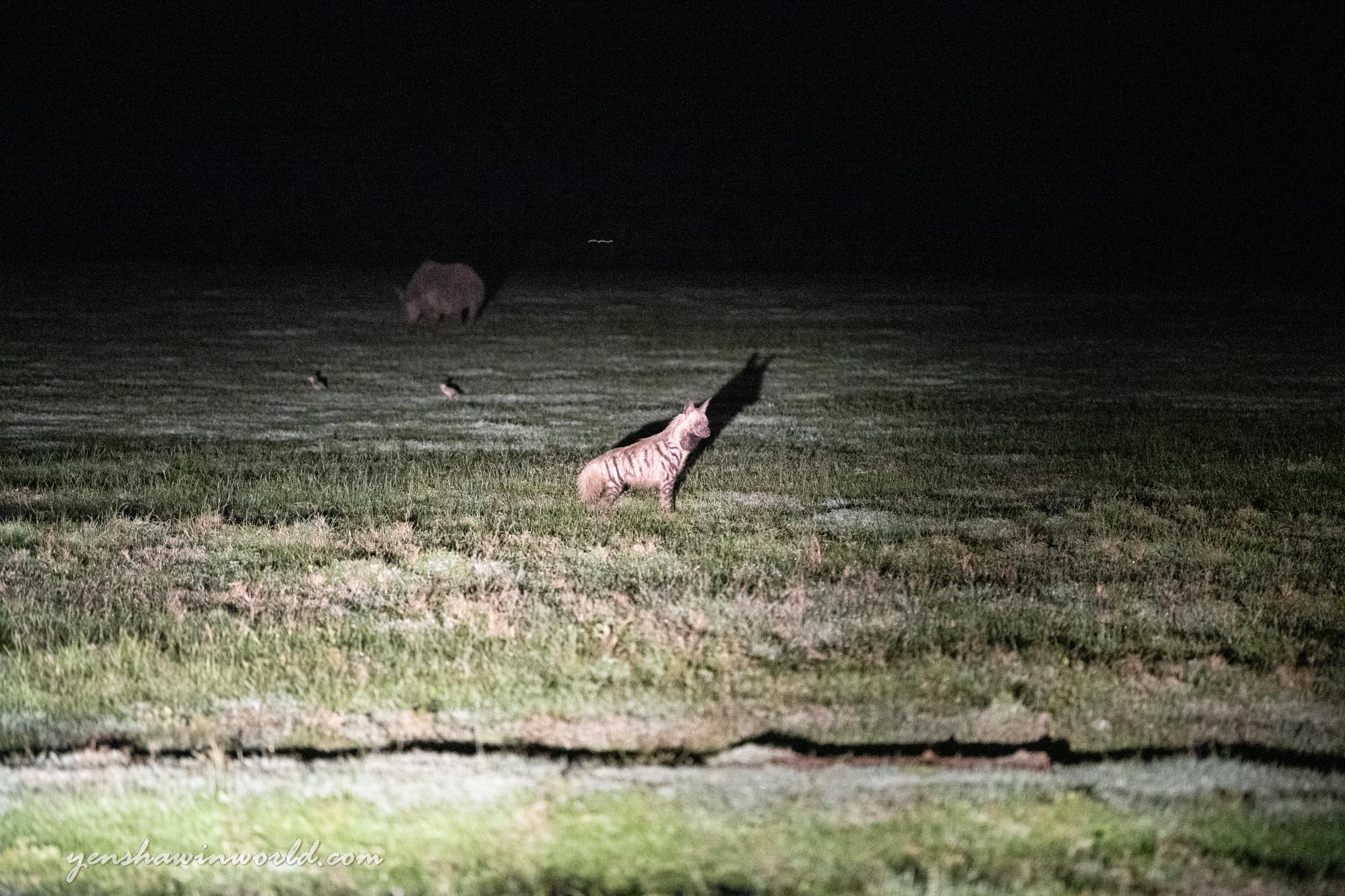
Then as we were getting close to our camp for the night, I saw what I thought was a wild dog alone, but it turned out to be a stripped hyena which are very rare to see as their numbers in the world are declining. They are also found in parts of central and western Asia. This is the first time I have seen a stripped one, so I was quite excited, however he did not wait for us to get photos and kept moving along his way.
OL PAJETA CONSERVANCY
Ol Pajeta has been a Conservancy in Kenya that I have always yearned to go, however with schedule and price of accommodations, it has always been an issue. I finally got to visit this wonderful place and again stay at a lodge/campsite inside the park. The place where I stayed which I would totally recommend to anyone and also stay there again is Sweetwaters Serena Camp. This beautiful camp is situated on the east side of the conservancy about 20 minutes from the Rongai Gate, which is the nearest gate from Nanyuki. A lot of the delux tents are situated along a watering hole in which visitors can watch animals come and drink. Unfortunately, it rained a lot of the time I was there so I was not able to enjoy this as much, but can’t do to much about nature.
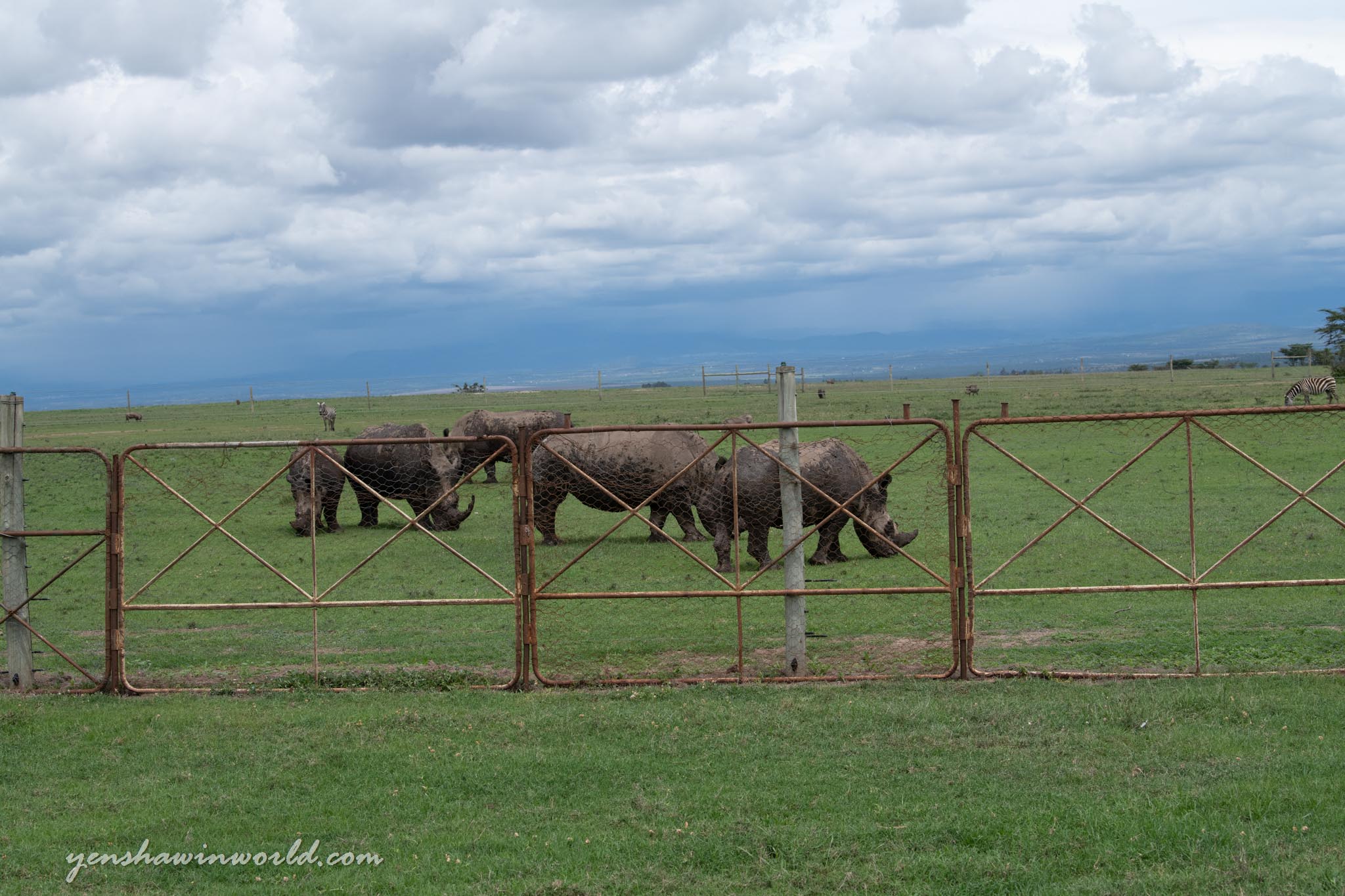
This Conservancy has the last two Northern White Rhinos in the world today. Unfortunately a few years ago Sudan which was the last Northern Male White Rhino died, leaving two of them Najin and Fatu which are female as technically the last Northern White Rhinos in existence, so the species is functionally extinct, however scientists are working with embryos to try and revive the population with a southern white rhino. It also has grave markers of a lot of the rhinos that have been in the park or have died. Since 2004 the tombstones have been put on the cause of death and years lived. This should be a message to us all that these giants are in danger of becoming extinct and humans must take care of the animals on this earth.
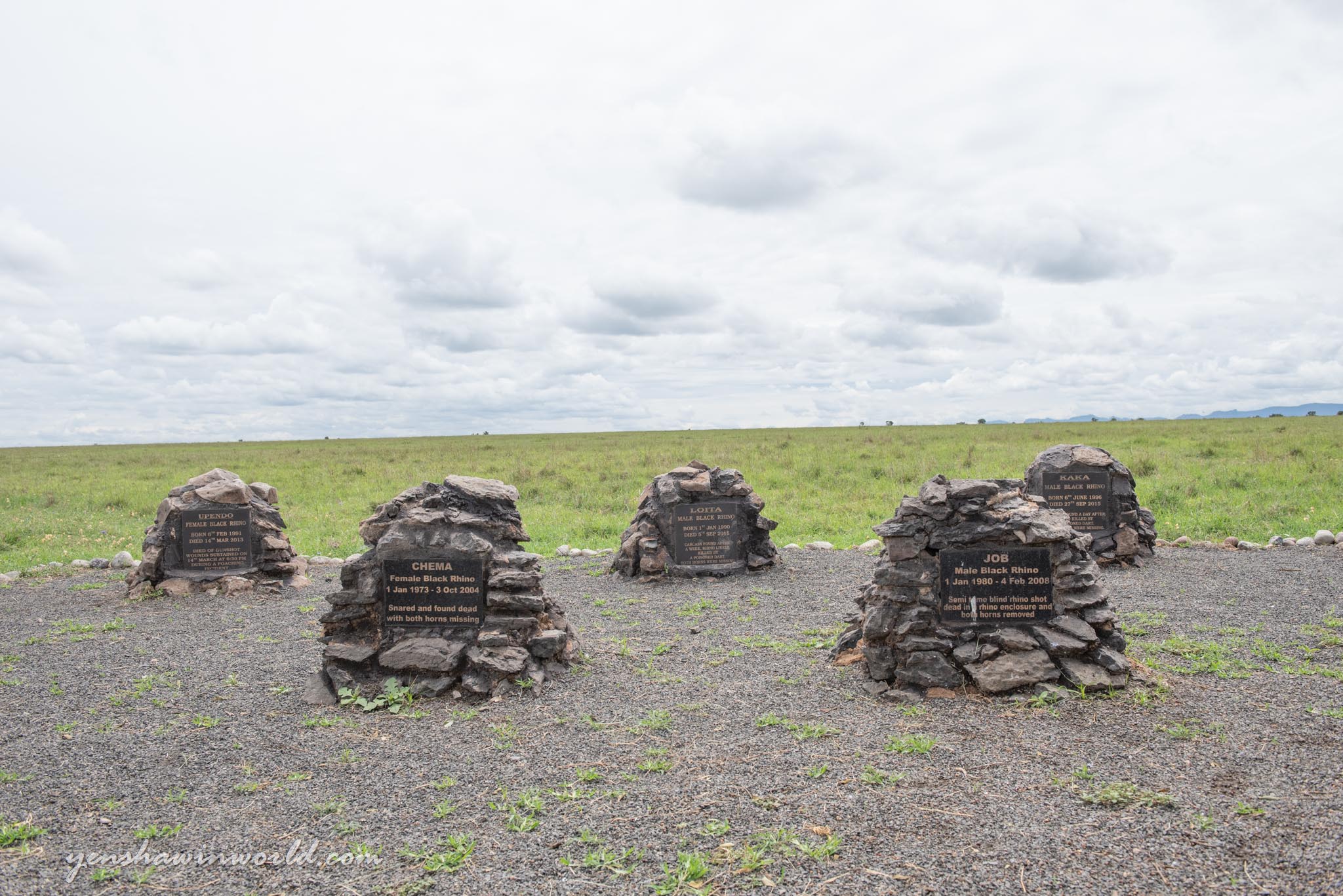
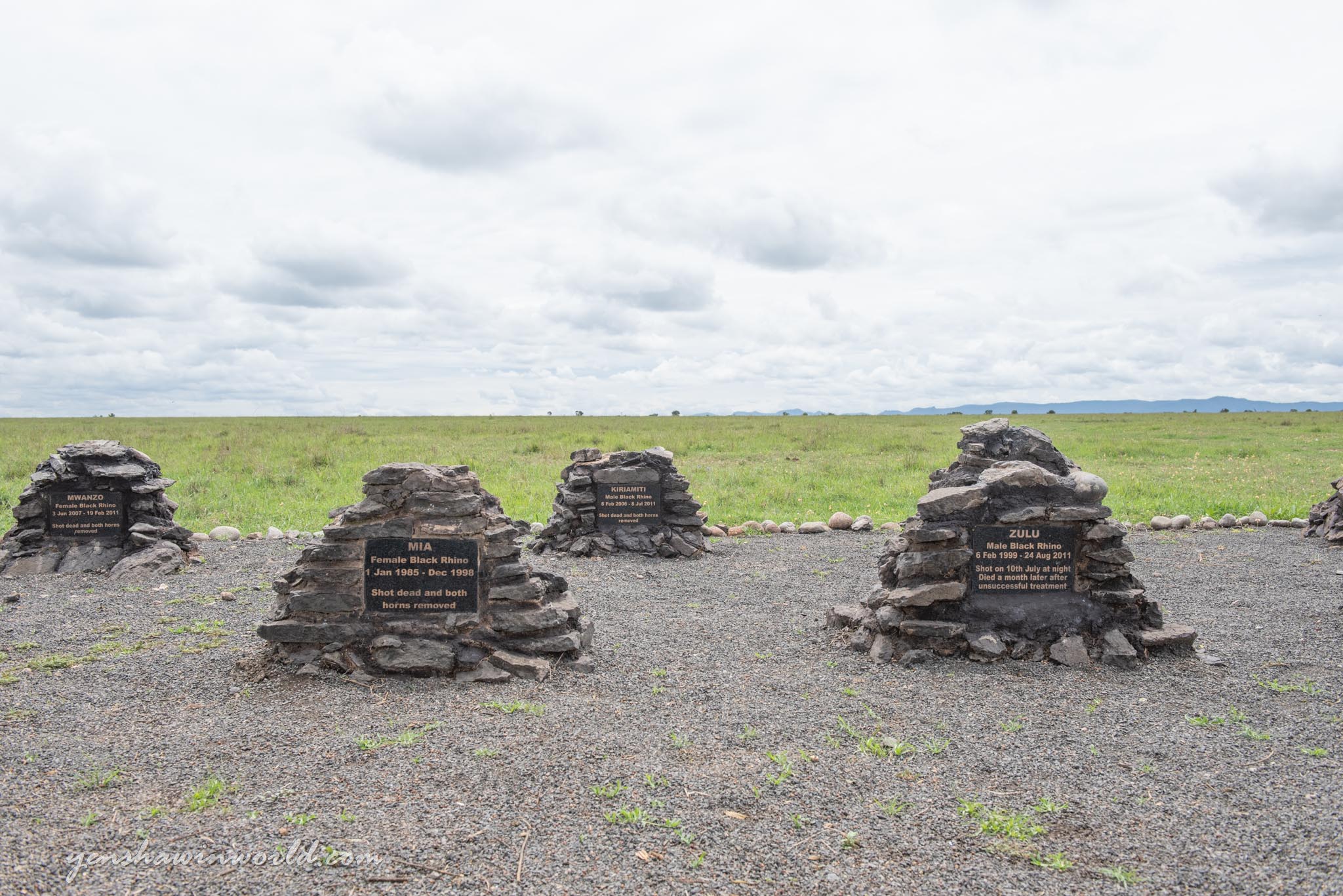
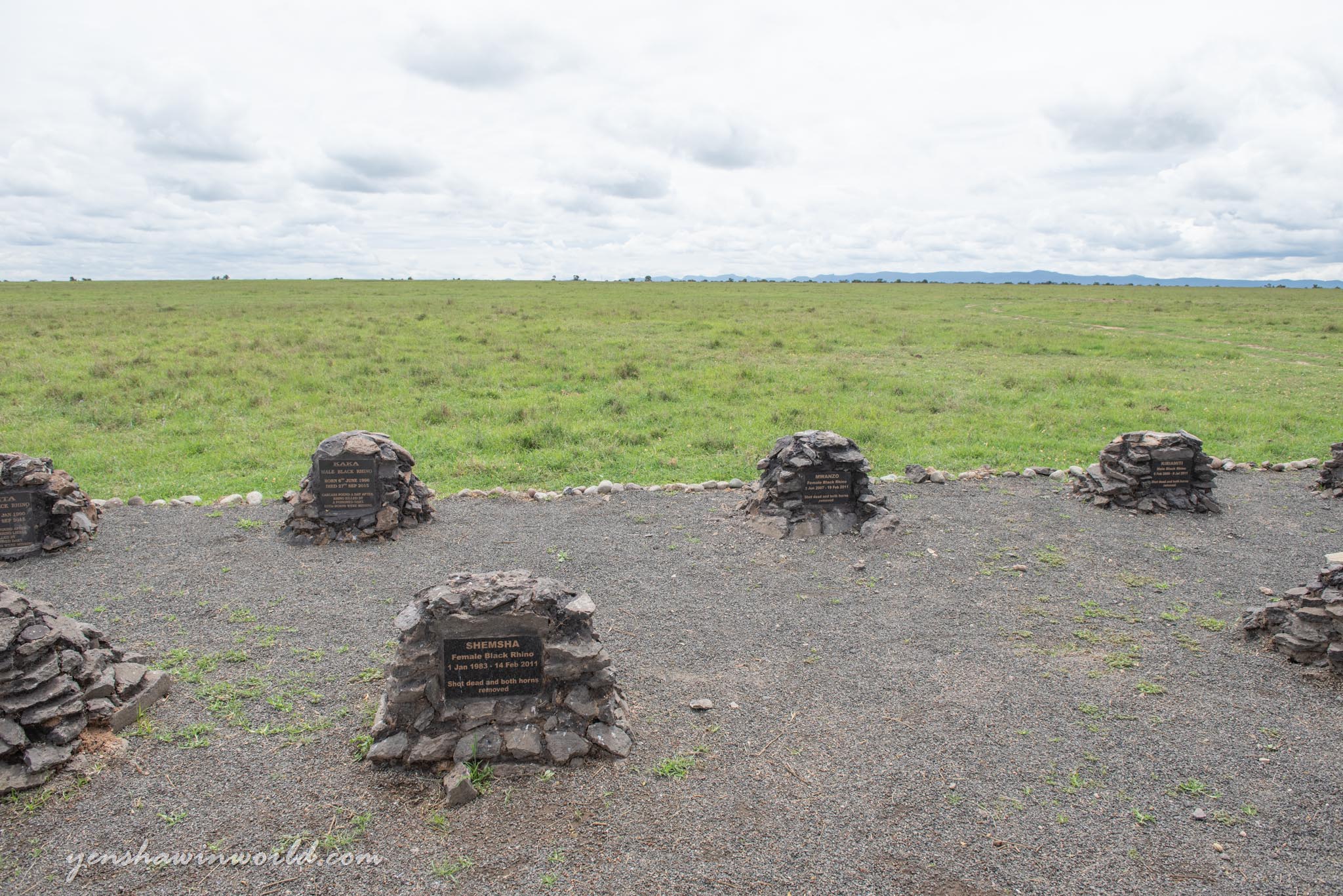
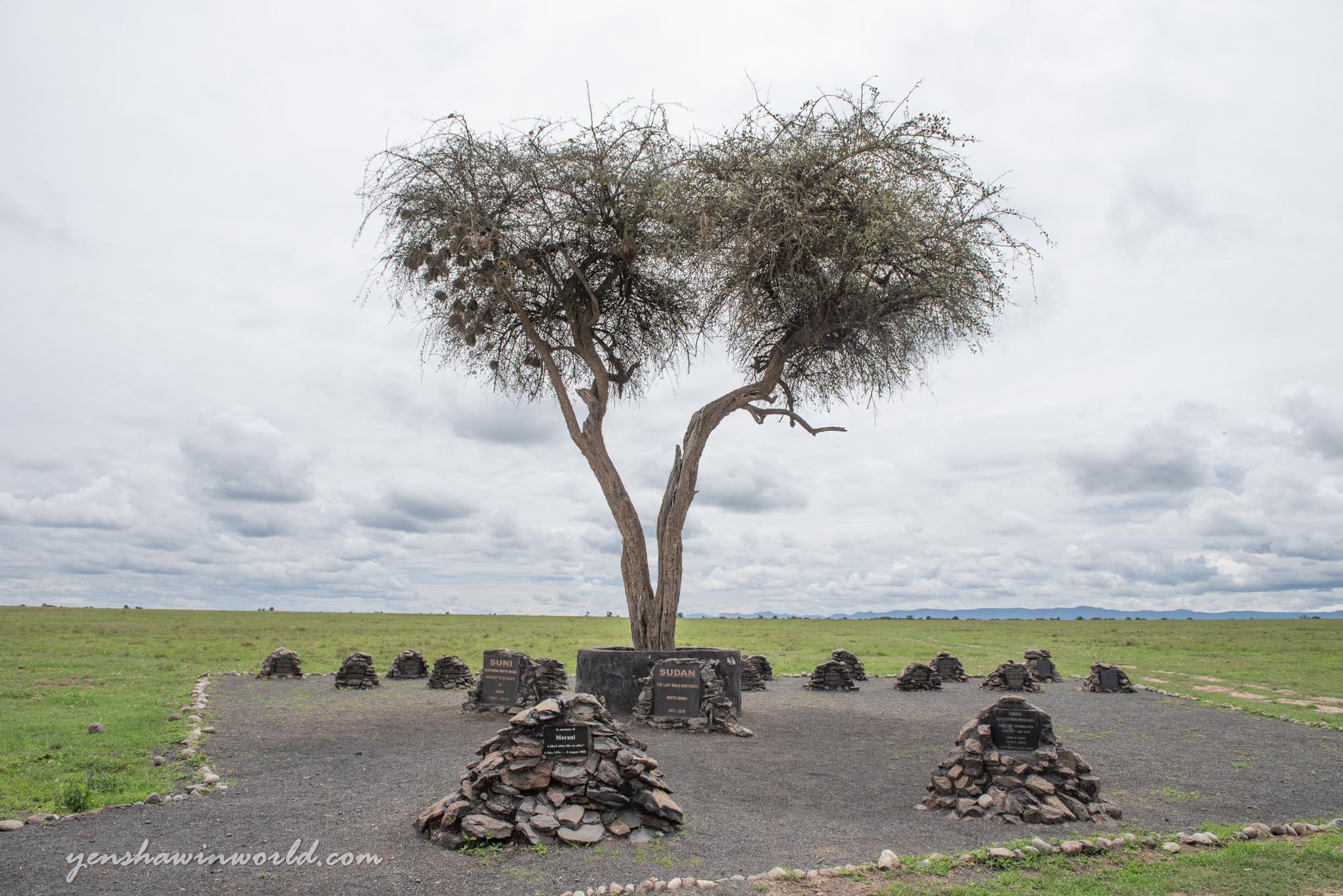
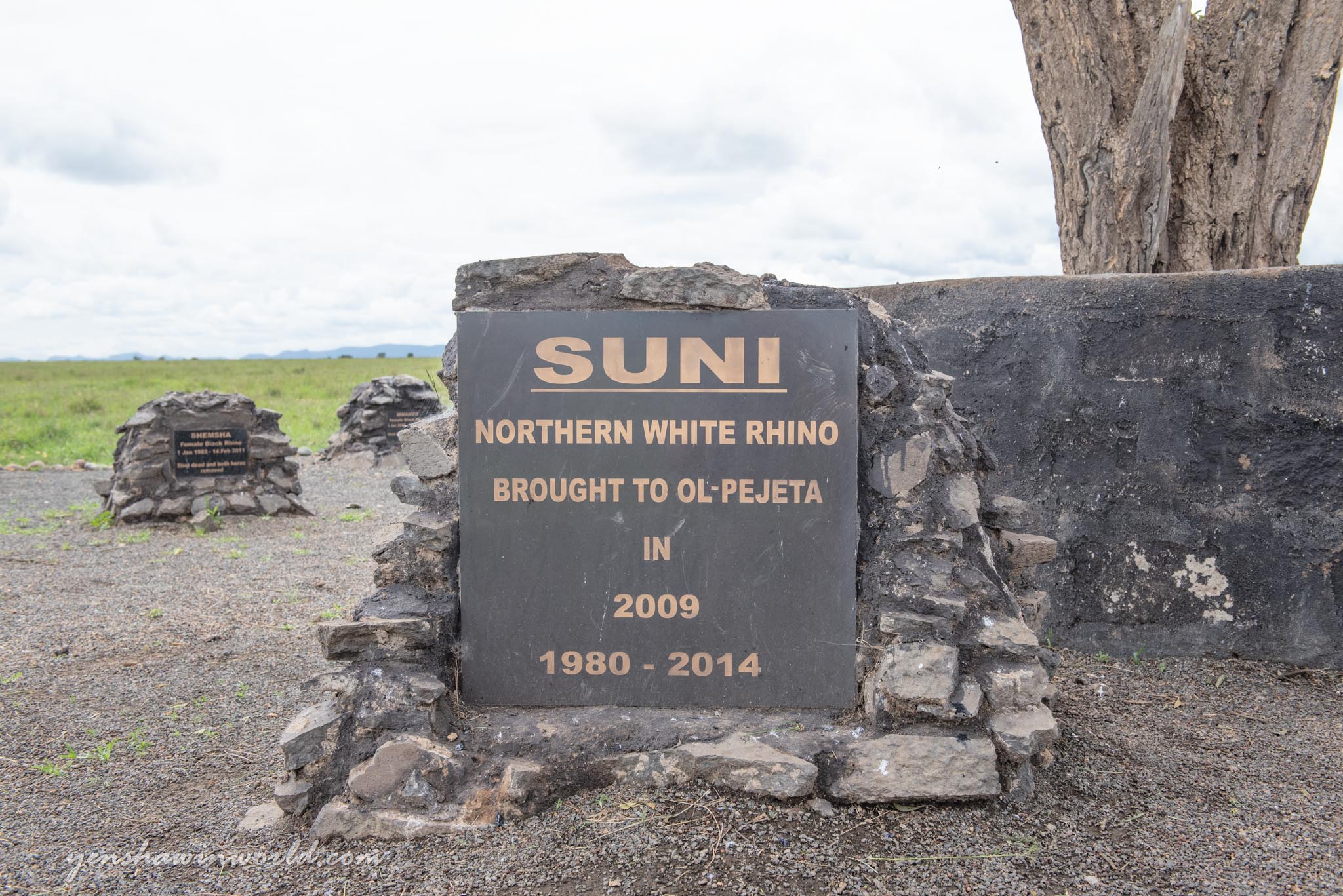
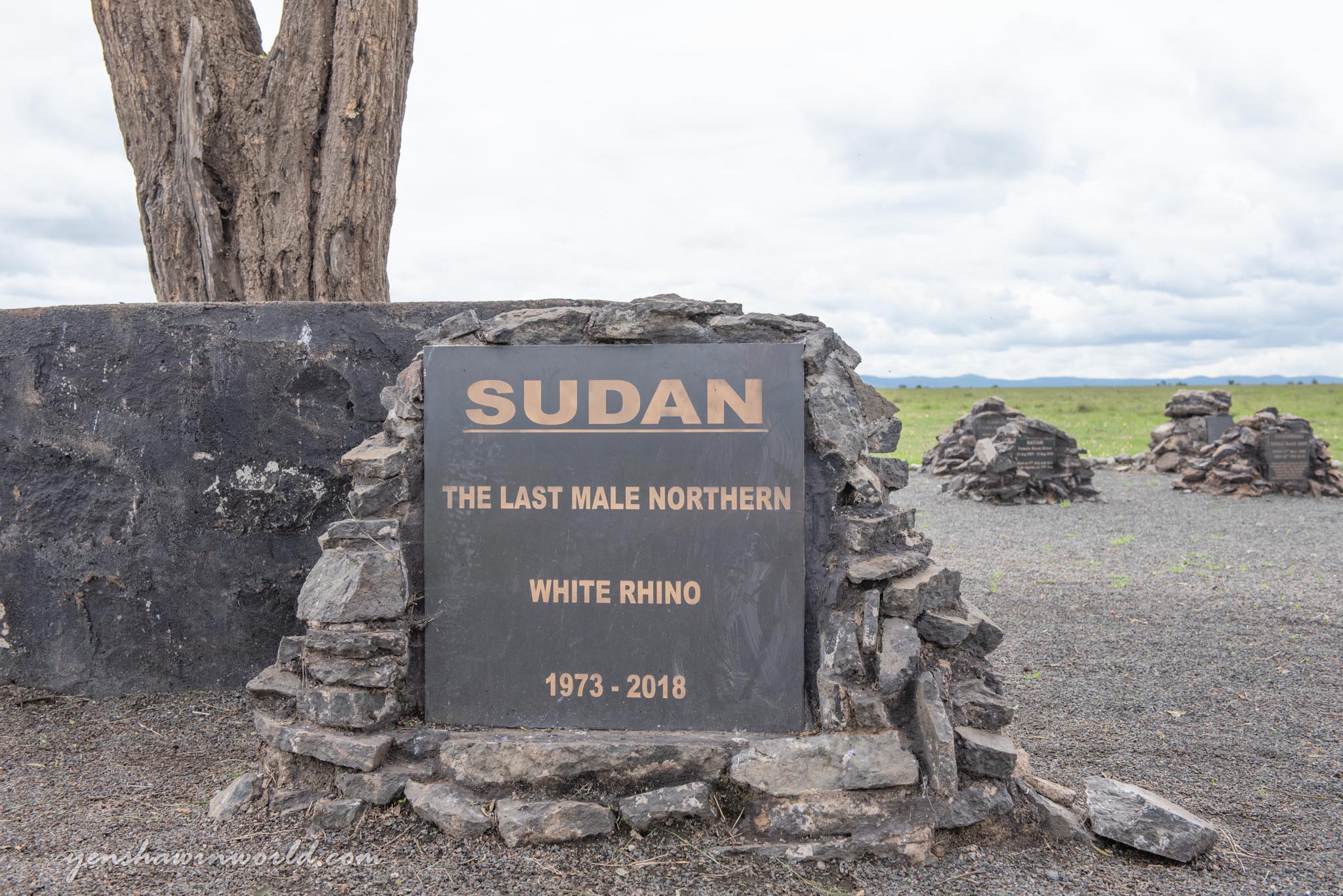
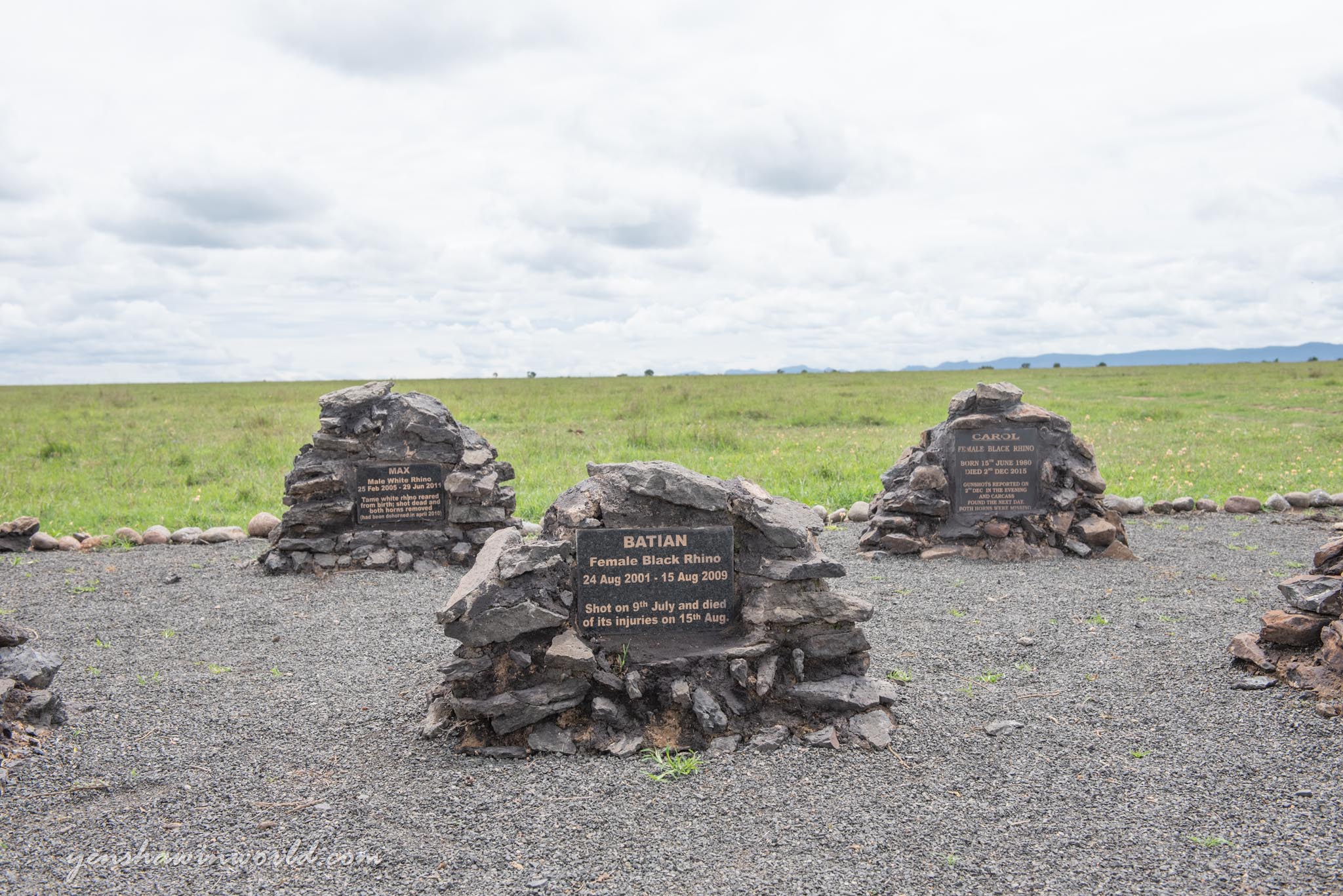
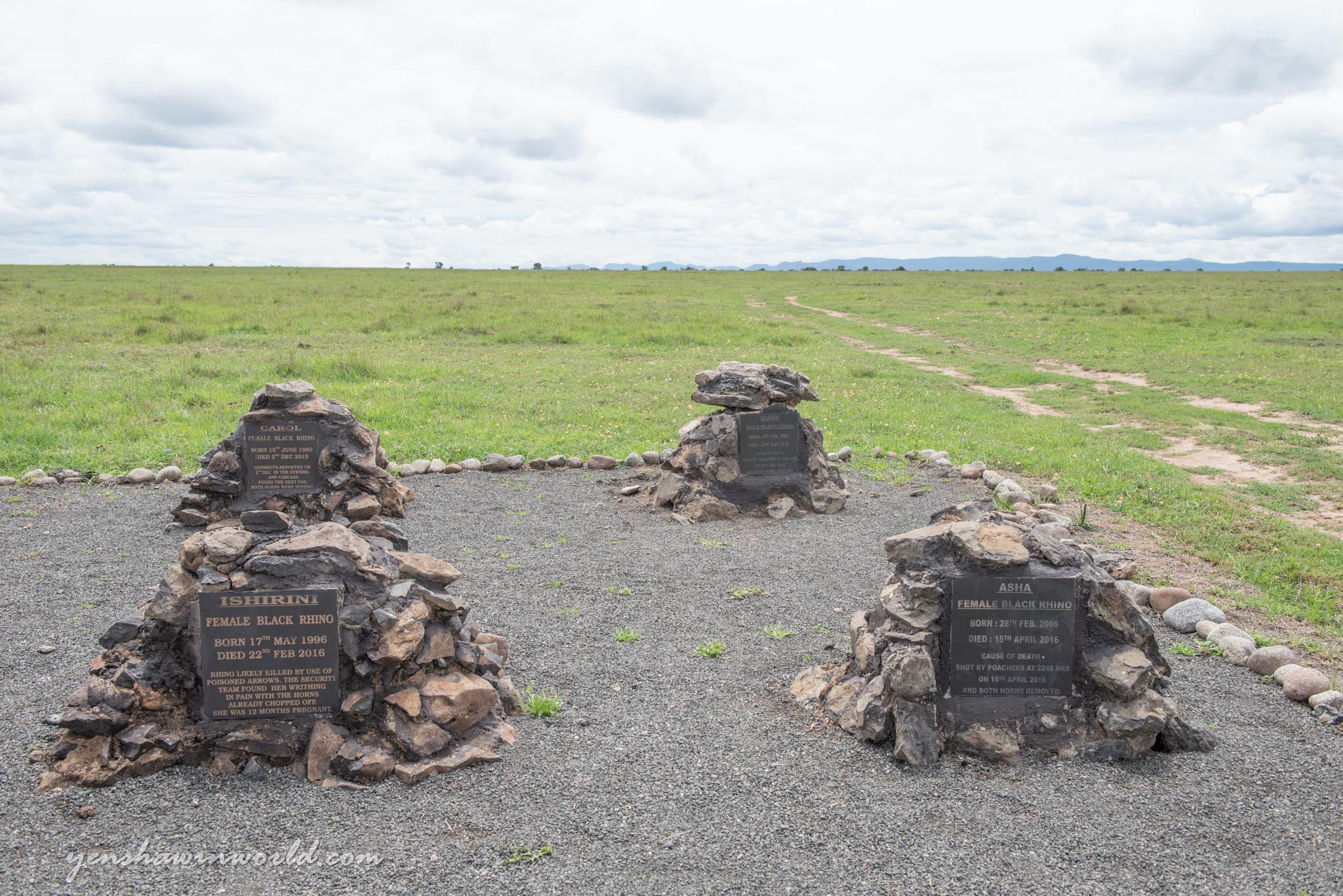
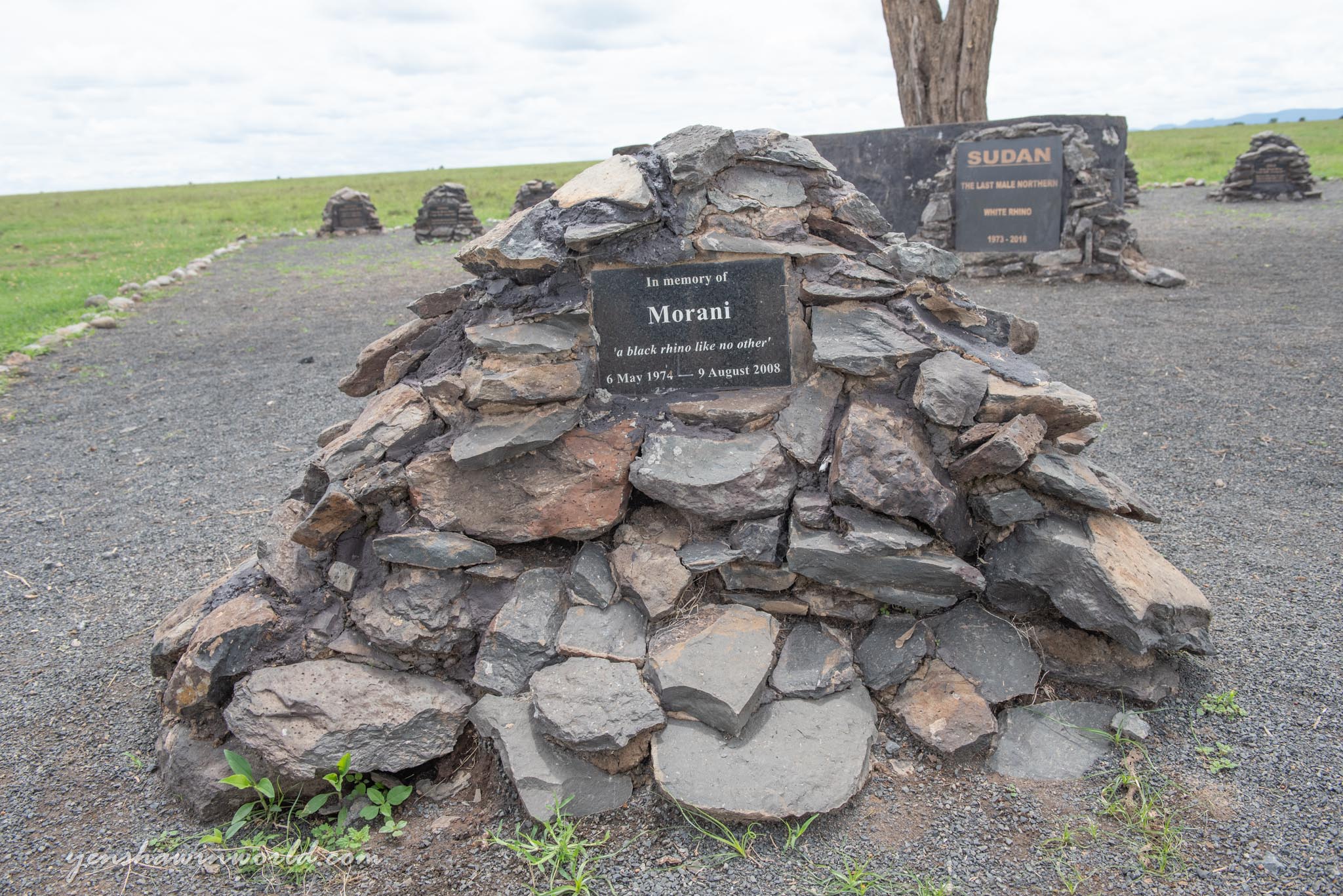
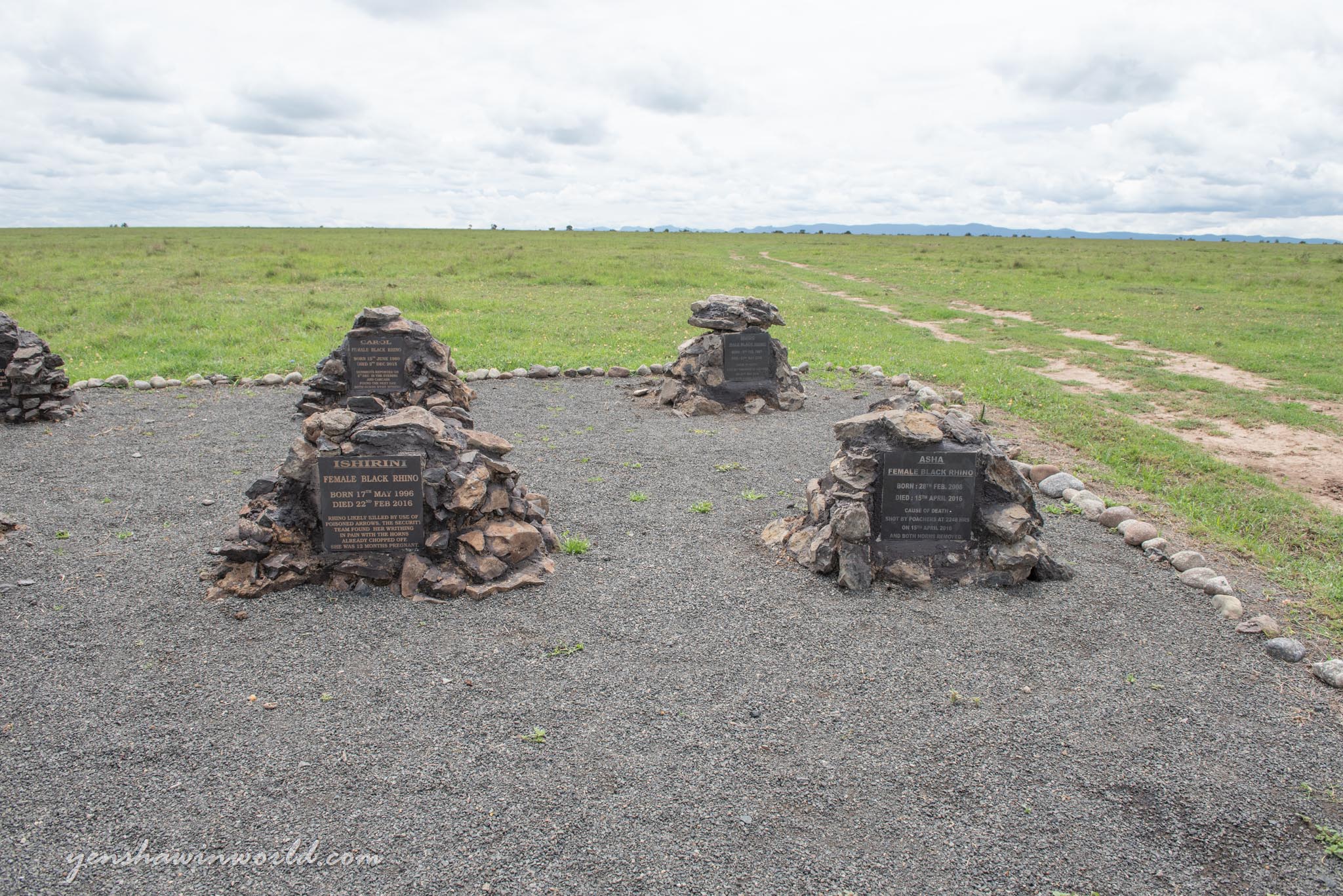
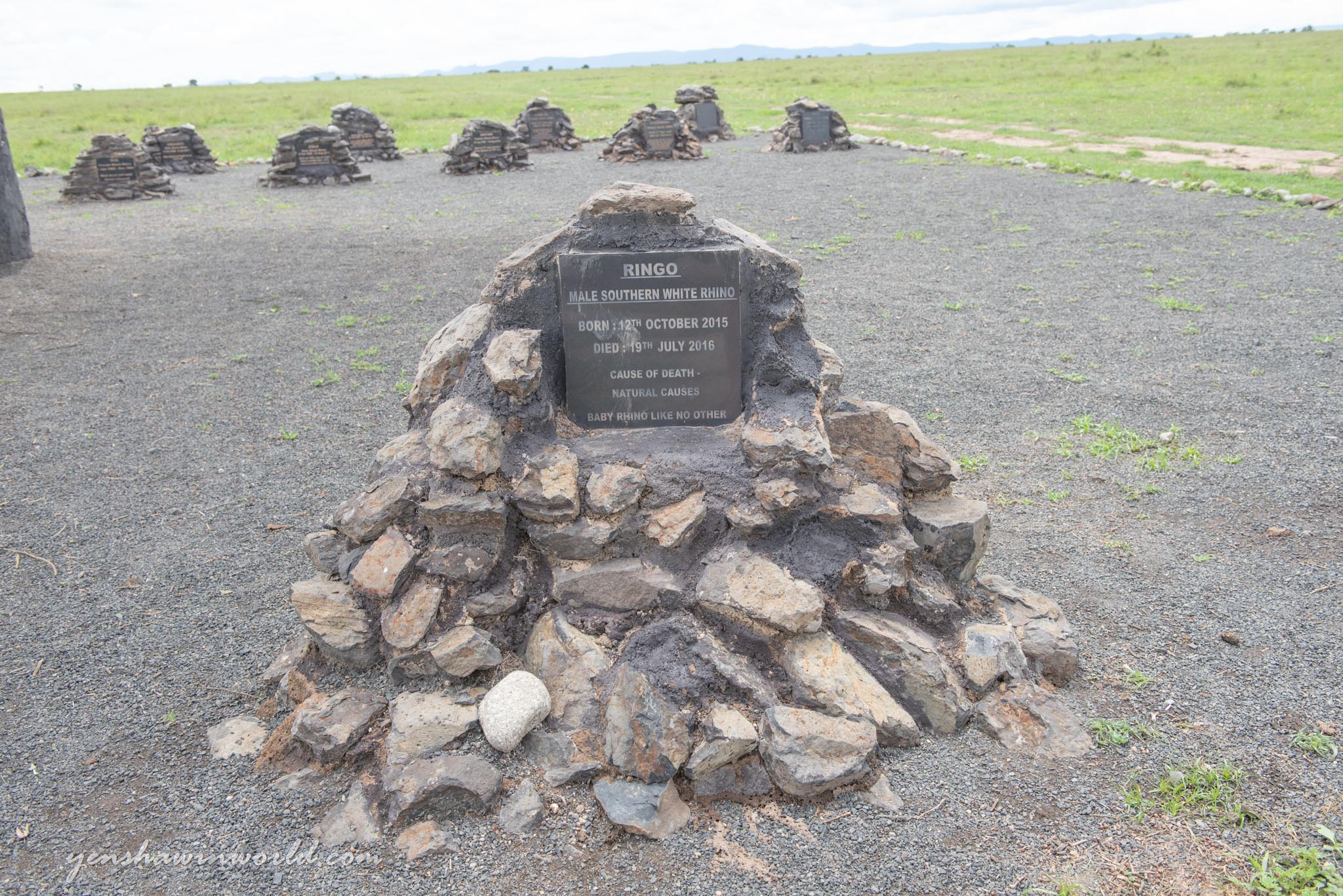
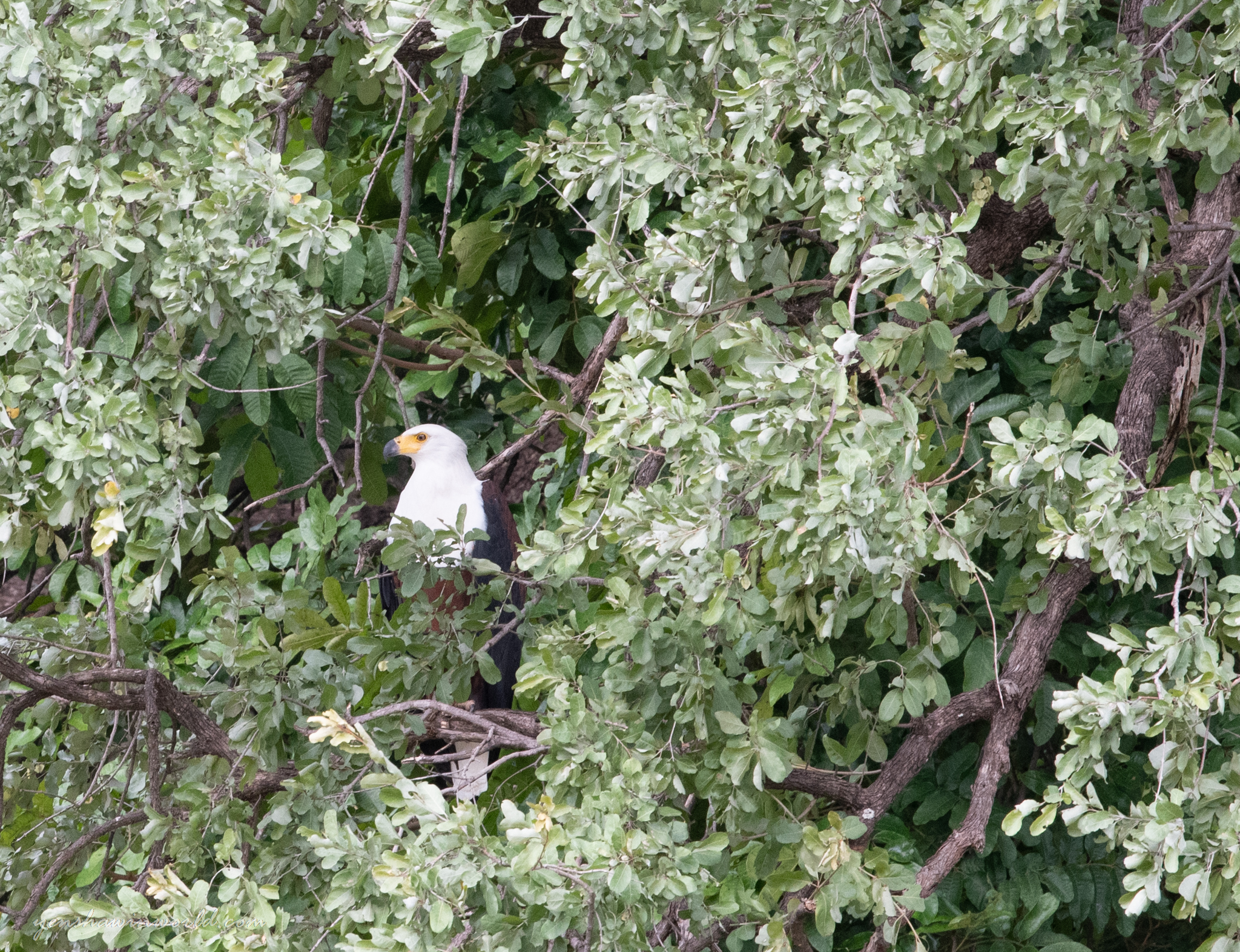
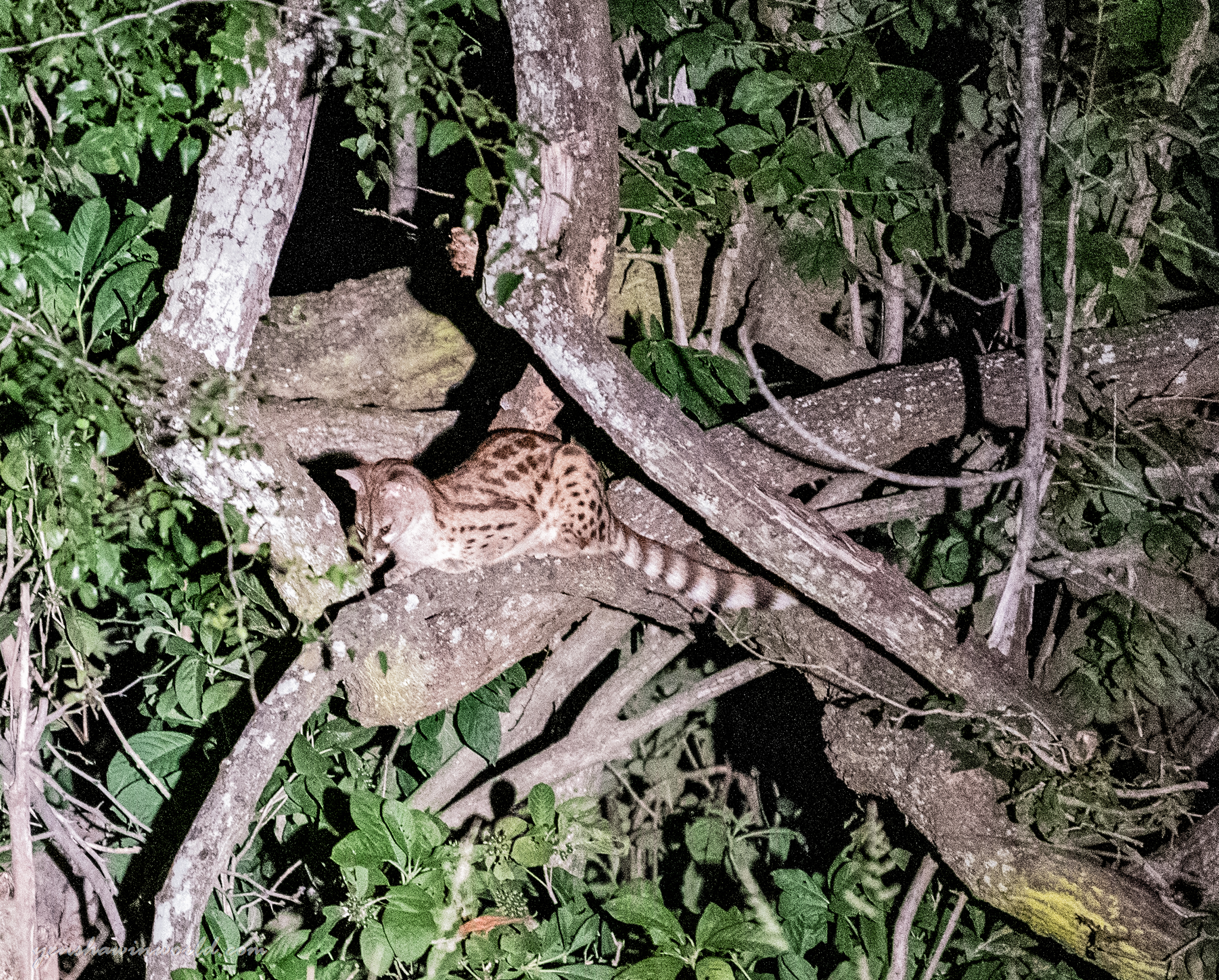
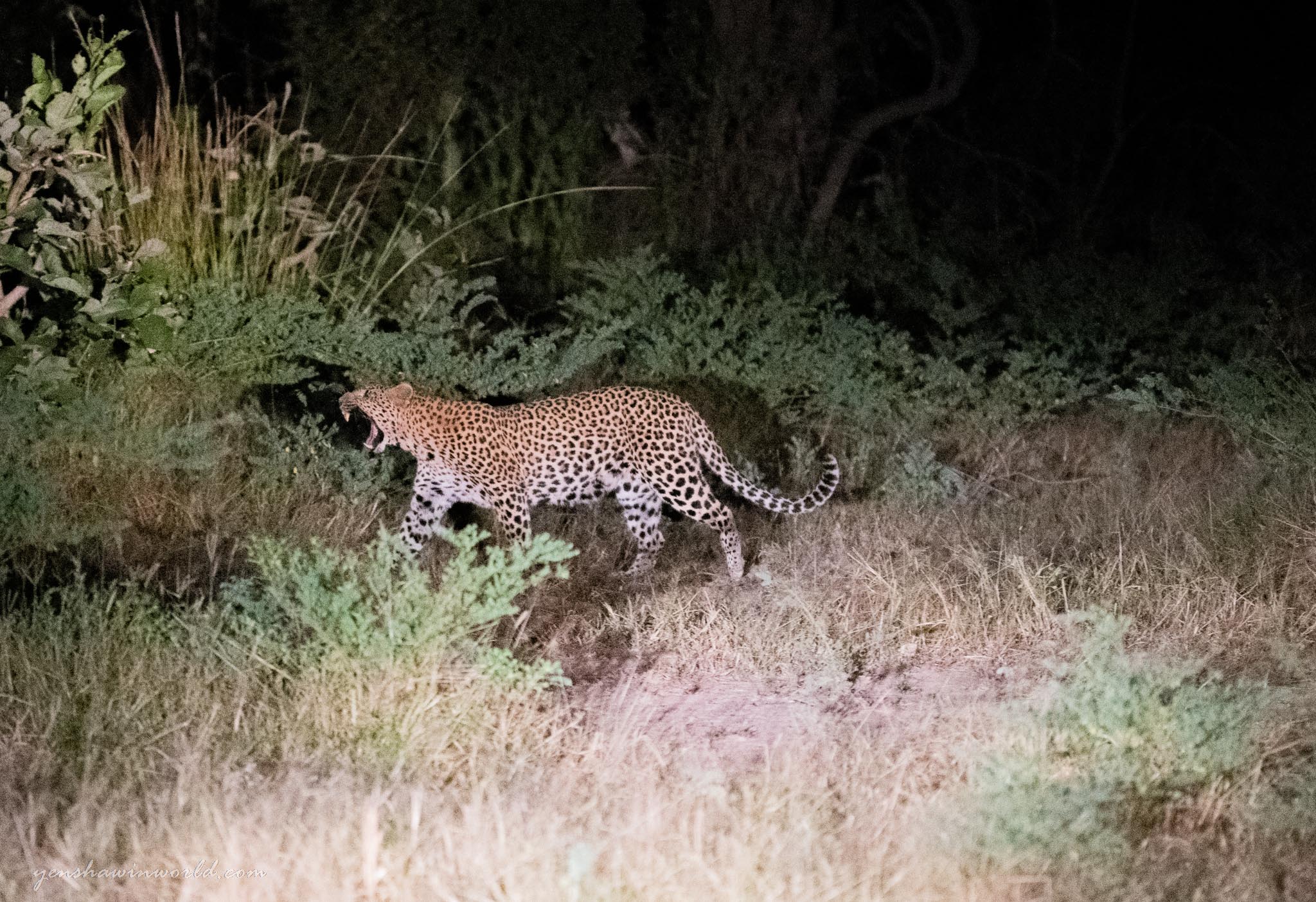
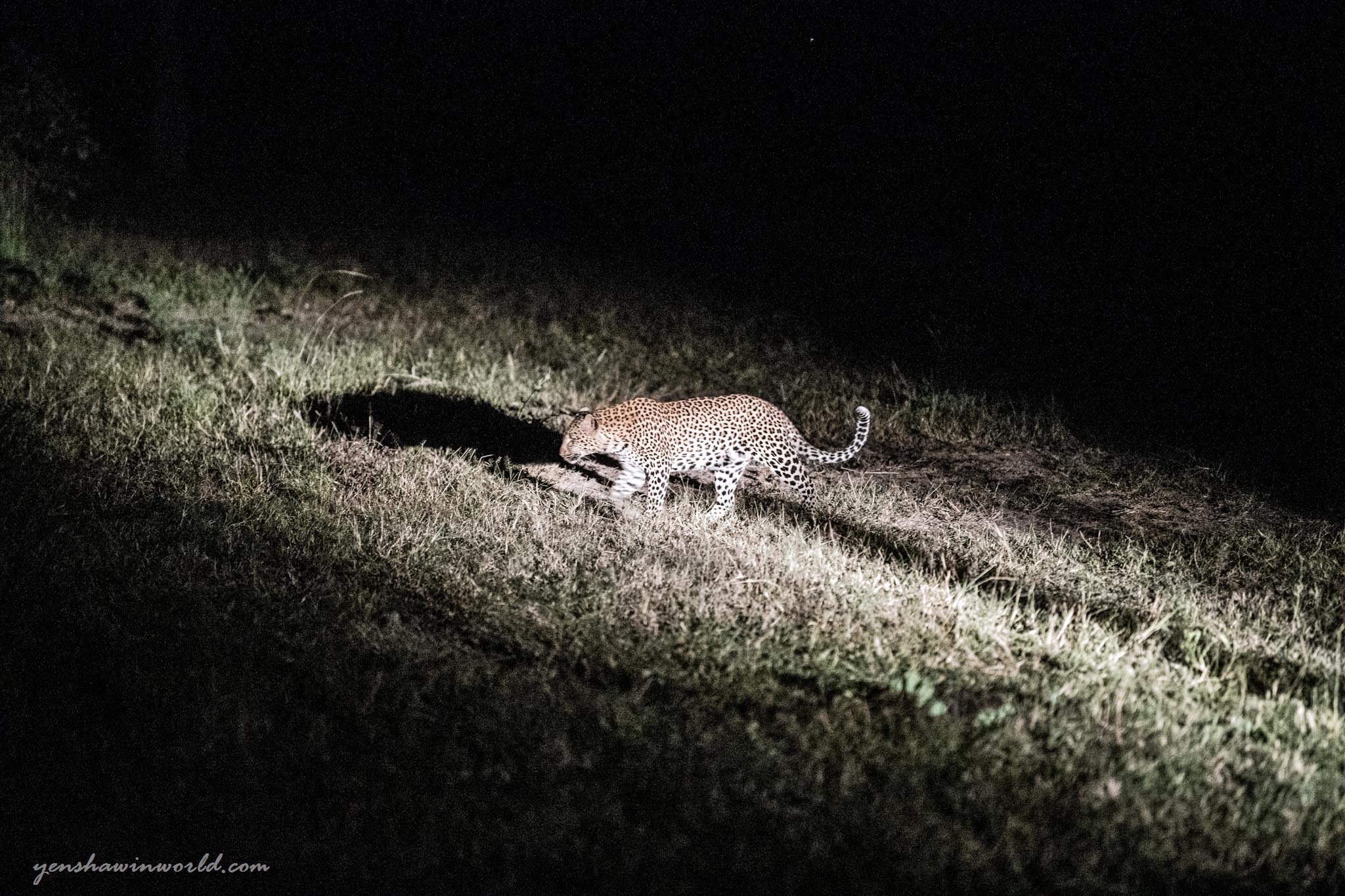
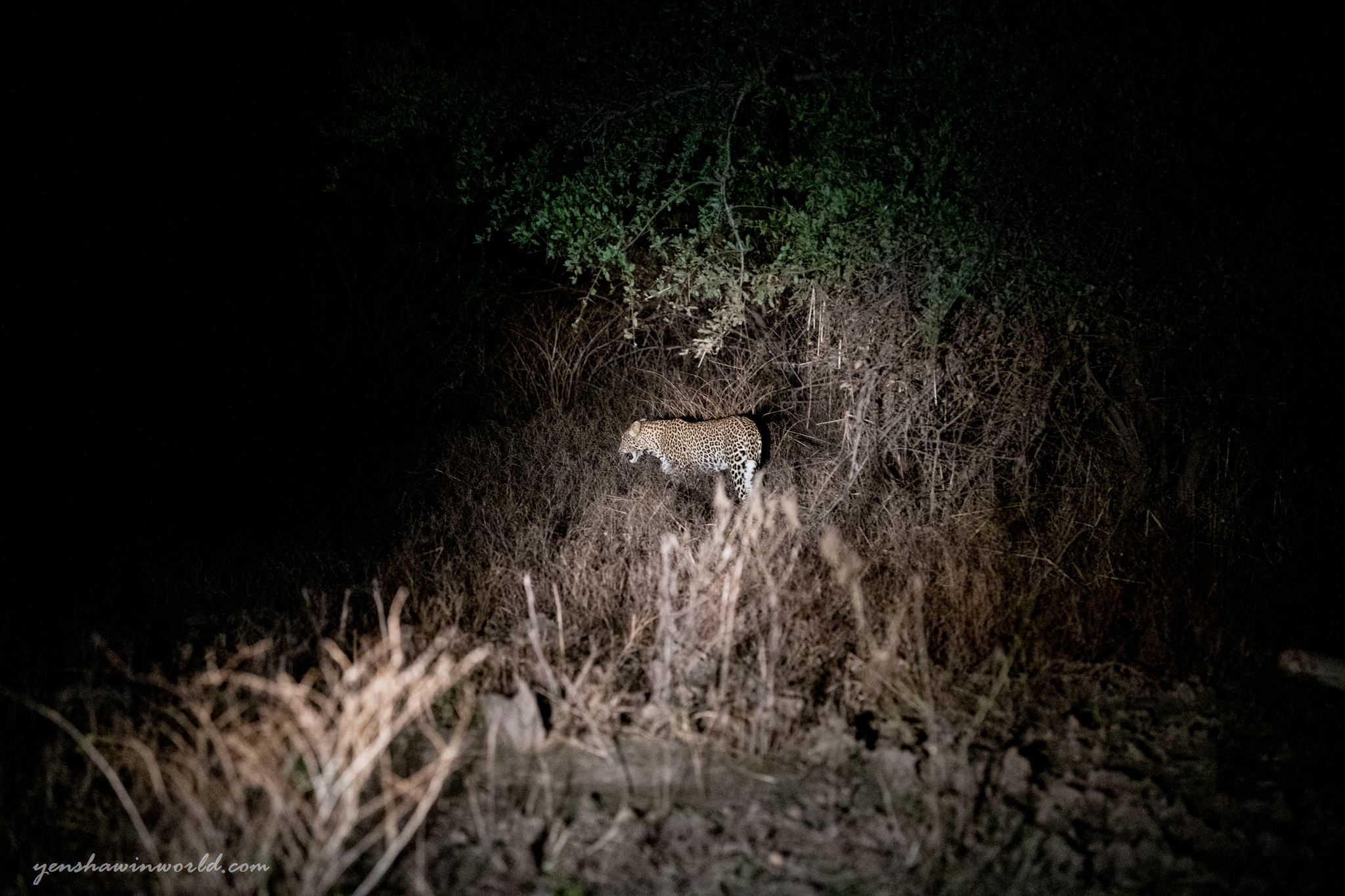
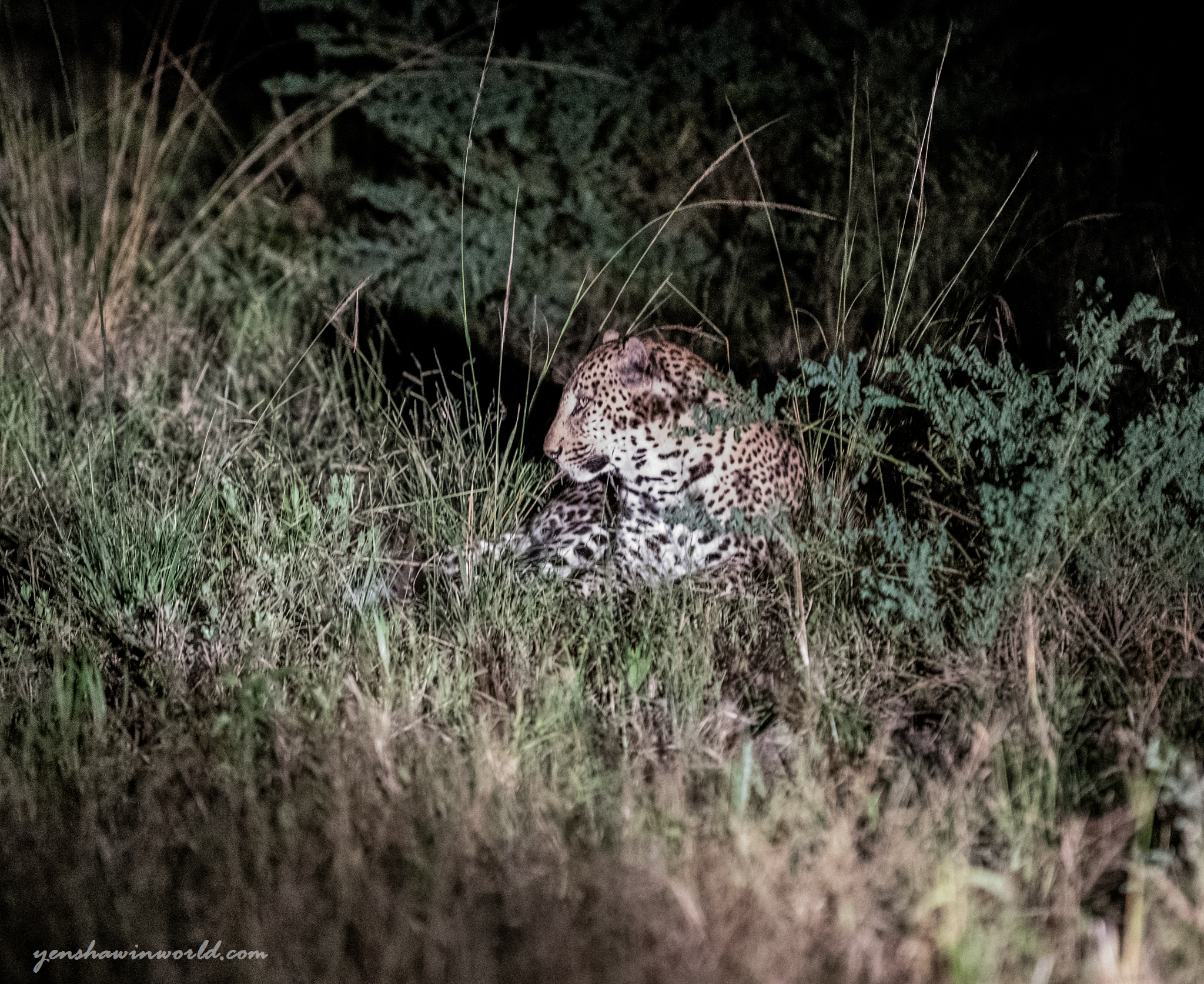
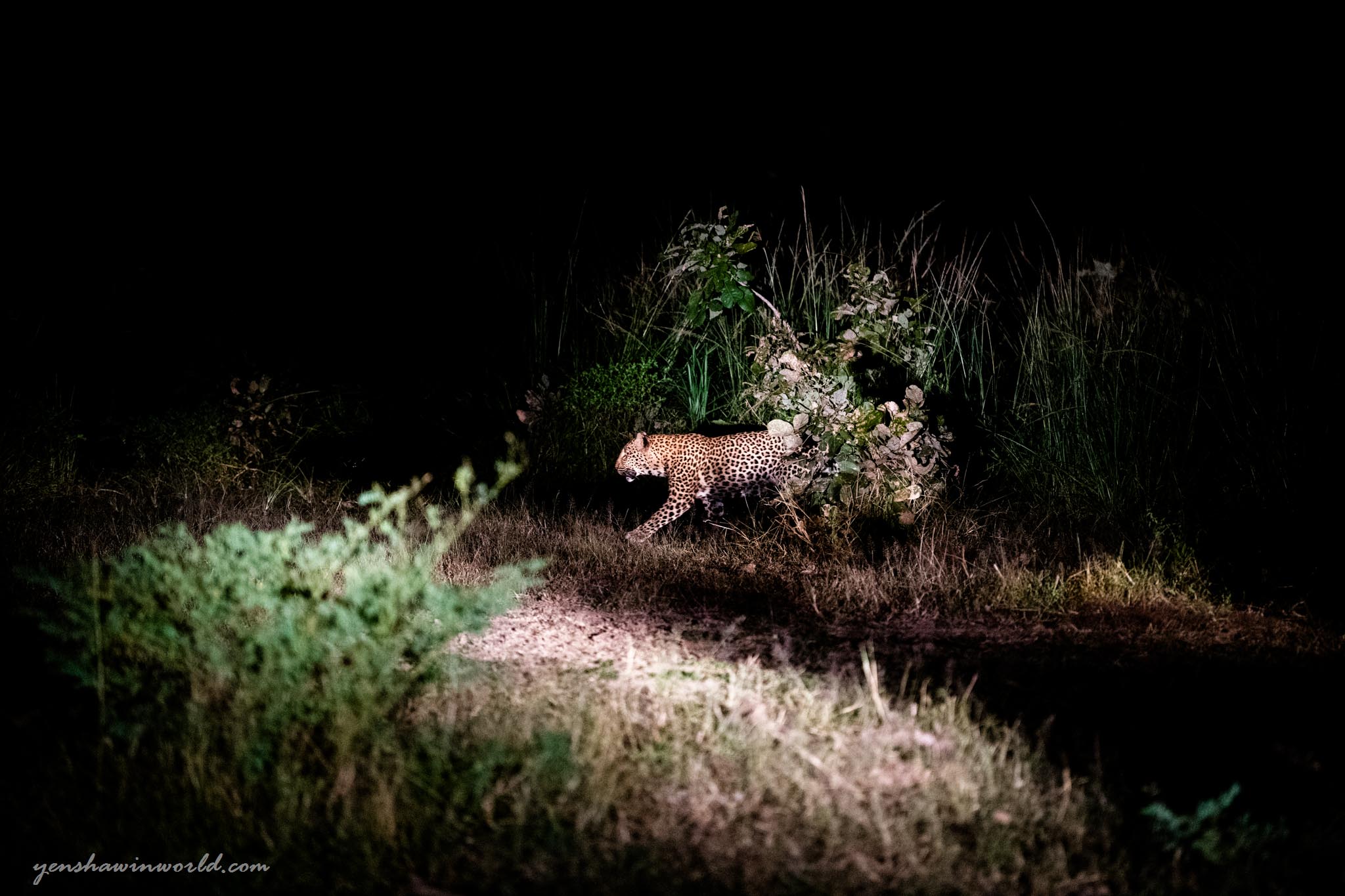
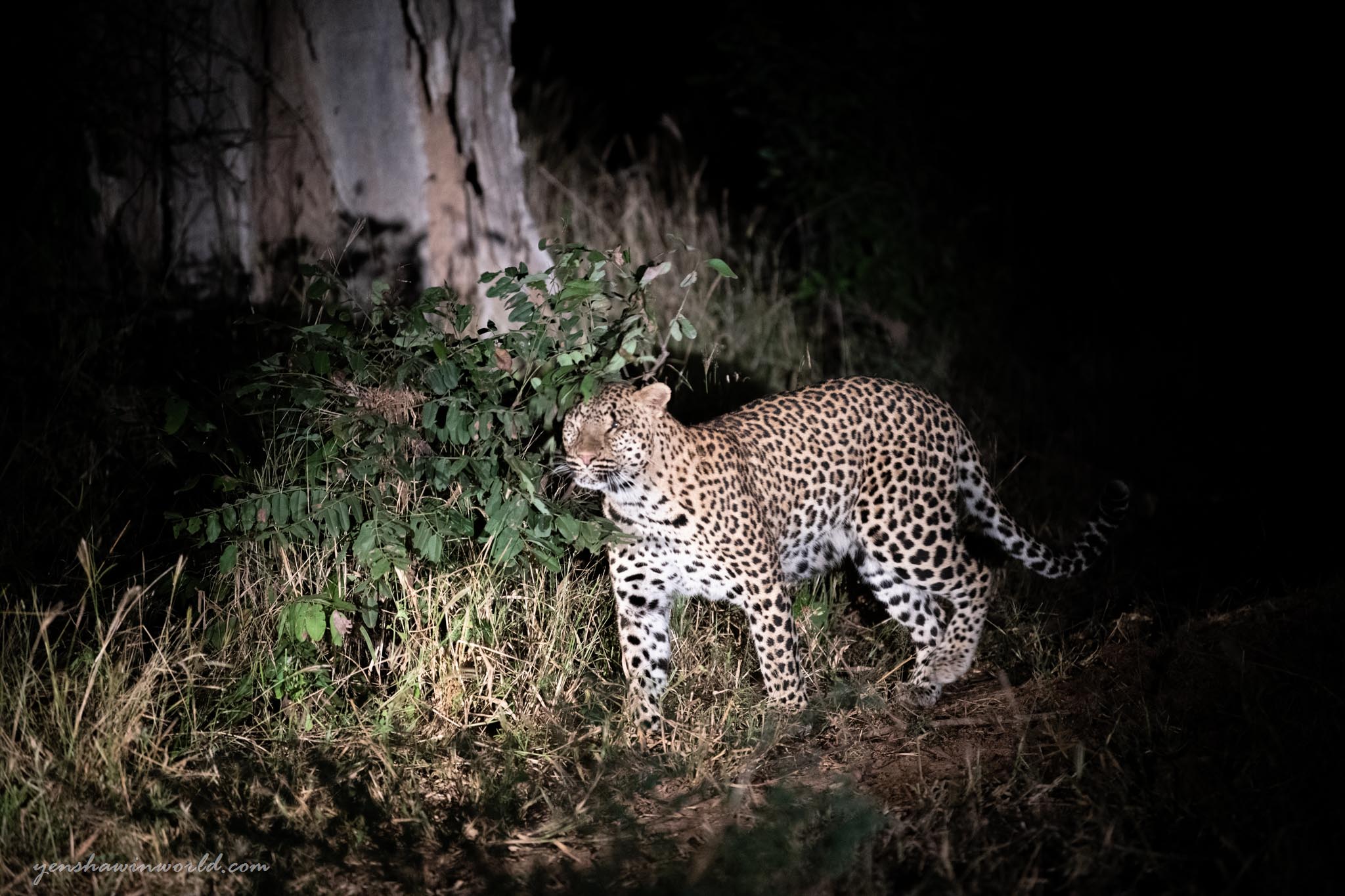
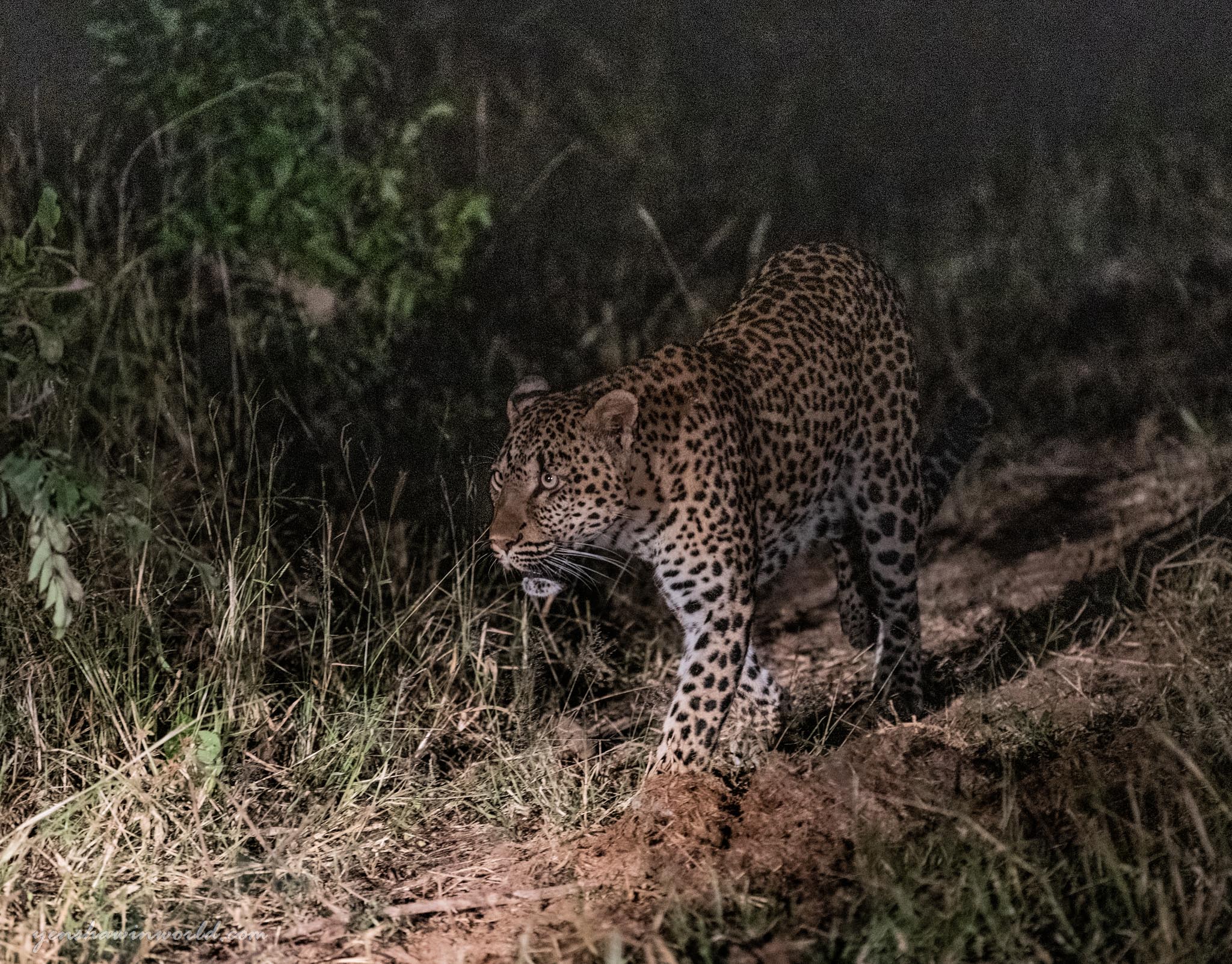
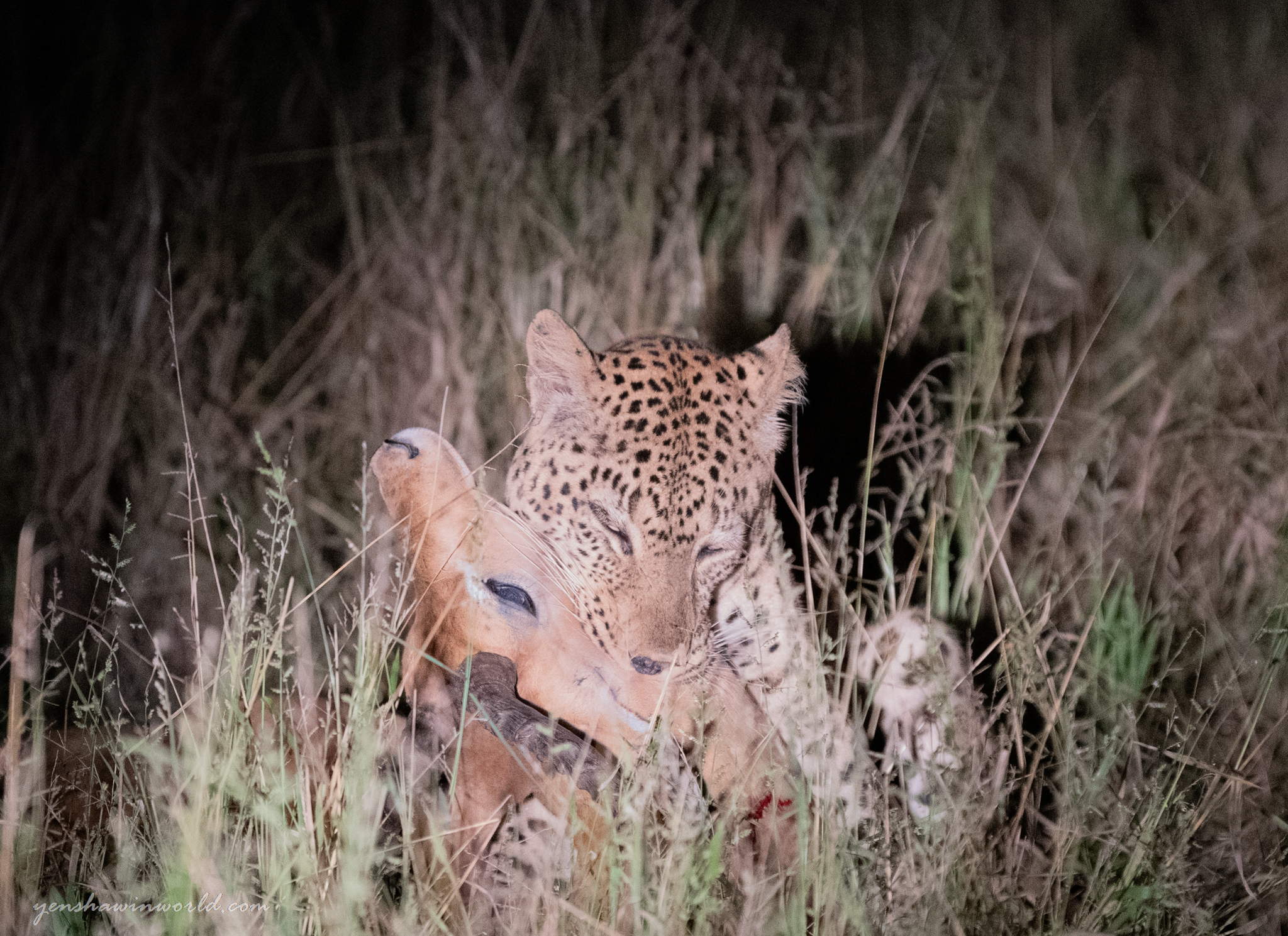
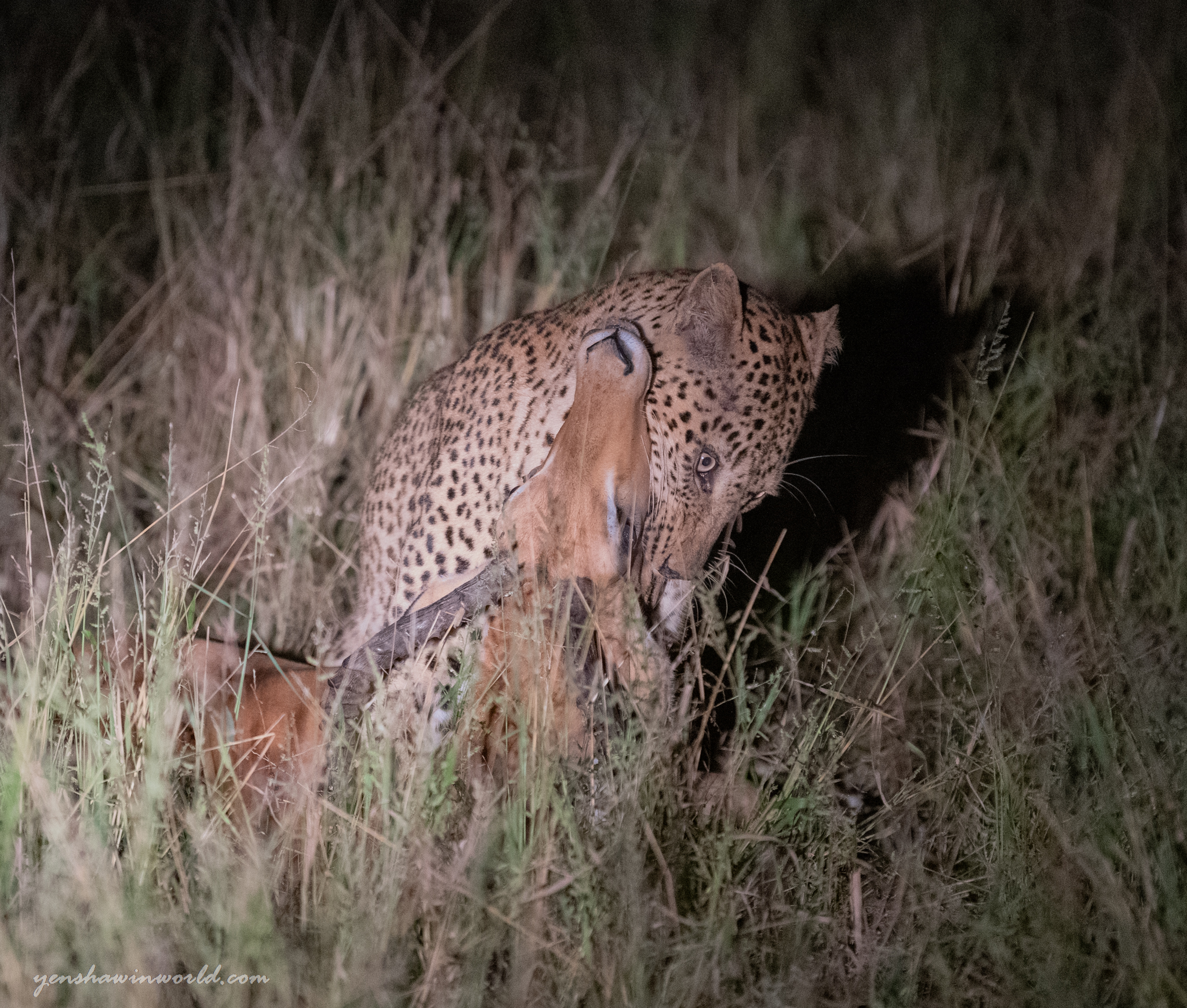
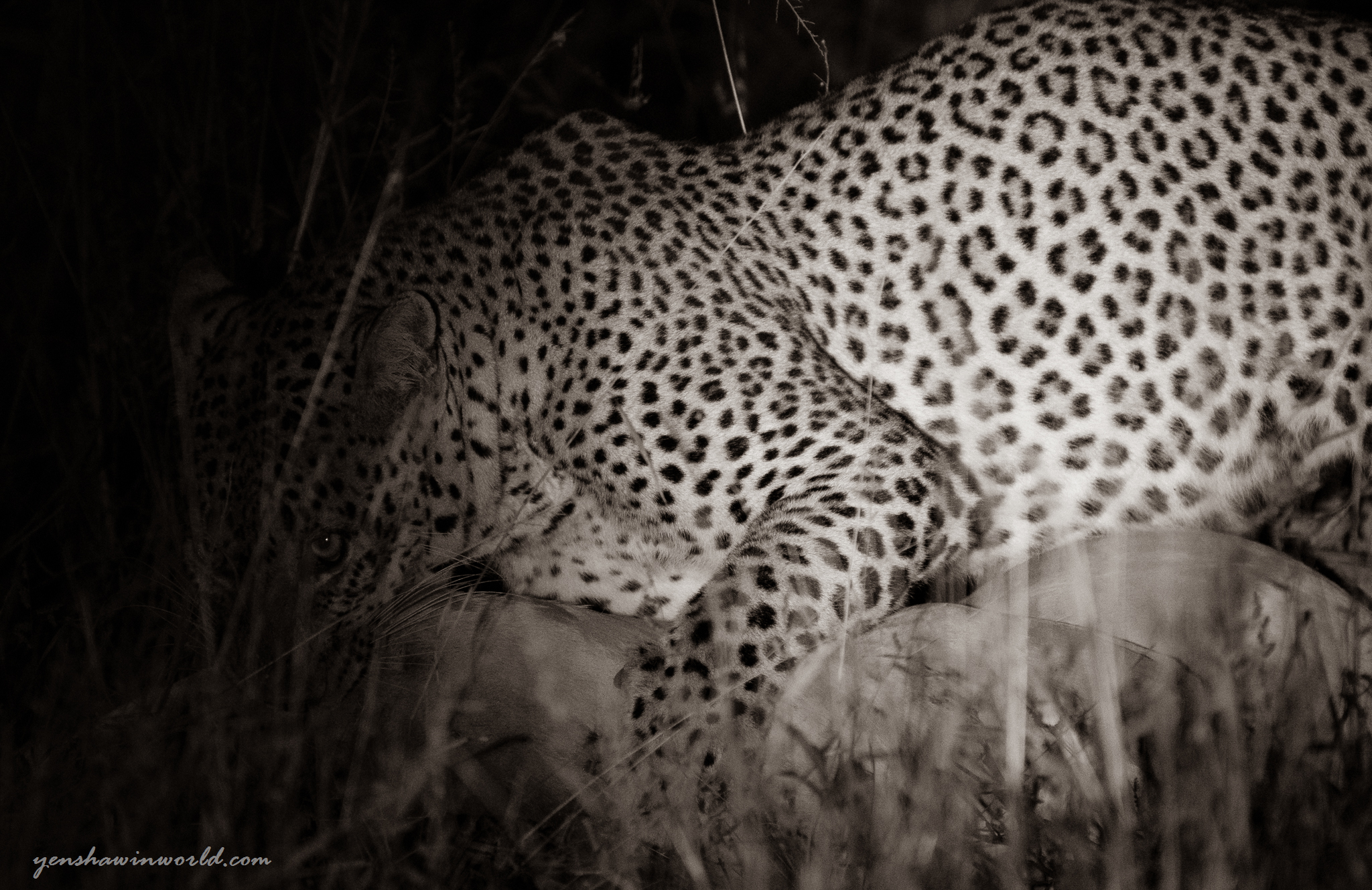
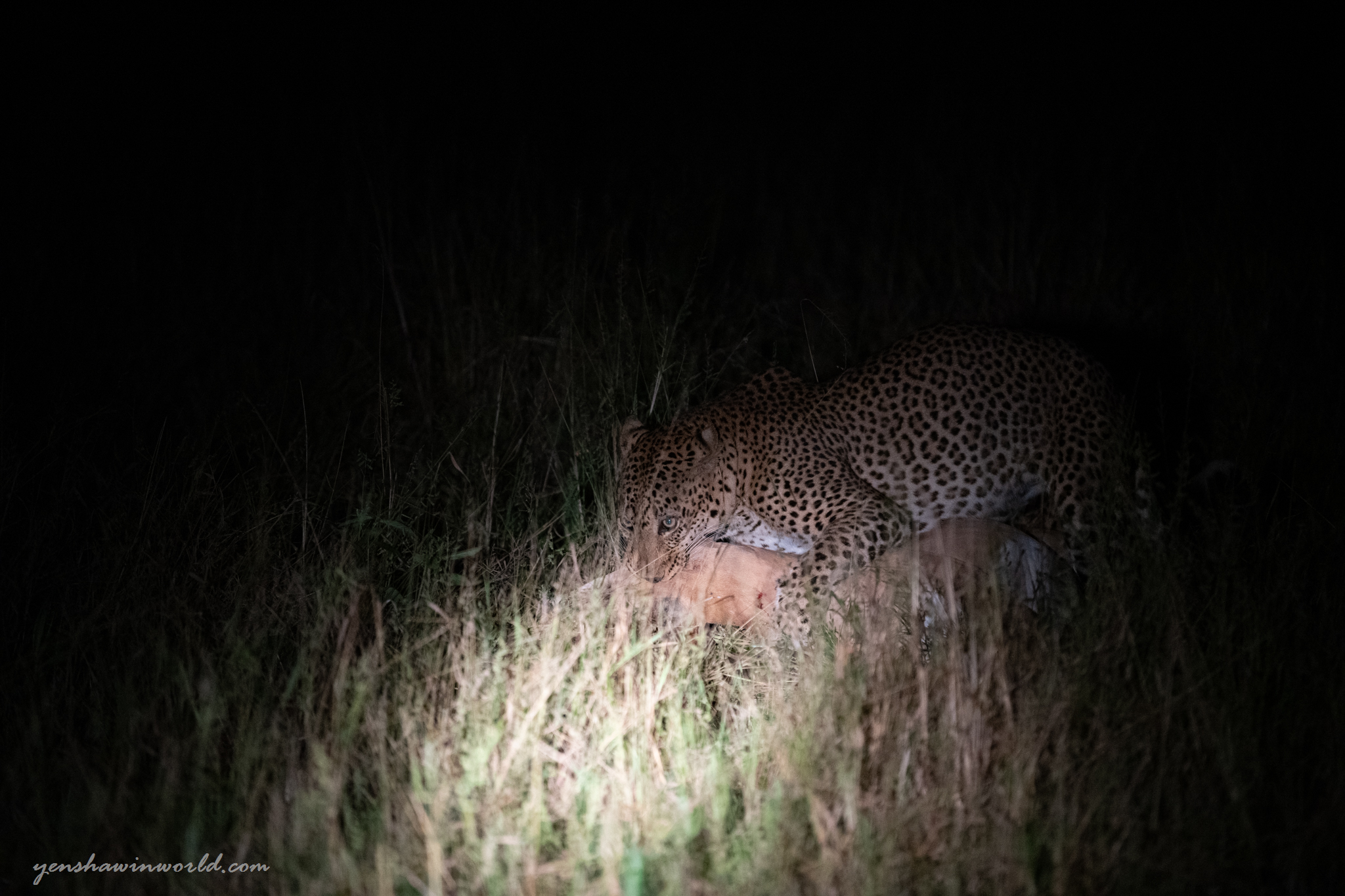
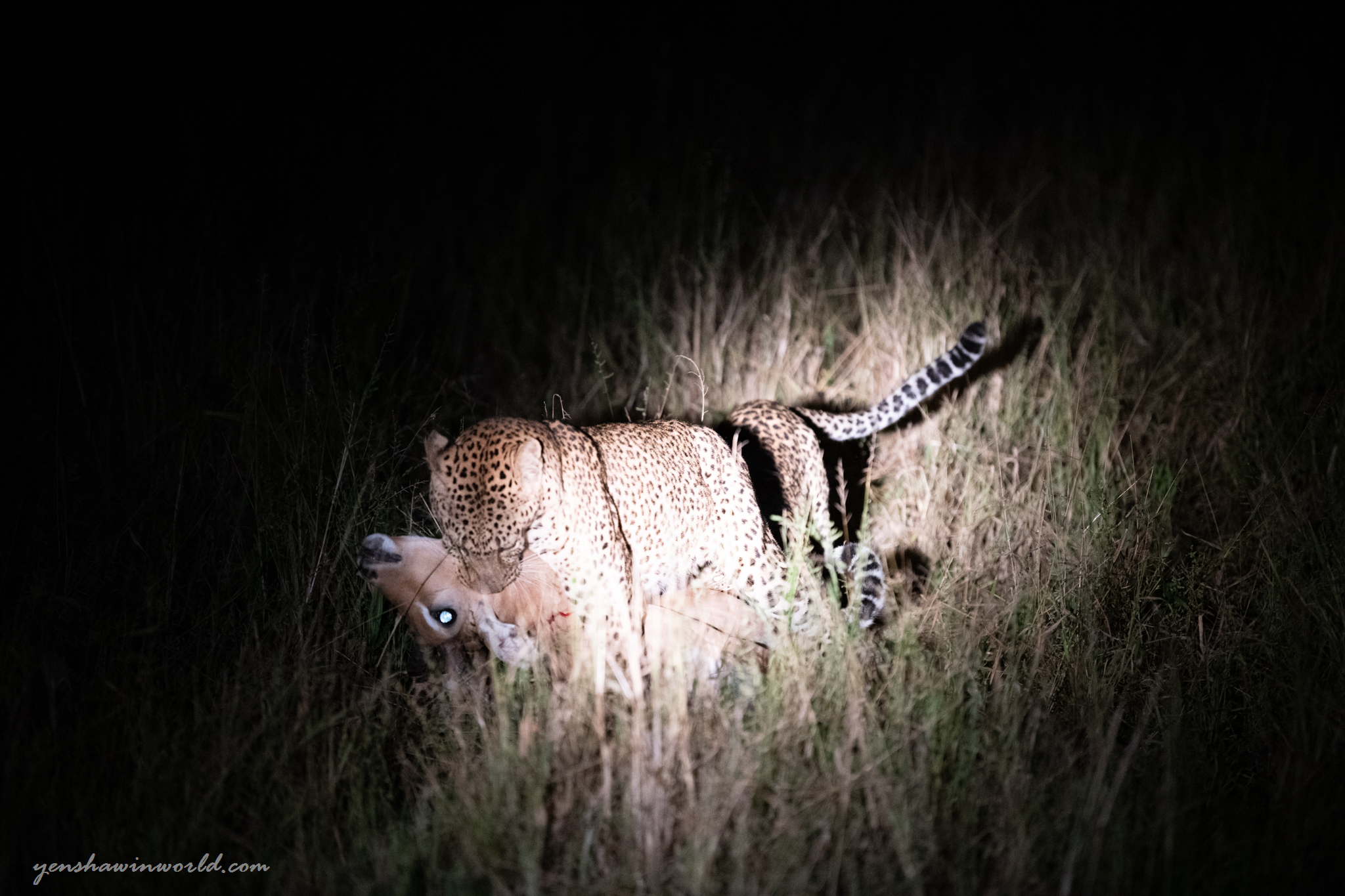
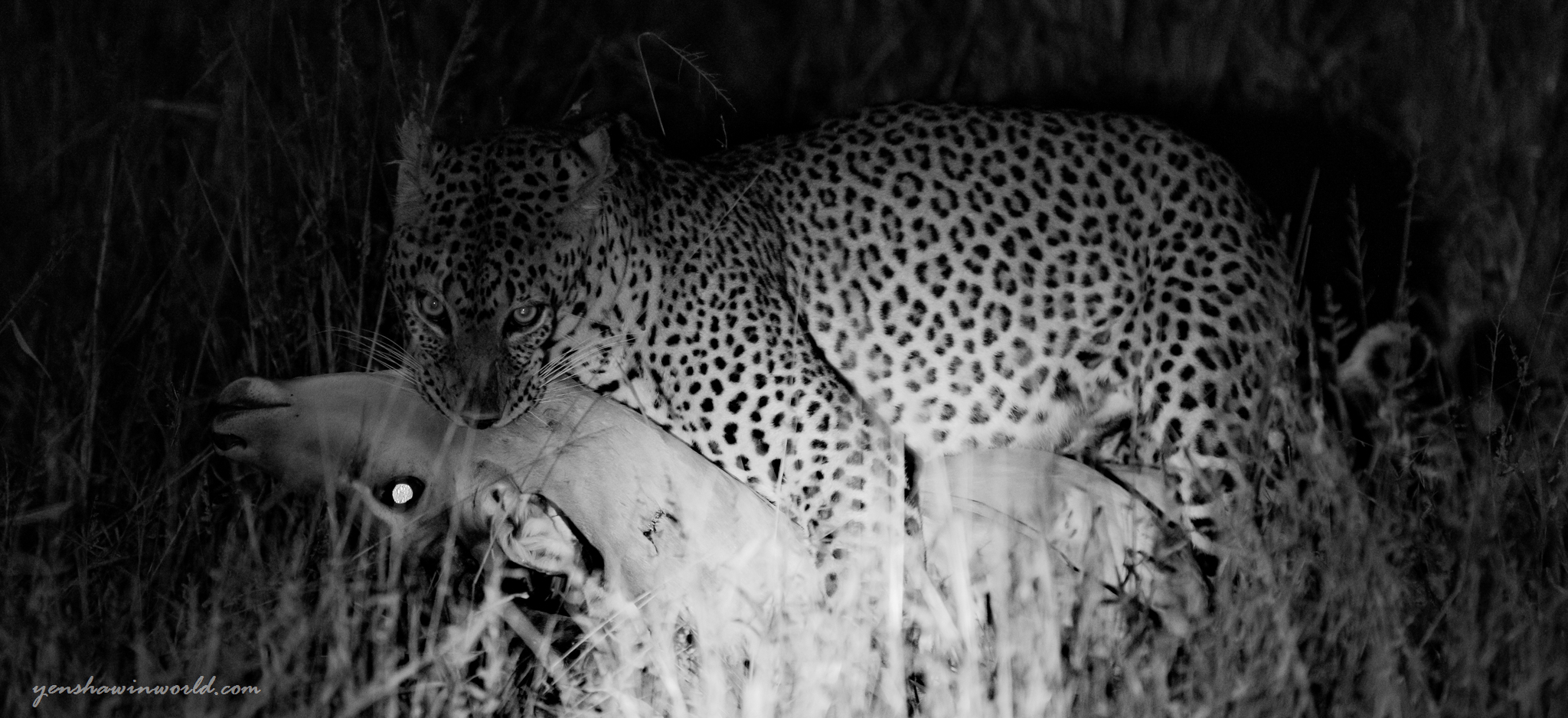
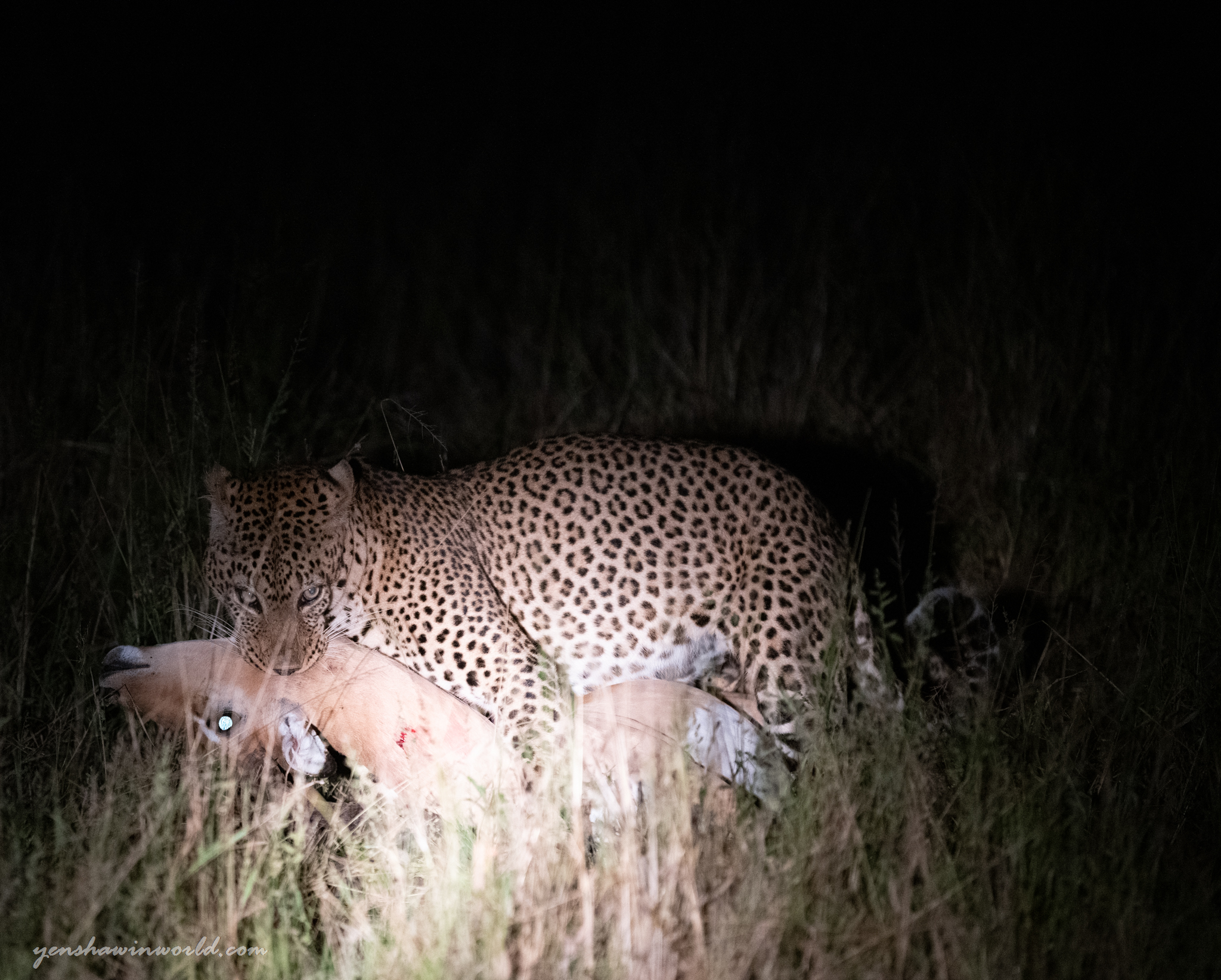
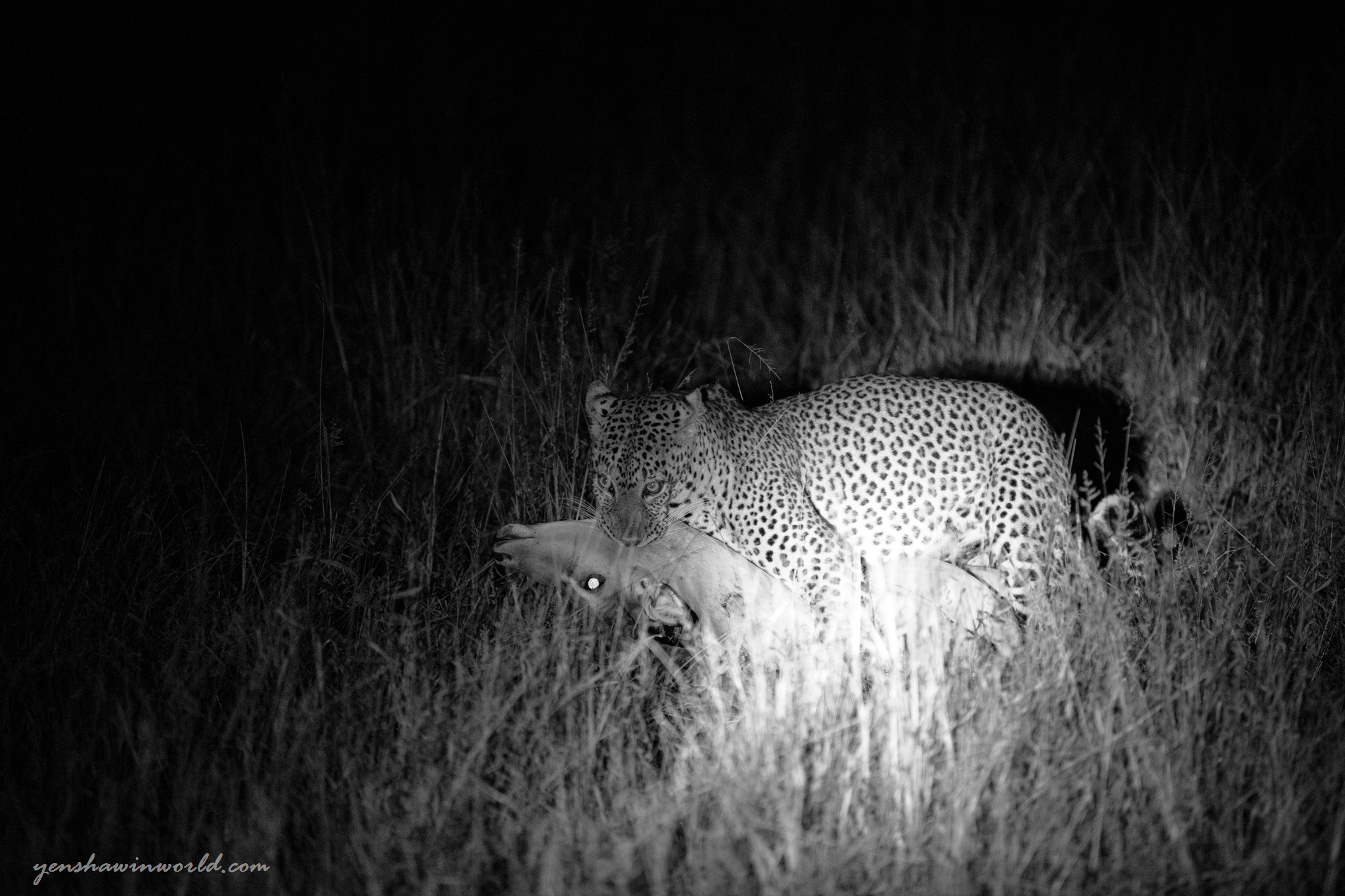
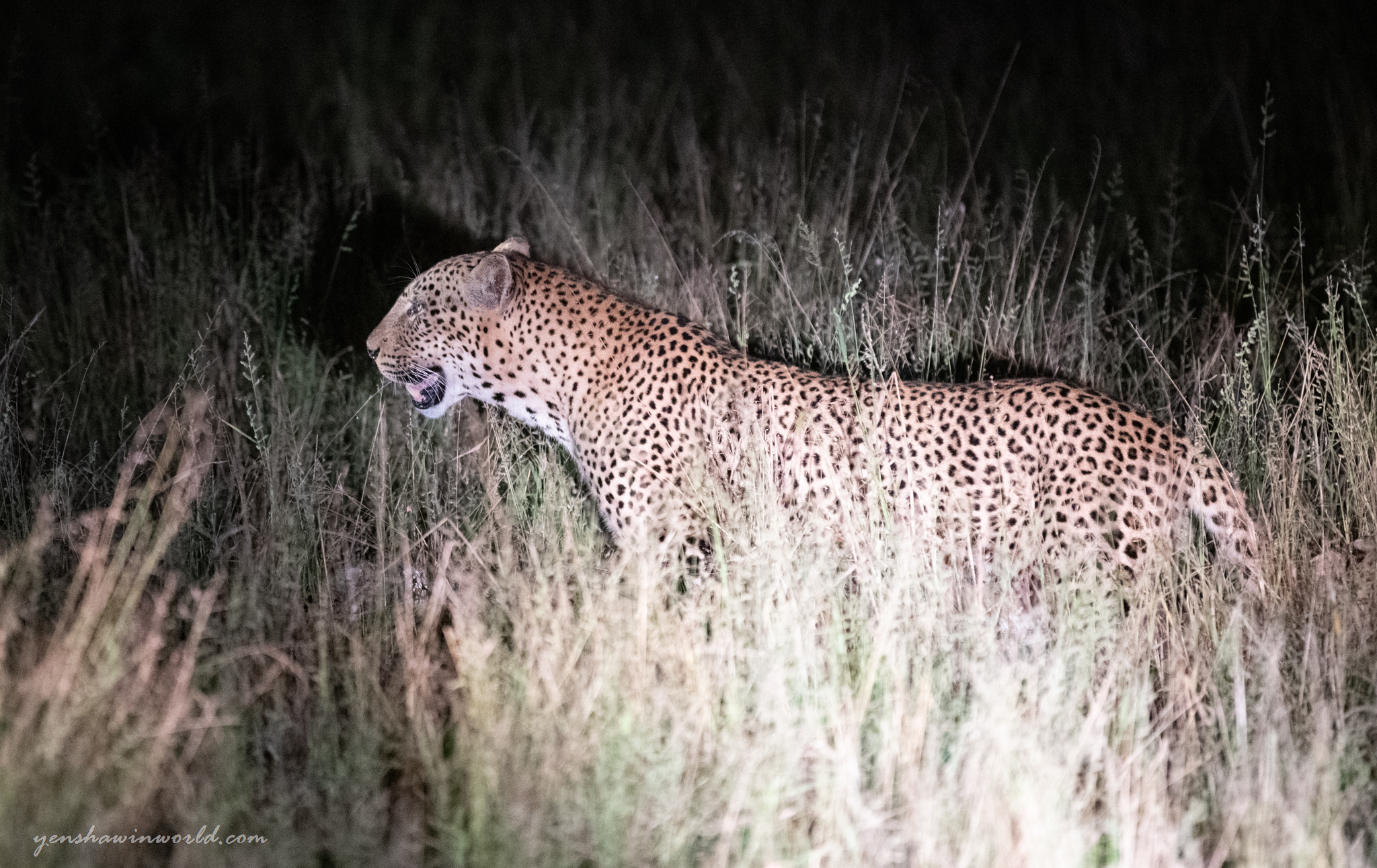
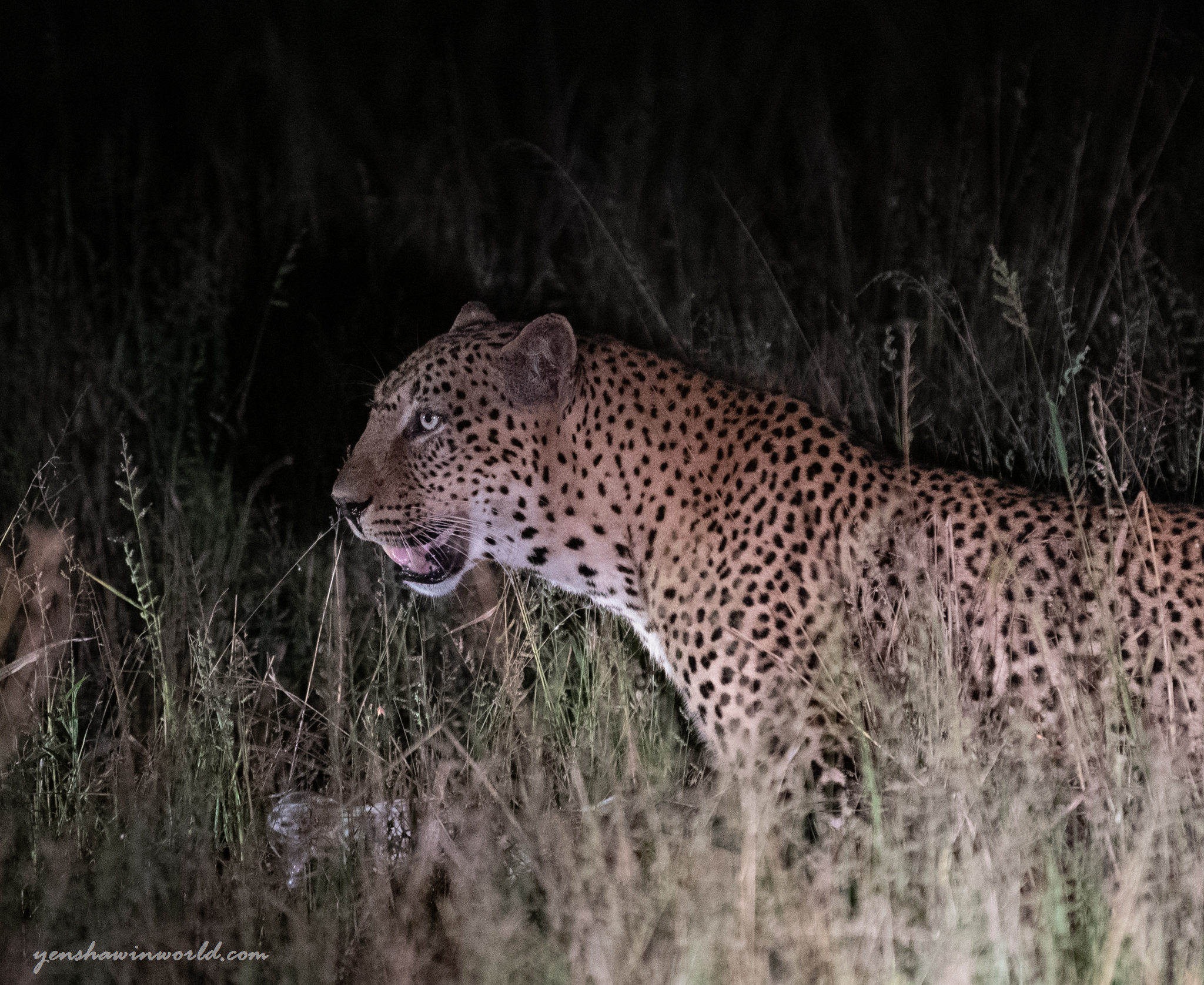
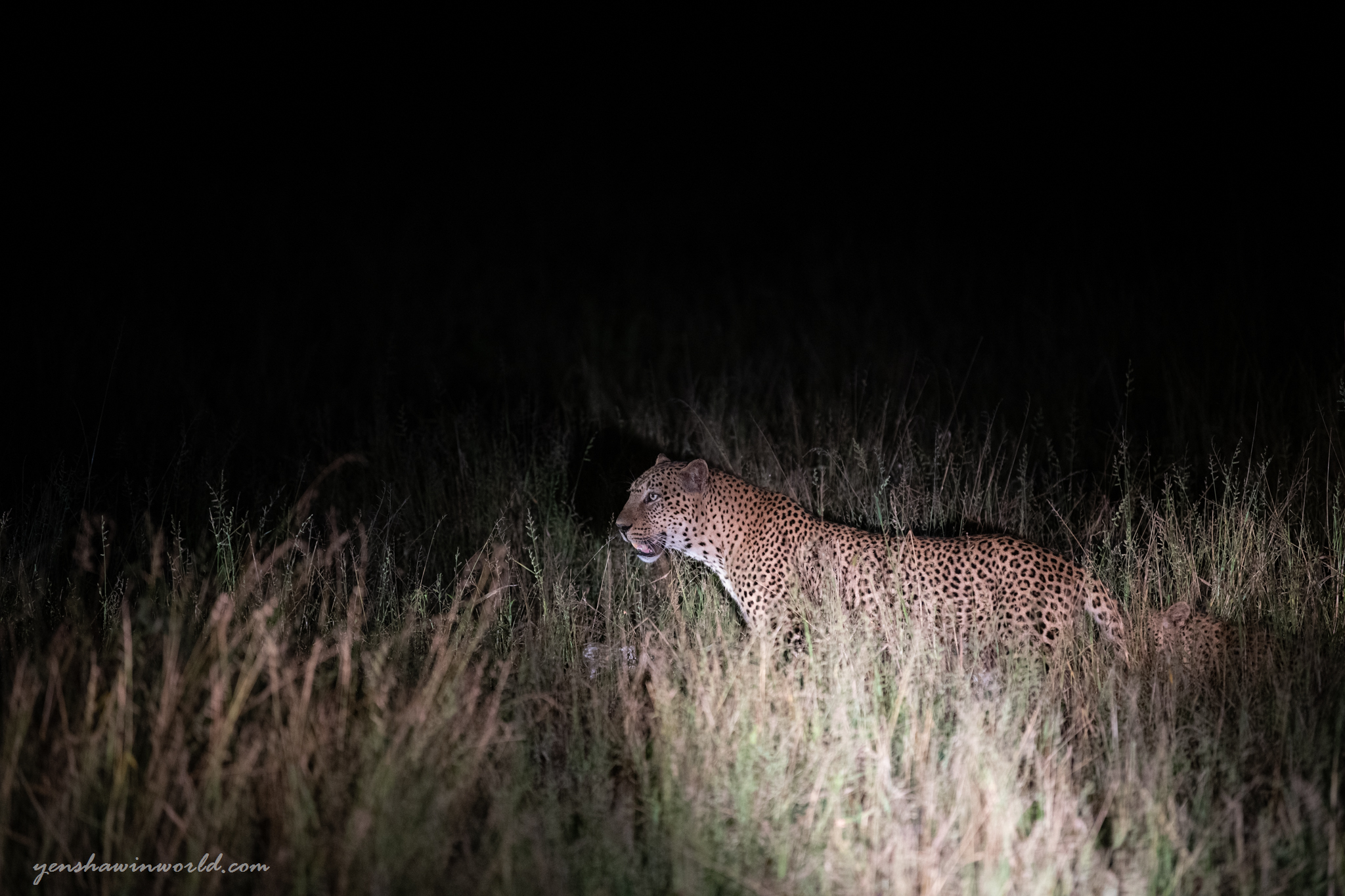
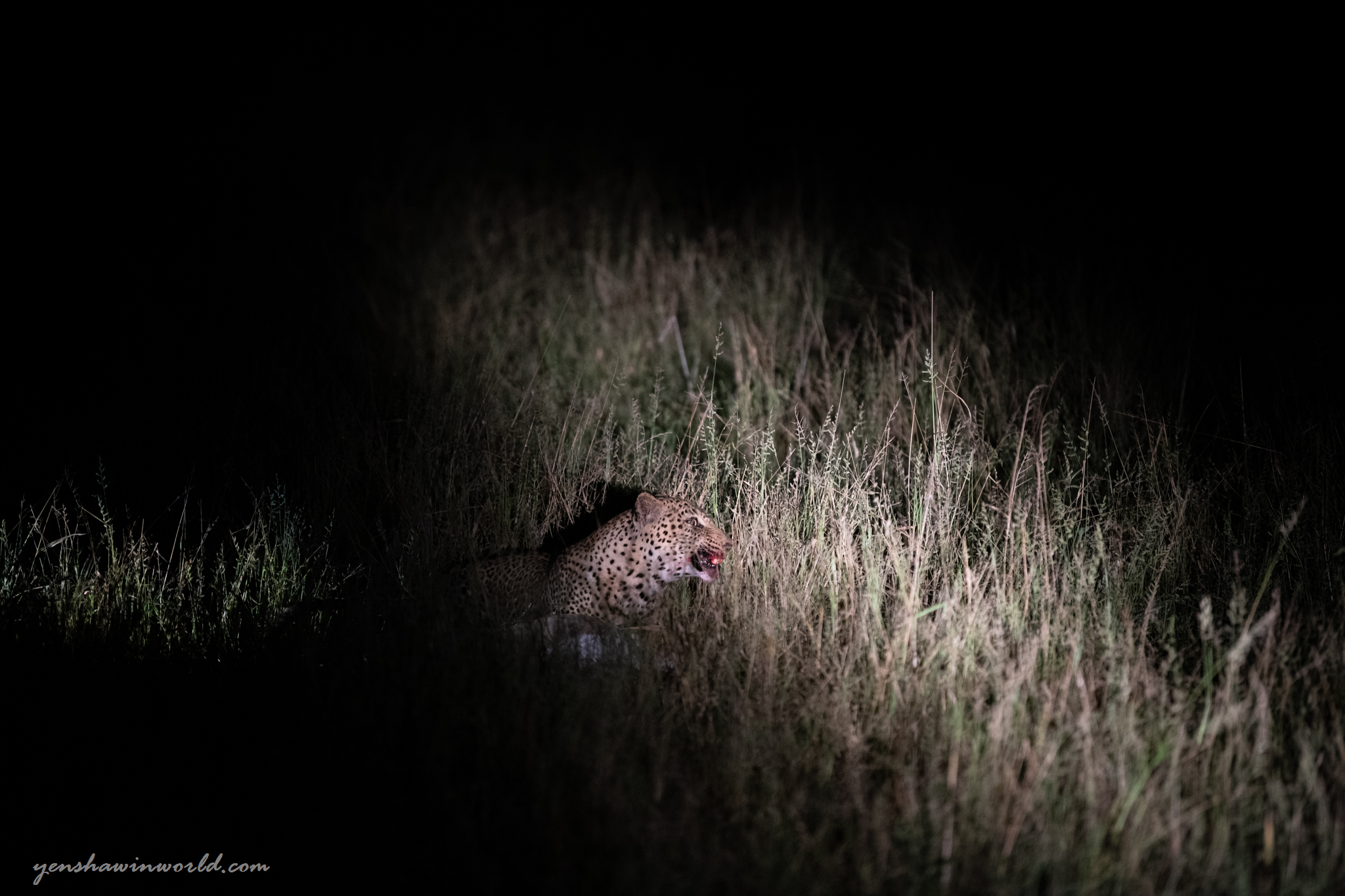
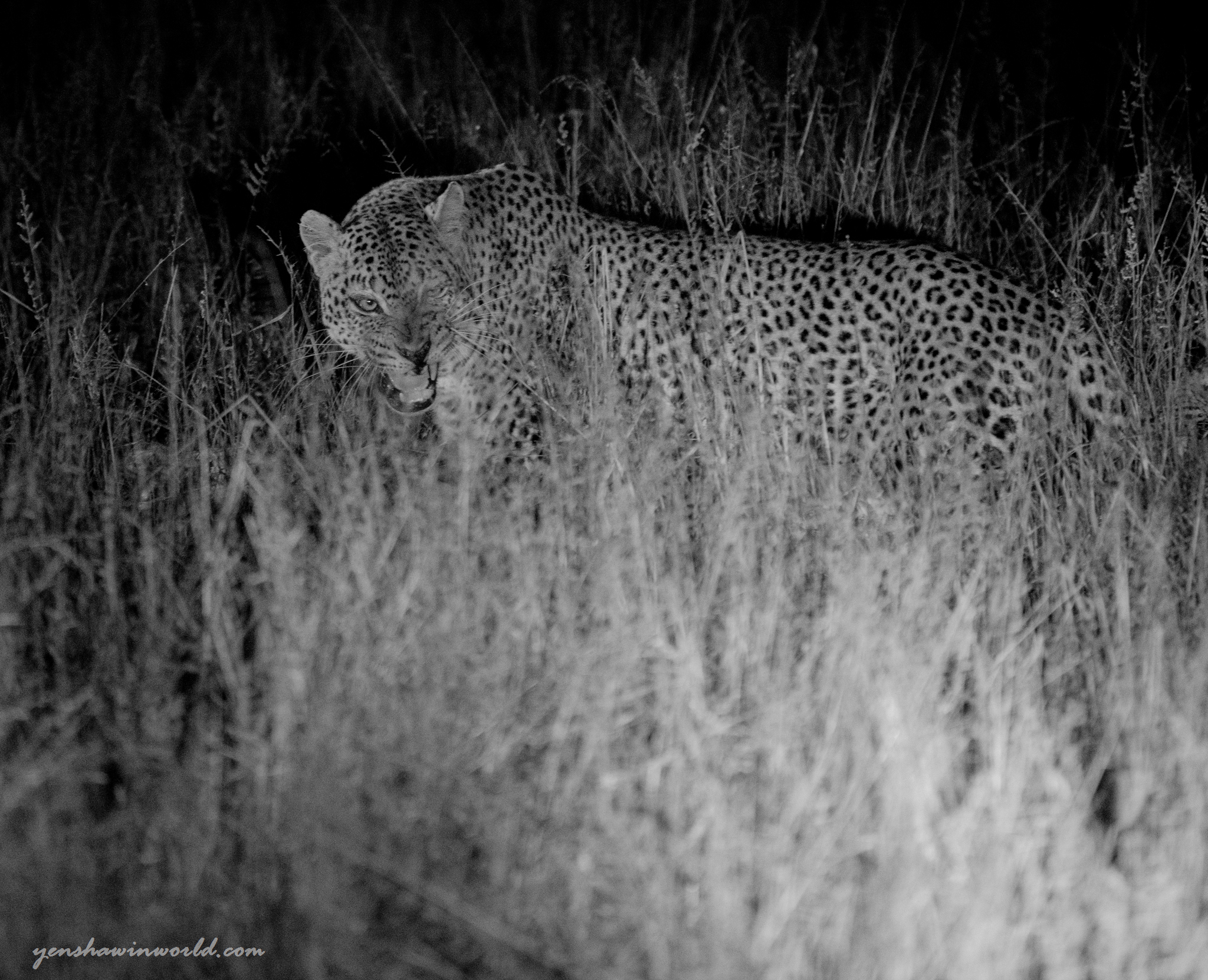
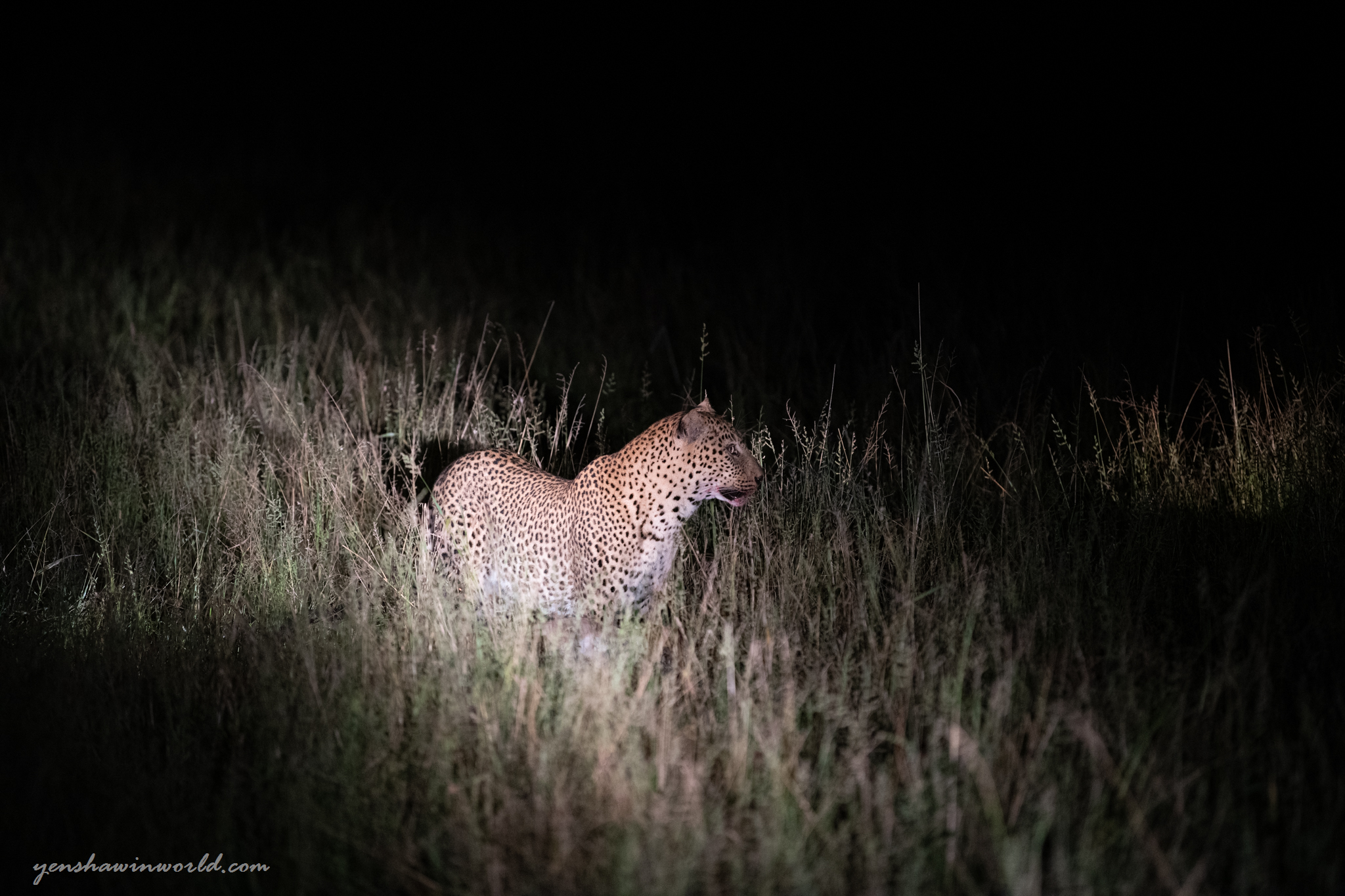
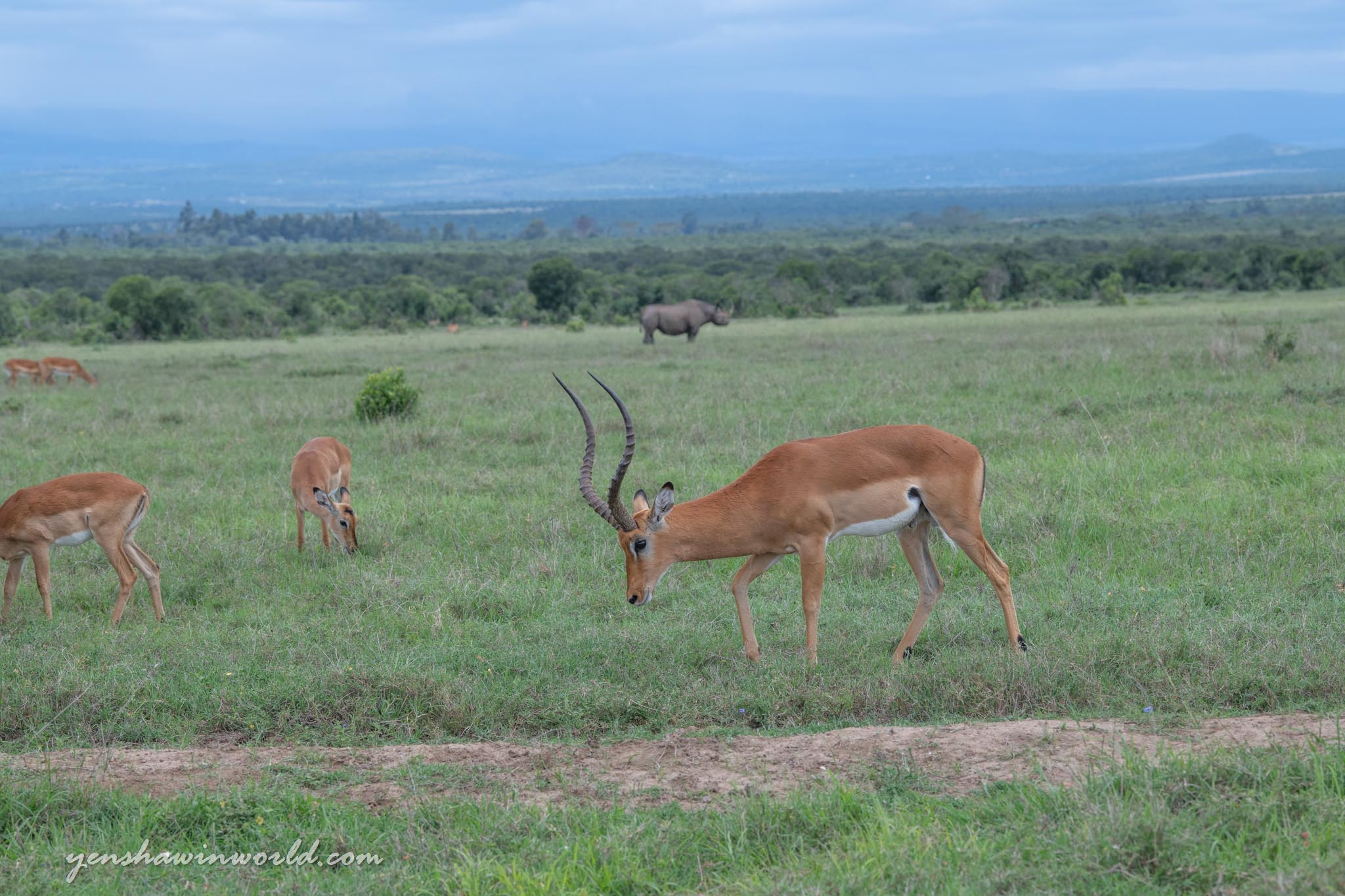
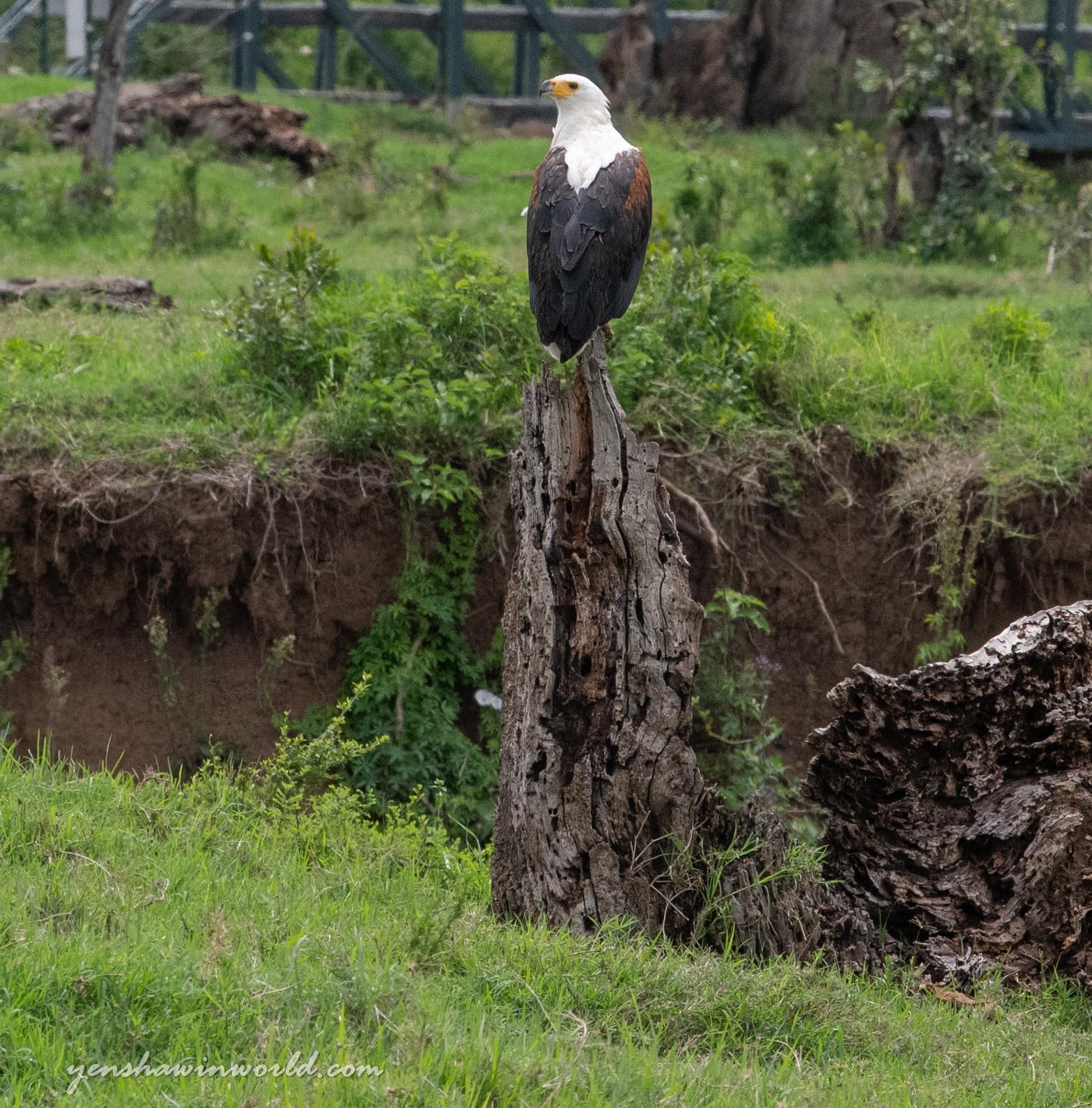
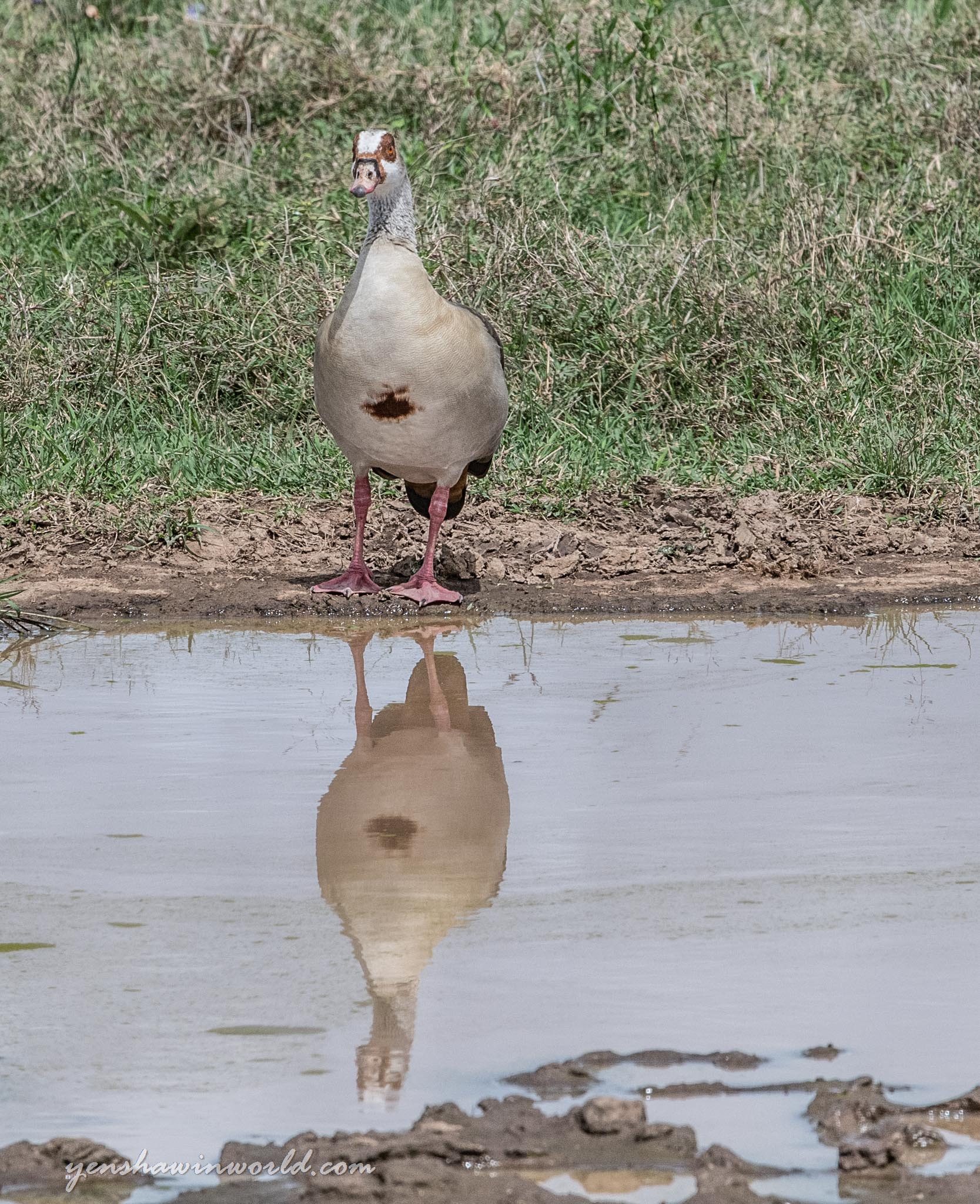
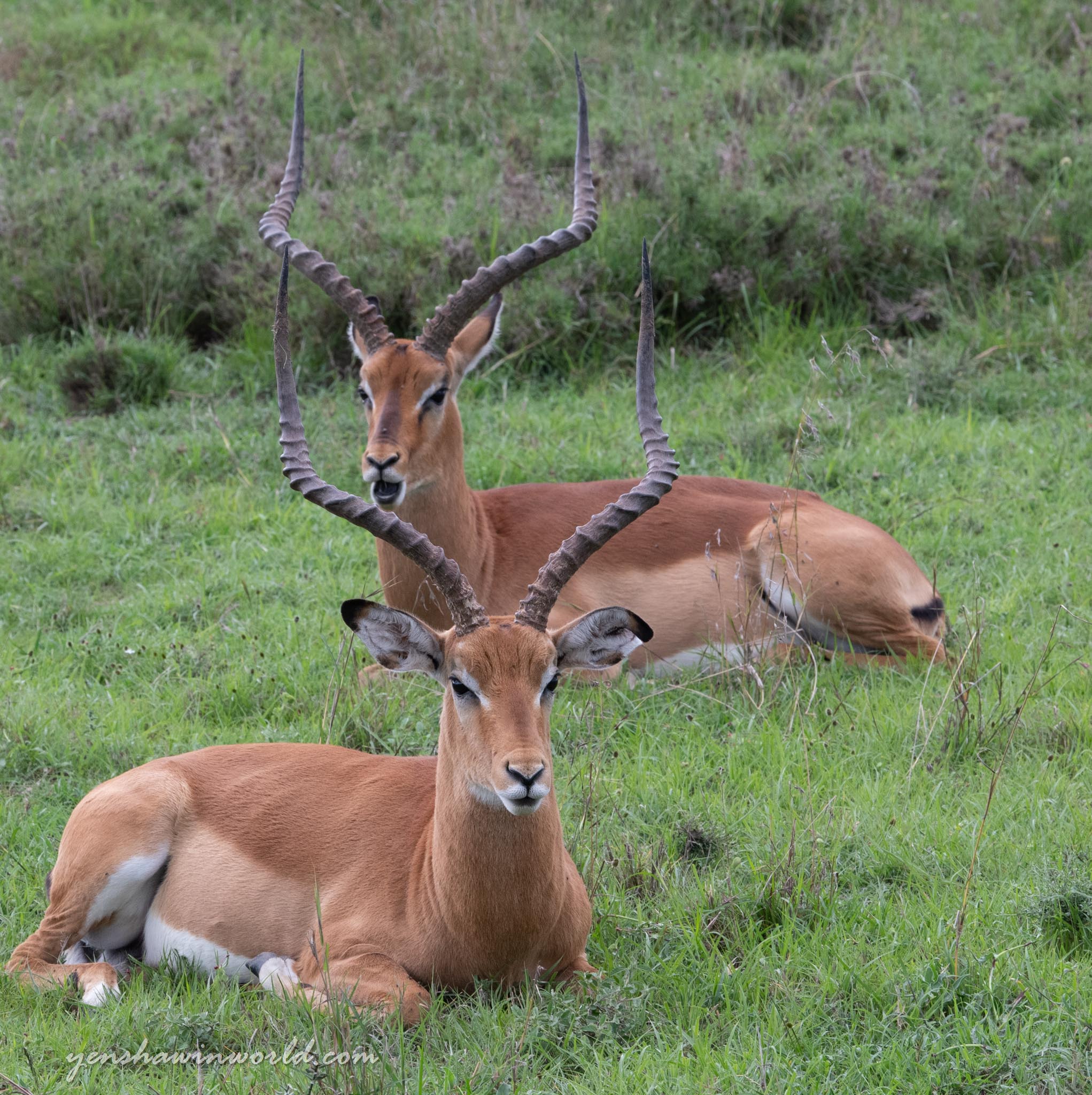
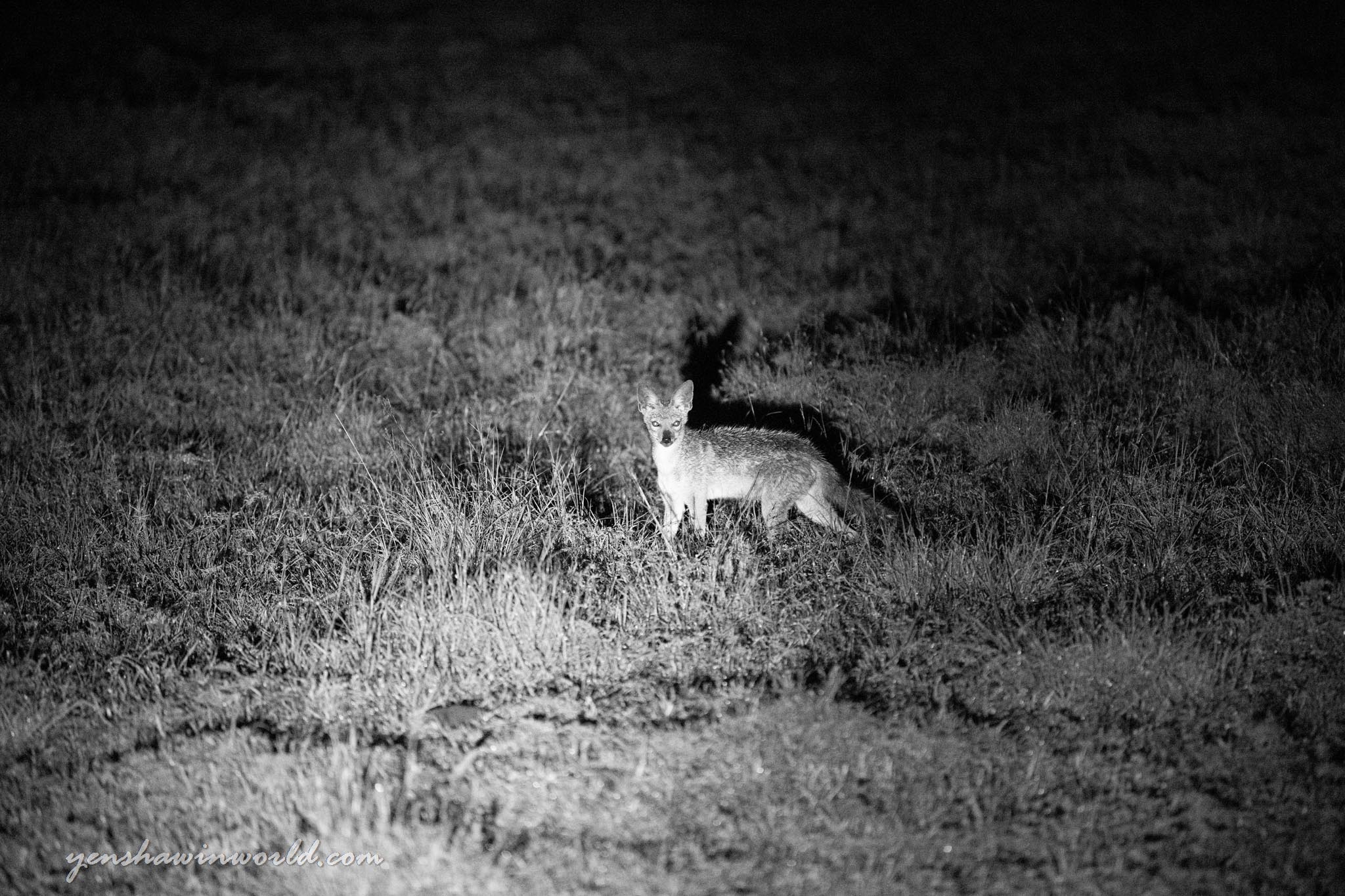
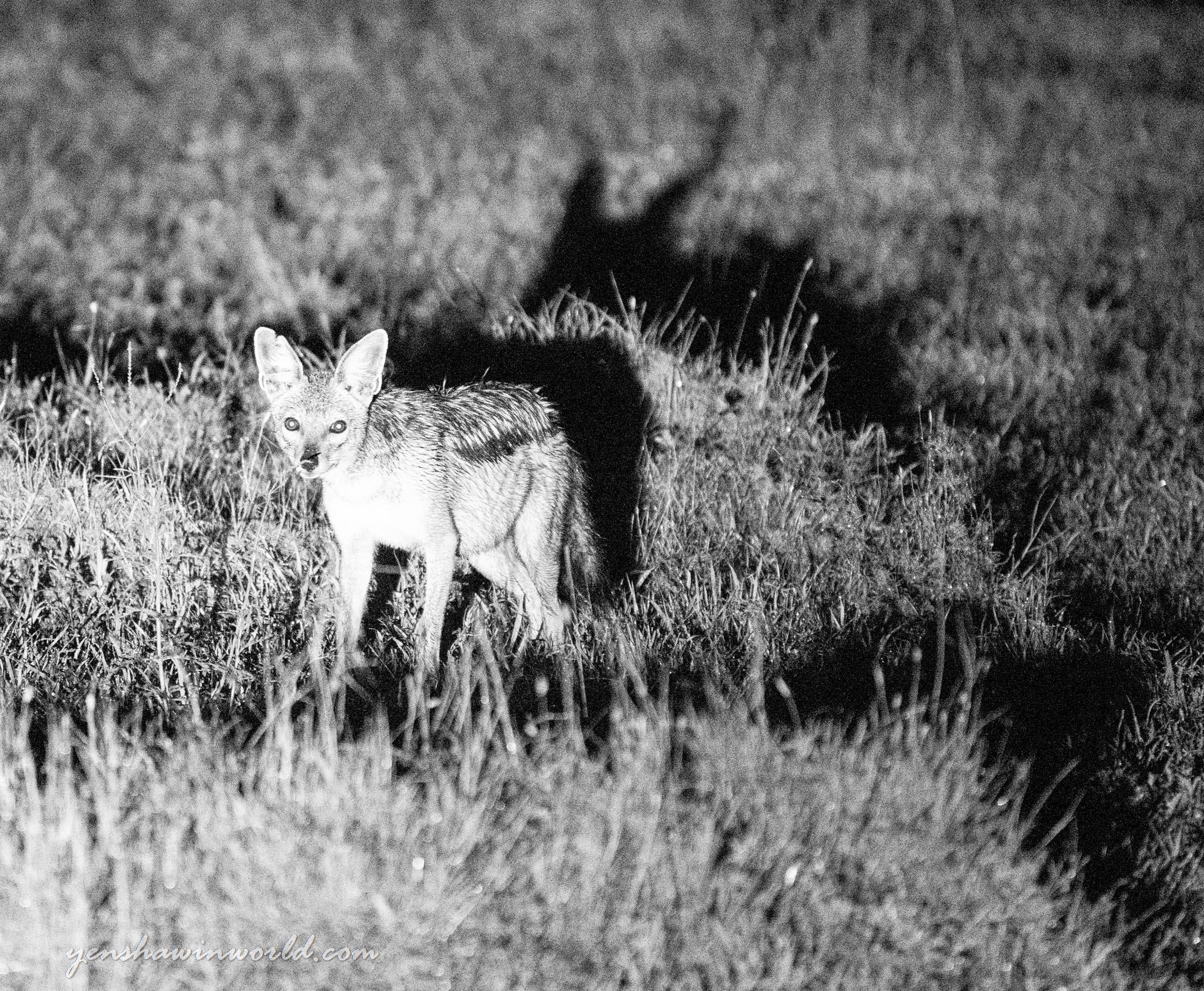
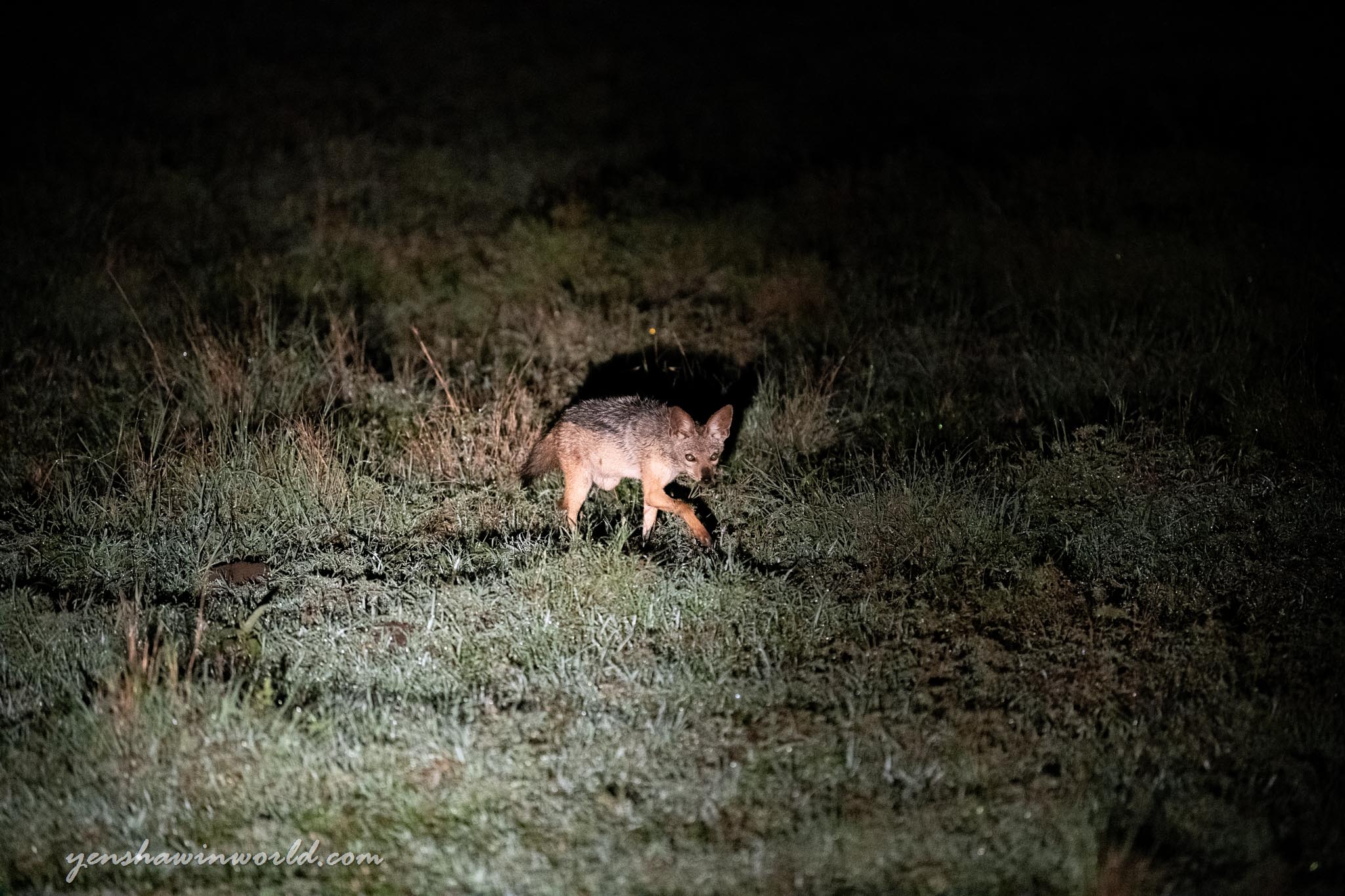
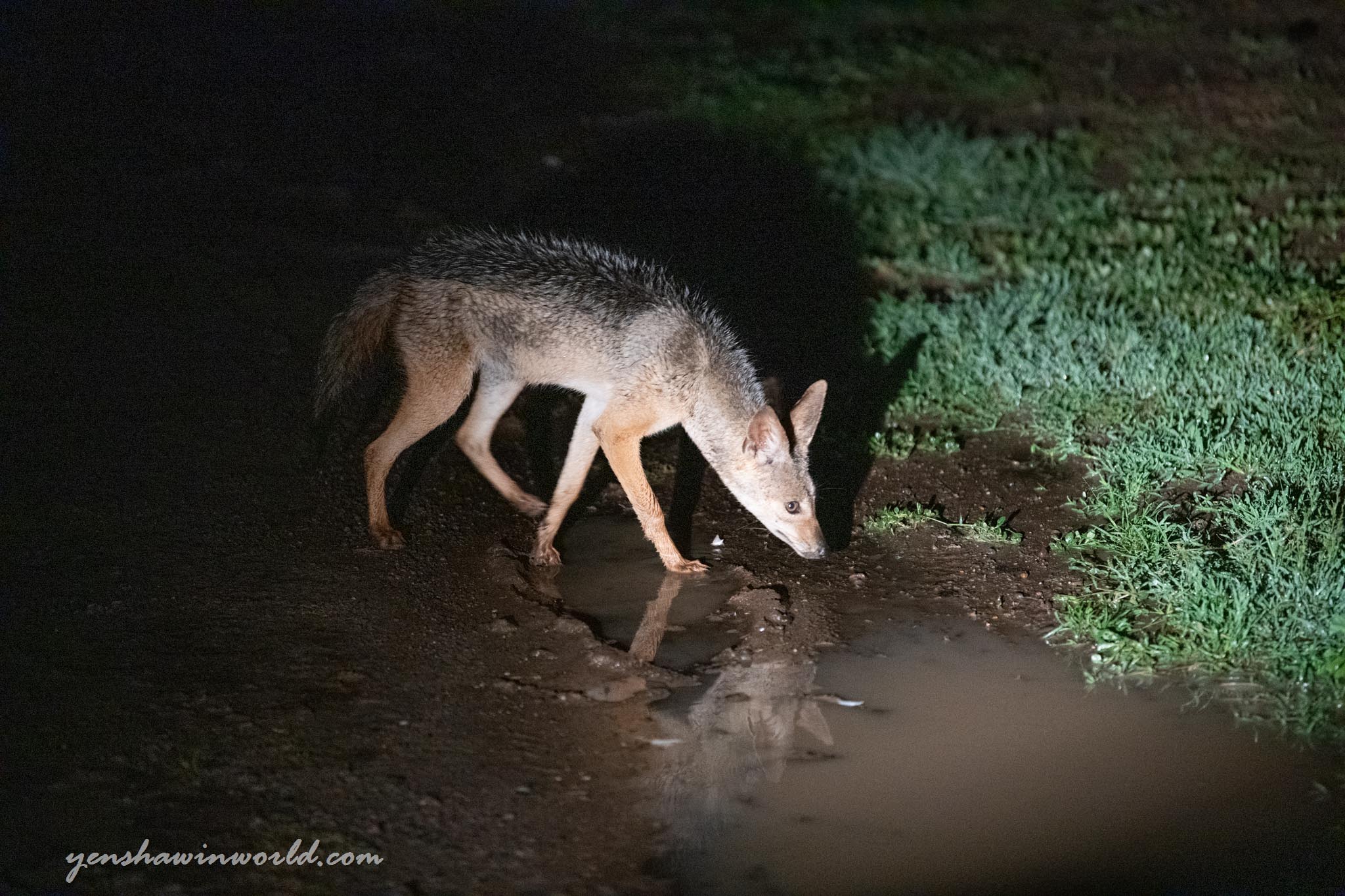
The Conservancy had so many different animals that it was almost amazing how all of them are living in that area together. Among some of the other interesting spots were: zebras, antelope, African Fish Eagle, Baboons, and on the night drive, jackals and the ever elusive Stripped Hyena (second time I have seen one).
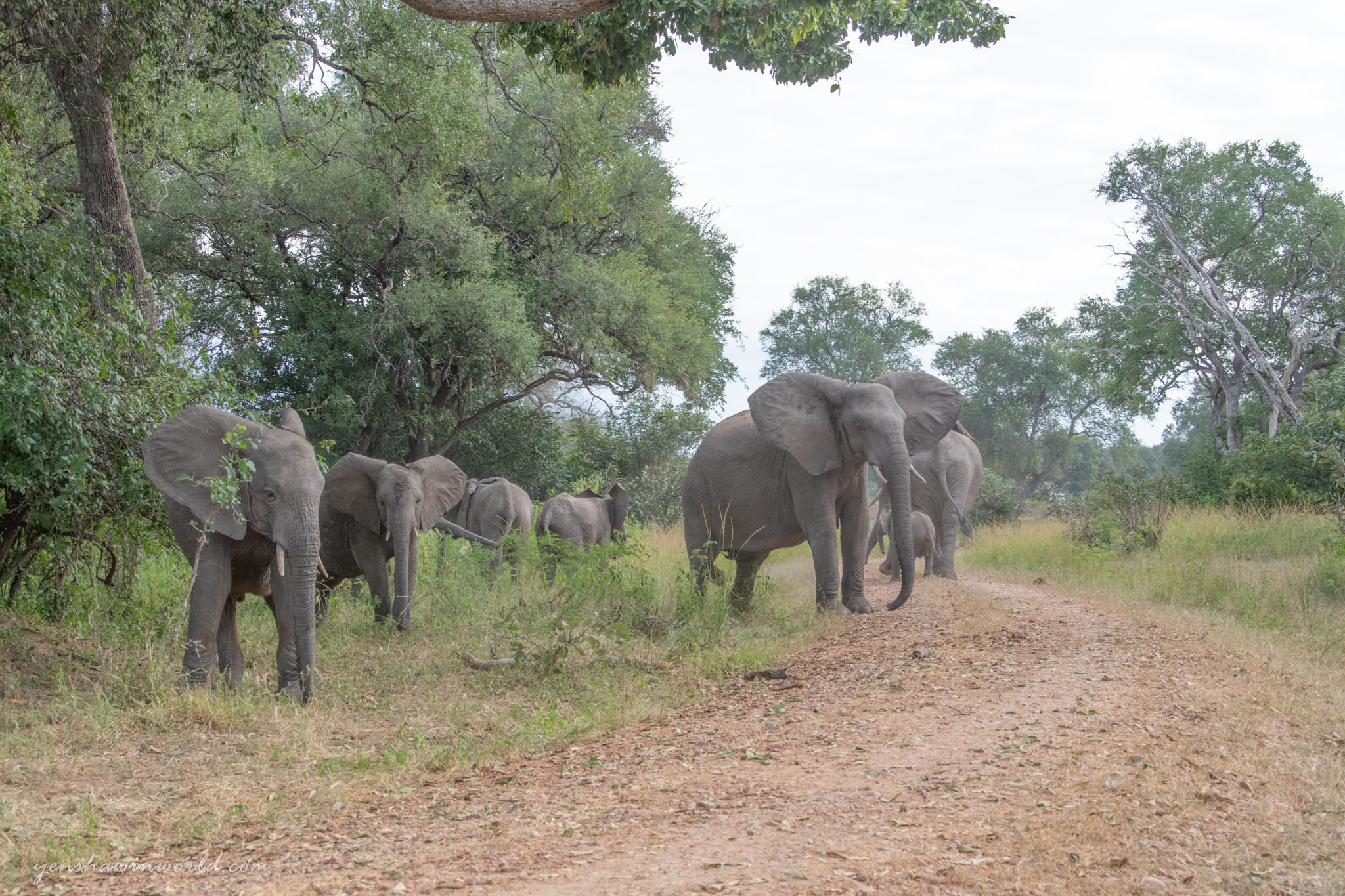
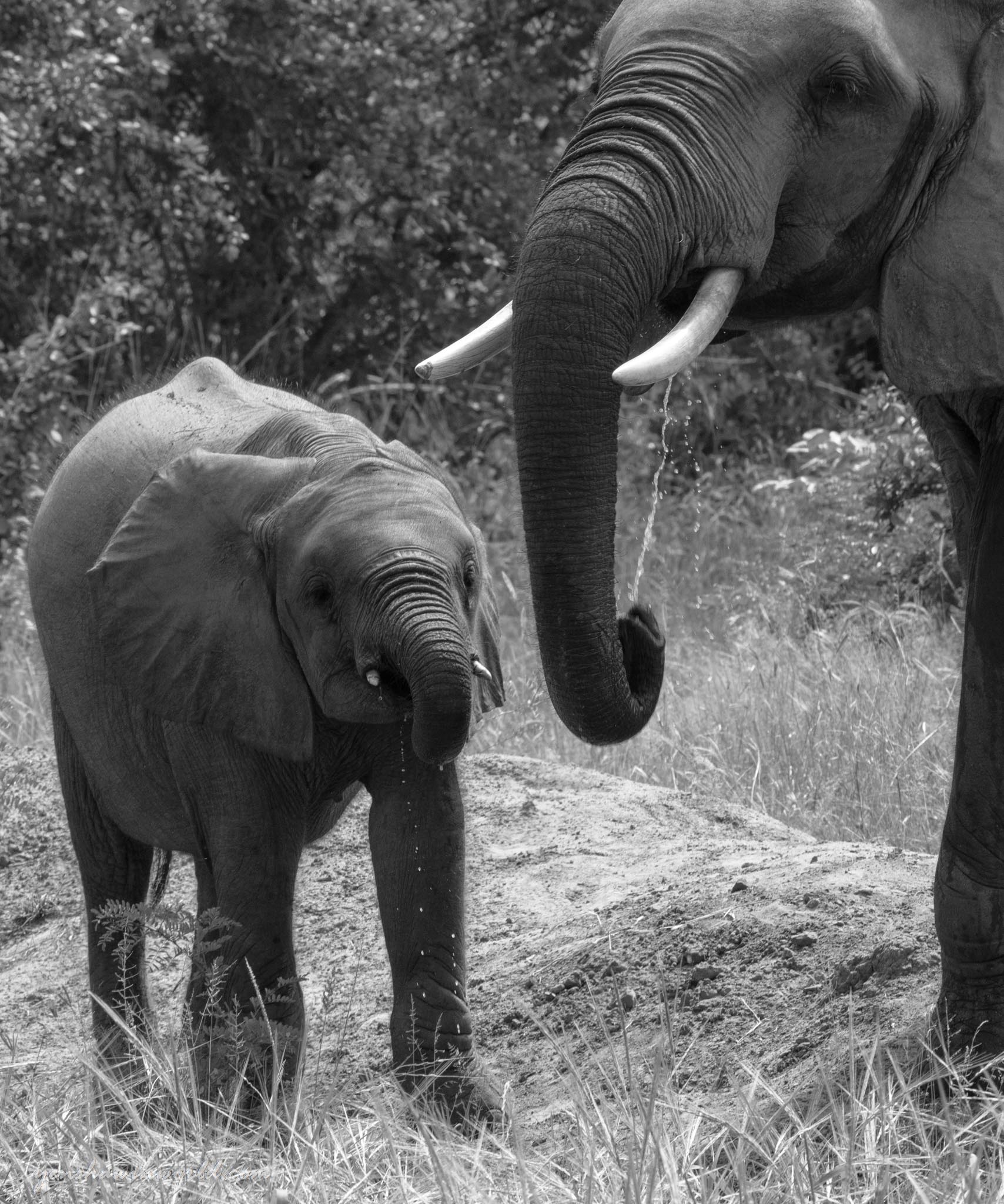
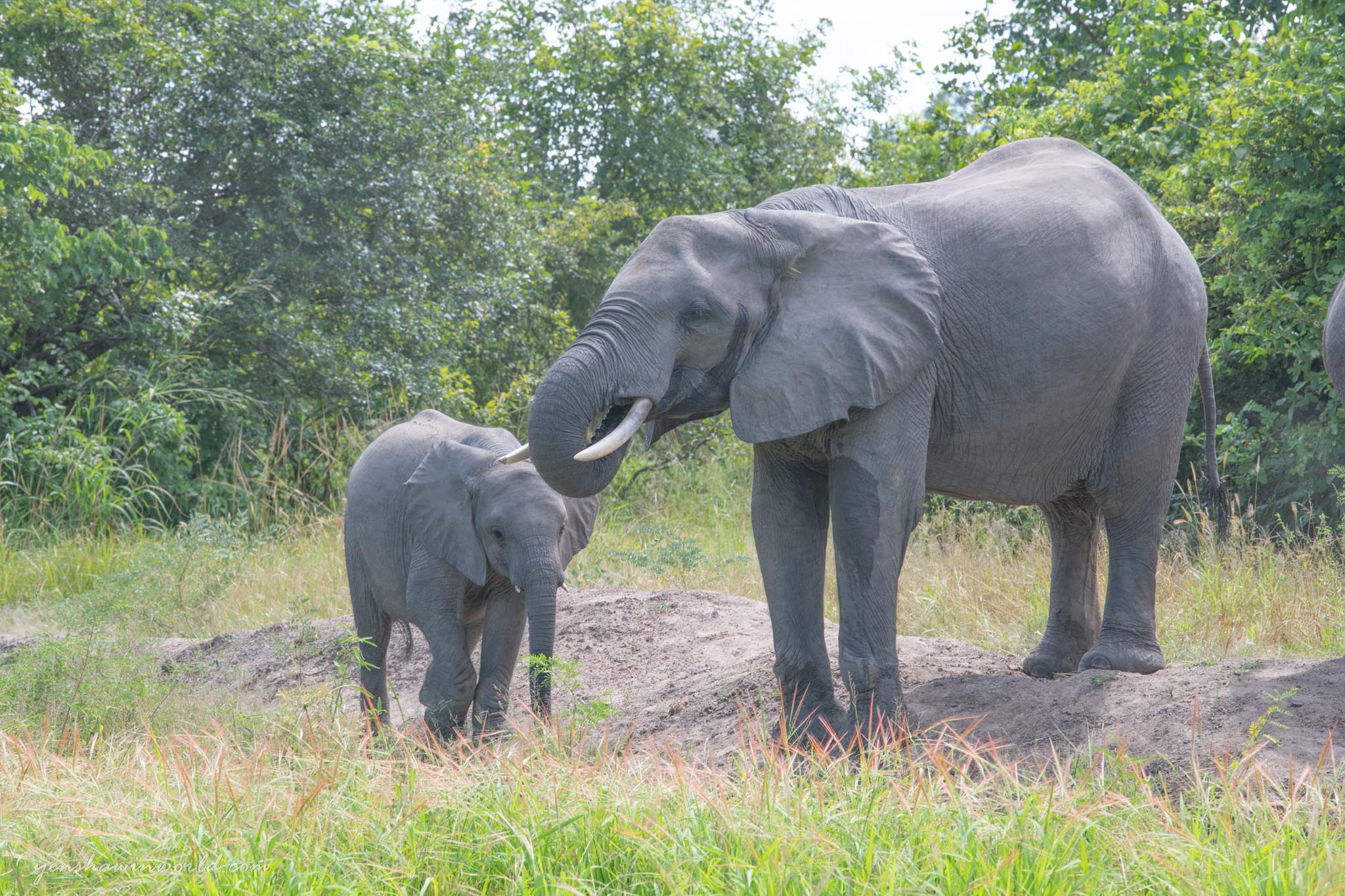
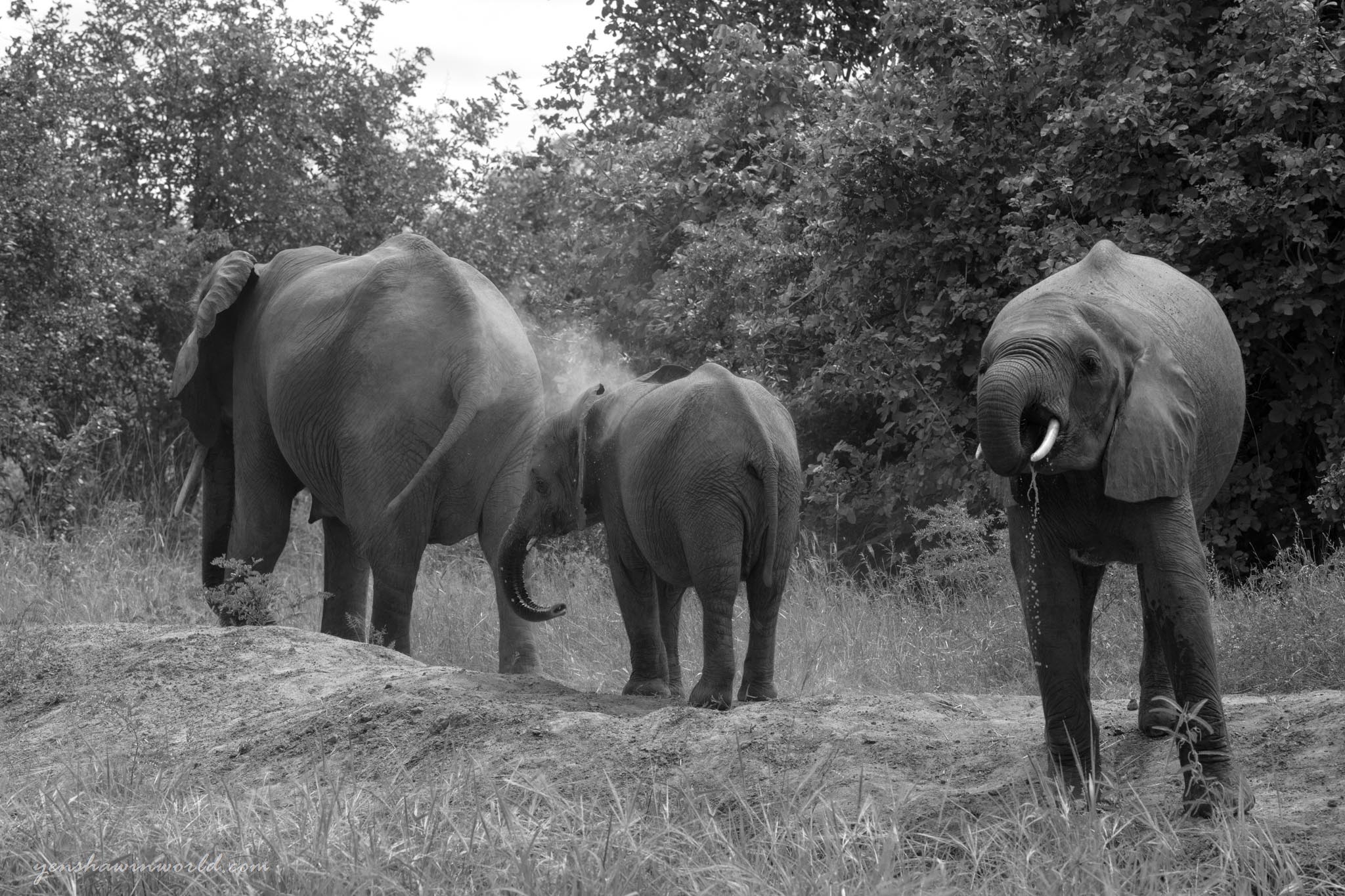
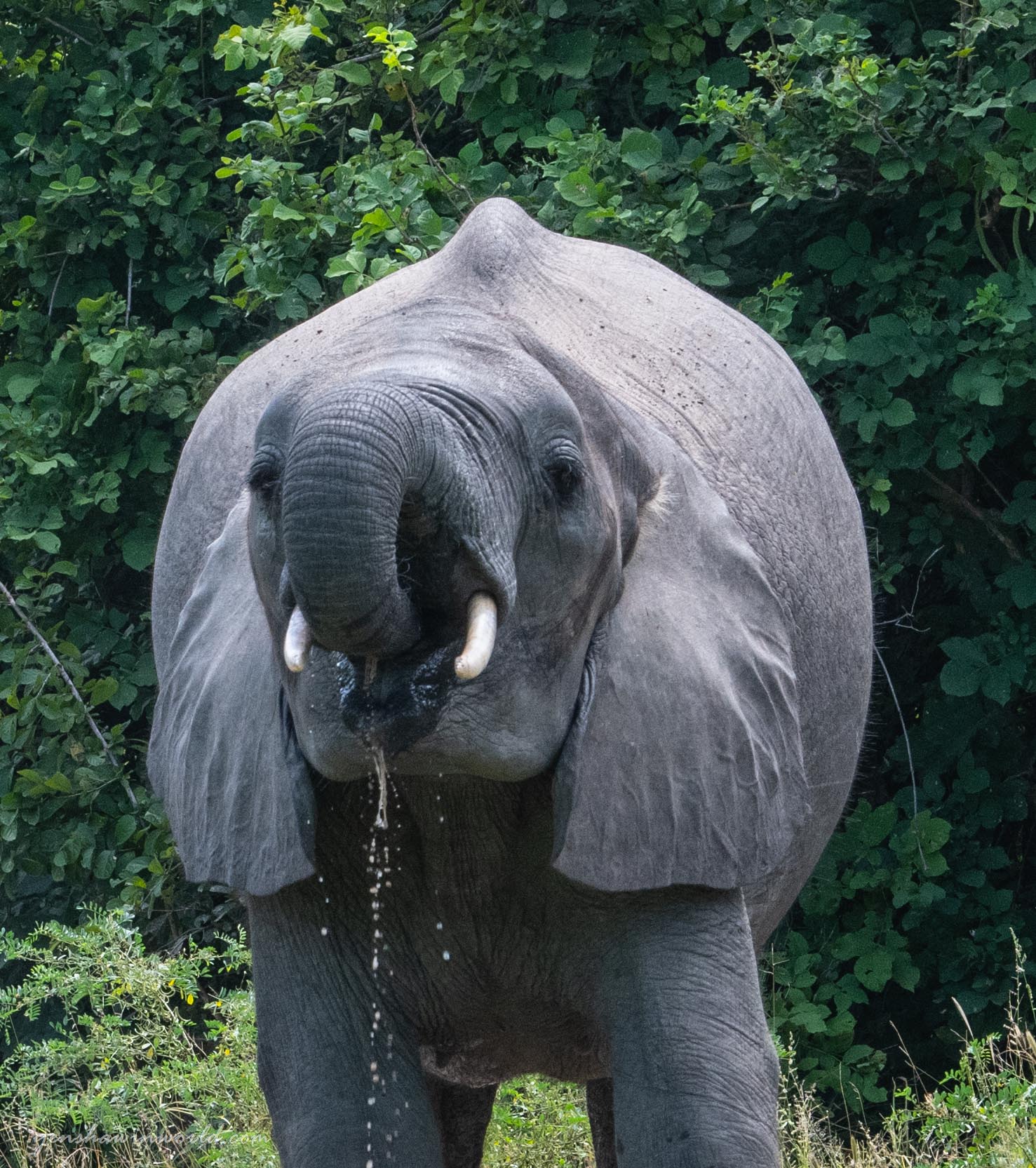
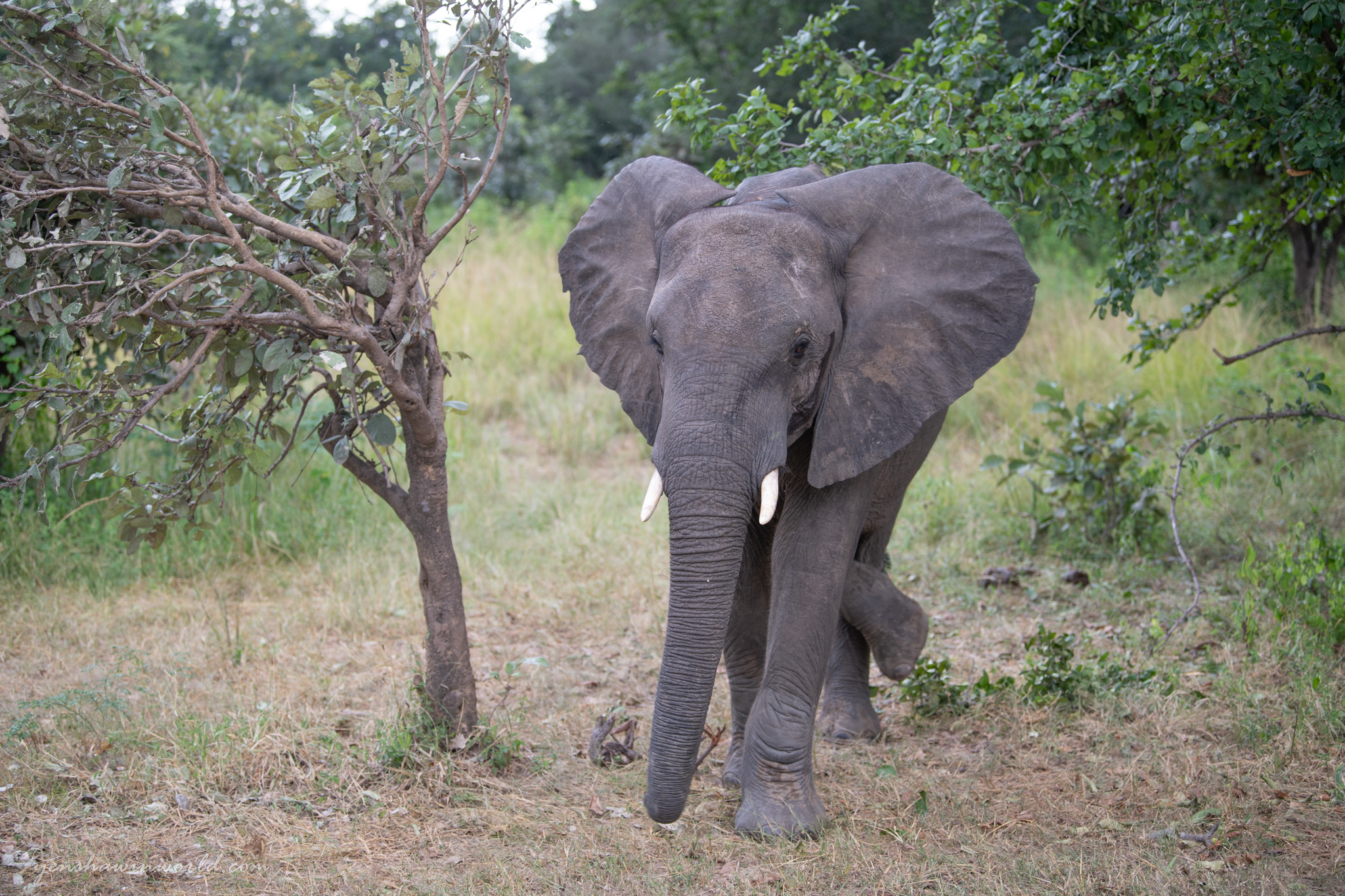
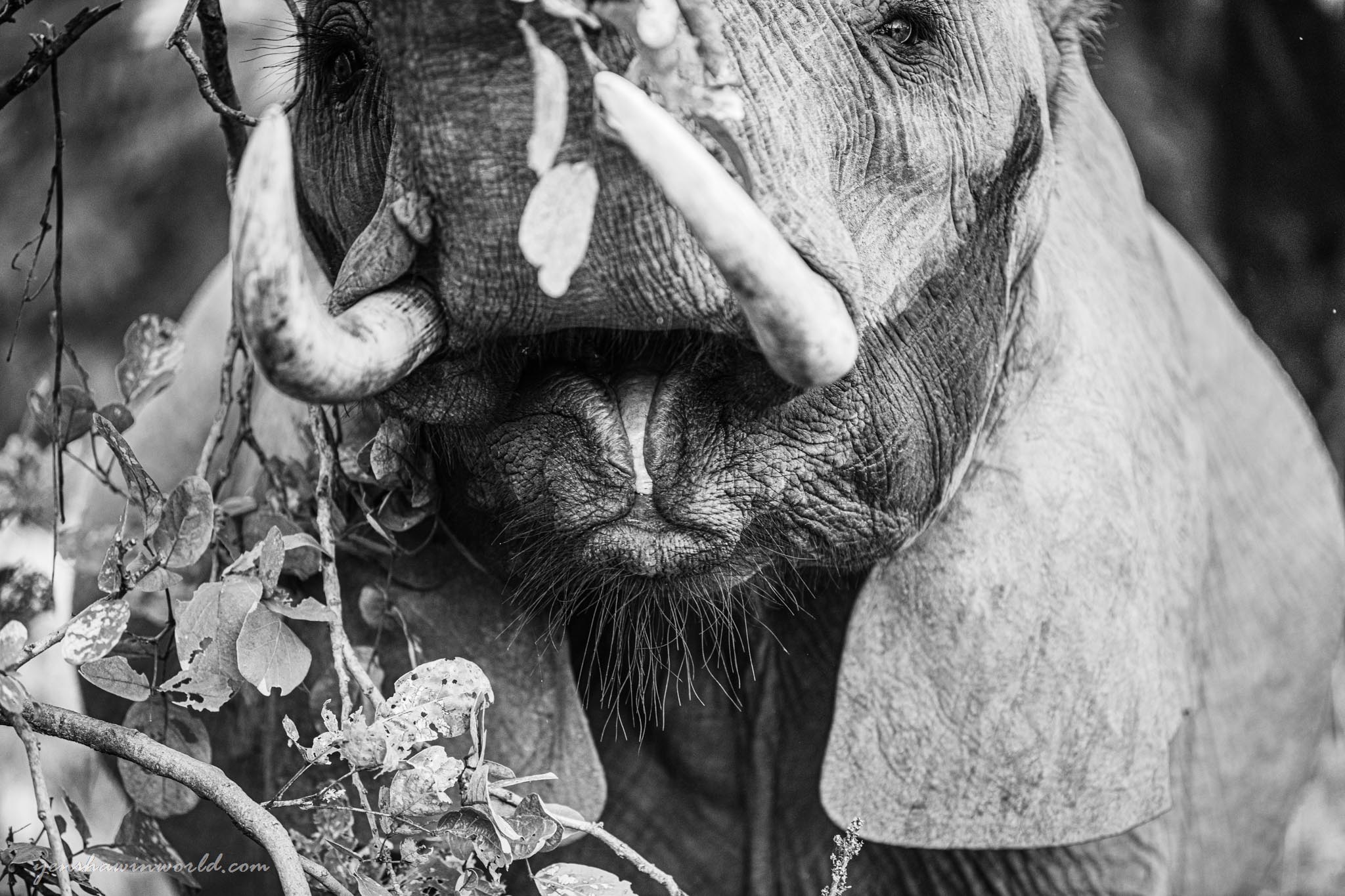
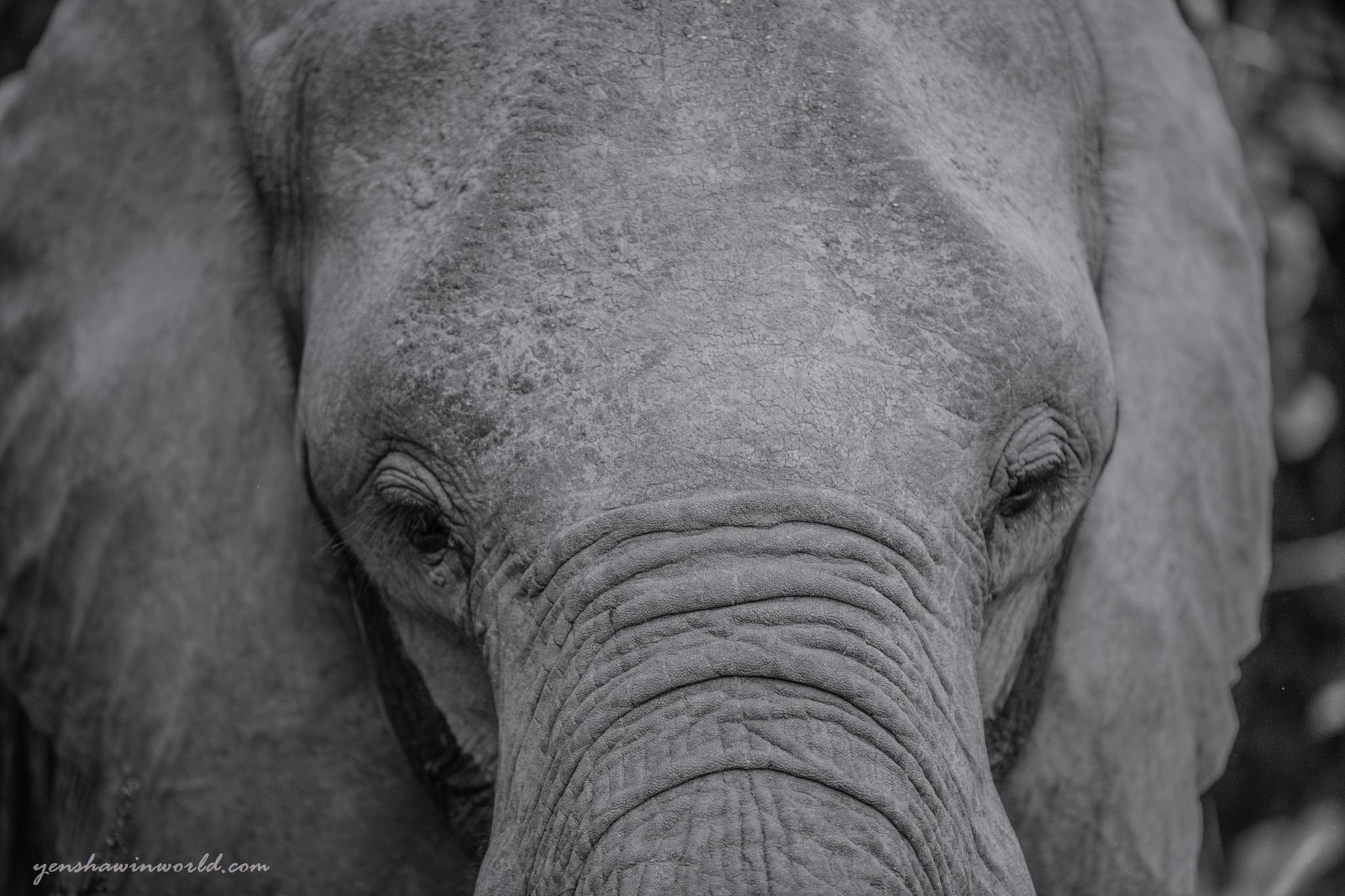
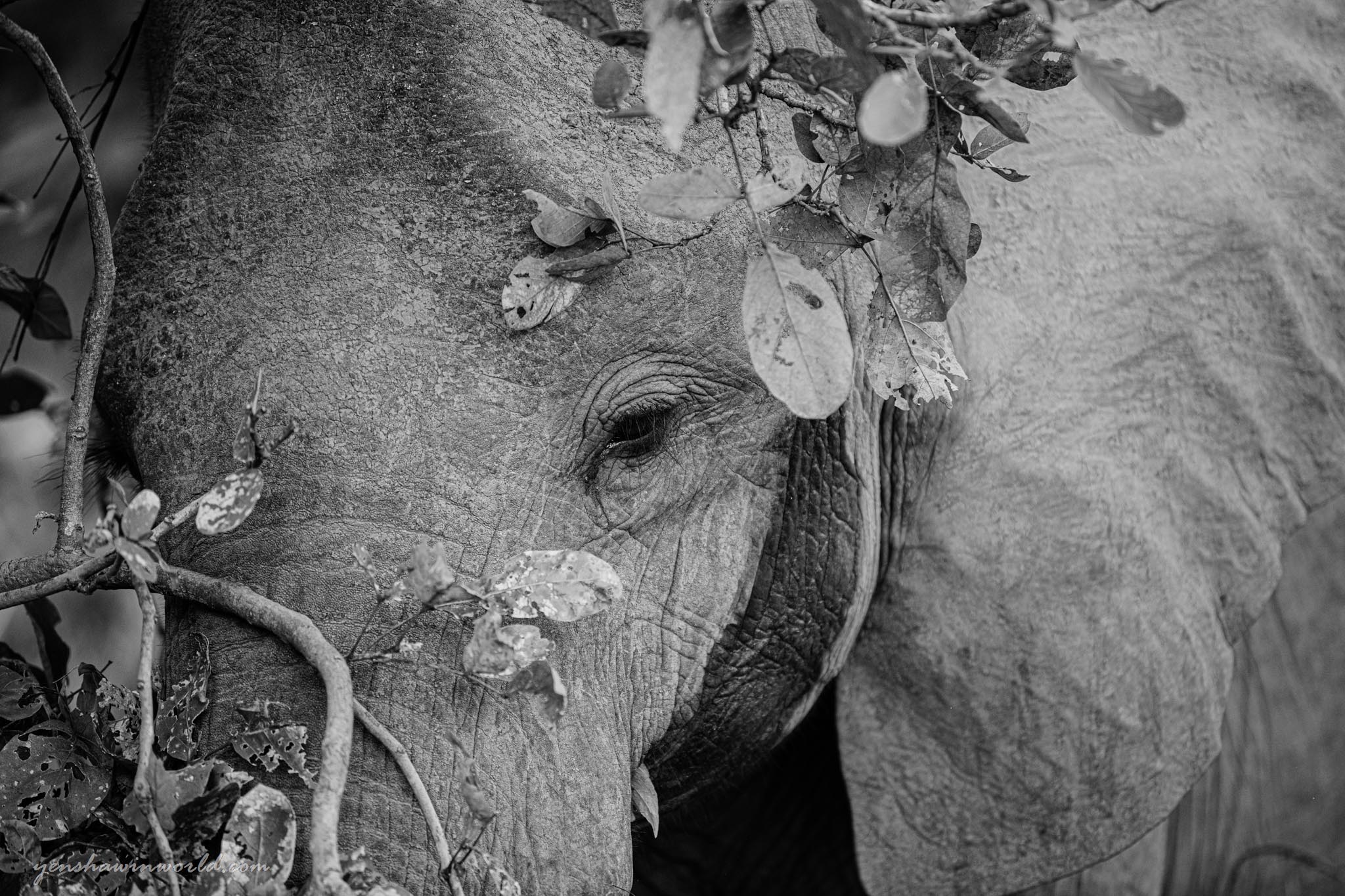
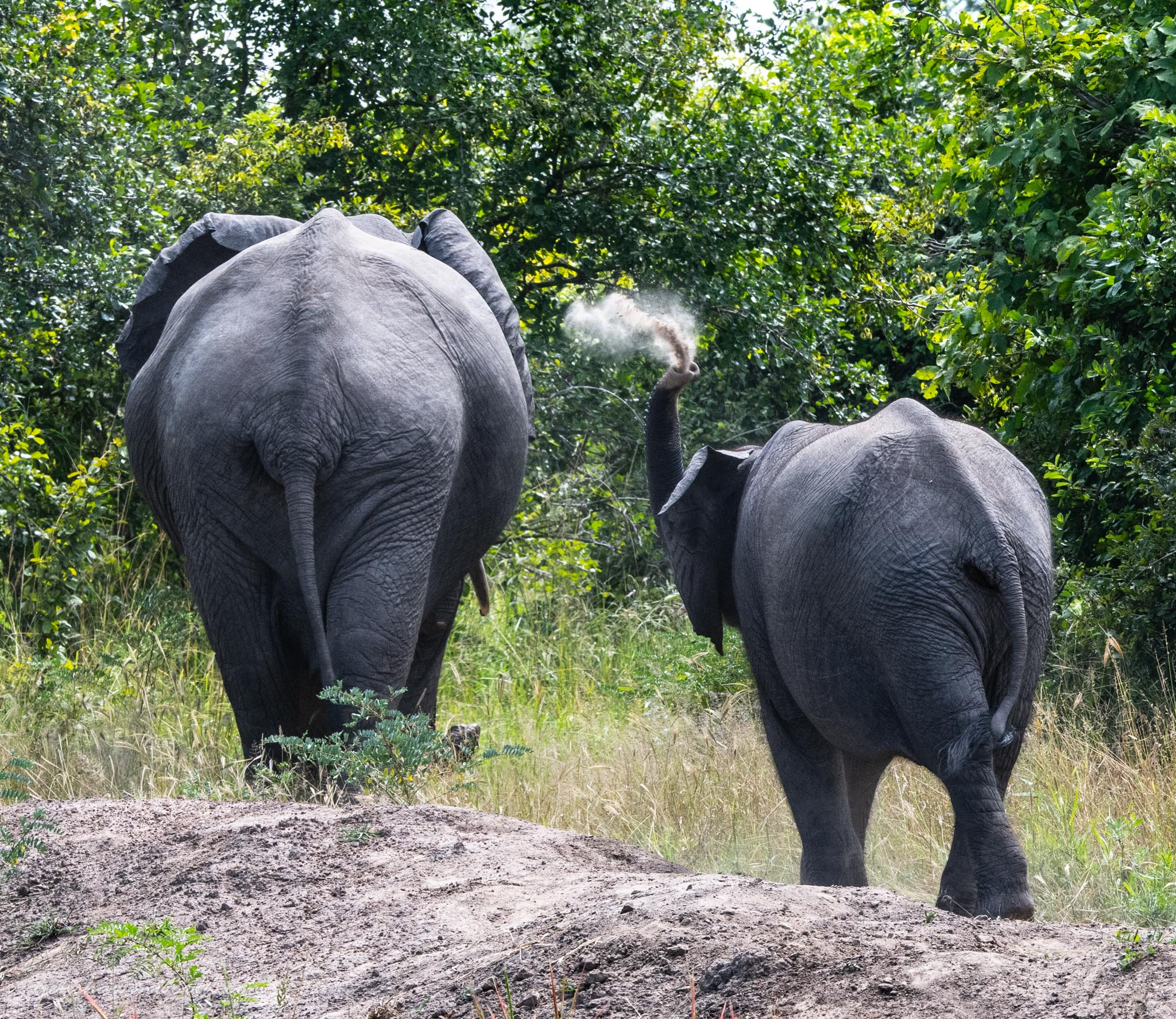
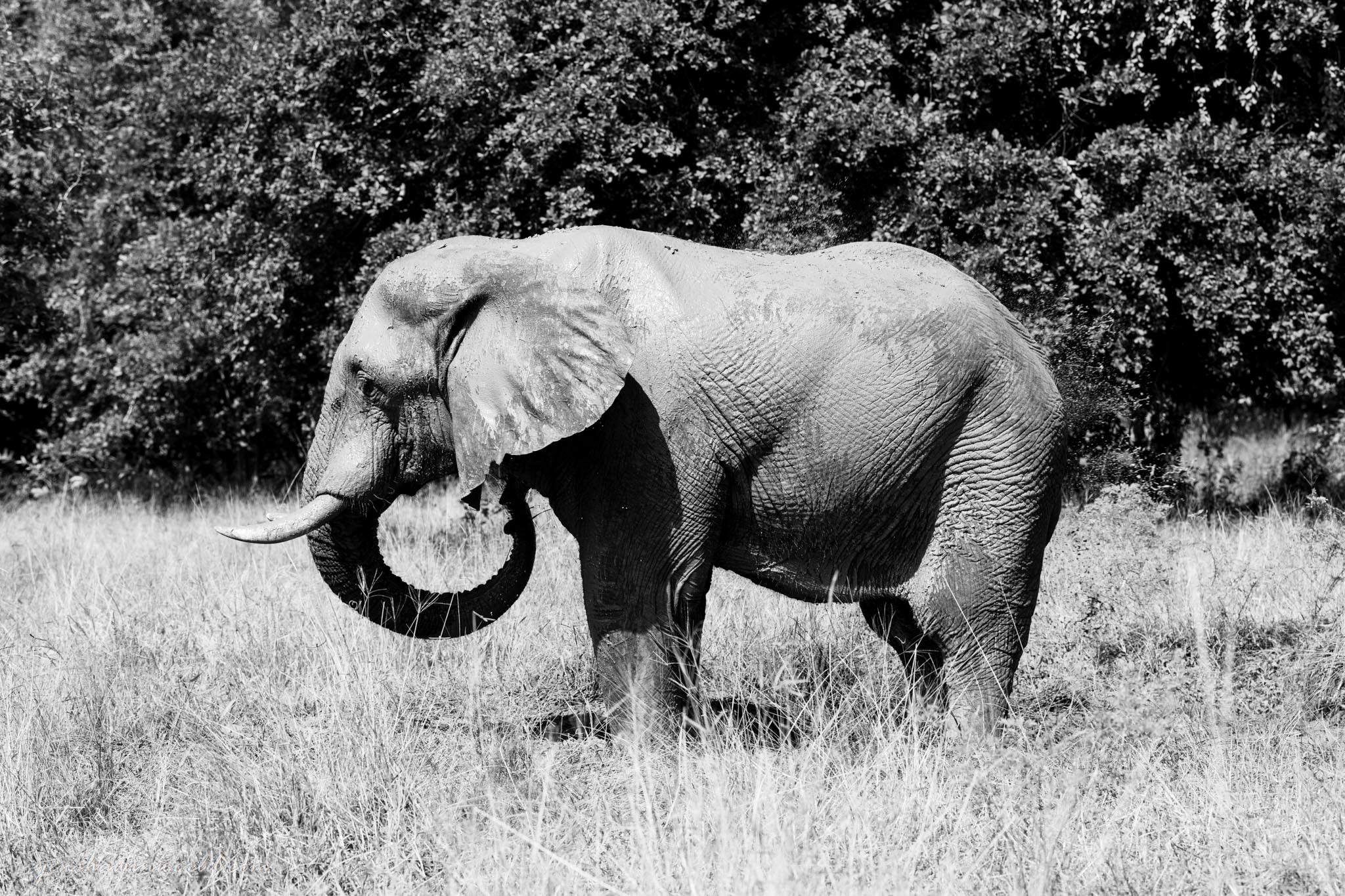
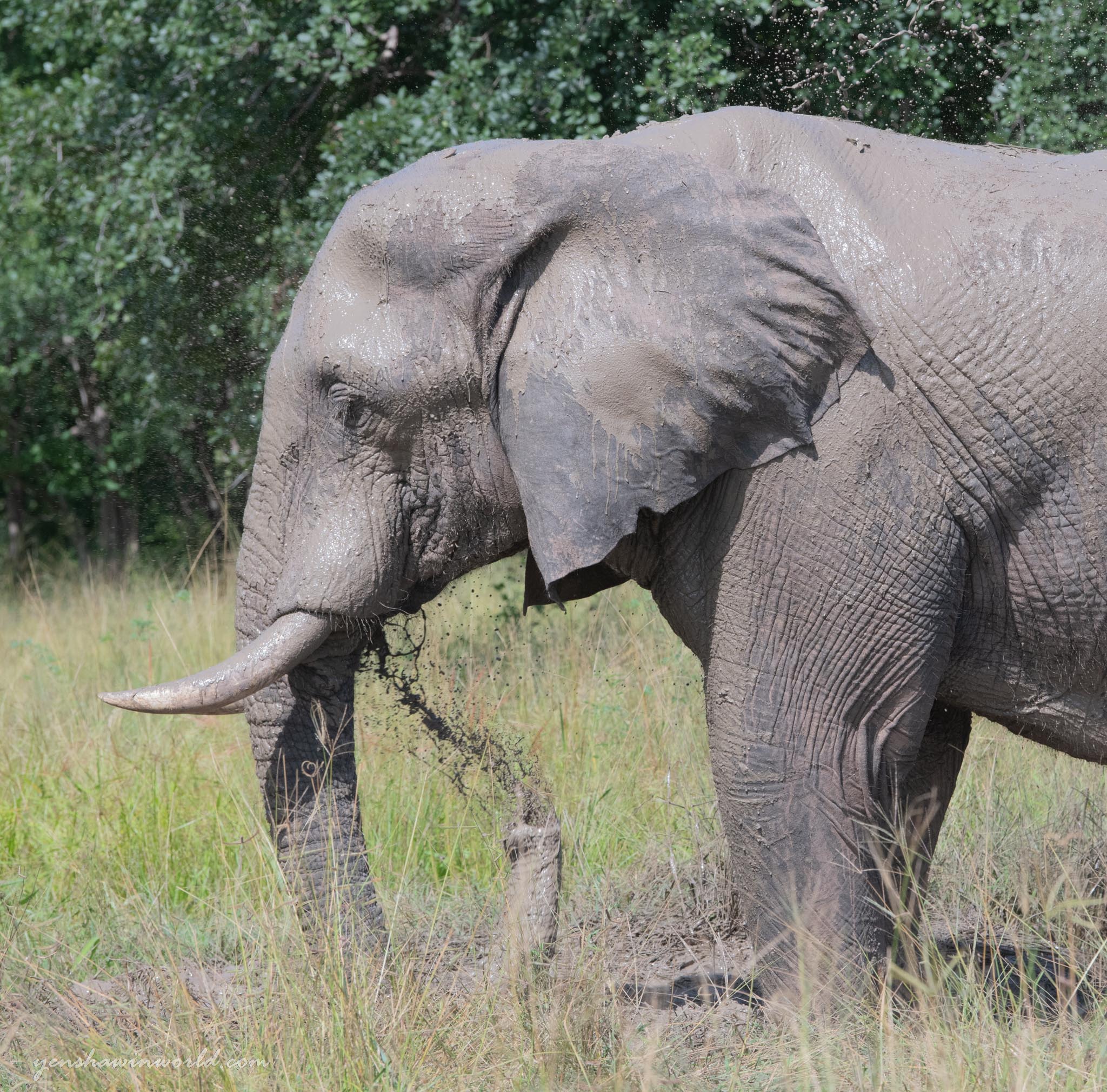
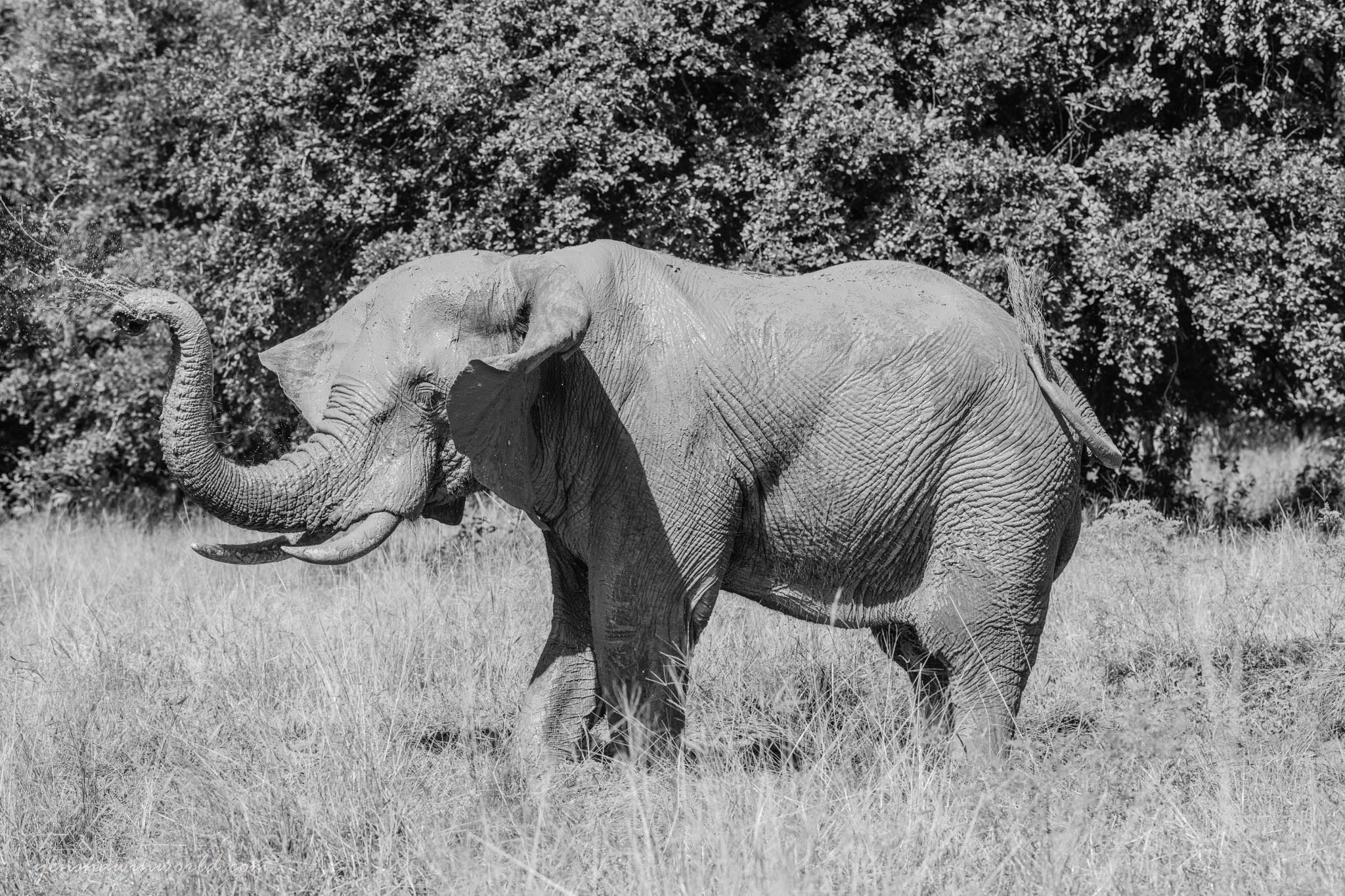
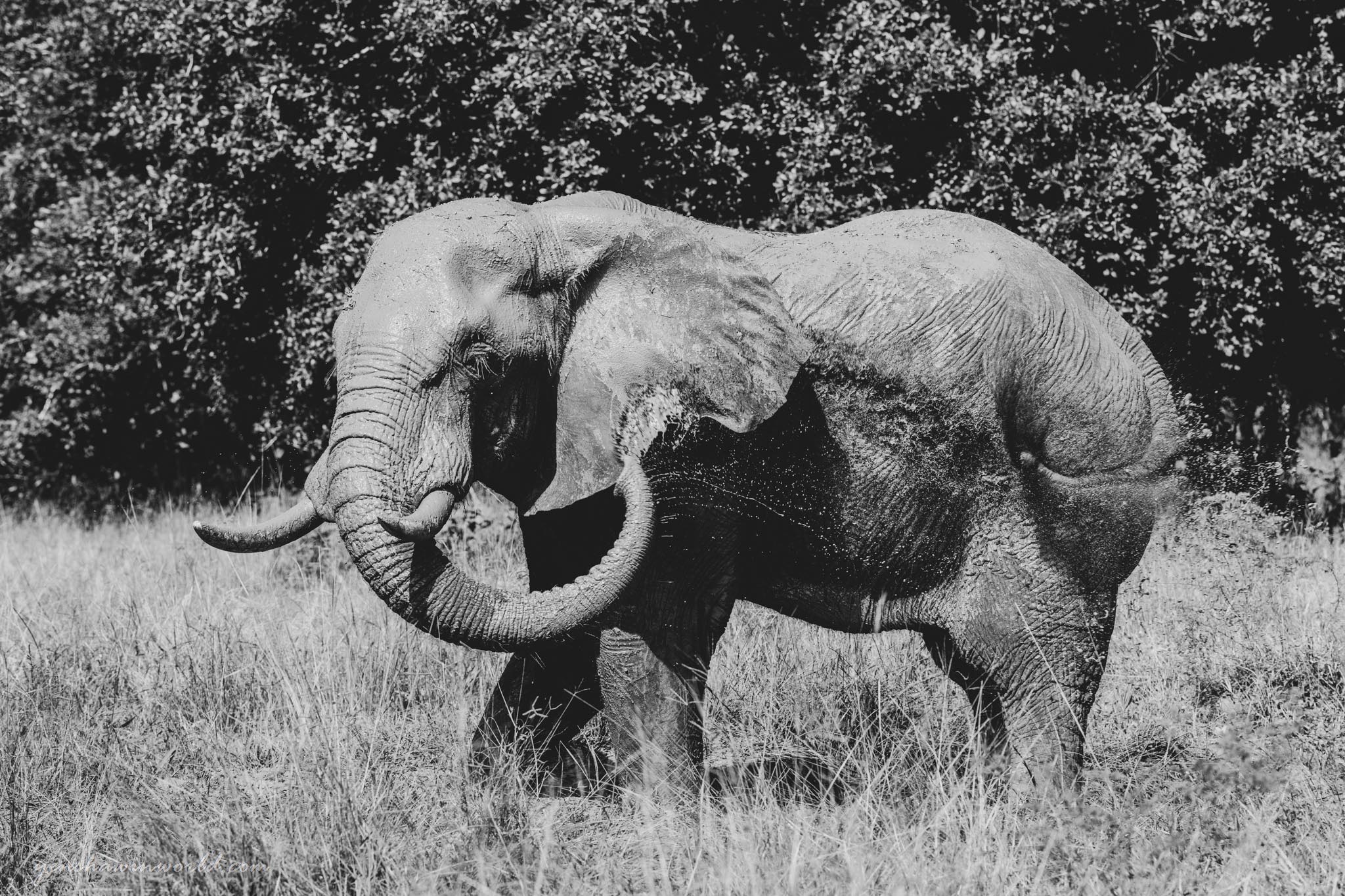
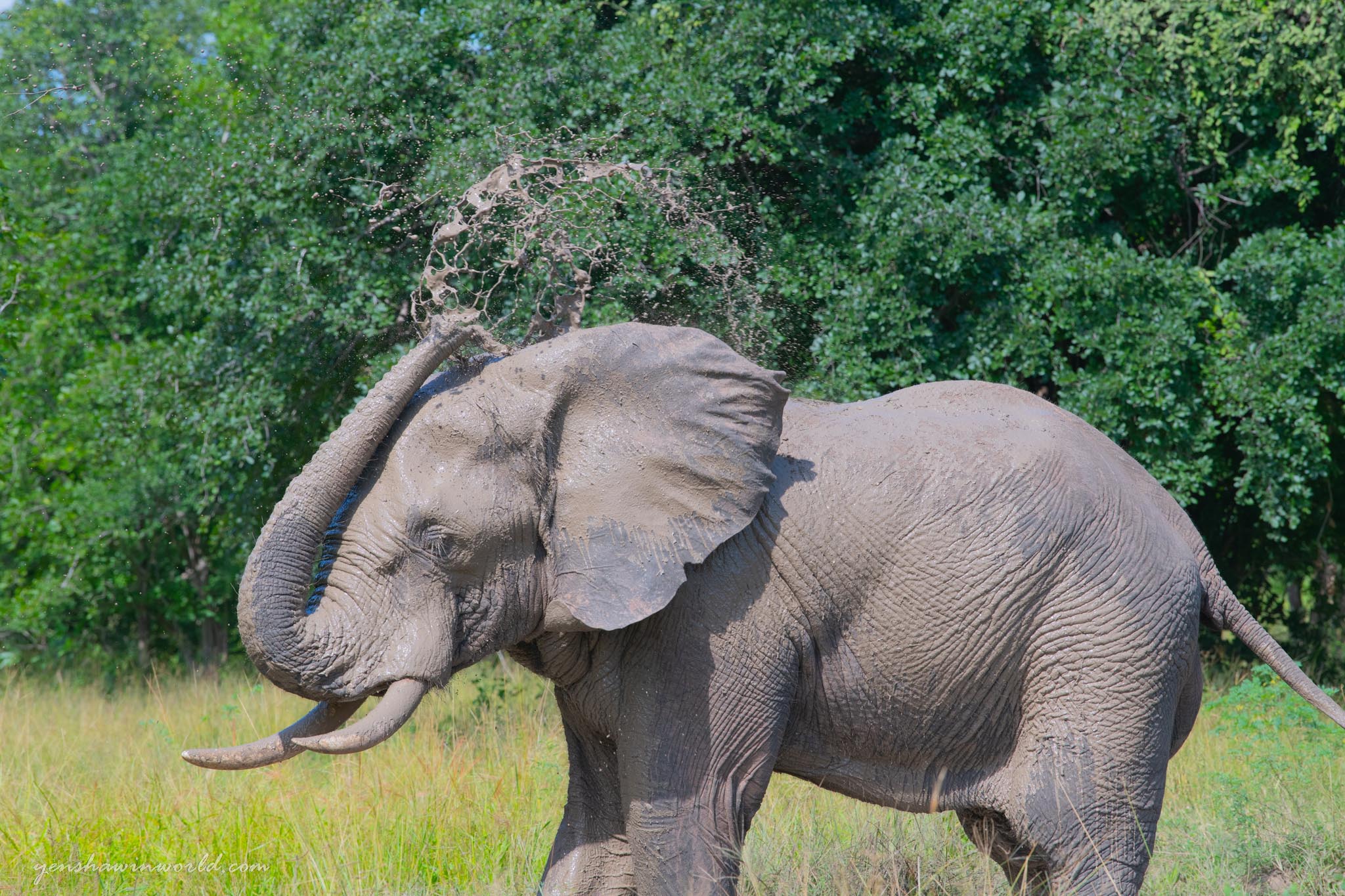
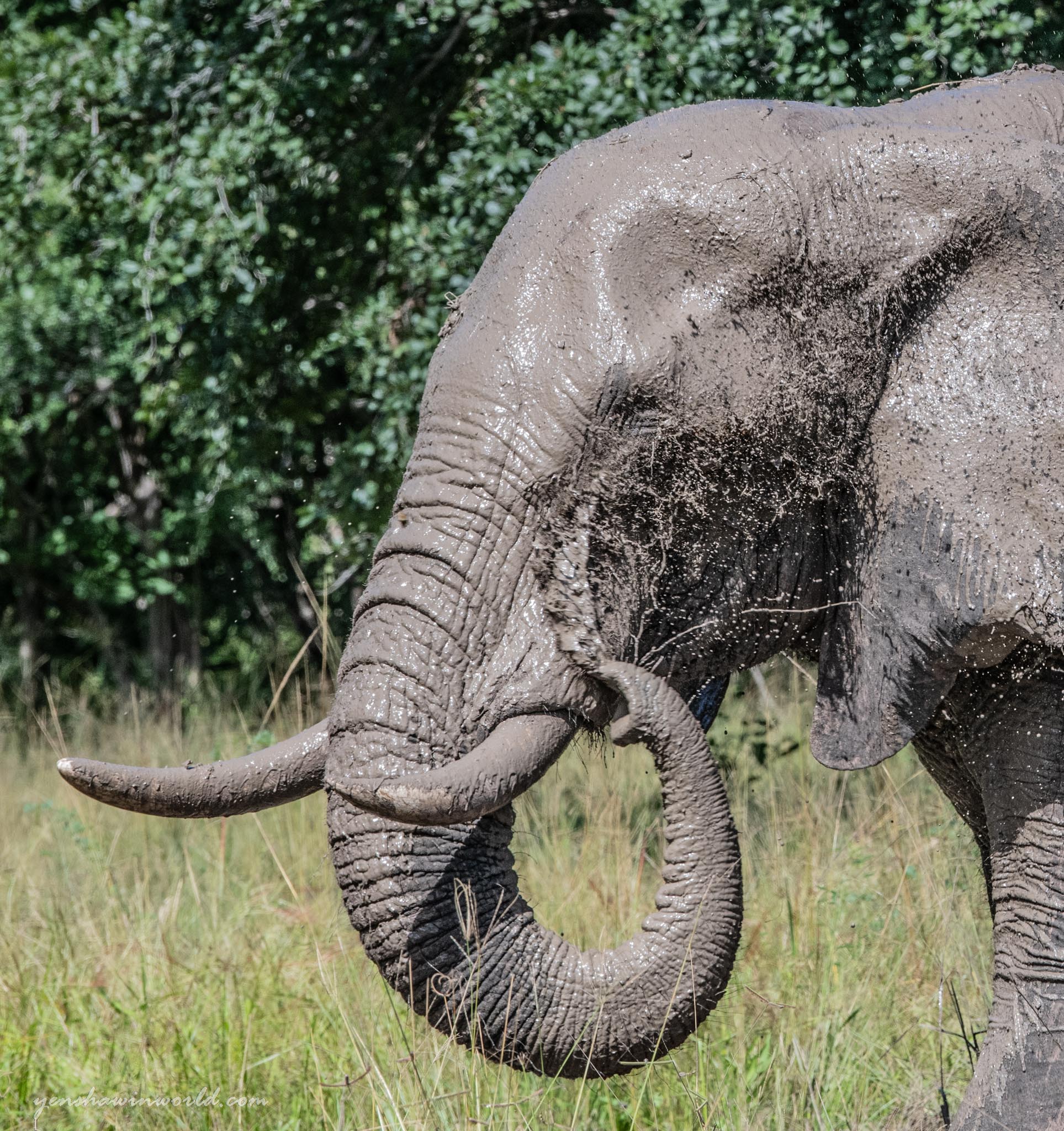
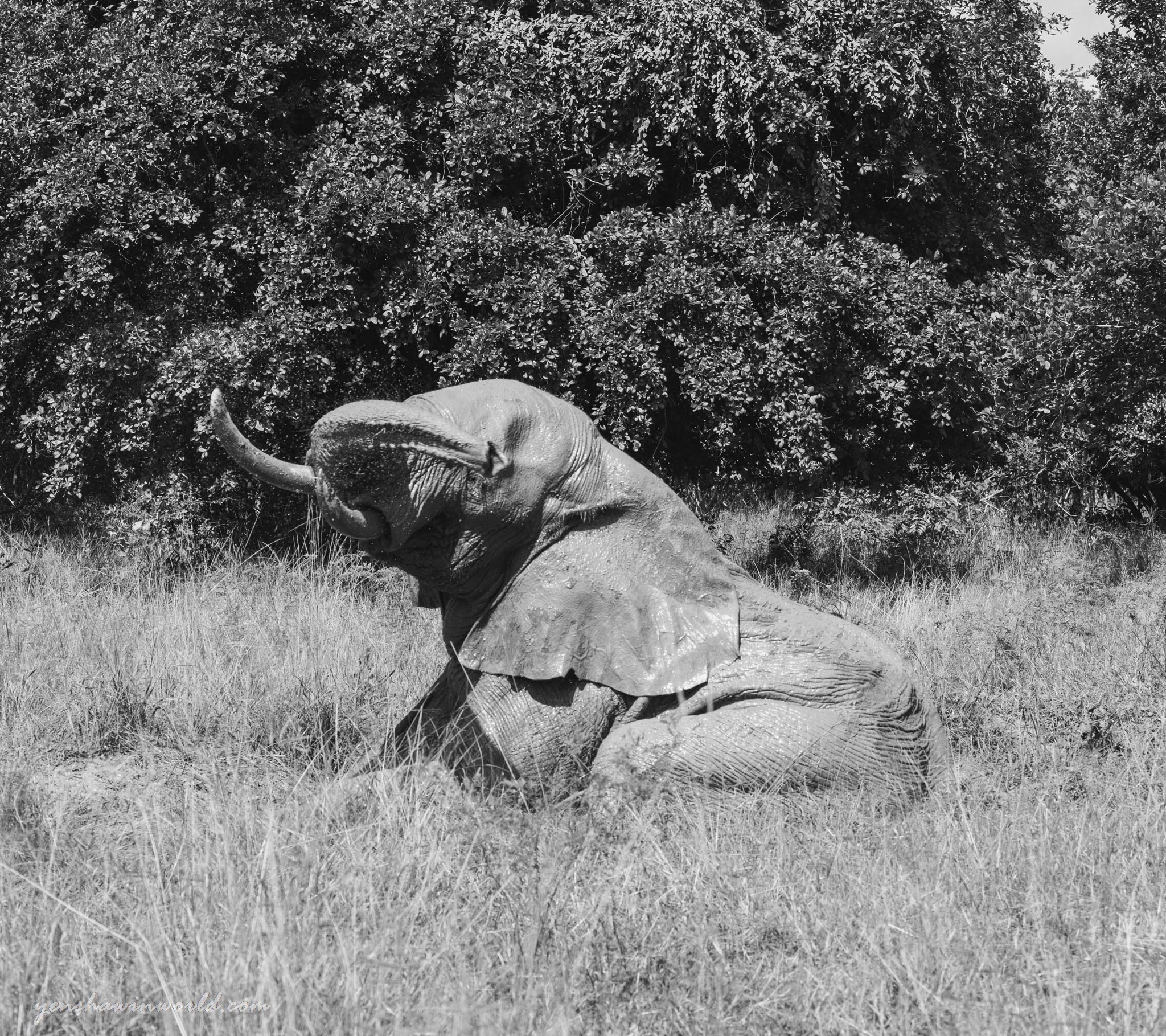
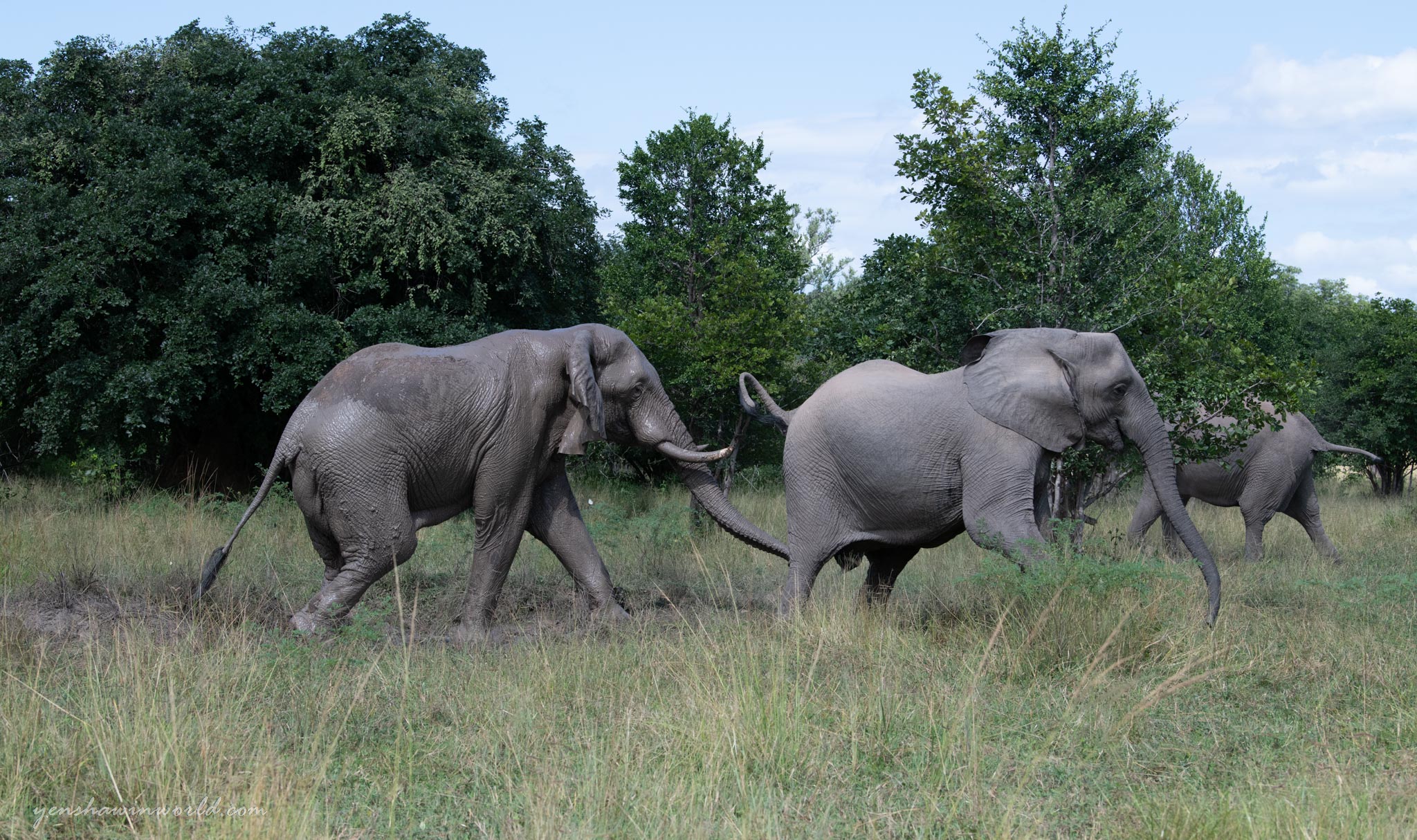
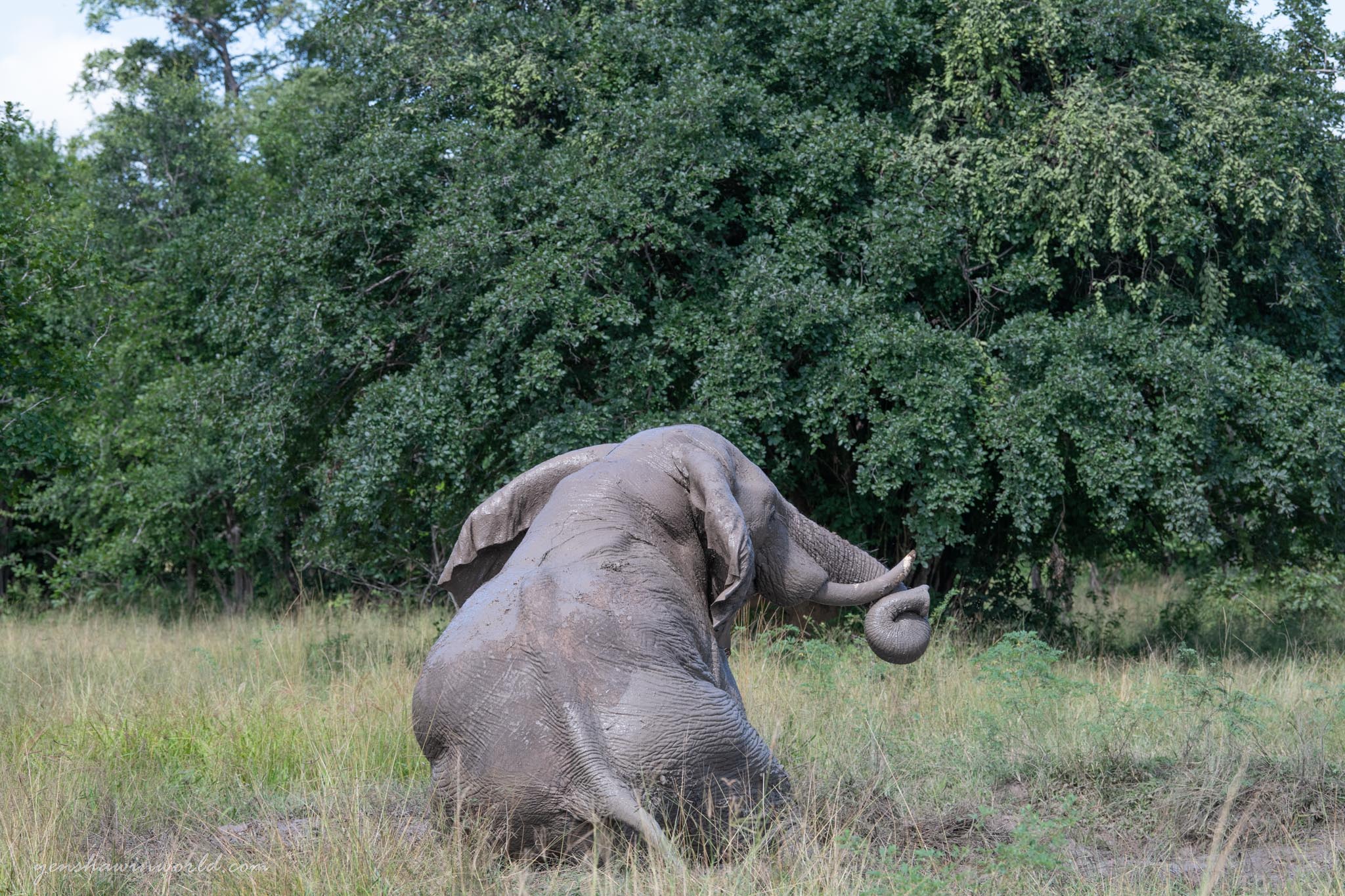
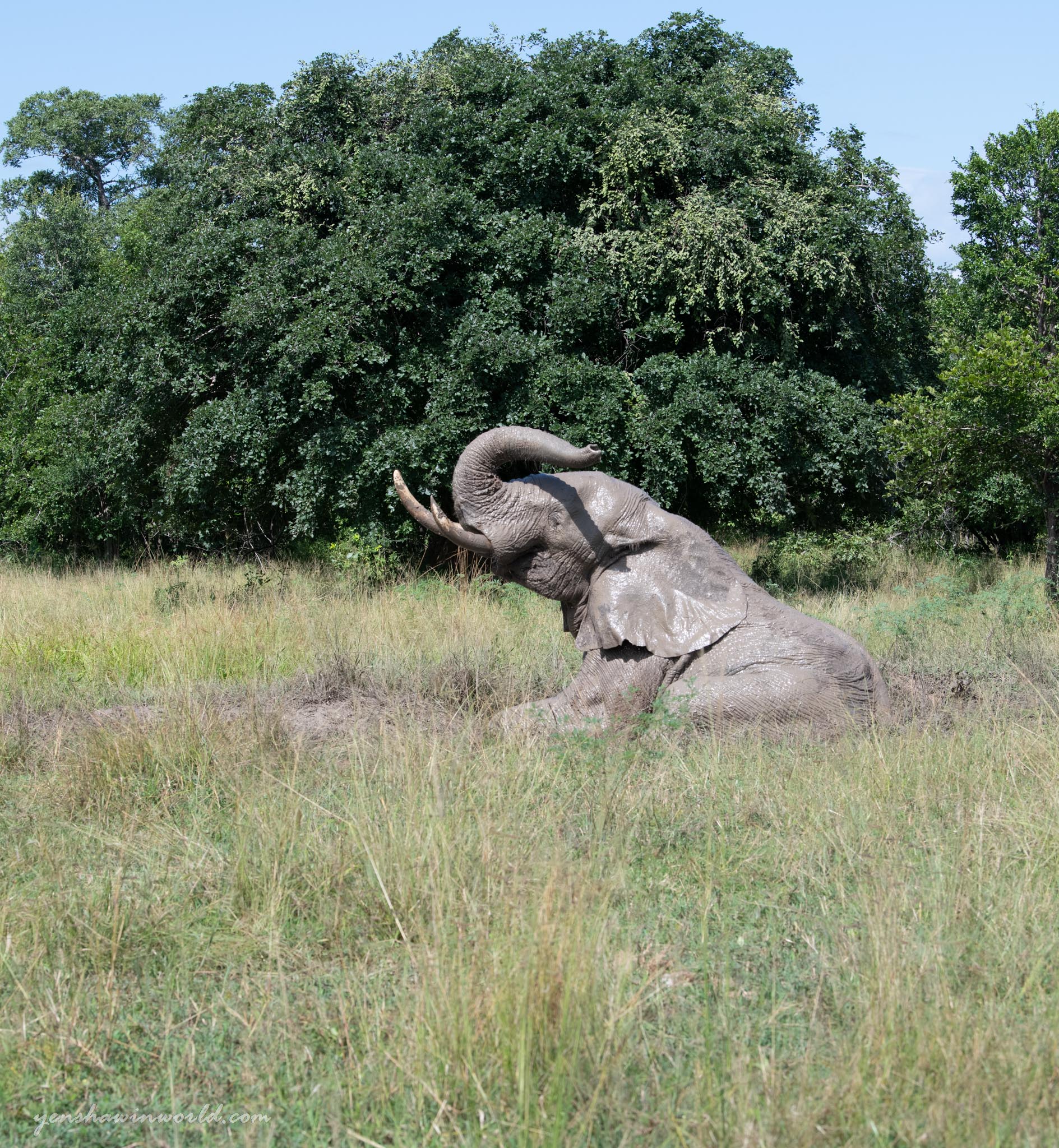
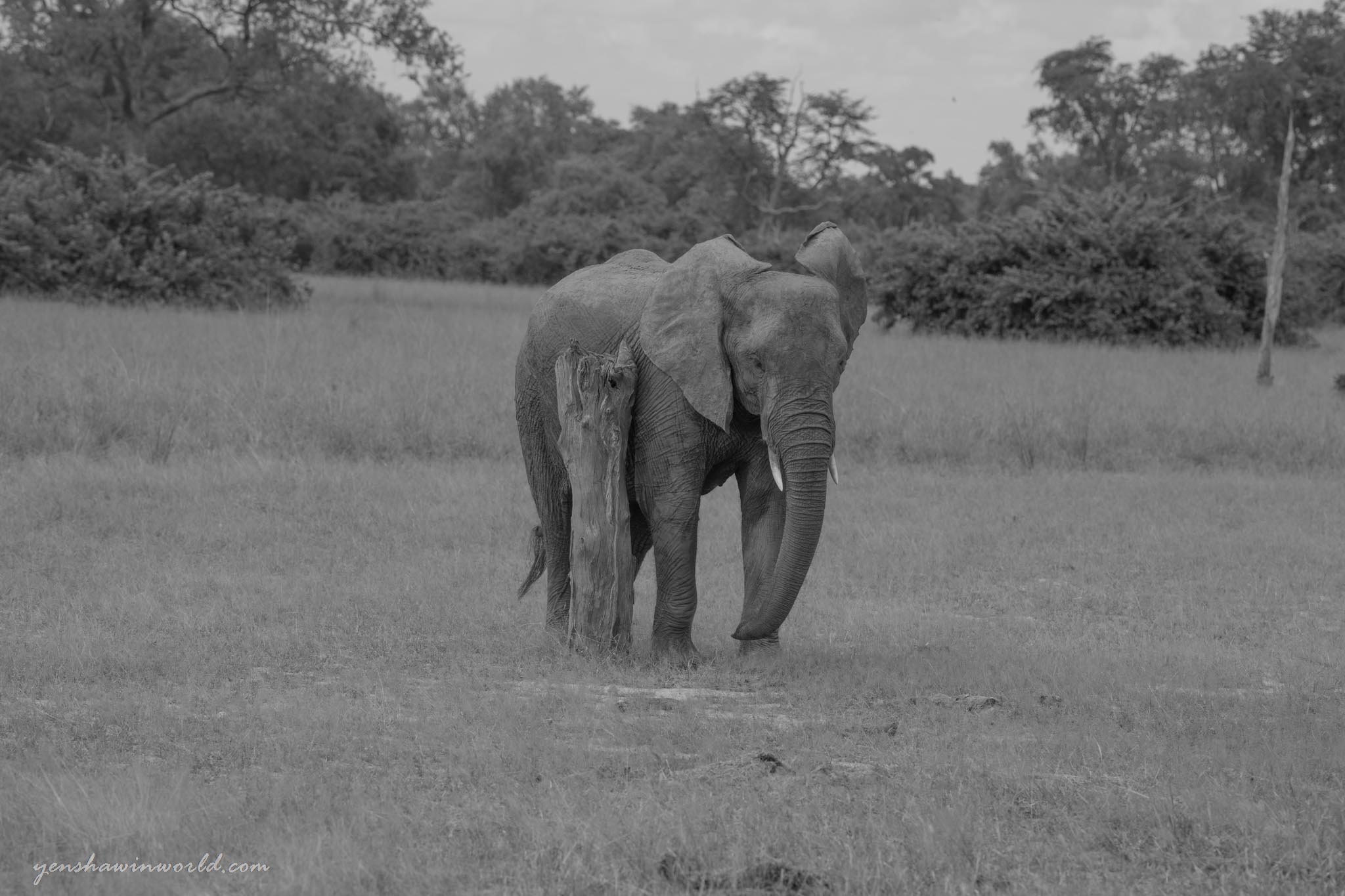
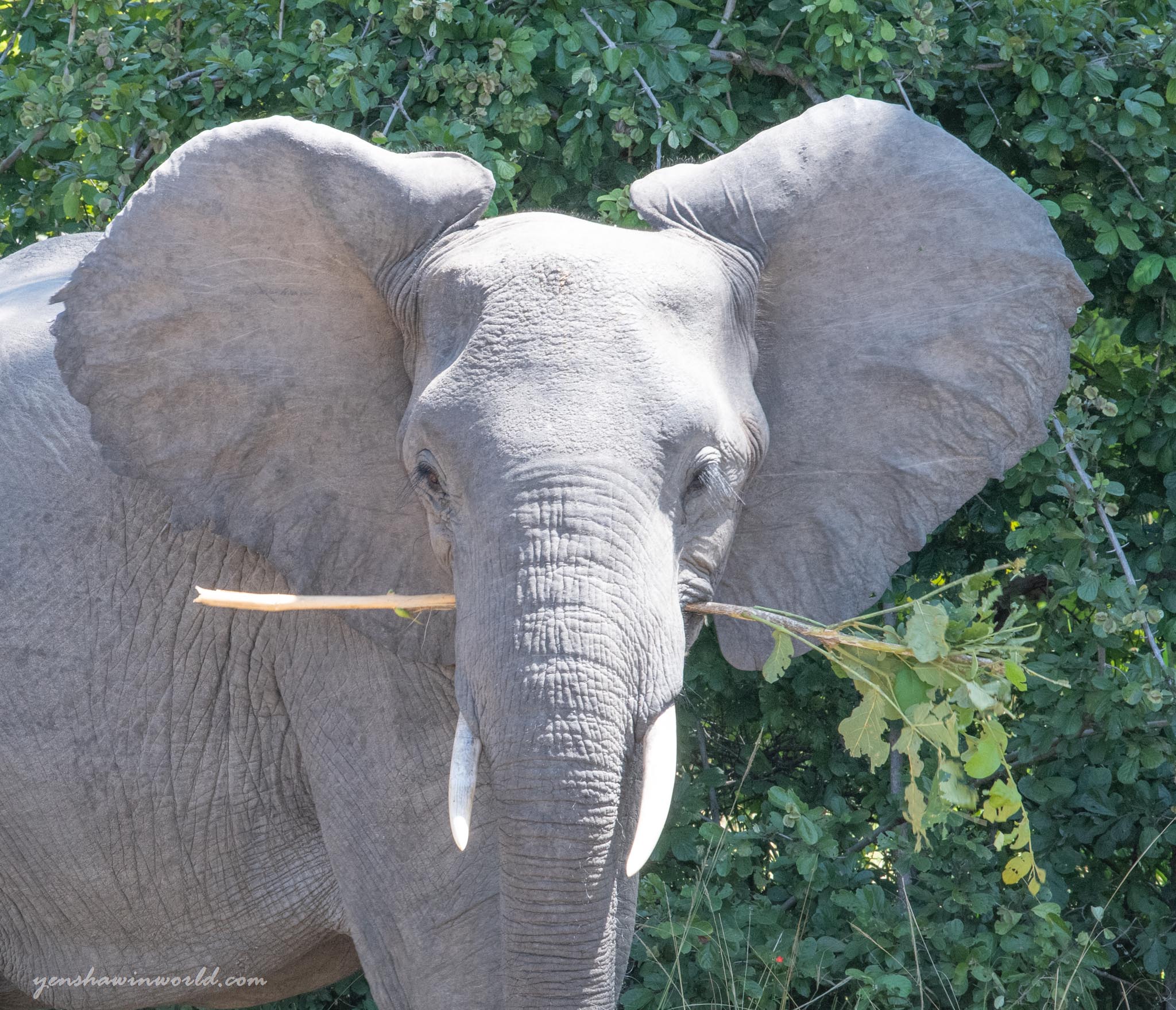
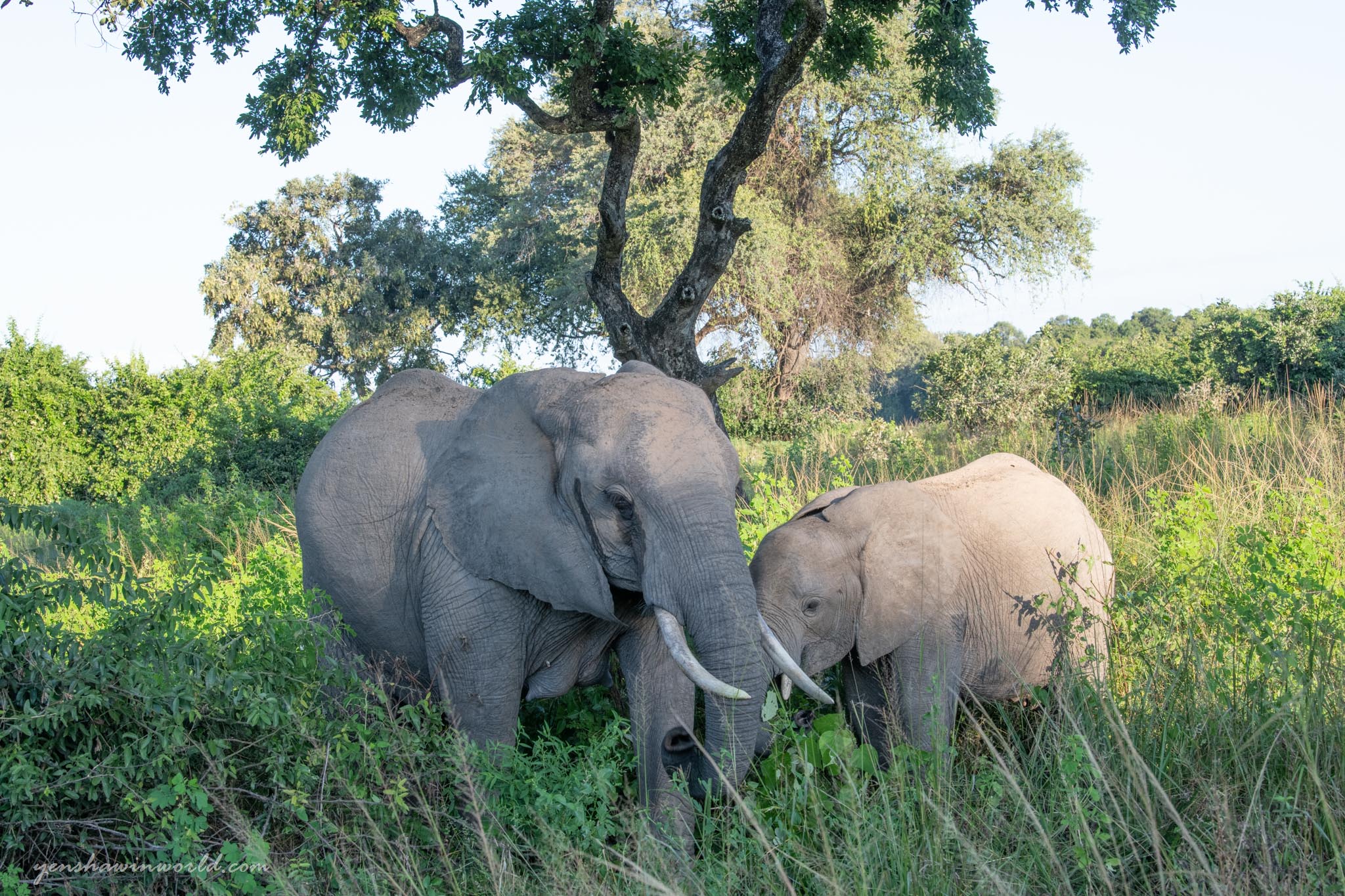
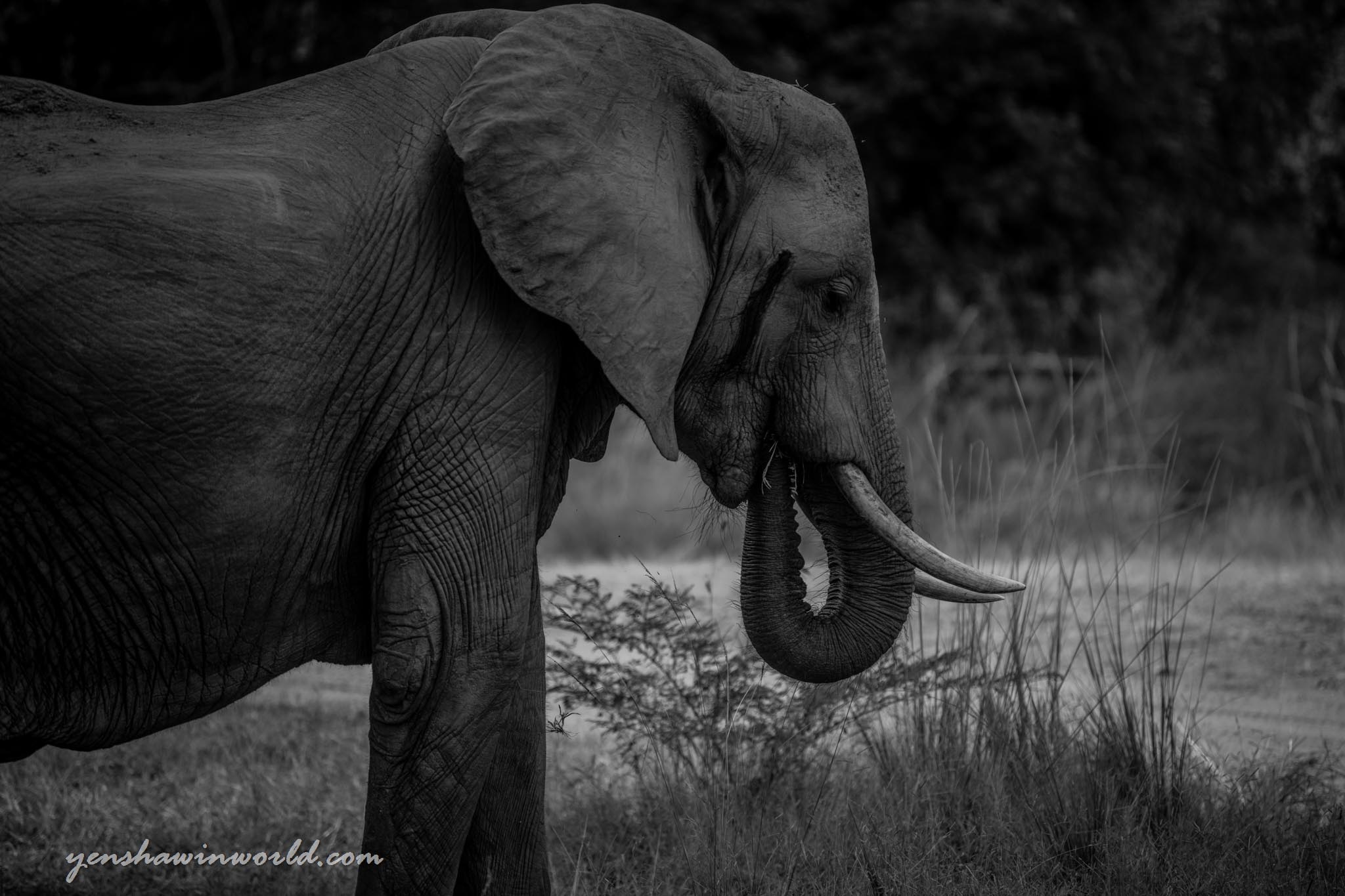
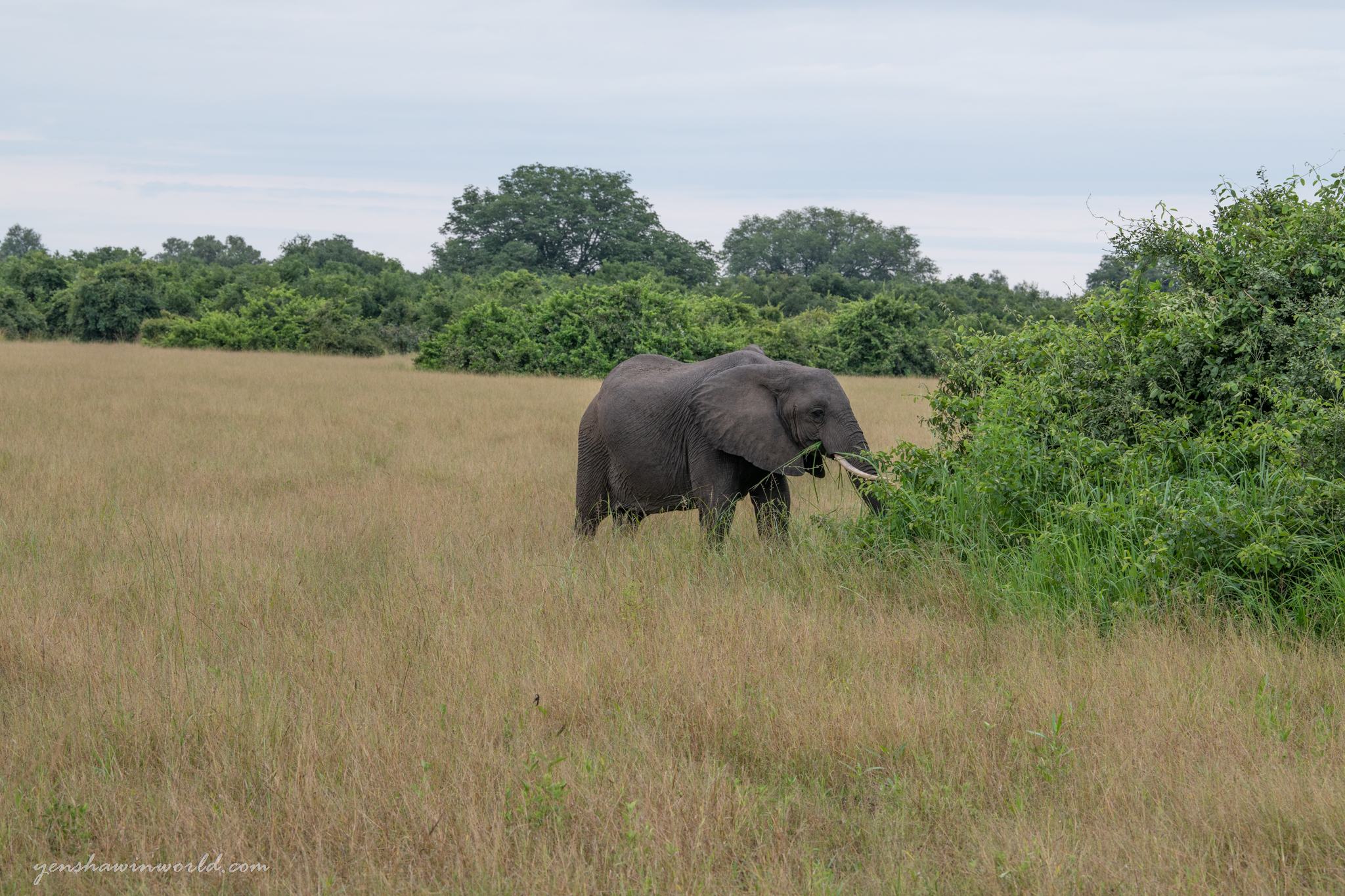
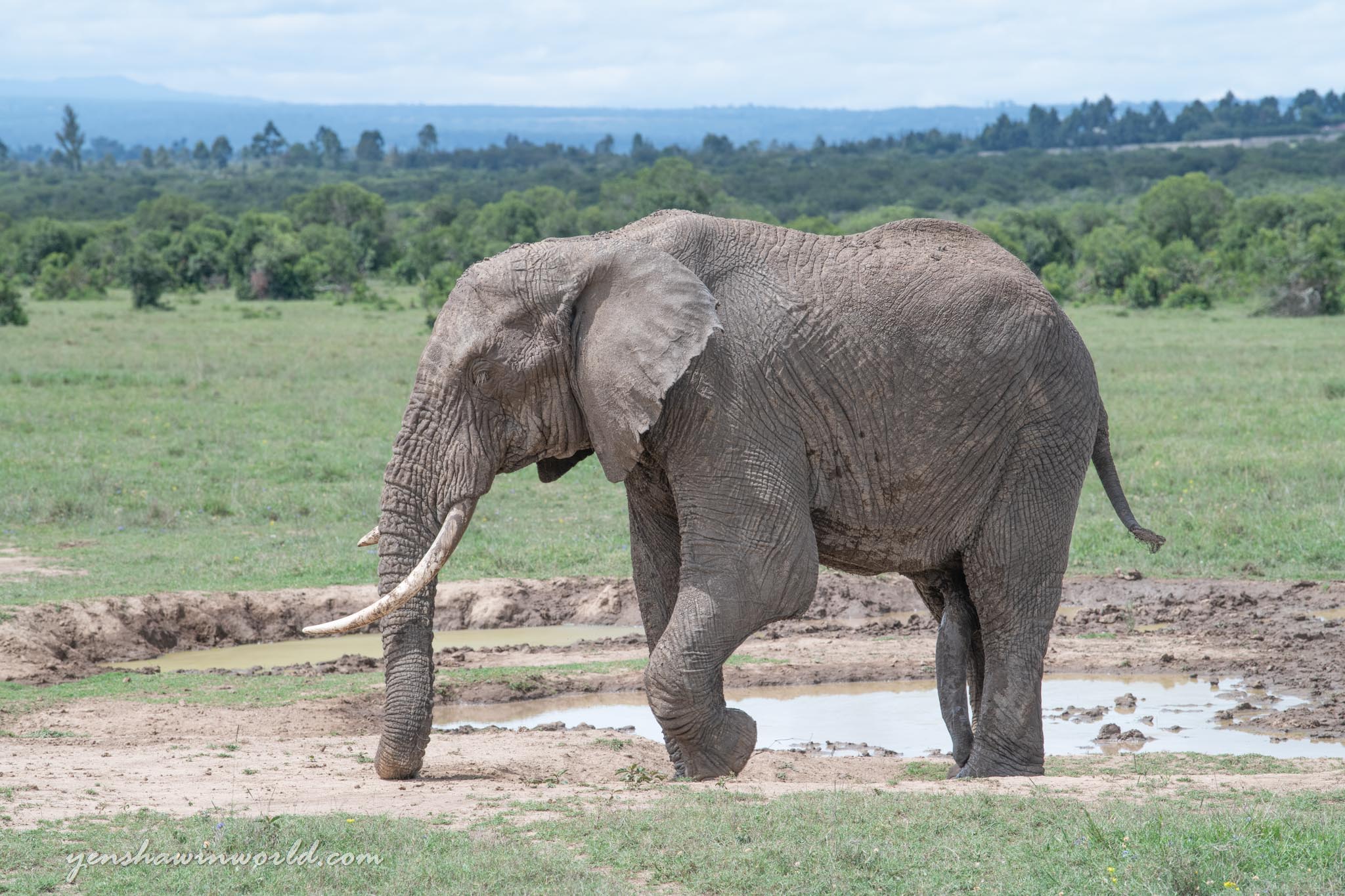
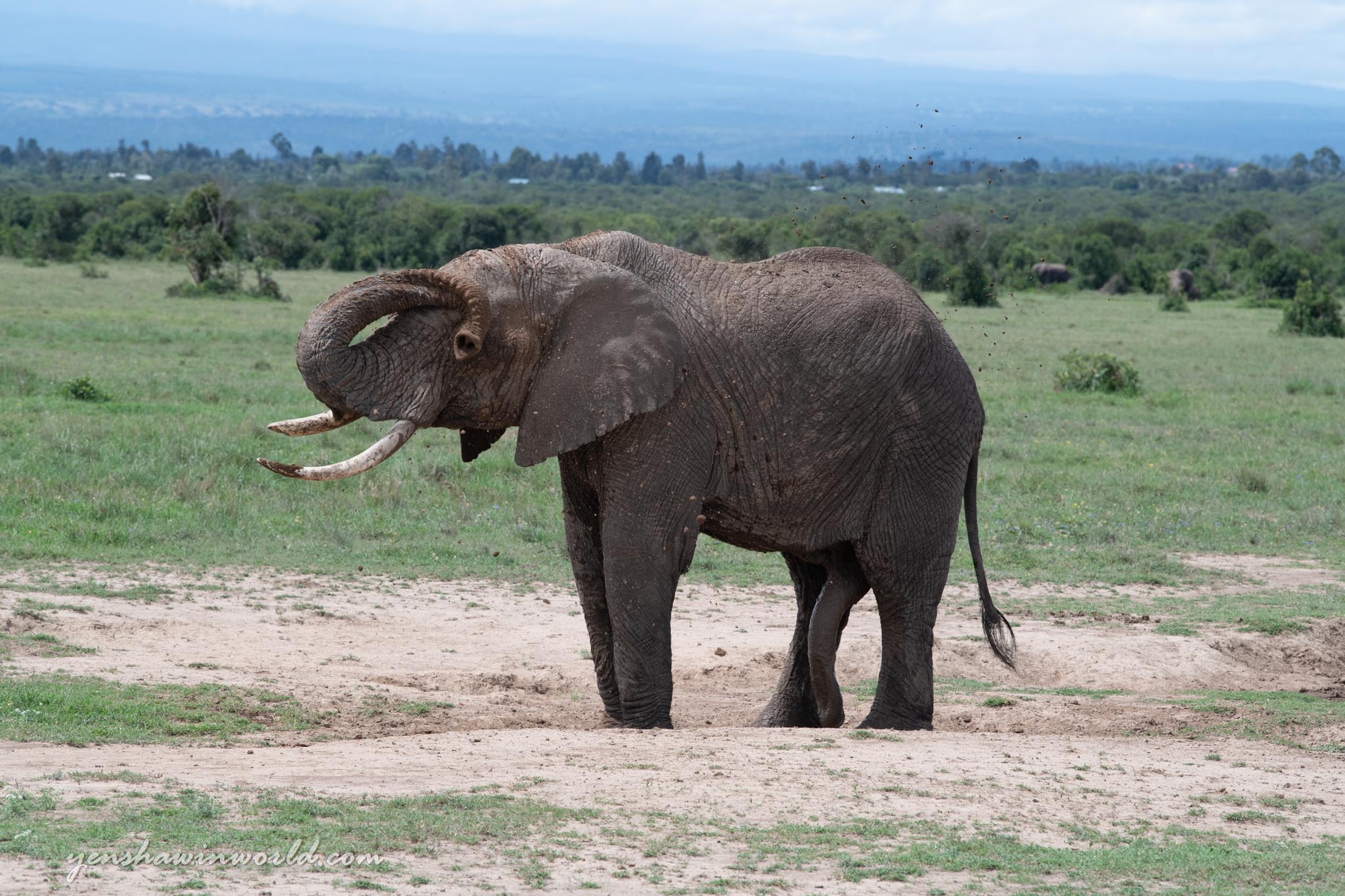
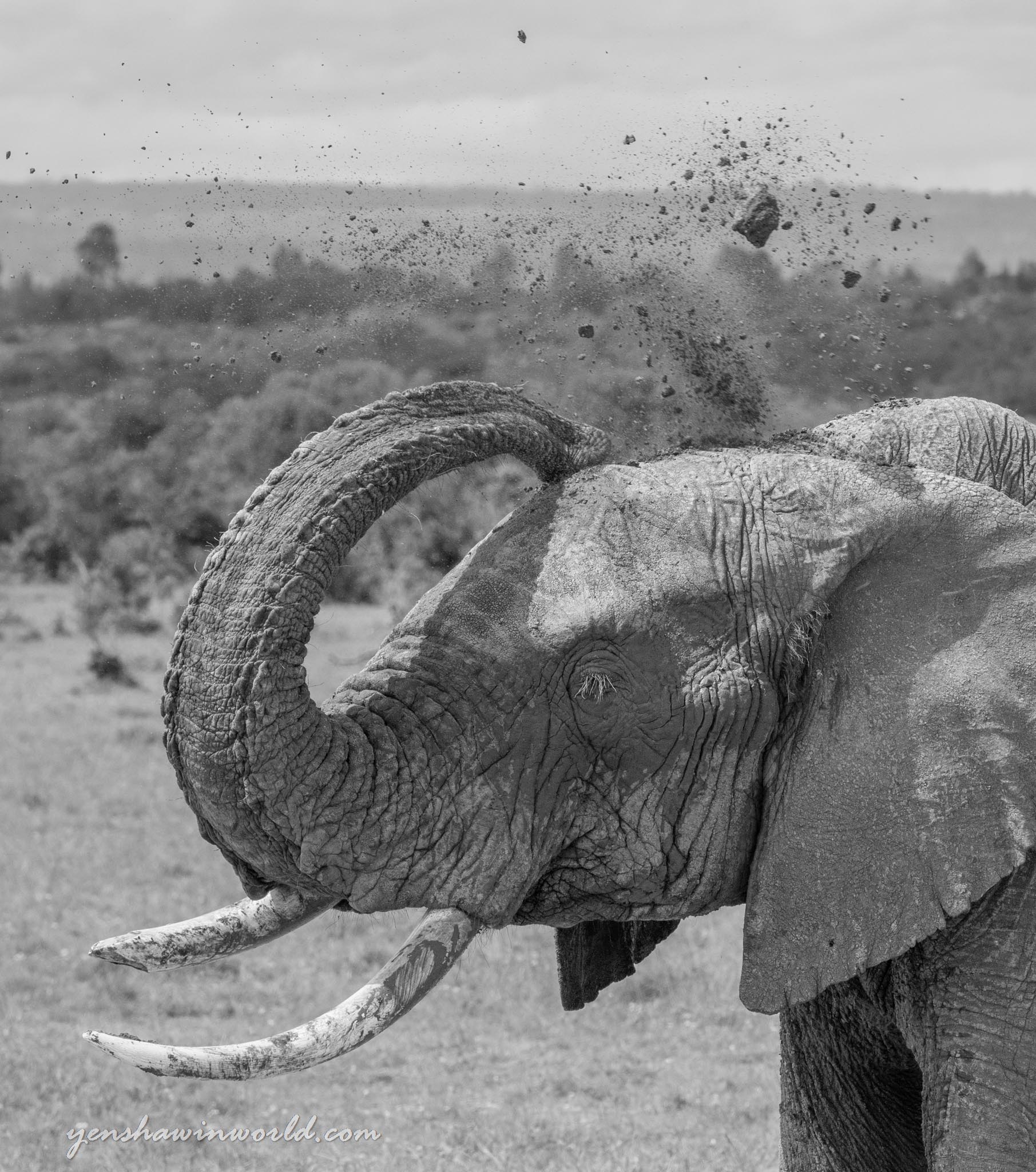
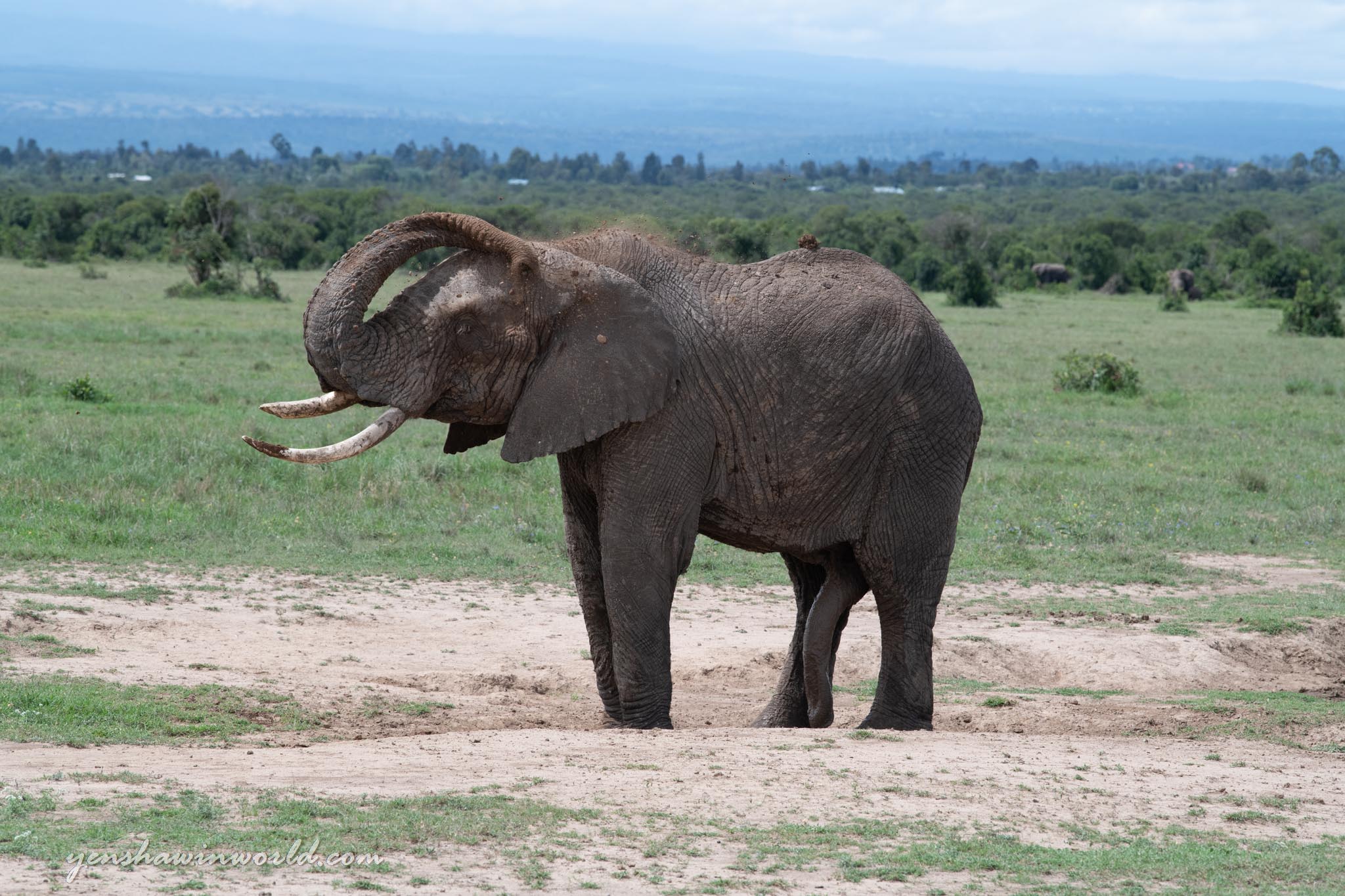
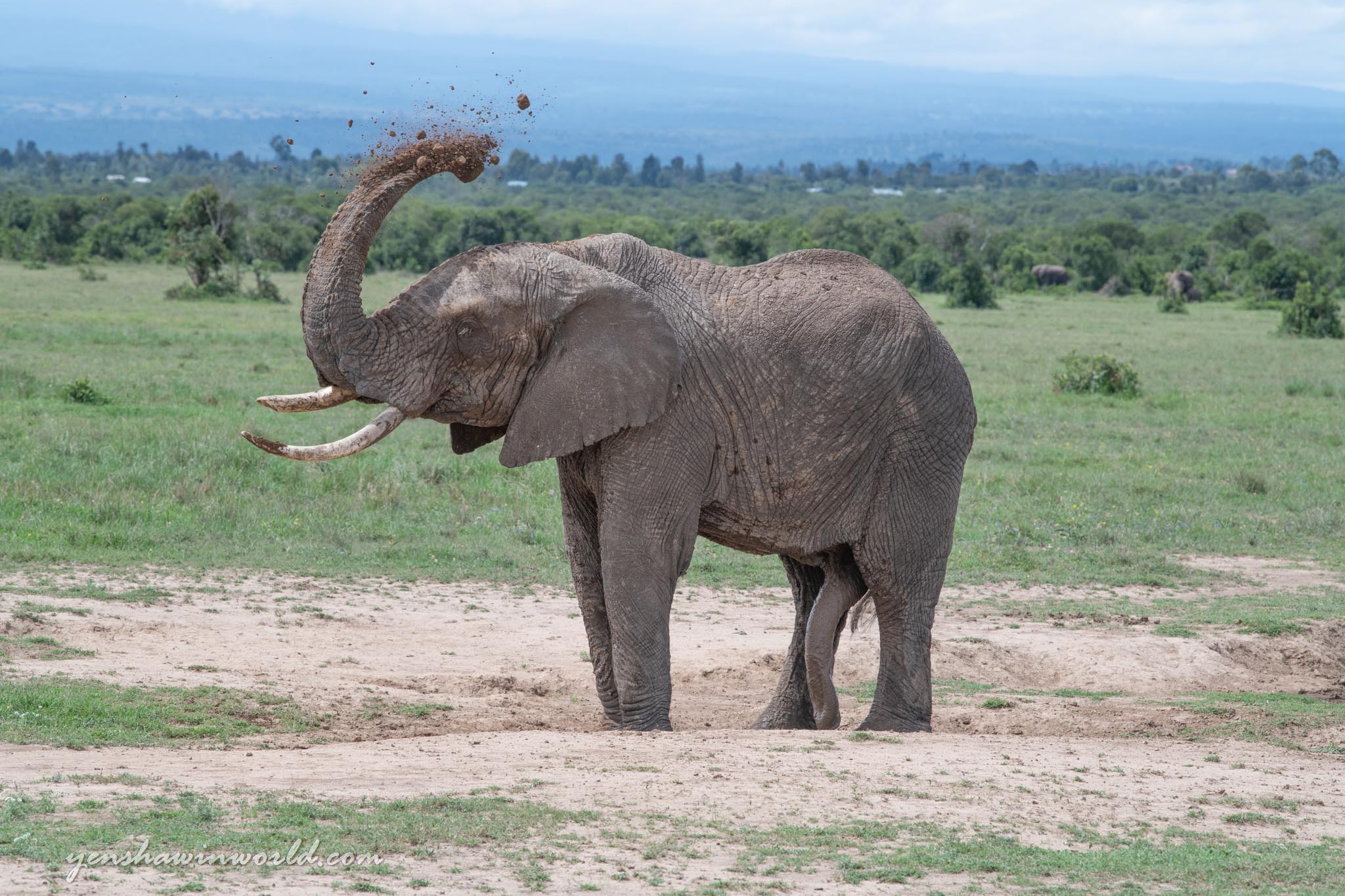
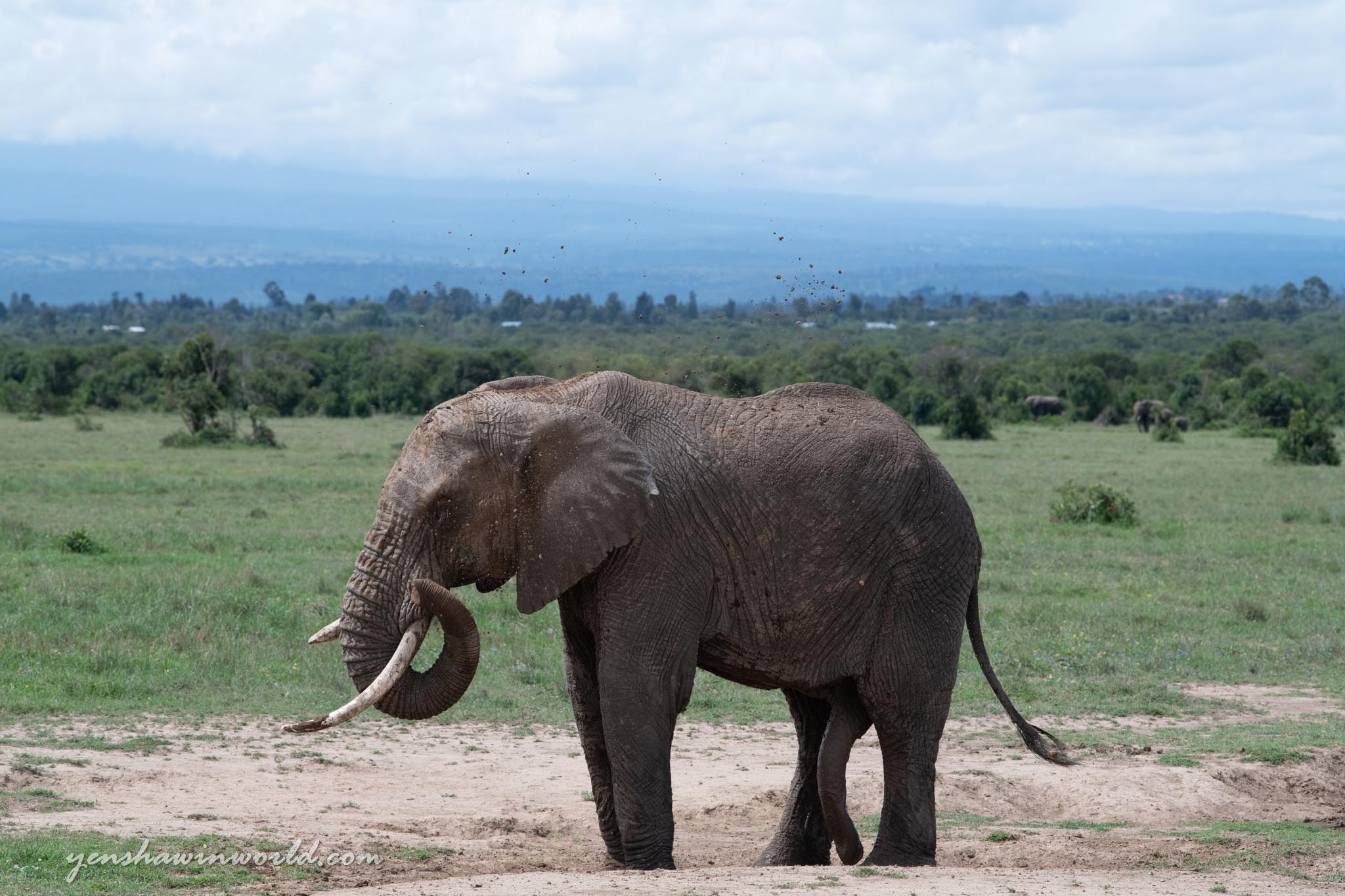
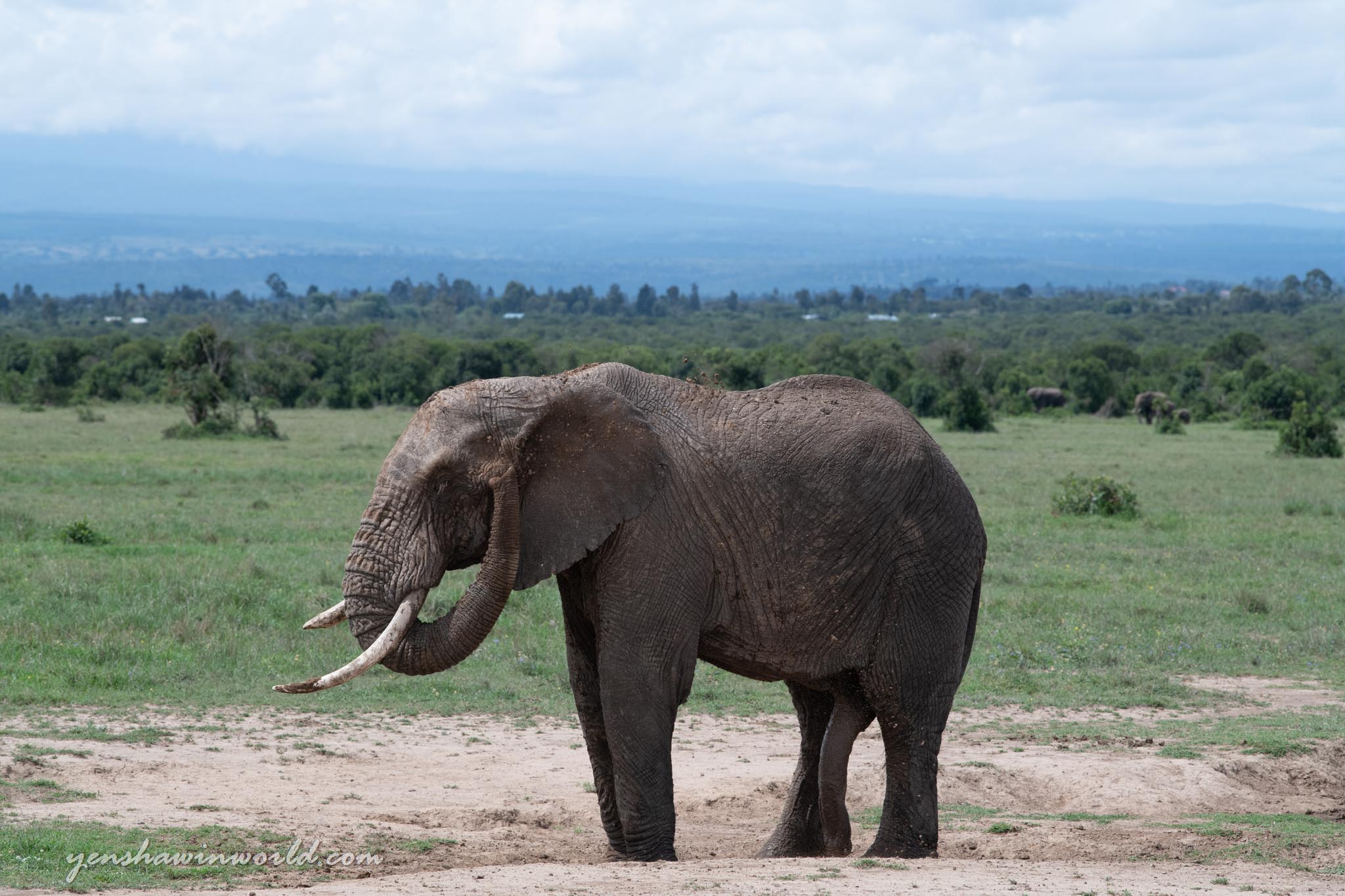
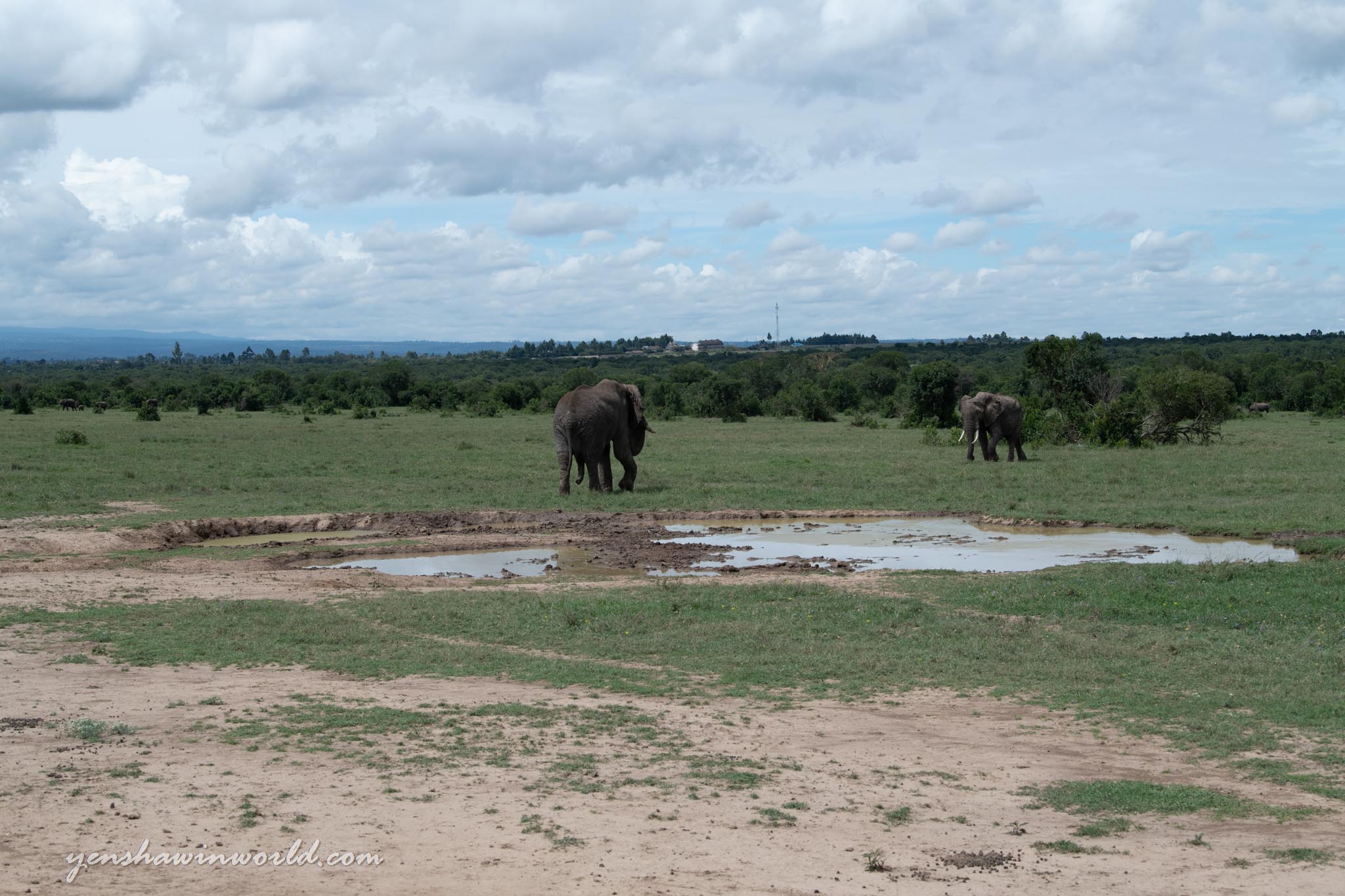
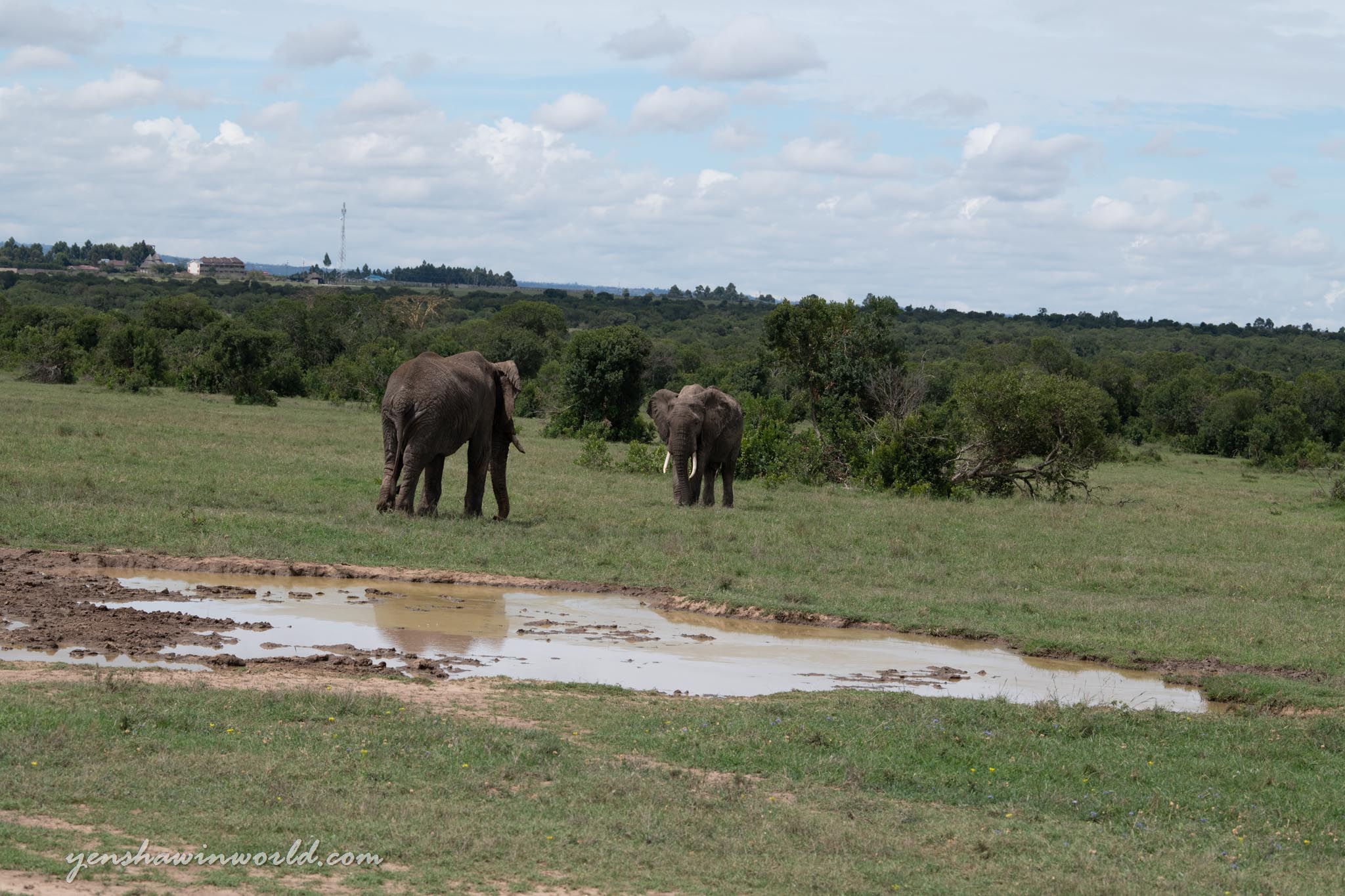
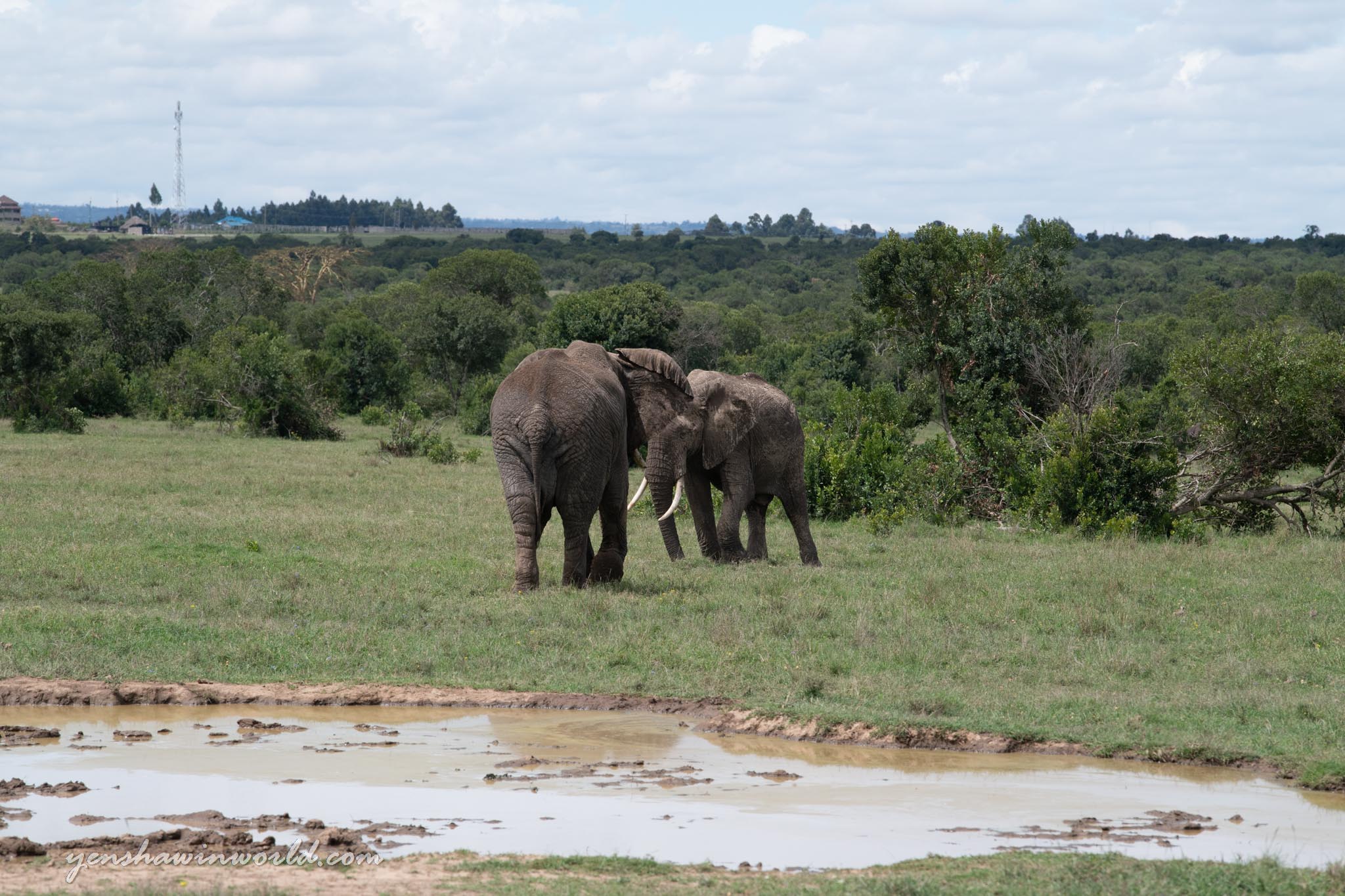
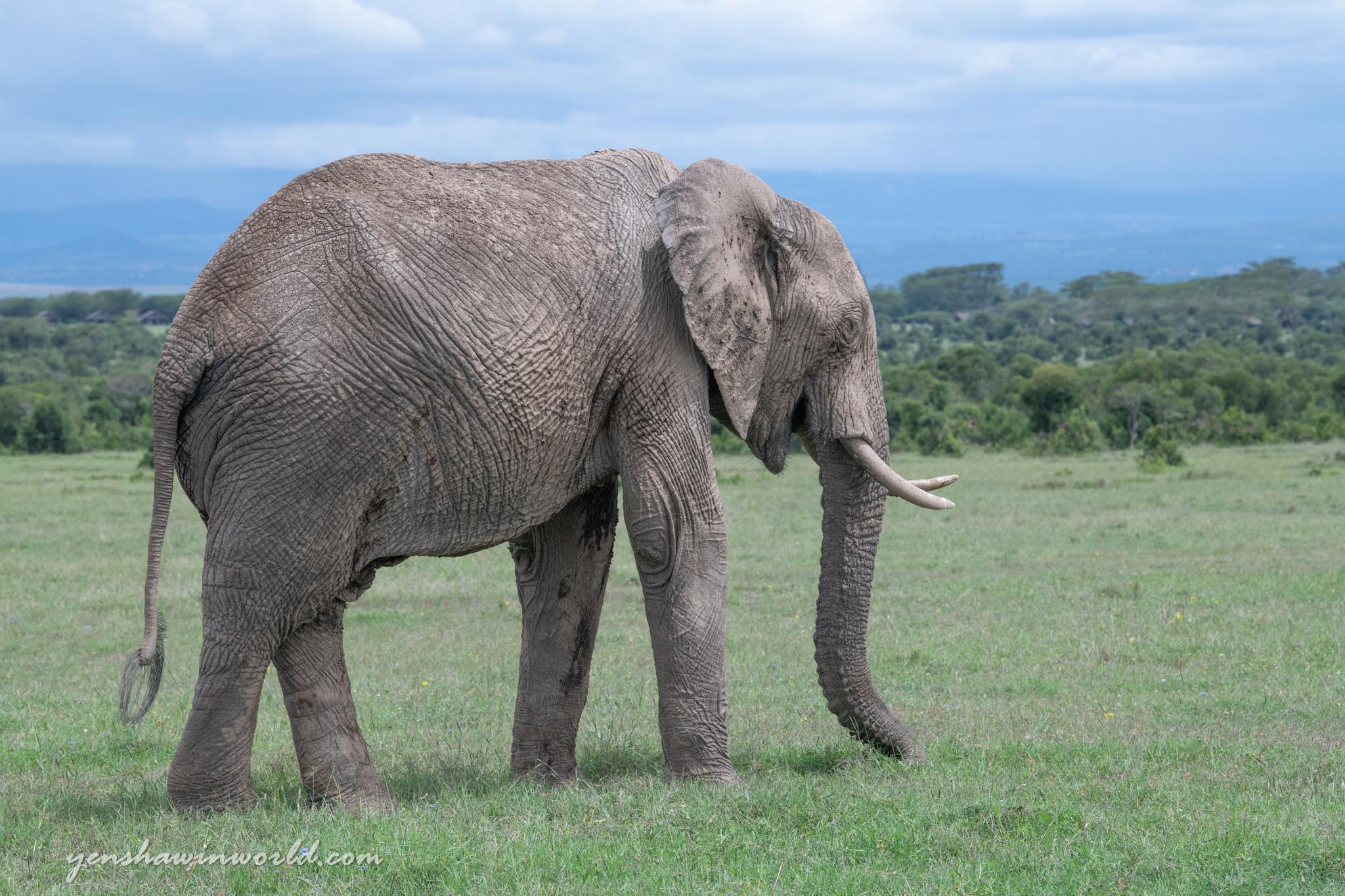
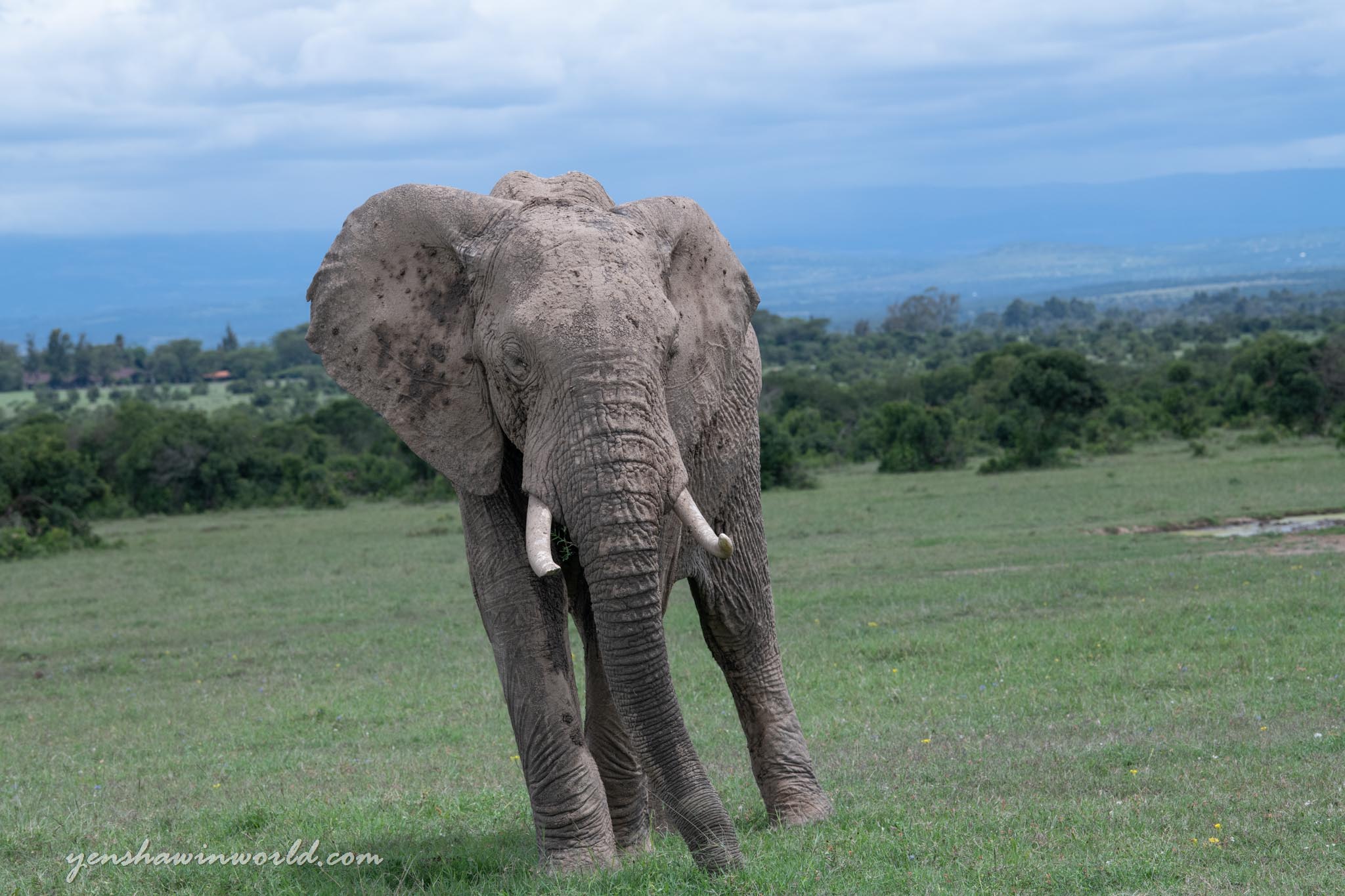
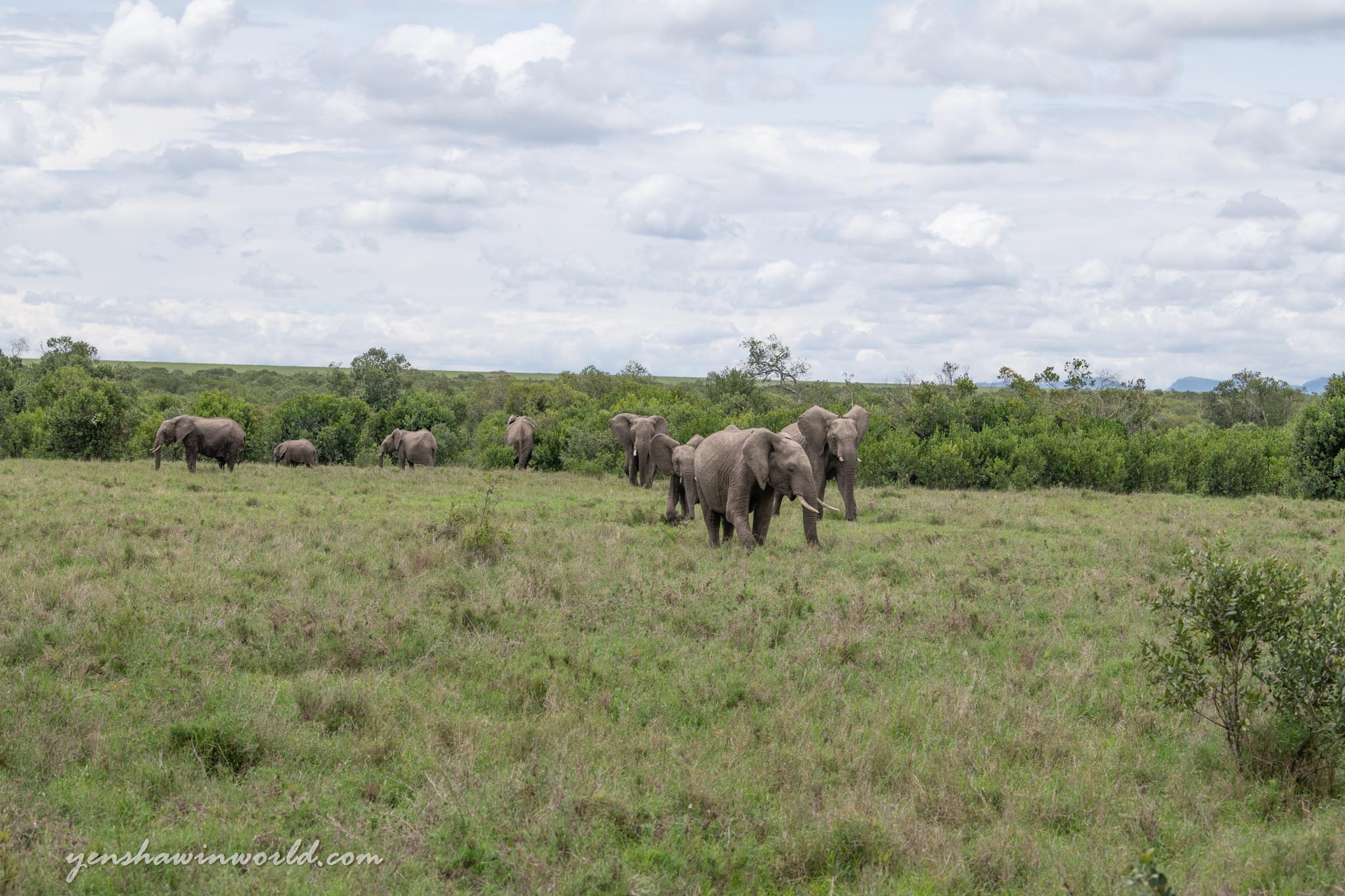
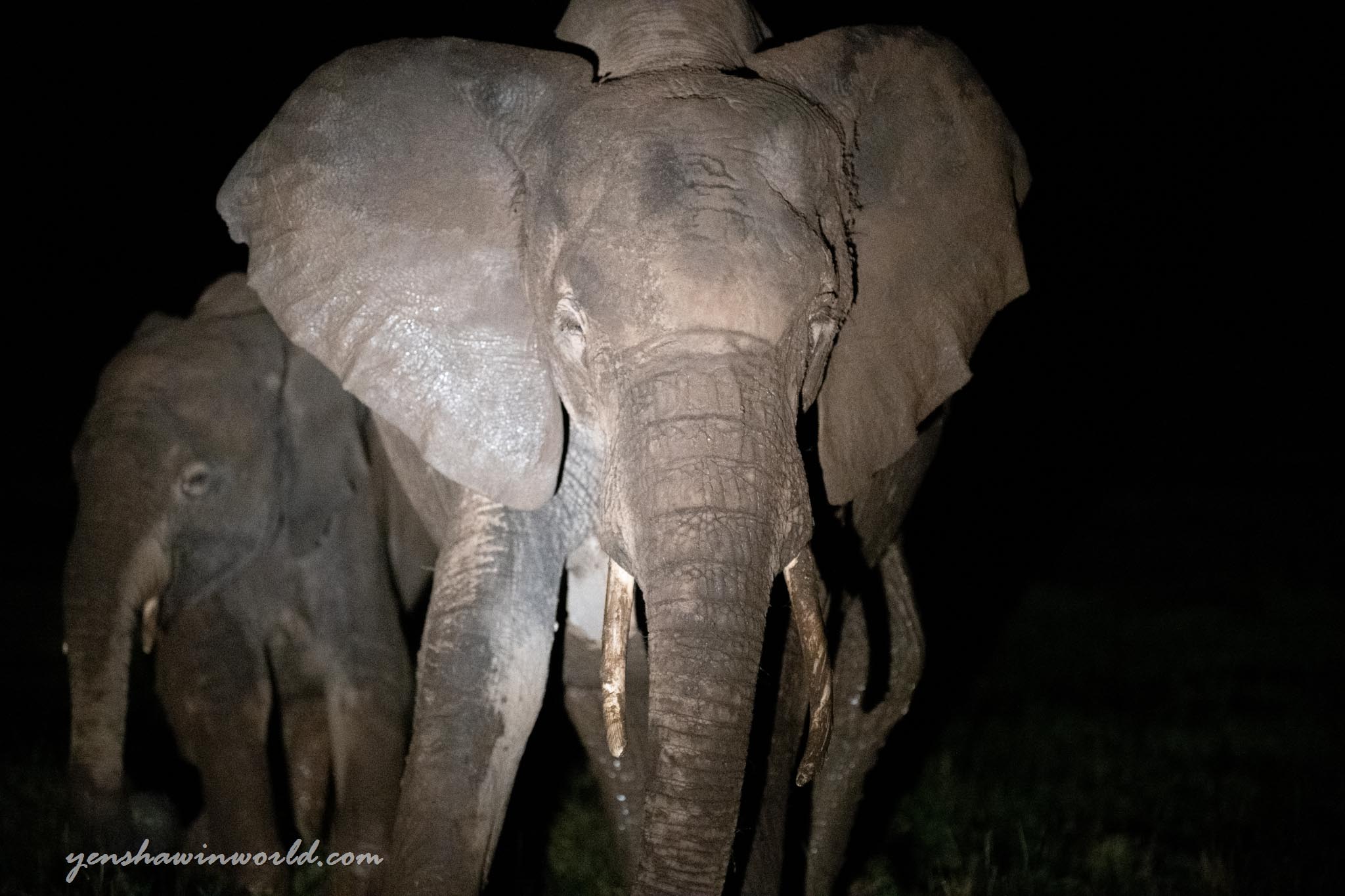
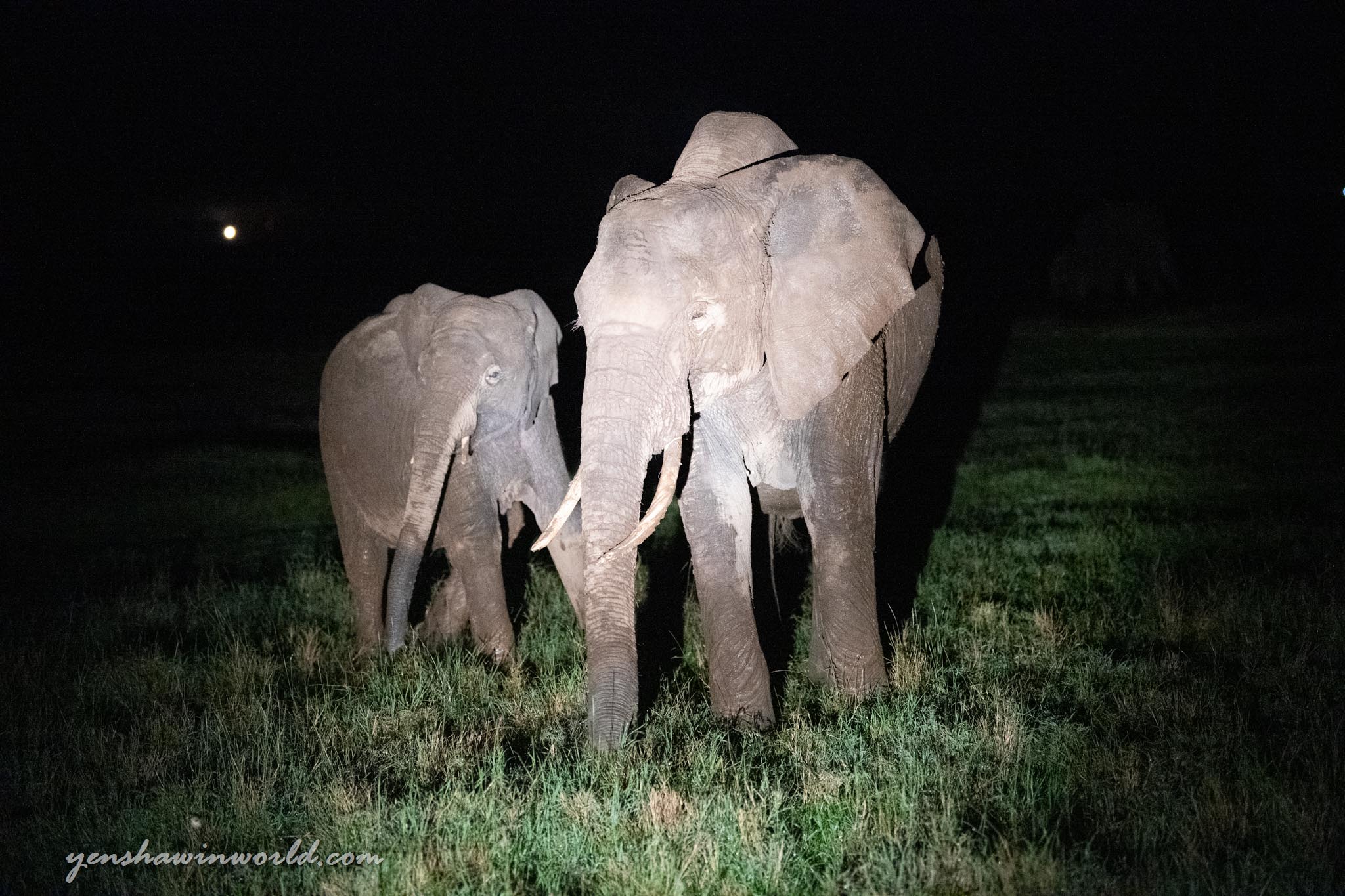
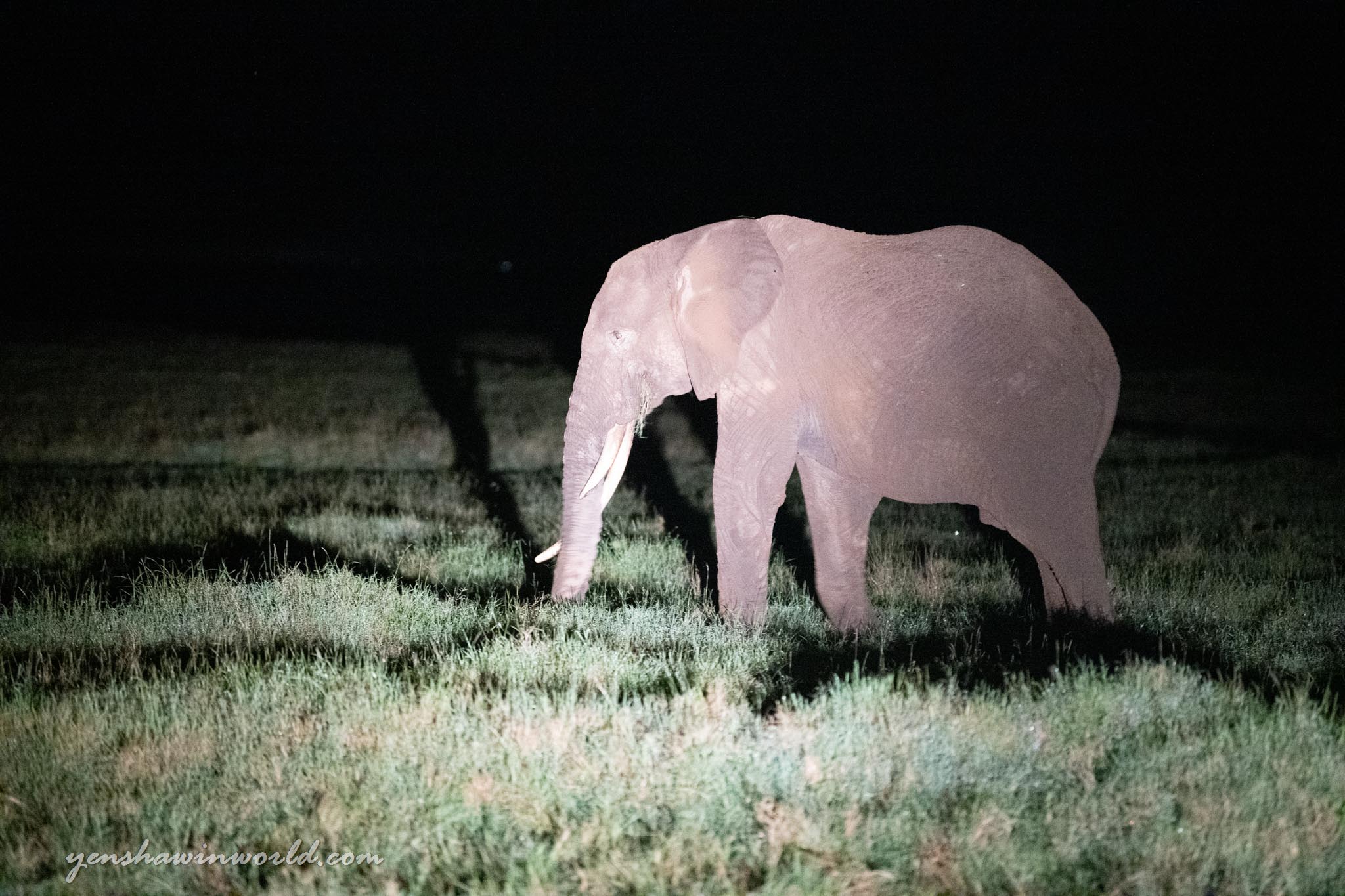
Elephants like I have mentioned before are some of the most photographic animals and put that with a great scenery of grasslands or bush, it makes them even more photographic and majestic, especially when they find a watering hole or throwing dirt on themselves.

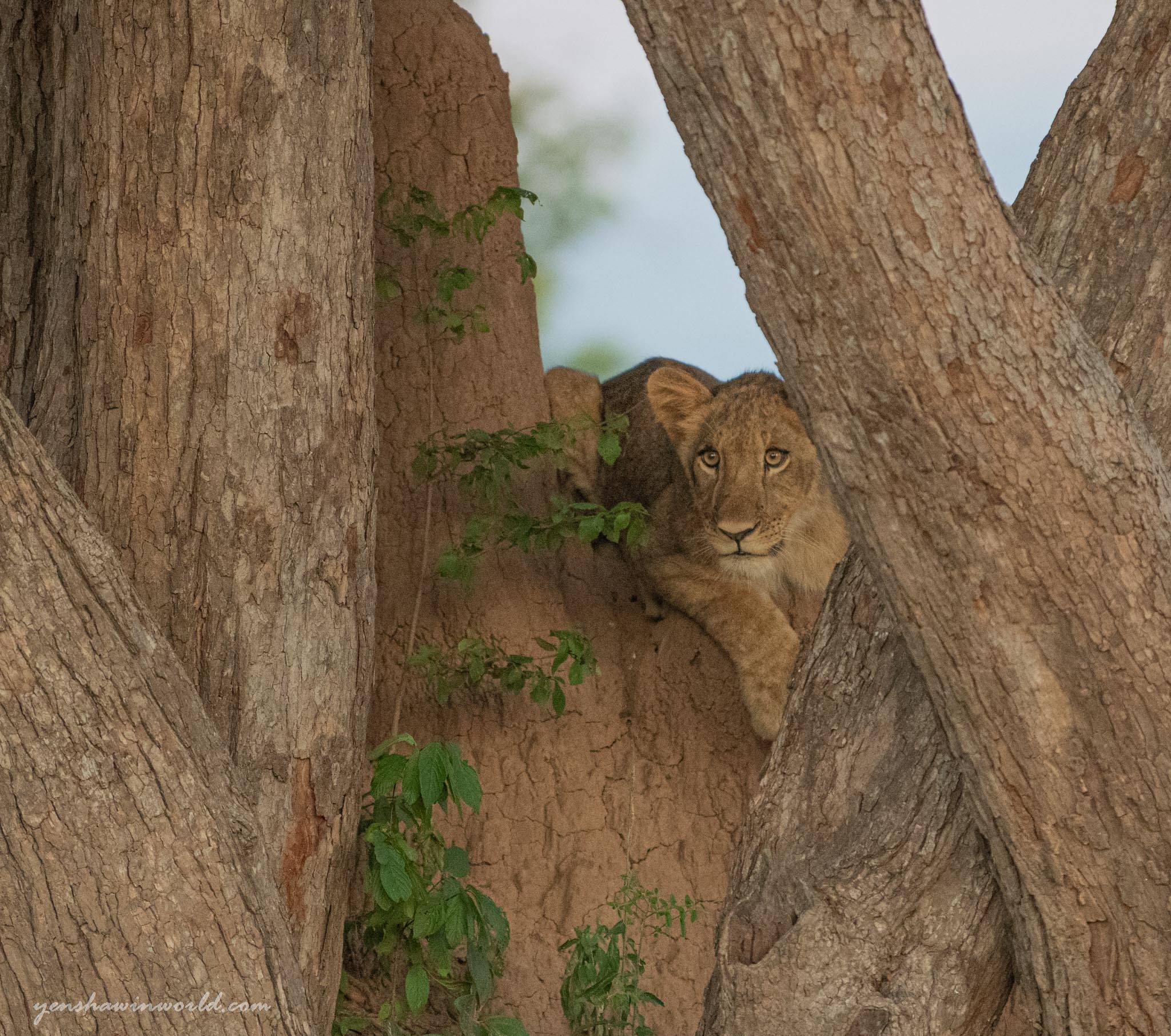
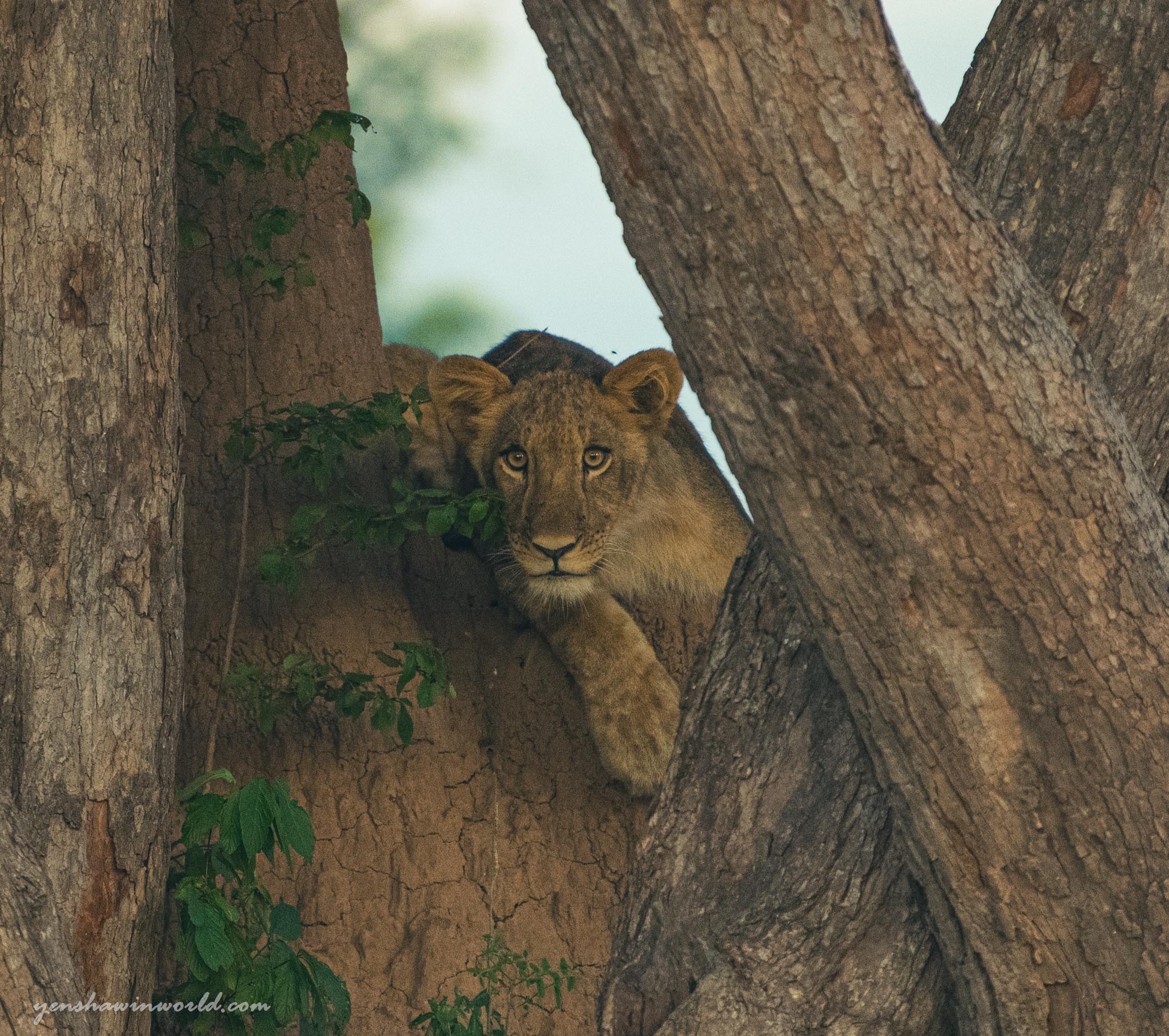
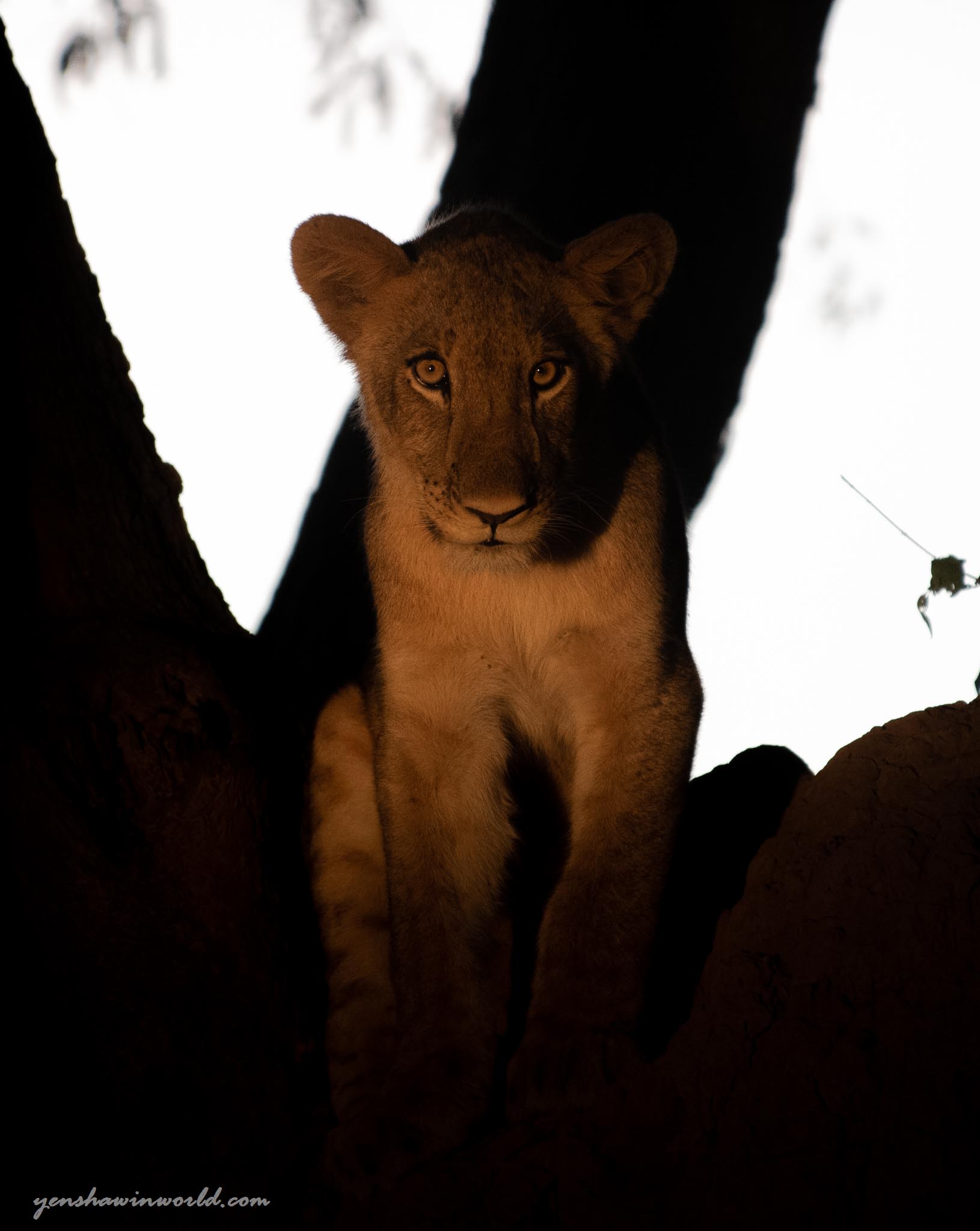
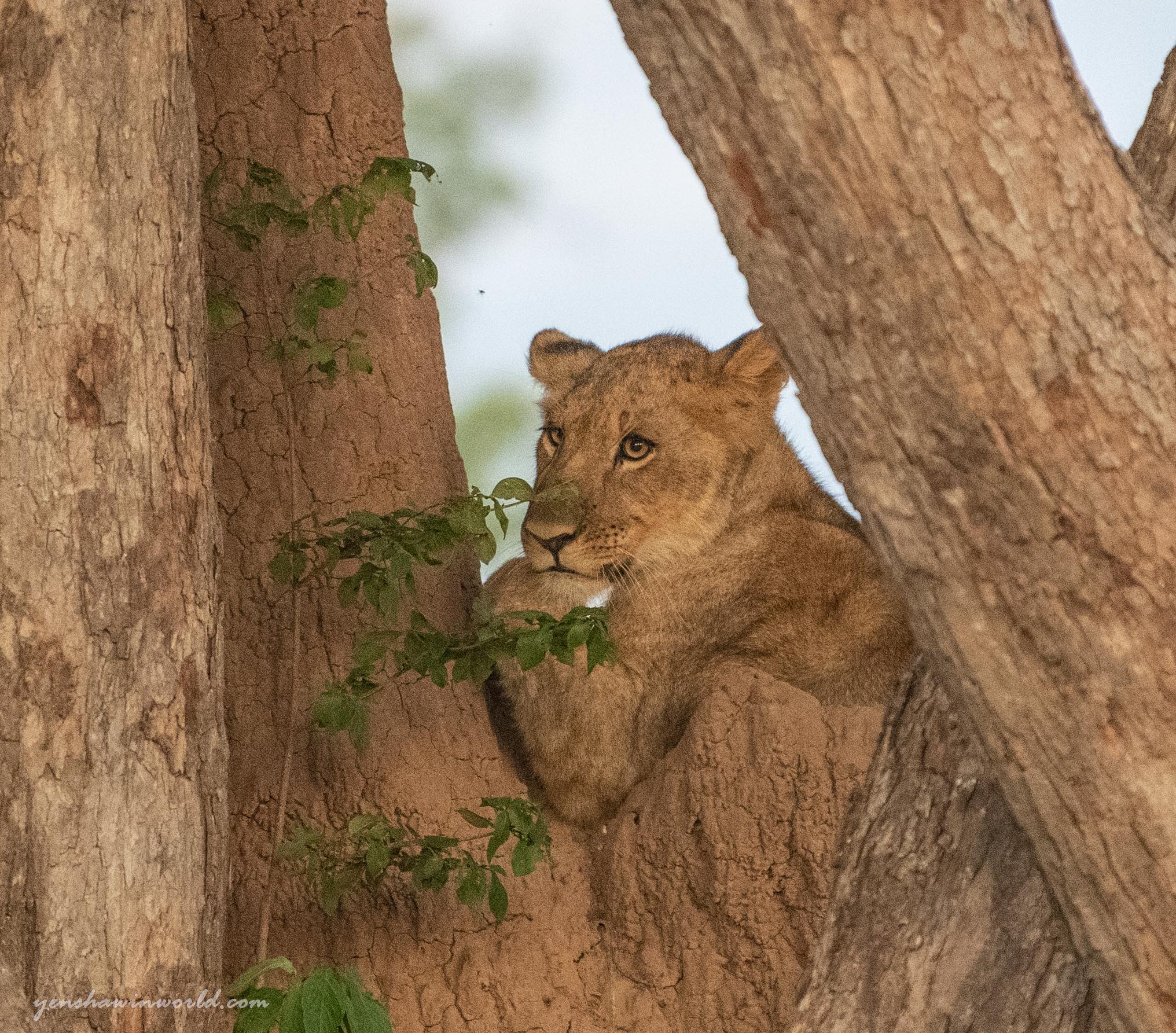
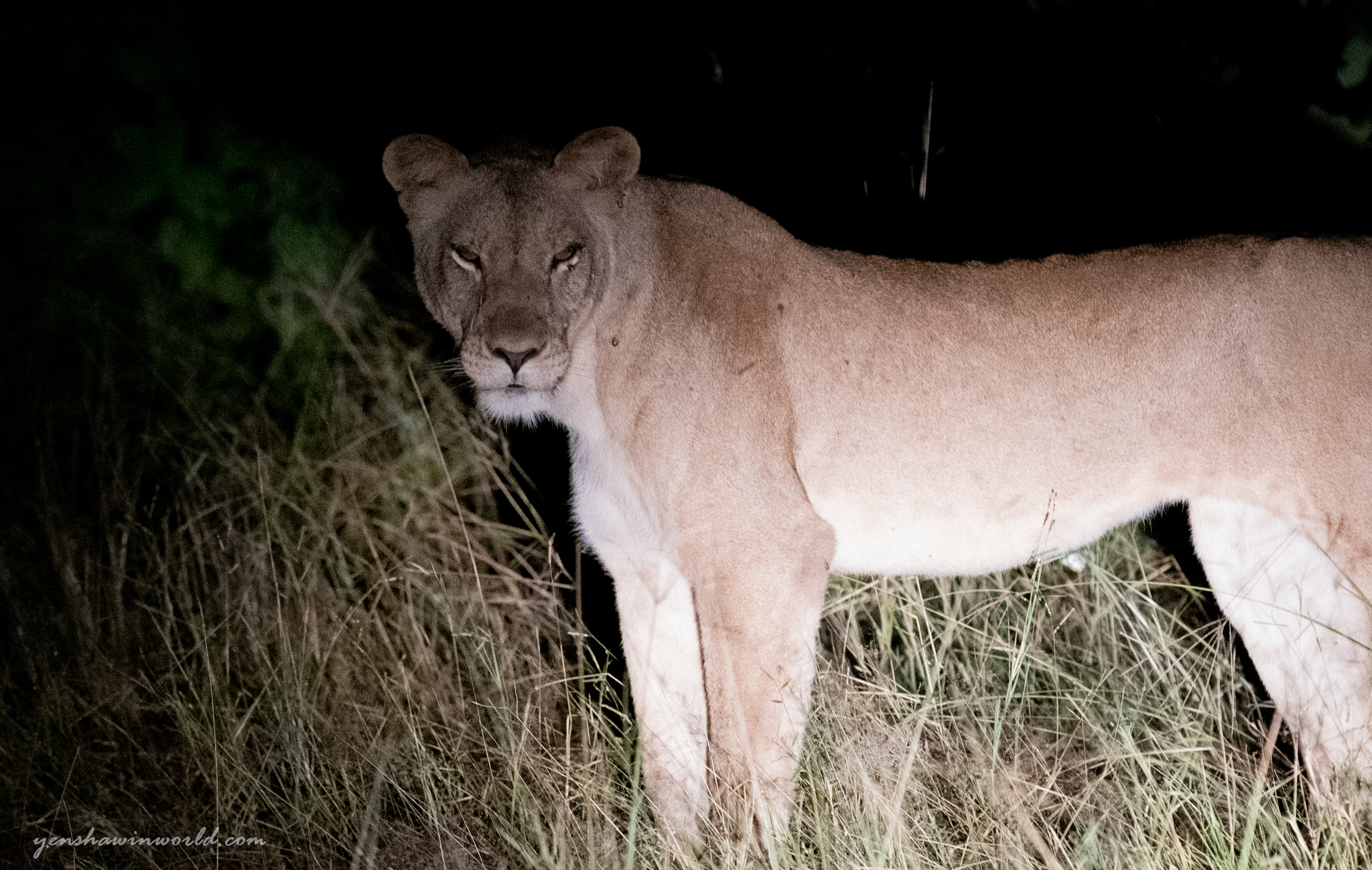
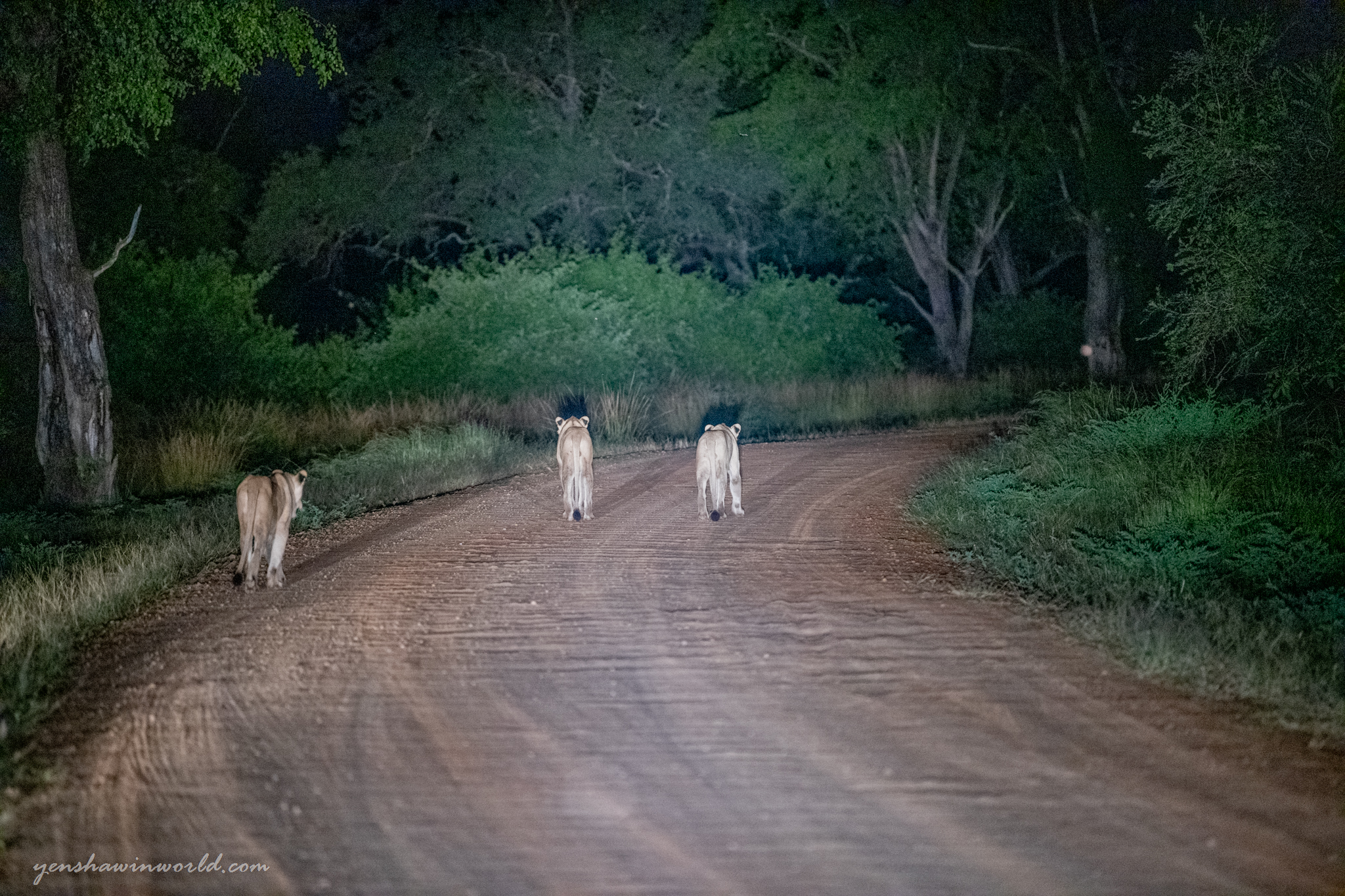
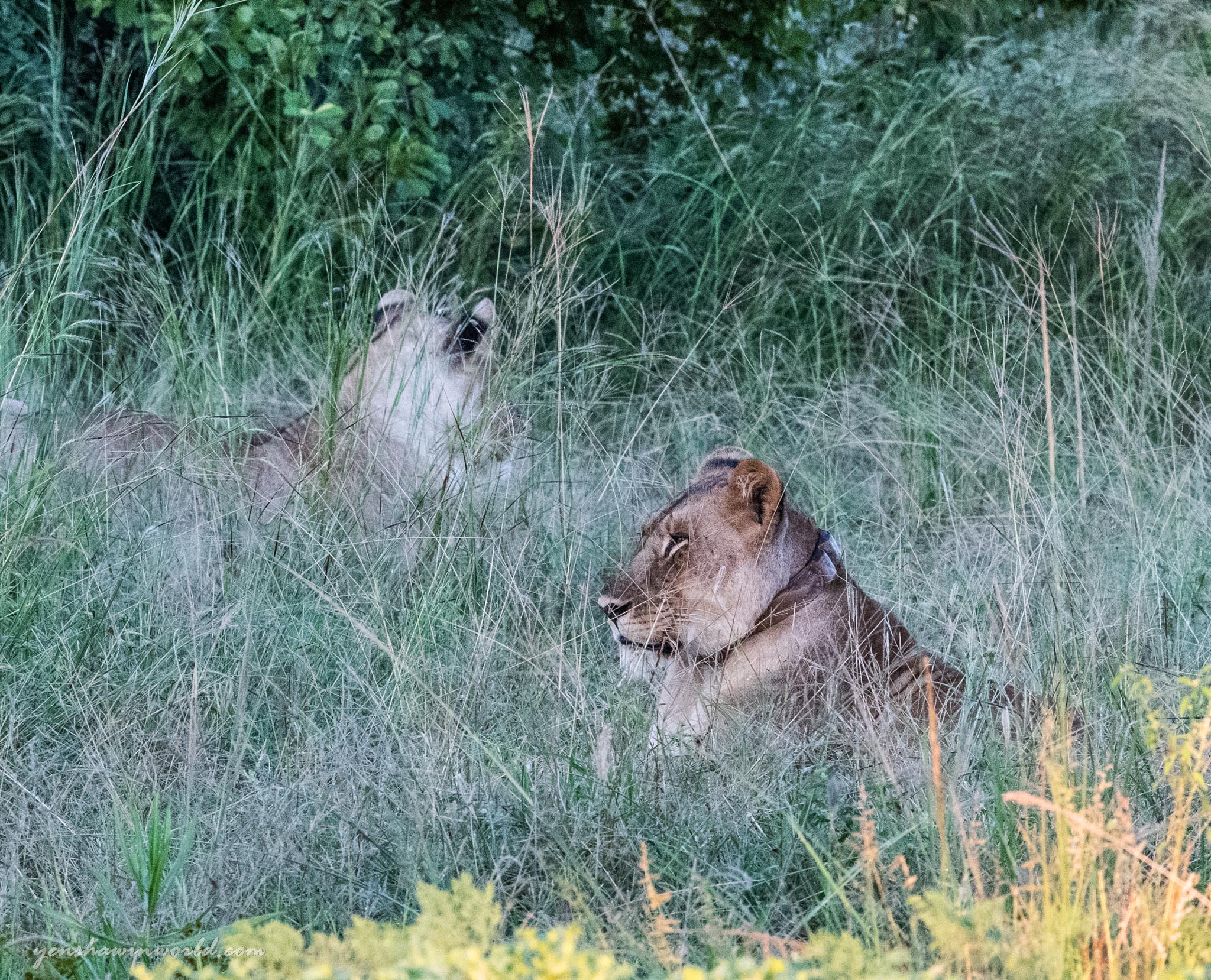
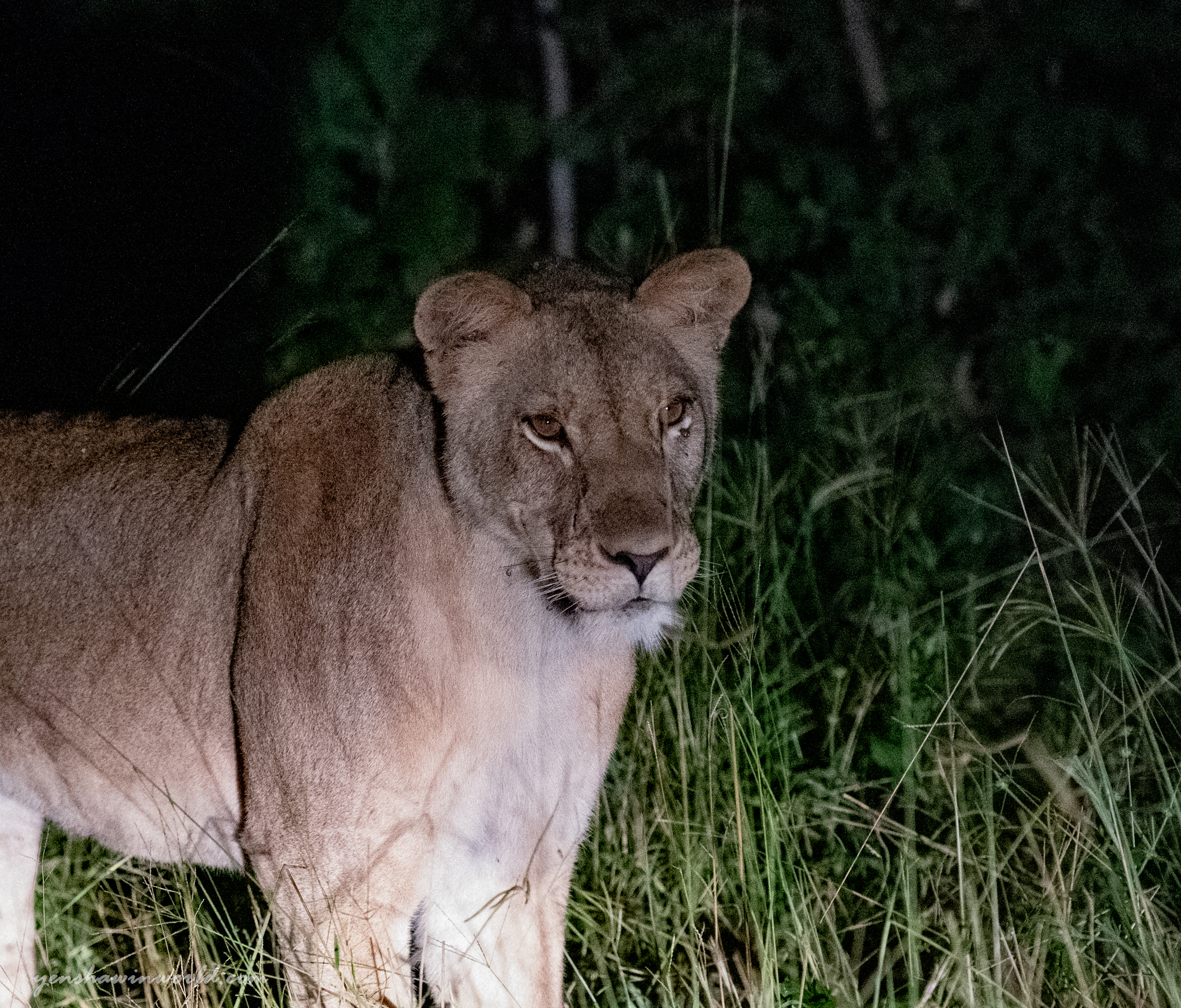
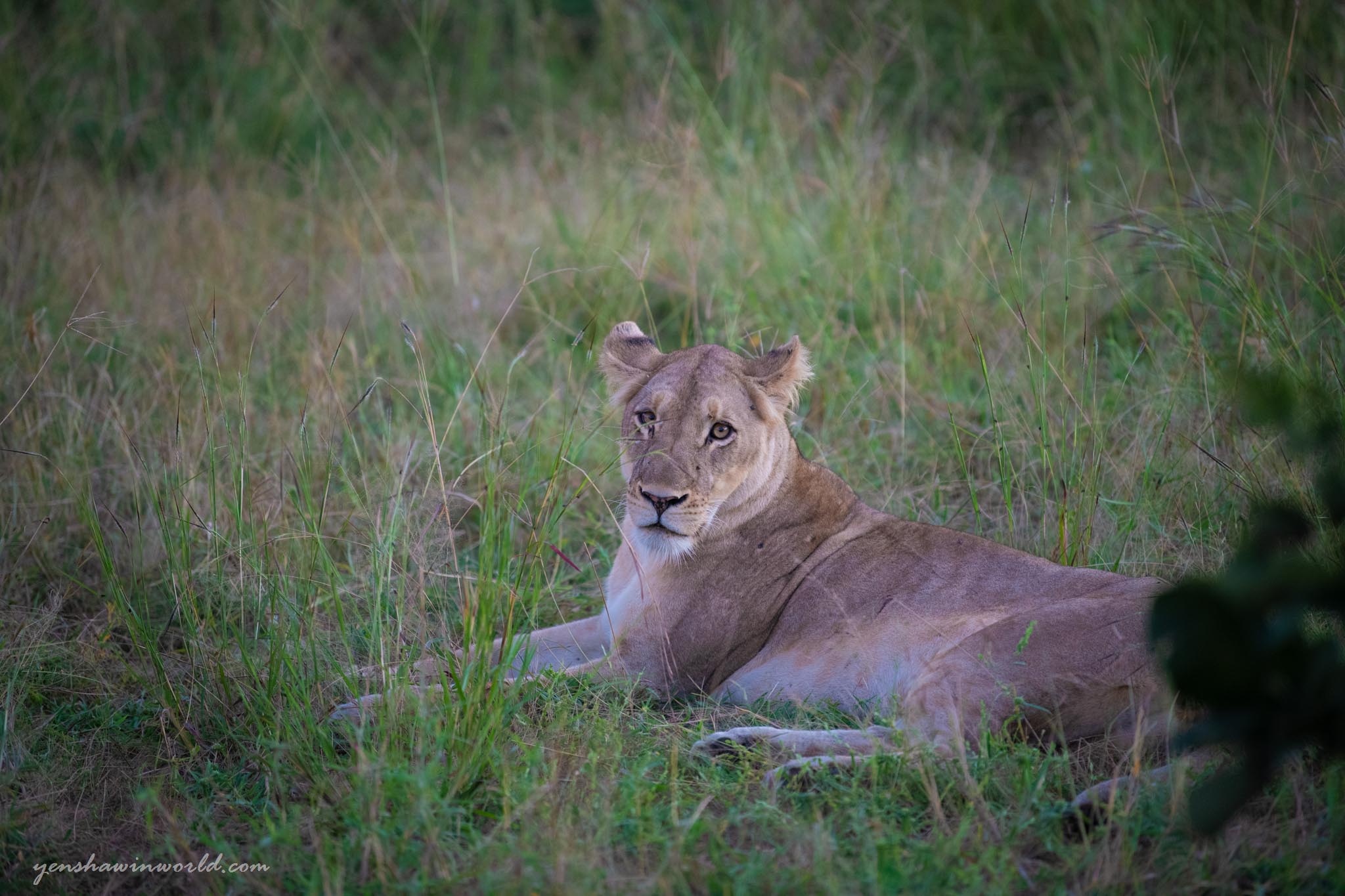
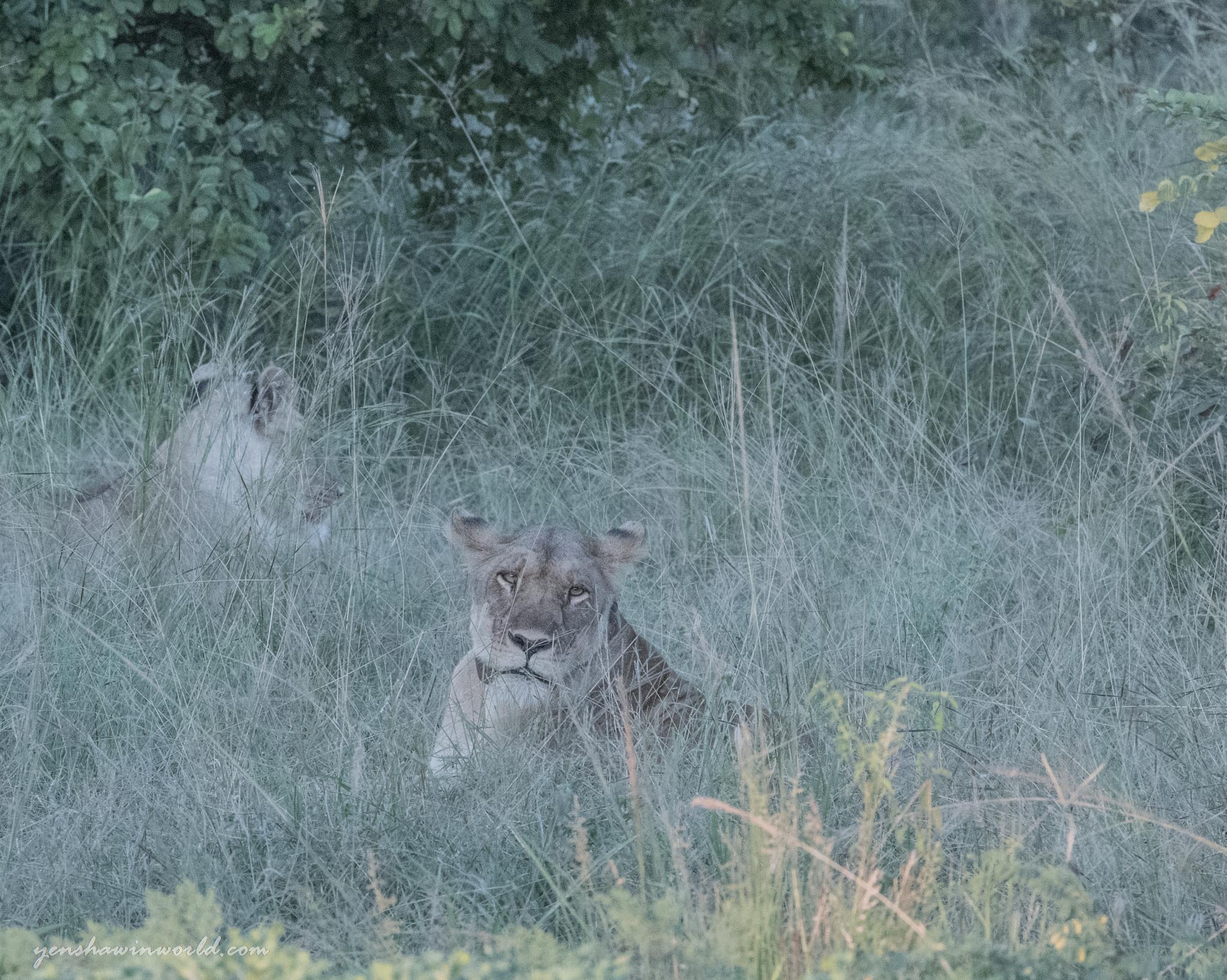
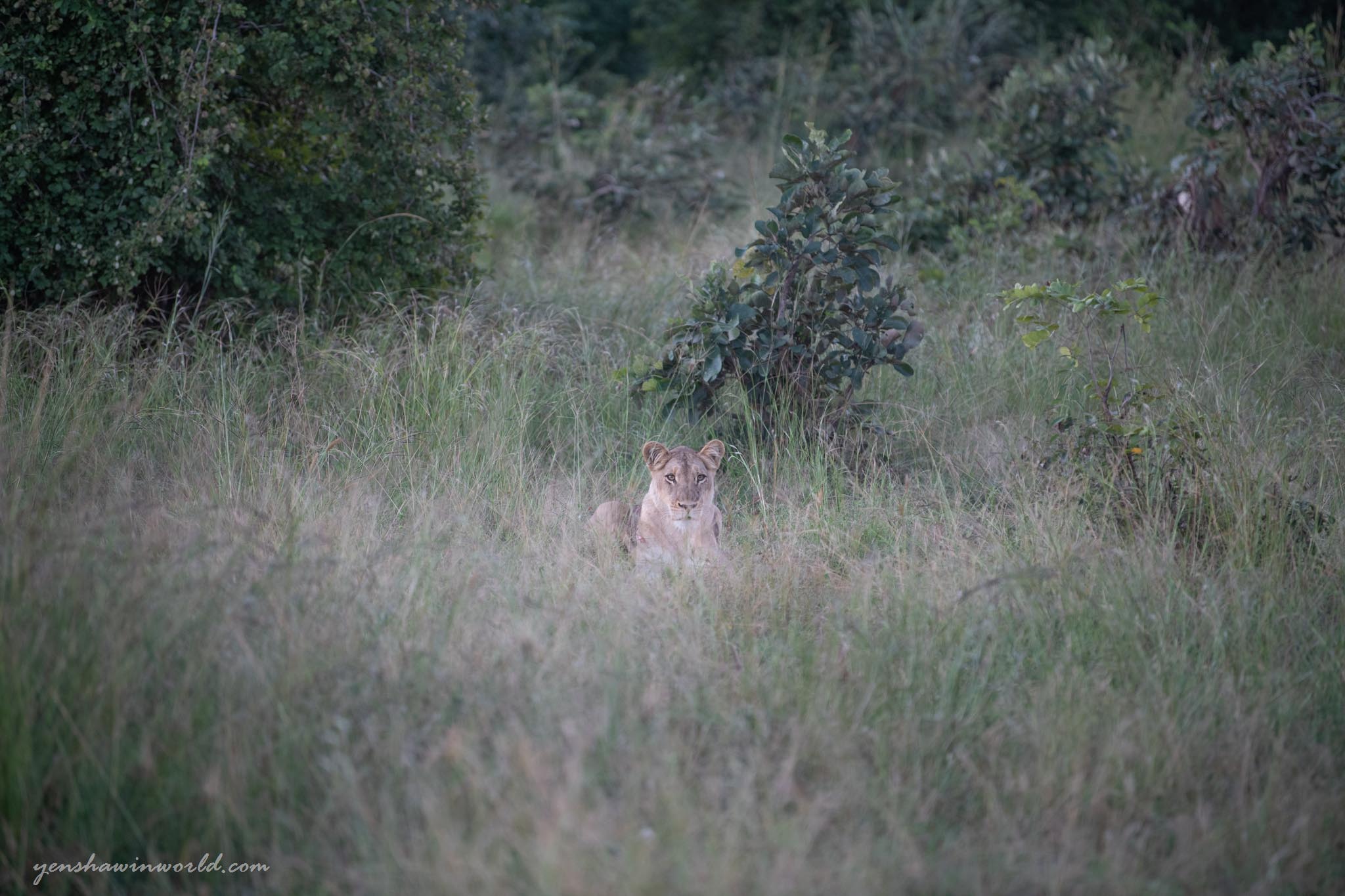
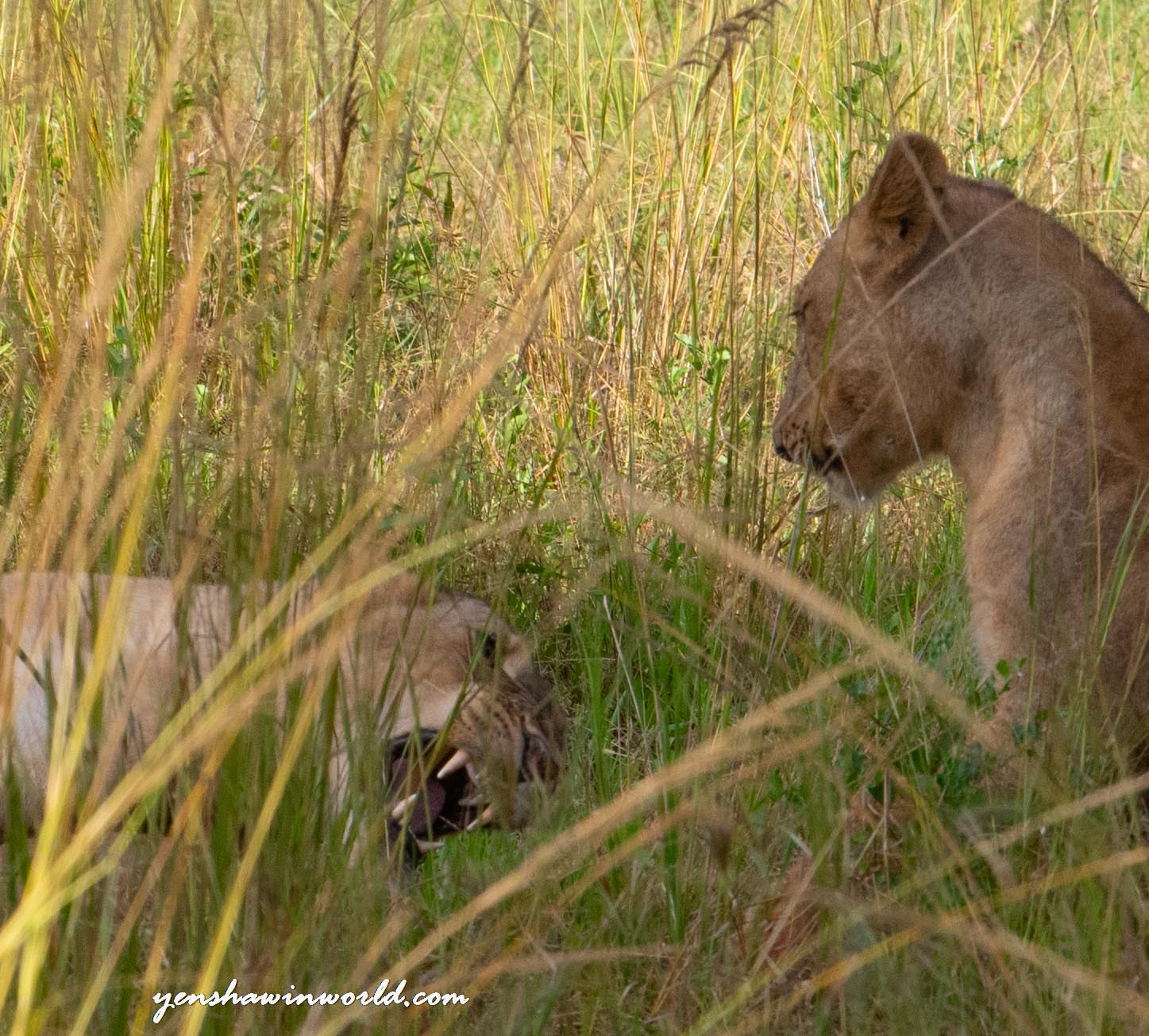
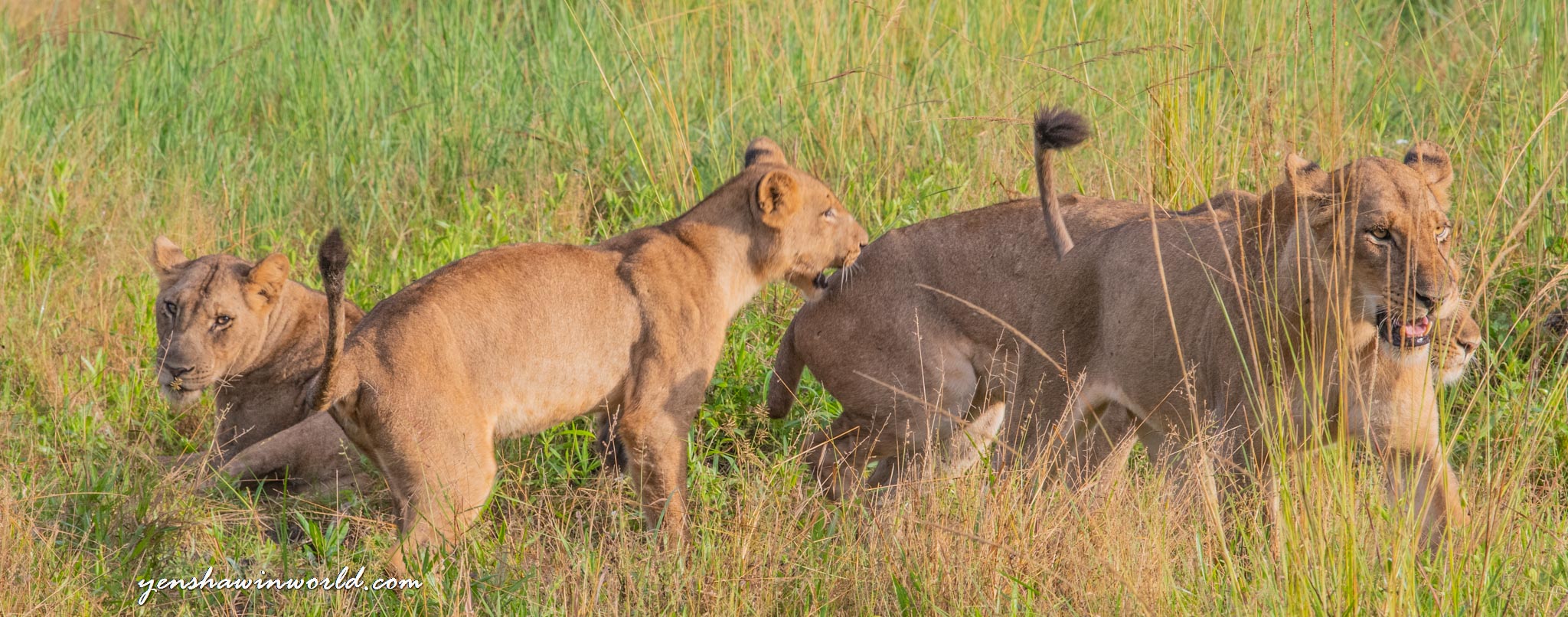
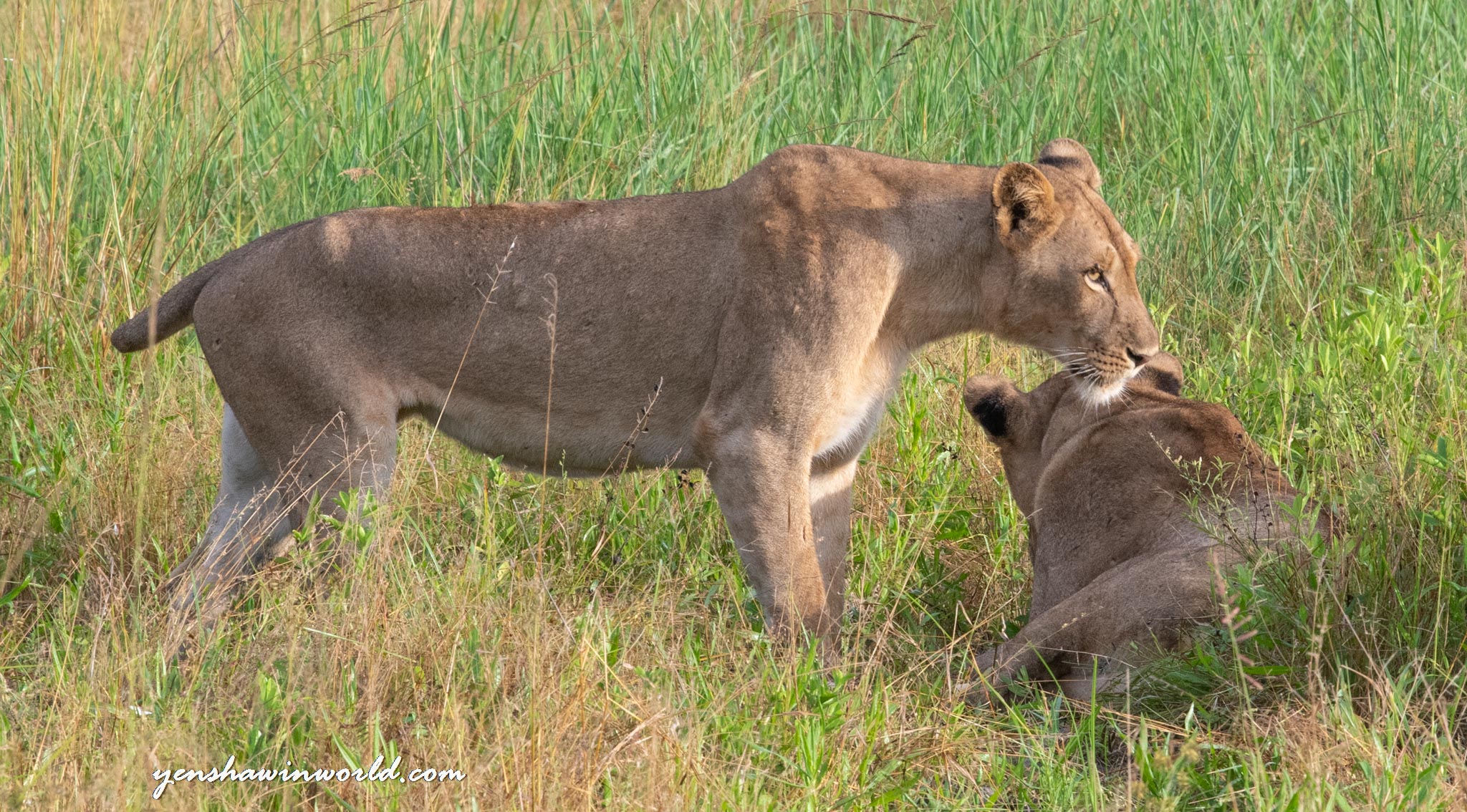
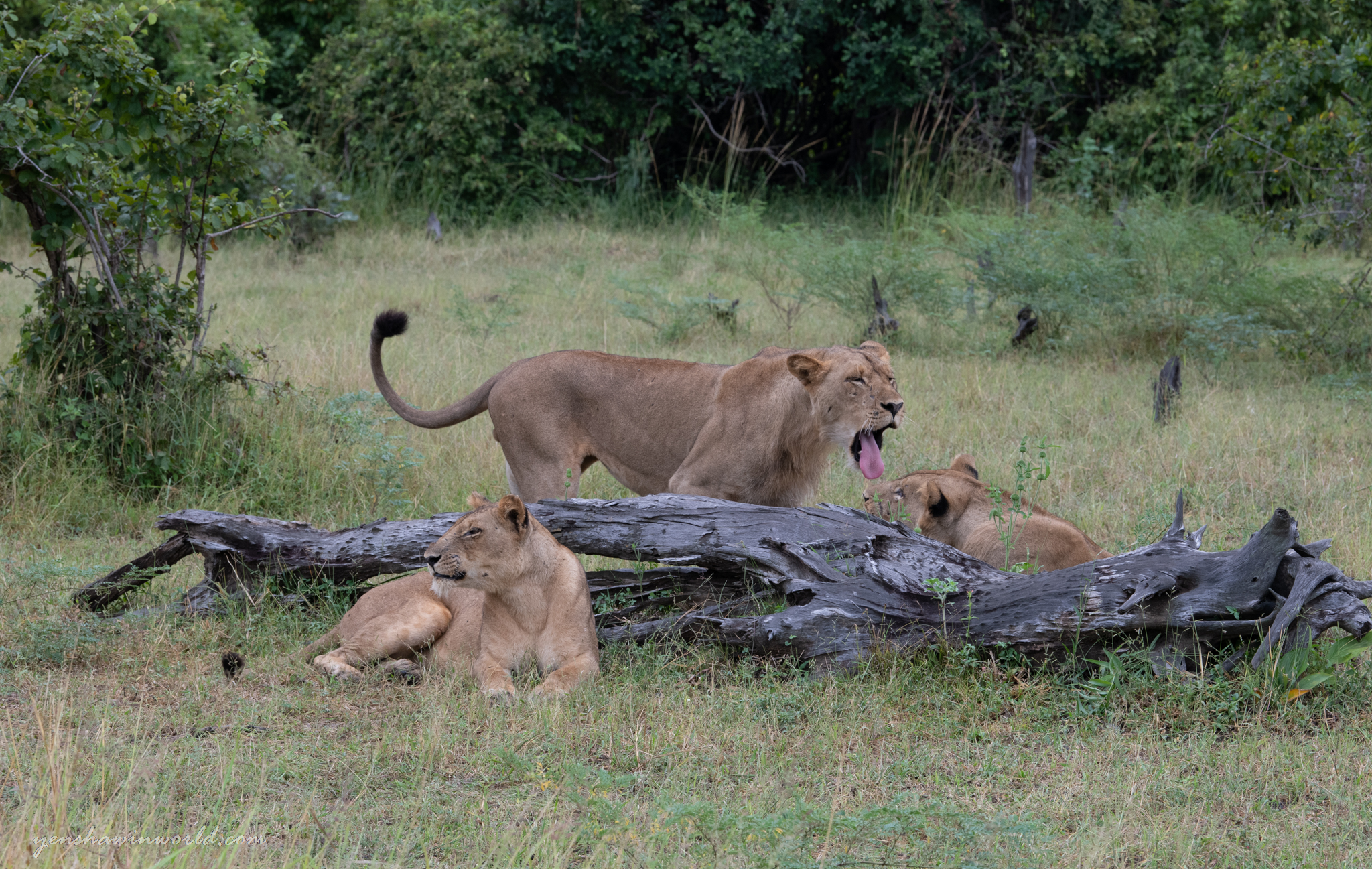
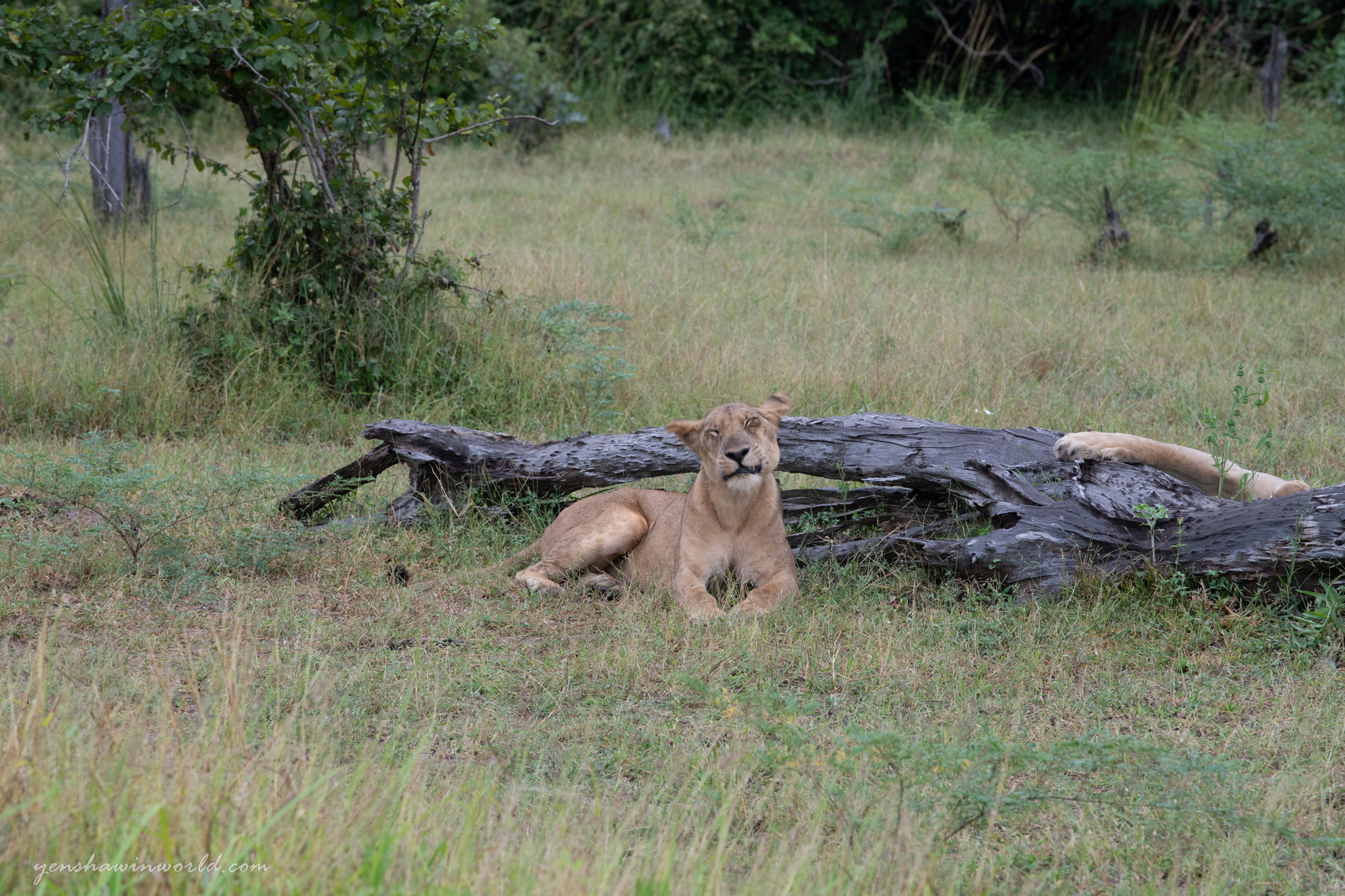
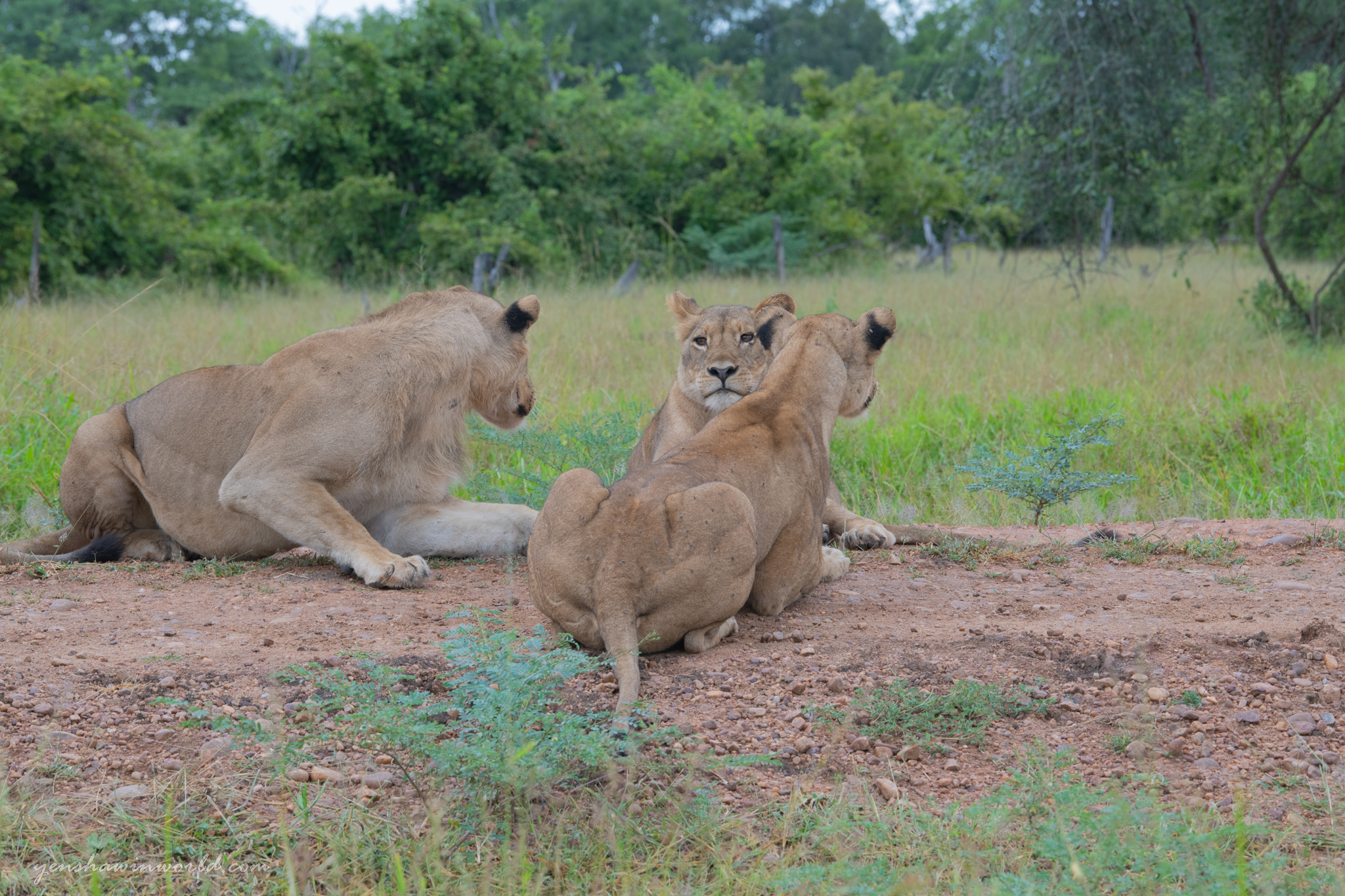
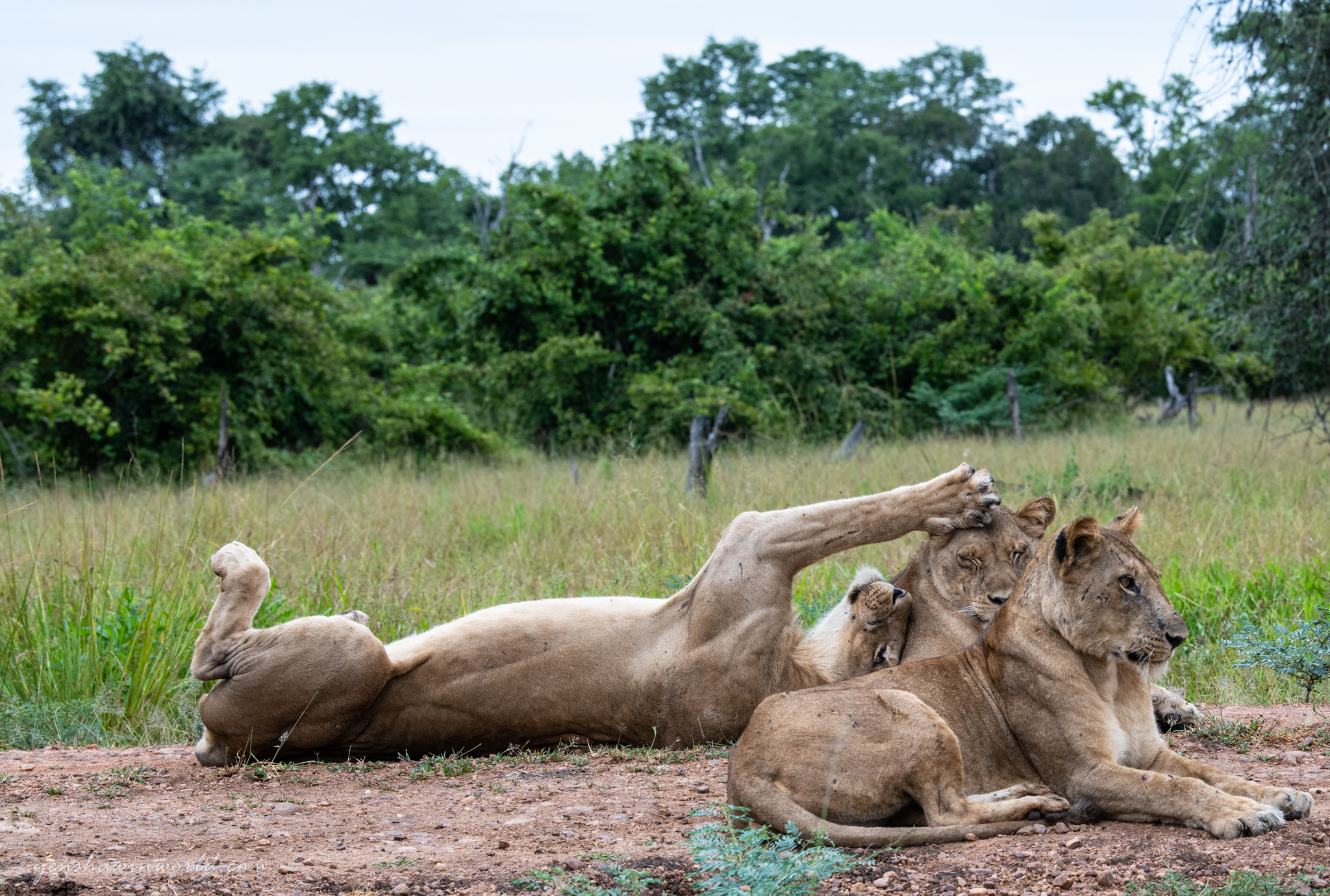
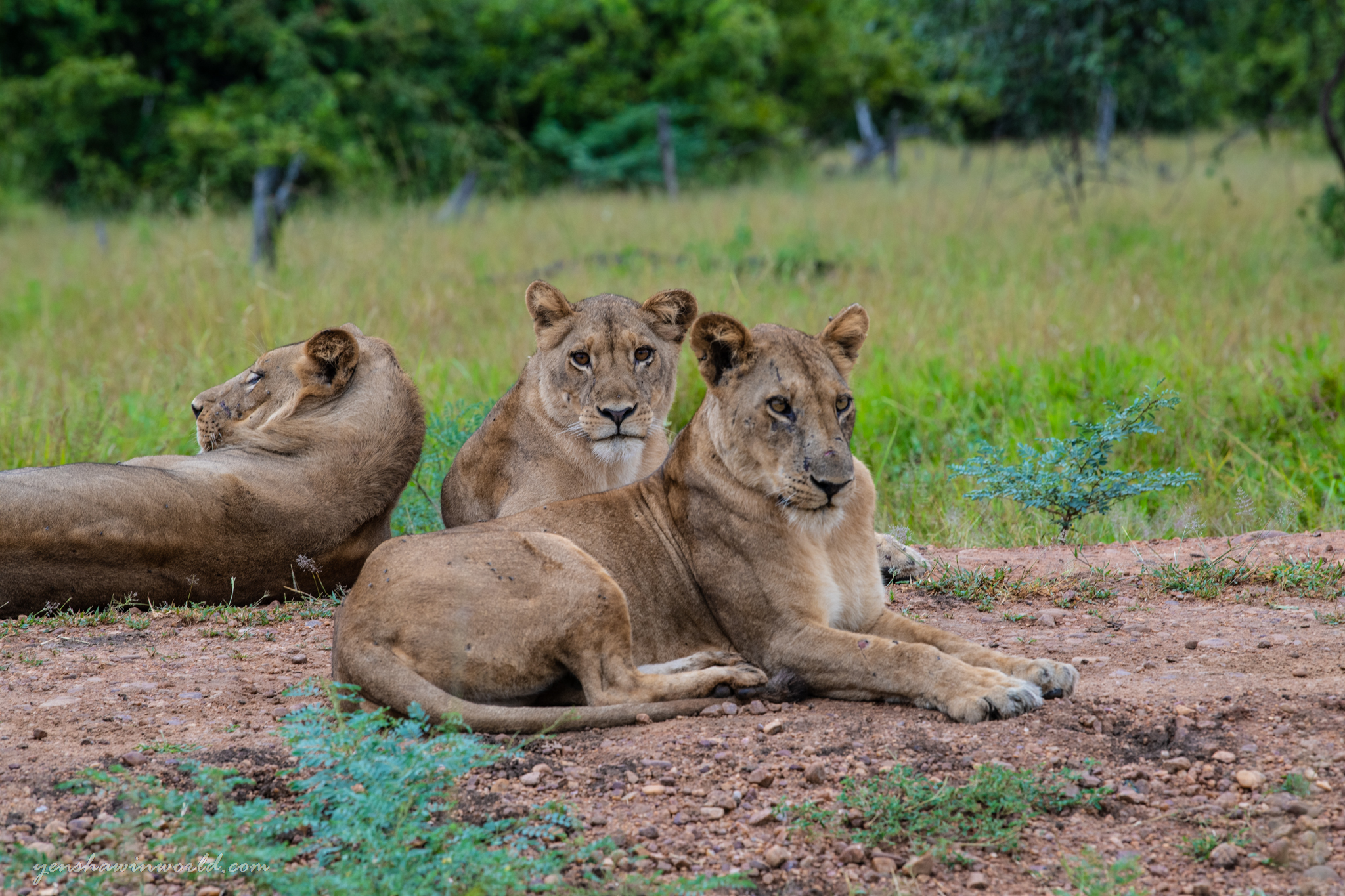
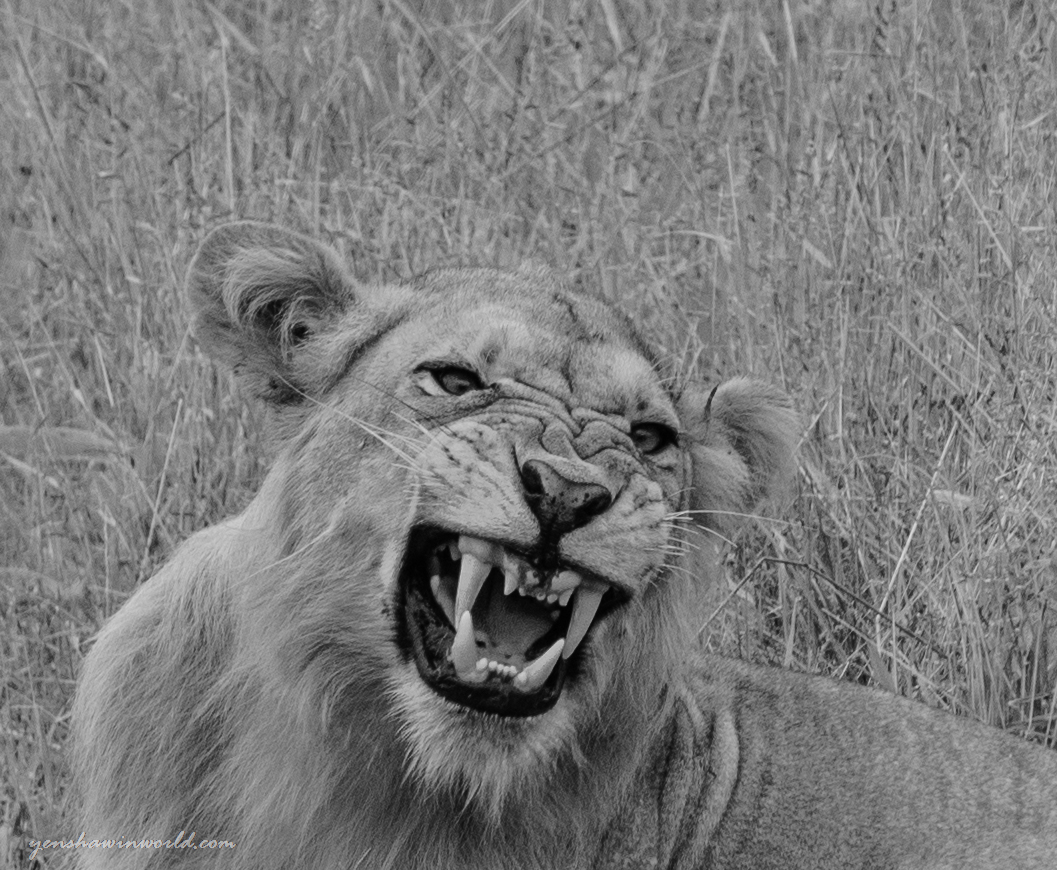
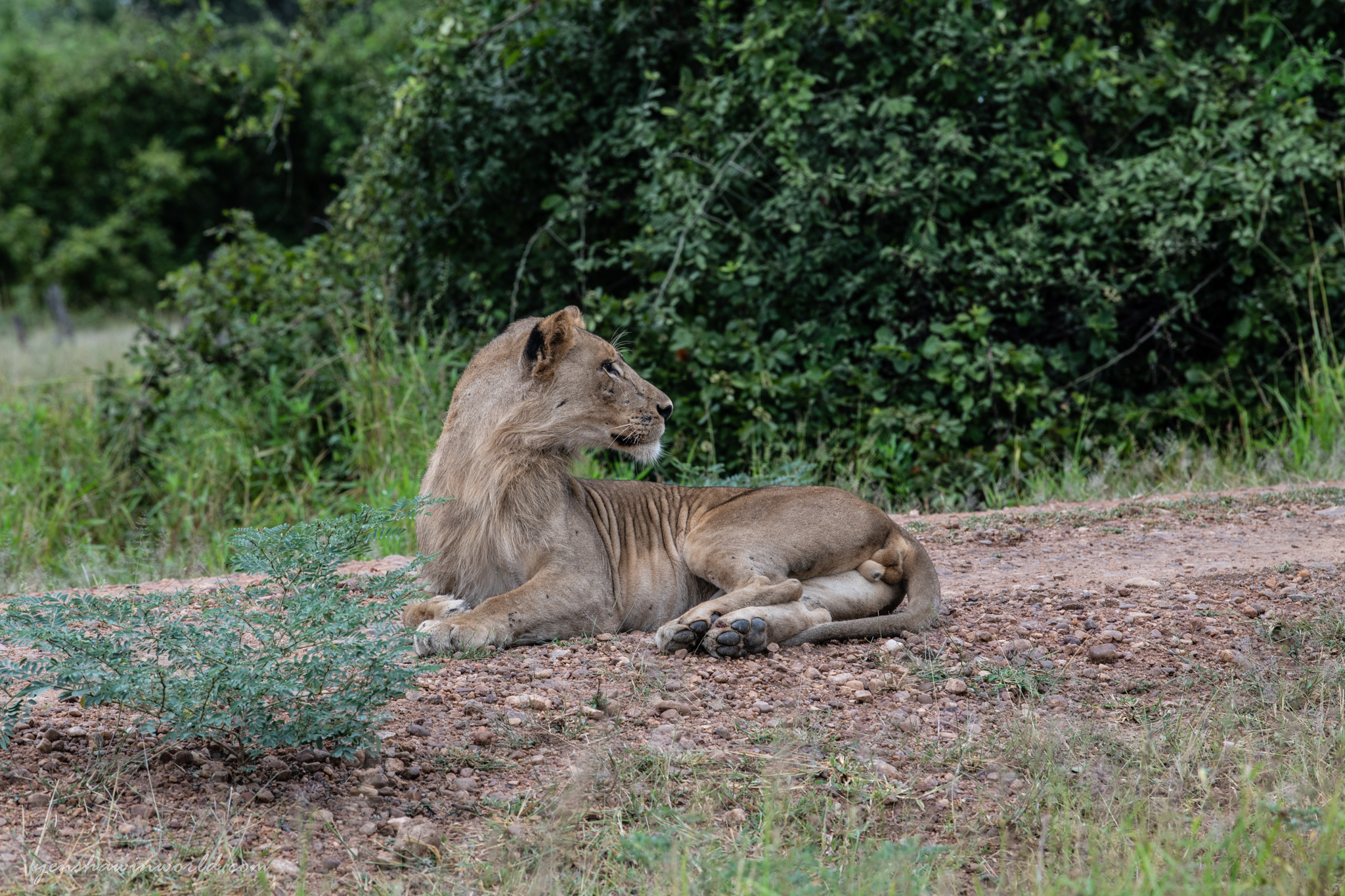

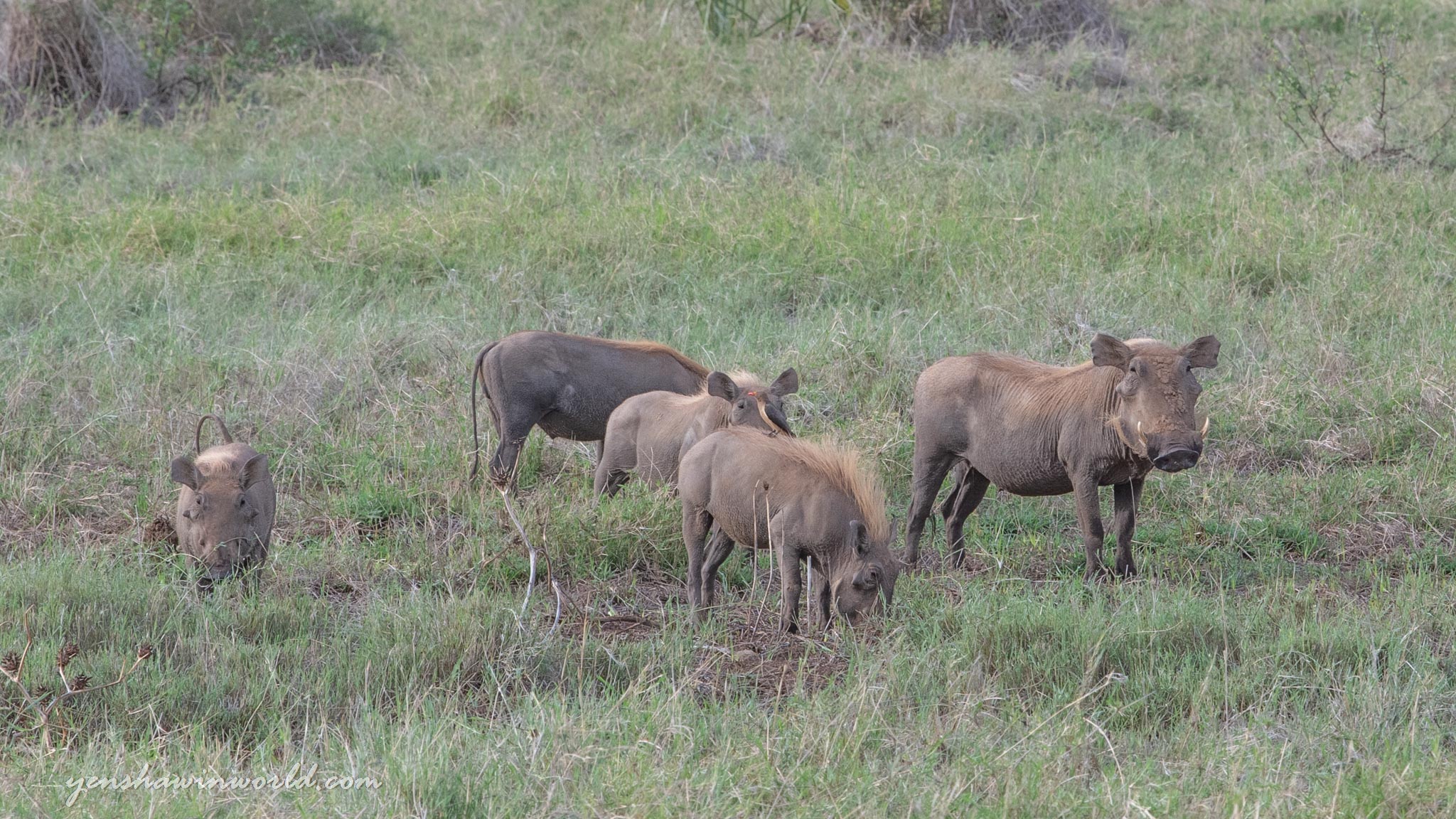
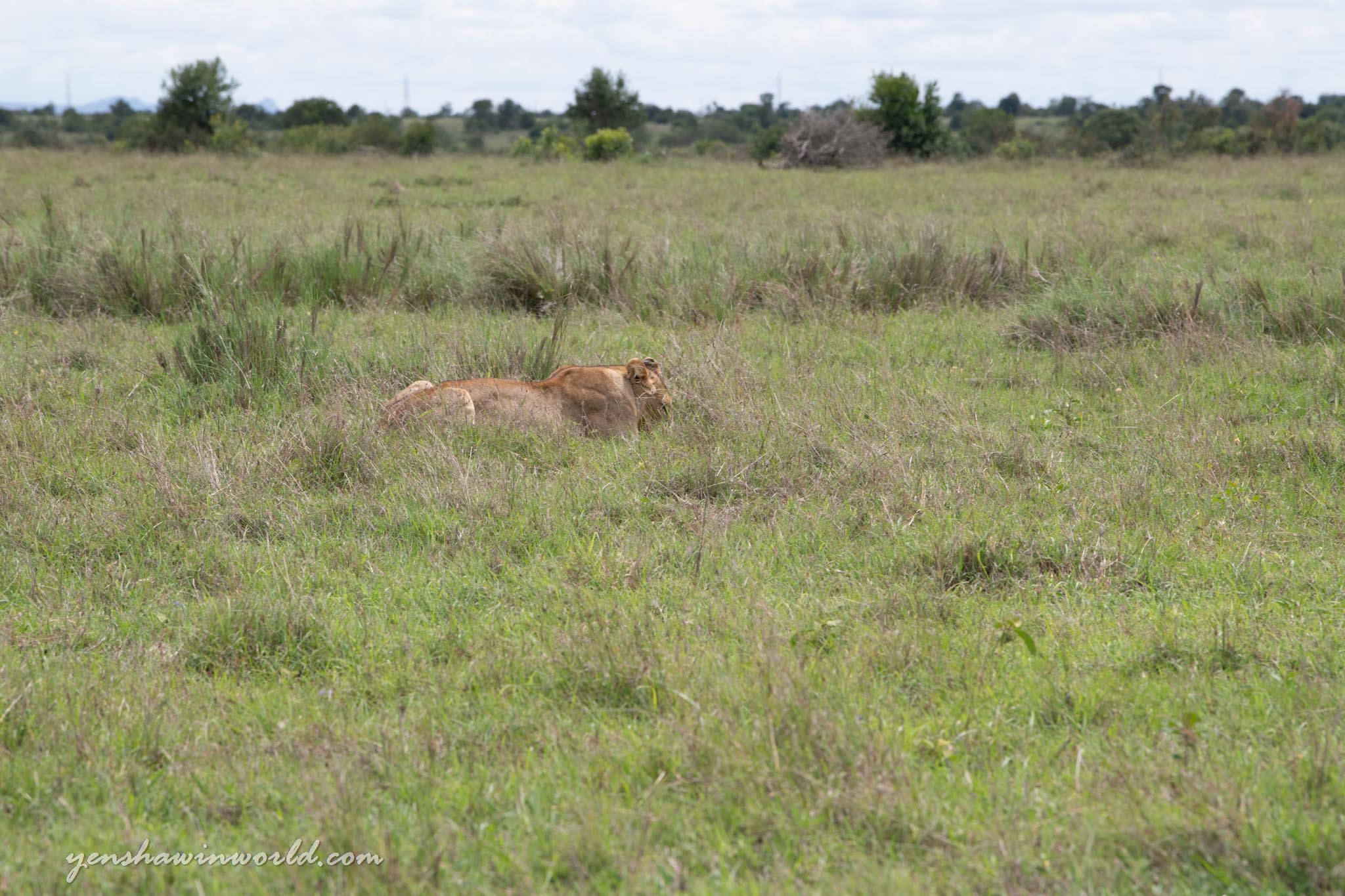
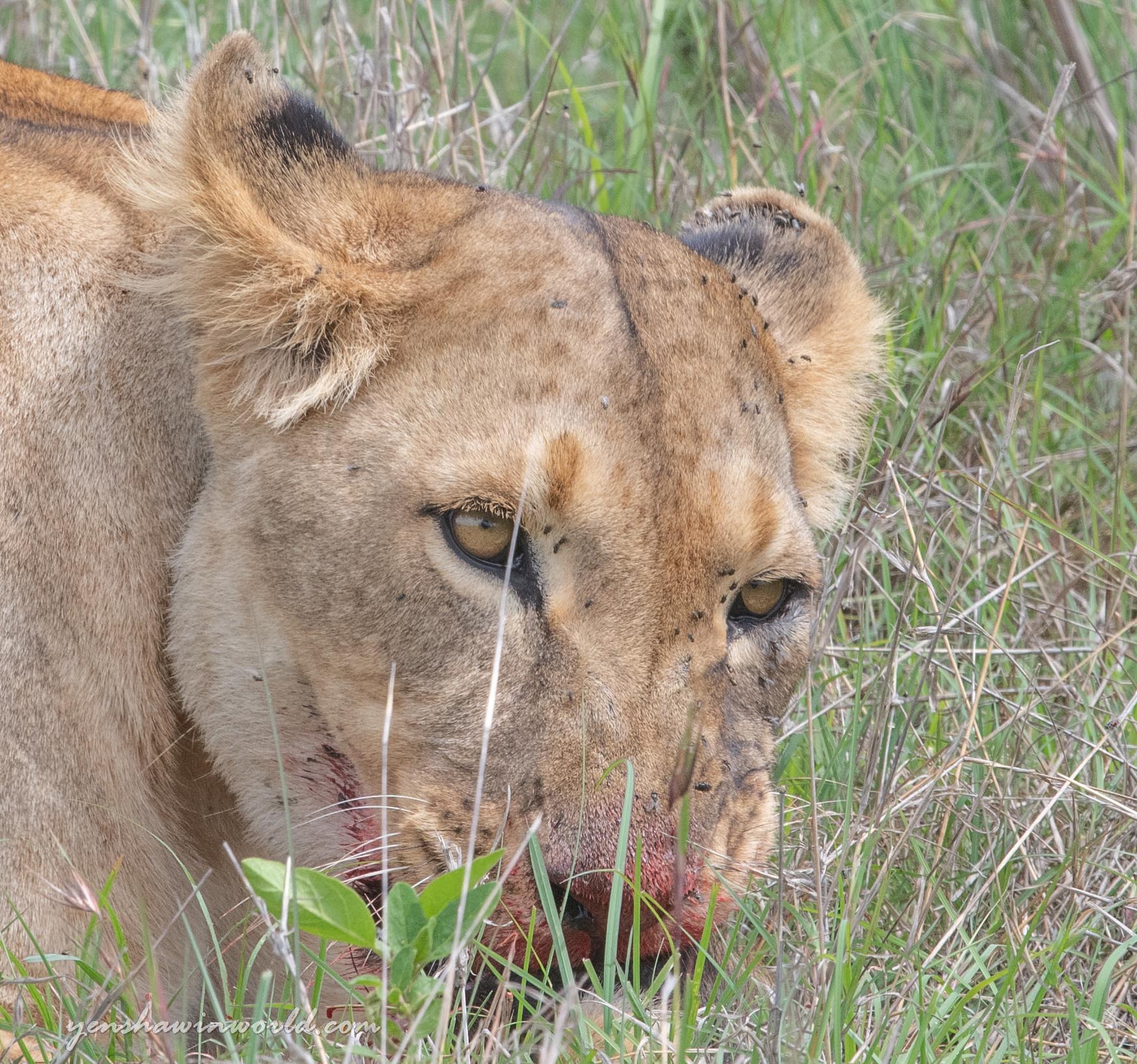
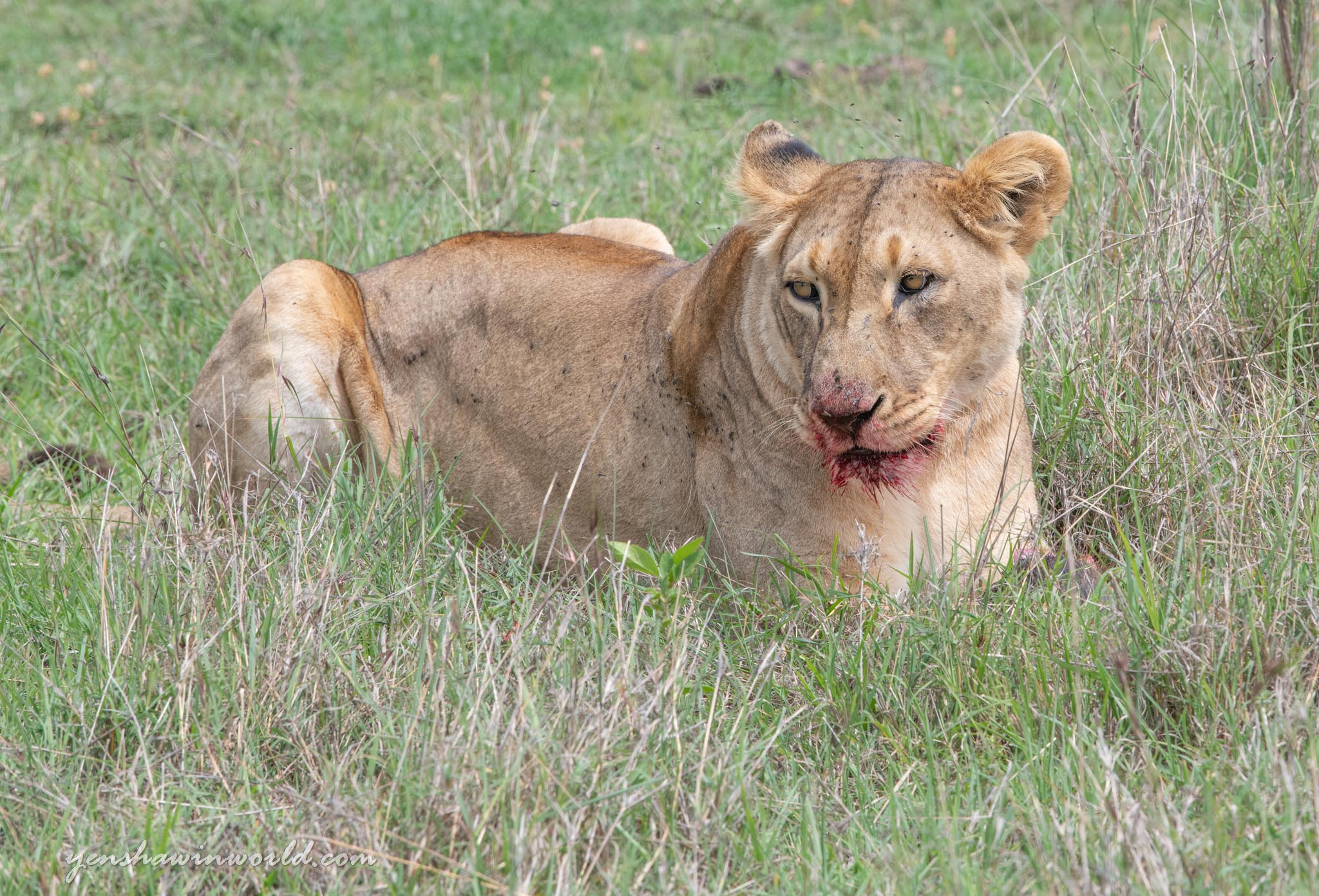
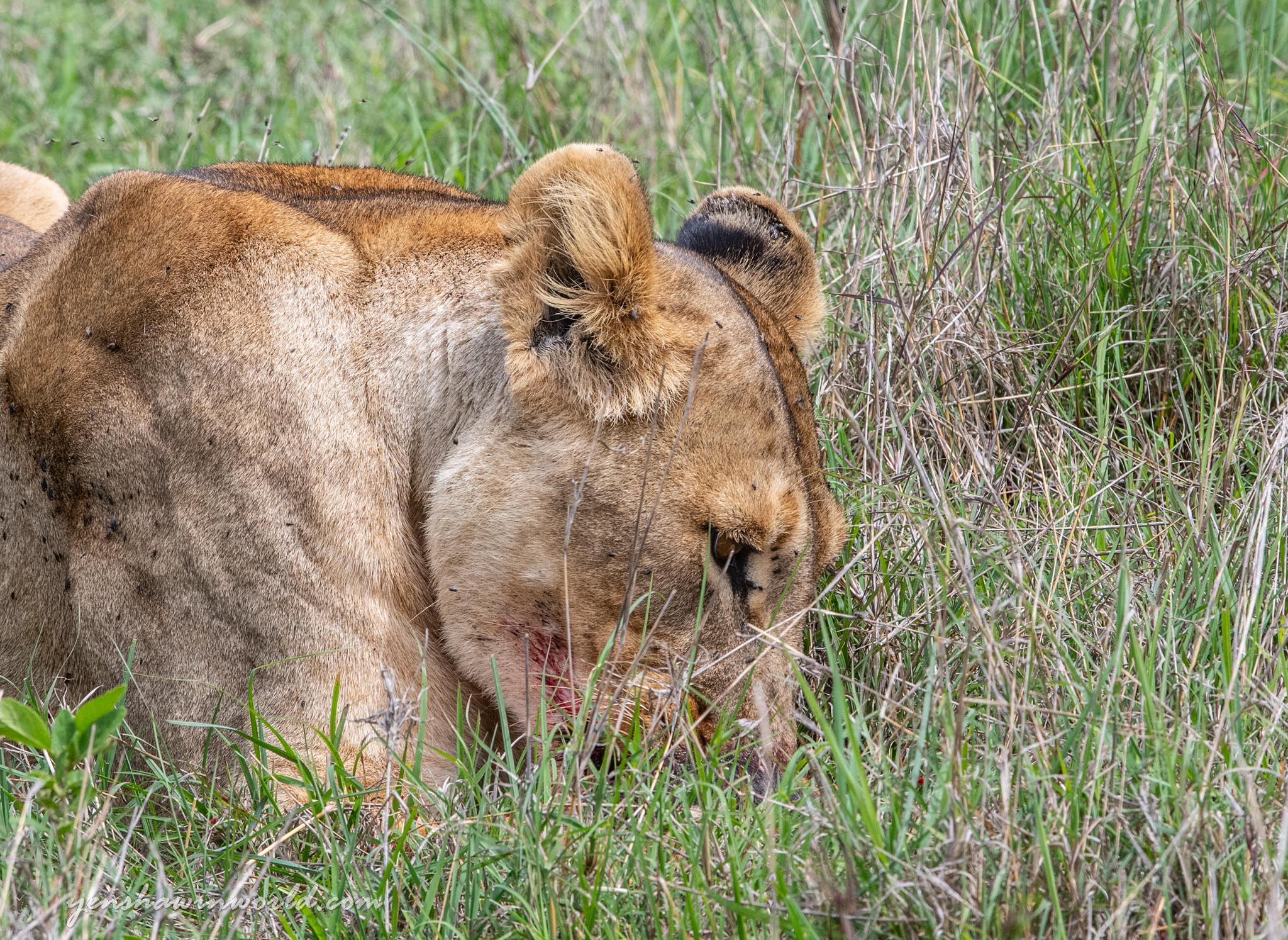
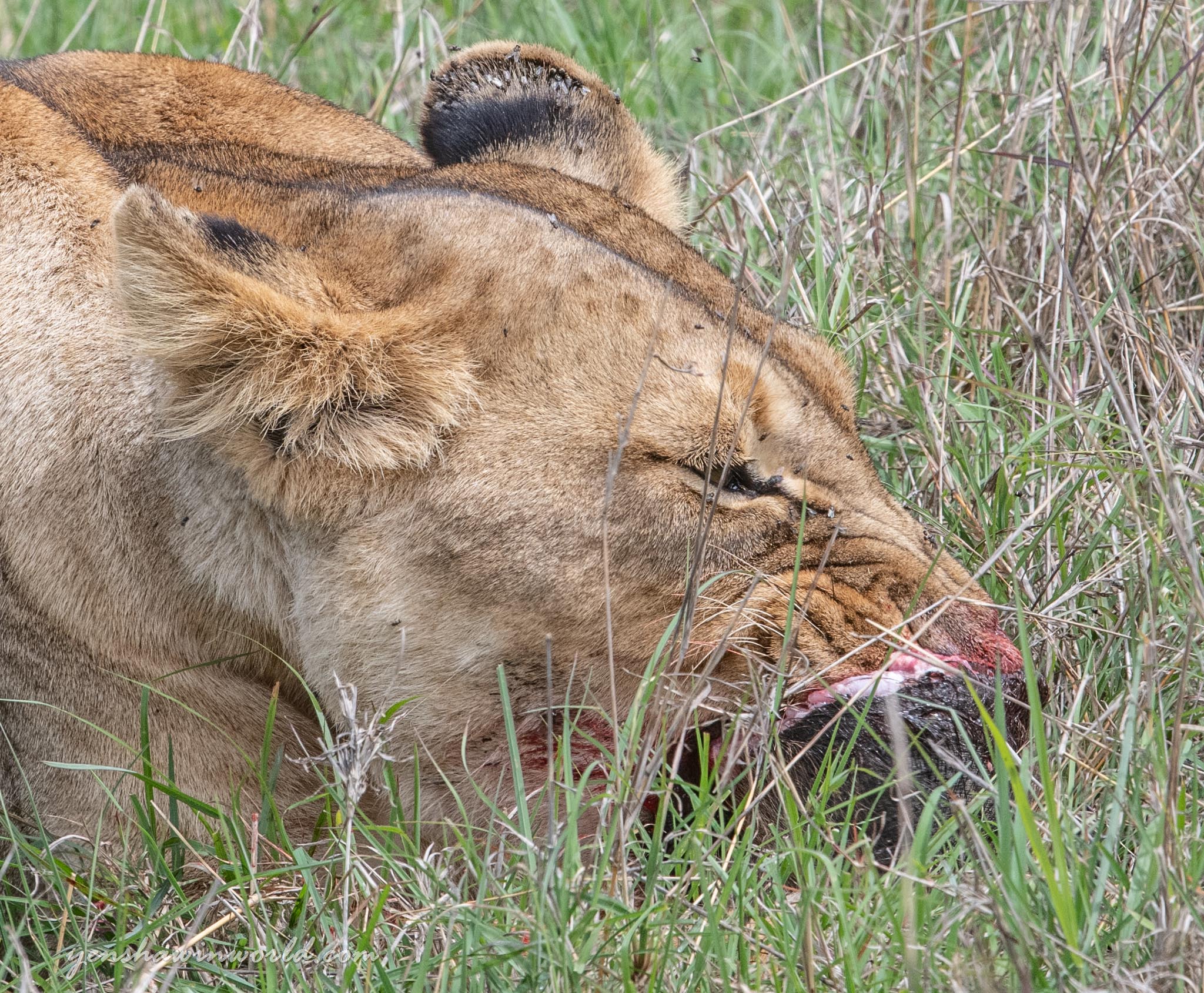
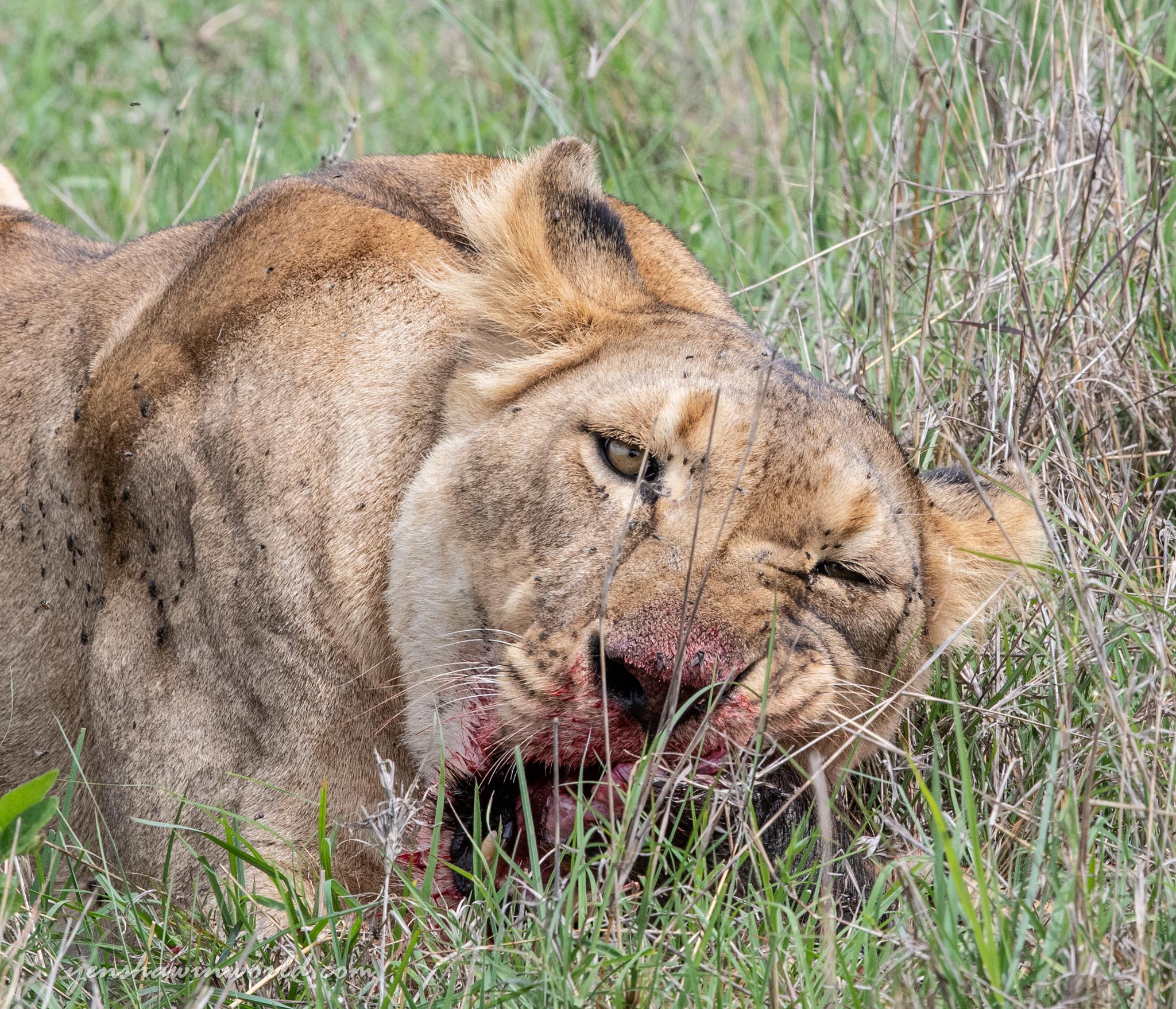
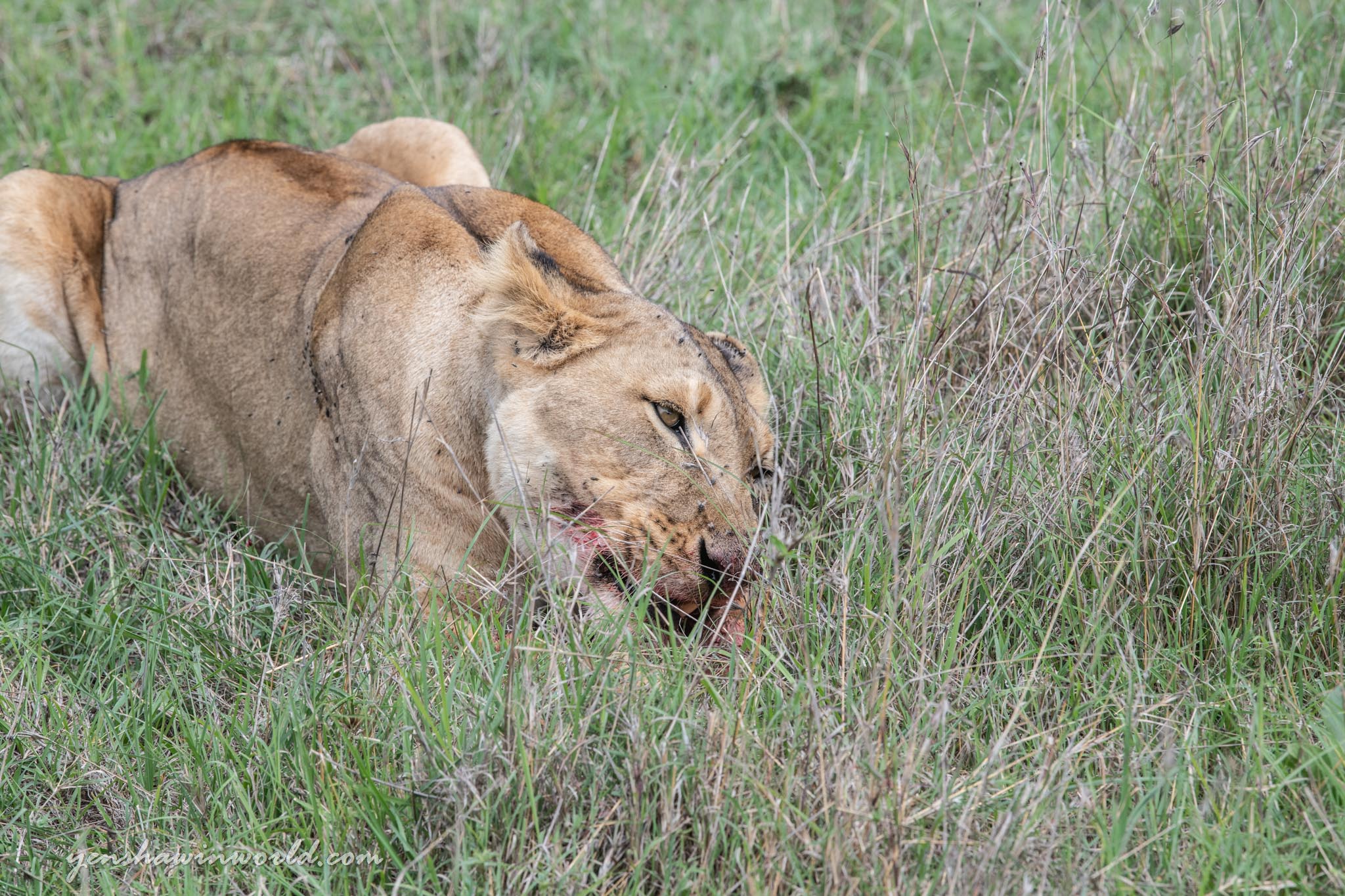
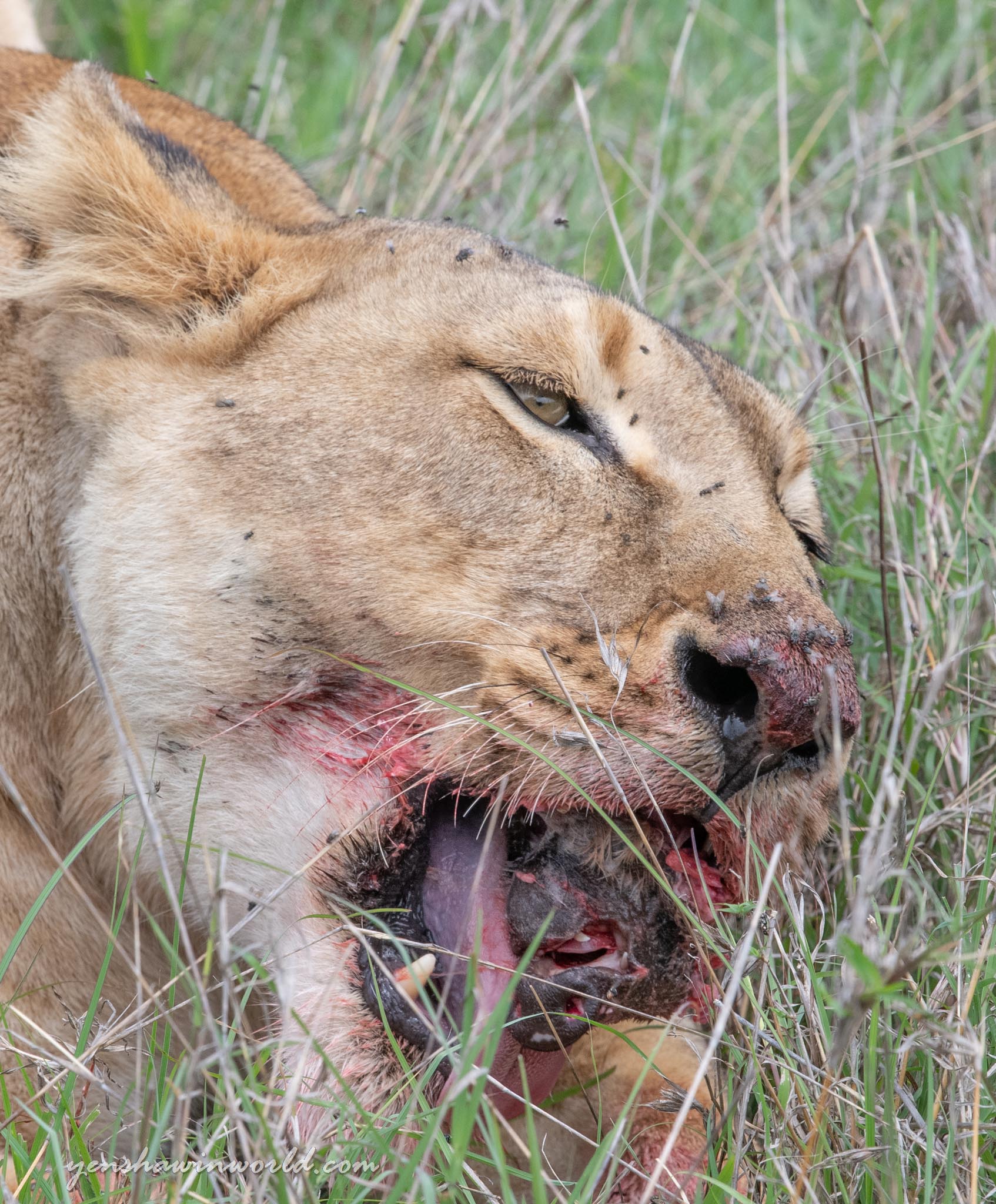
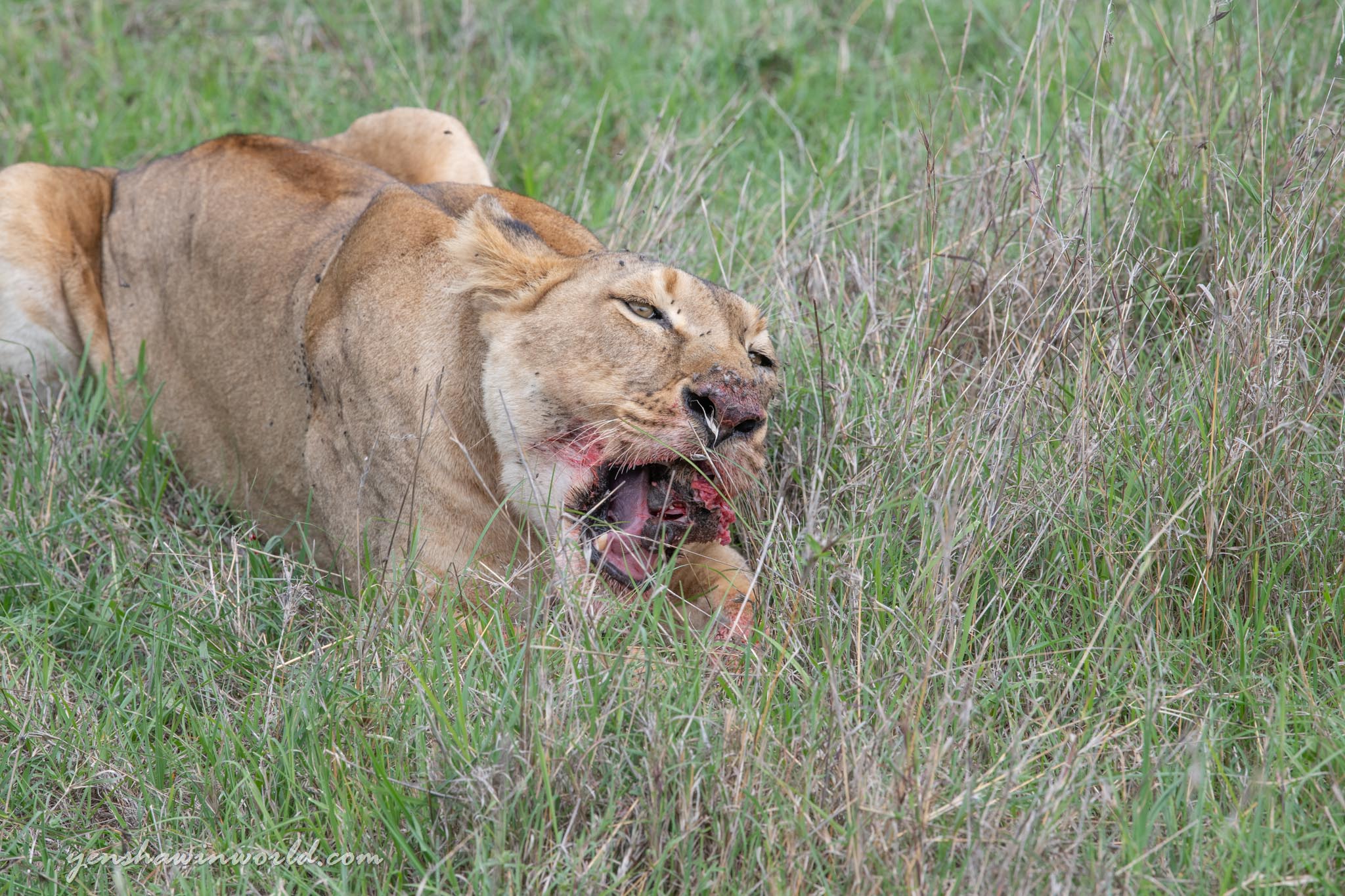
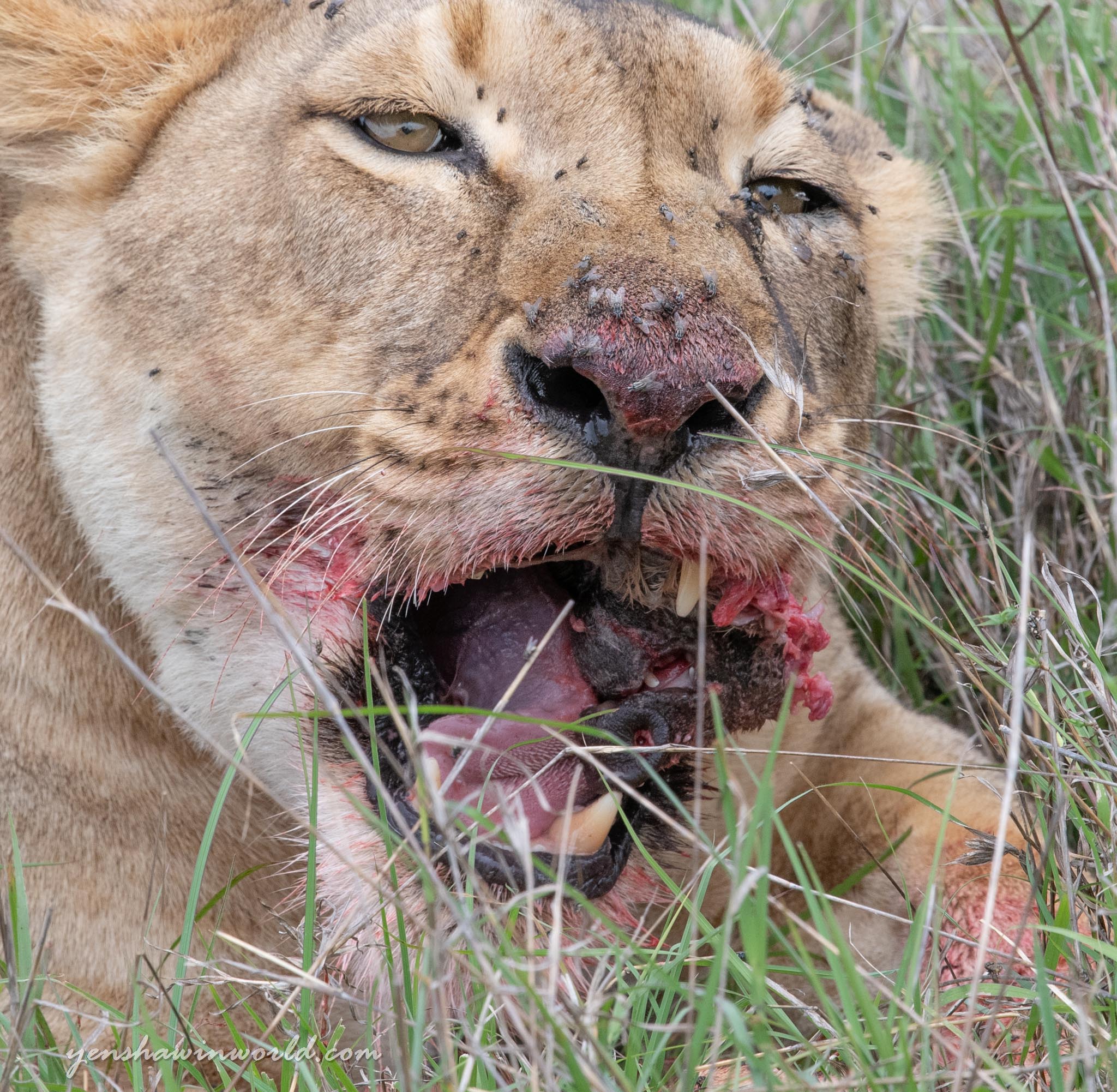
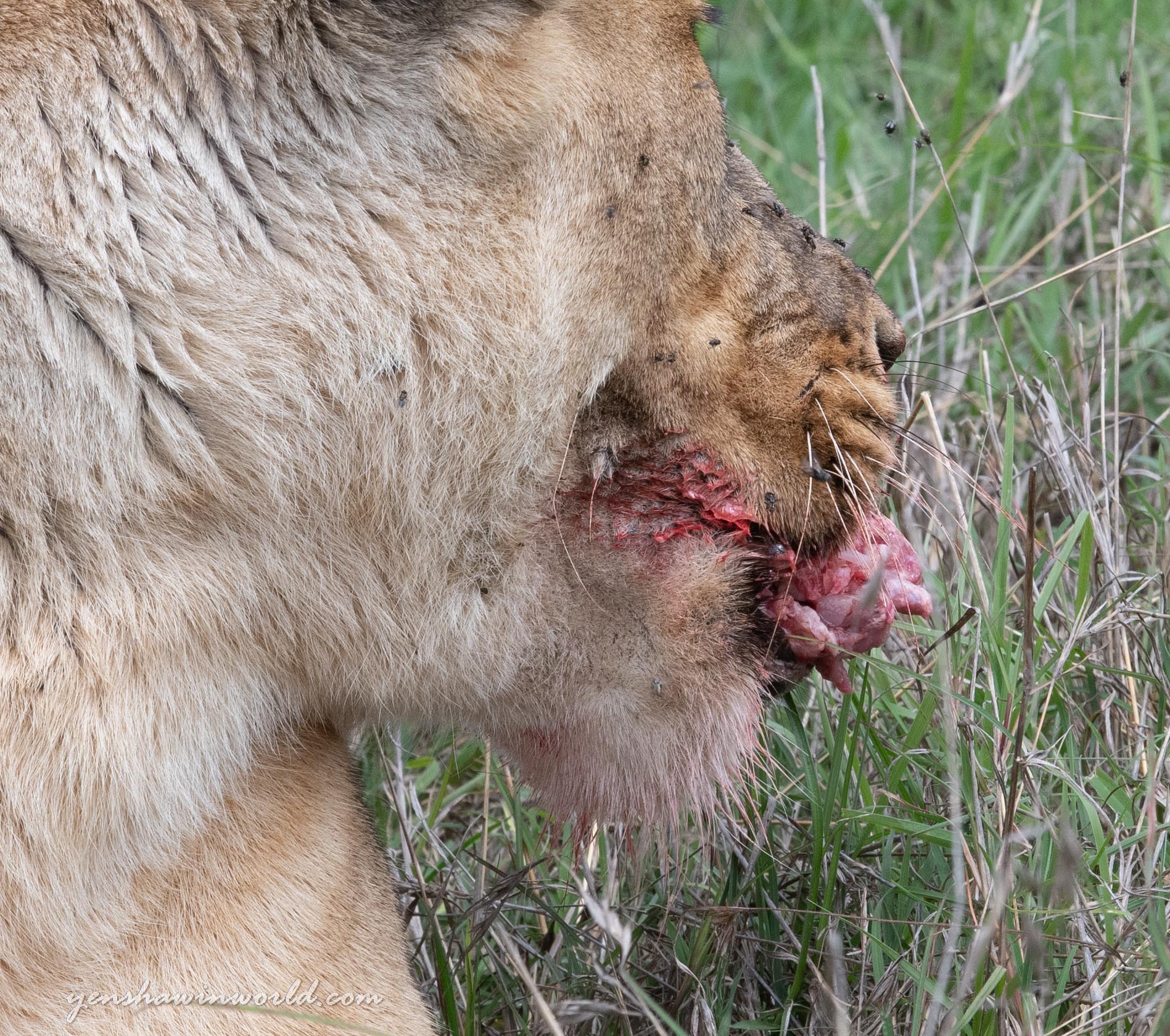
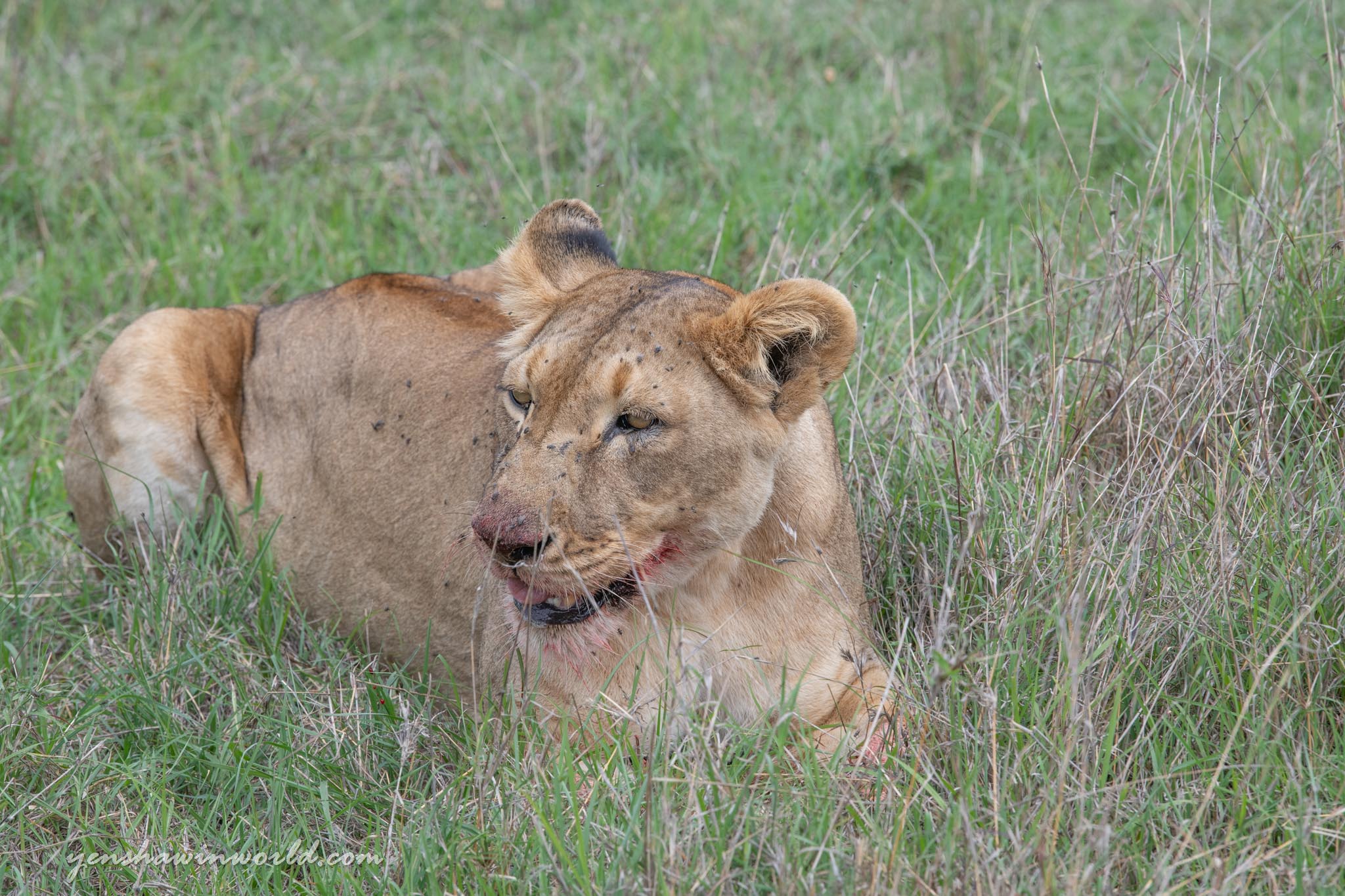
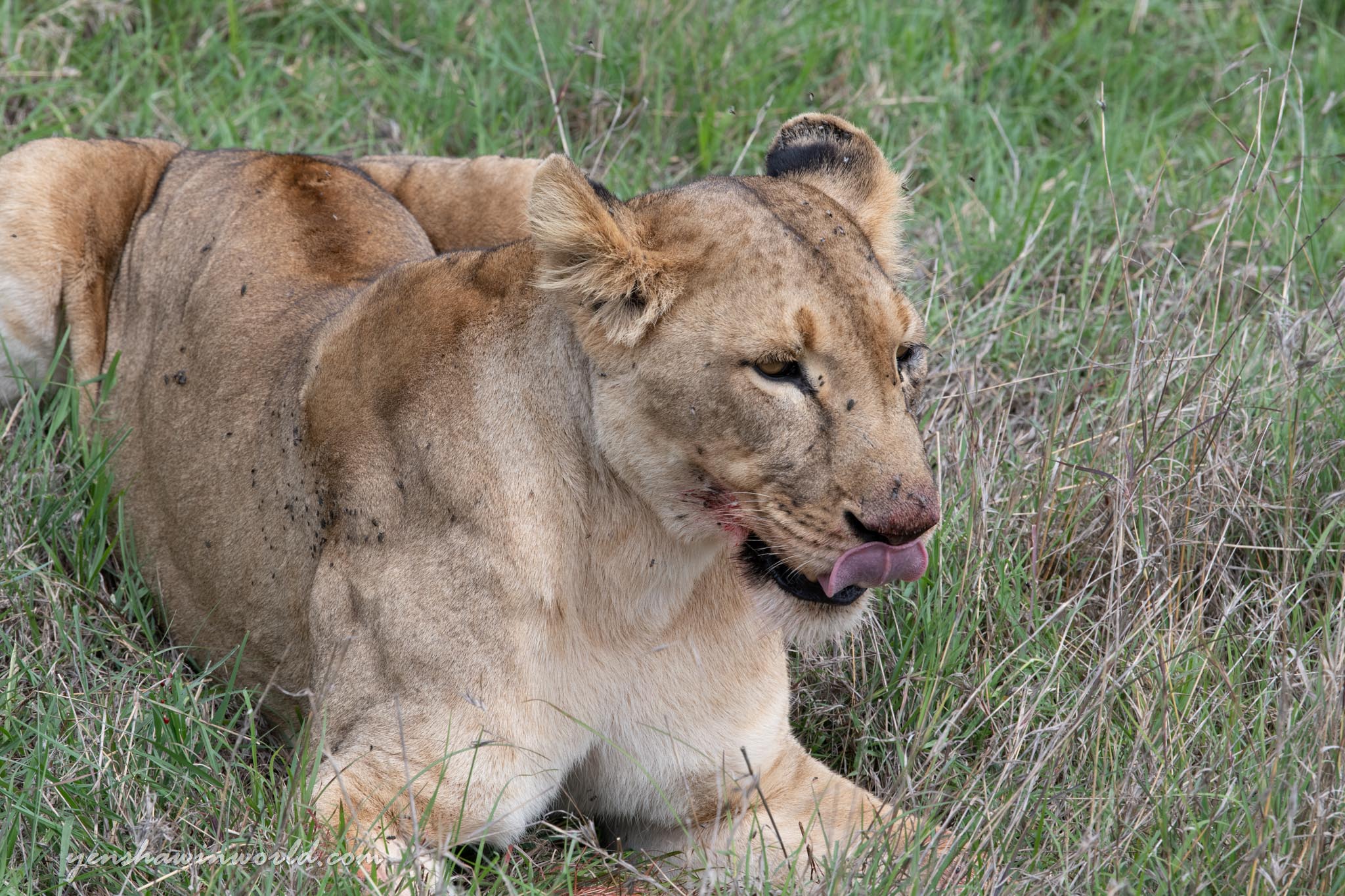
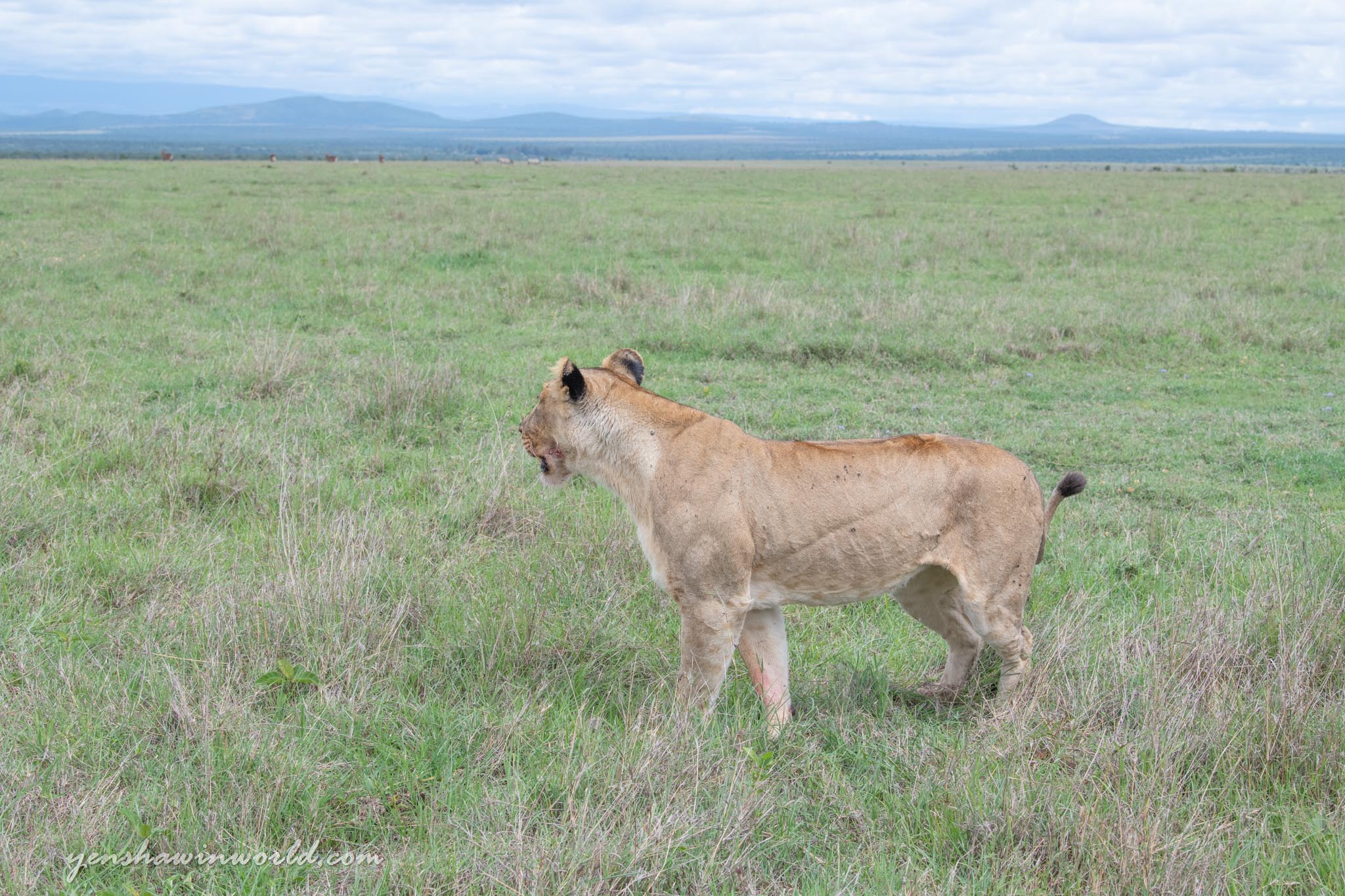
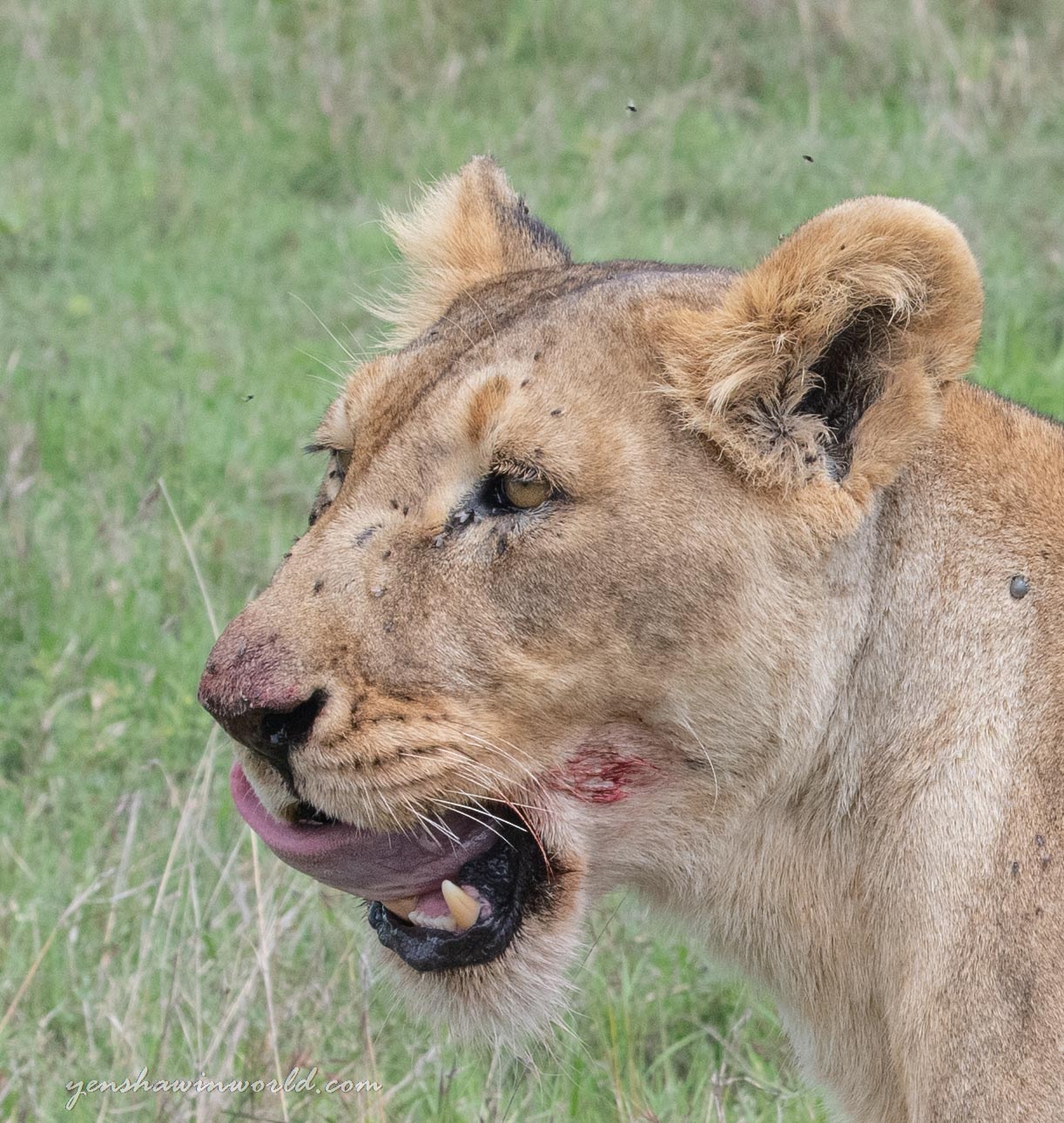
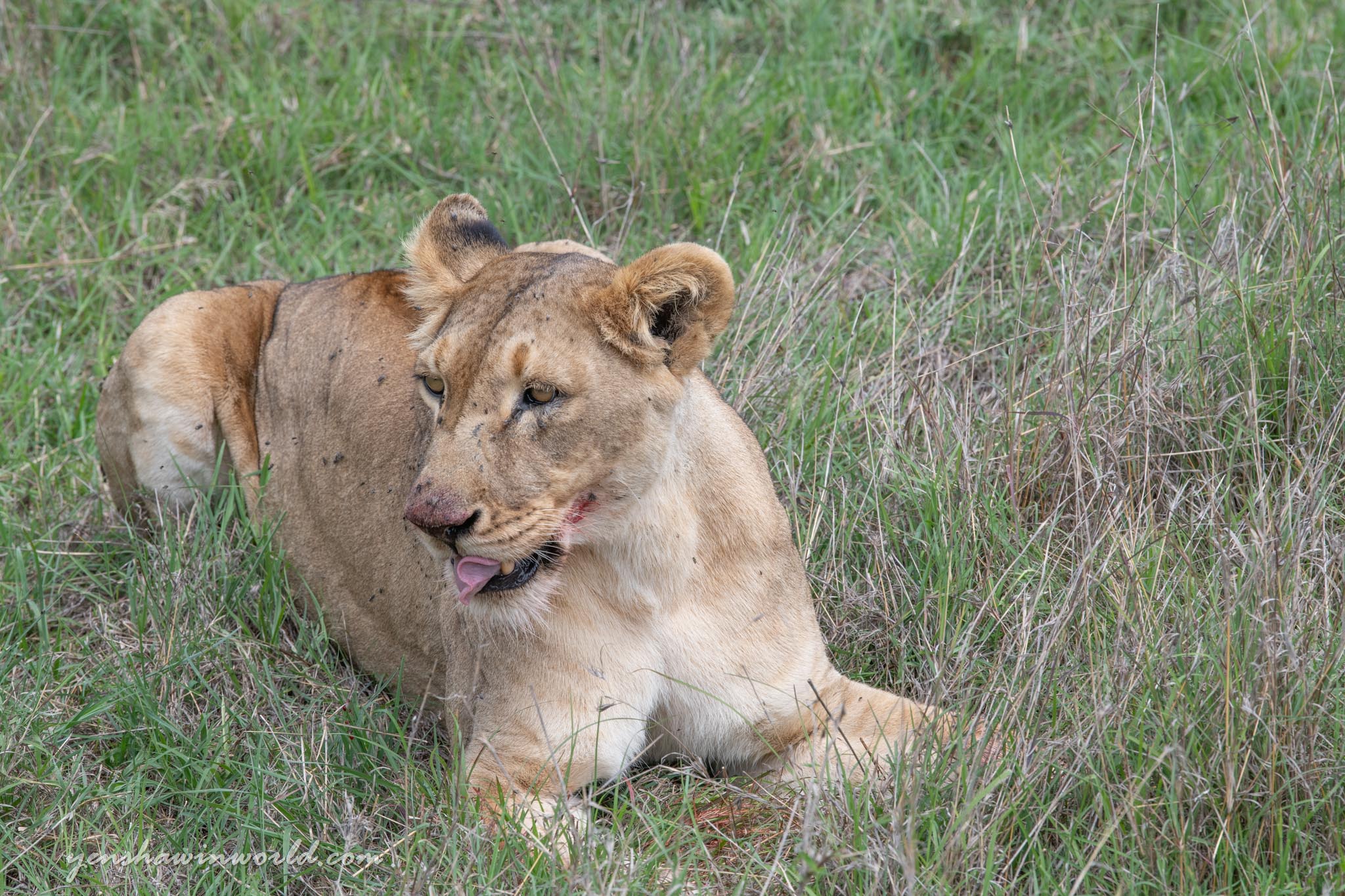
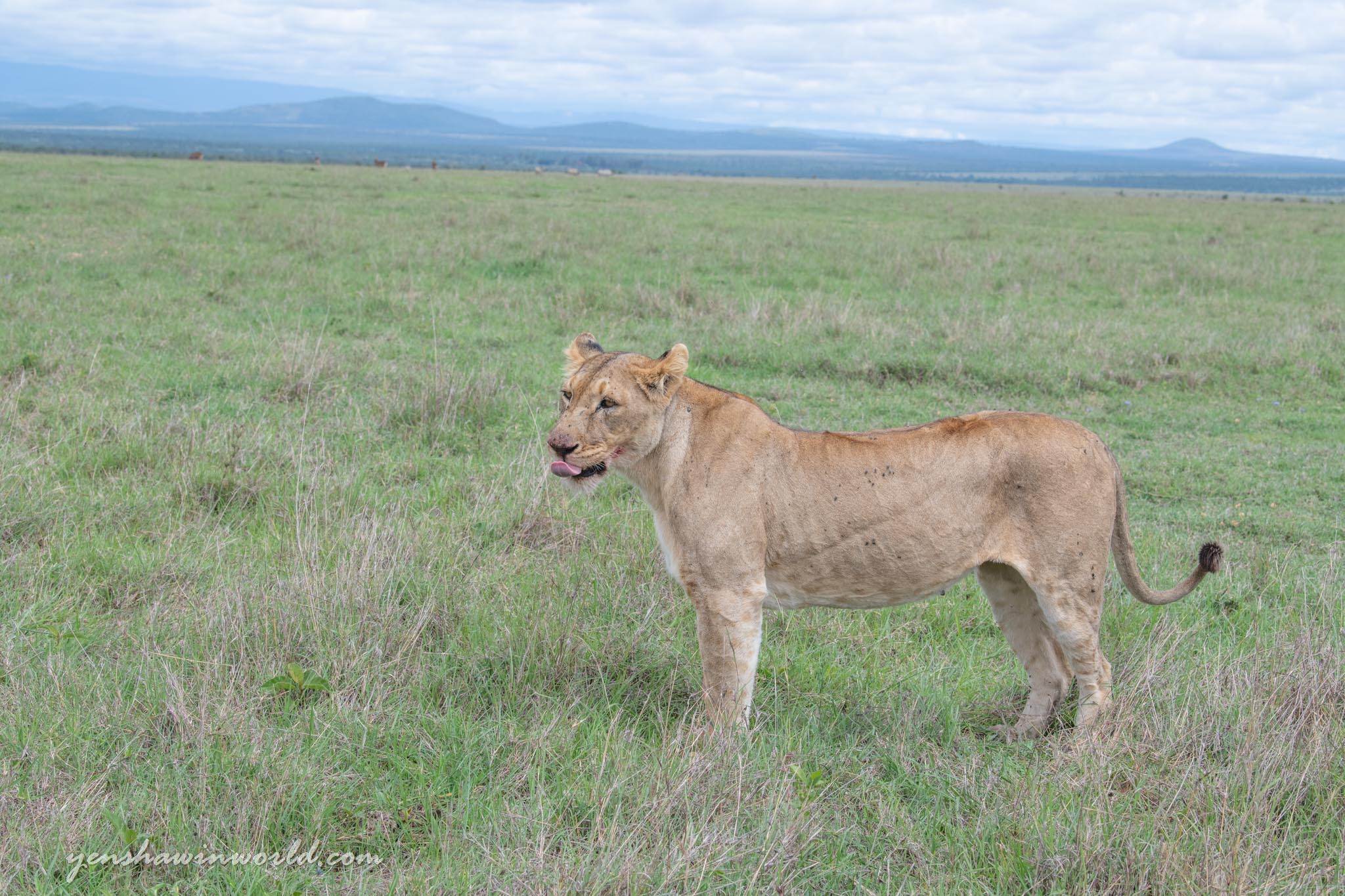
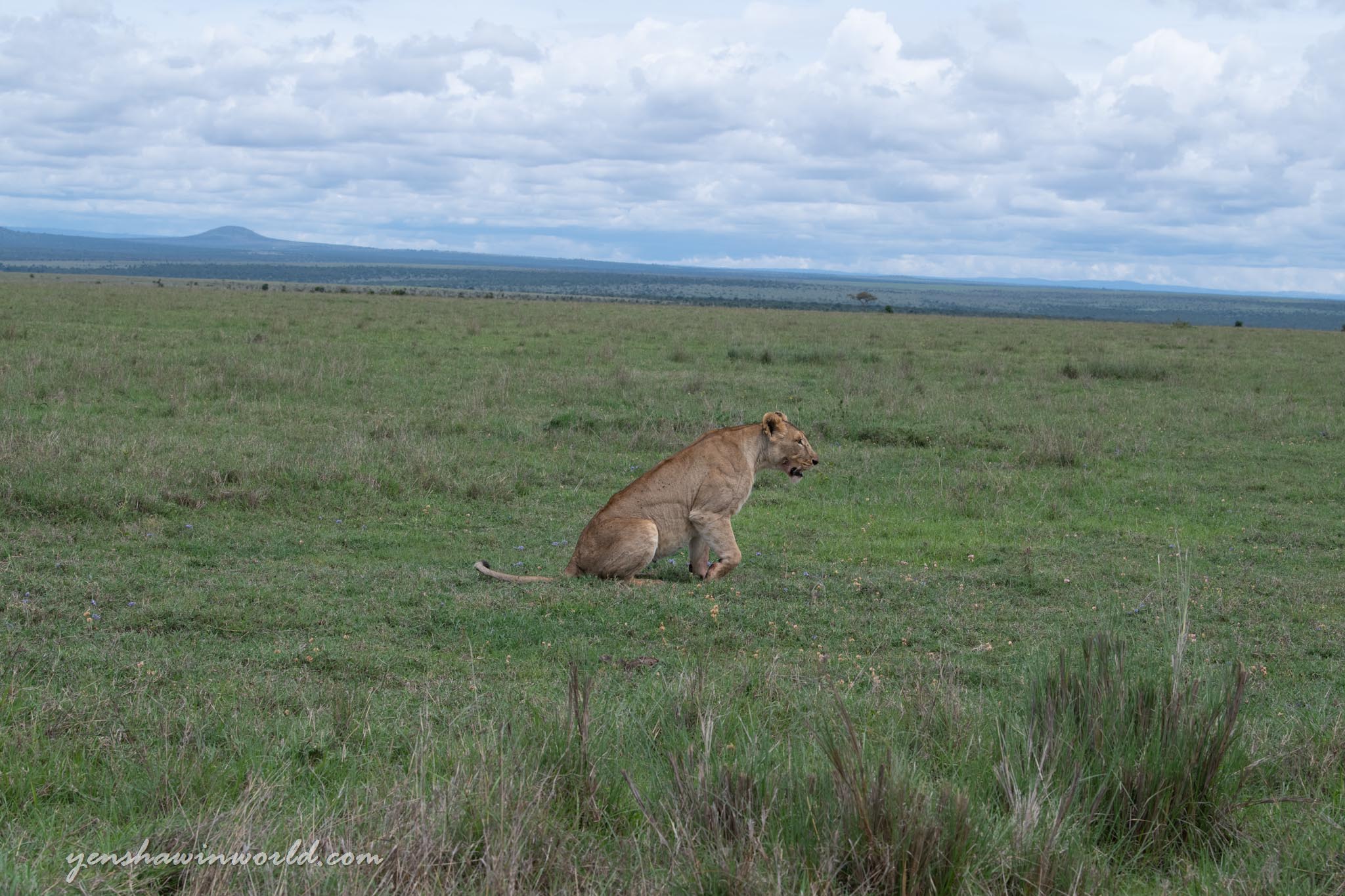
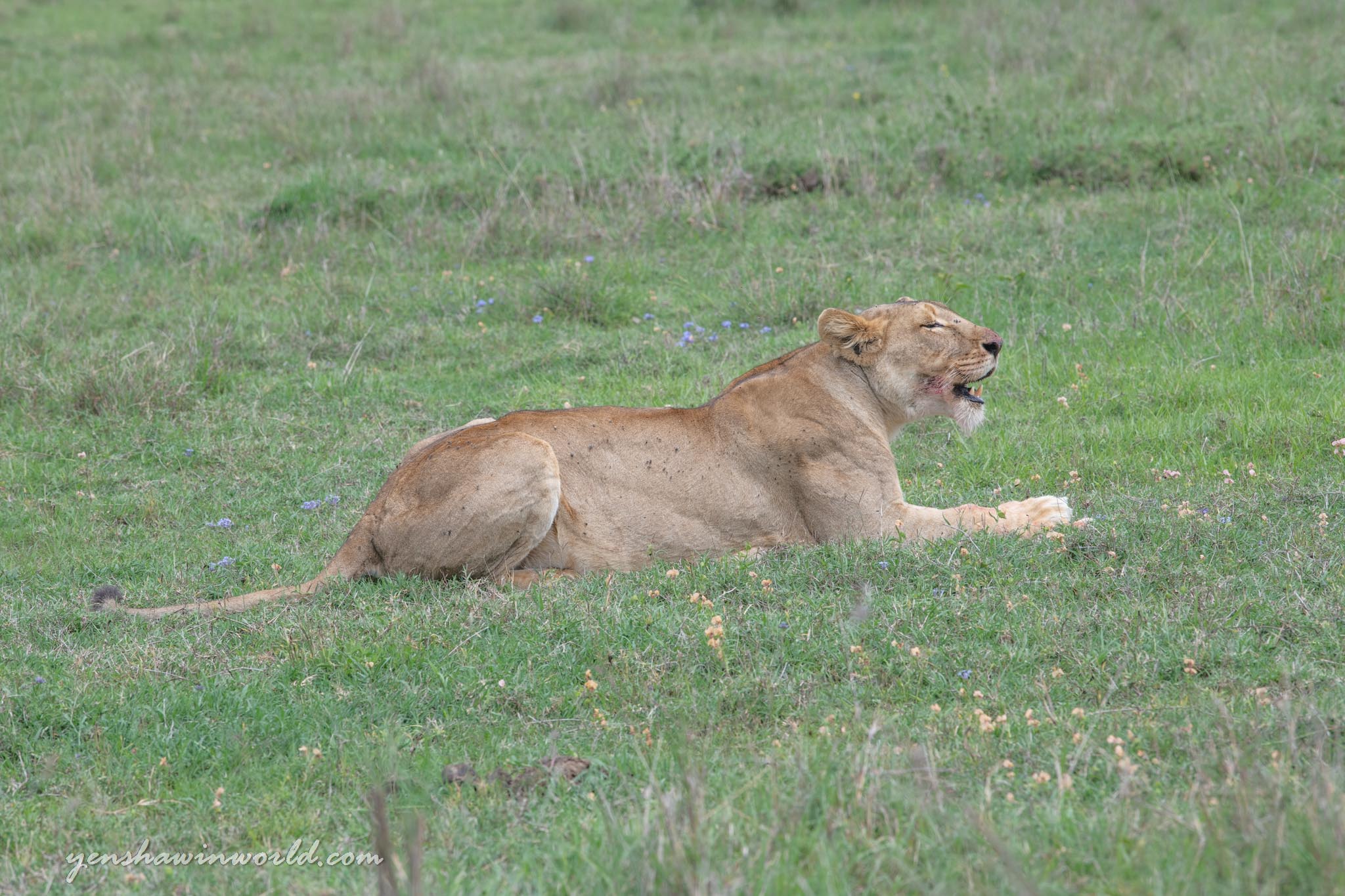
Seeing Lions is always a huge deal for just about anyone, however when you see a lion(ess) just after she makes a kill on the plains eating a warthog which would be considered a snack, and hear her eating away just a few feet away, then this is an even better treat!!!

Of course the main attraction in this Conservancy is the mix of rhinos. This is the only place I have heard that has both a mix of black and white rhinos roaming free. It also has the two last remaining white rhinos as mentioned above, however they are closely guarded in a few acre fenced off area to avoid poaching. There are 2 Northern White Rhinos here, about 130 Critically endangered Black Rhinos and 34 Southern White Rhinos. I saw able to see two small babies with the moms of both Black and White Rhinos which was a first for me as the little ones played around joyfully in the rain.
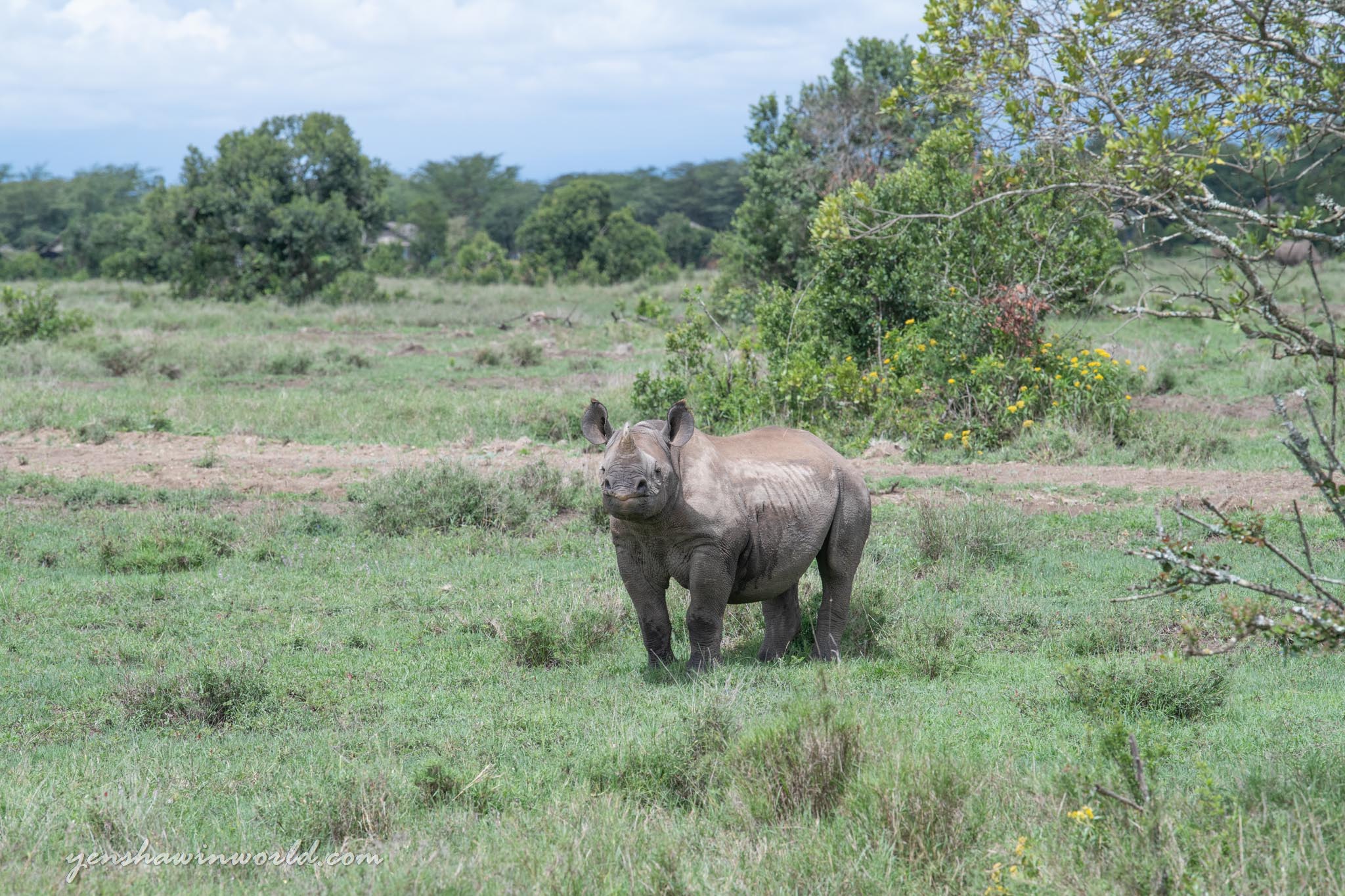
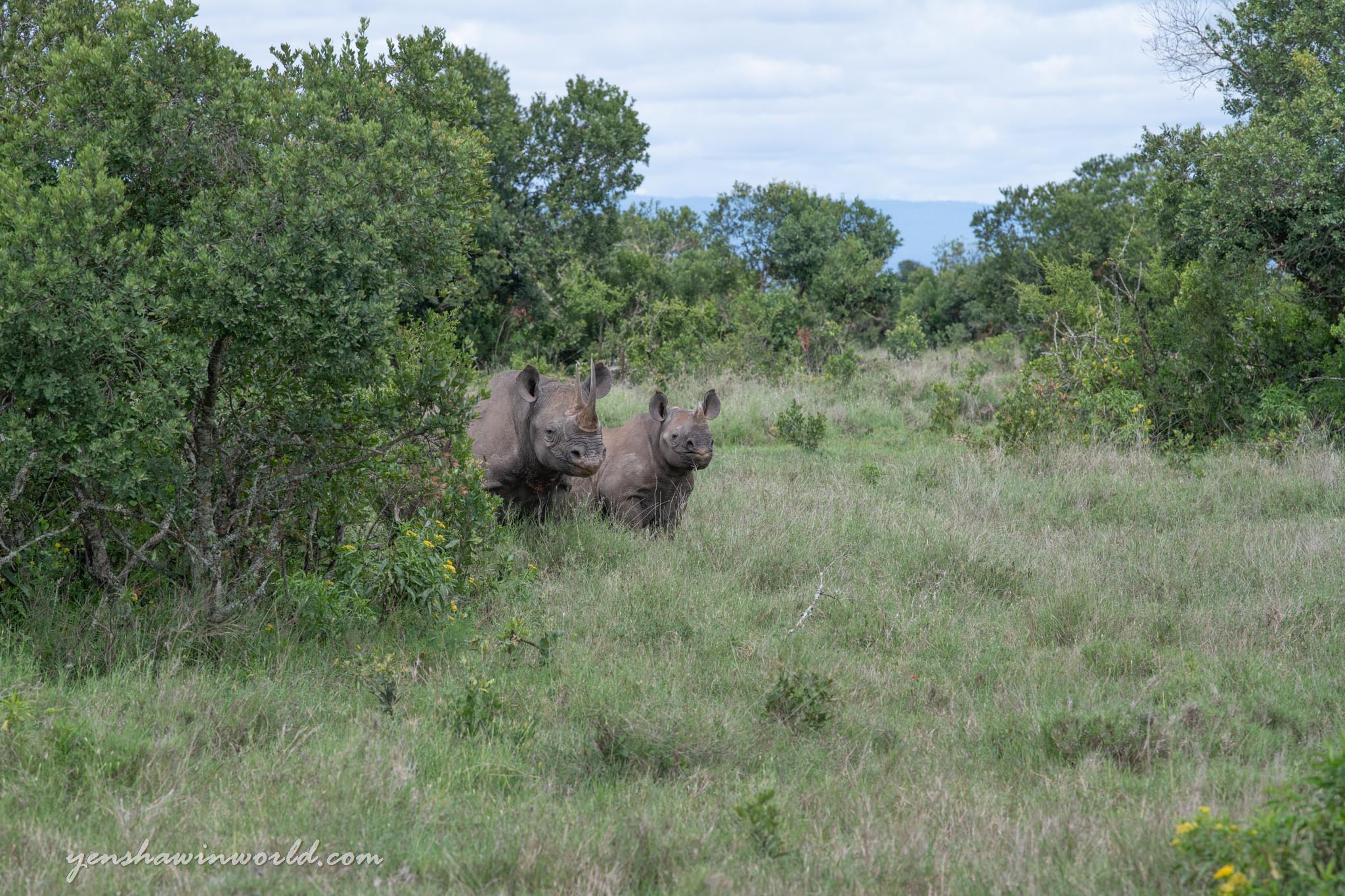
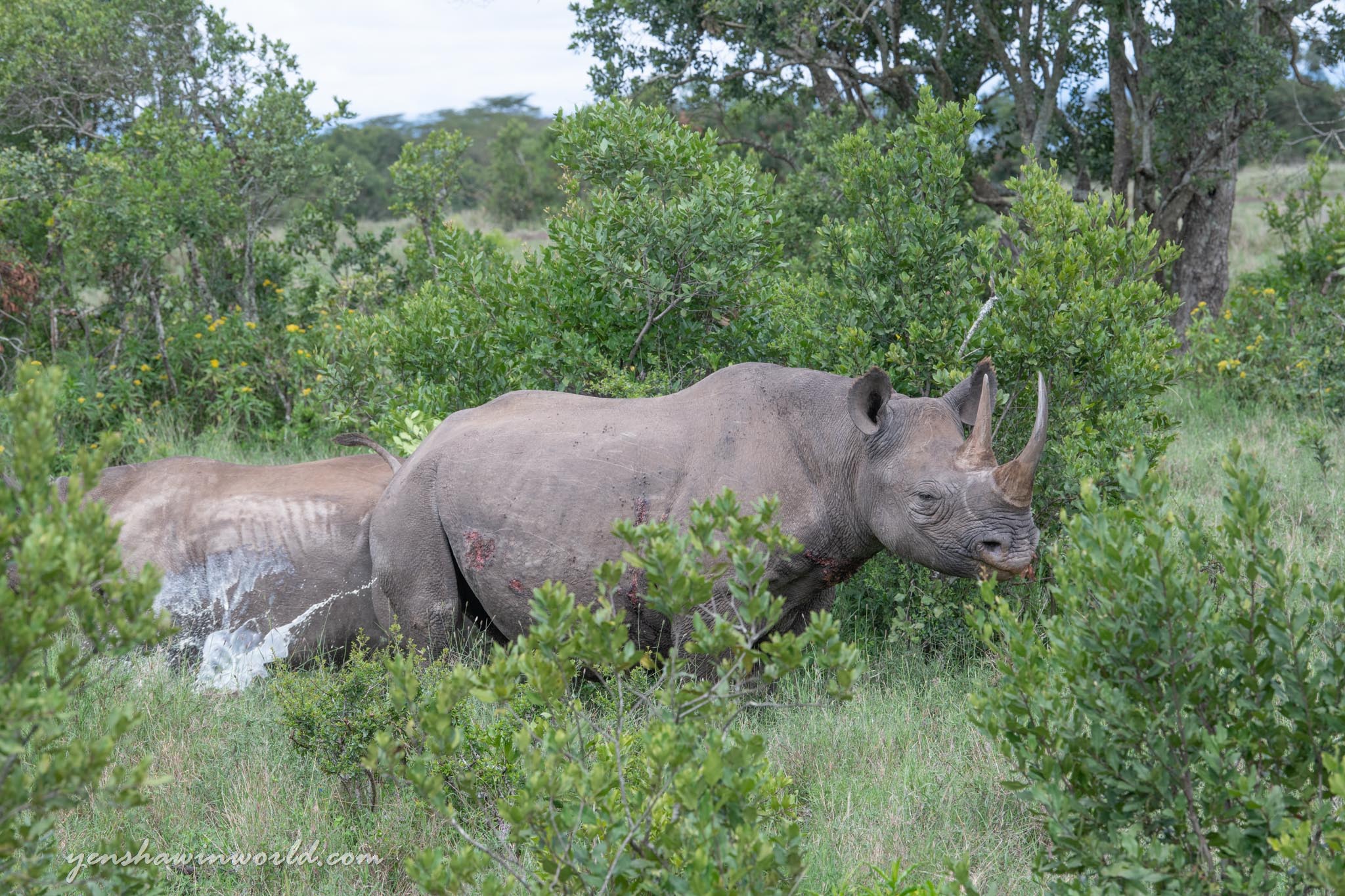
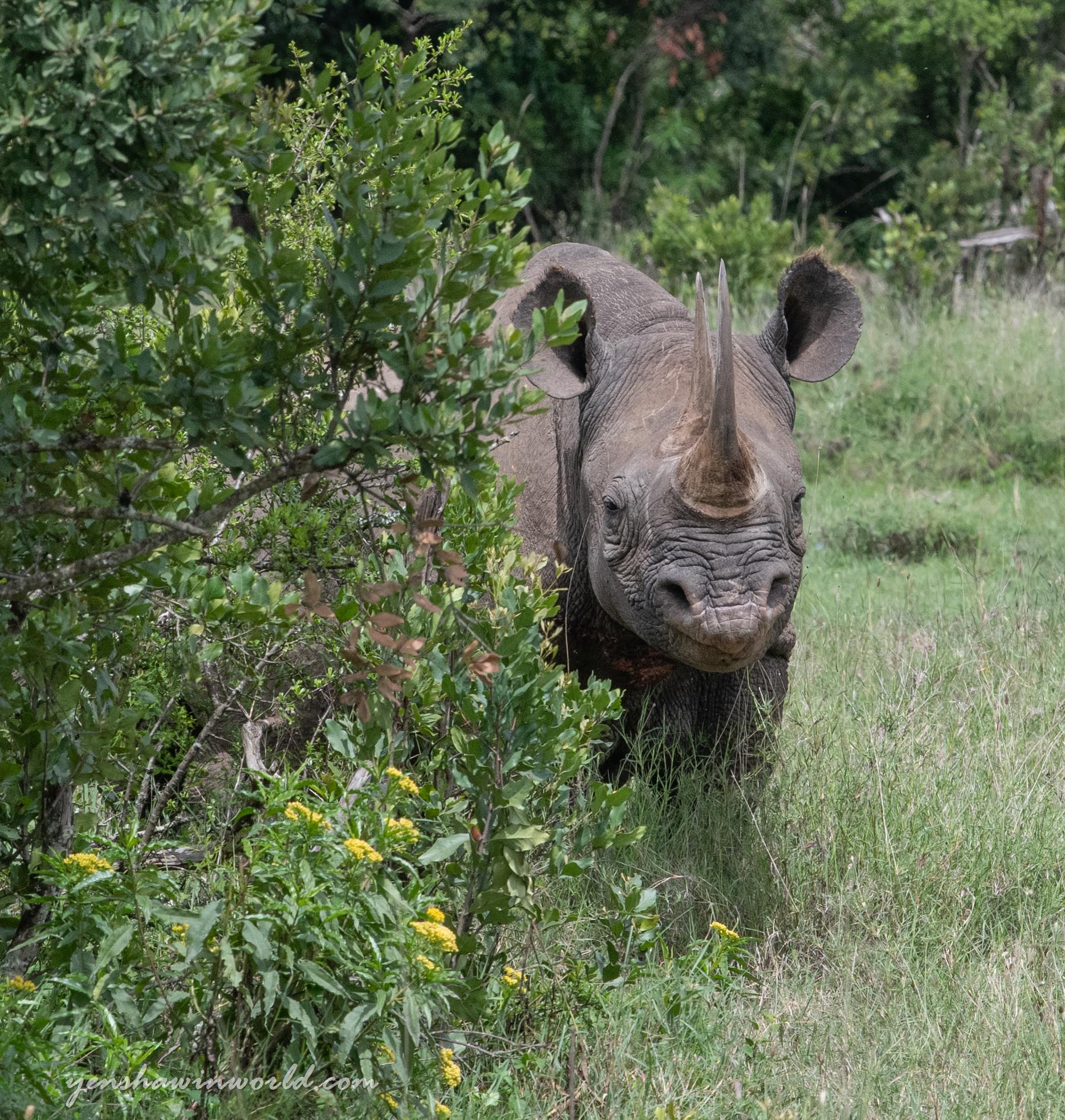
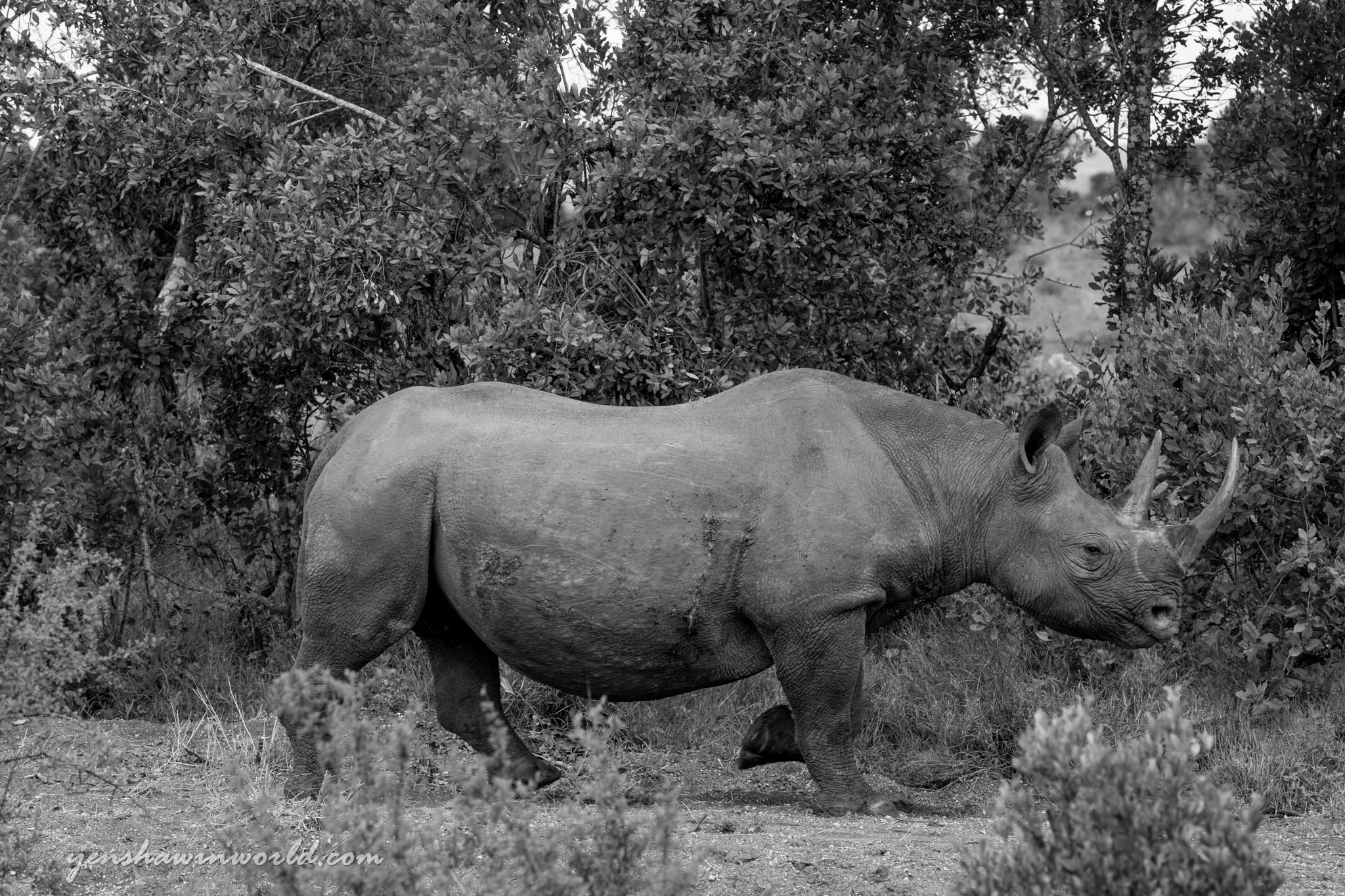
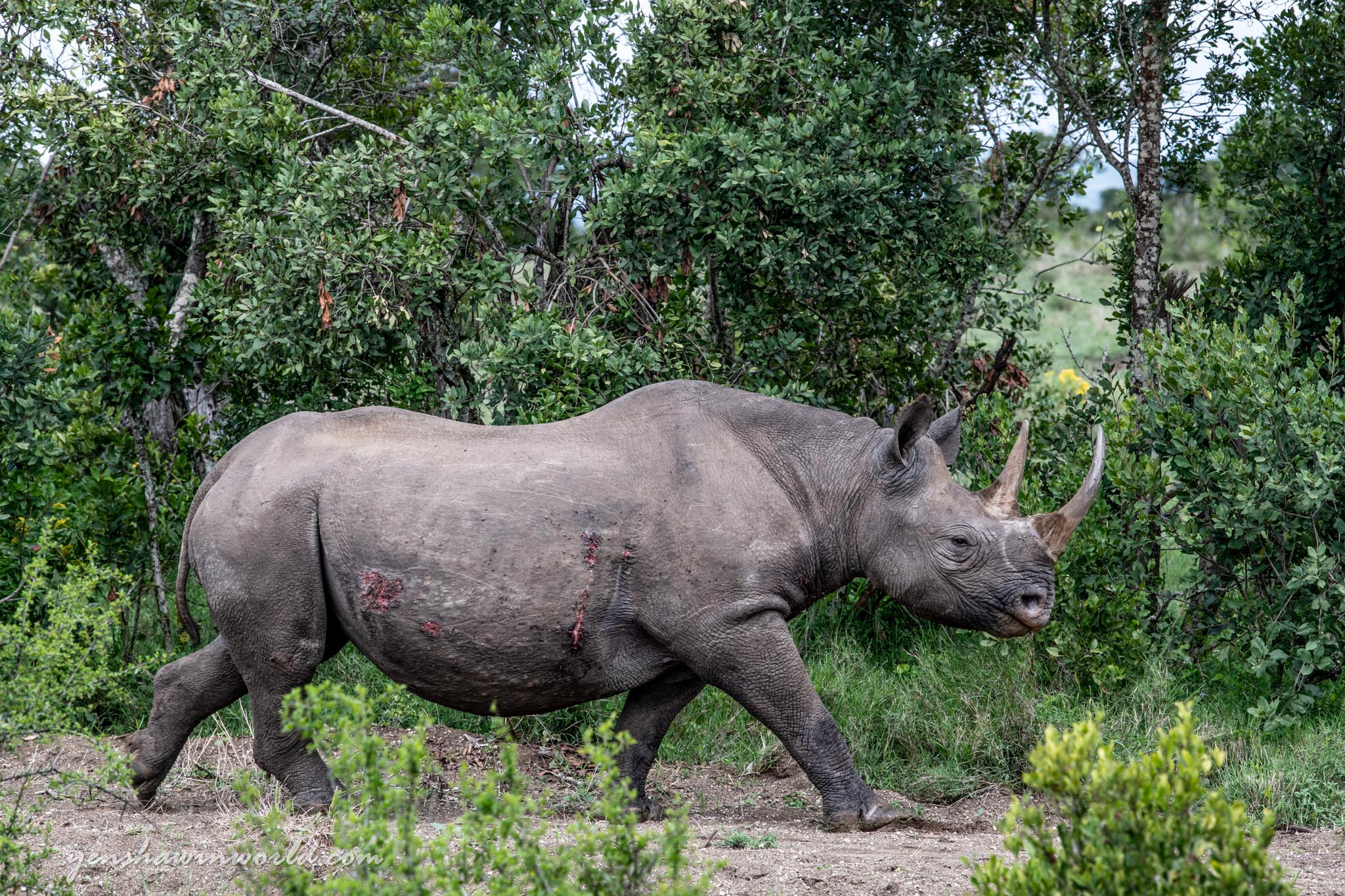
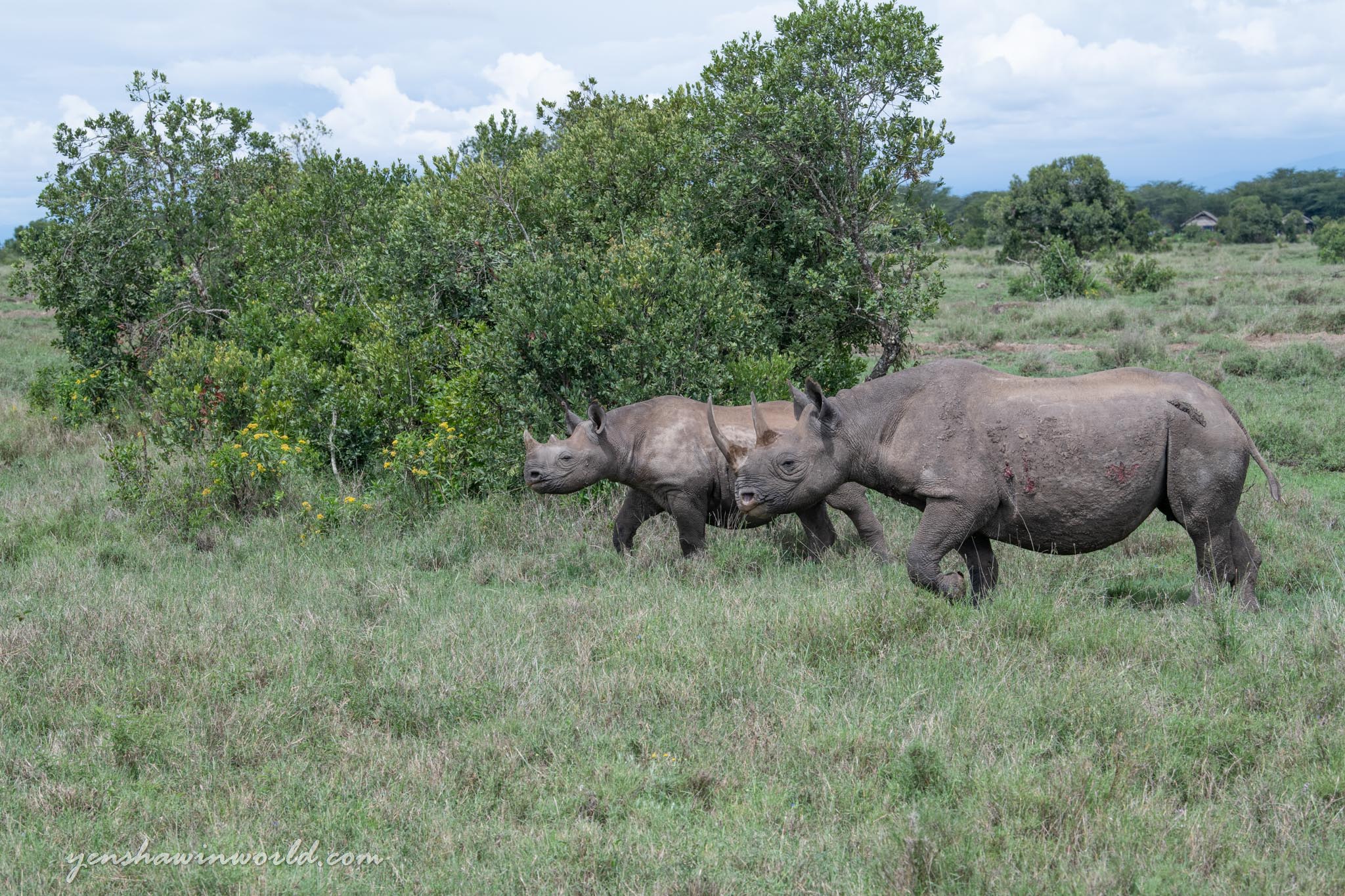
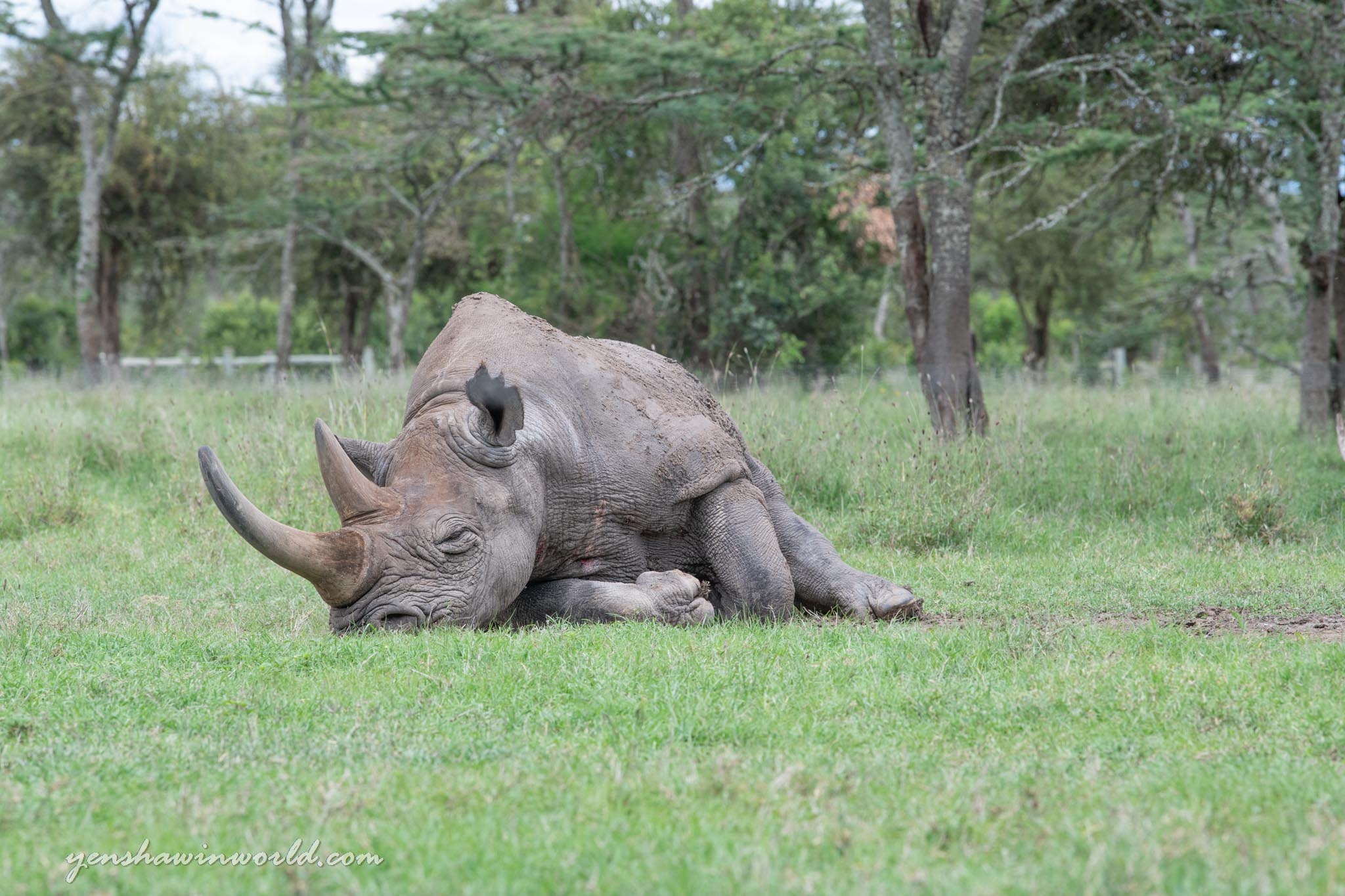
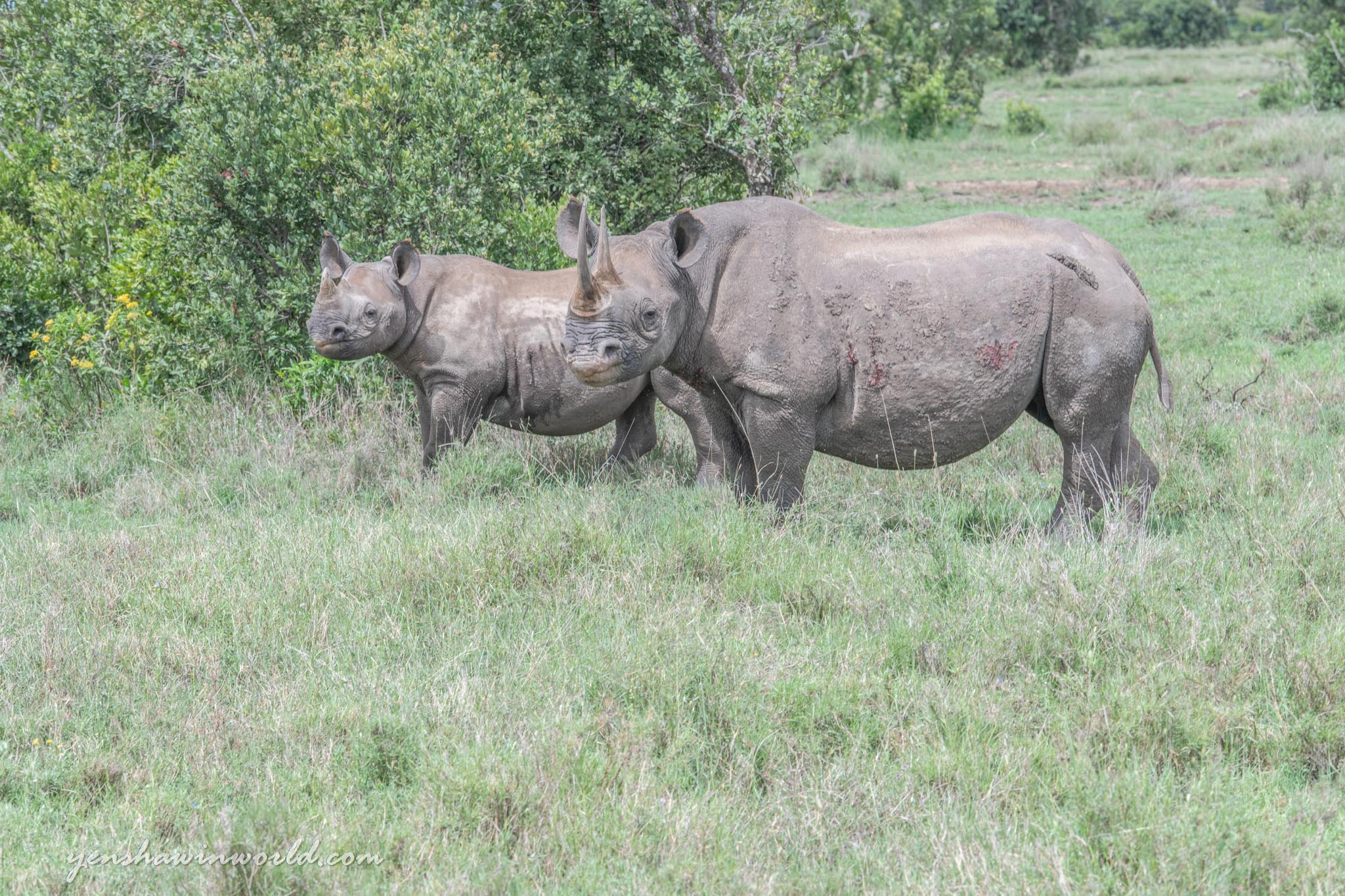
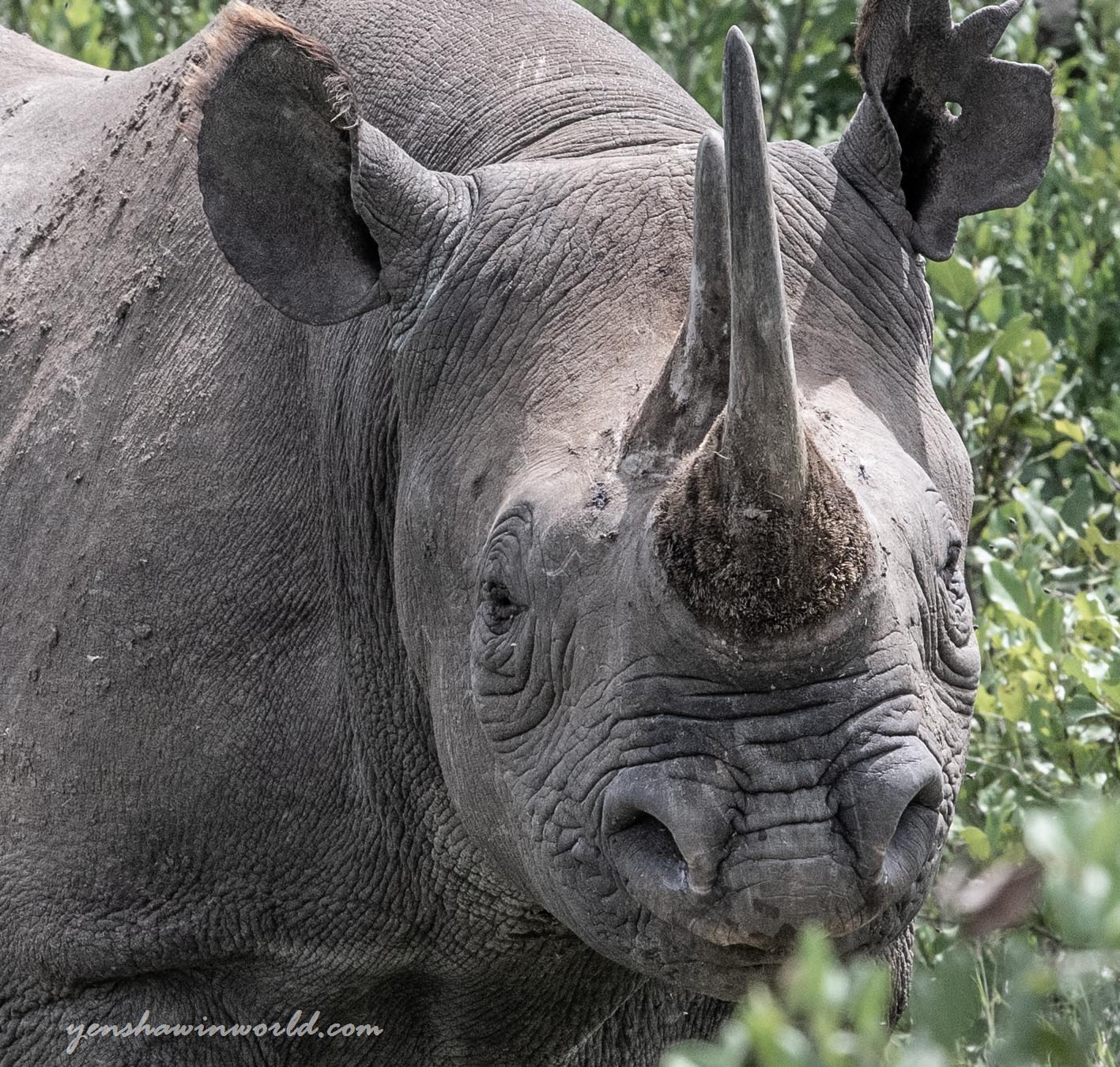
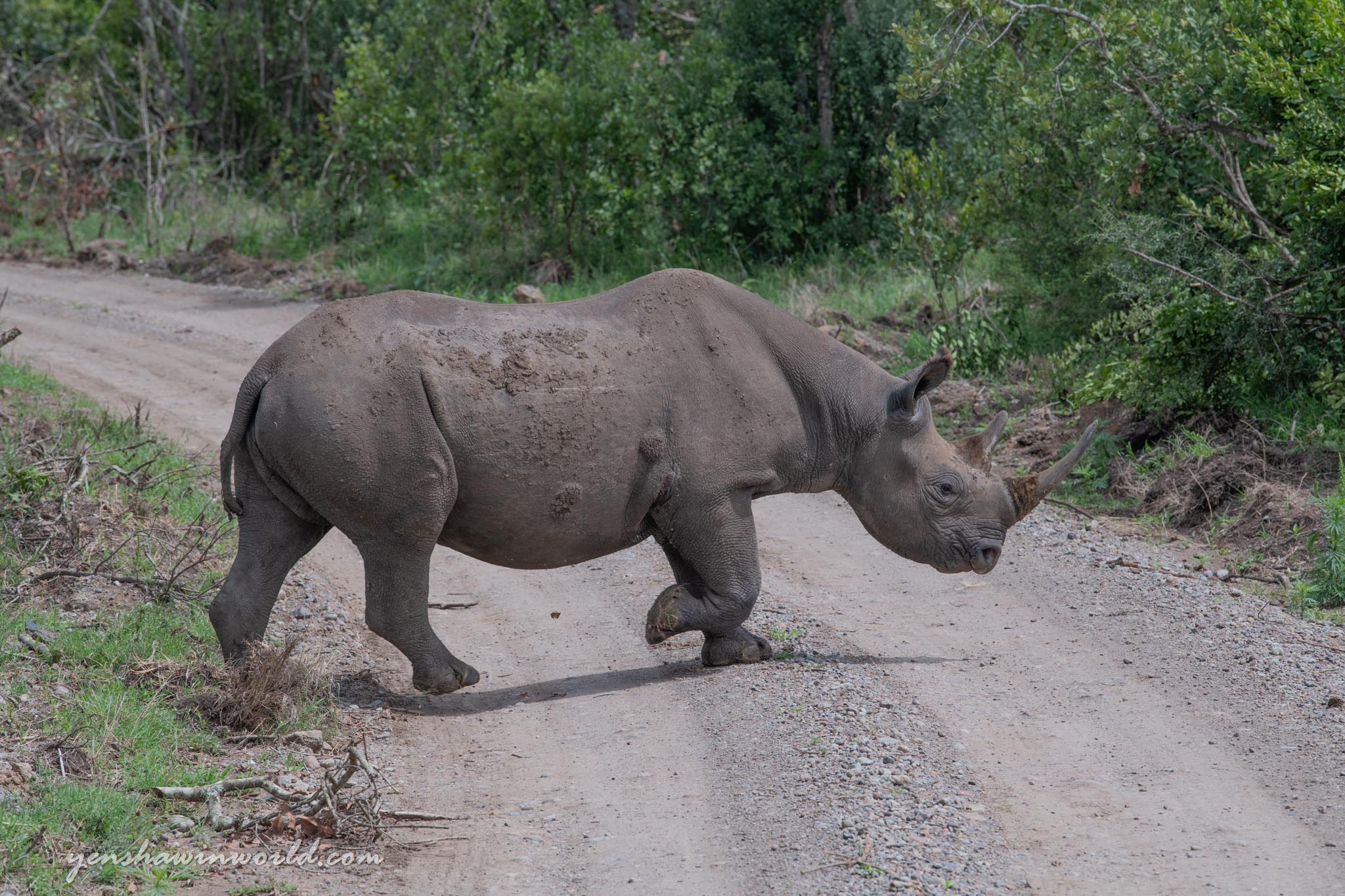
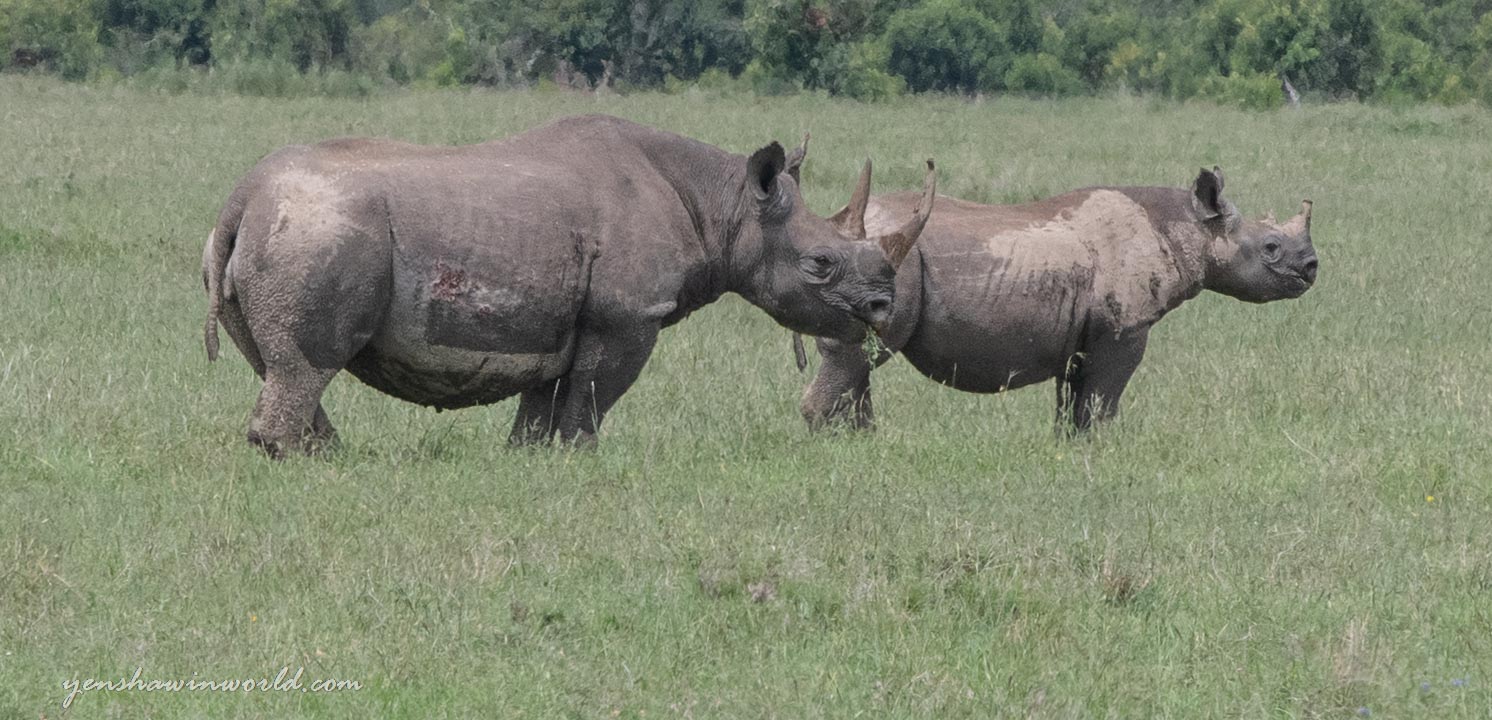
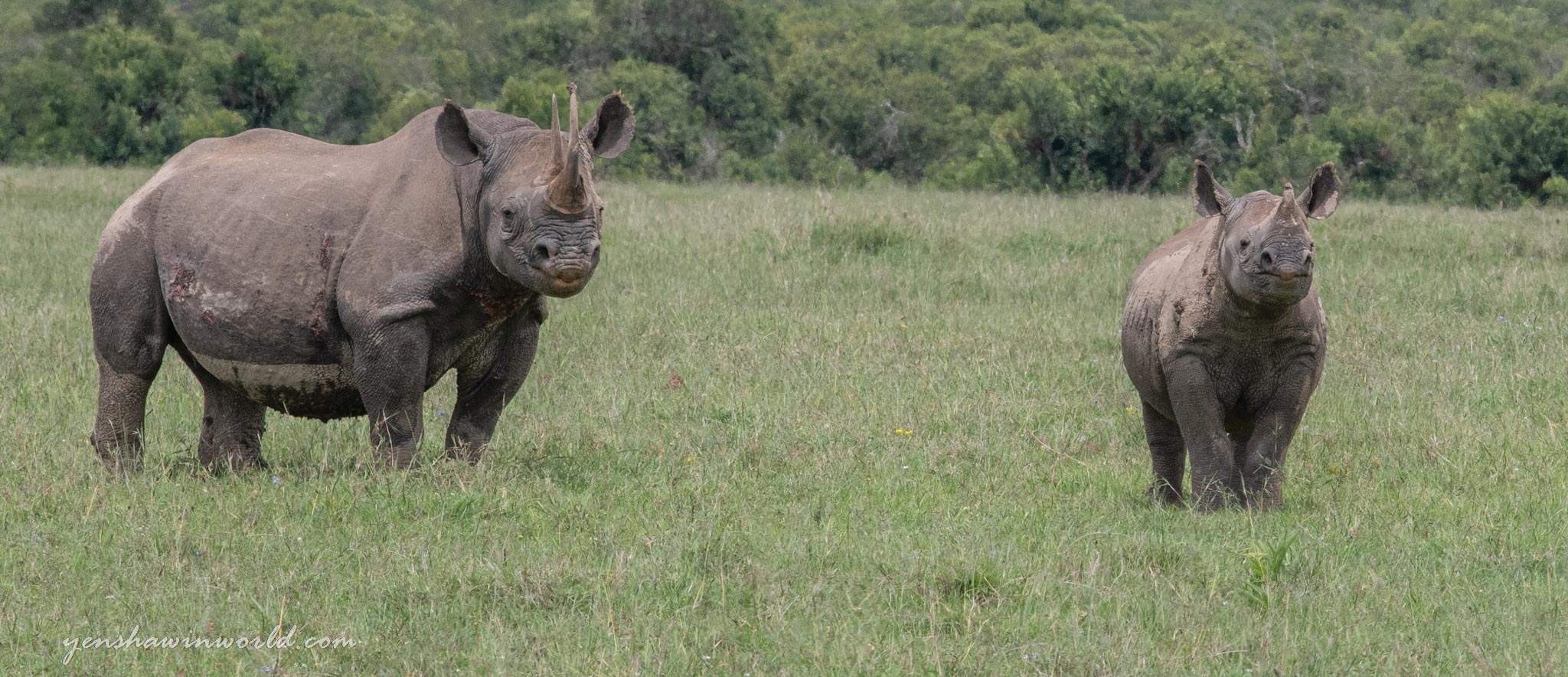
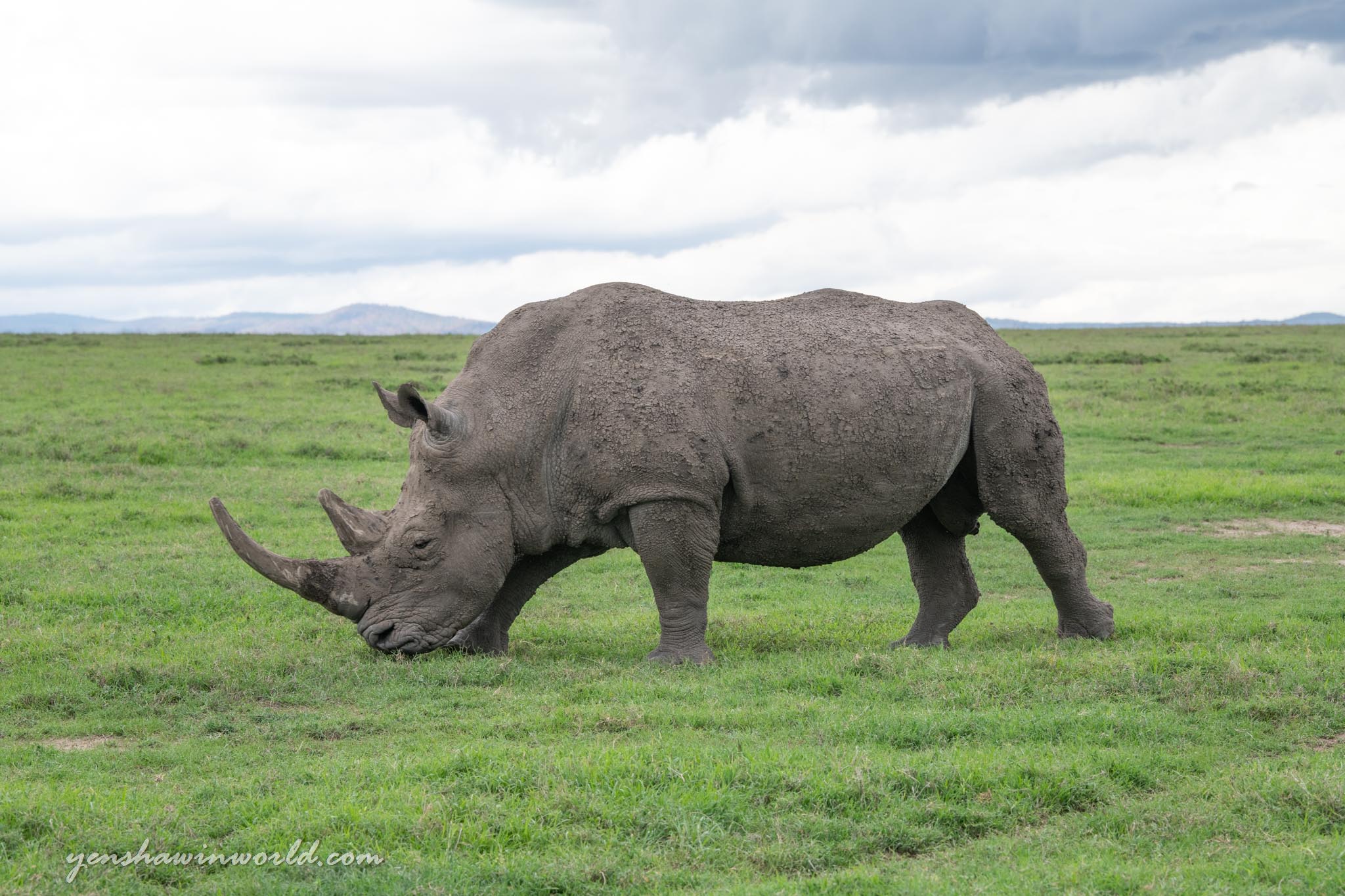
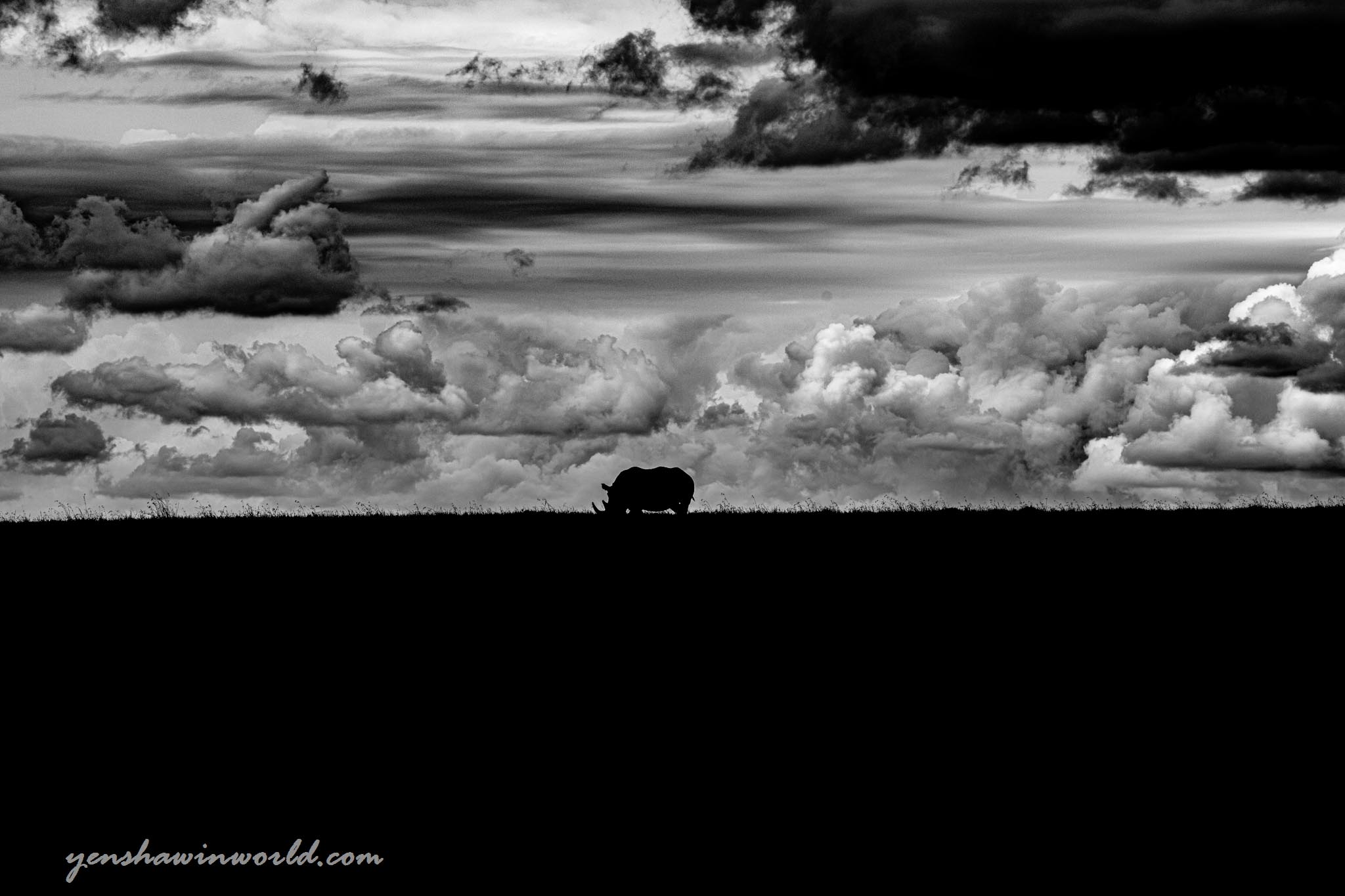
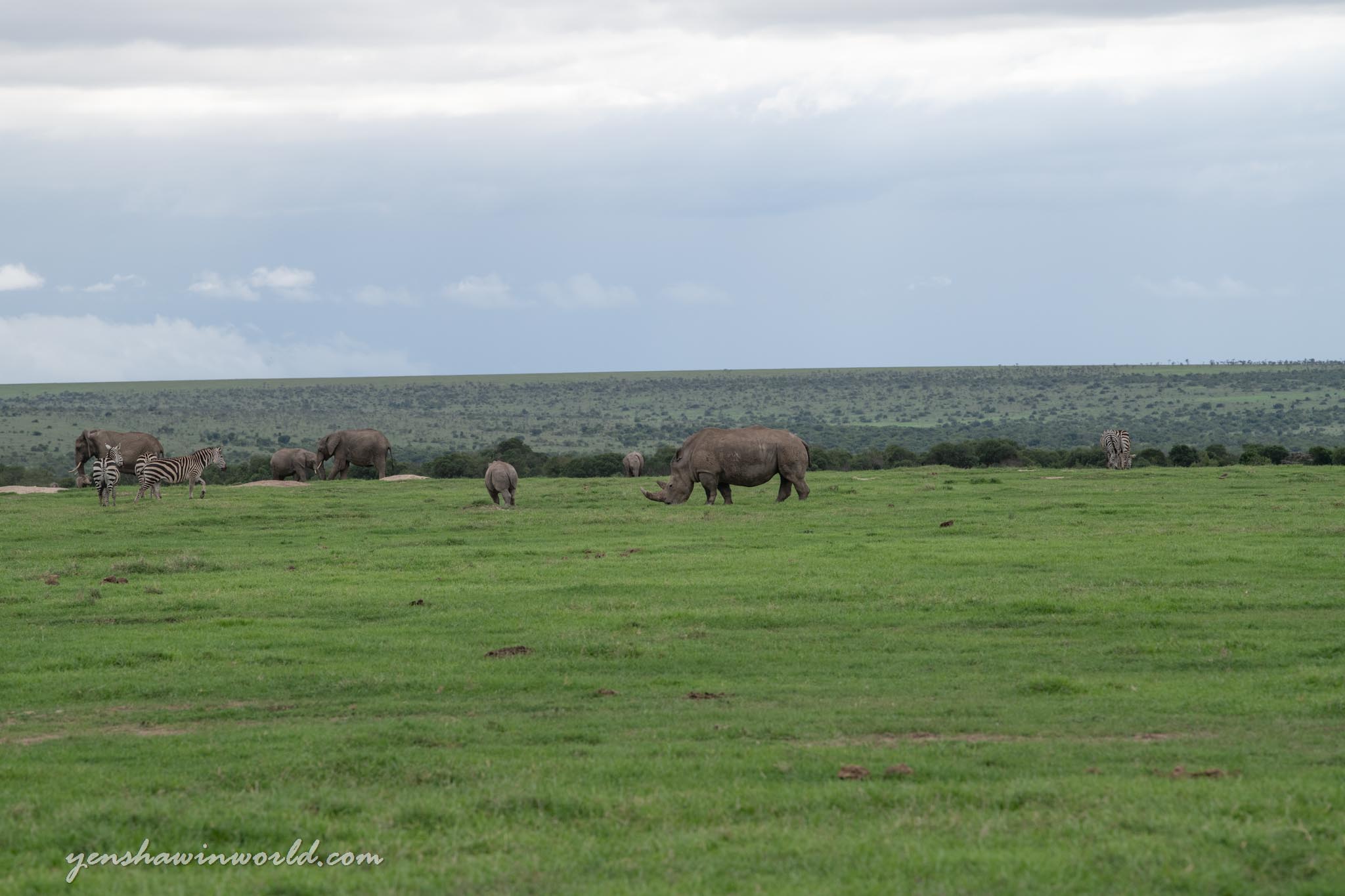
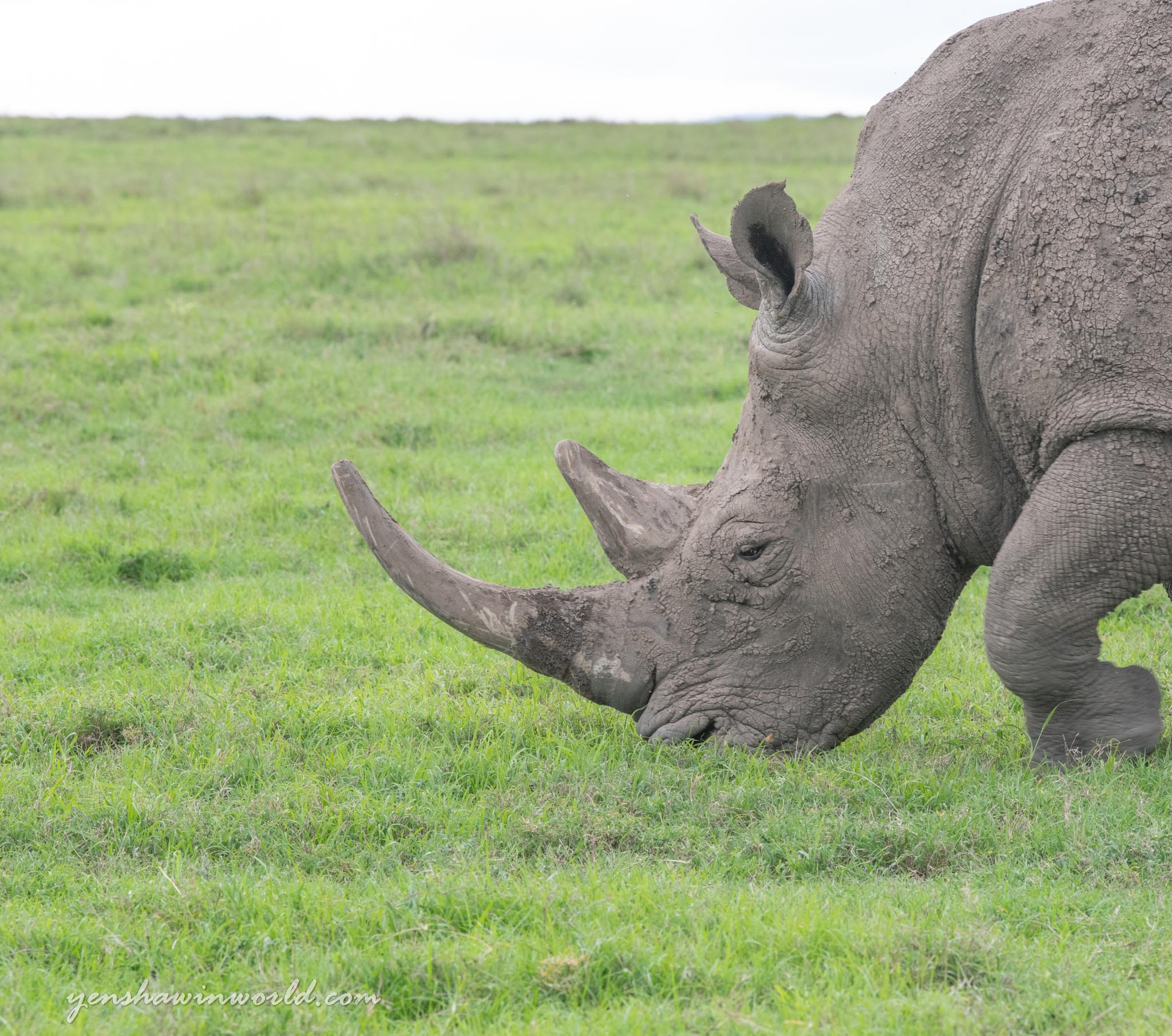
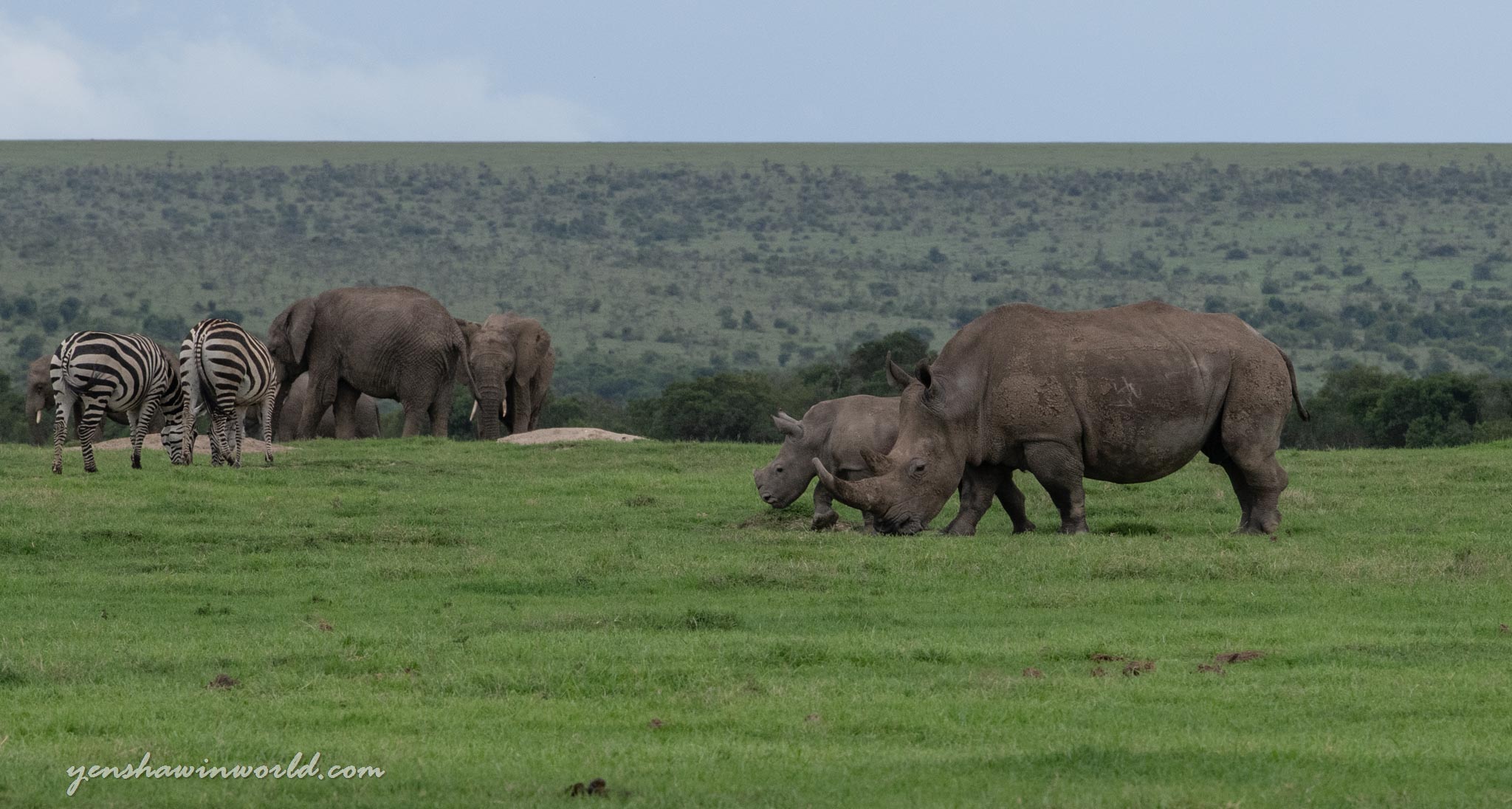
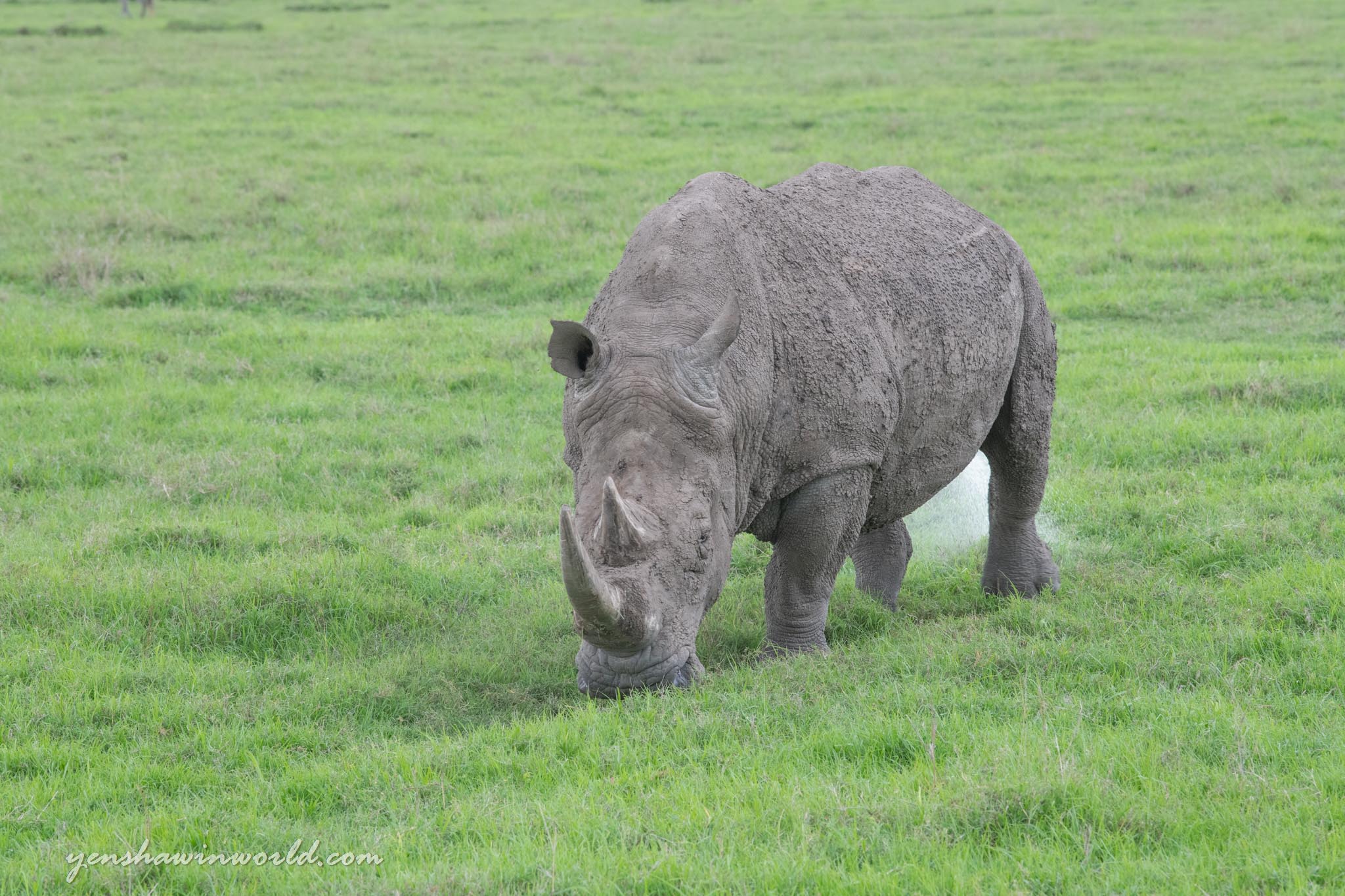
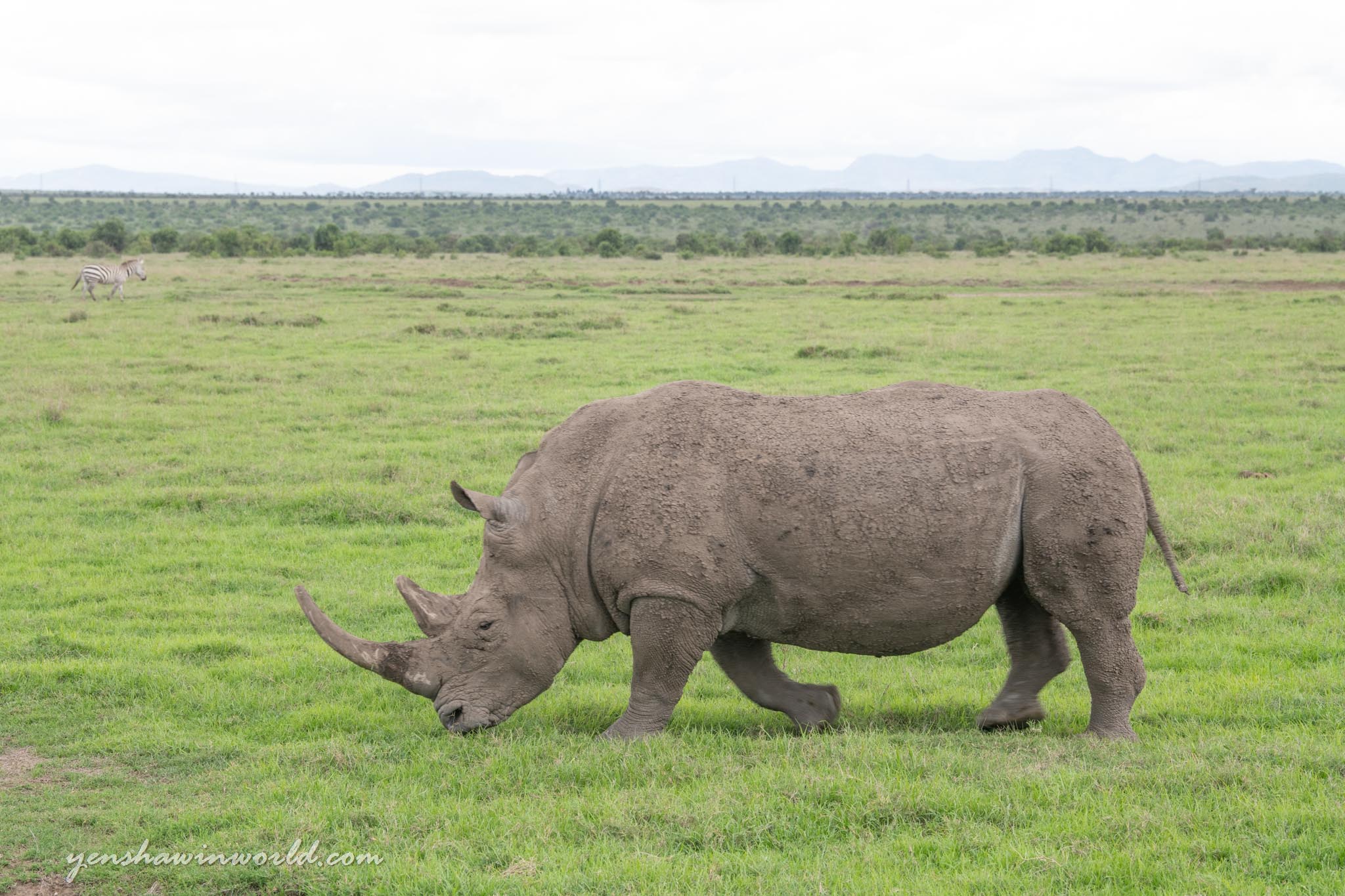
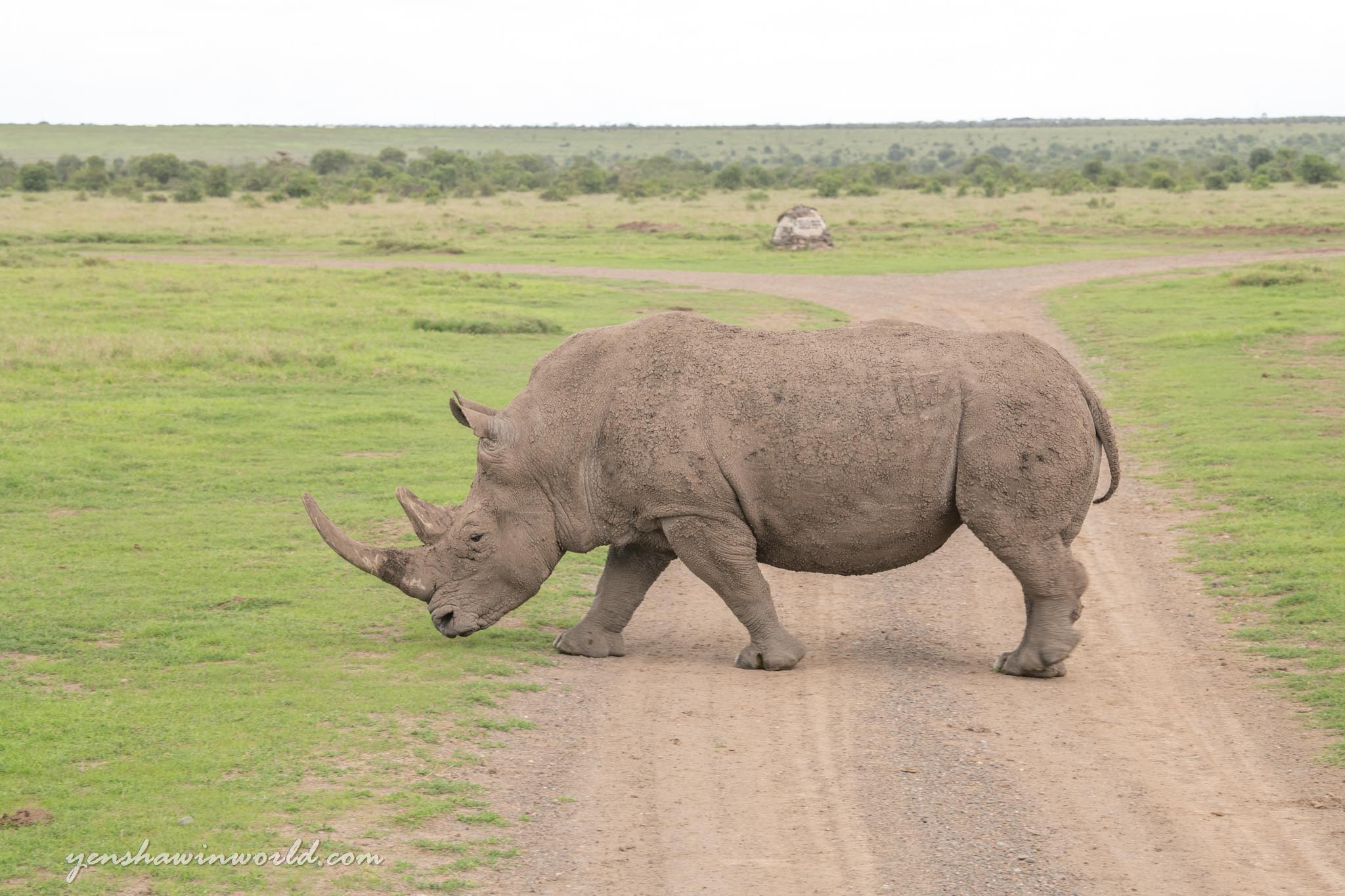
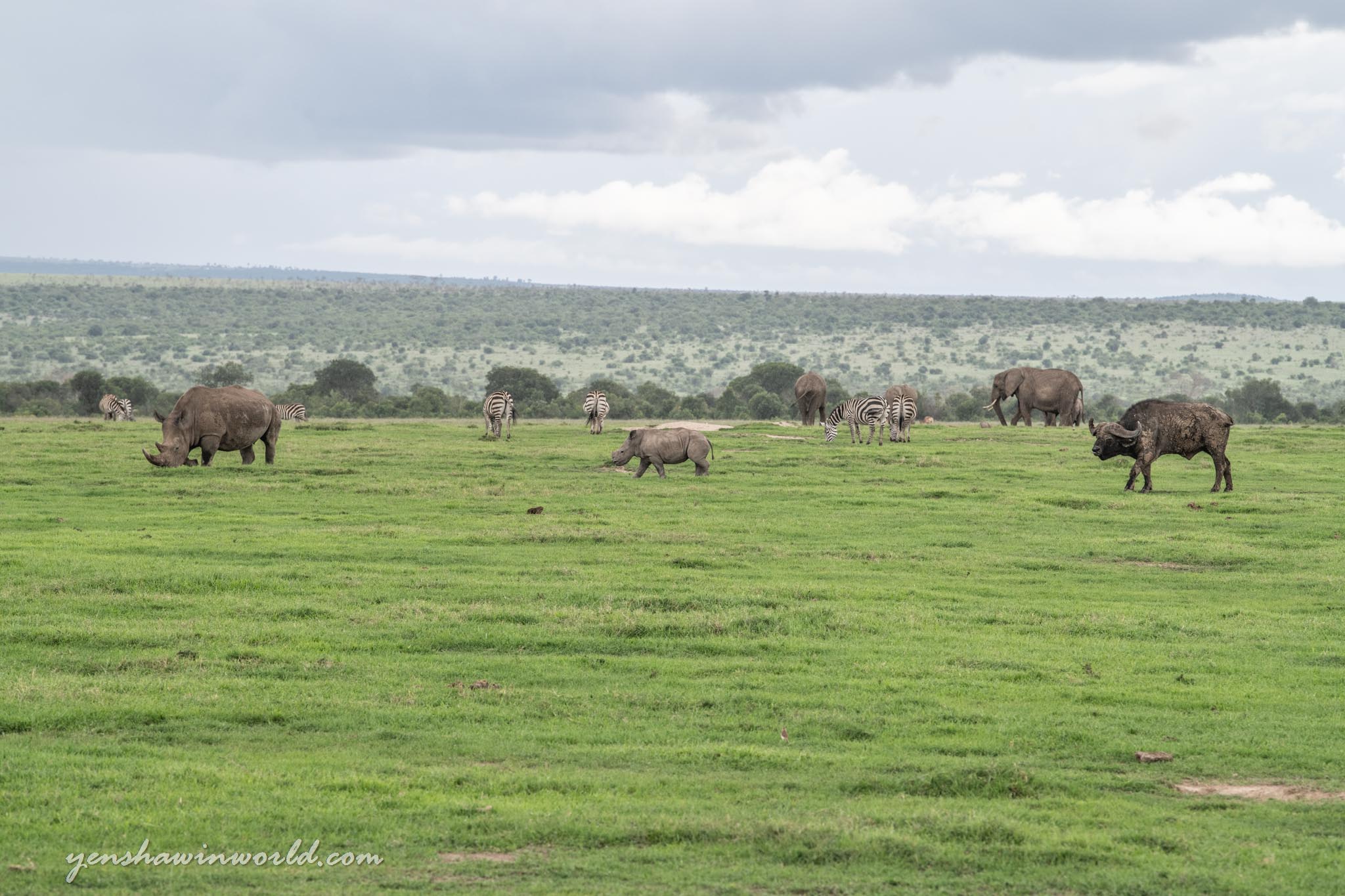
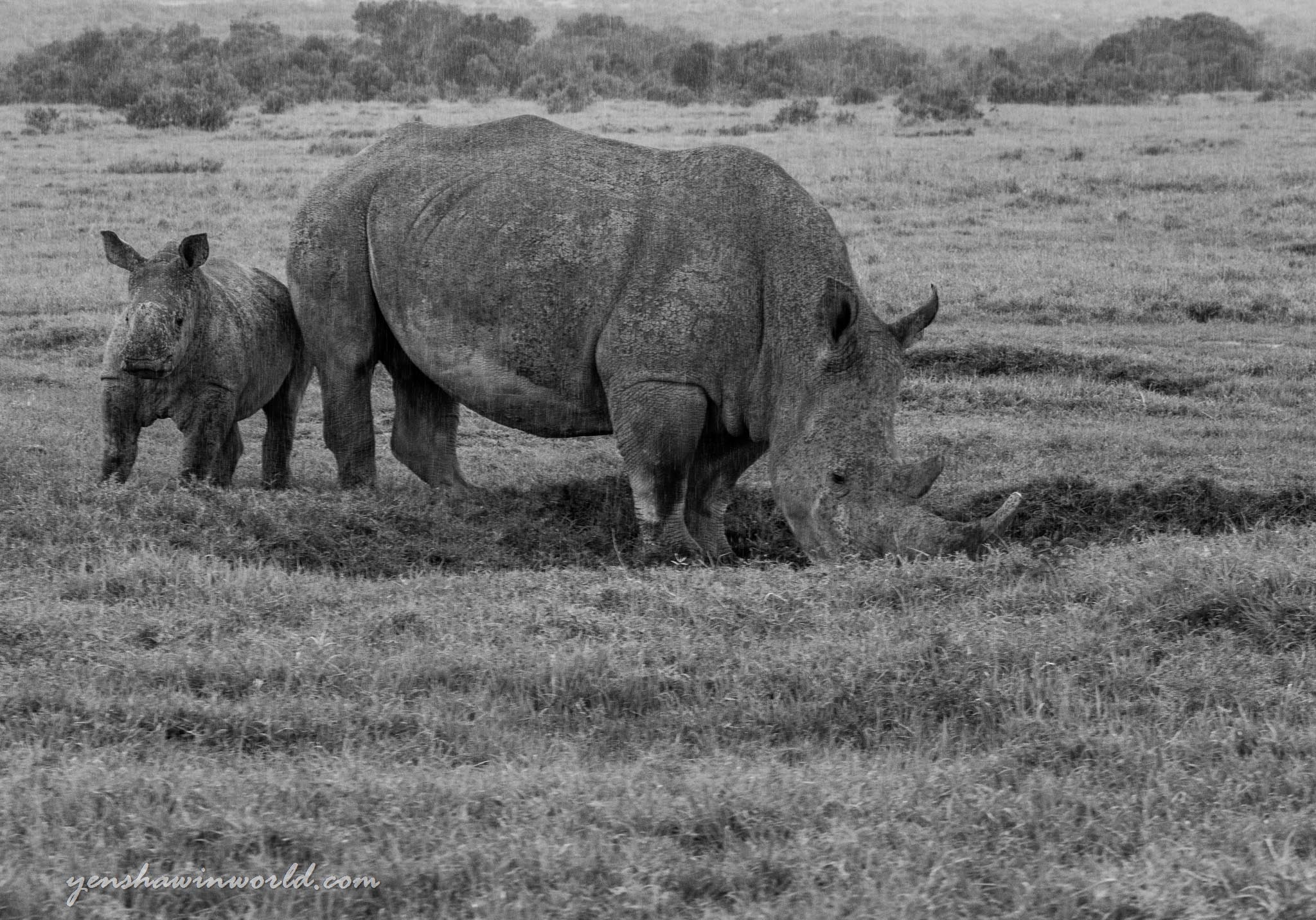
Overall while I was only here for a day and night, I really enjoyed this place a lot and I would definitely go back and probably spend more time there just to scope out the animals. The night drive was actually pretty good considering all the rain and I would love to go on some of the walking safari’s they have there during the dry season.
Masai Mara
Masai Mara combined with South Luangwa are my two picks for my favorite parks in Africa. Not to say that Kruger, Serengeti, Etosha, and Chobe are not ranked up there, but these are the two that I like the most. What brings me back to Masai Mara so much? Look at the photos and see why!!!
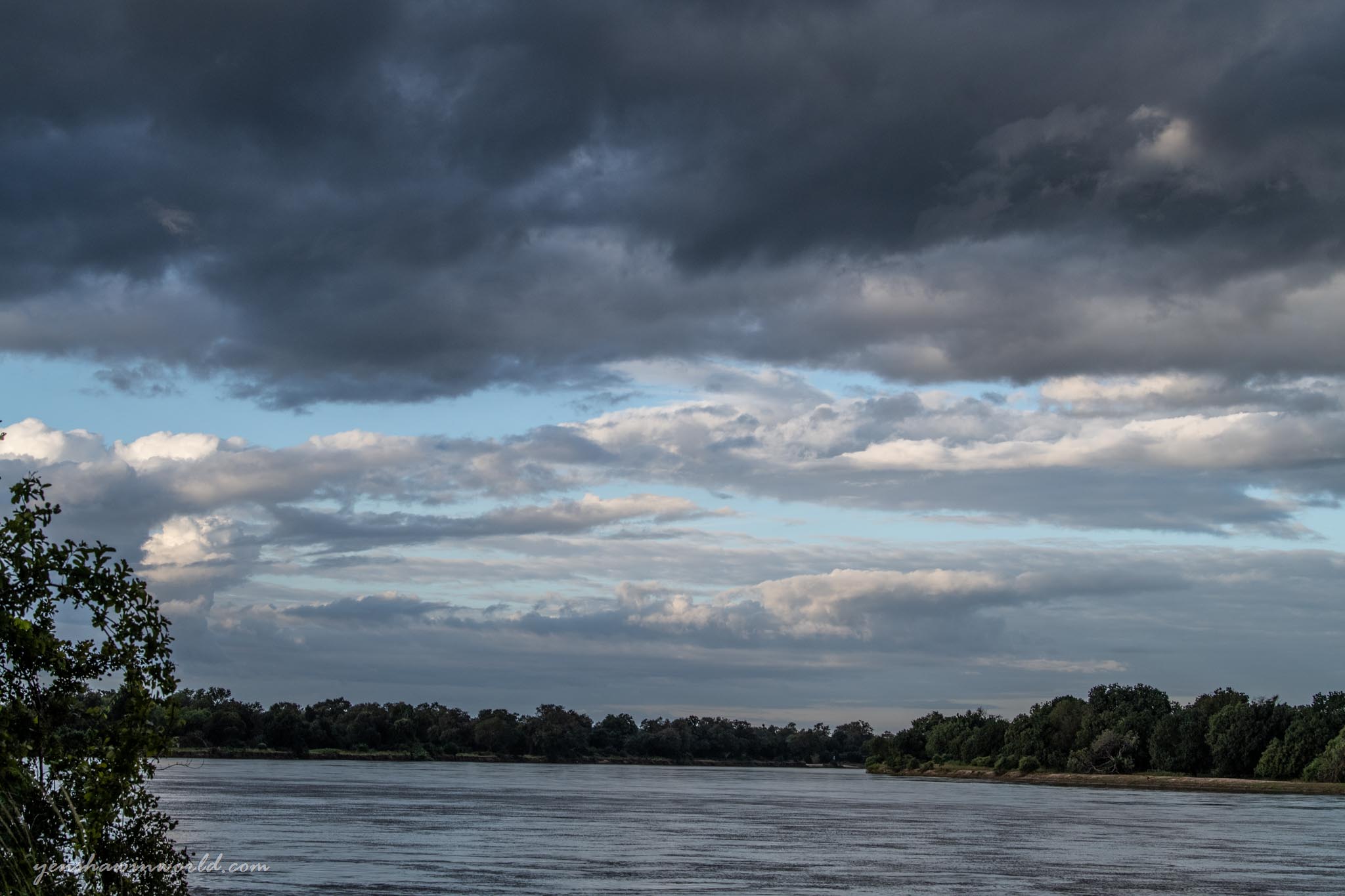
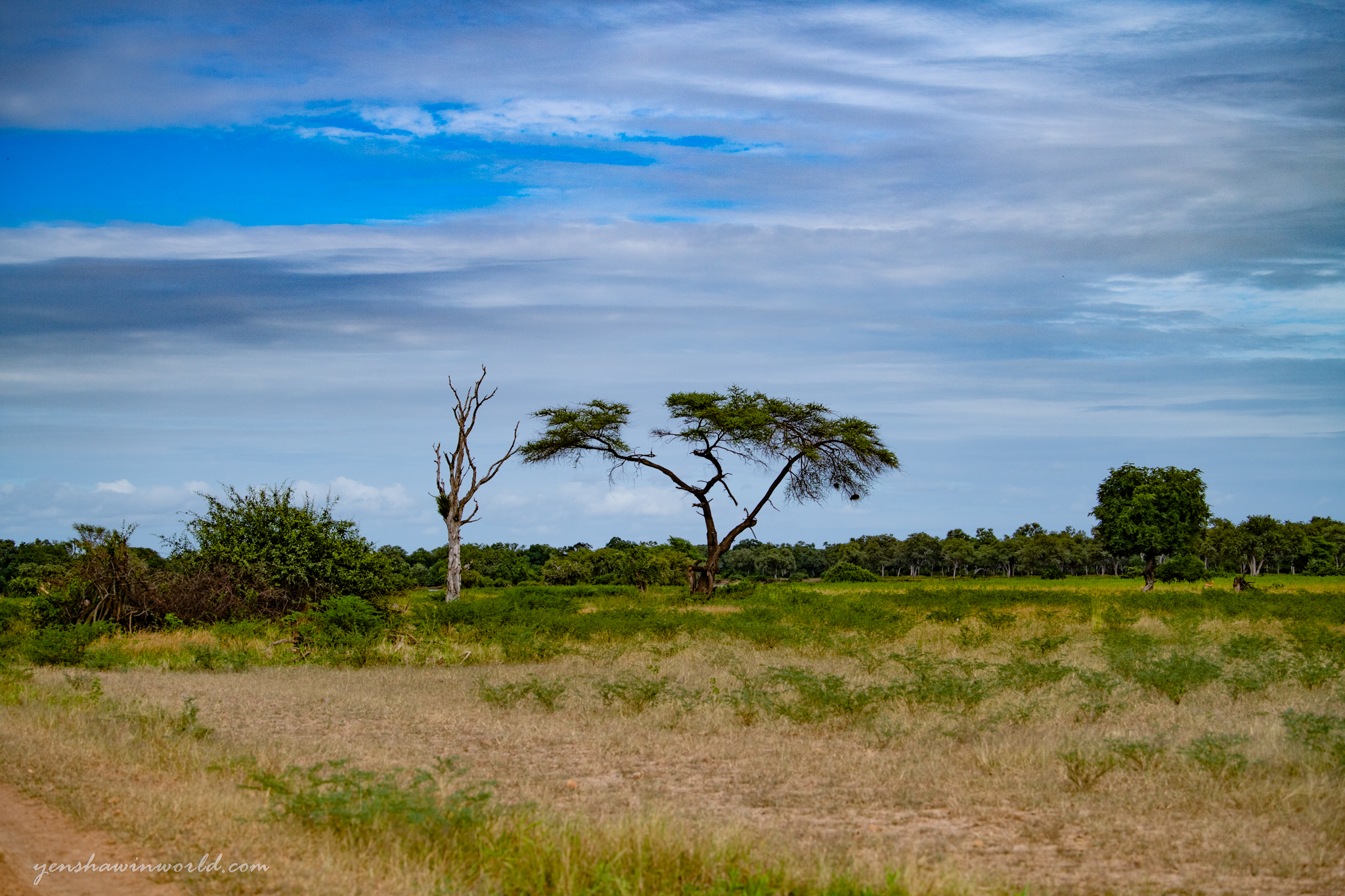
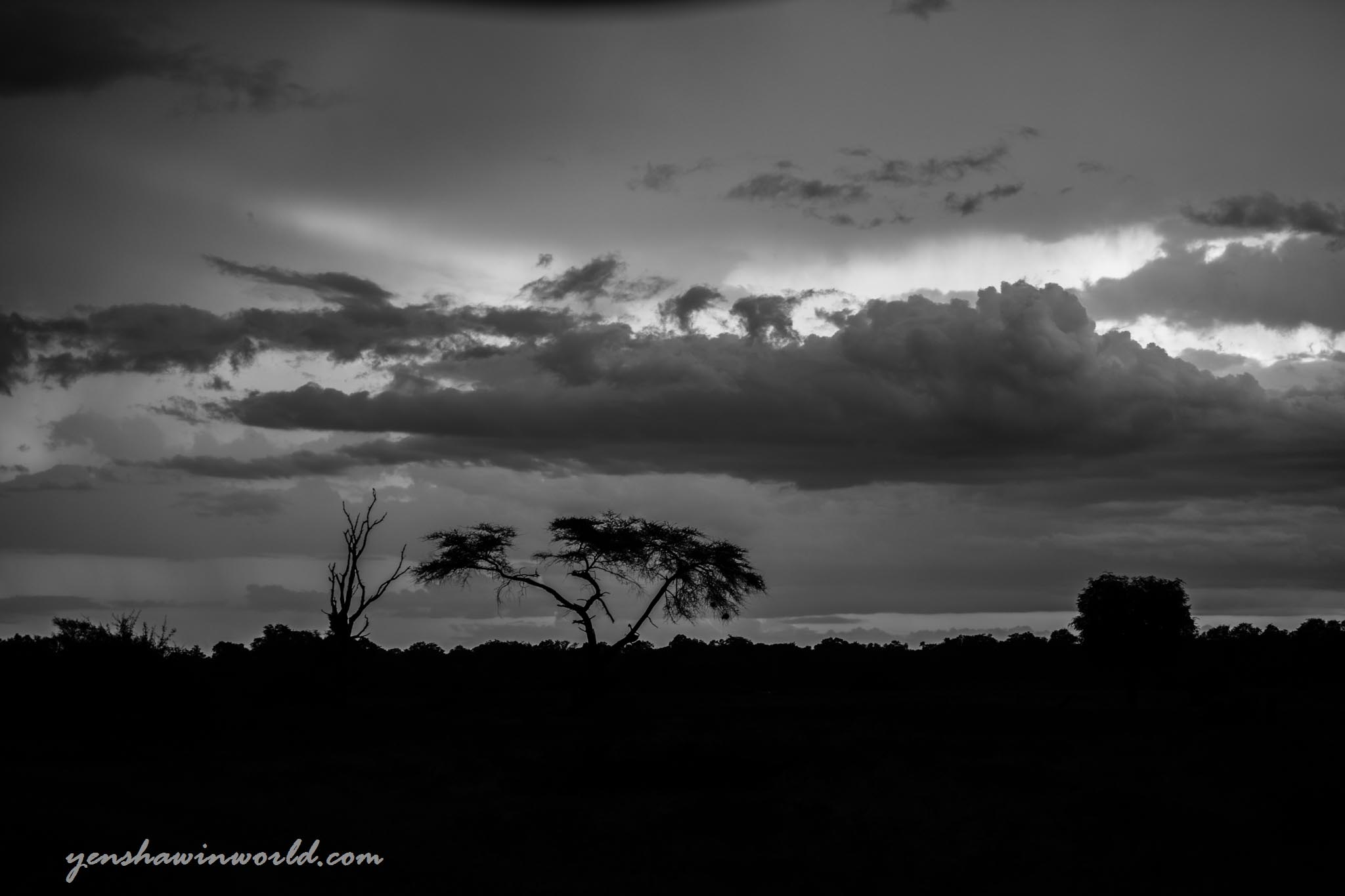
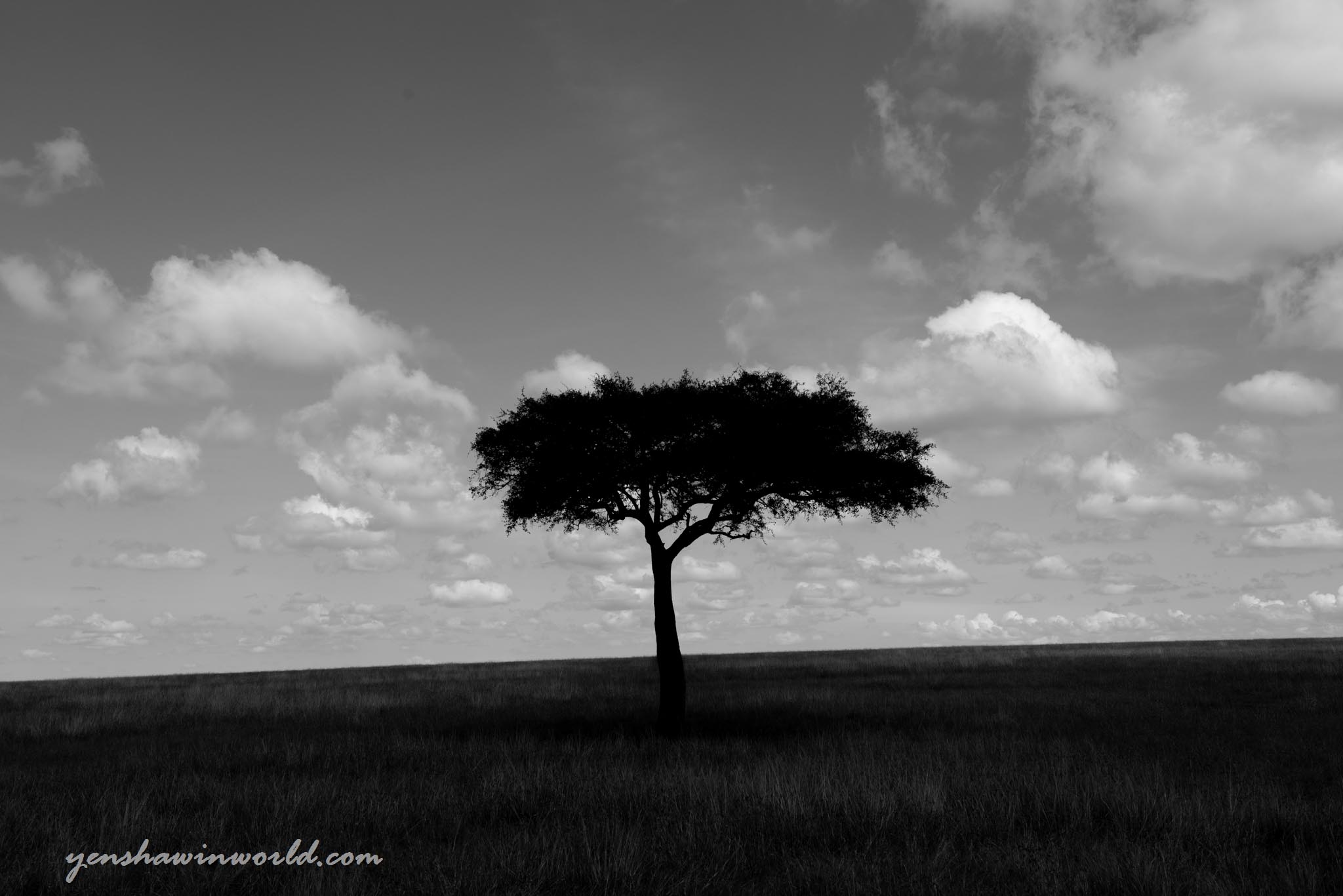
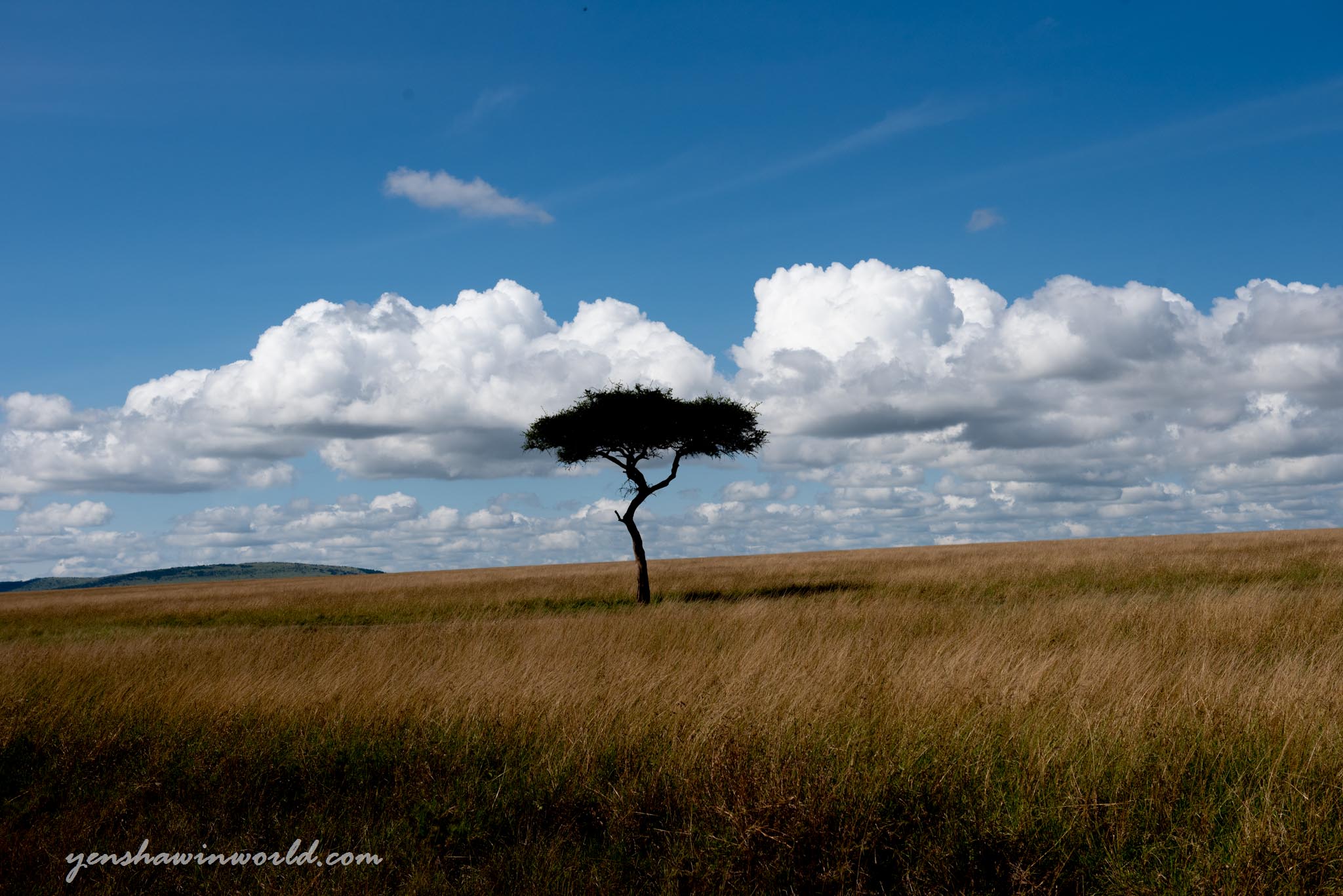
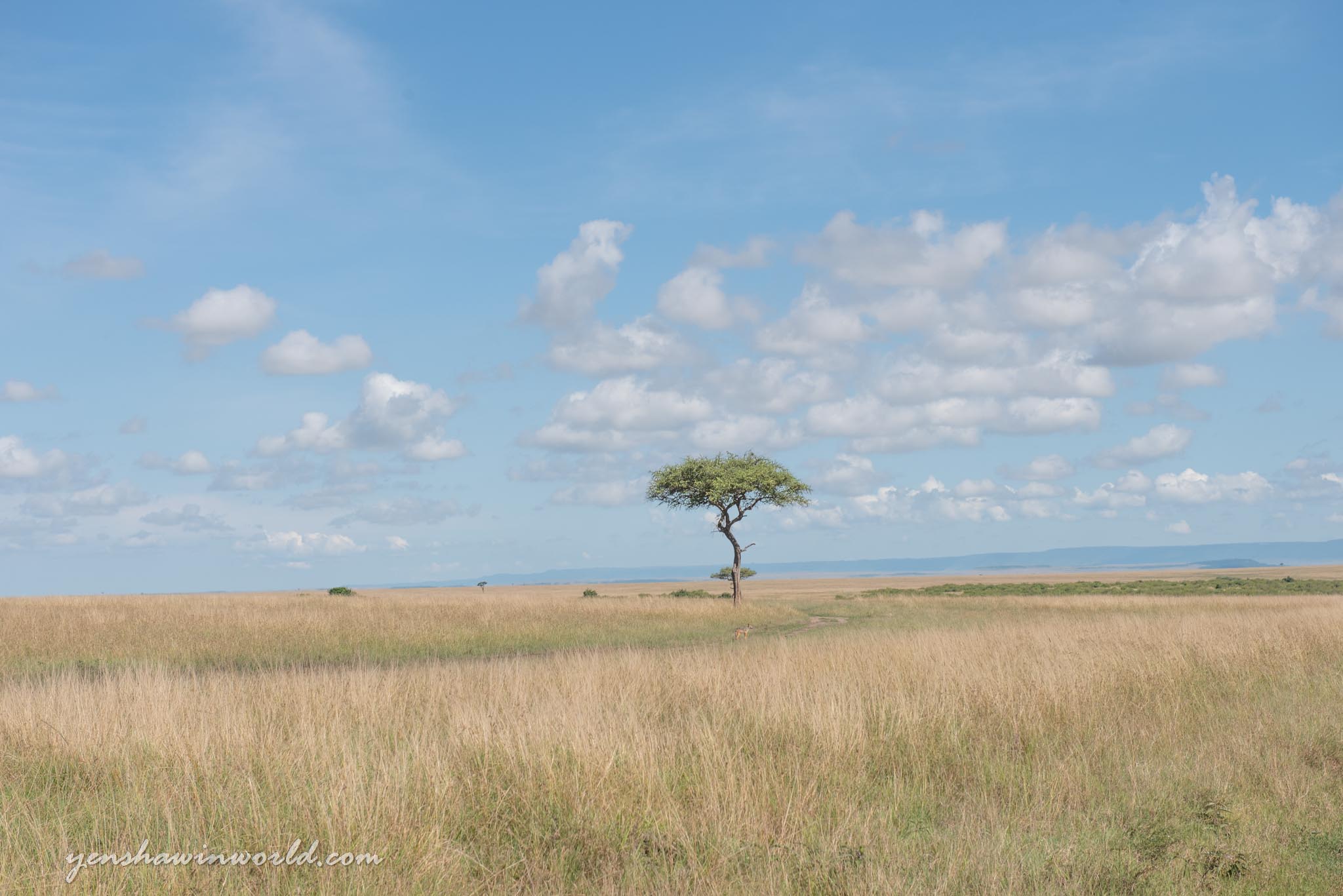
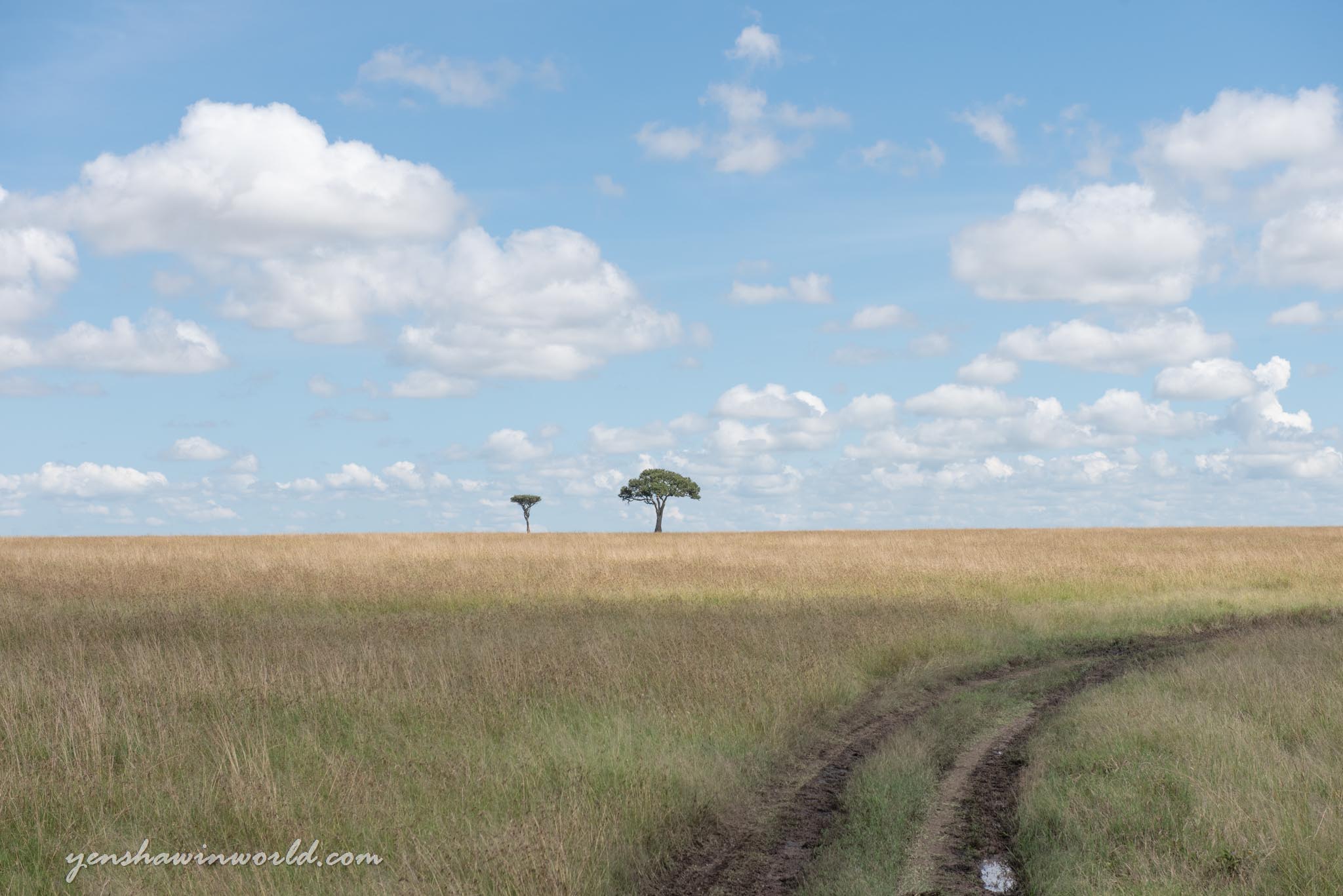
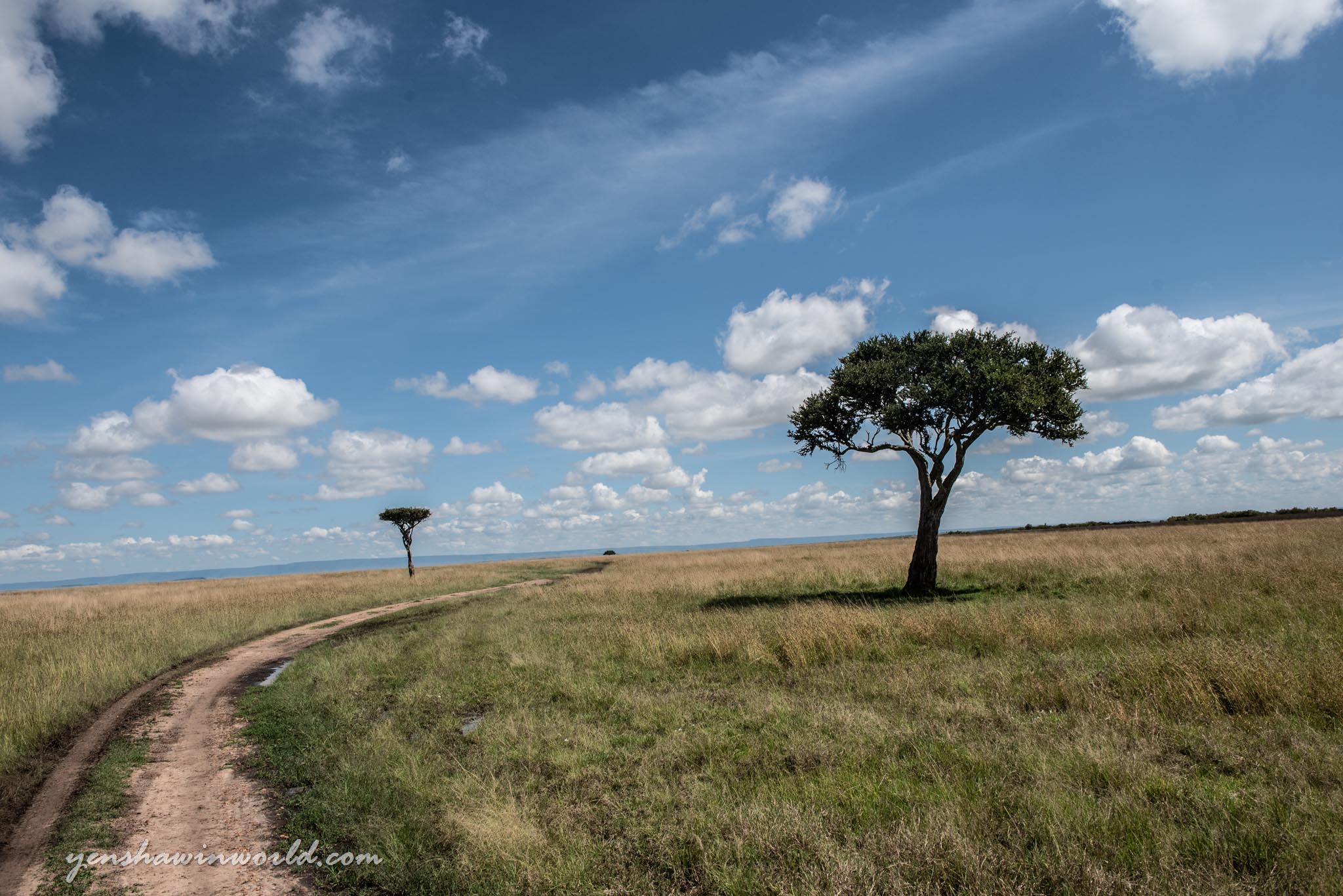
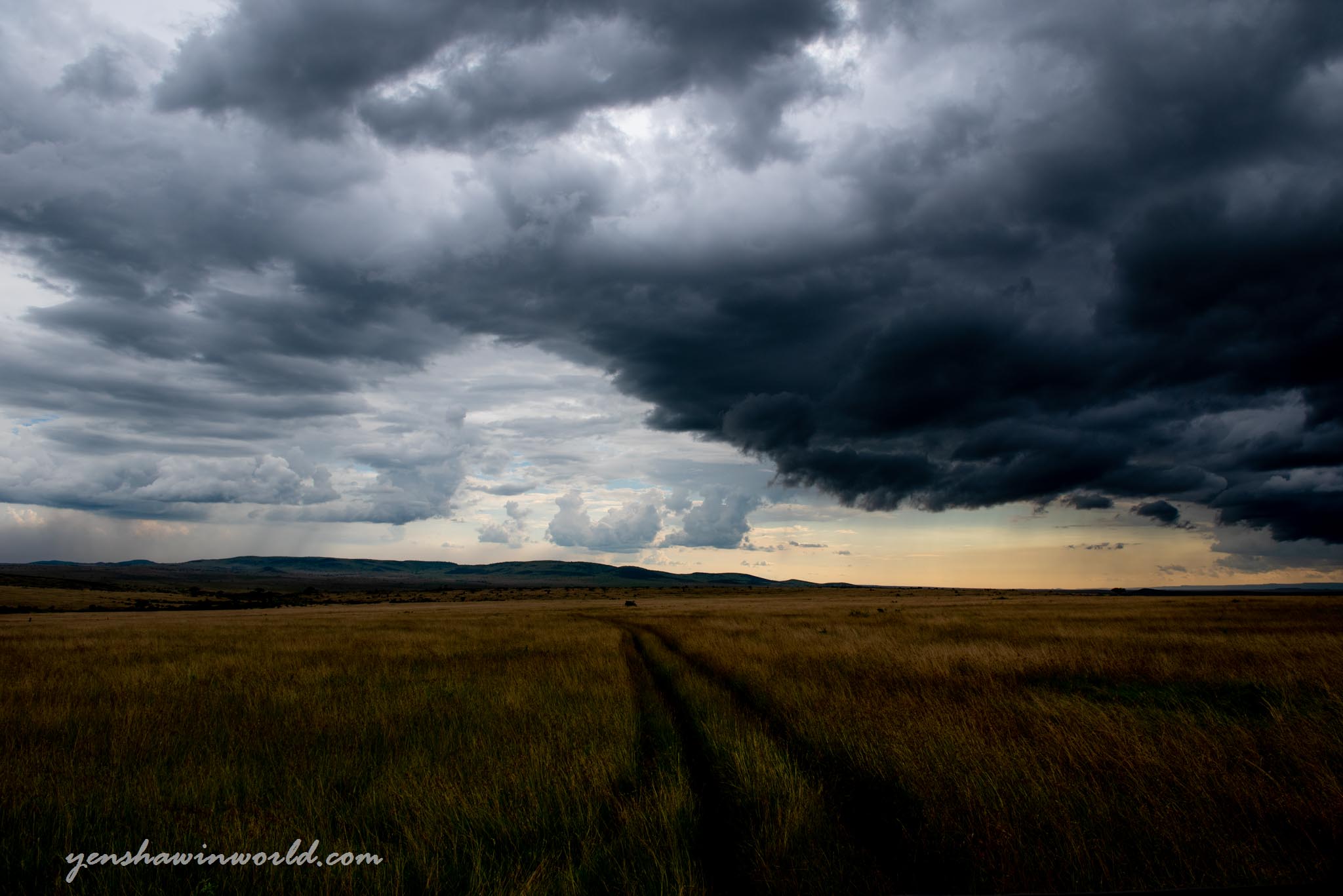
First of all, whether rain or shine, it is one of the most beautiful landscapes in the world. The clouds are always puffy and bright and the sky is blue, and combine that with the grasslands backdrop with a random tree, makes for beautiful photos.
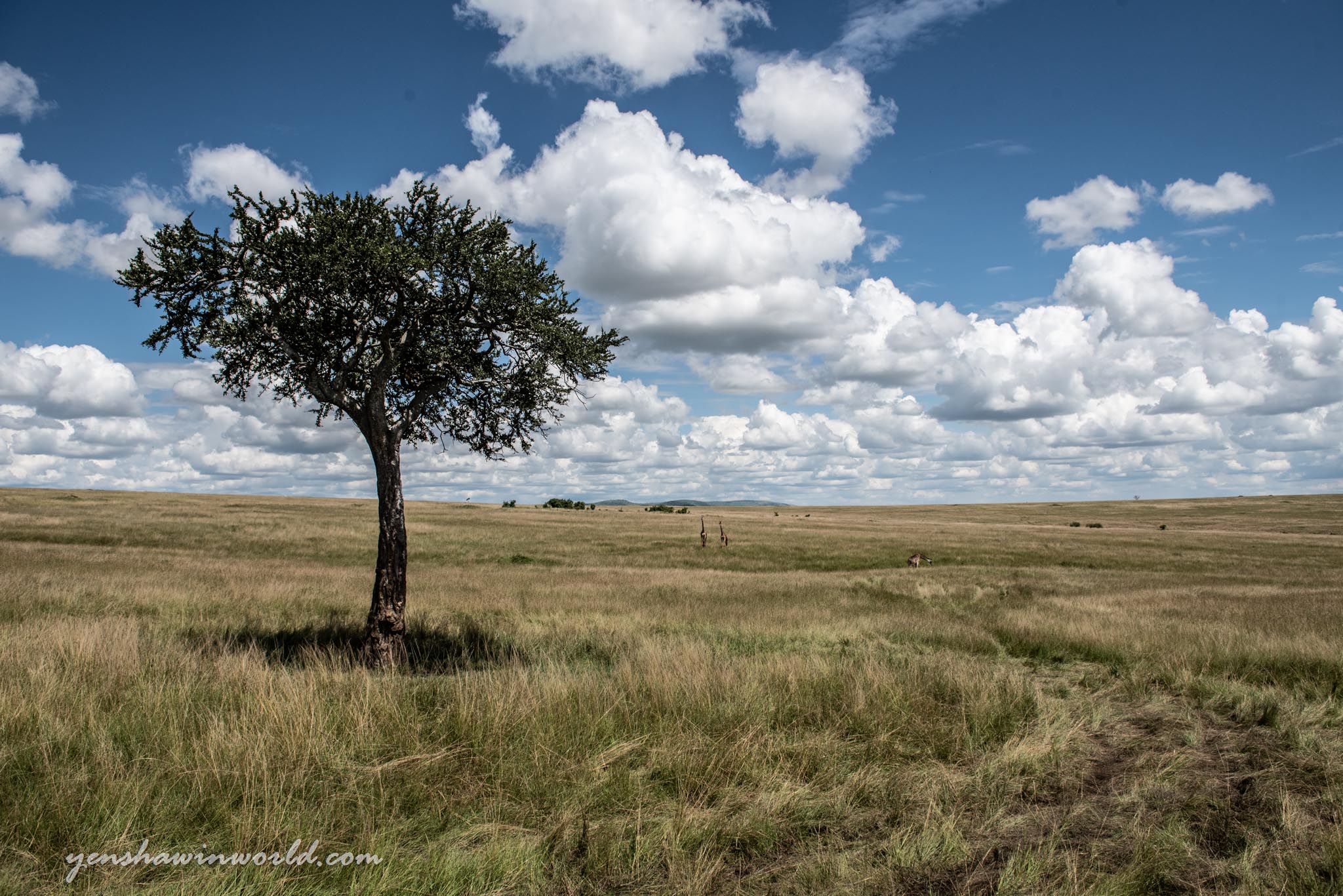
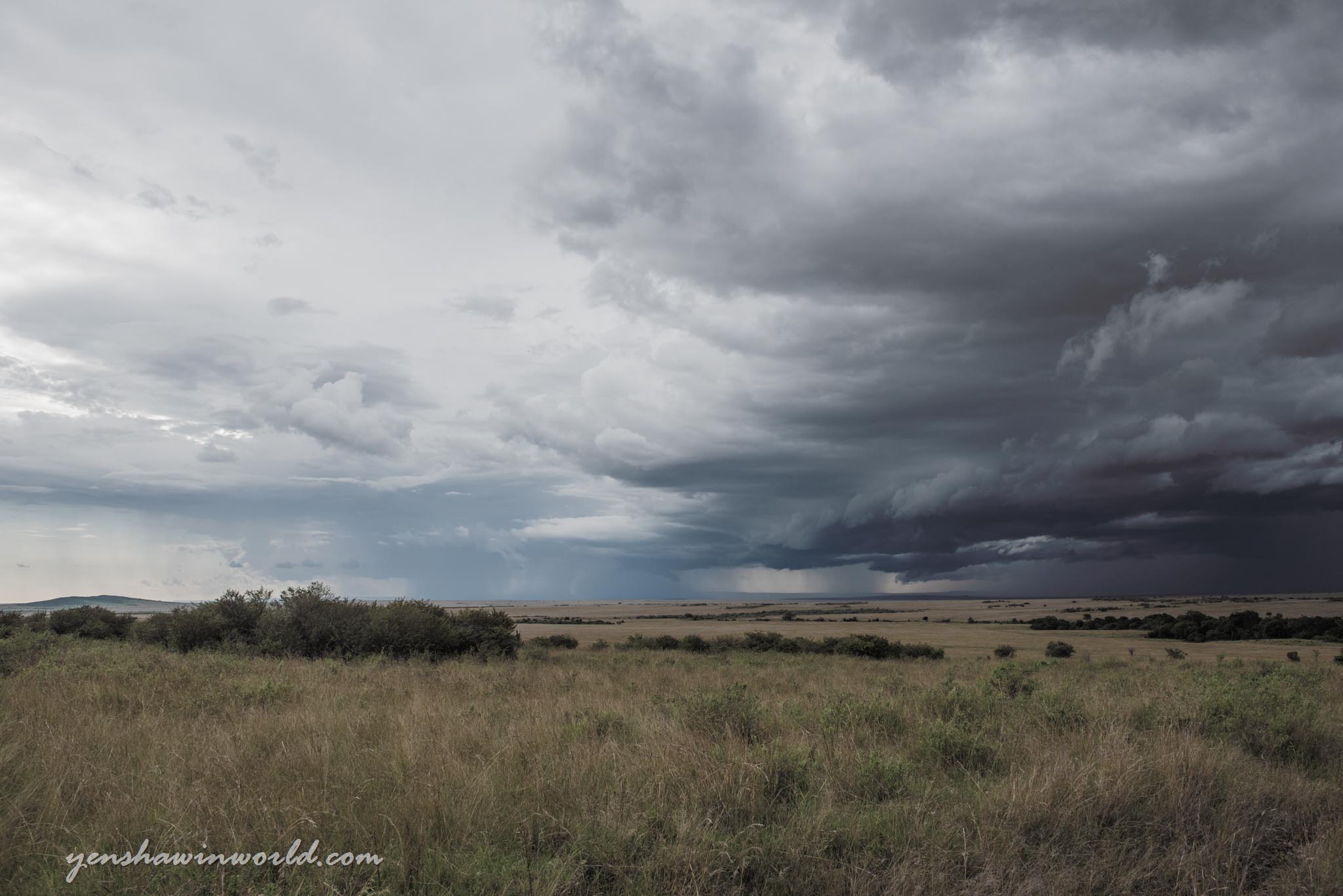
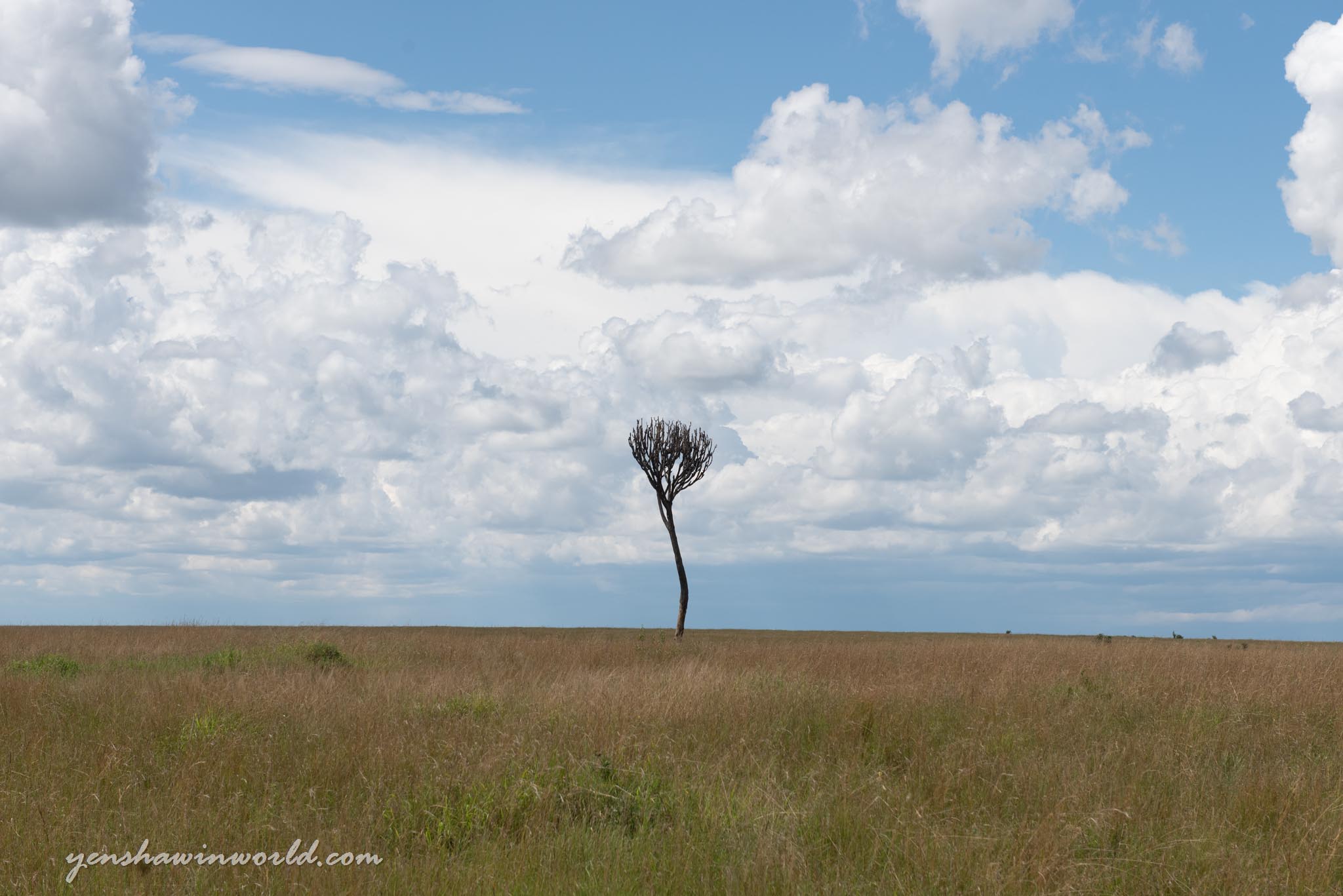
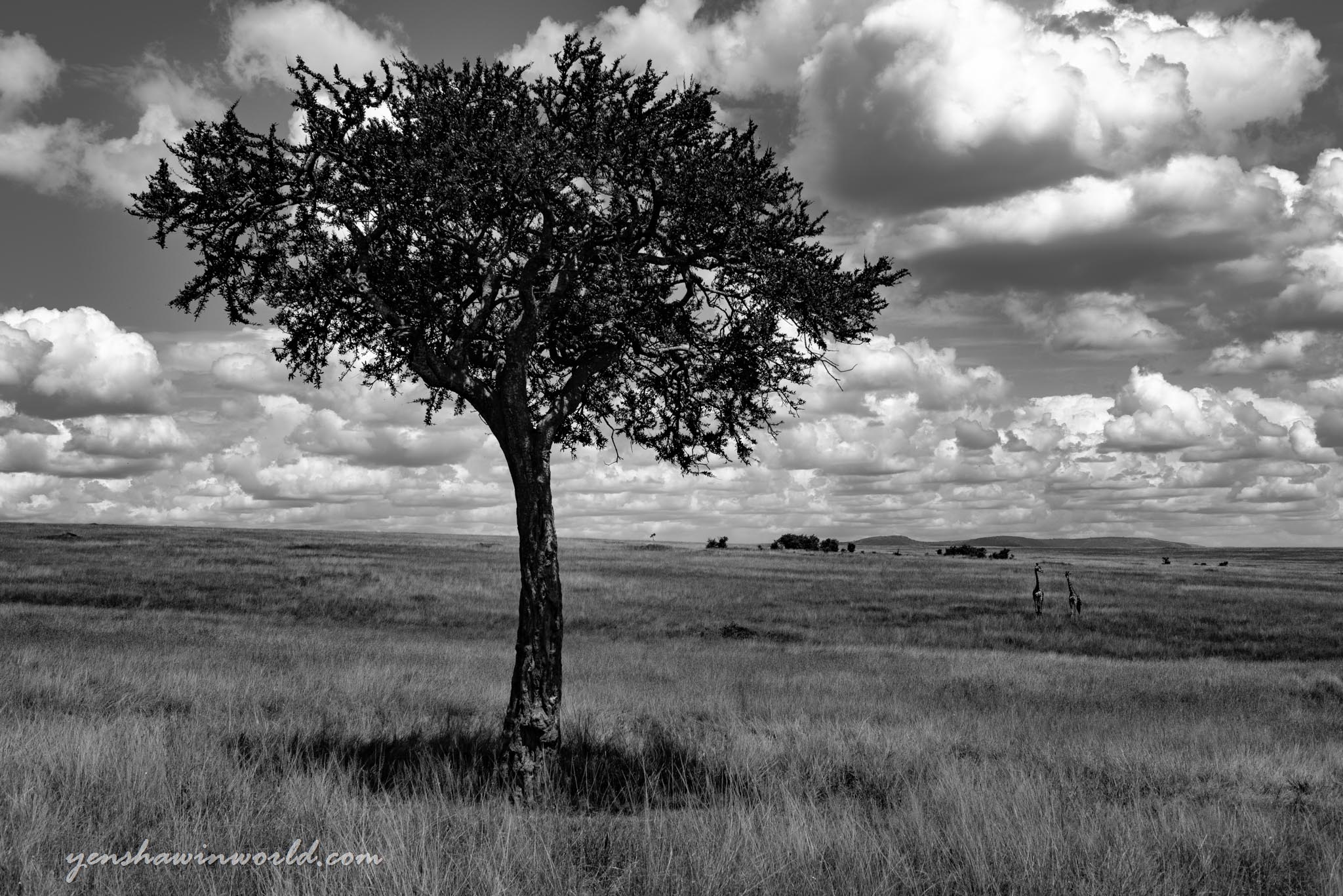
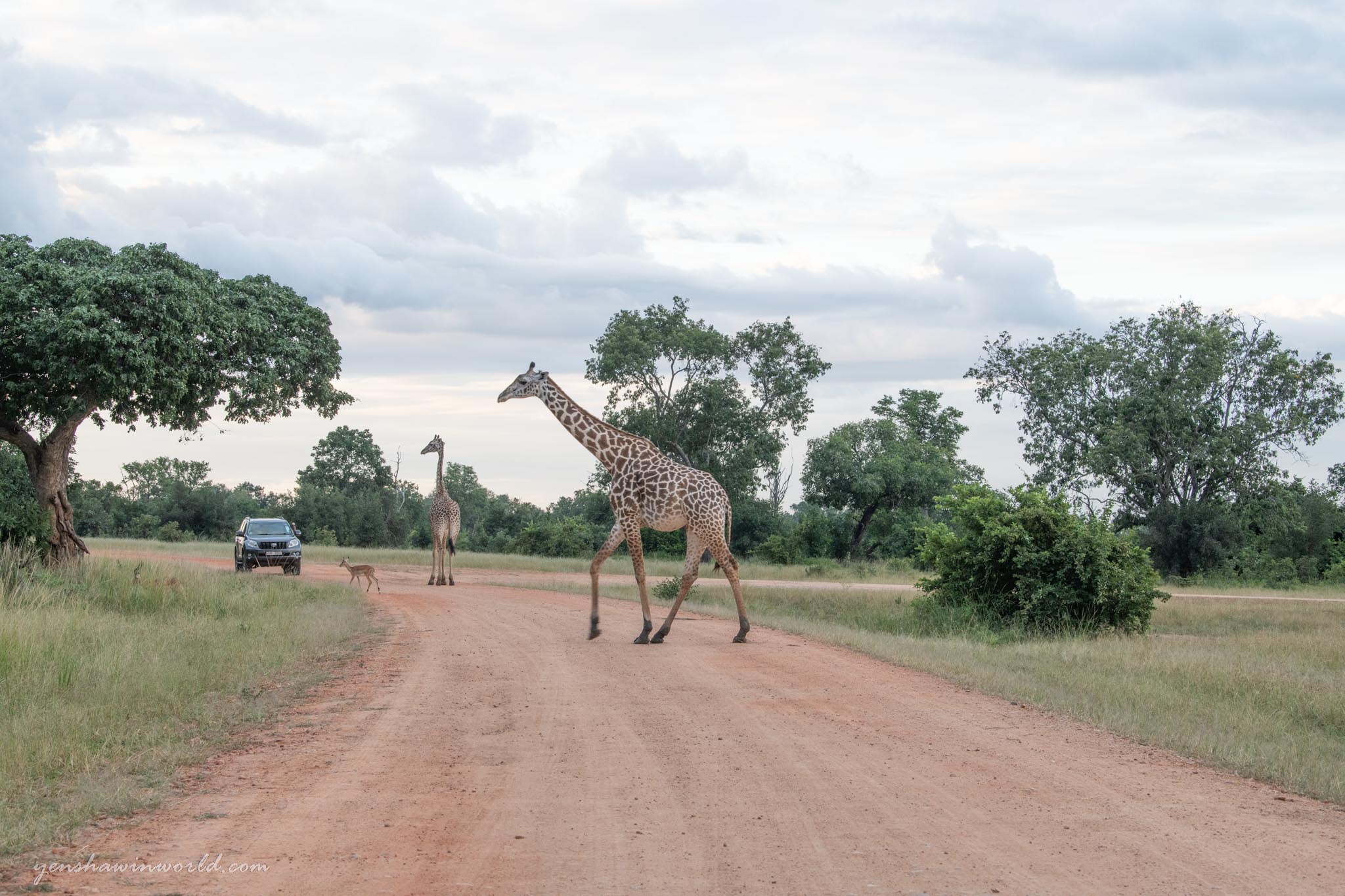
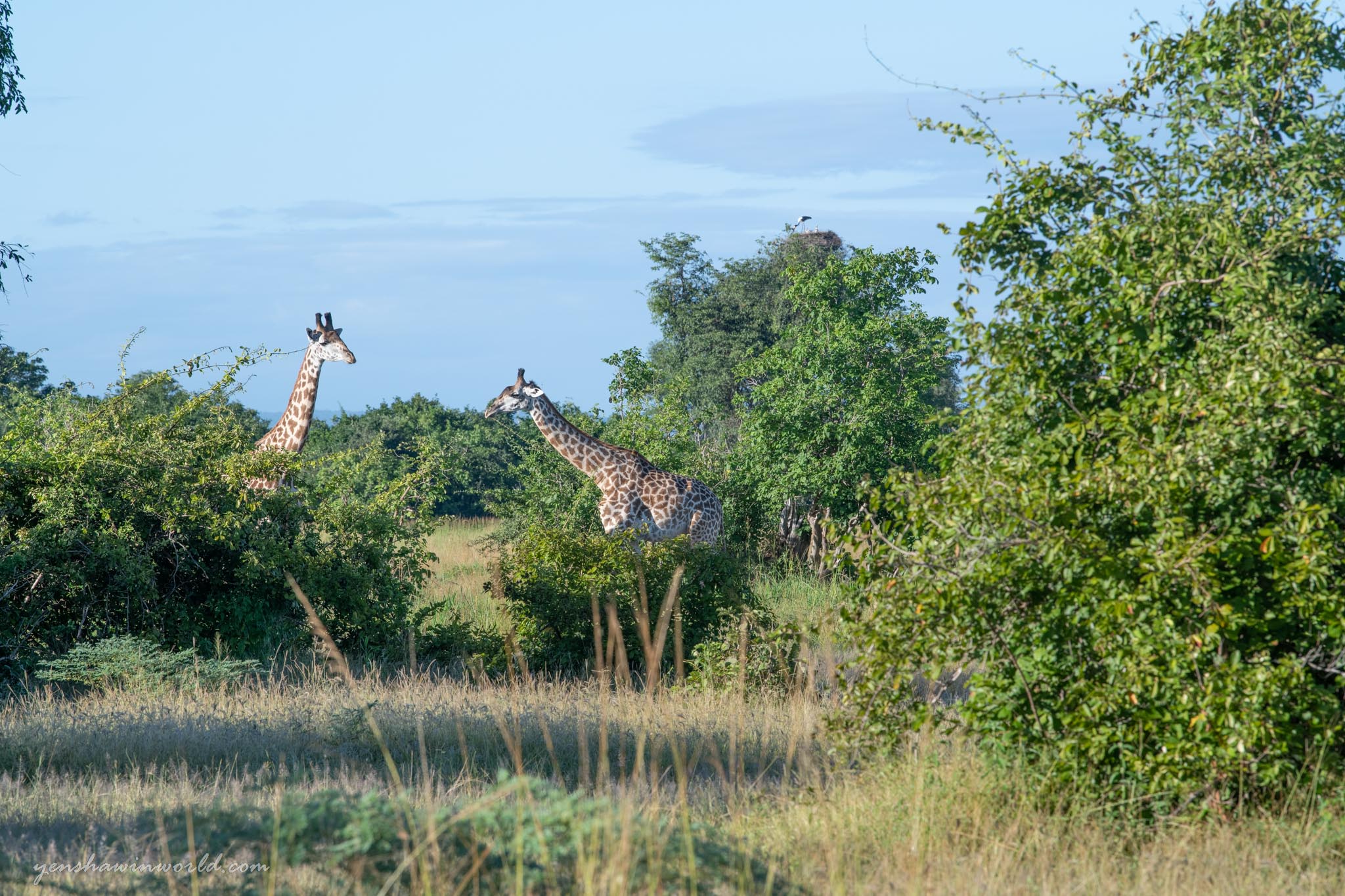
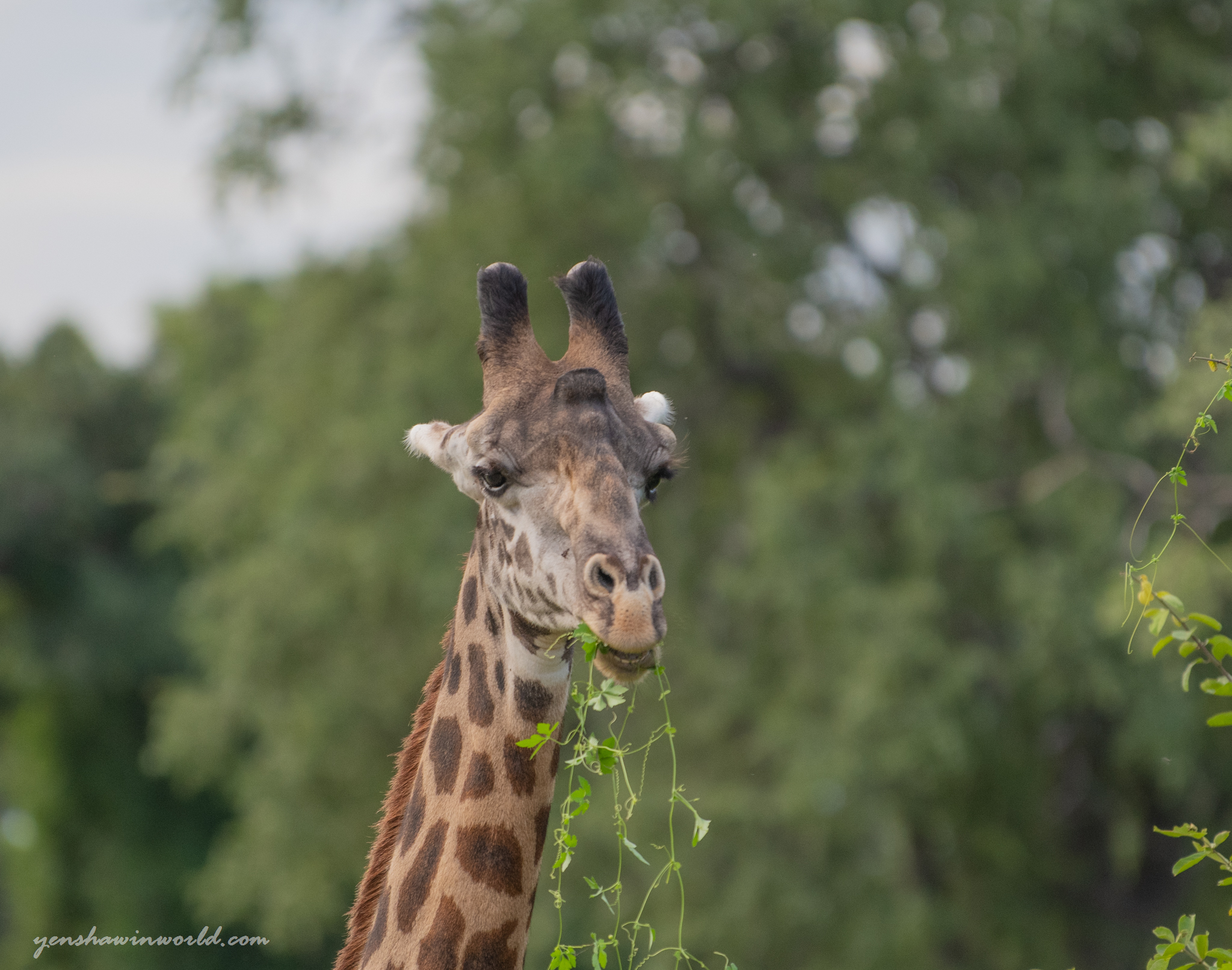
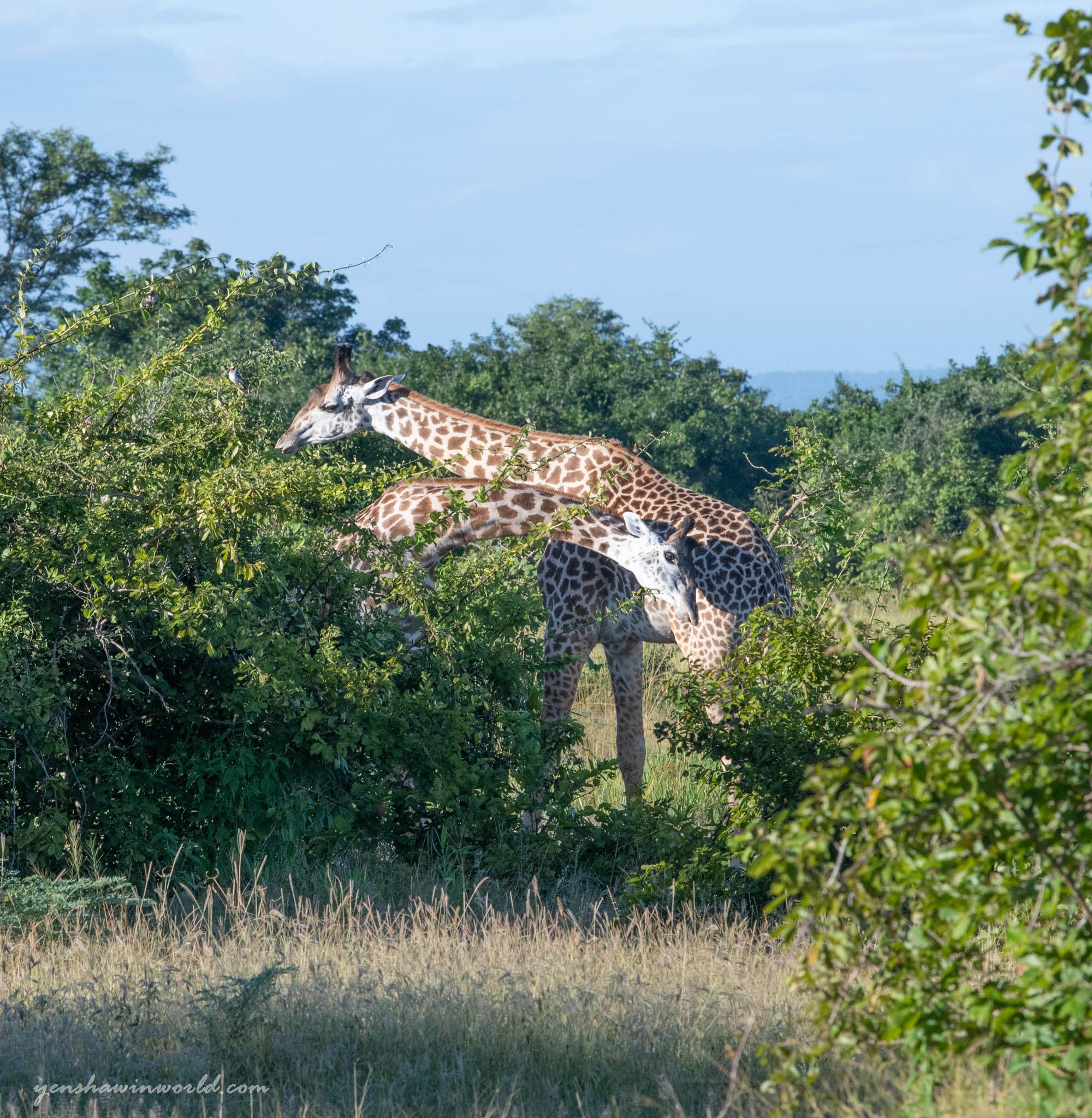
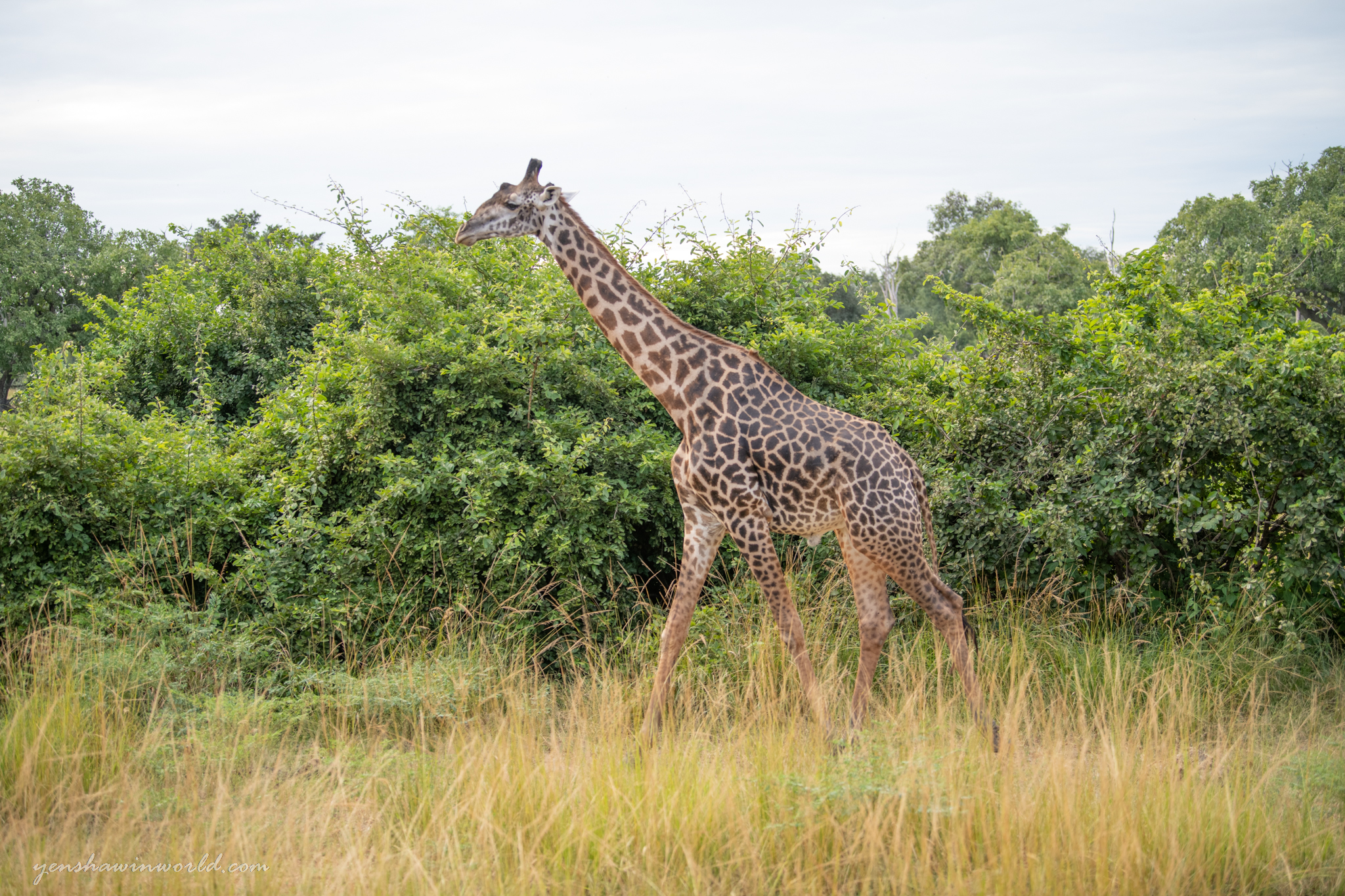
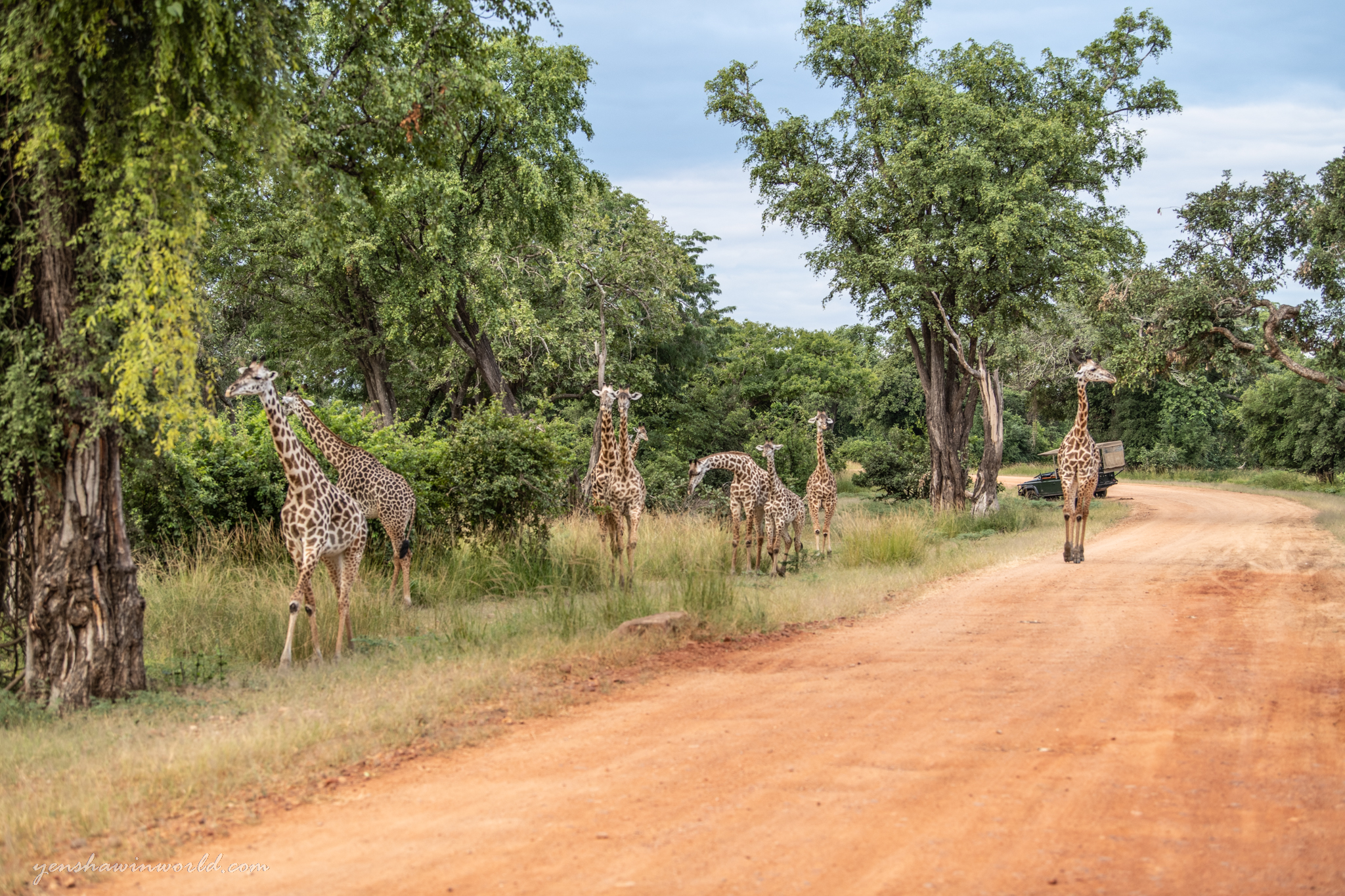
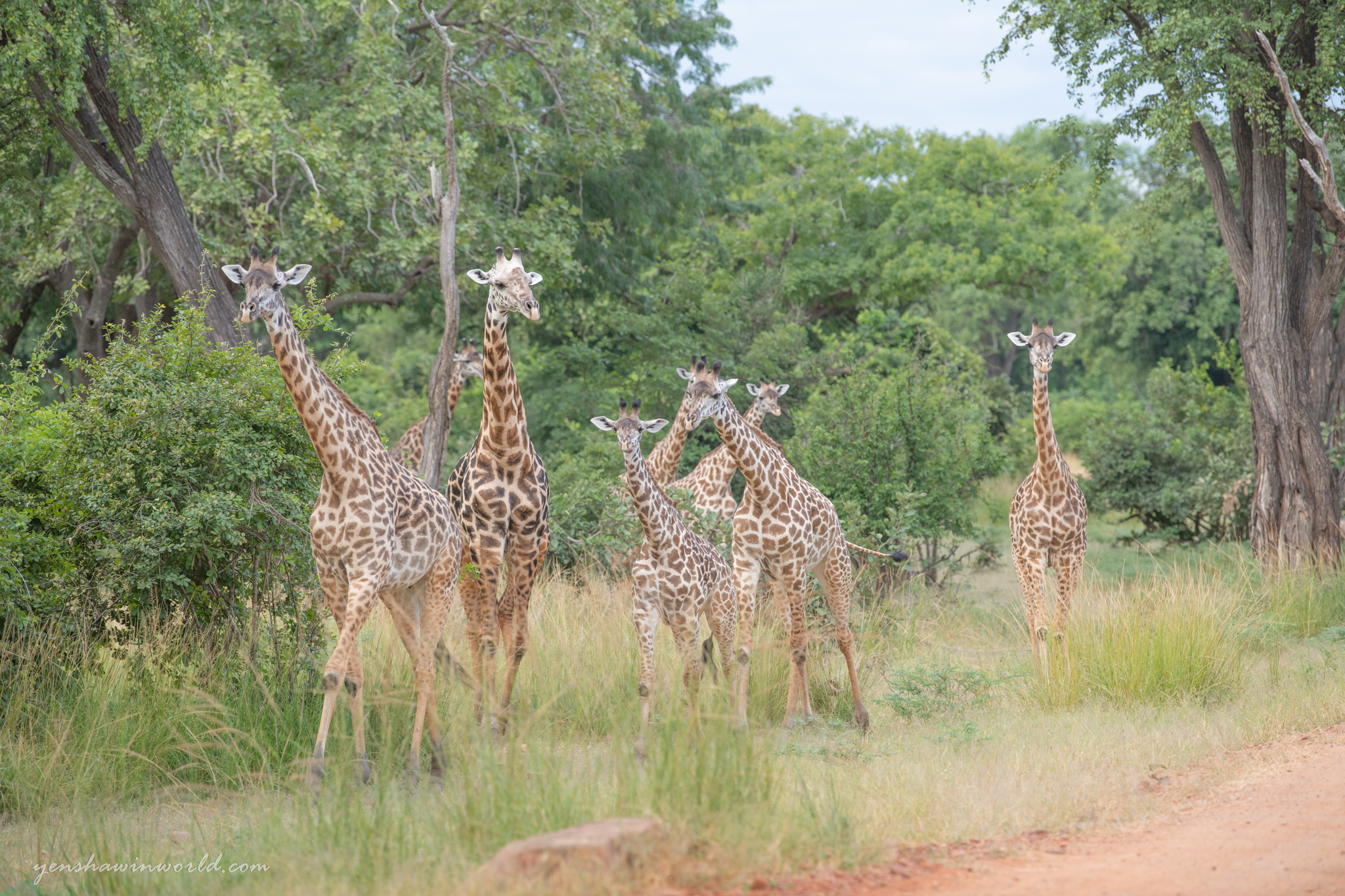
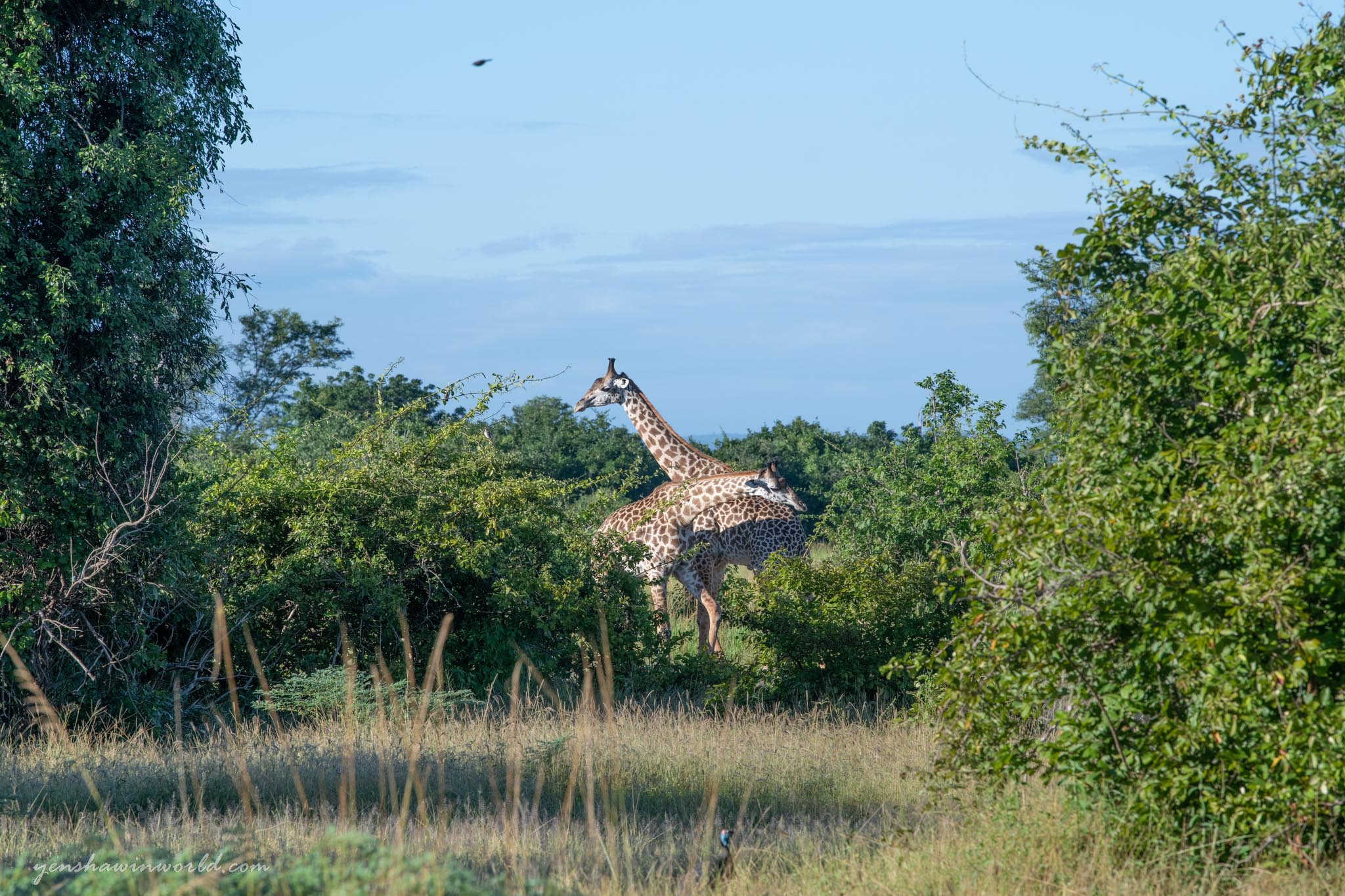
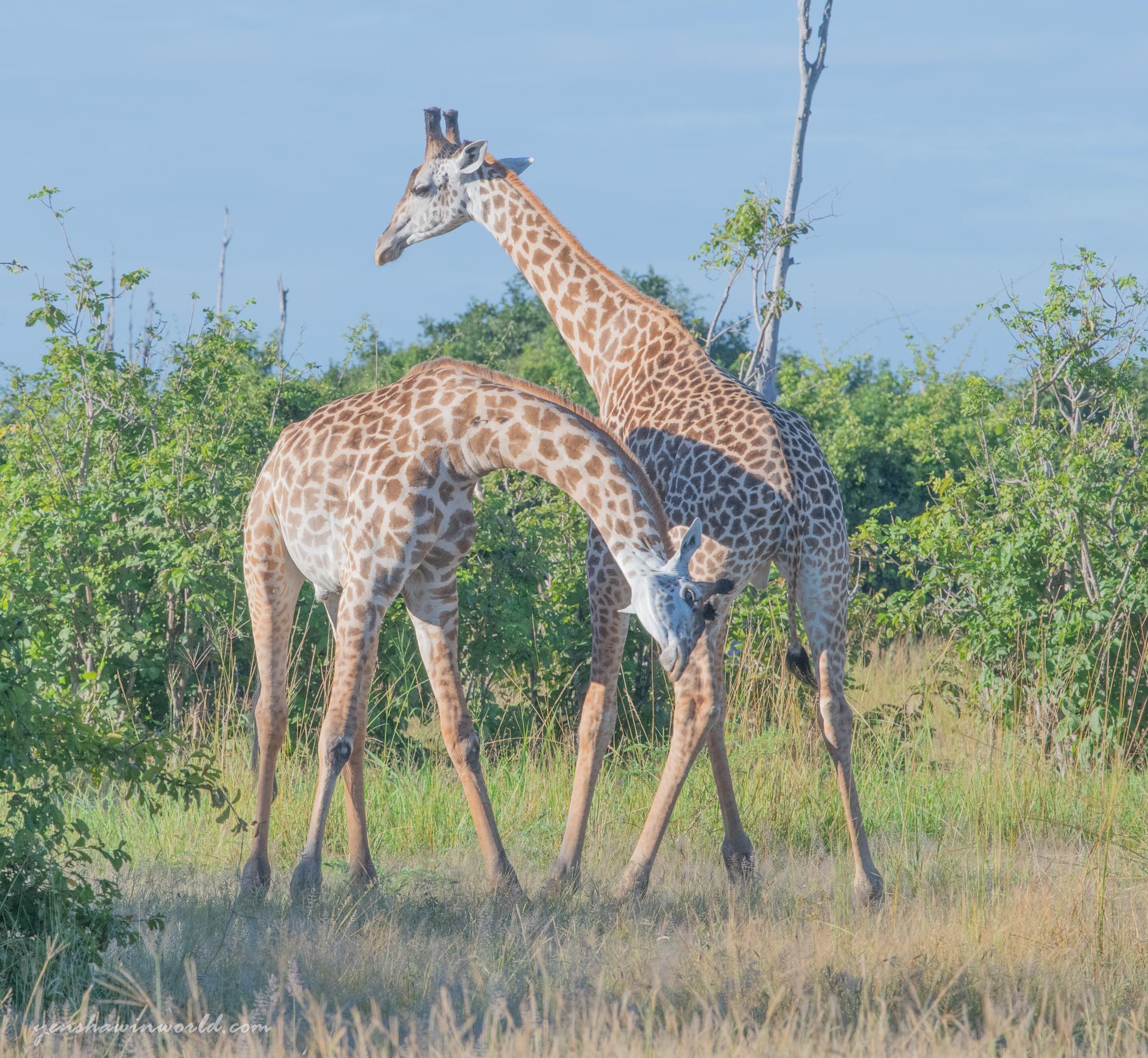
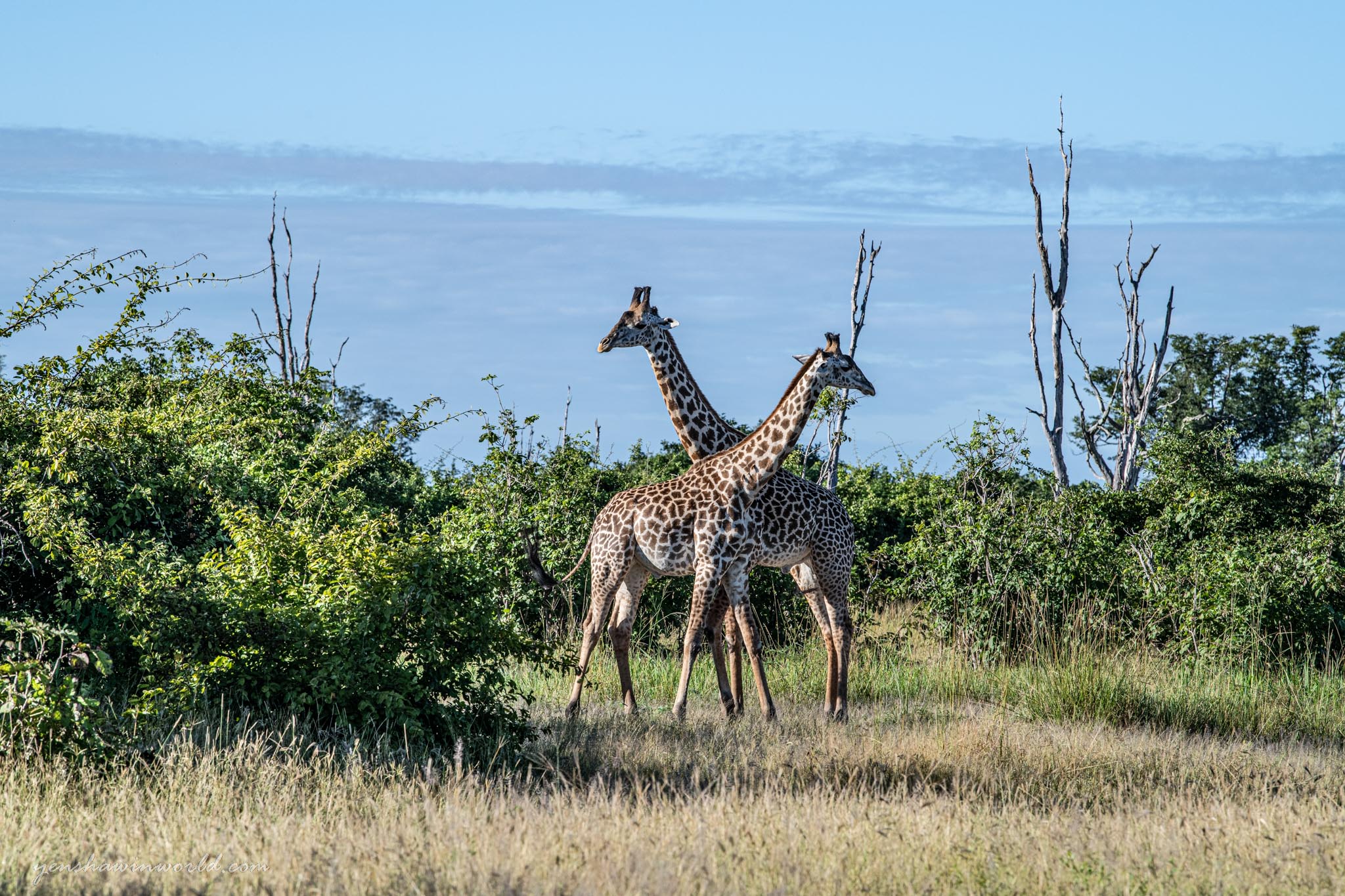
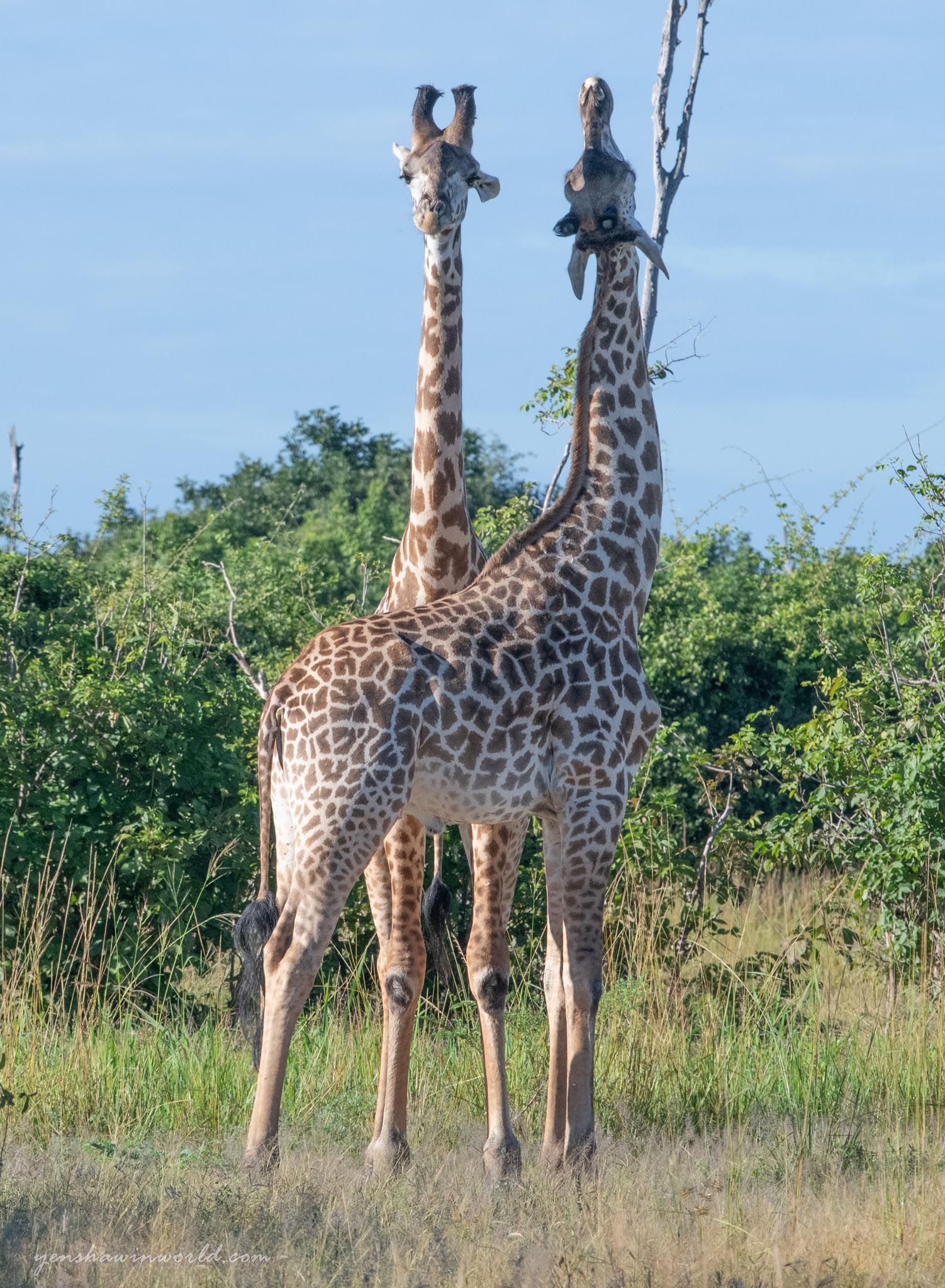
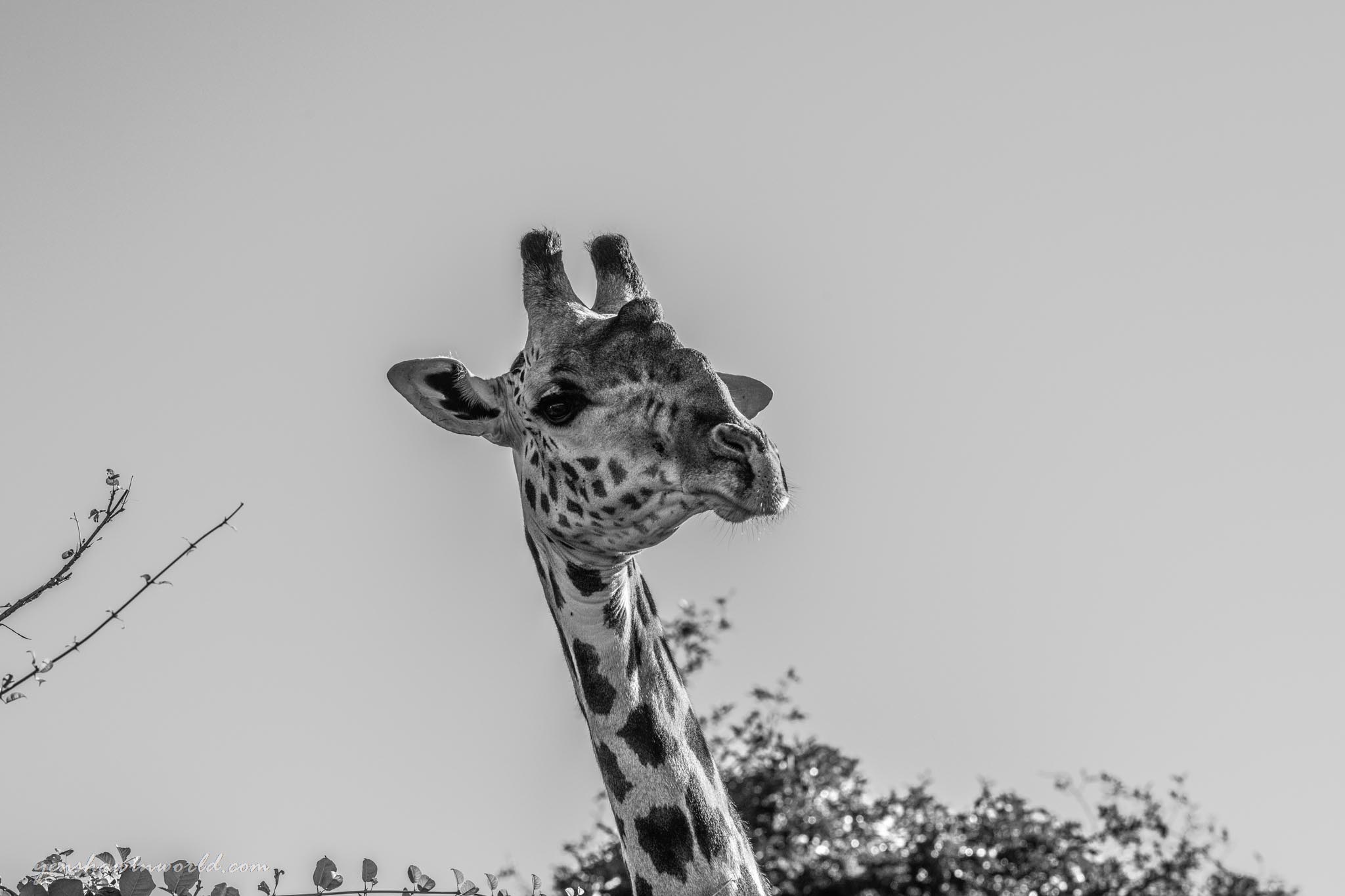
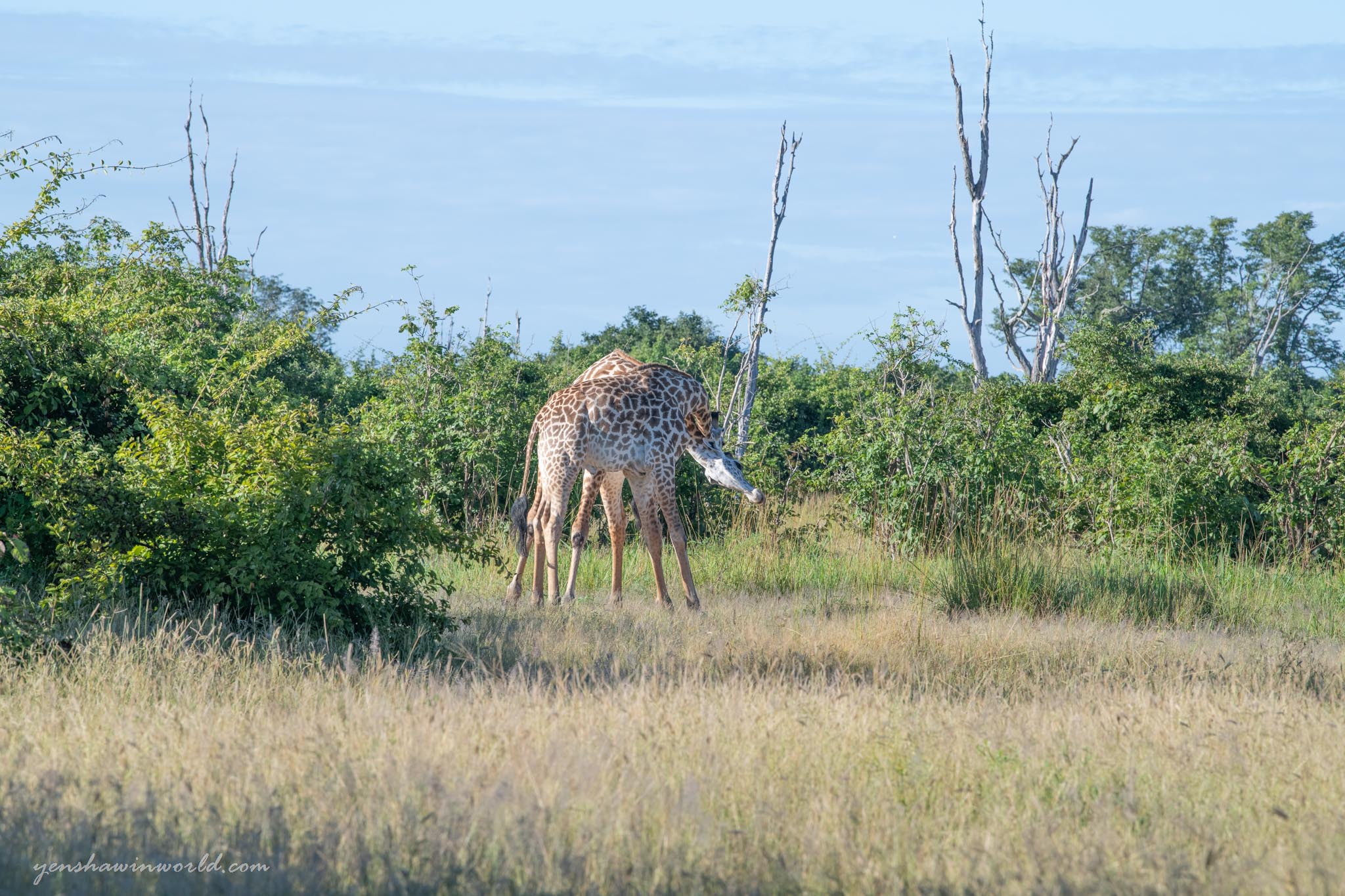
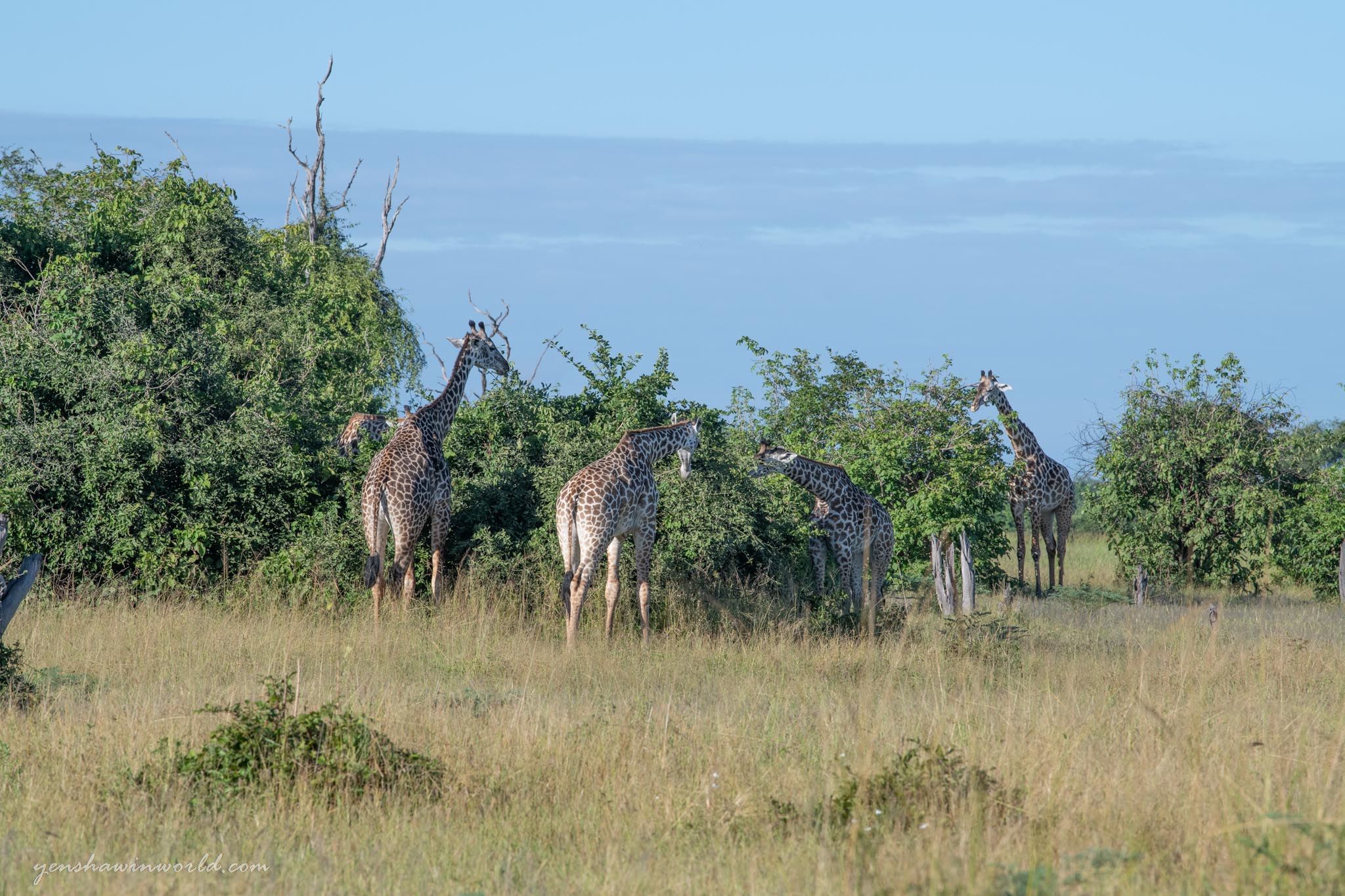
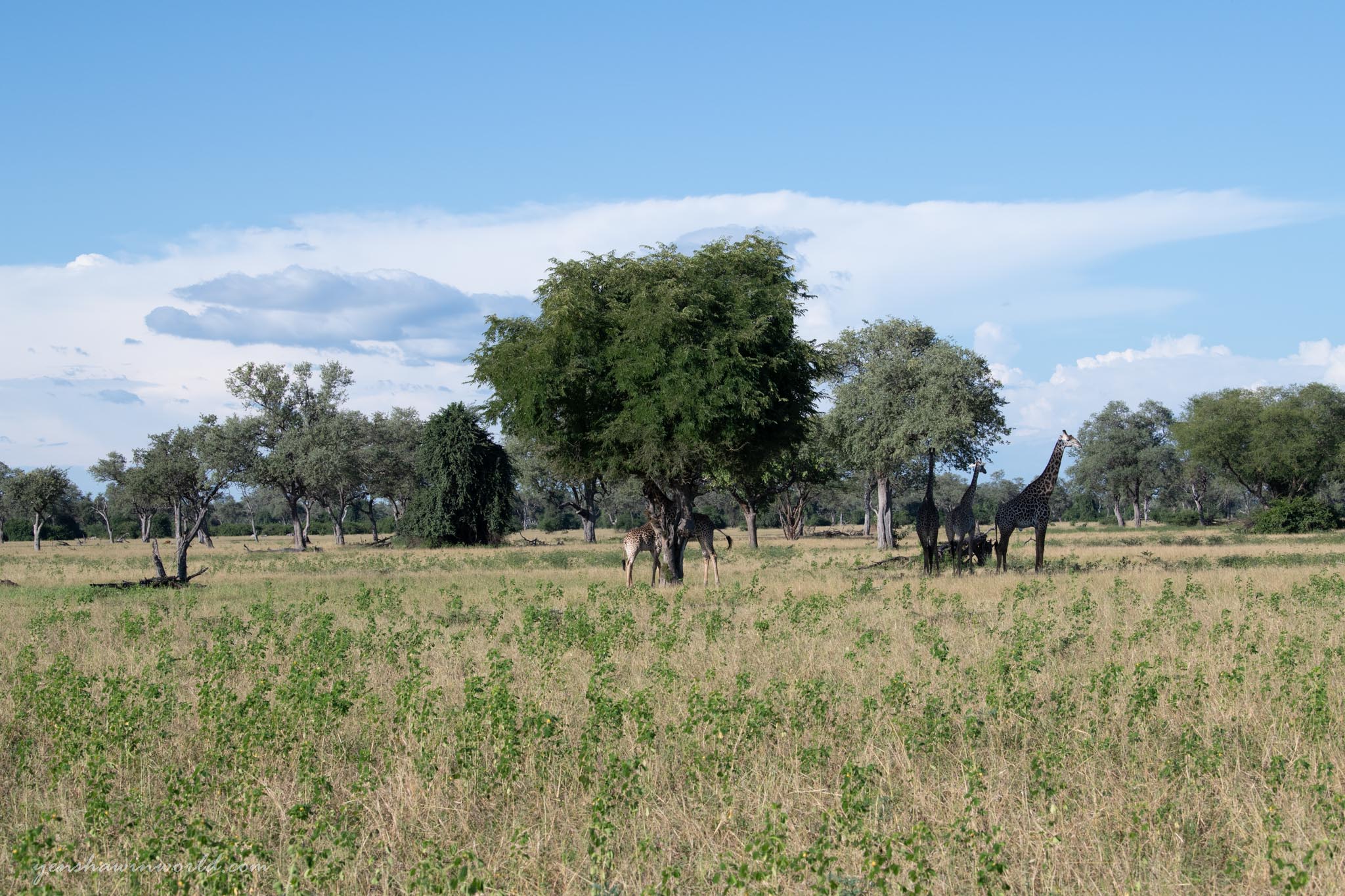
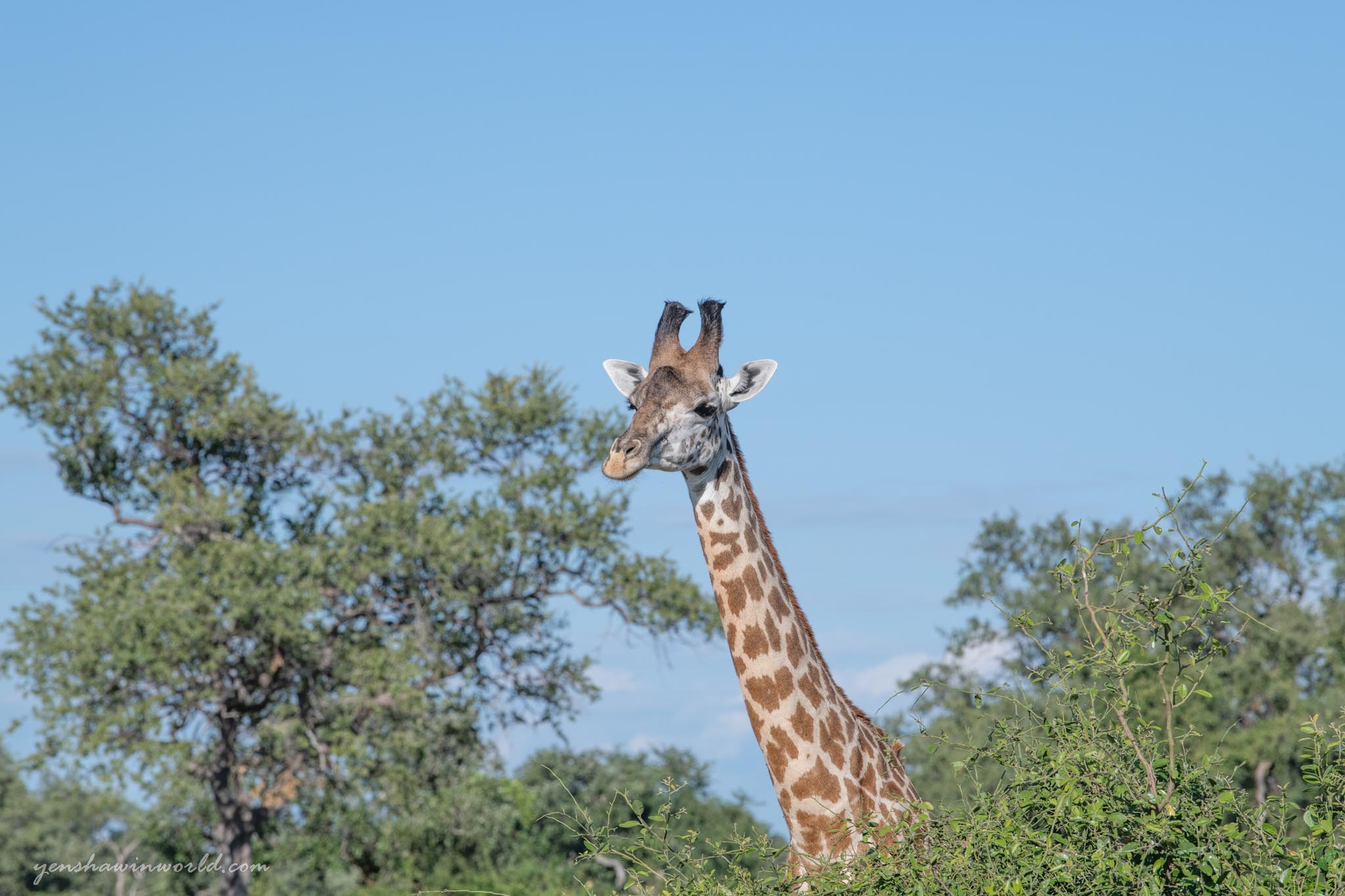
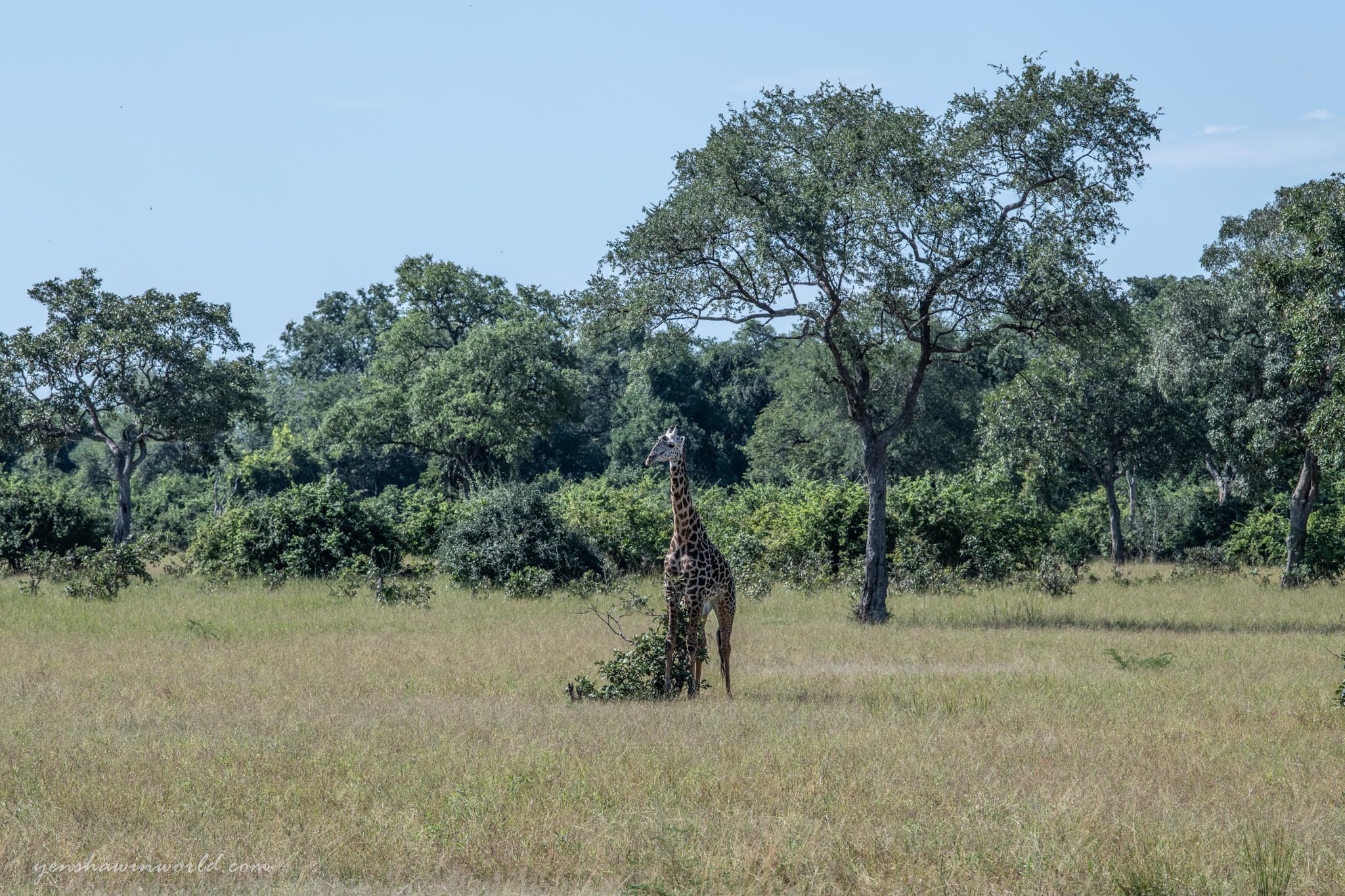
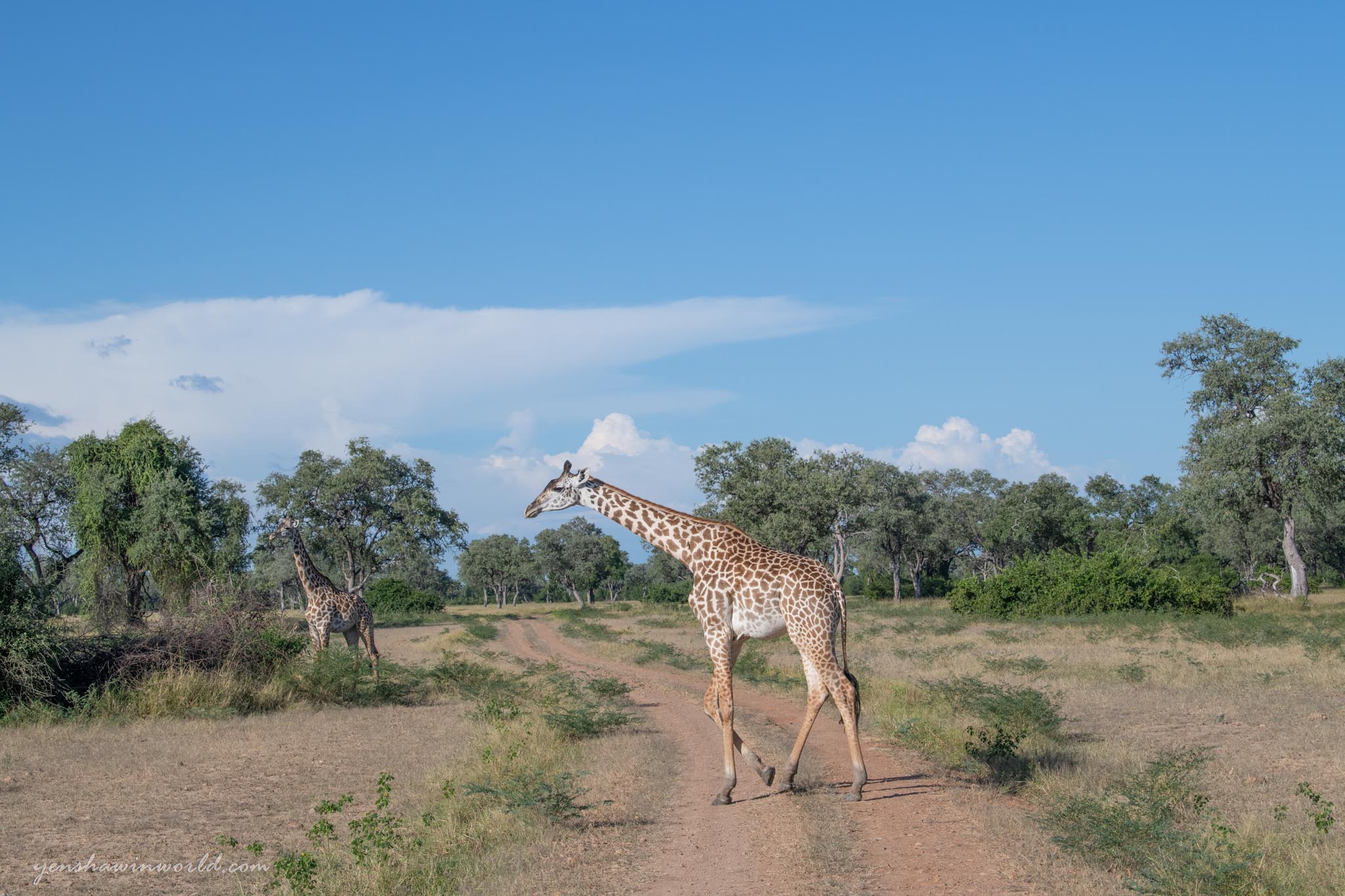
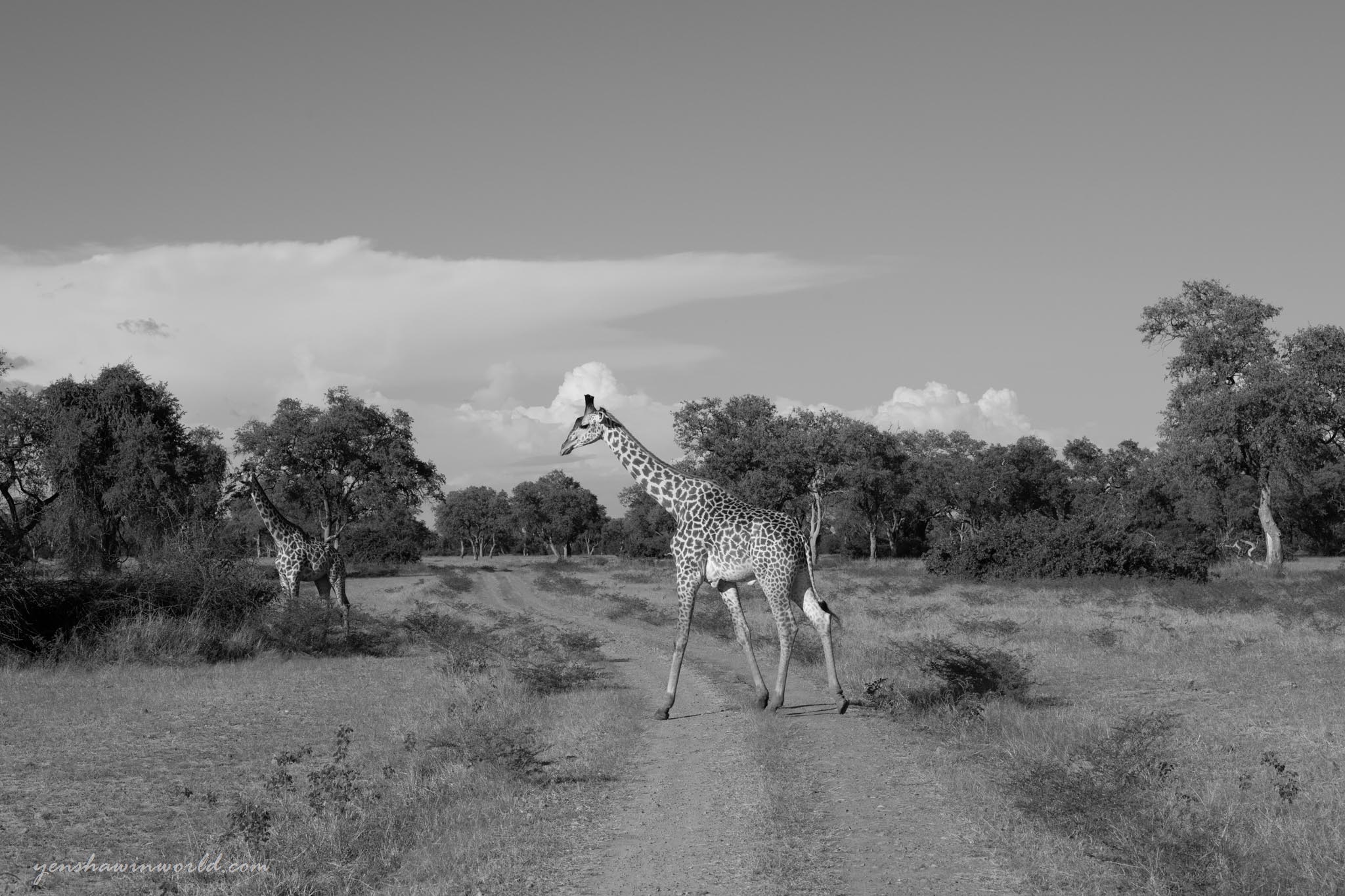
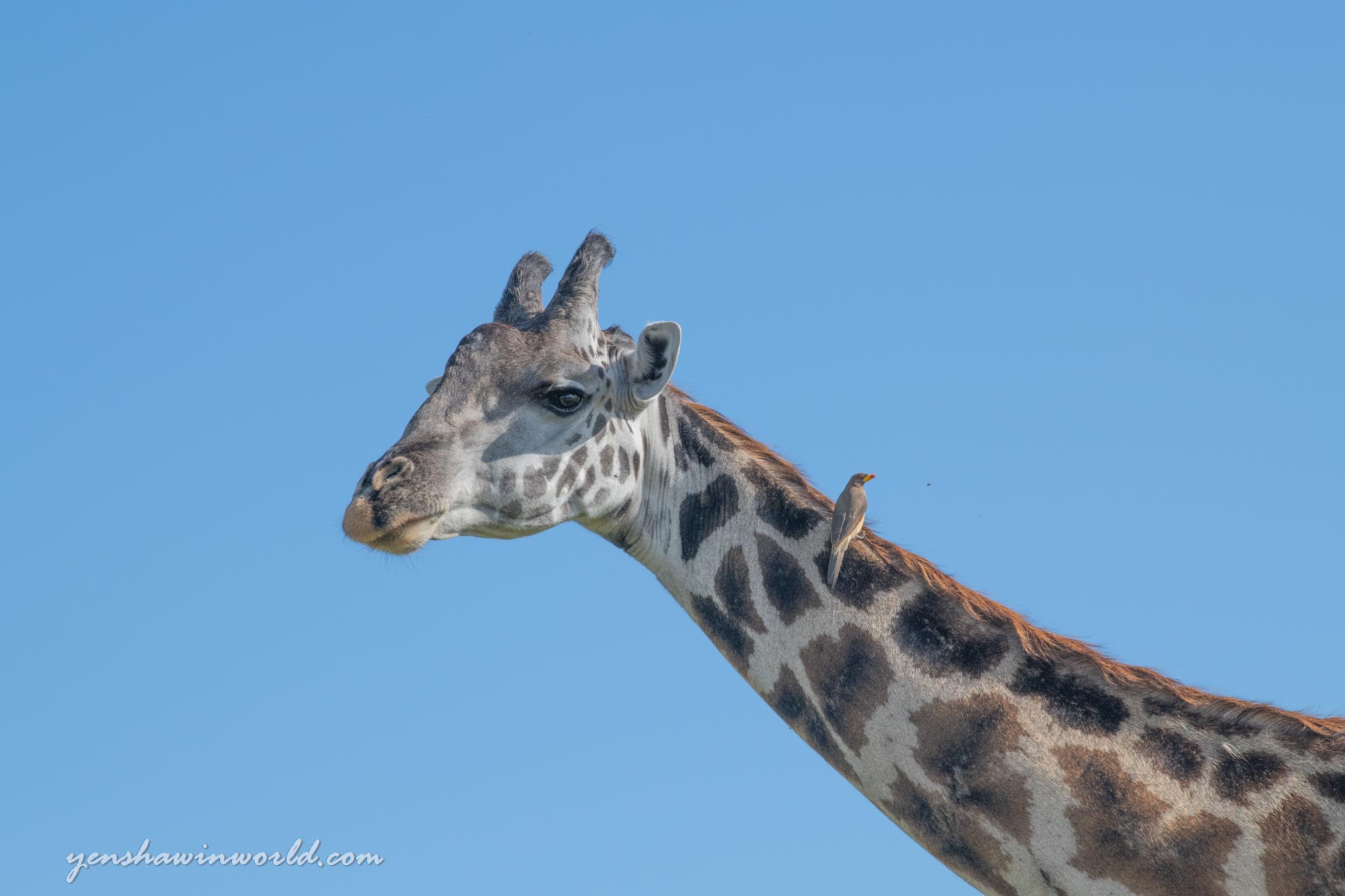
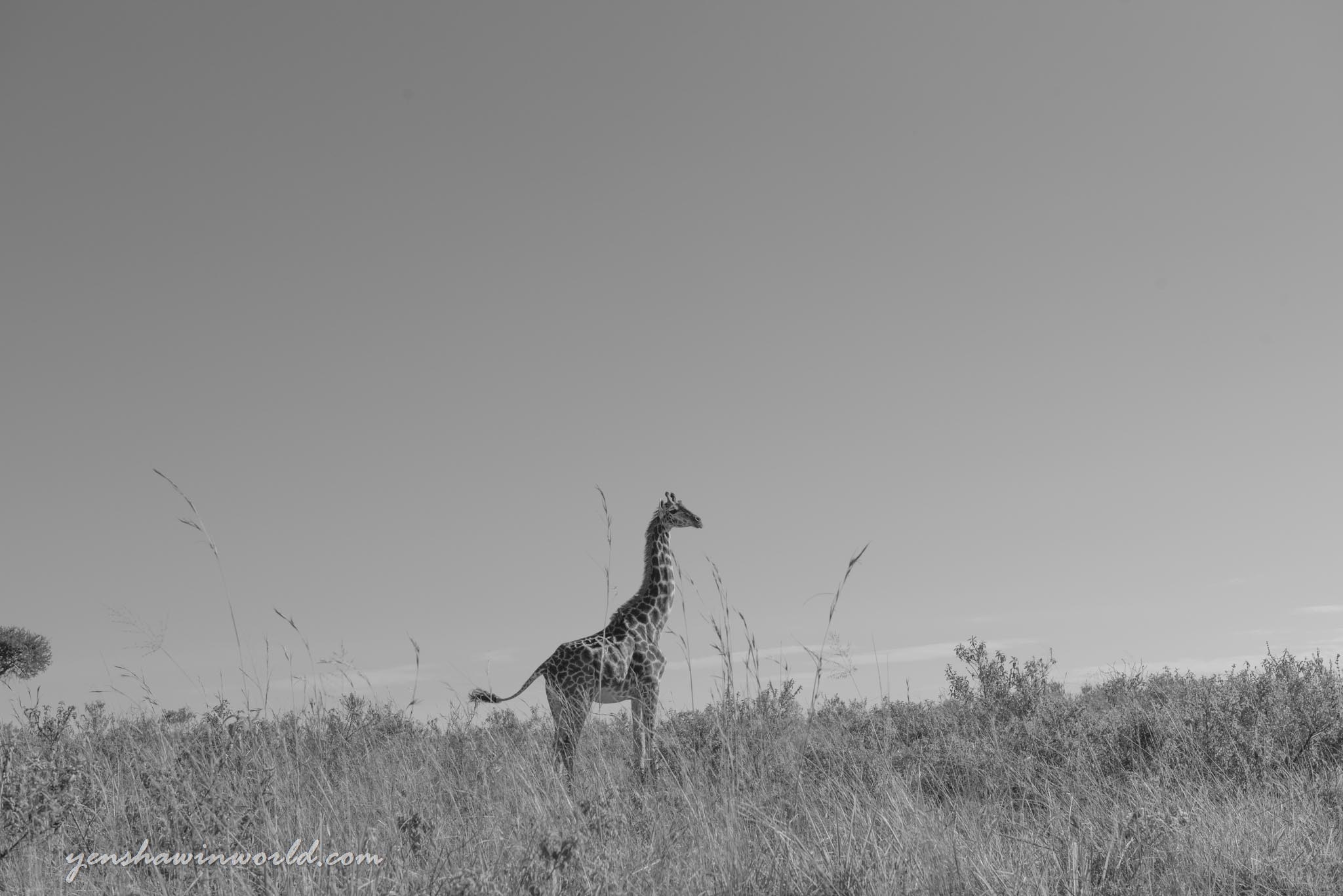
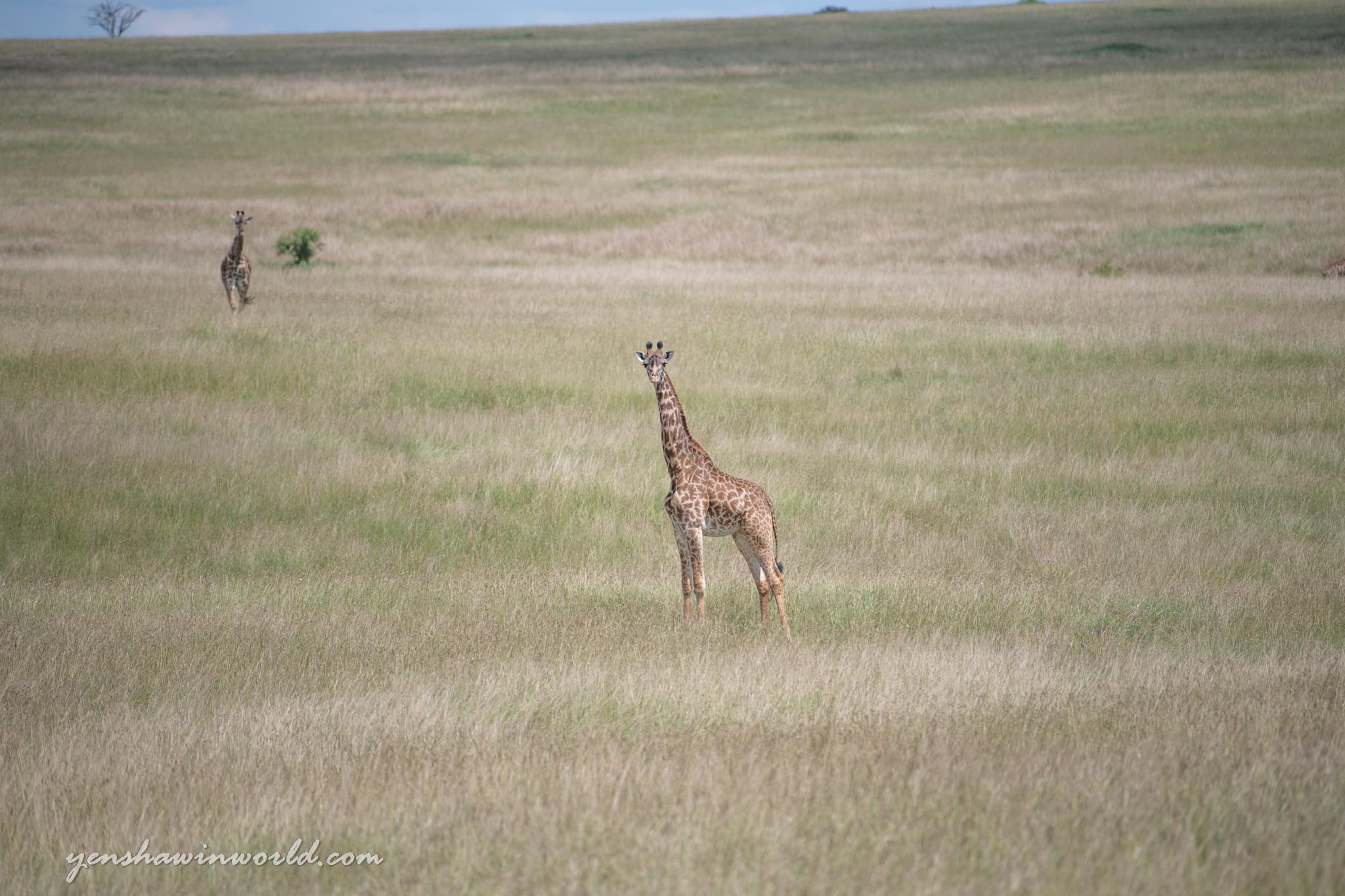
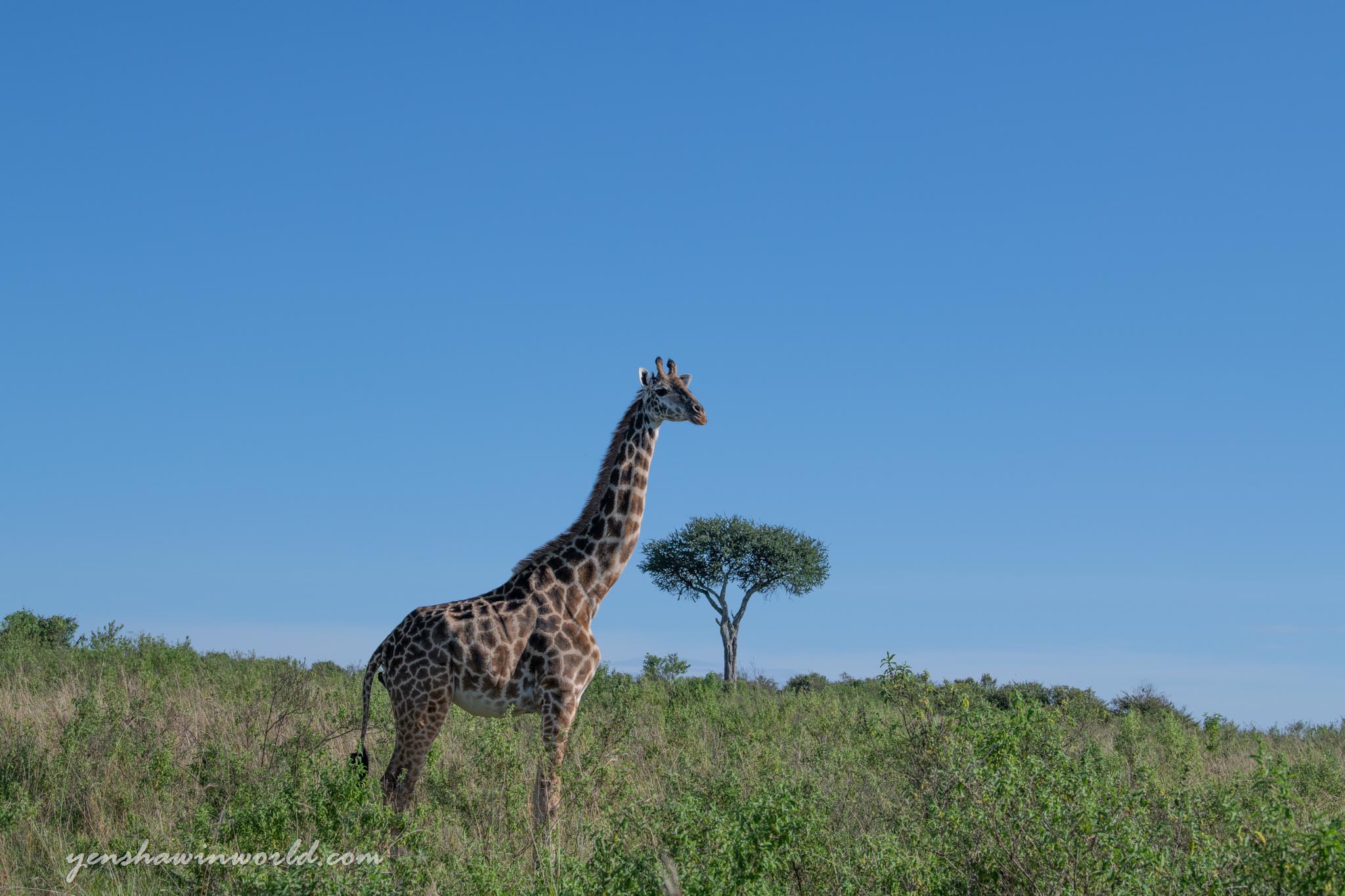
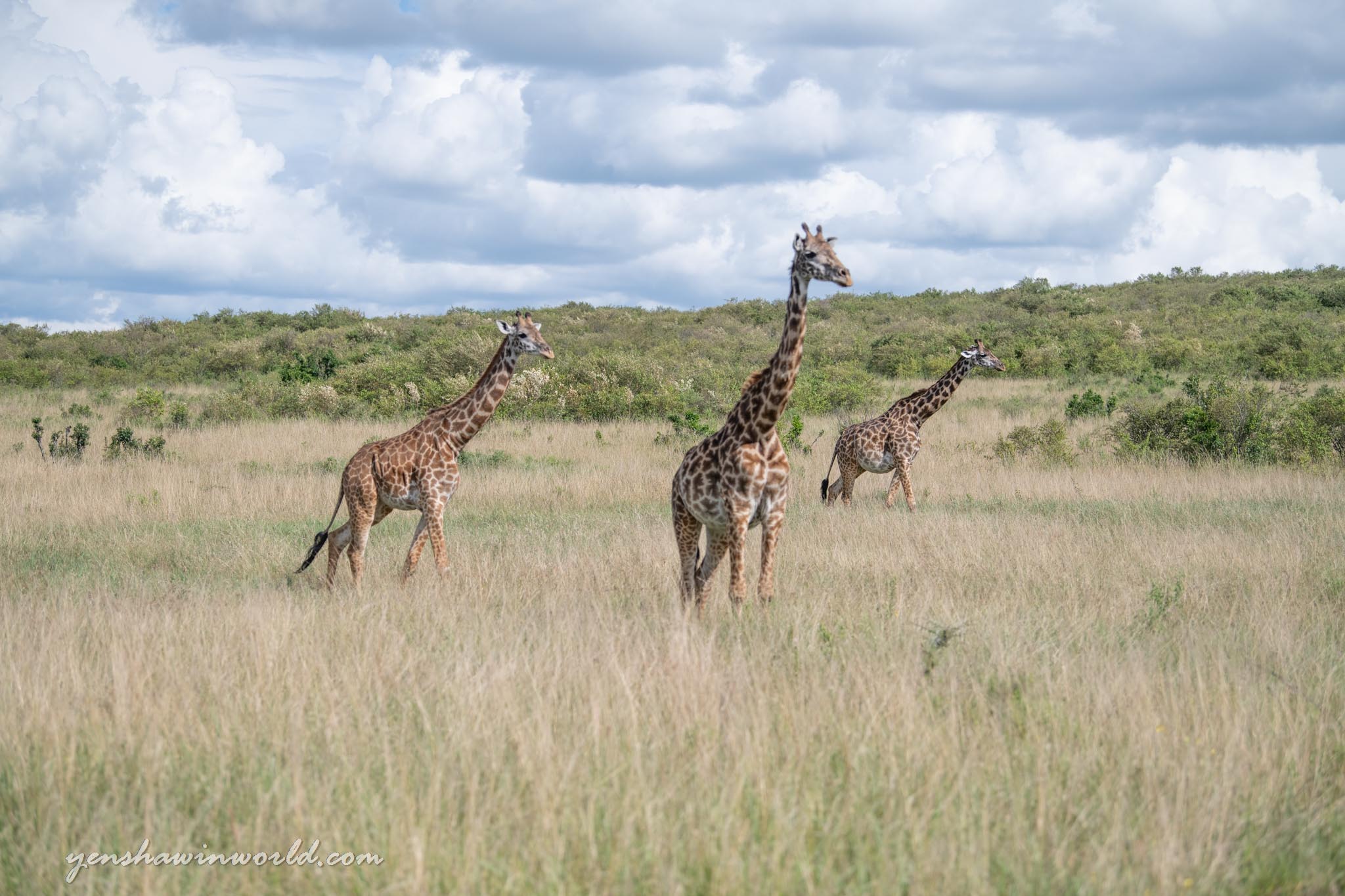
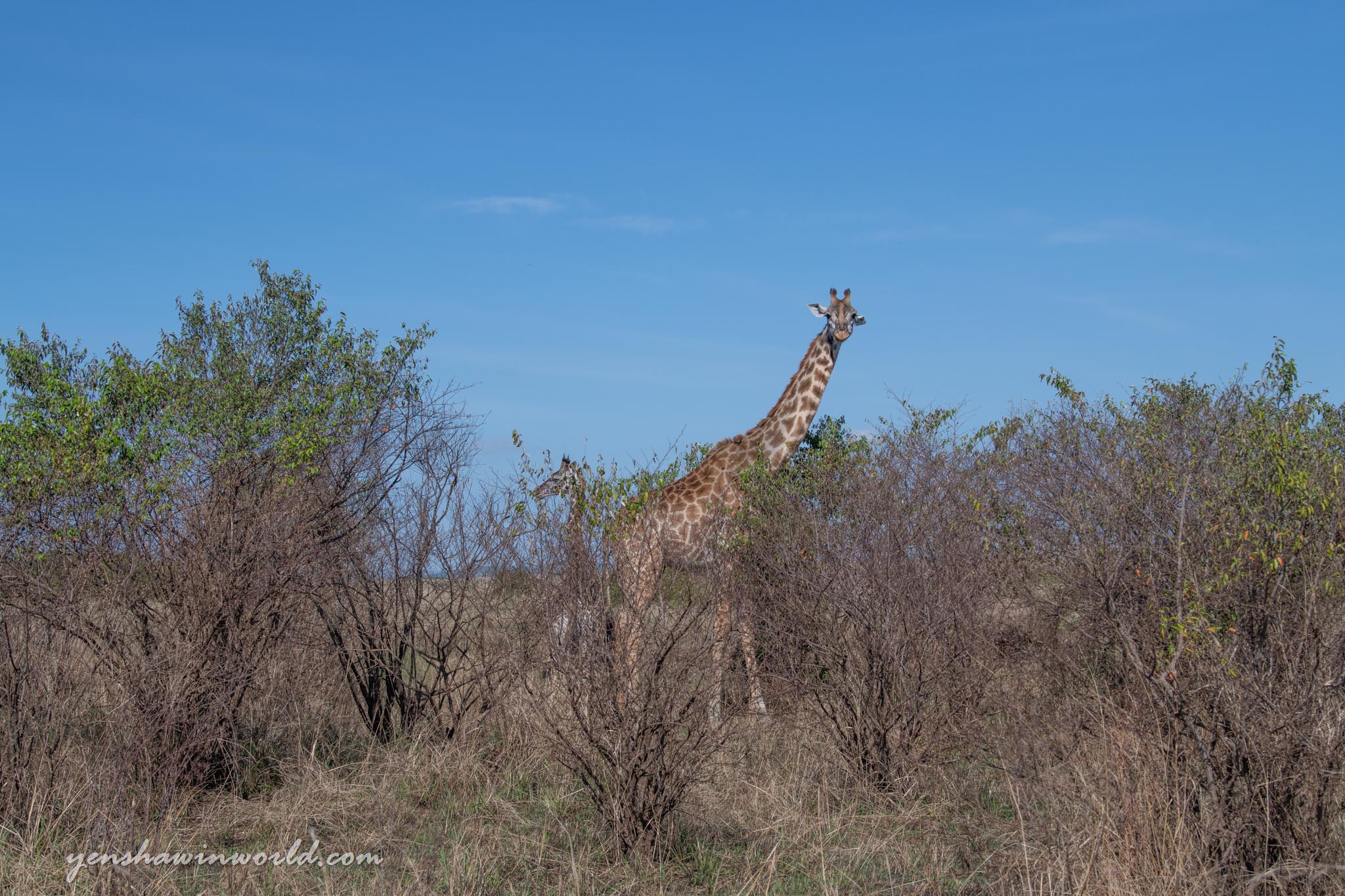
The Masai Giraffe which is different from the other giraffe subspecies seems to be very plentiful there, and like other giraffes, they just move around all day looking mysteriously at the vehicles passing by and continue to eat whatever food they are finding.
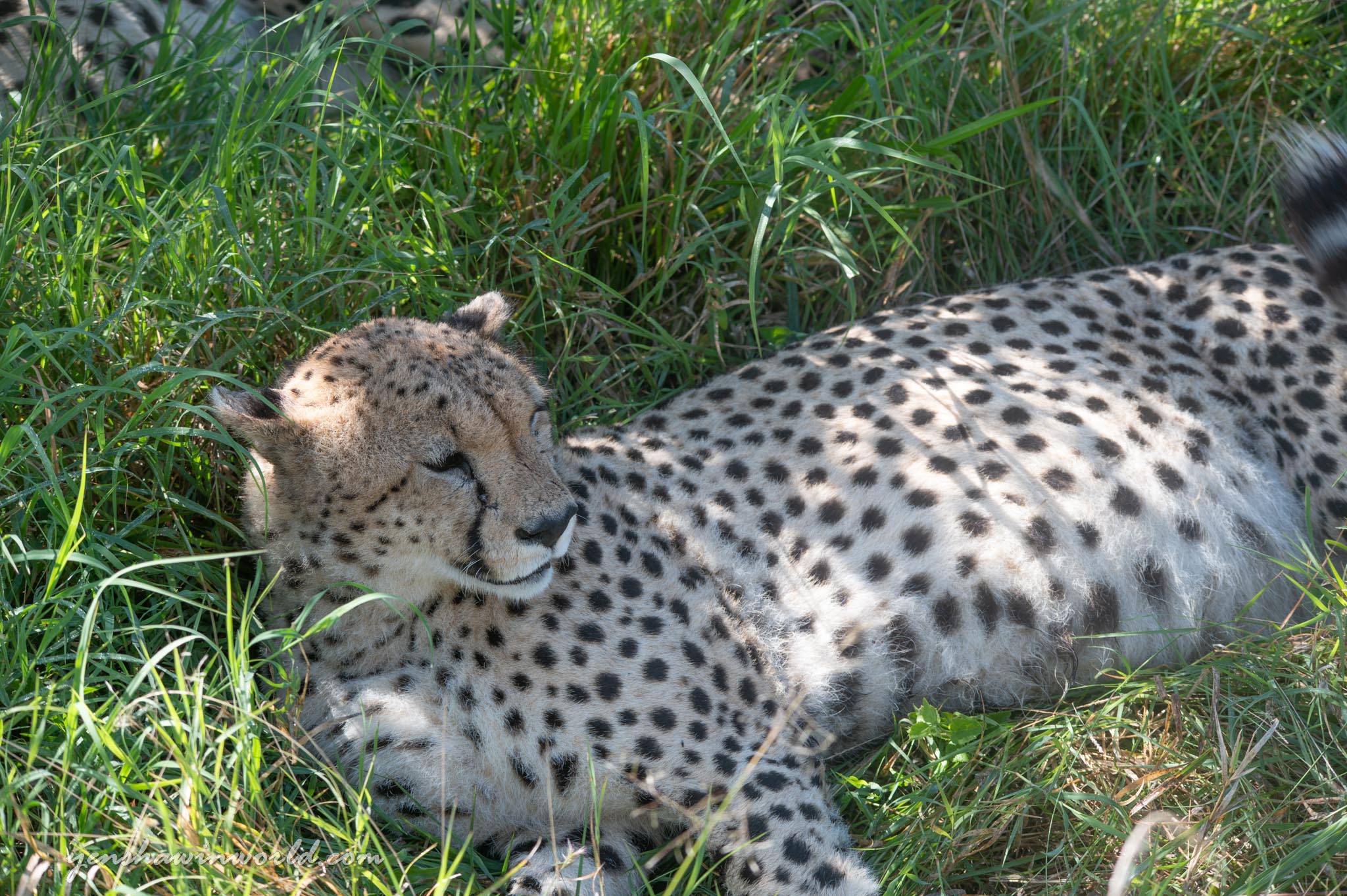
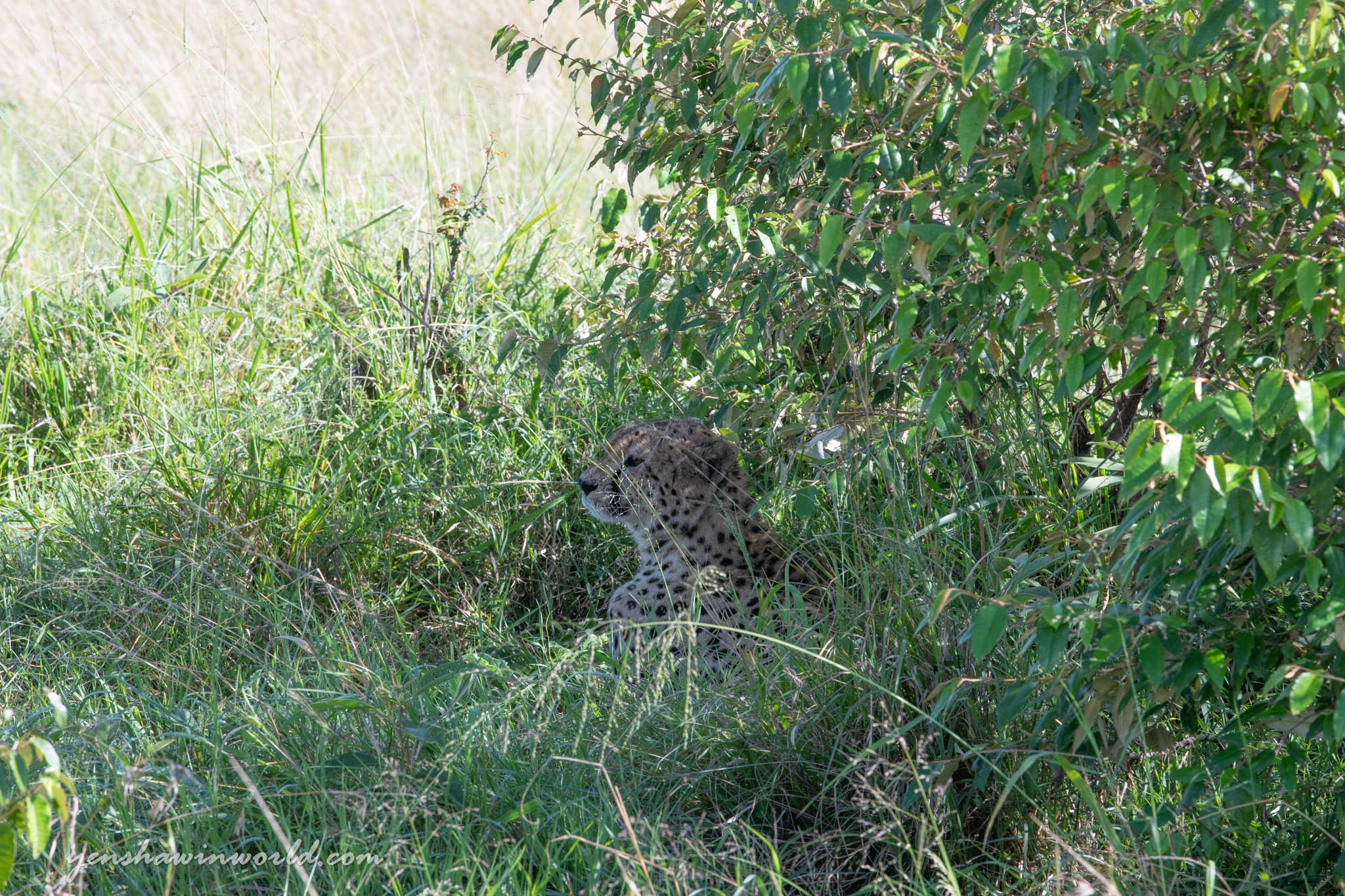
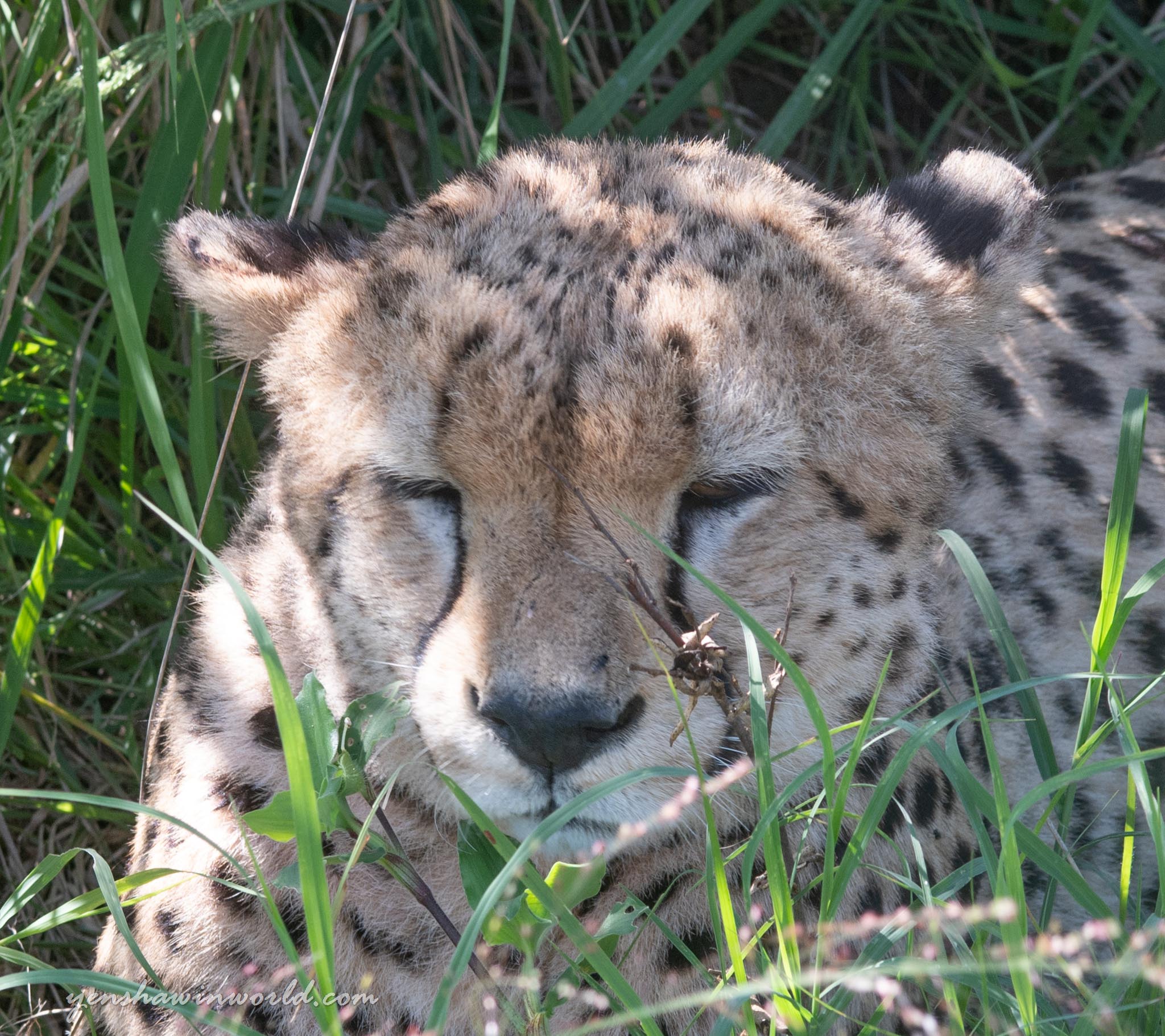
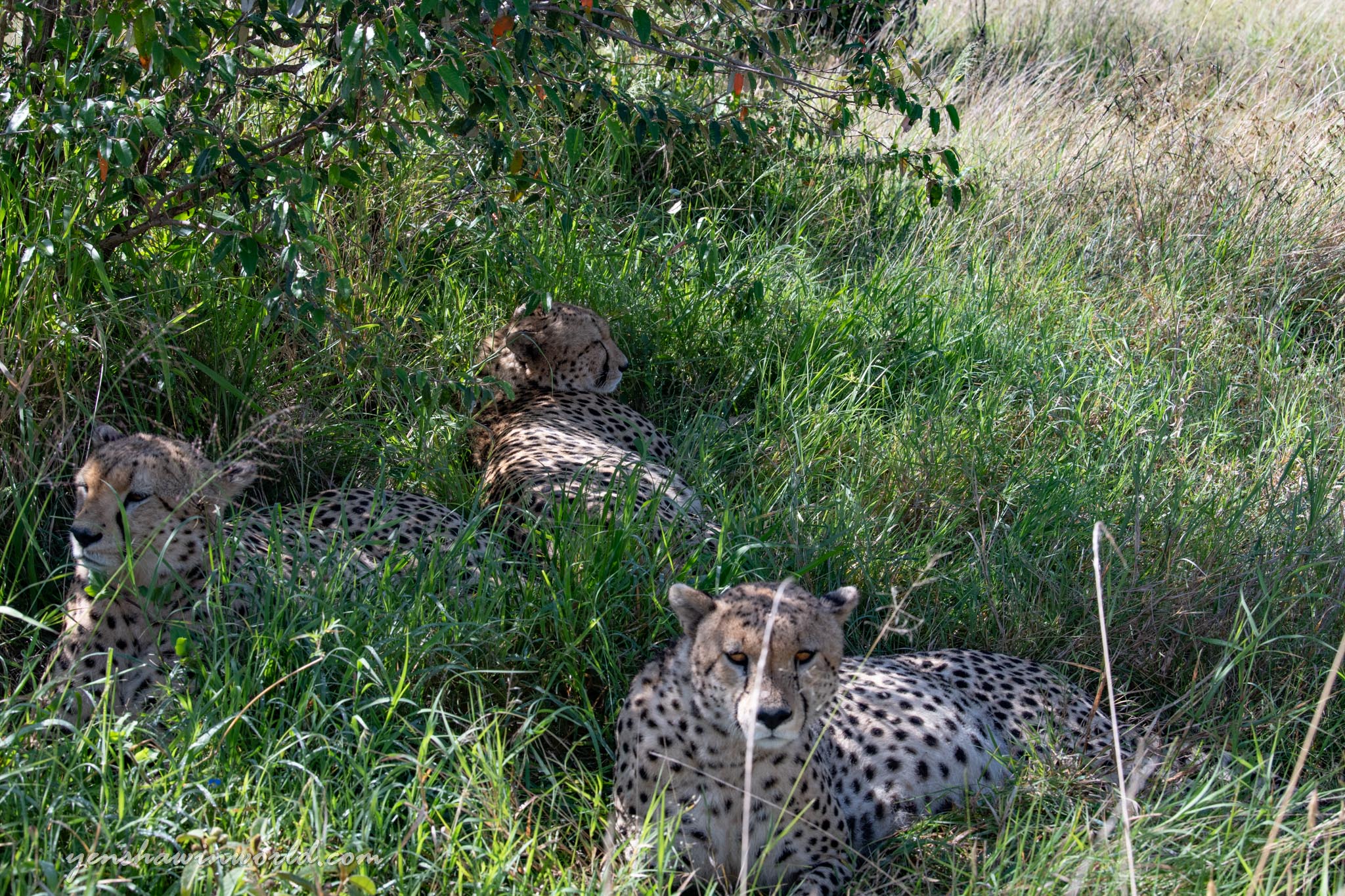
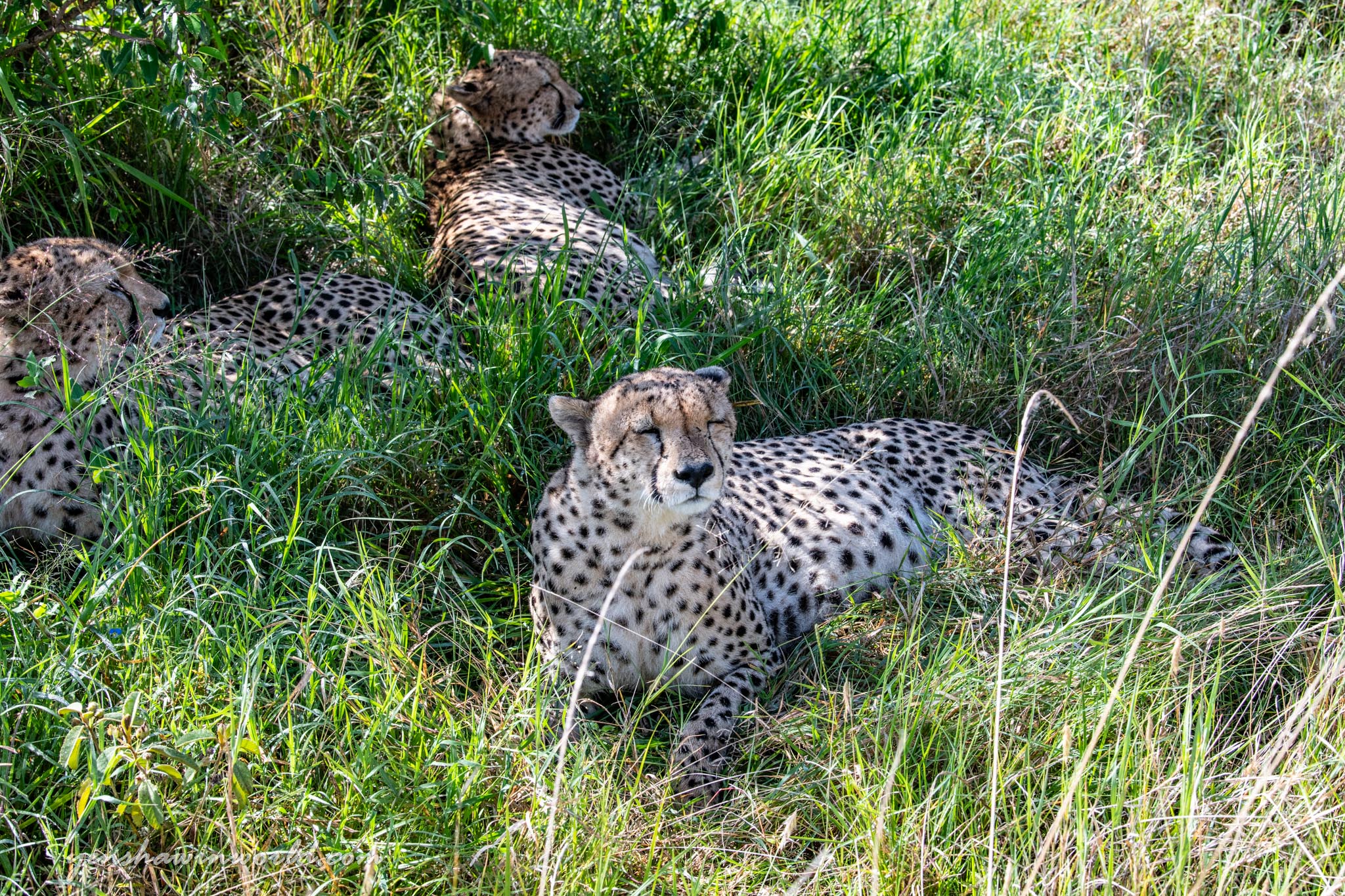
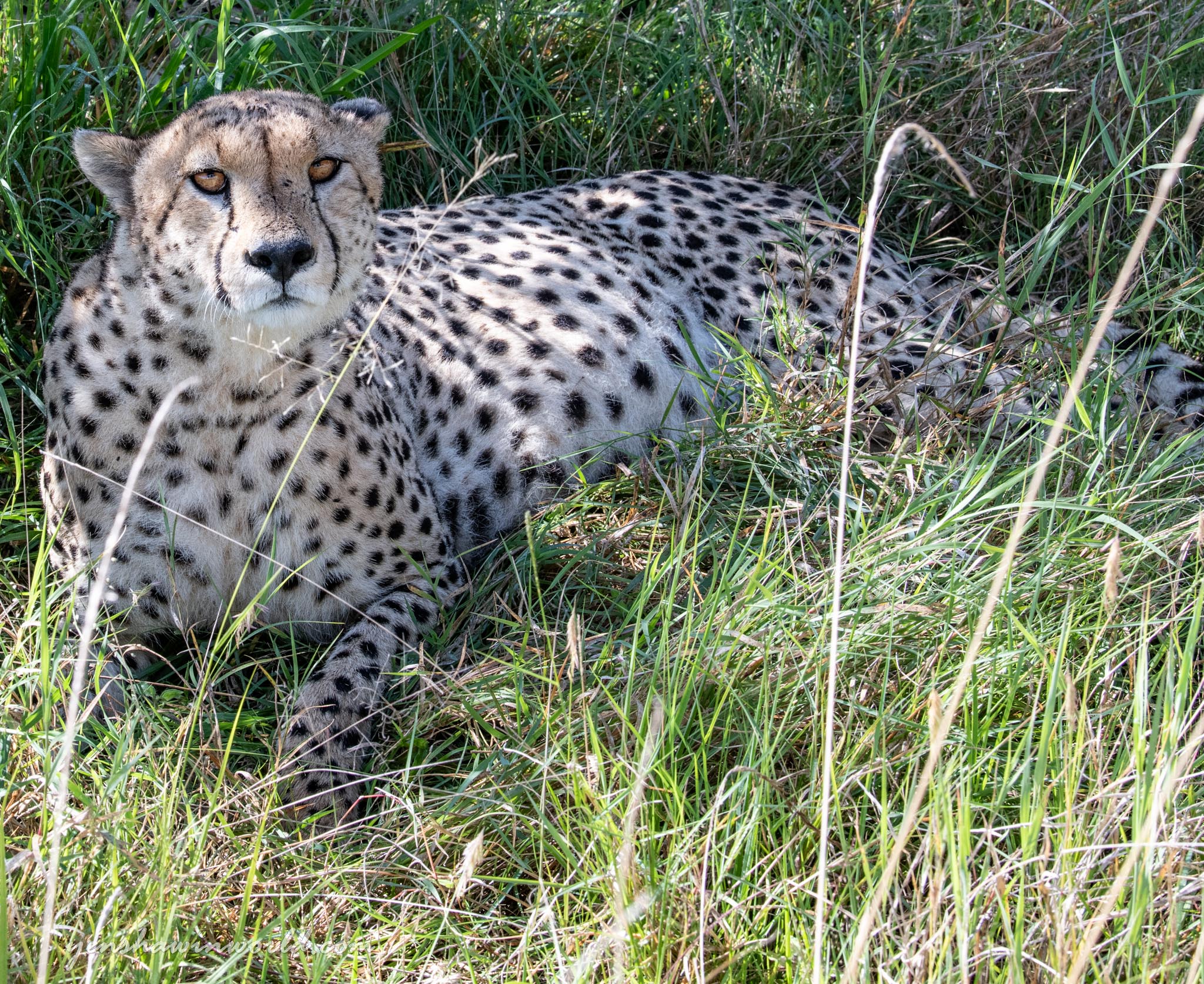
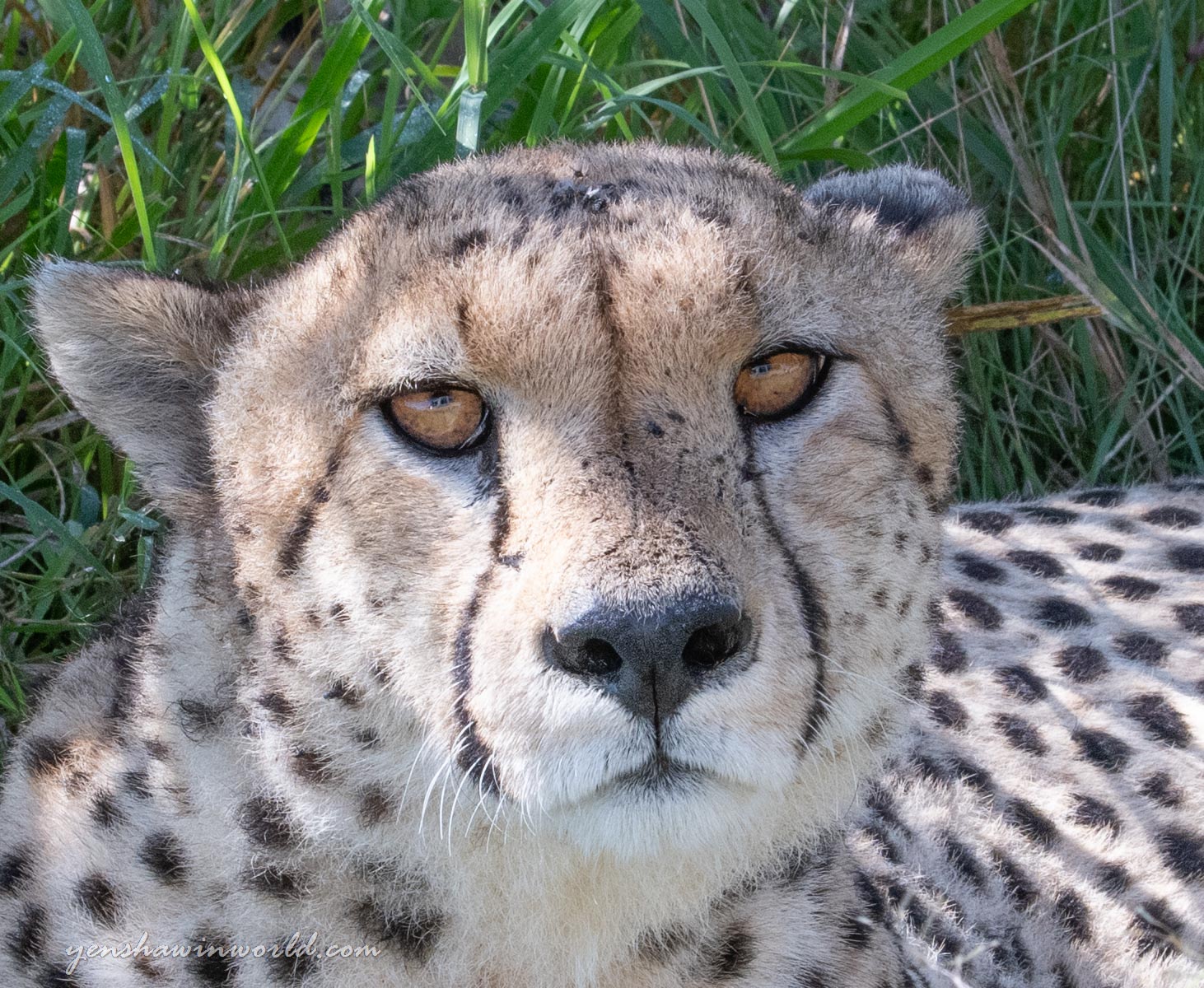
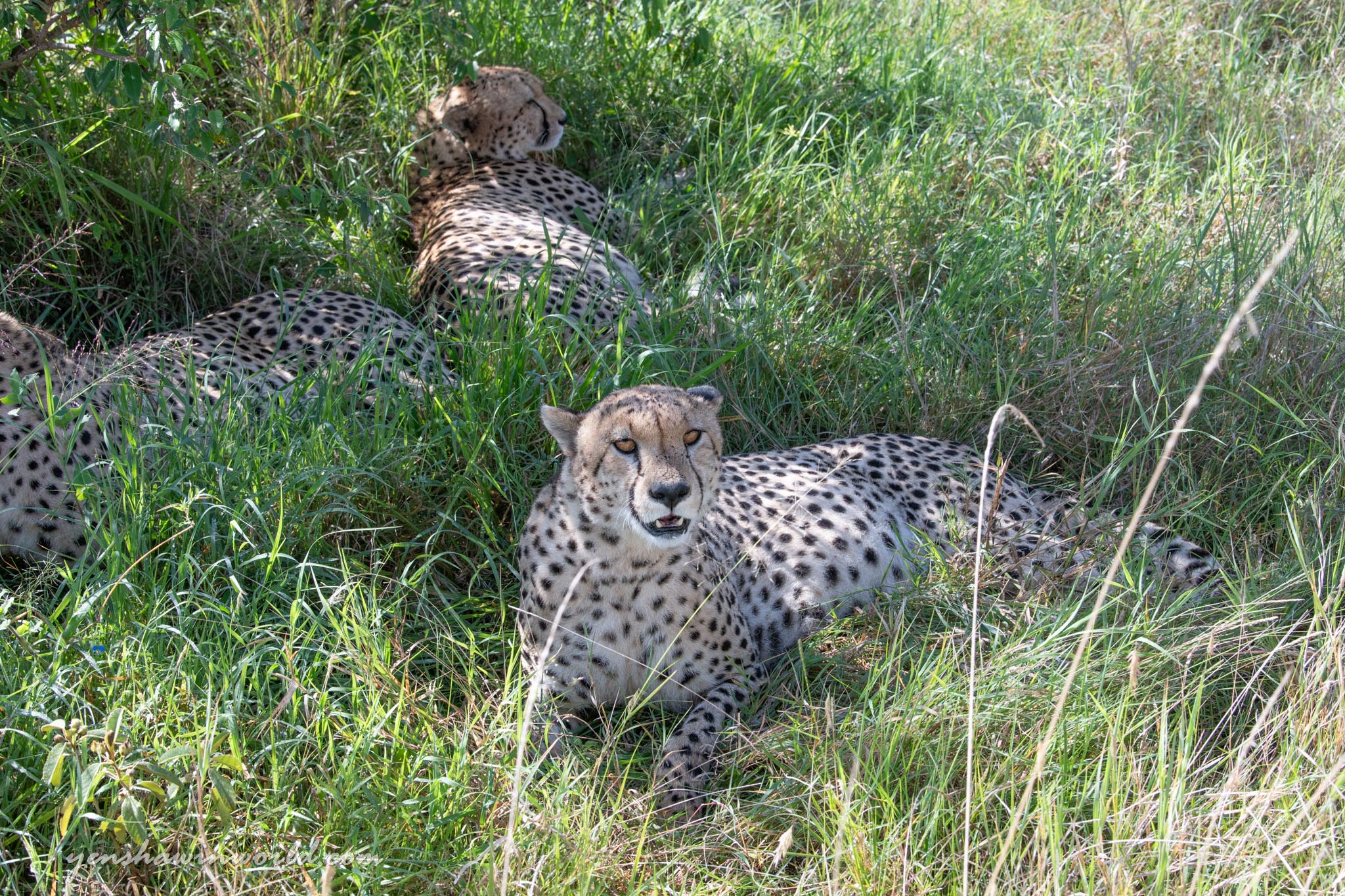
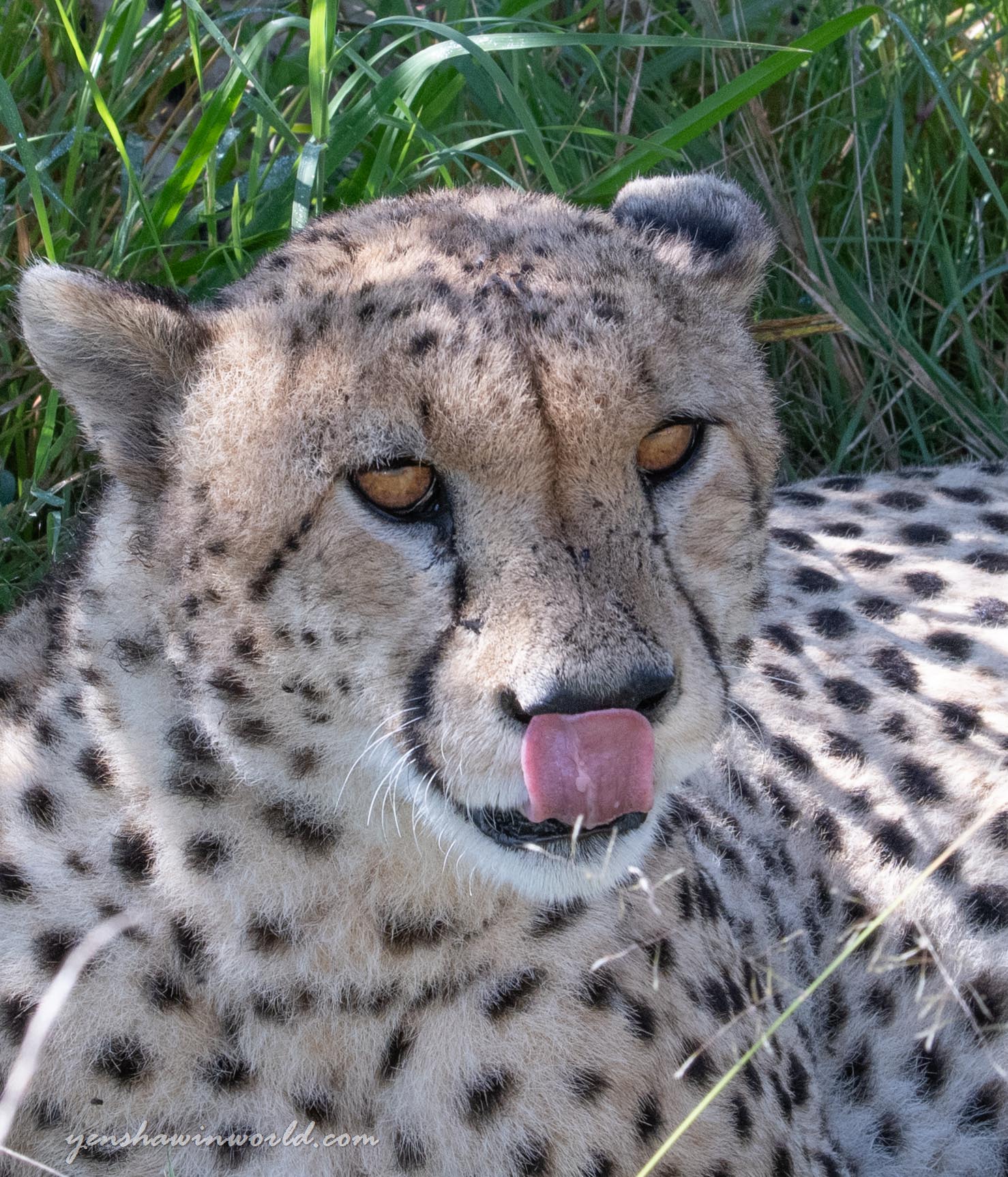
Just like last time, I was able to see the “Magnificent Five” or Tano Bora Cheetah Coalition in action roaming the plains. This time it was already to hot for them so we found them nestled under some bushes just relaxing for the day.
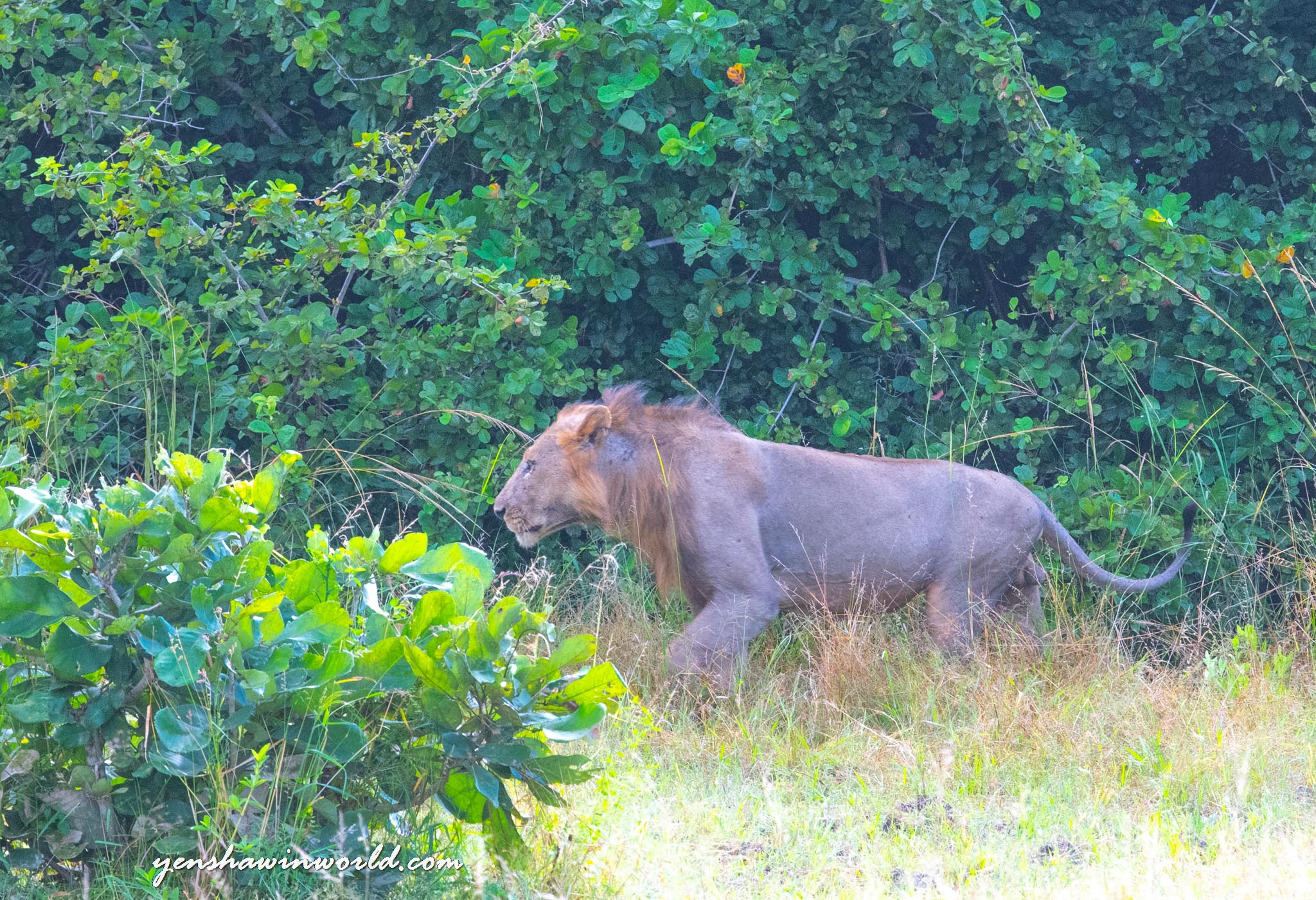
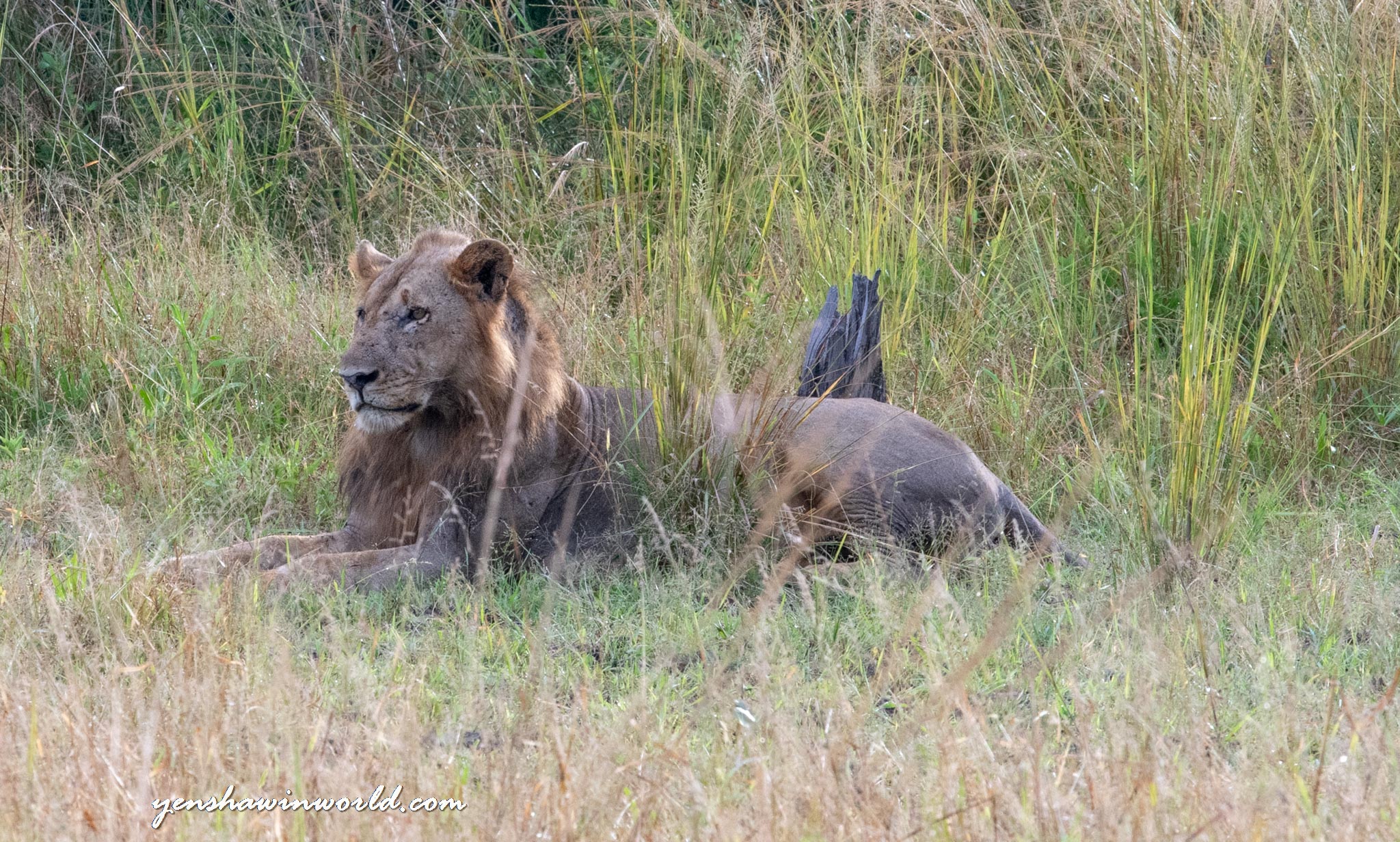
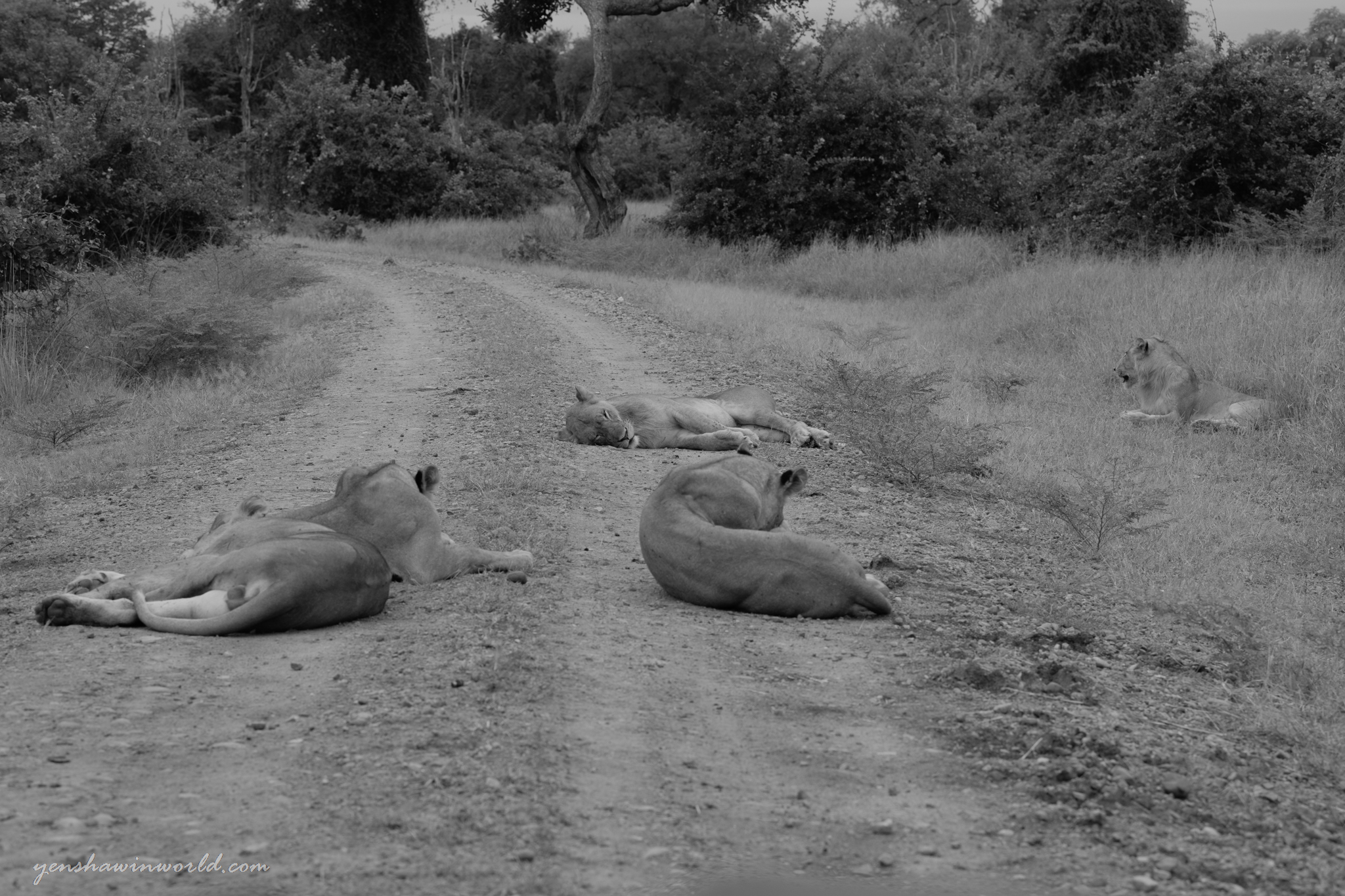
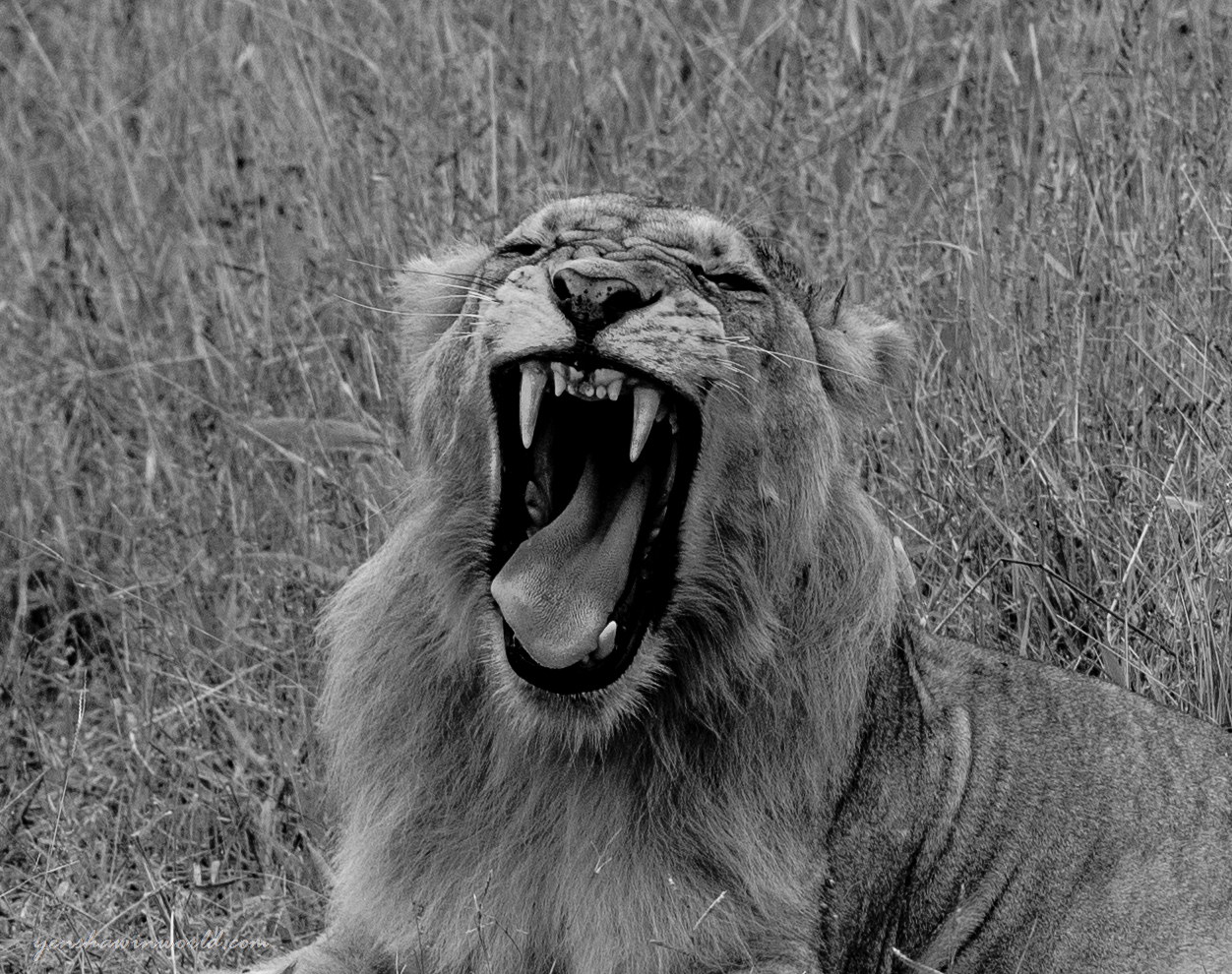
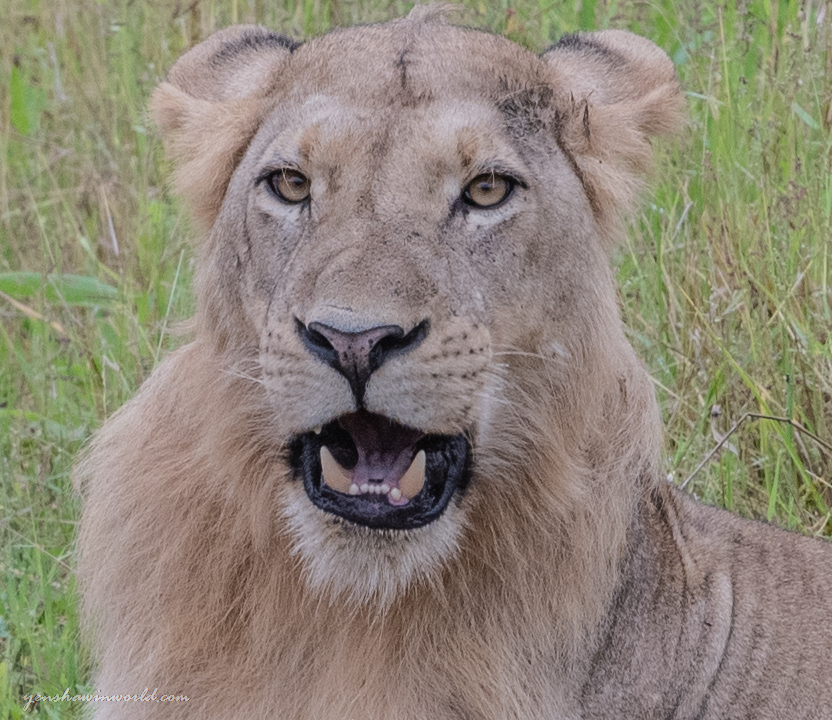
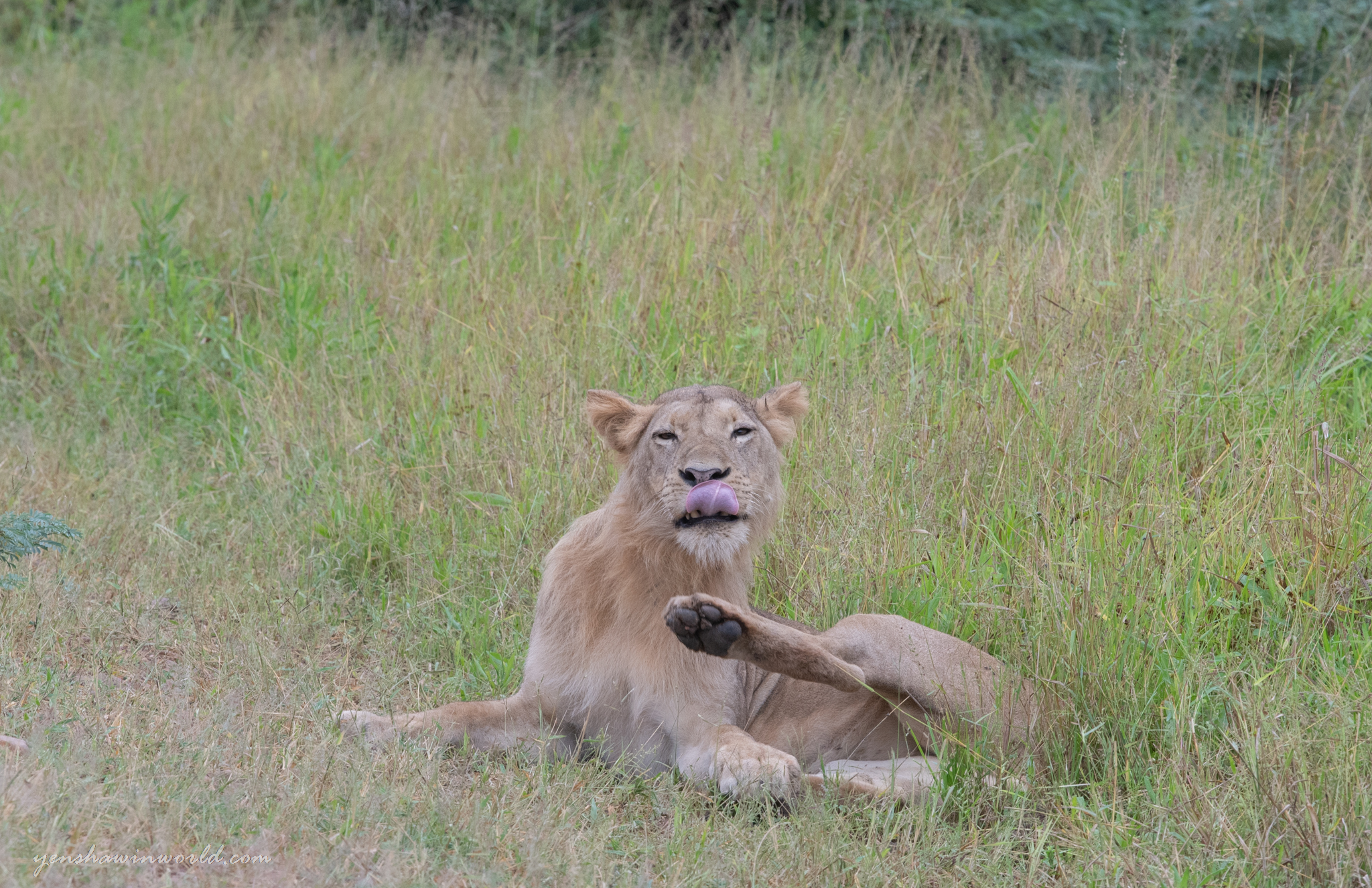
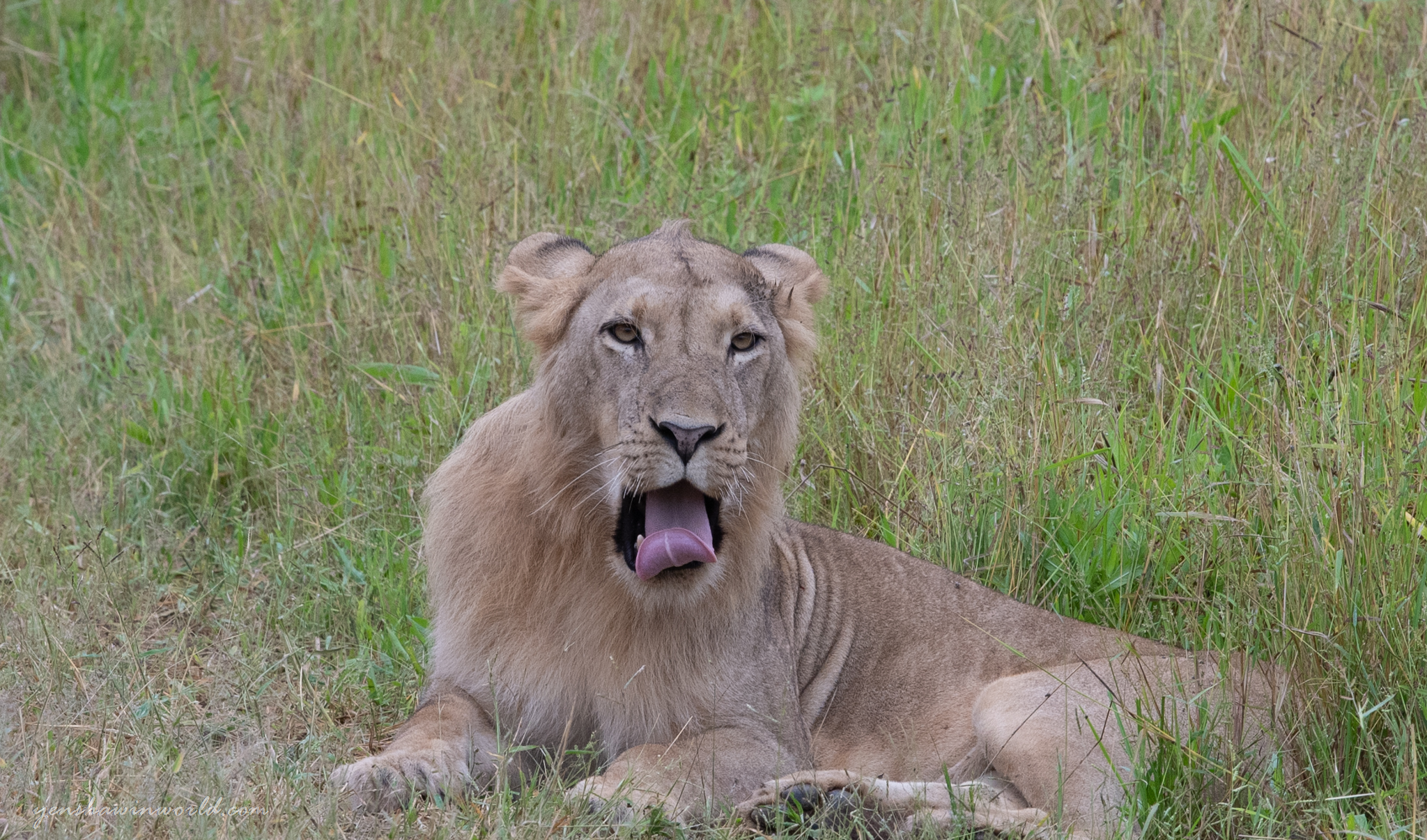
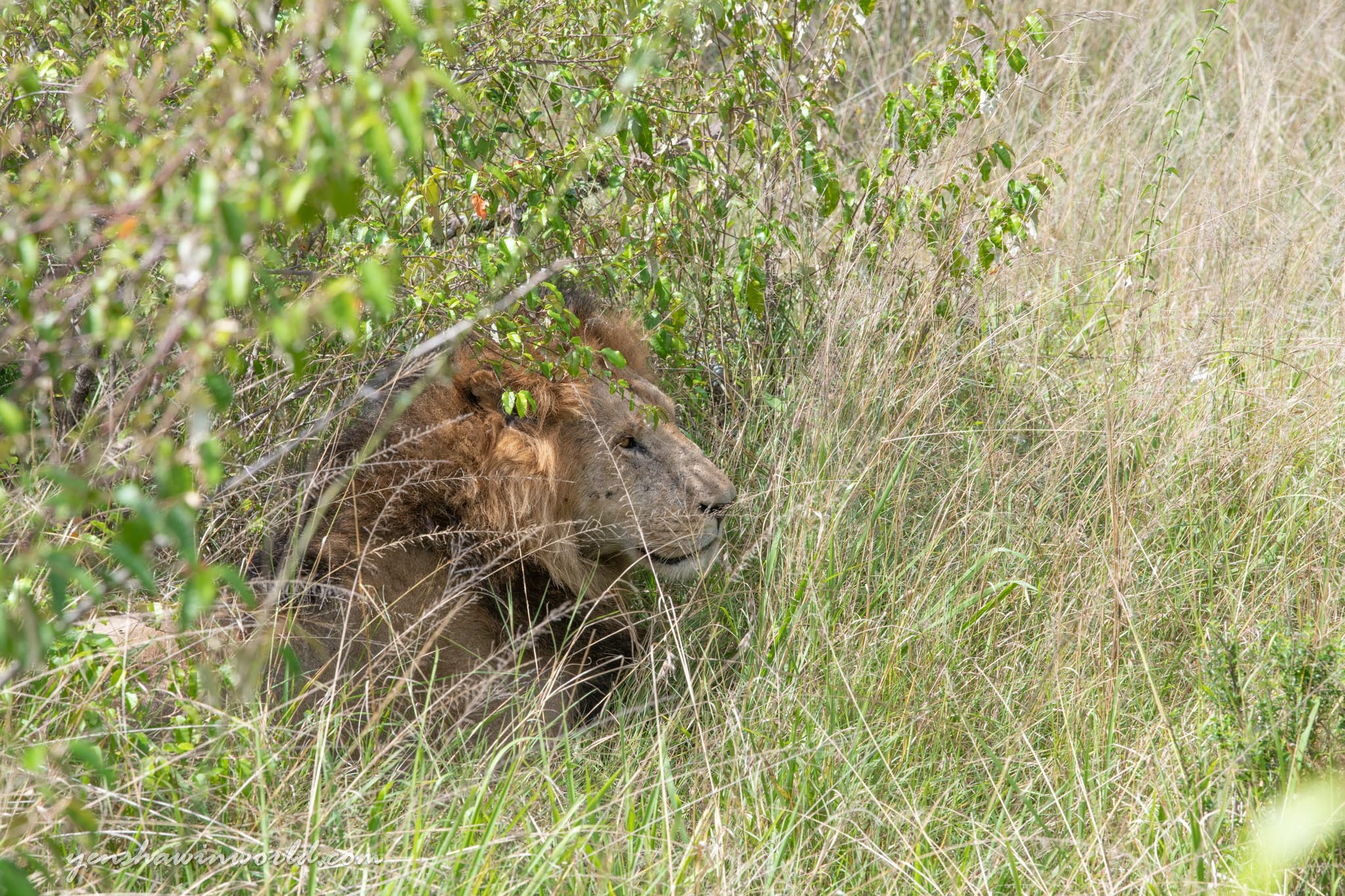
Nearby on a hill we got to see two male lions within a matter of ten minutes from the Cheetahs, also relaxing in the bushes while the hot sun was out.
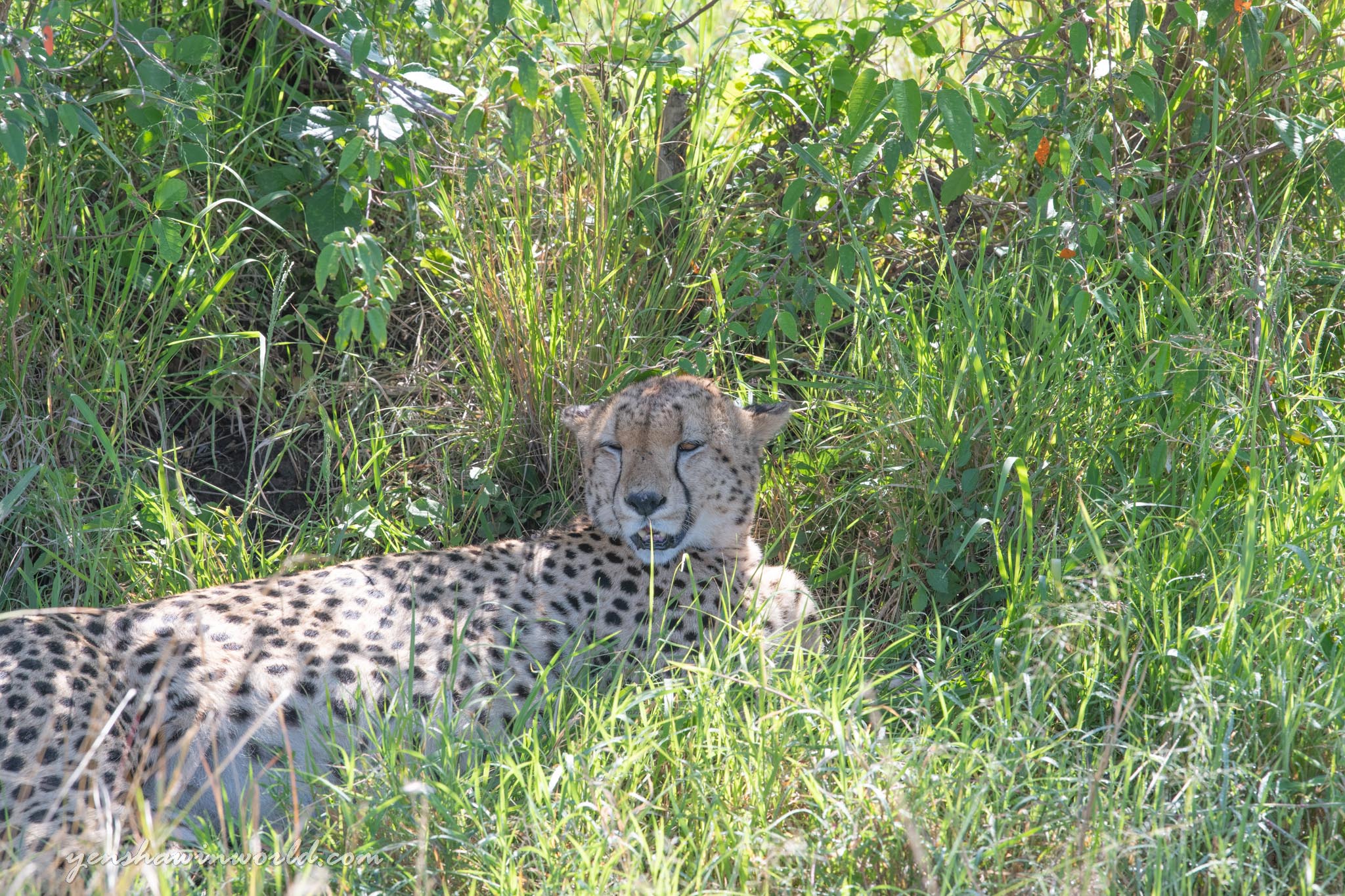
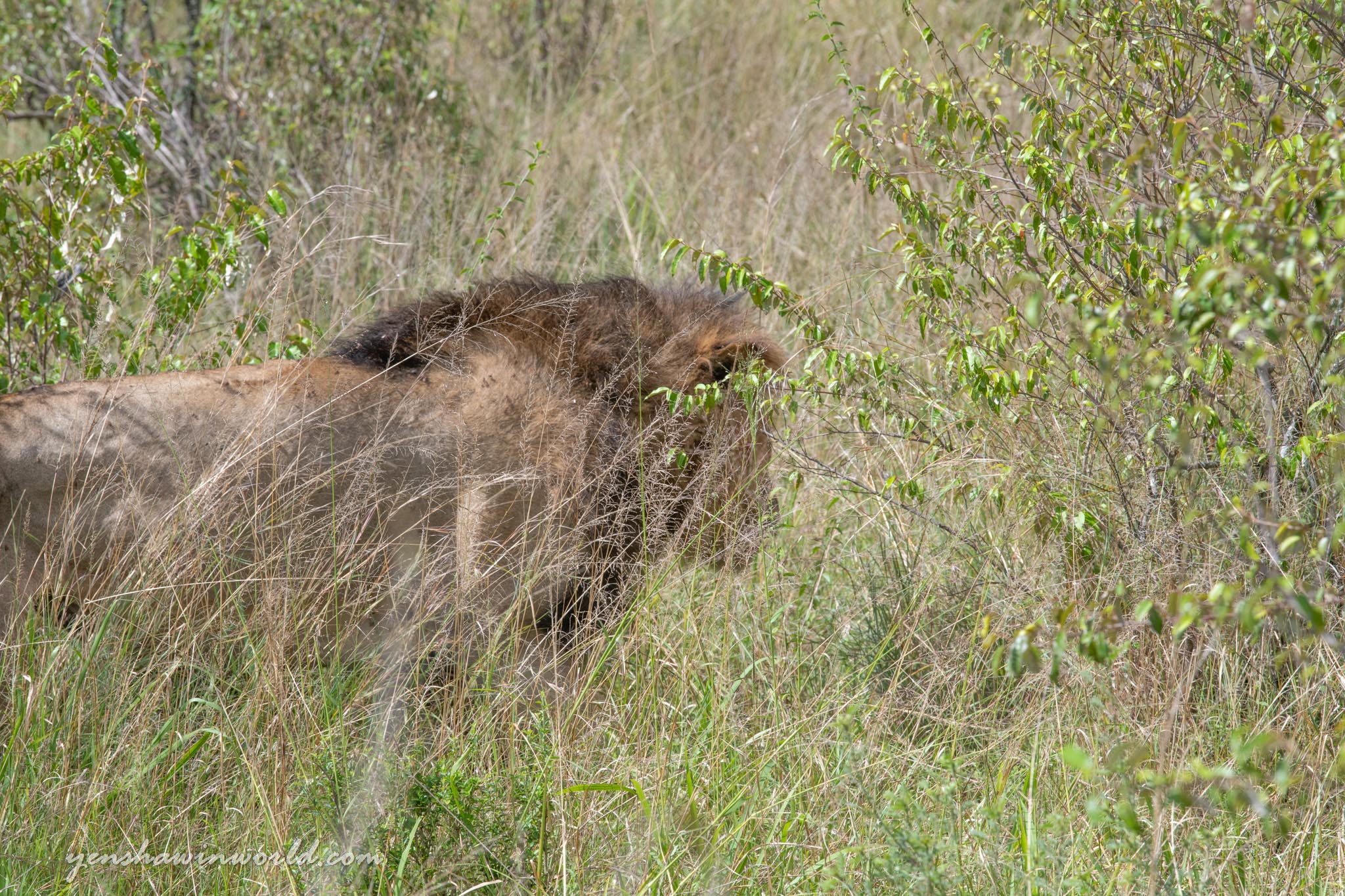
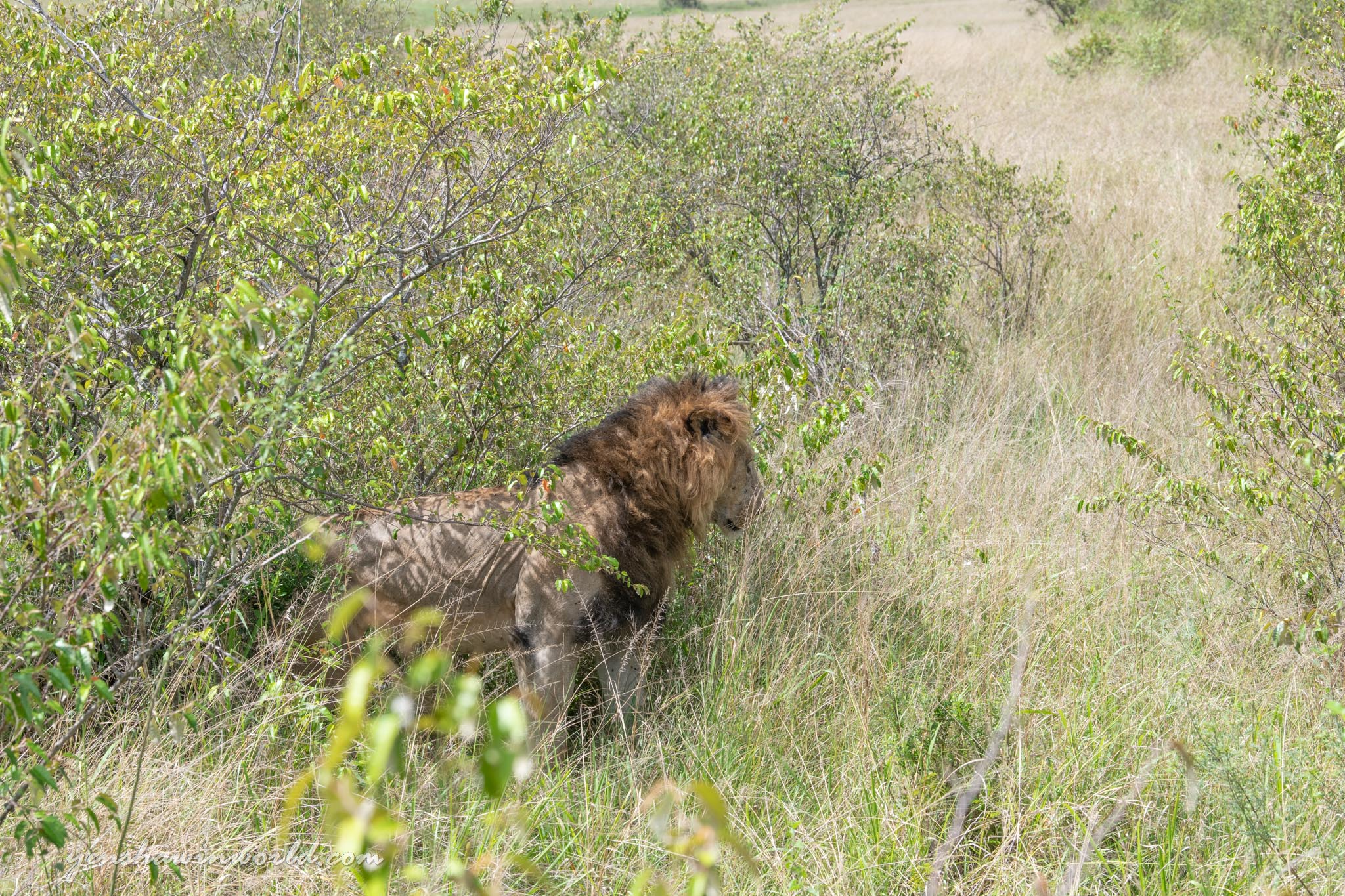
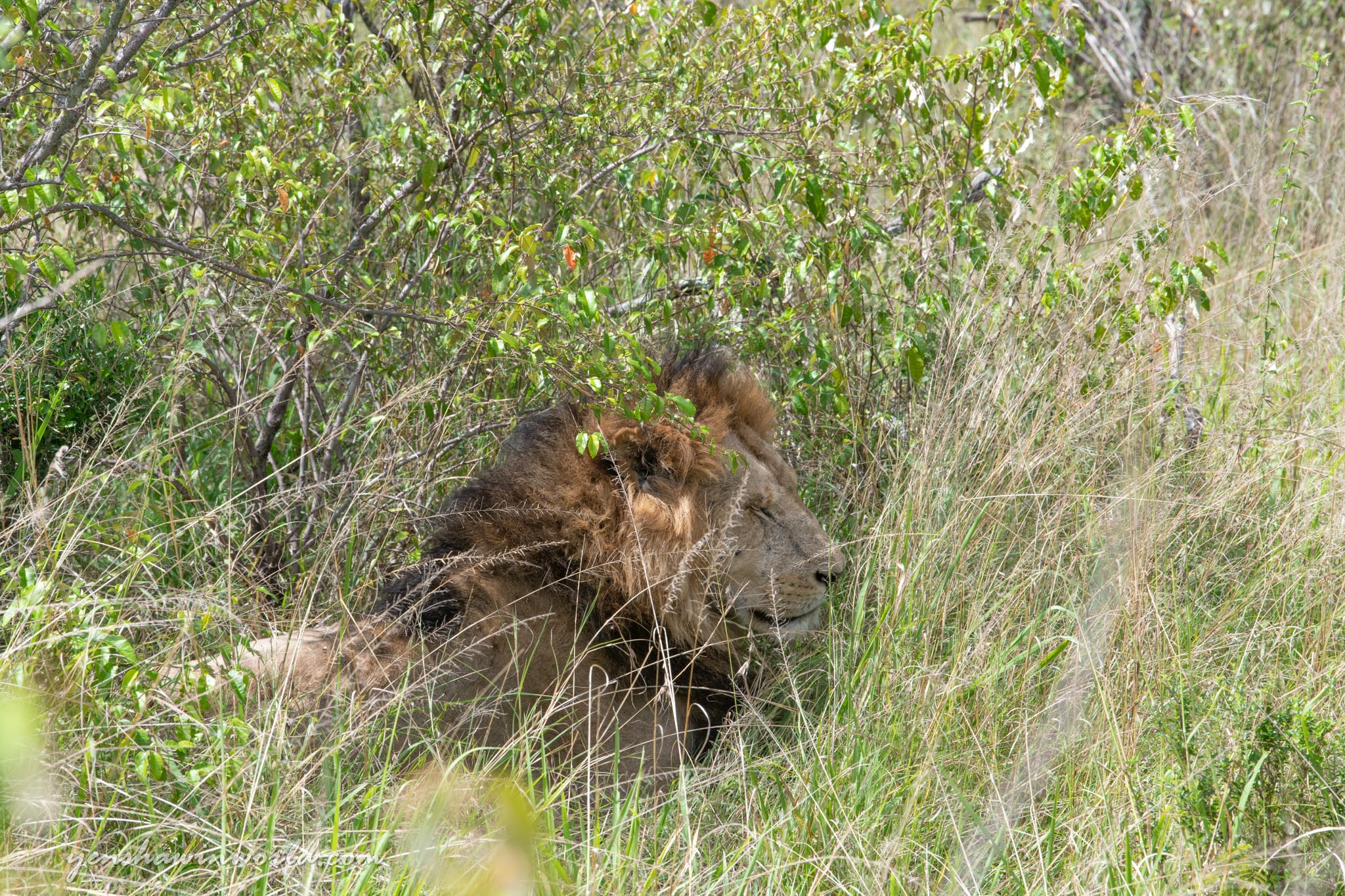
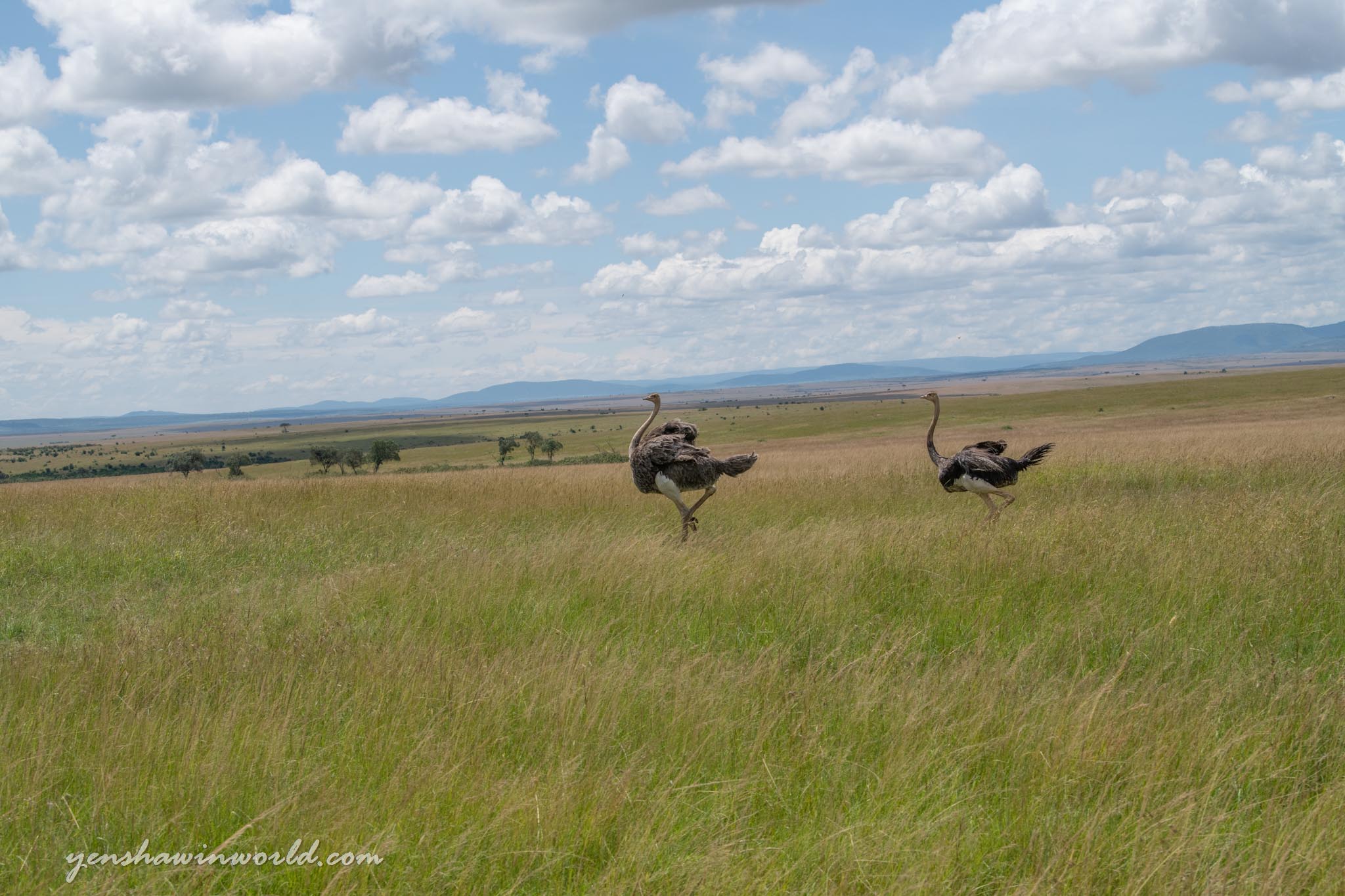
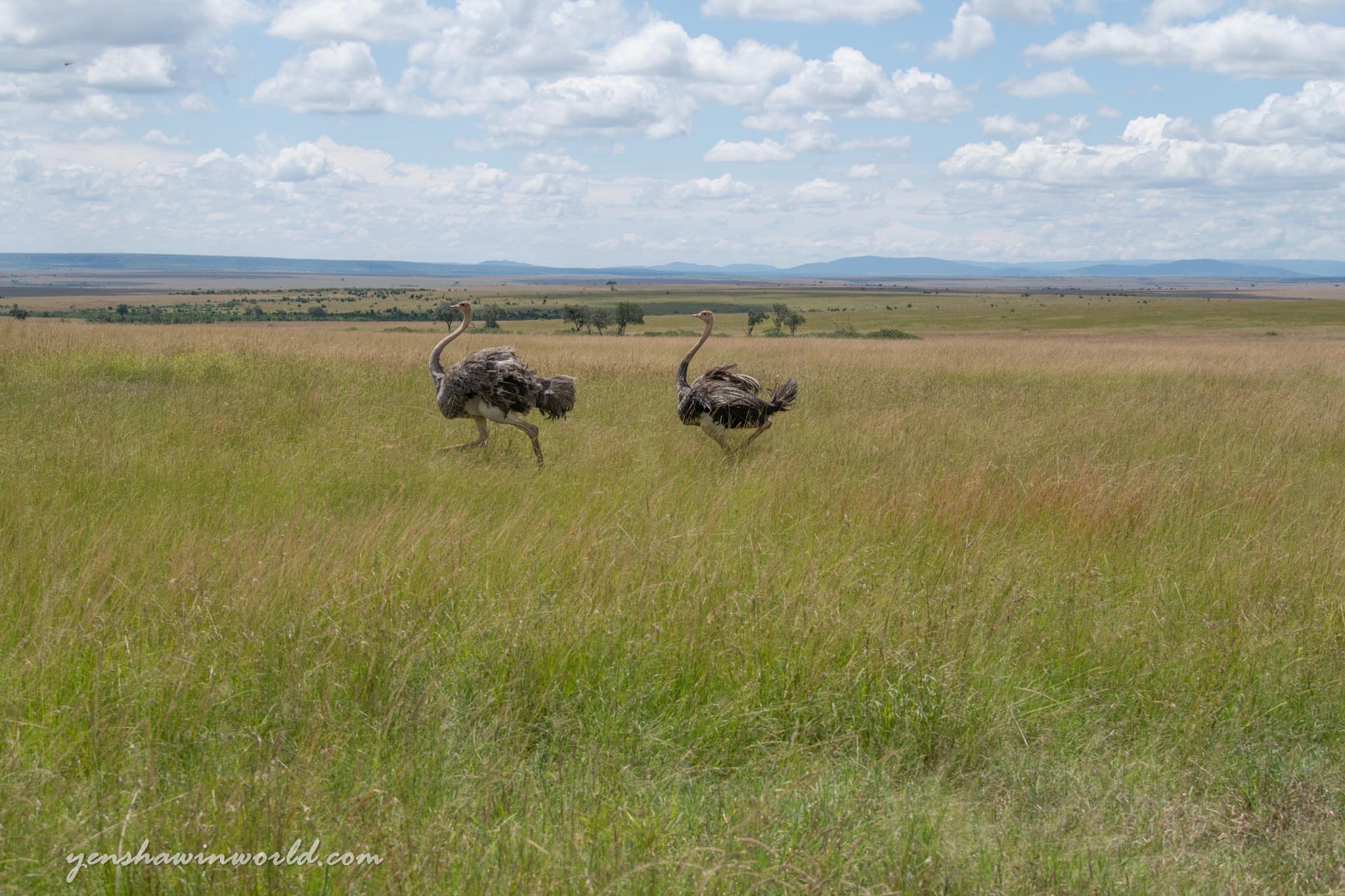
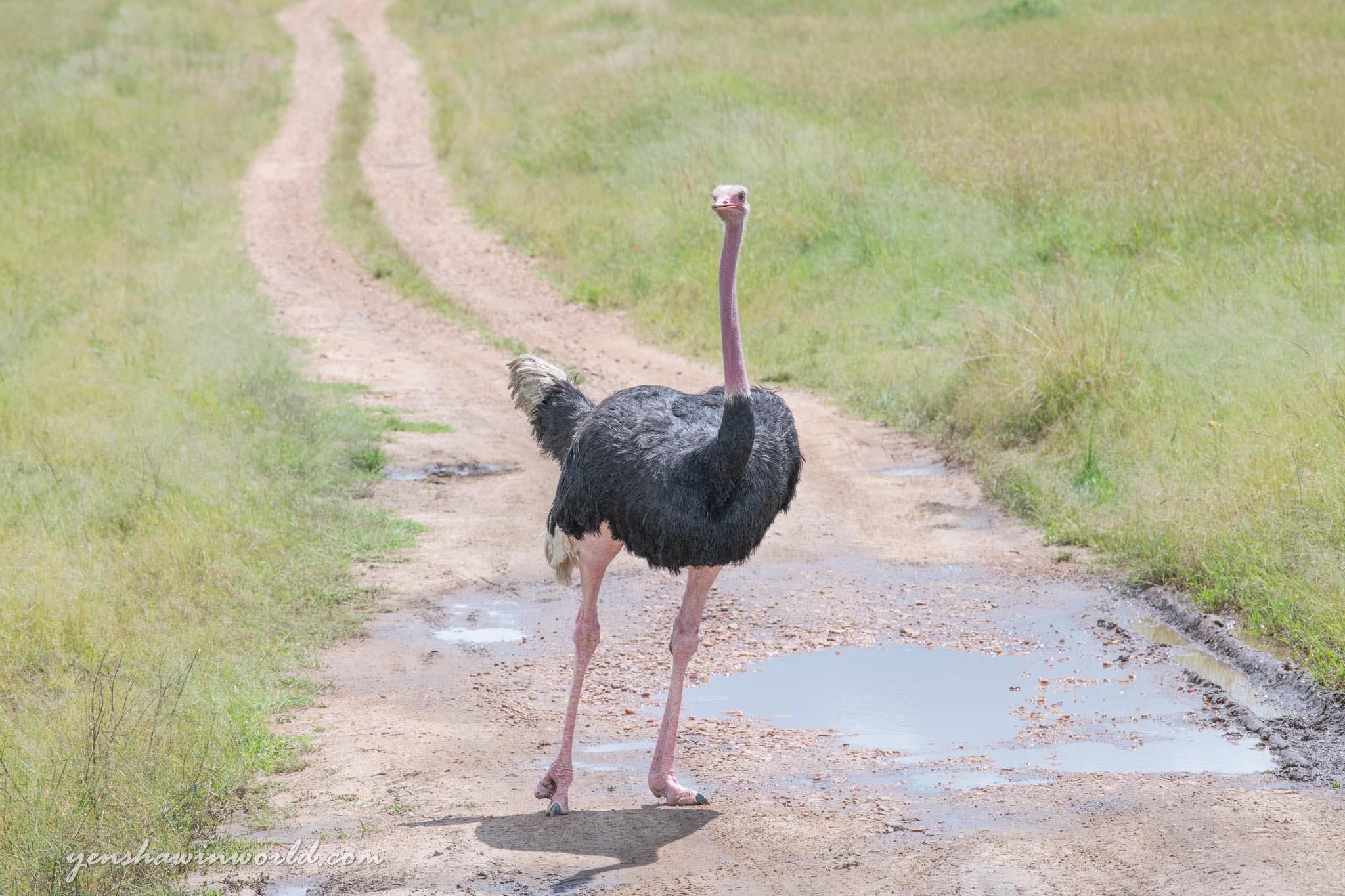
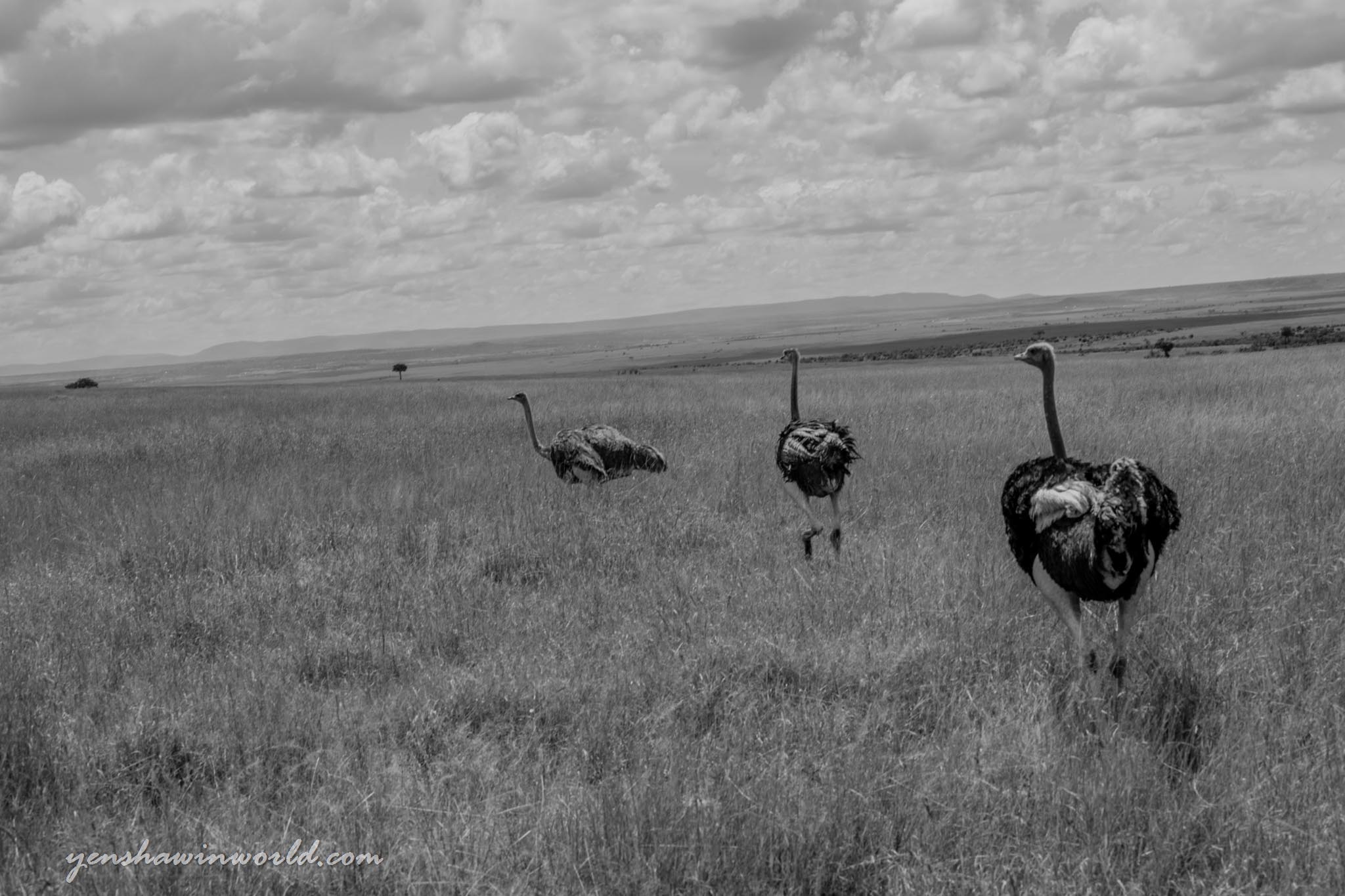
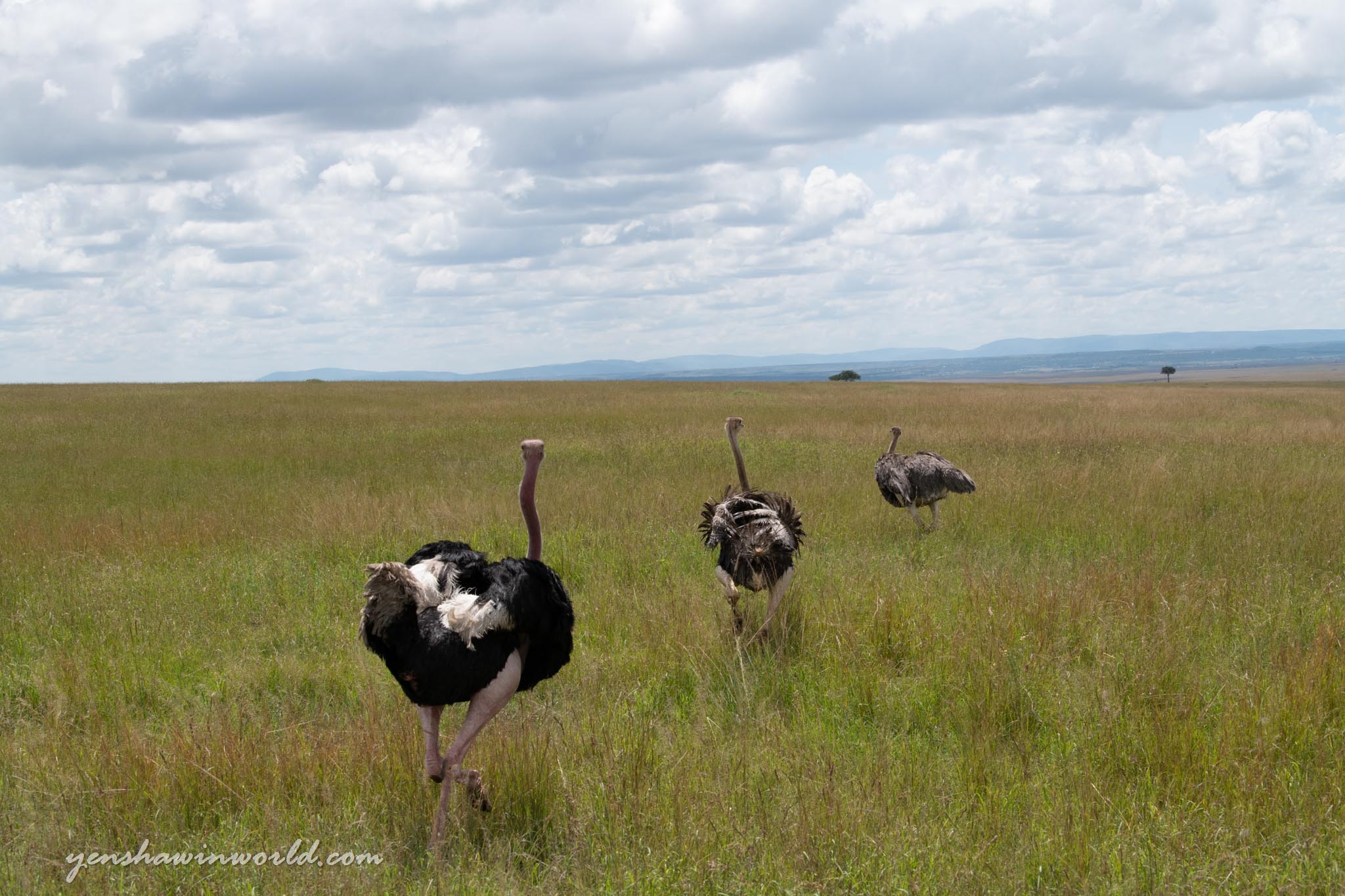
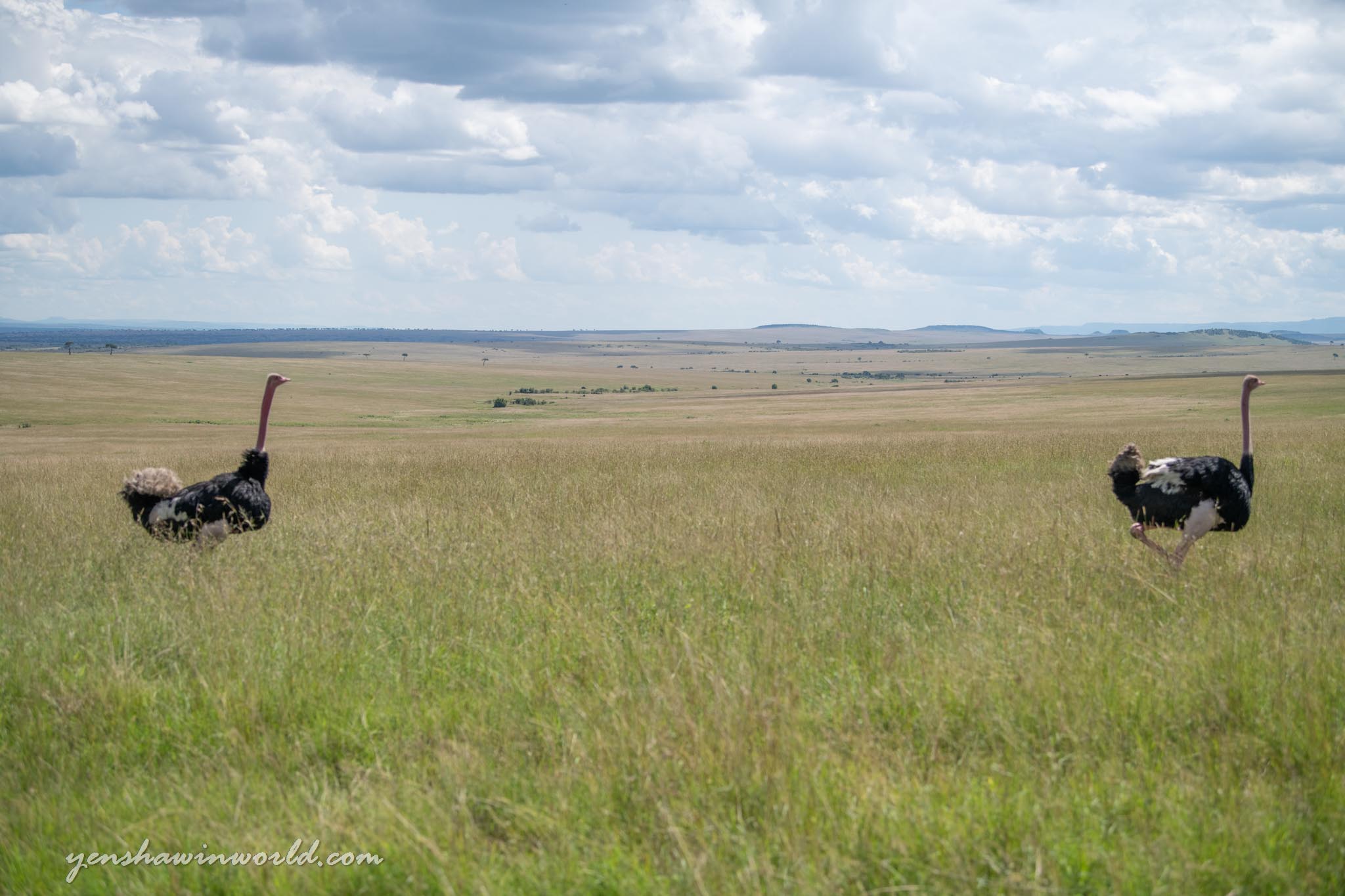
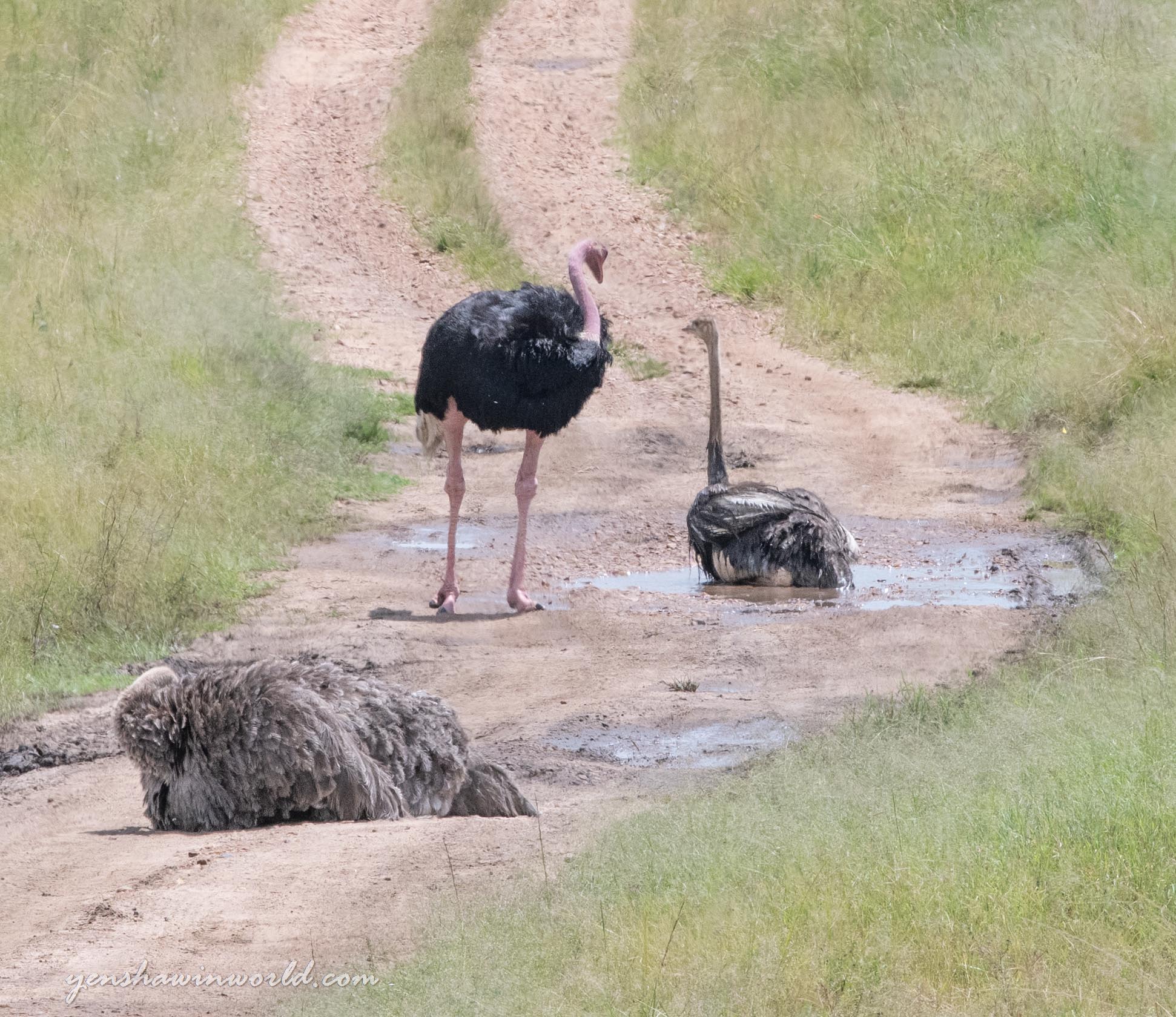
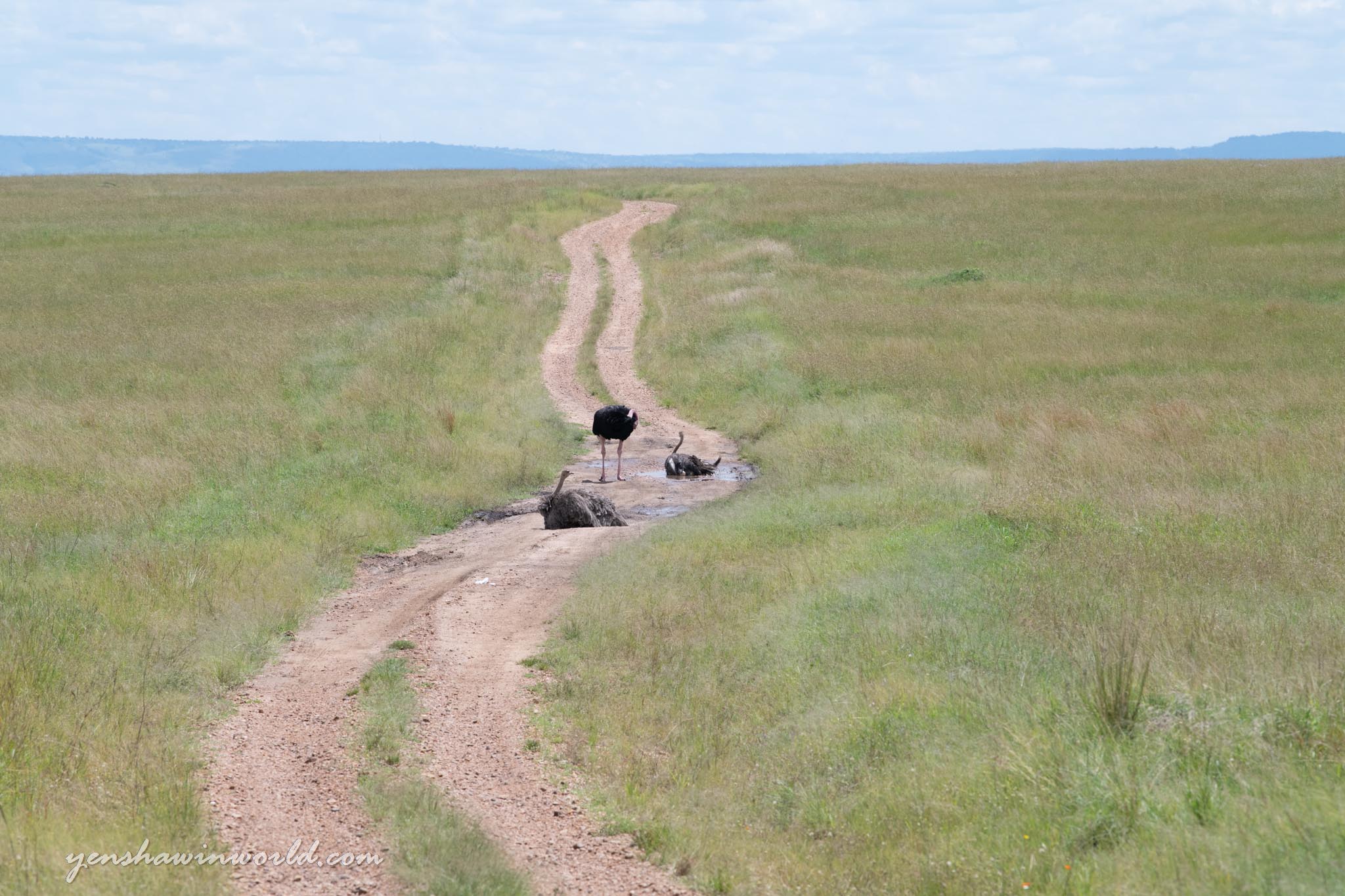
The Ostrich population there is quite plentiful and sometimes you can see them playing in the water or running about the grasslands. They however are not as flighty as the Somali Ostrich in Samburu

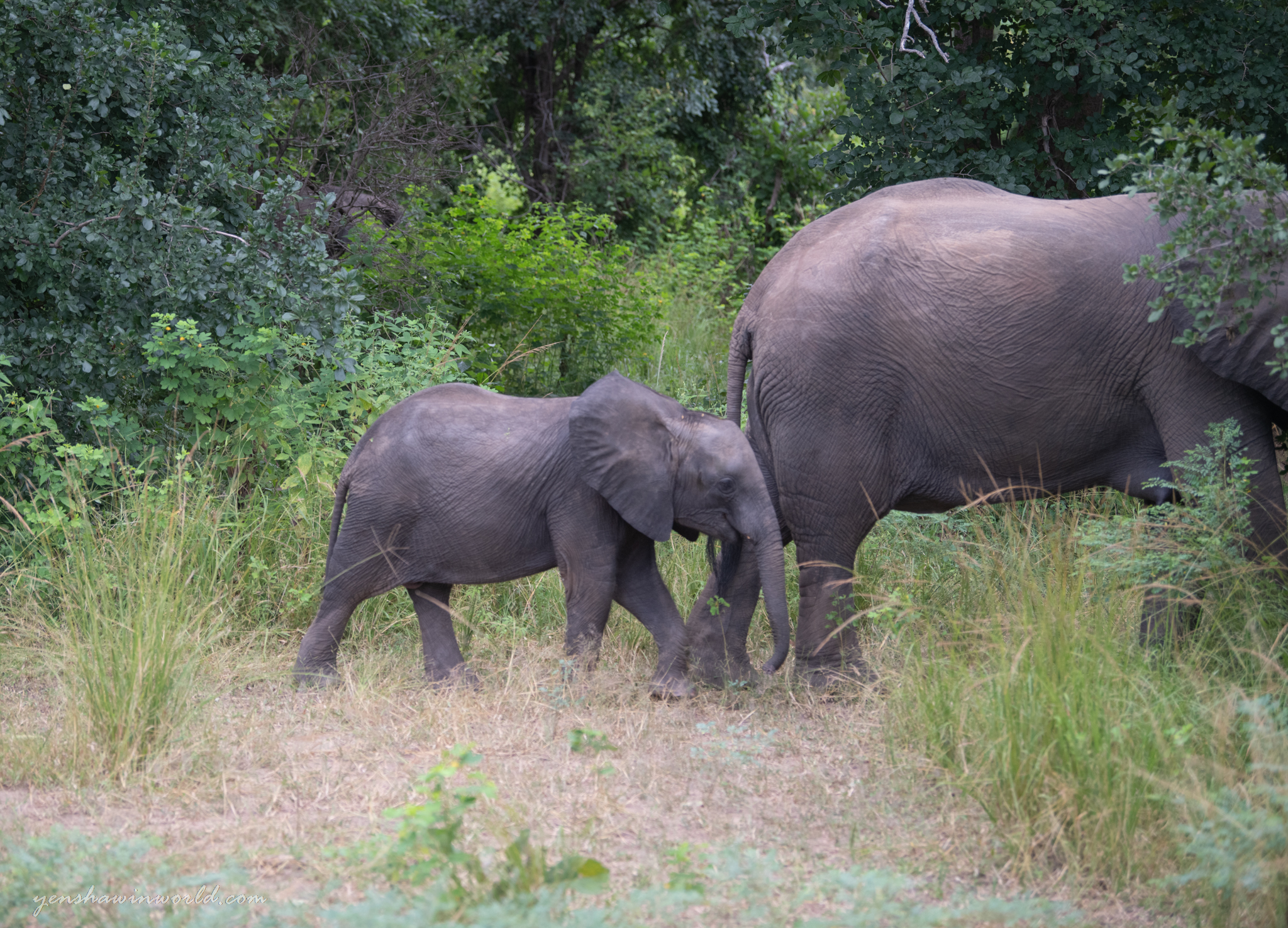
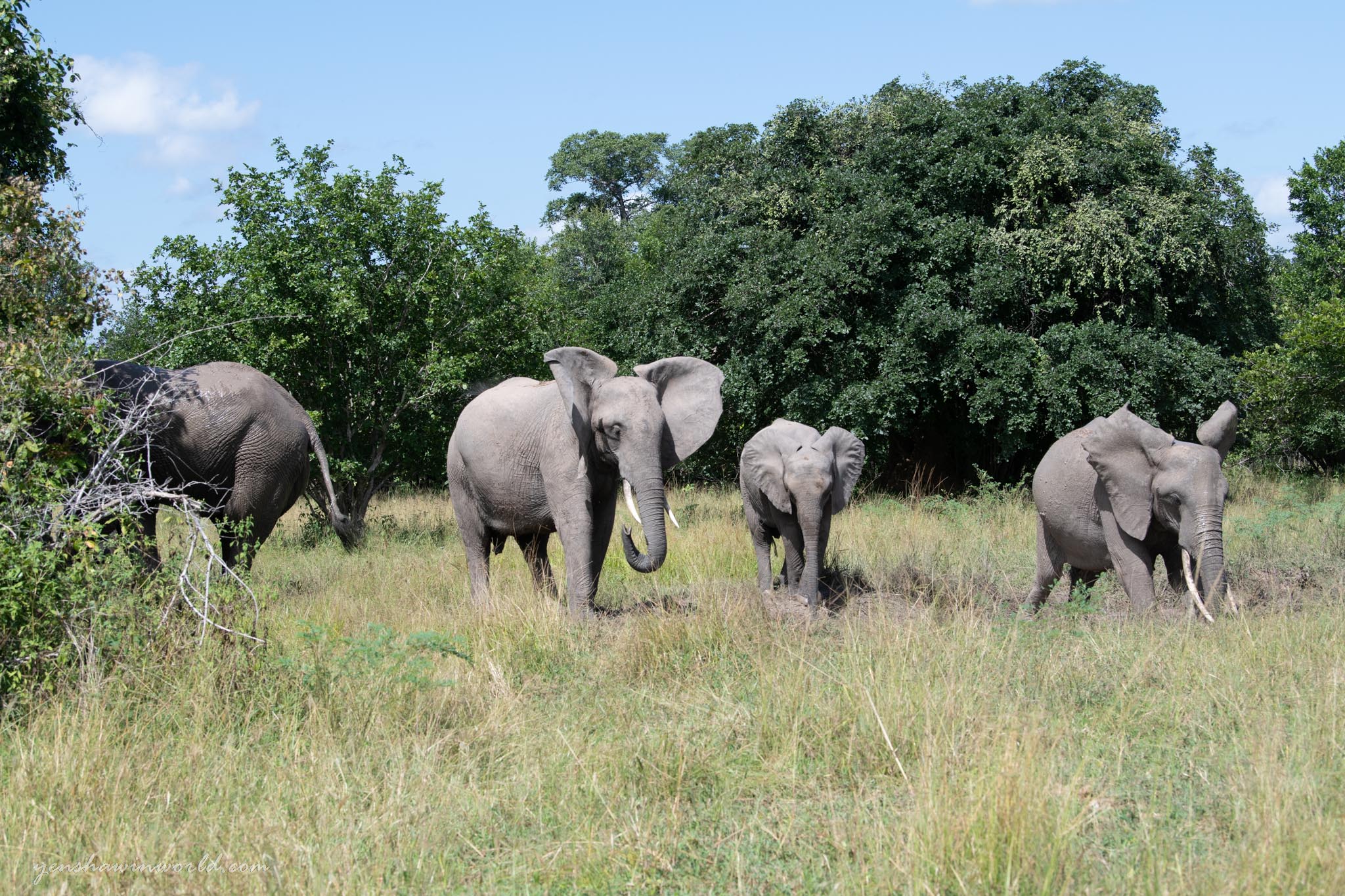
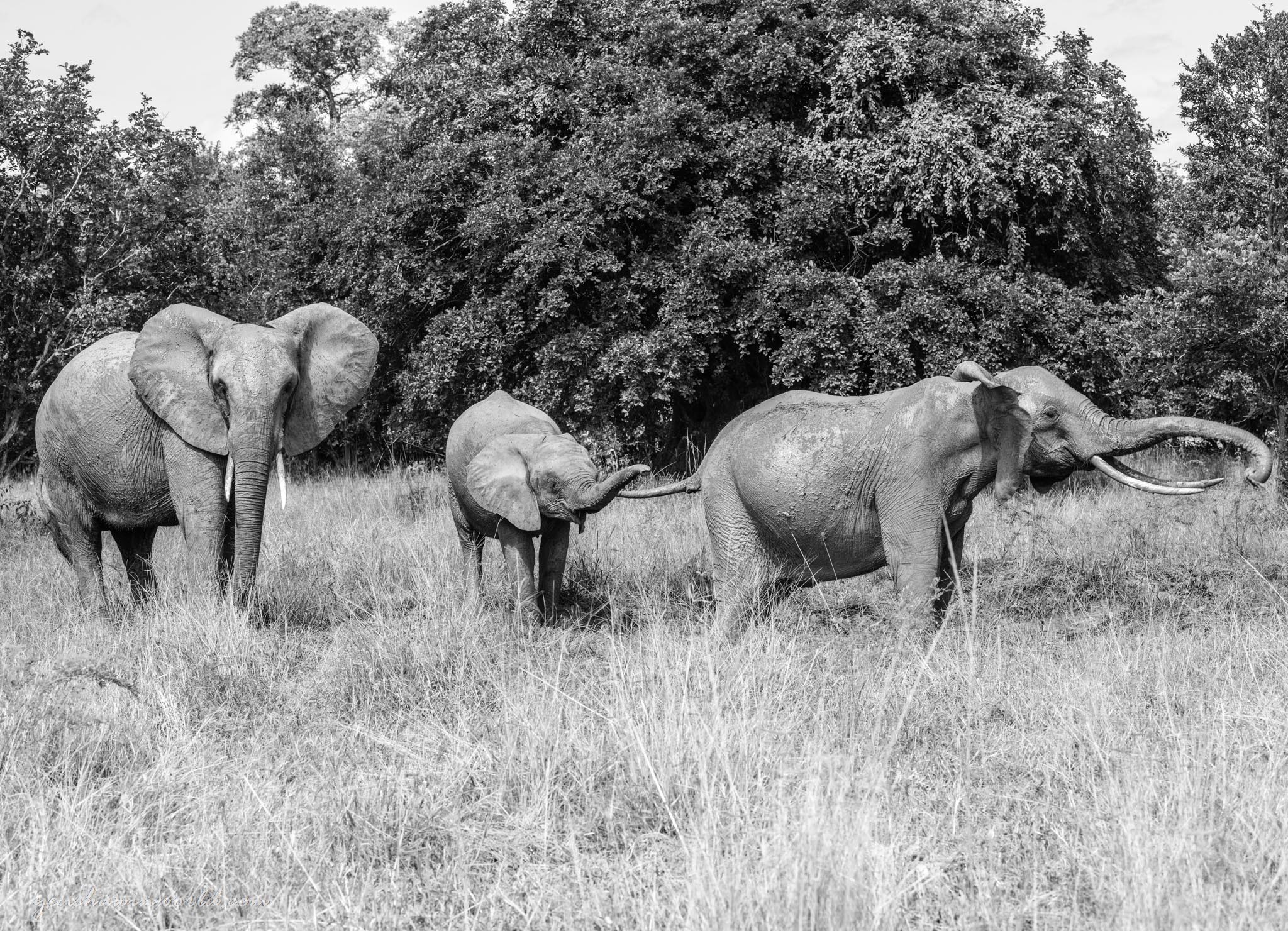
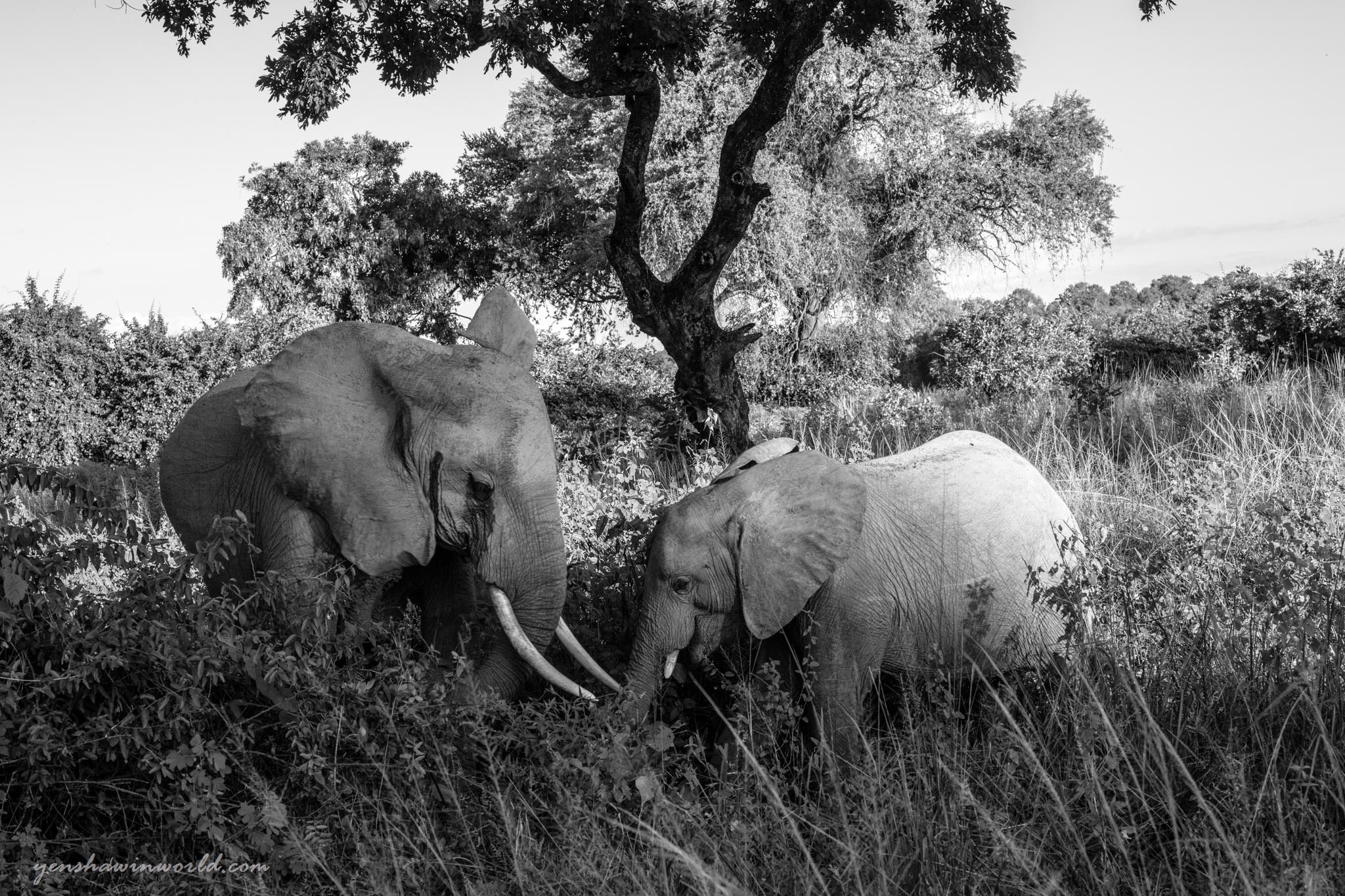
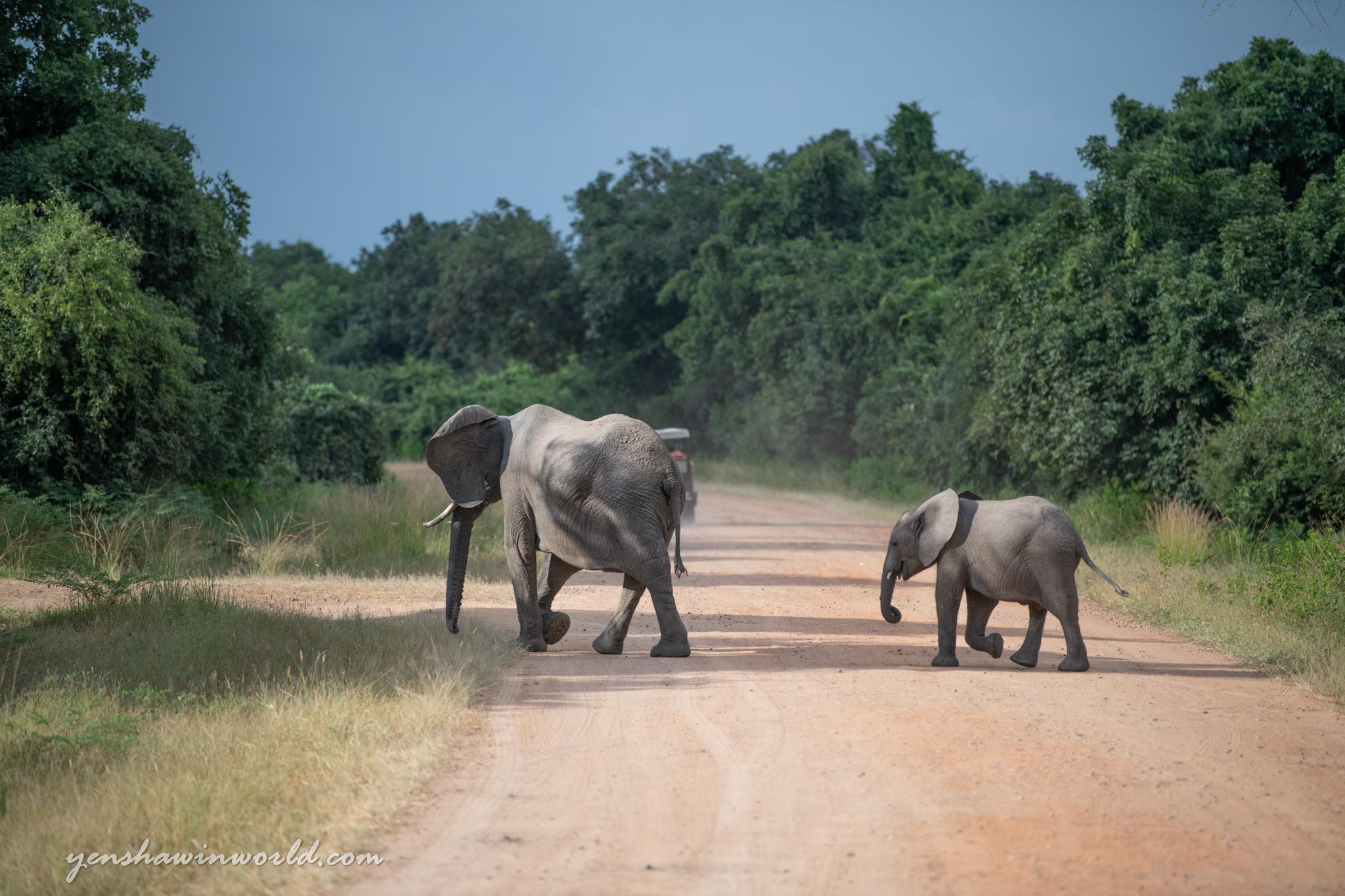
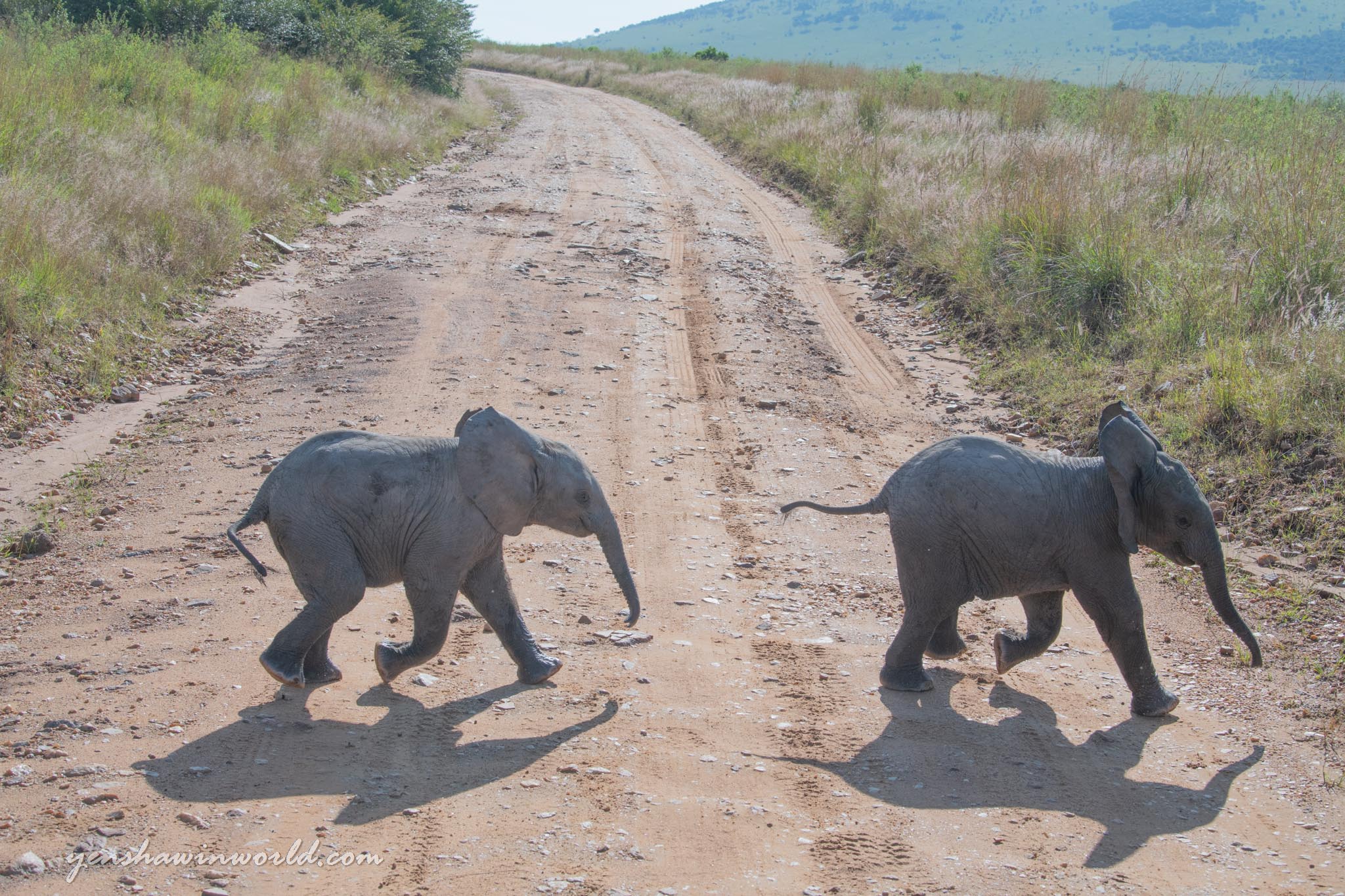
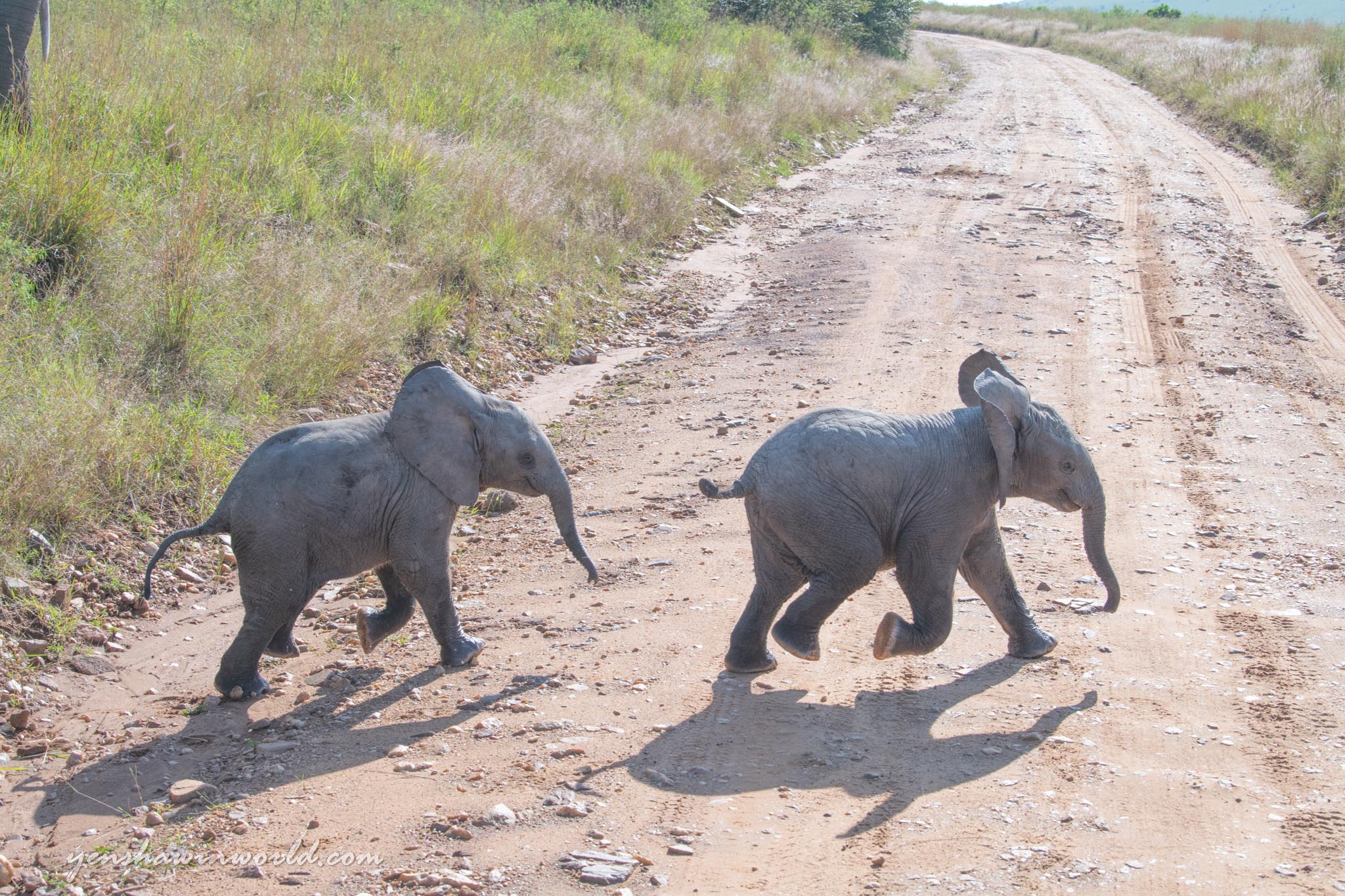
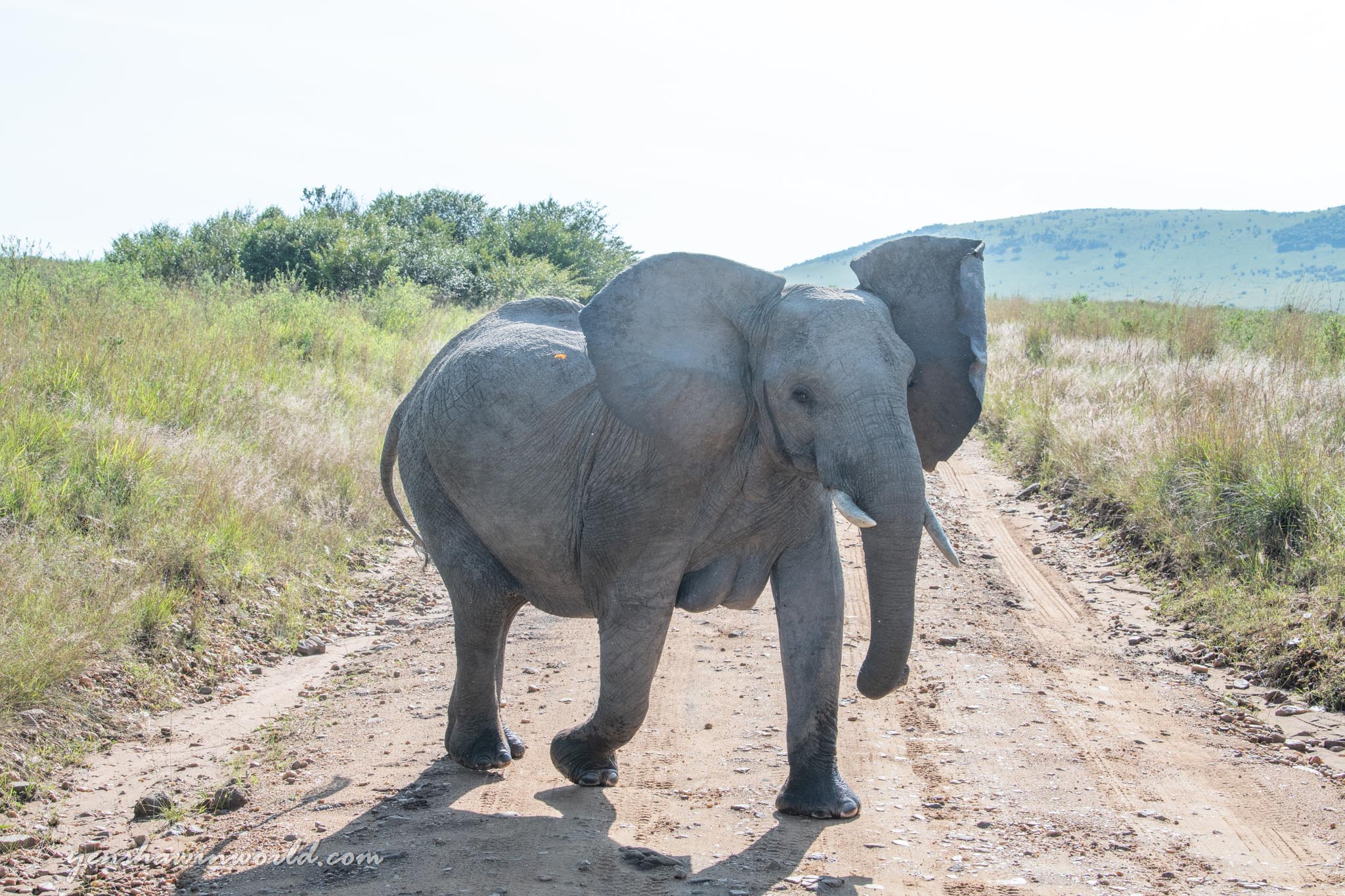
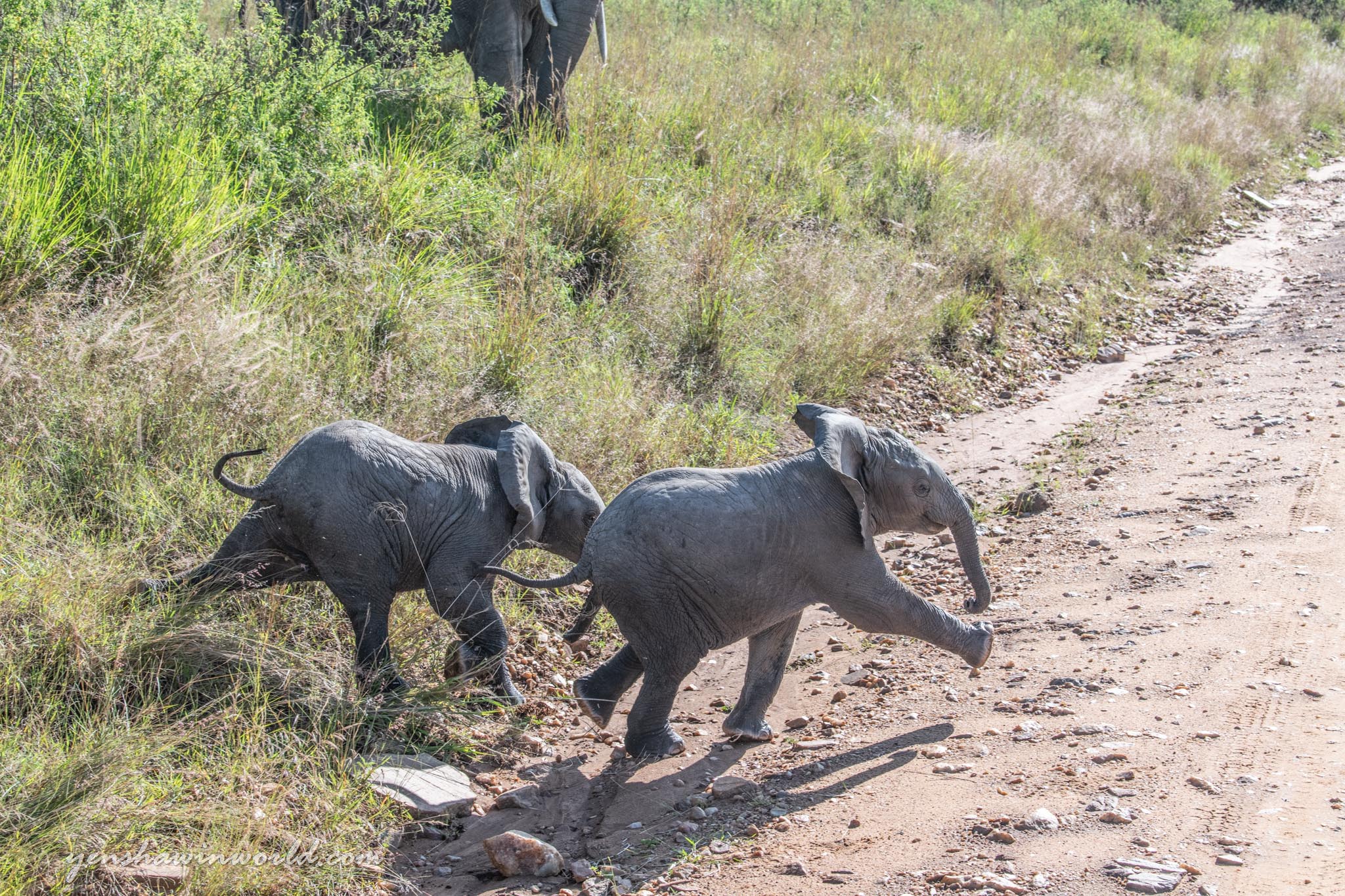
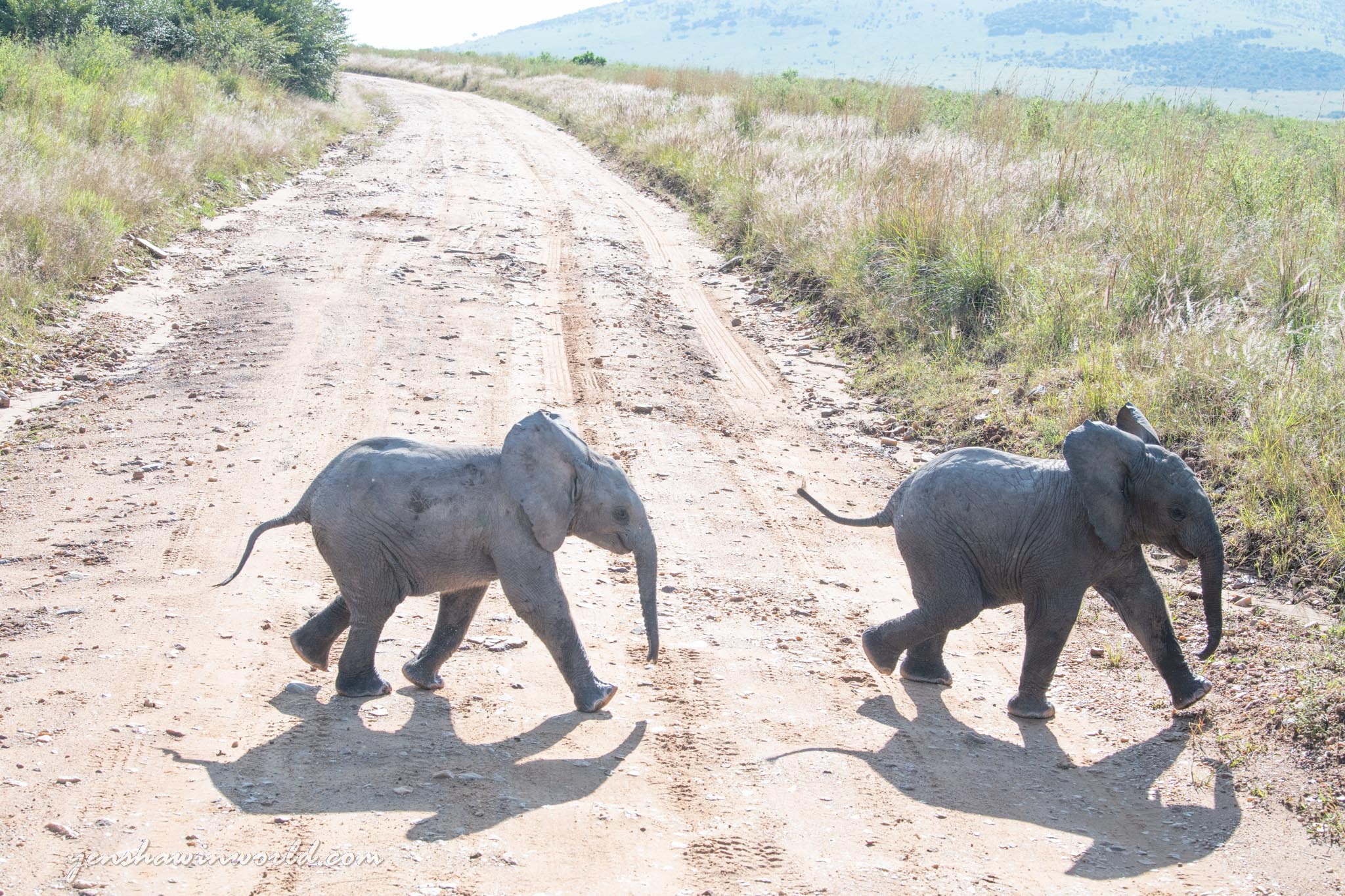
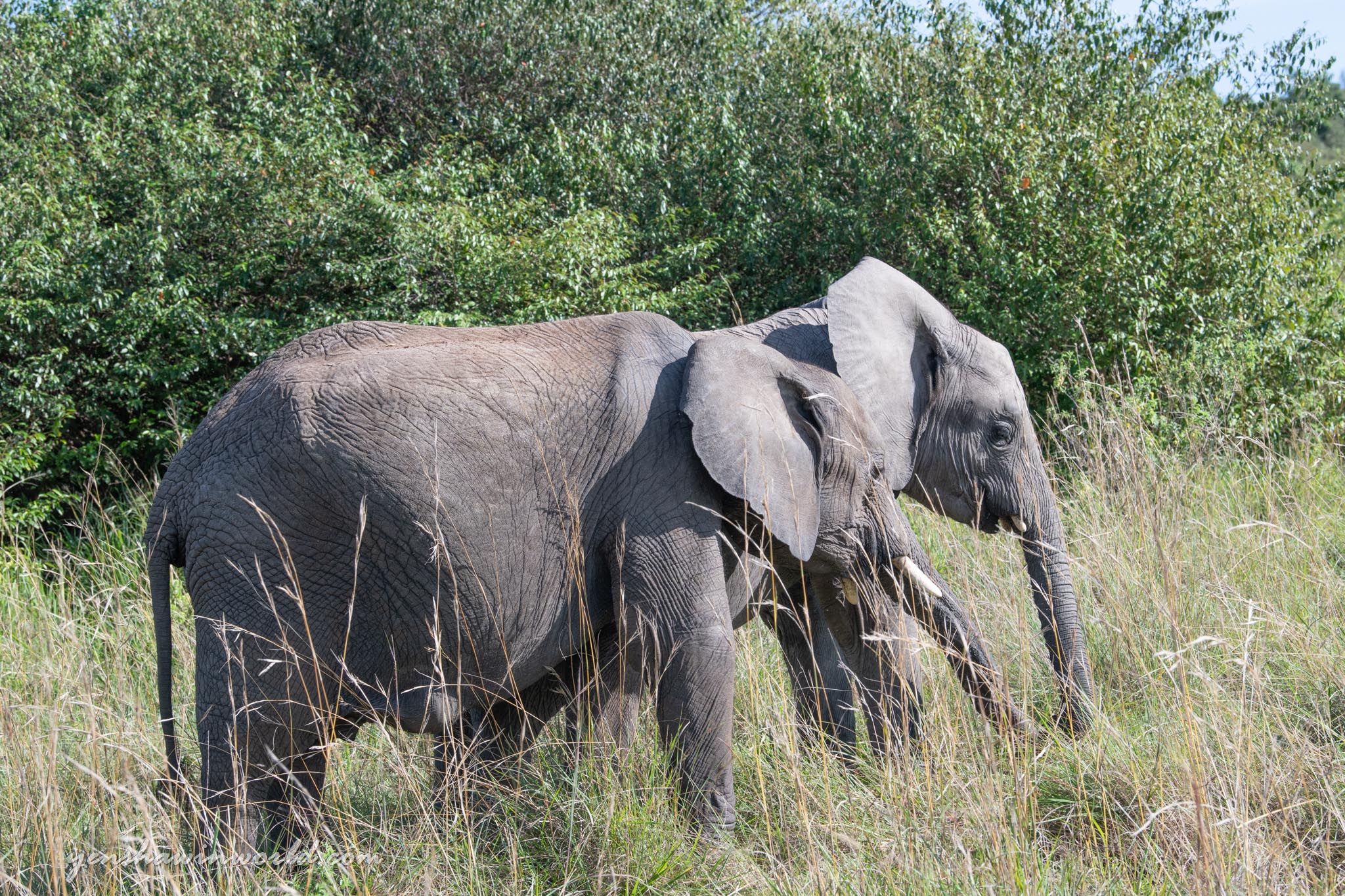
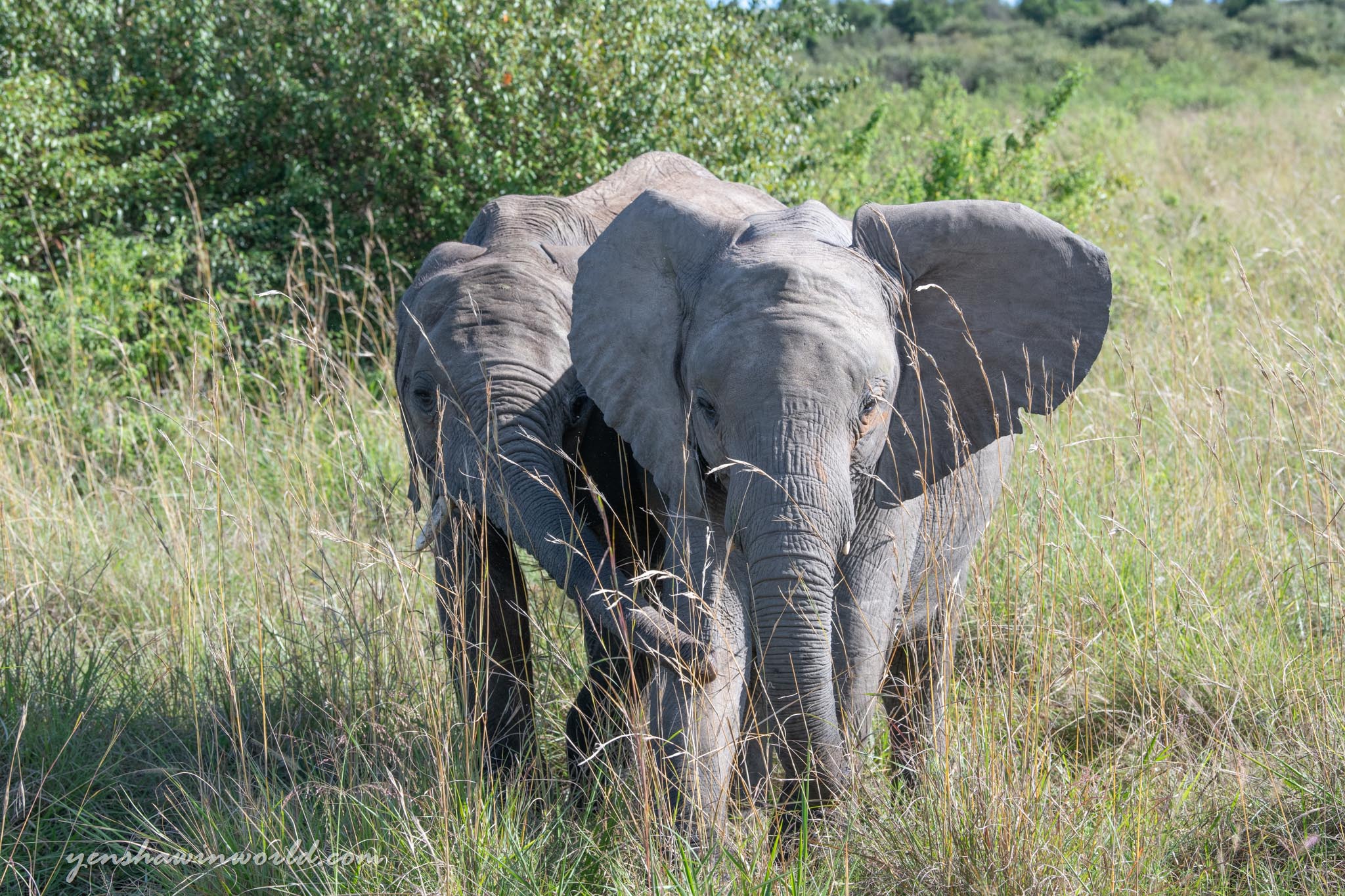
It was nice to see so many elephants in Mara out, especially two little babies that were playing around with the mom, running rapidly across the road. It is rare to see the babies so far behind the mom when anything is around, but I guess there was strength in numbers as there were a few other big elephants around.

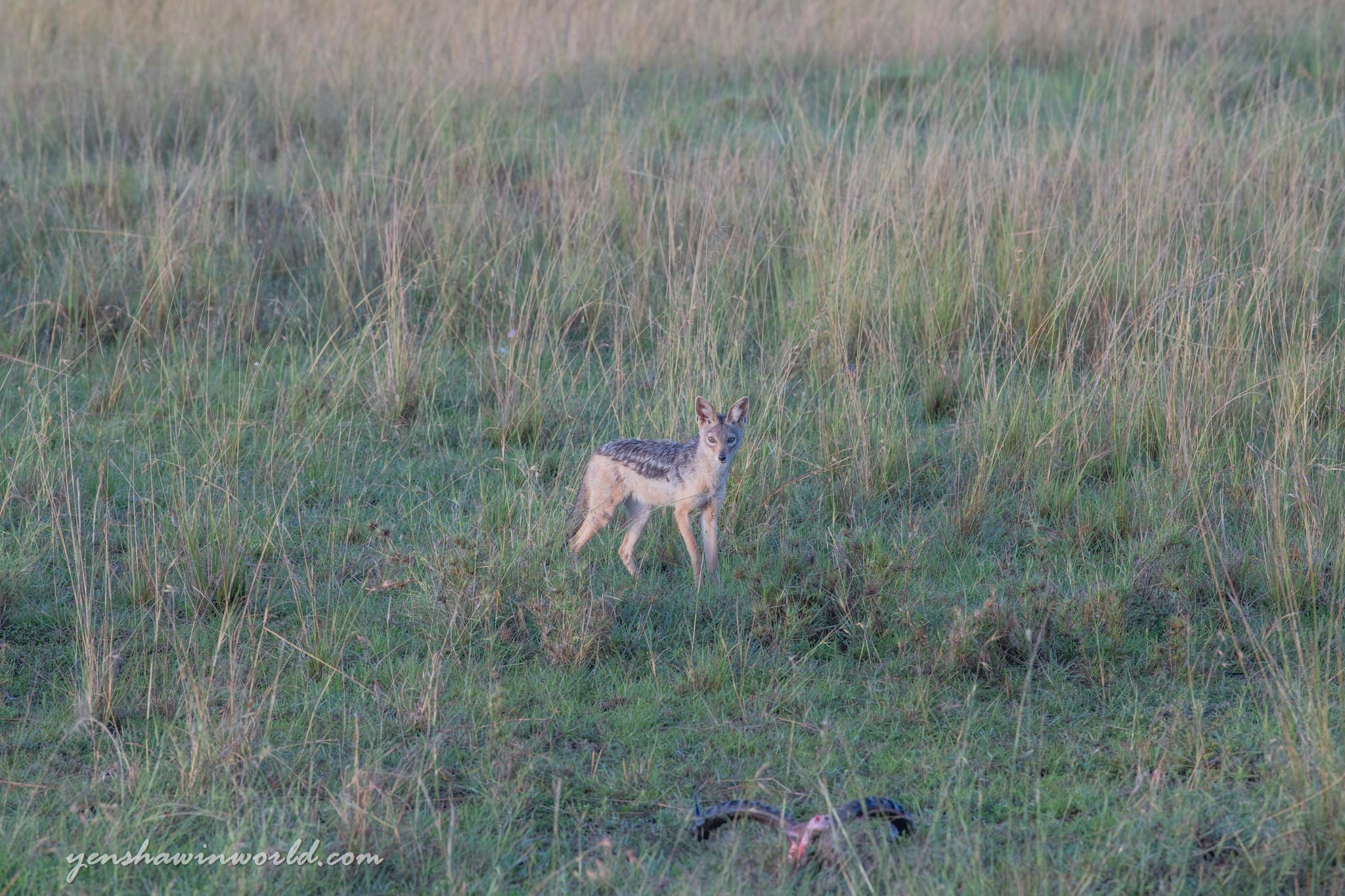
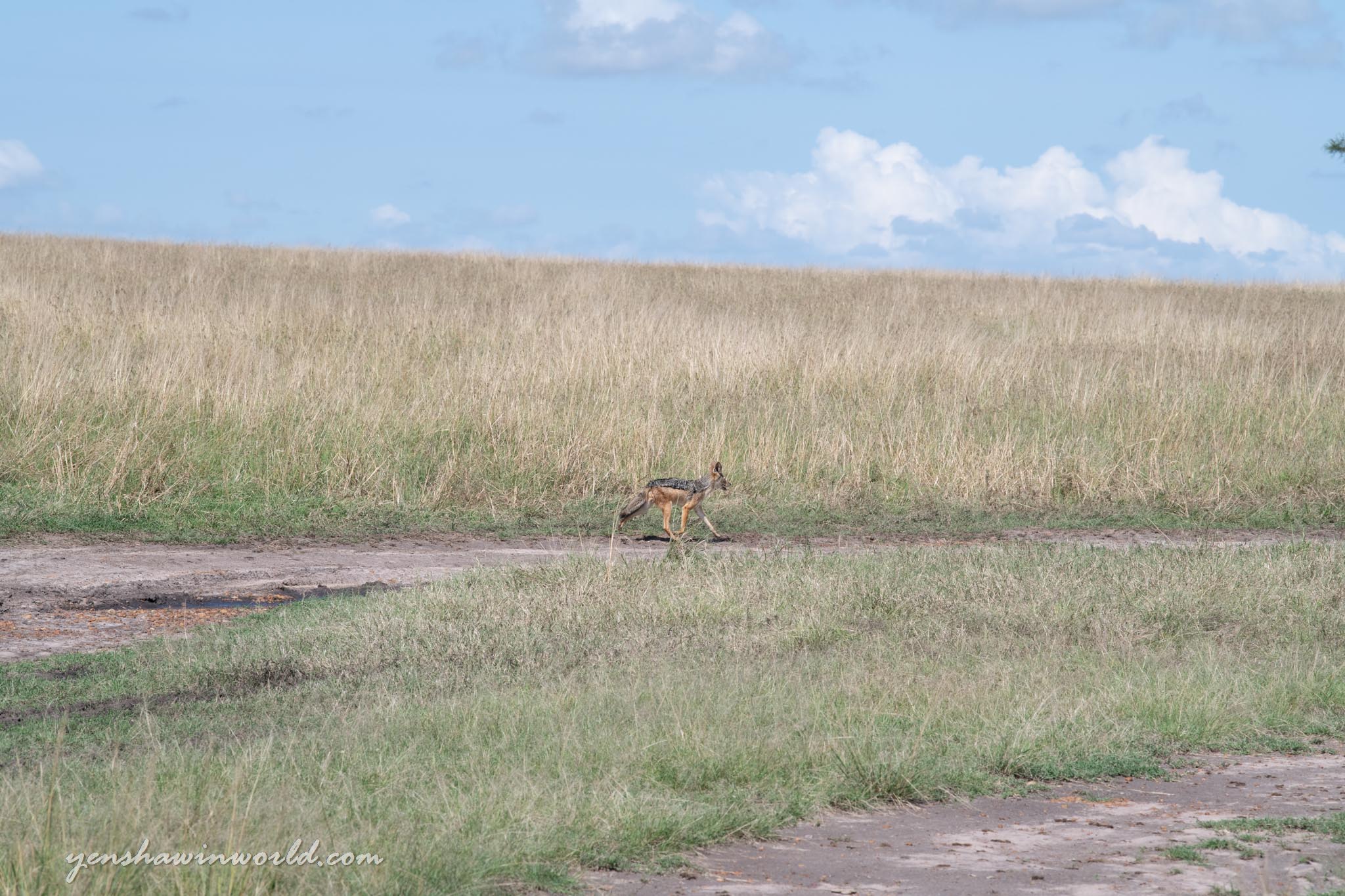
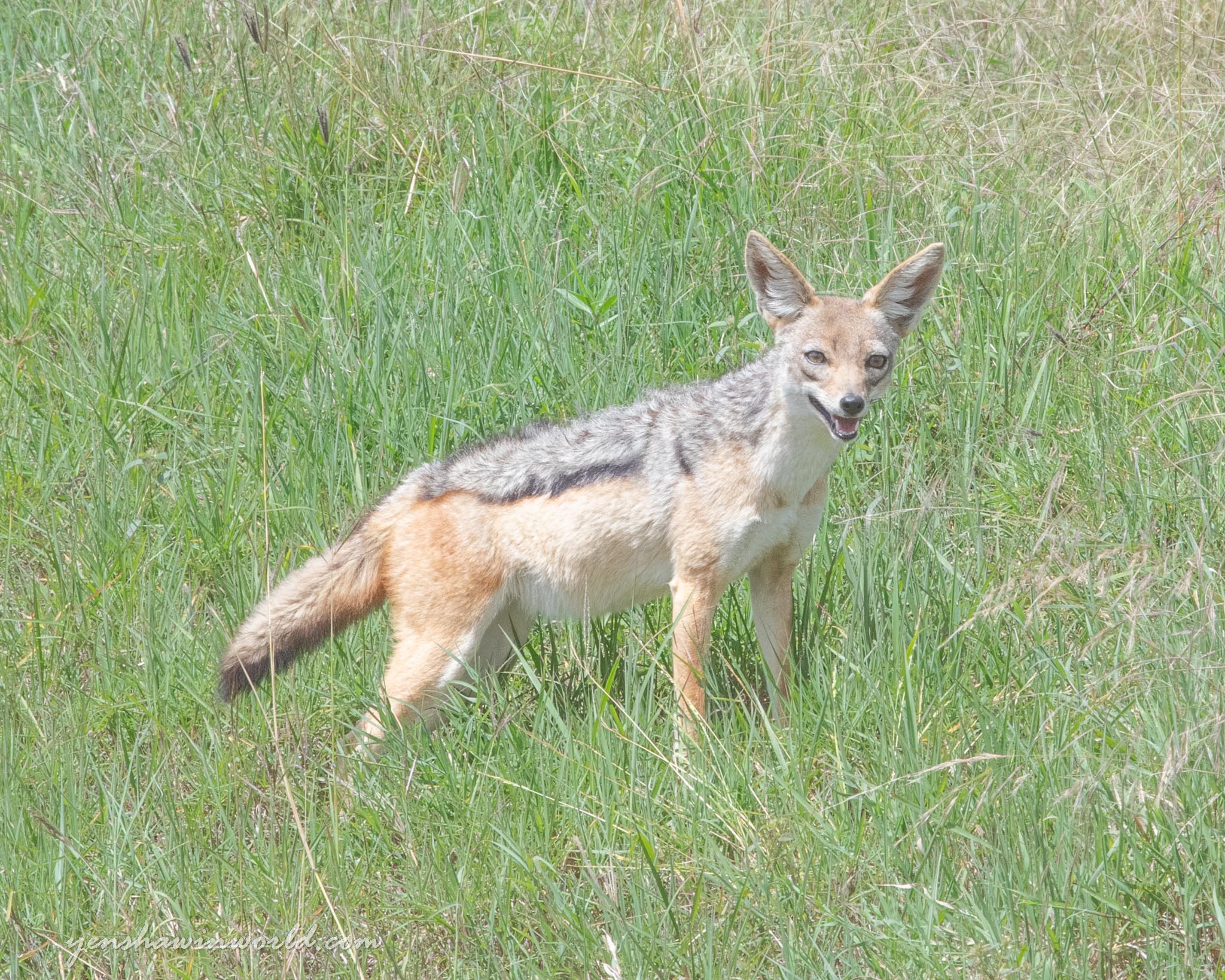
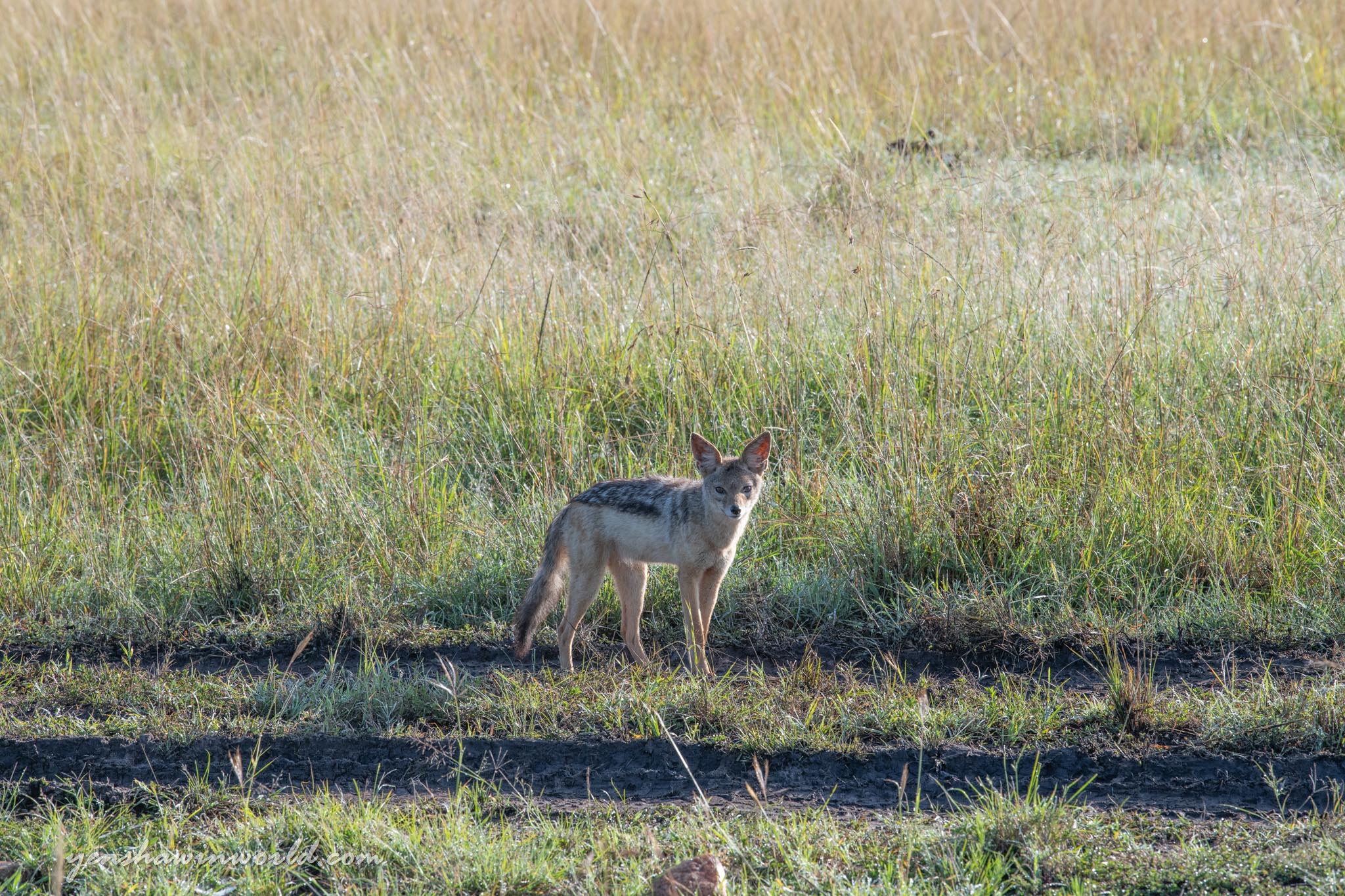
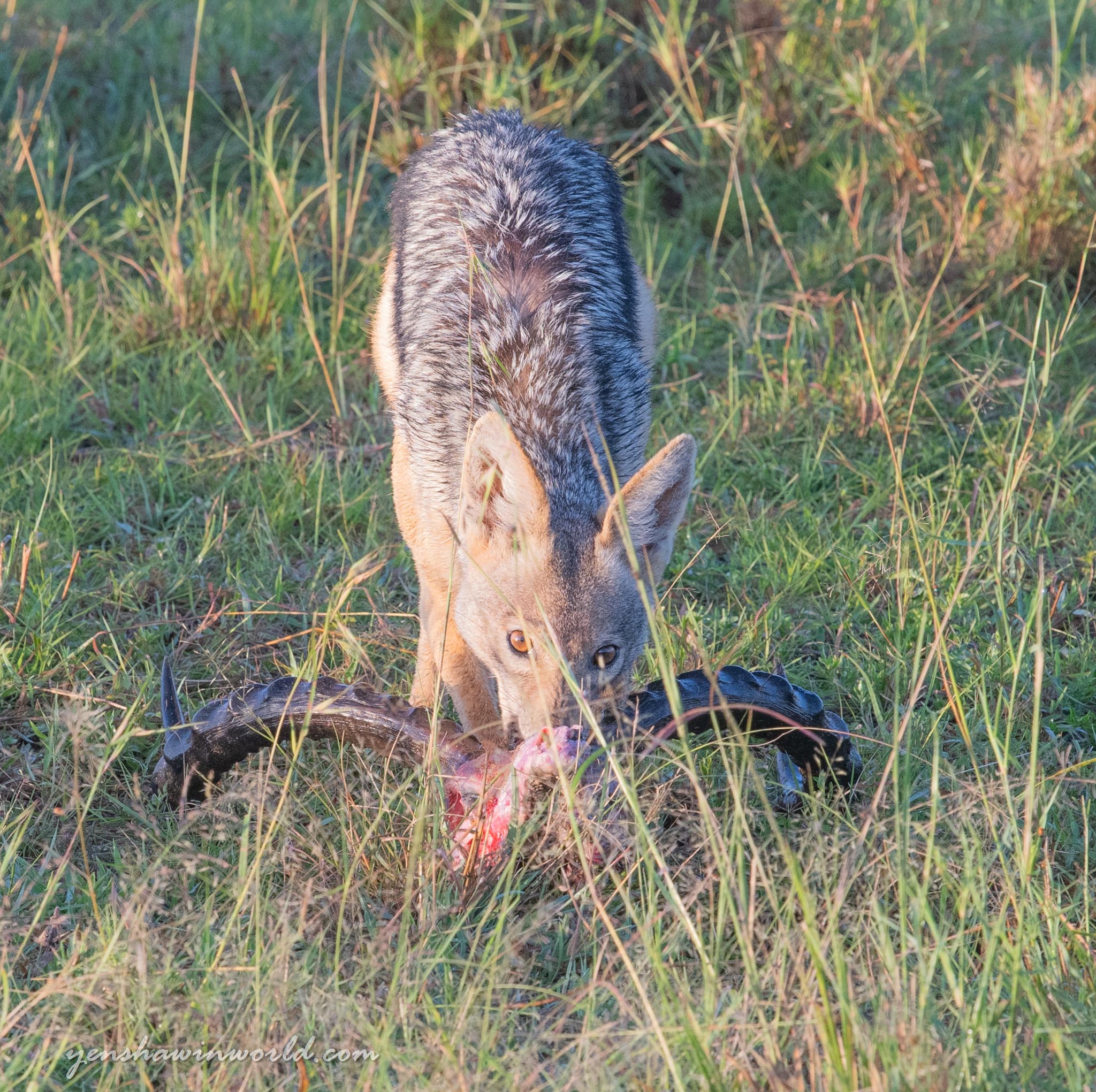
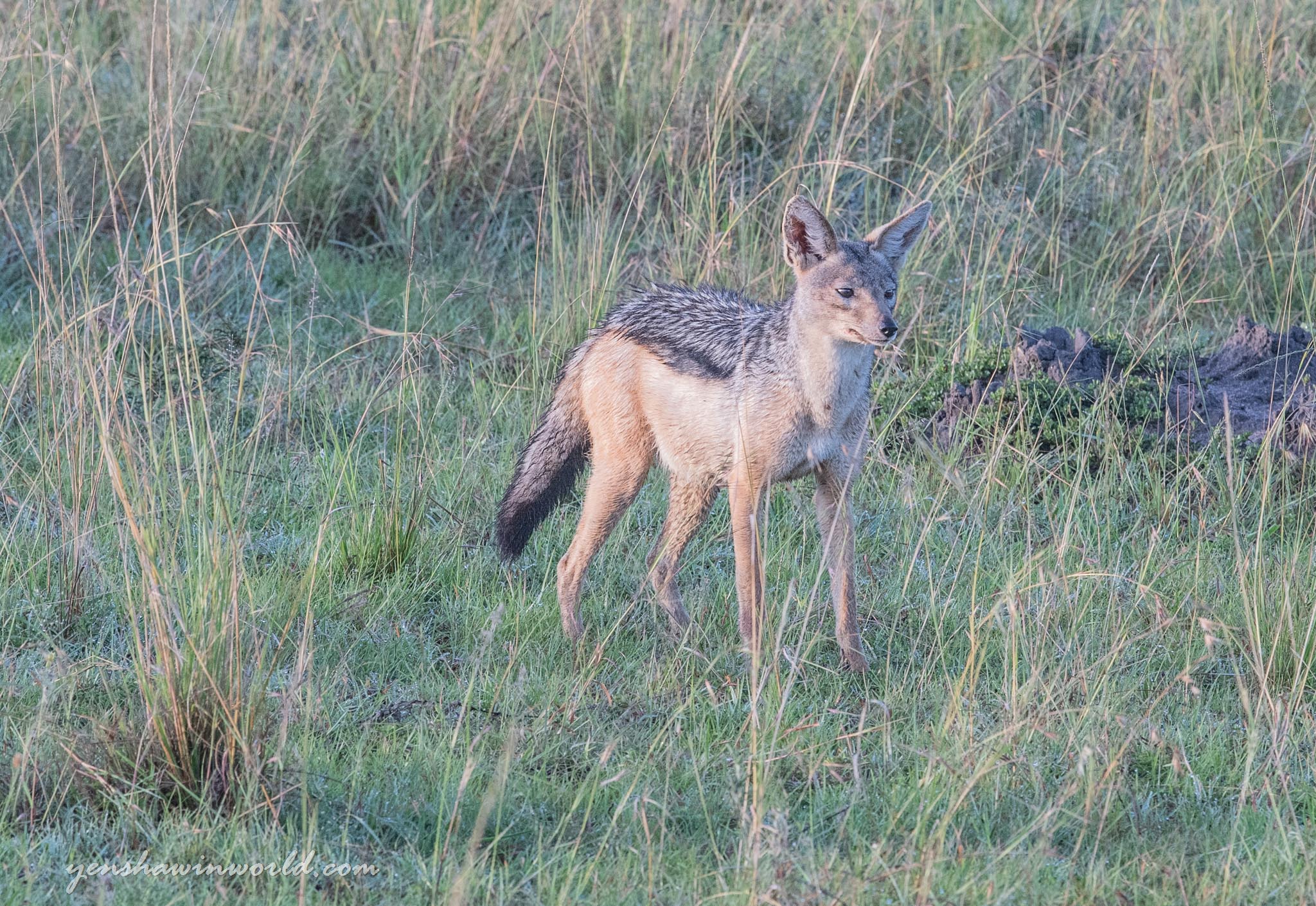
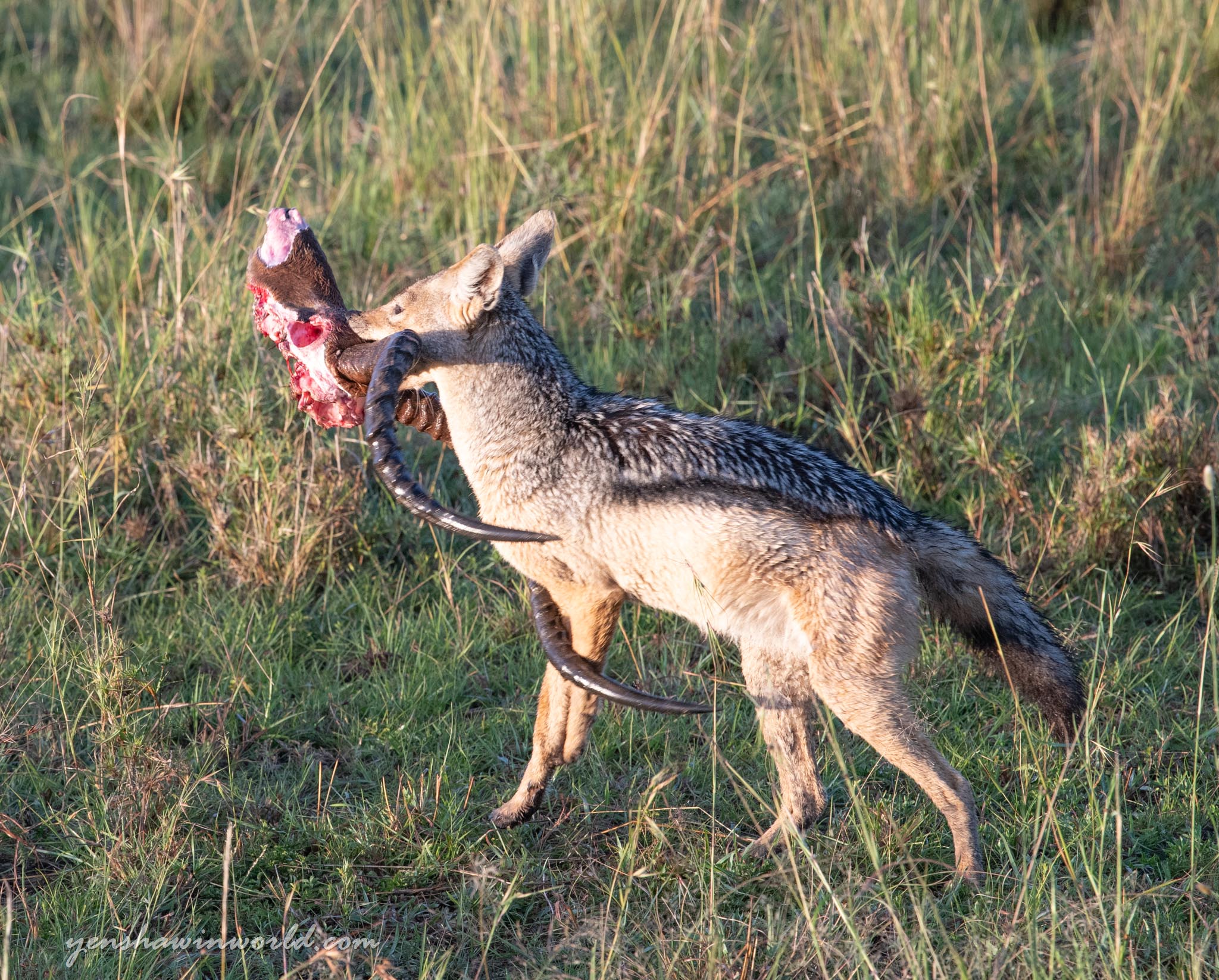
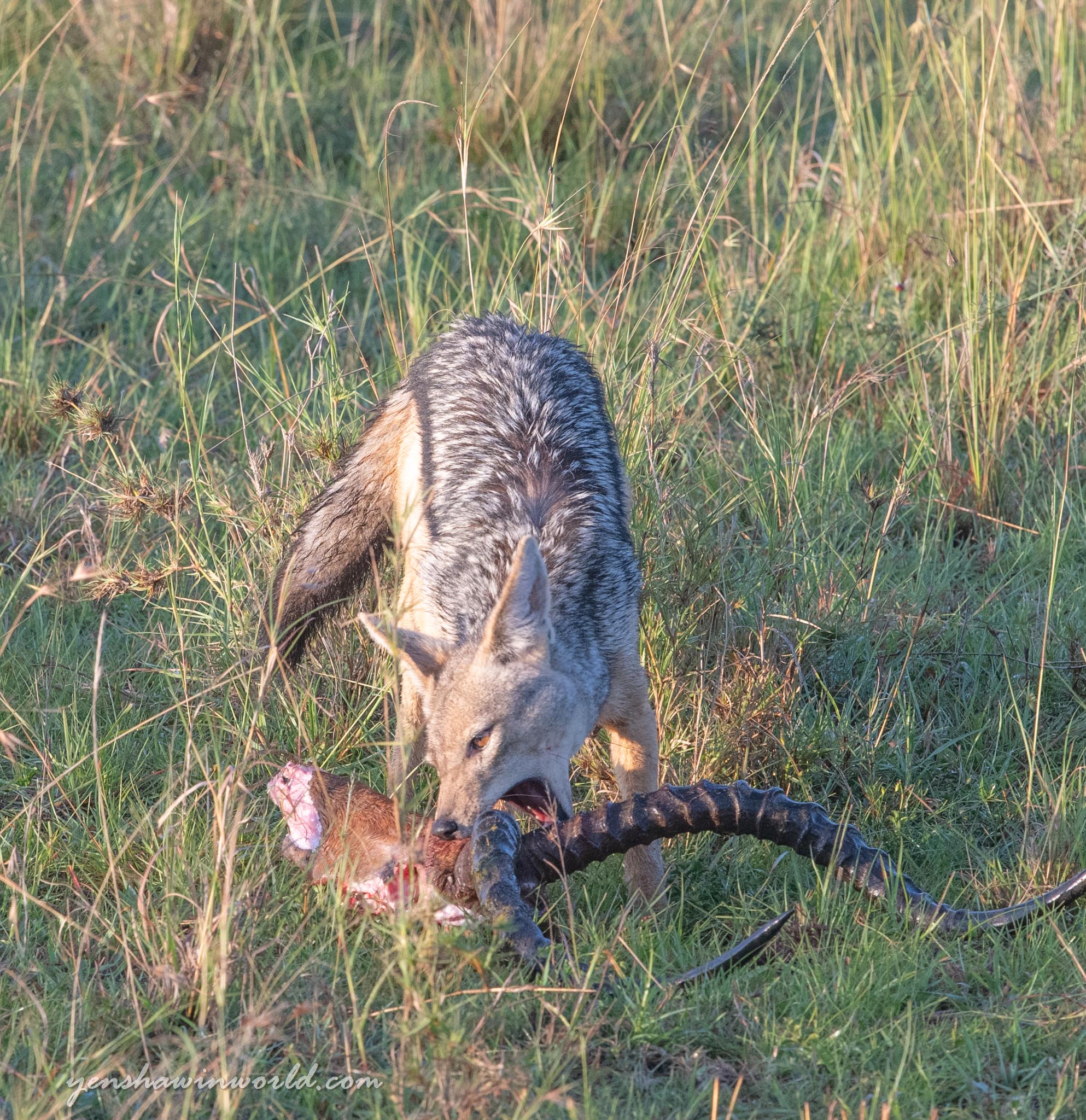
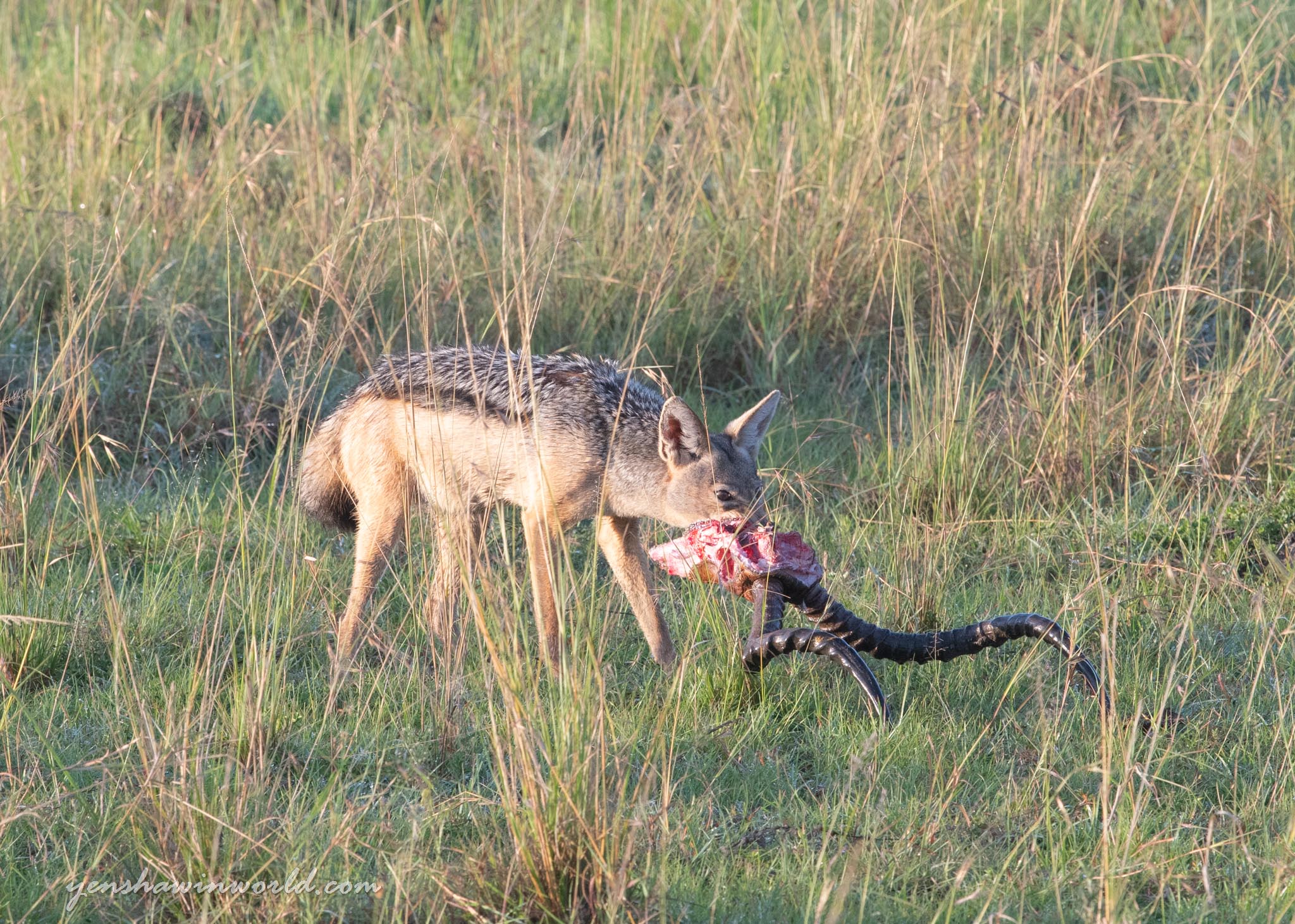
I have only ever seen jackals usually around dusk or at night in other parks, however in Masai Mara I have seen them out at all odd hours of the day. One morning I had the great opportunity to see 4-5 jackals scavenging what looked like to be impala horns and fur. One of the jackals had a hard time picking the heavy horns up while he was trying to eat any meat he could on it.
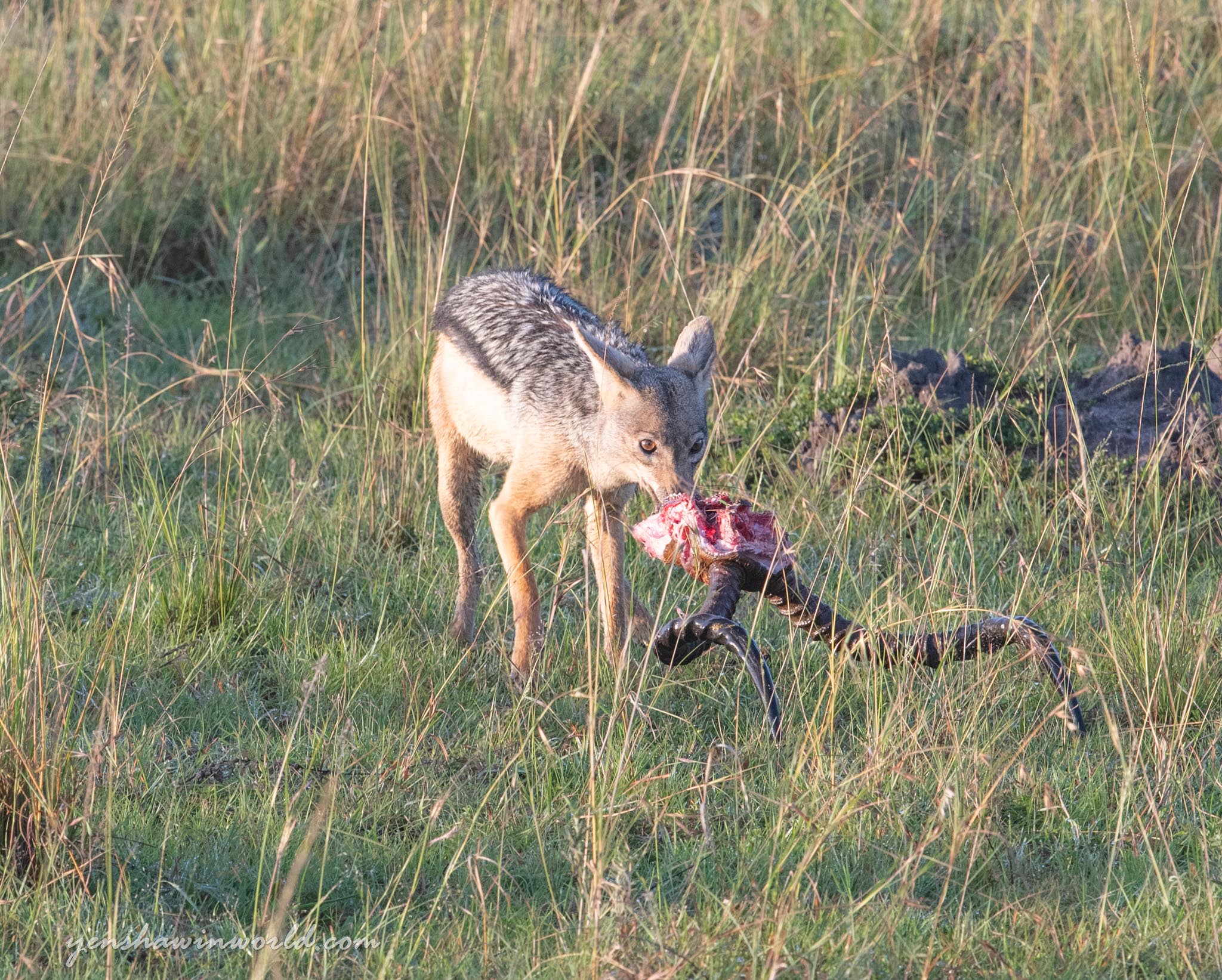
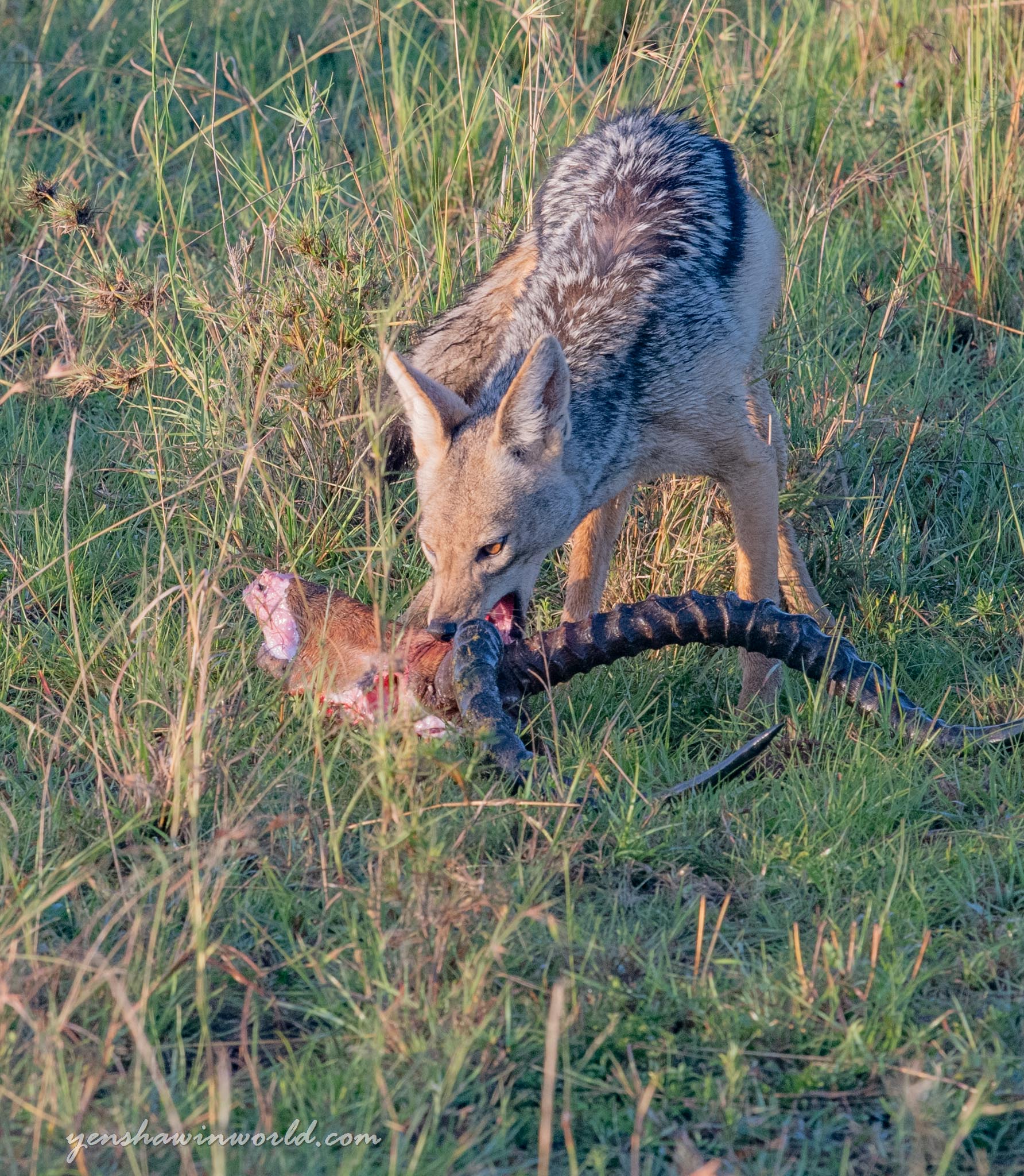
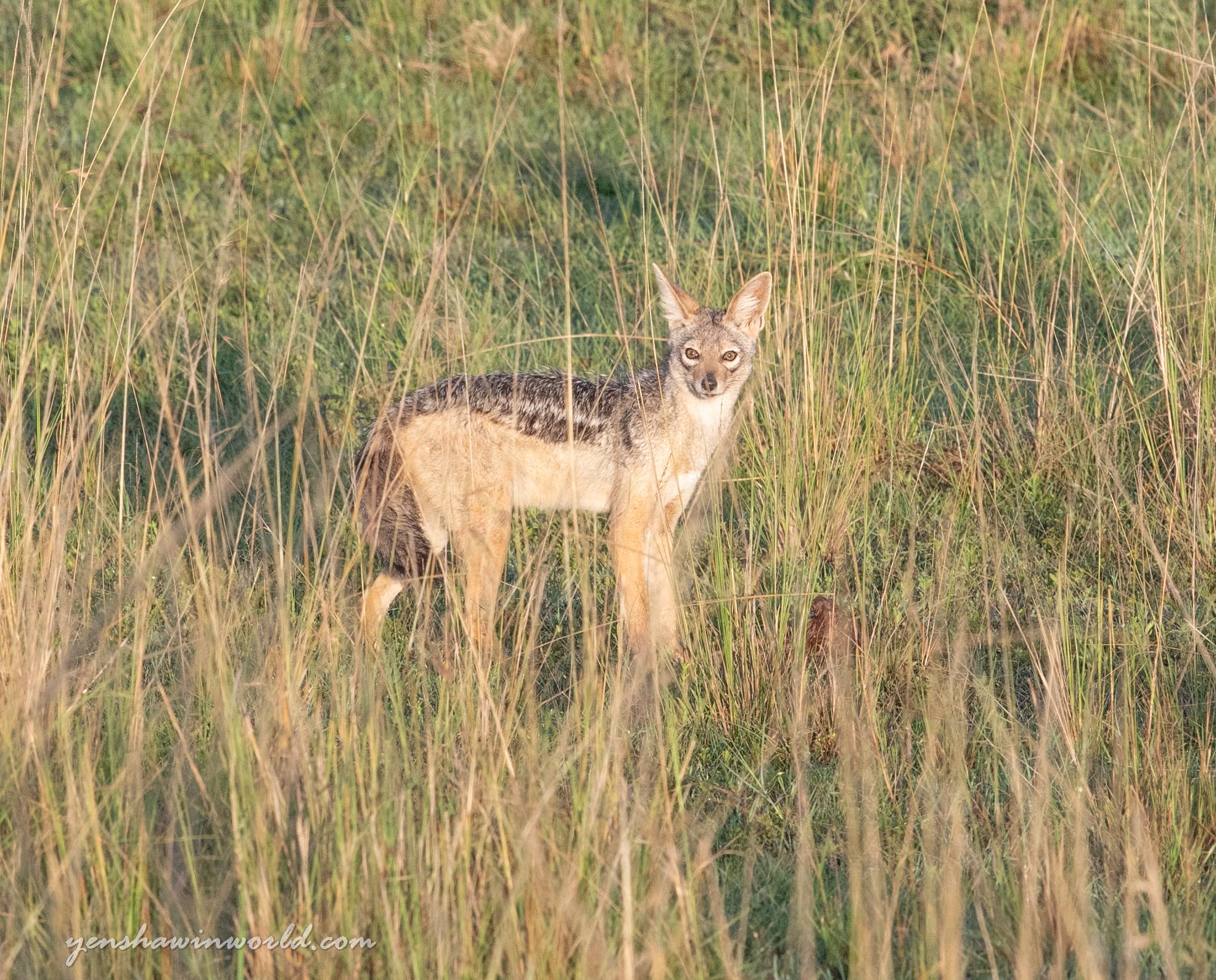
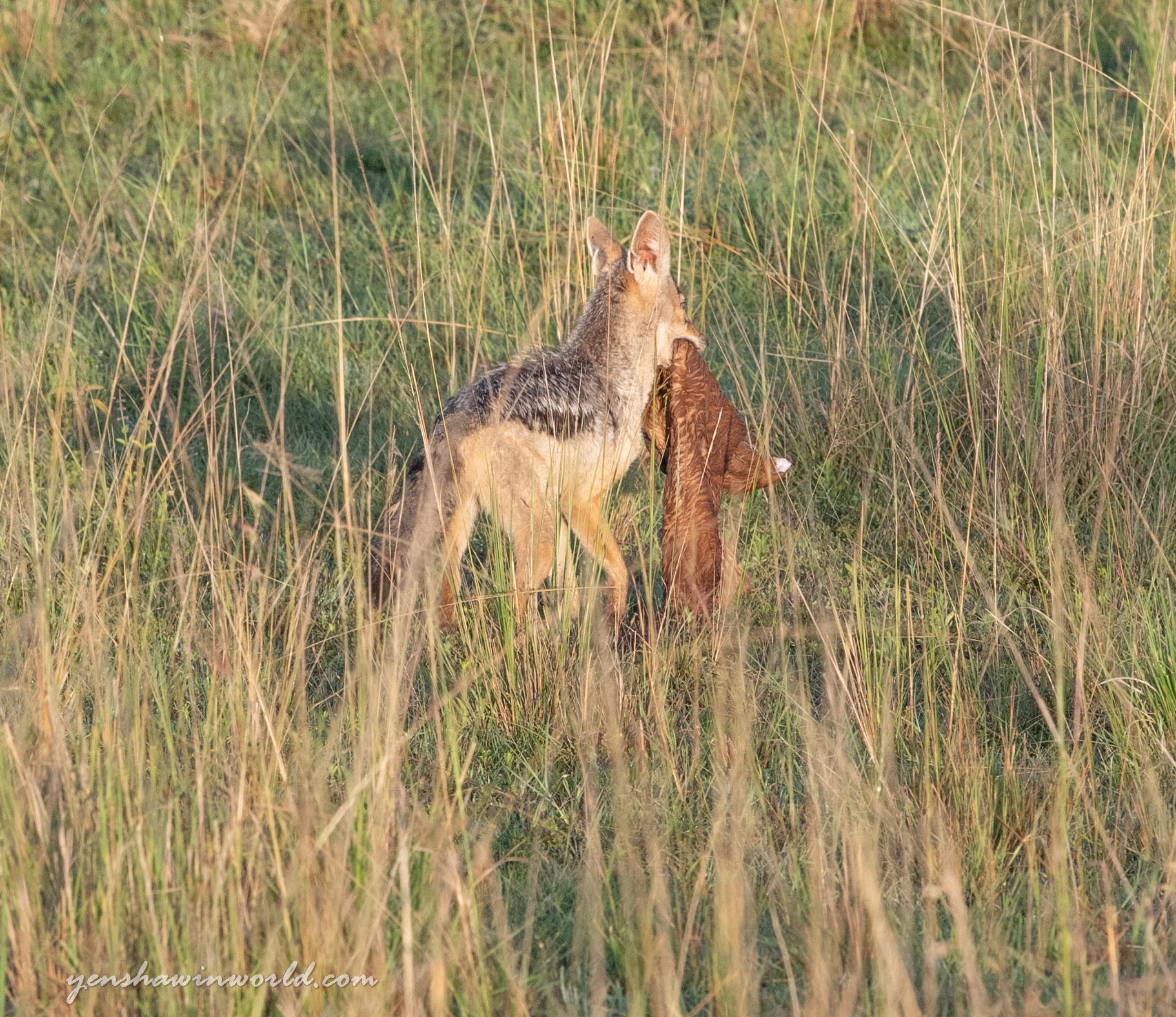
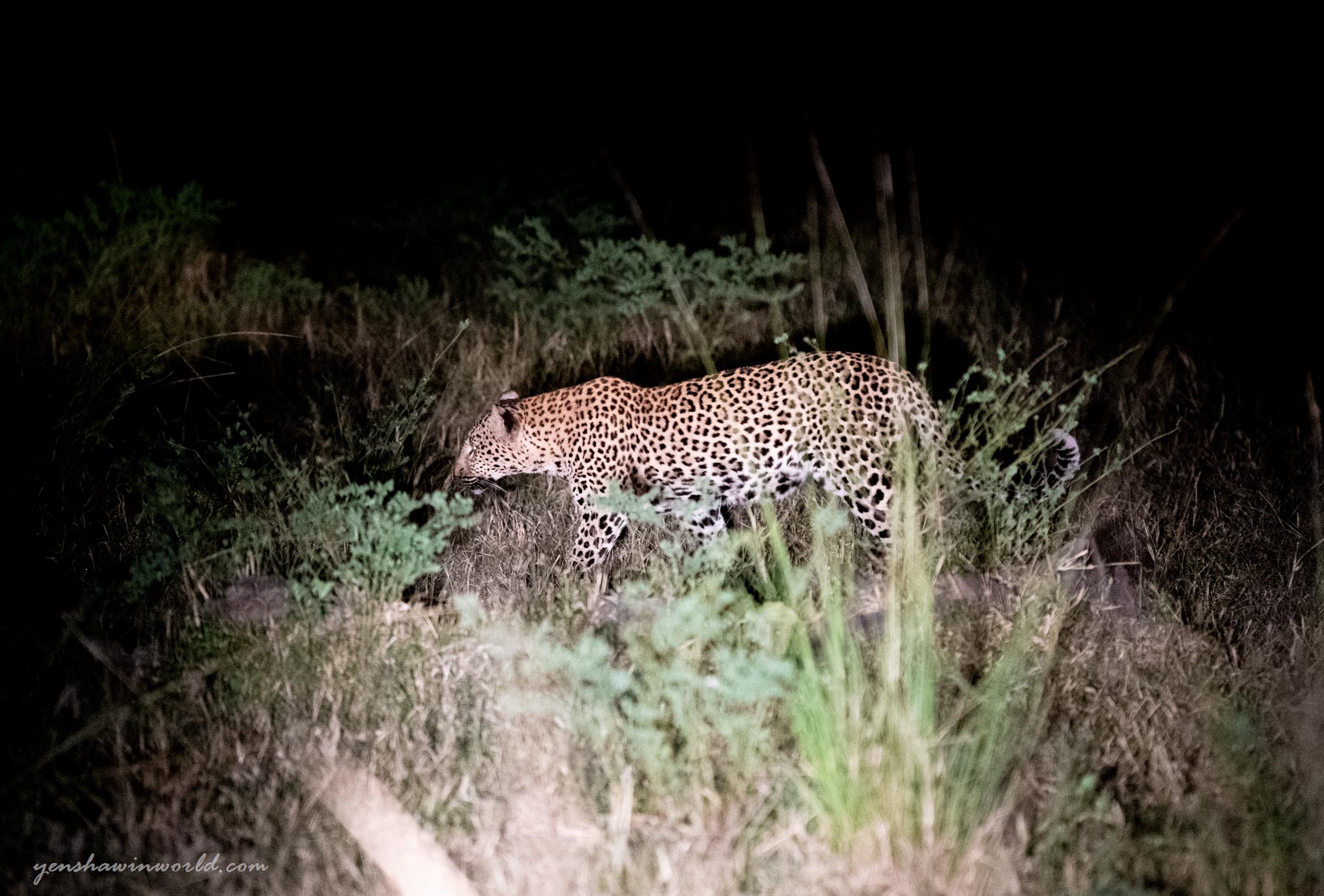
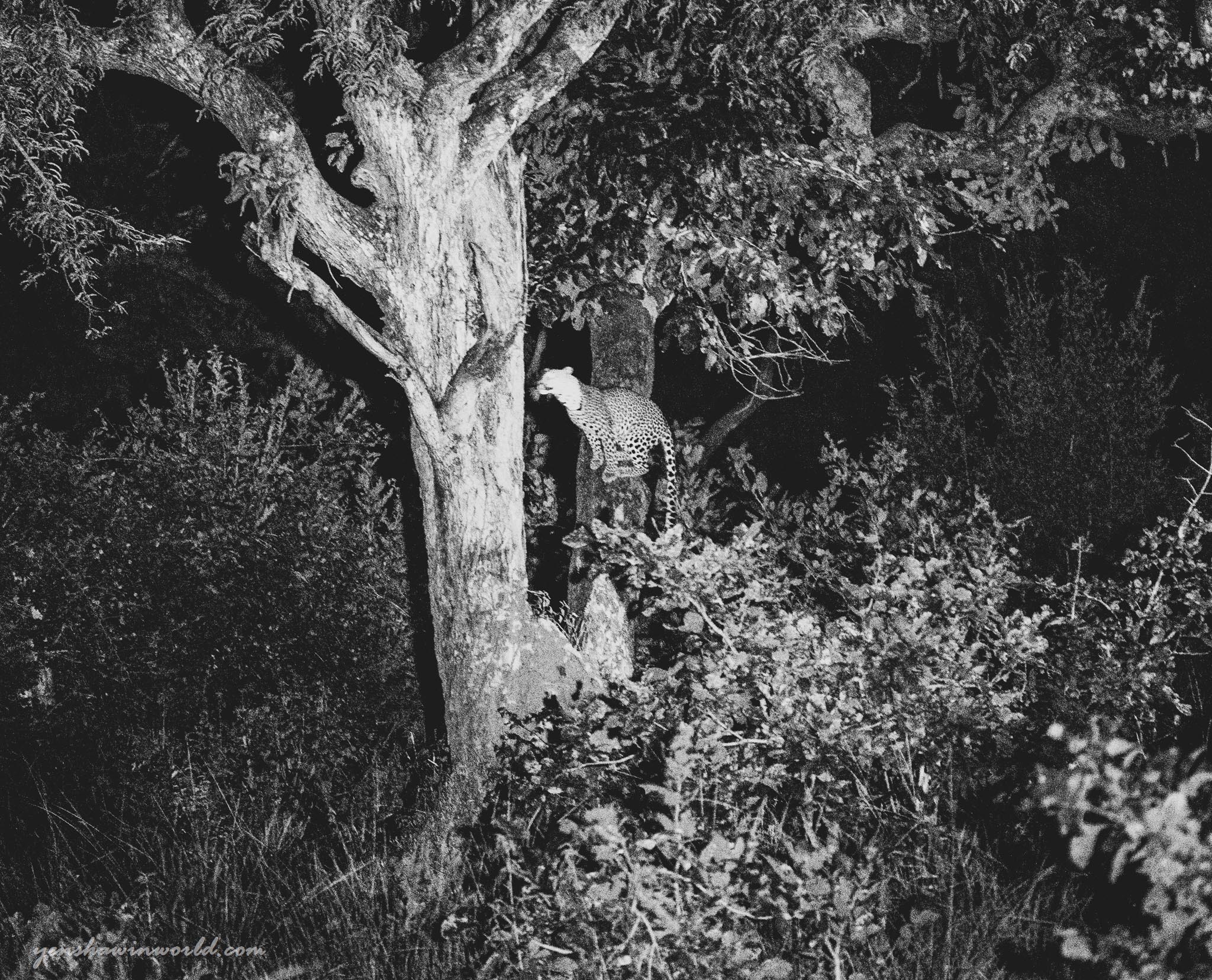
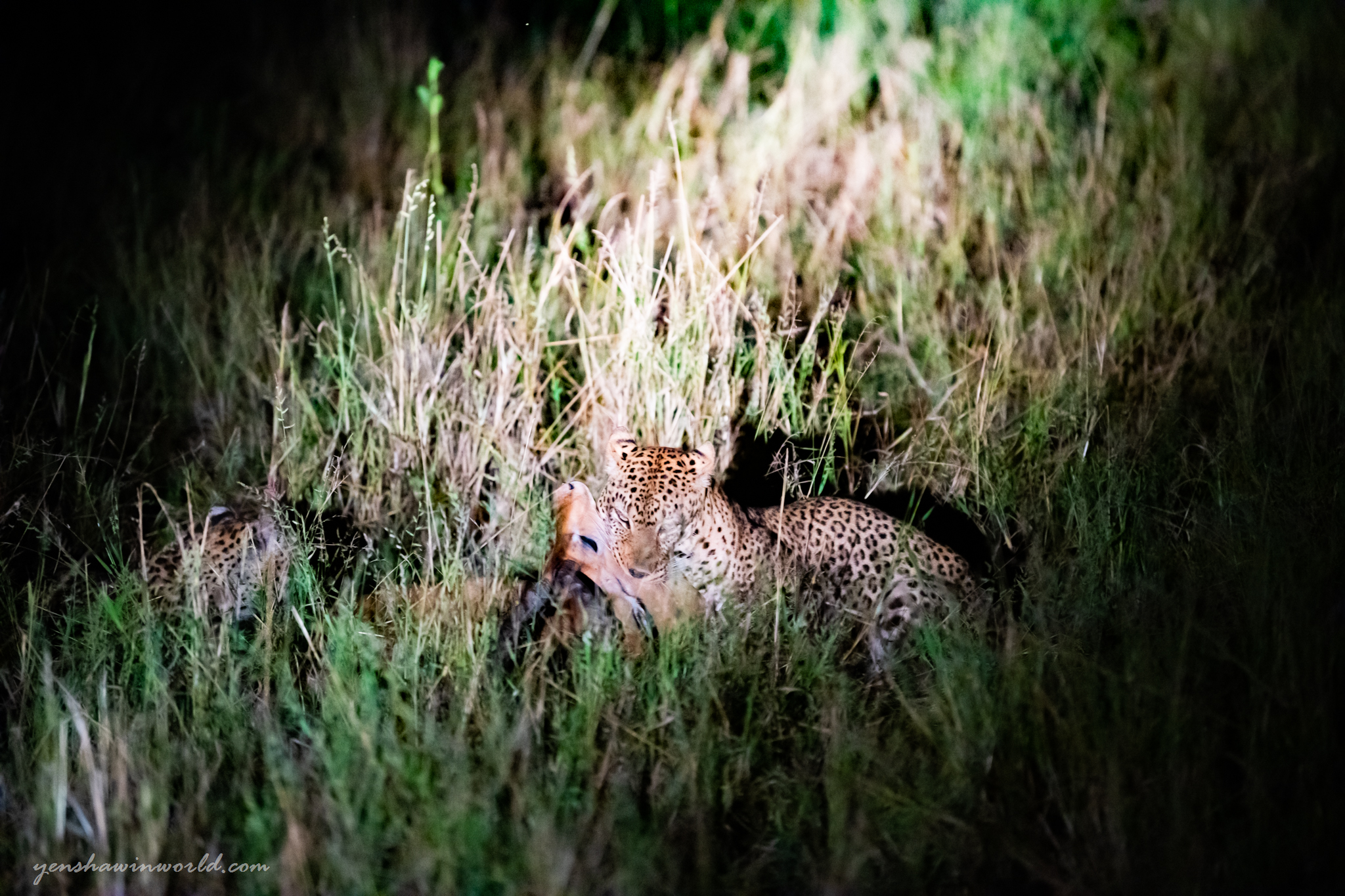
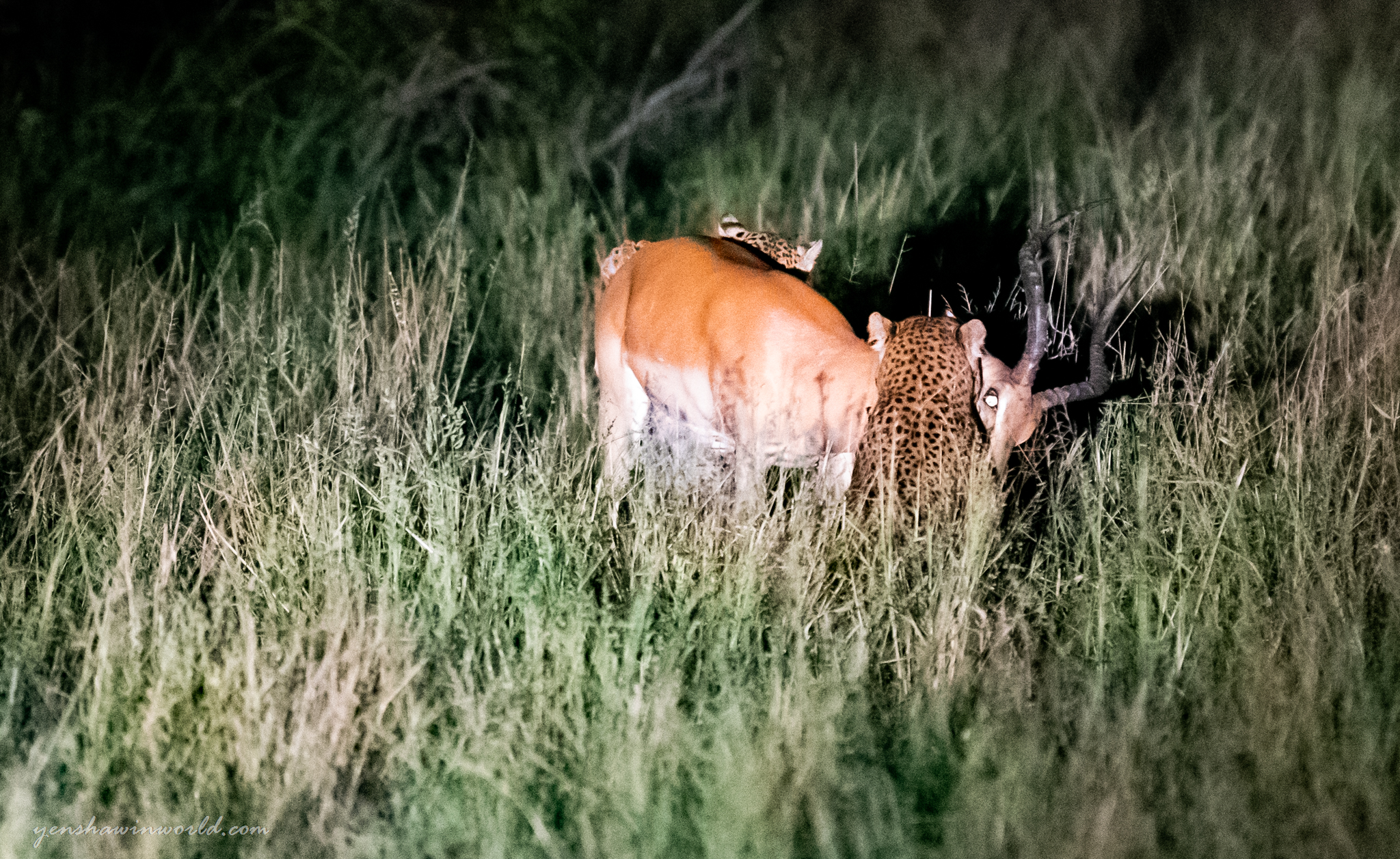
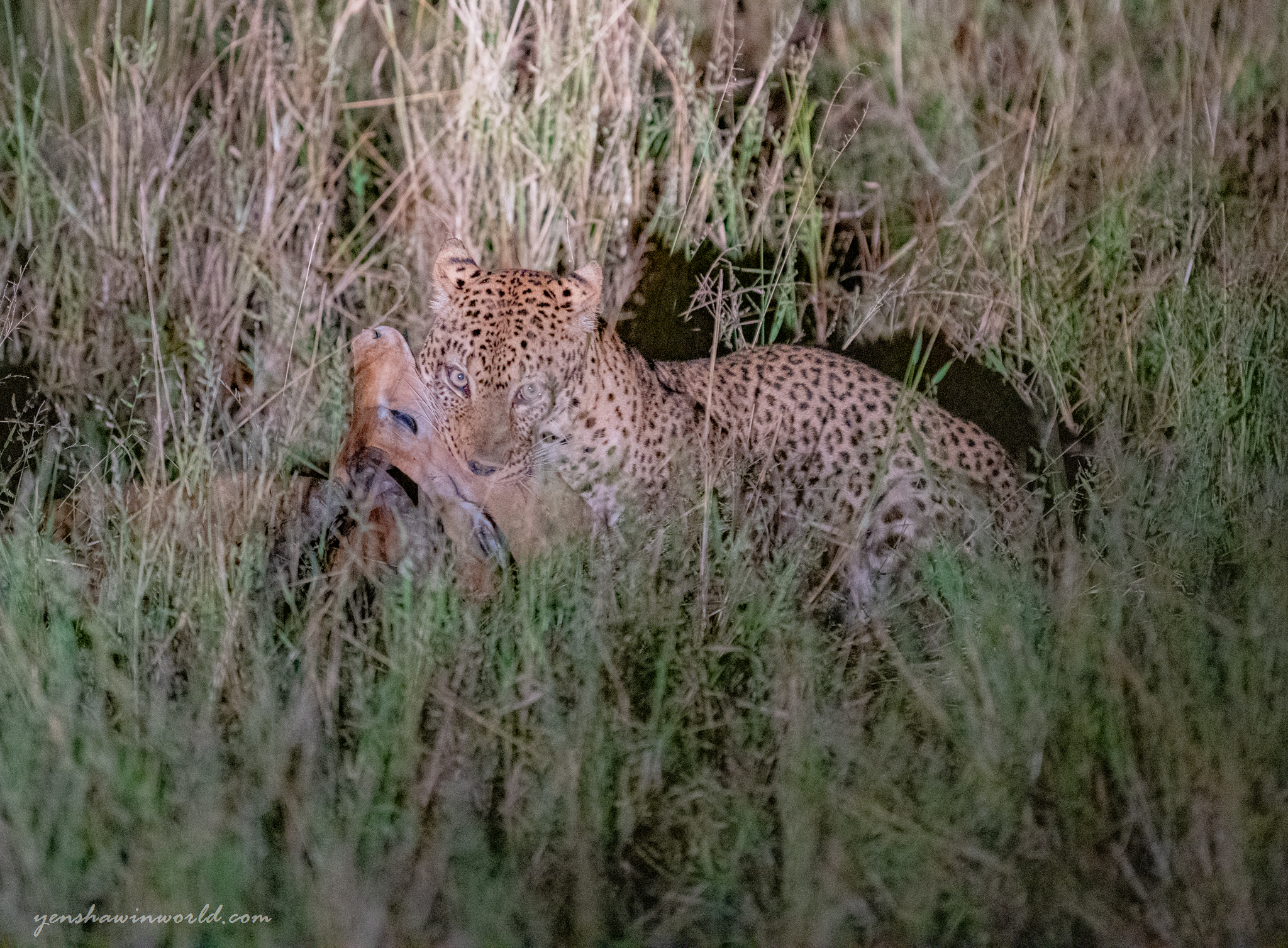
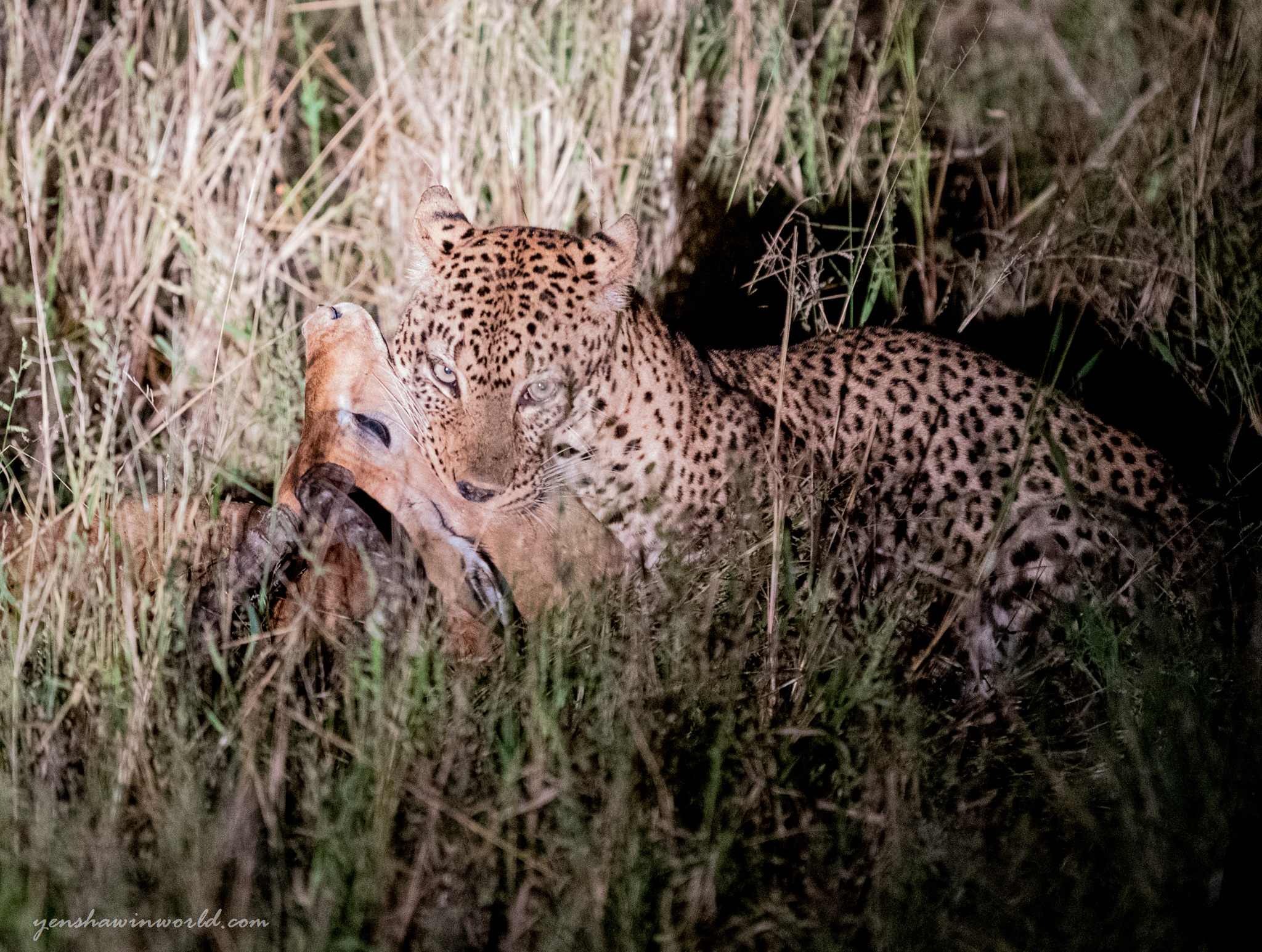
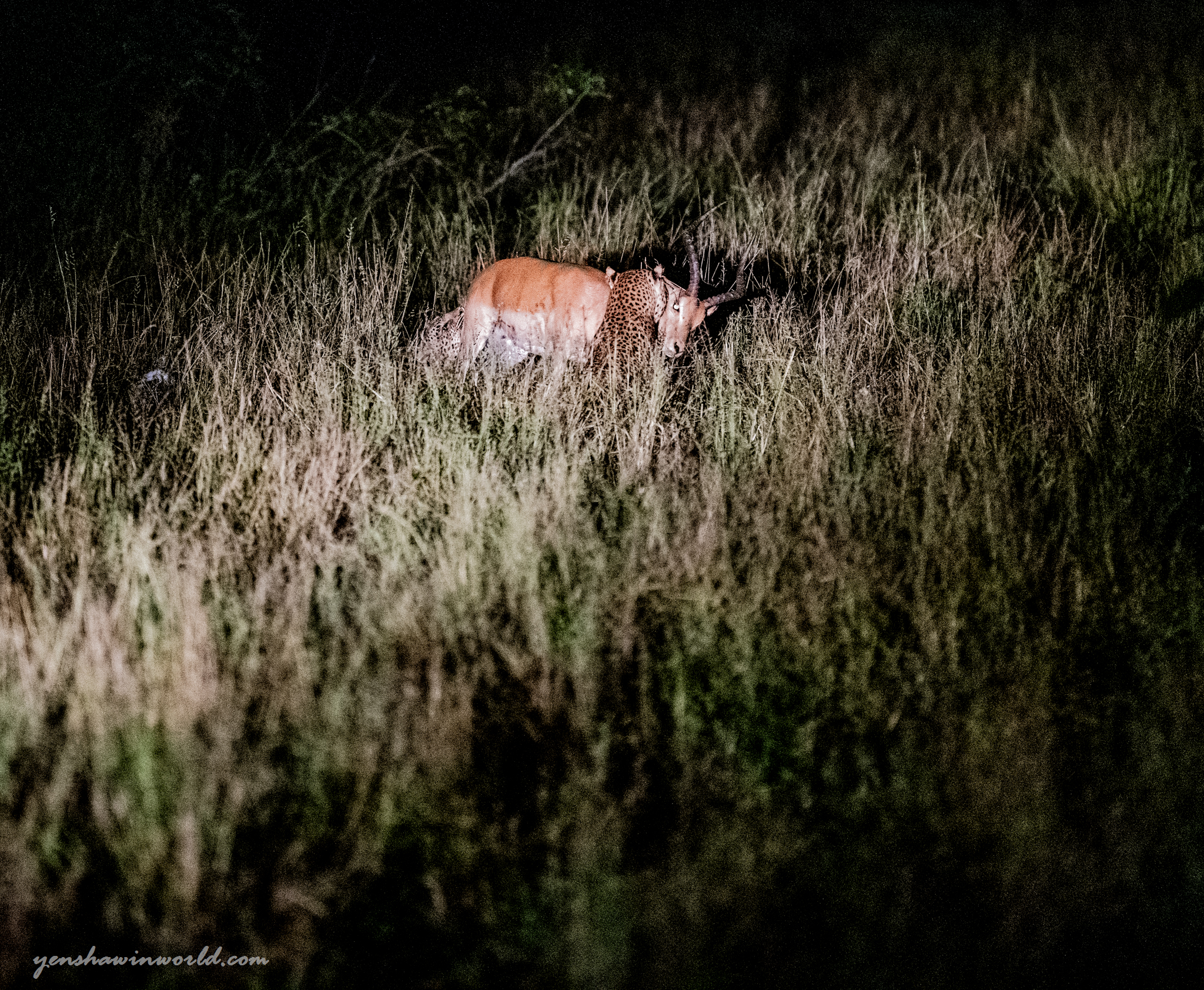
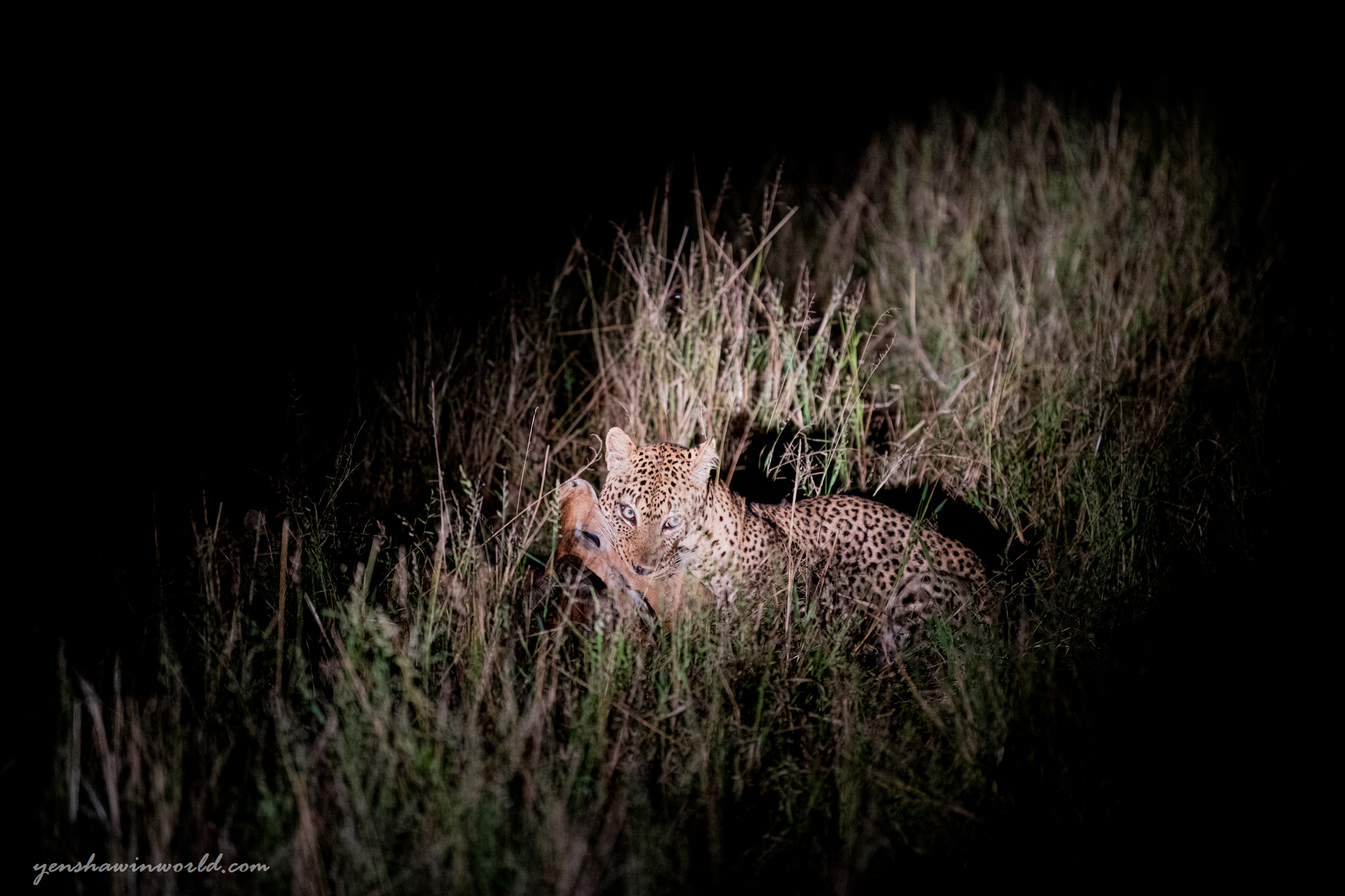
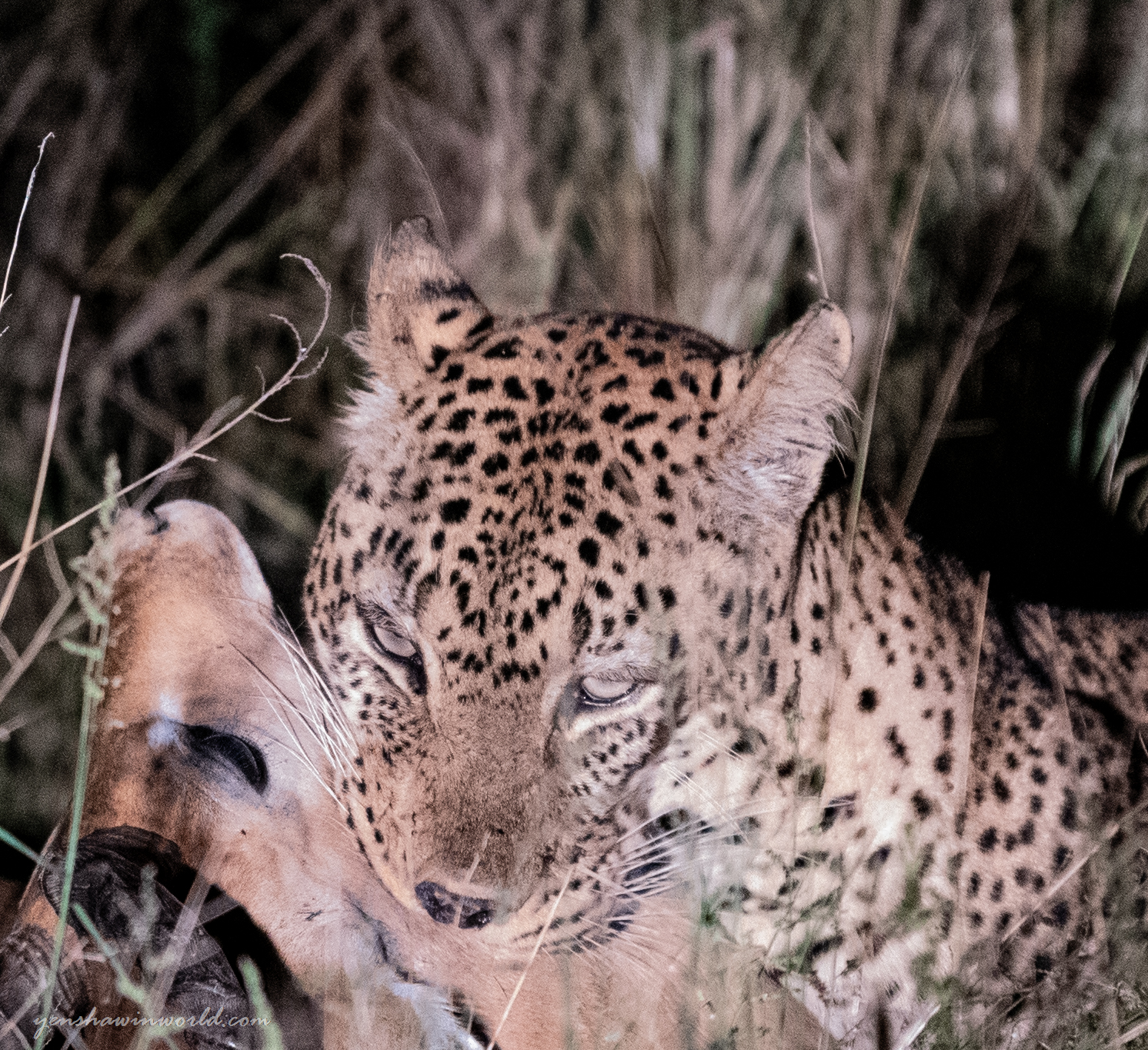
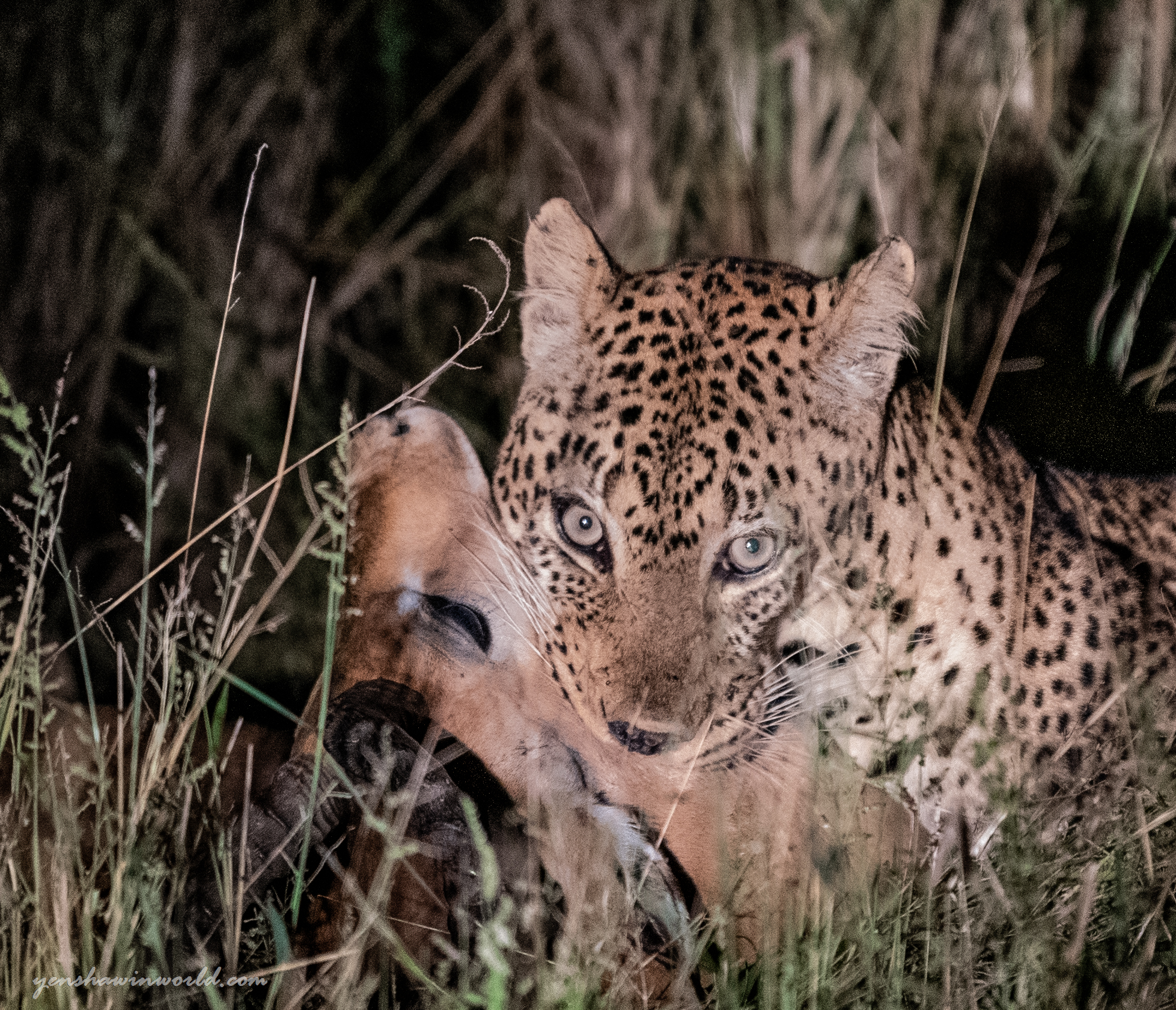
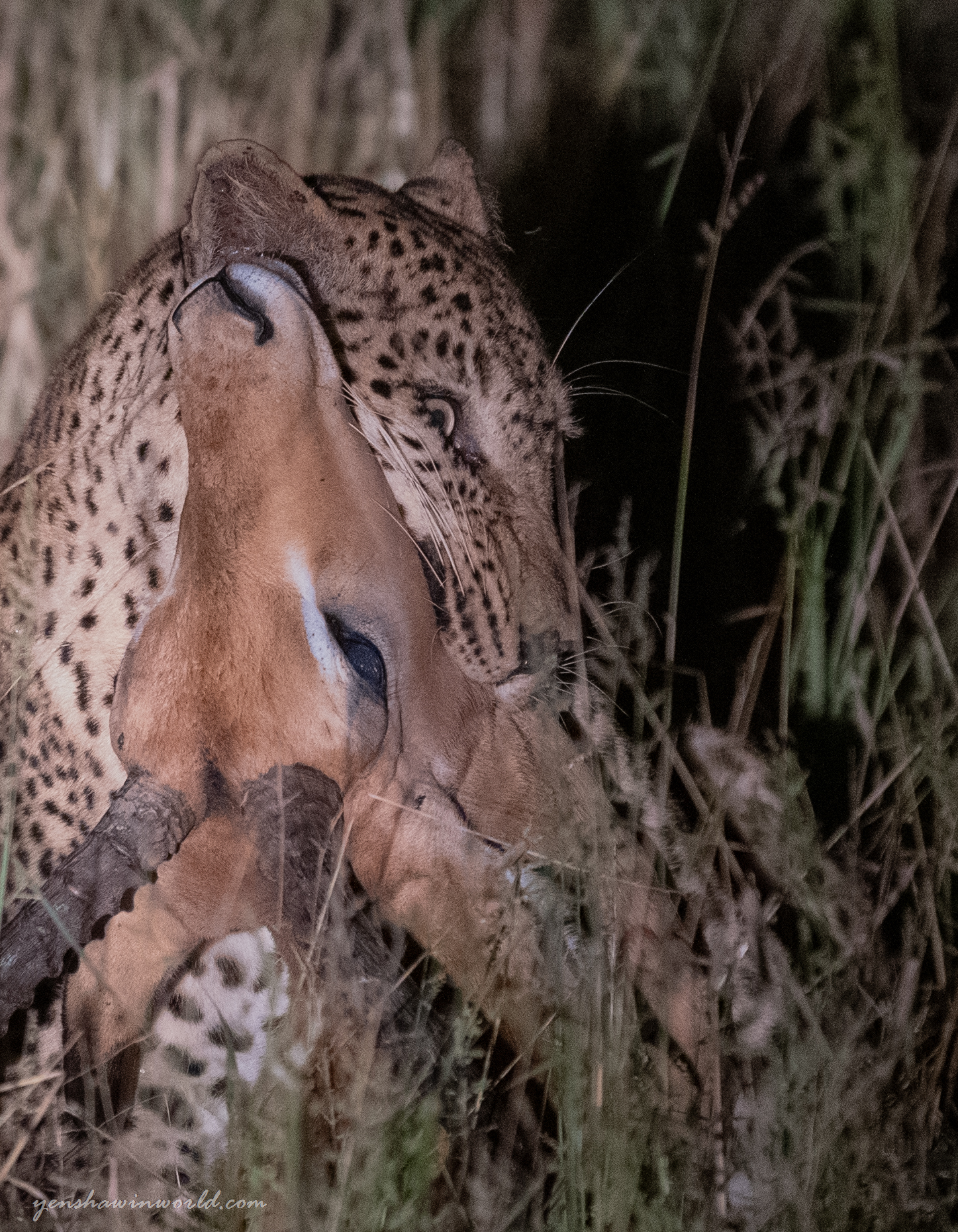
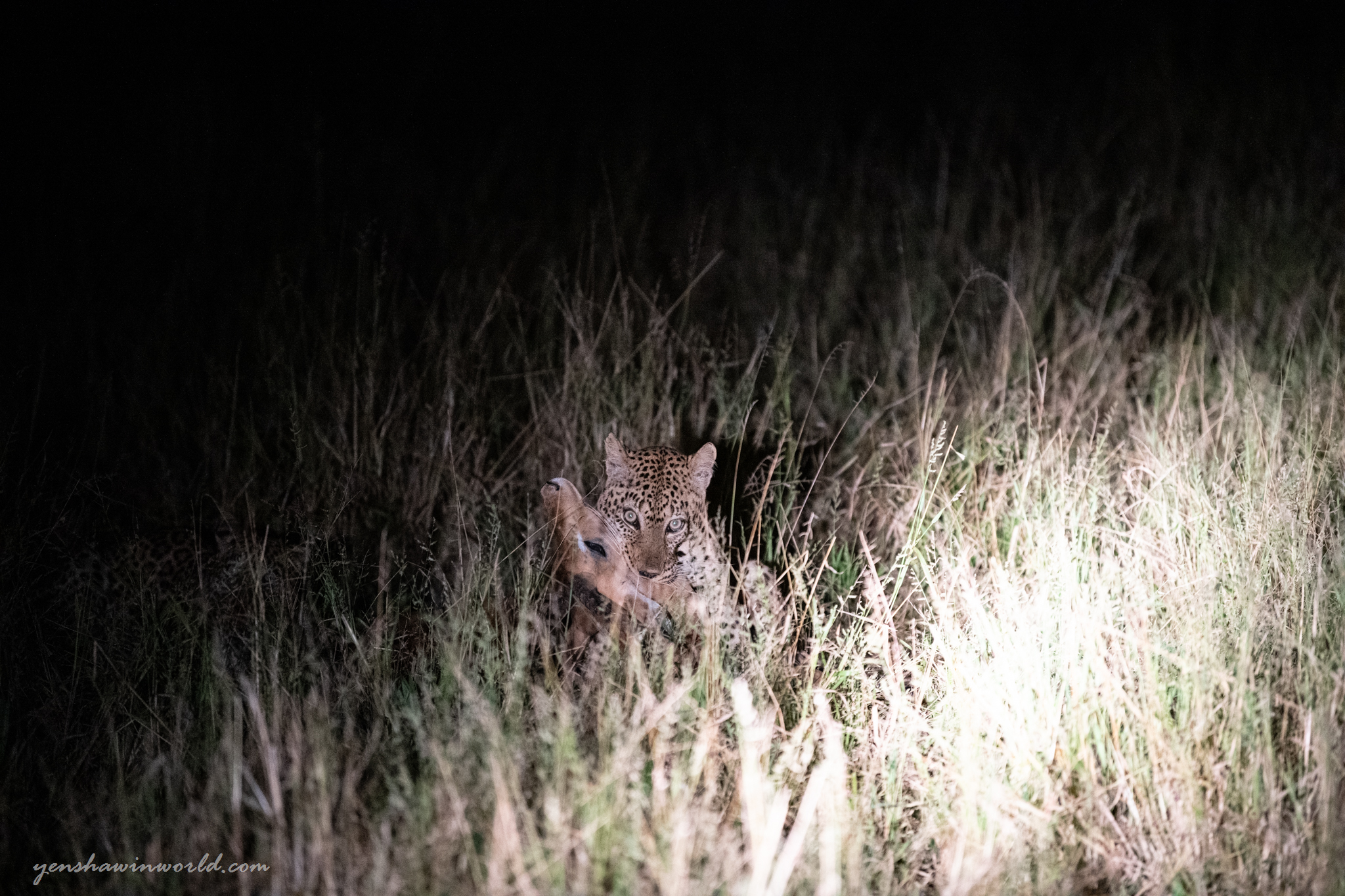
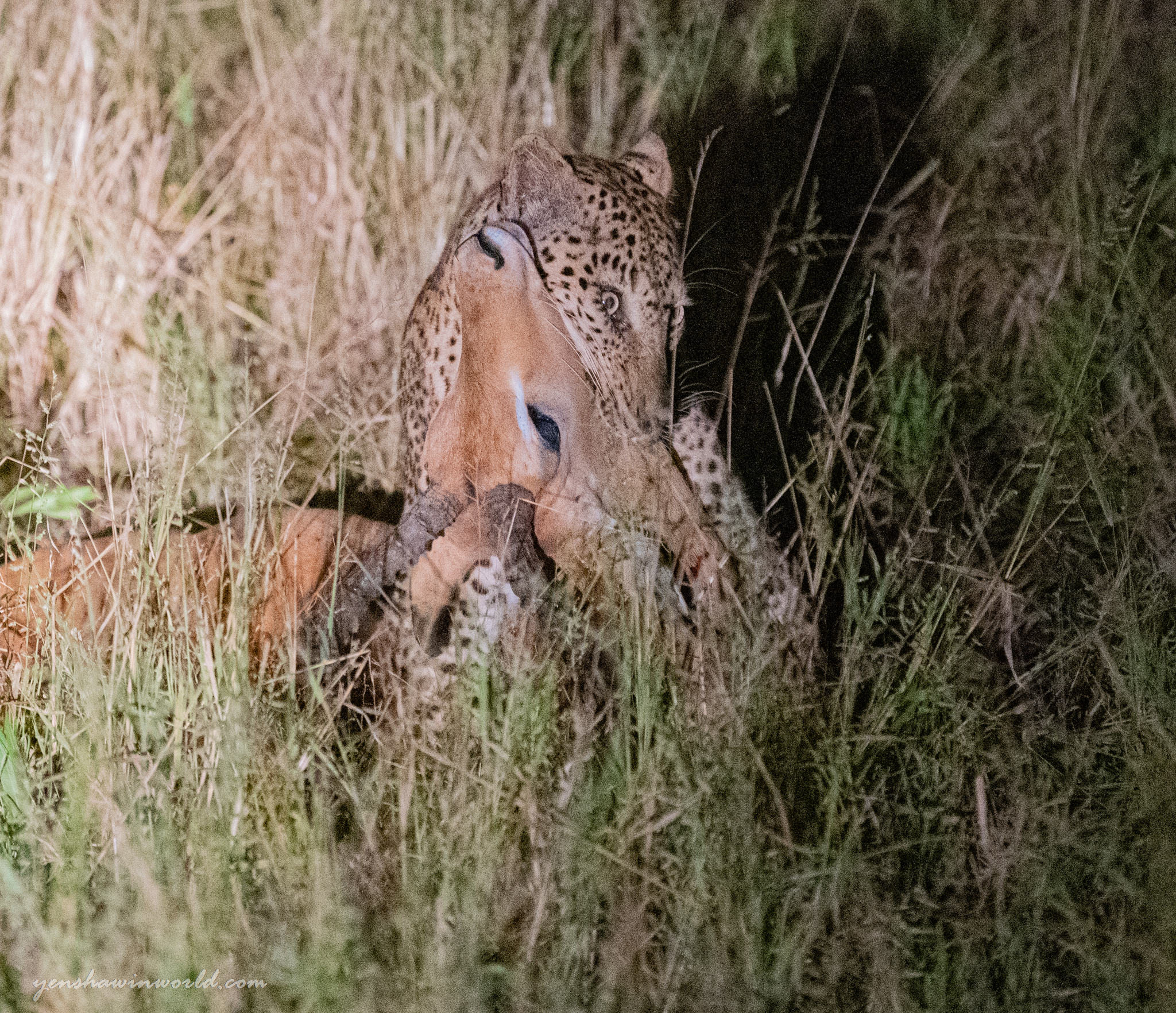
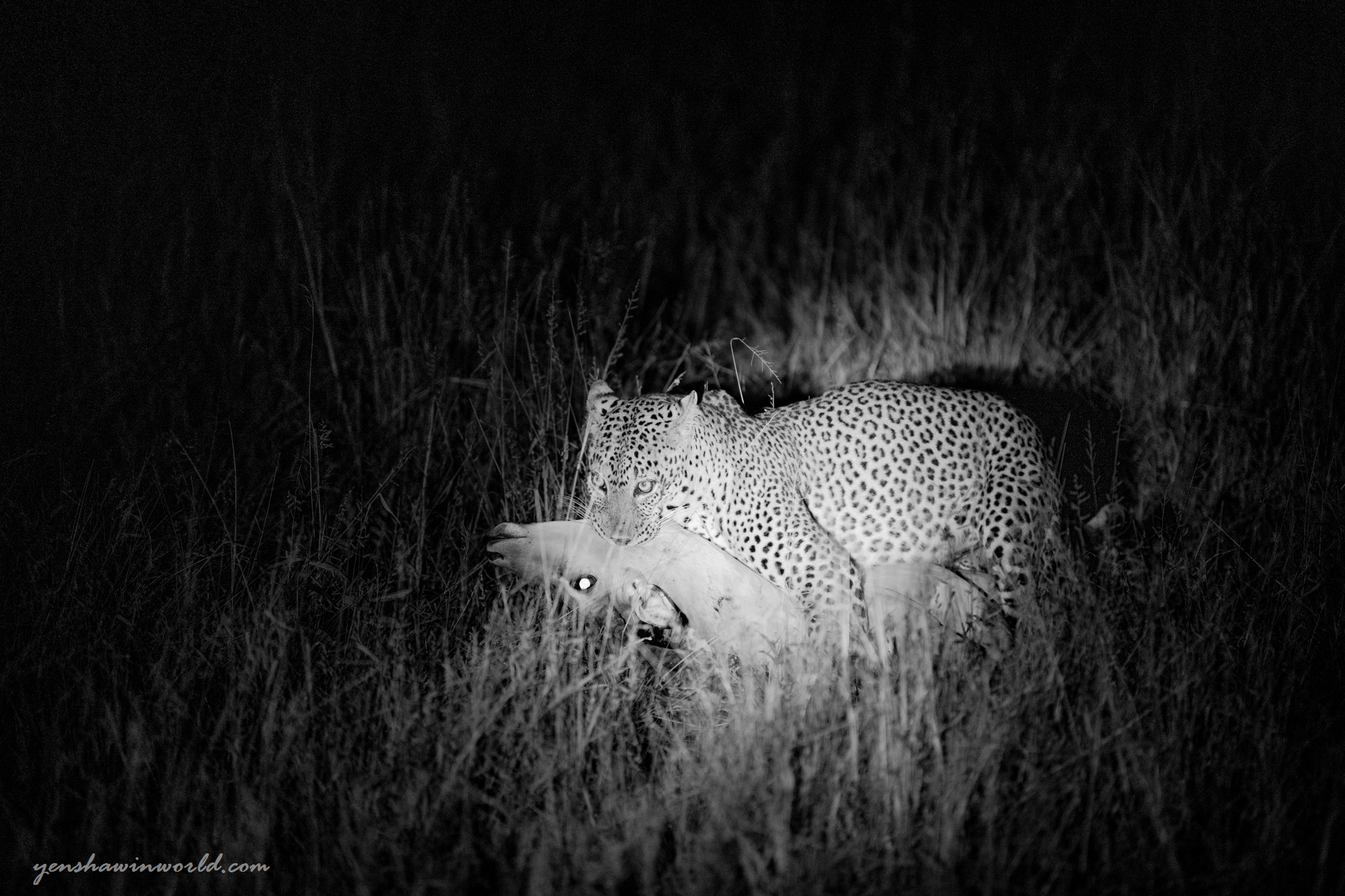
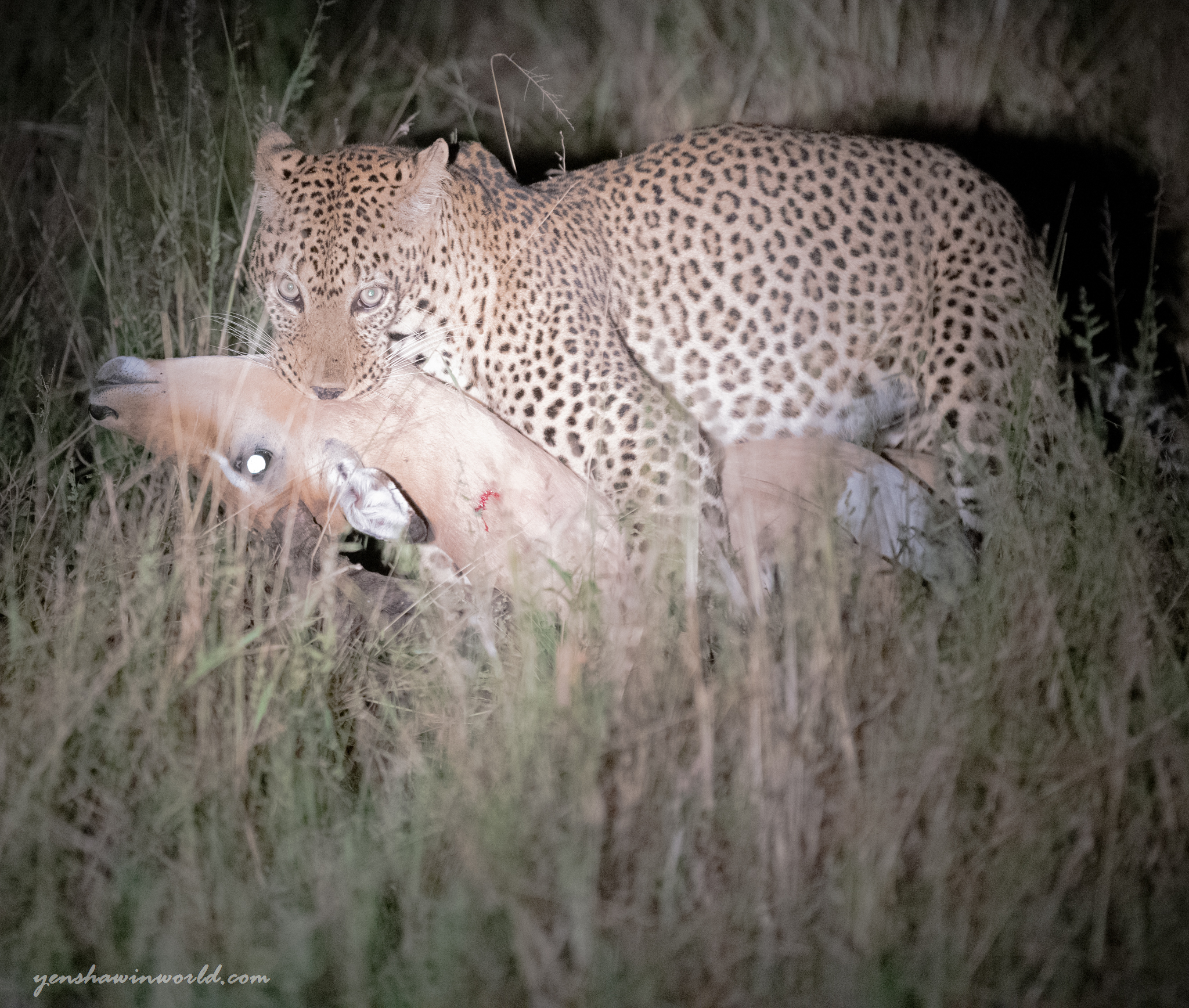
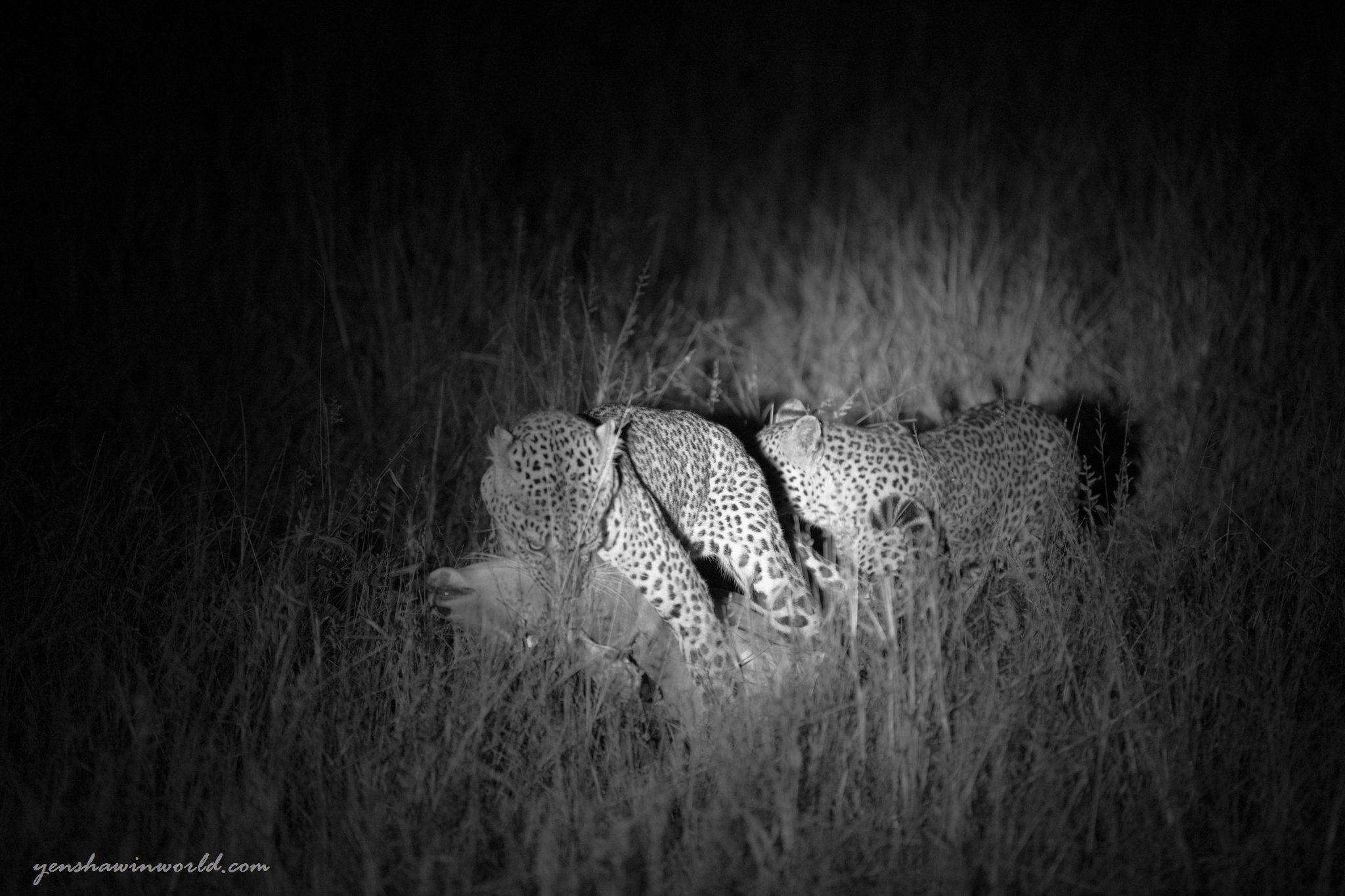
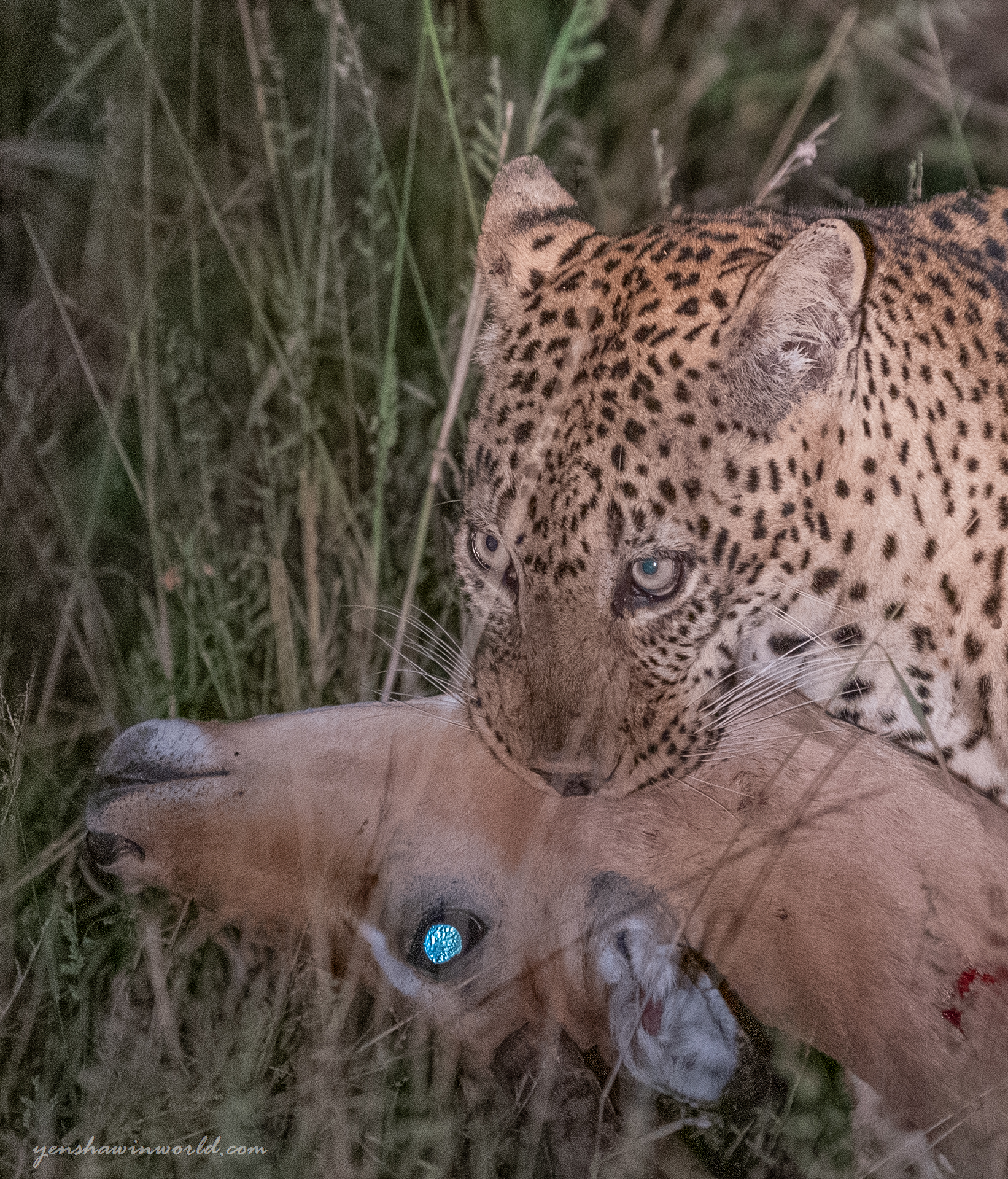
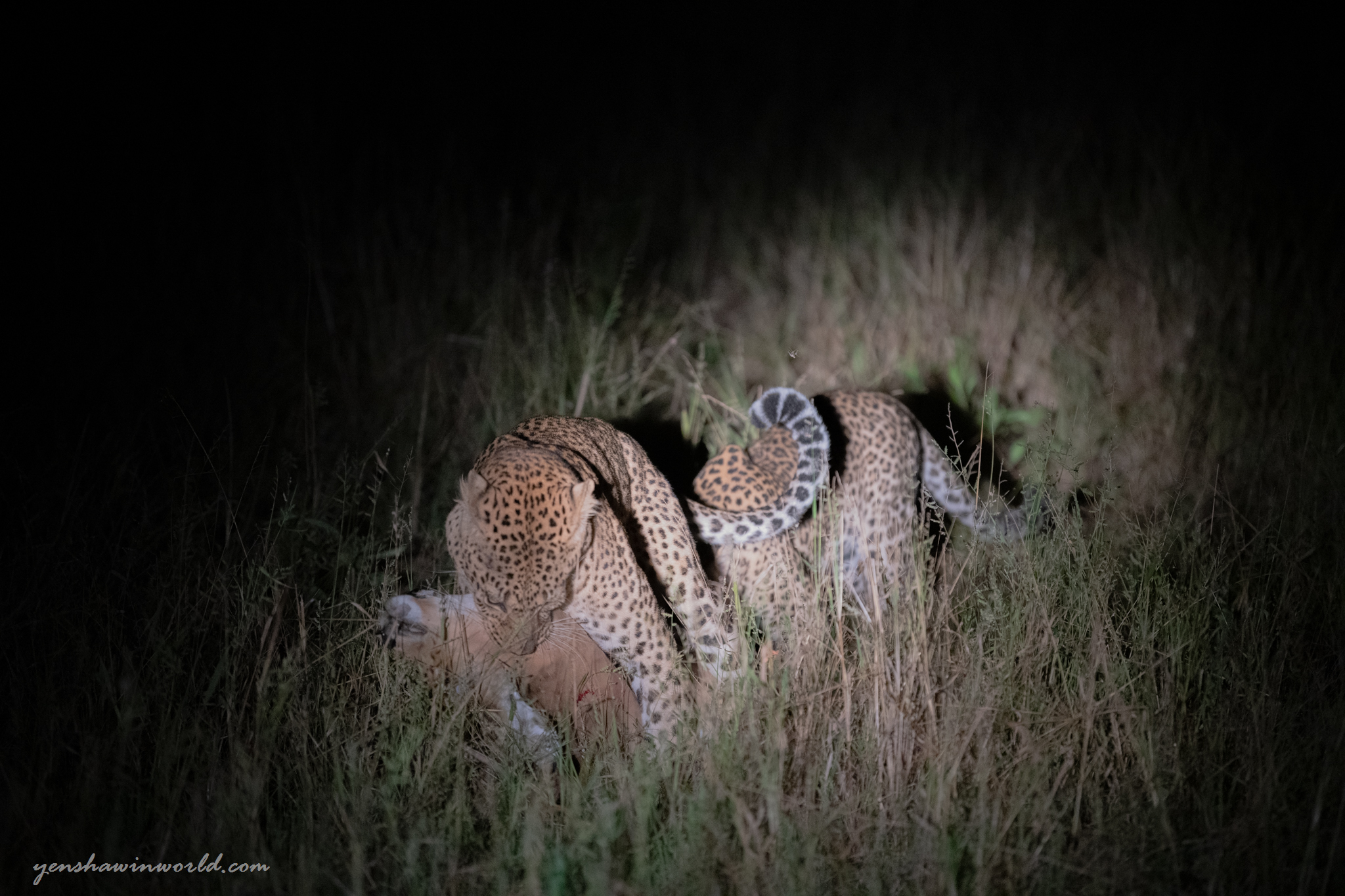
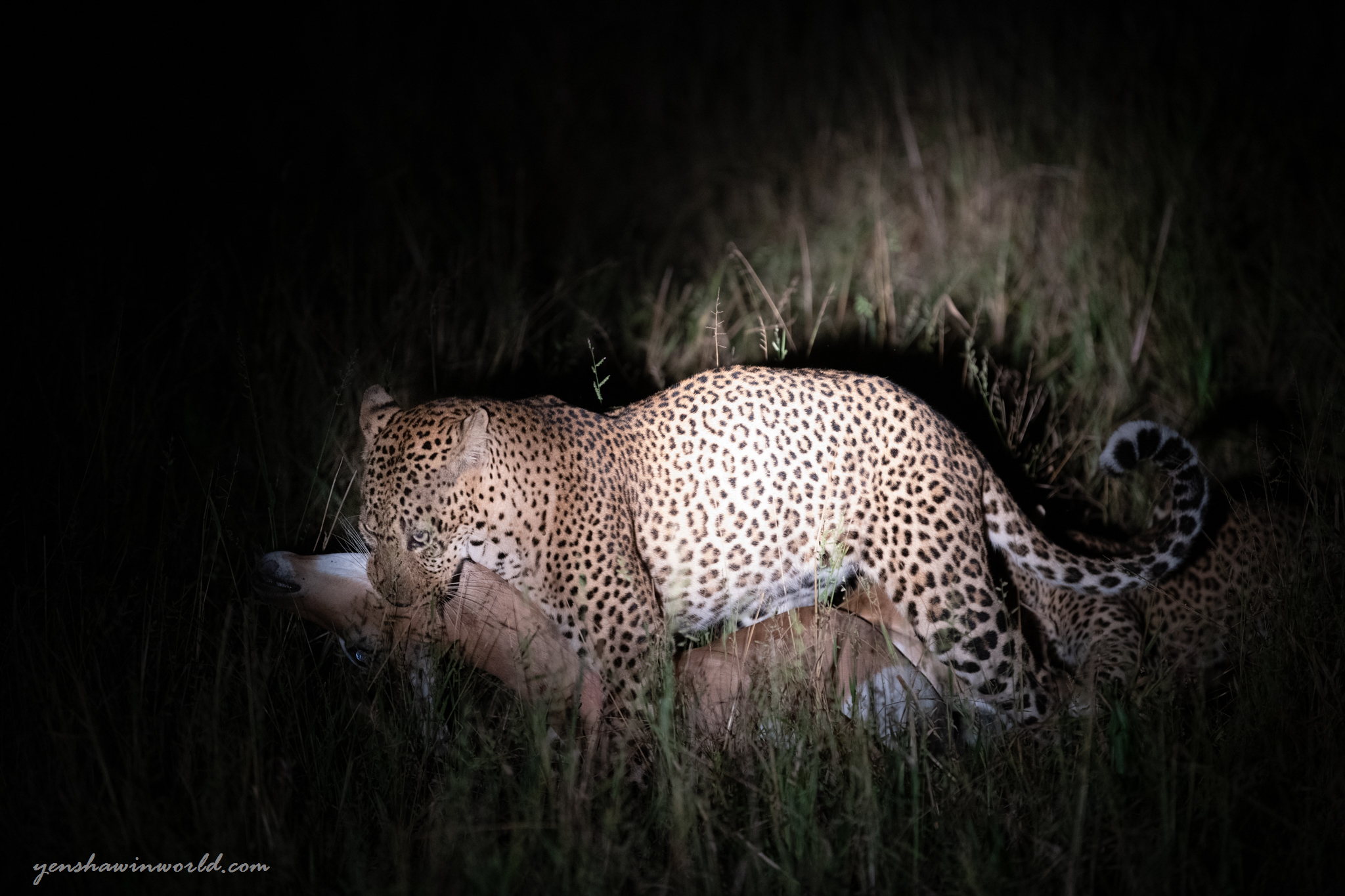
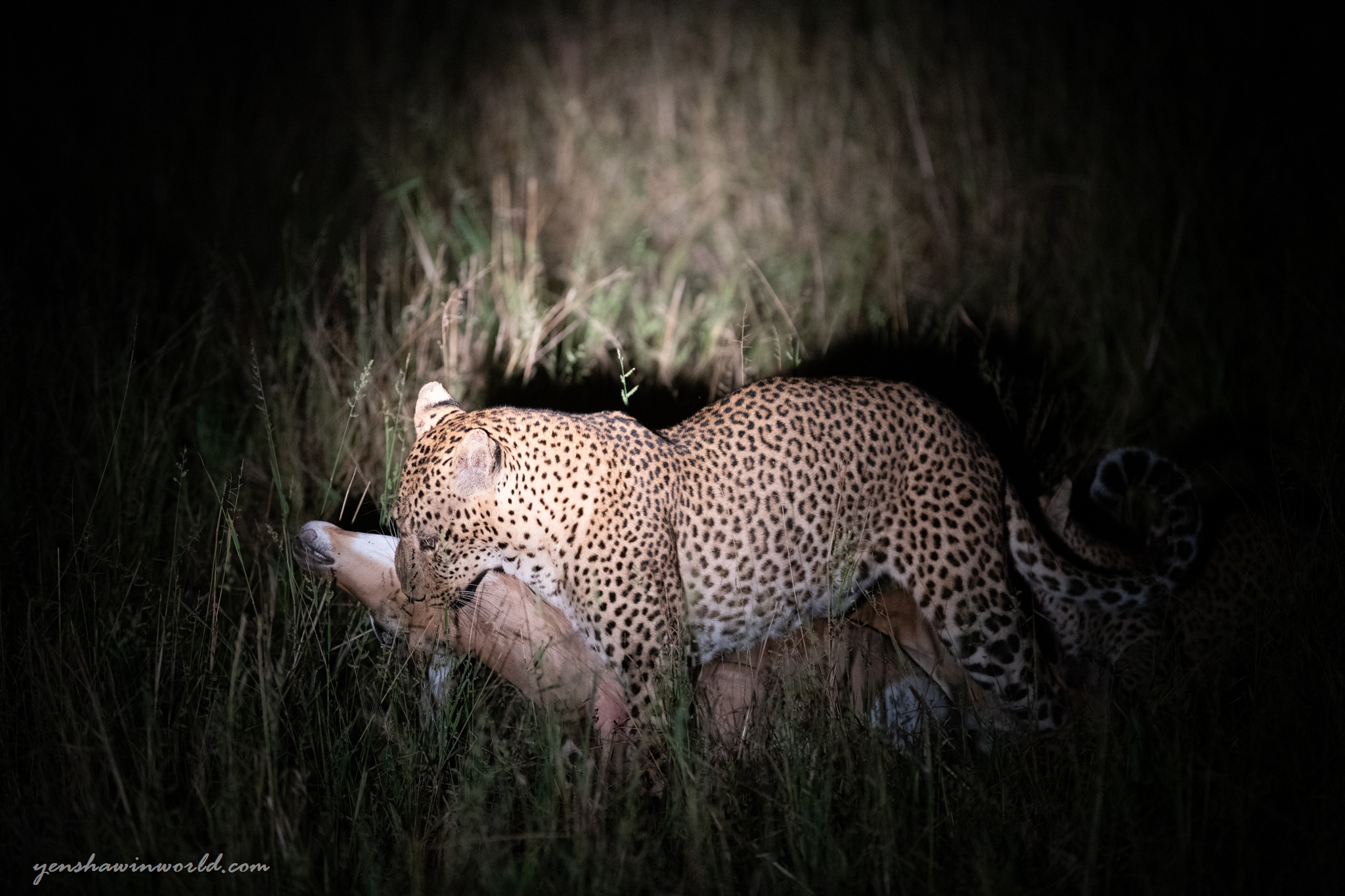
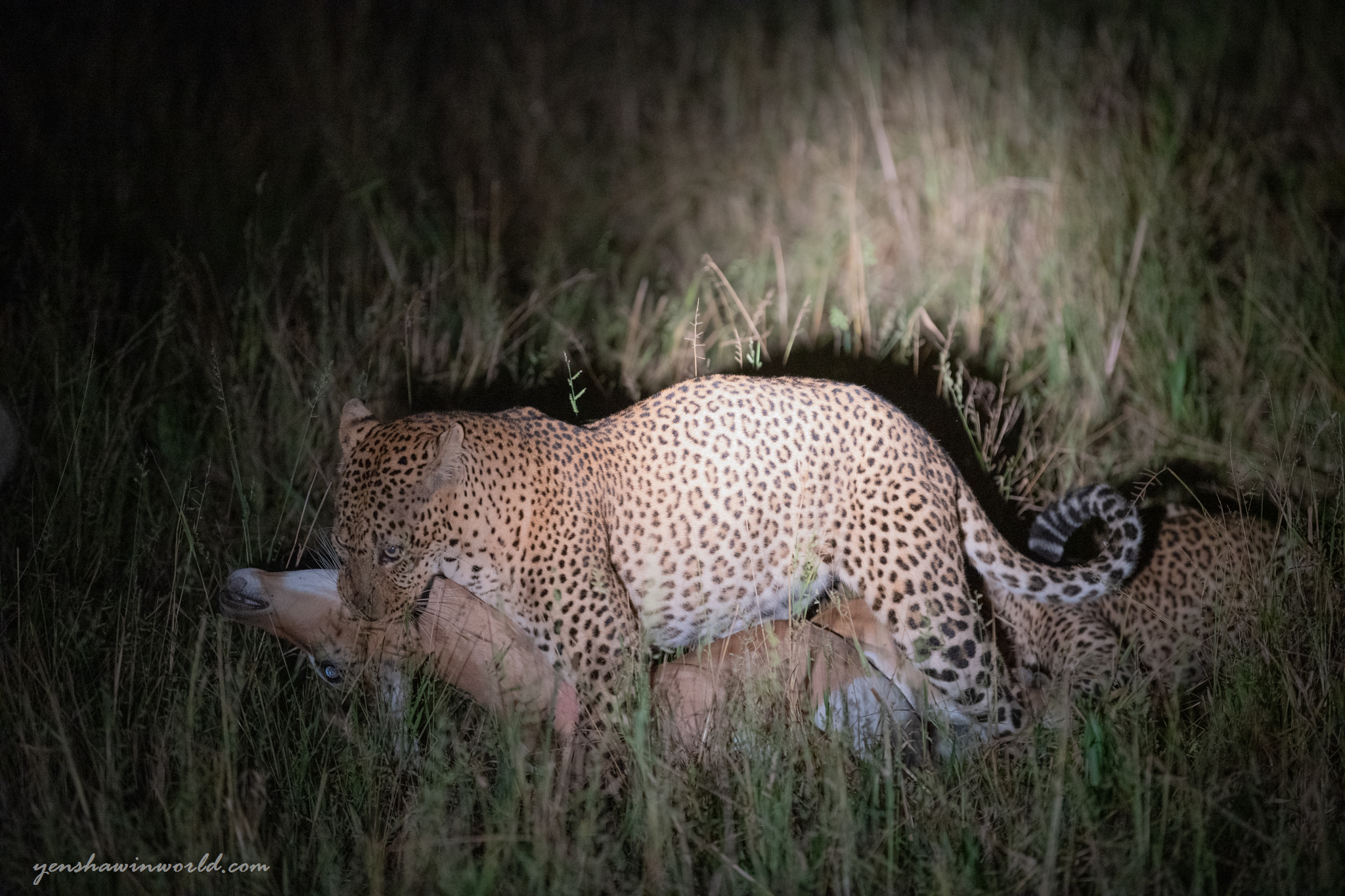
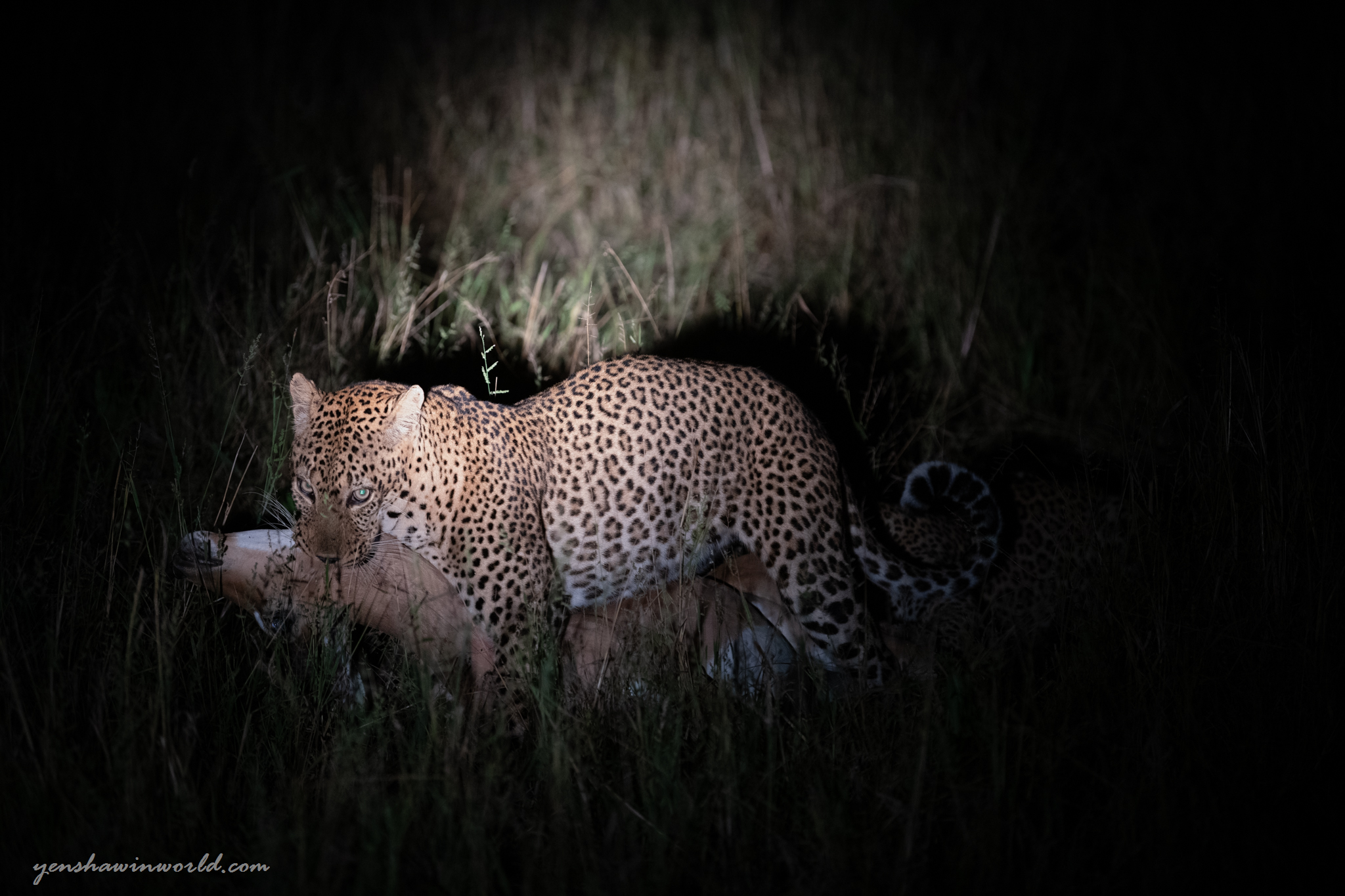
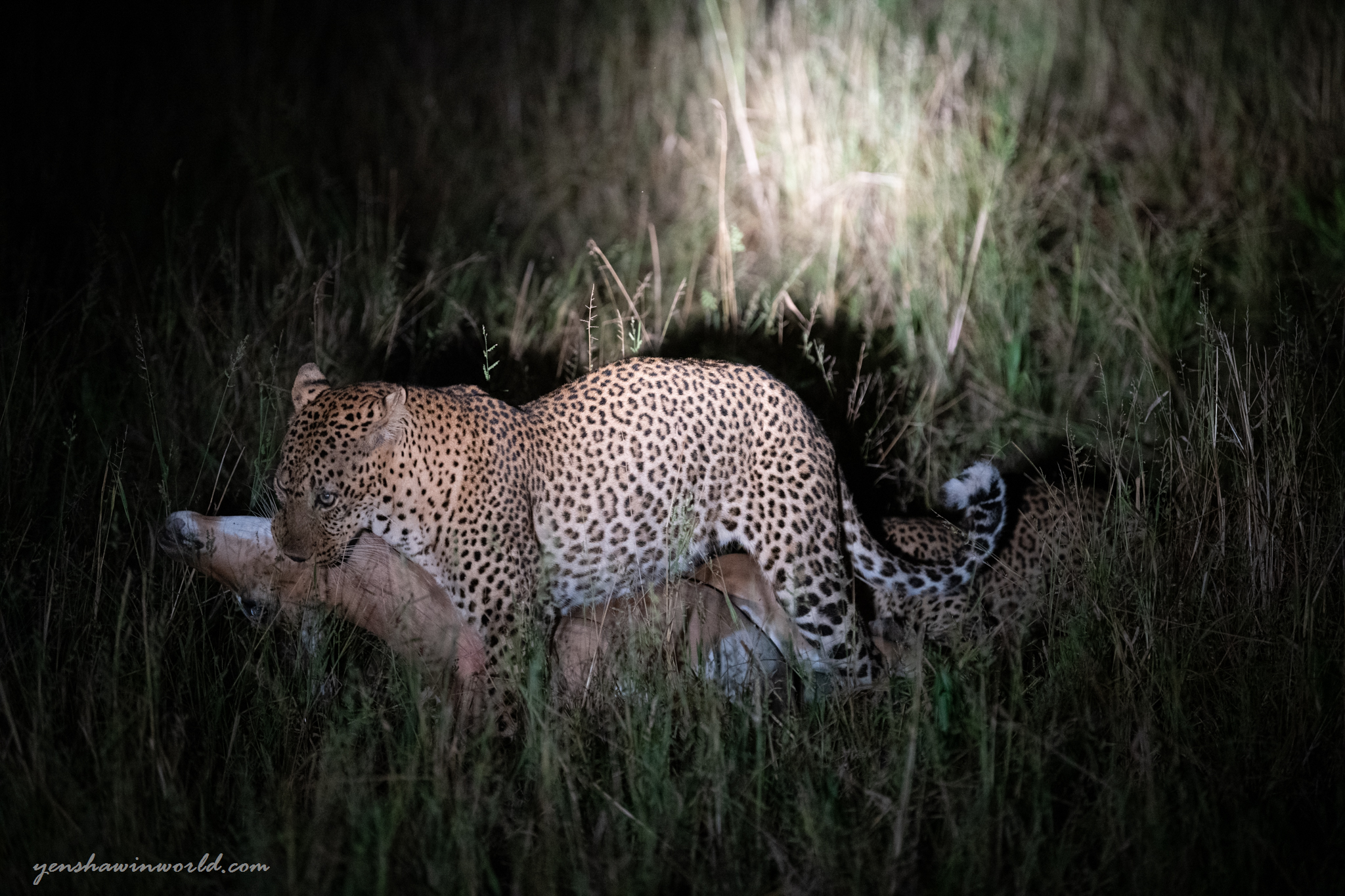
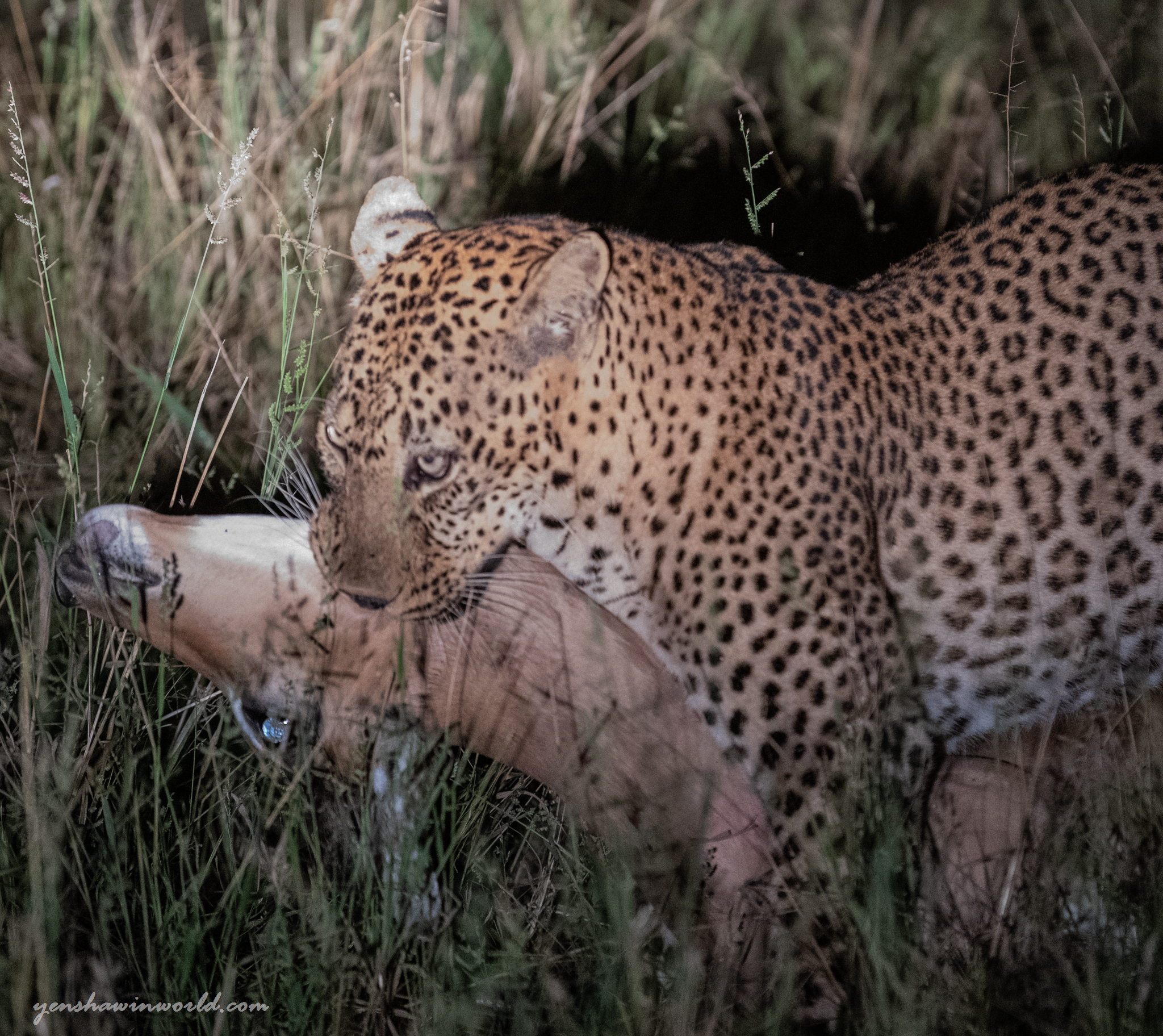
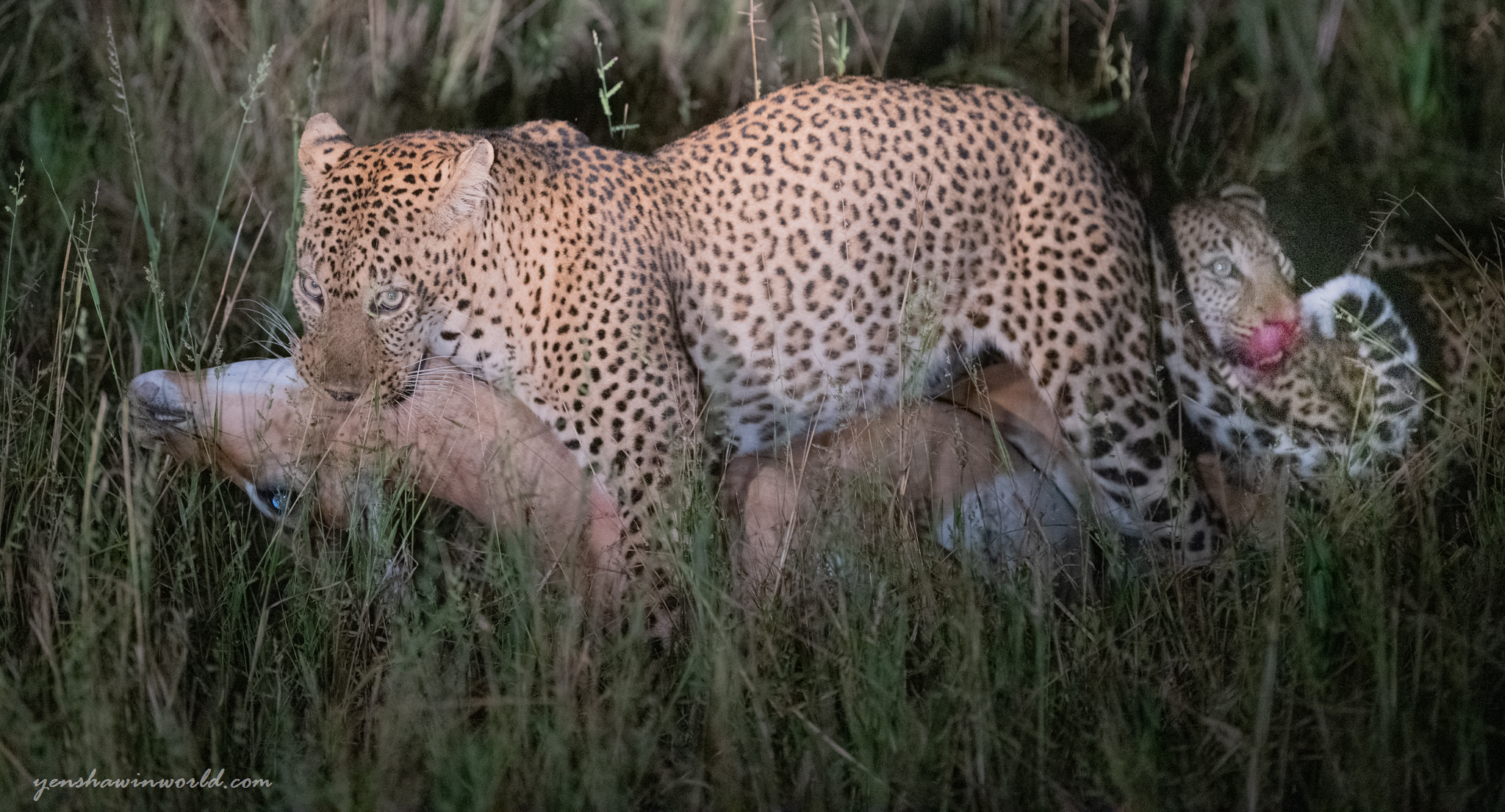
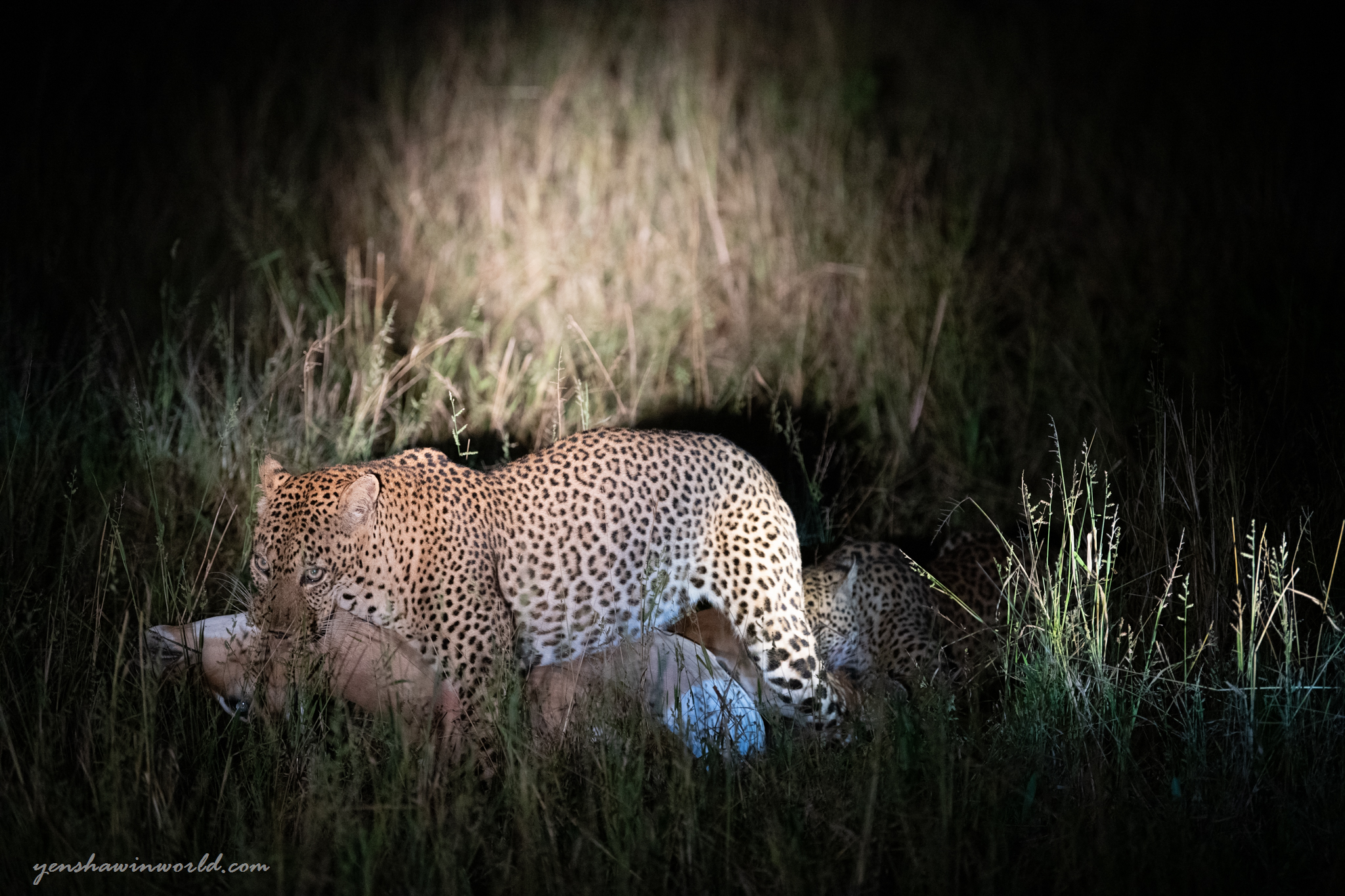
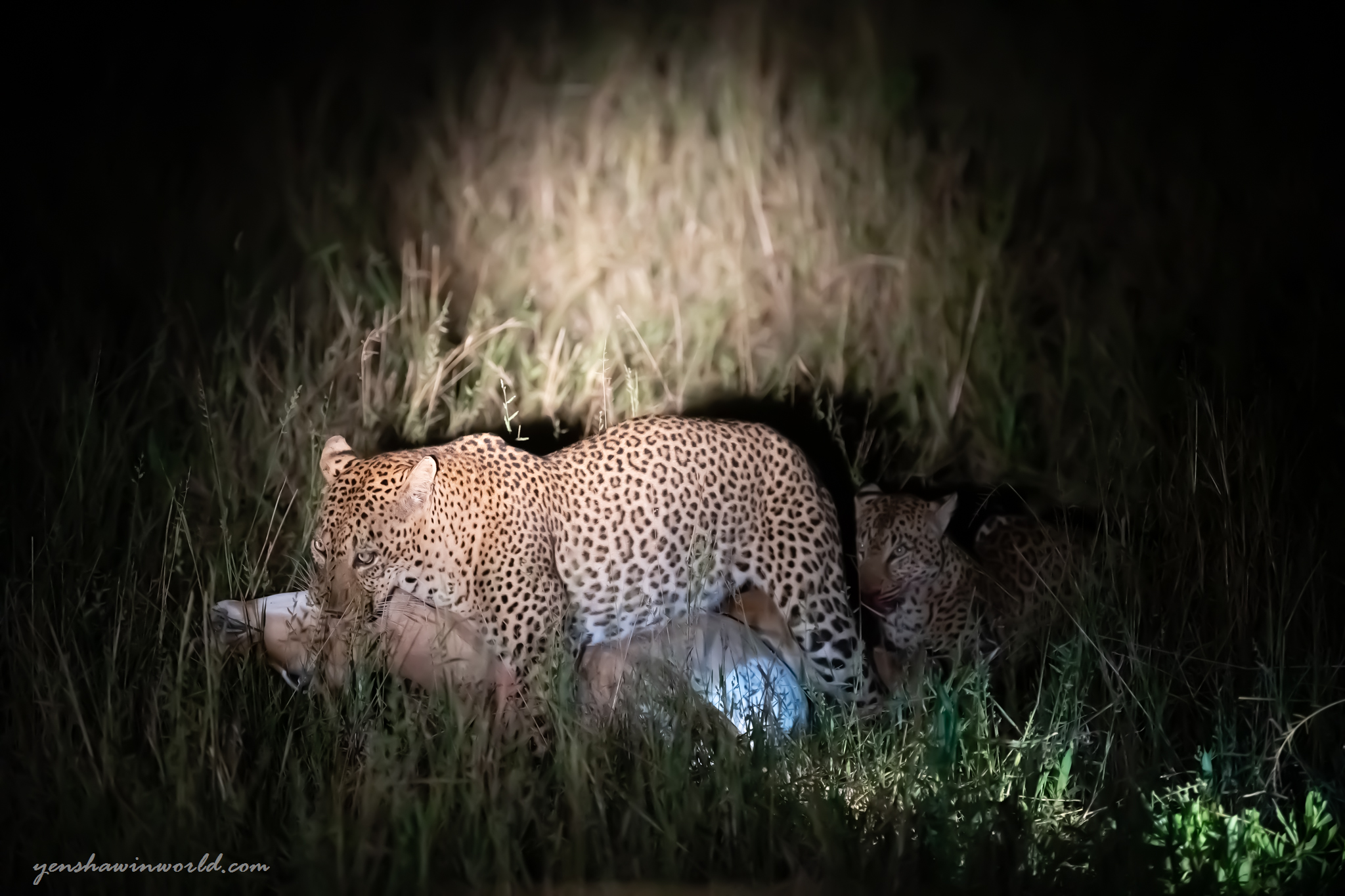
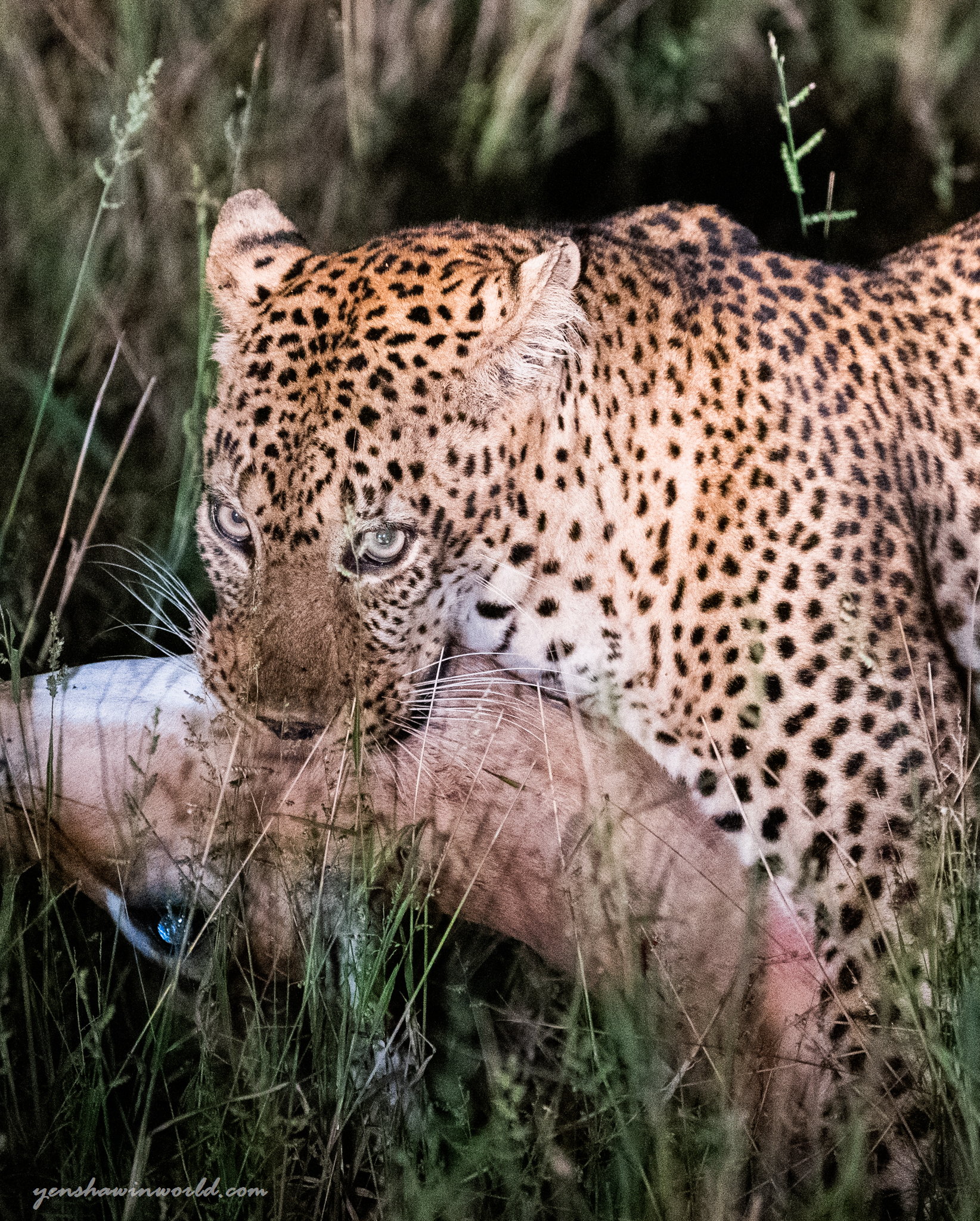
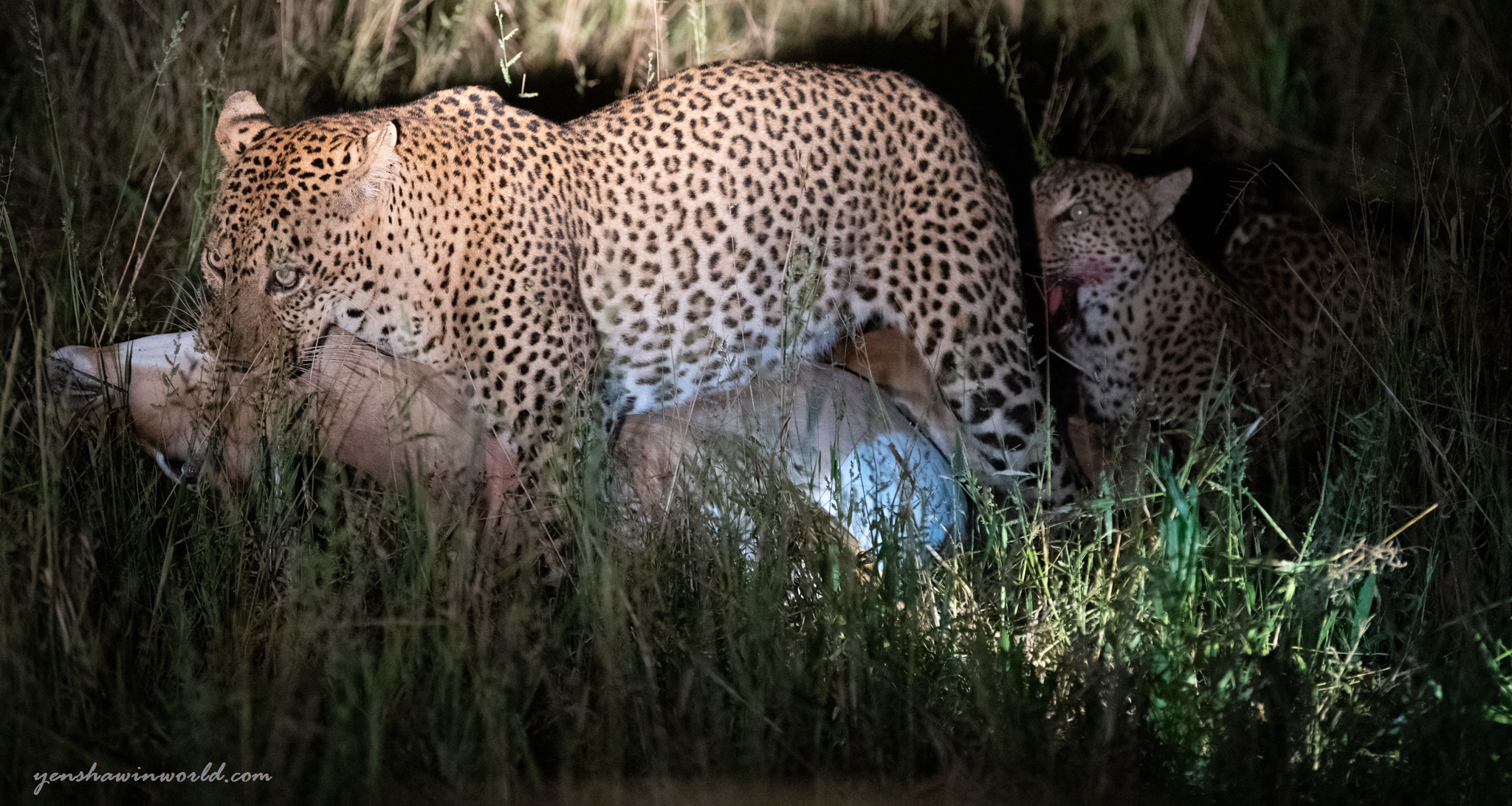
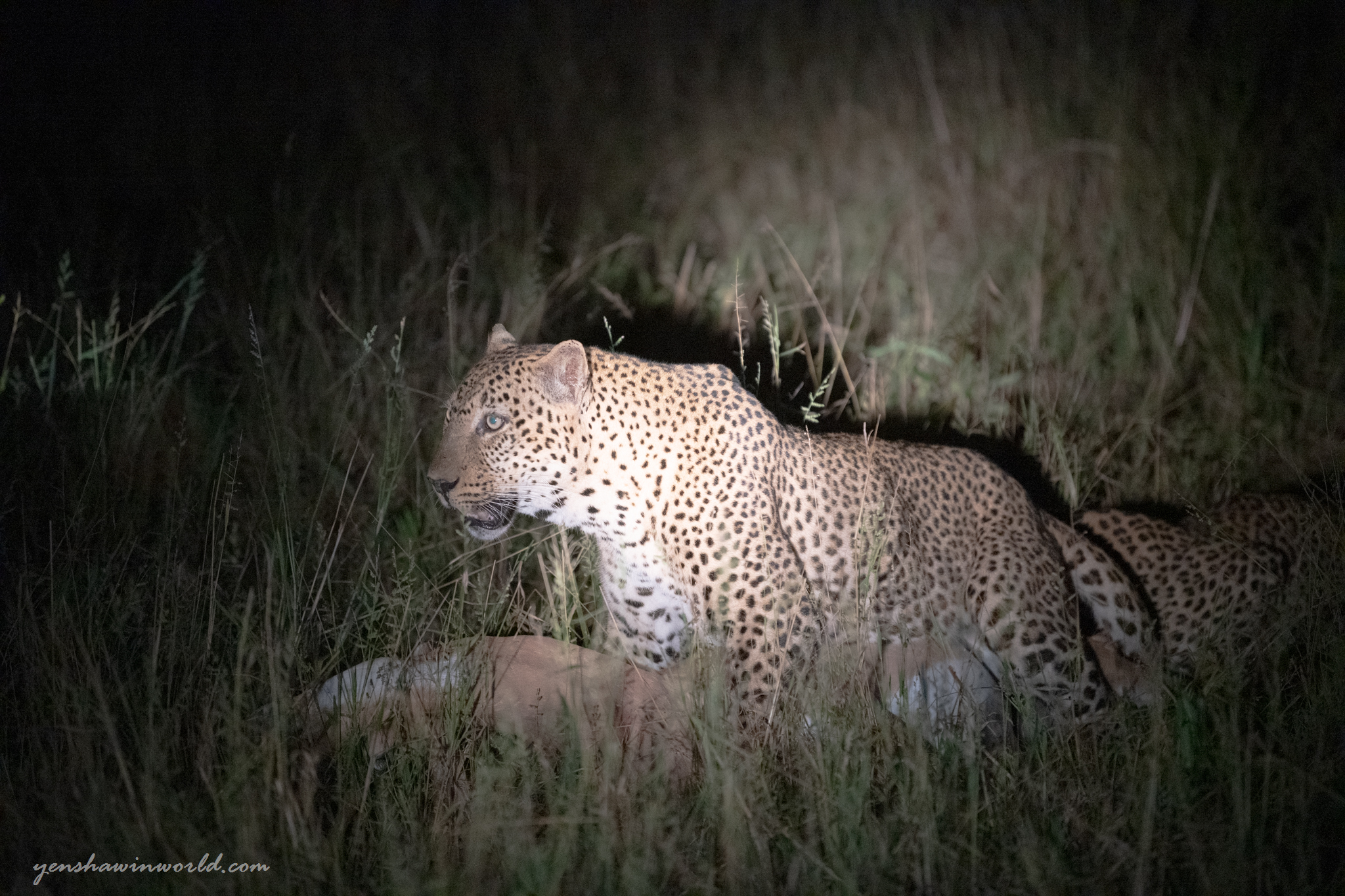
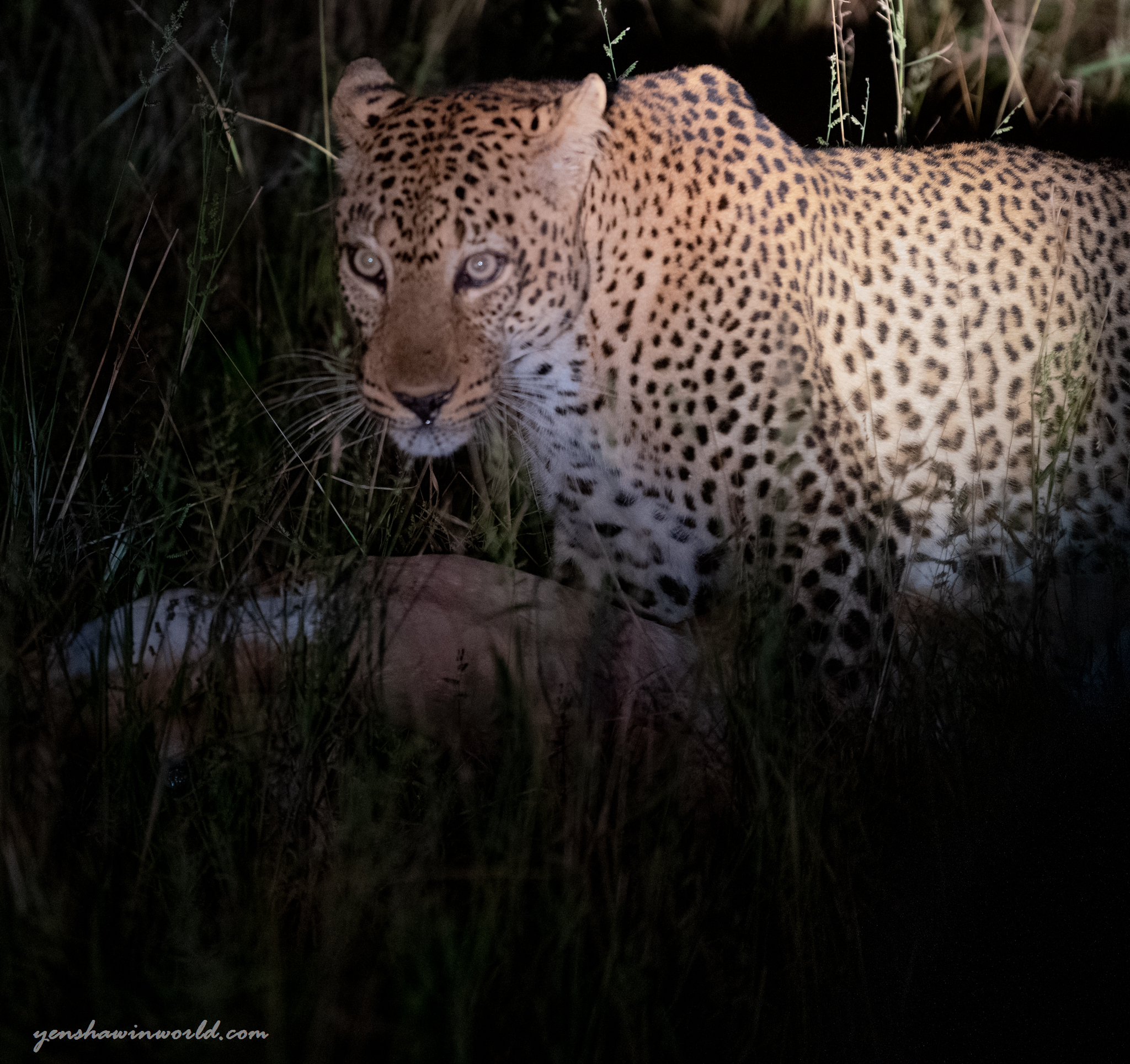
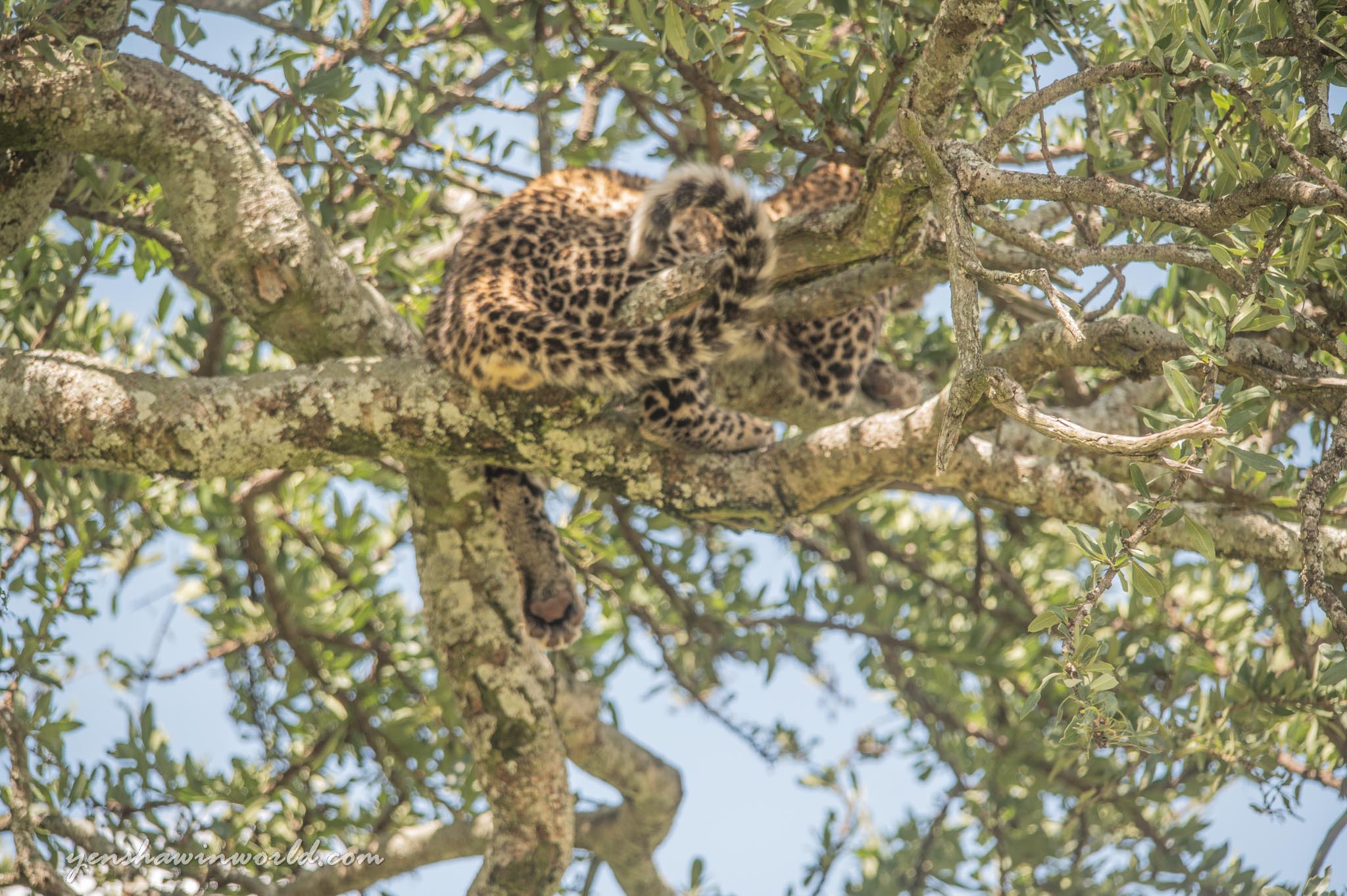
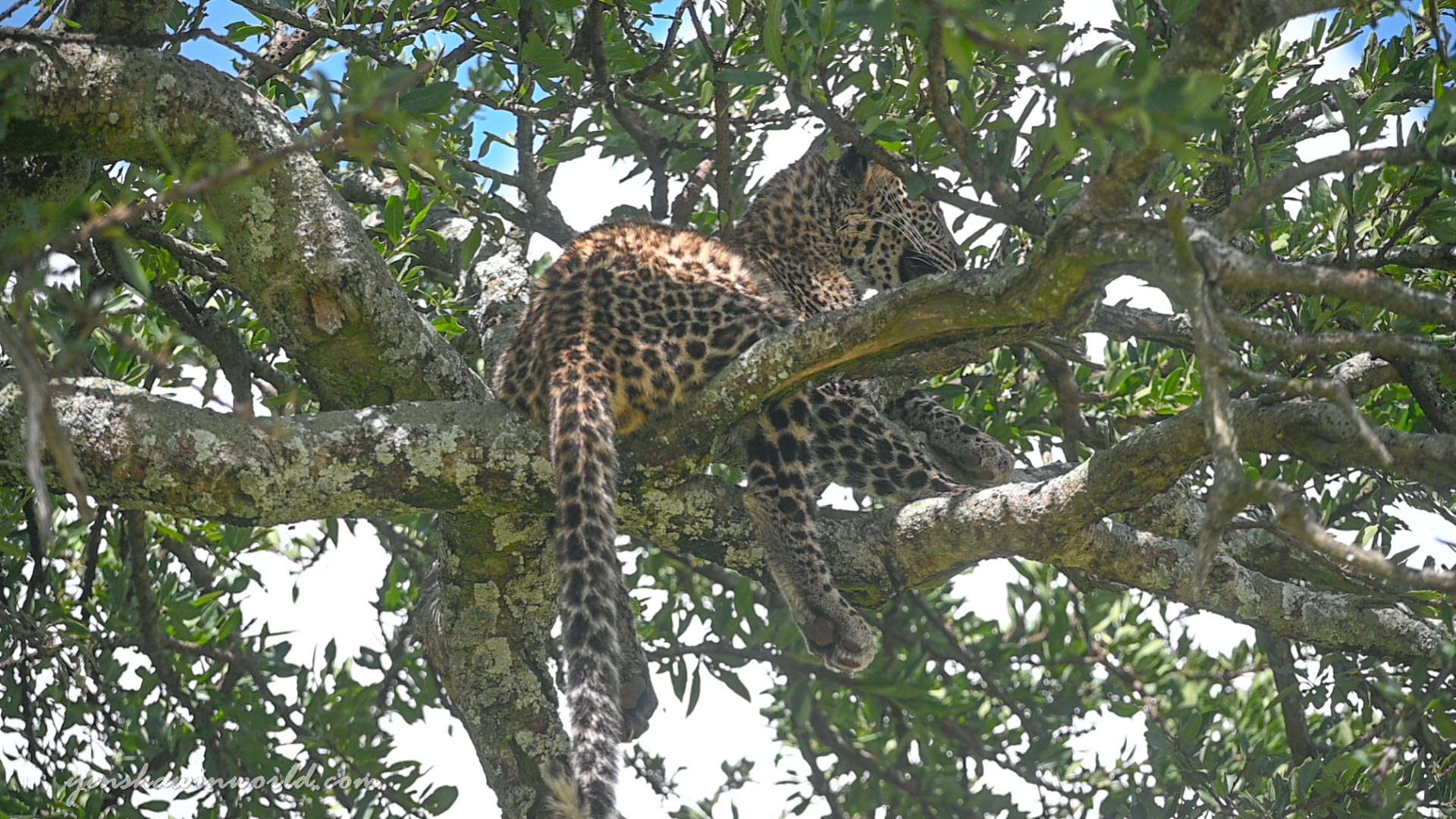
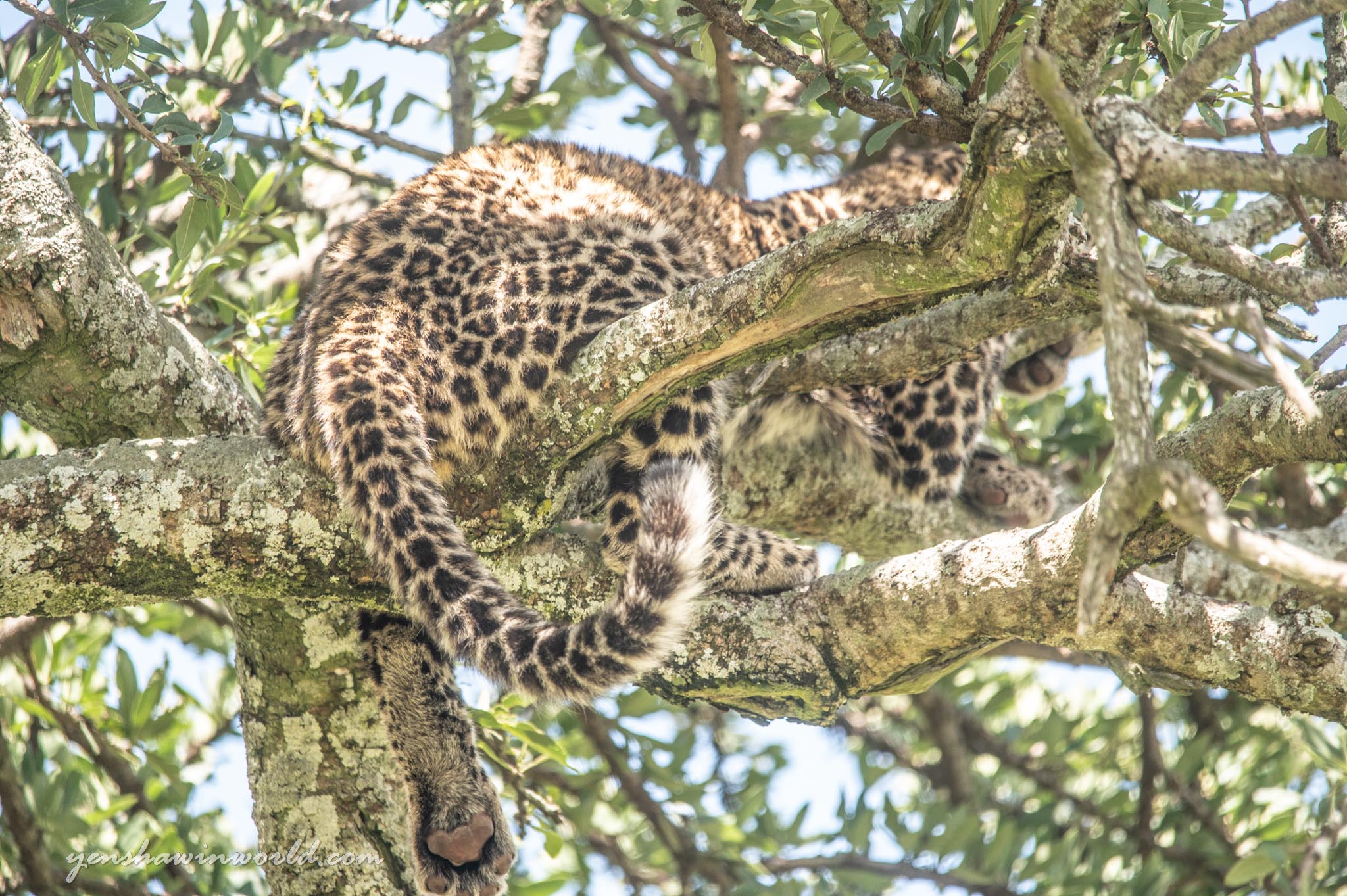
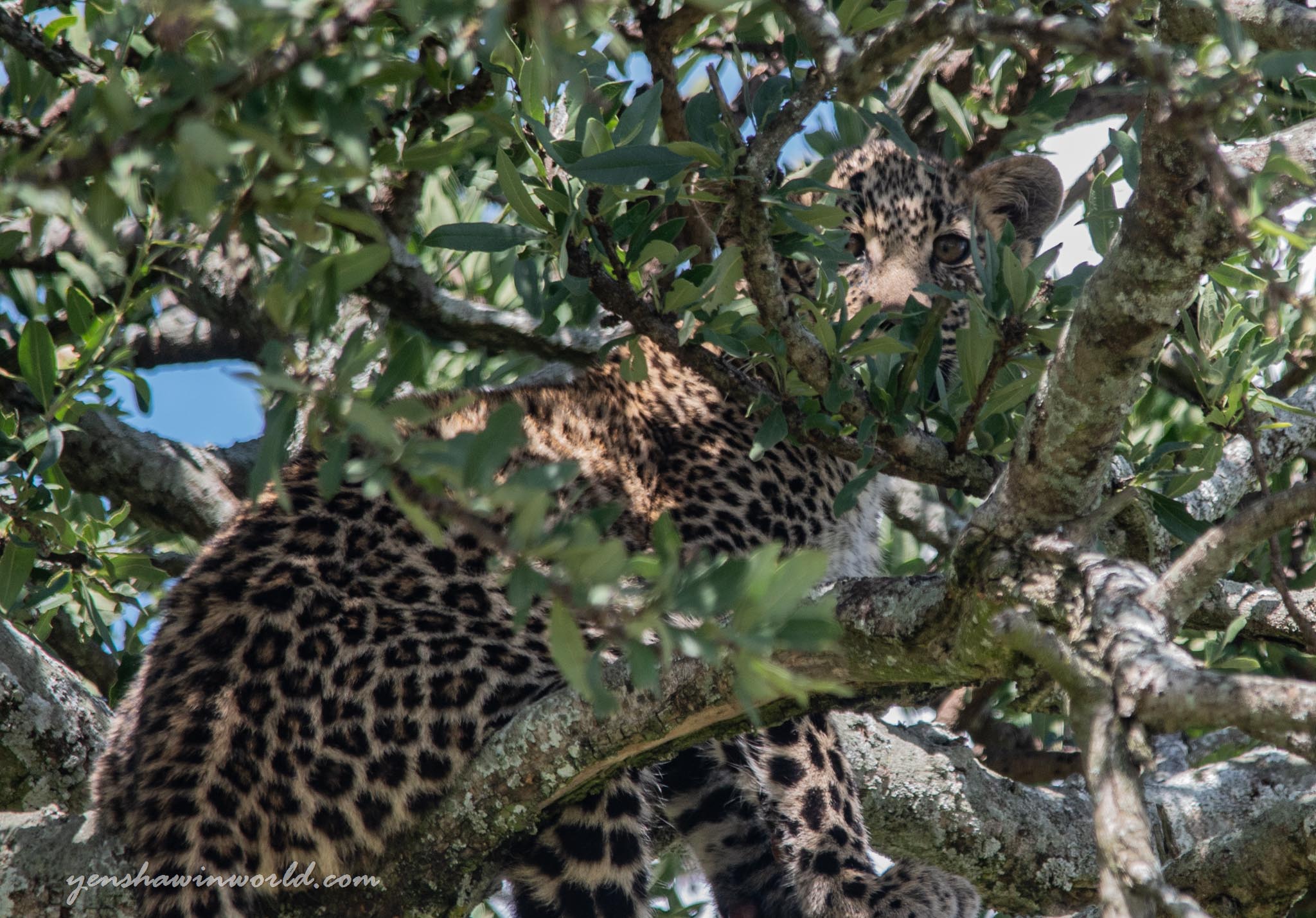
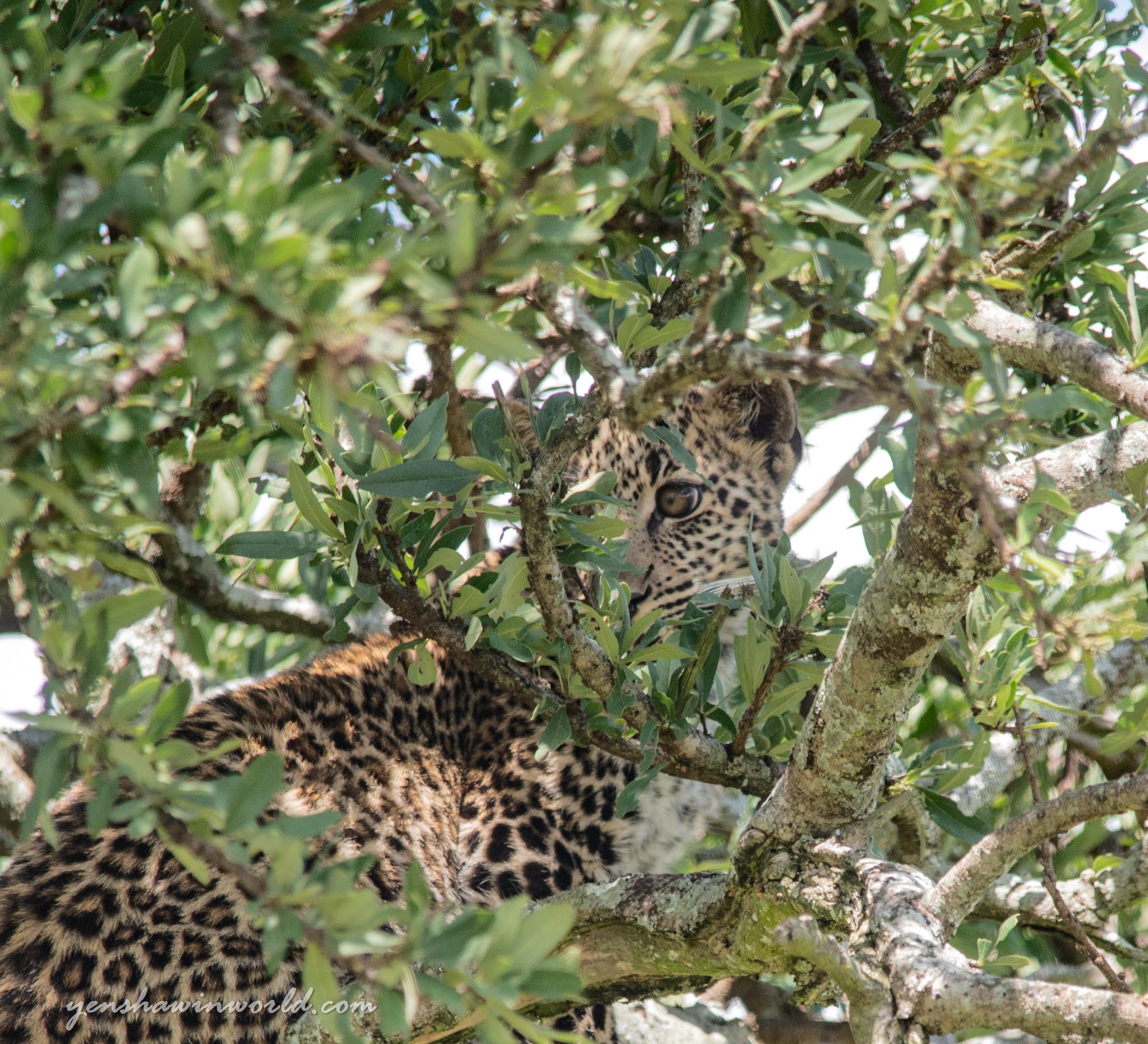
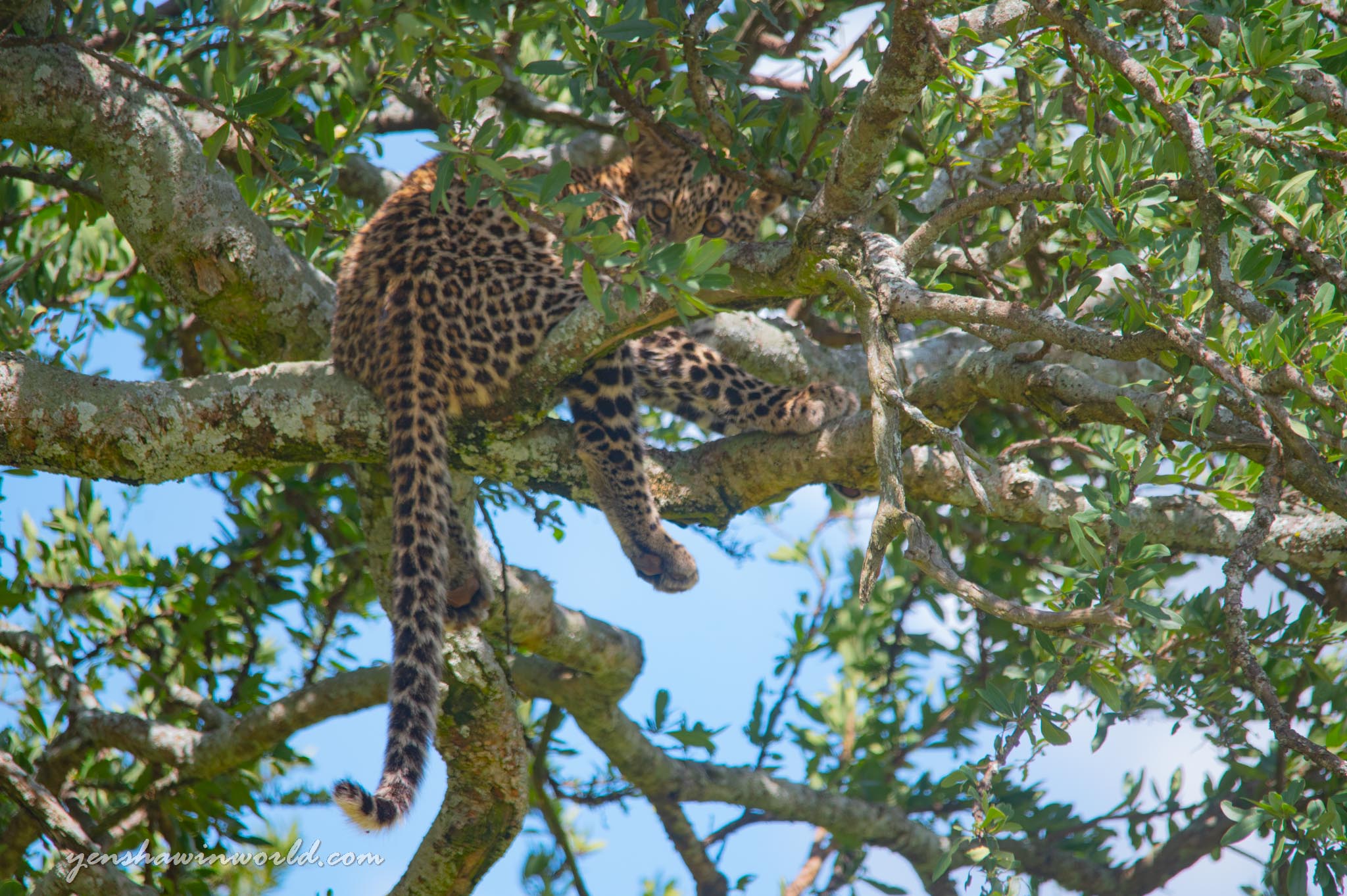
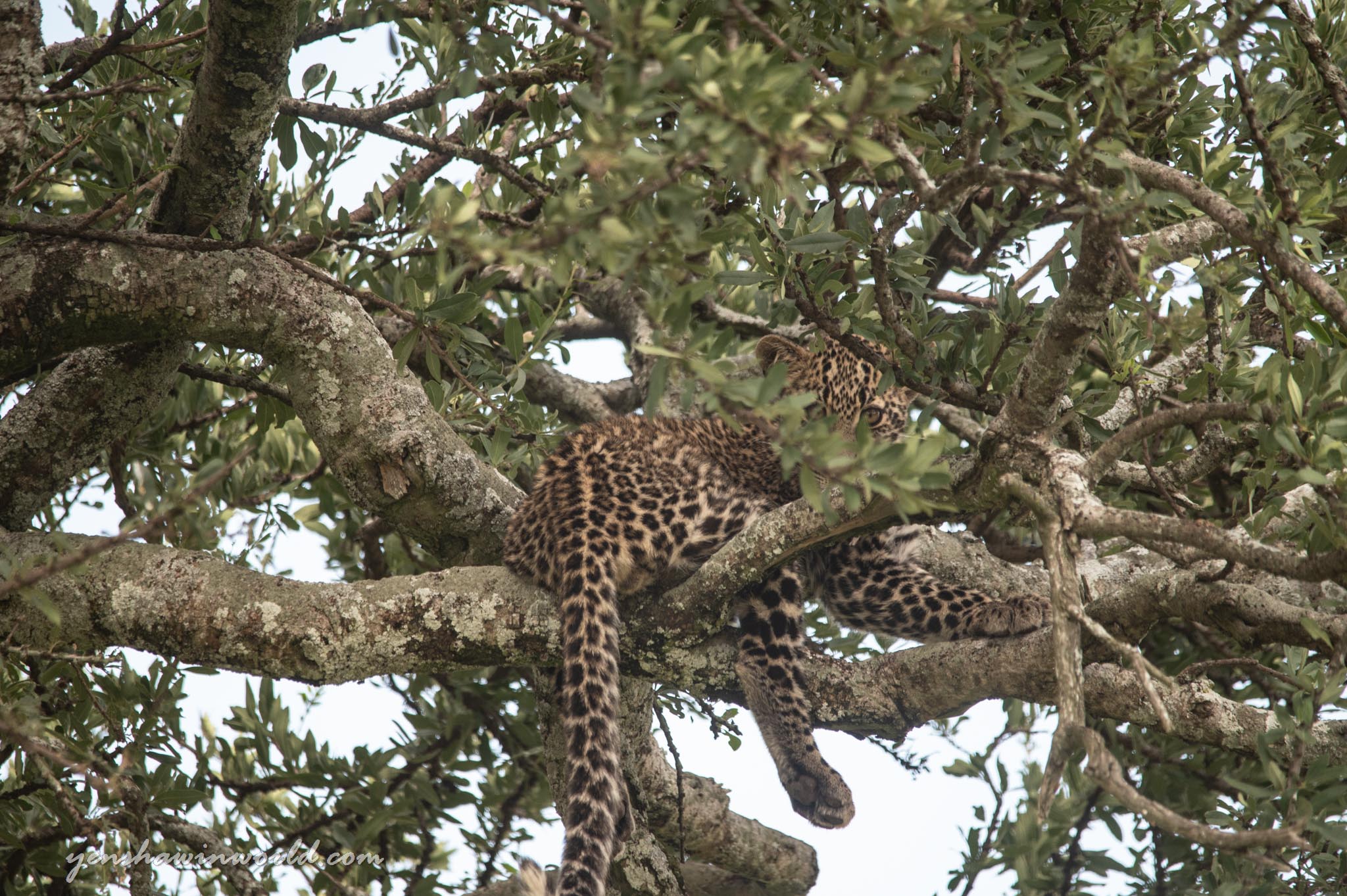
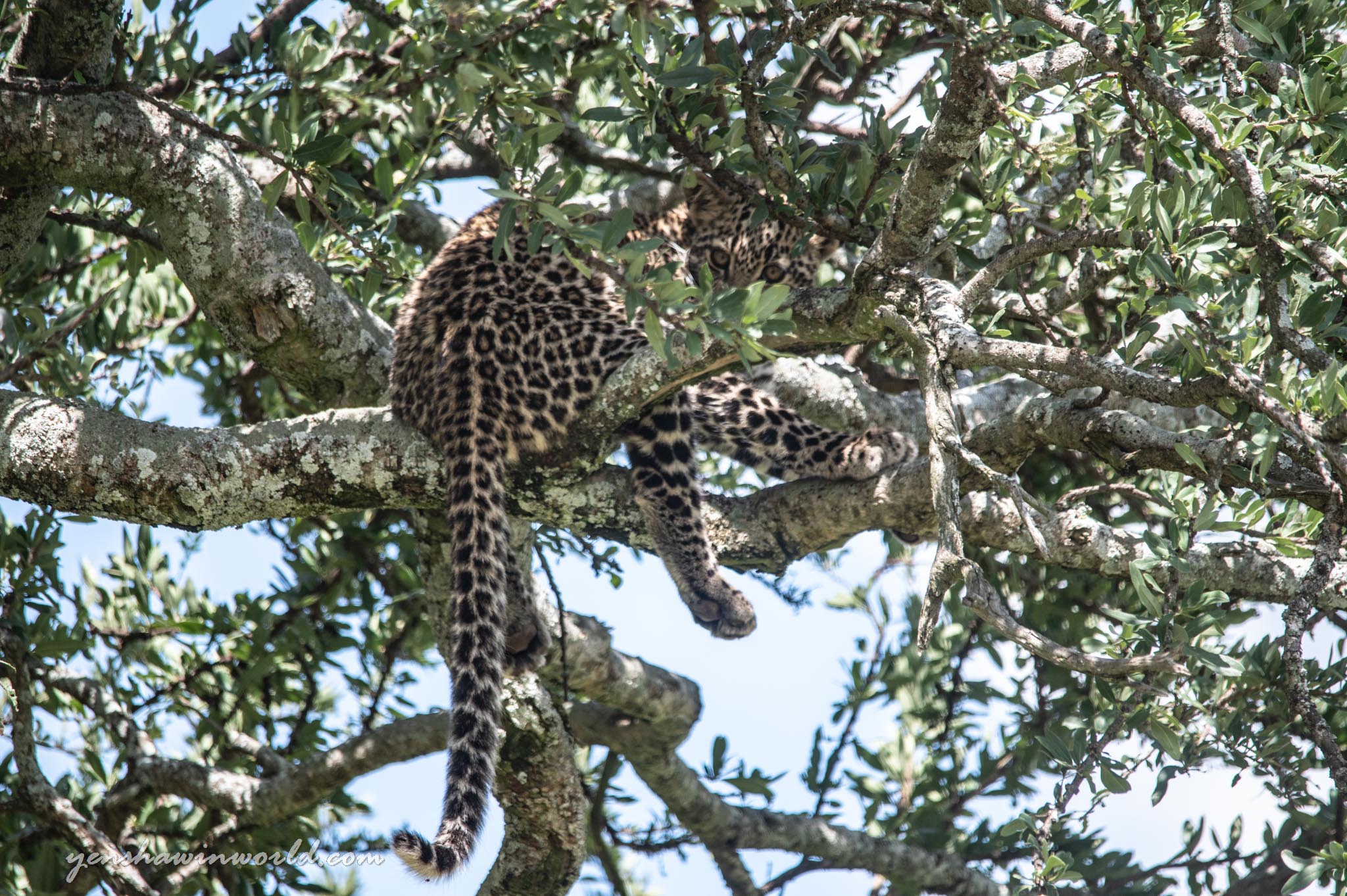
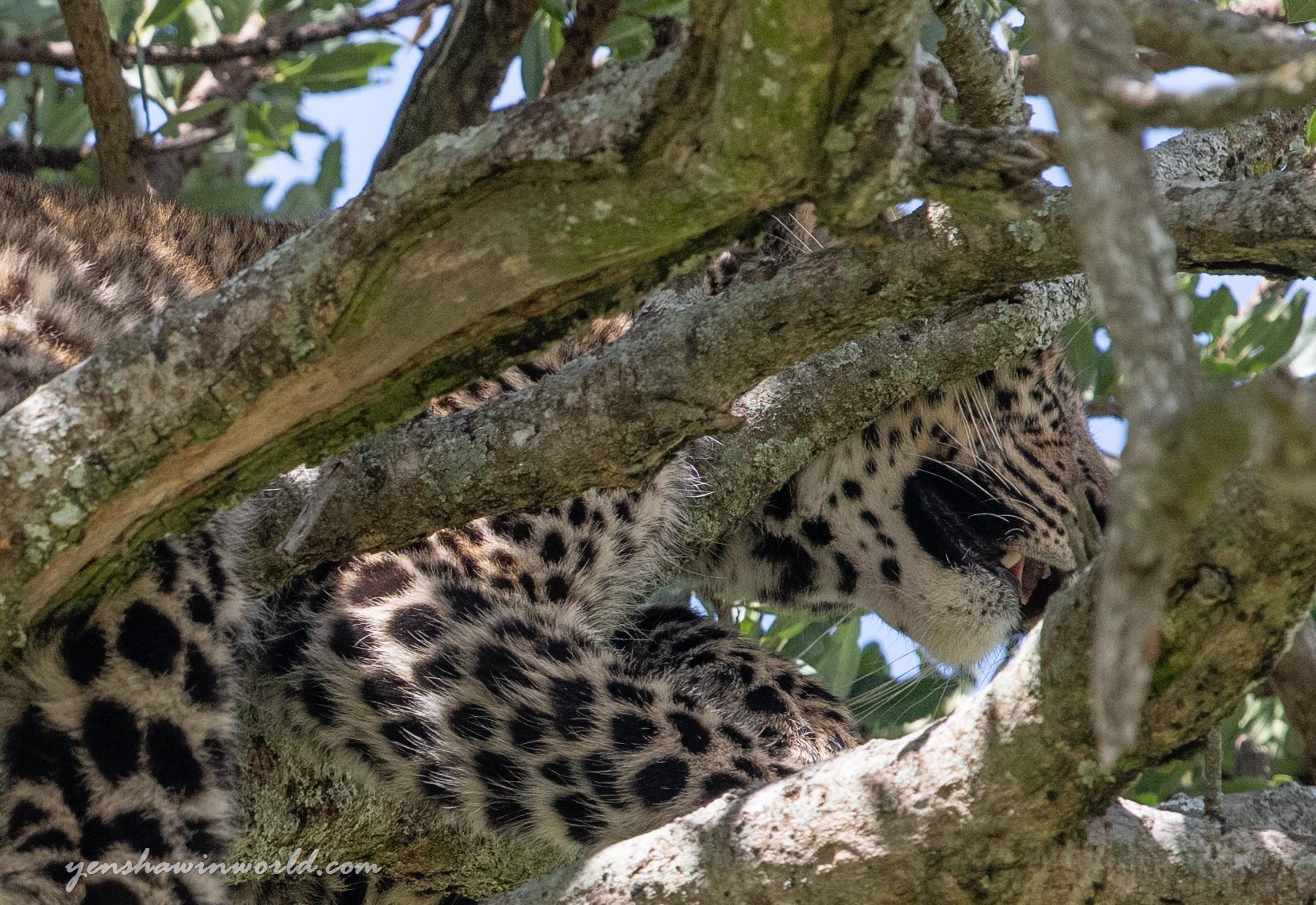
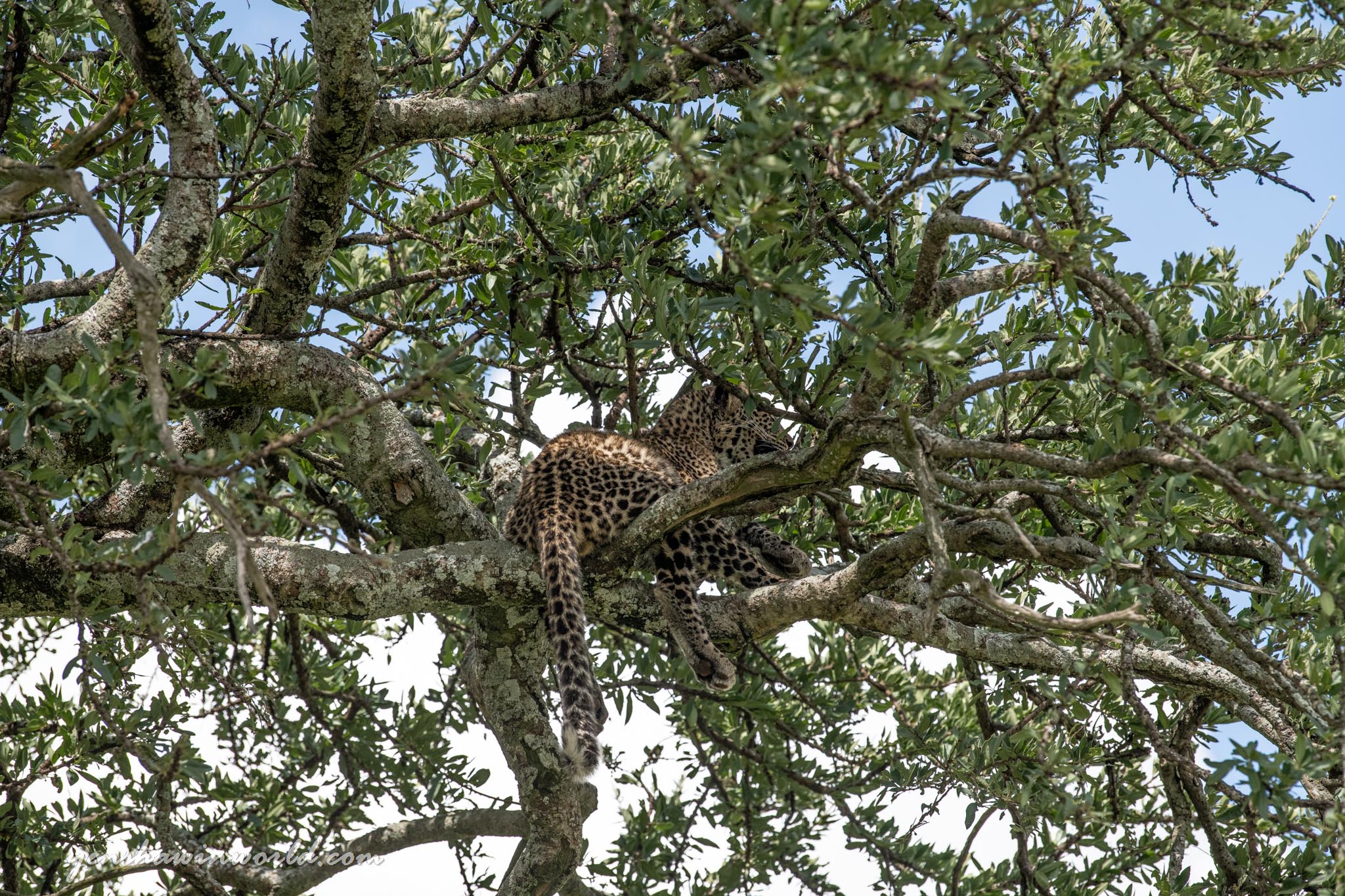
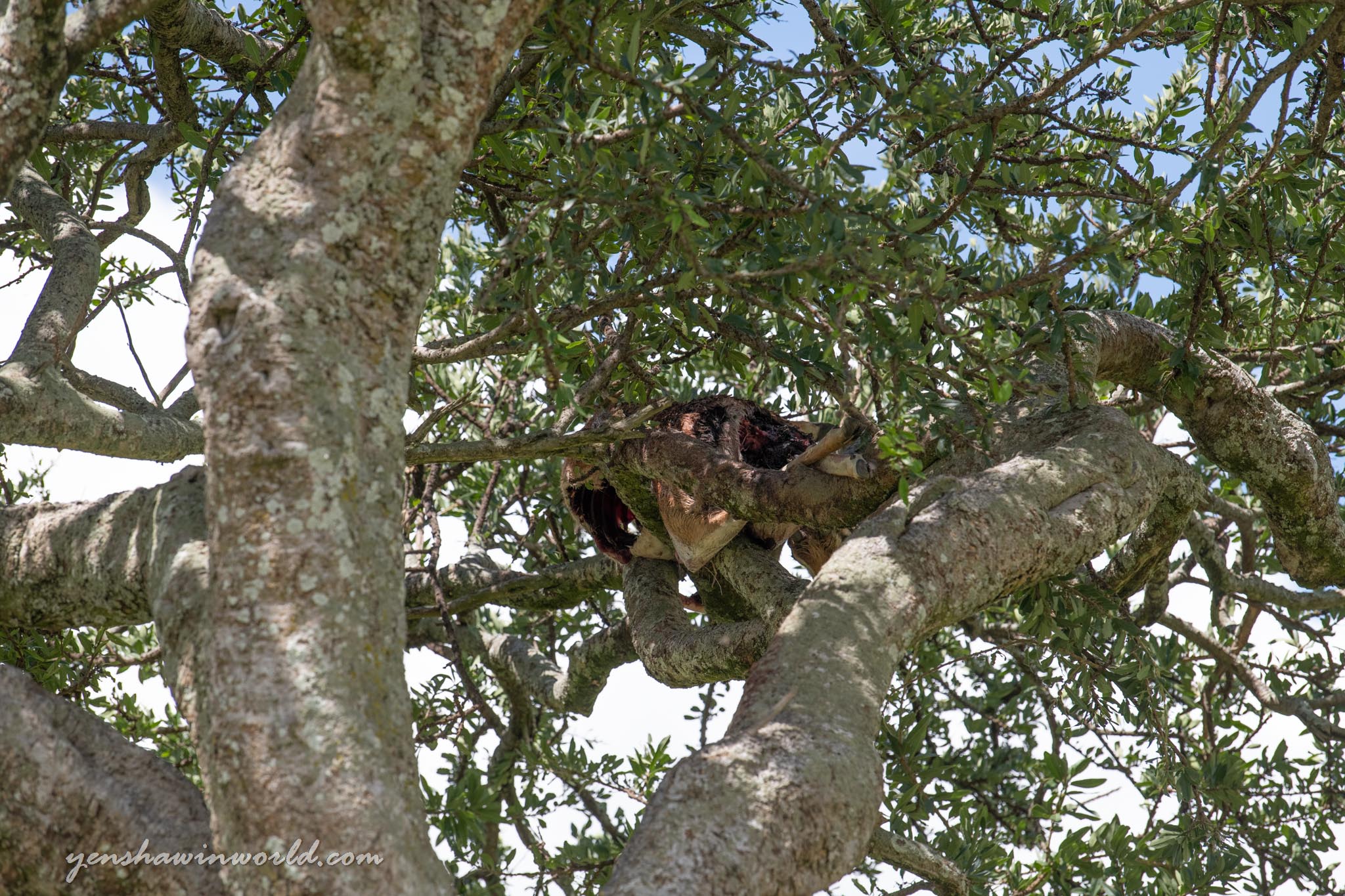
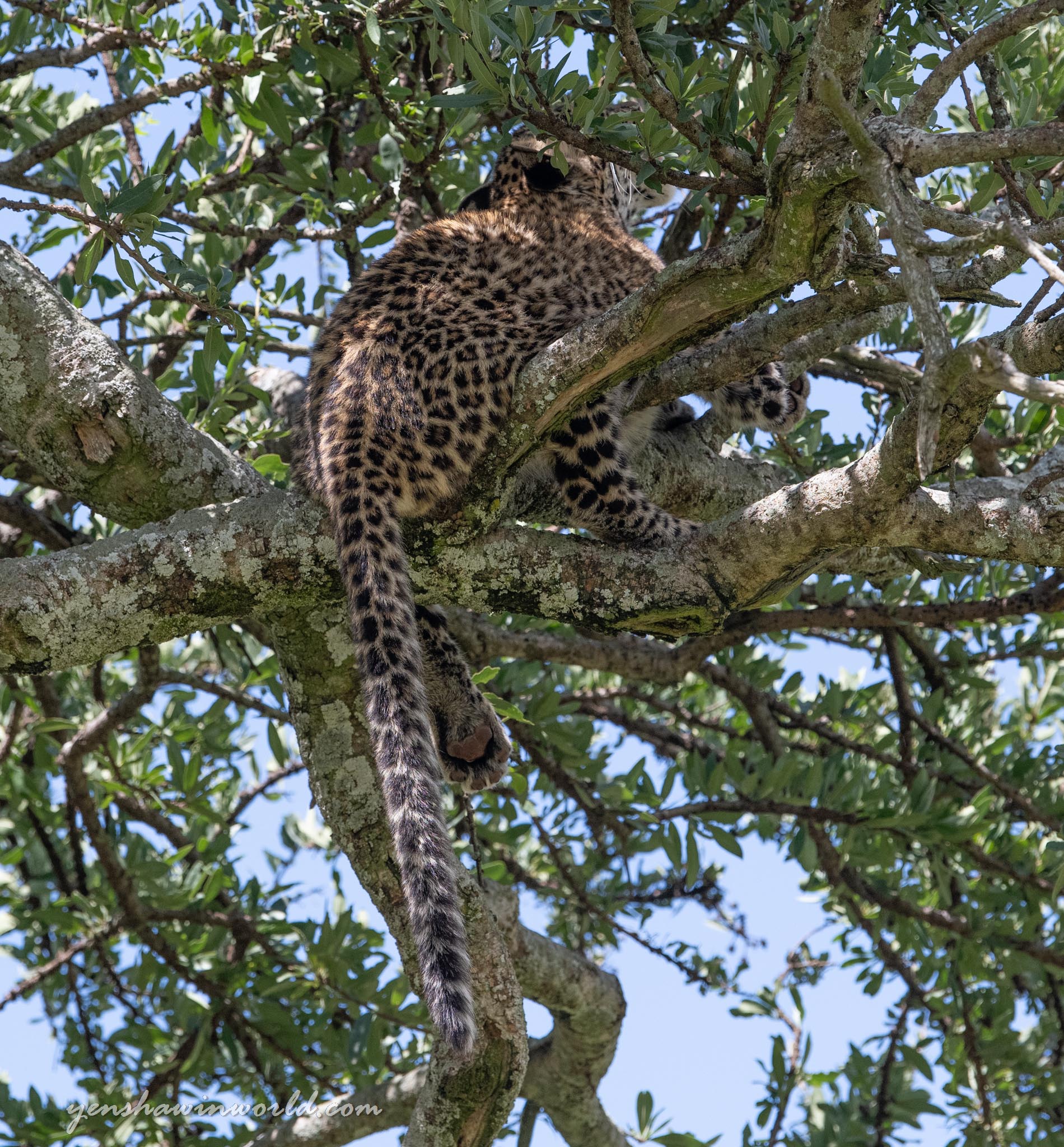
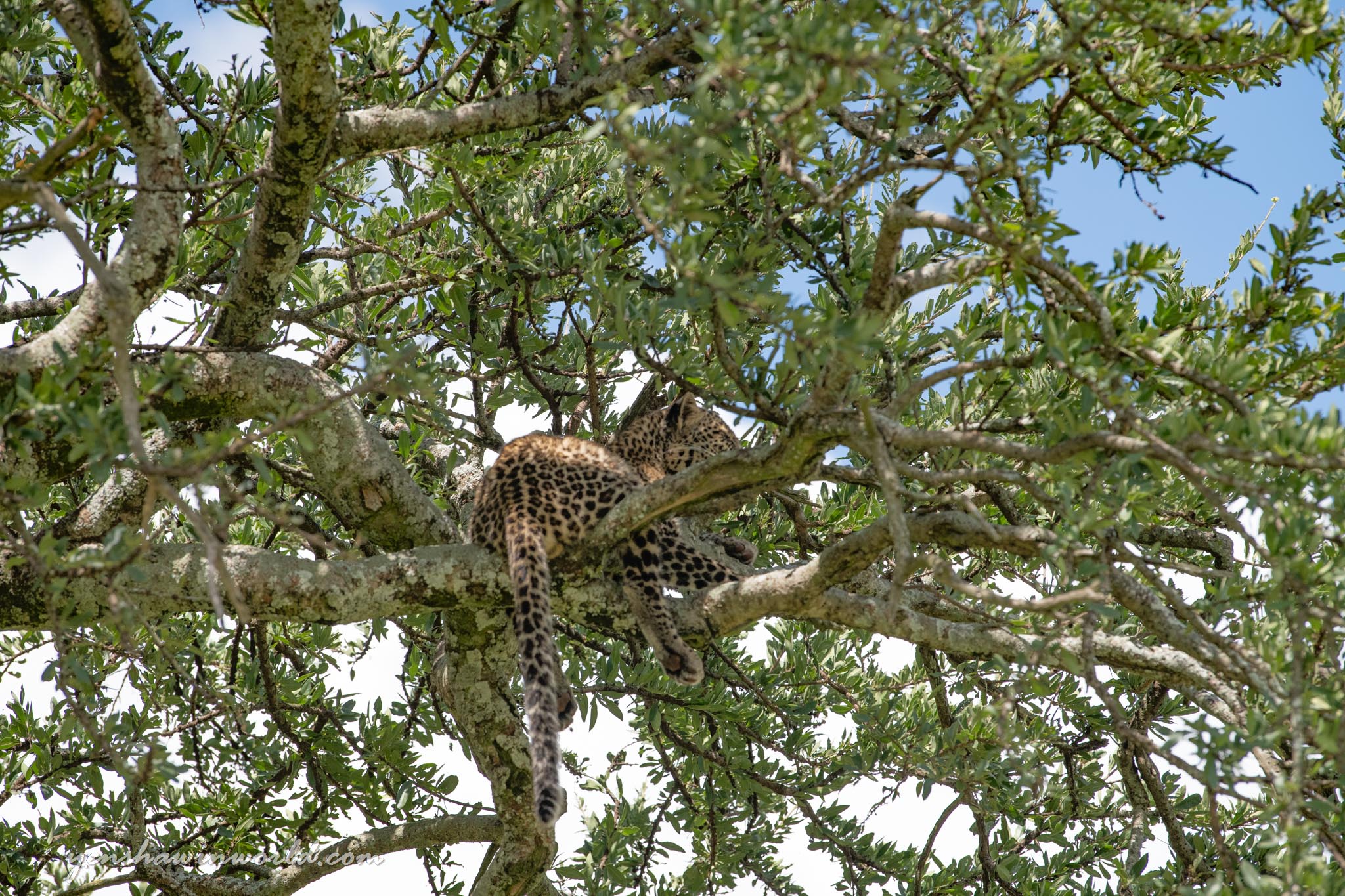
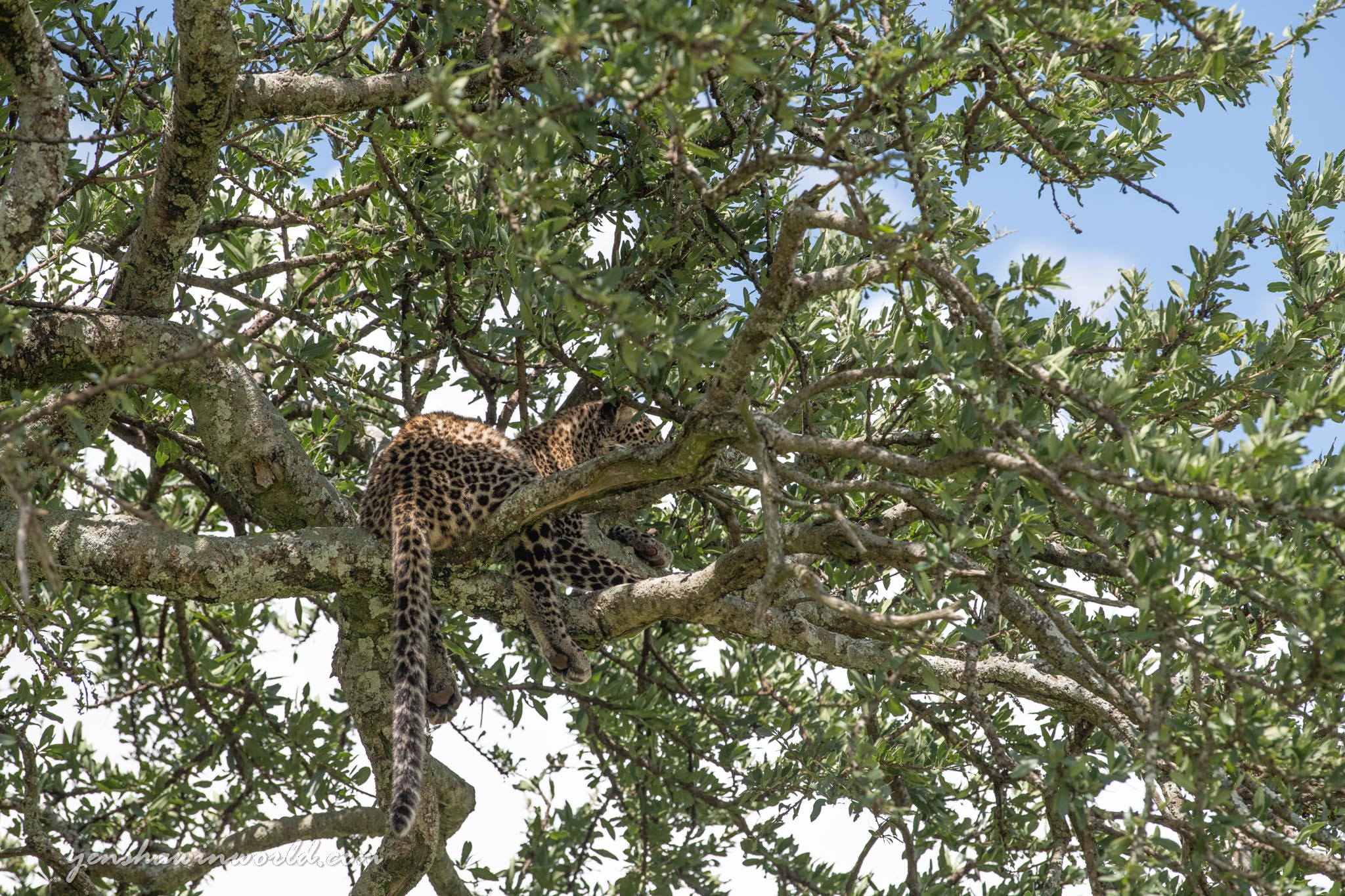
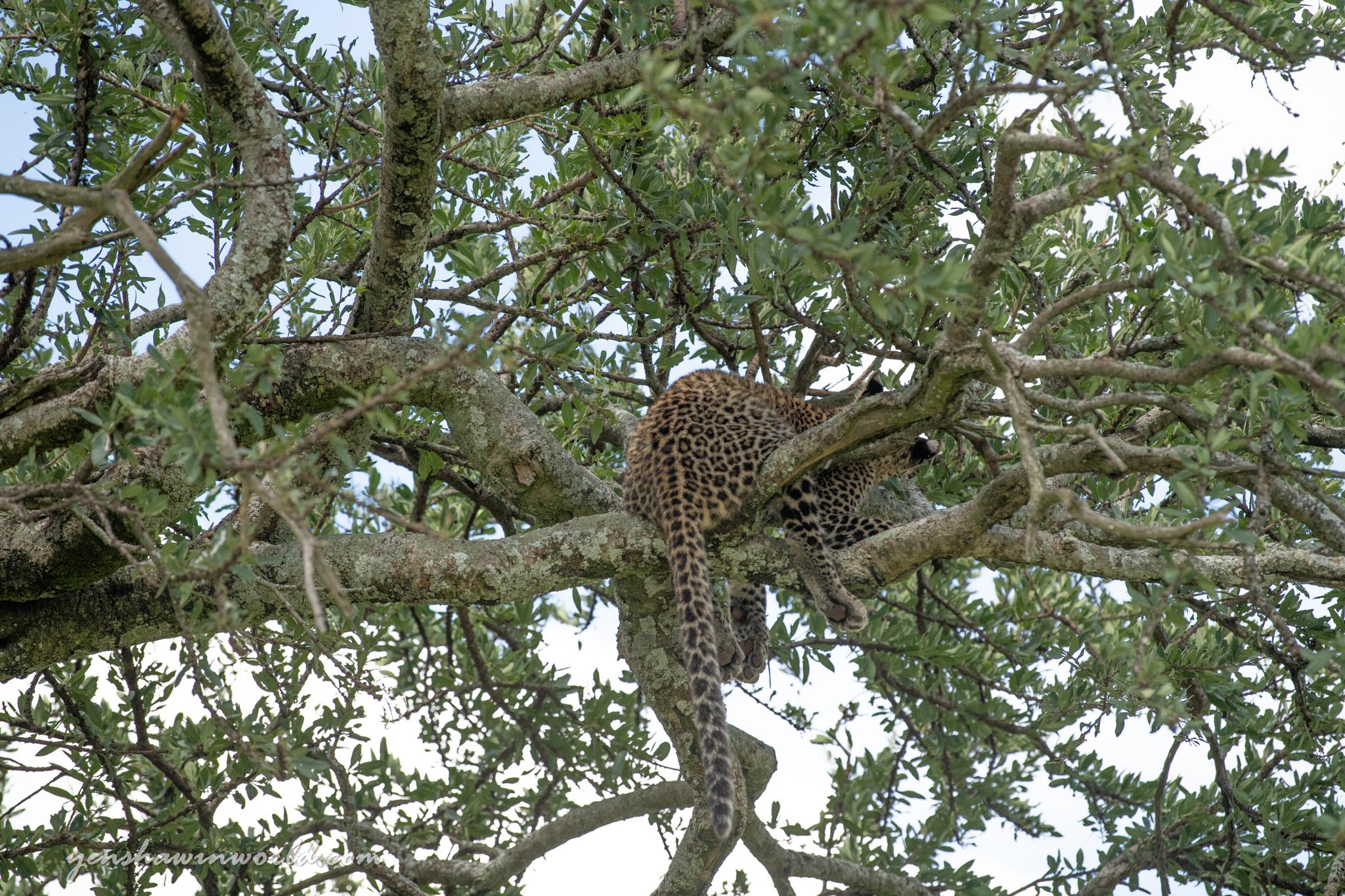
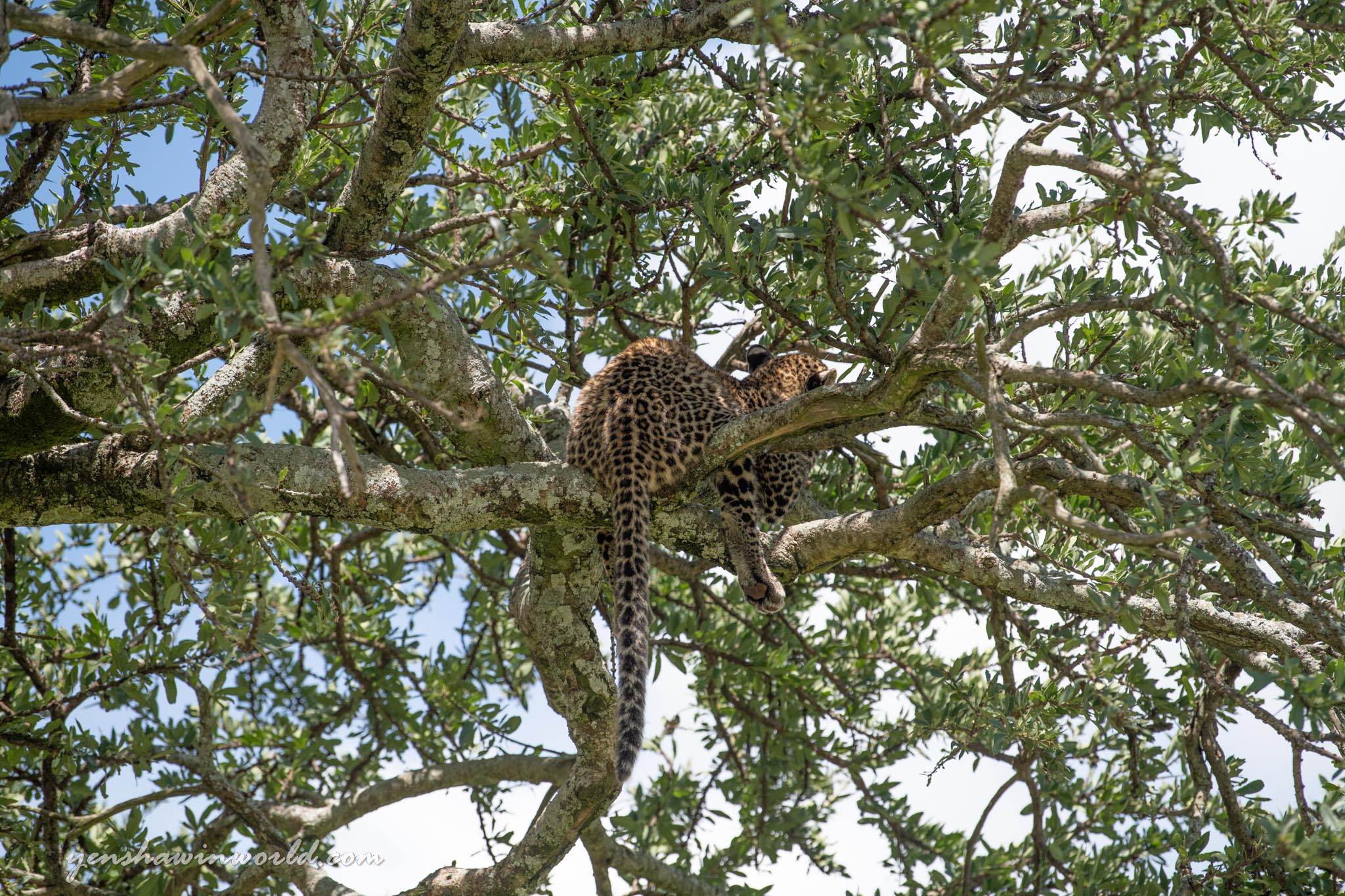
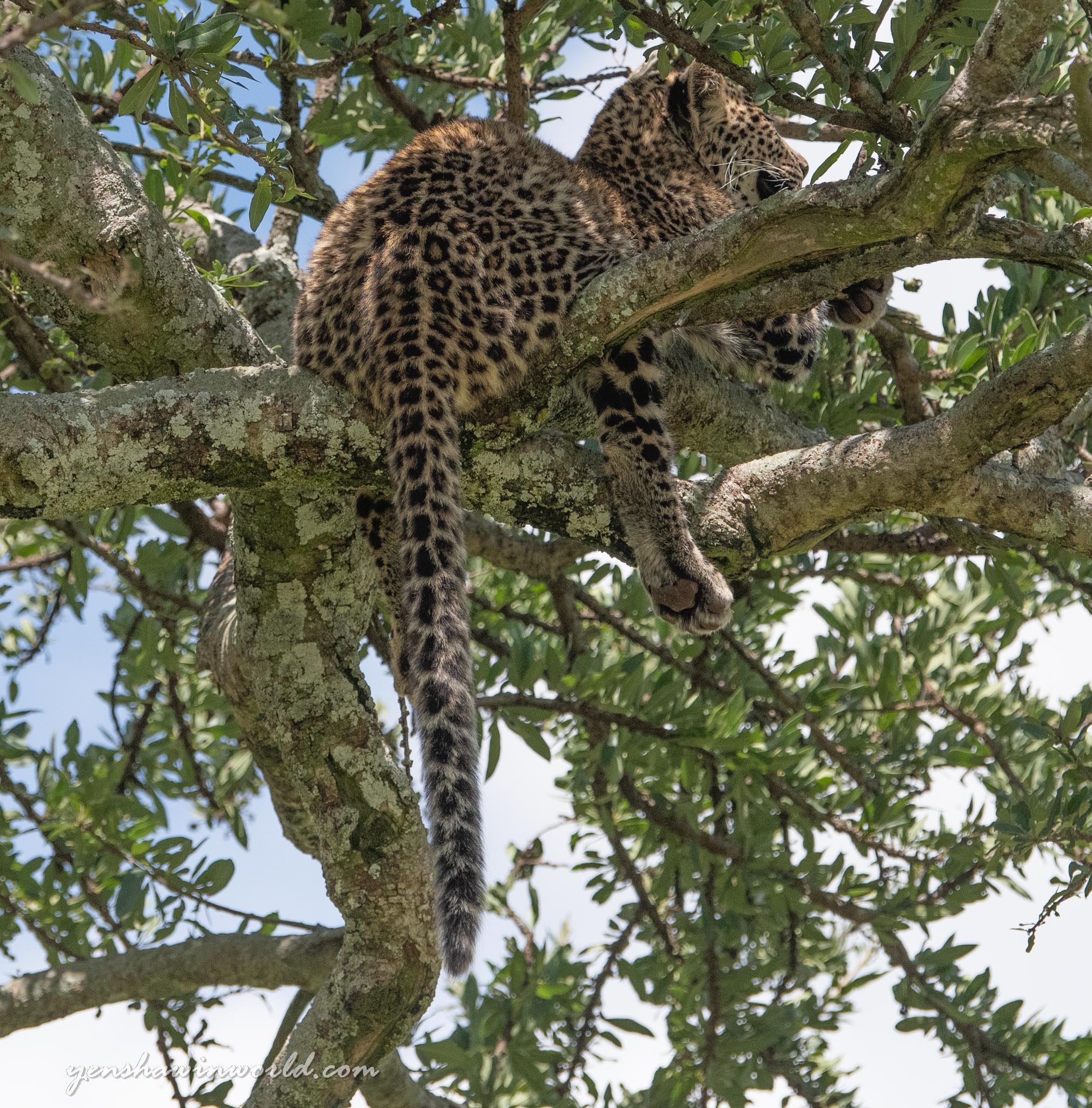
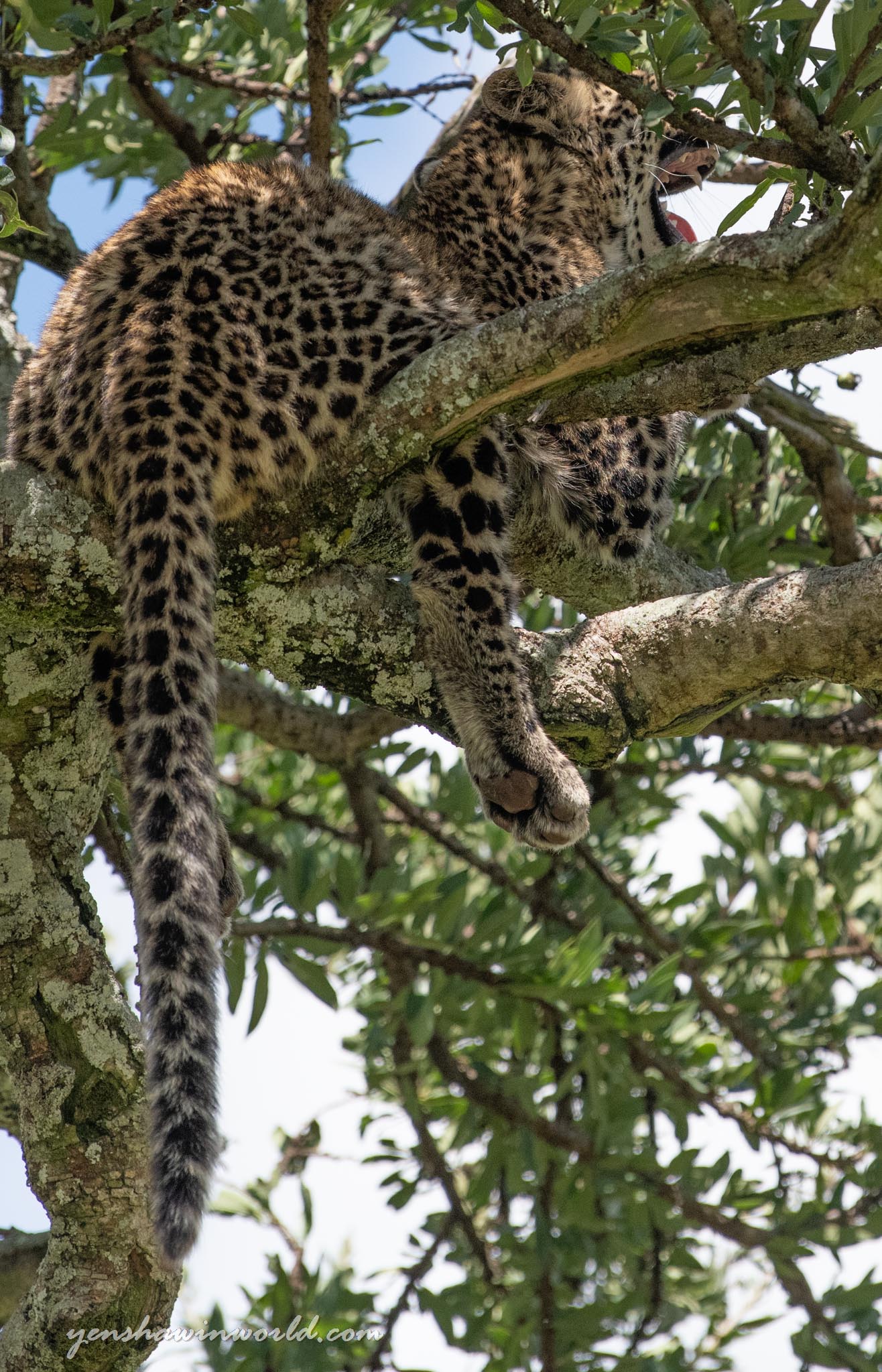
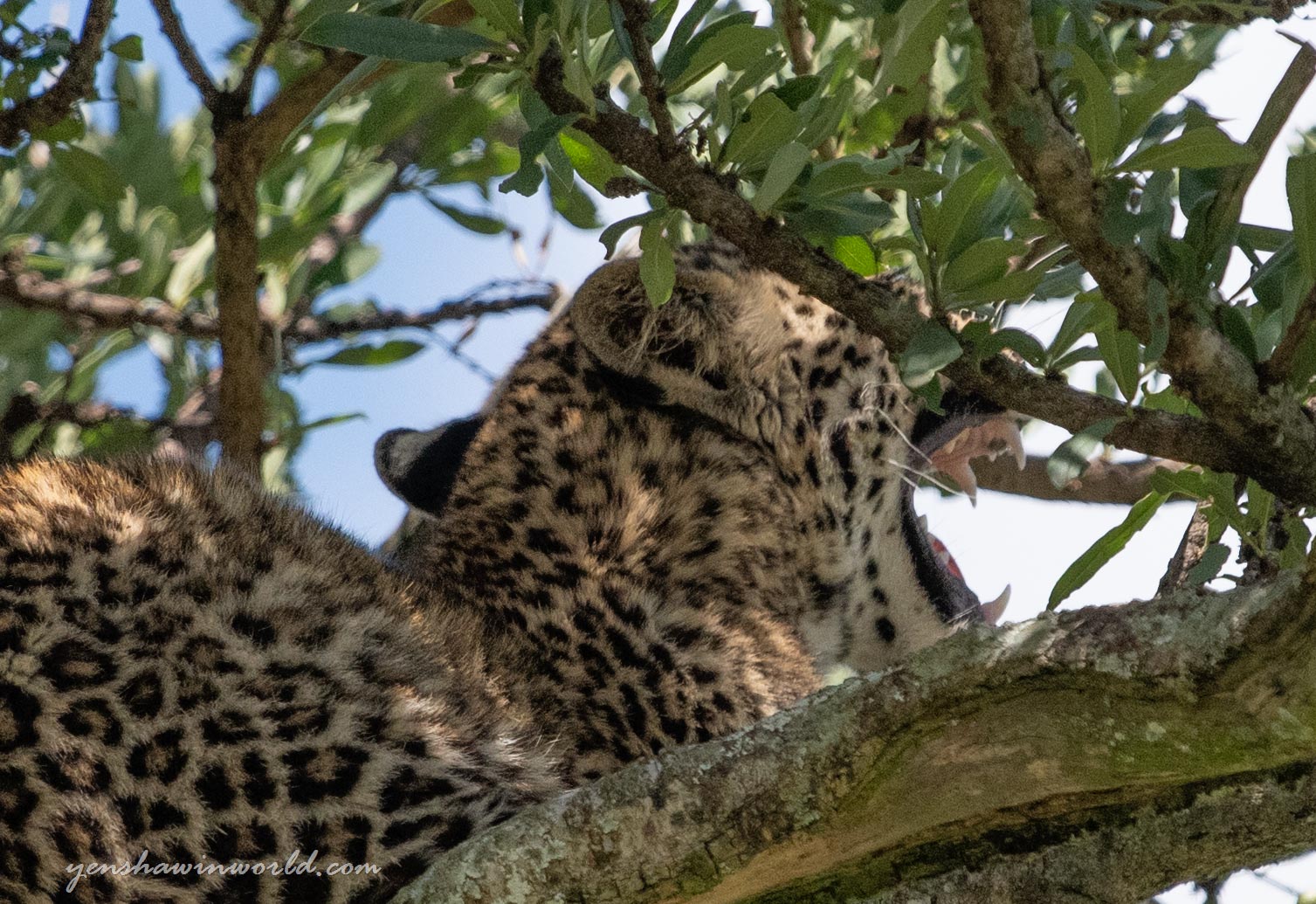
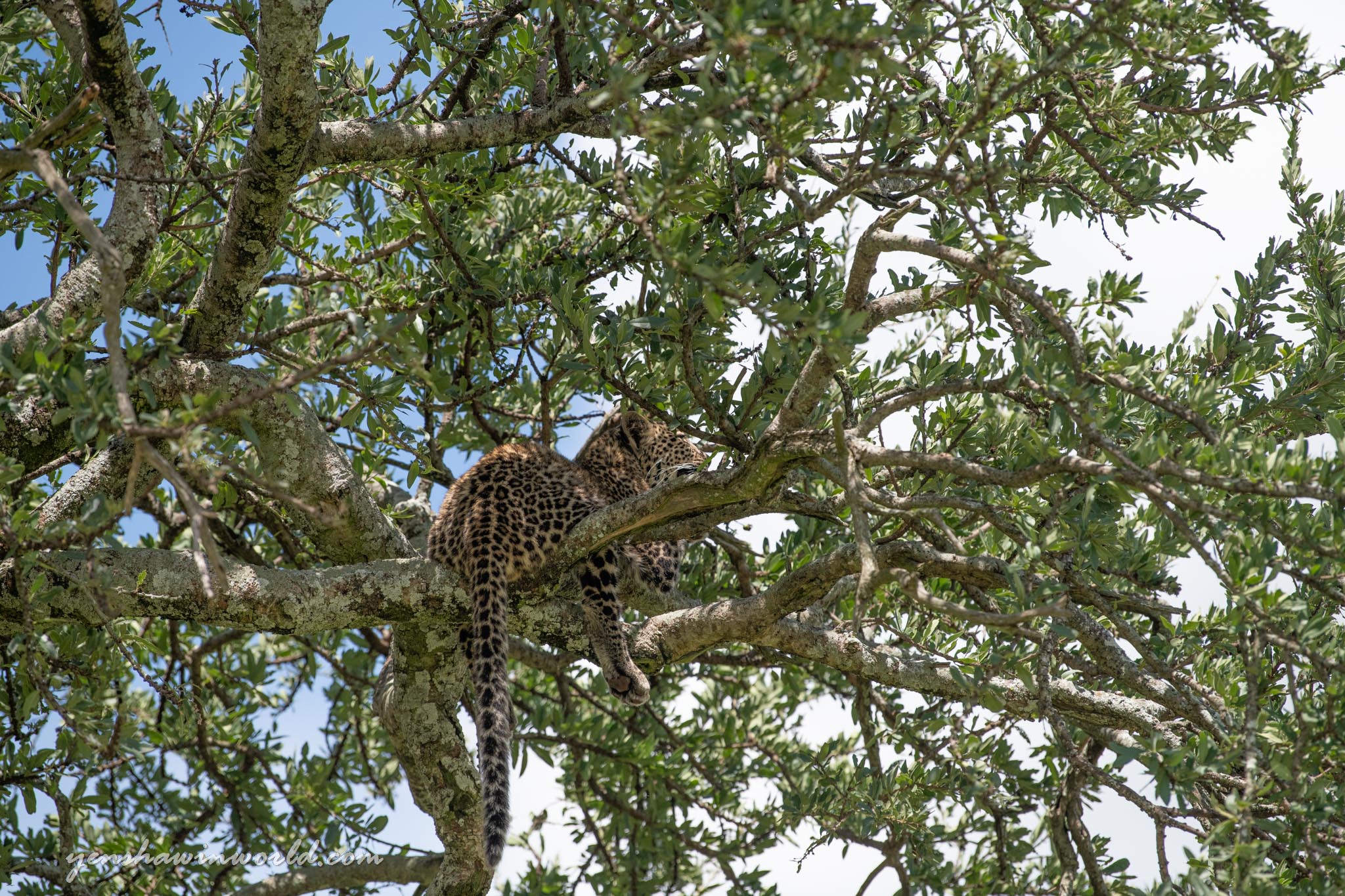
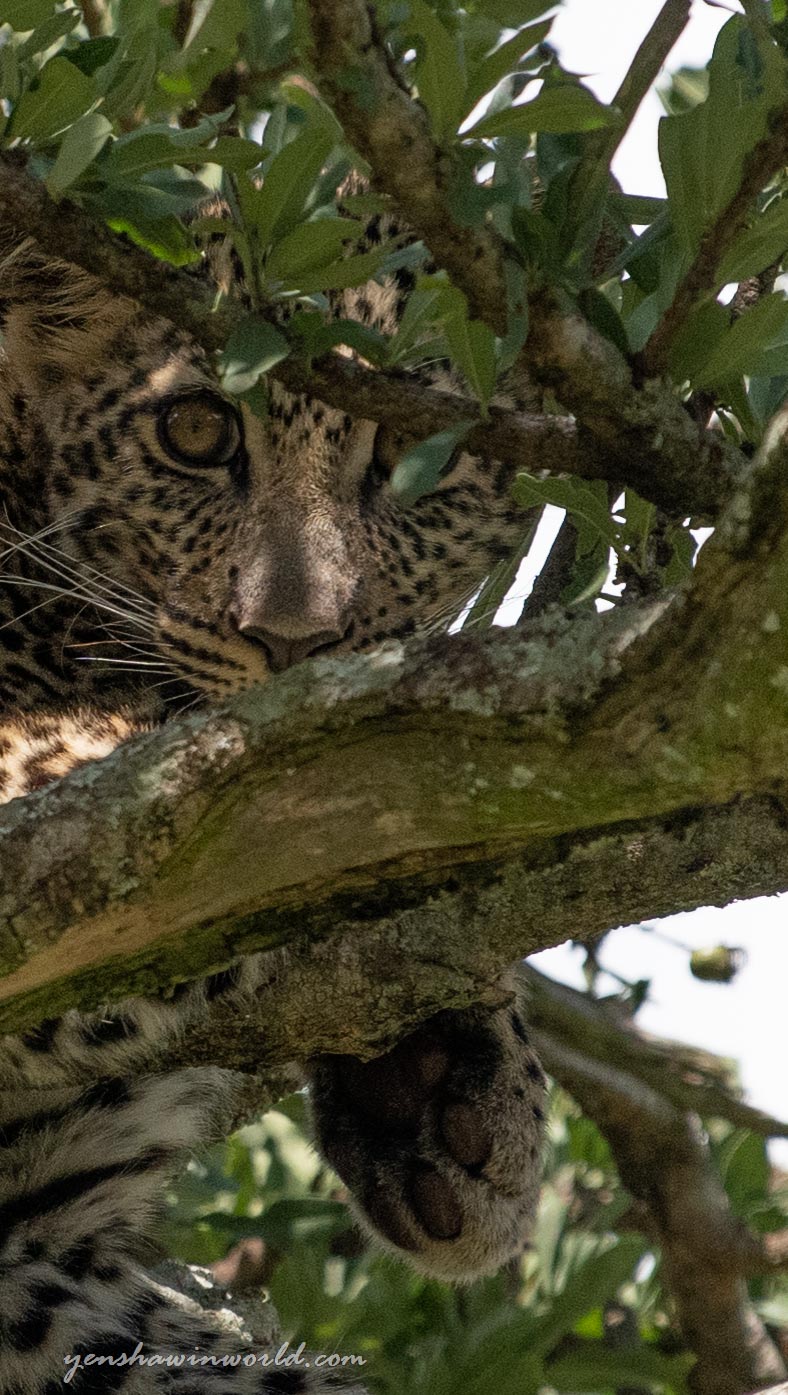
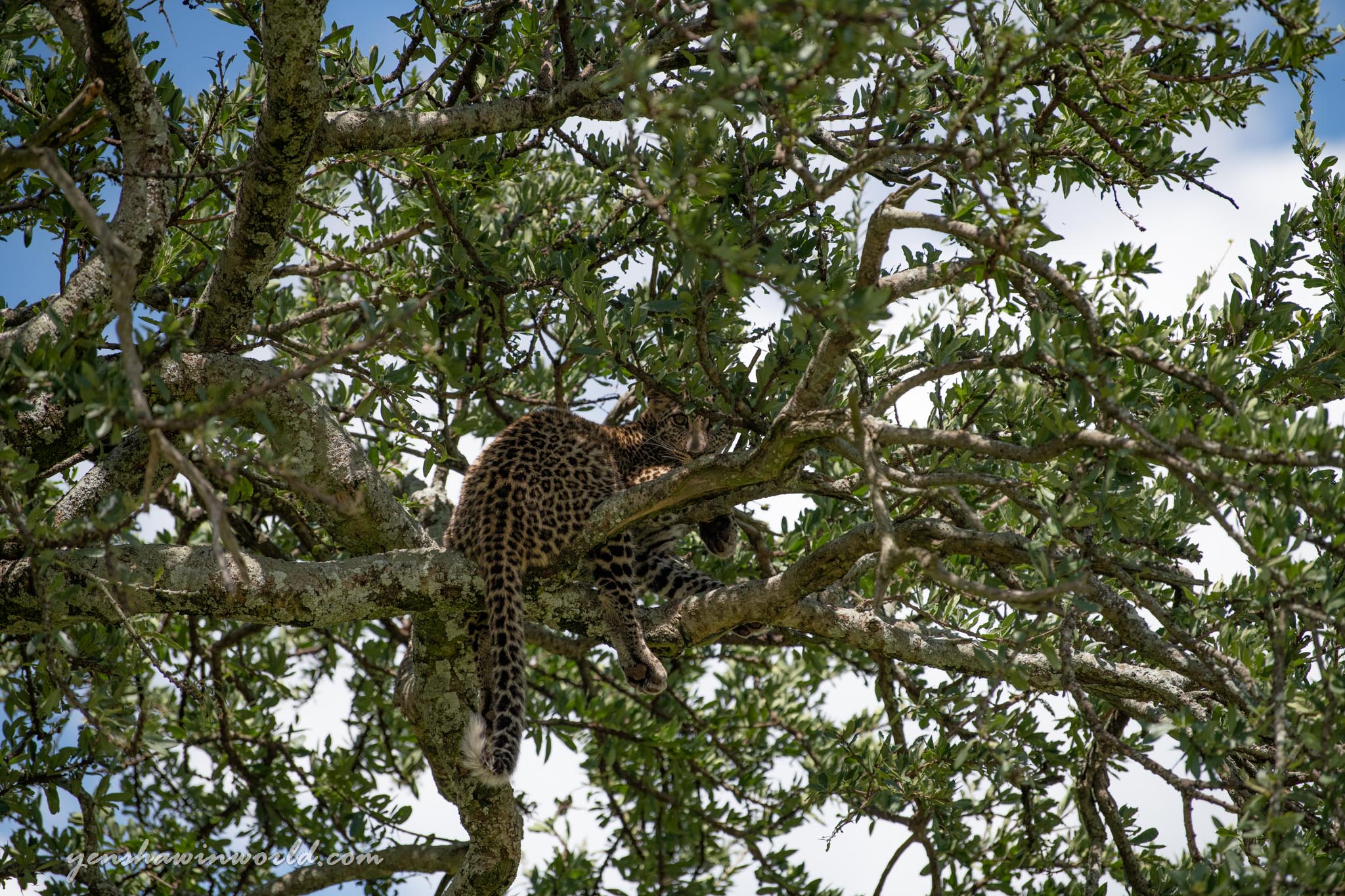
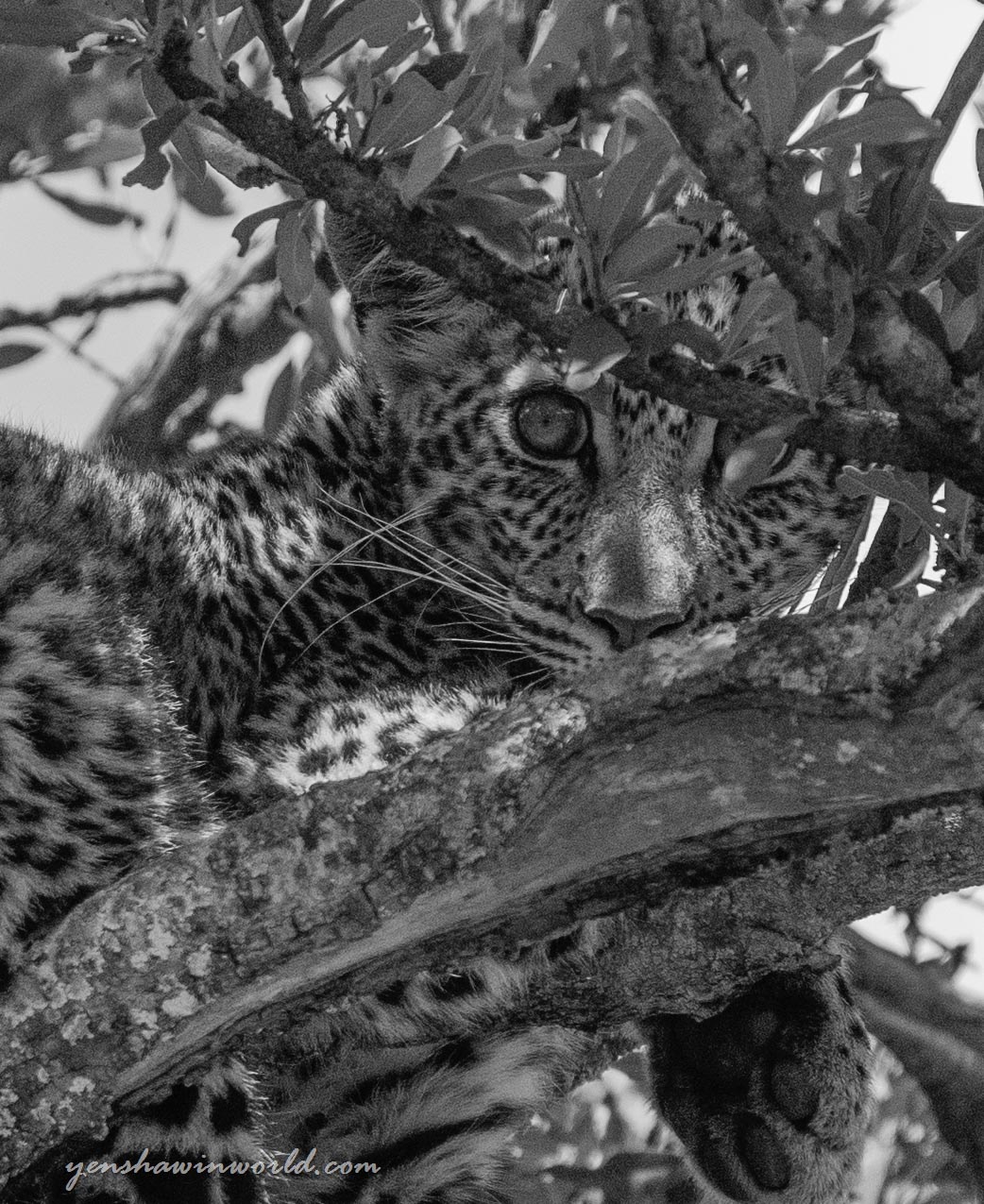
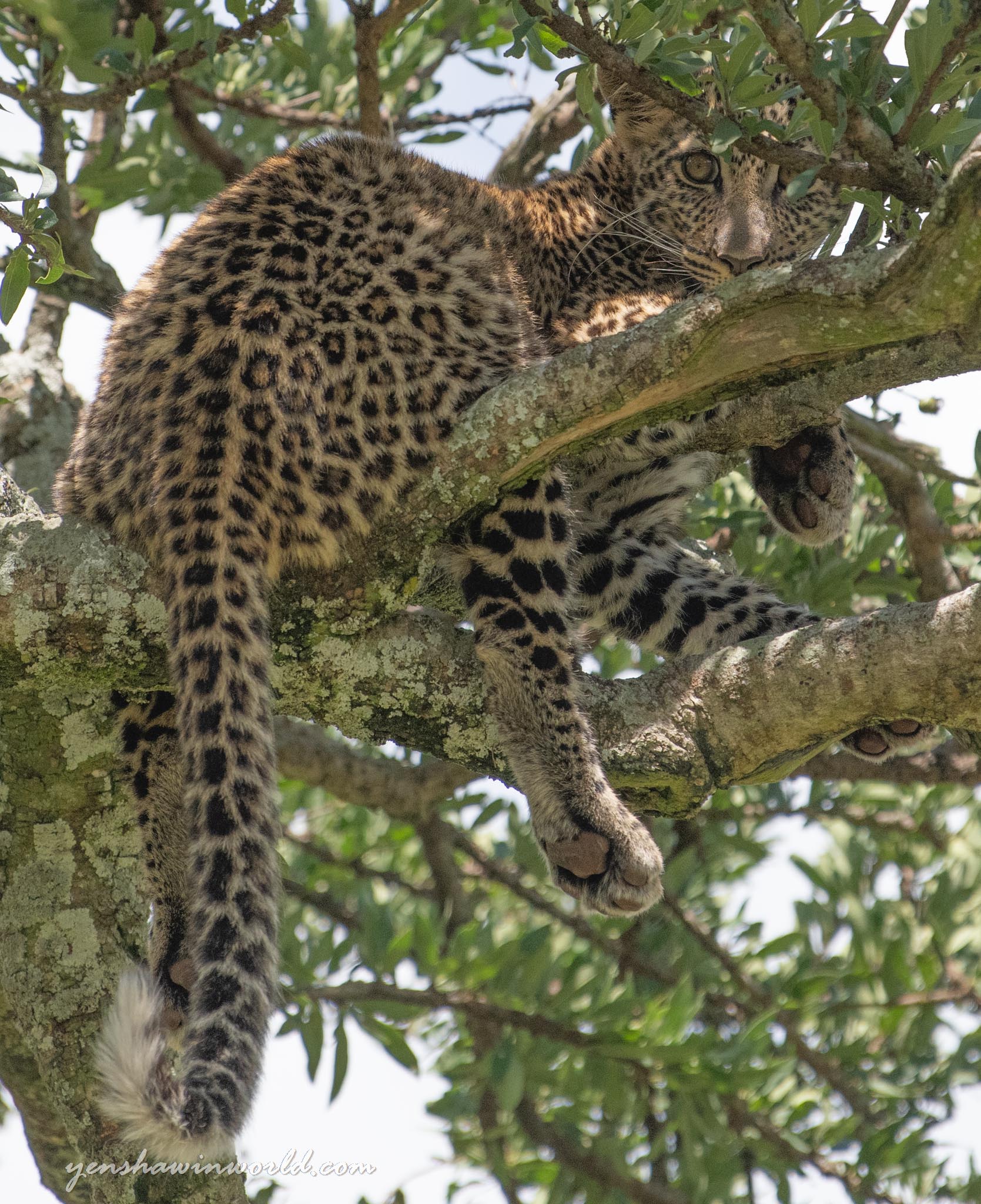
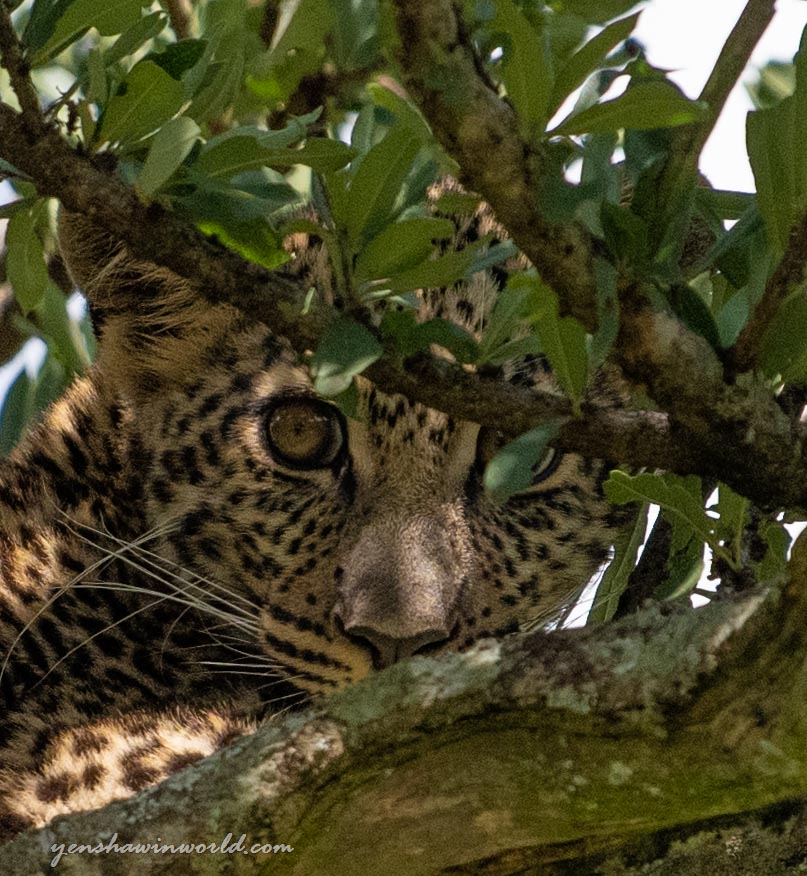
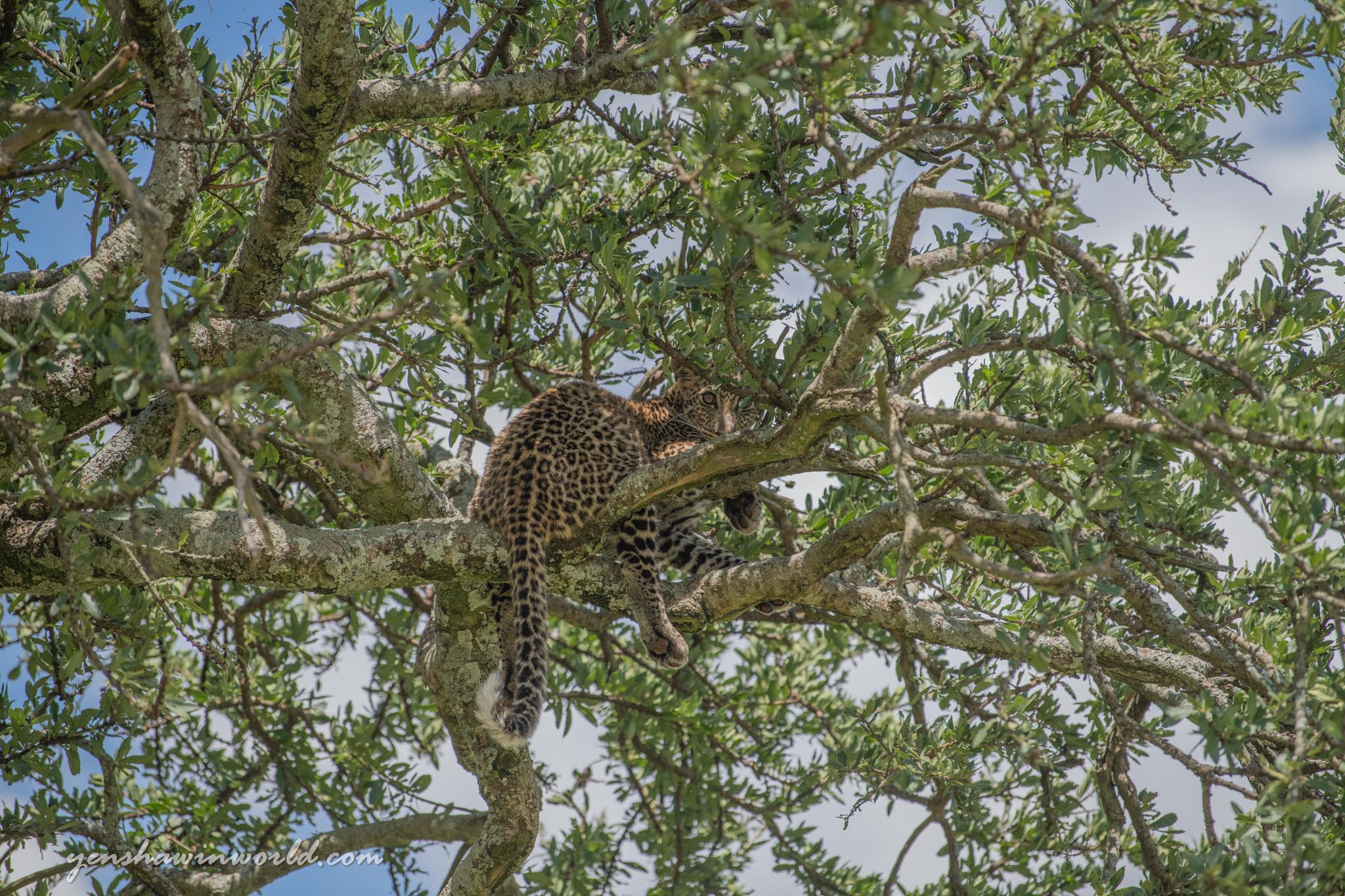
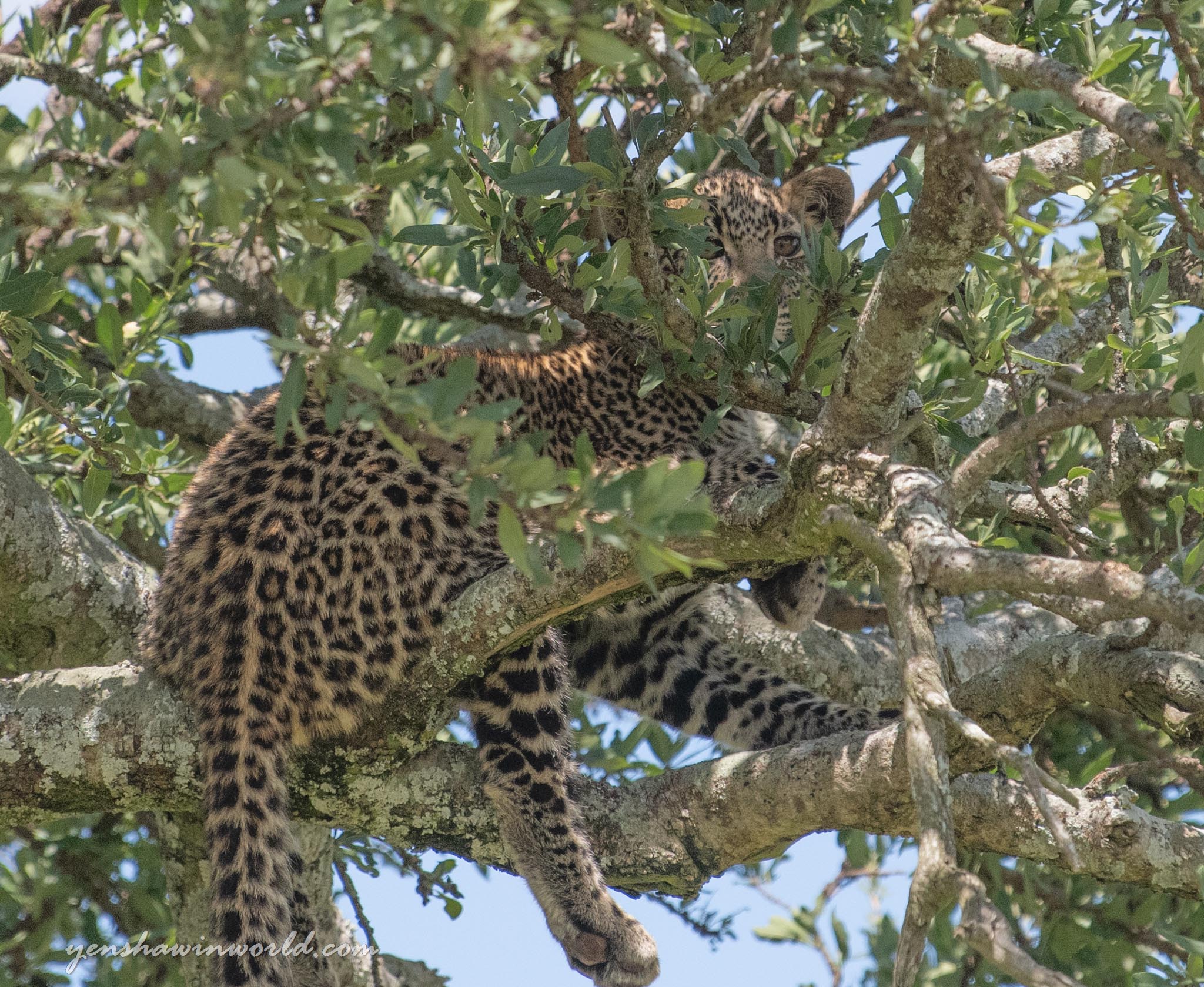
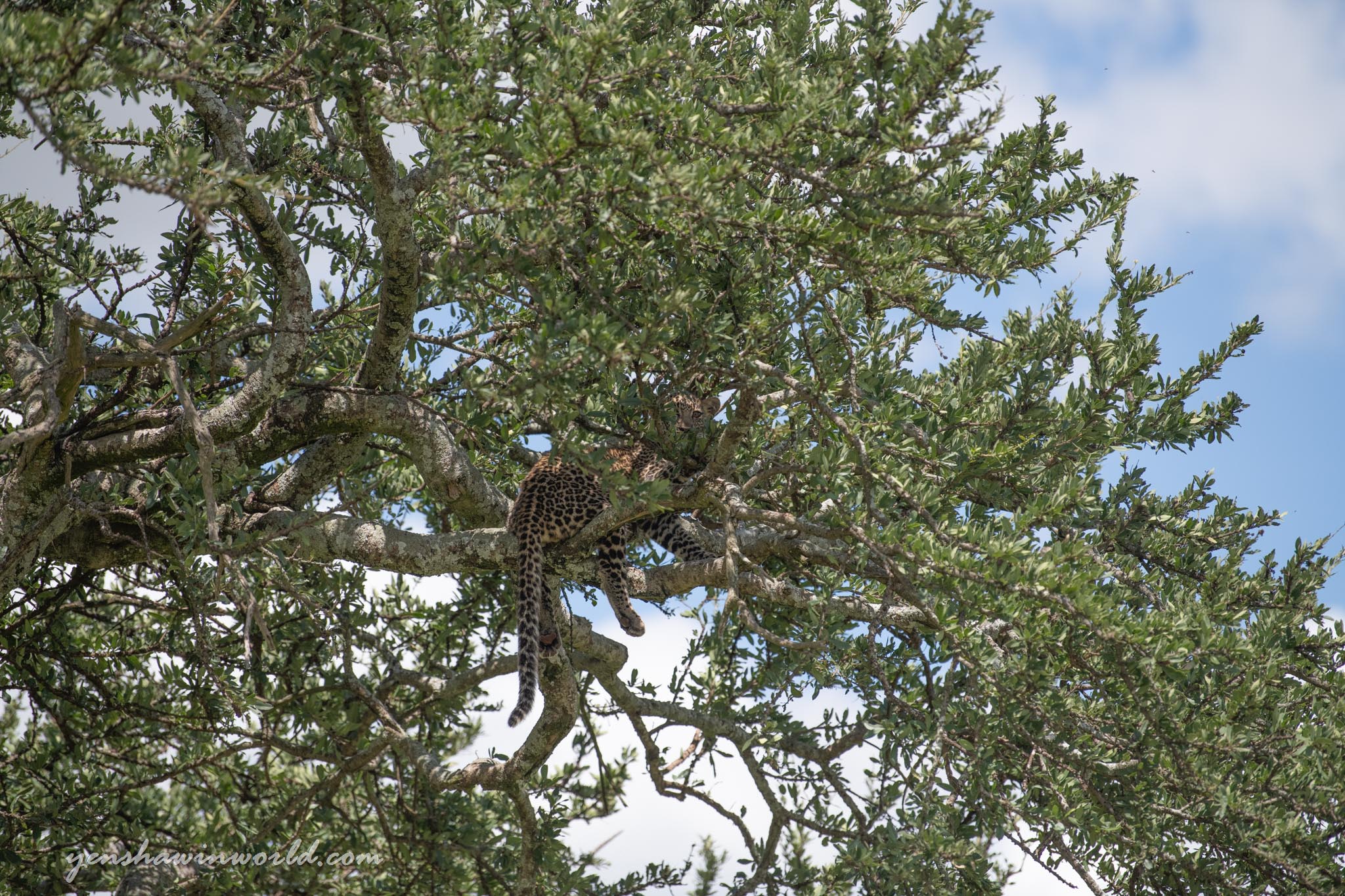
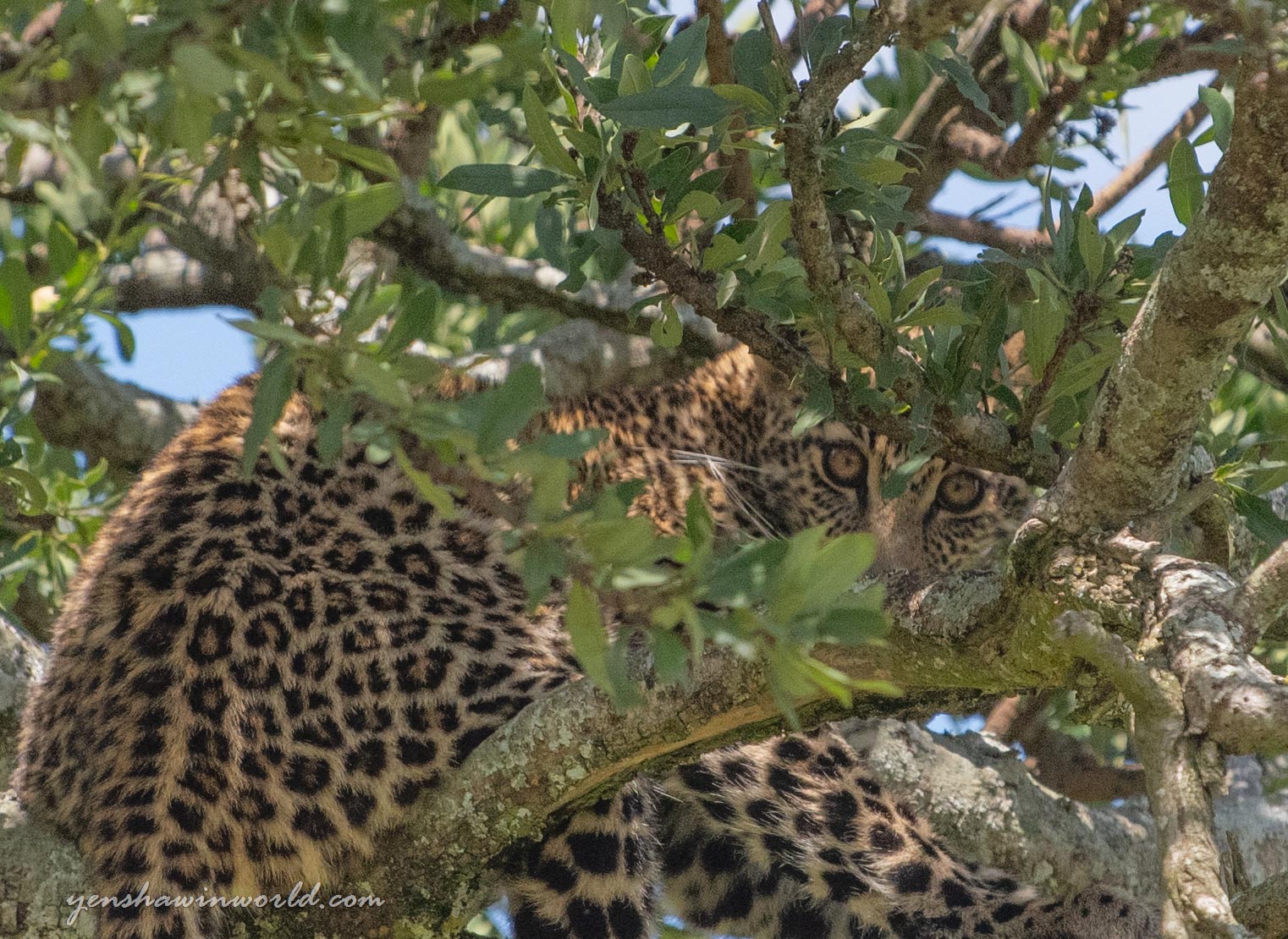
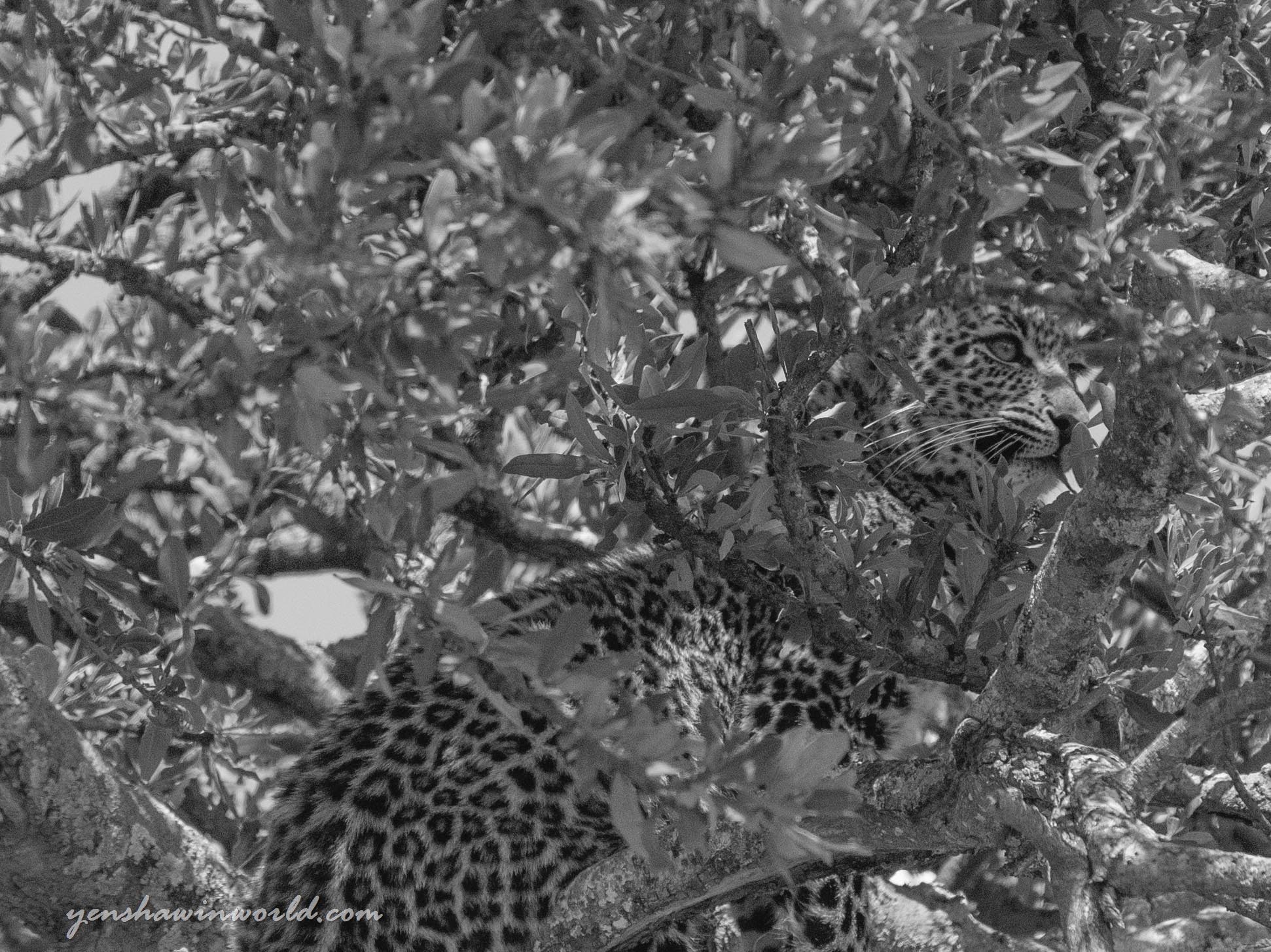
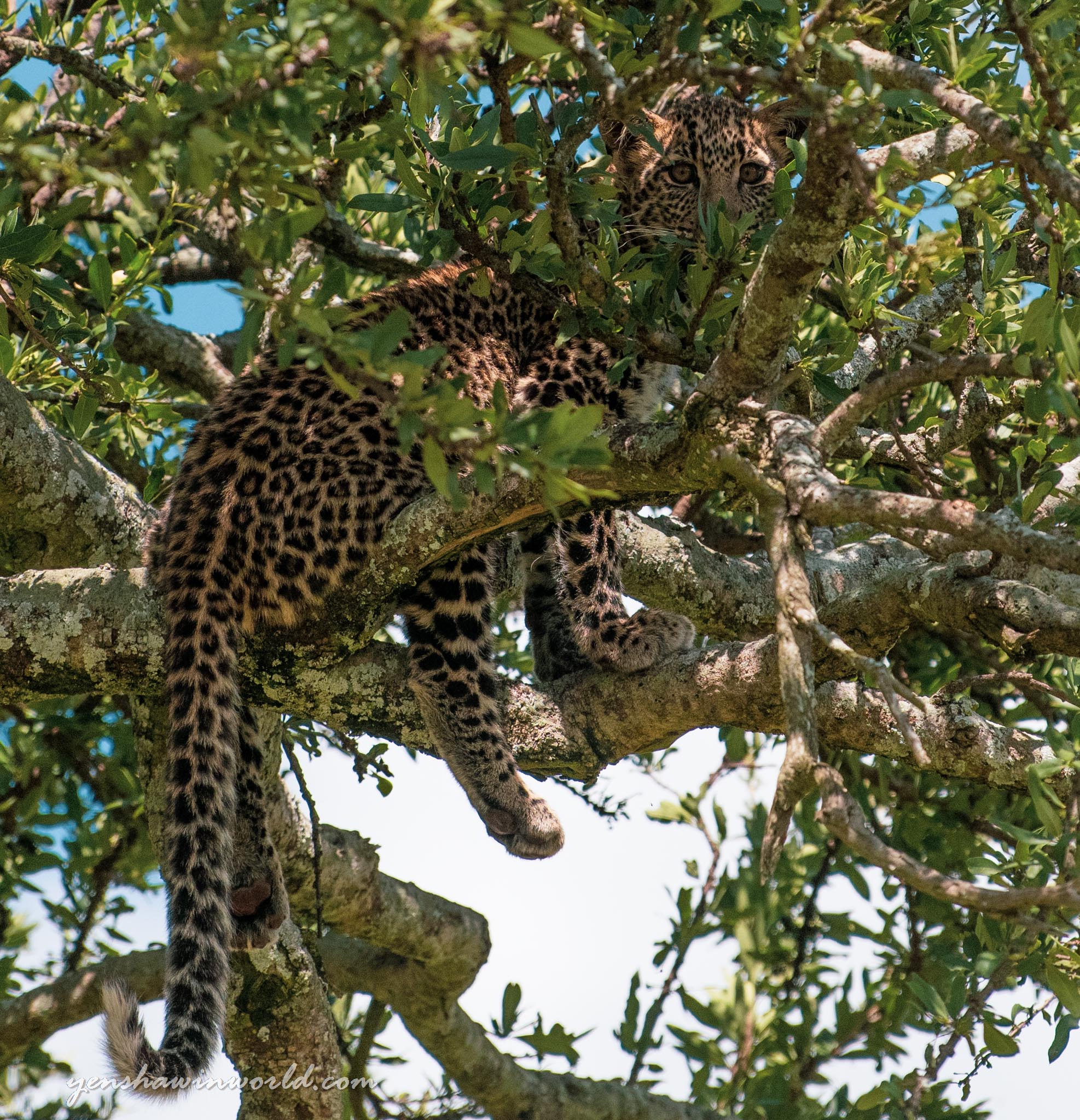
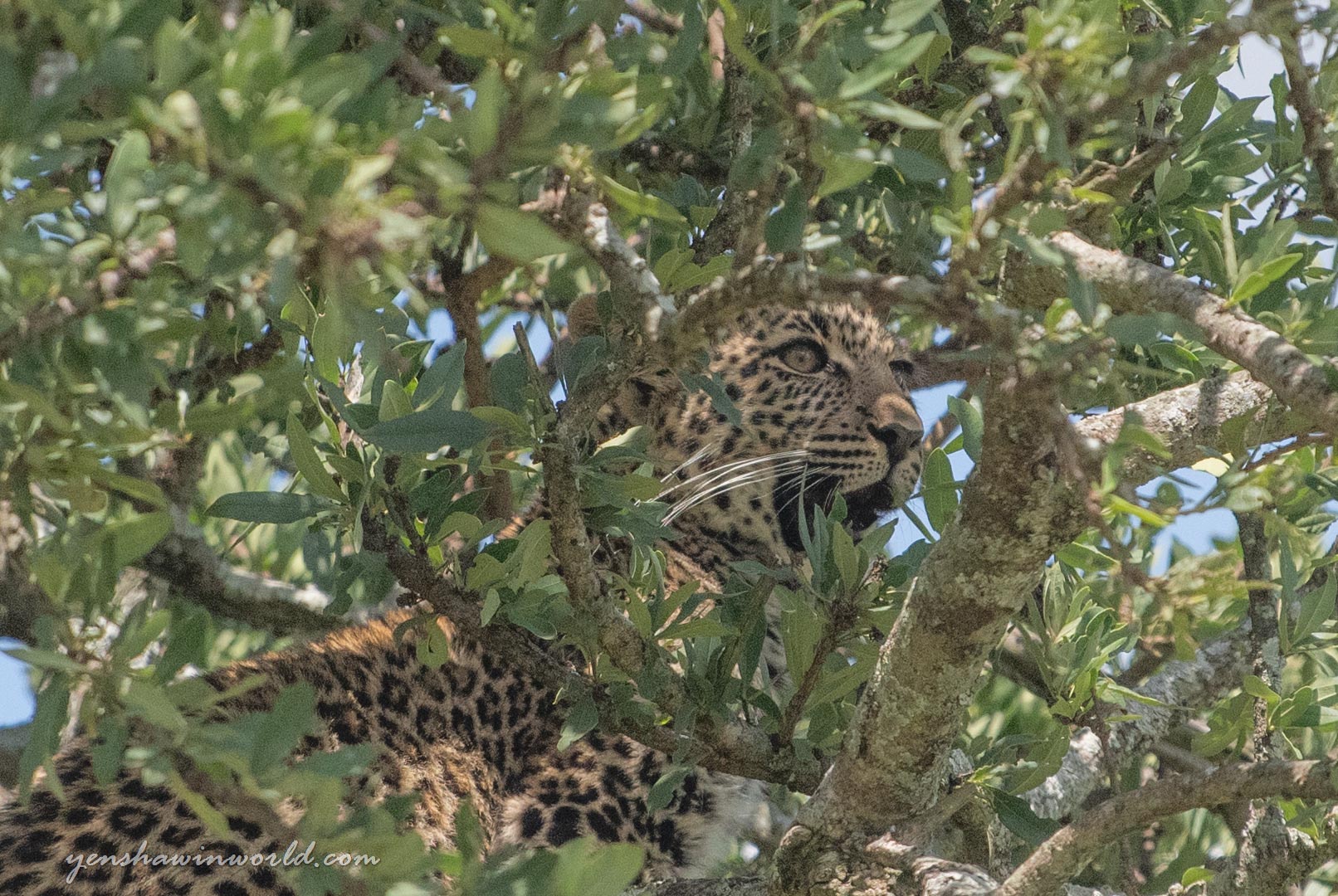
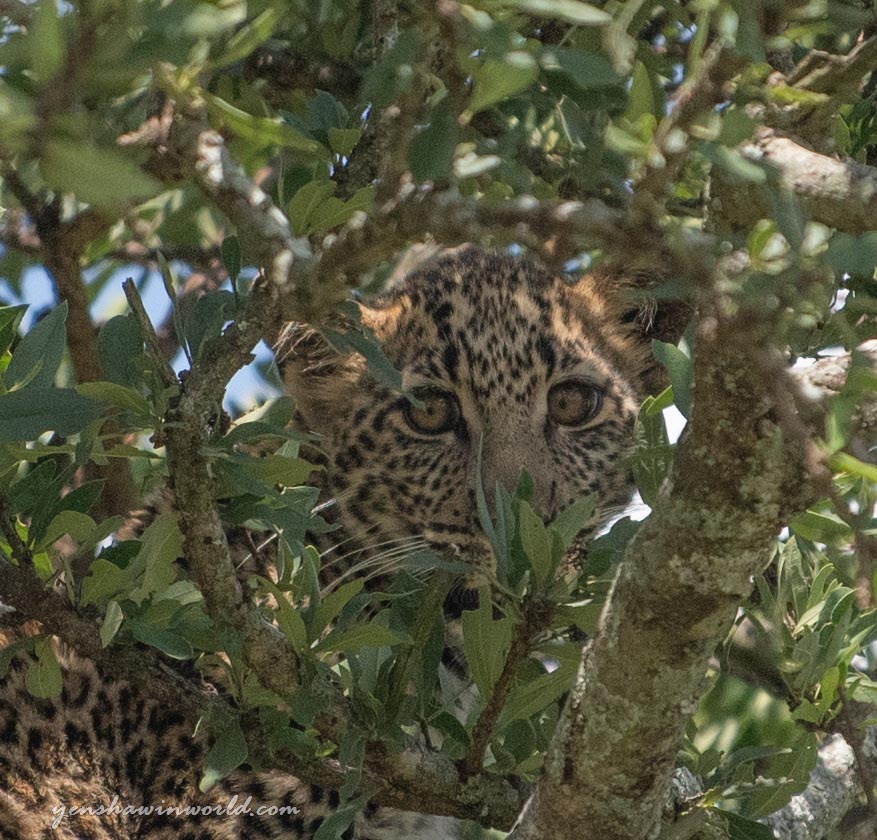
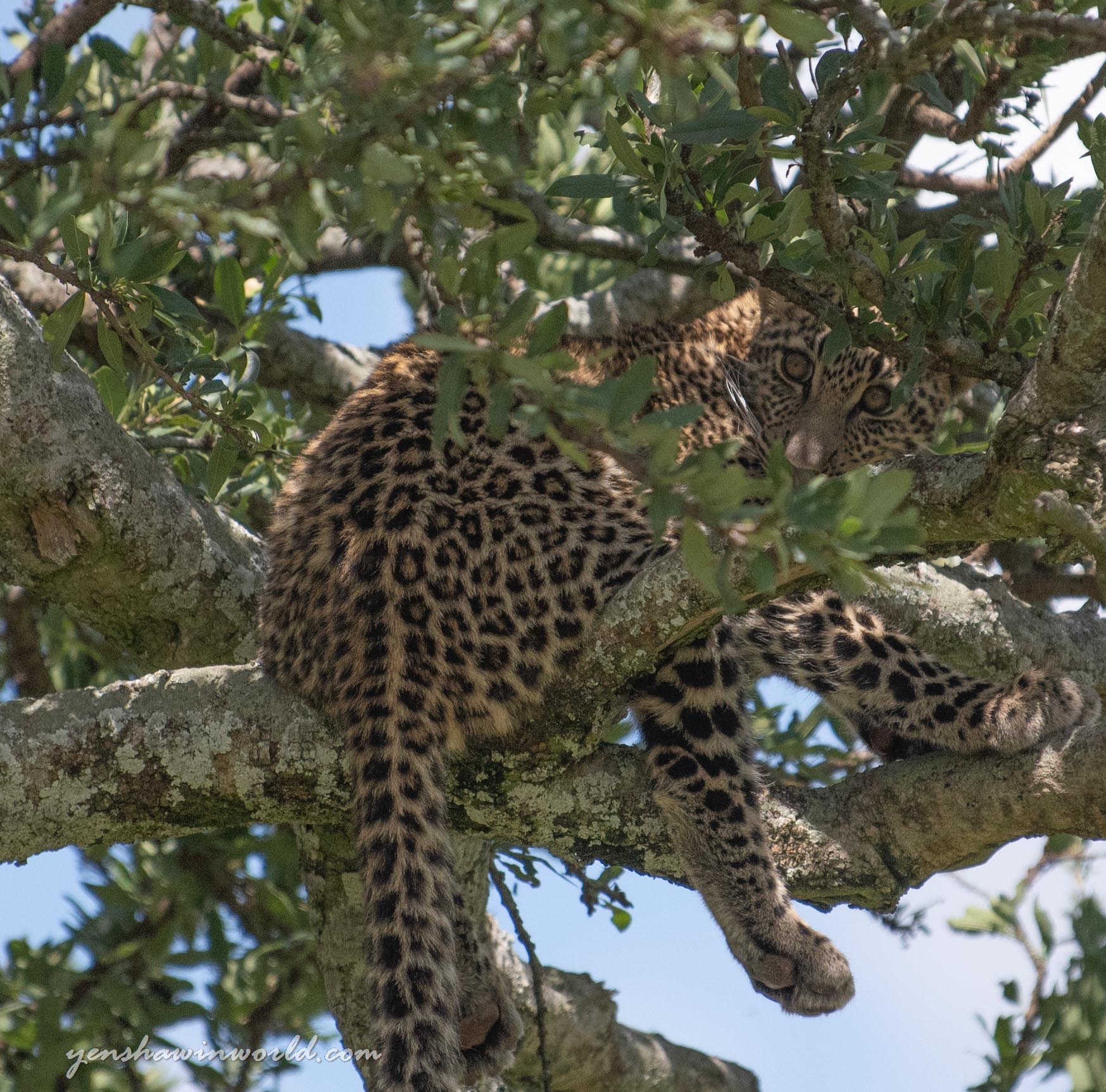
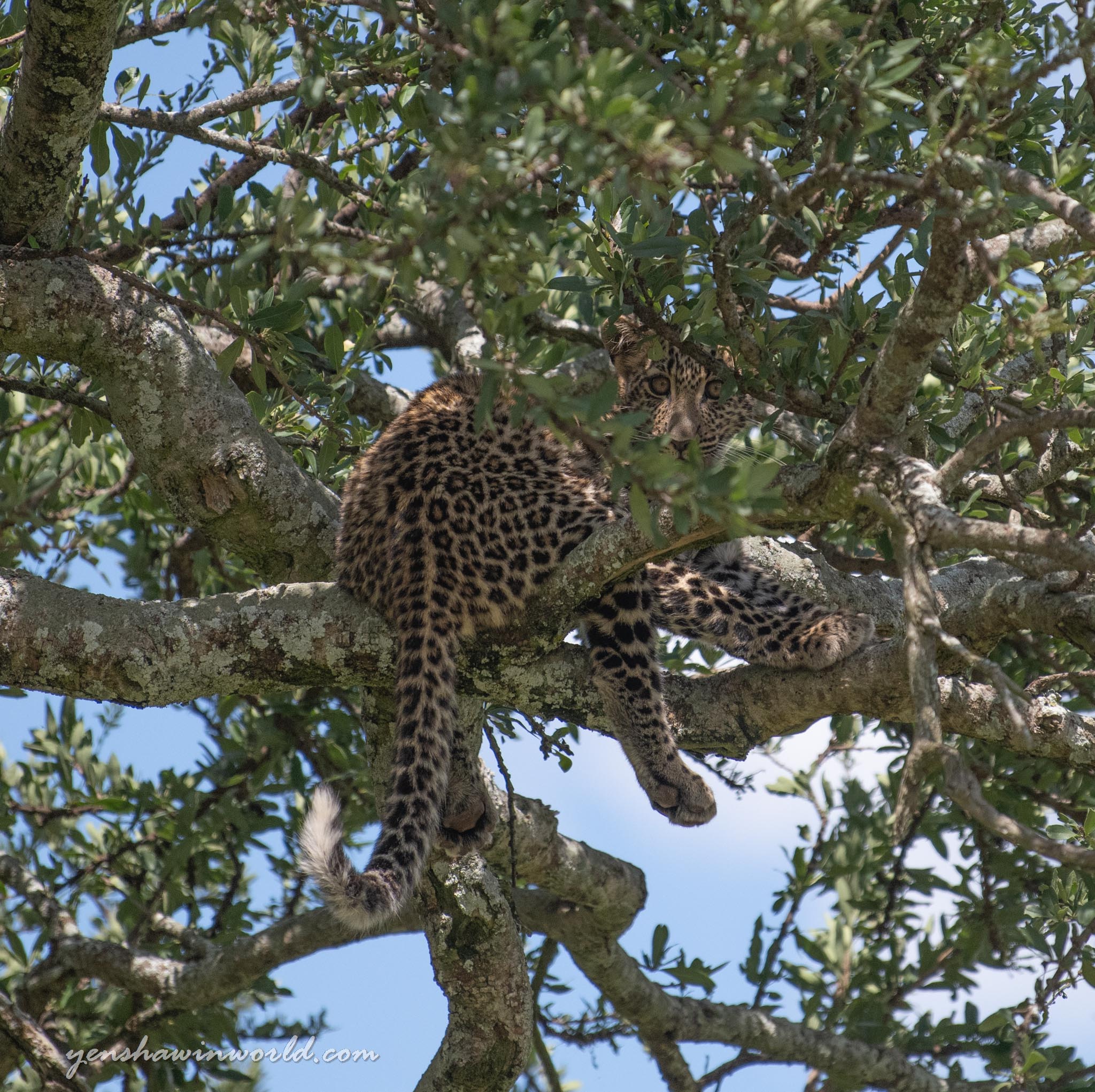
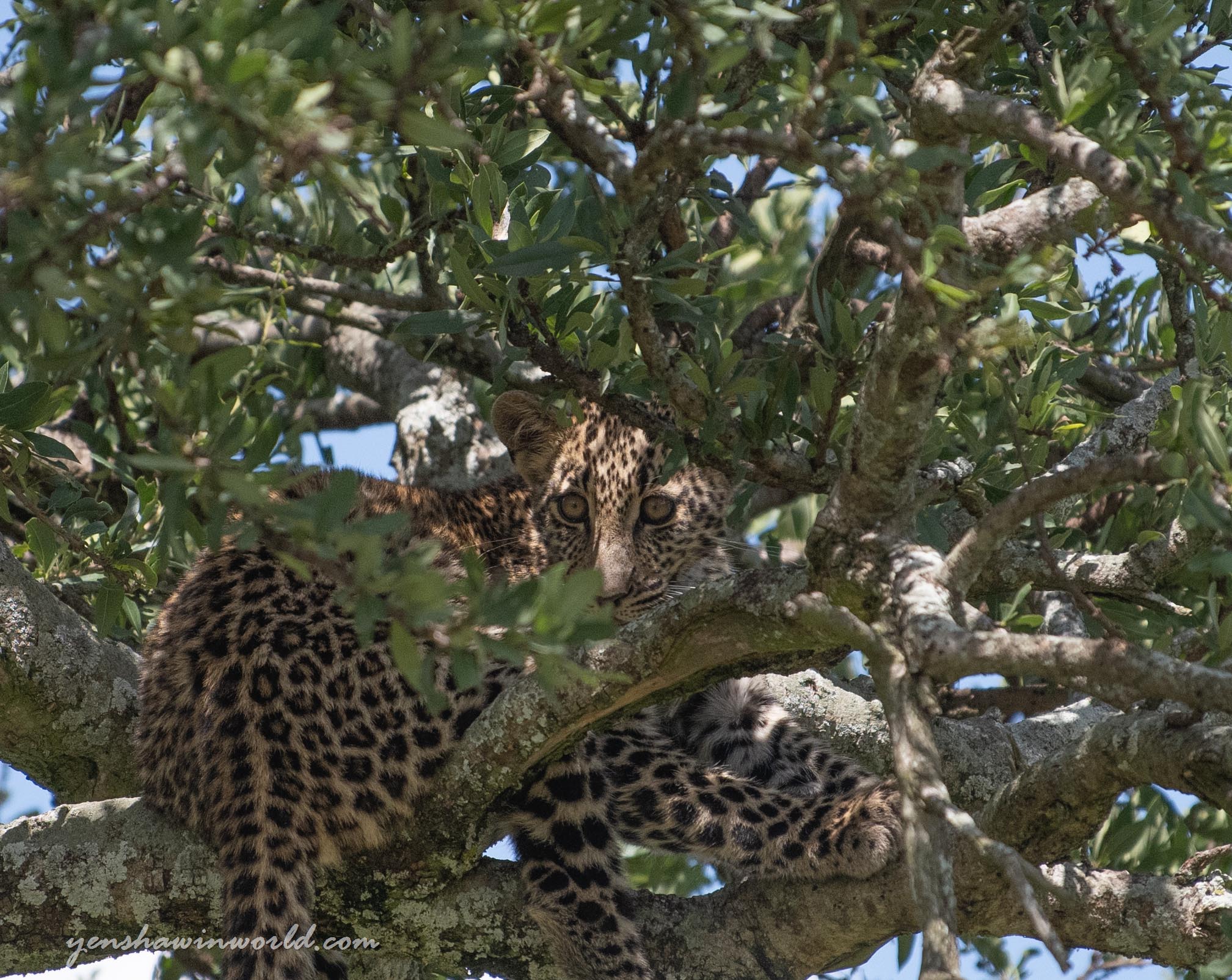
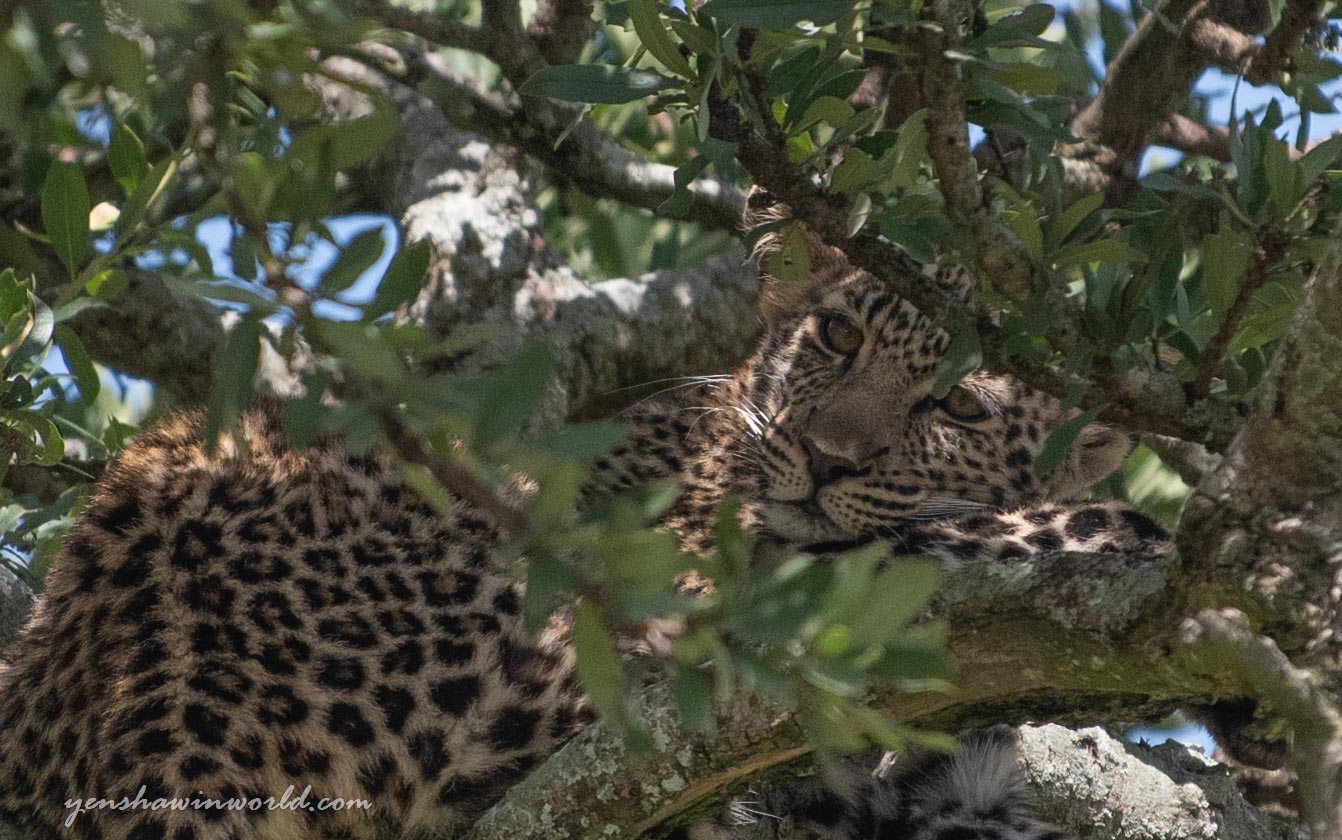
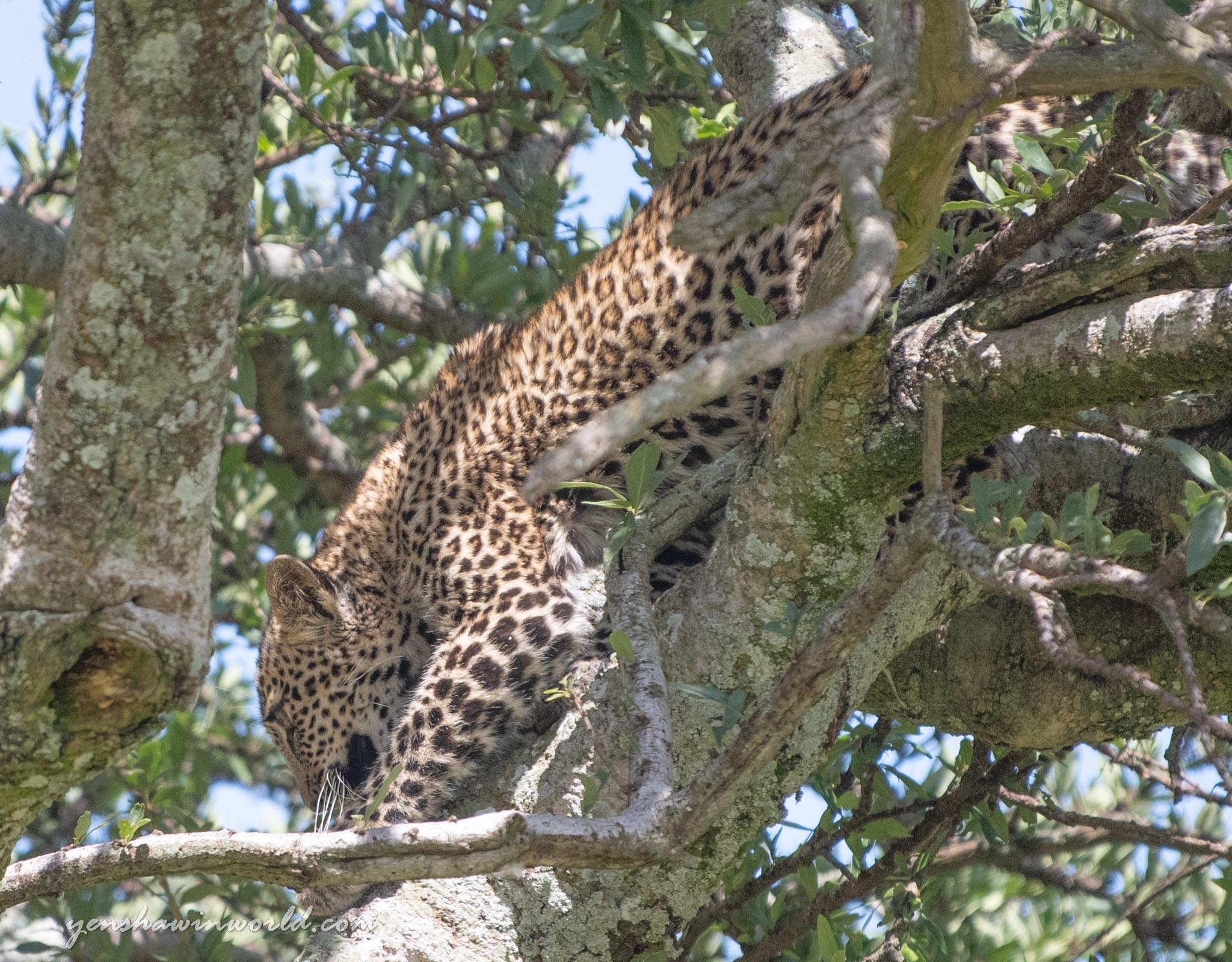
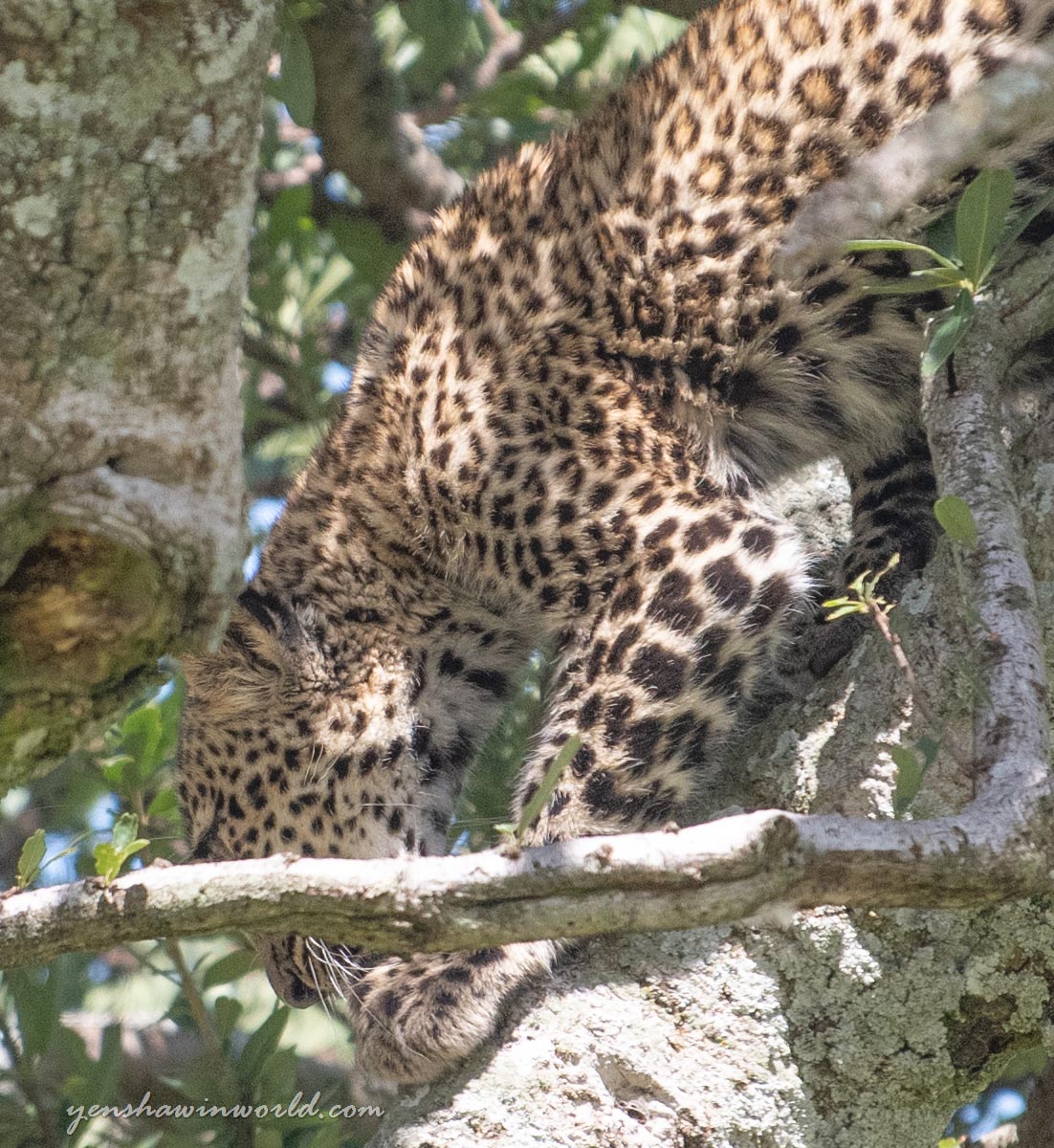
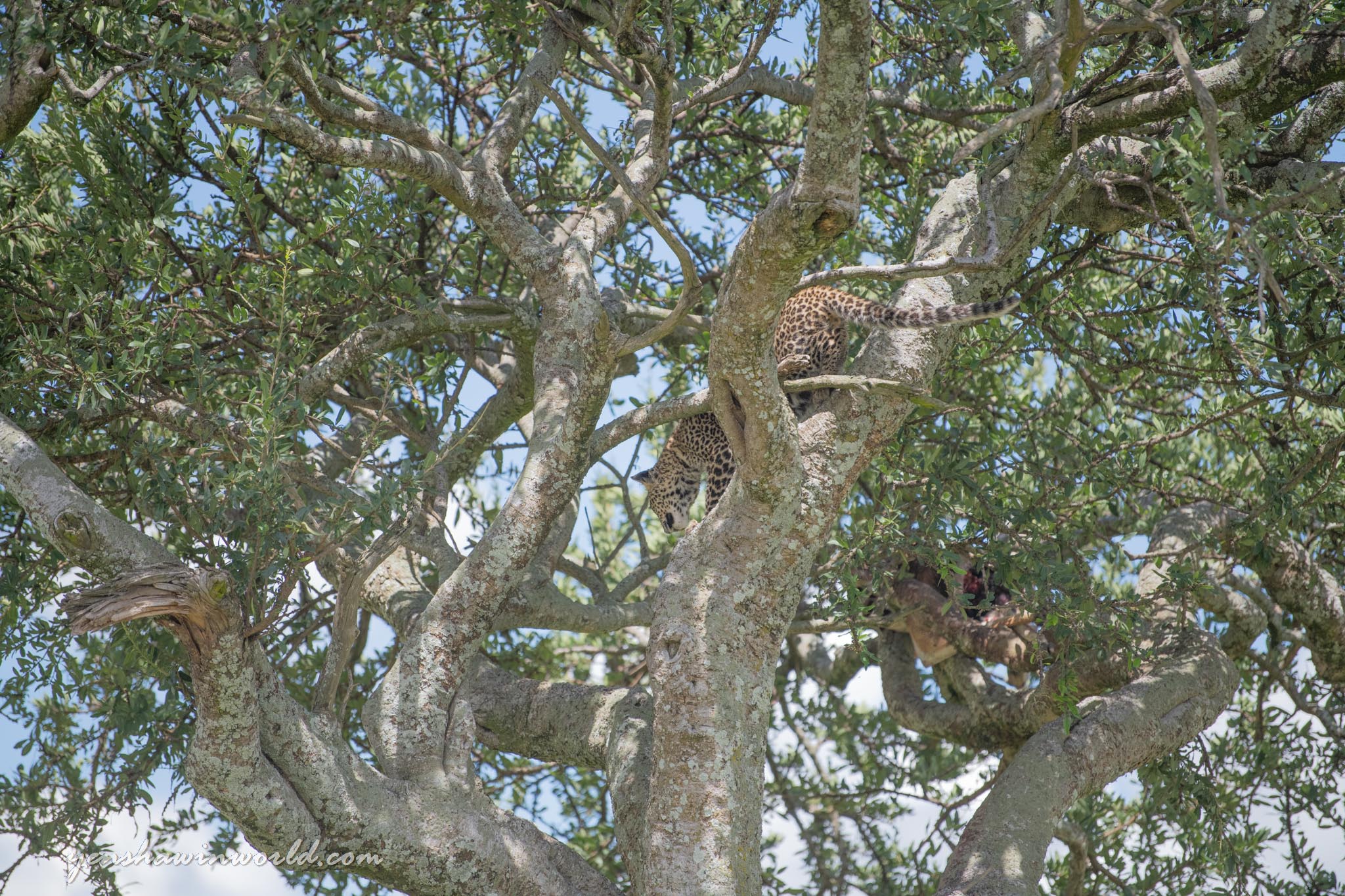
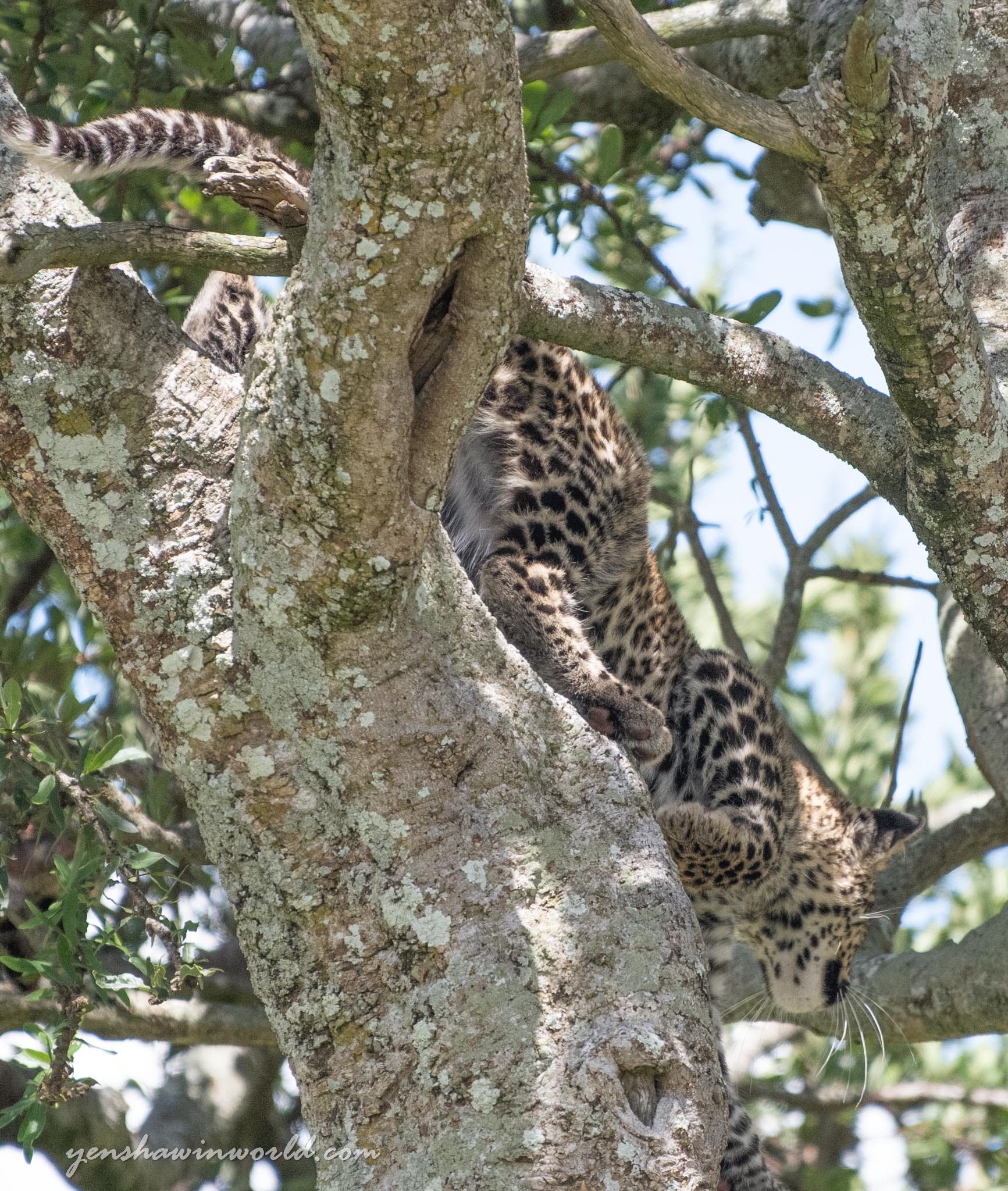
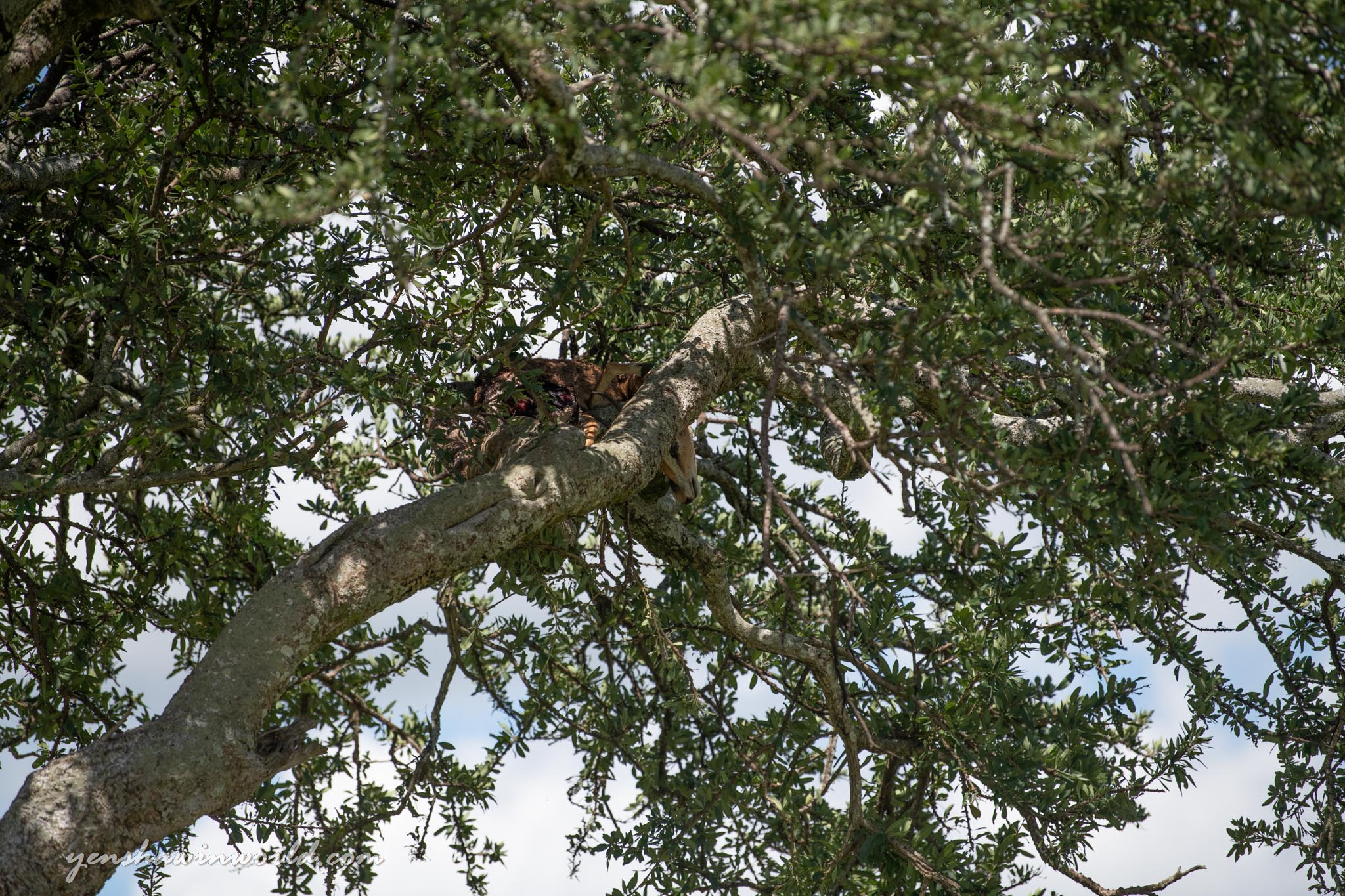
Just after we saw the cheetahs and lions we got word that there was a leopard female and a mid size cub about 45 minutes away. We quickly drove the long way as a lot of the roads were muddy and went to see them. Unfortunately the mom had left the tree to go off to parts unknown and the baby was still up in the tree. In the tree was somewhat of a fresh kill, probably killed the night before. I got some fantastic photos, however the cub did not want to show its full face at certain times and also was not moving around a lot. As the giraffes got closer, the cub decided to jump off the tree and go into the bushes…..



As you can see, Kenya is a place I really love and admire and I am excited every time I go as it is always a new adventure with animals doing different things and great company and food. This is why I will make a trip there again this summer to try and see something that has eluded me for the times I have been there….the Great Wildebeest Migration….