
East Timor

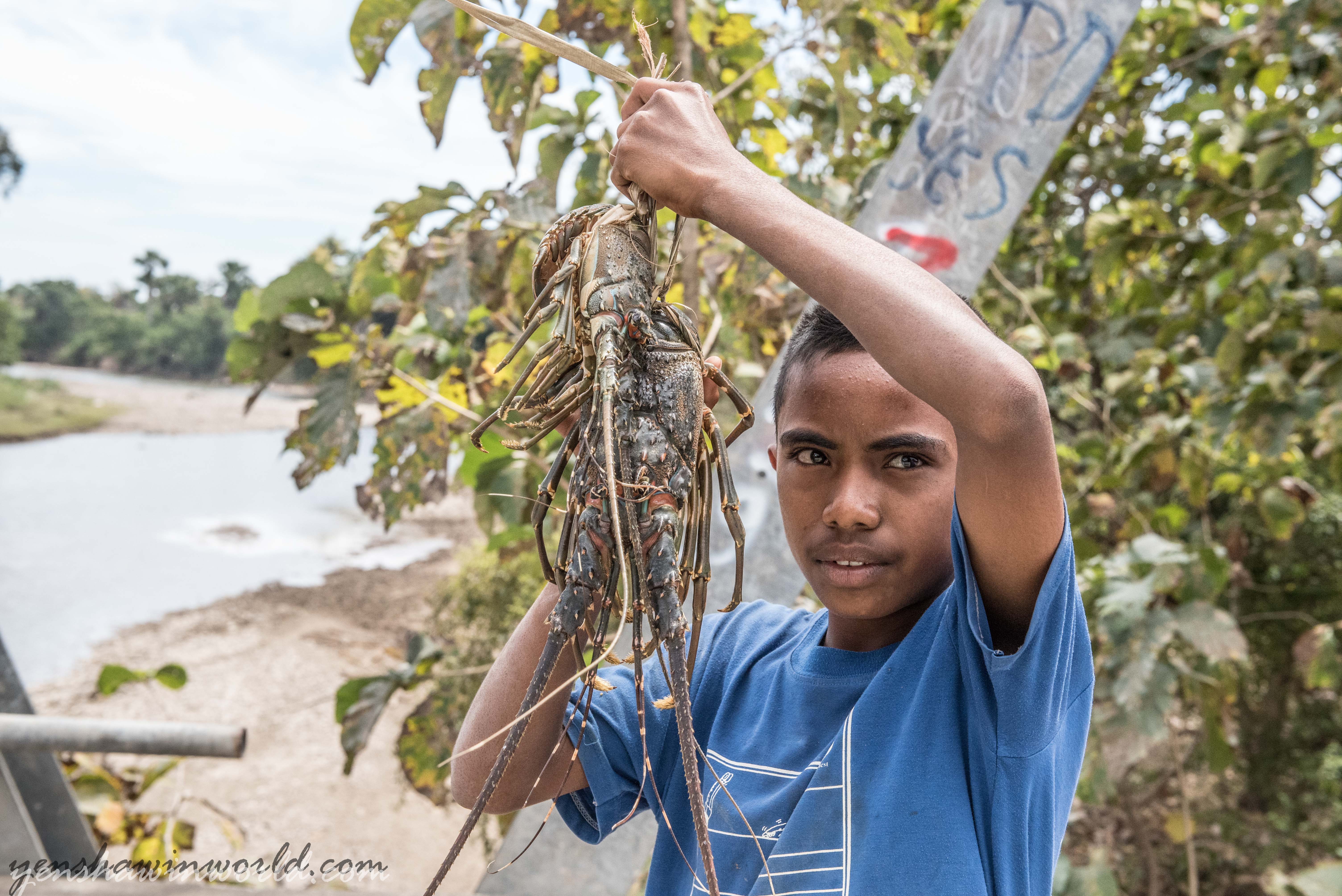
5 Dollars for 2 massive lobsters- 100 dollar meal elsewhere

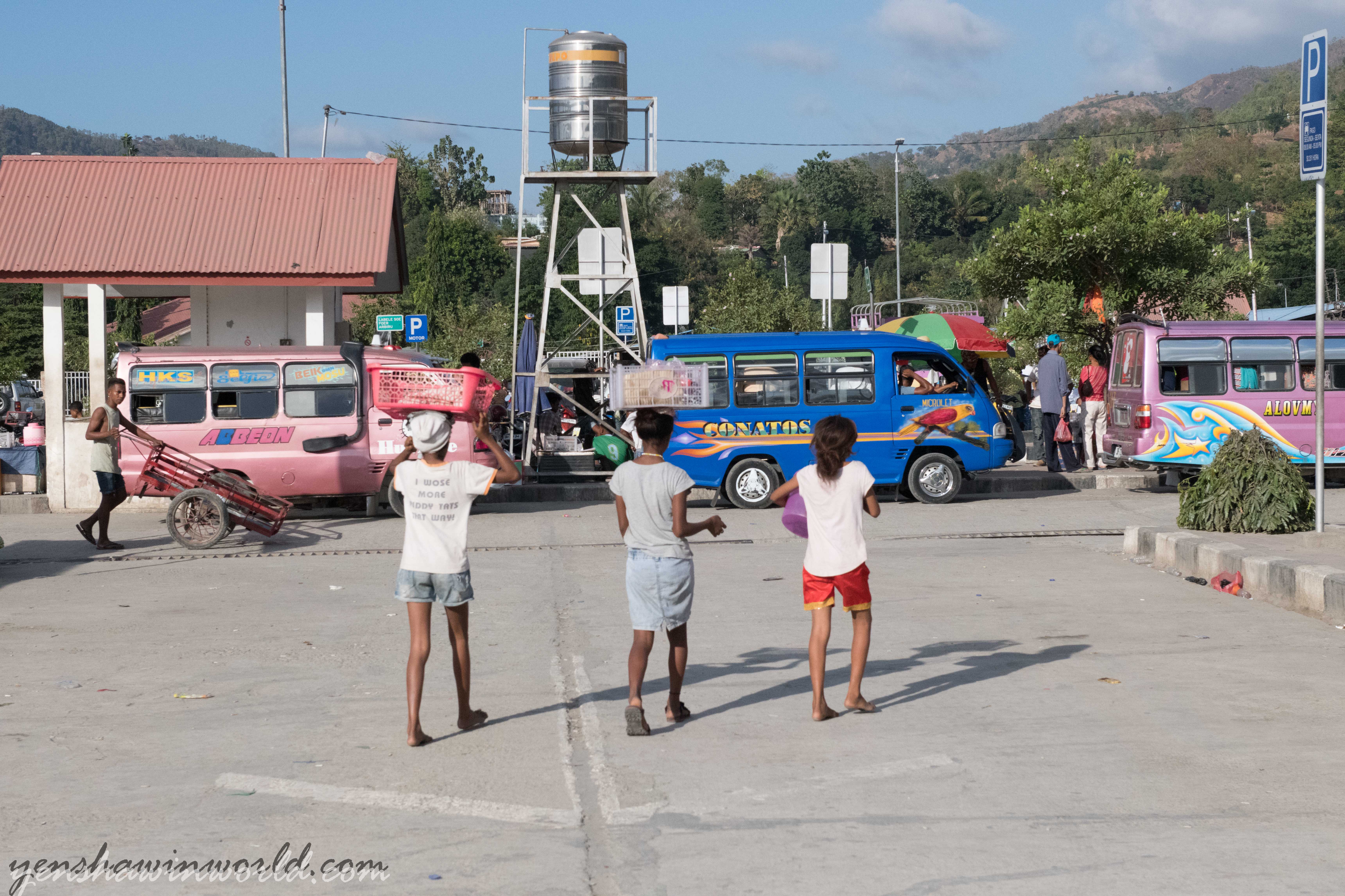
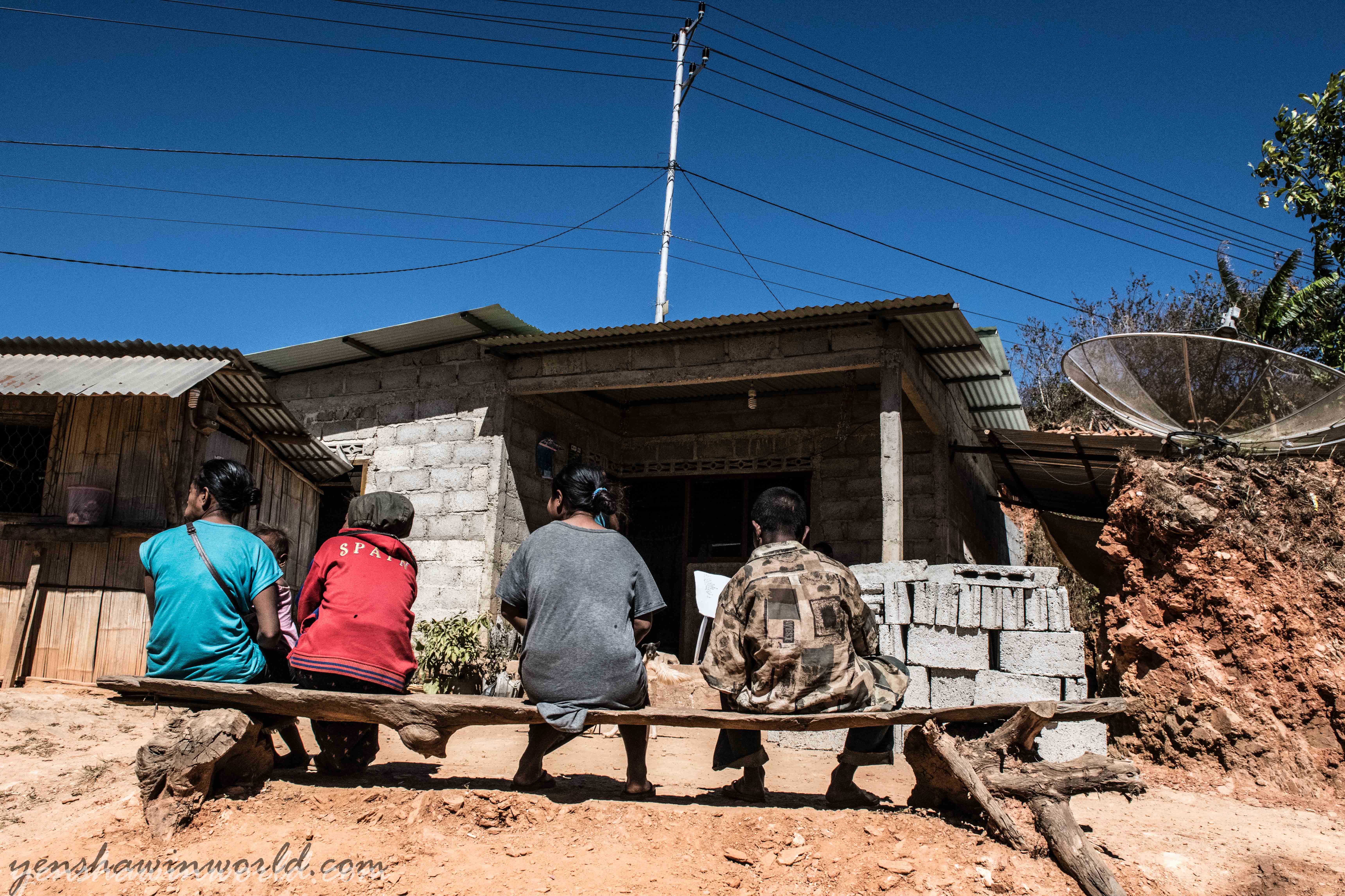
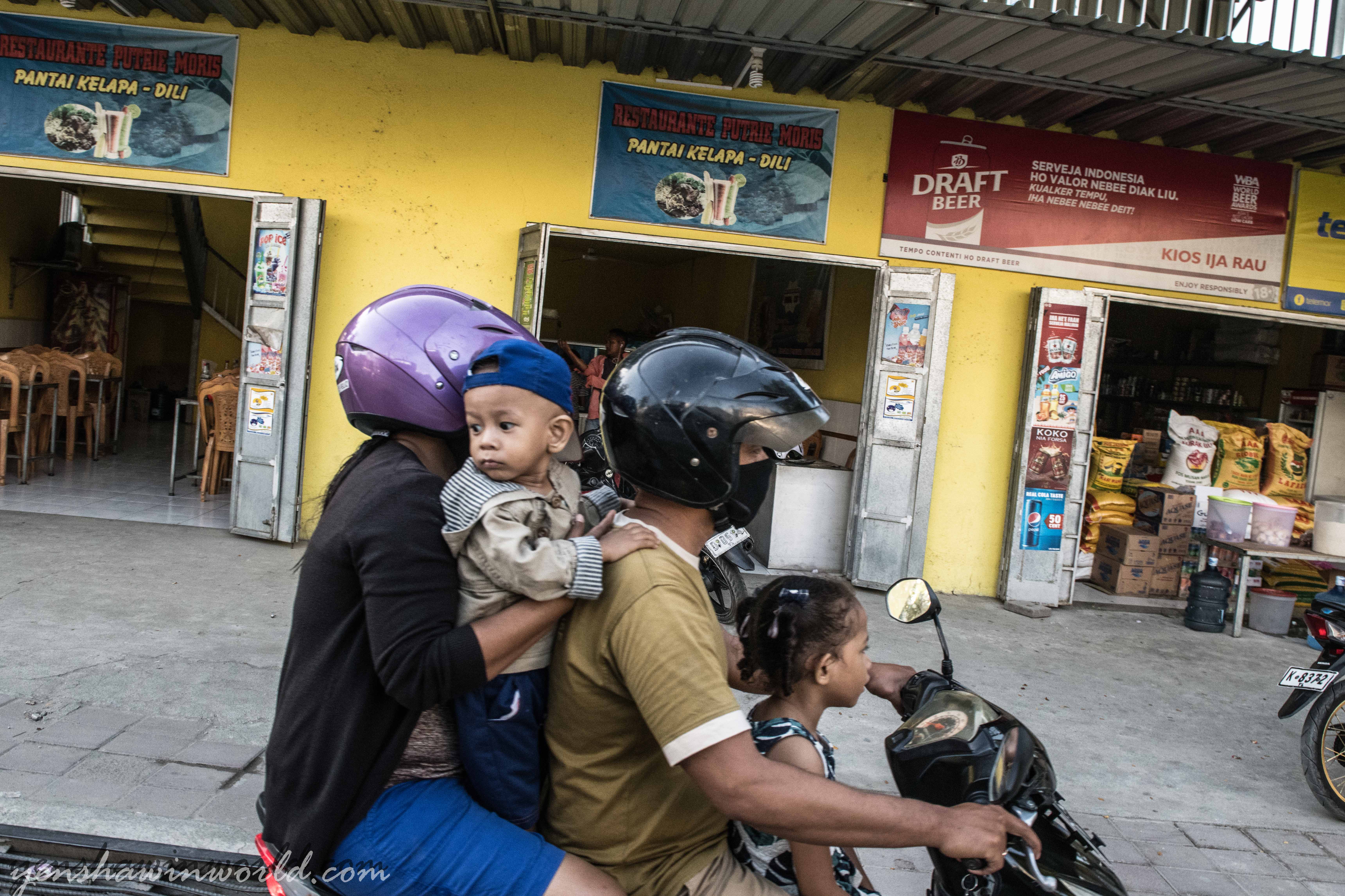
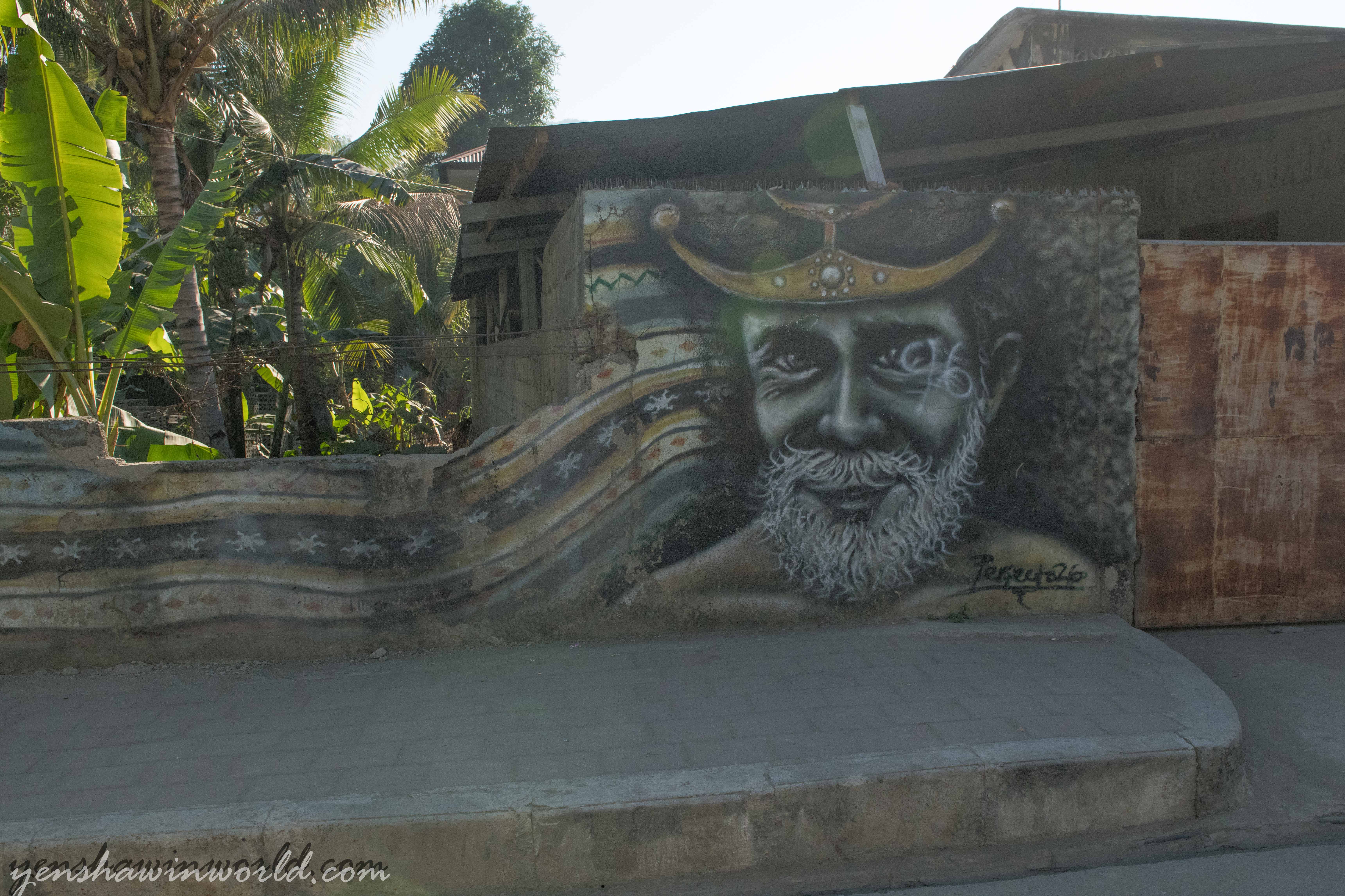
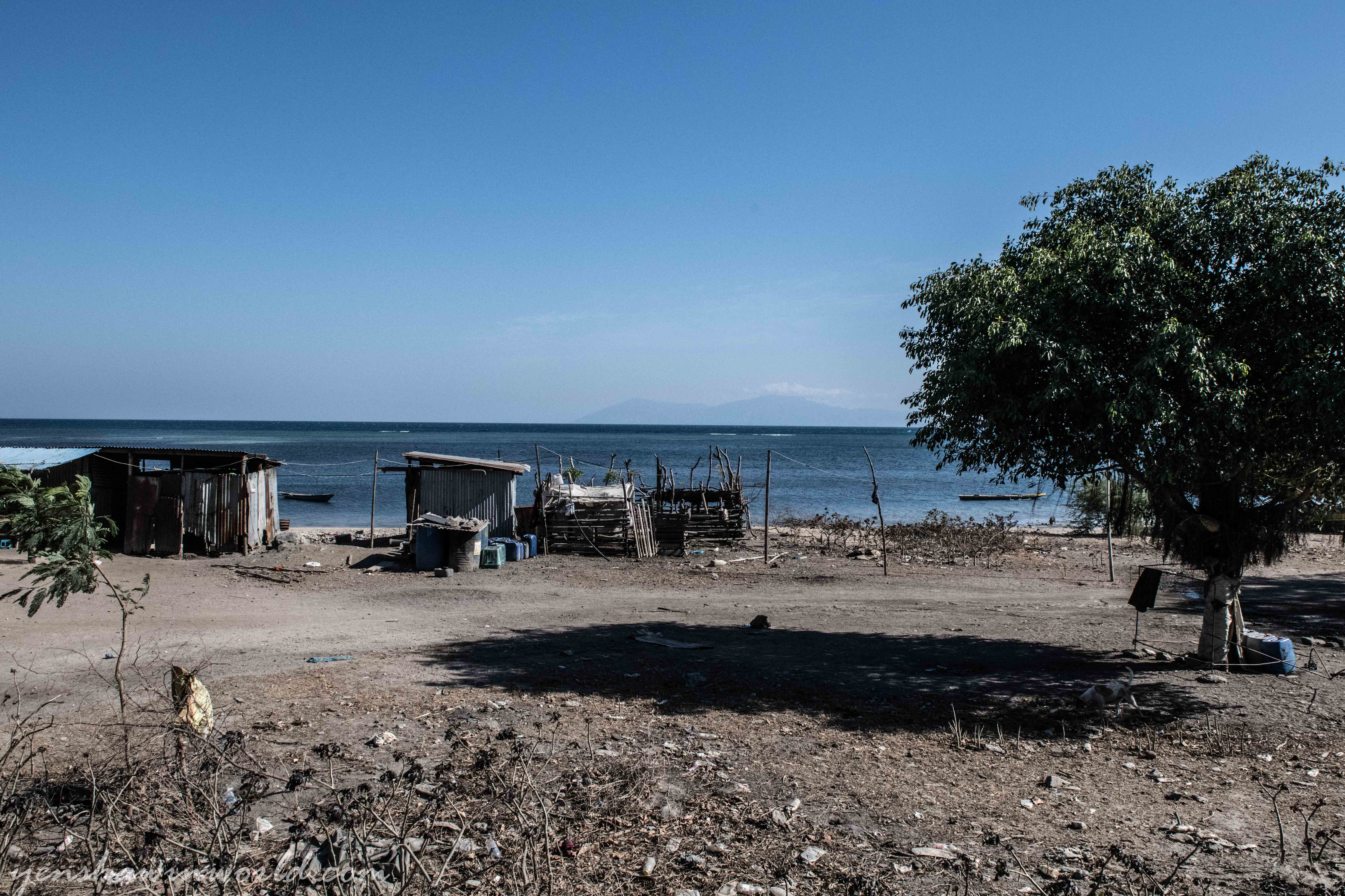
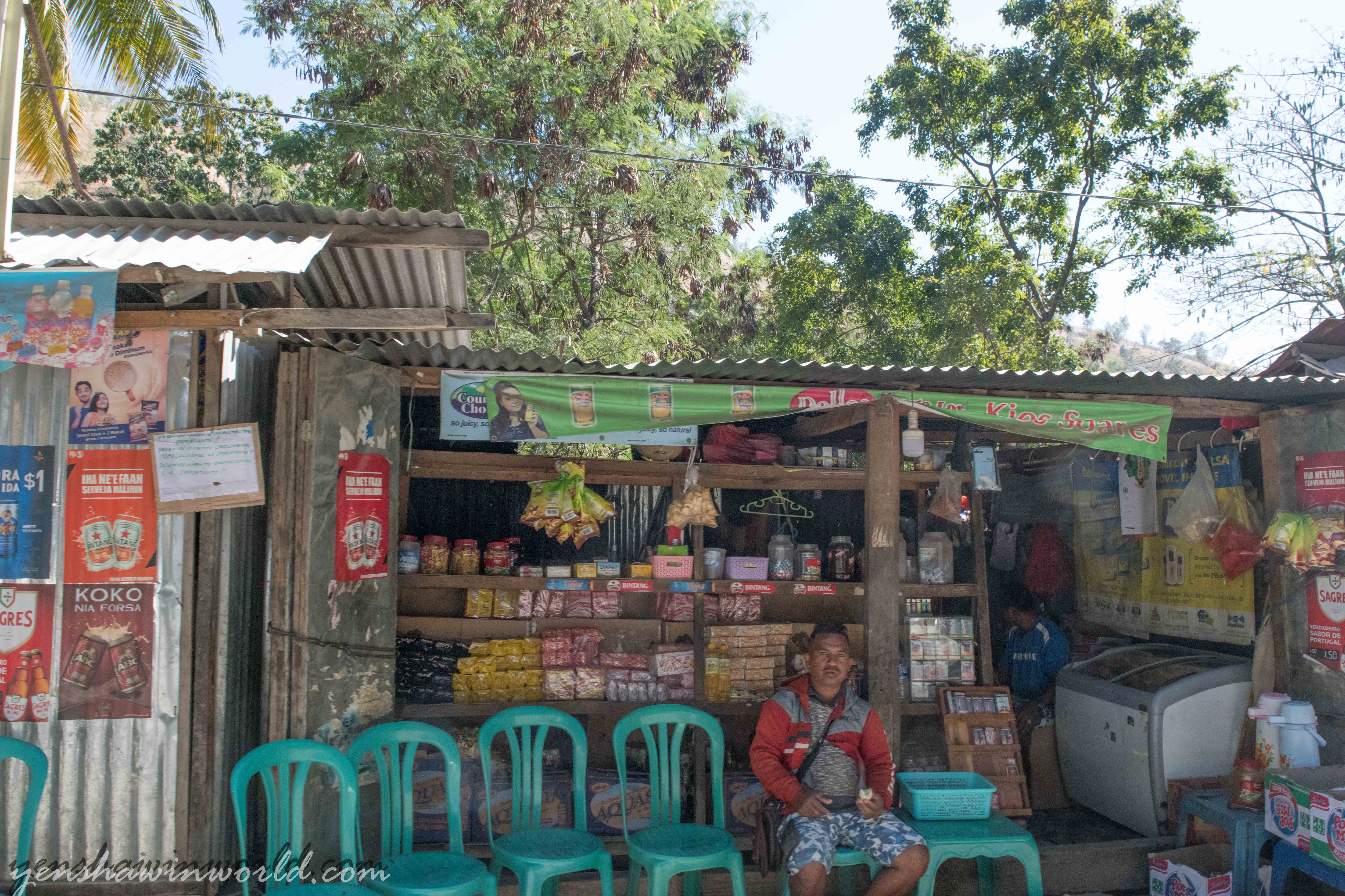

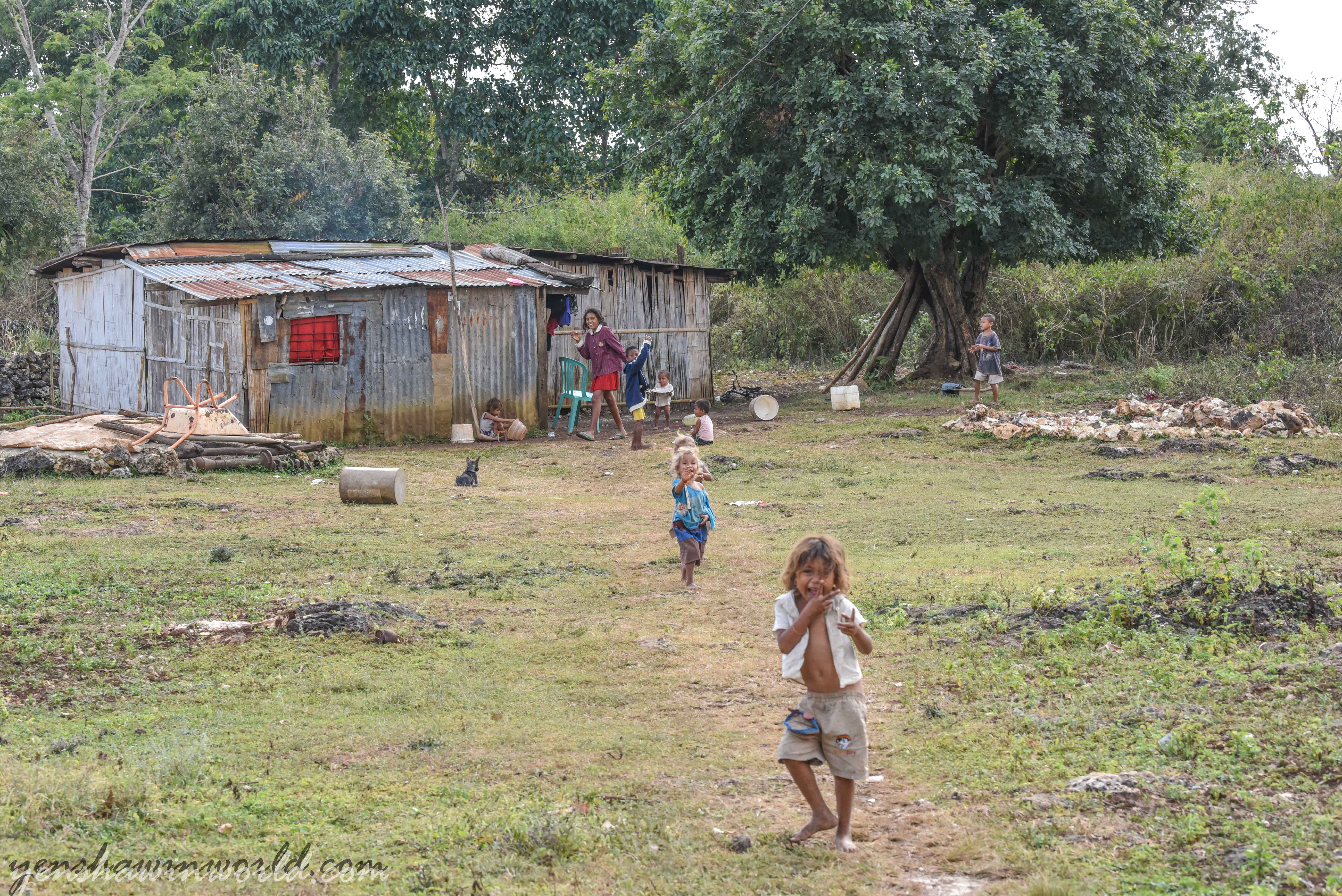
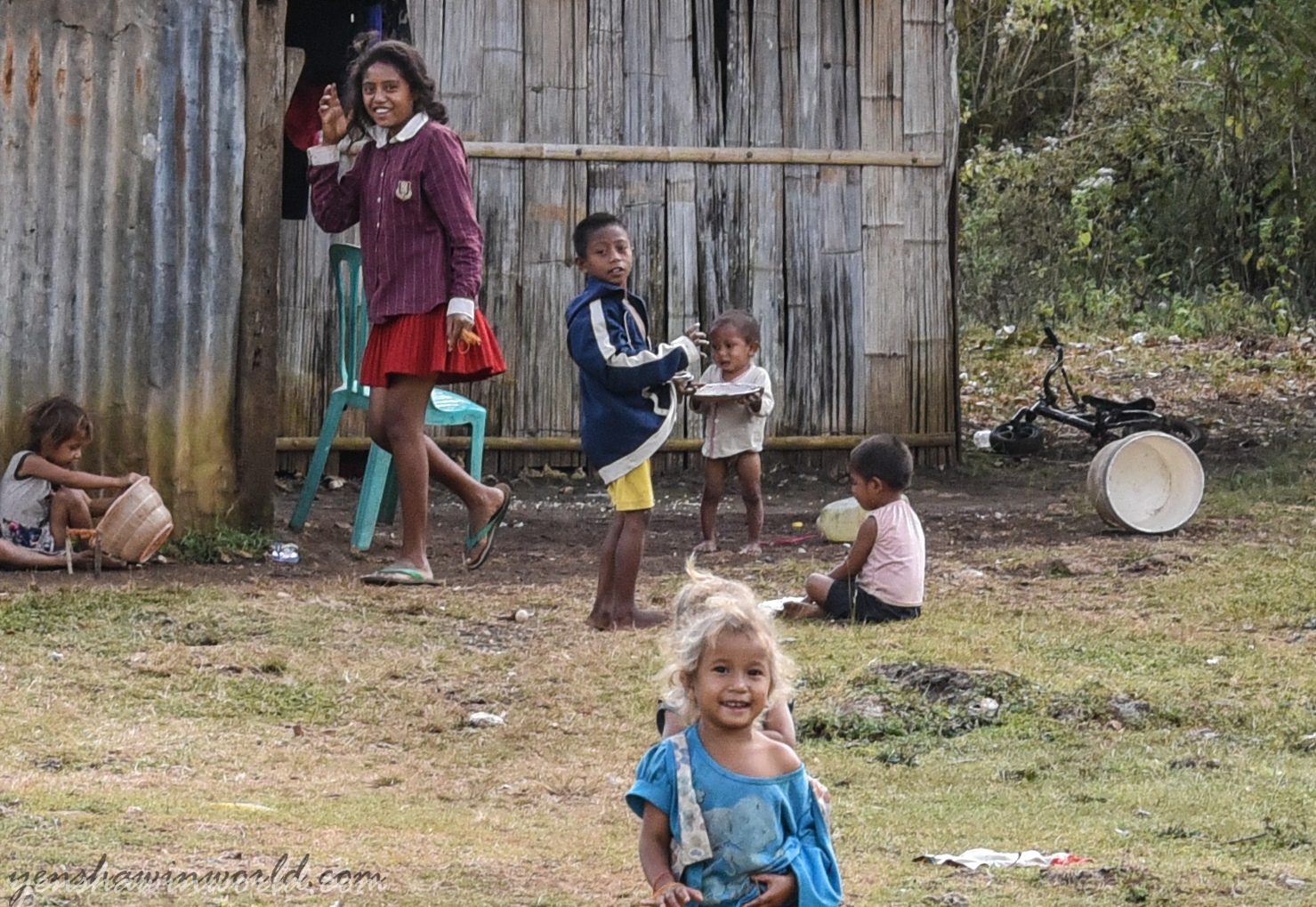
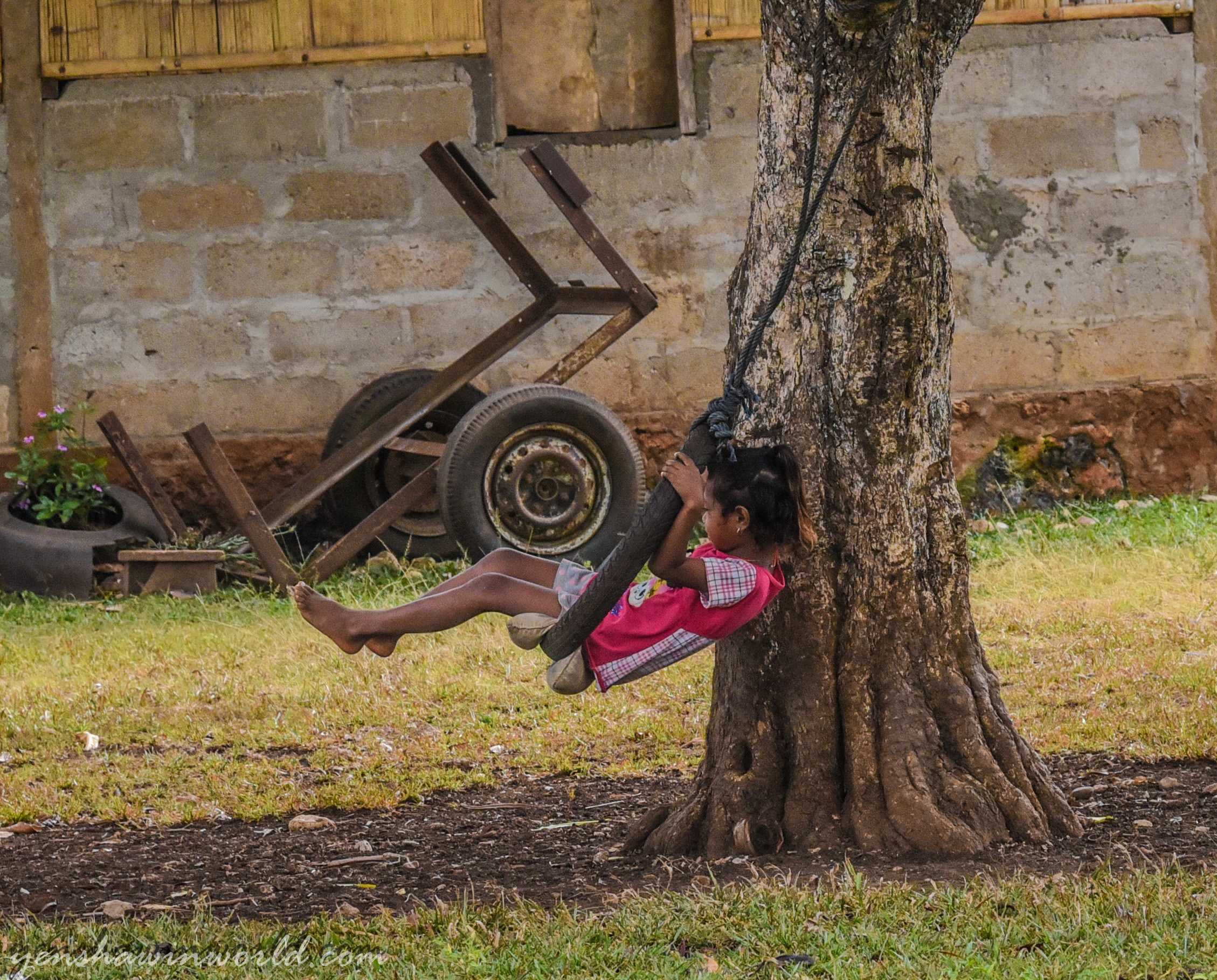
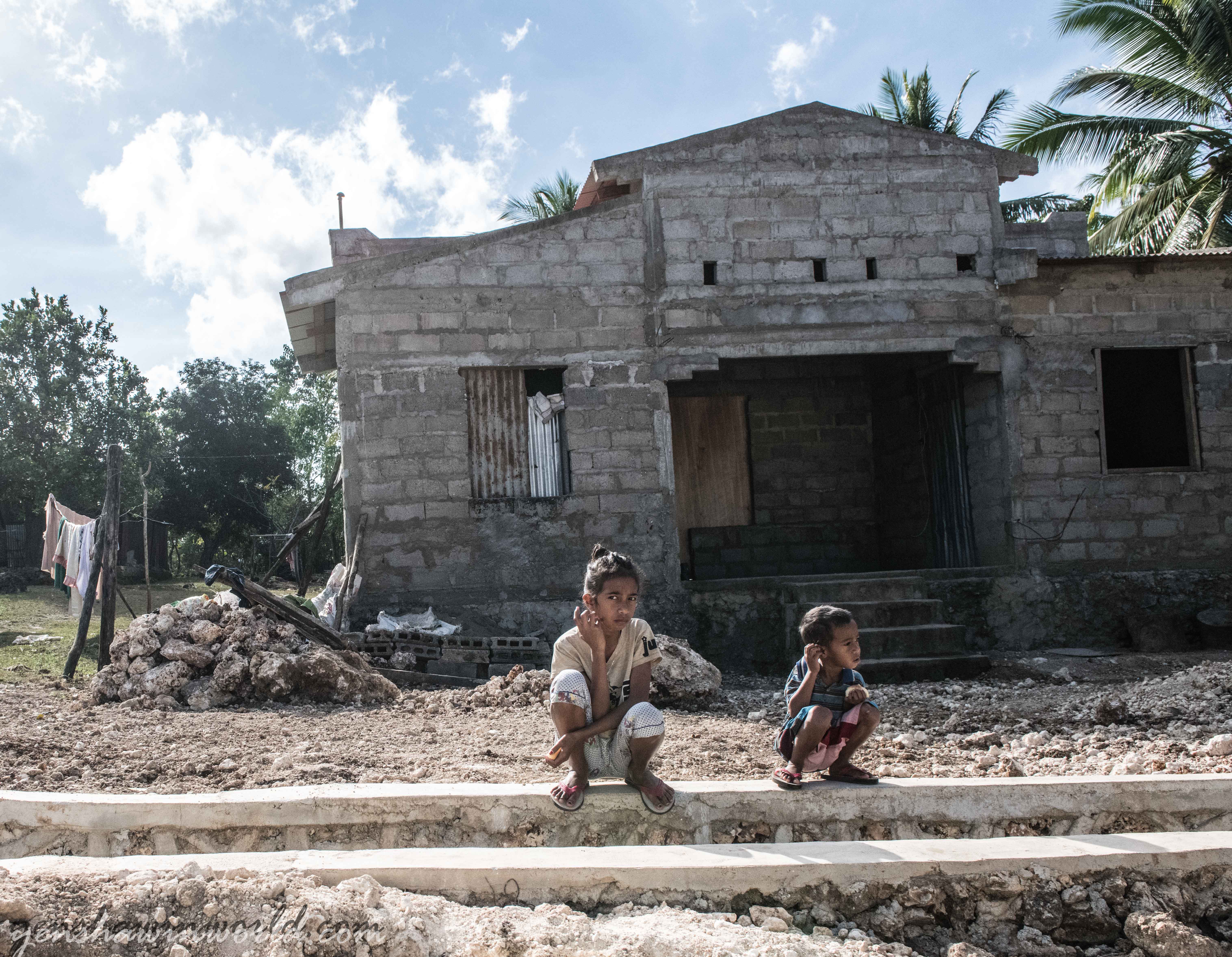
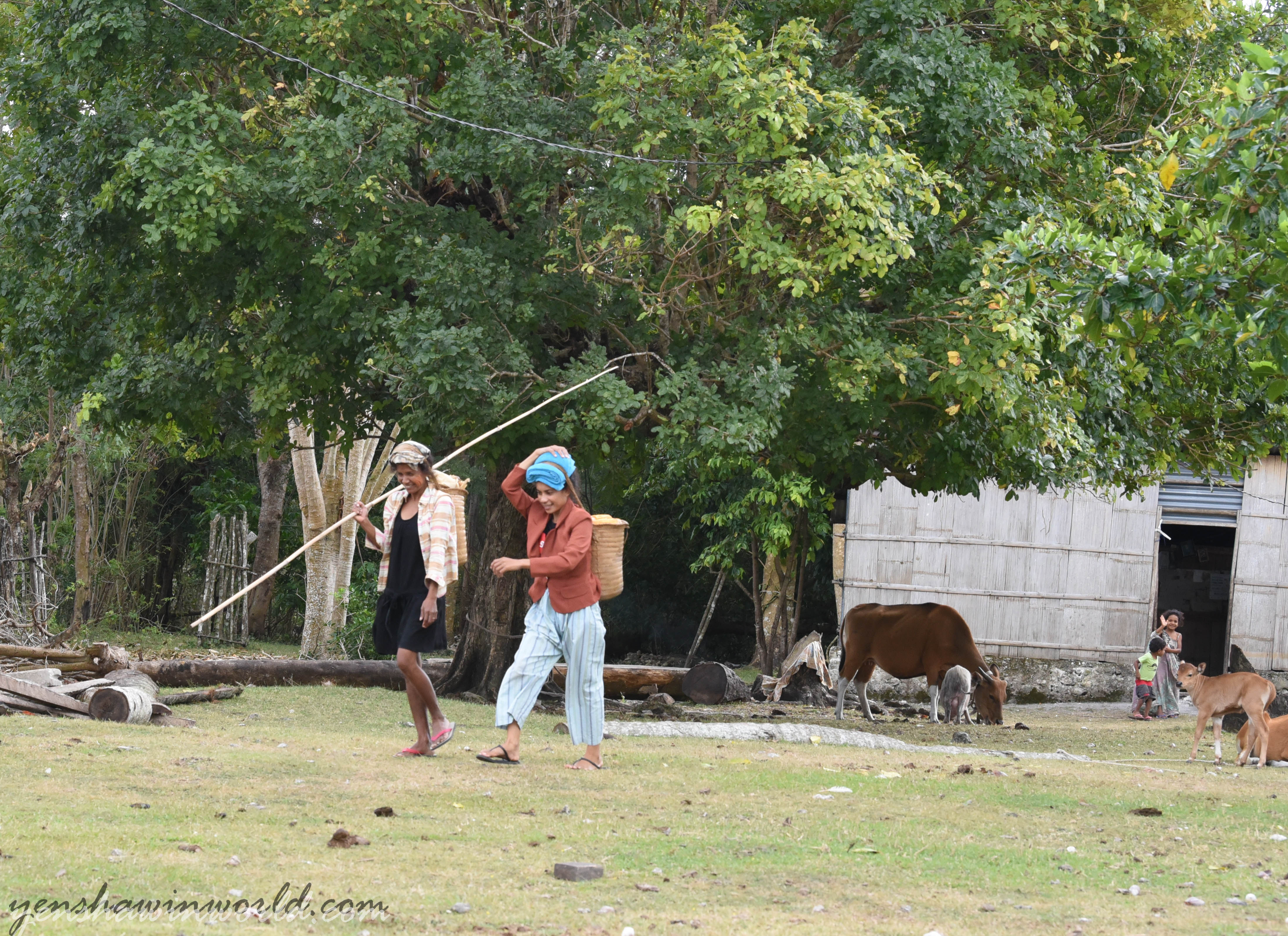


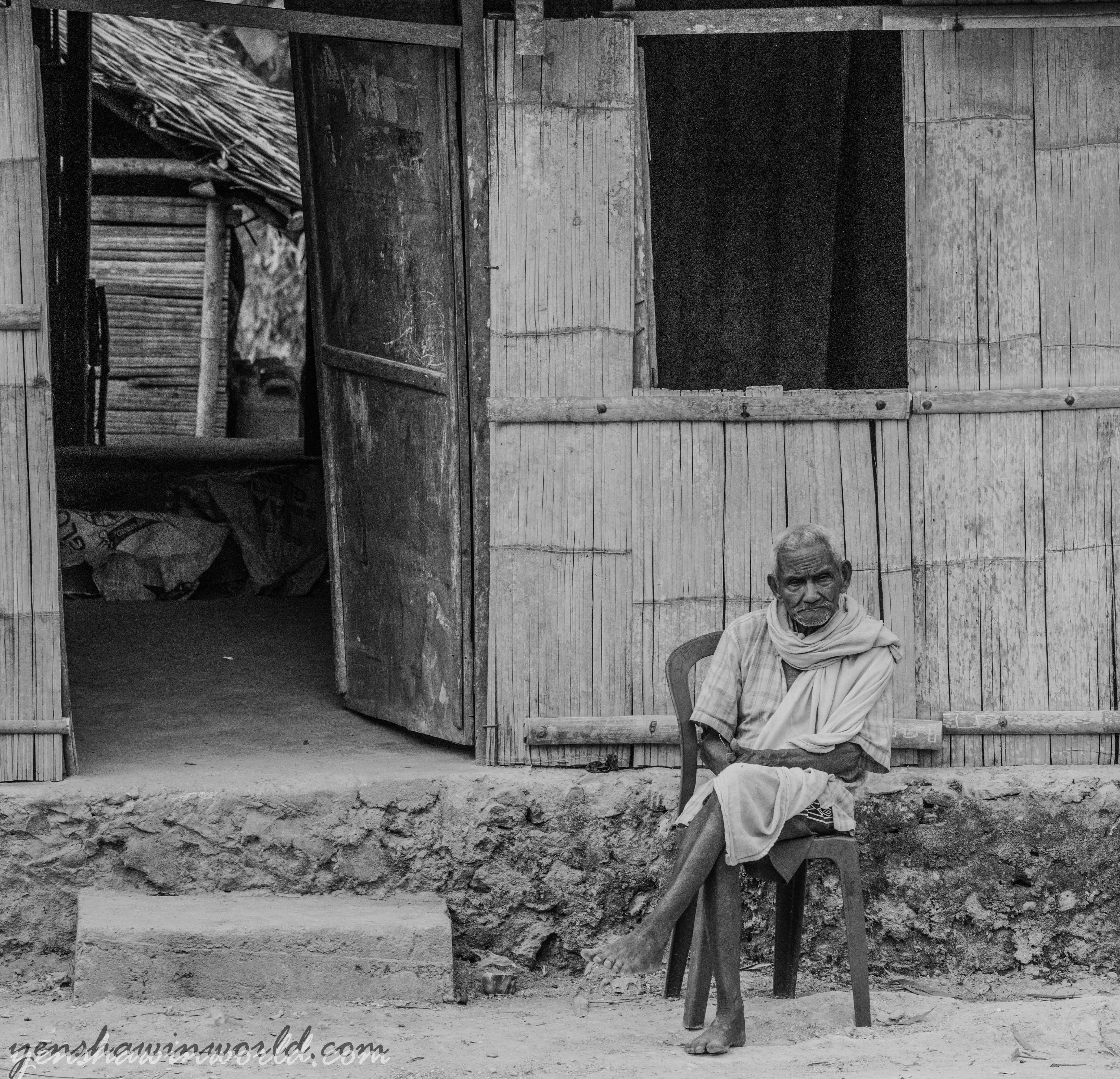
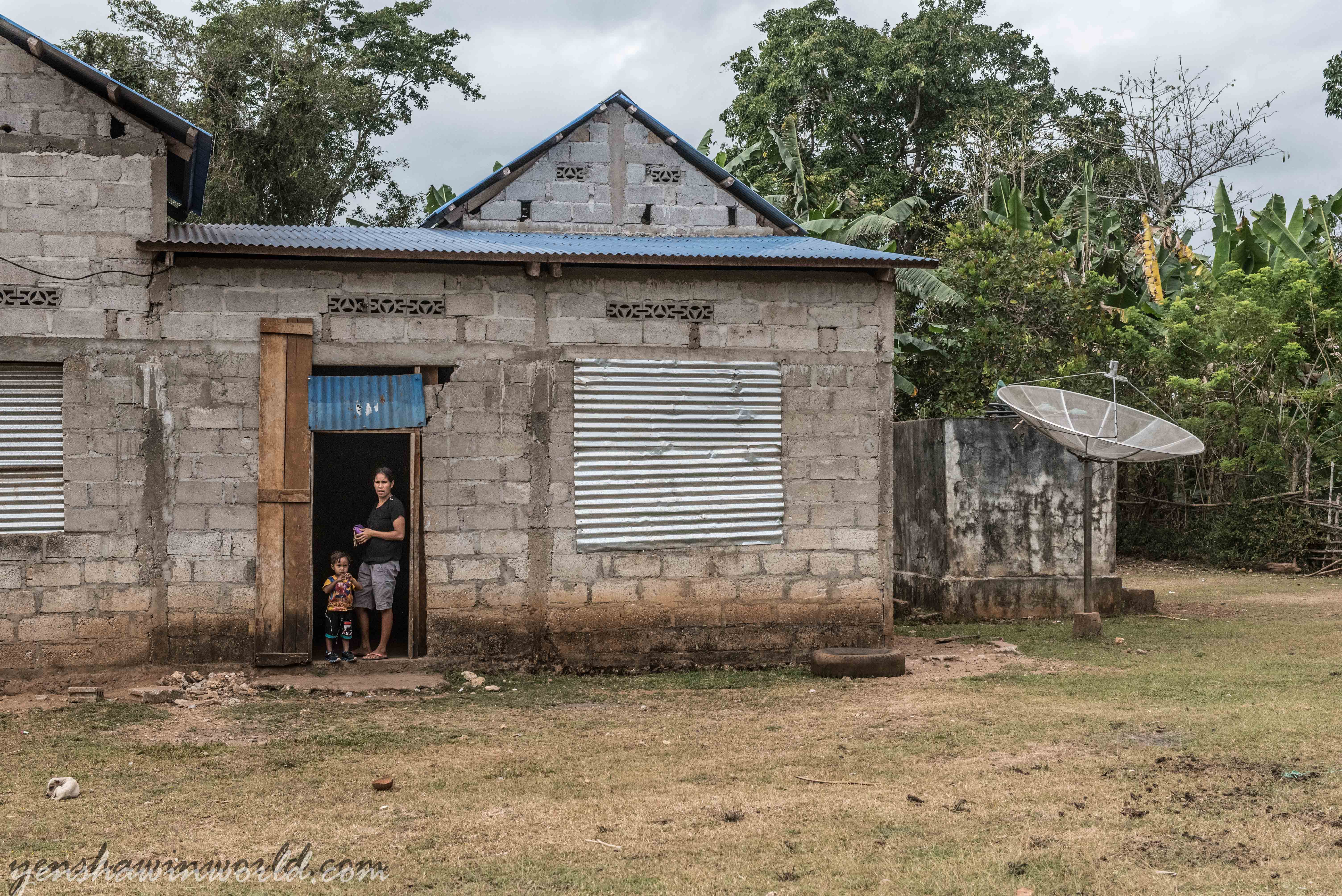
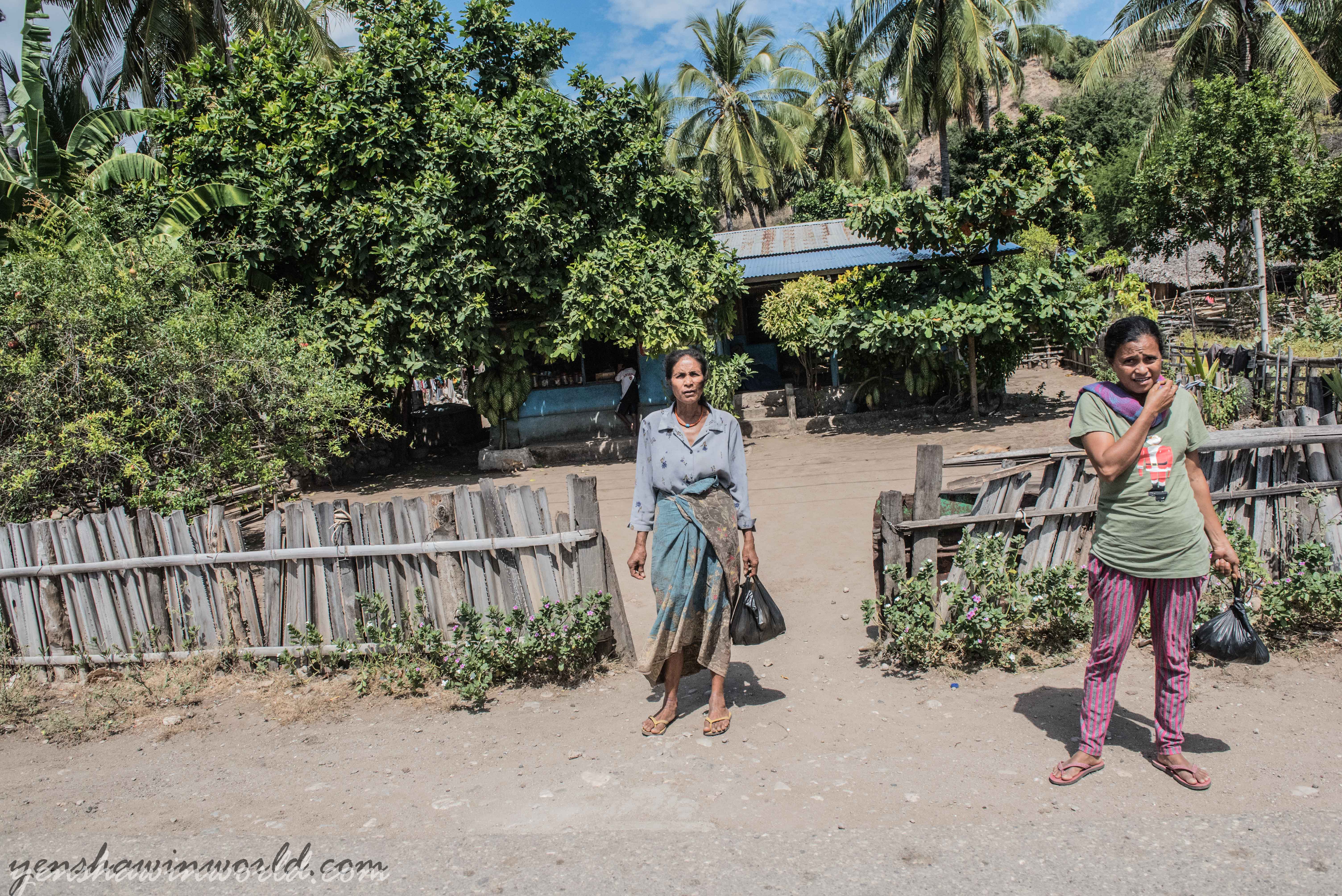
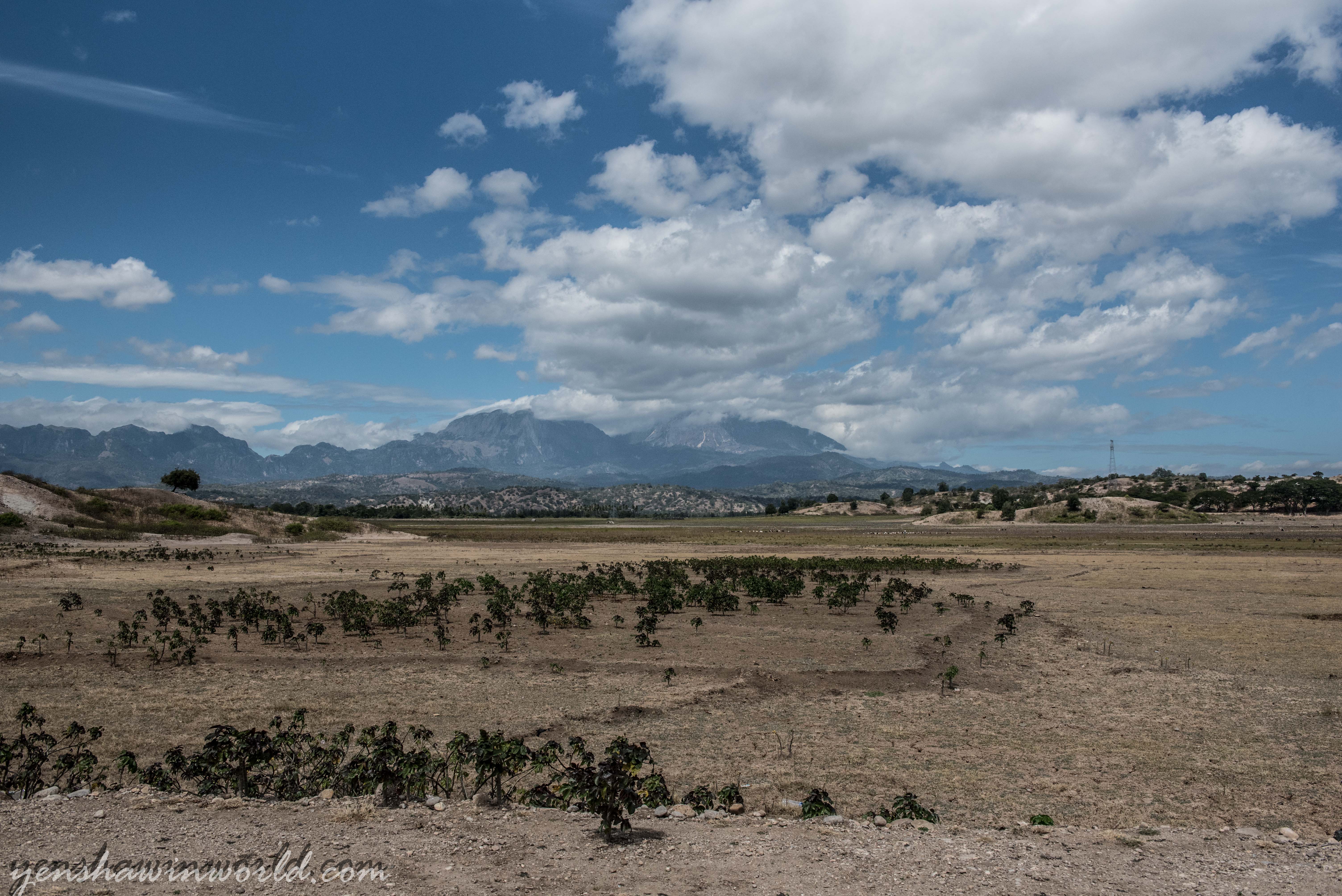
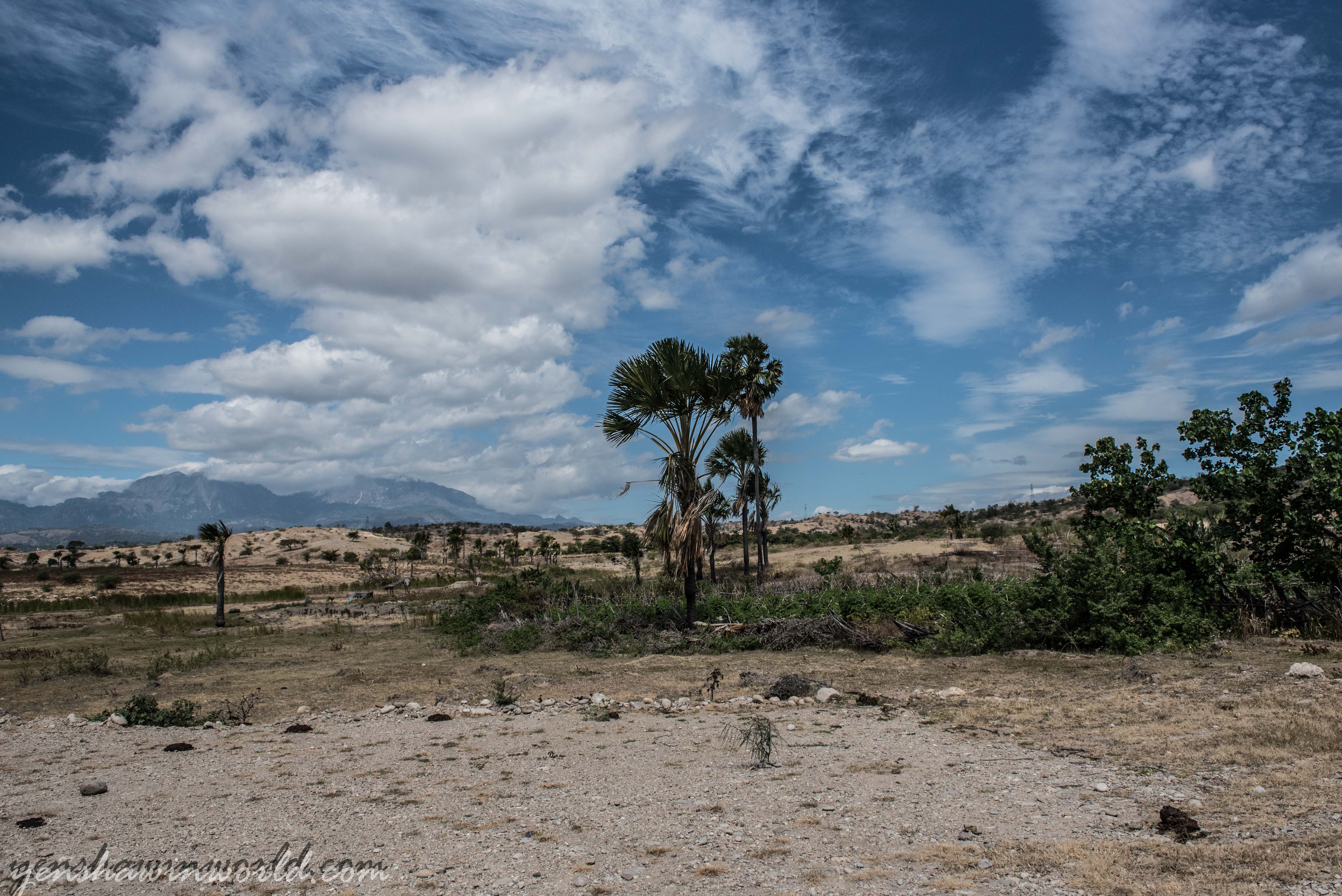
This independent country sharing an island with Indonesia has a long history of colonization by Portuguese, occupation by Indonesia, and finally achieved independence in 2002. If I hailed Bangladesh as one of the friendliest countries in the world, then East Timor will come in at #2!!! This country reminds me of certain countries like Guinea, Togo, or Benin in West Africa with the way the roads were as well as the friendliness of the people.  Many of the villages were set up almost the same way of those in Africa!!!!  It brought back many memories to my travels through Africa!!!

Map of East Timor

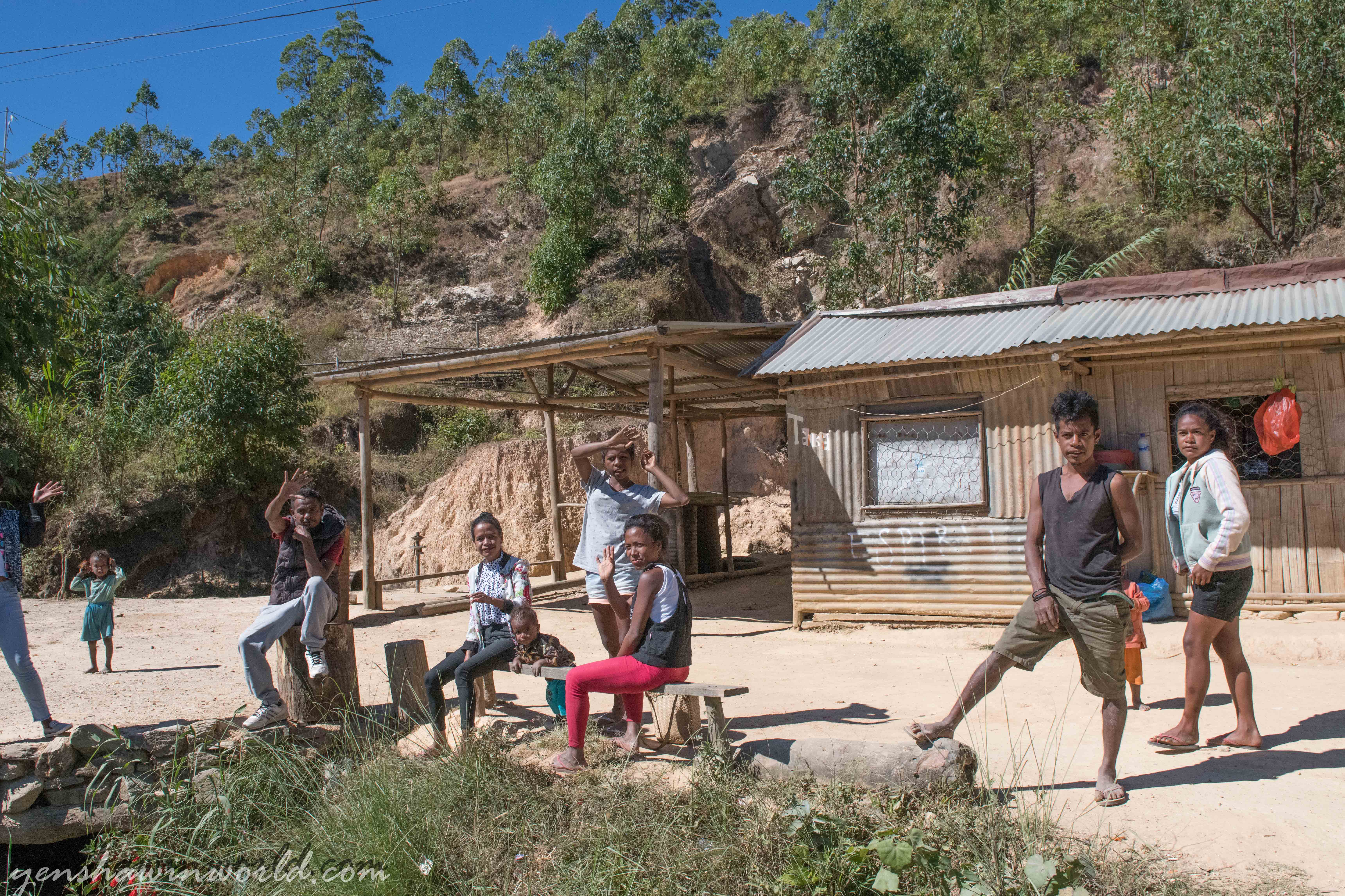
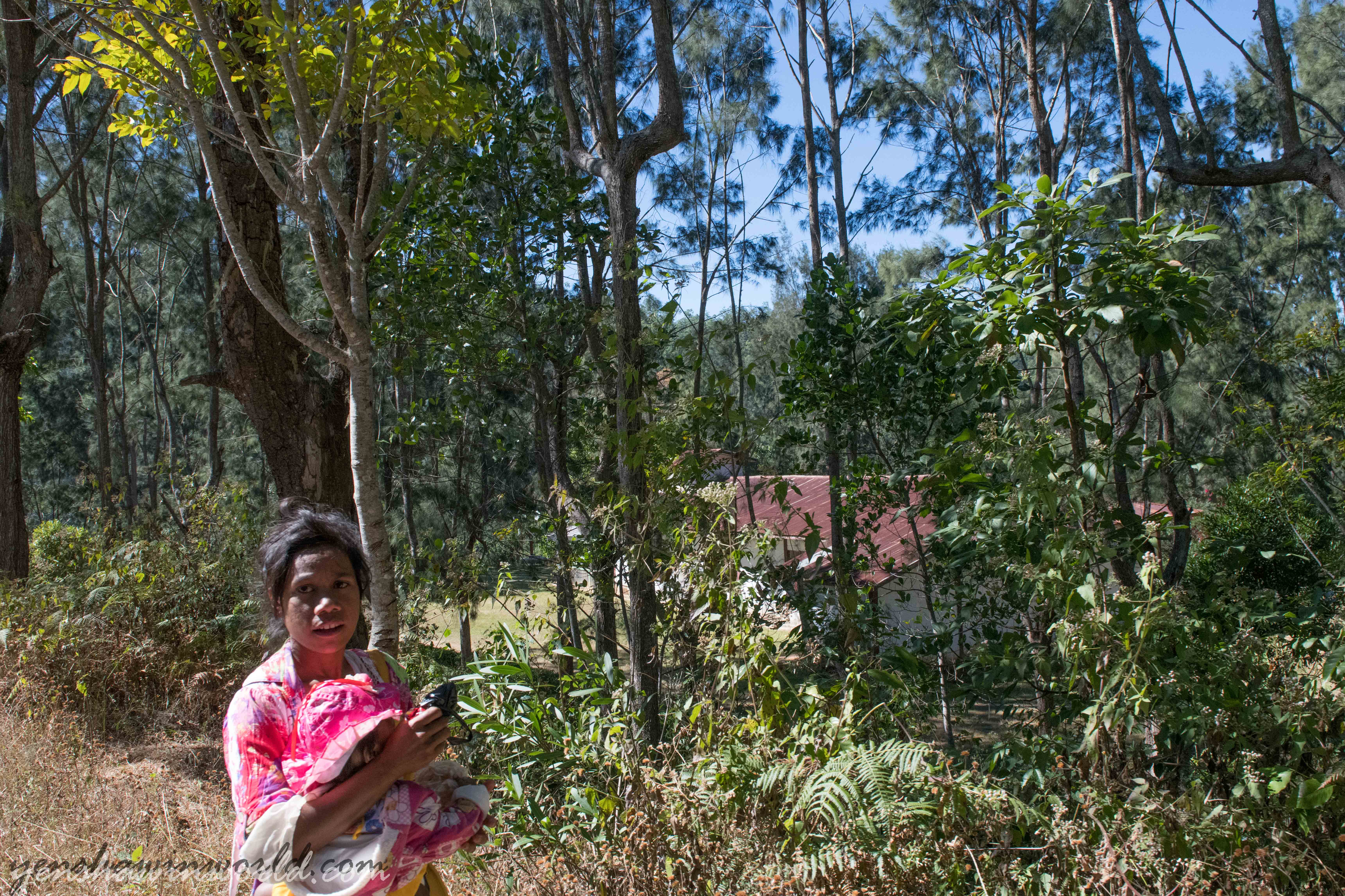
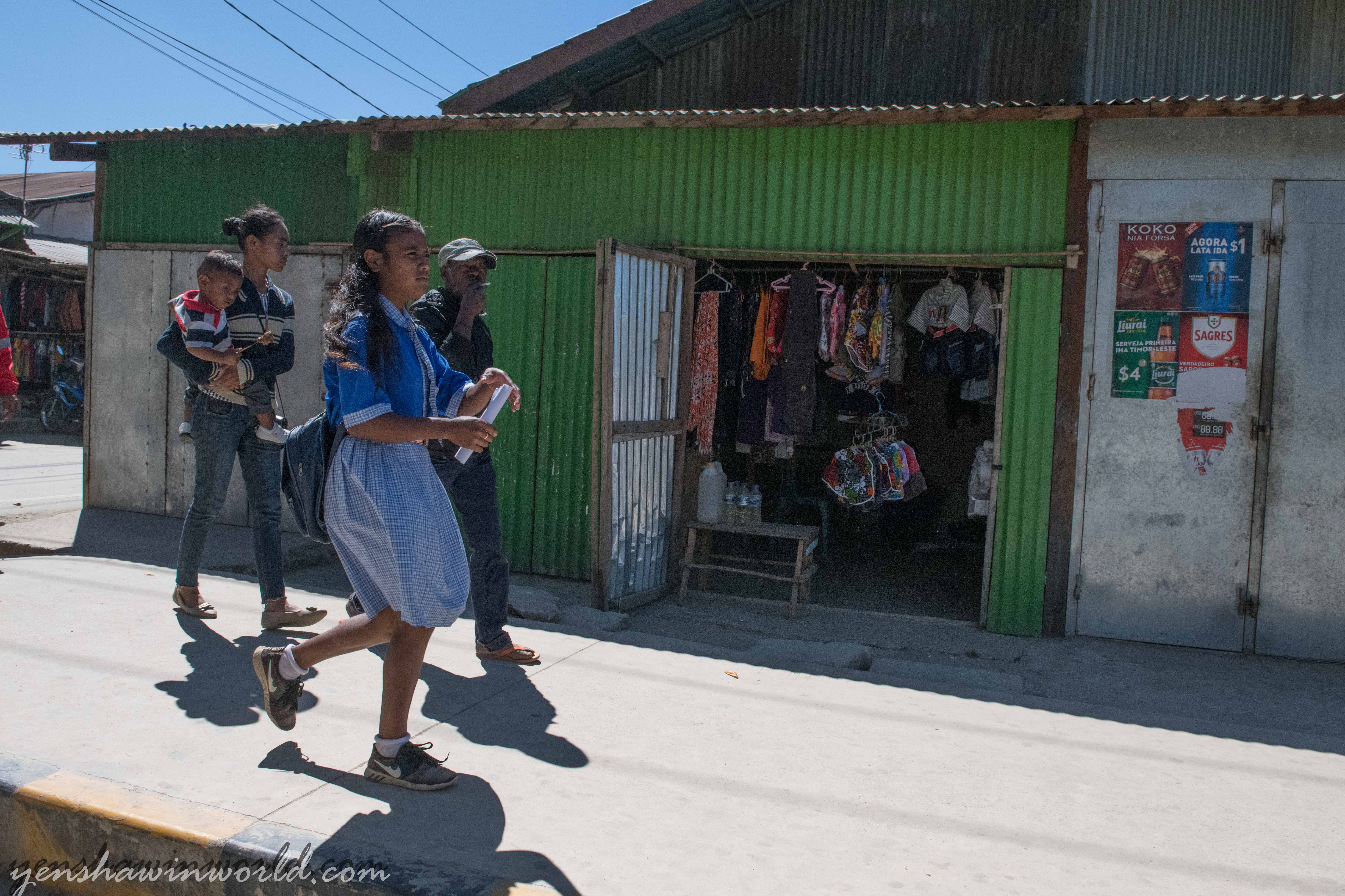
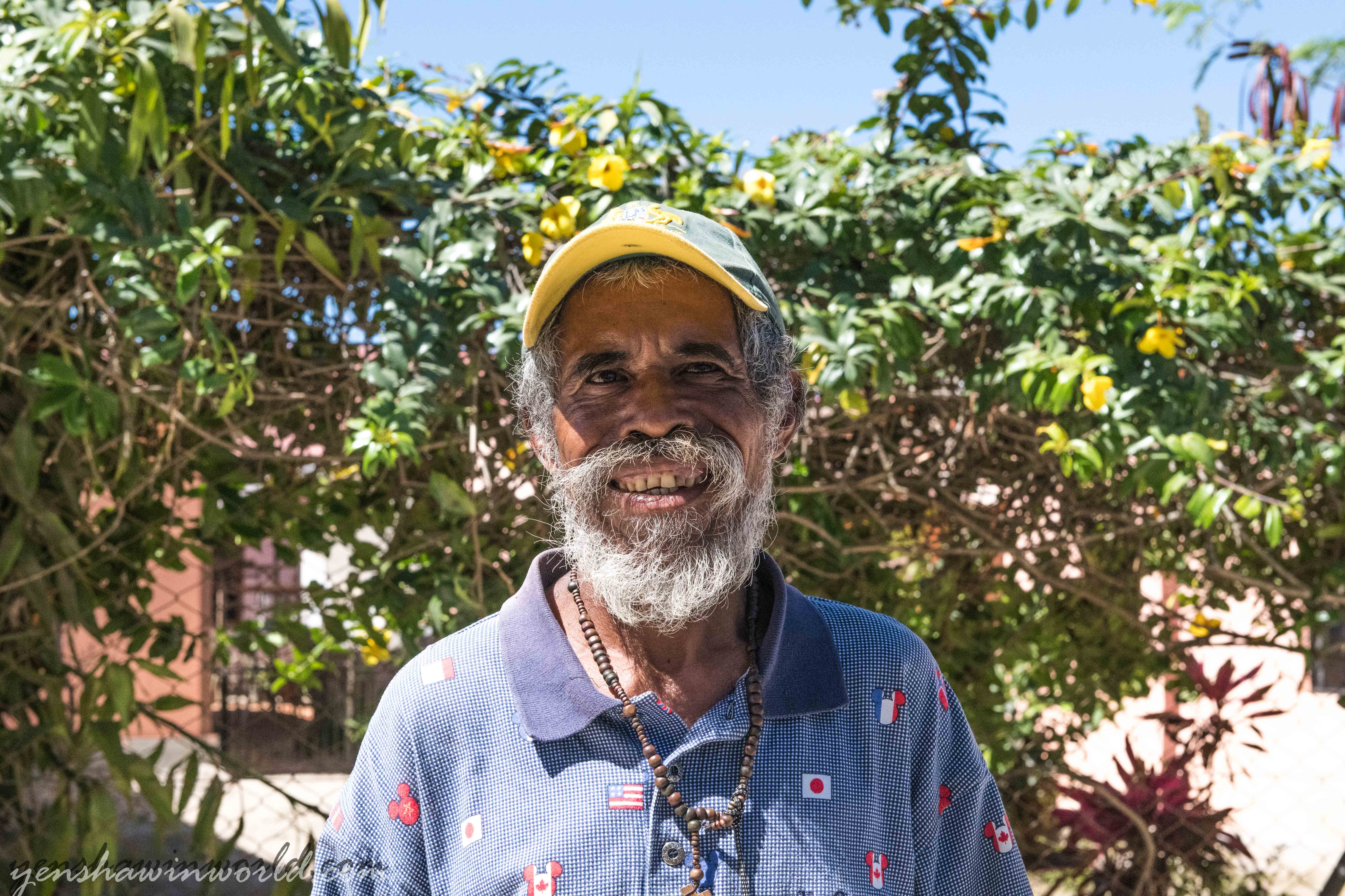
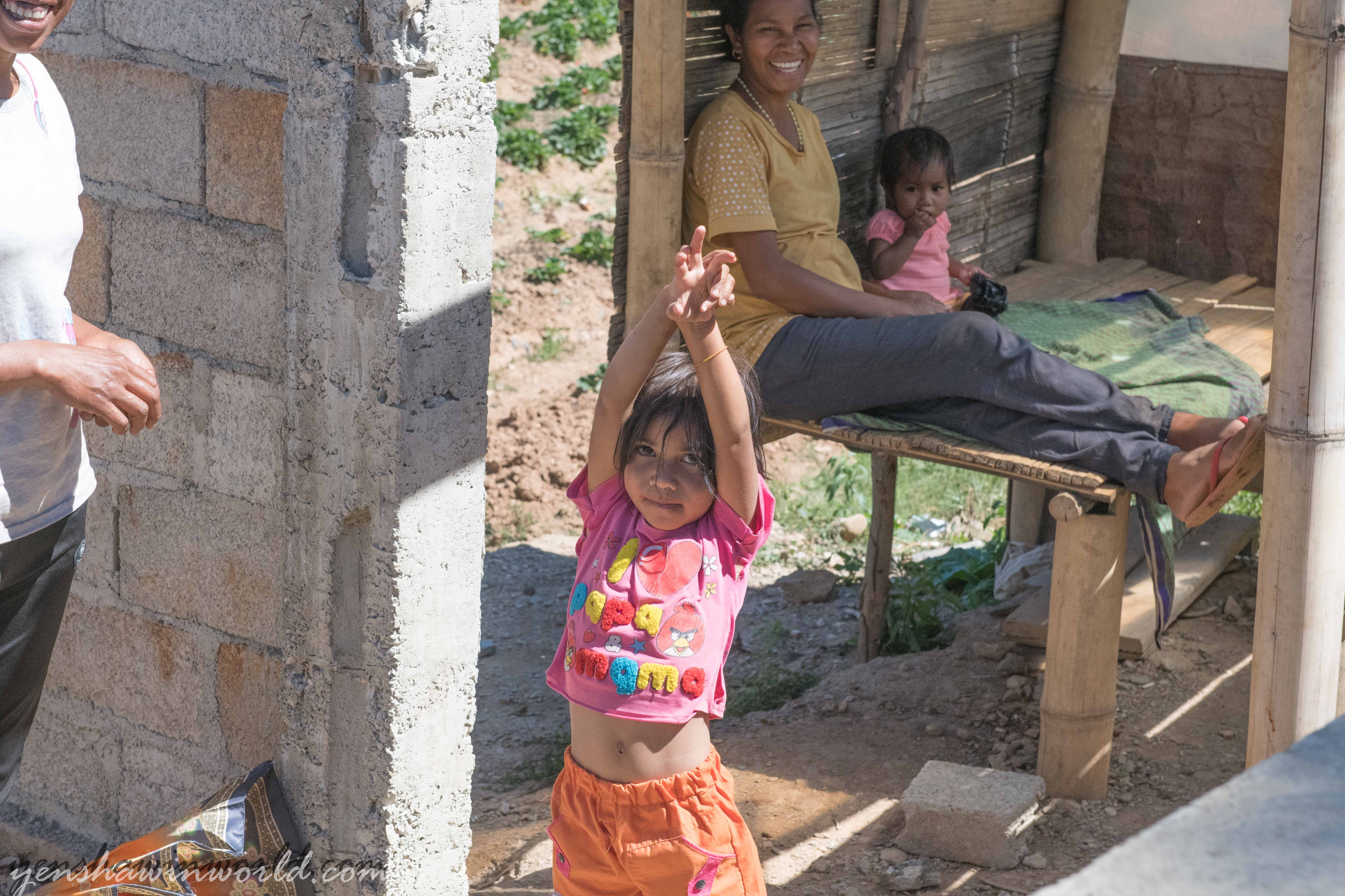
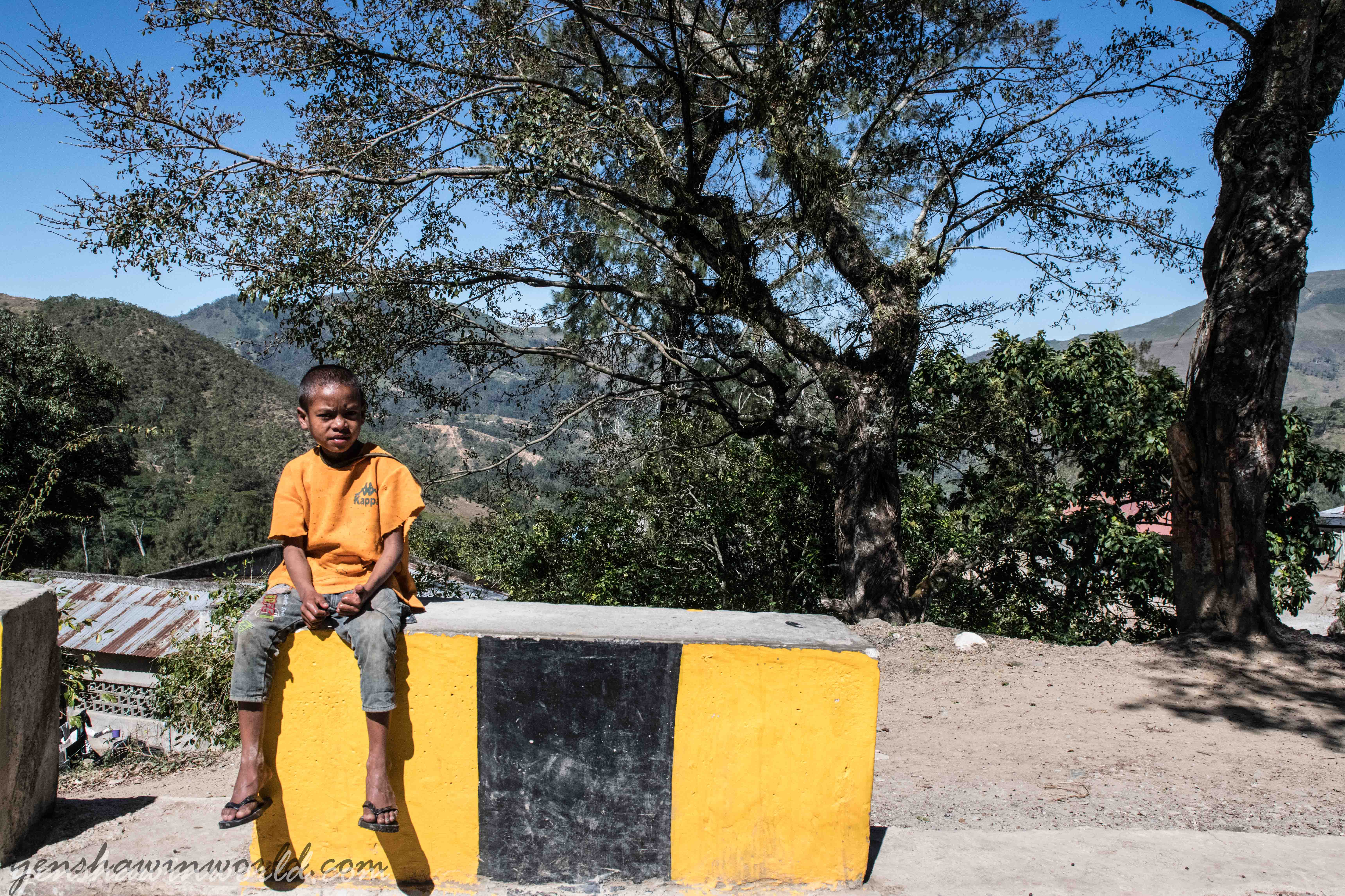
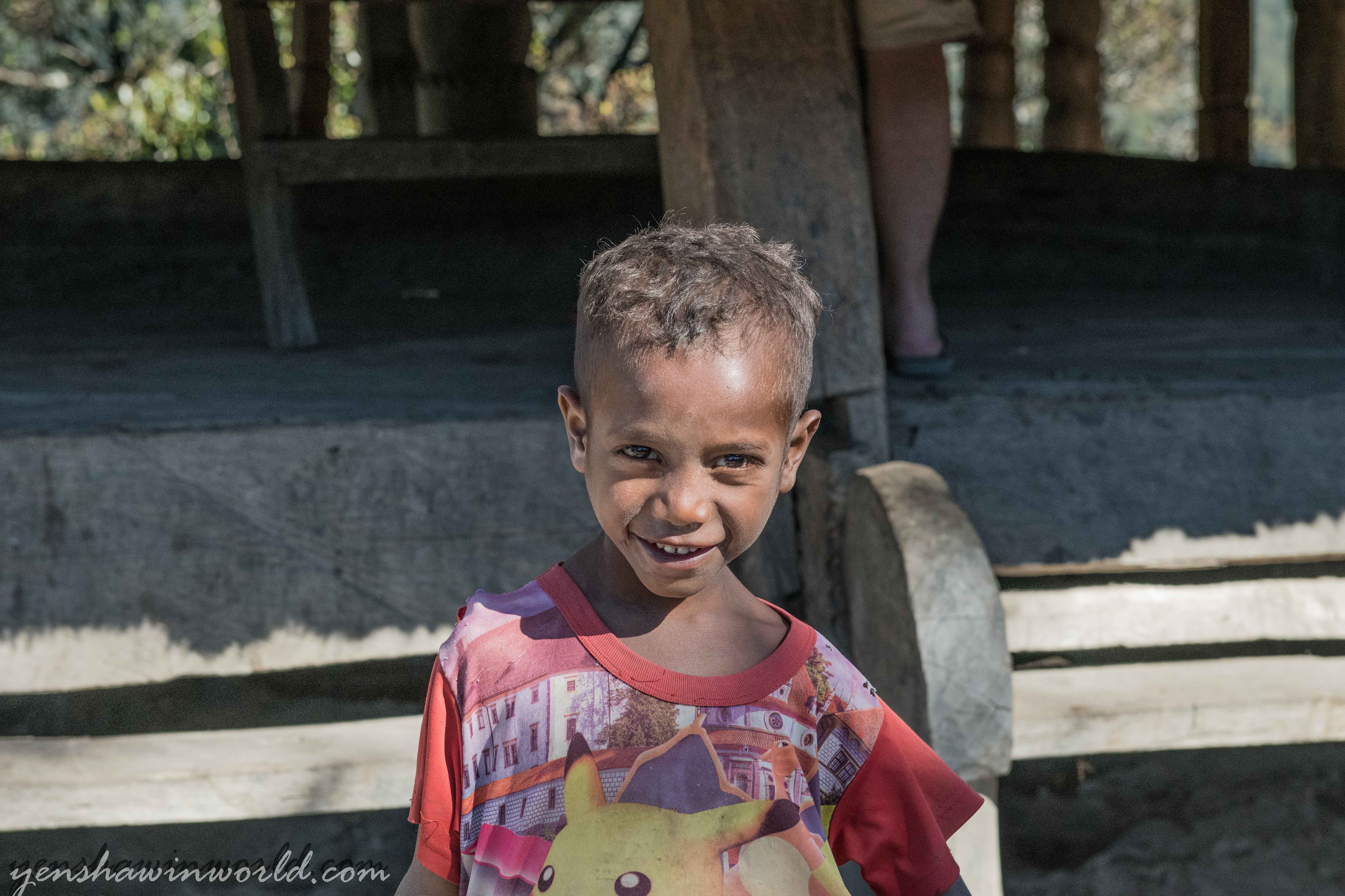
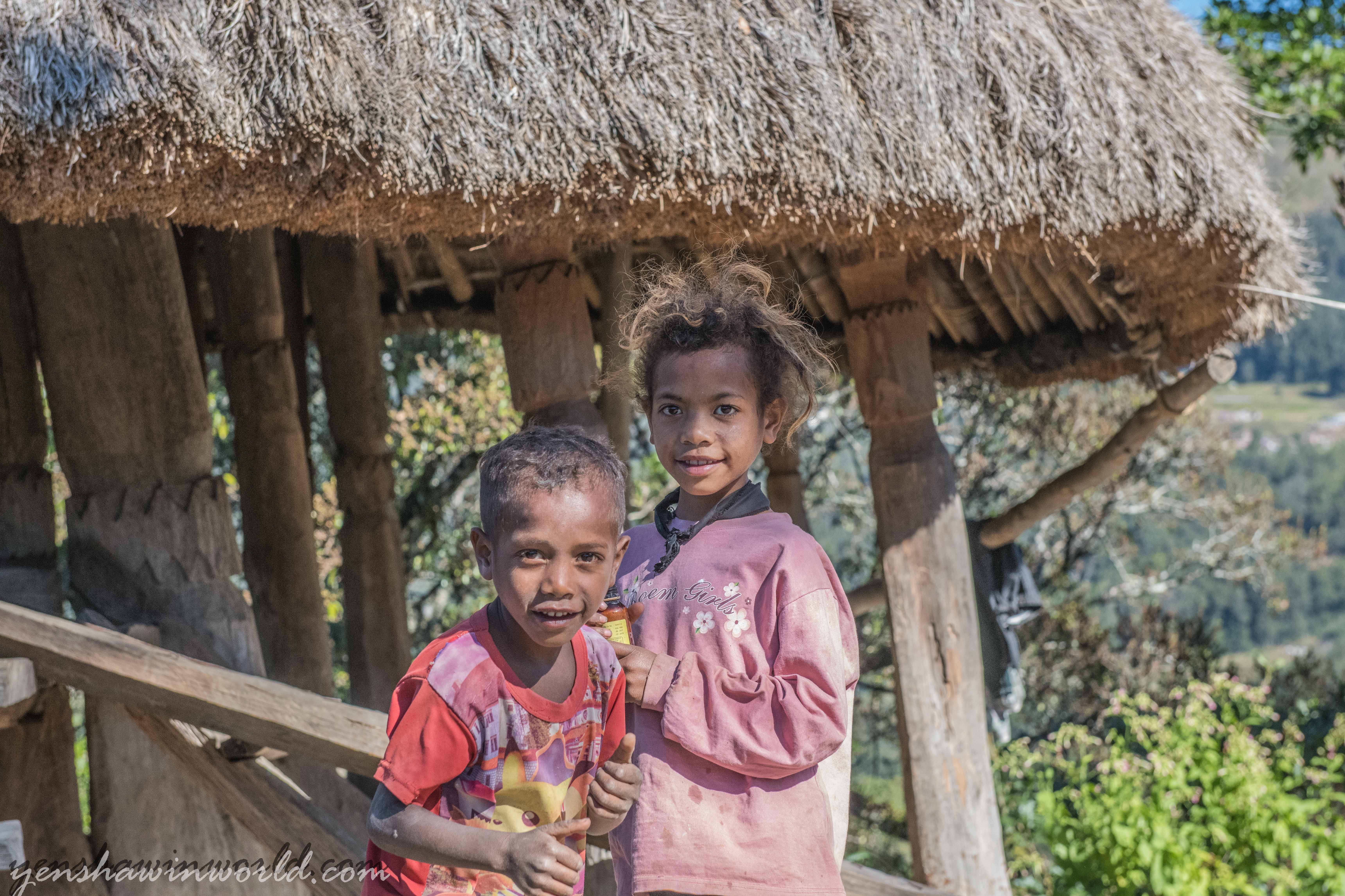
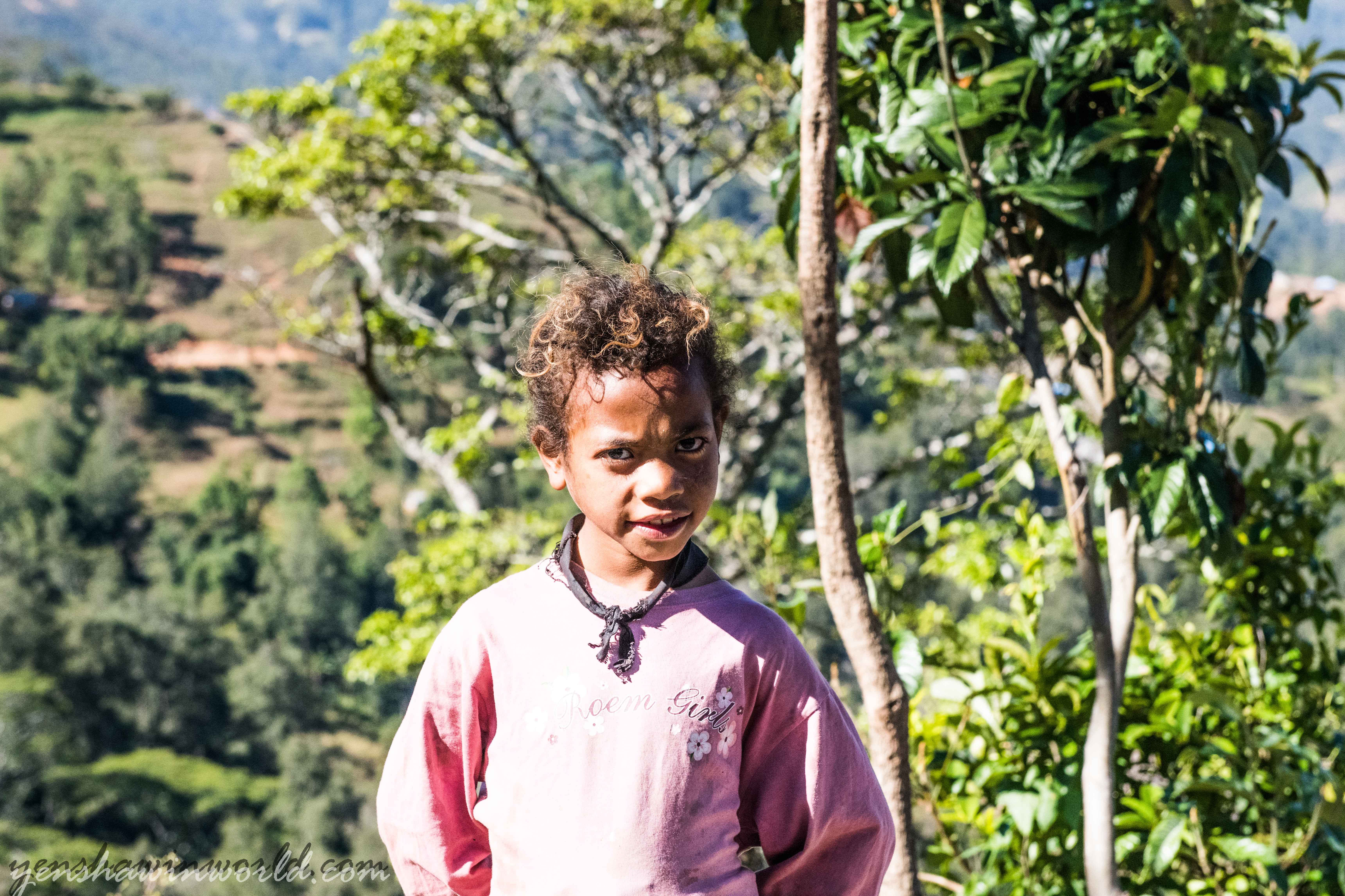
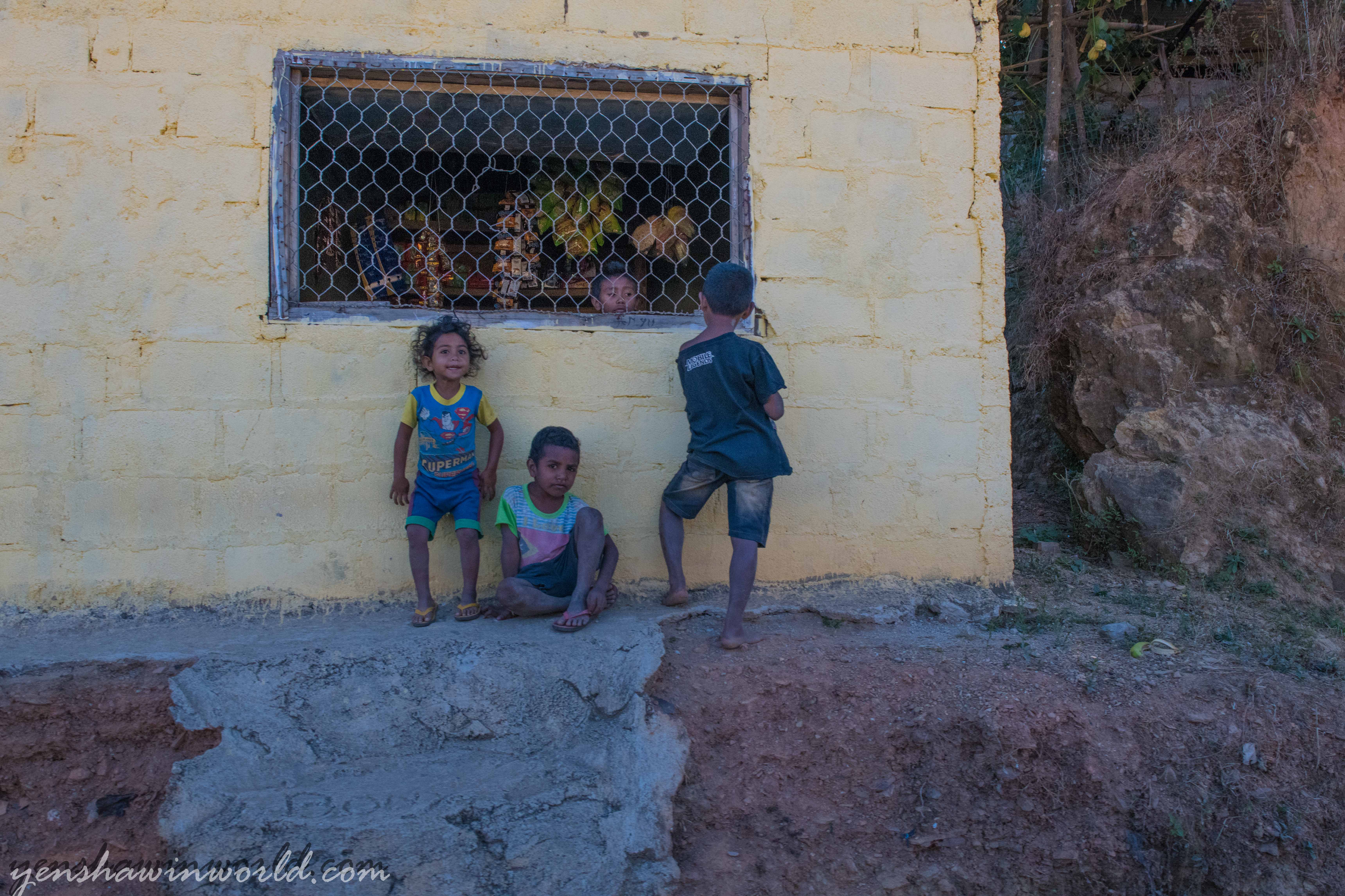

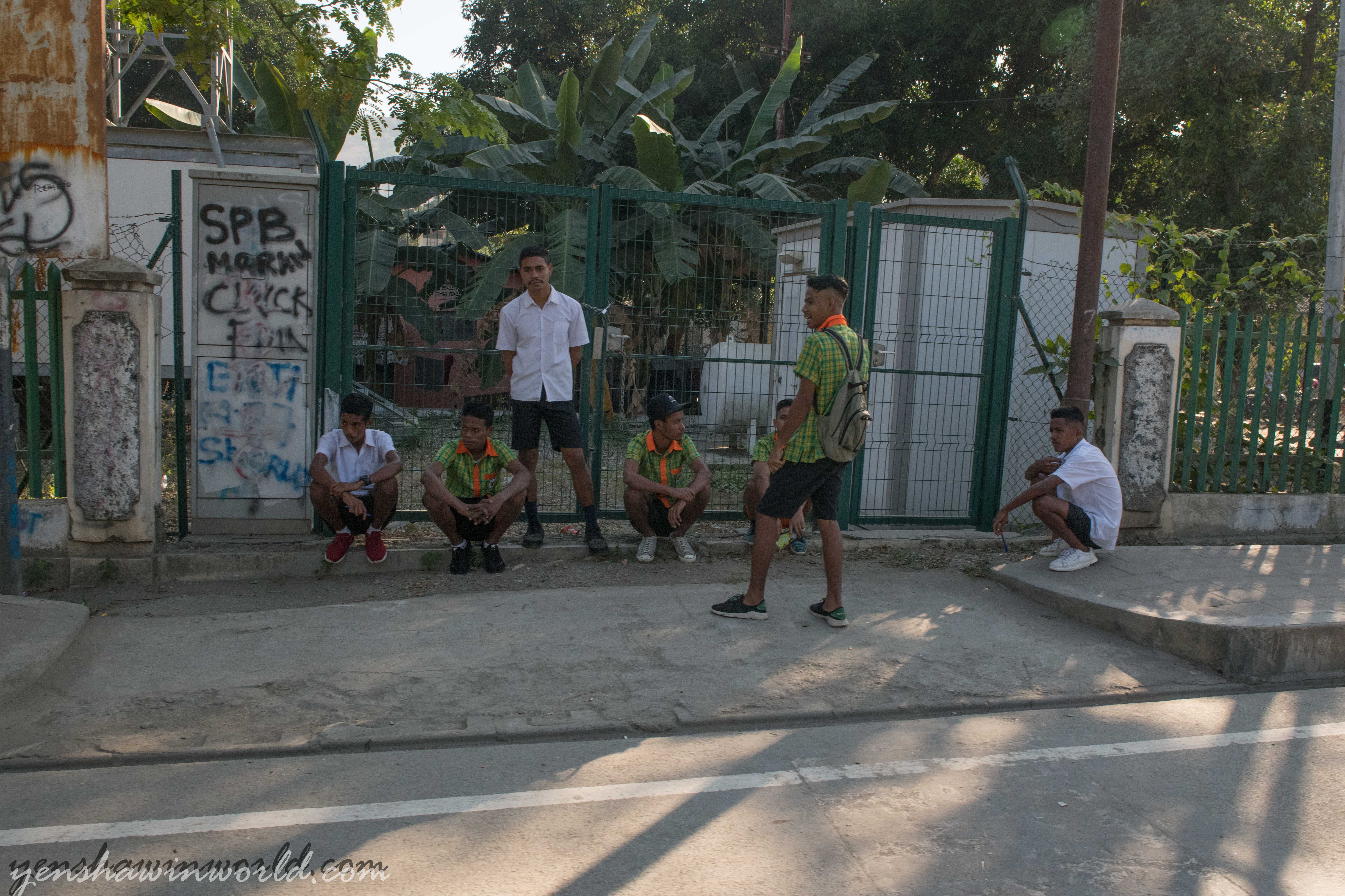
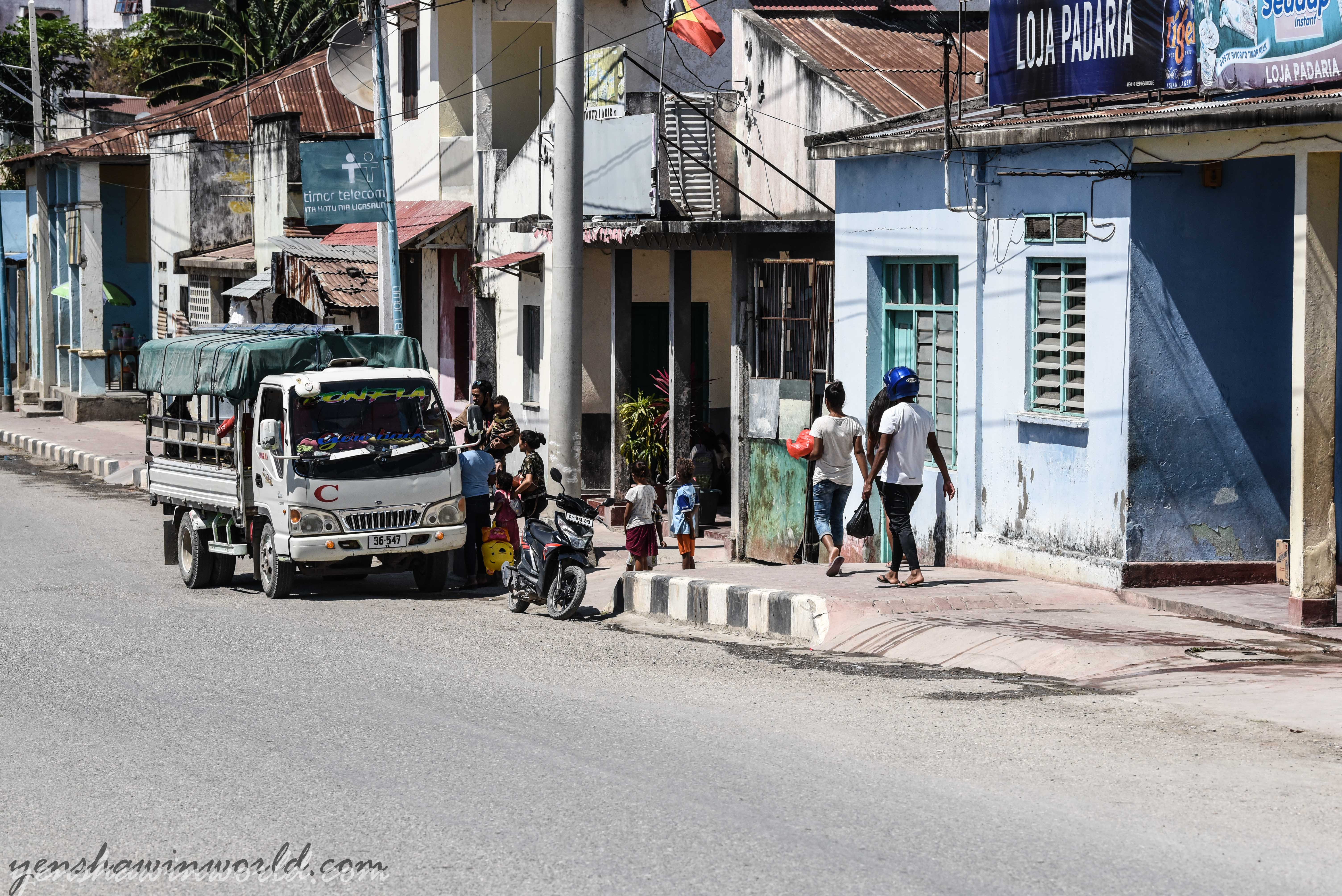
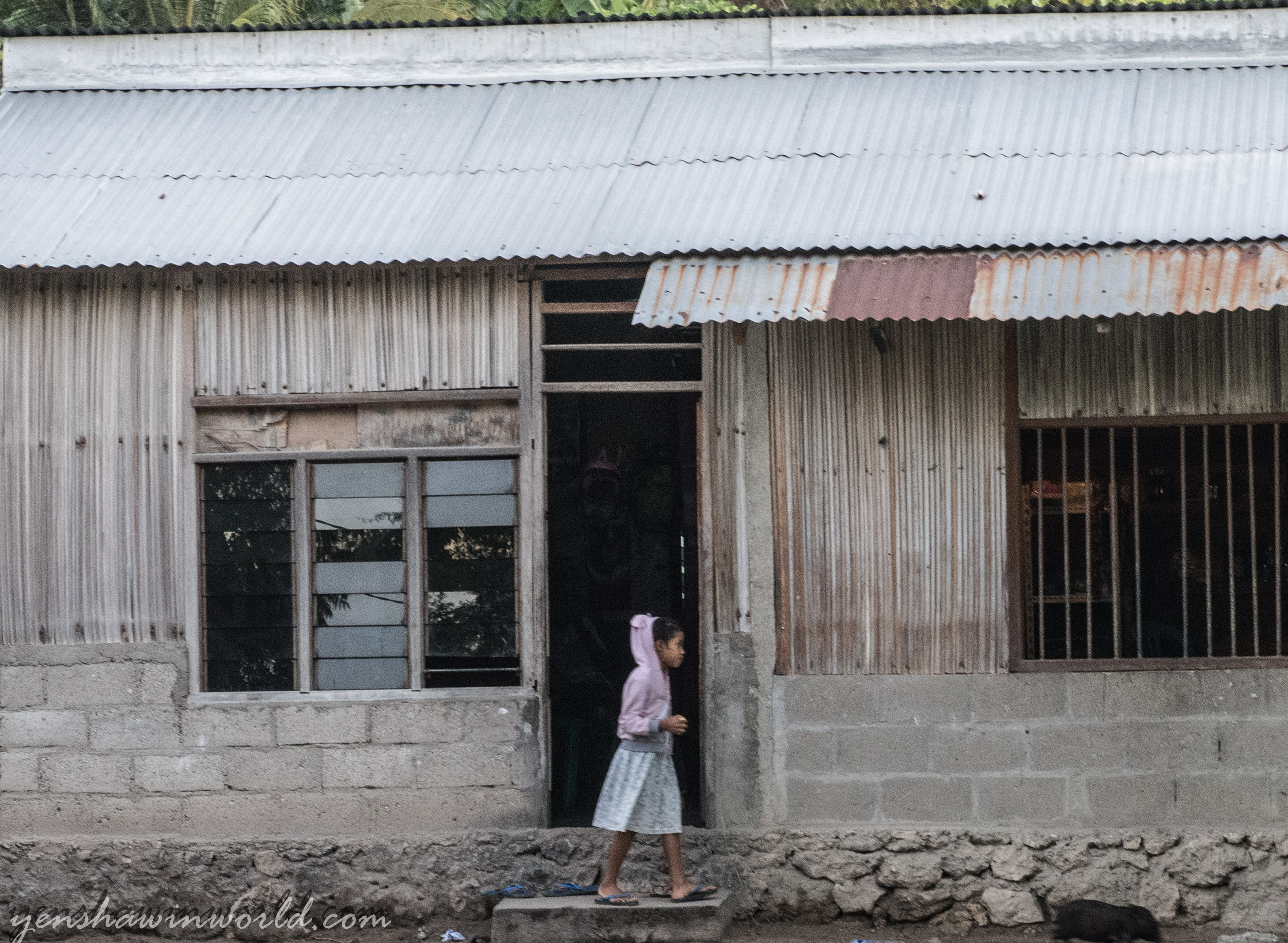
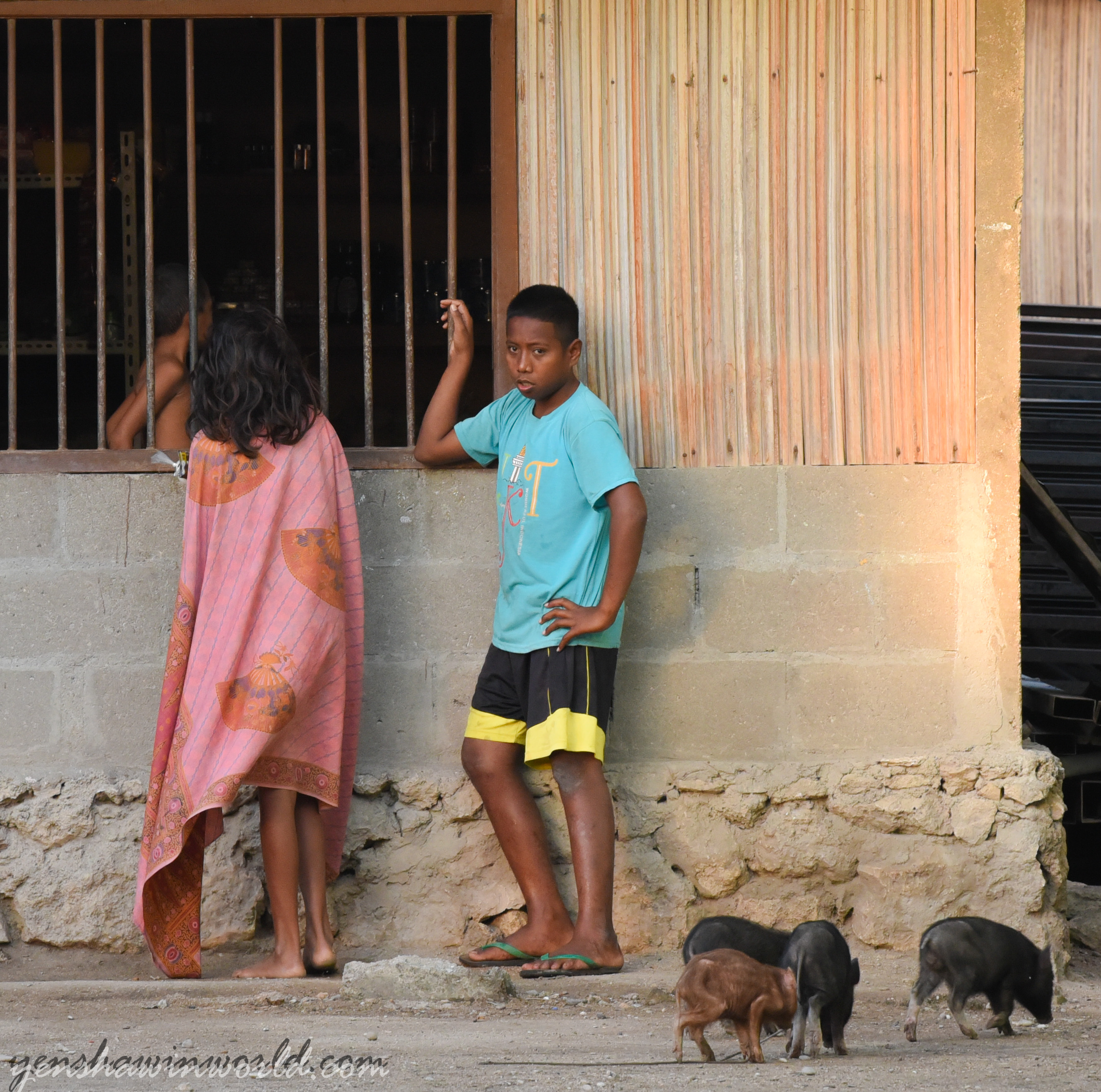


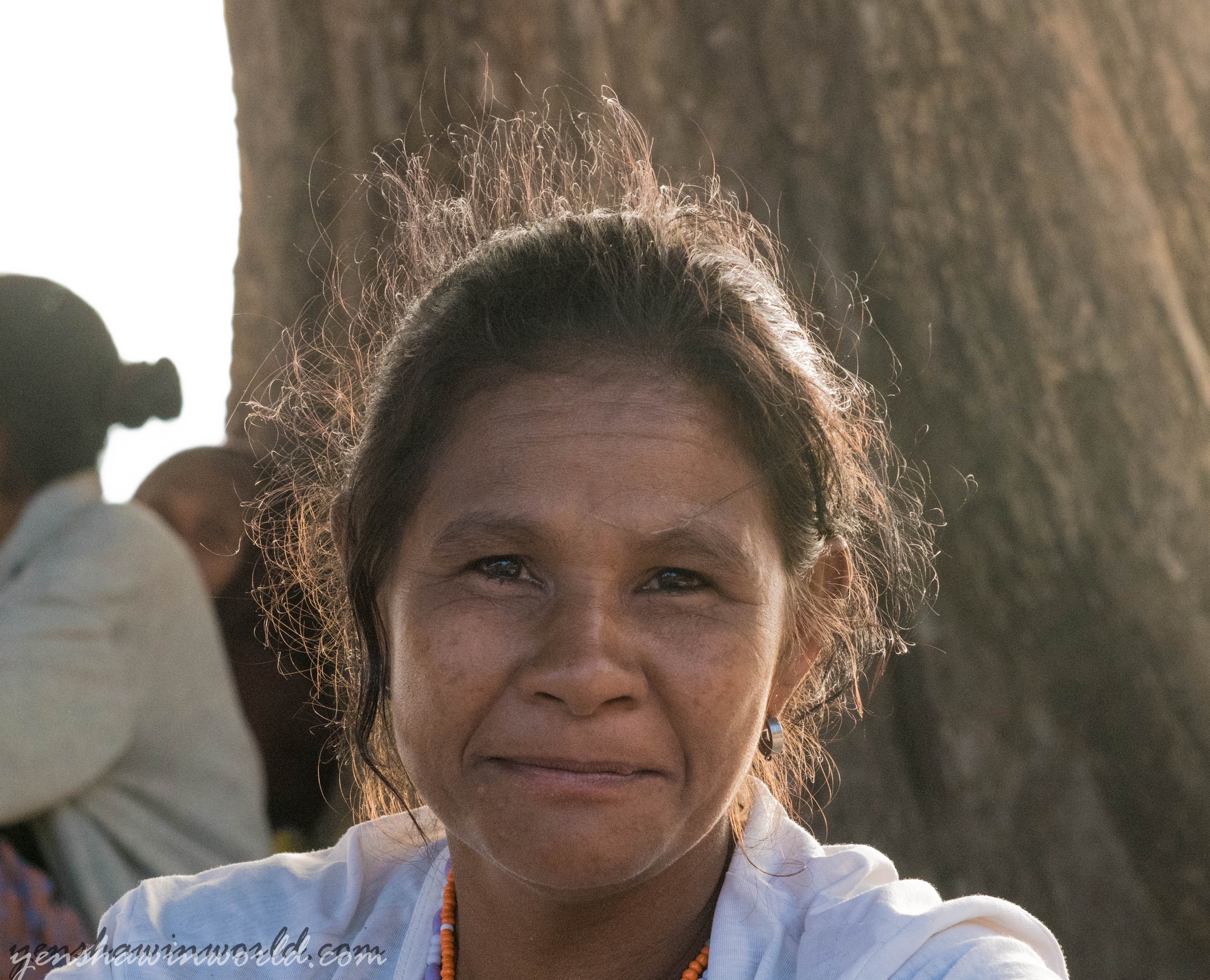
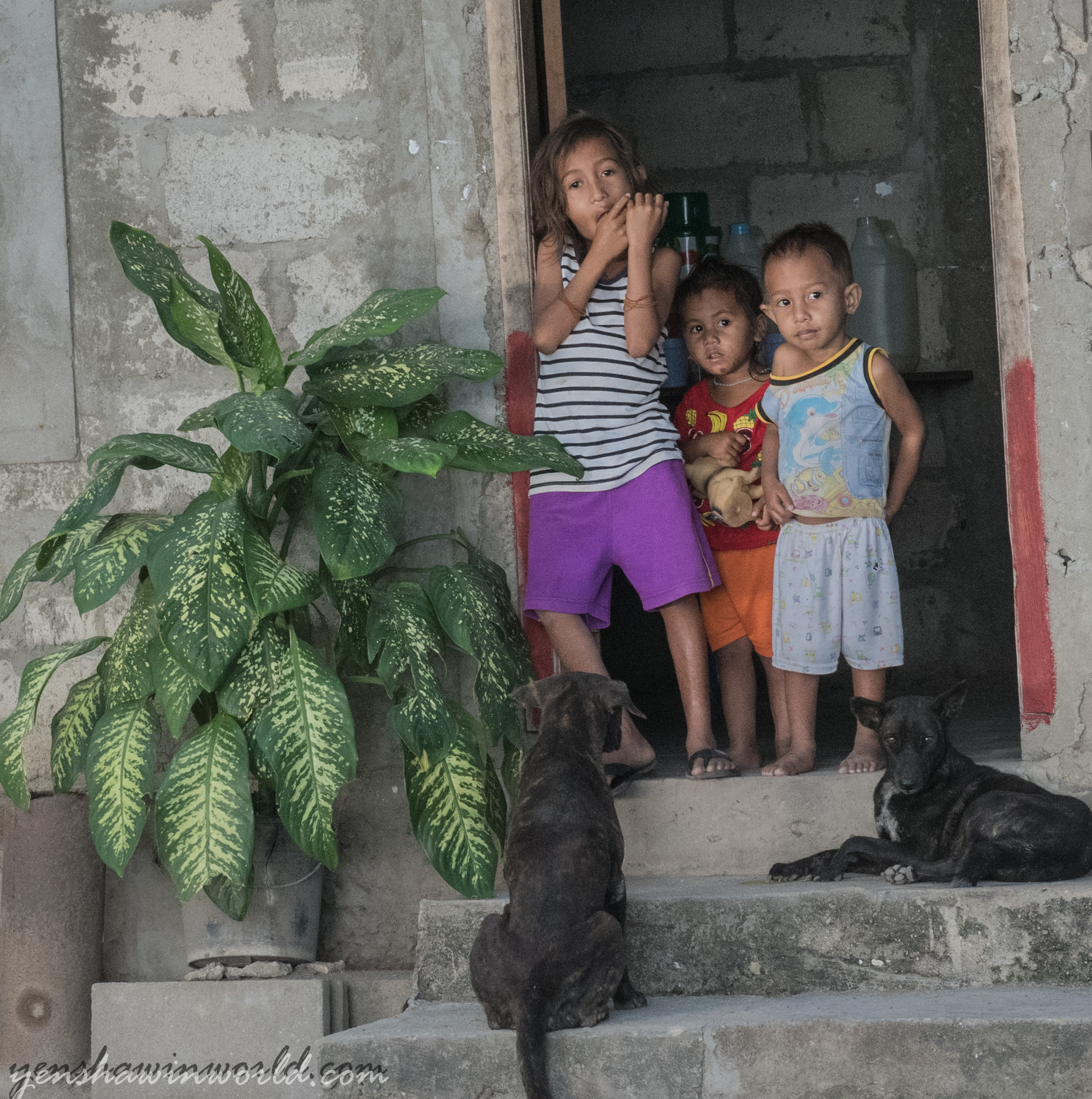
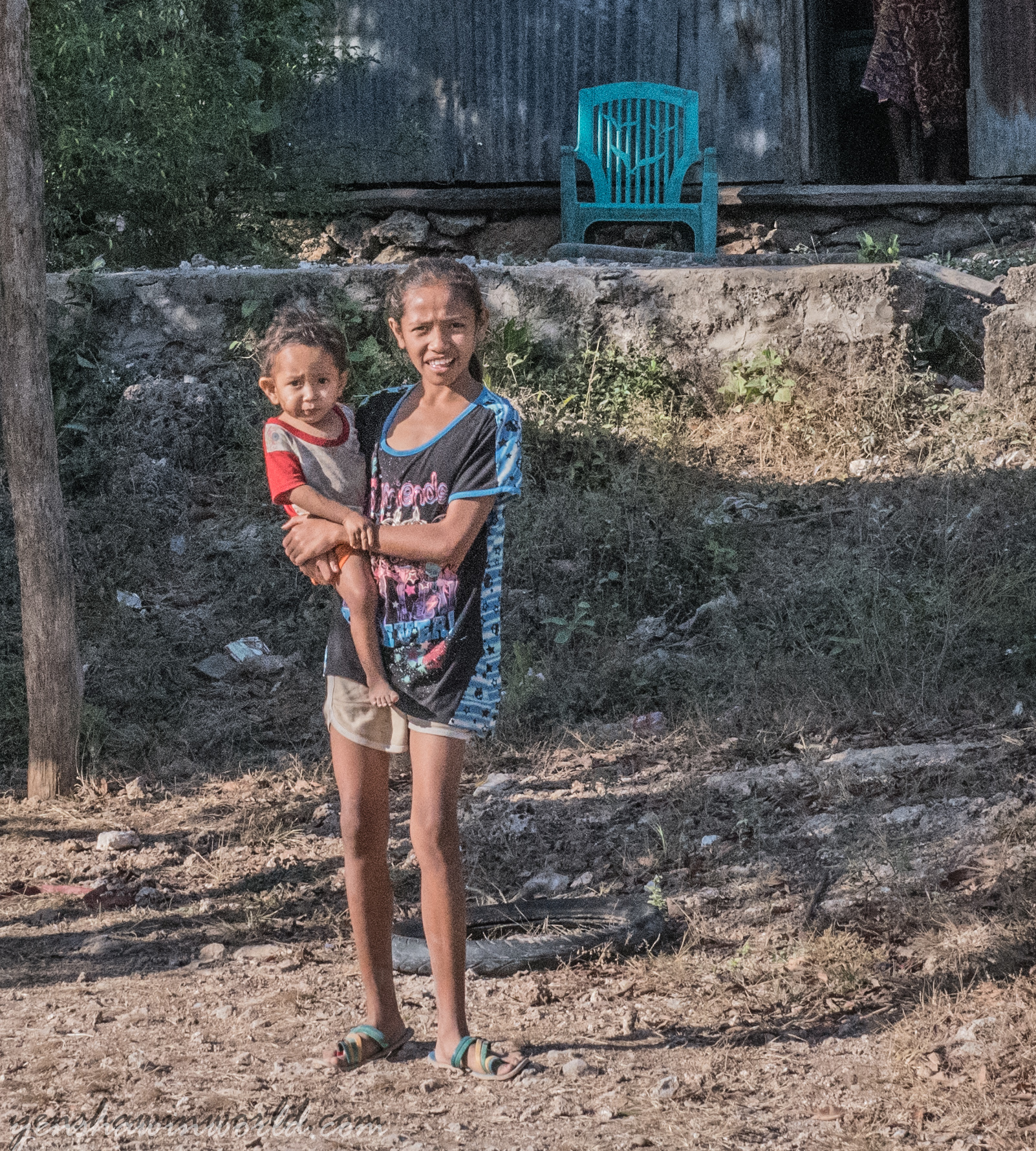
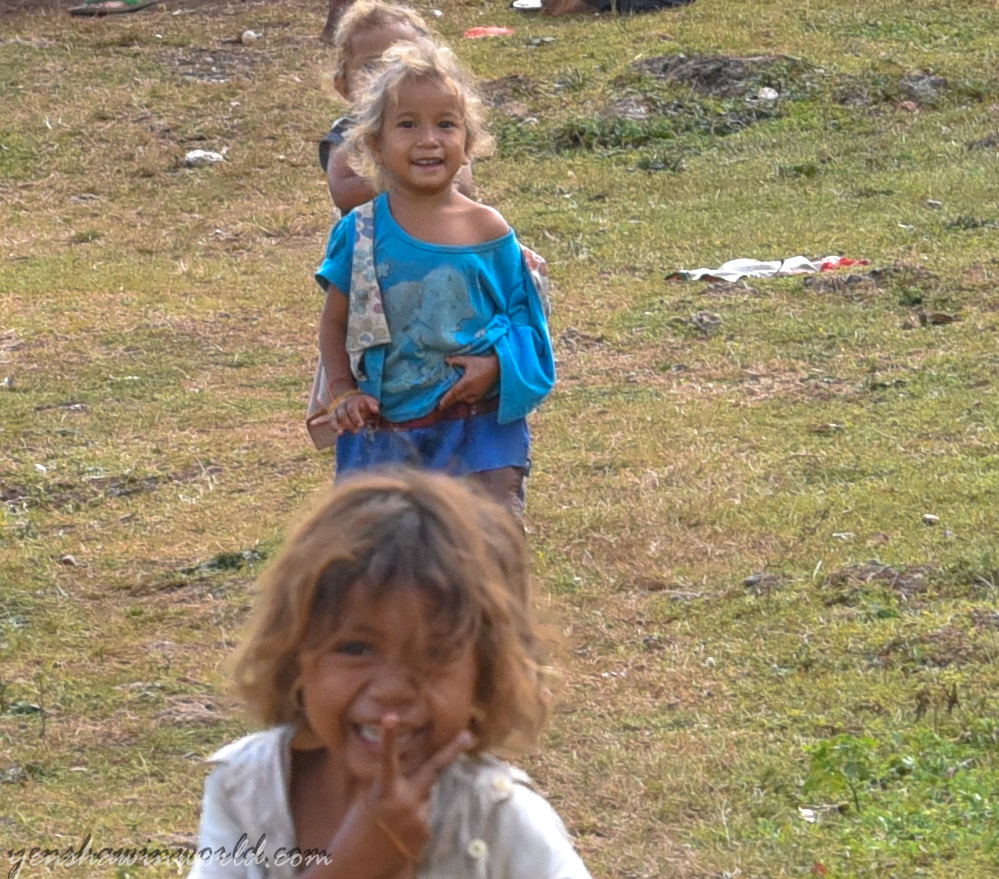
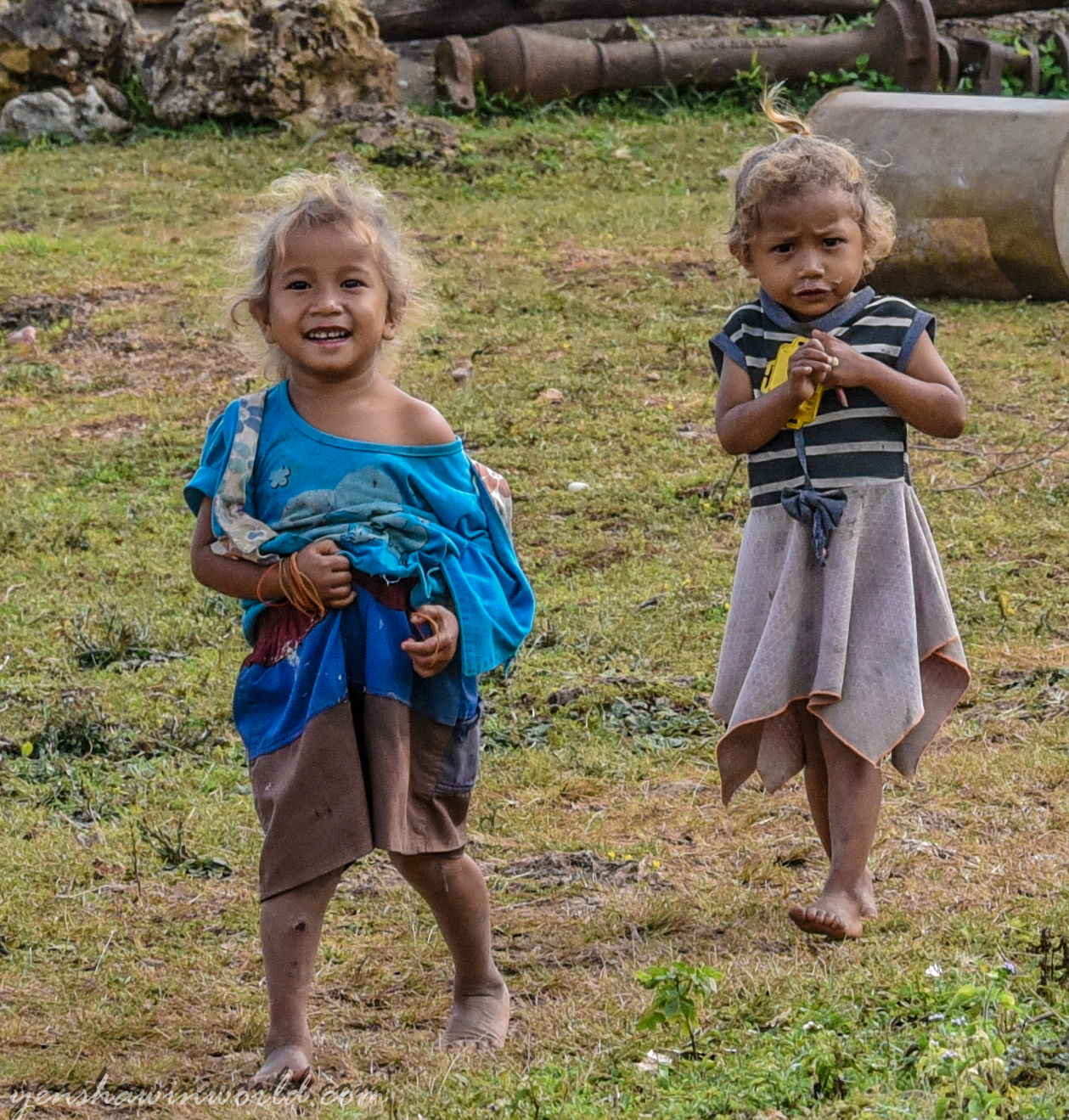
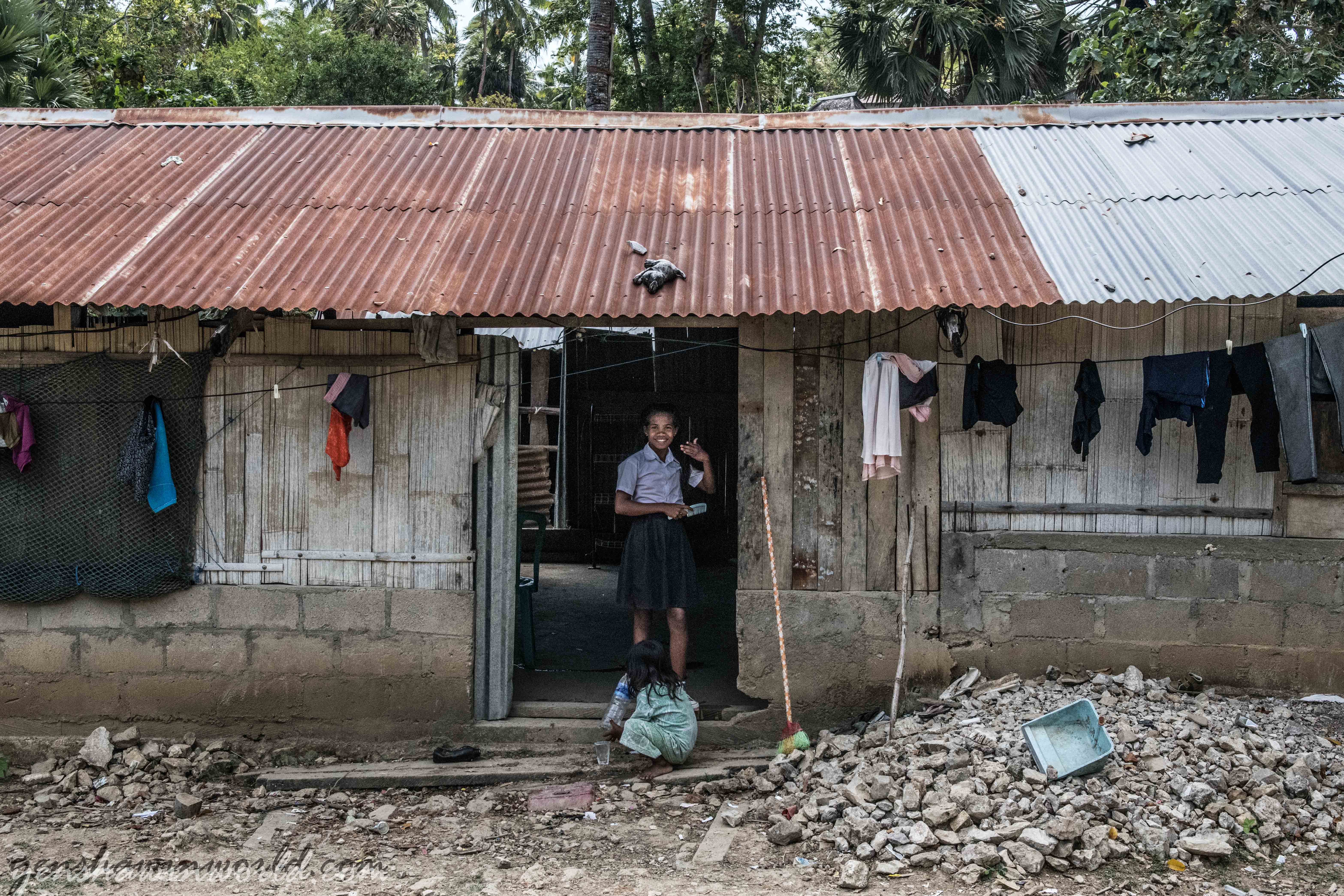


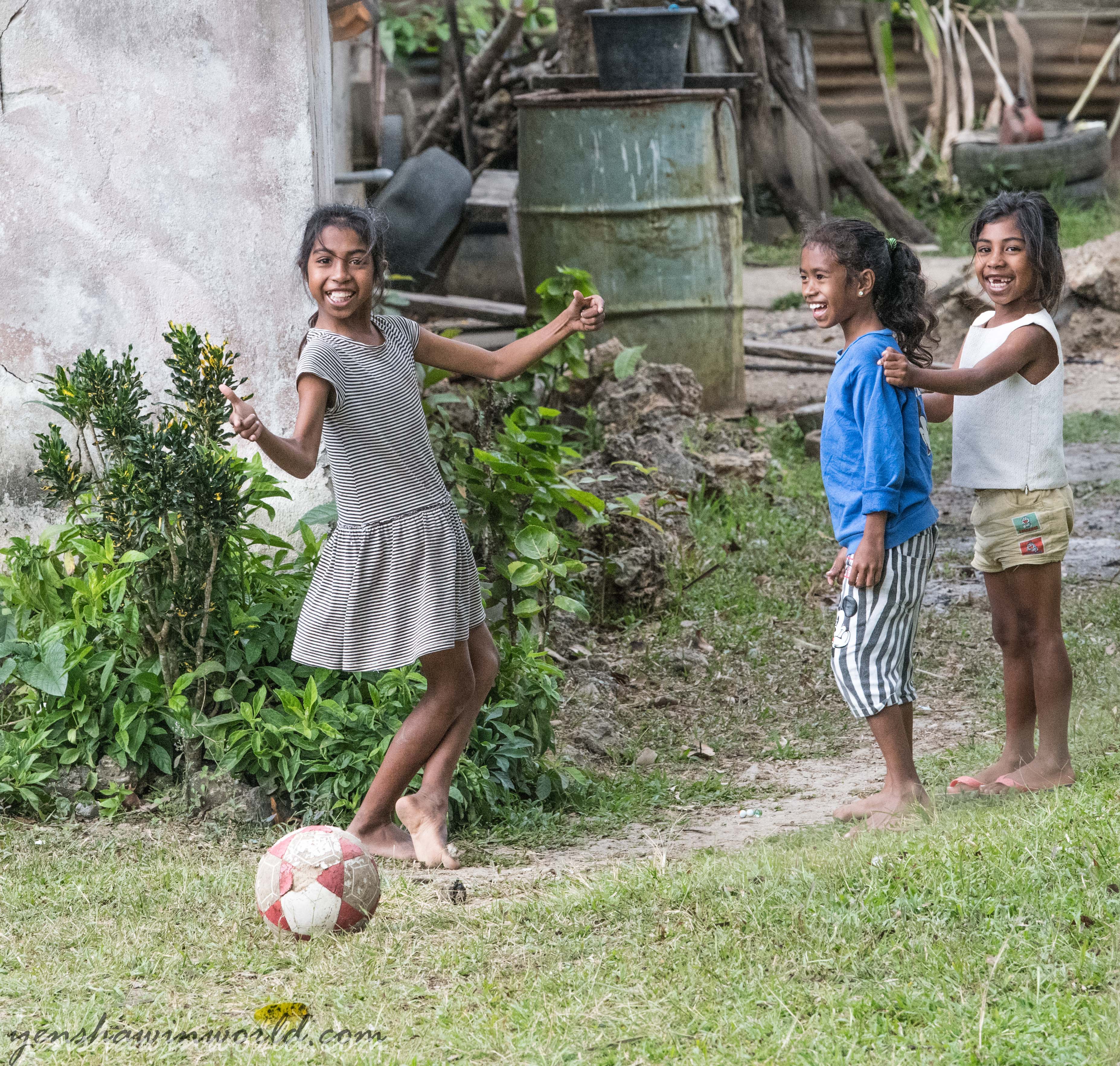
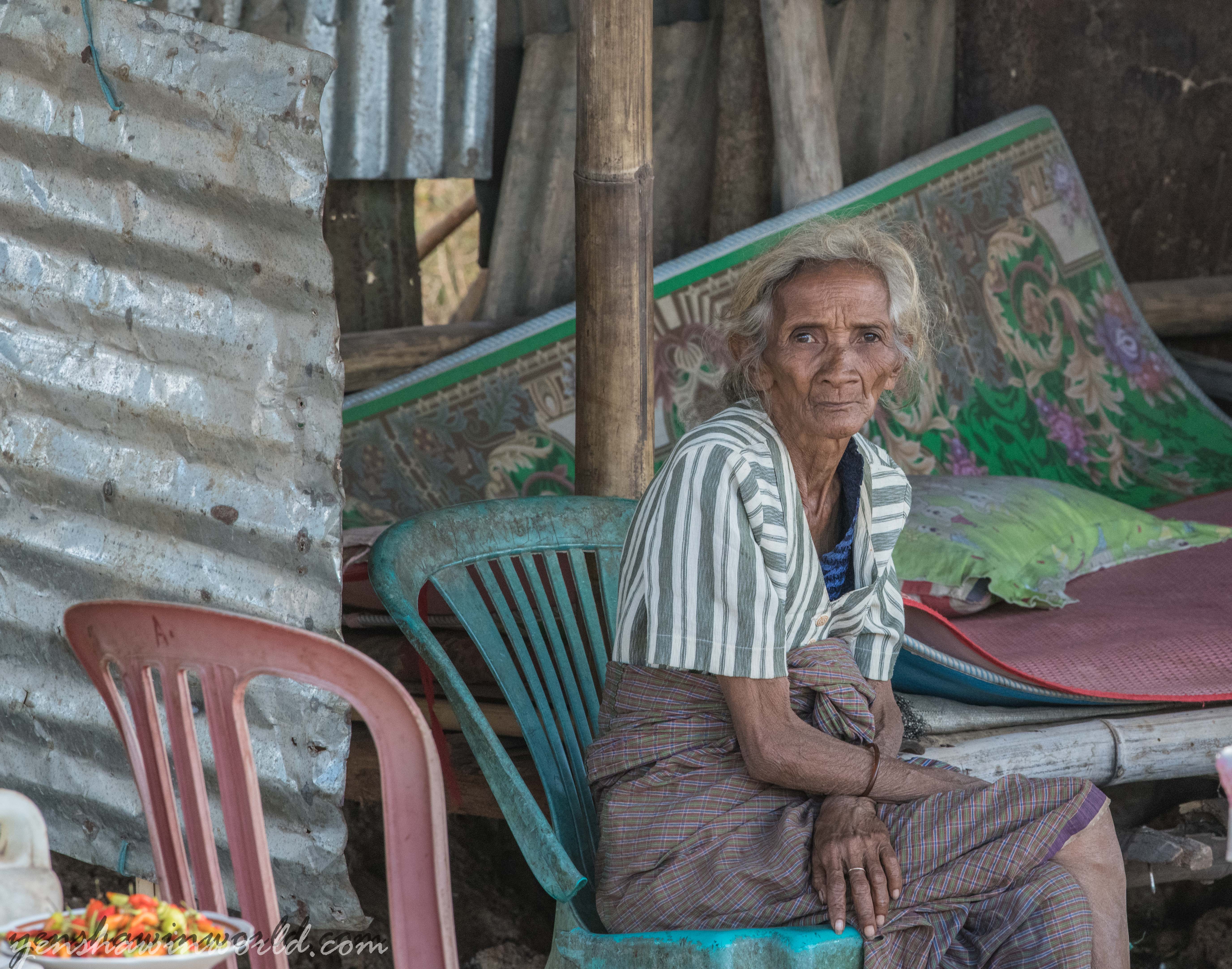
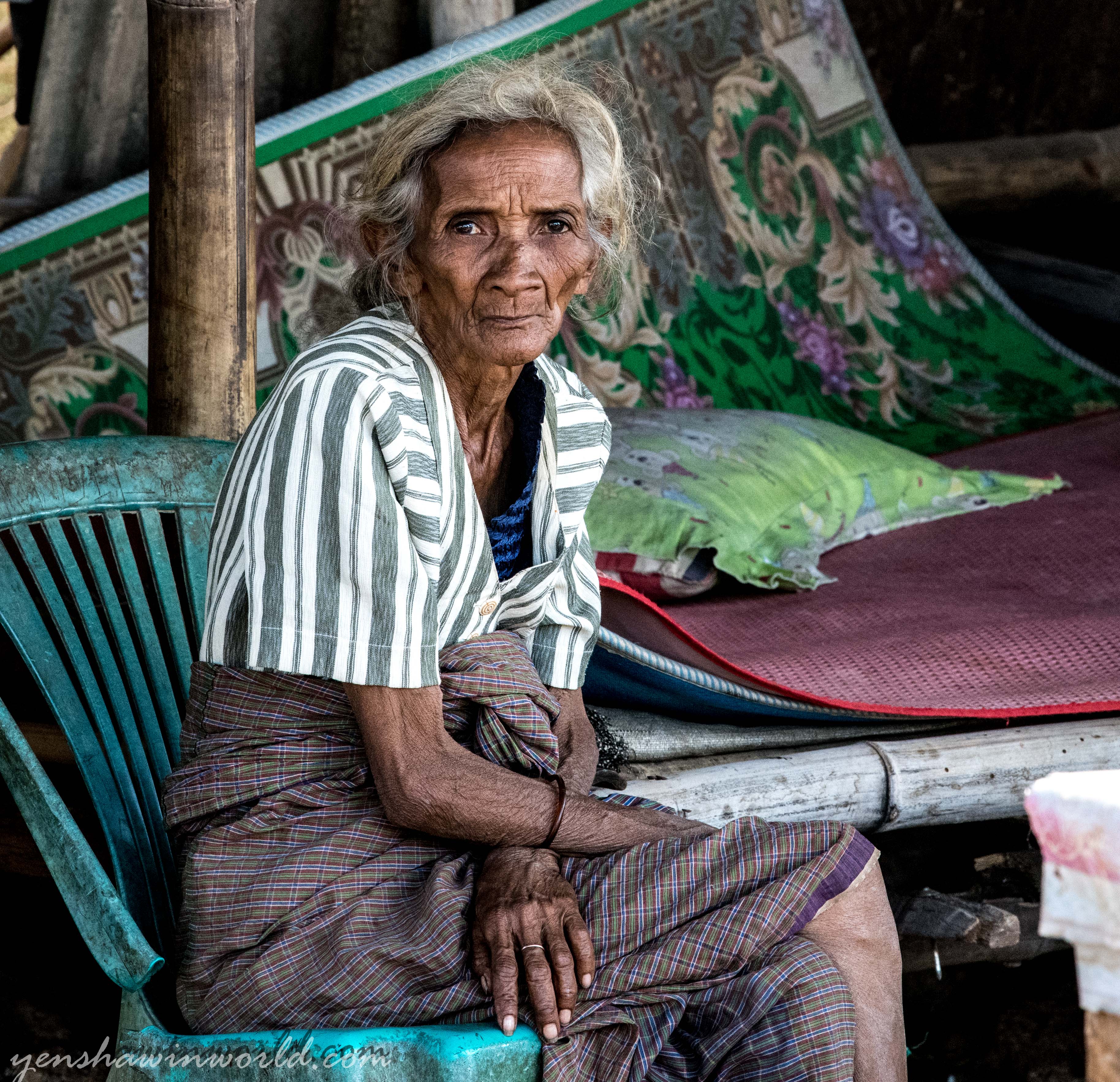
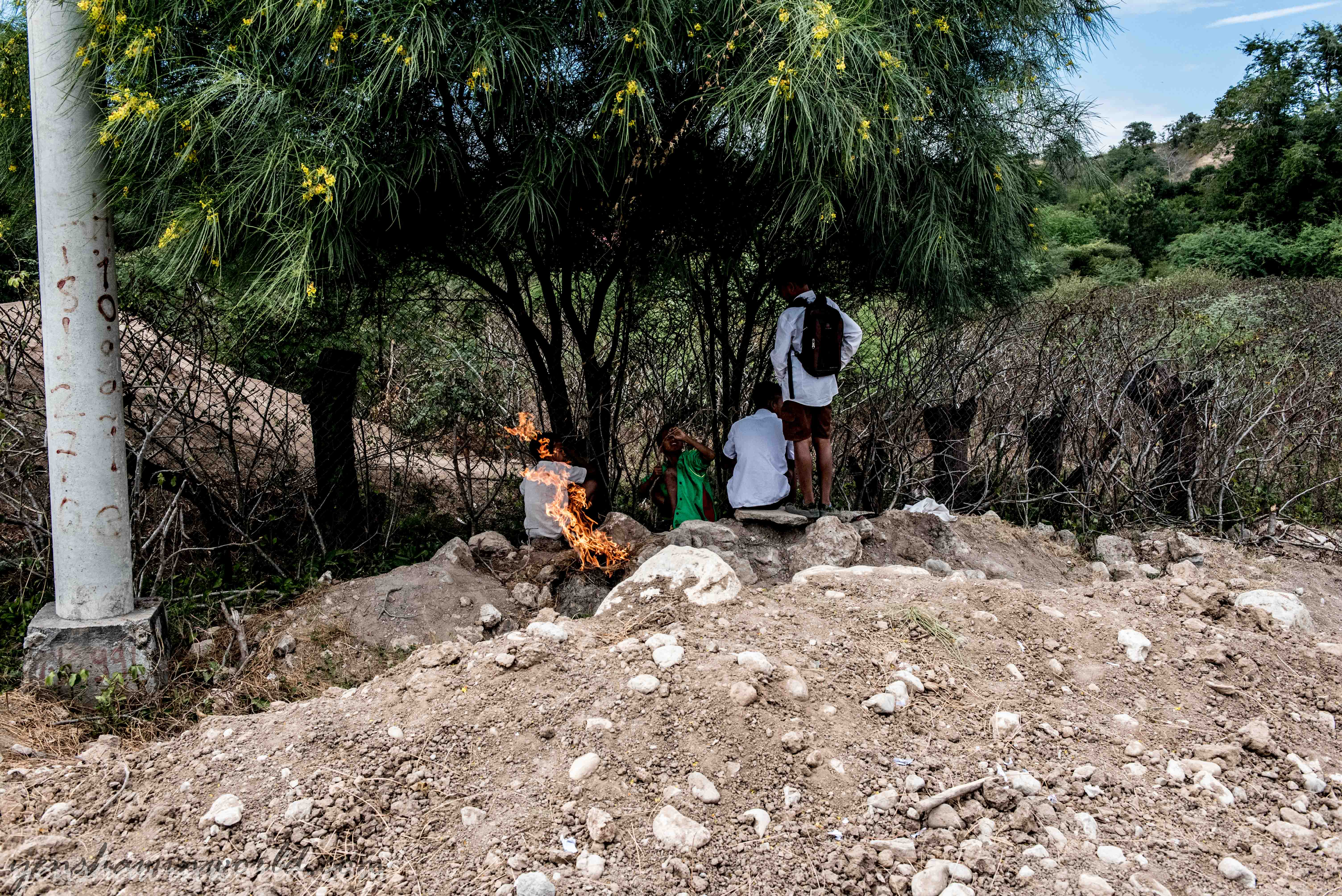
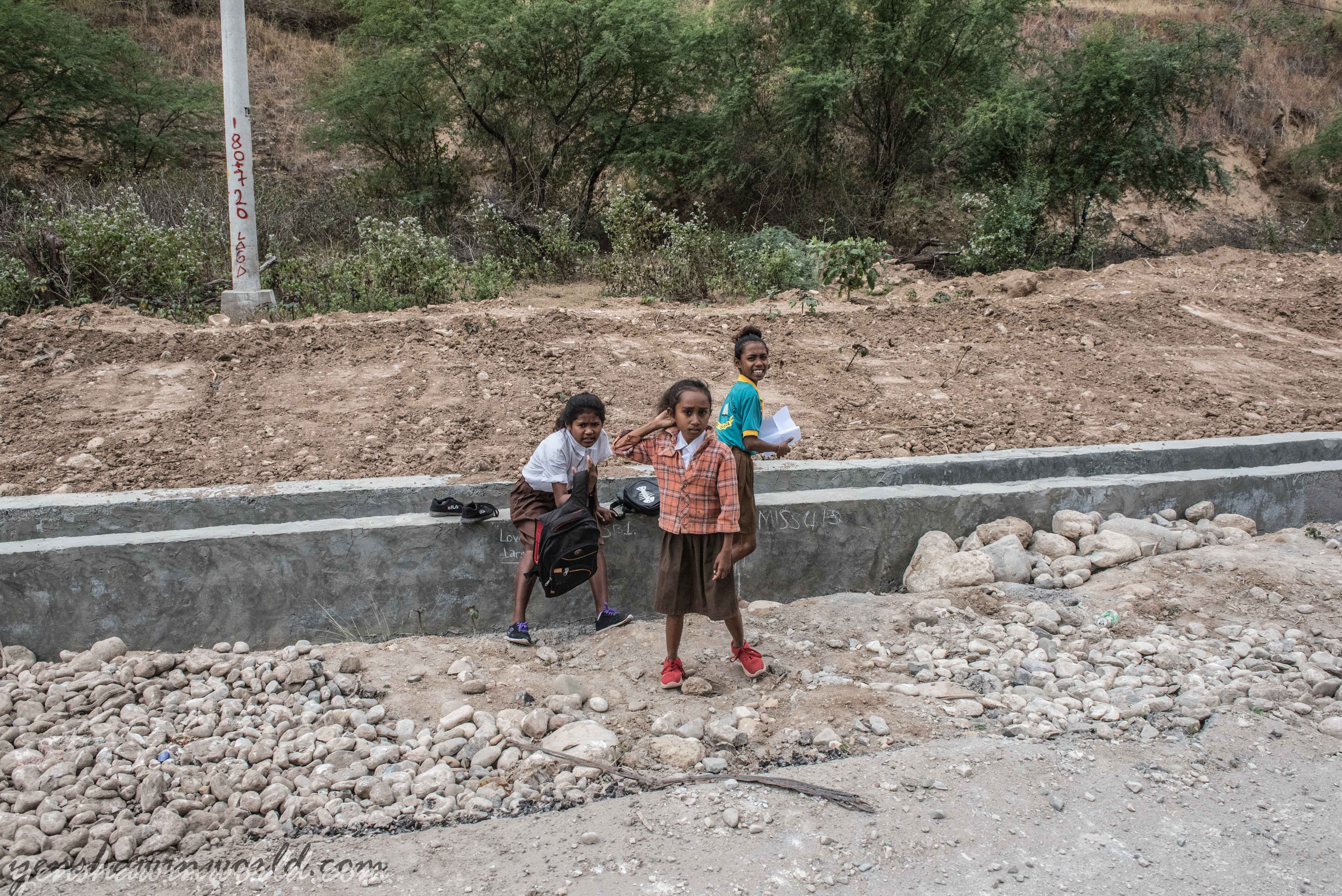
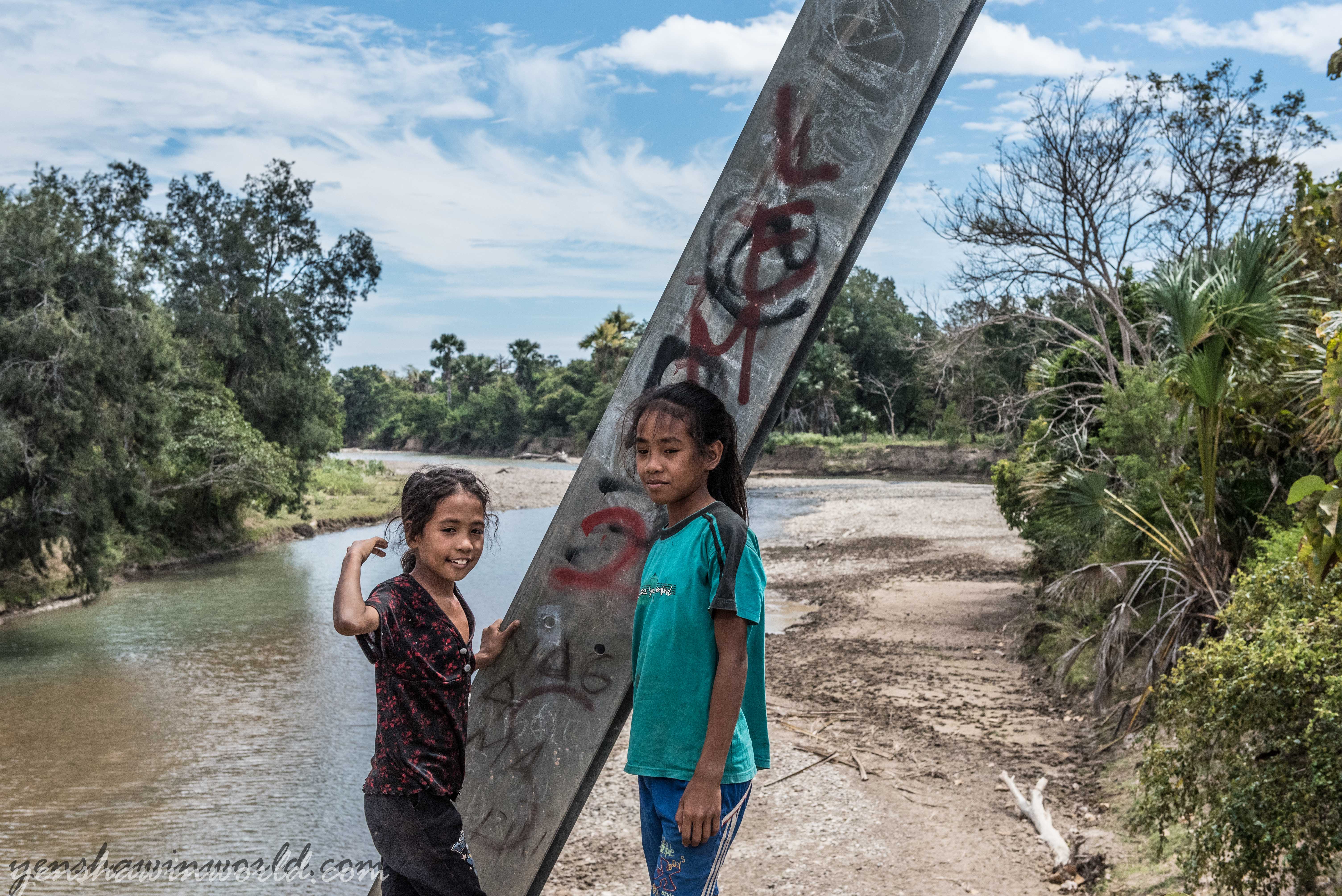
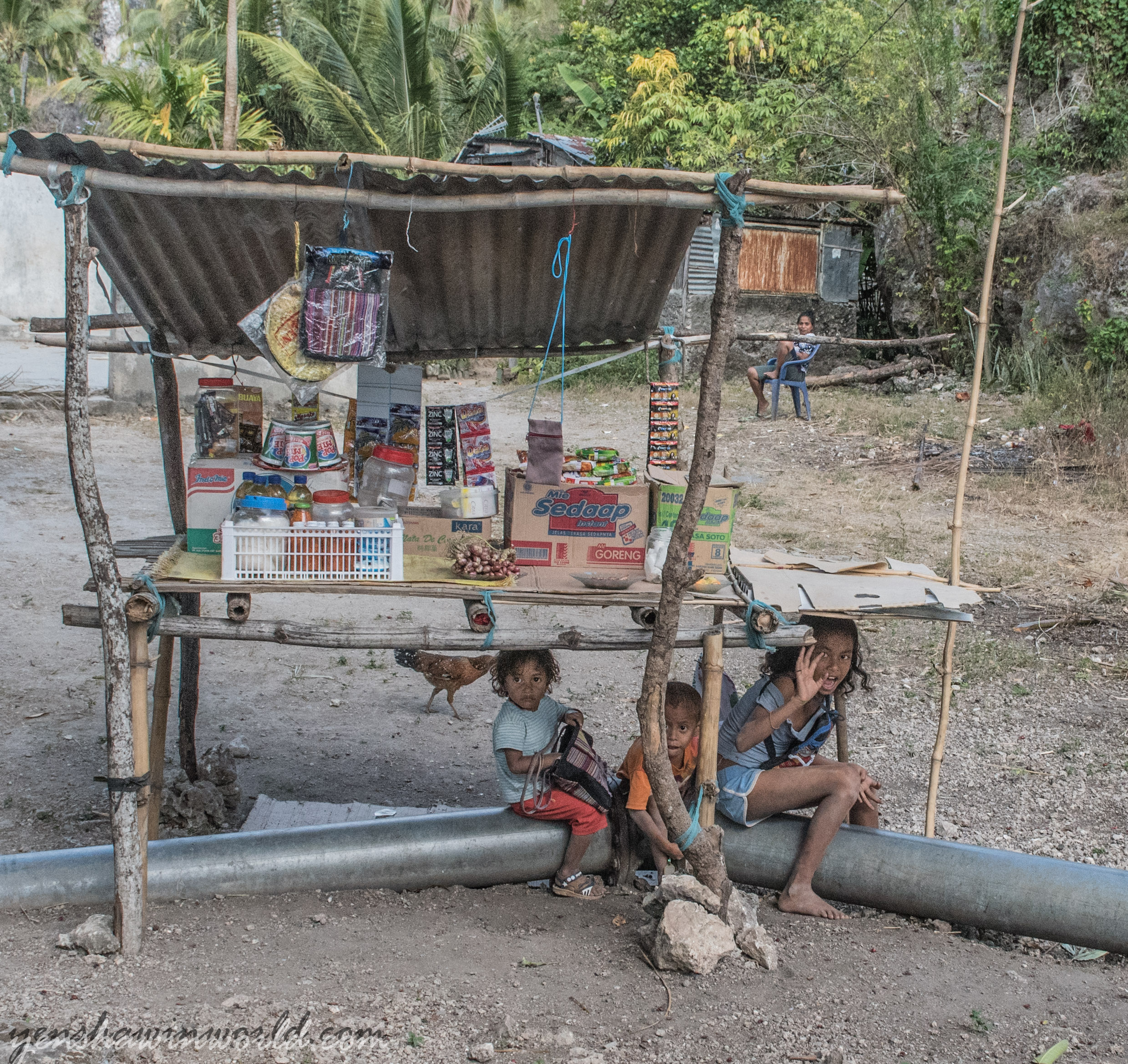
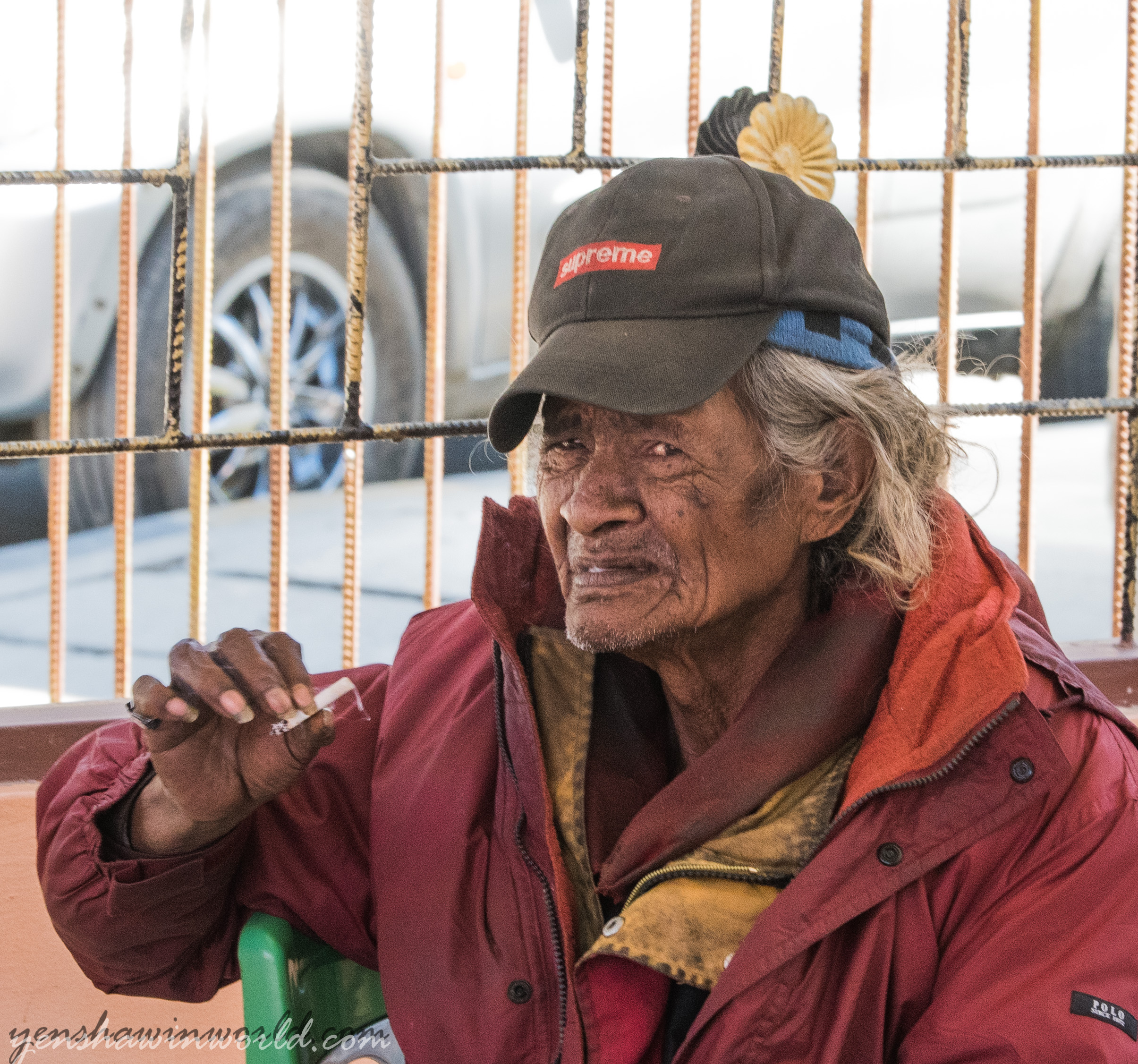
Despite being a very poor country, the people were very friendly, always greeting you with “Bom Dia, Boa Tarde, or Boa Noite.” They are always waving and smiling as people drive past and are always bound to give you a big smile!! This is just to show that with very little; these people are still happy and friendly in all parts of the country.  This is my biggest takeaway from traveling here. 

Relatively new to tourism with only 4 tour companies in the capital, they are really coming around to teaching people about their great history.  The Company that I decided to travel with is Eco Discovery. This company has a well designed schedule that can be suited to just about anyone.  Our guide Louis who has been working for the company for sometime was very familiar with just about everything history related to the country as well as village life.  His driving was superb as he knew how to navigate the bumpy roads as well as when and where to stop!!!


 The population is only 1.2 million people, with about 230,000 living in the capital Dili, which is spread out along the north coast next to the ocean.  Most of the population is below 30 years of age as it is not uncommon to see many families have more than 7 kids in the villages. Largely a rural society, most people make their lives off farming and raising animals.   Not knowing what to expect going here, it would be a week filled with many surprises and a great learning curve.

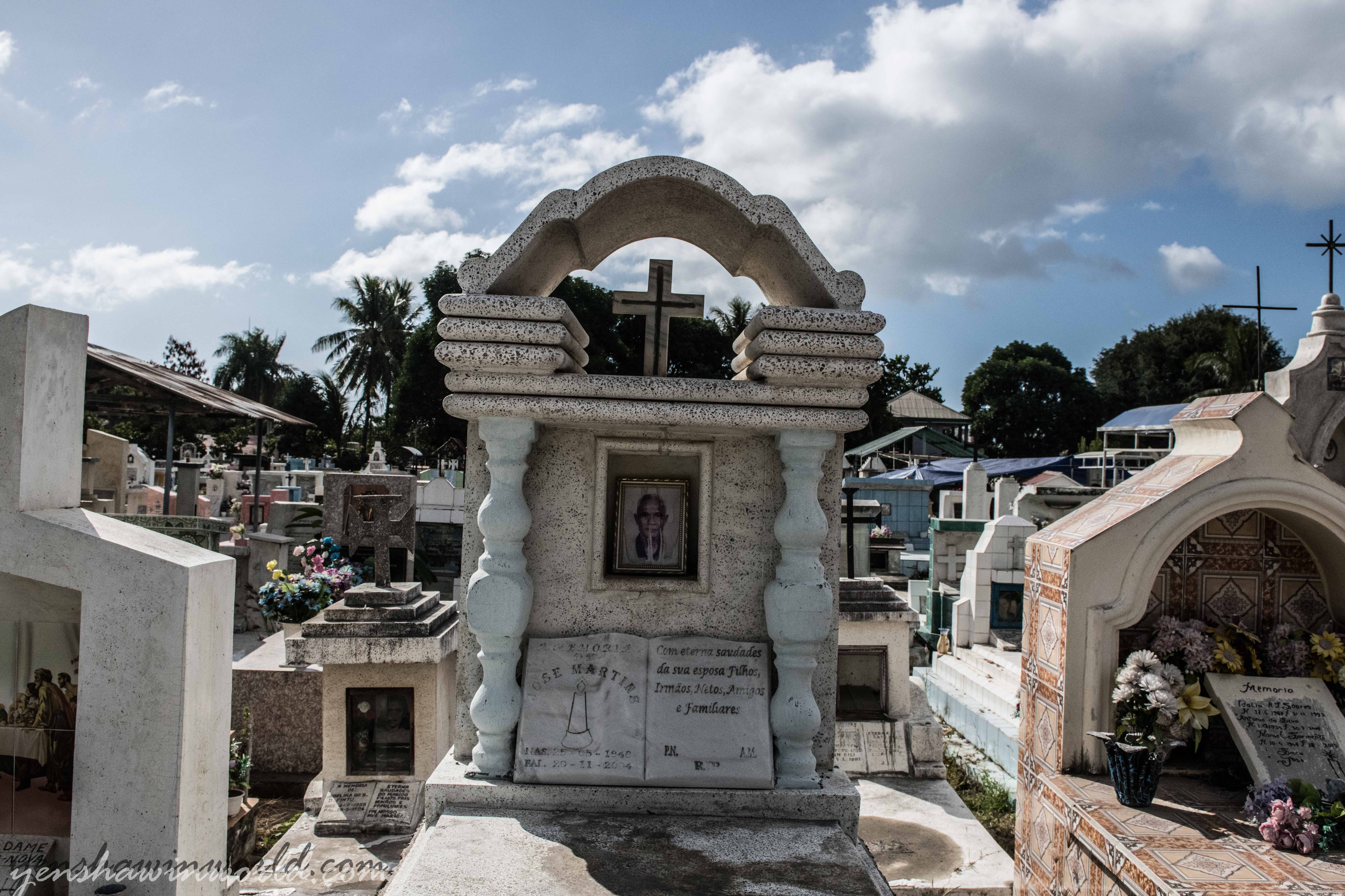
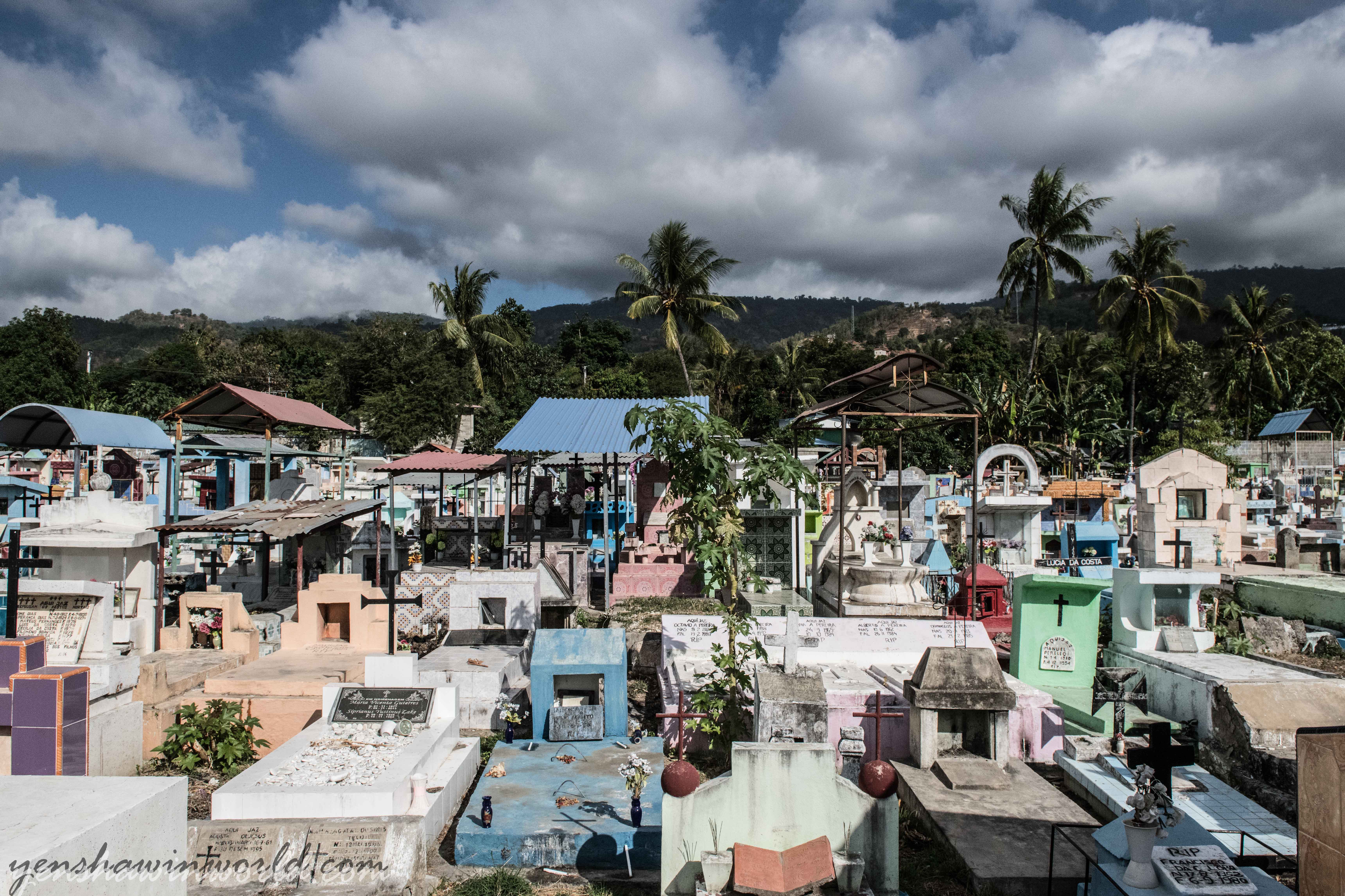
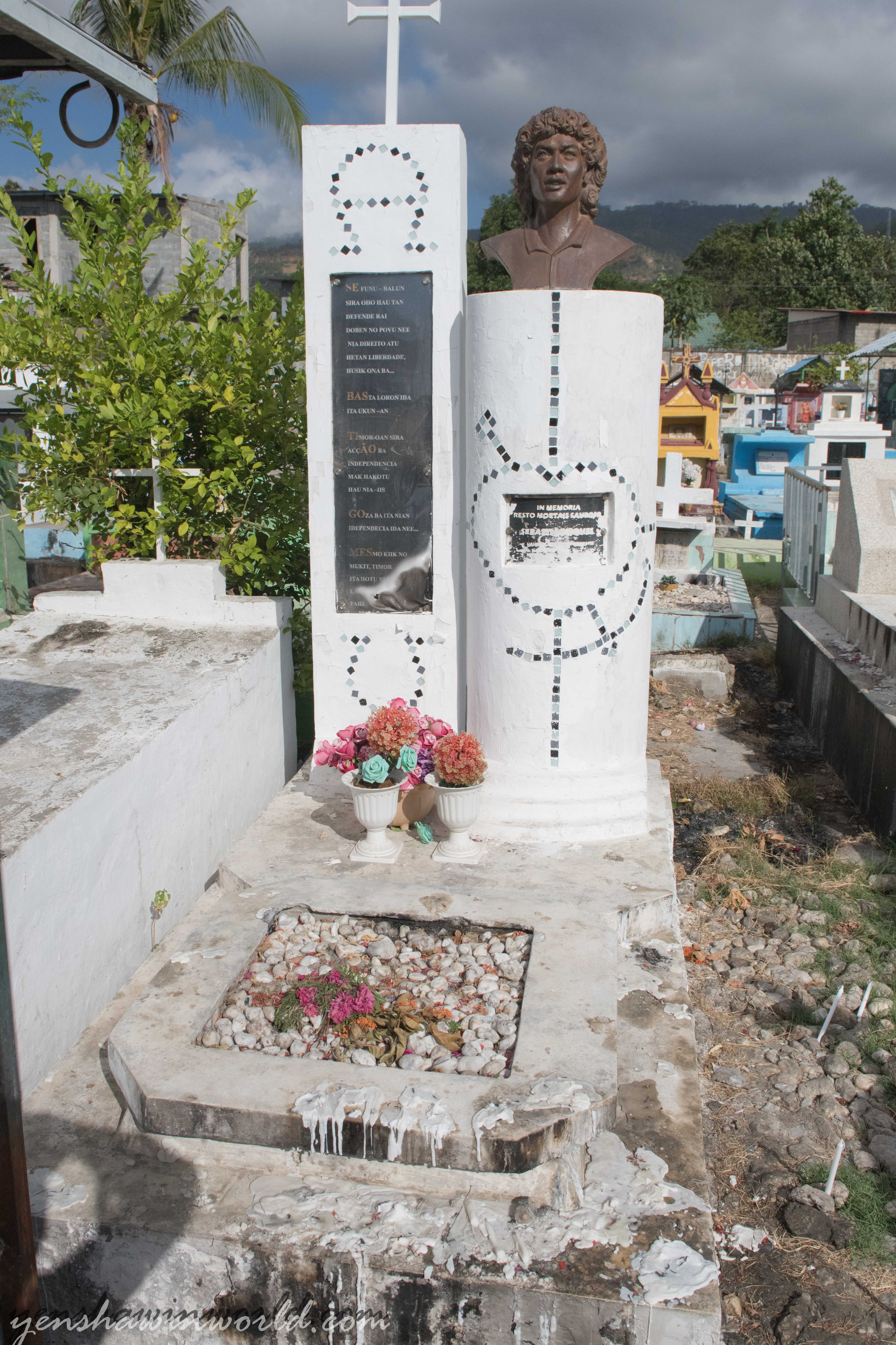
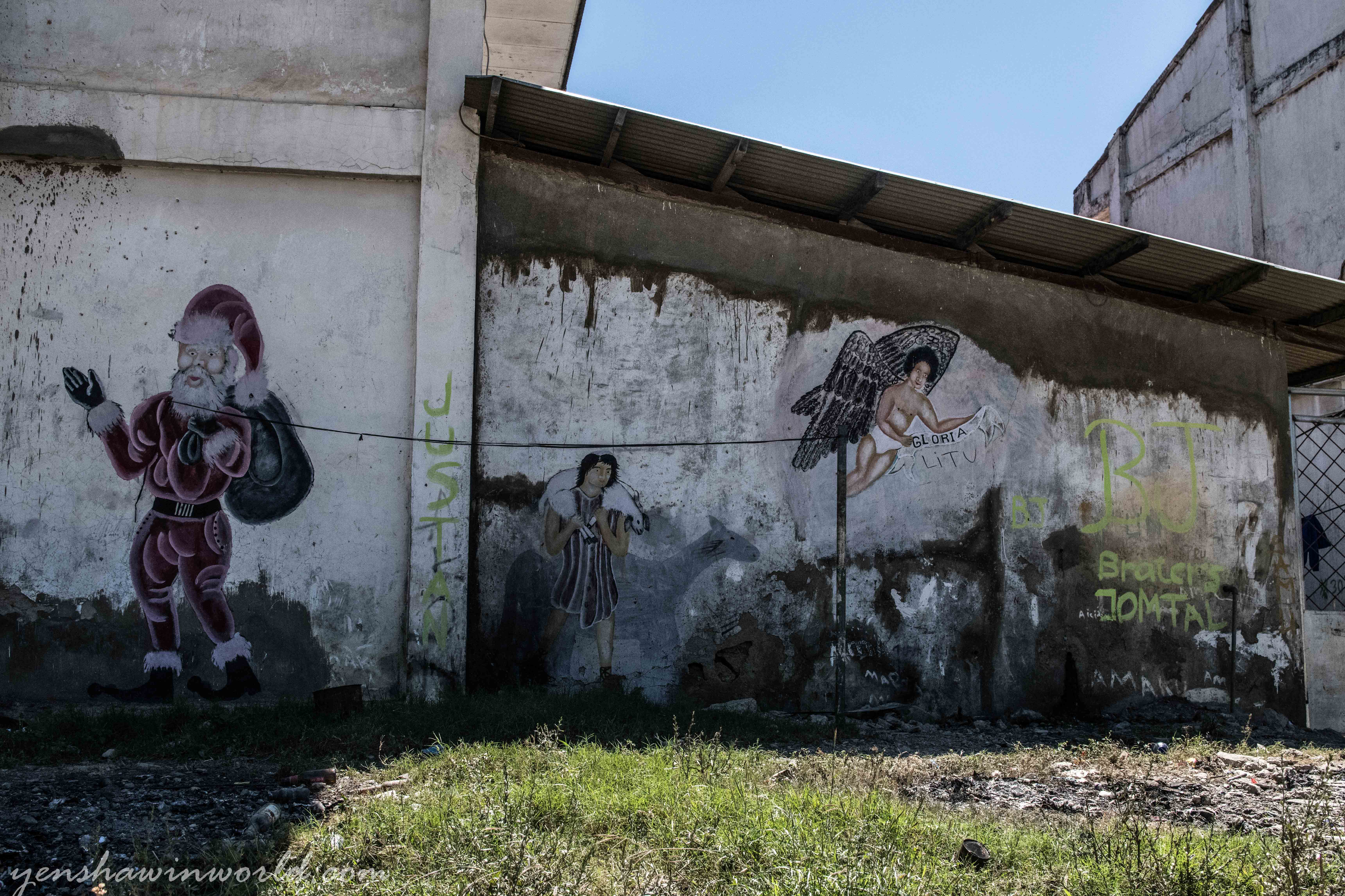

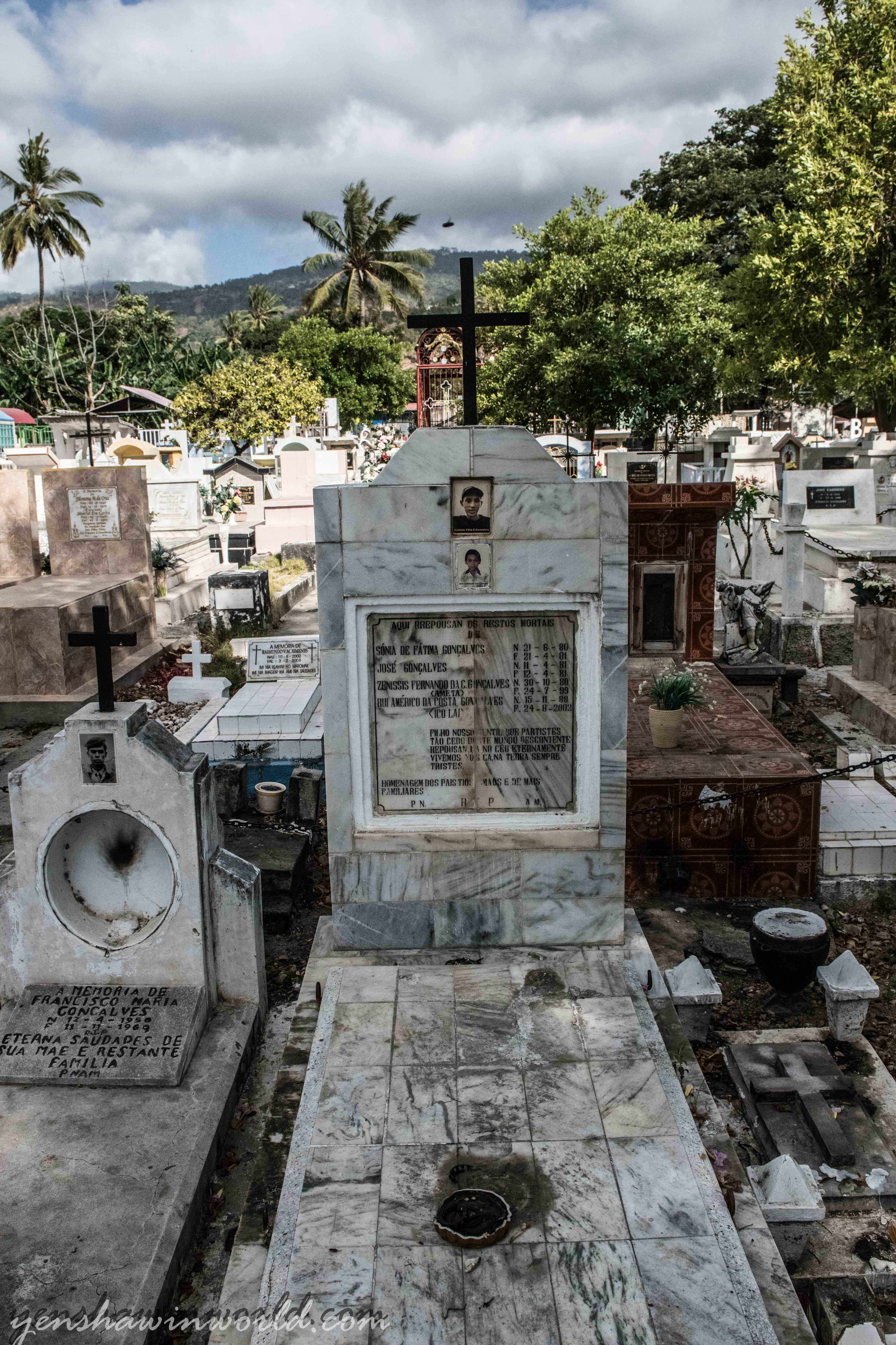
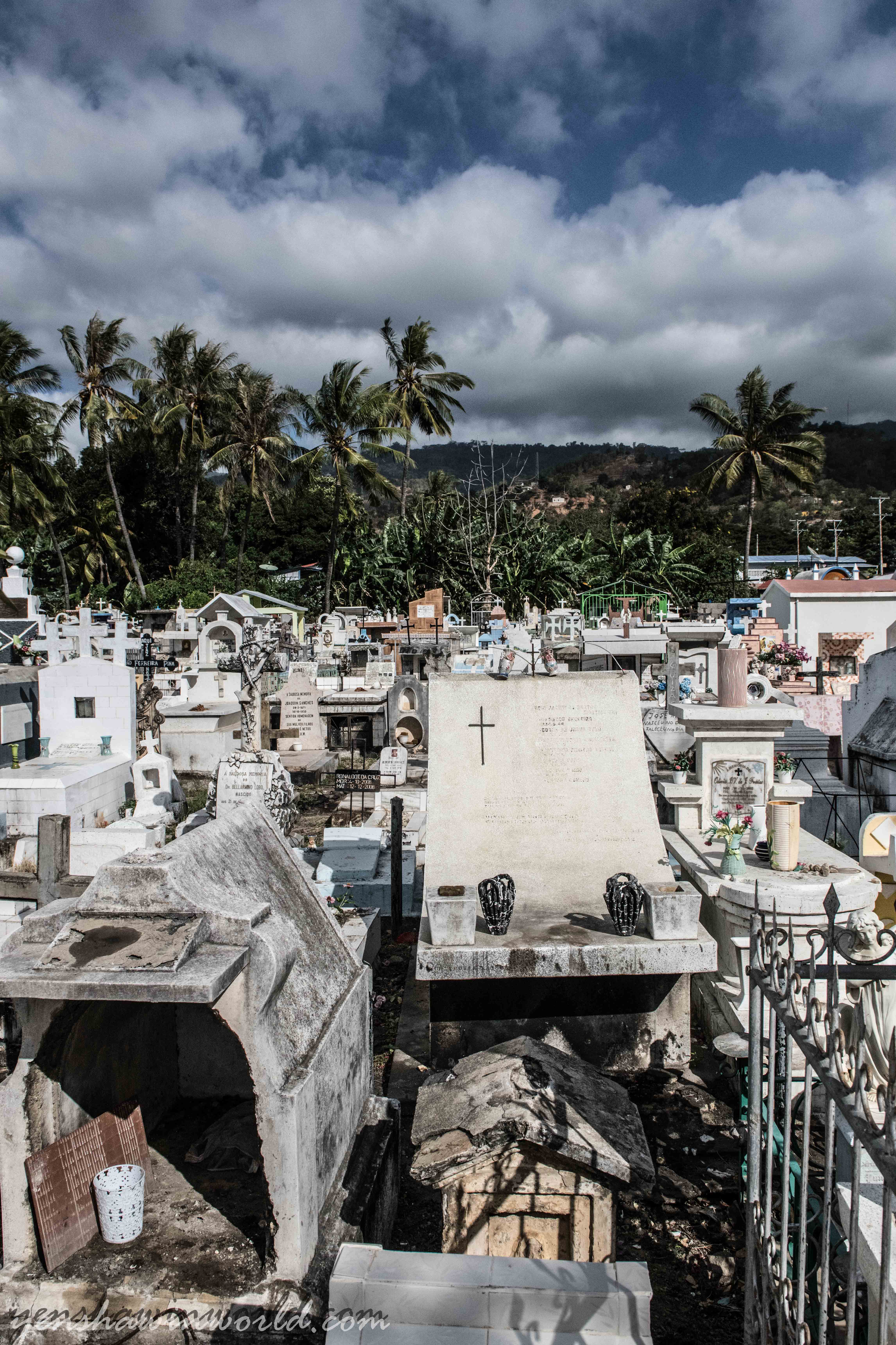
They are predominantly Catholic (obviously being settled by the Portuguese), with pockets of the country practicing animism and Protestantism. Their cemeteries are very Portuguese in nature and one of the largest and most popular in Dili is the Santa Cruz Cemetery. This cemetery has grave sites in every square inch and is where the Indonesian military fired on a peaceful funeral procession of Sebastiao Gomes who was an Independence supporter. Around 250 civilians lost their lives here and it was filmed and smuggled out of Dili by a British Journalist which empowered their independence struggle.
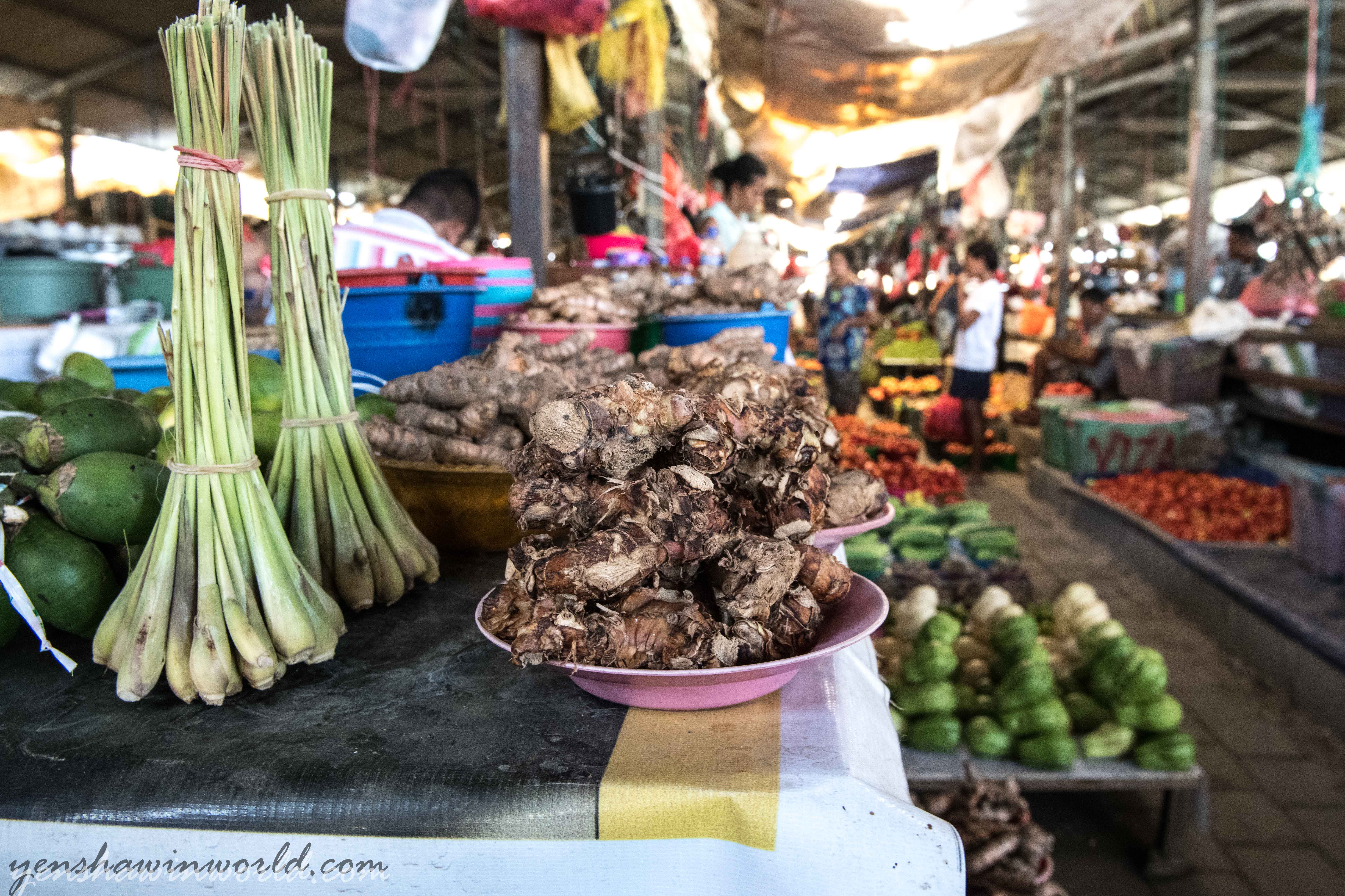
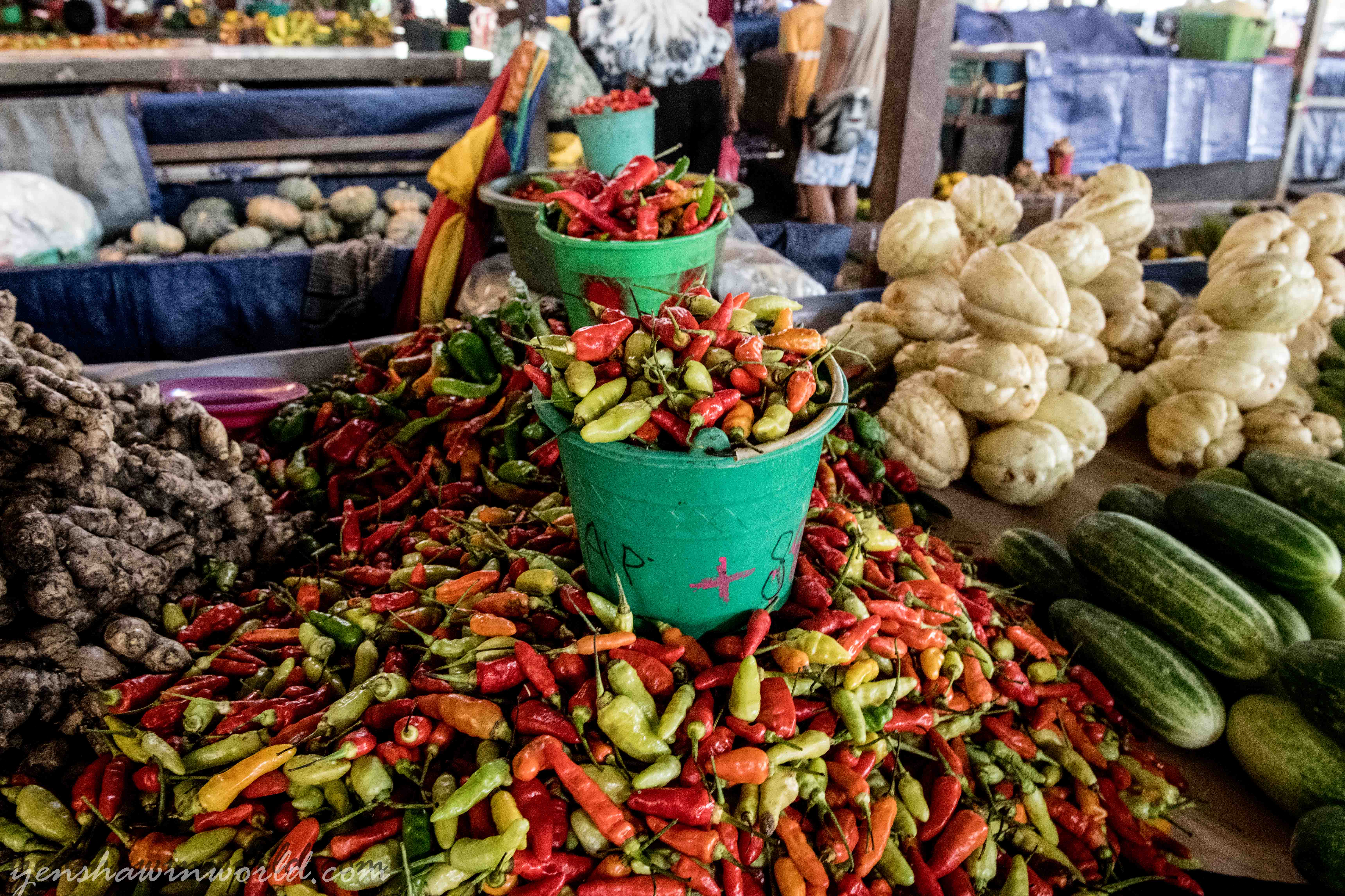
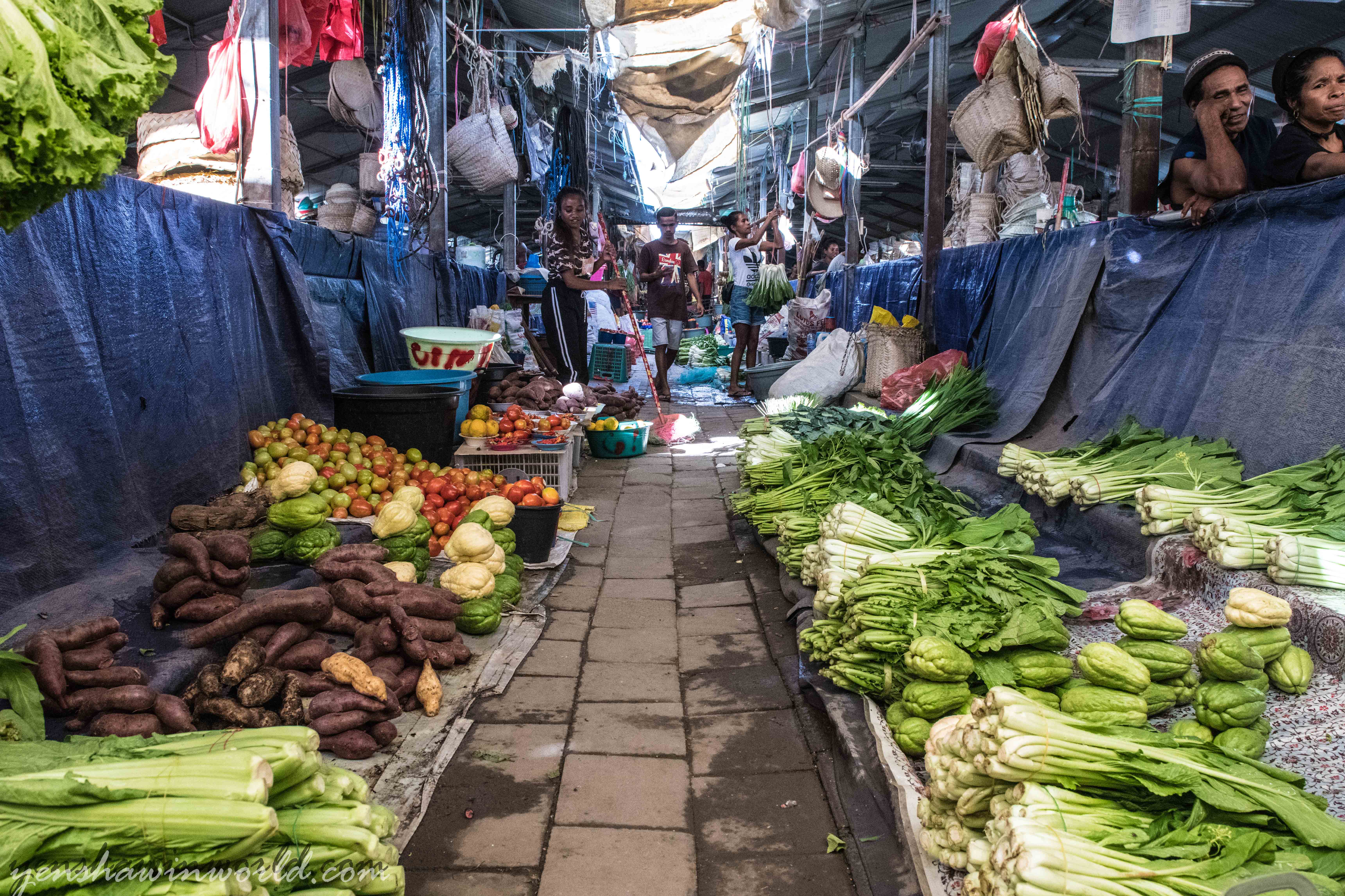
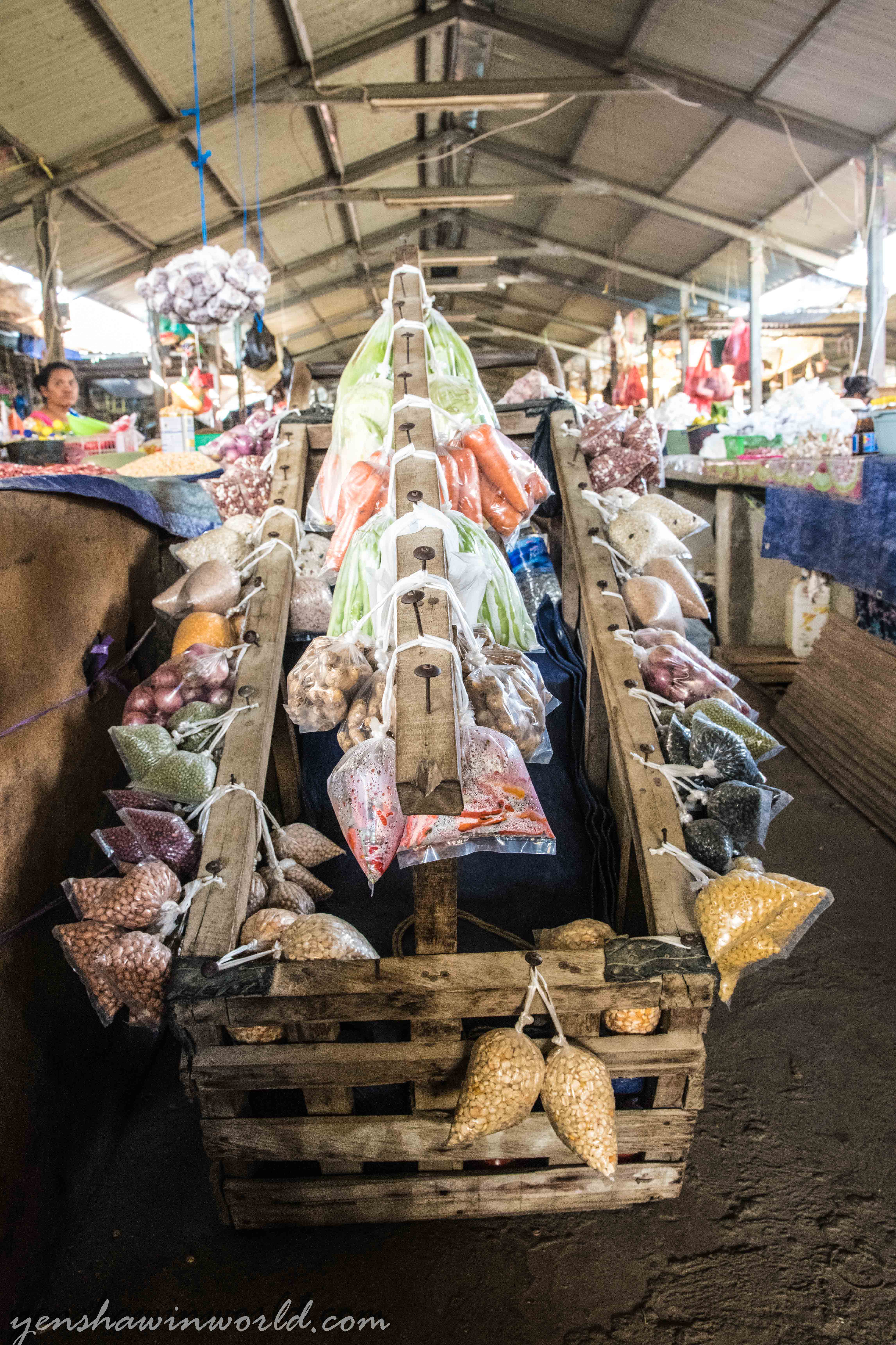
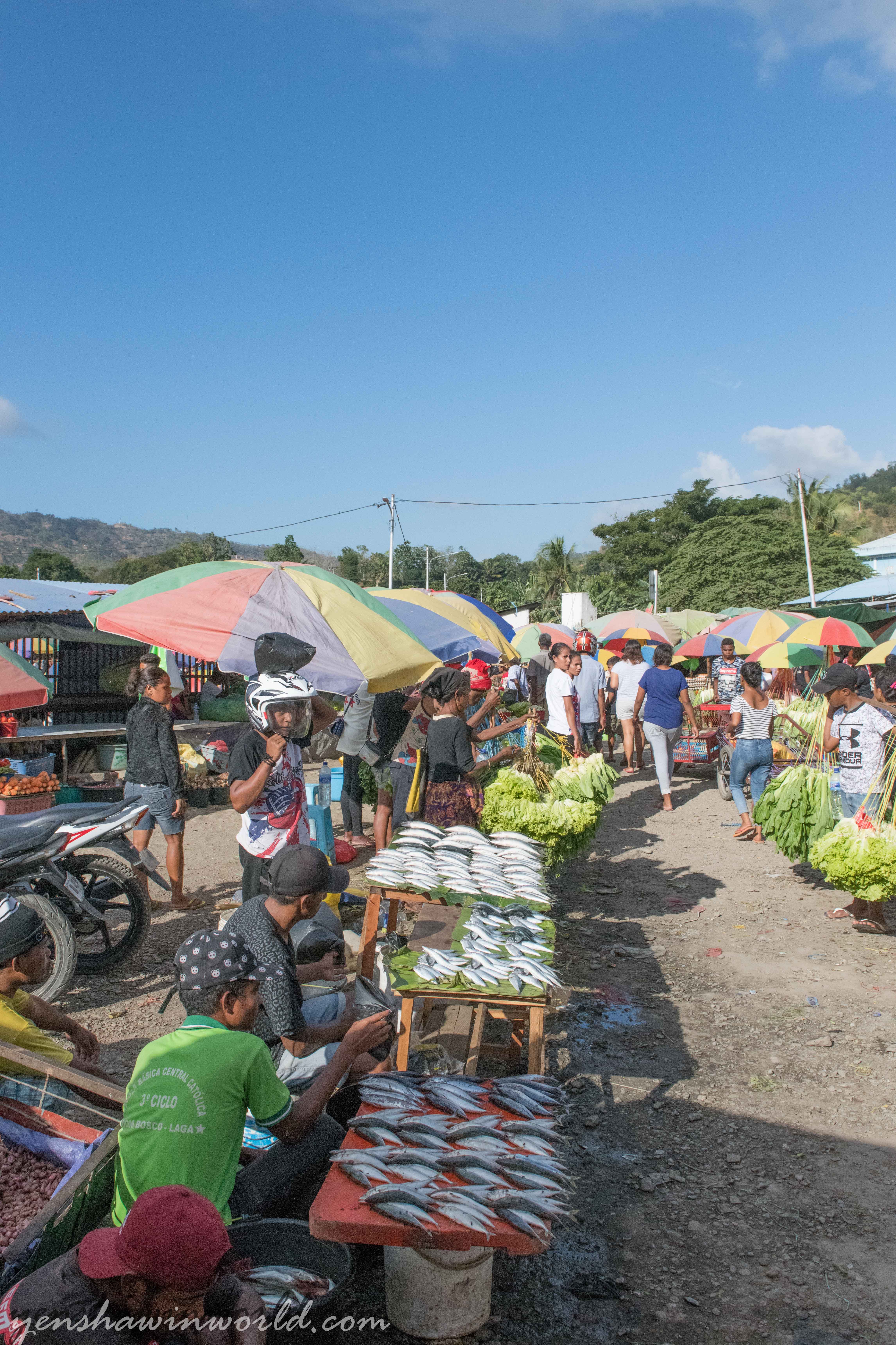
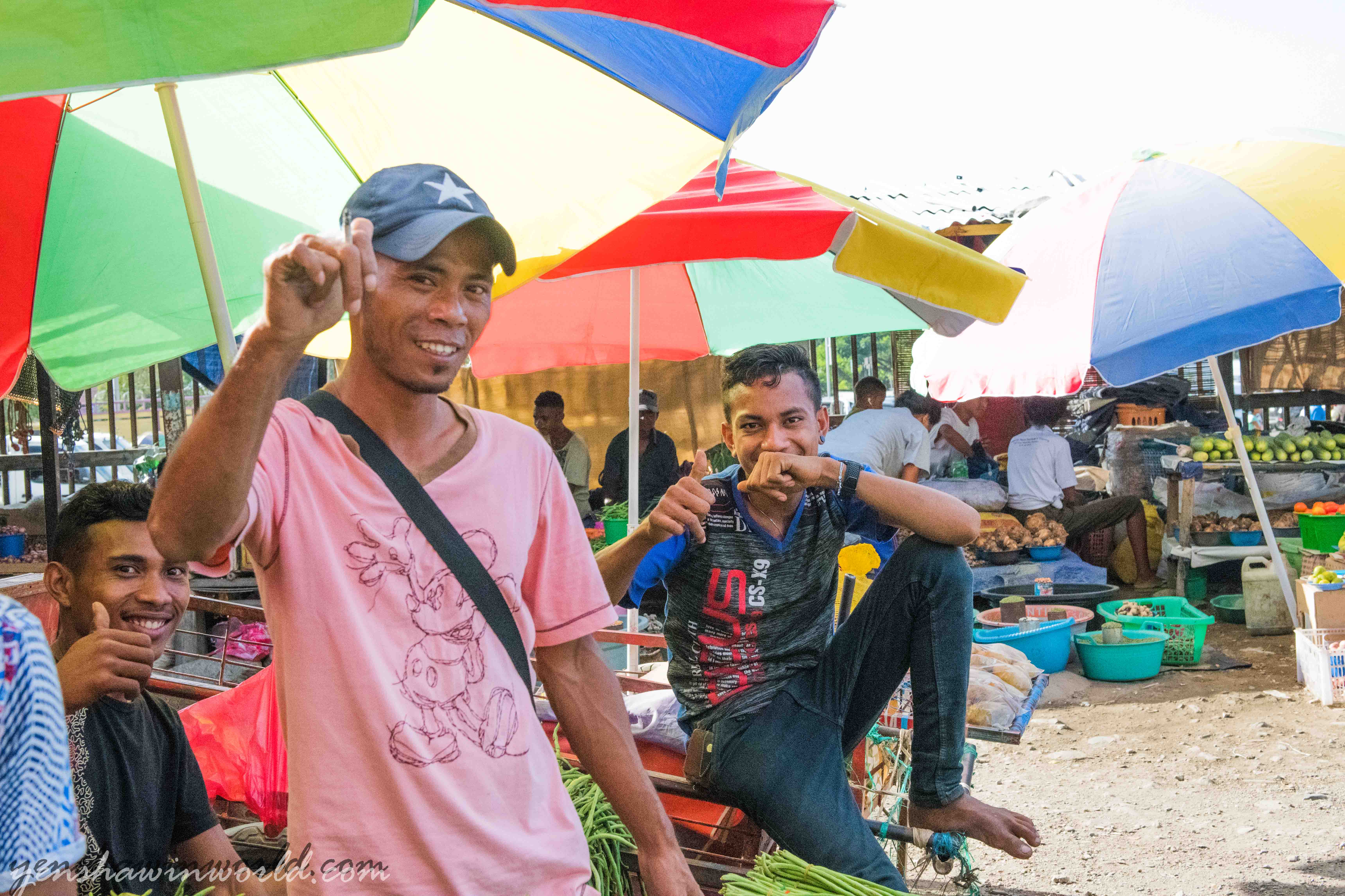
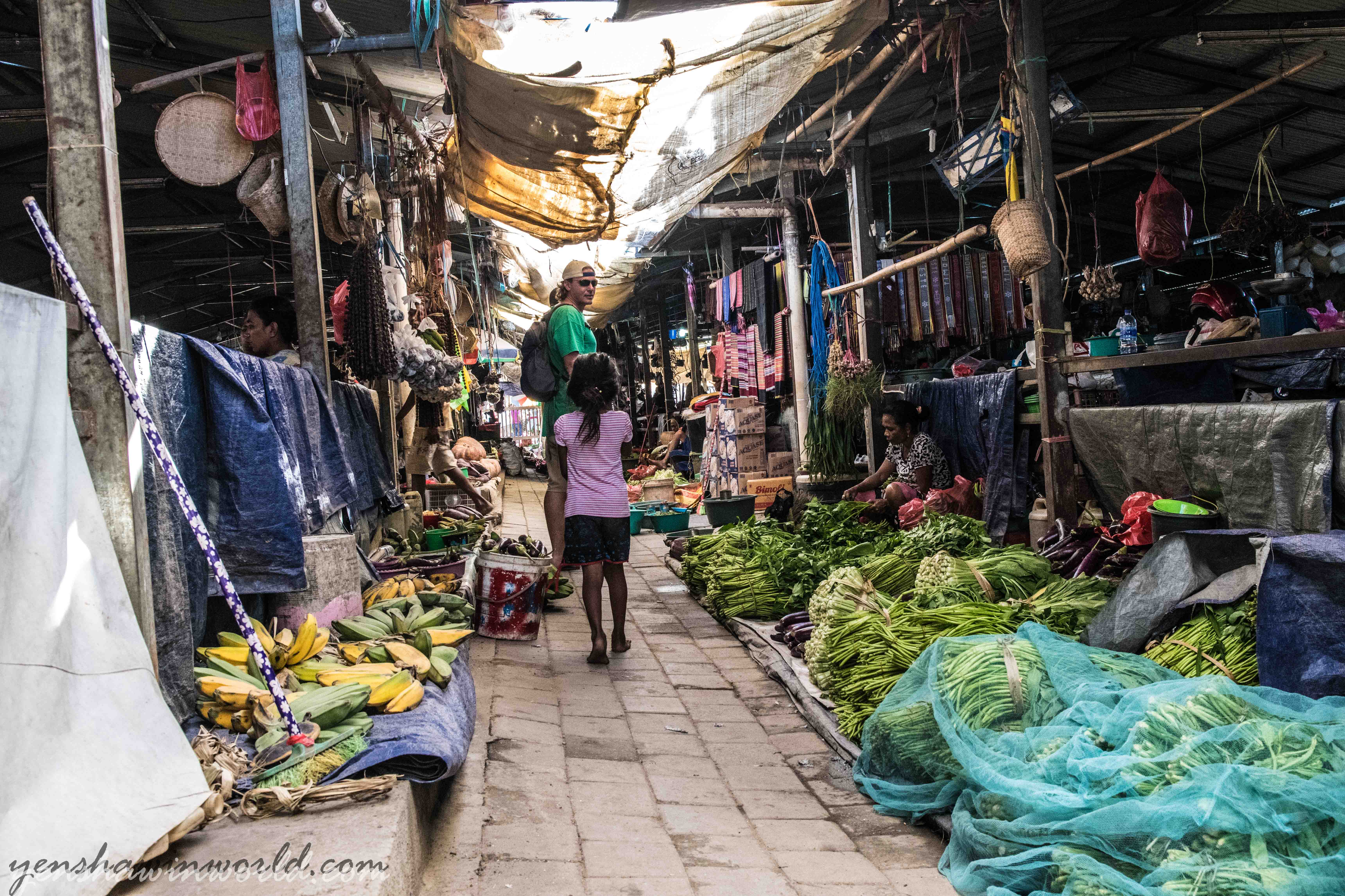
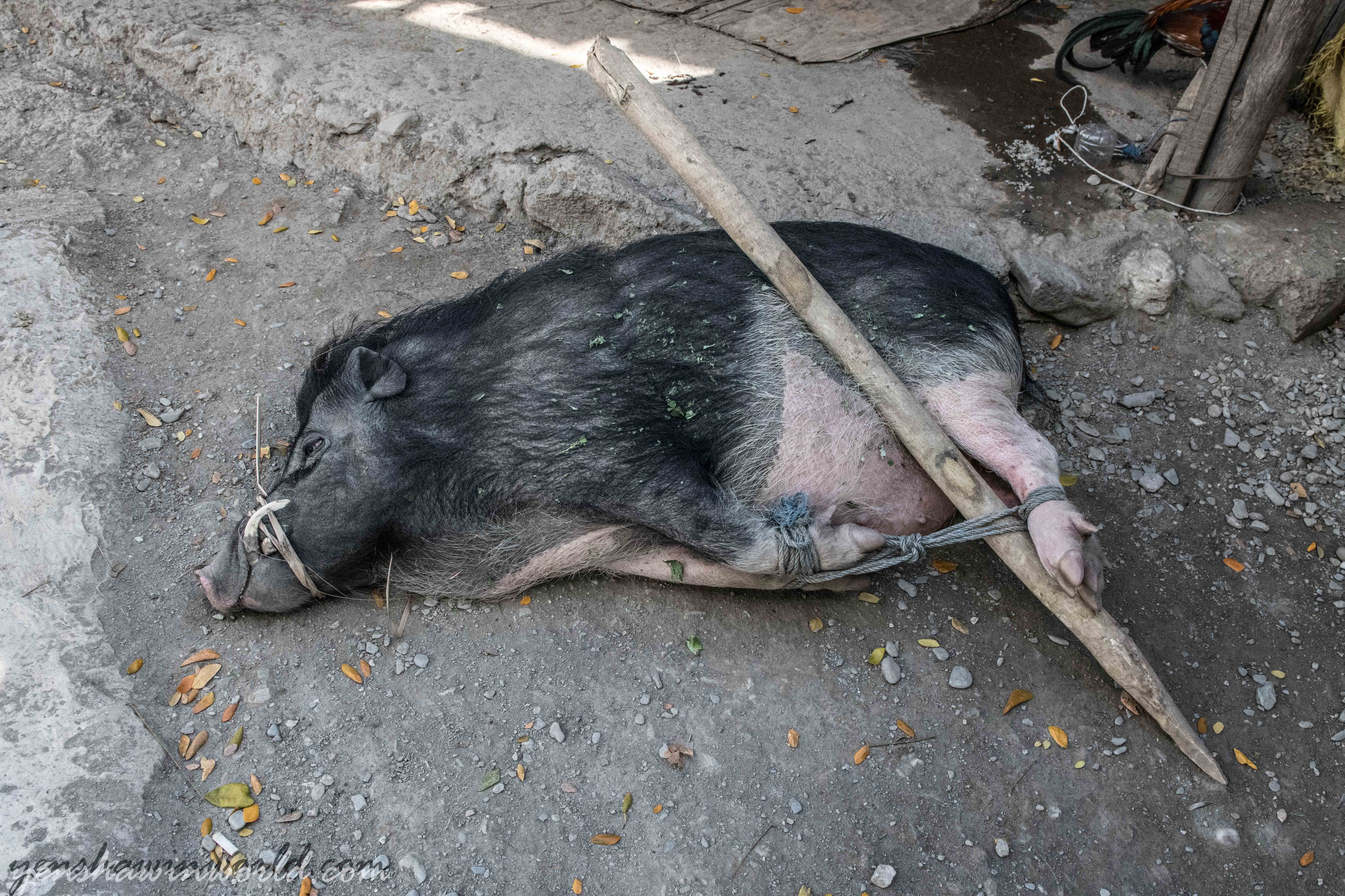
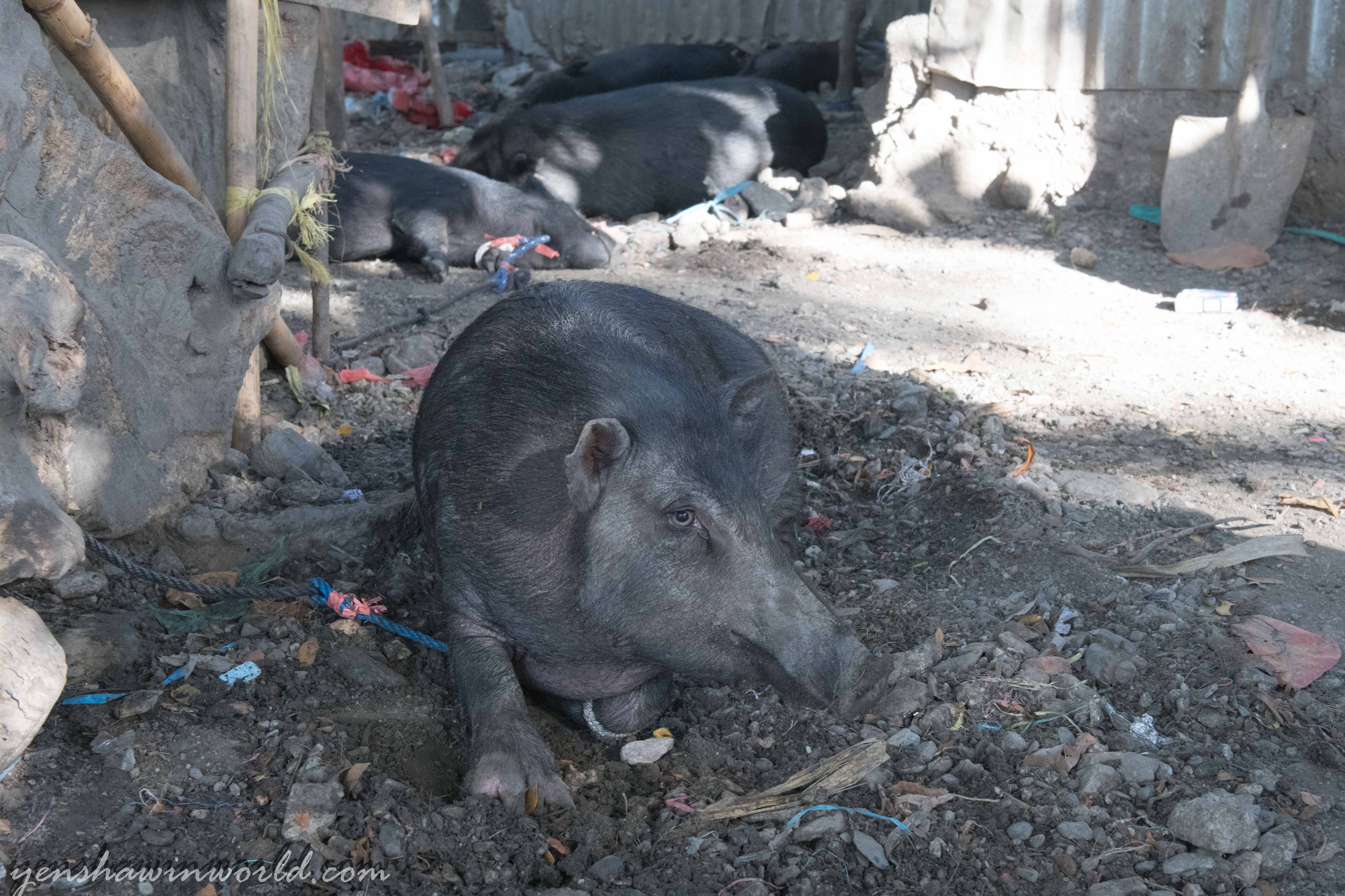
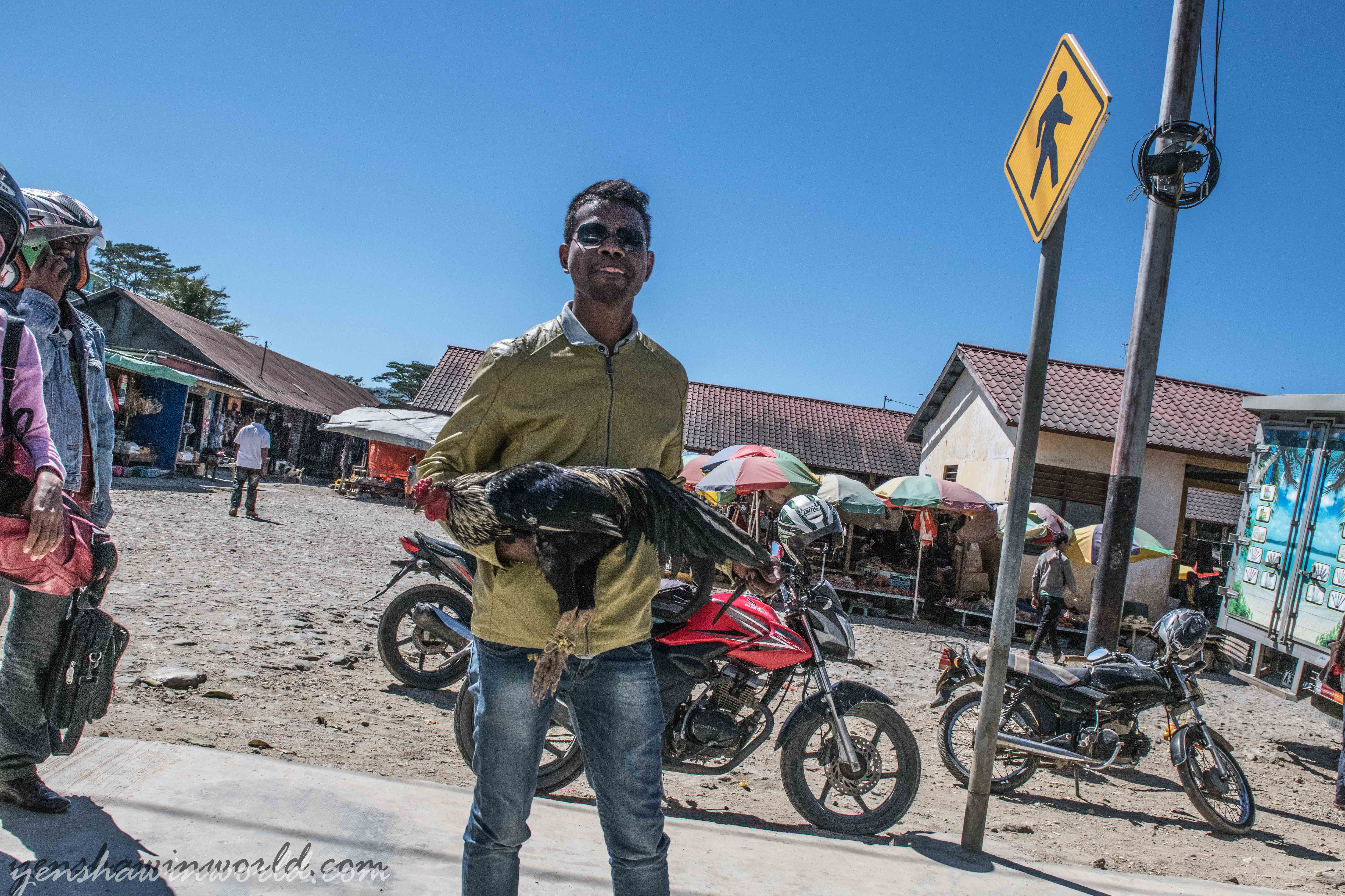
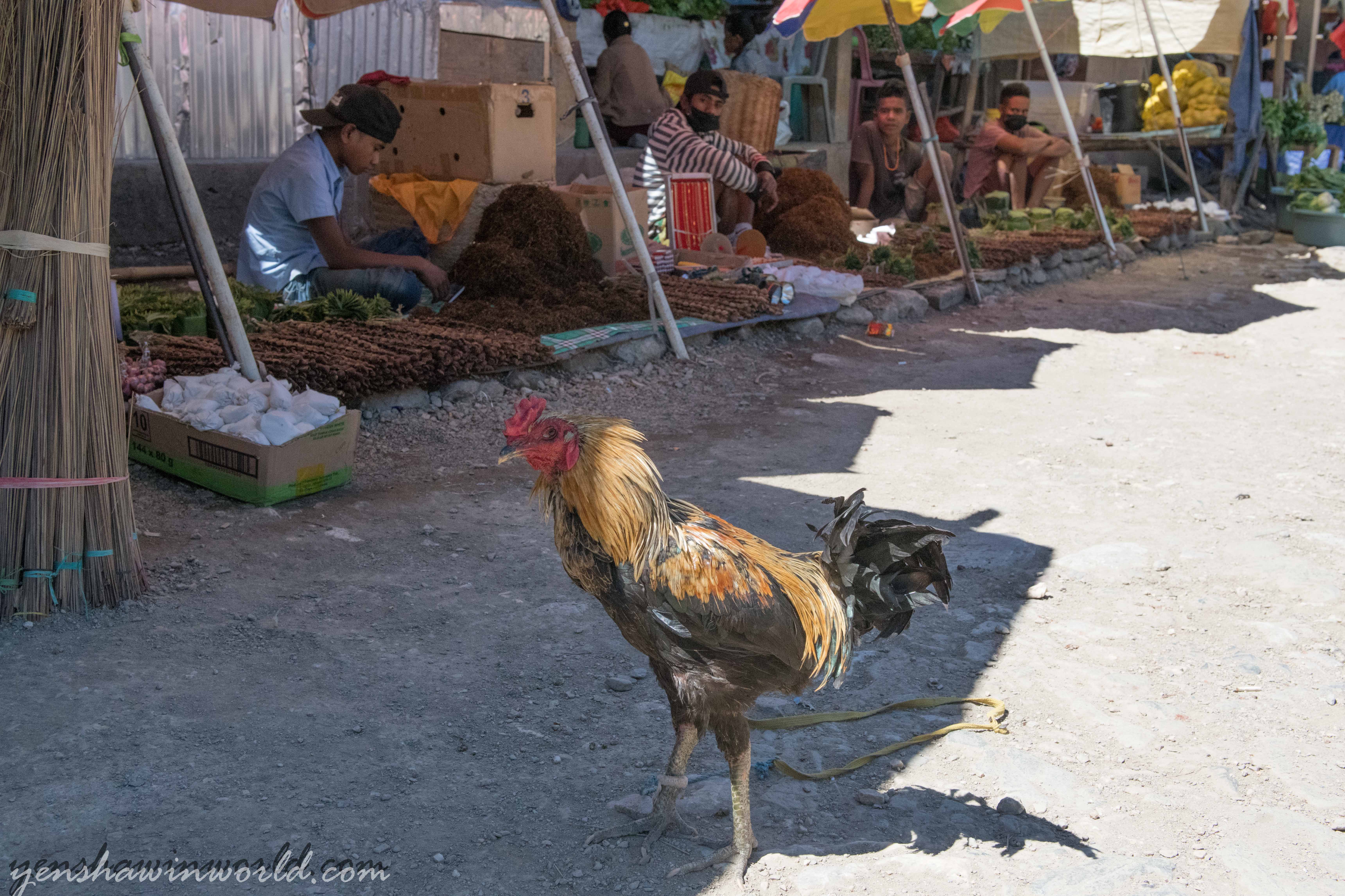
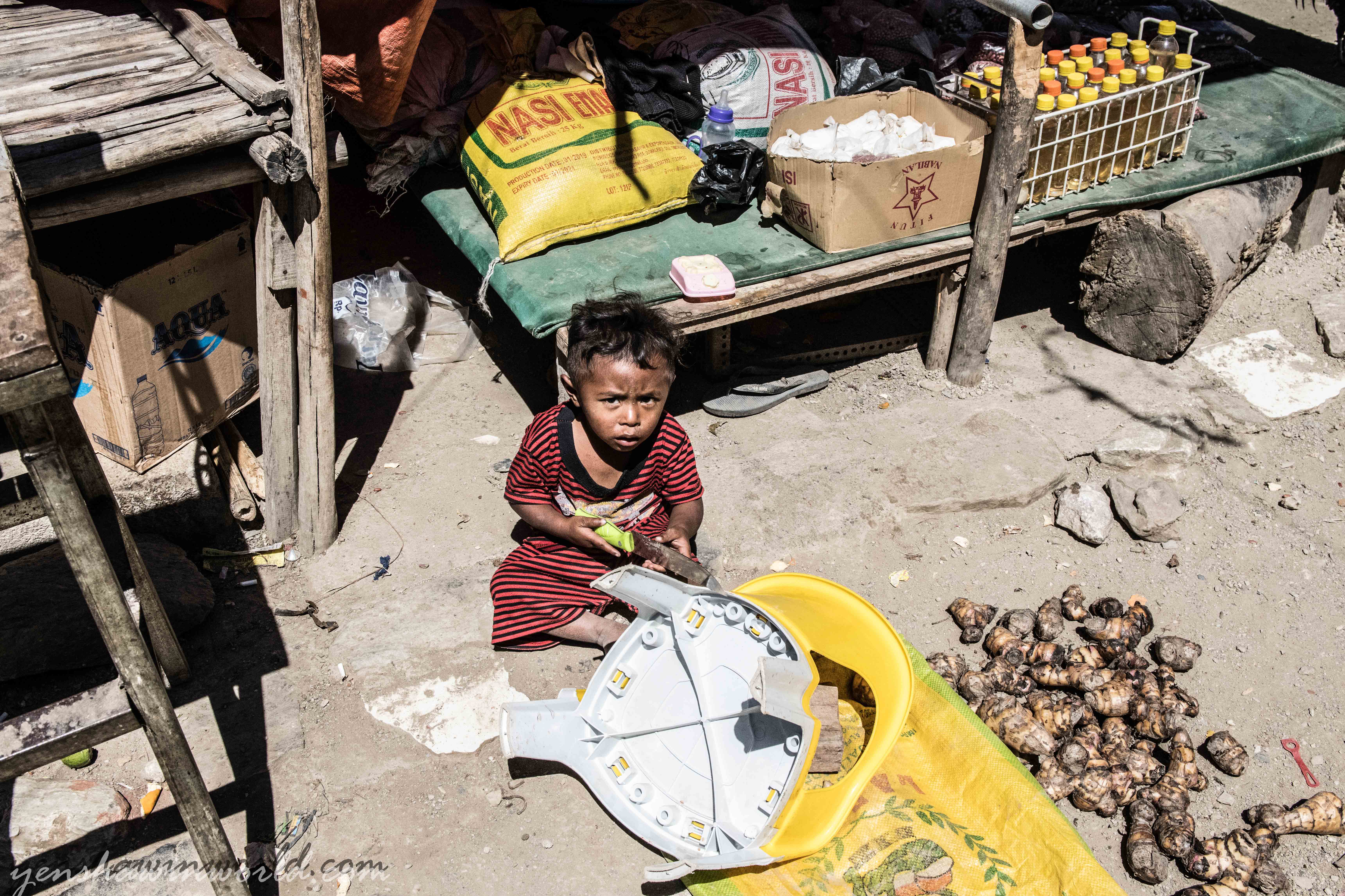
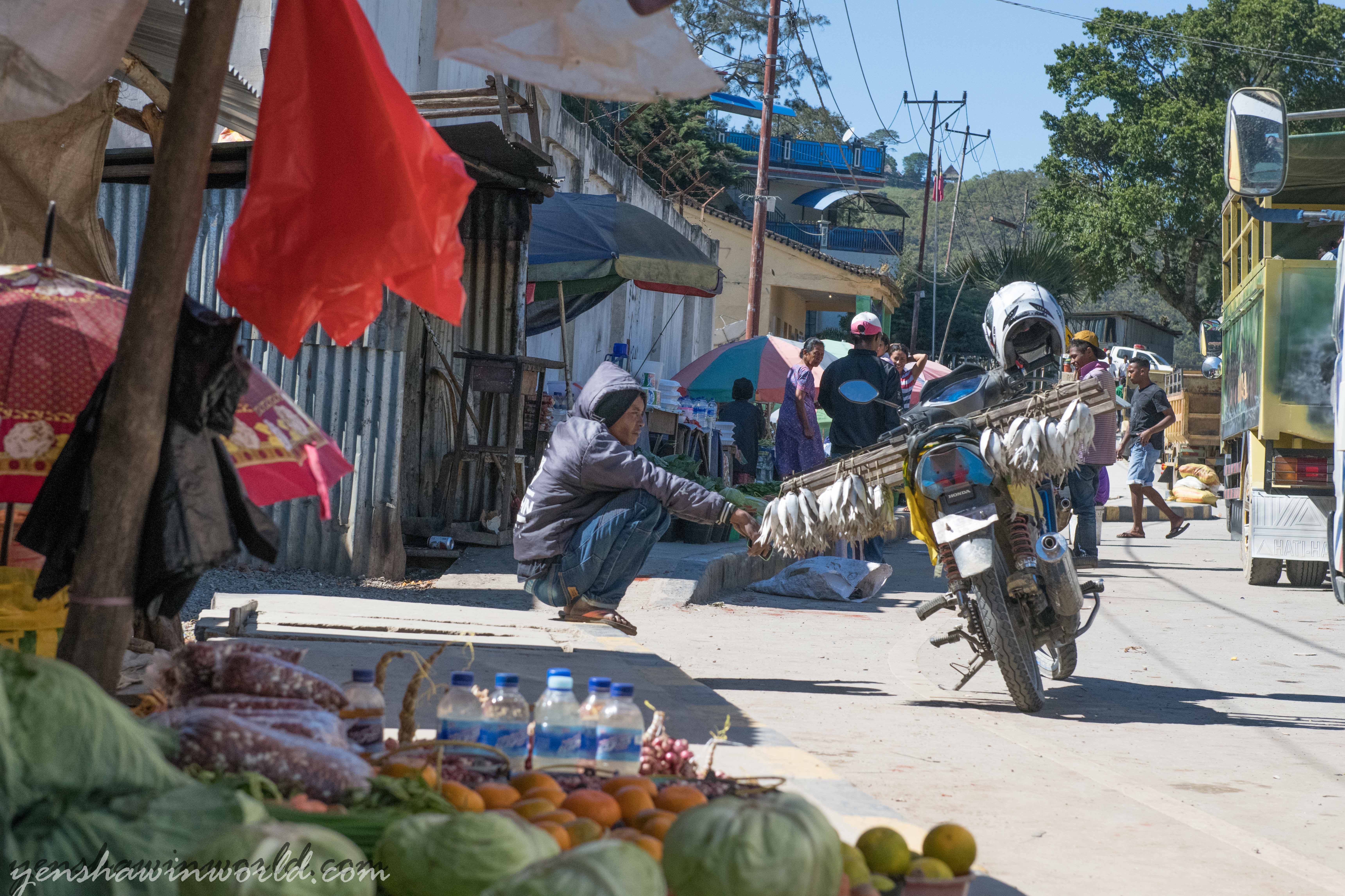
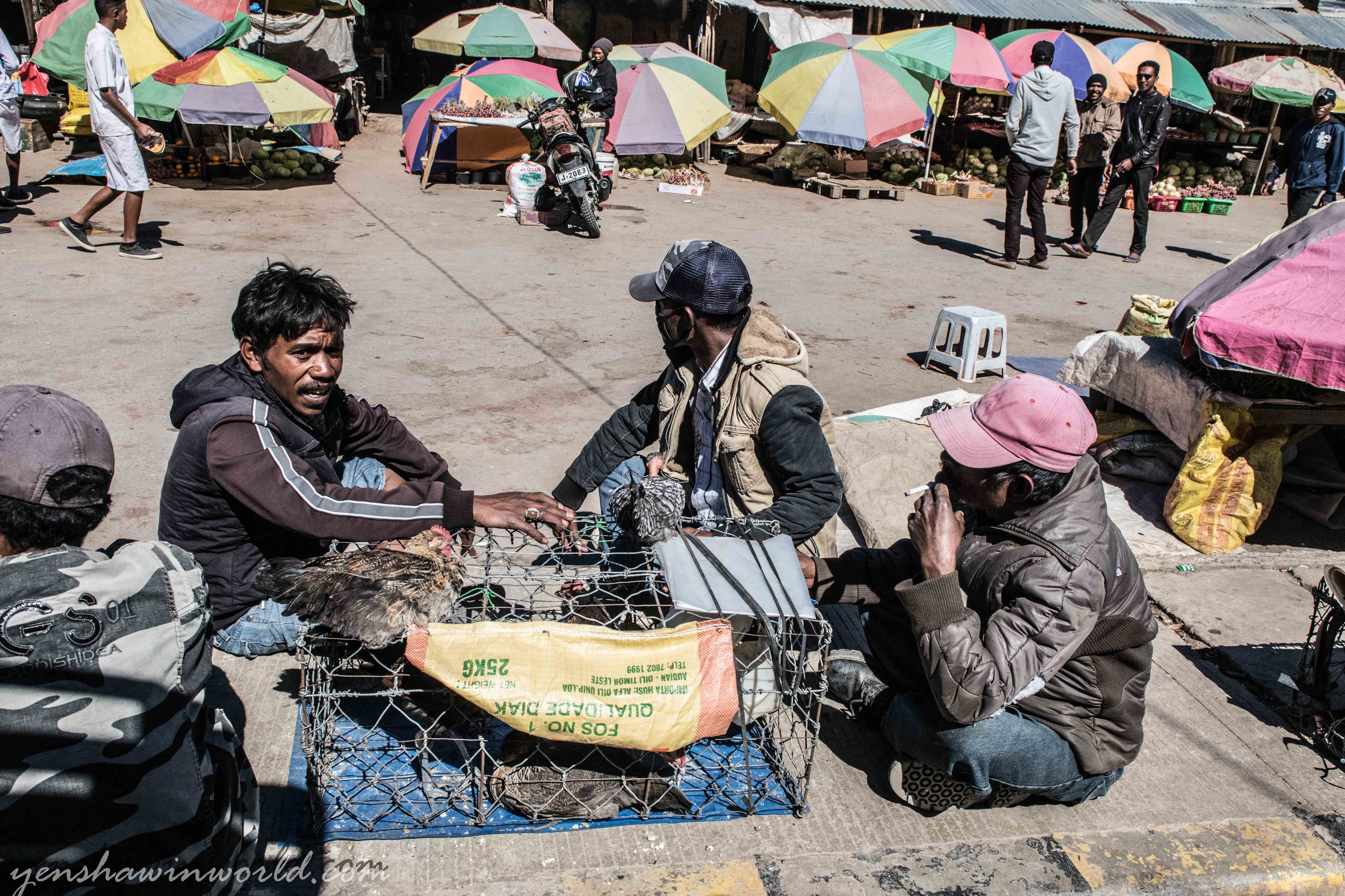
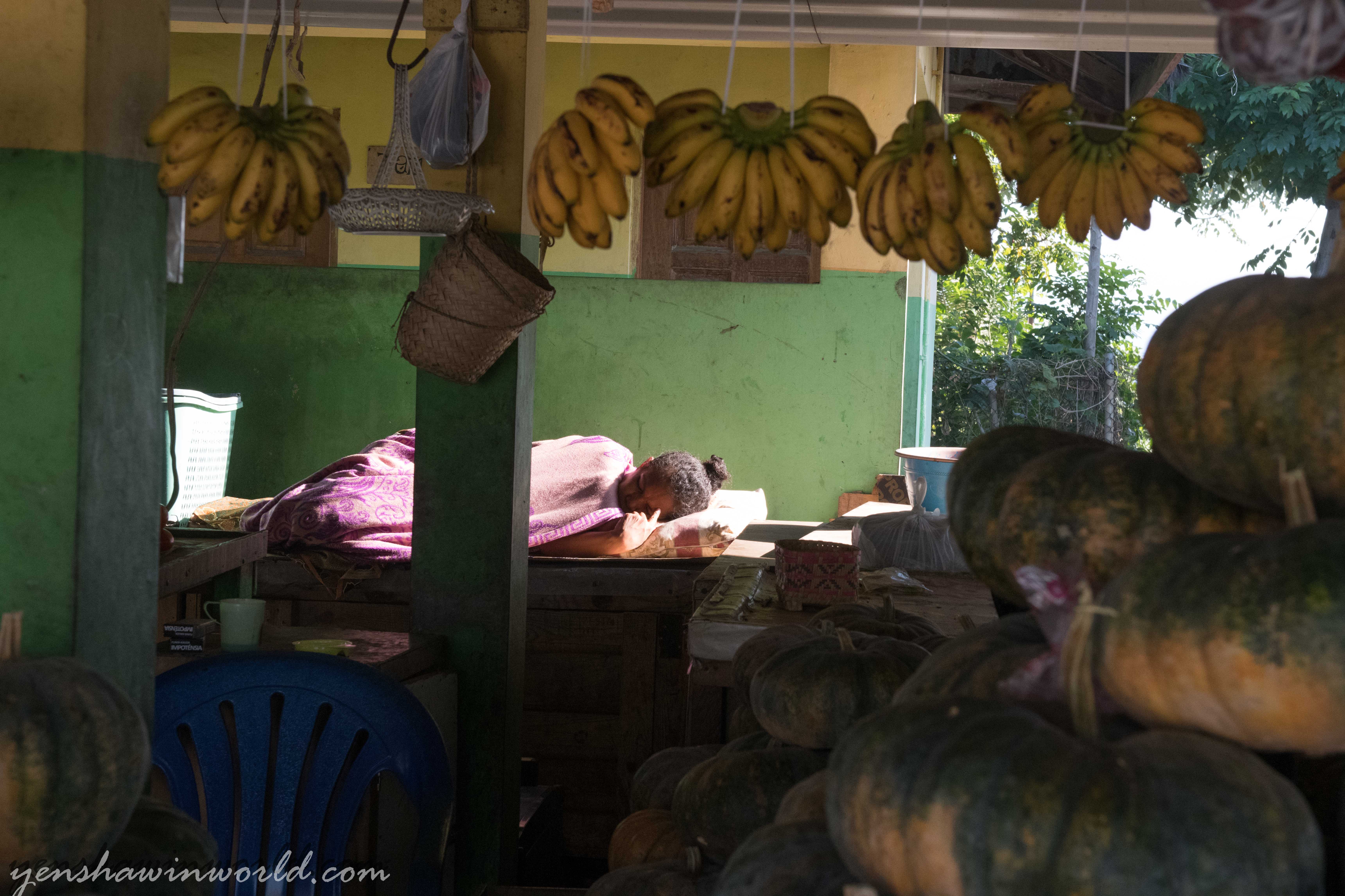
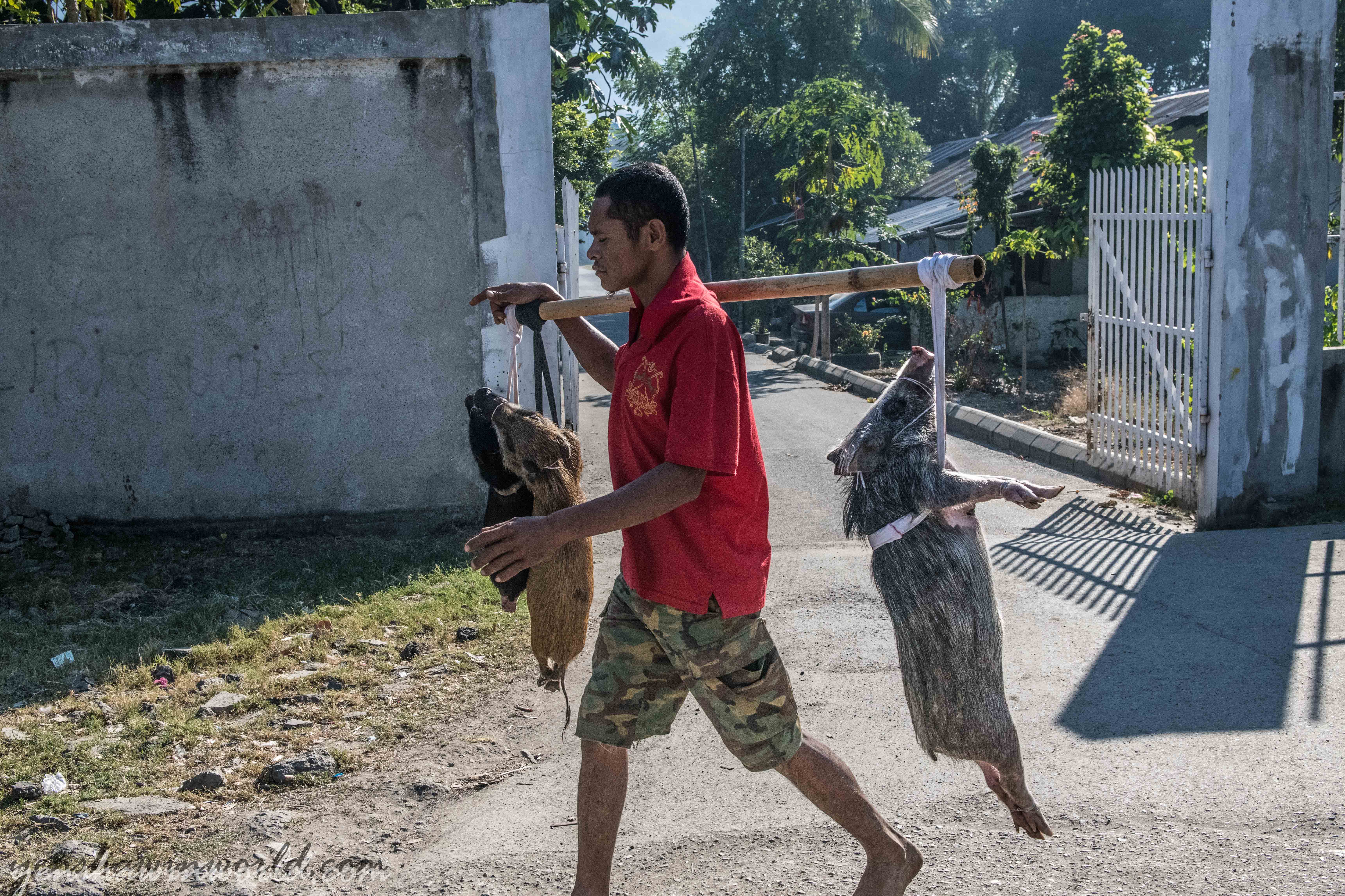

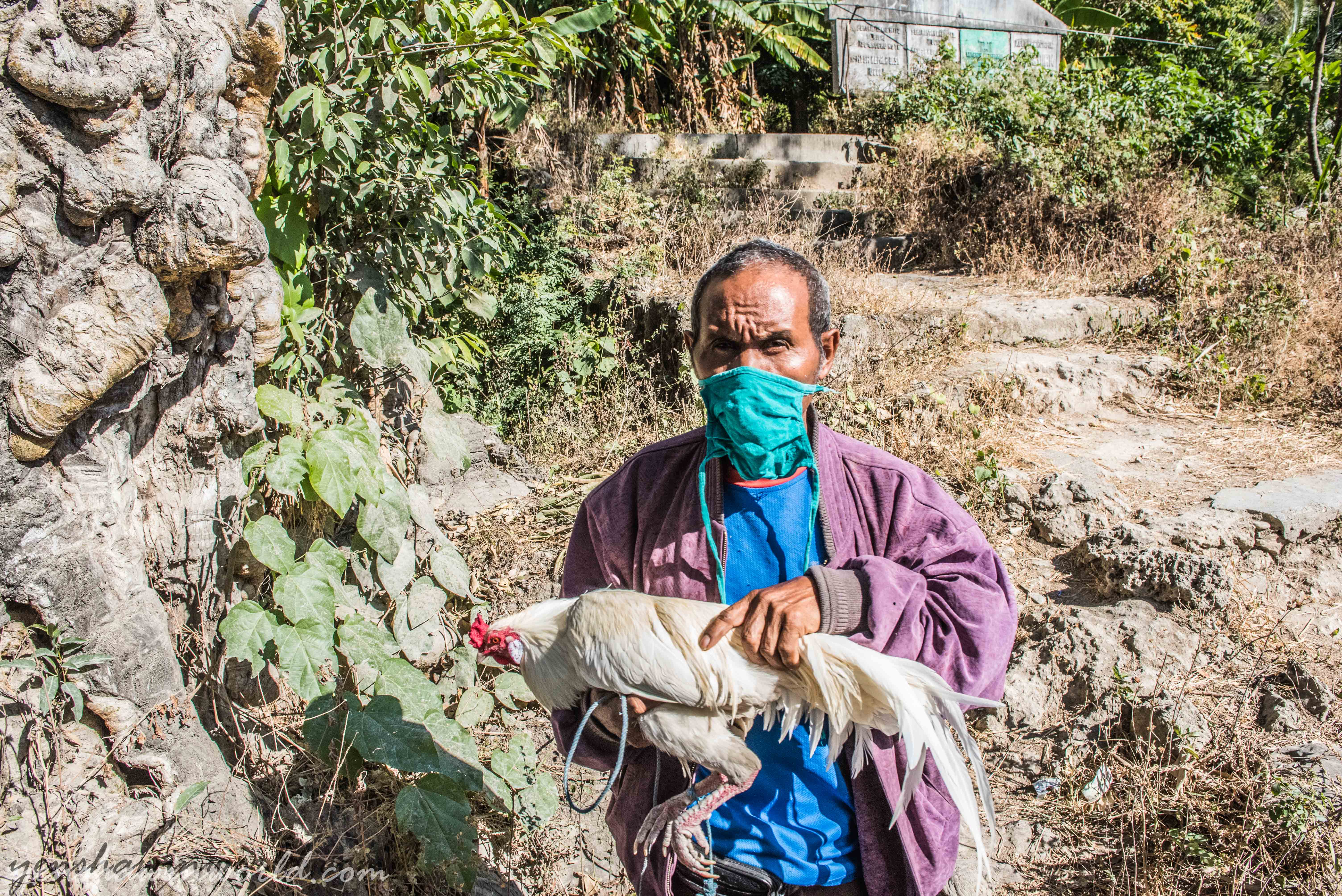
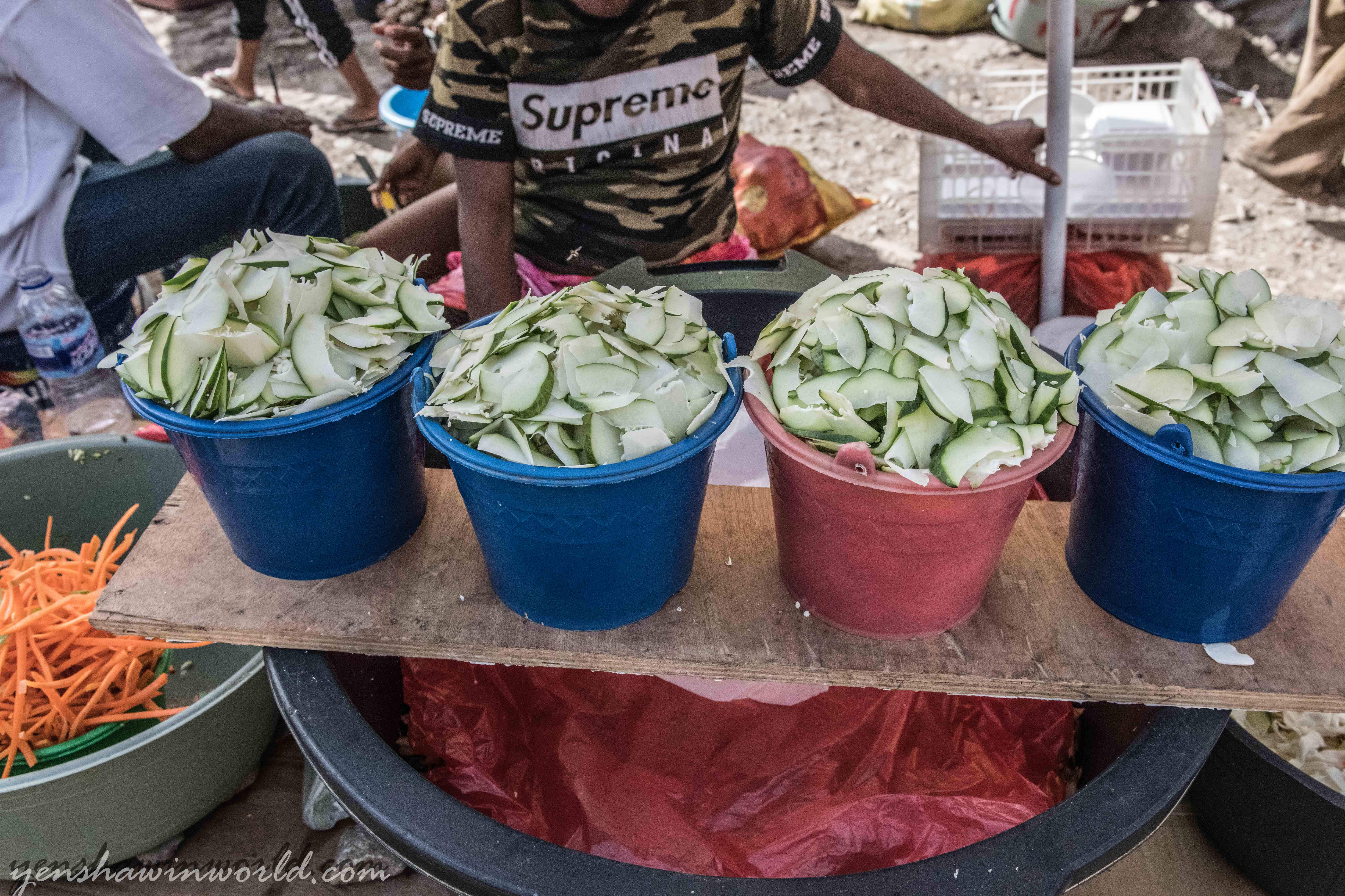
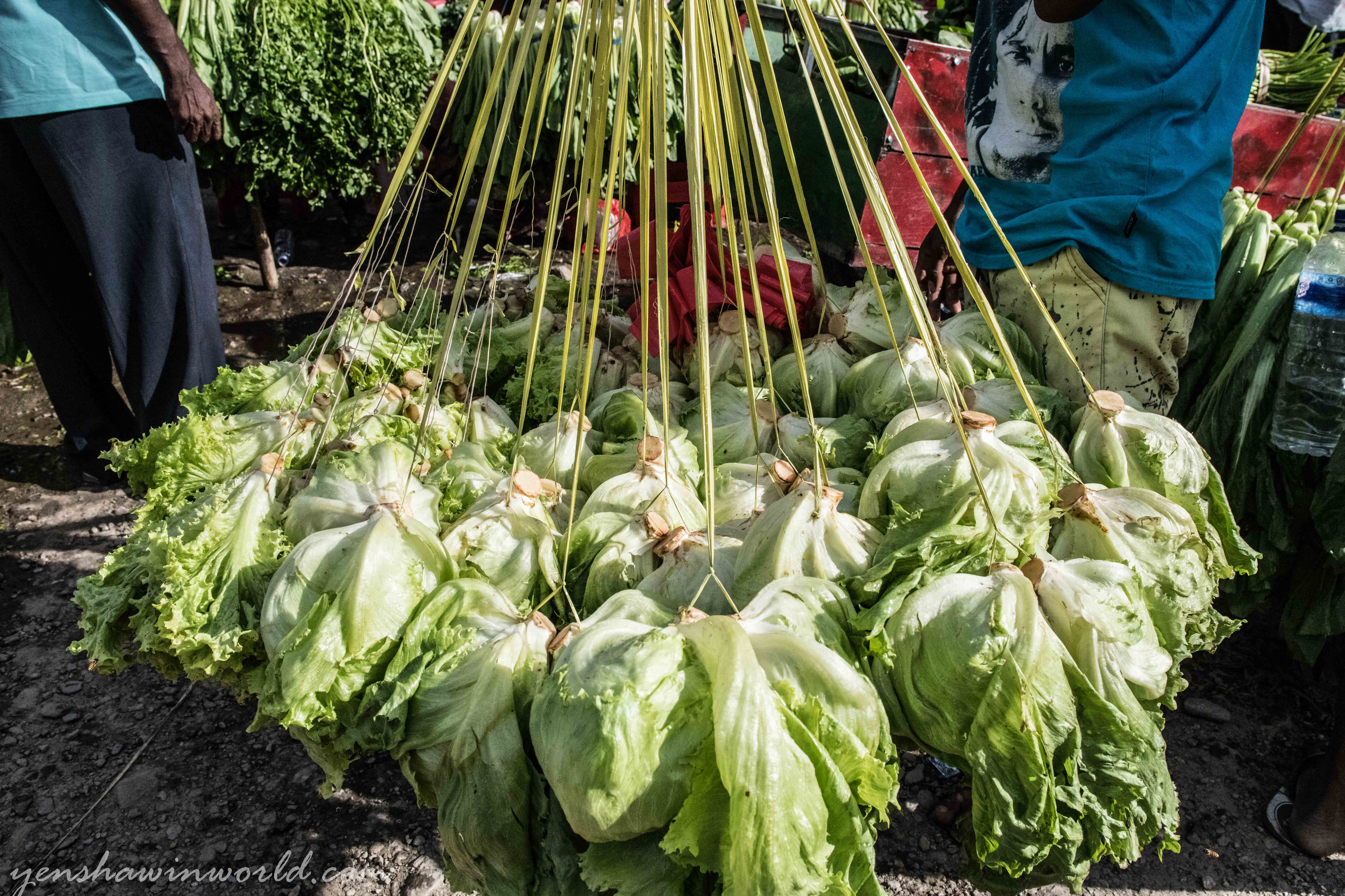
The center of any good developing countries society is their market.  Dili was no different and their local market had everything from fresh vegetables and fruits, to palm wine, to pigs and goats and chickens.  As cock fighting is still legal here, I got to see two of the Cocks who were probably going to be in a fight, square off in the market place.  As you can see just like in other countries that have markets, the presentation and stacking of fruits and vegetables is always important:
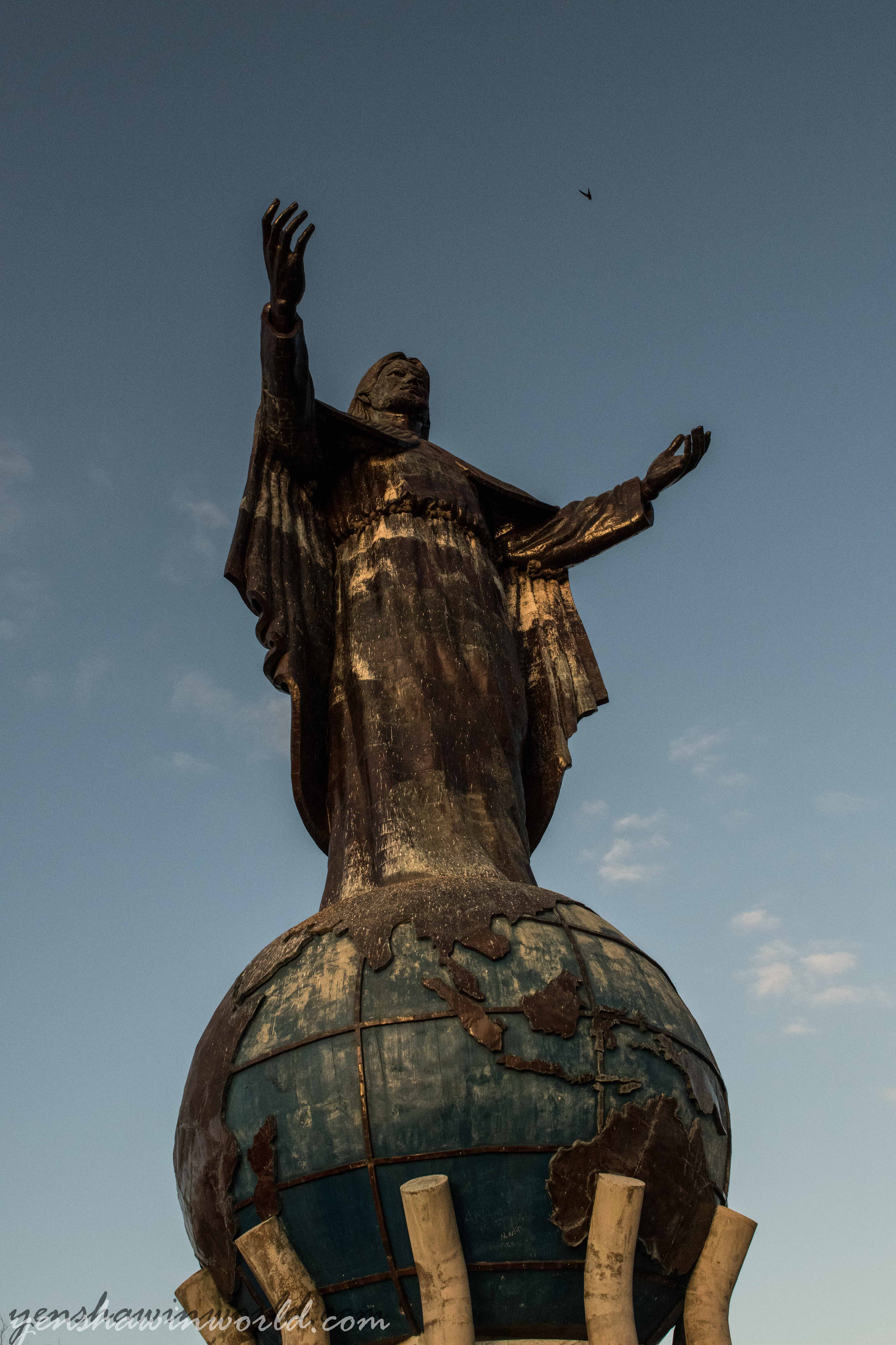
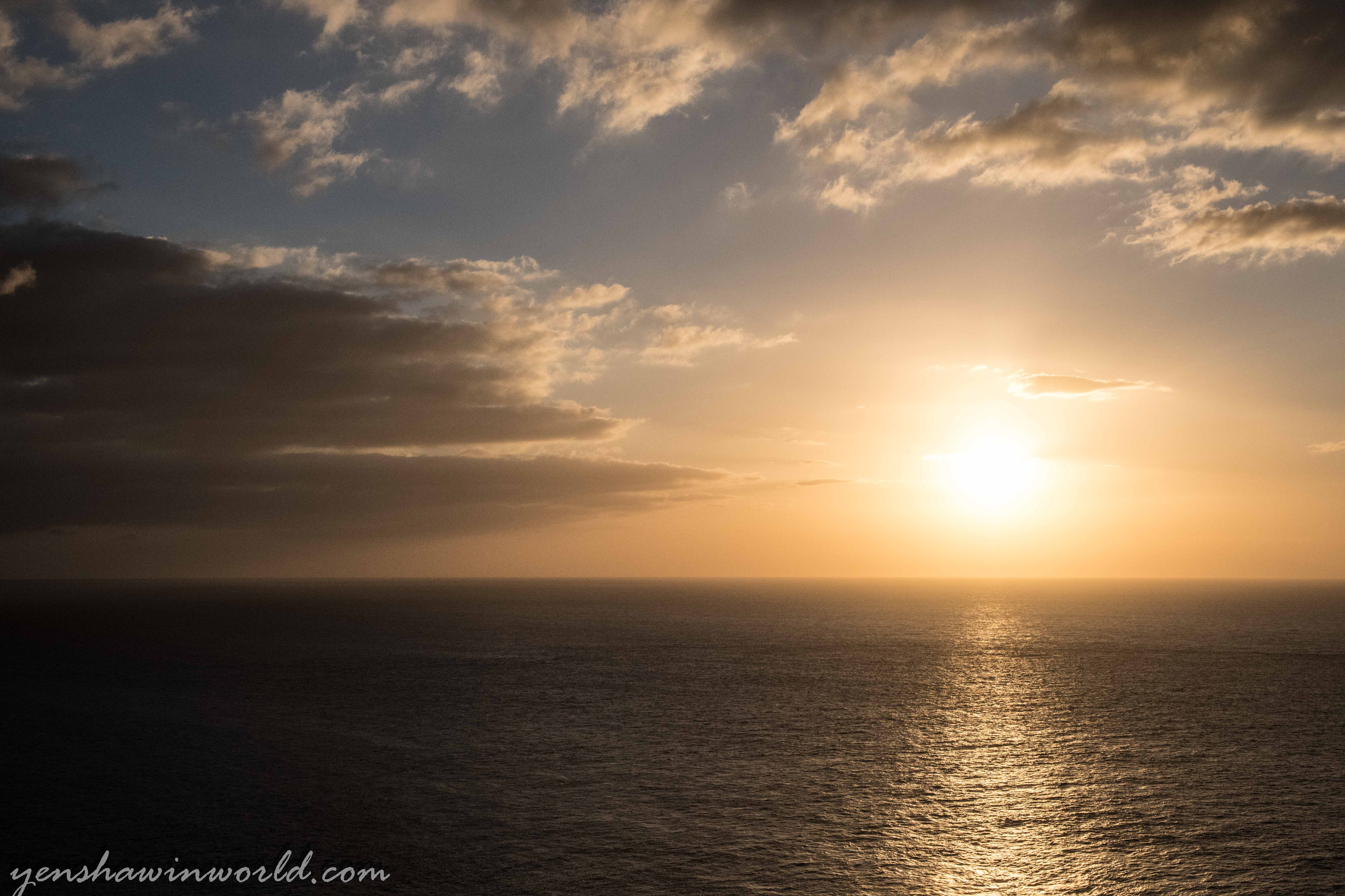
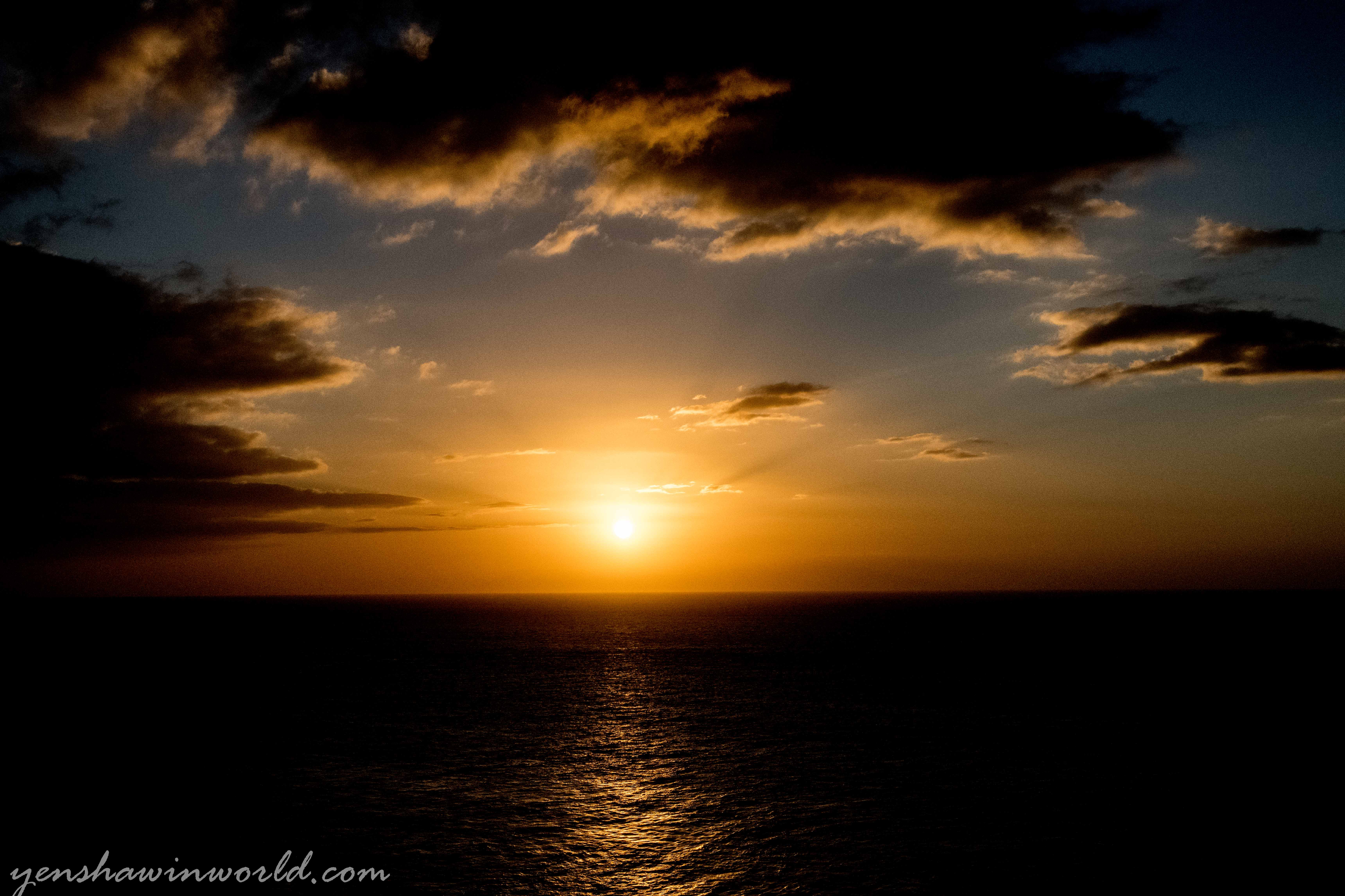
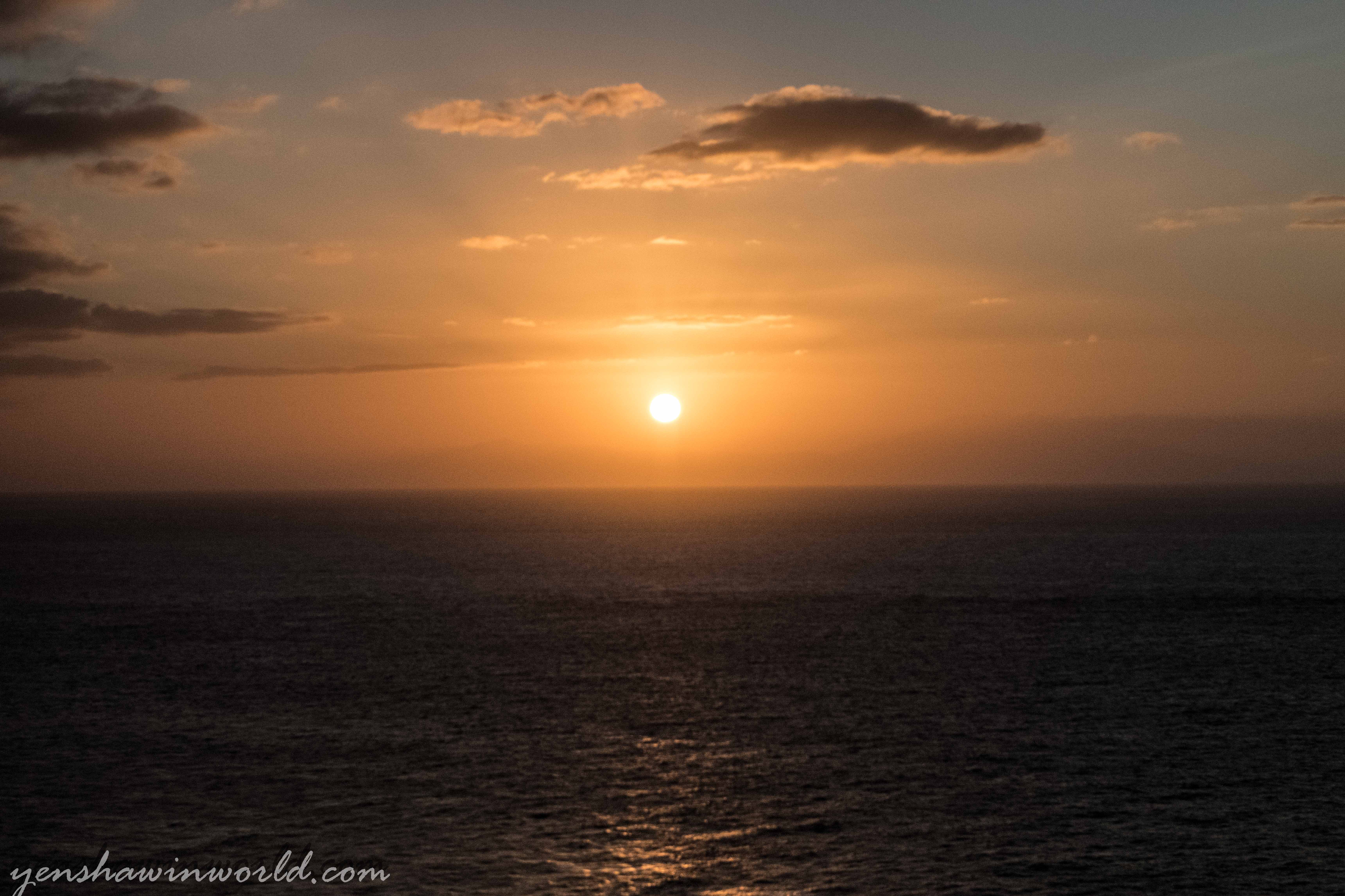





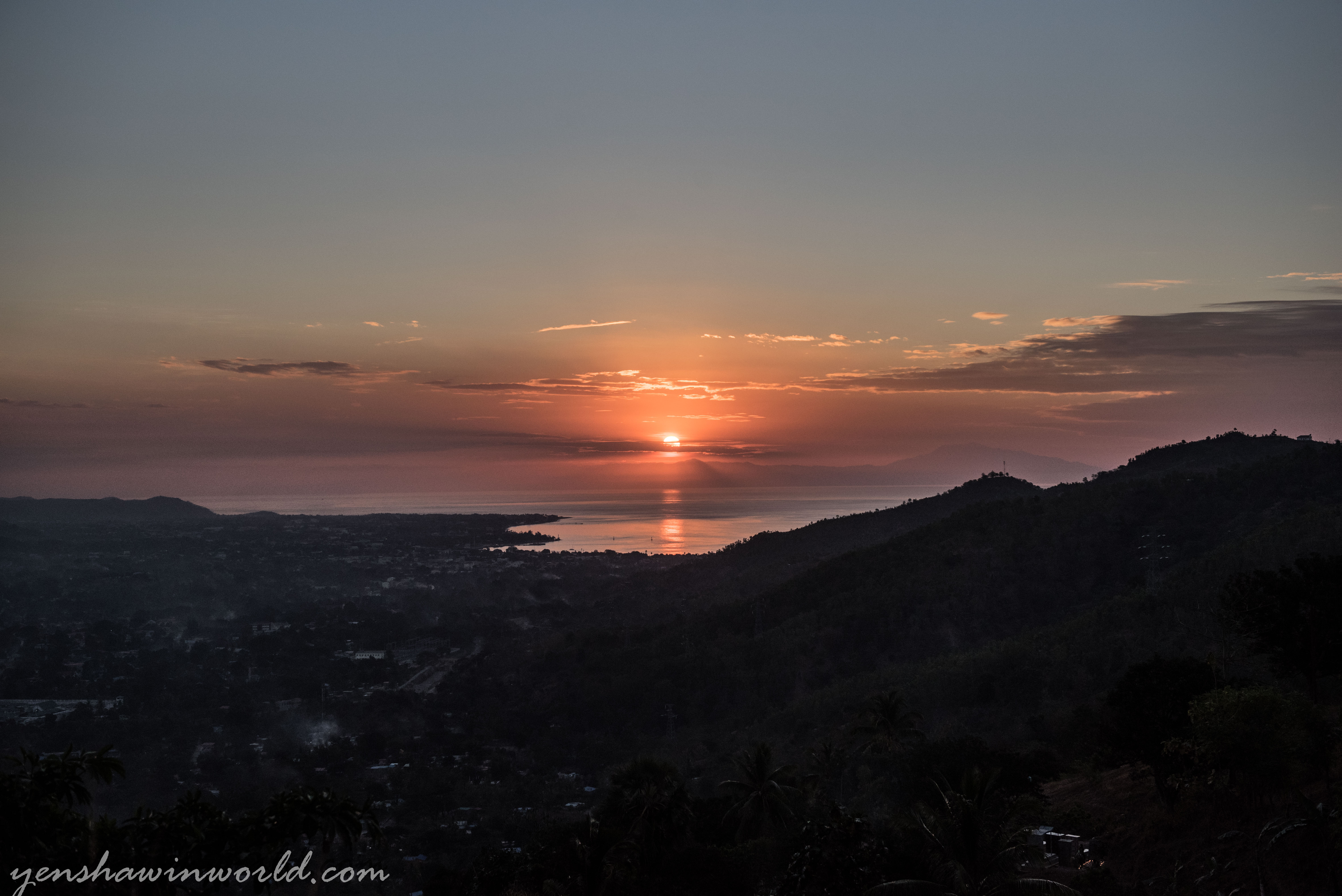
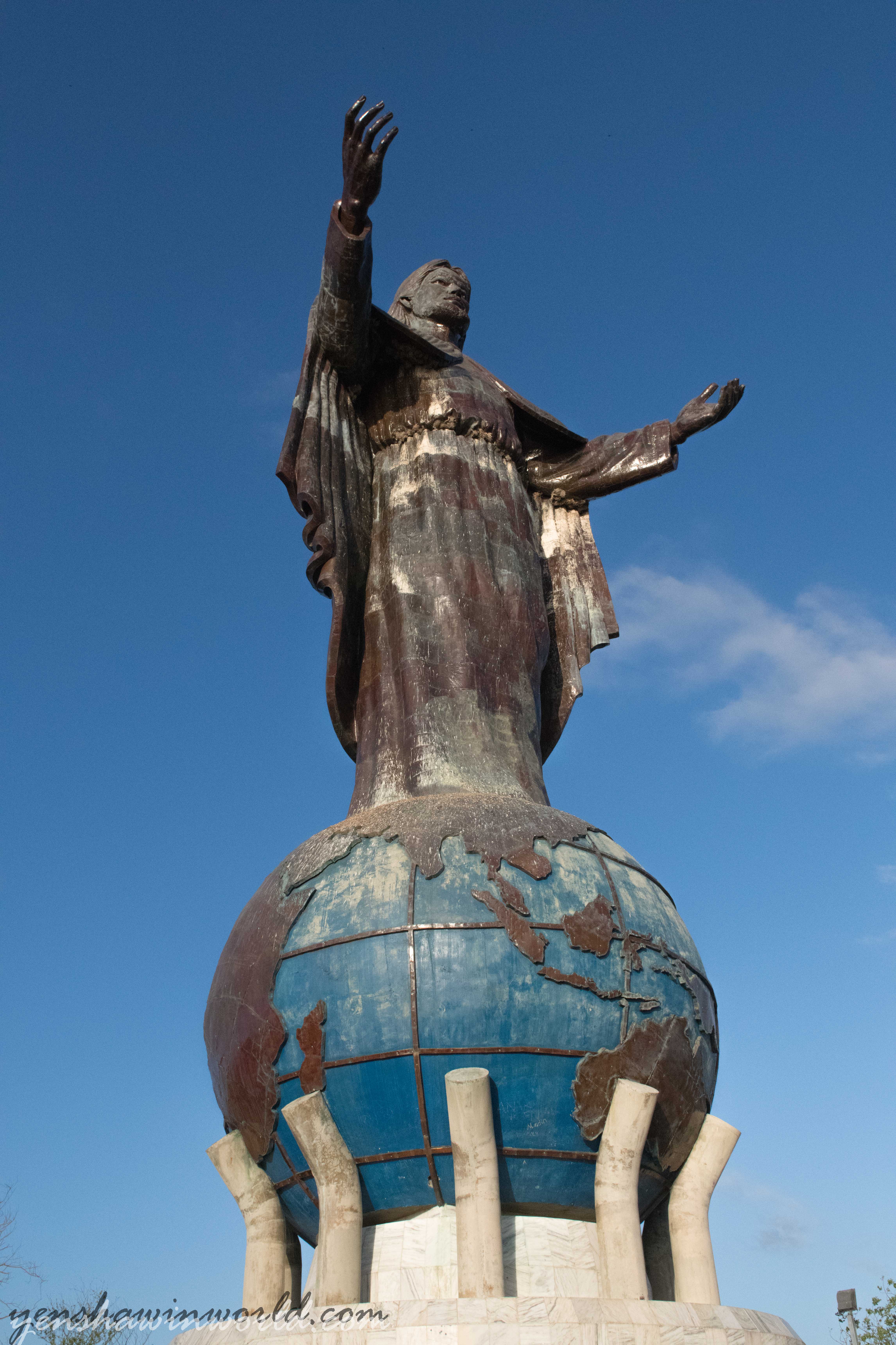
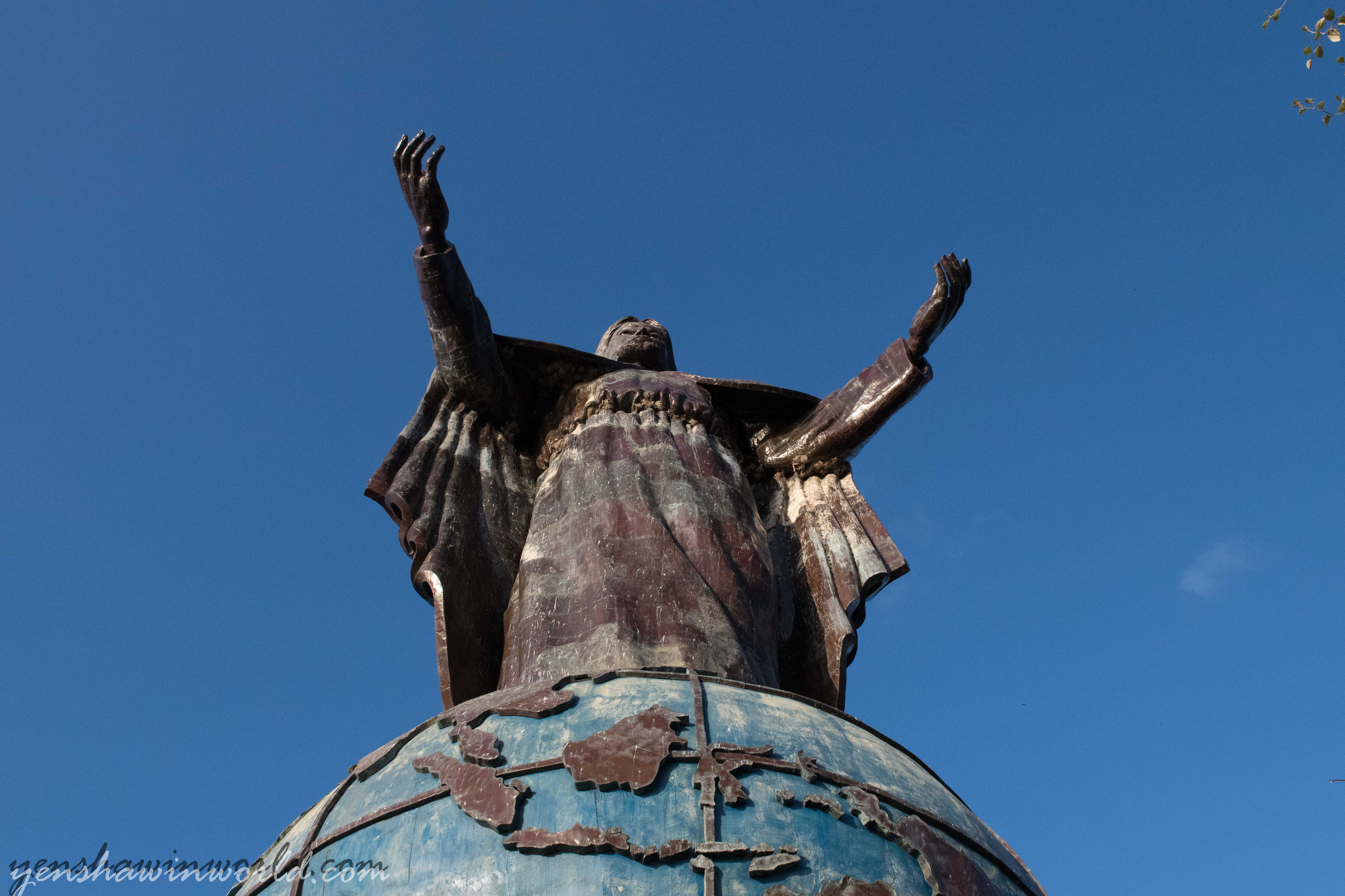
A great landmark in Dili is the Cristo Rei statue.  This is a statue of Jesus that is about 27 meters tall resting on a globe, facing out to the ocean.  In order to get to this, you have to climb 500 plus steps, but it is well worth it as the view from this is amazing along with the everlasting sunset…
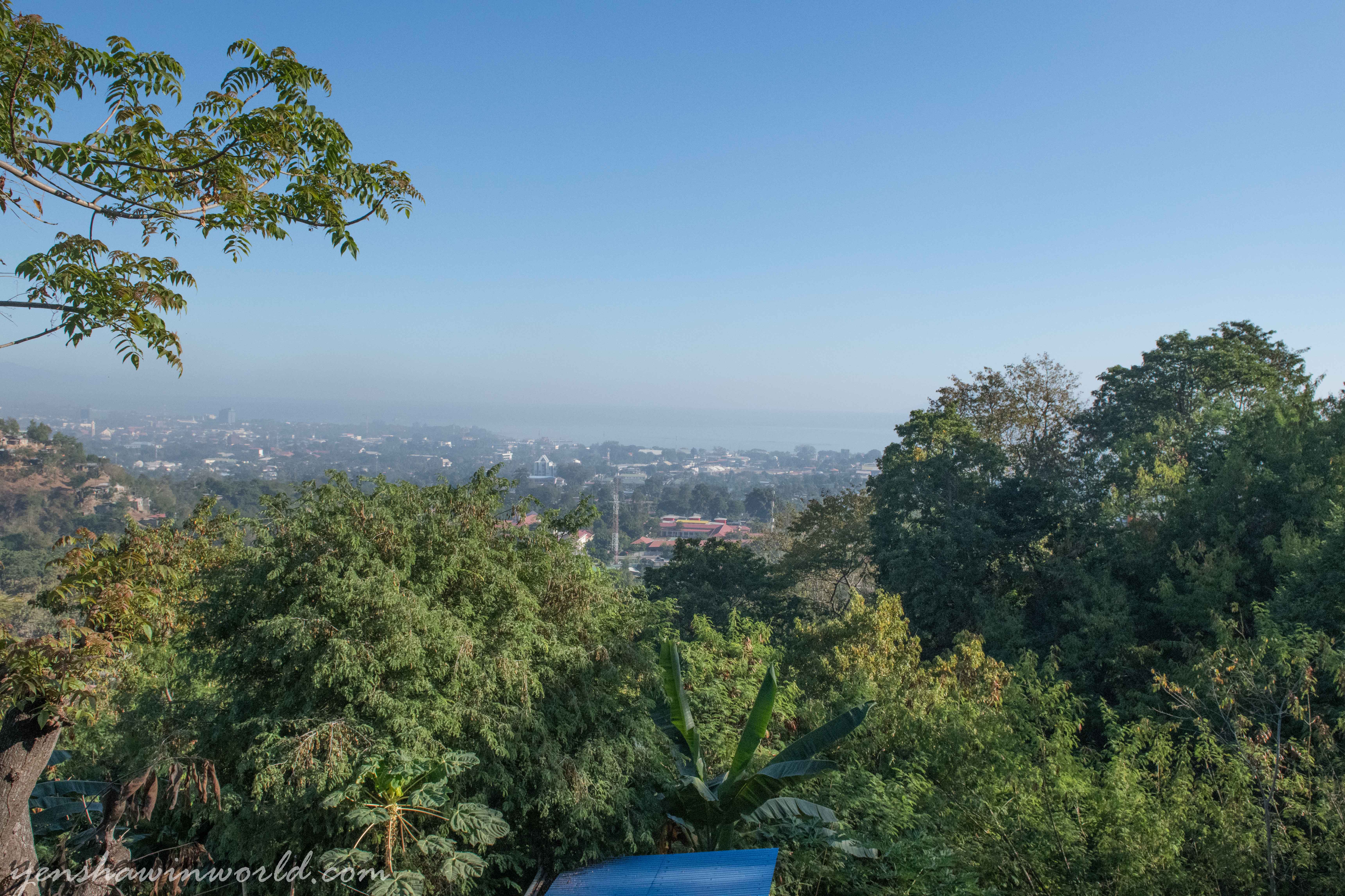
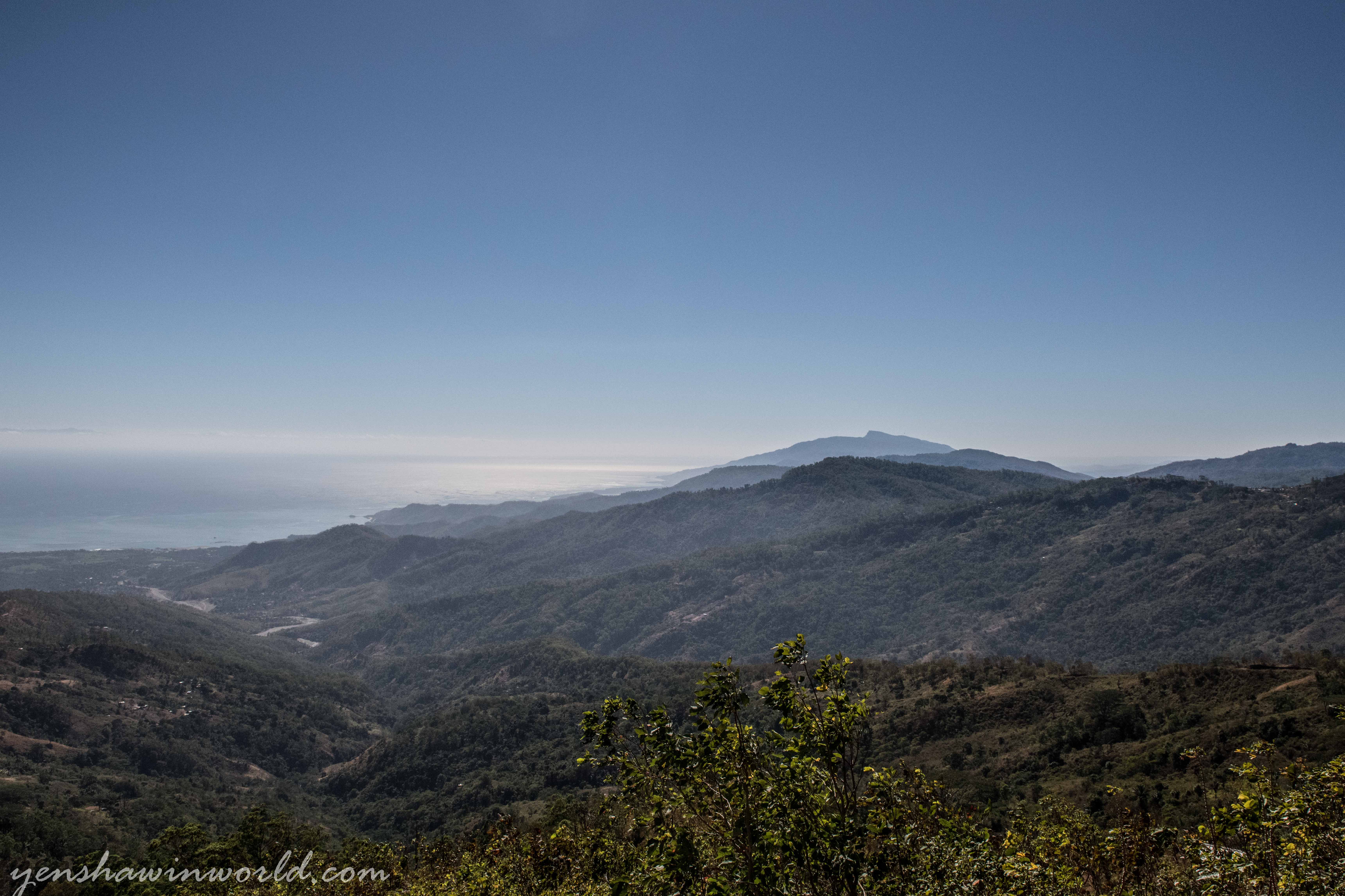
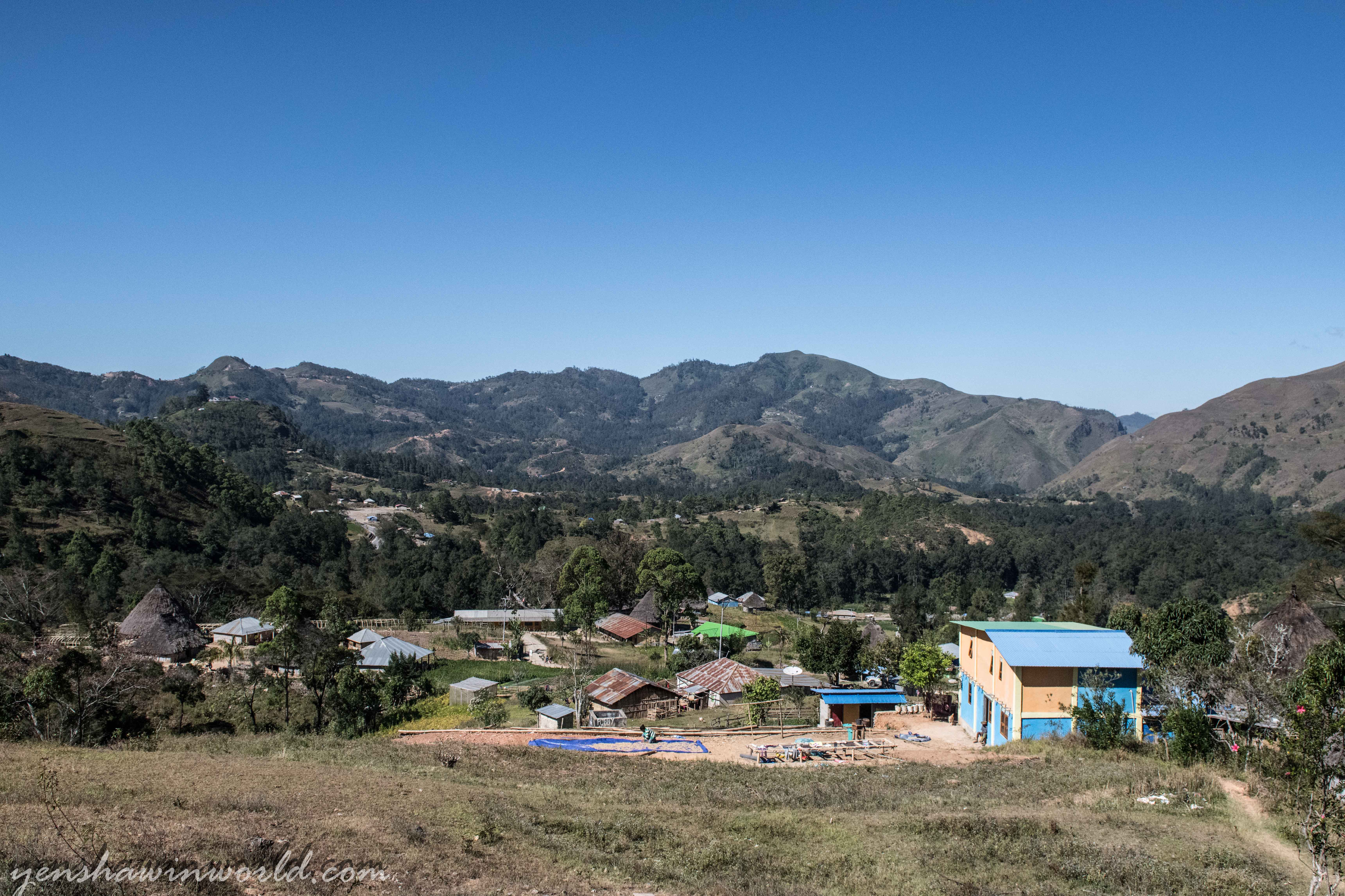
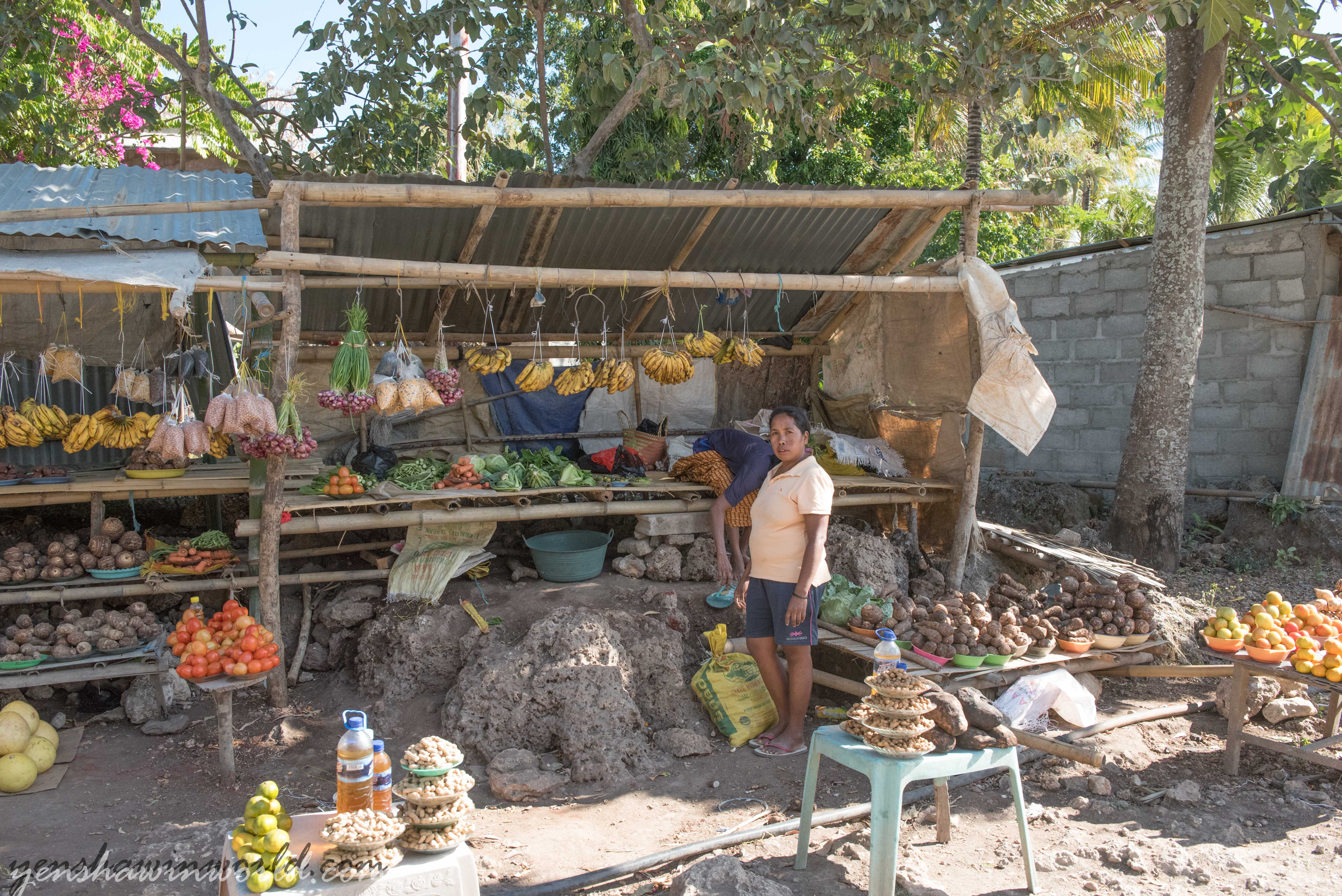
Day 2 in East Timor proved to be a very beautiful drive up the back hills of Dili through numerous villages in a heavily forested area.  Emerging on the other side of the mountain, we see a spectacular valley below.  As we continue to the small town of Mubisse, which is set in the central mountain ranges, we drive through some of the most scenic areas, stopping along the way to buy fruits and vegetables.  This area of the country has an abundance of vegetables that supplies the capital and the surrounding areas with fresh produce. 

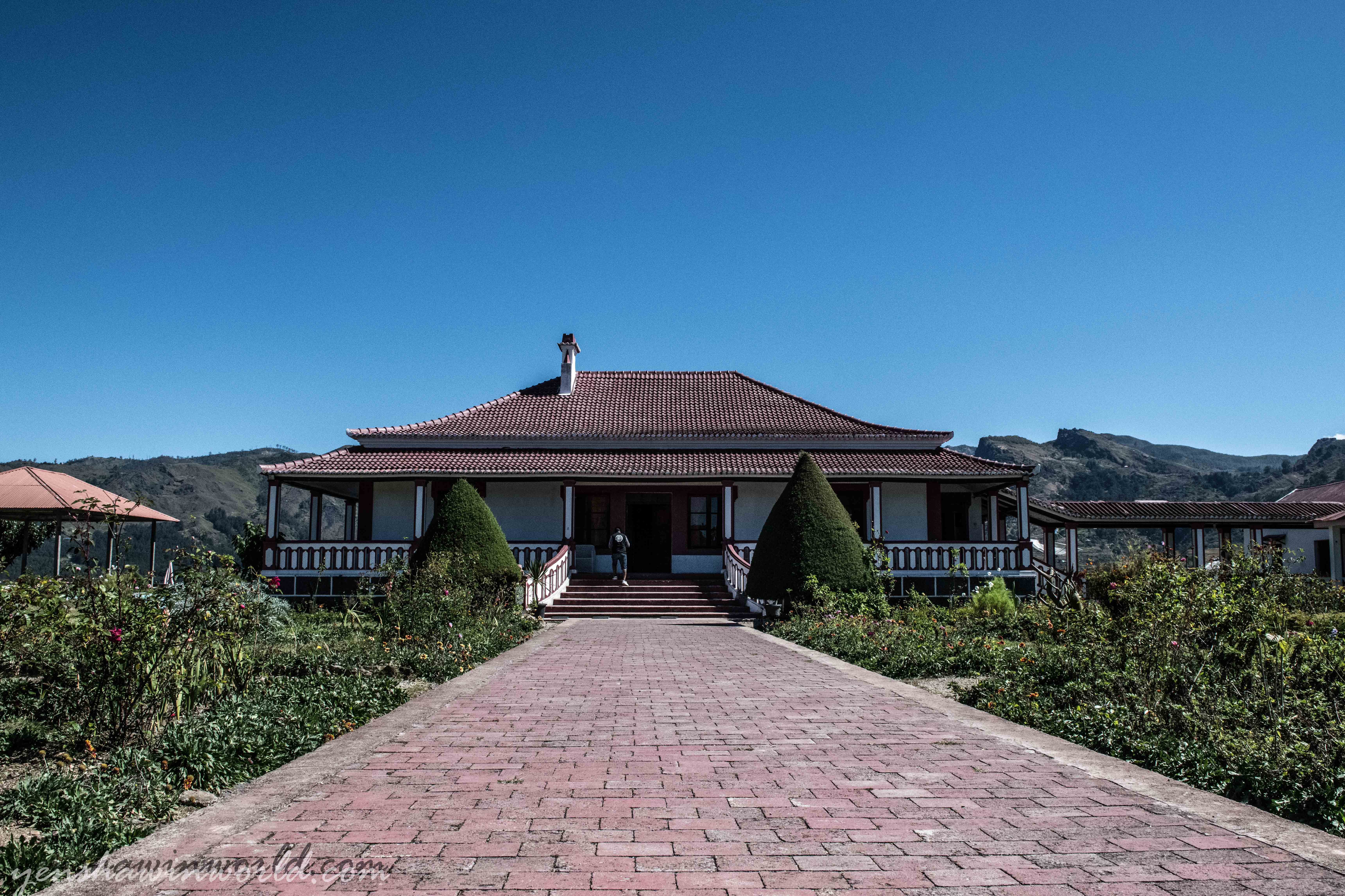
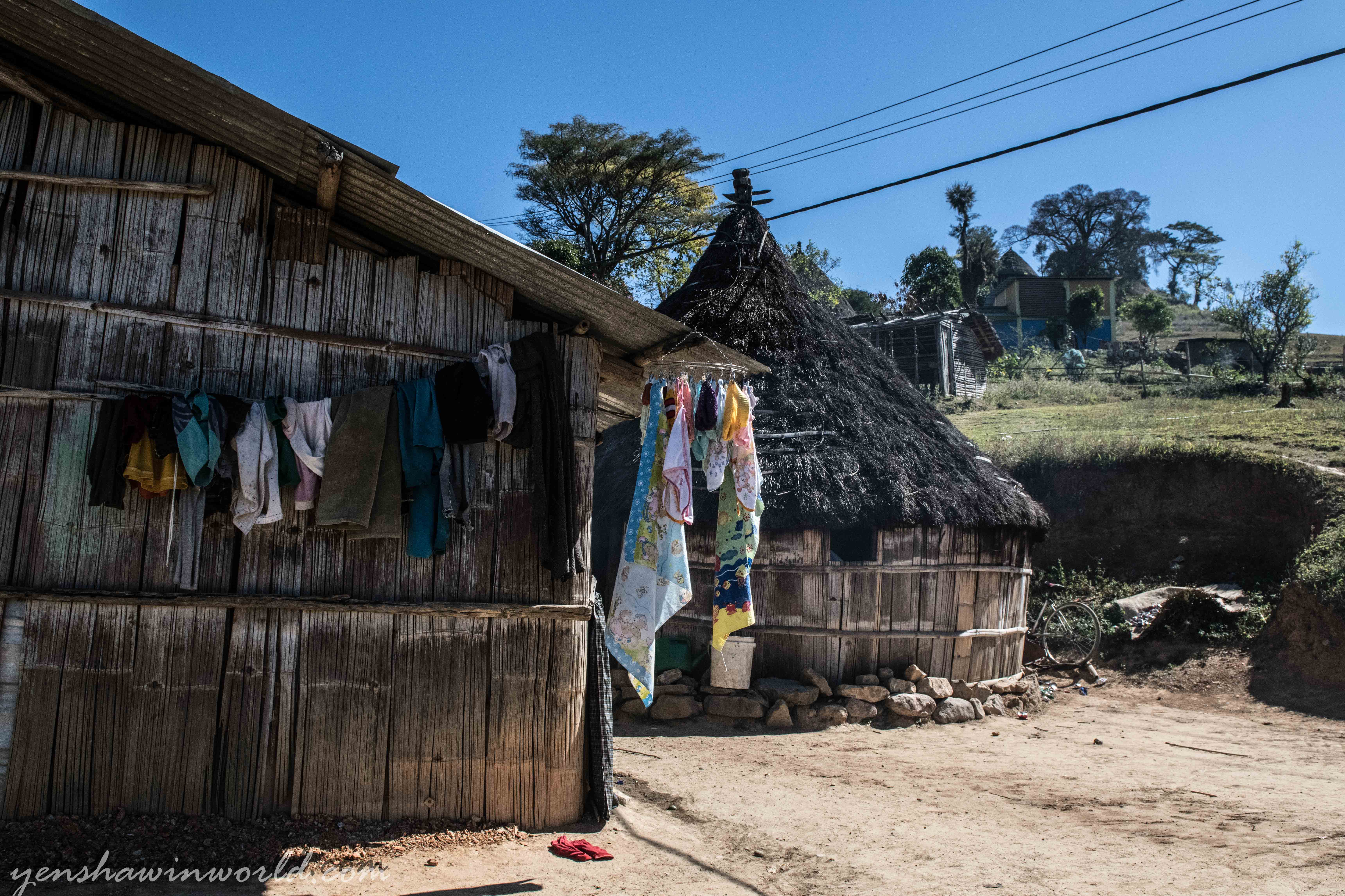


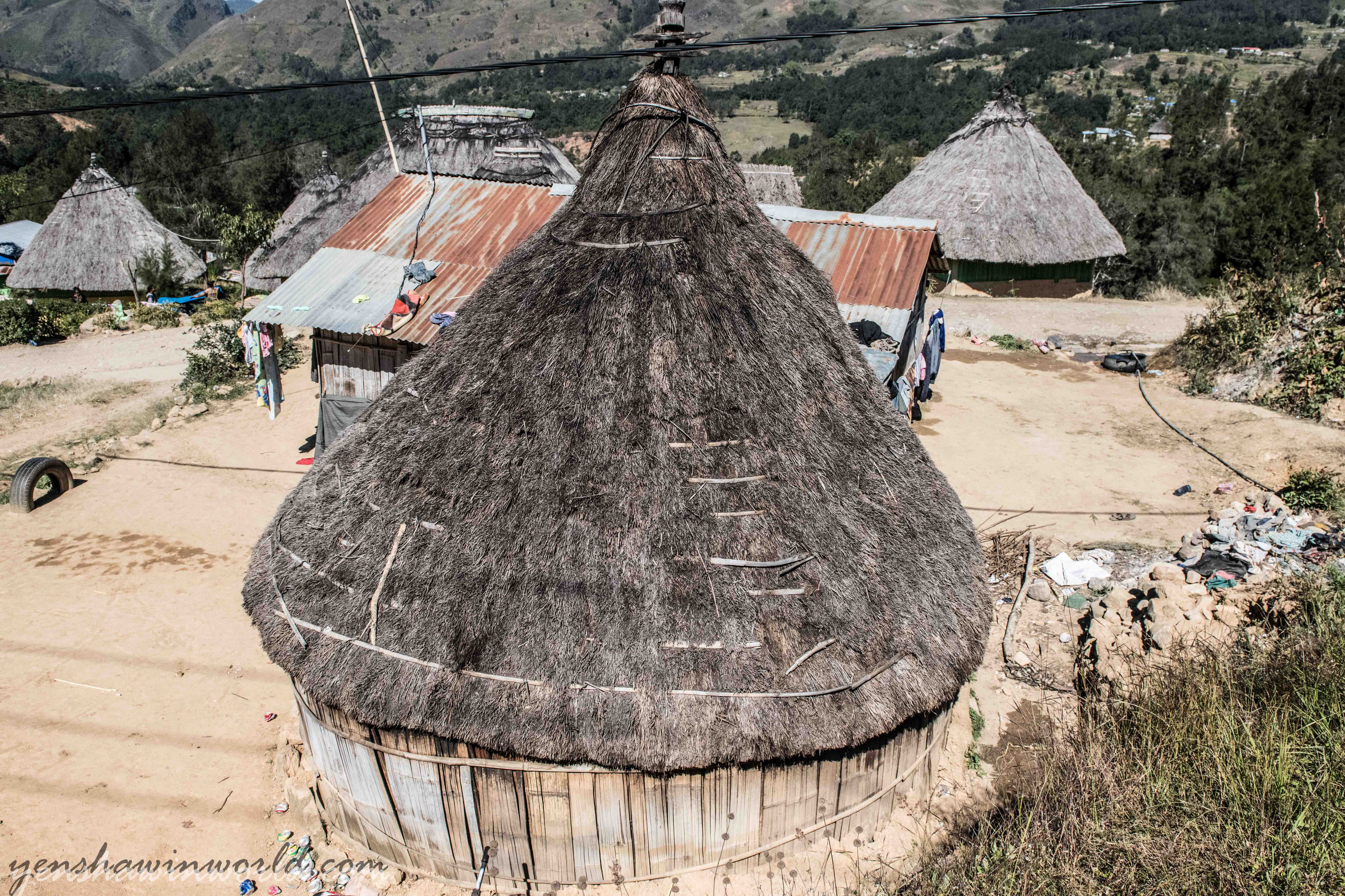
As we get into the town of Maubisse, we notice that many of the traditional houses are made of thatched roofs and are cone shaped.  Here you can see a very old Portuguese style Pousada which is built upon the hill overlooking the valley. 

We were then introduced to a traditional village that still practices animism and one of the leaders explained to us their practices and what happens at the ceremonies.  They usually have ceremonies three times a year, beginning, during and end of growing season and usually sacrifice animals. 

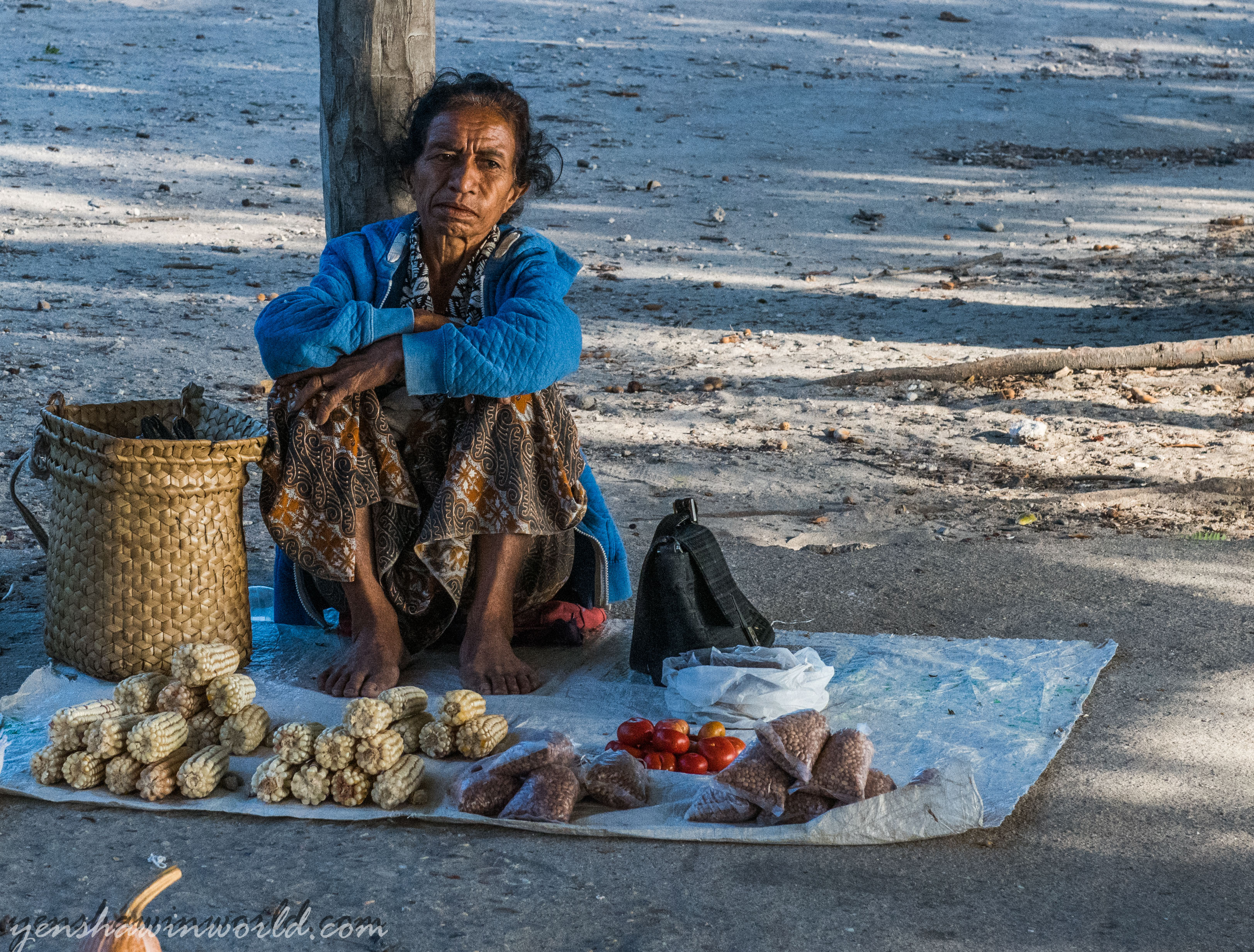
The drive through the mountains was the best part as we saw many people and their ways of life in this region, and how happy they were selling their produce on the side of the road…


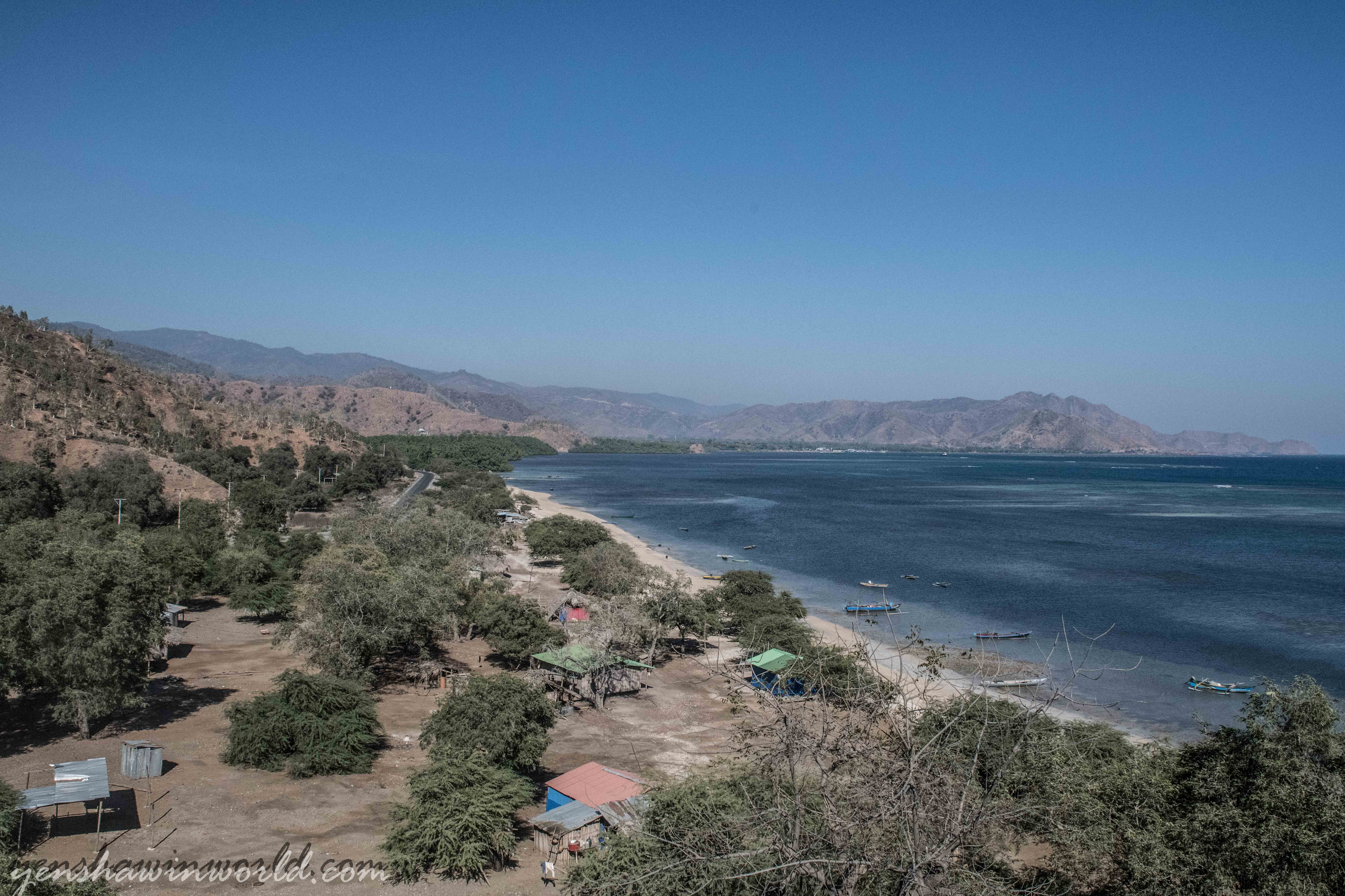



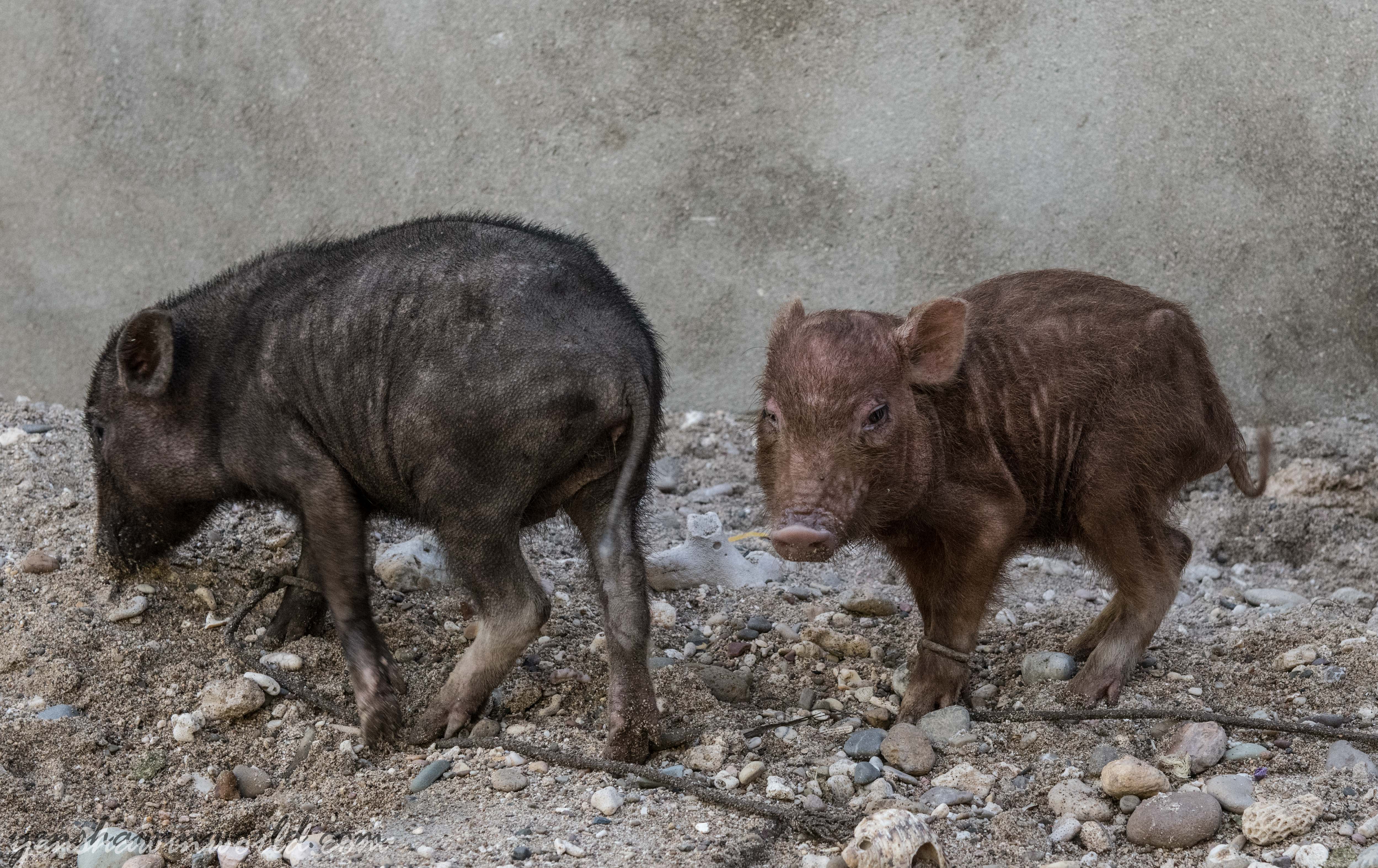



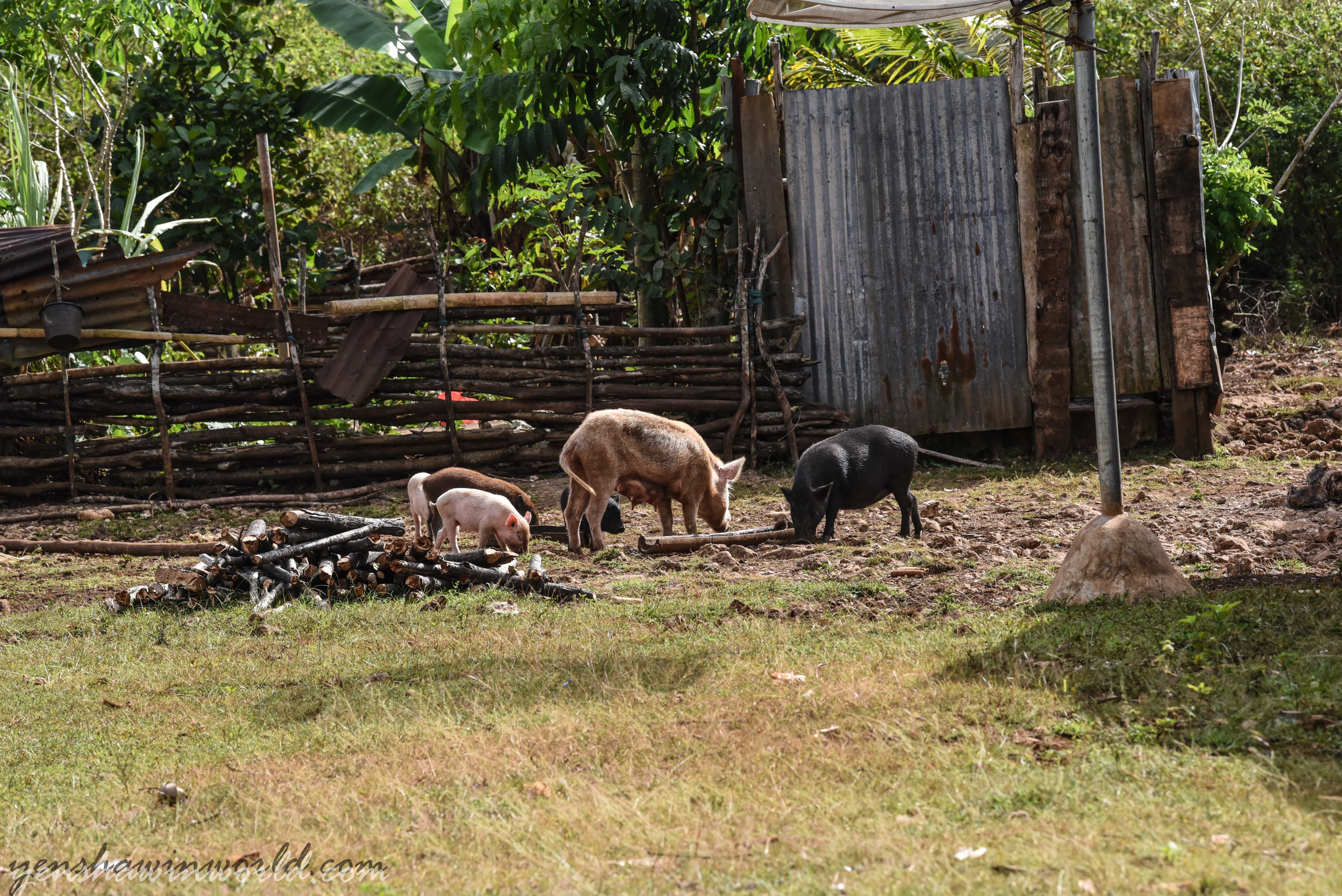

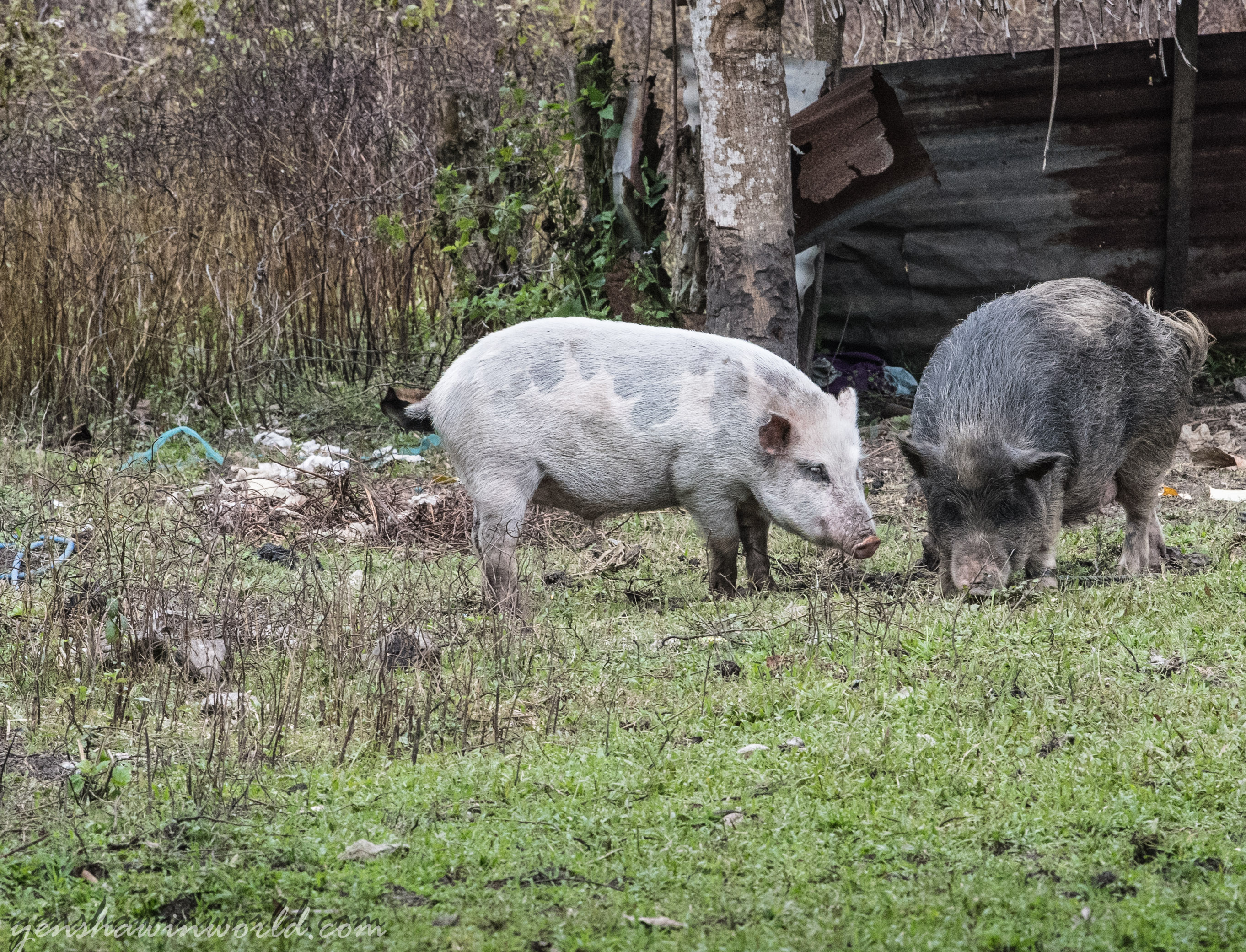
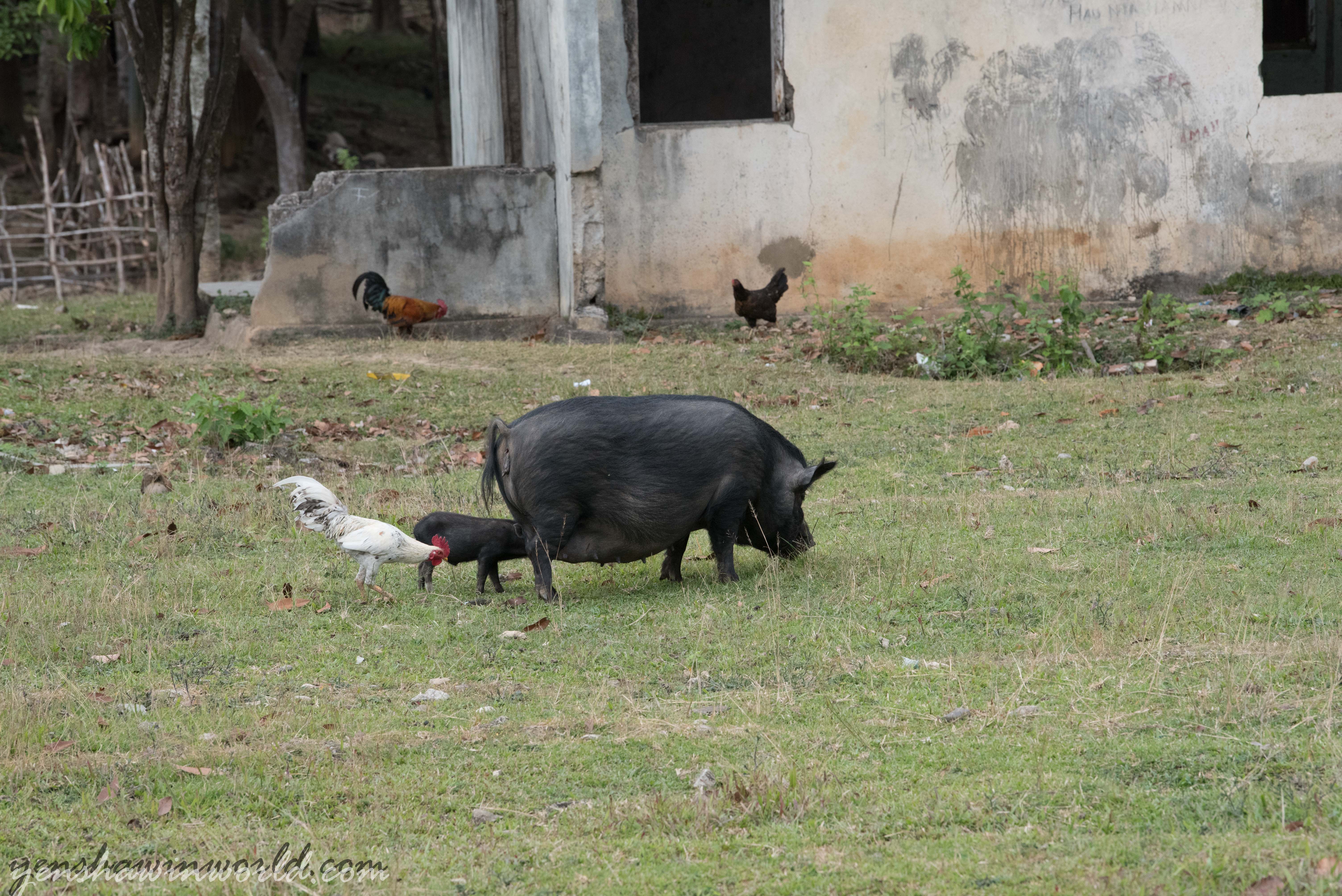
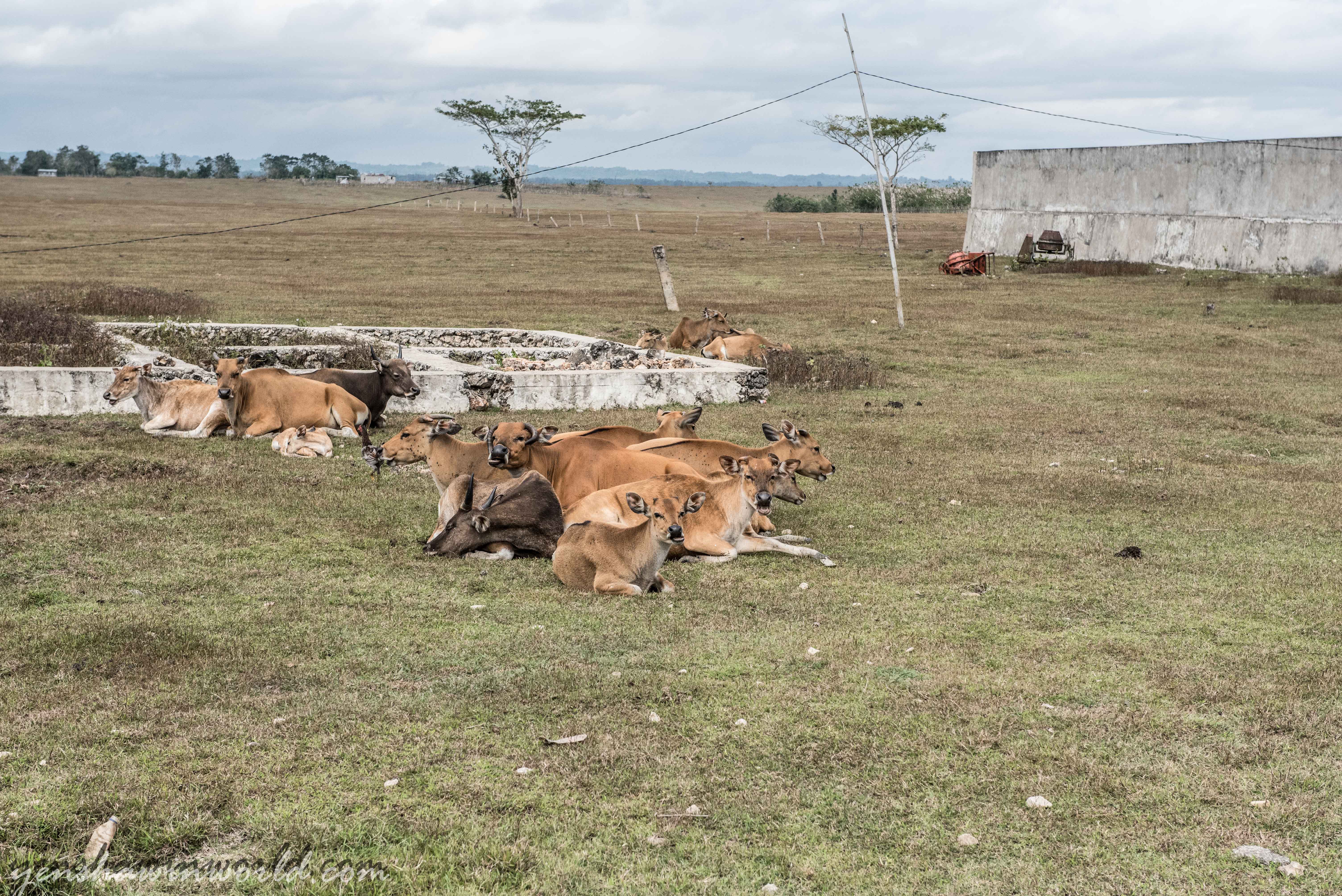

Day 3 saw us driving from Dili to Com Beach which normally would only take us a few hours.  However the roads here are not in the best of shape and there is construction going on just about everywhere by the Chinese.  Despite all of this, the scenery was magnificent as we drove through the second biggest city of Baucau and through small villages along the way.  We followed the coastline pretty much most of the way and saw a change in villages.  Along the way we saw all the farm animals that the people value so much such as pigs, goats, cows, and buffalo.  Truly amazing drive day despite the bad roads and dust (which I don’t mind)…..
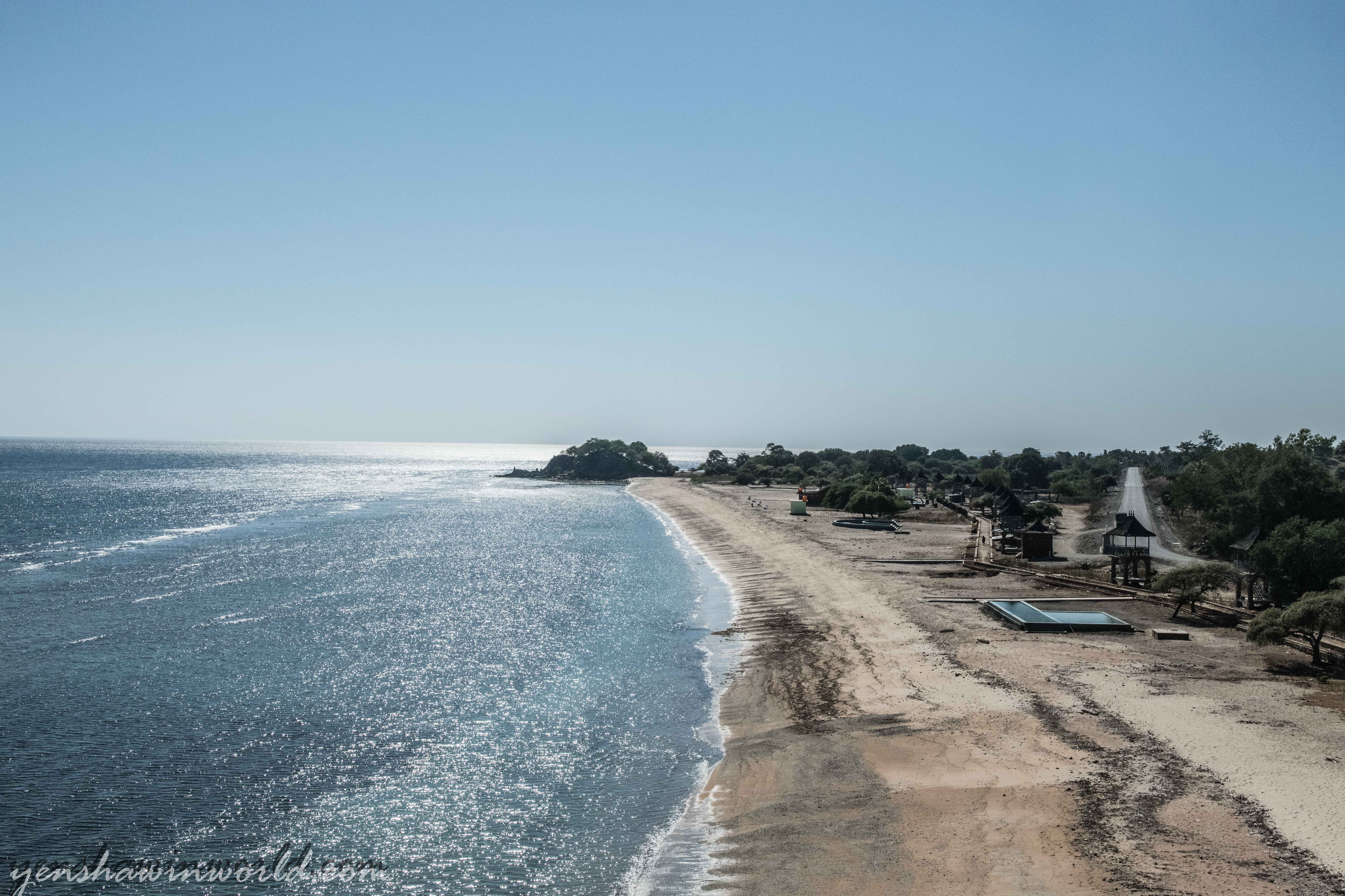






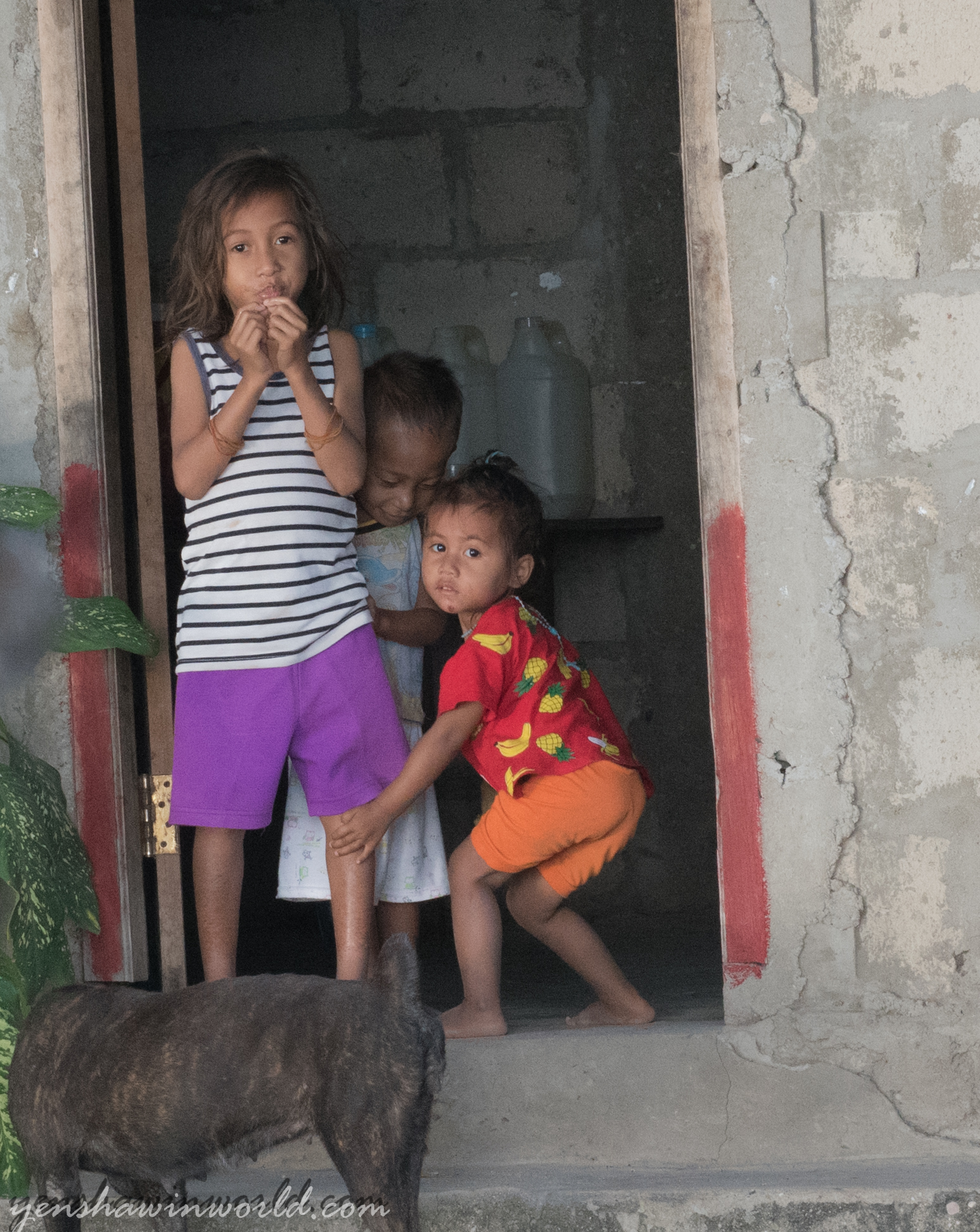






Getting into Com Beach, we stayed at a small guesthouse situated right on the water.  Not more than 5 meters from your room is one of the prettiest and untouched beaches I have ever seen, surrounded by a small town of fishermen (and a lot of children)….


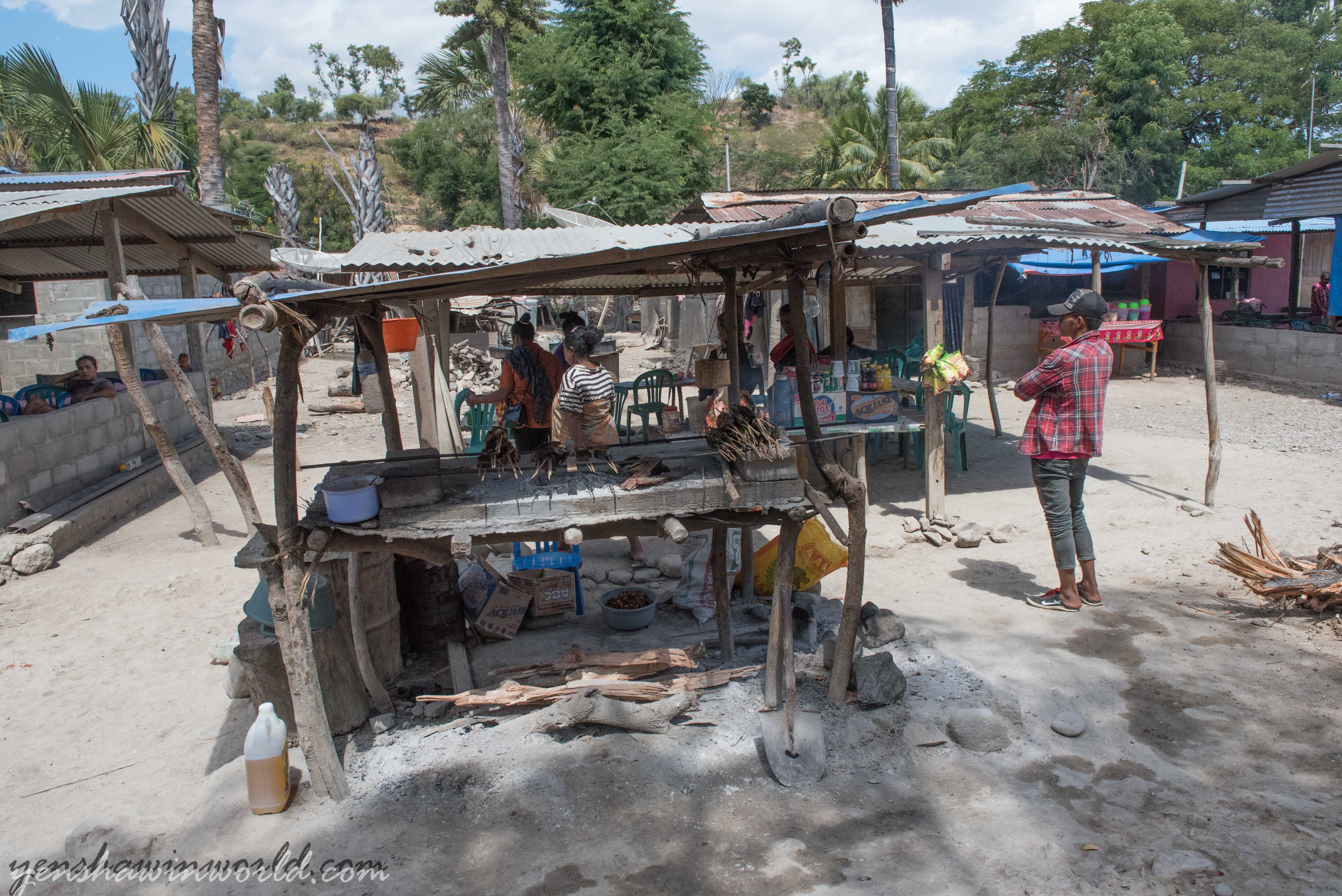
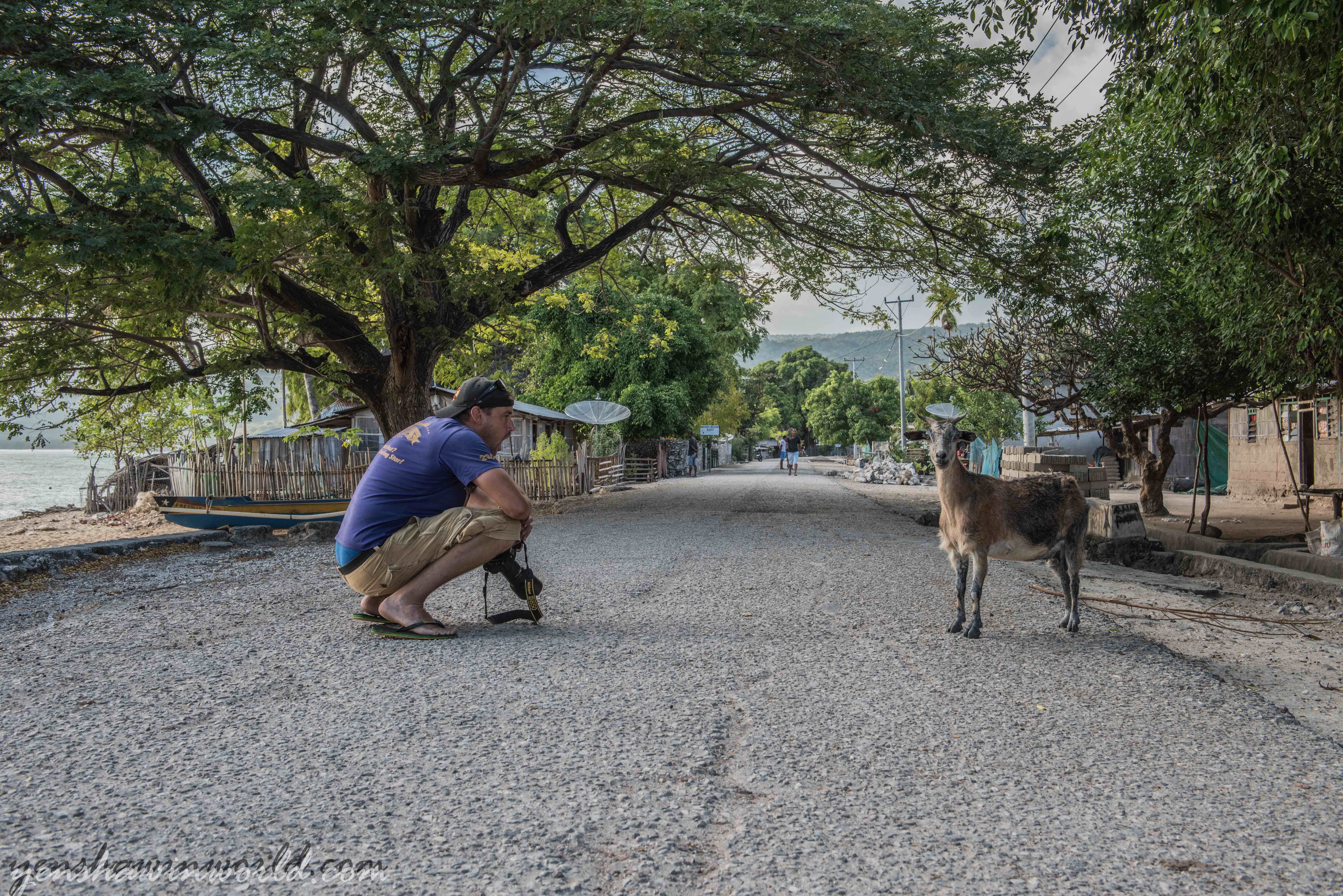
Next day was a short four hour 80 kilometer trip to Jaco Island.  On the way there were some magnificent scenery including small villages with villagers smiling and waving, and stopping at a local place were some ladies were selling fruits and vegetables!!!  The roads again were very rough with a lot of potholes and roads that were not finished. 
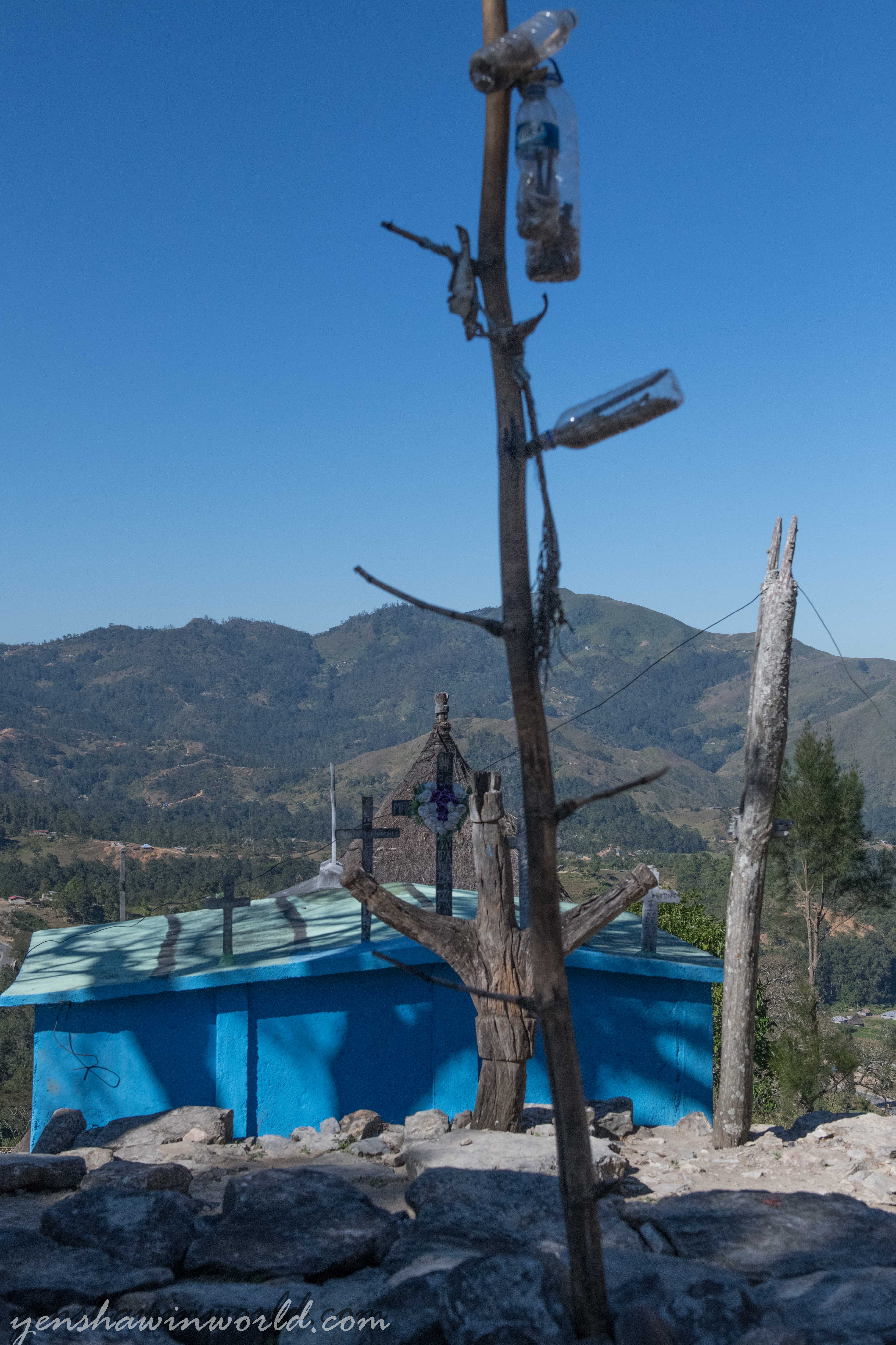
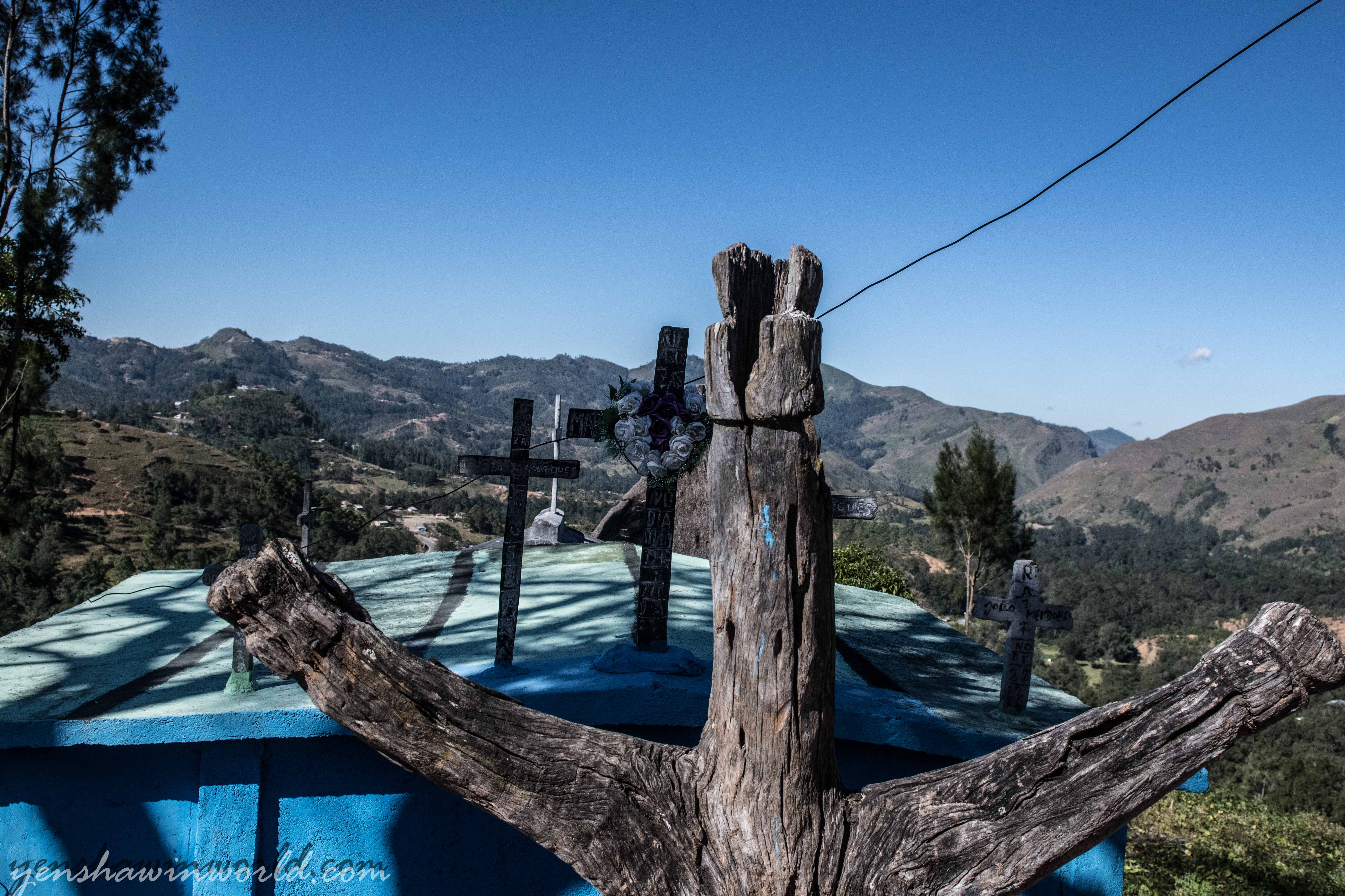














On the way we got a chance to go to a combined Christian and Animist cemetery.  The animist cemetery usually has goat or buffalo heads which is an offering of how many they kill after the person passes away.  They were beautifully built yet very eerie
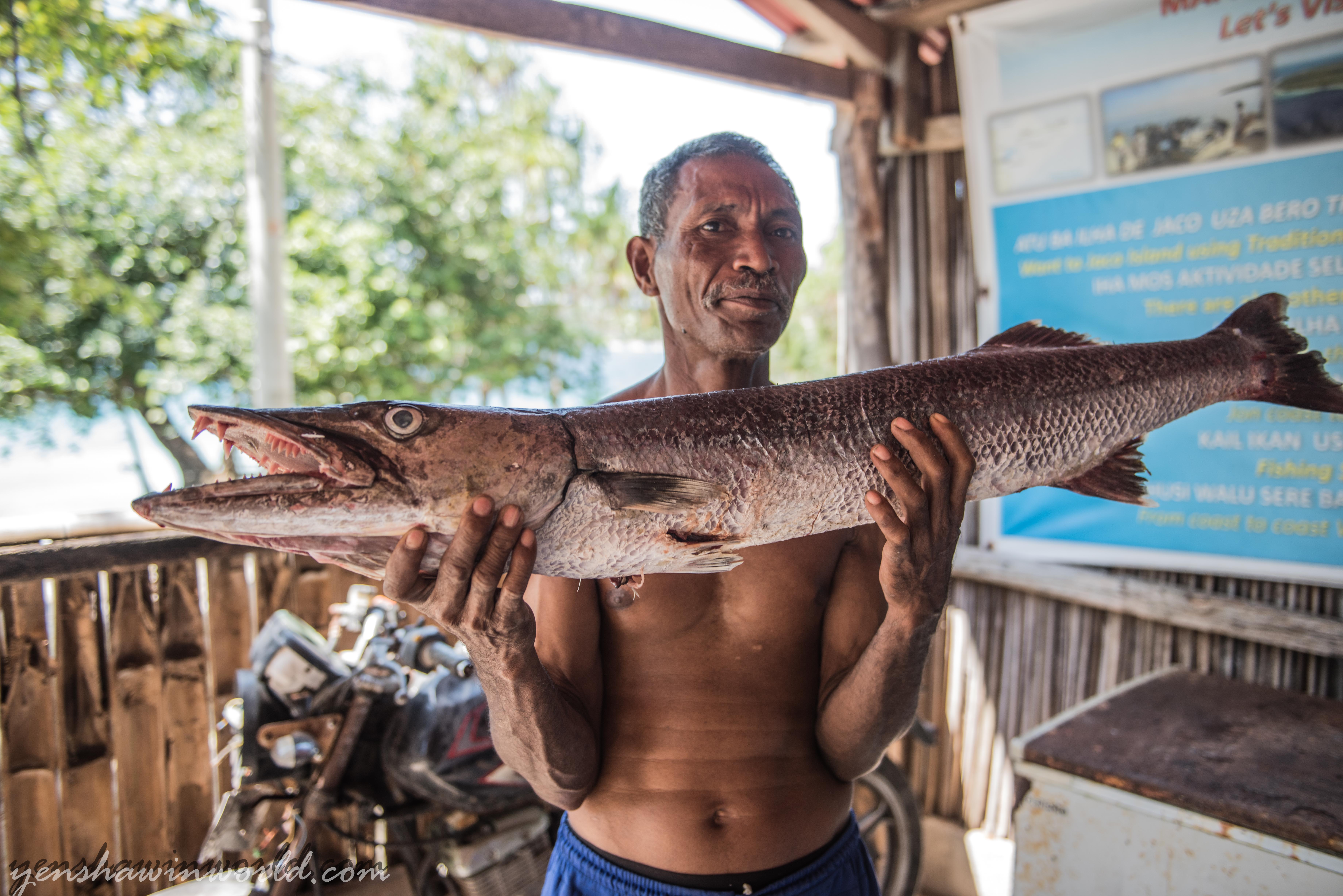




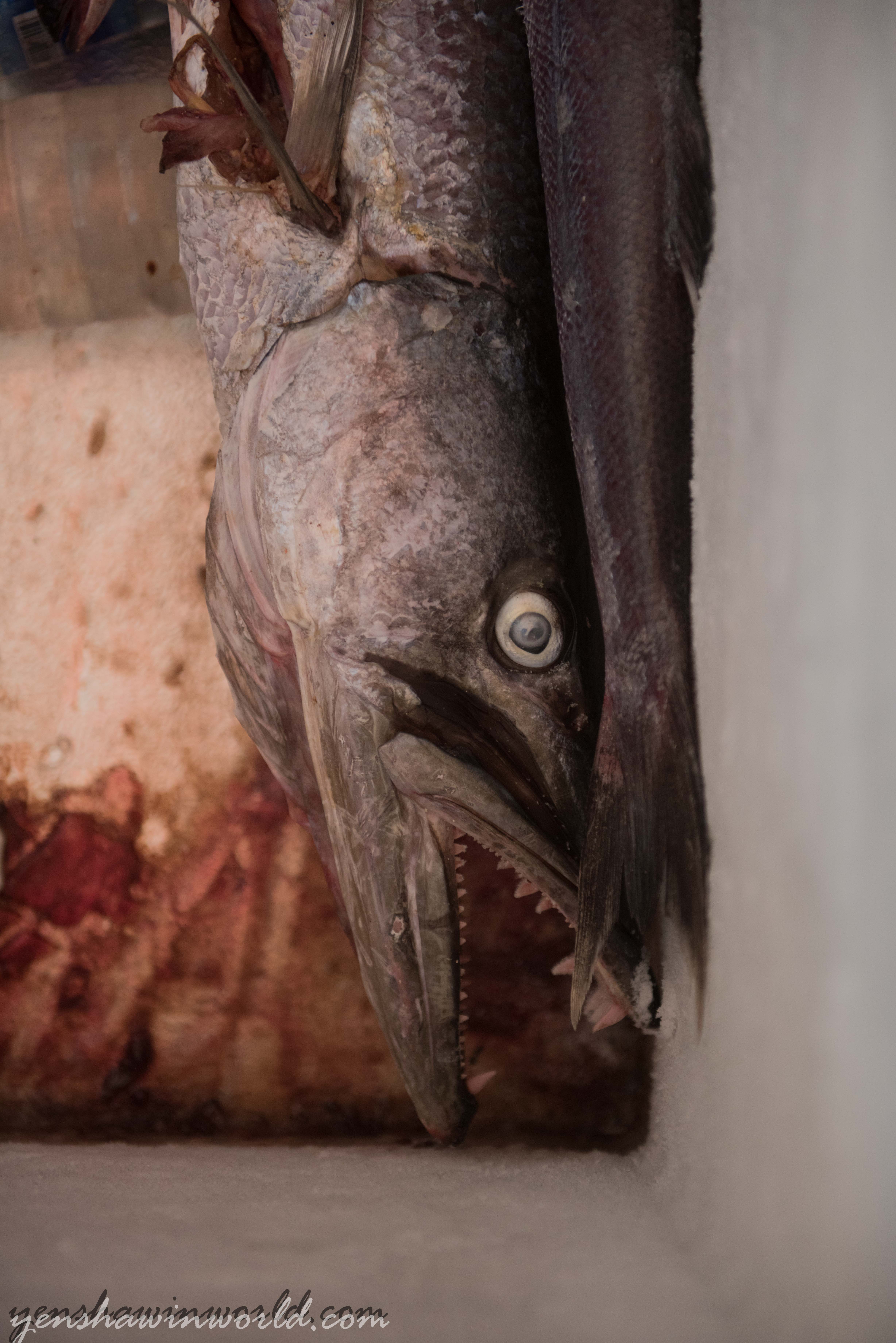
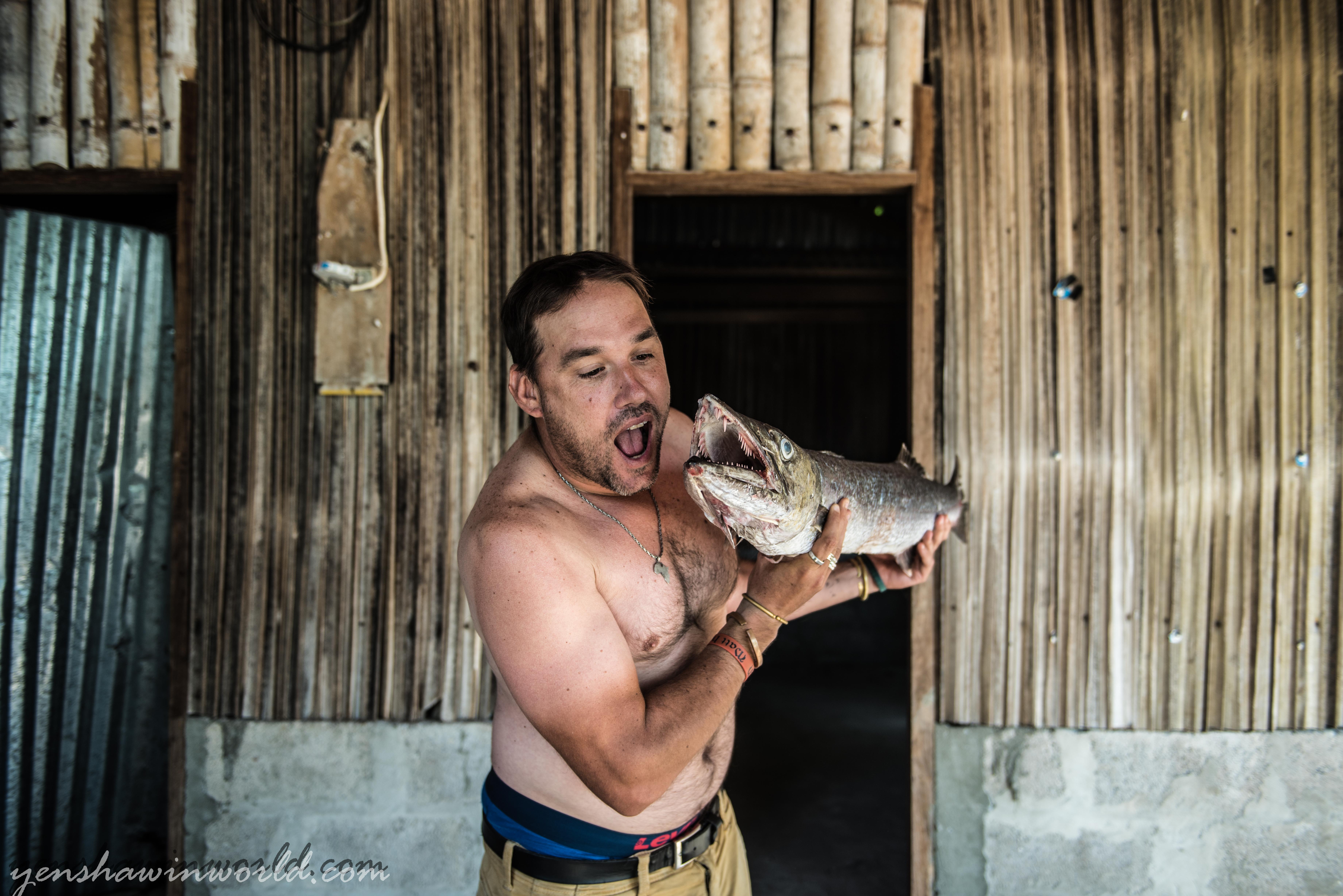
A little while down the road we get to Valu Beach which is a very isolated community that is miles from any type of town or civilization.  We then were able to buy a Barracuda for 35 dollars!!!!  We then went to a deserted island beach named Jaco Island which is forbidden for people to camp there, so we spent the day there and started eating our Barracuda.  We spent the time relaxing, talking, eating, walking, and snorkeling on this lovely white sand deserted island!!!!  We tried to finish the Barracuda at night, however being about 5 kilos, us three were only able to finish off about a third of it!!!
The last full day was the long drive back to Dili along the bumpy yet fun roads.  Along the way we went upon some of the same villages as before watching the people run around out in the streets in their houses and going about everyday life!!!  We went along some alternate roads until we reached Baucau and took the same roads back that led us on this adventure to the isolated beaches….

Overall , this was a great trip and well planned out.  The roads of course reminded me that of the beat up roads of West Africa.  I think seeing all the people in the villages happy and going about their everyday lives made this trip much more worthwhile.  These people are the true workers of the world, living with barely anything, having to go and fetch water from sometimes kilometers away, and live off what they produce in the gardens.  Besides being given as dowries to the family of the wife, they are also used as a source of income as well as a source of food for these villagers.  East Timor, you have been great!!!!
Philippines

The Philippines is a set of islands that is very popular with people from just about everywhere in the world.  With its mix of cultures and food, this place is a gastronomic delight for all people. 

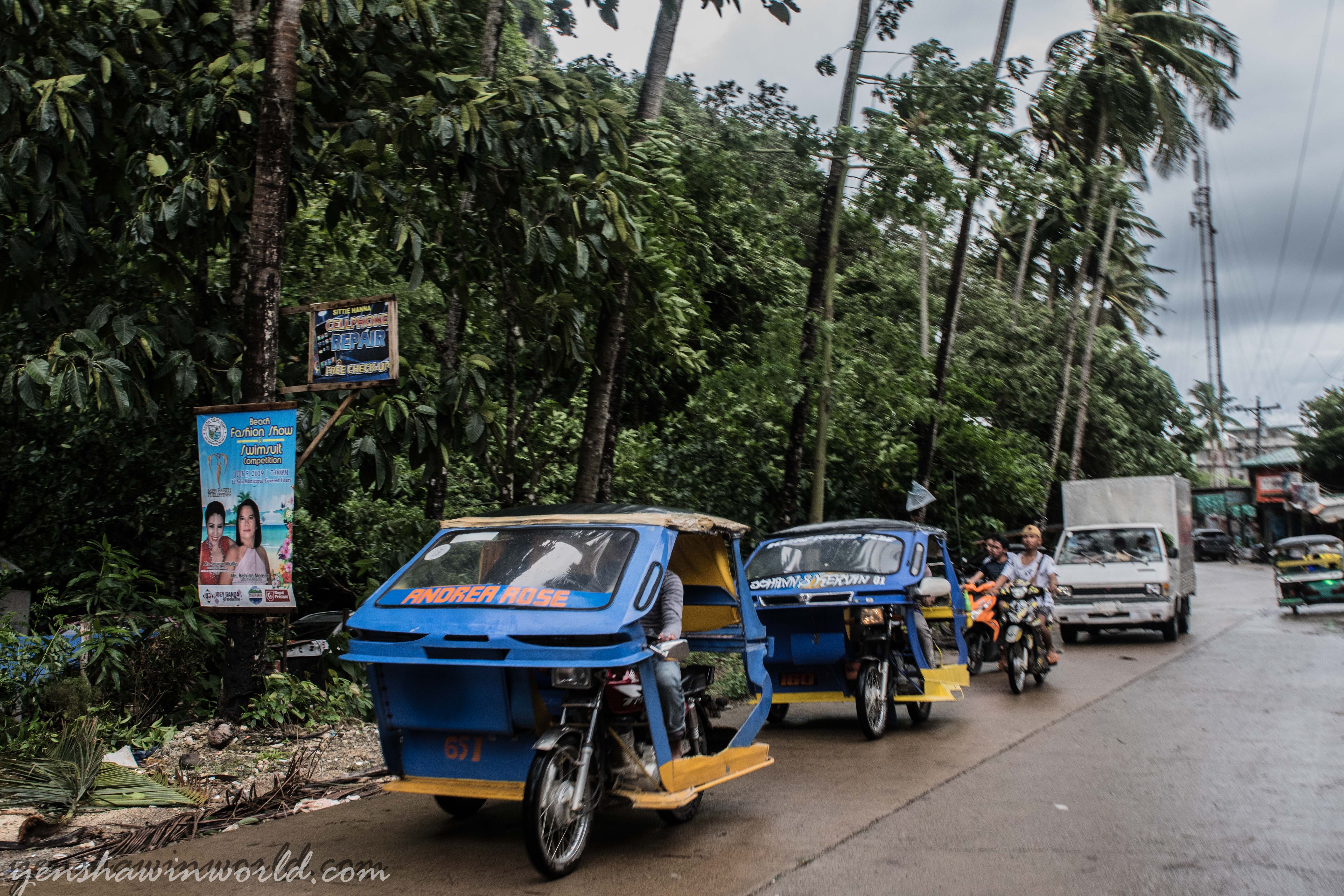
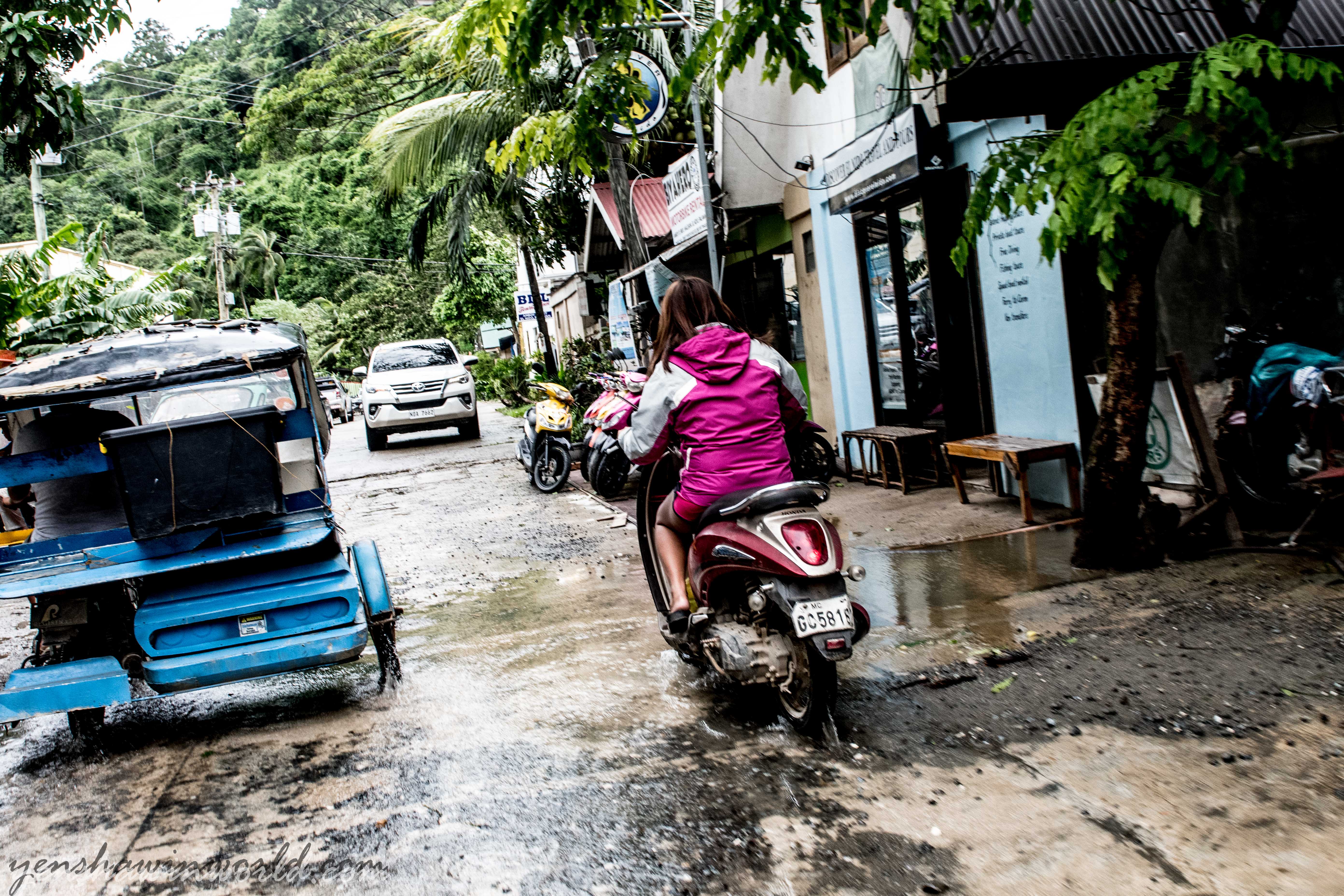
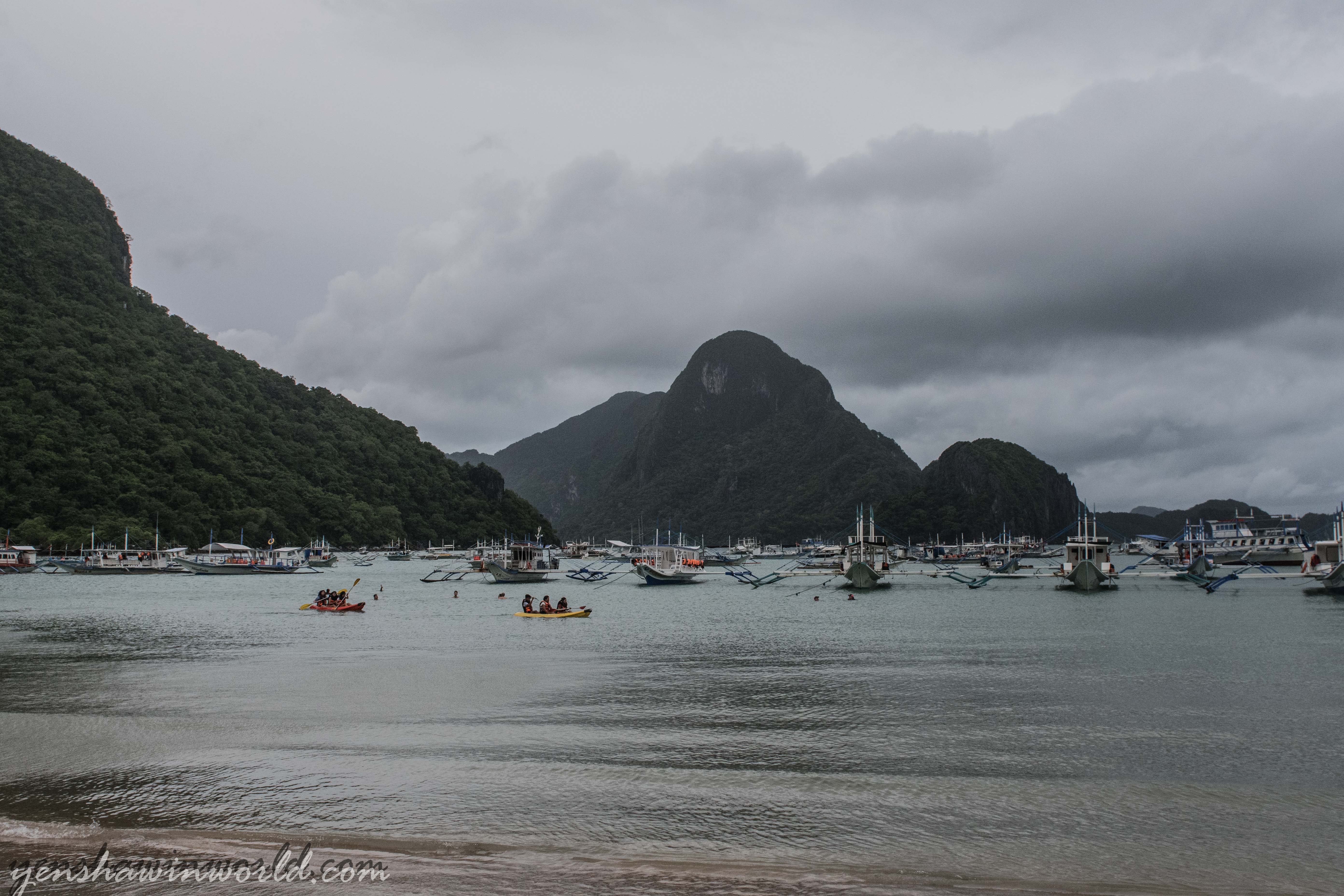
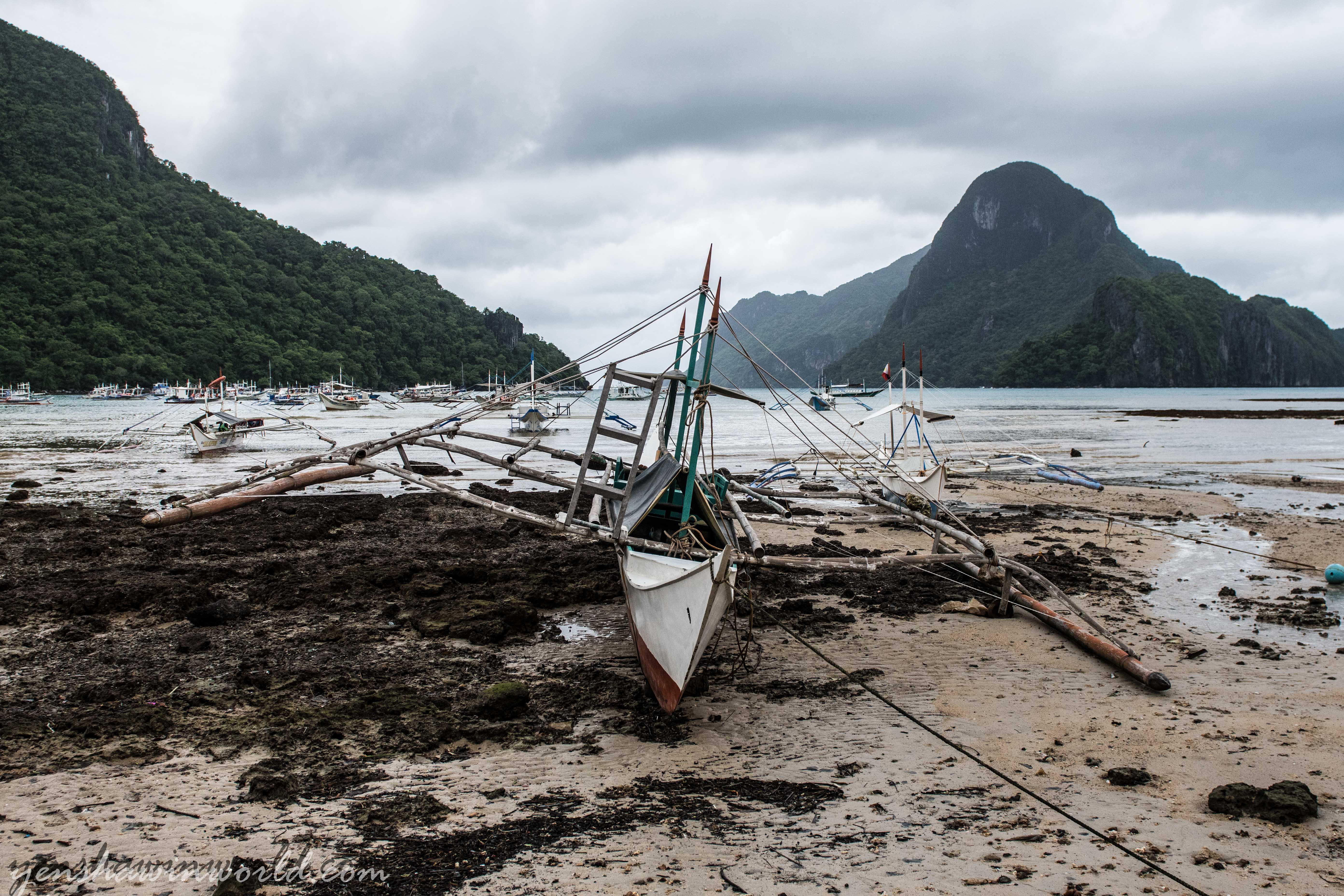
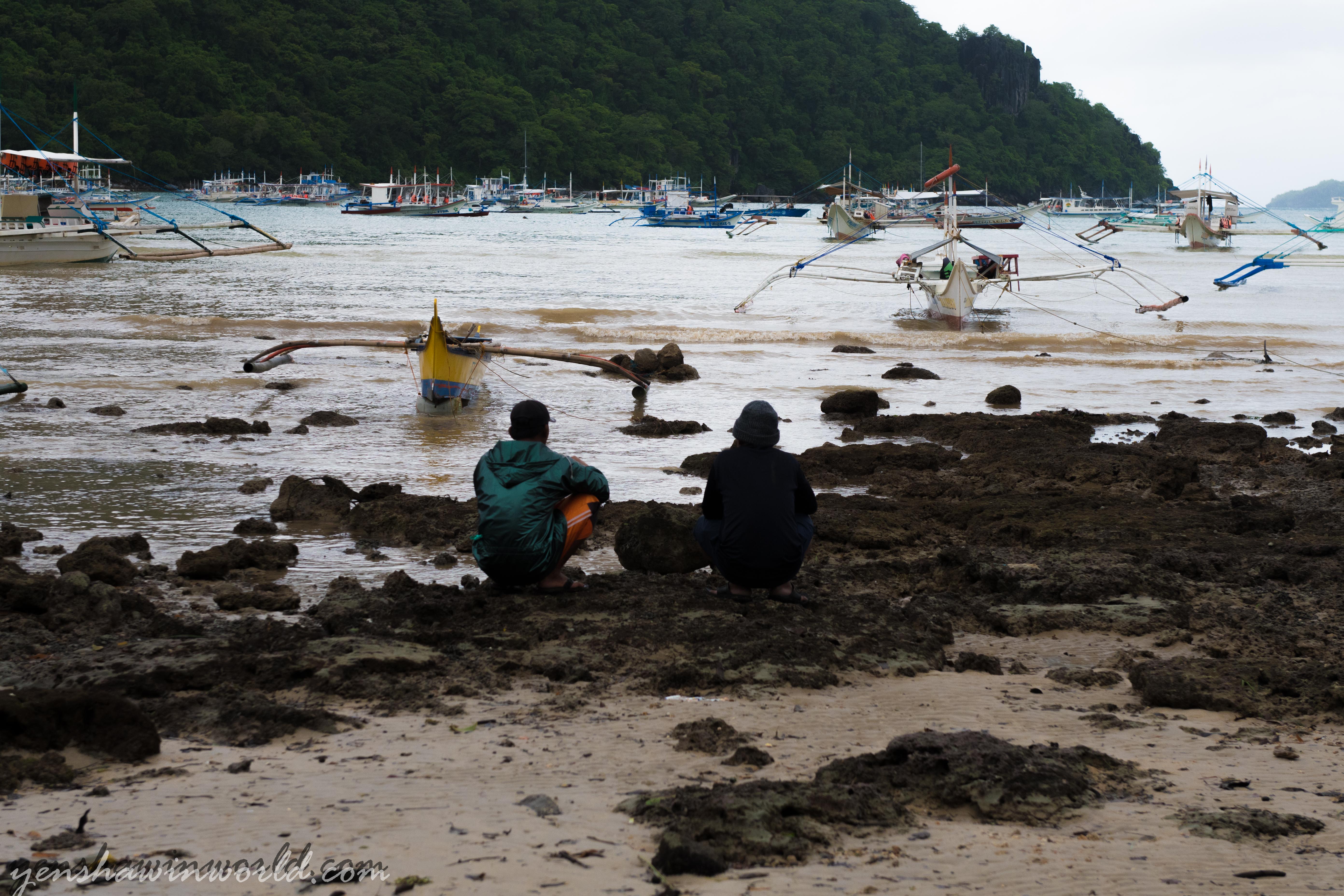
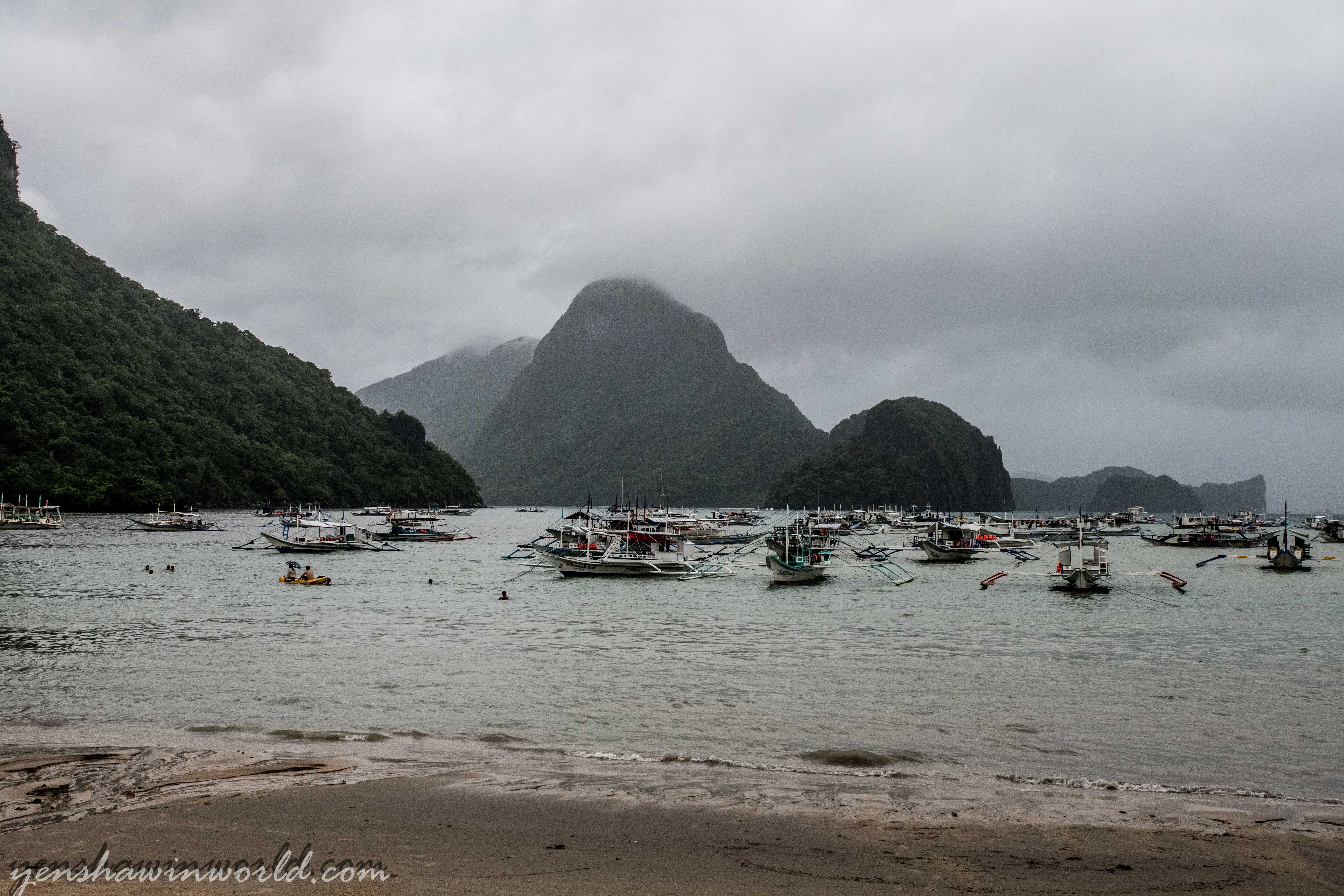
Unfortunately I showed up to the island of Palawan during a freak typhoon that pretty much lasted the whole time I was there.   It was difficult to leave the hotel during the daytime because of strong torrential downpour rains and even stronger winds:

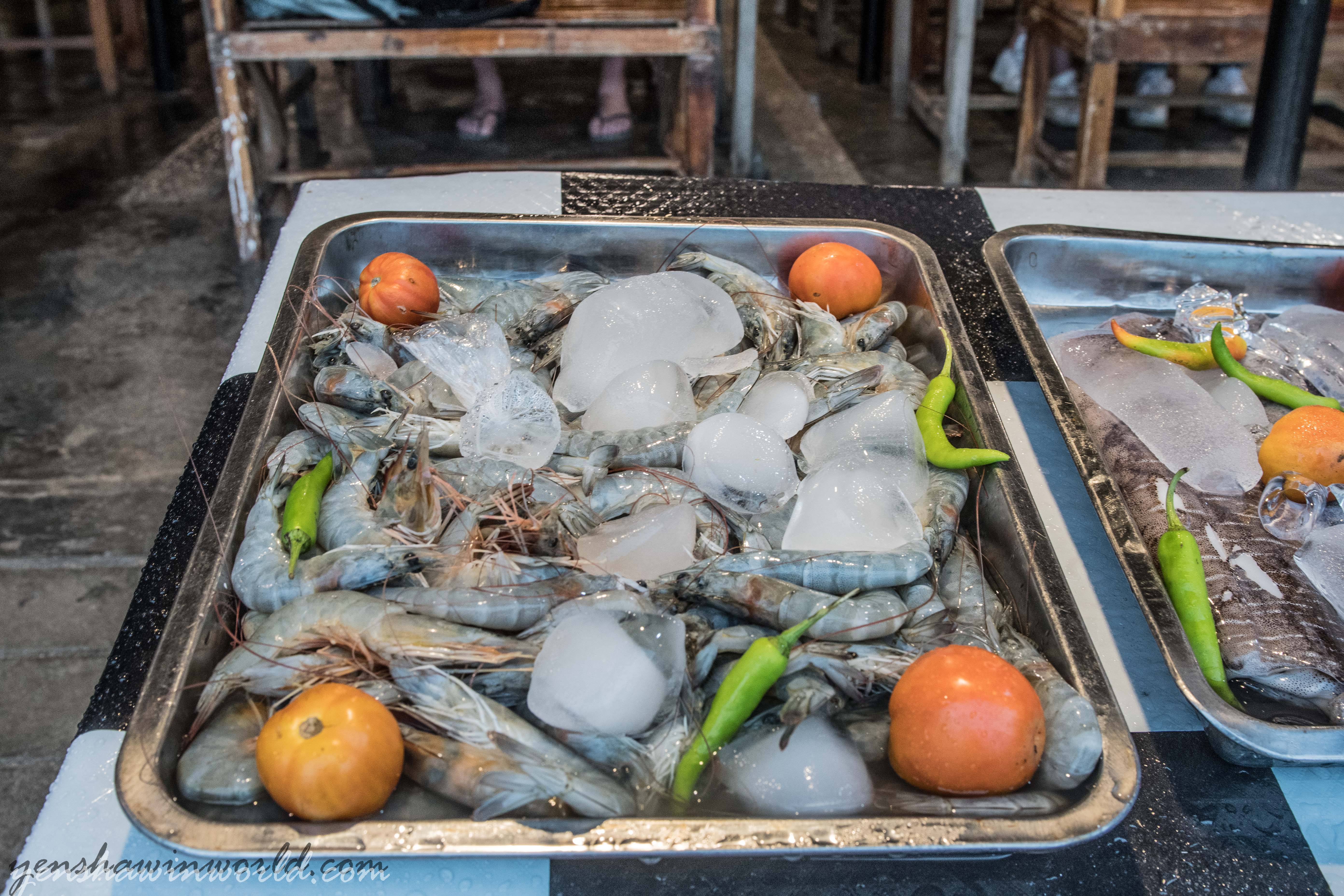
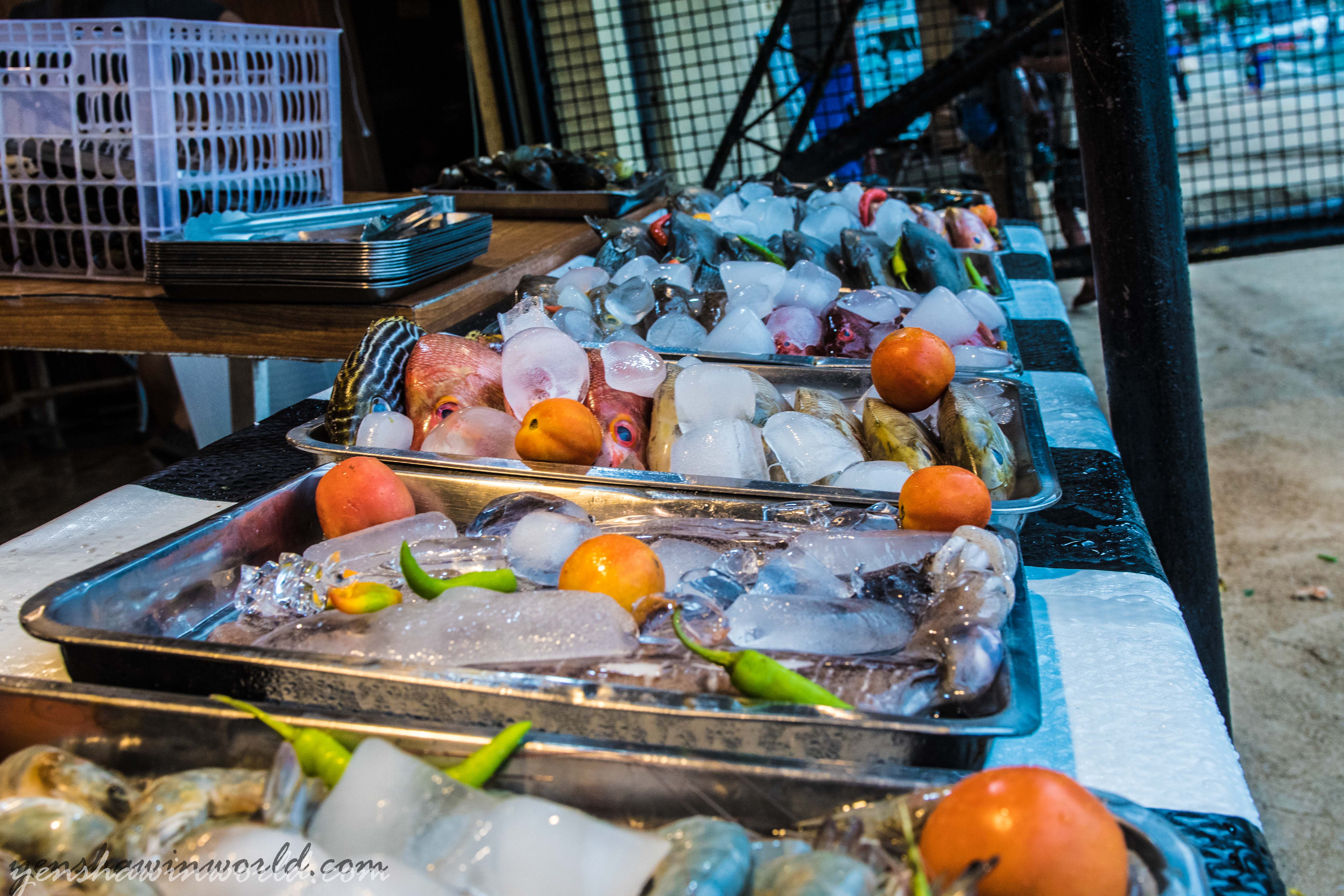
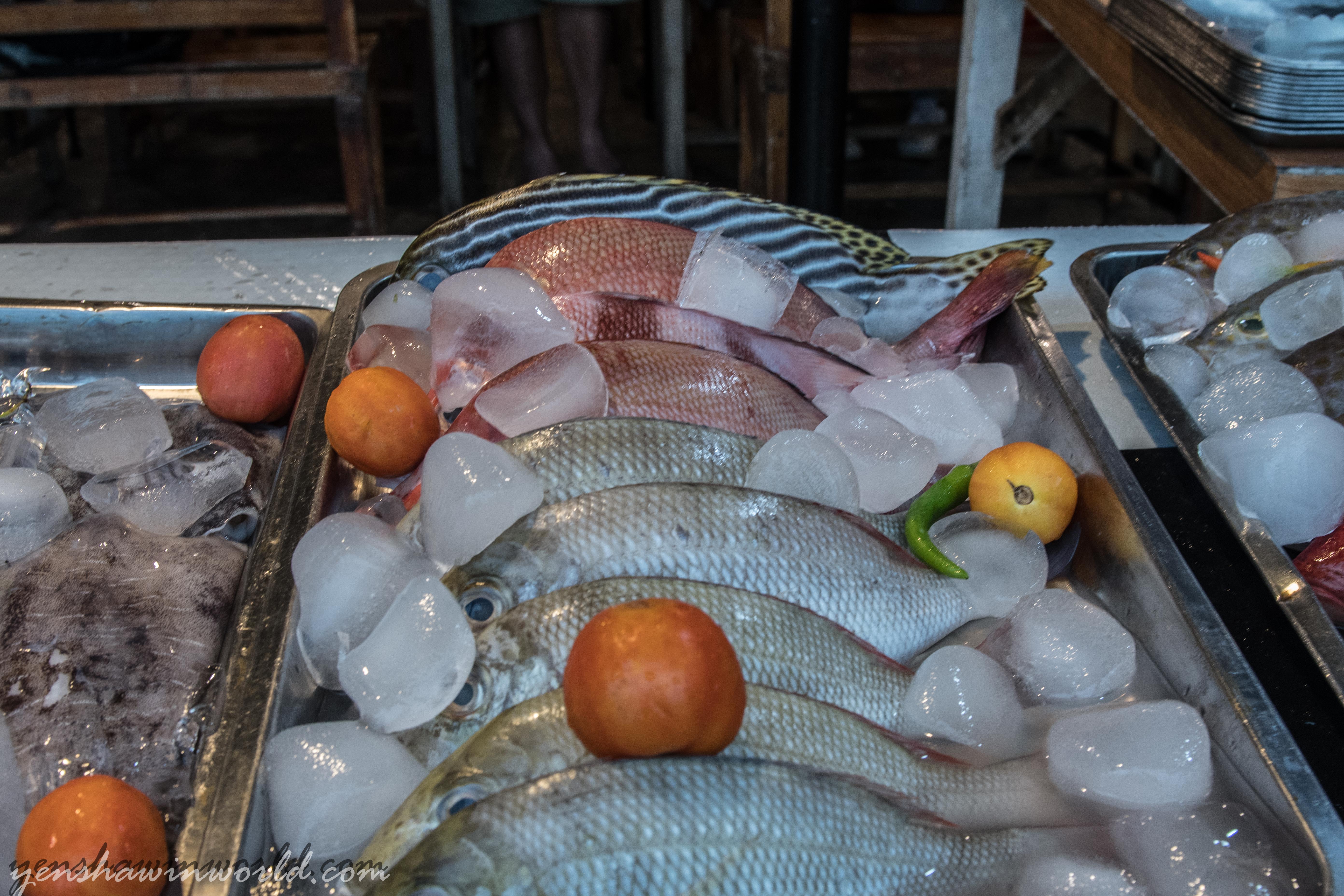
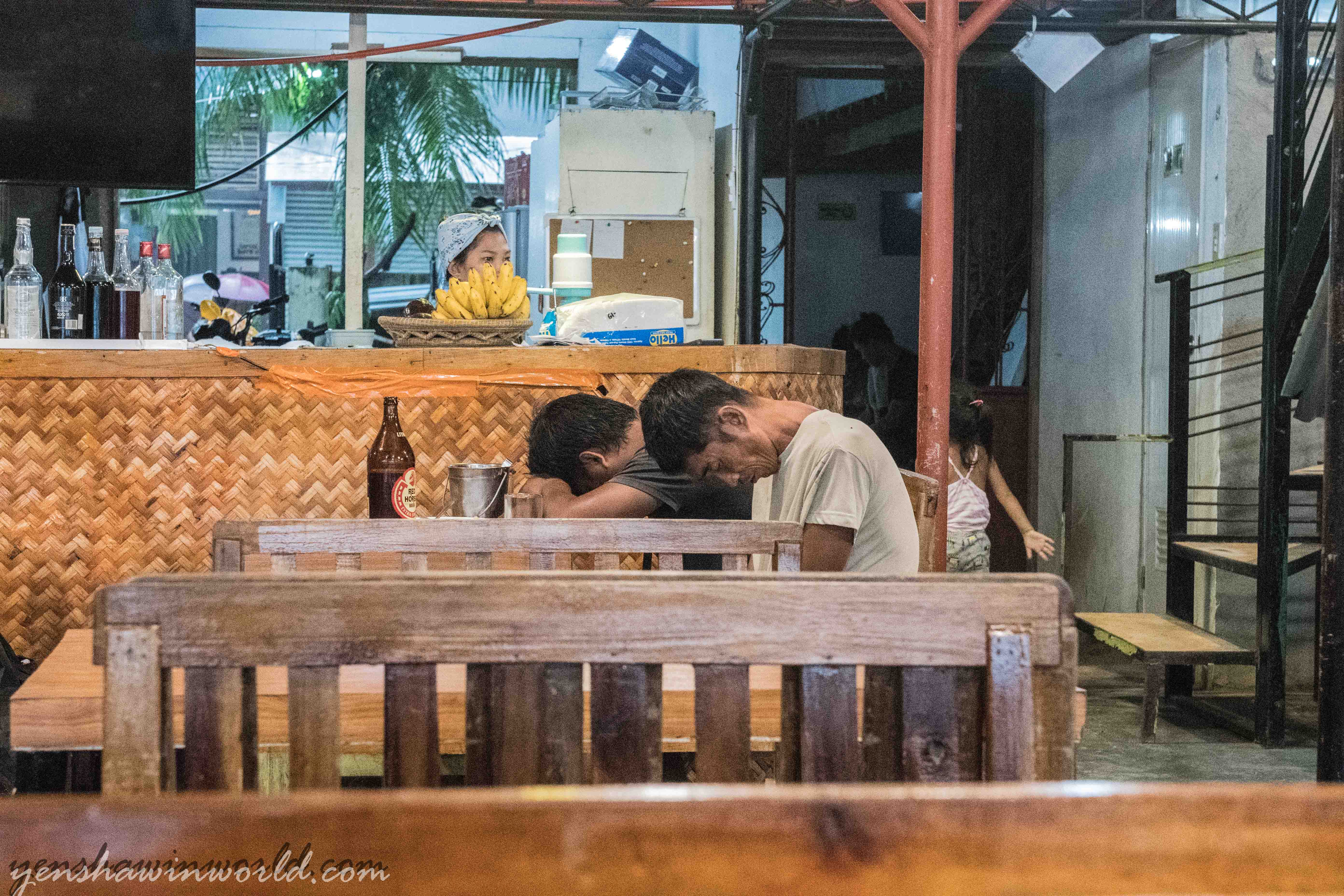
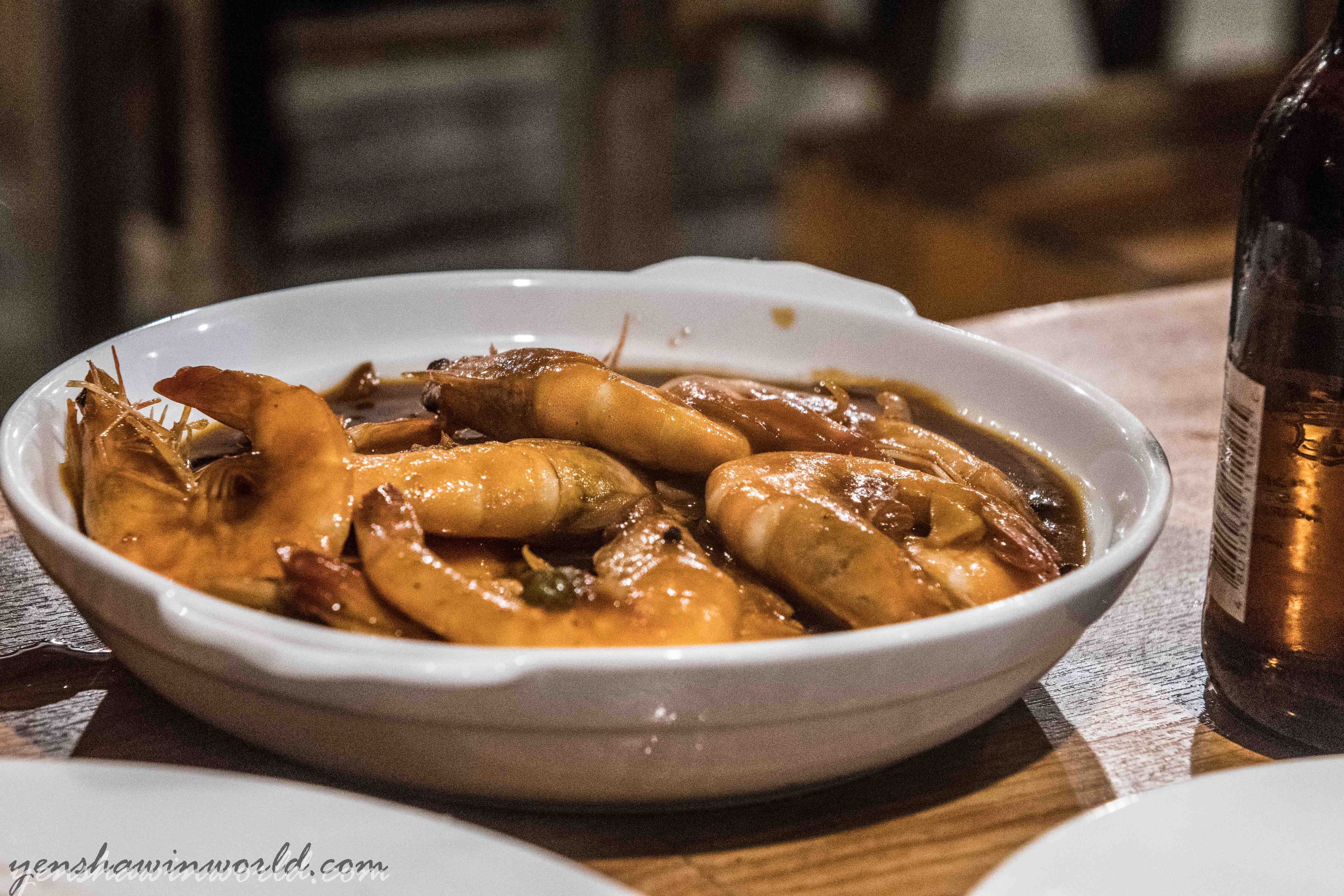
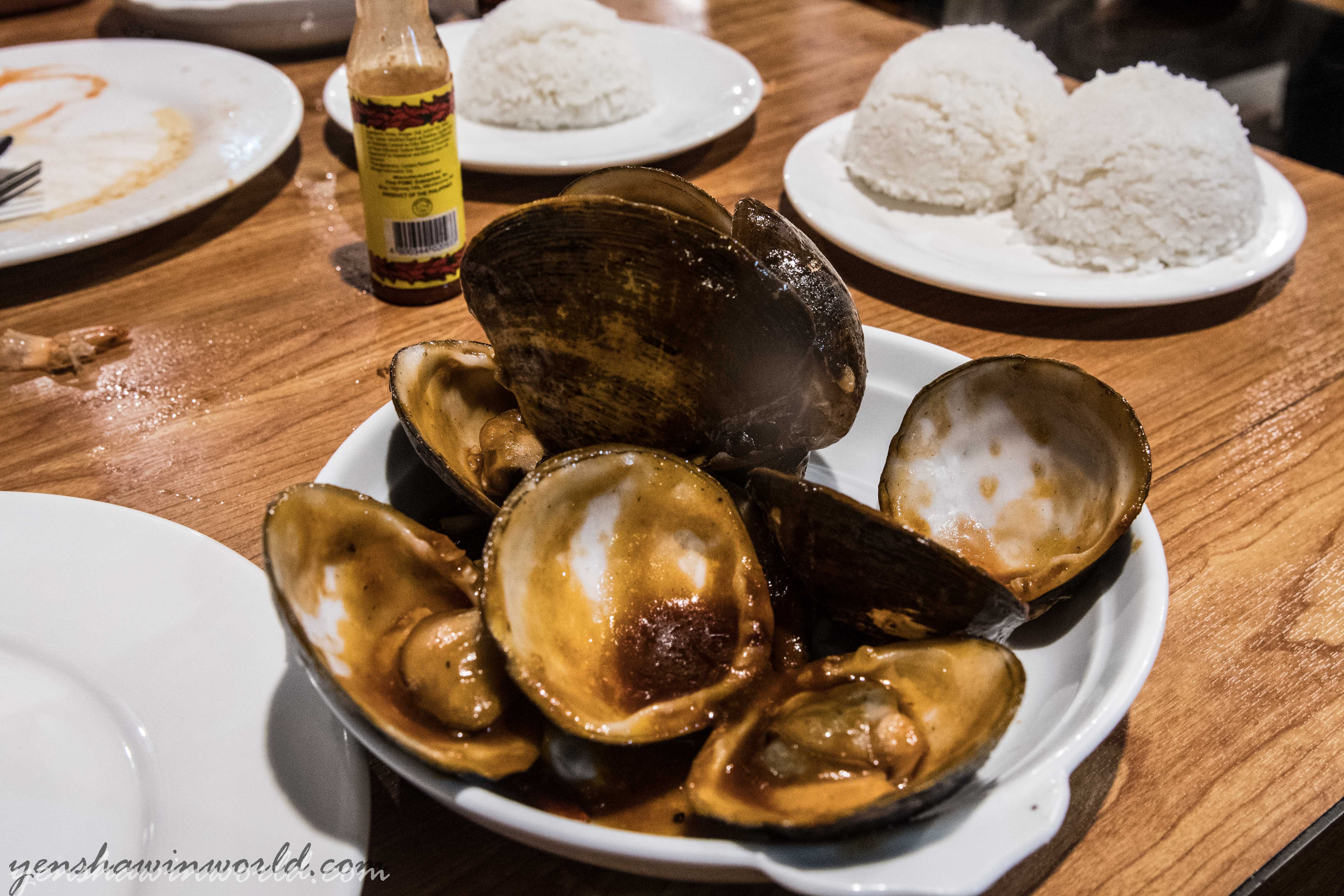
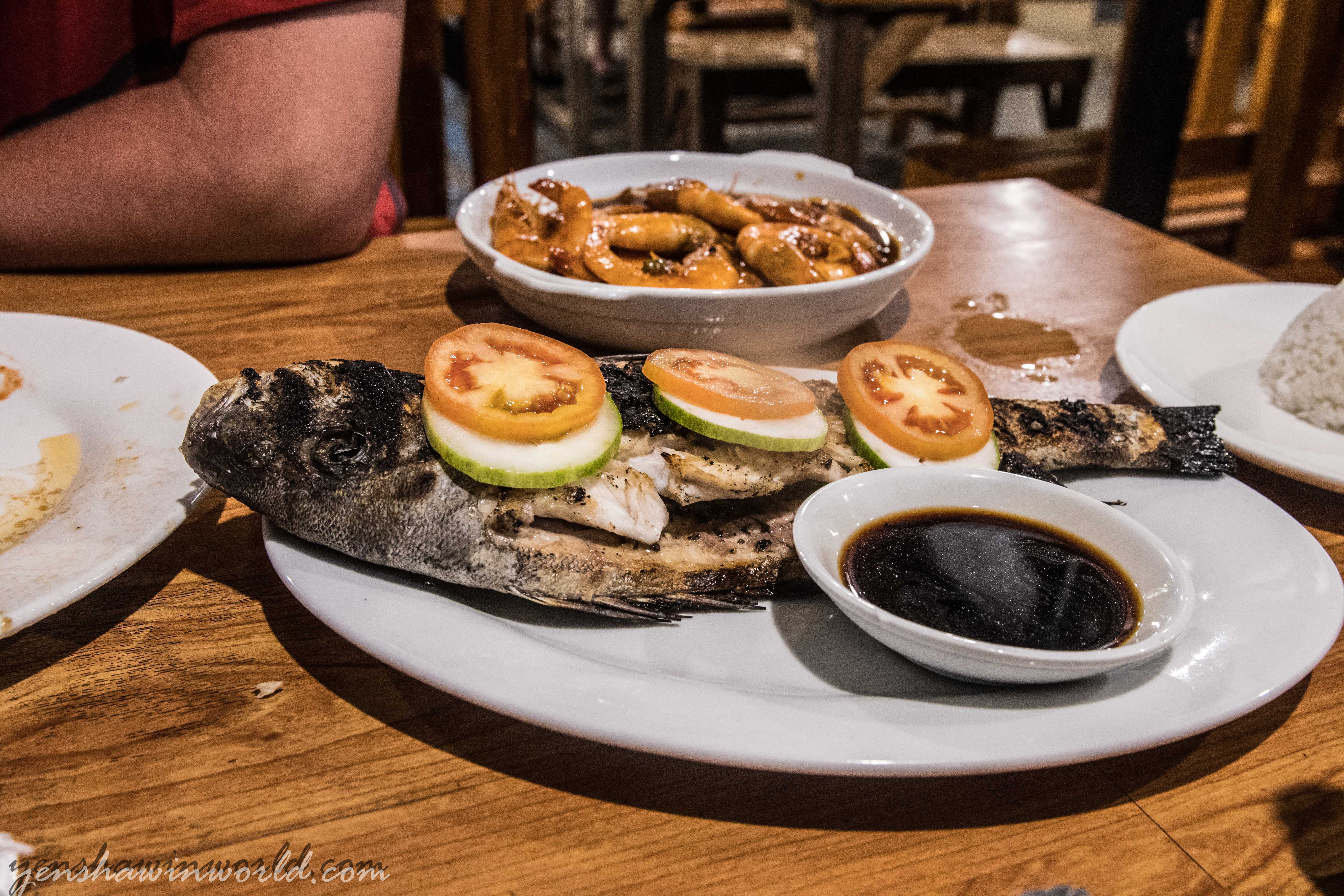
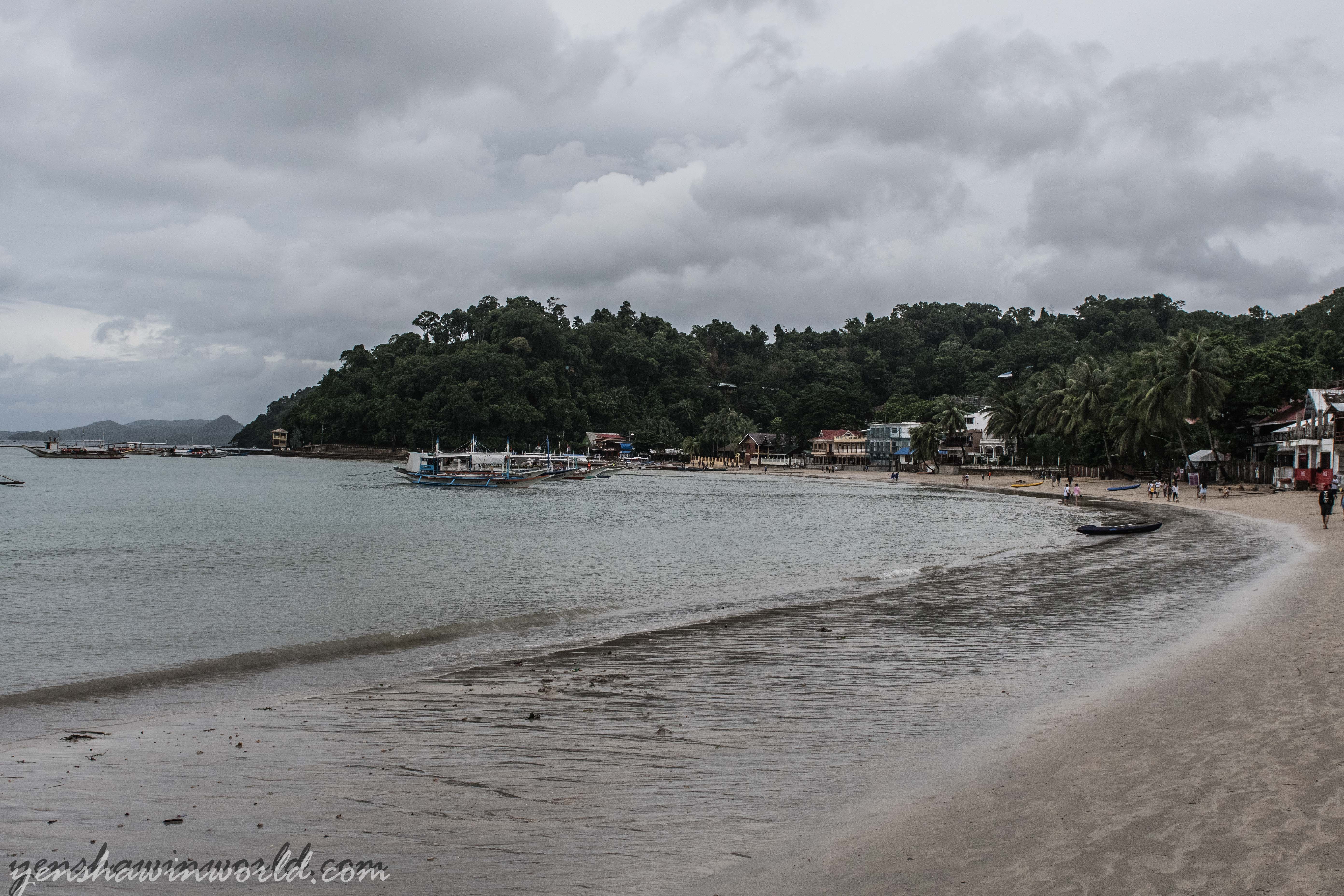
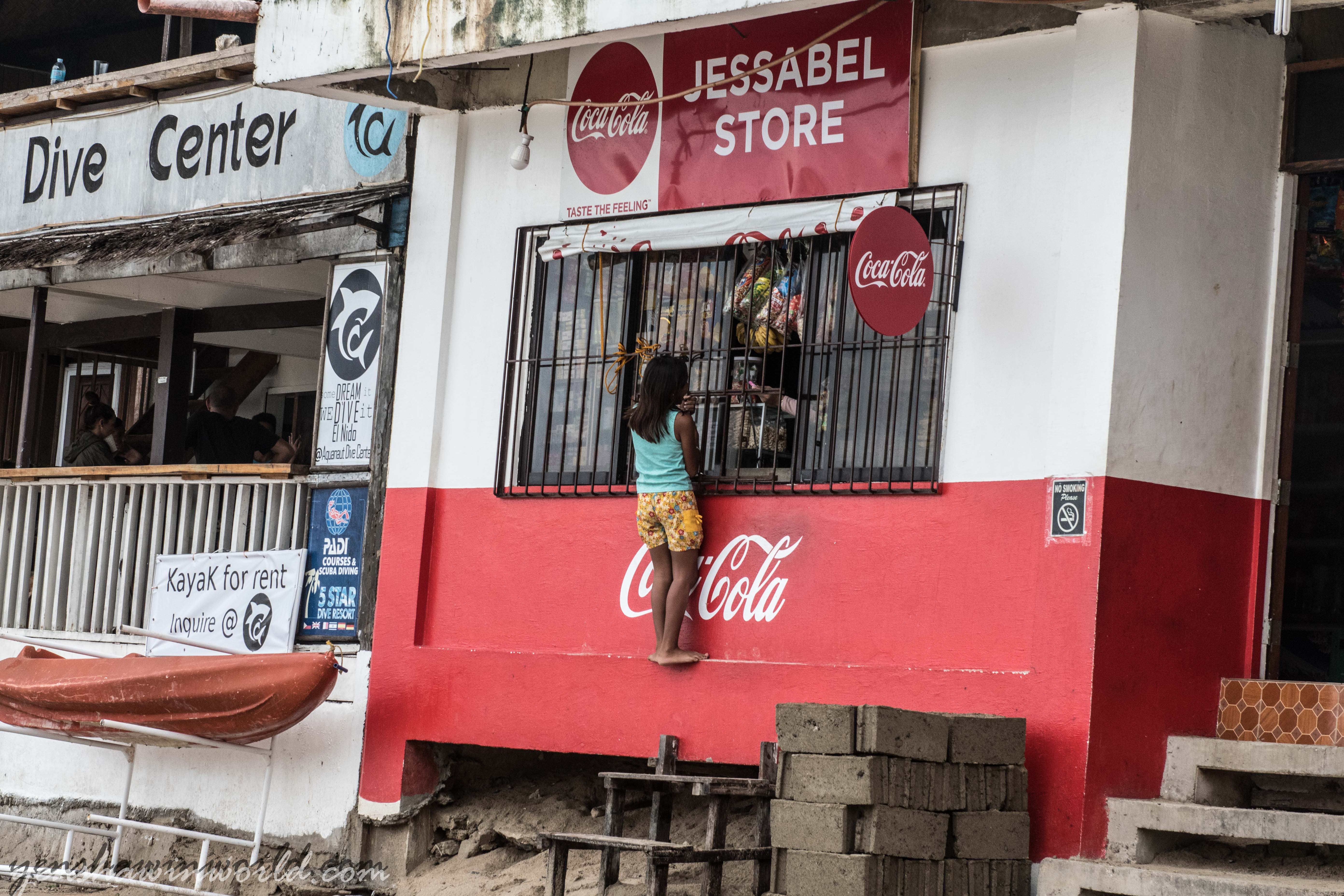
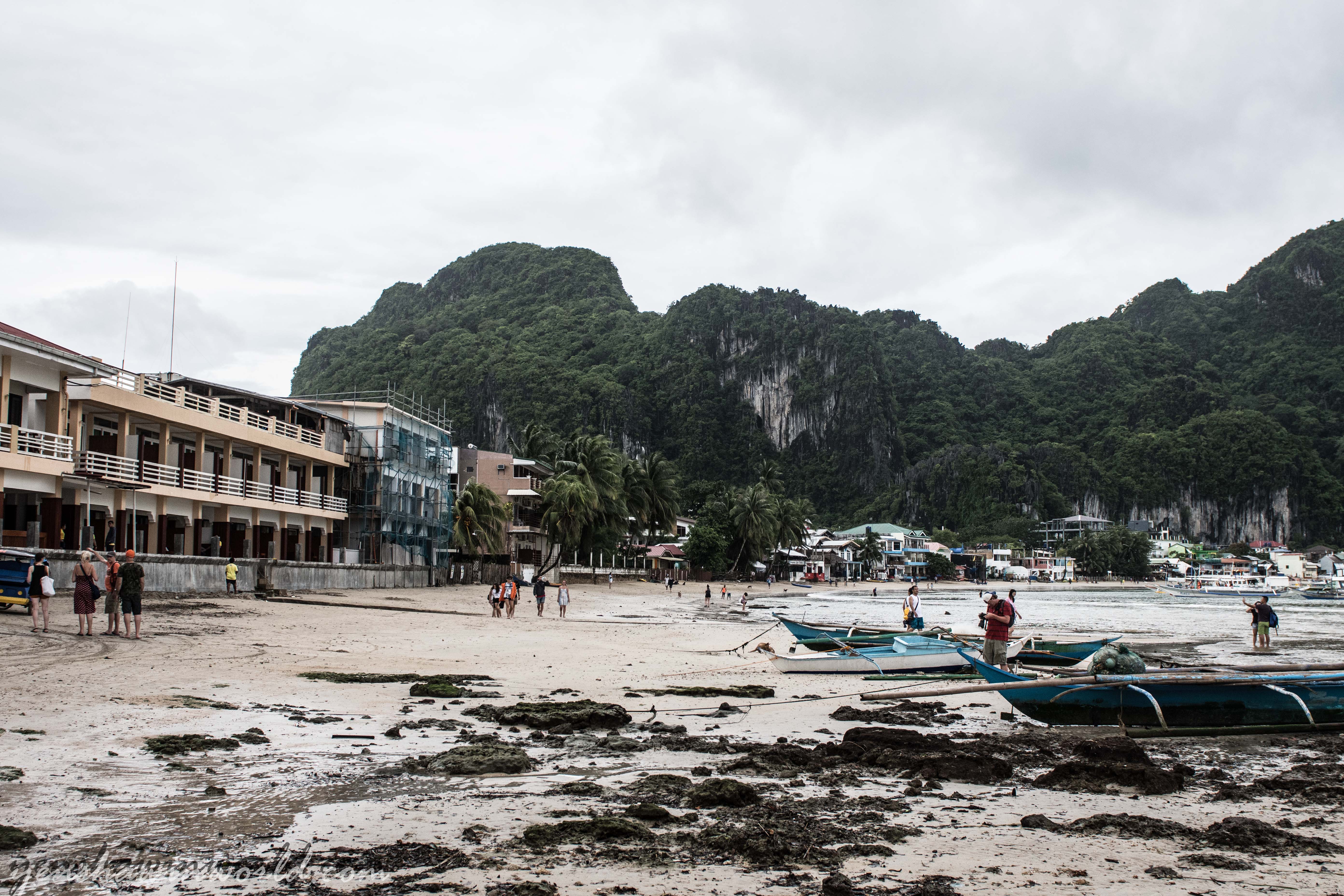
I was able to leave on three different occasions during the late afternoon/evening.  The beaches still had a small amount of people on them; however I can imagine that during the high season it would be much more packed.  I was able to snap a few pictures of the beautiful landscape before the rains came back in.  I would have liked to visit some of the islands on boats during our stay there, but I will have to wait until next time.  I did manage to find a great restaurant on the beach that we made our home for the three nights.  They had everything from different types of fish, clams, lobsters, shrimp and other delicious seafood.  It was not uncommon to leave there ordering a plethora of fish and shrimp and only pay a fraction of the cost…

As we left Palawan heading south to the airport, the weather seemed to get a lot better with the first sun we had seen in days.  Come to find out, a friend that showed up just two days after us had a delightful time on the beach with sun and was able to island hop.  I guess it was just my luck…

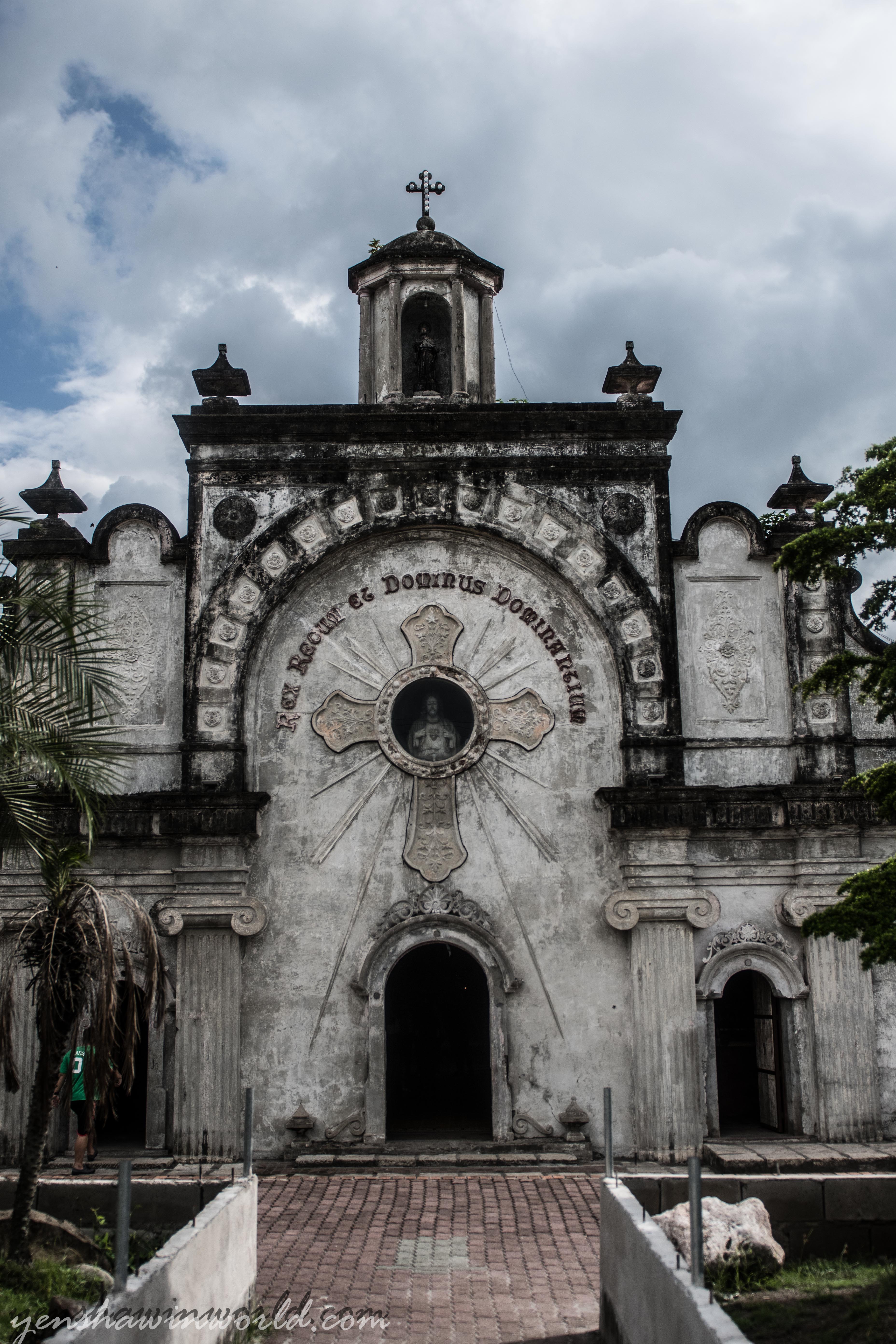
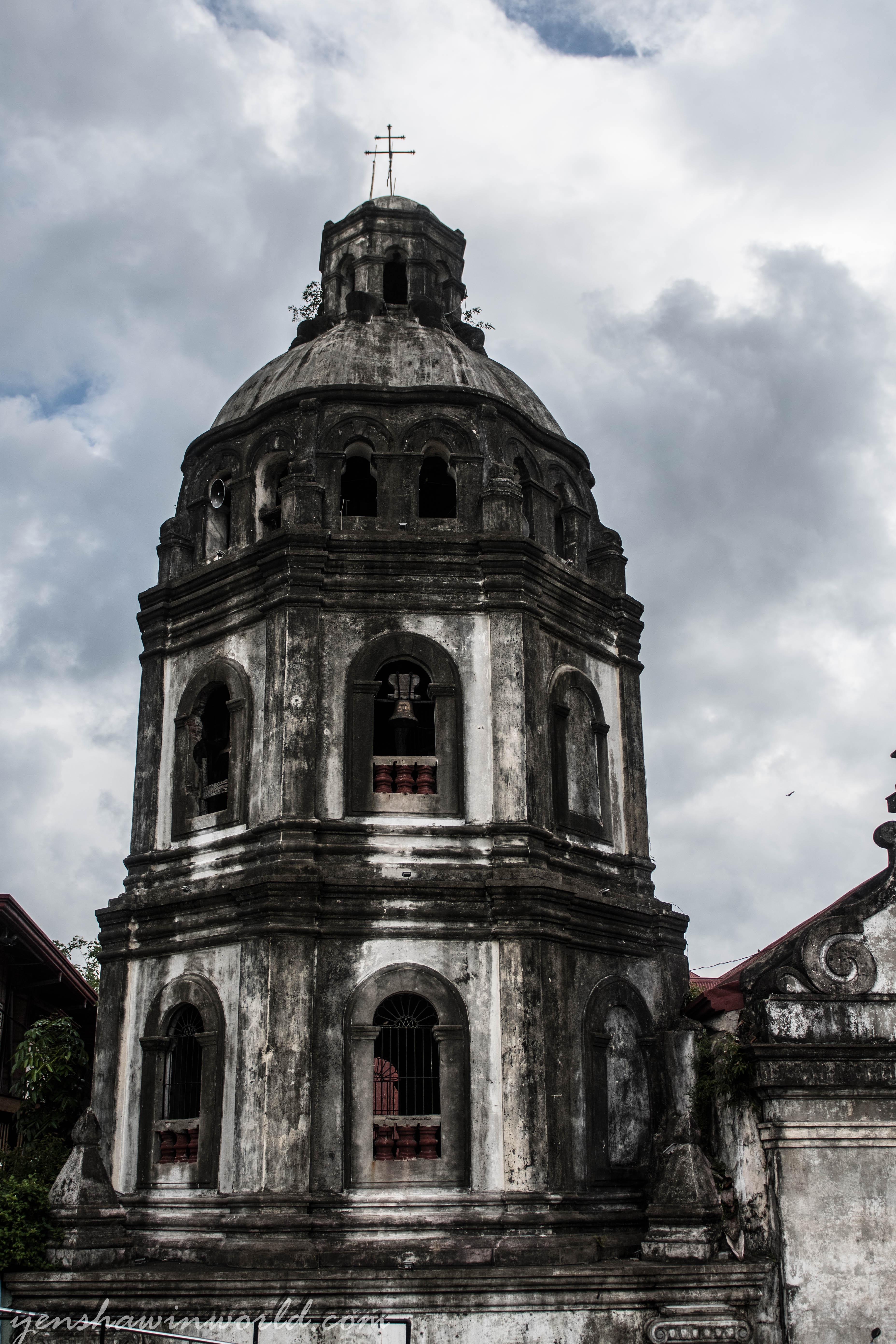
Going to the mainland, we flew into Clark which is an old United States Air Force Base.  We stayed in the city of San Fernando which is filled with bustling streets and food just about everywhere. 

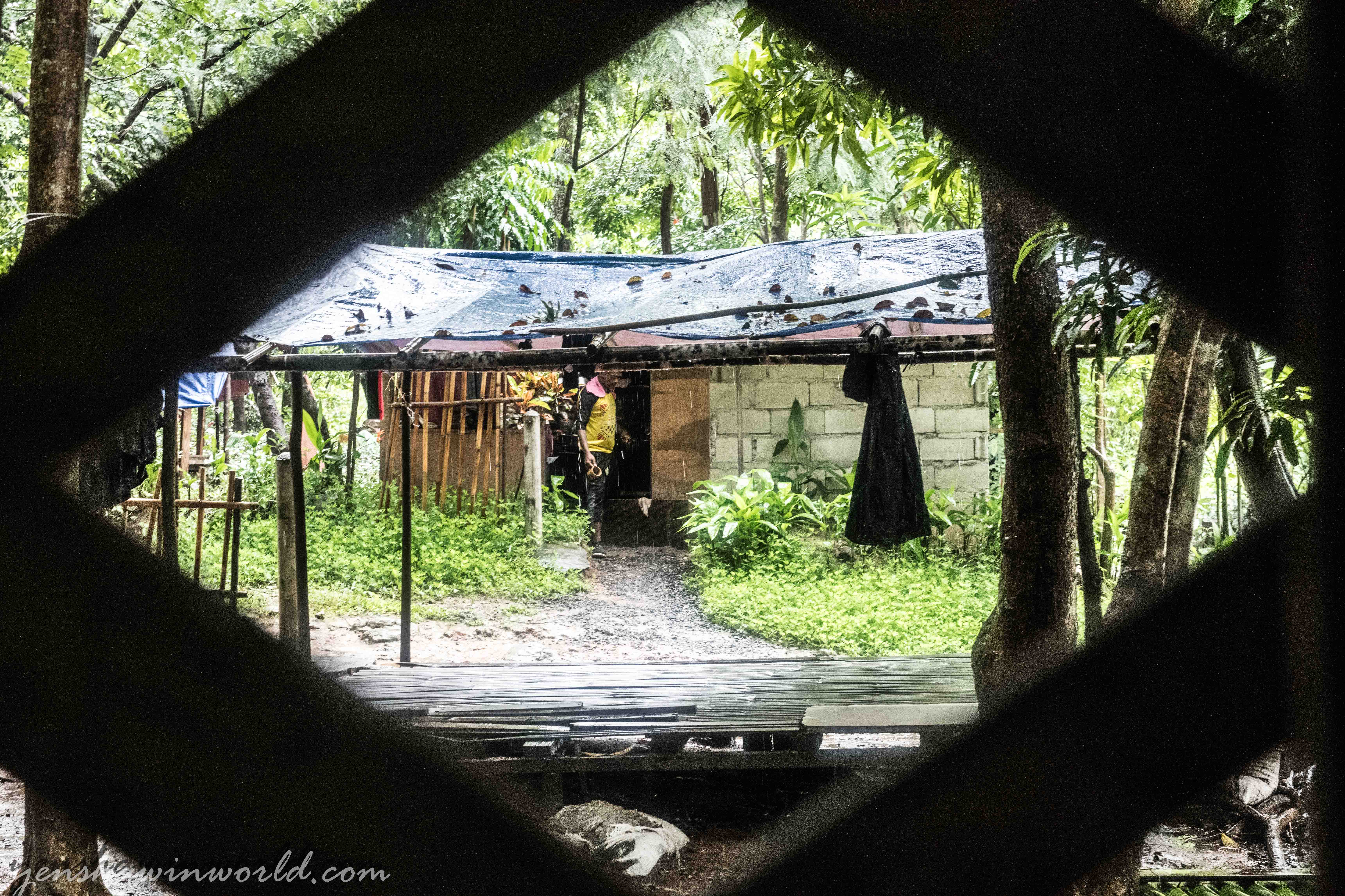
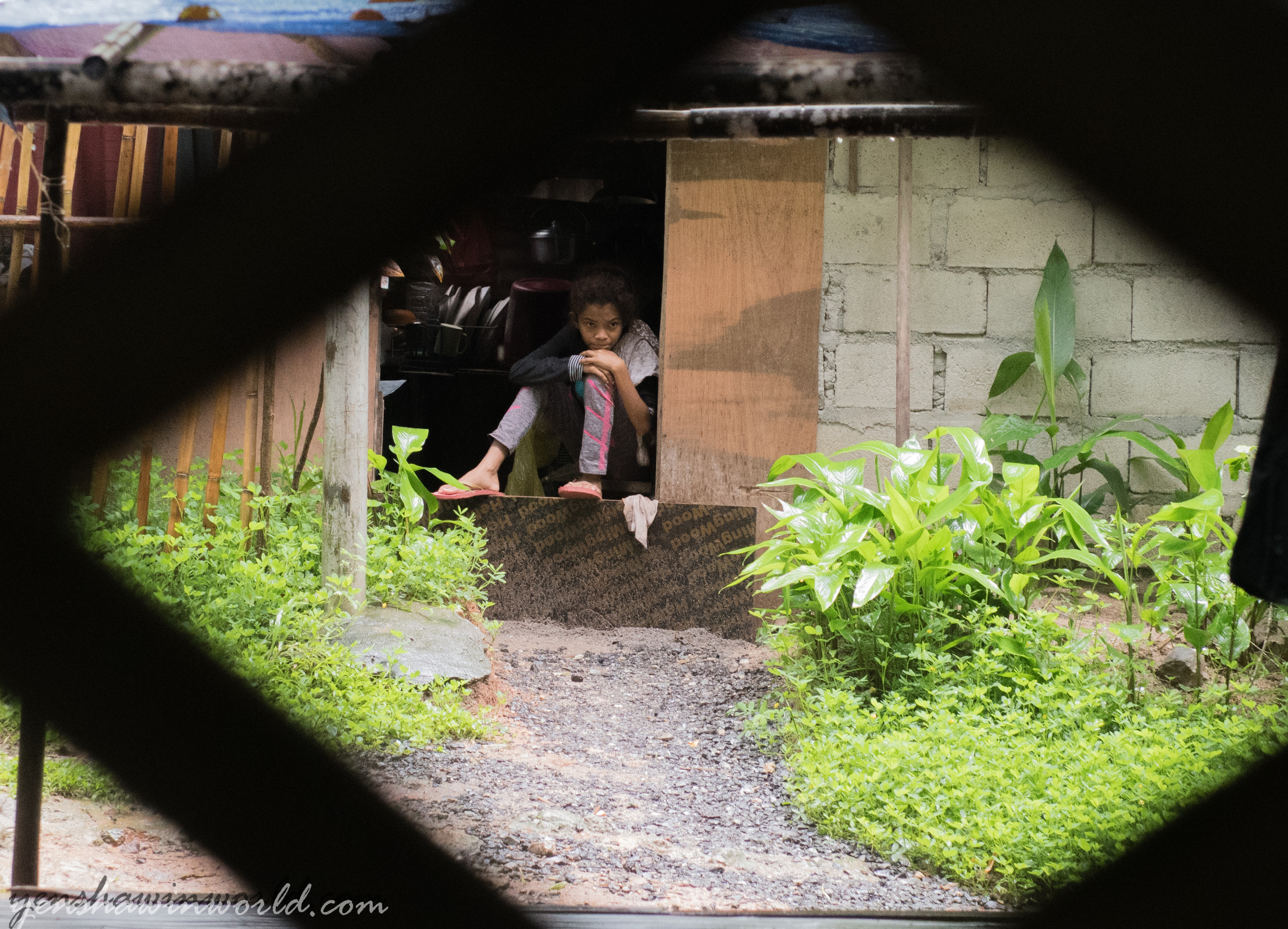
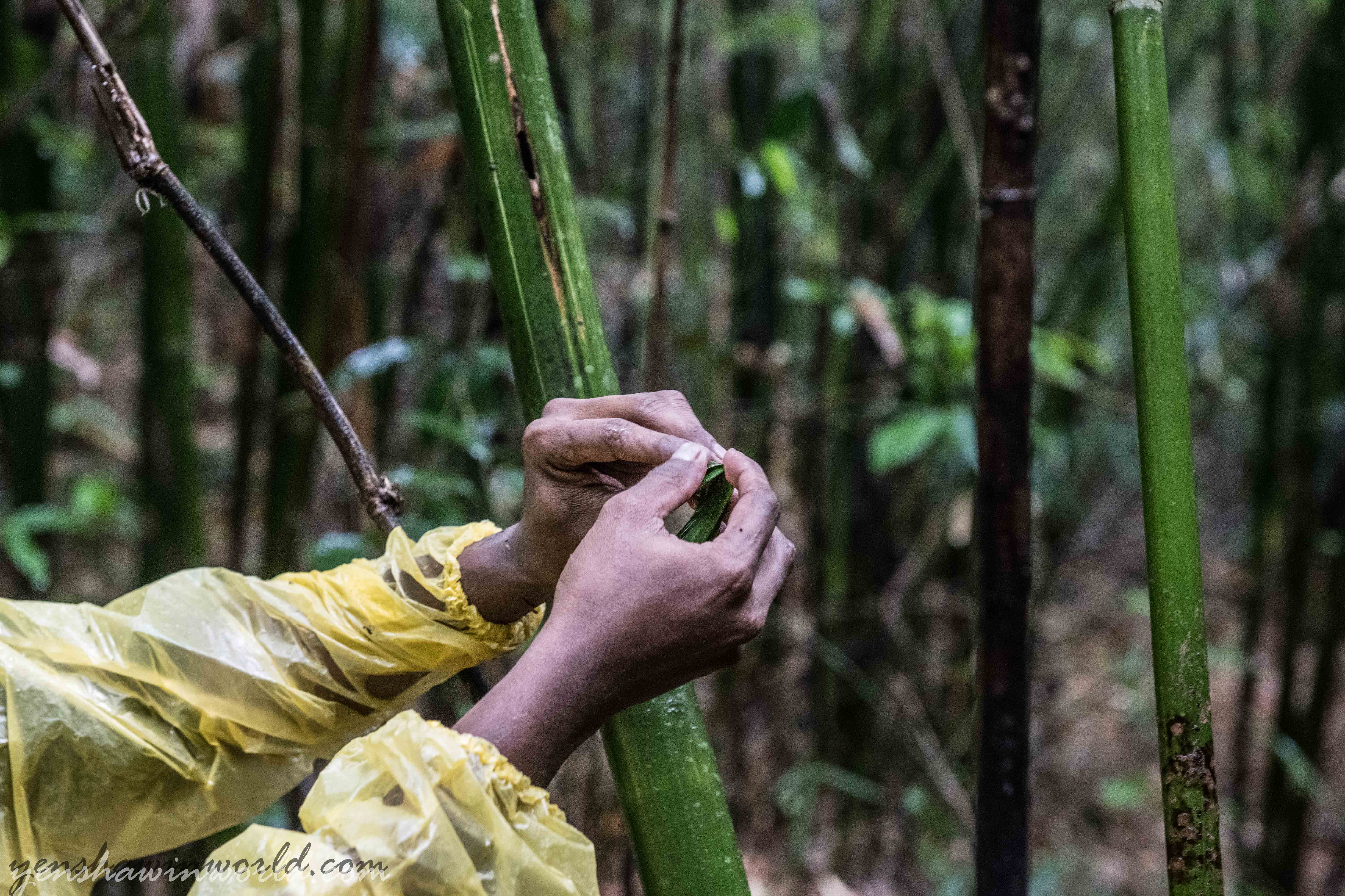
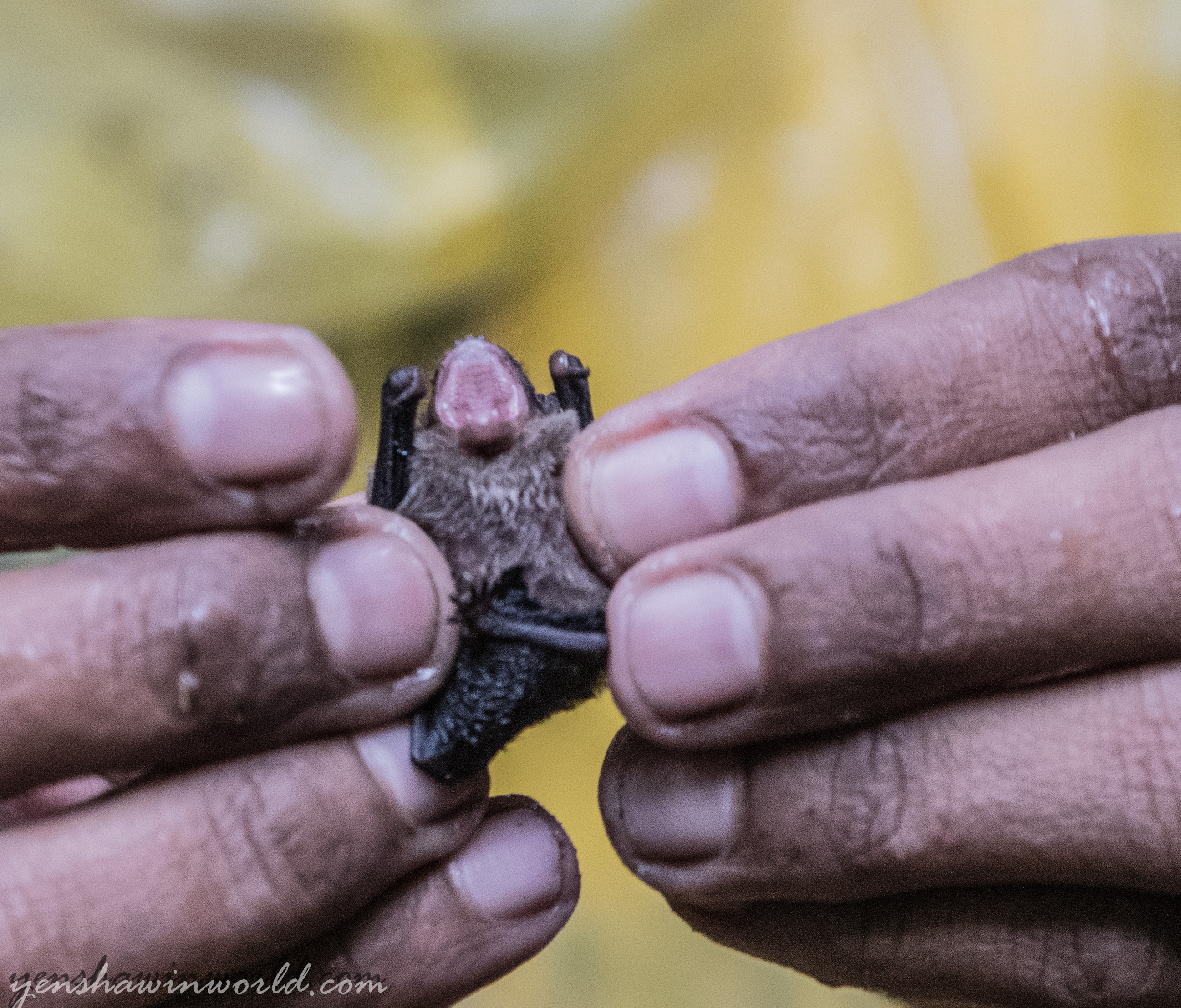
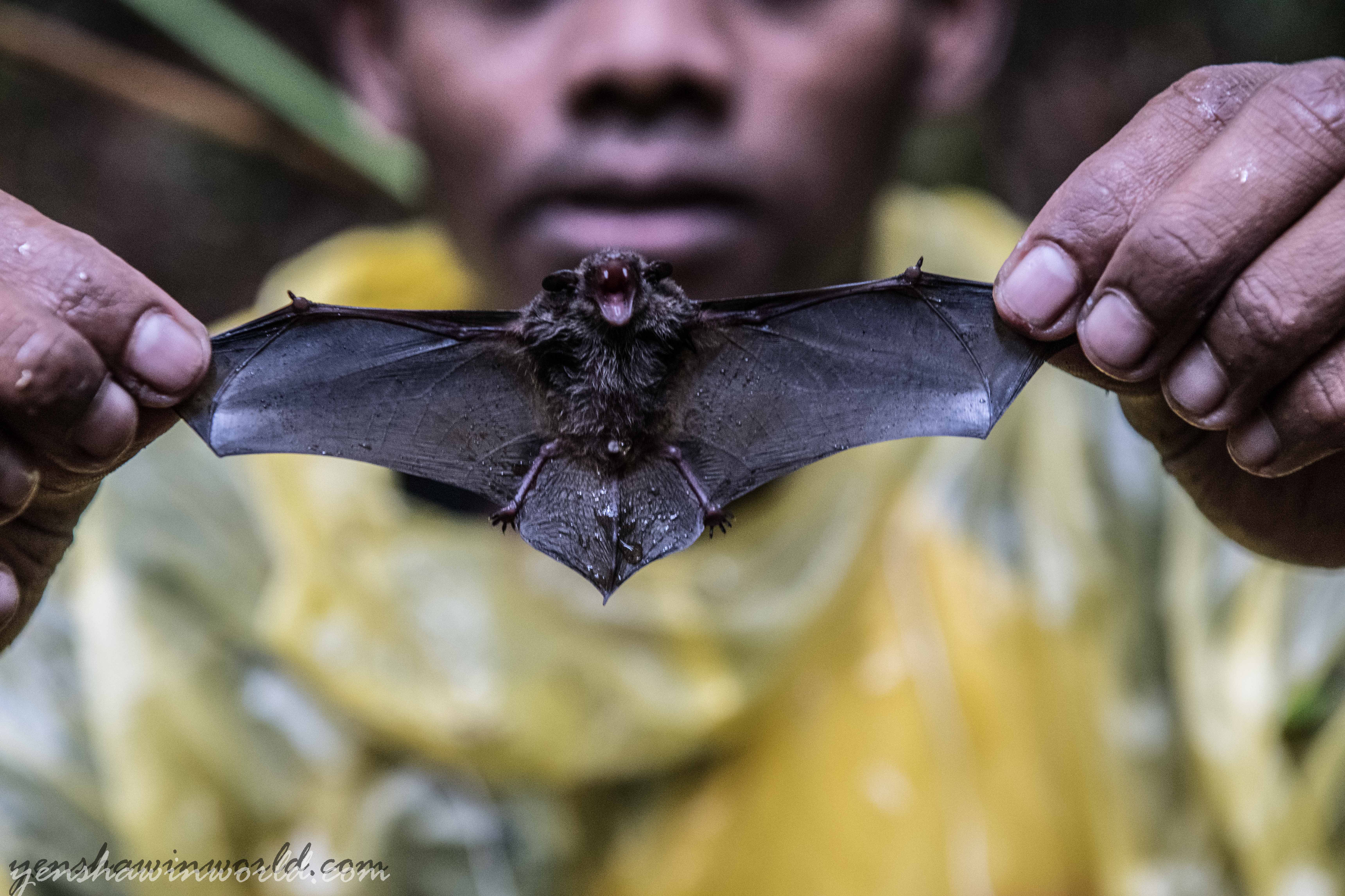
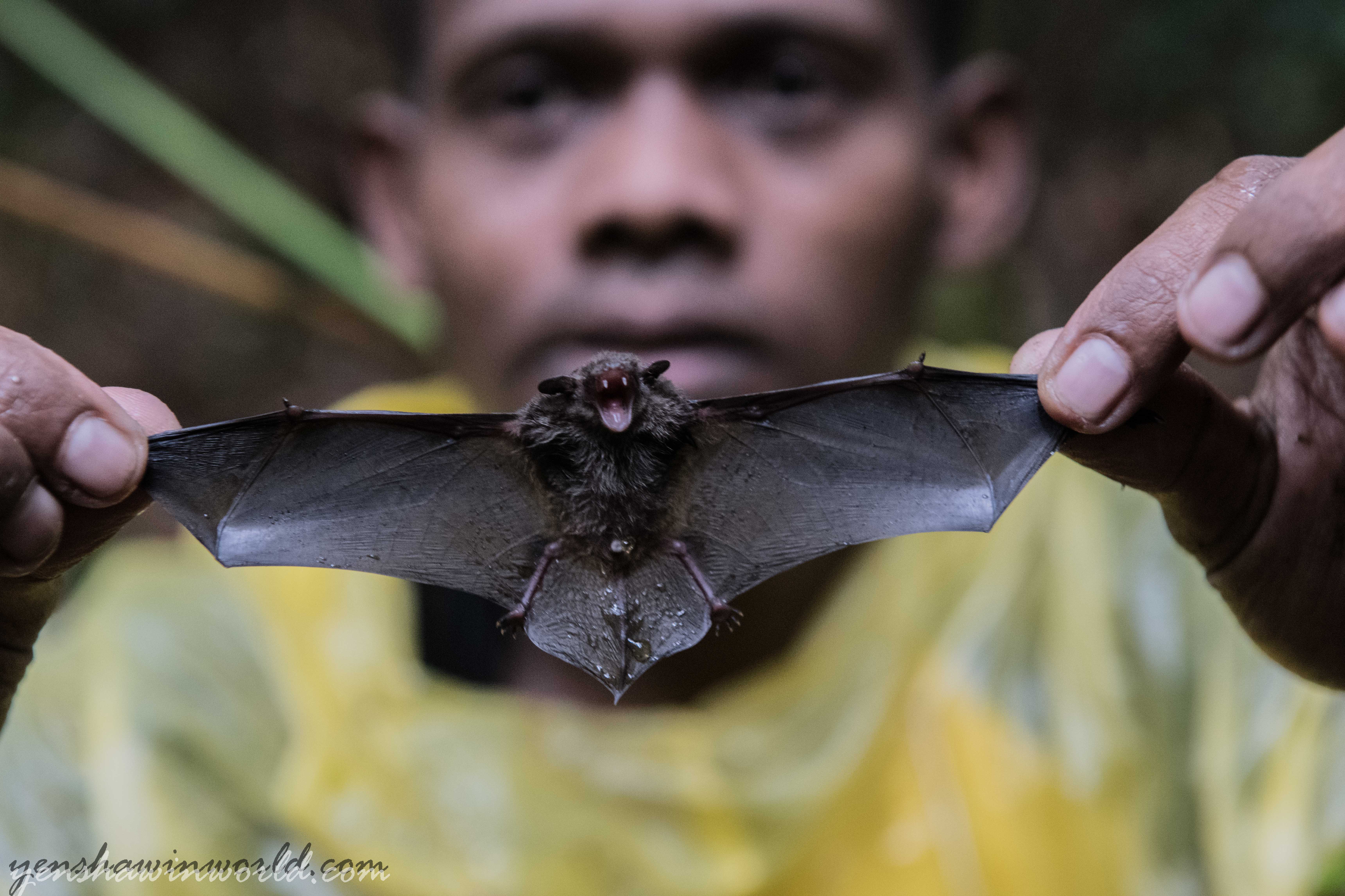
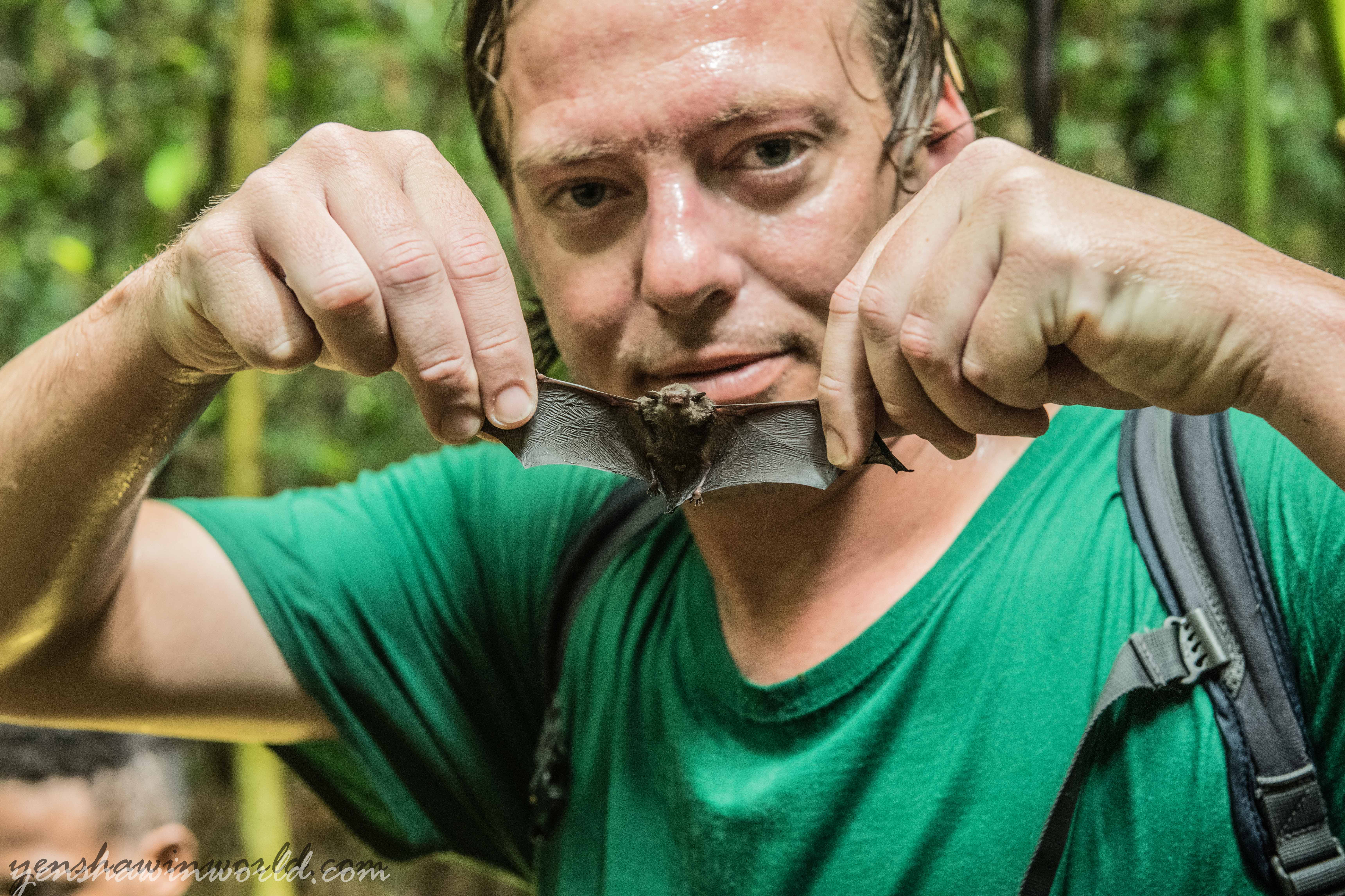
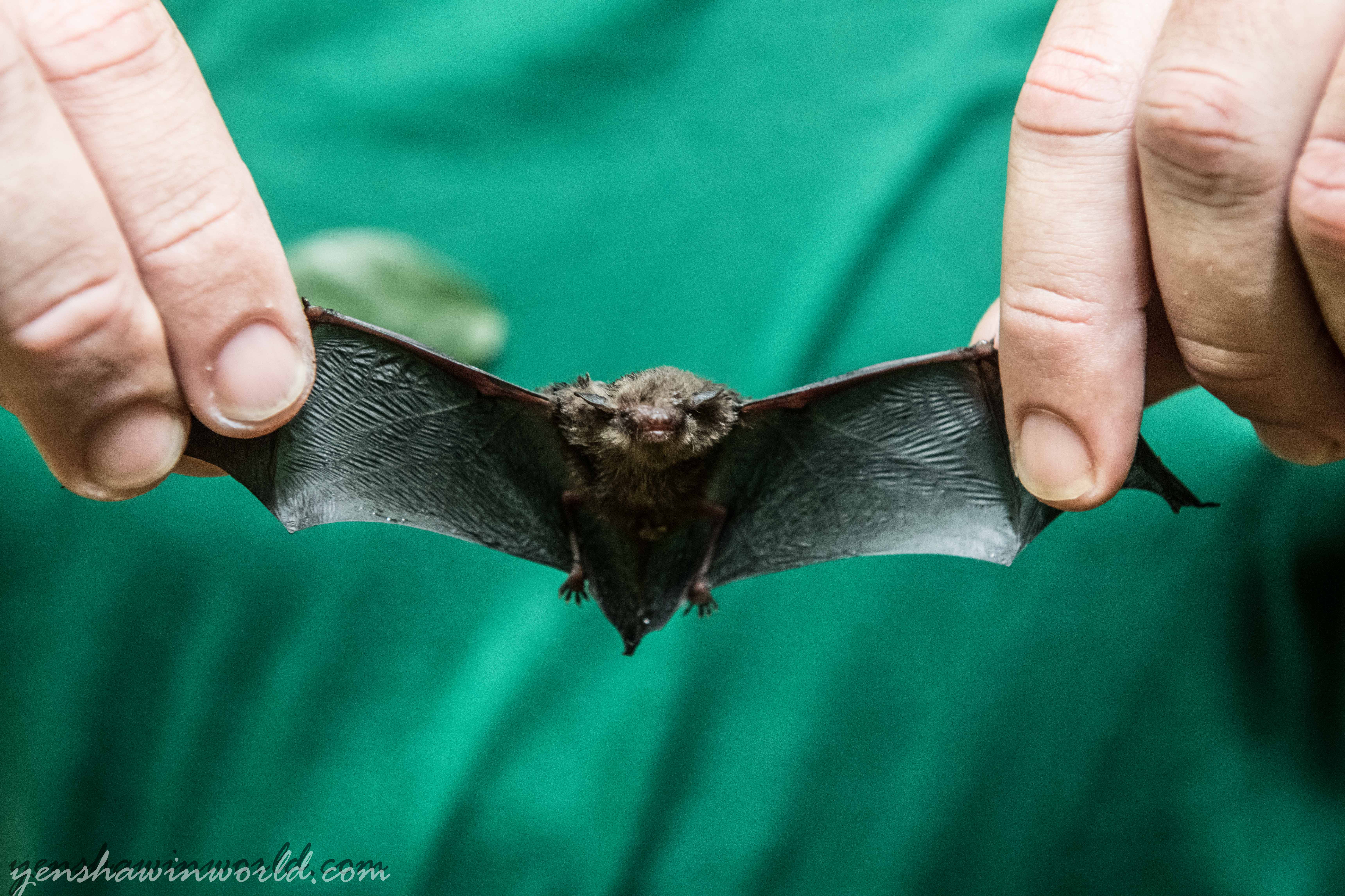
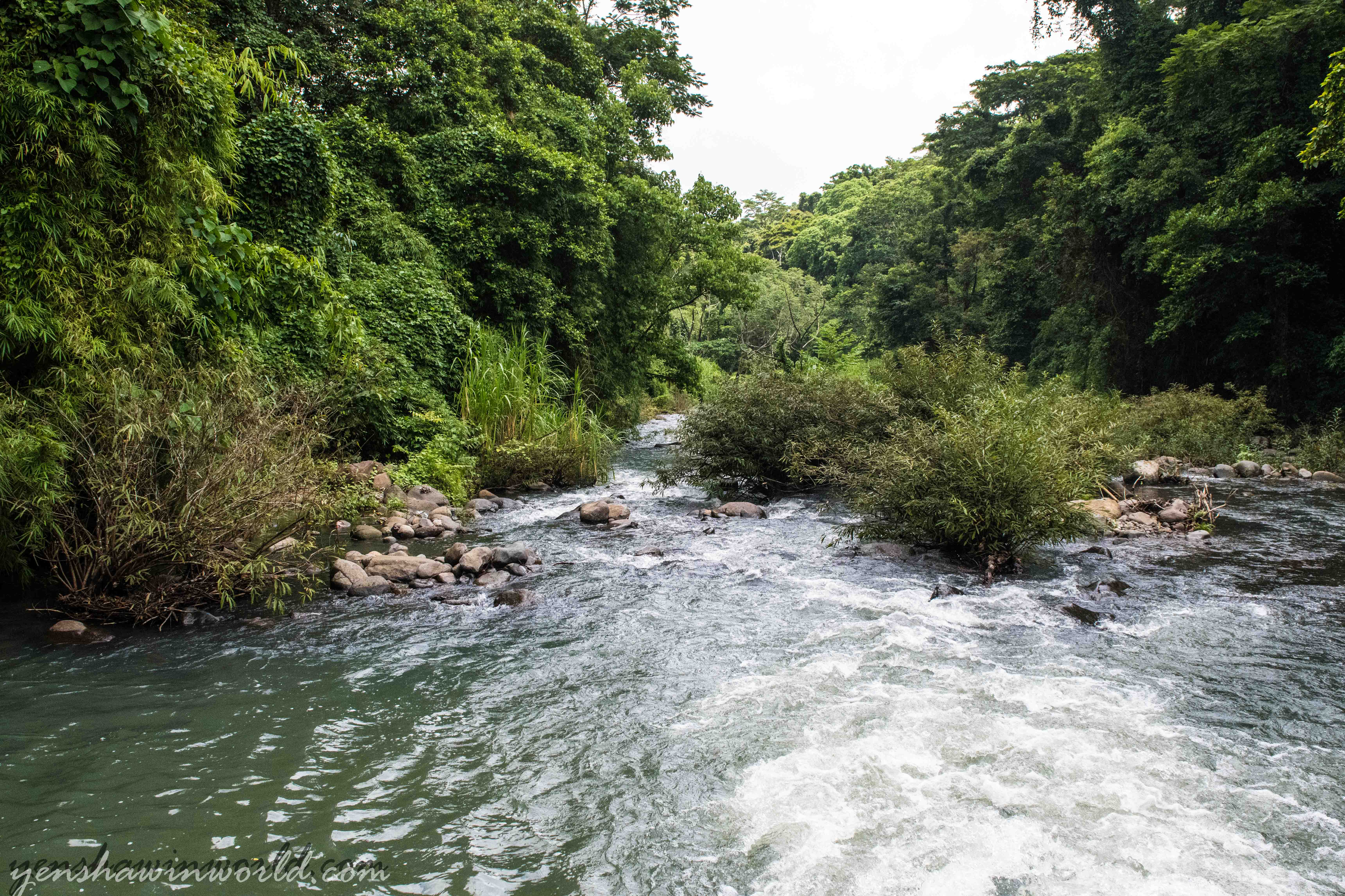
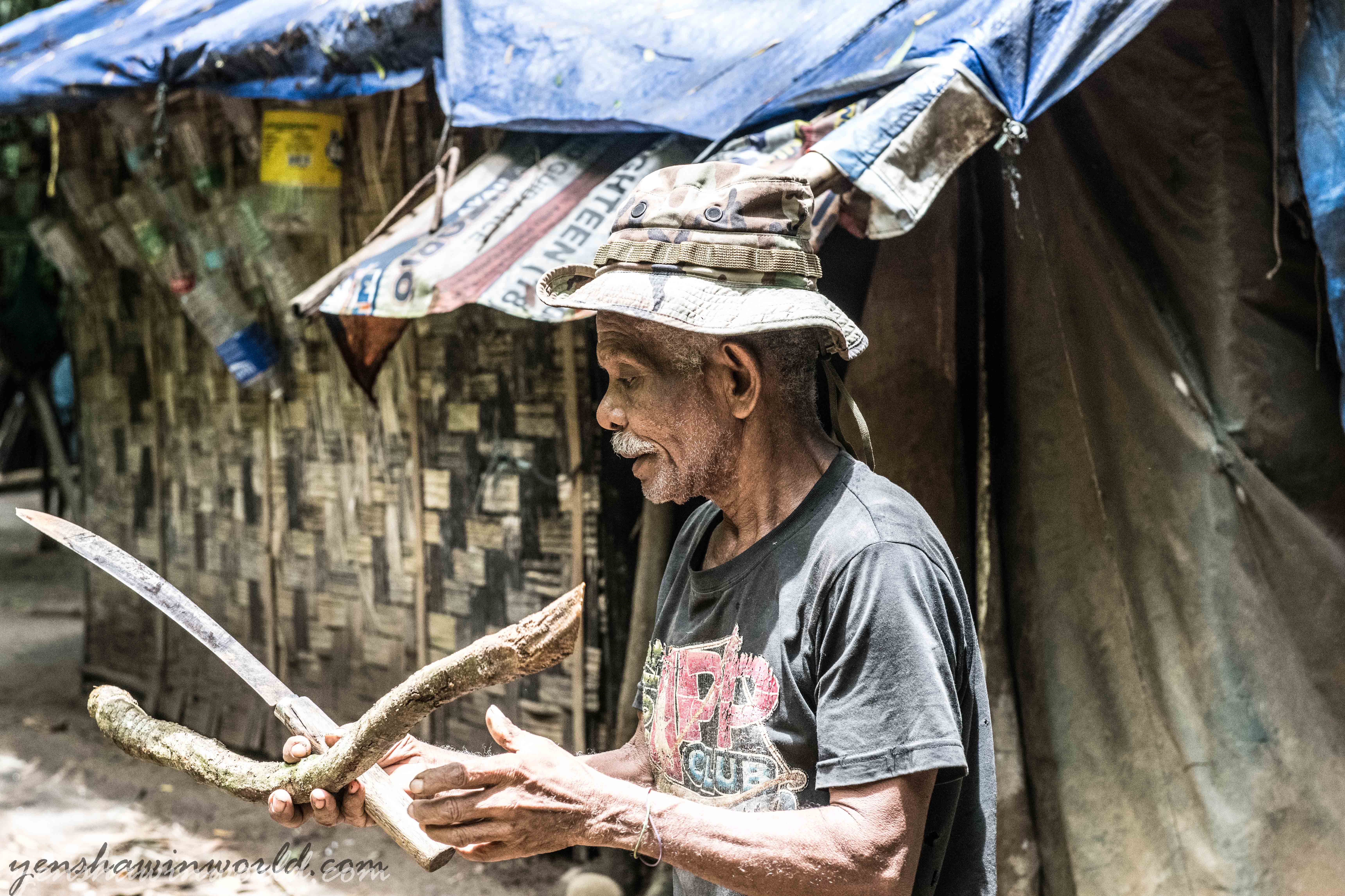
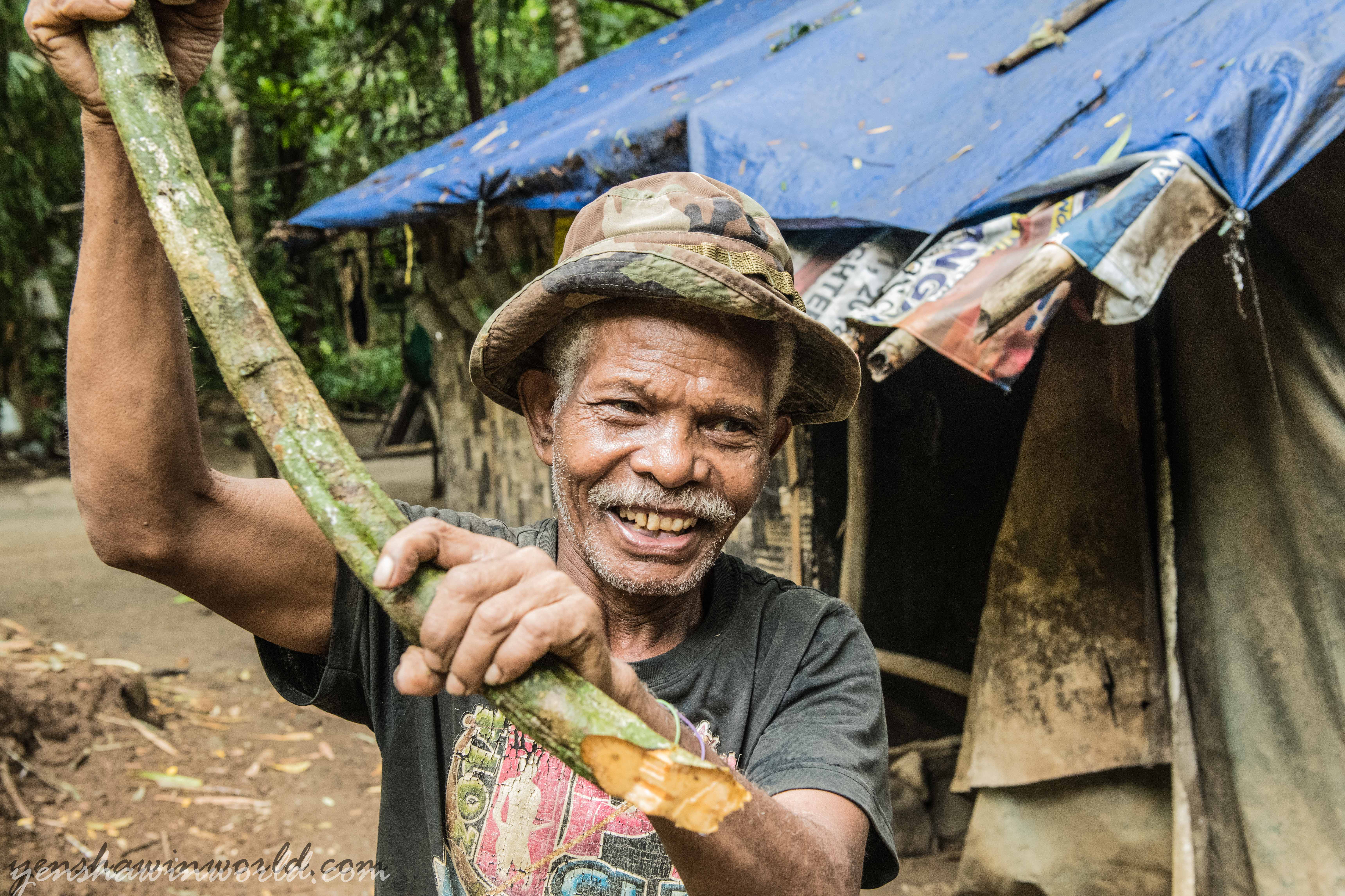
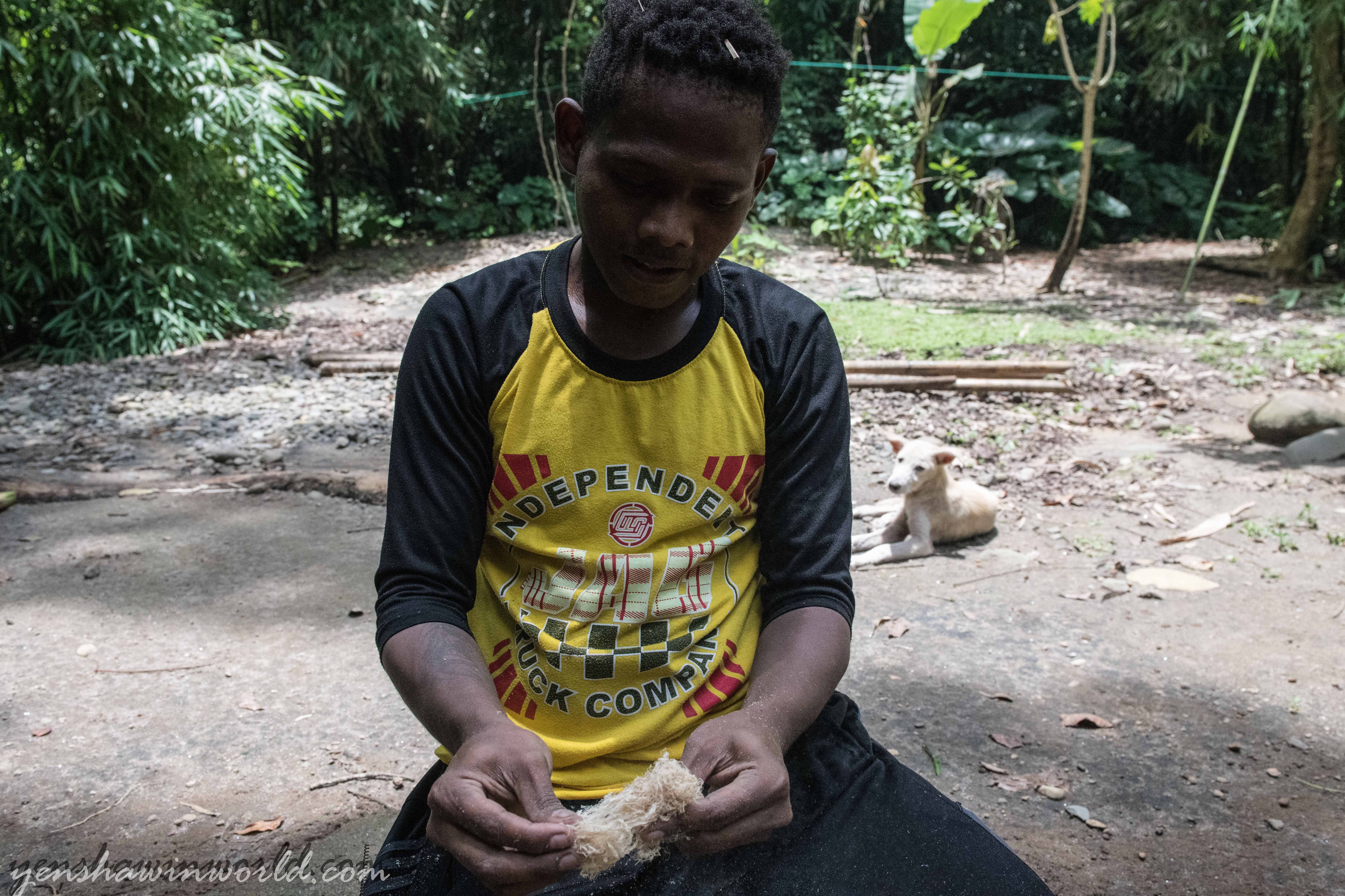
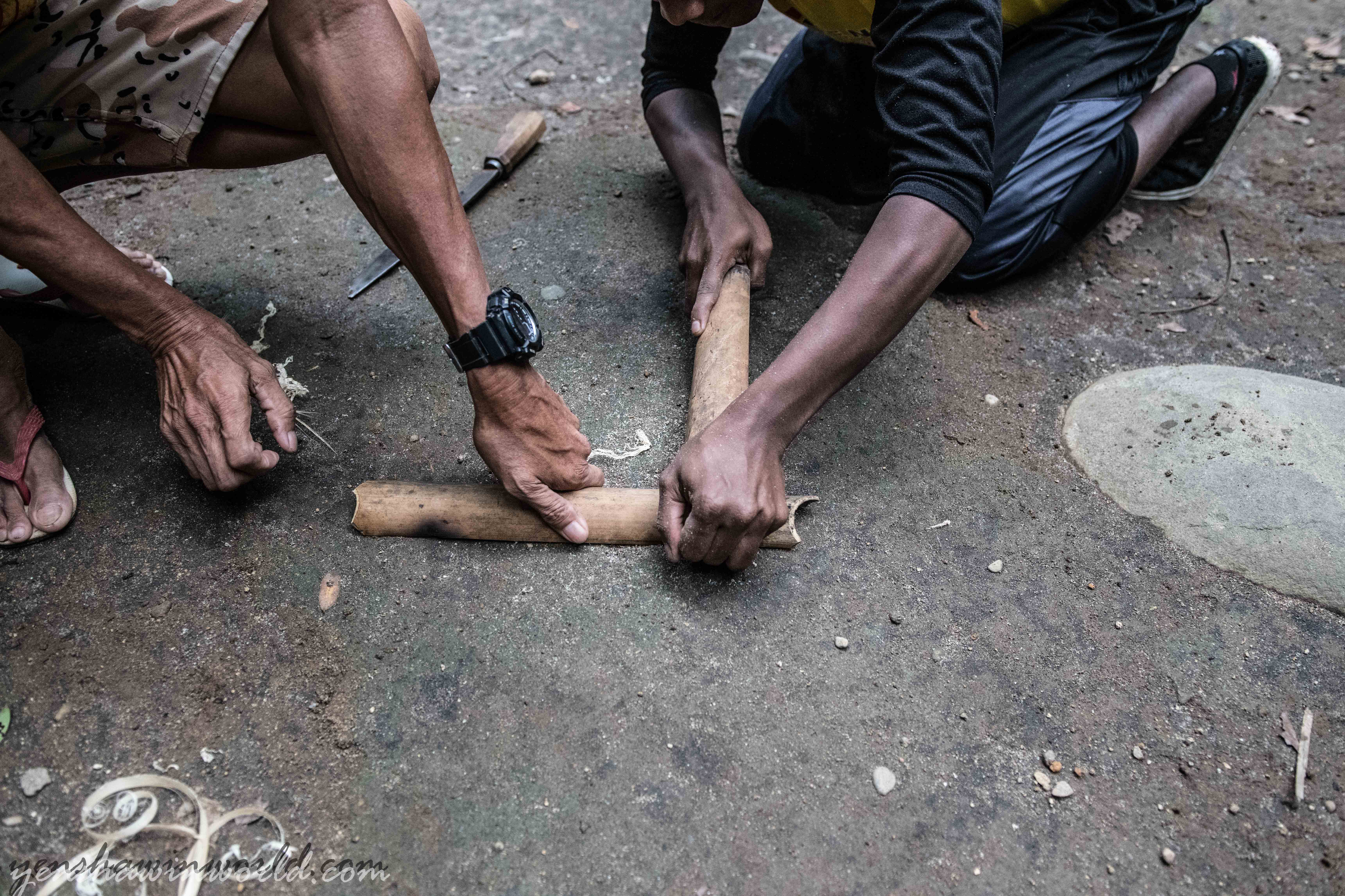
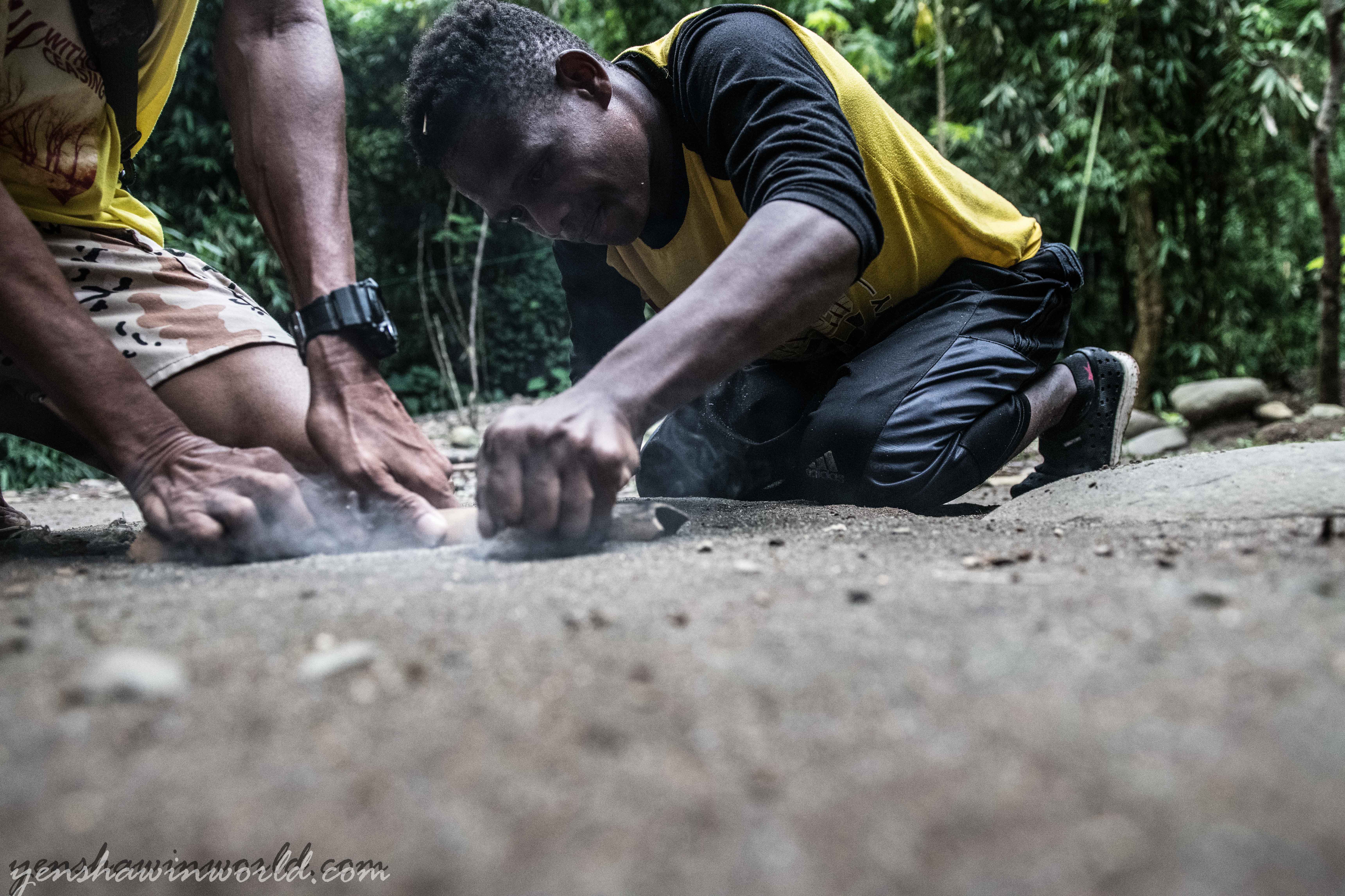
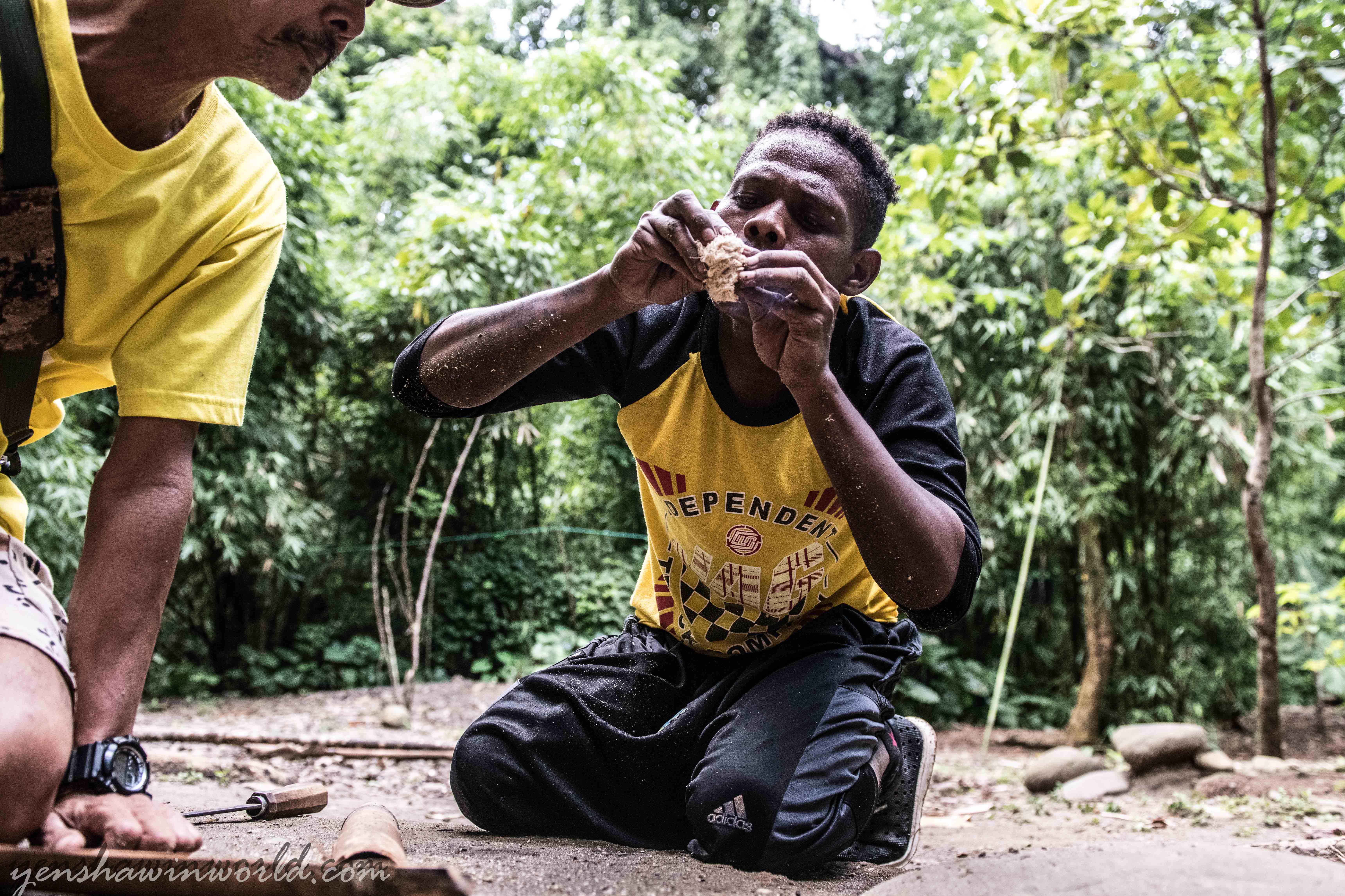
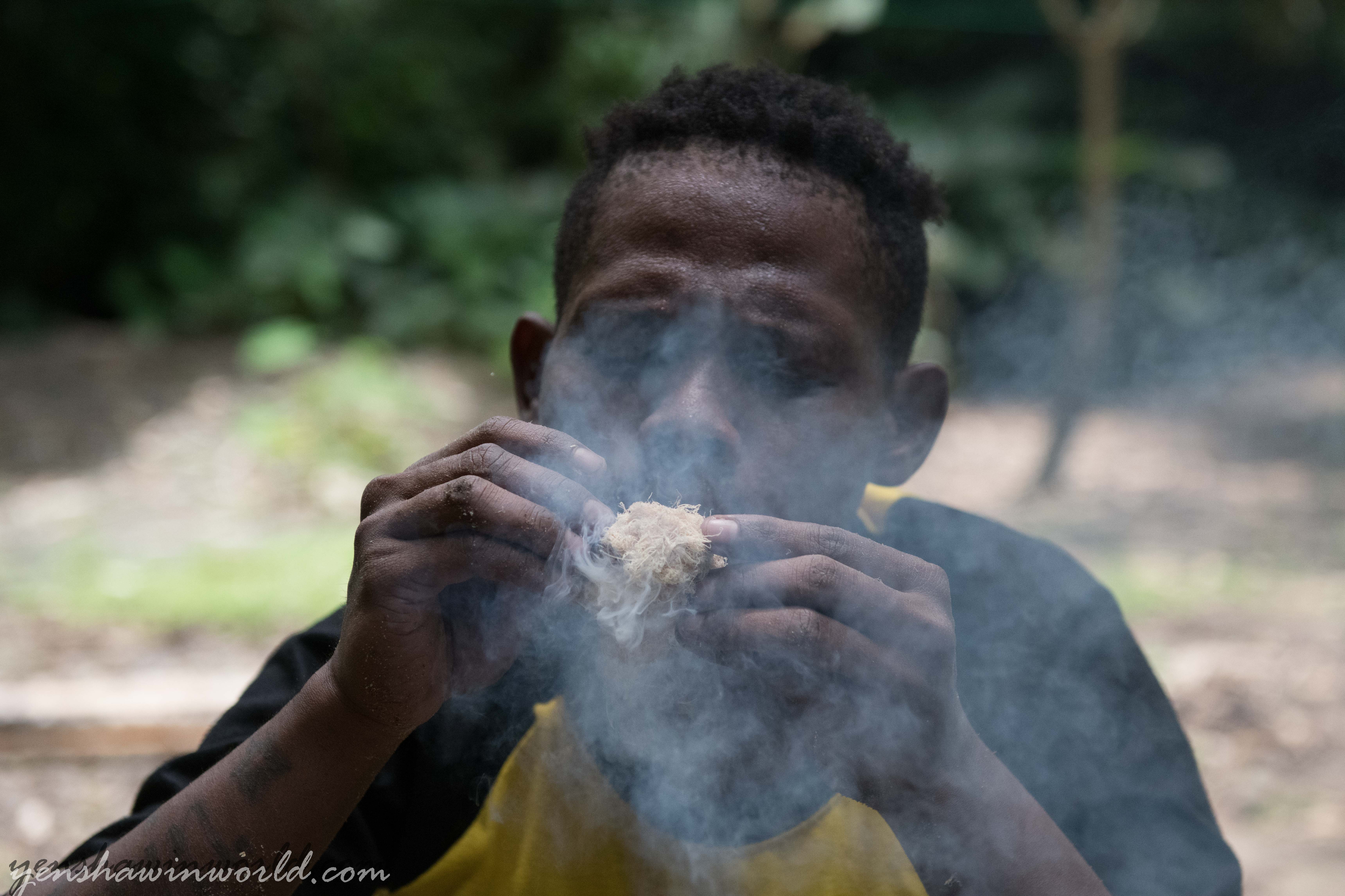
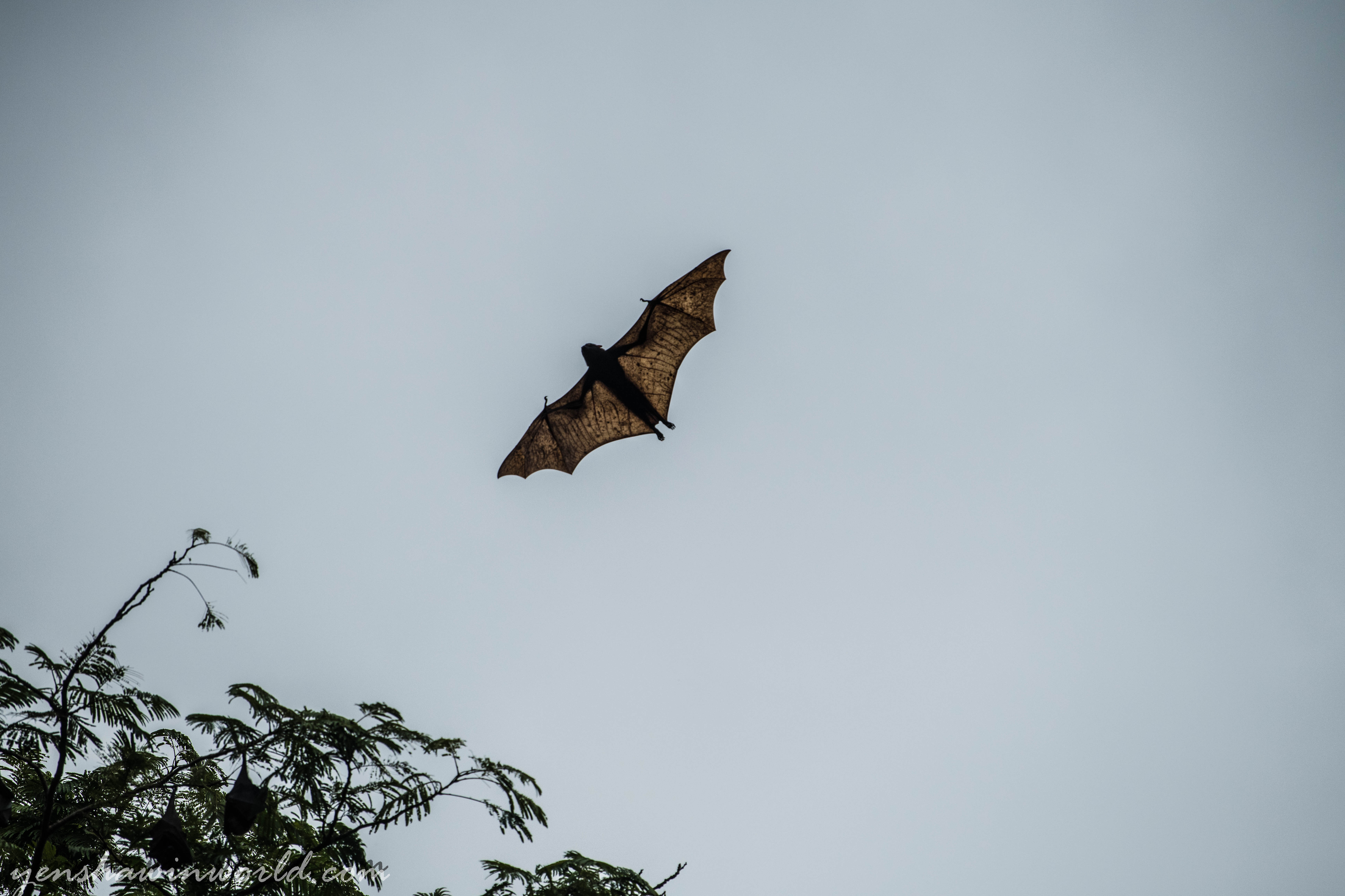
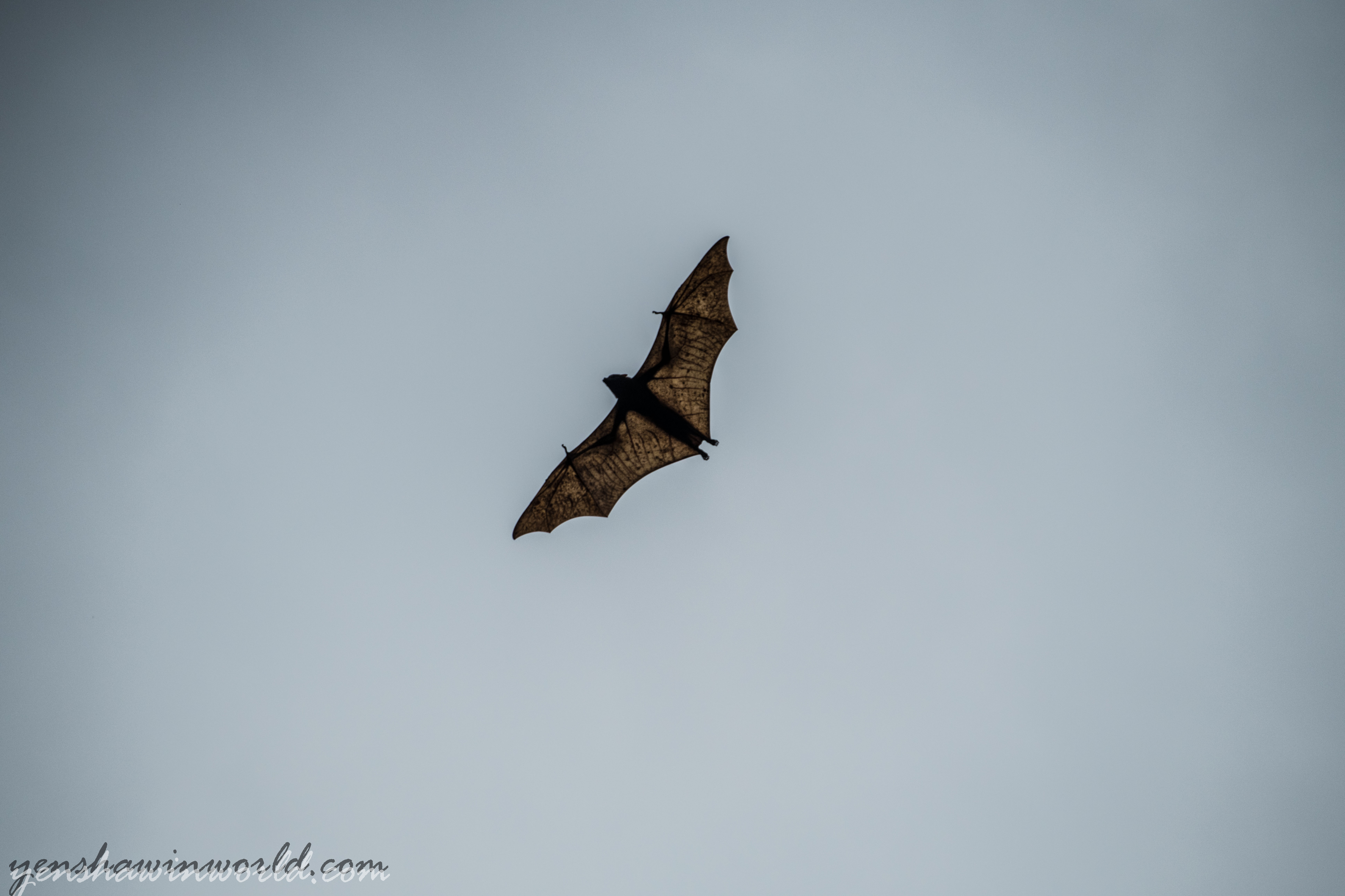
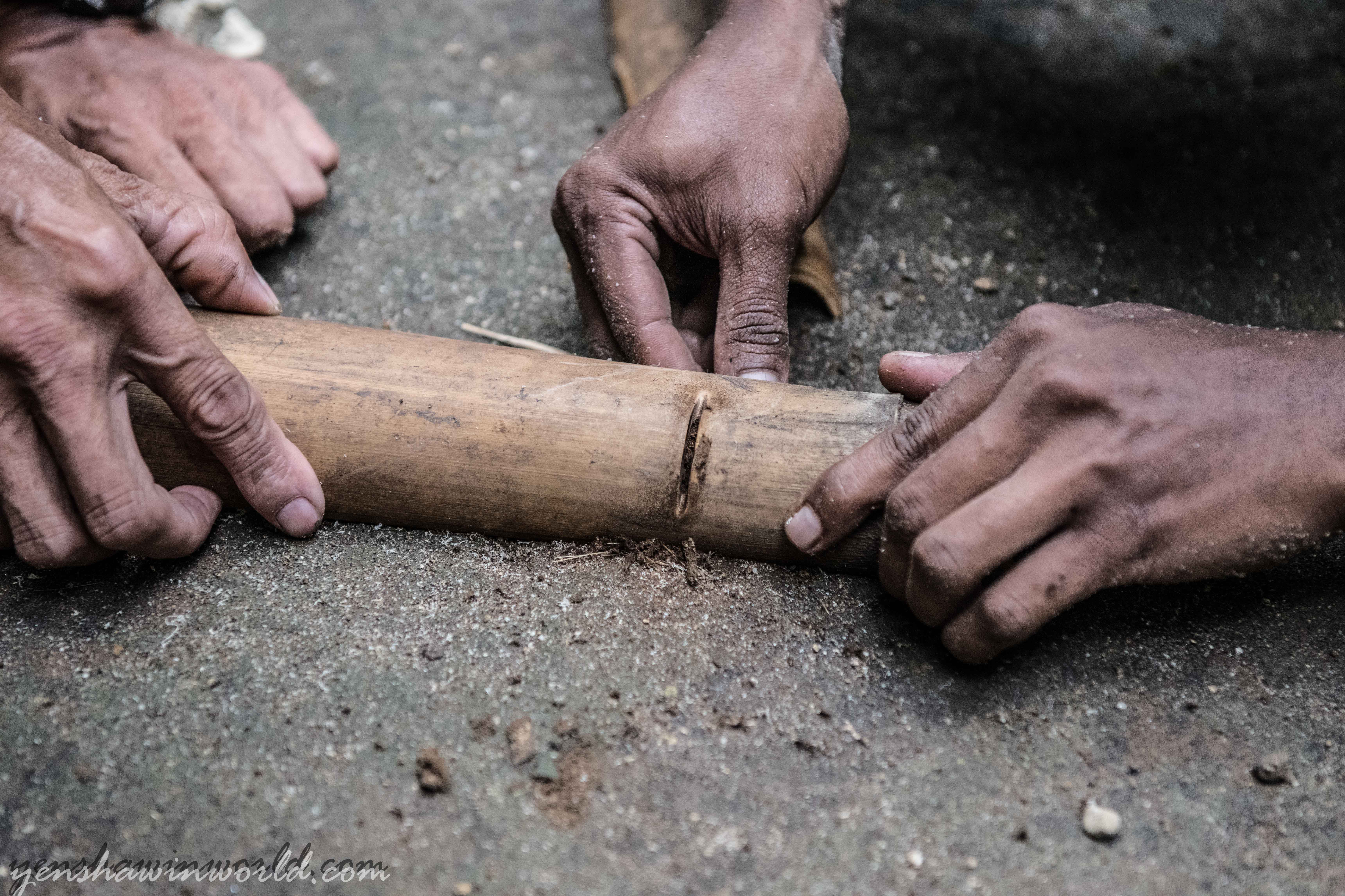
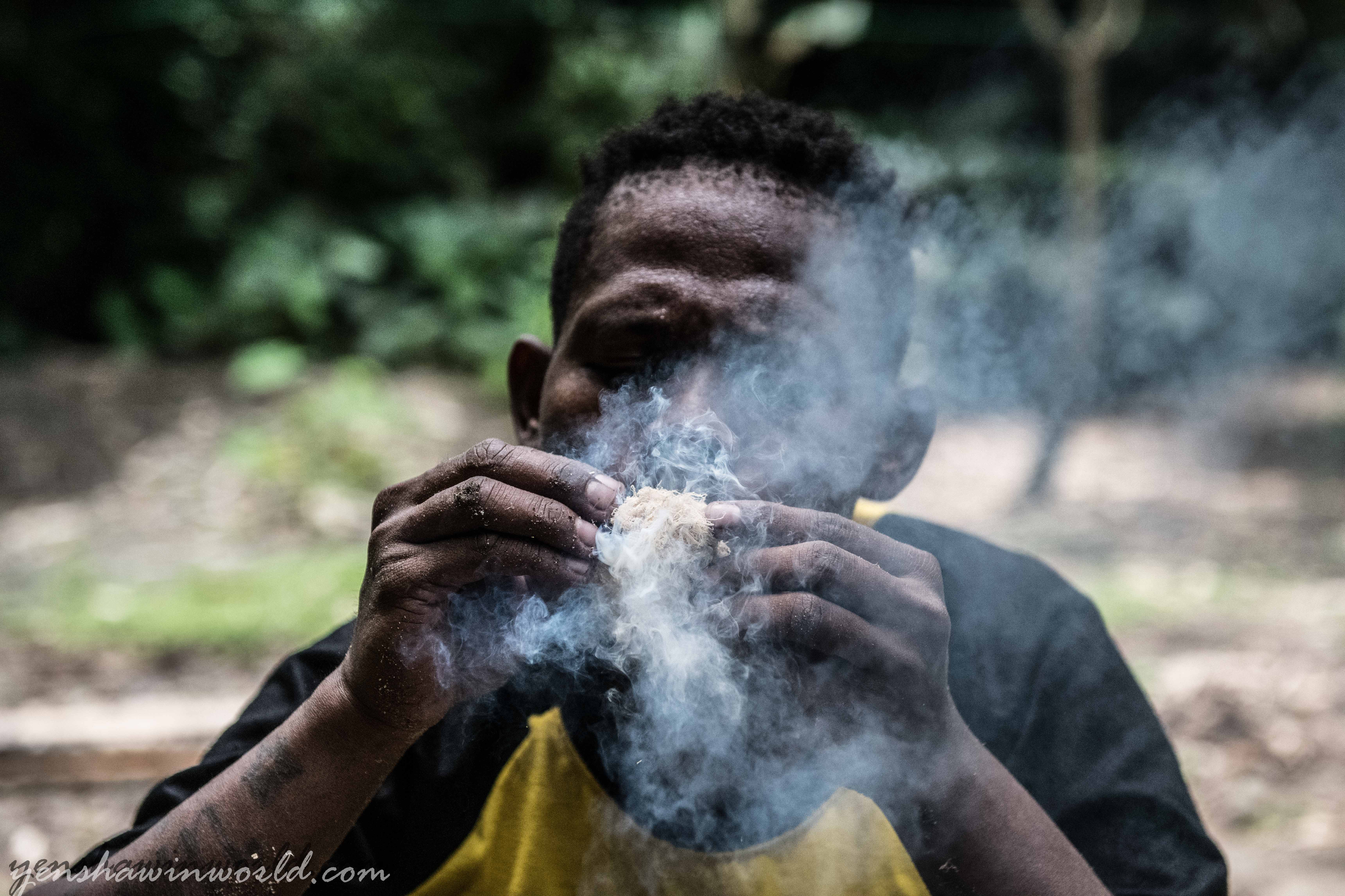
I was able to hang out with my friend from SMIC Mrs. Bes who organized for us a trip to Subic, which is down south on the mainland and boasts some impressive rain forests.  Rain is the keyword as we did a jungle hike, and it pretty much rained the first hour on our hike and we were drenched.  During the jungle hike we learned about the different plants that the local tribe uses as medicine and how they can take just about anything from the jungle and turn it into something useful.  We ended up at a village for lunch in which they showed us how to make fire from bamboo, even when it is wet and how this life they live has been going on for more years than anyone knows.  We were also able to open up stalks of bamboo to find the tiniest bats I have ever seen in my life.  At the end of the day on our search for monkeys (to no avail), we ended up seeing trees with hundreds of huge bats on them.

The next day, we went into Manila and stayed at one of the oldest hotels which was a throwback from the 1920’s USA and caught our flight at 4 in the morning.  You can guarantee that I will be back to the Philippines to see more of this wonderful land and perhaps I will go during the dry season….

Mongolia

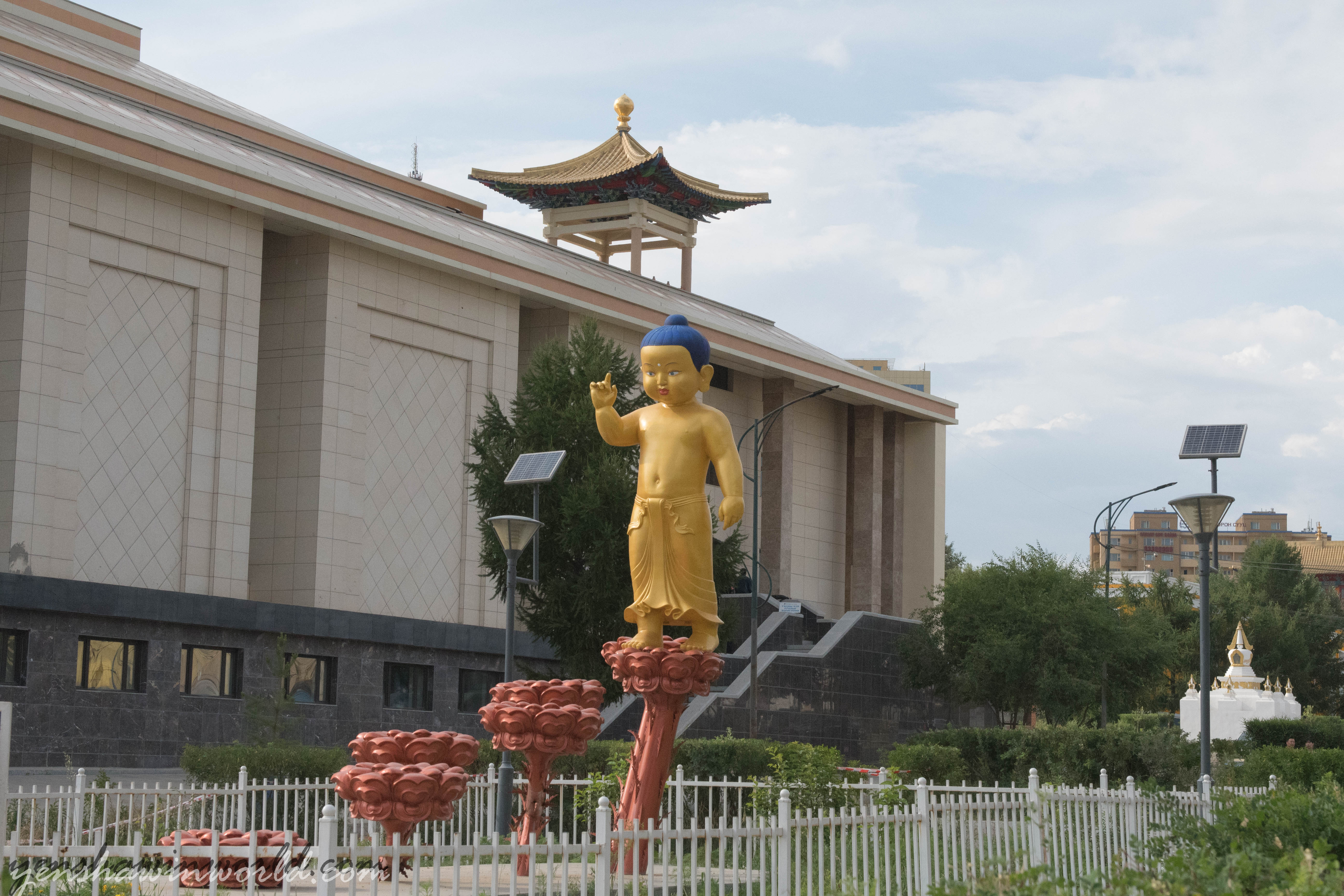

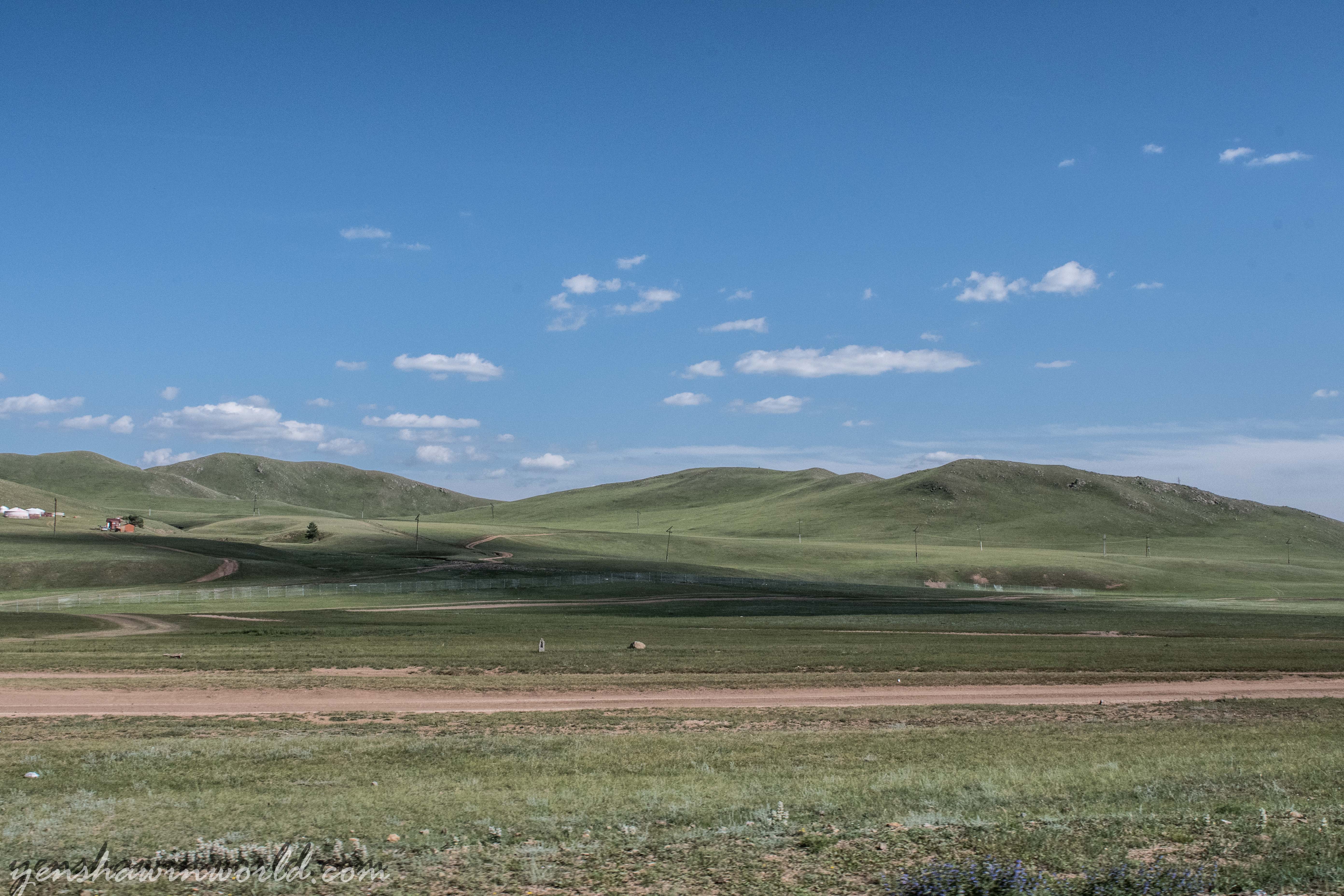
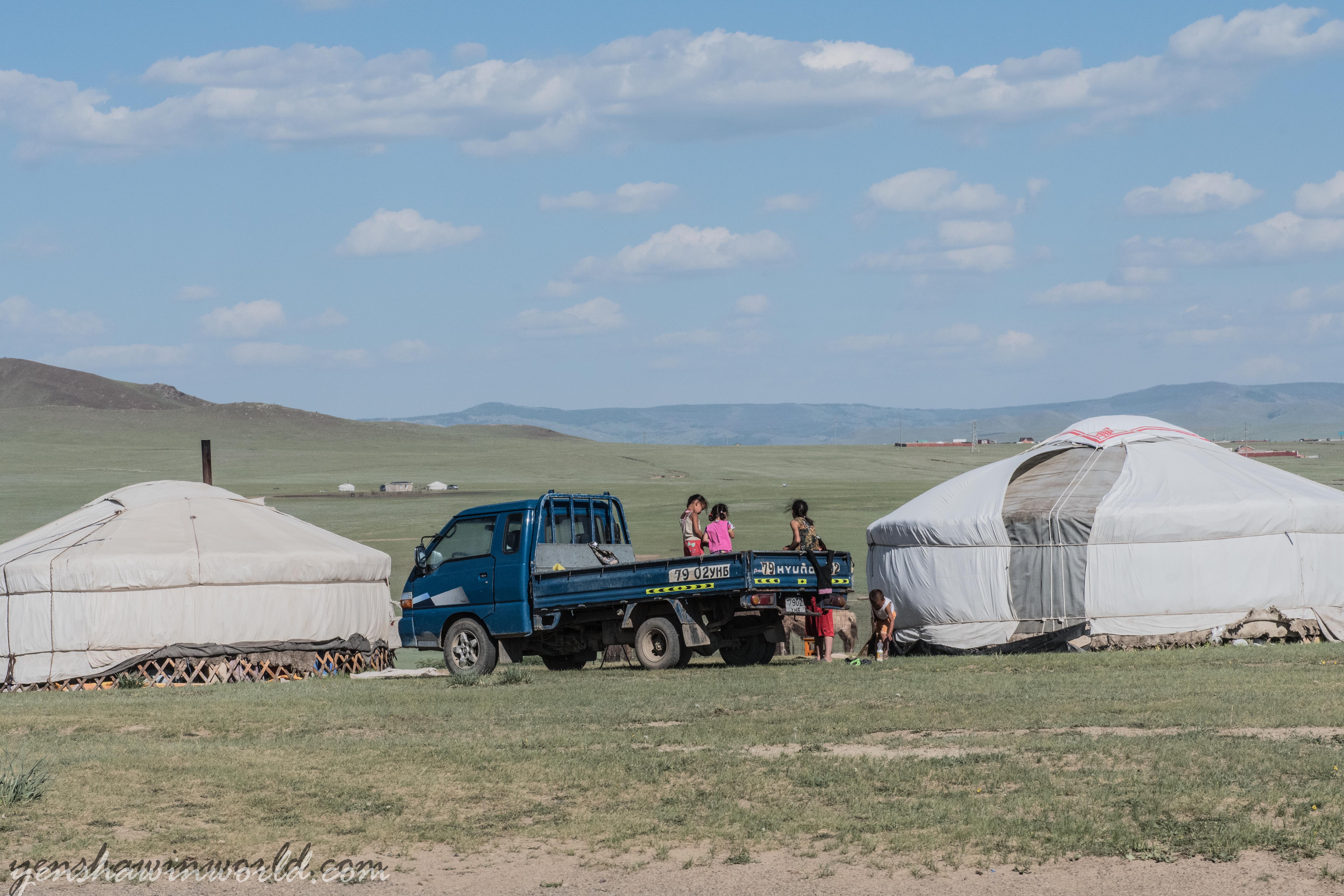
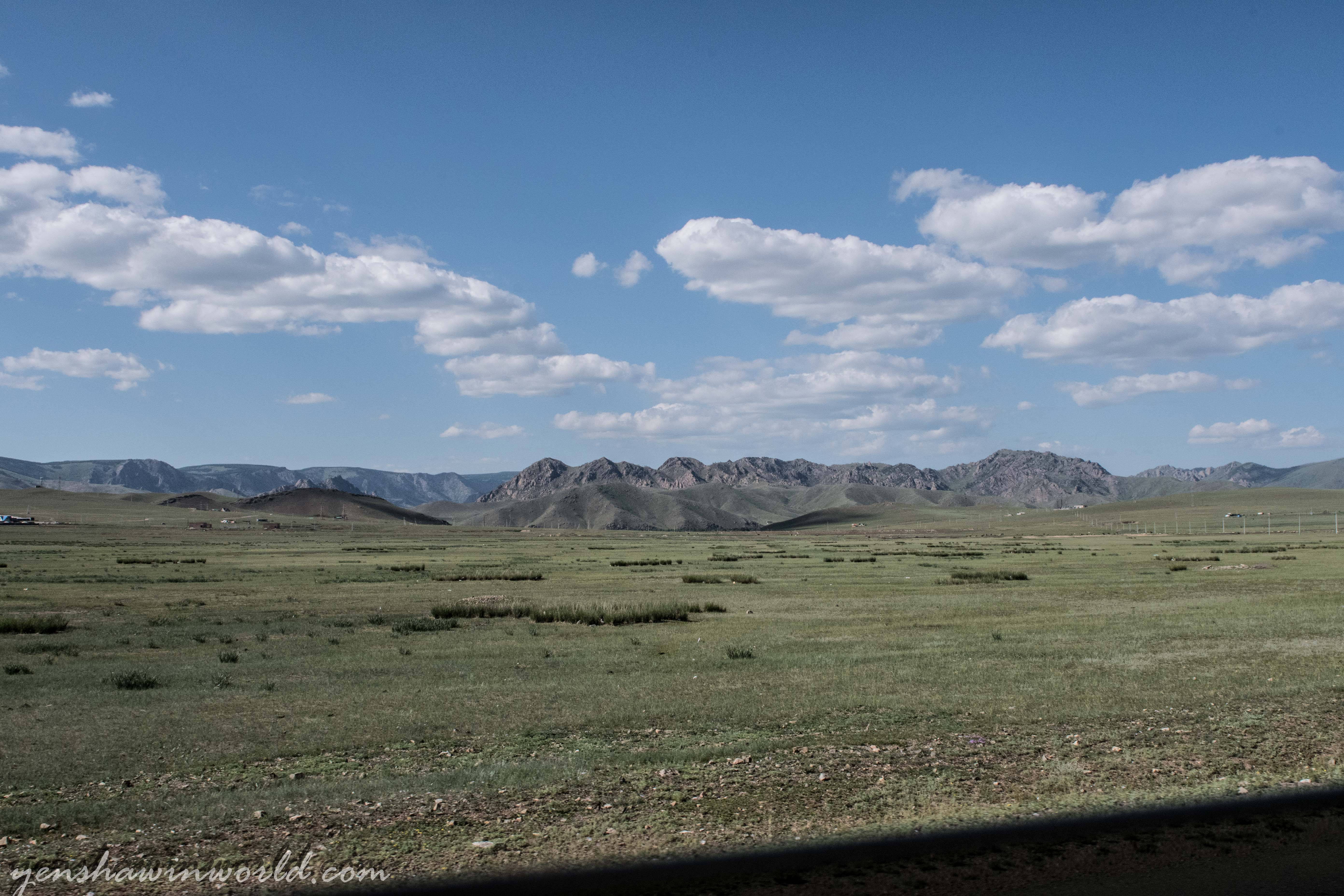
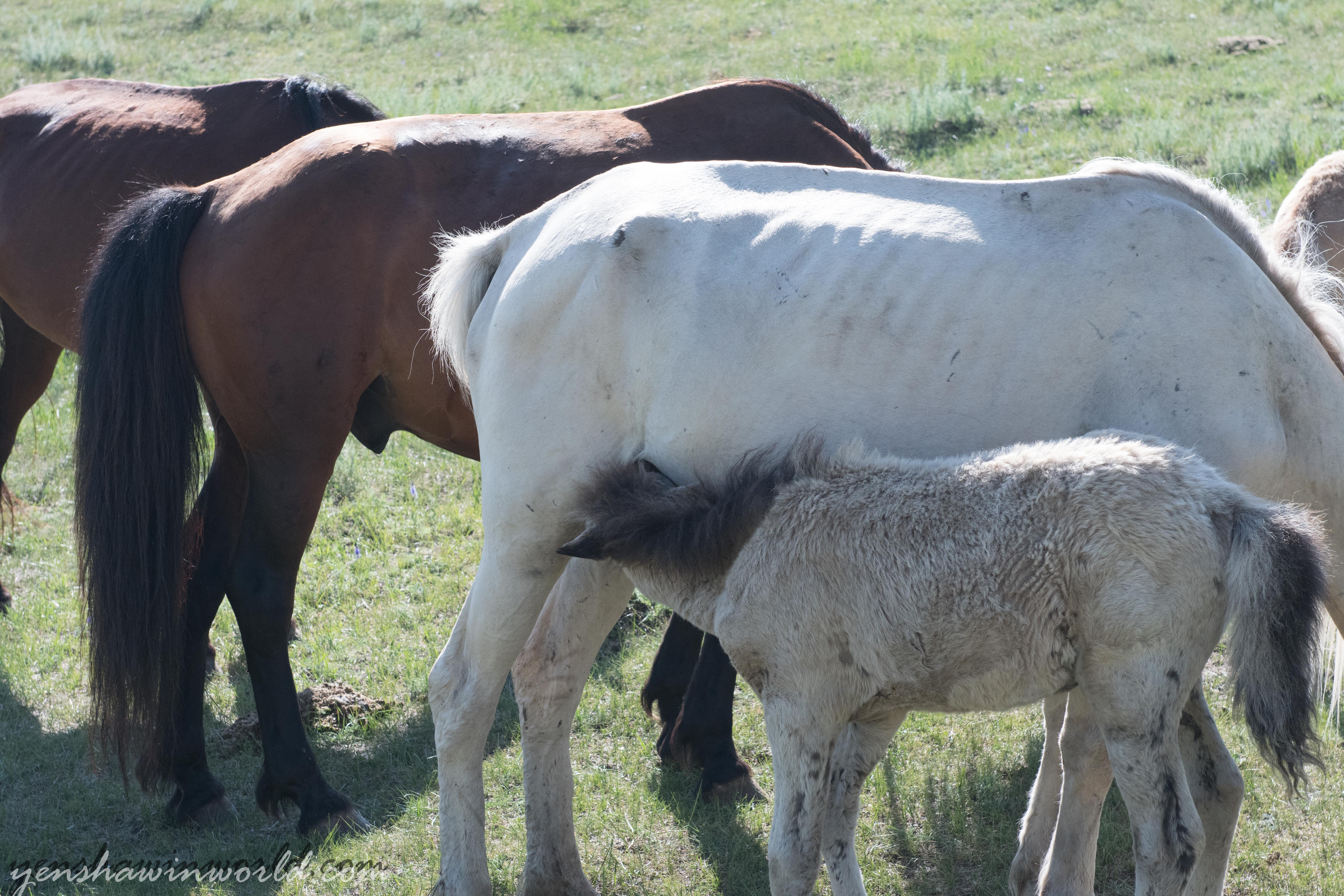
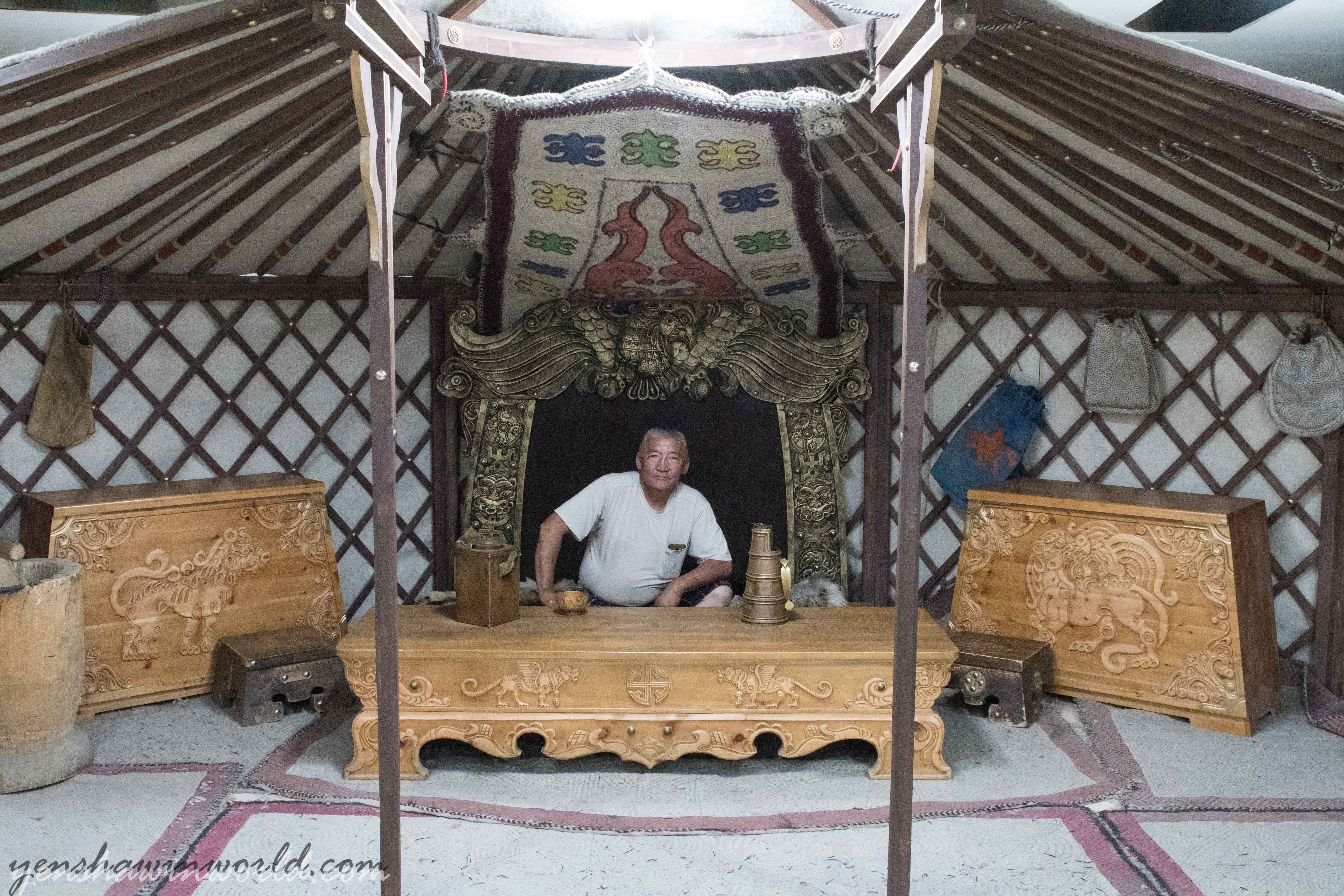
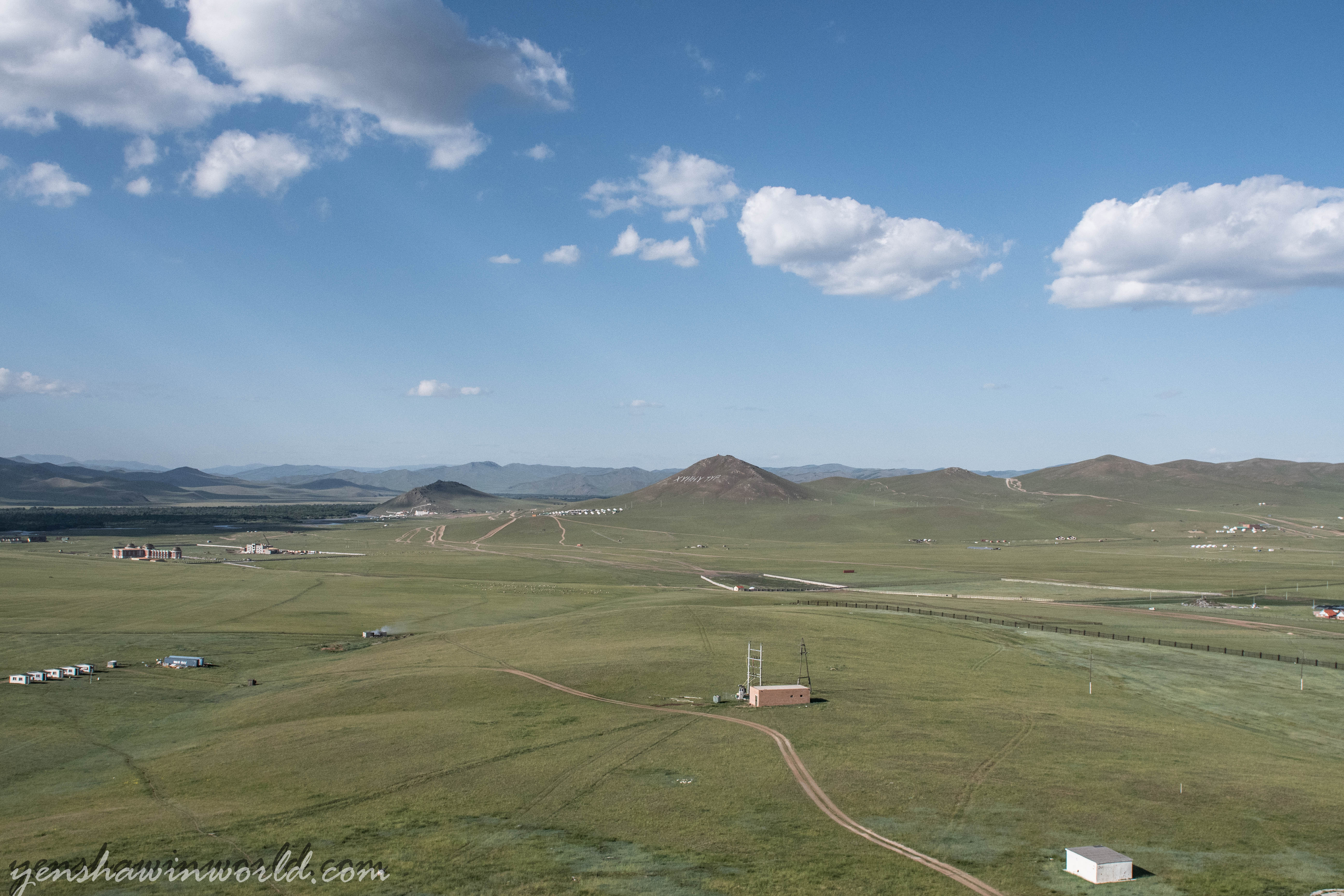
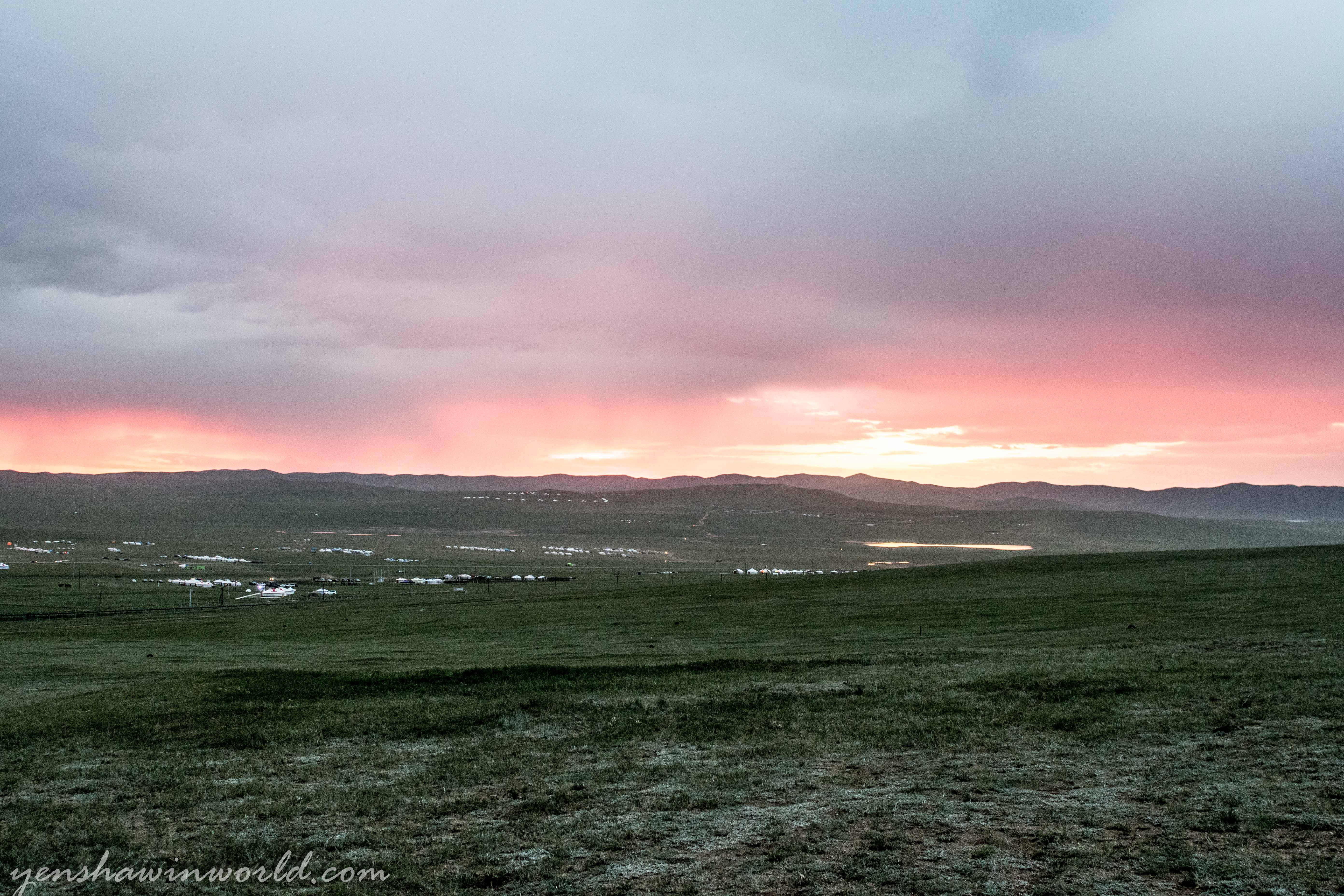
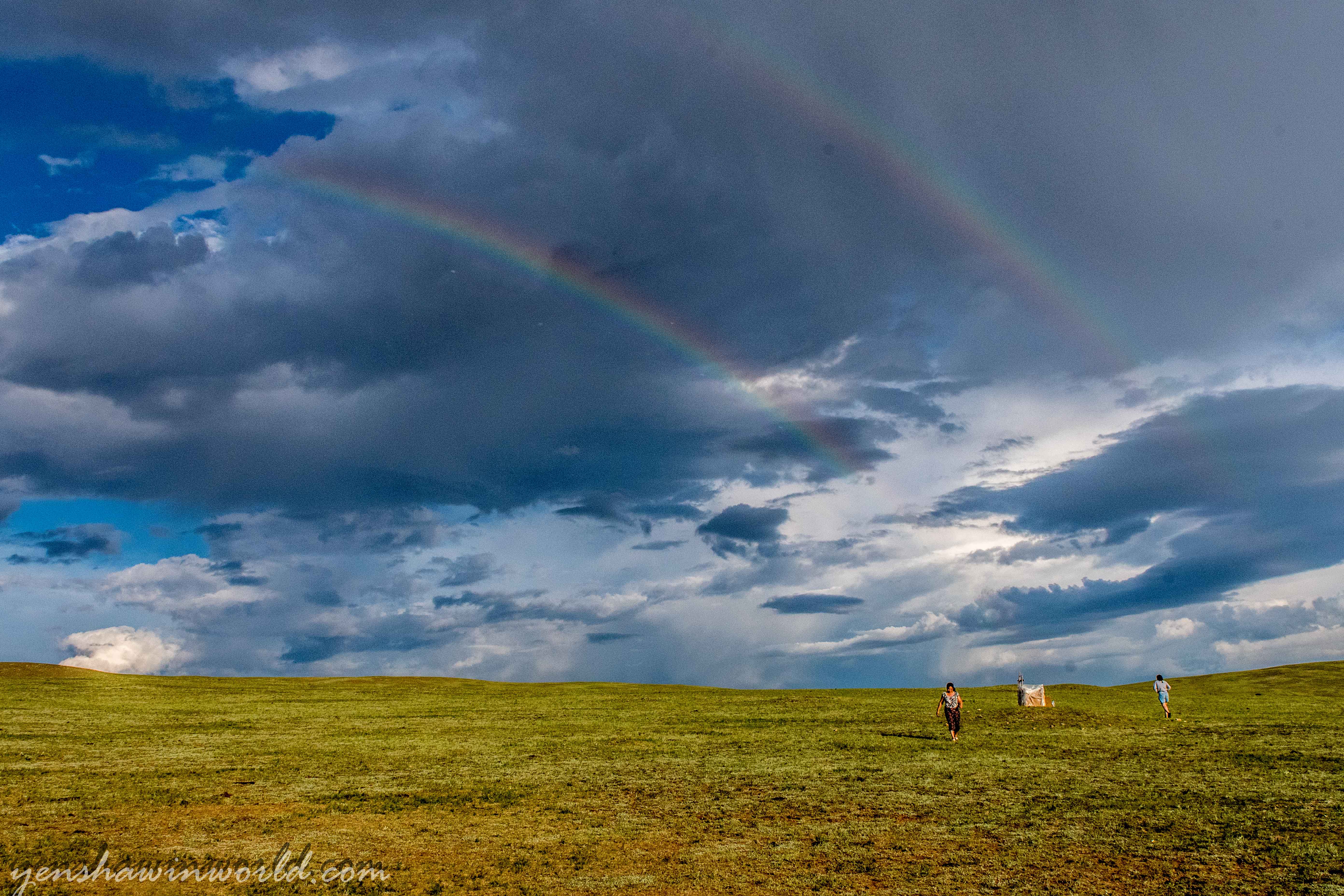
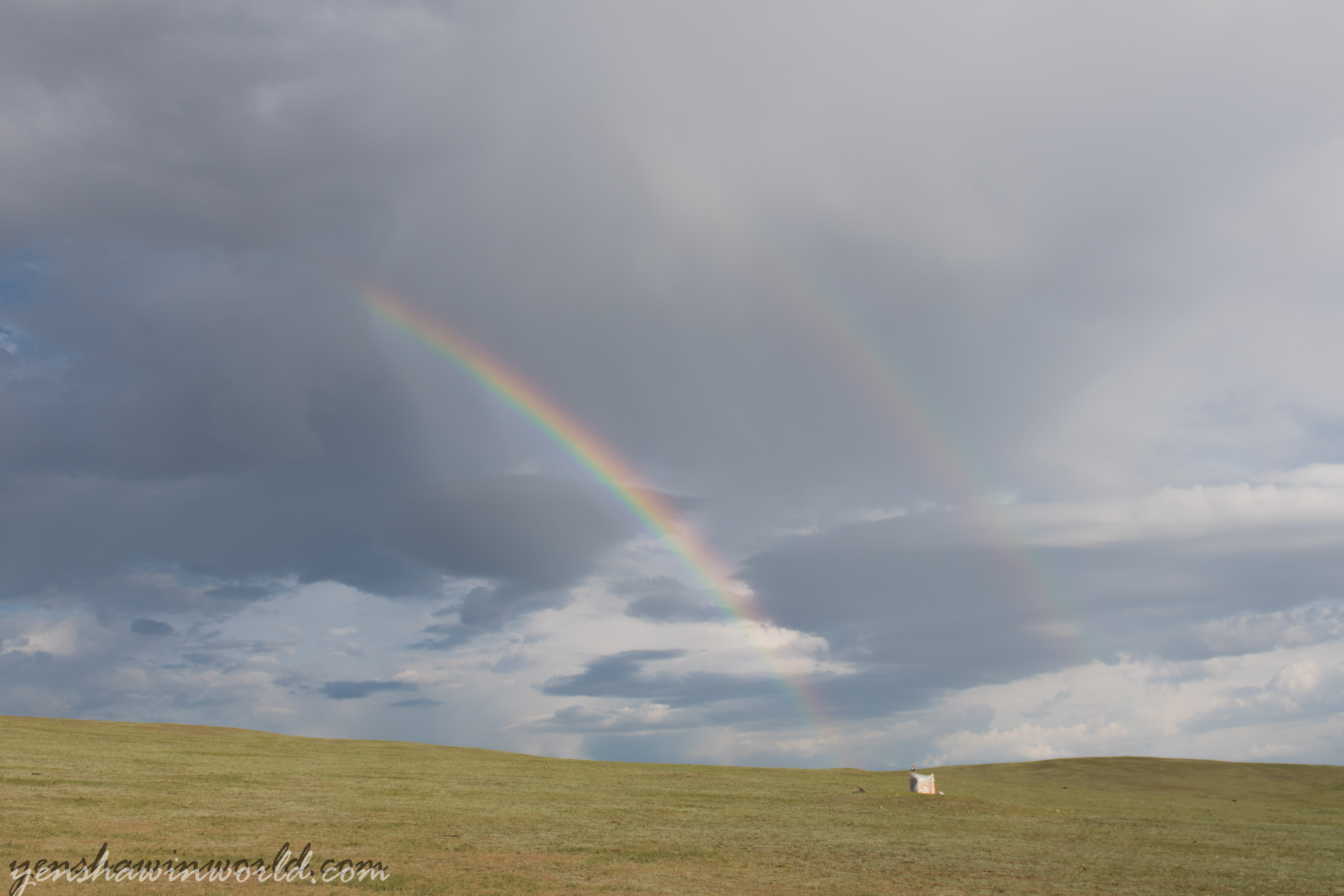
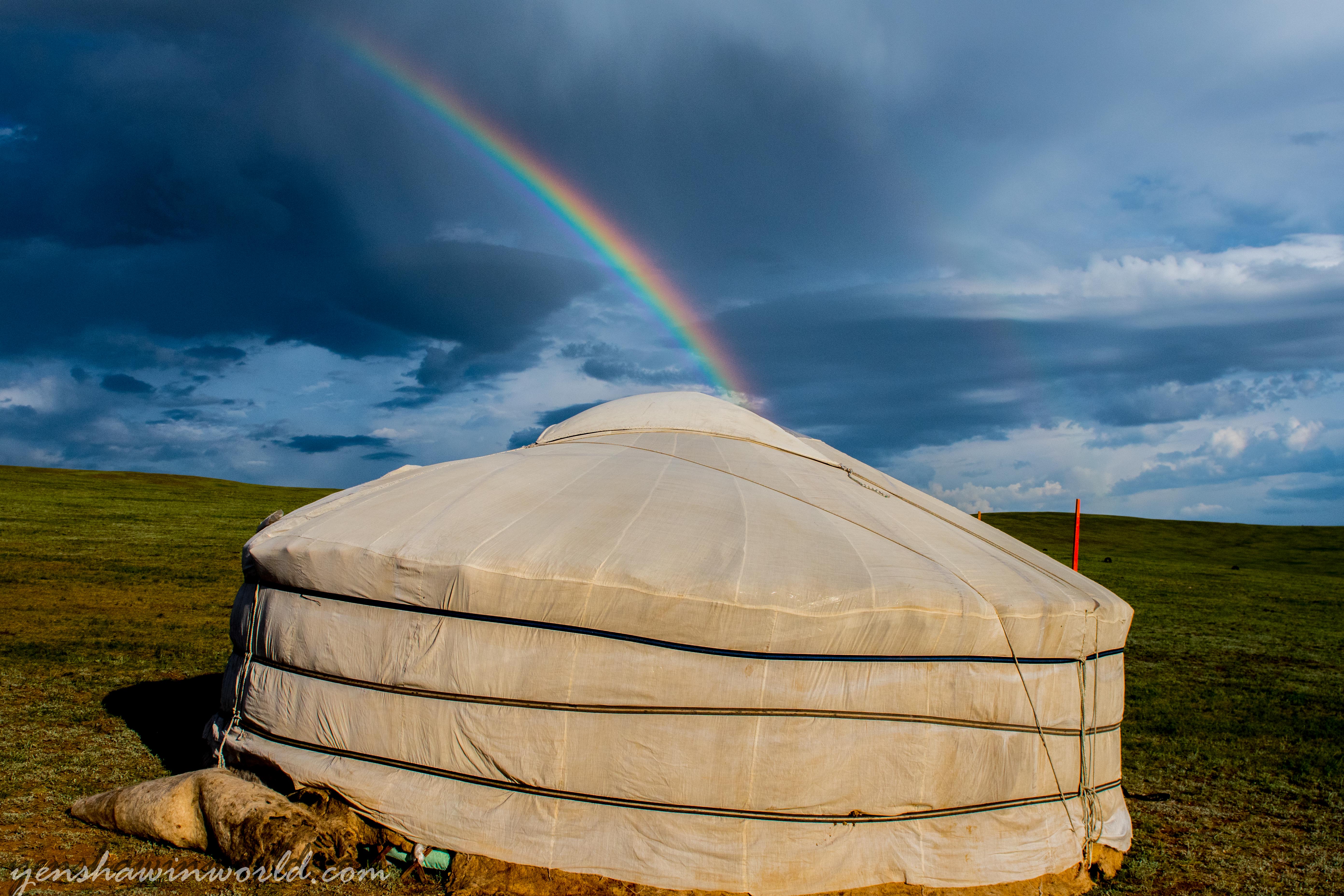
Known as the “Land of Genghis (Chinggis Khan) and Yurts, this land has been on my list to go to for sometime. Situated north of China, and south of Russia, this large landlocked country has some of the most beautiful scenery and skies with wide open spaces known to man. Elements of its communist past are all but eradicated and little by little opening up to tourism in a great way. With their yurt huts that can be taken and moved around from place to place to their wonderful horse treks, this country has it all.

A great place to stay at or travel with that gives you an authentic experience and tailor your every needs for a trip would be Stepperiders. Weather you want to have a yurt experience, they have a camp for you, or take off on a group horse trek for X days, they also have this for you. Some people decide to do a solo trek in which they can take their horse, food, and water for as many days that they want and explore the wide open country themselves. They can also provide trips to nearby national parks and book your every need. Nathalie whom I coordinated with has been living there for years and she always kept us in the loop of all the up to date information and is quite knowledgeable. I would not hesitate to travel with them again as their prices are fair and the food they cook at the camp is top notch.

Steppriders is a camp that has over 200 horses and caters to people from all walks of life.  It is not uncommon there to see families with kids sitting and talking with 20 something students who are still in university.  Sharing yurts with complete strangers and then becoming best friends.  There is enough for the kids to do with games and horse rides happen a few times a day at different lengths and intervals.  Things do not always run on time in Mongolia (like other parts of the world), but everyone staying at the camp as a community just learns to accept it and understand that this is the way things are and eventually, it will get done.

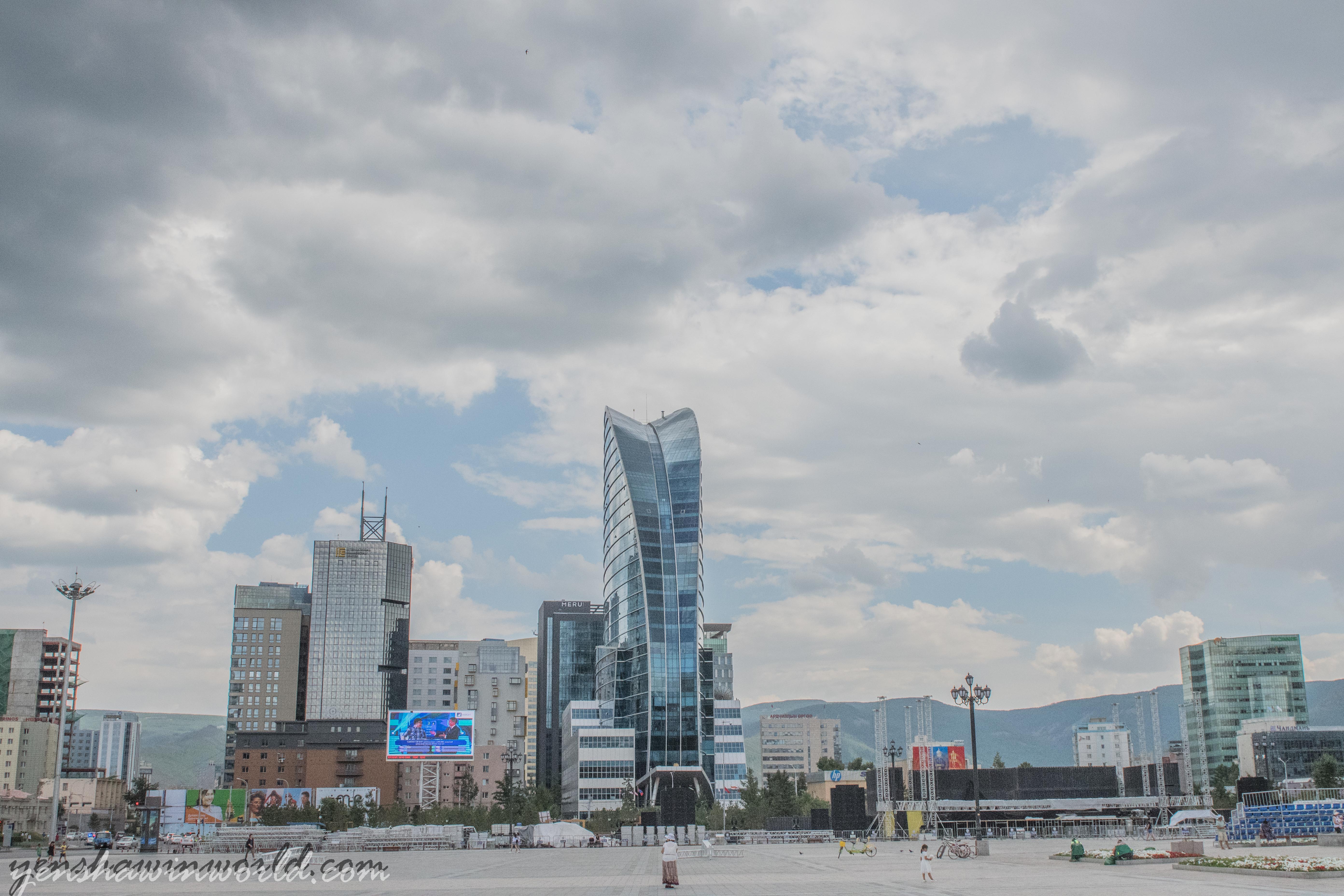
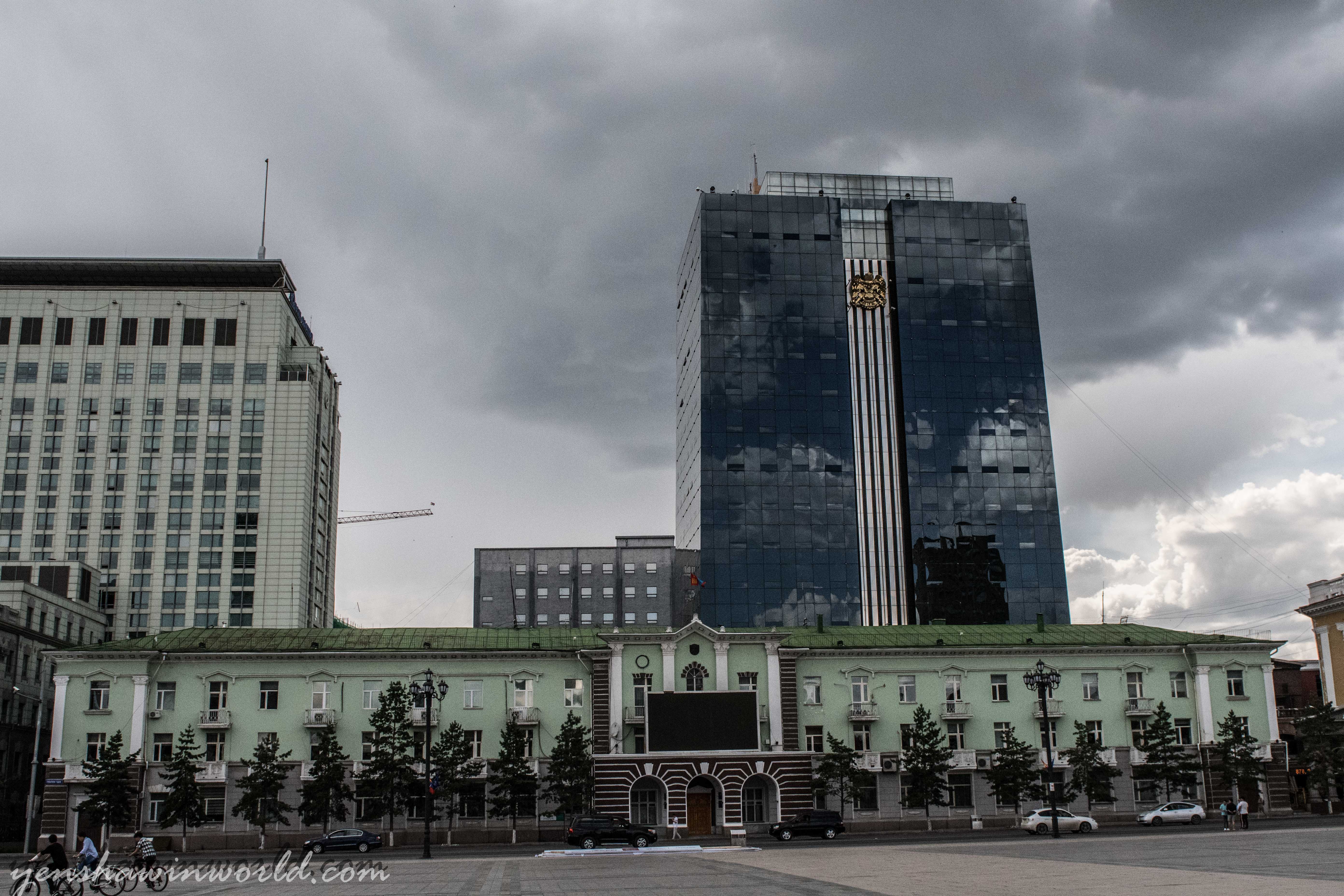
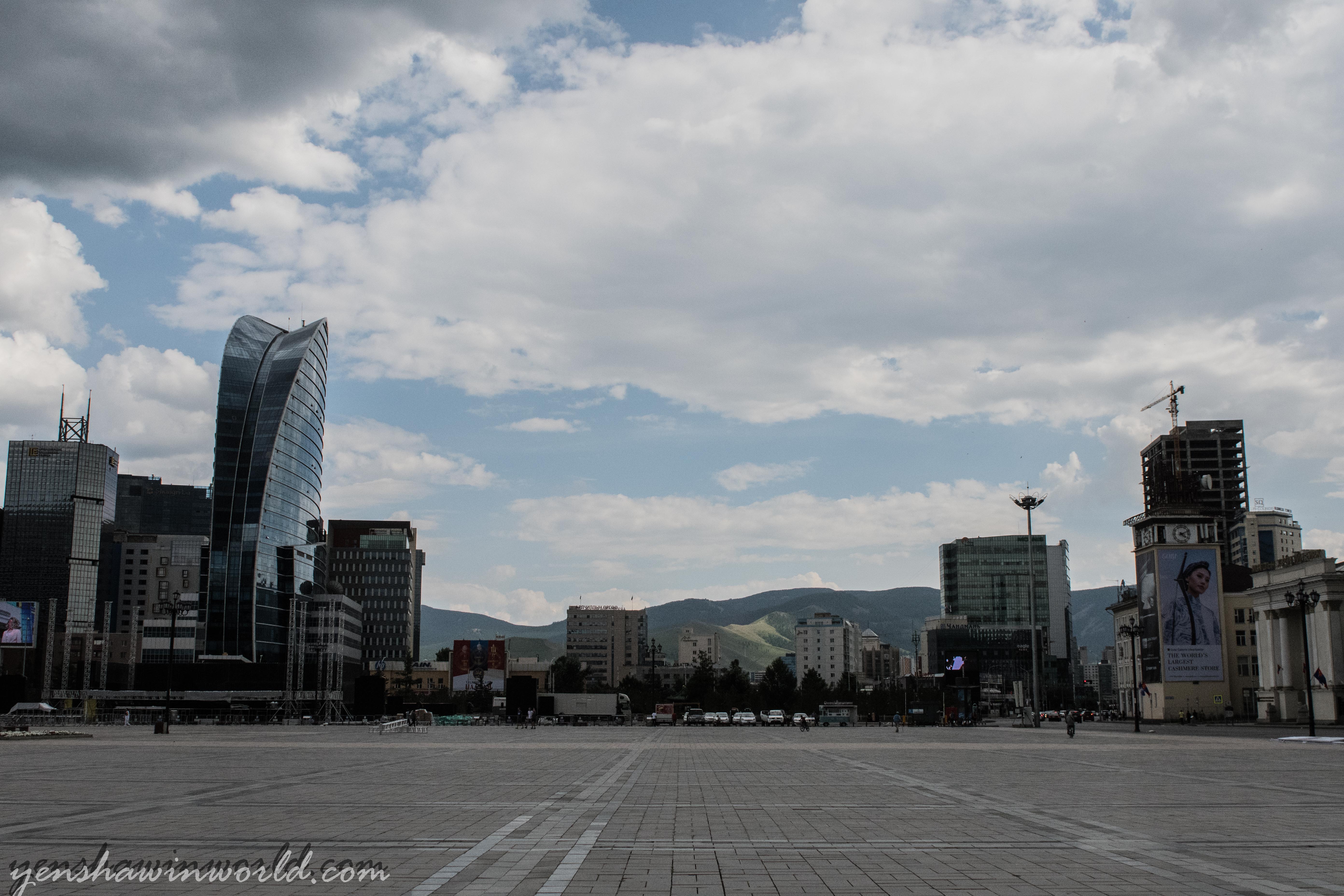
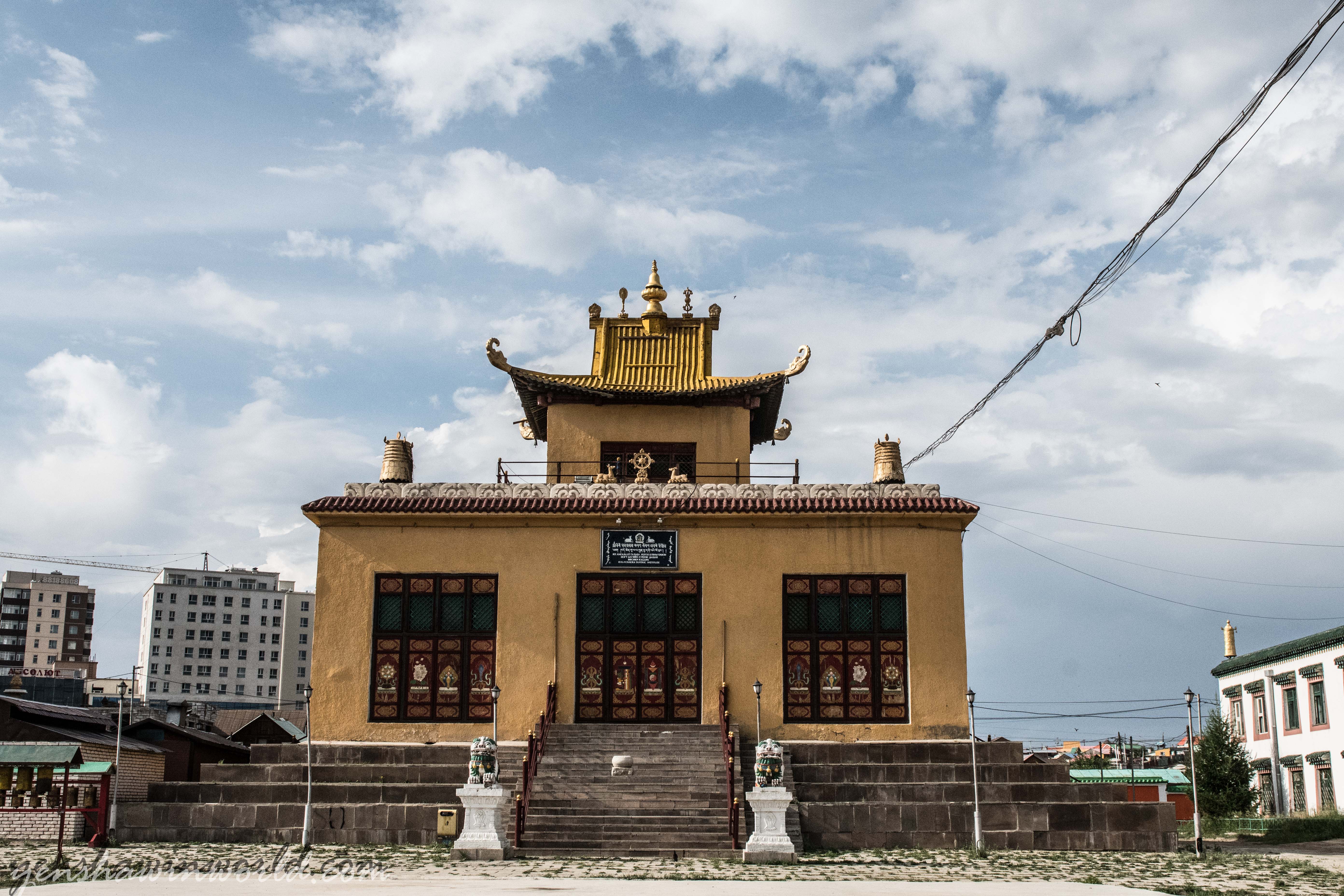
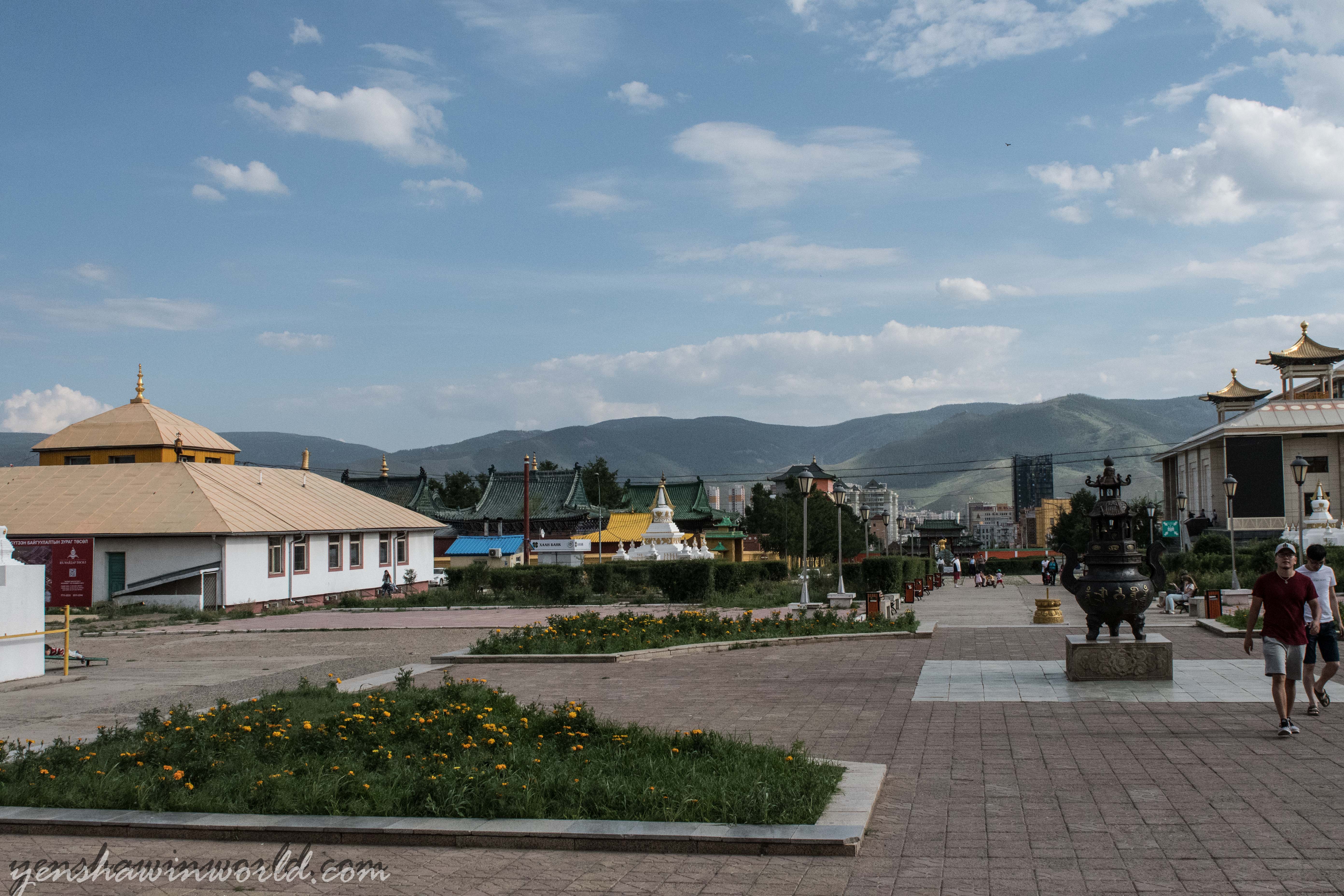
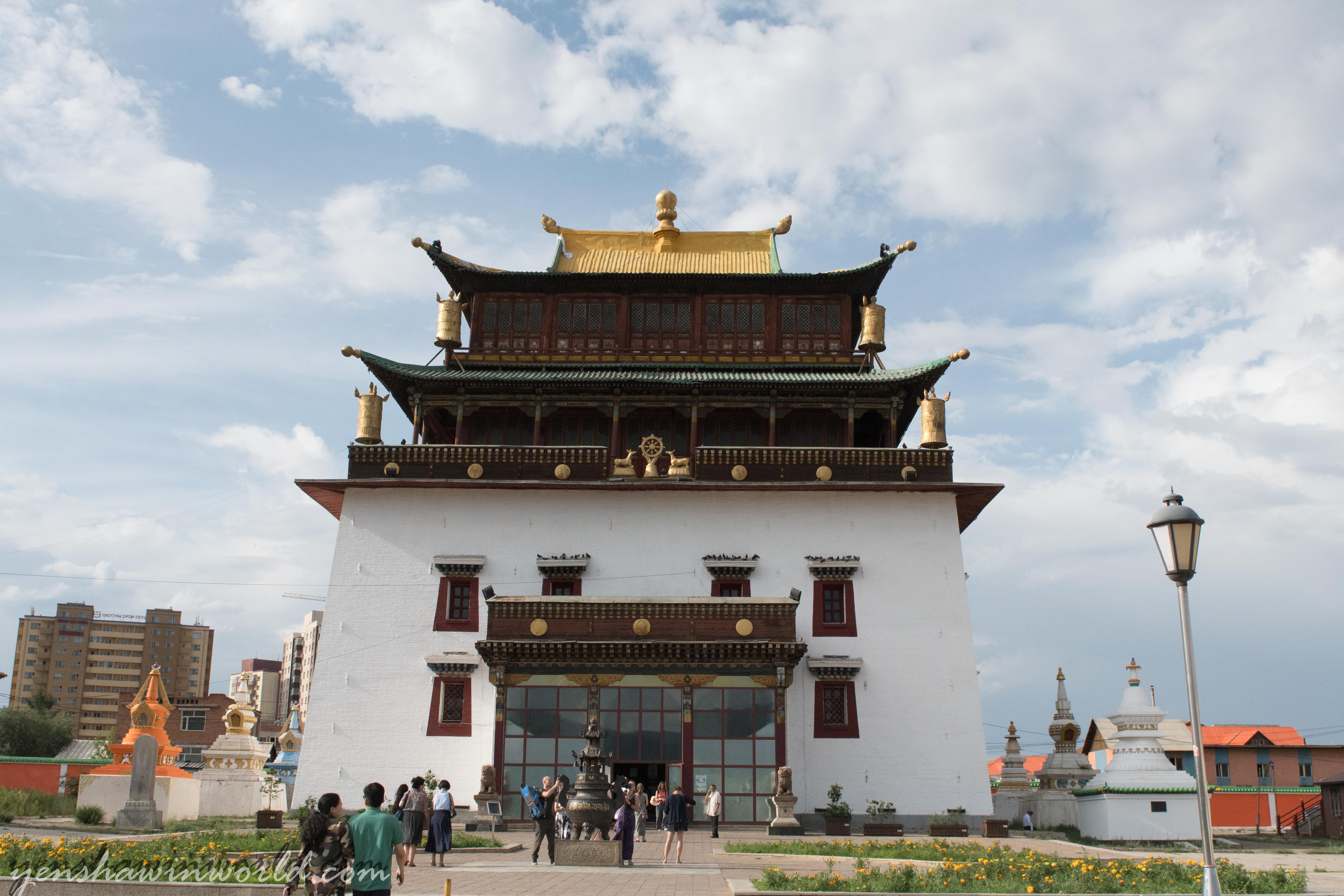
Ulaanbataar is the capital city and was once seen as just another soviet apartment block city, but since the early 90’s is being restored to actually look very beautiful.  While I did not spend much time there, you can certainly notice that they are trying to restore it to being beautiful and a city that people would want to go to and stay on their vacation. 

There are a plethora of National parks all over Mongolia and two of them are a short drive from UB and can easily be done in day trips.


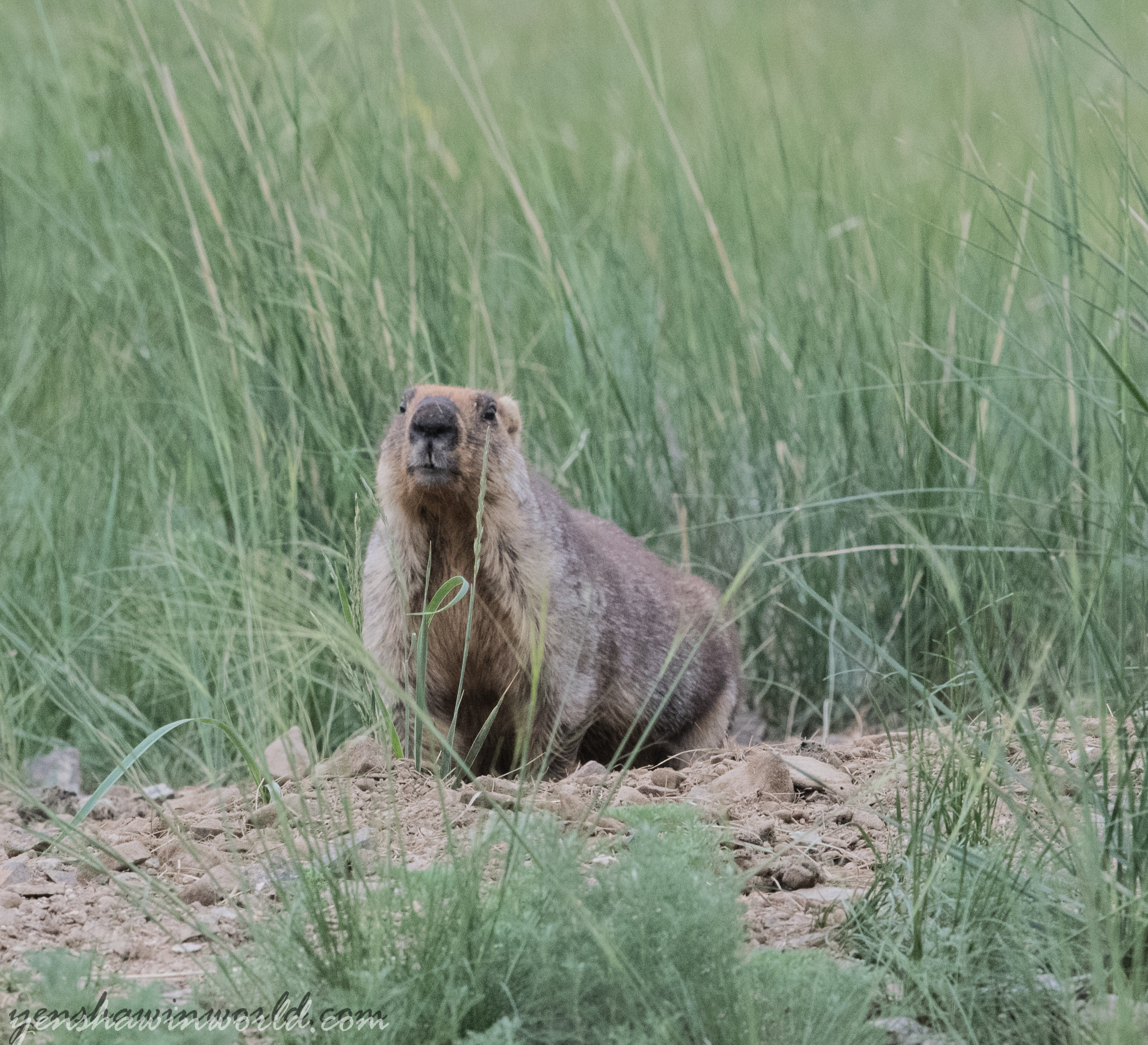
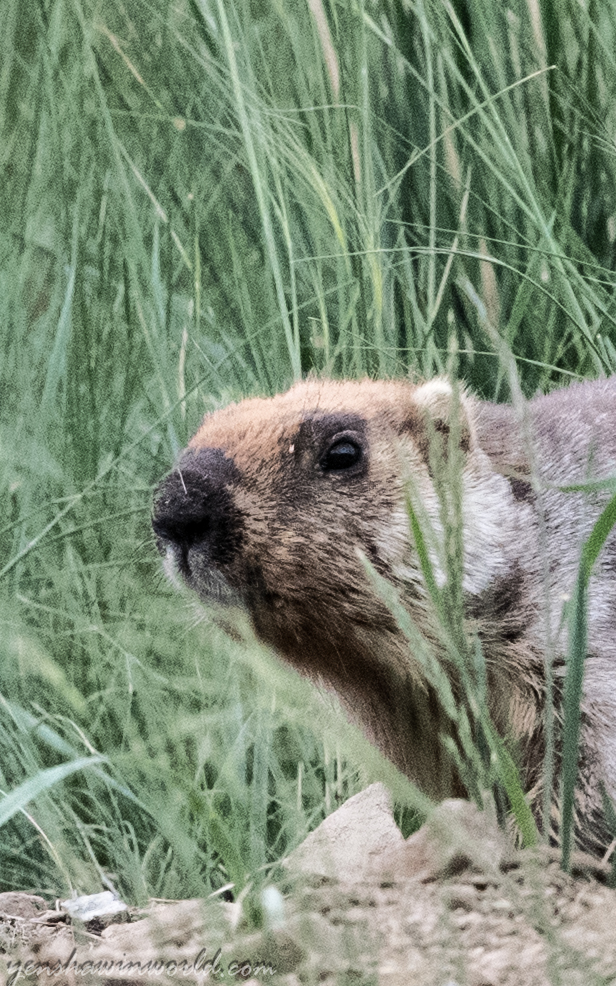
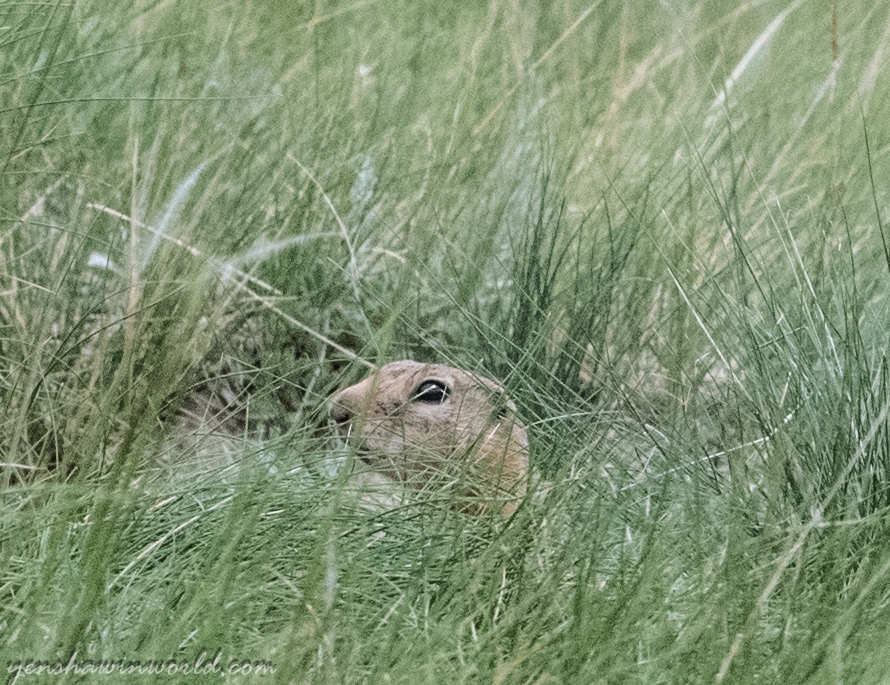
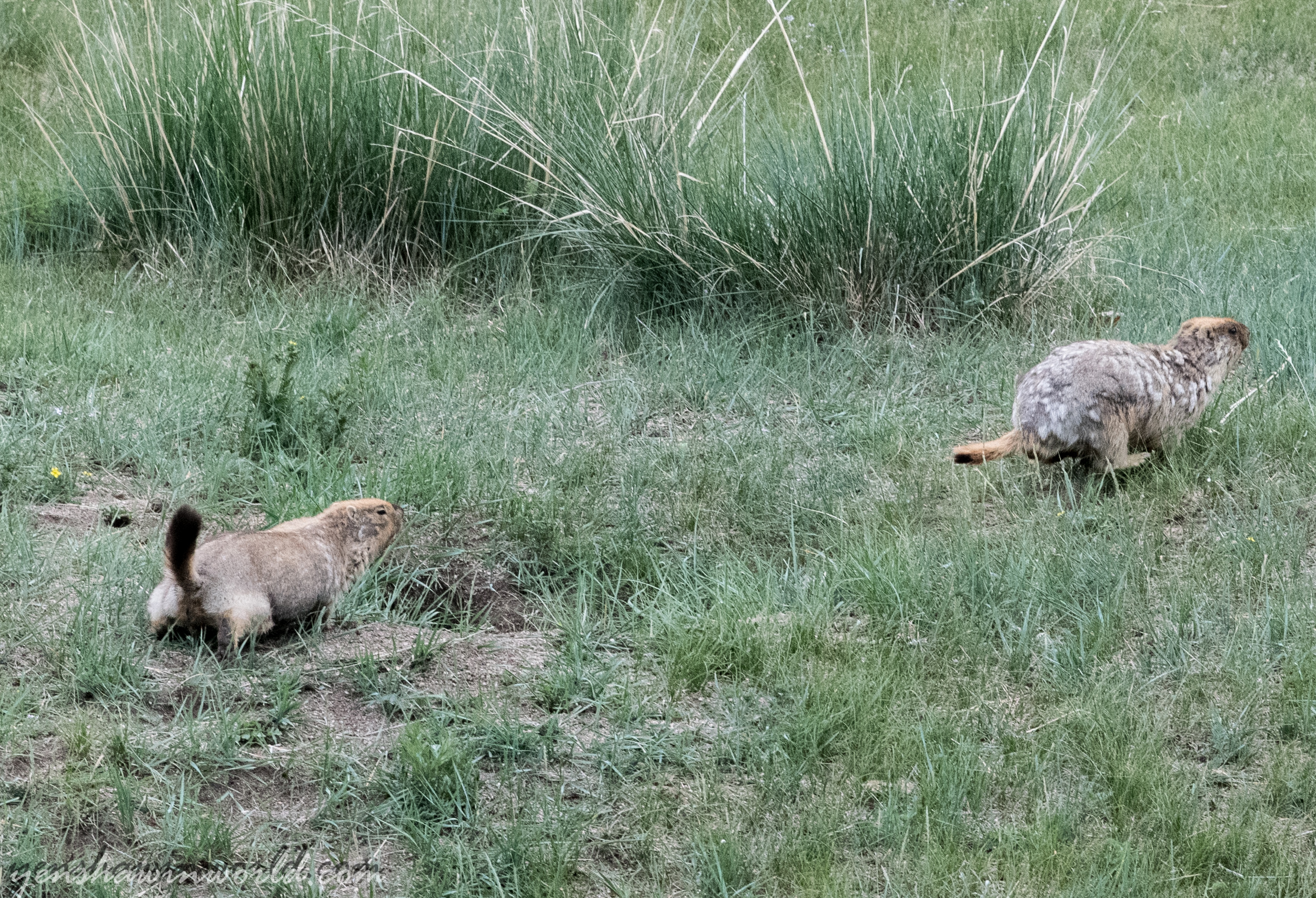
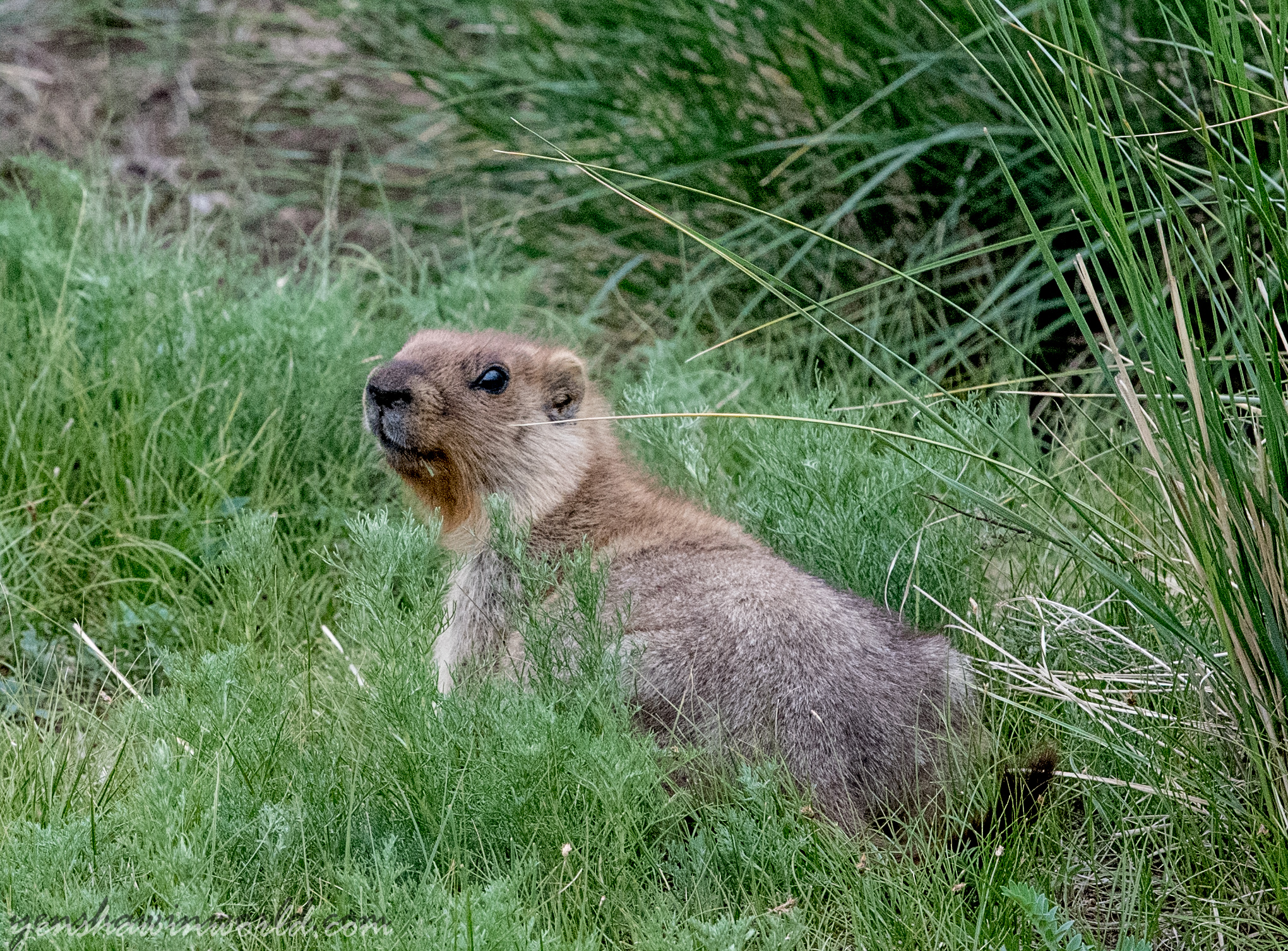
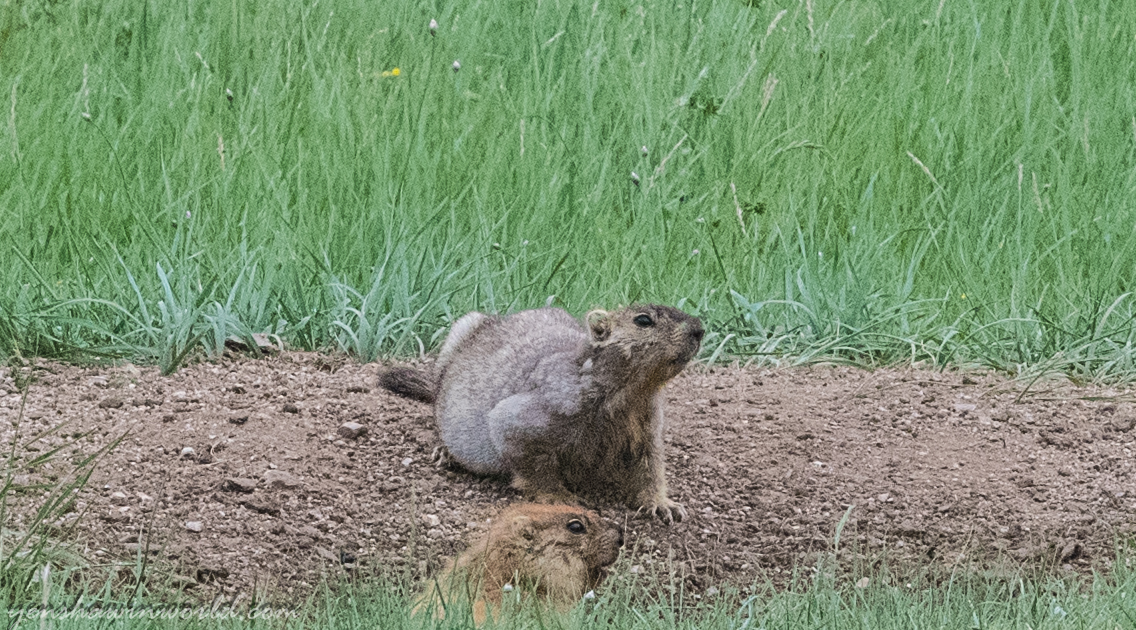
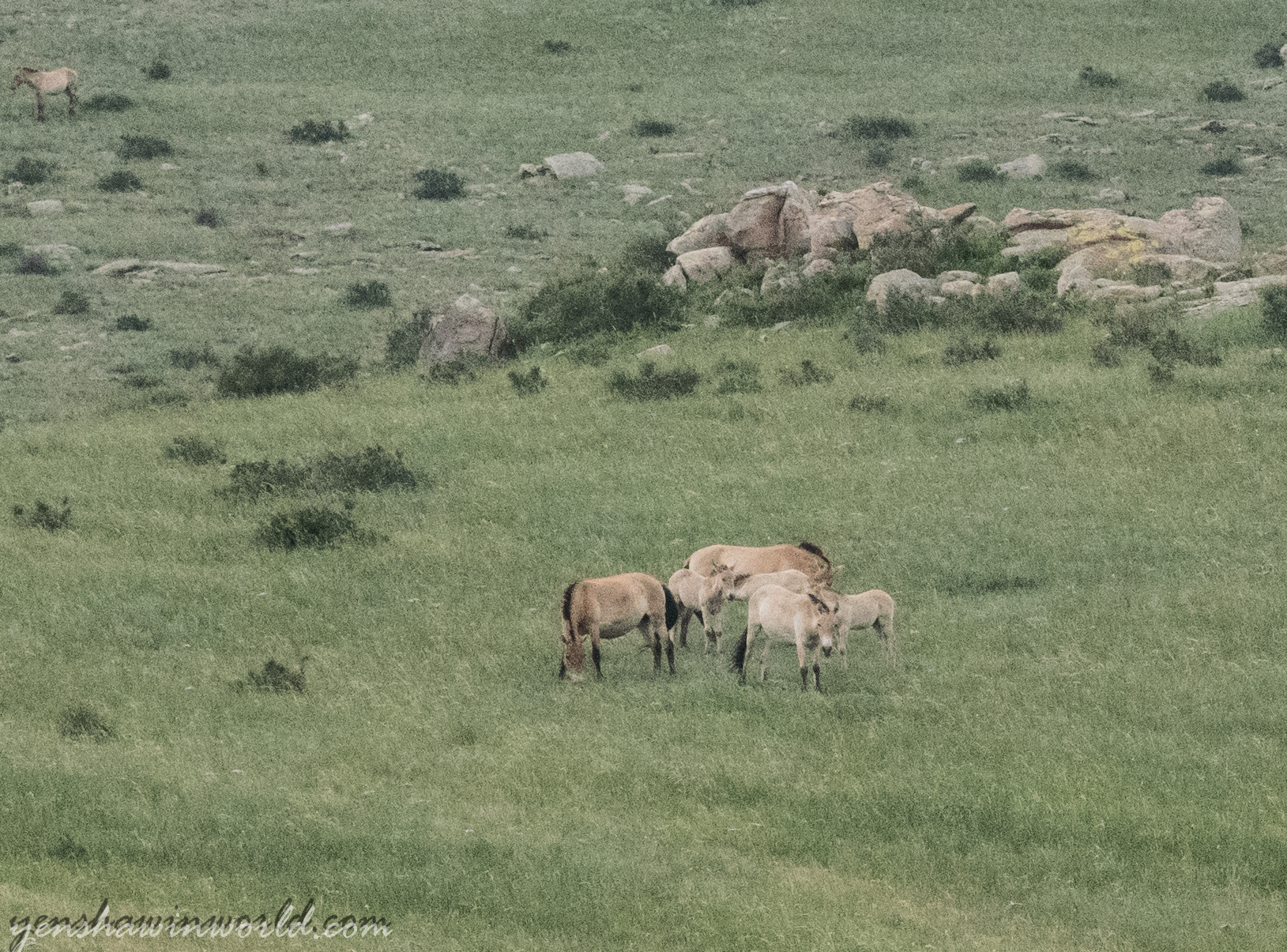
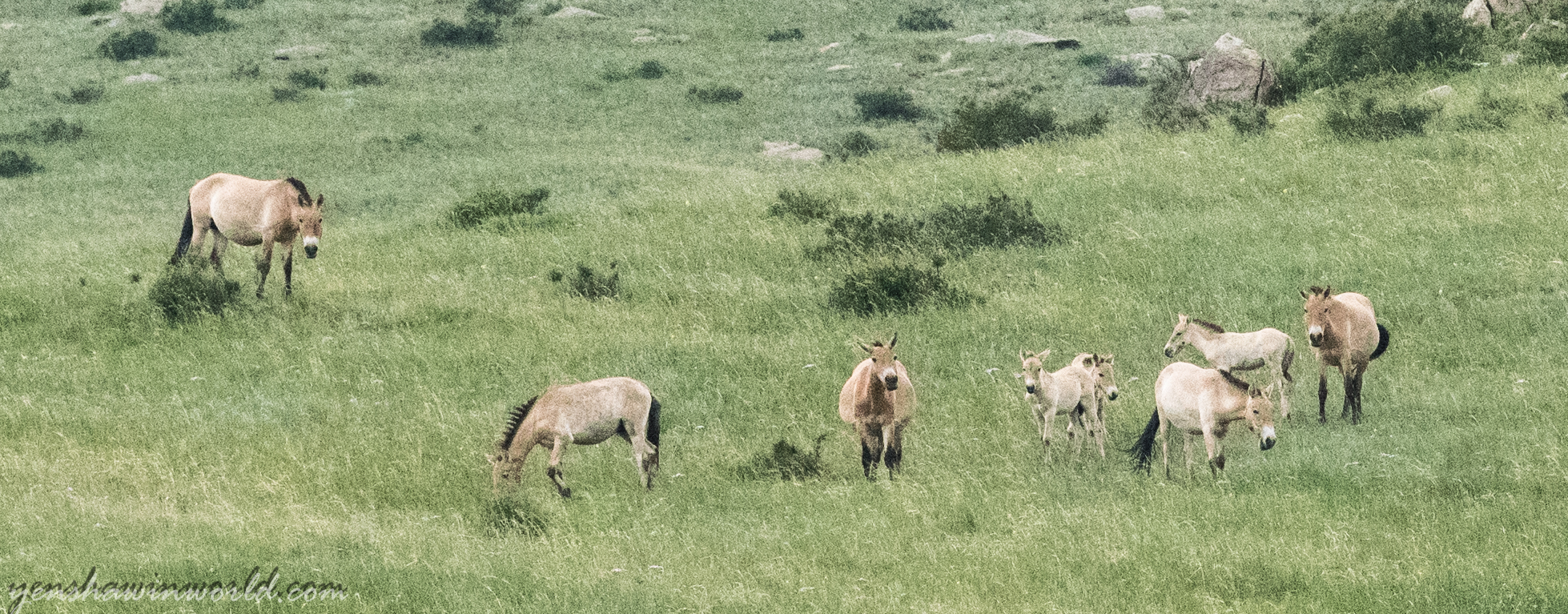
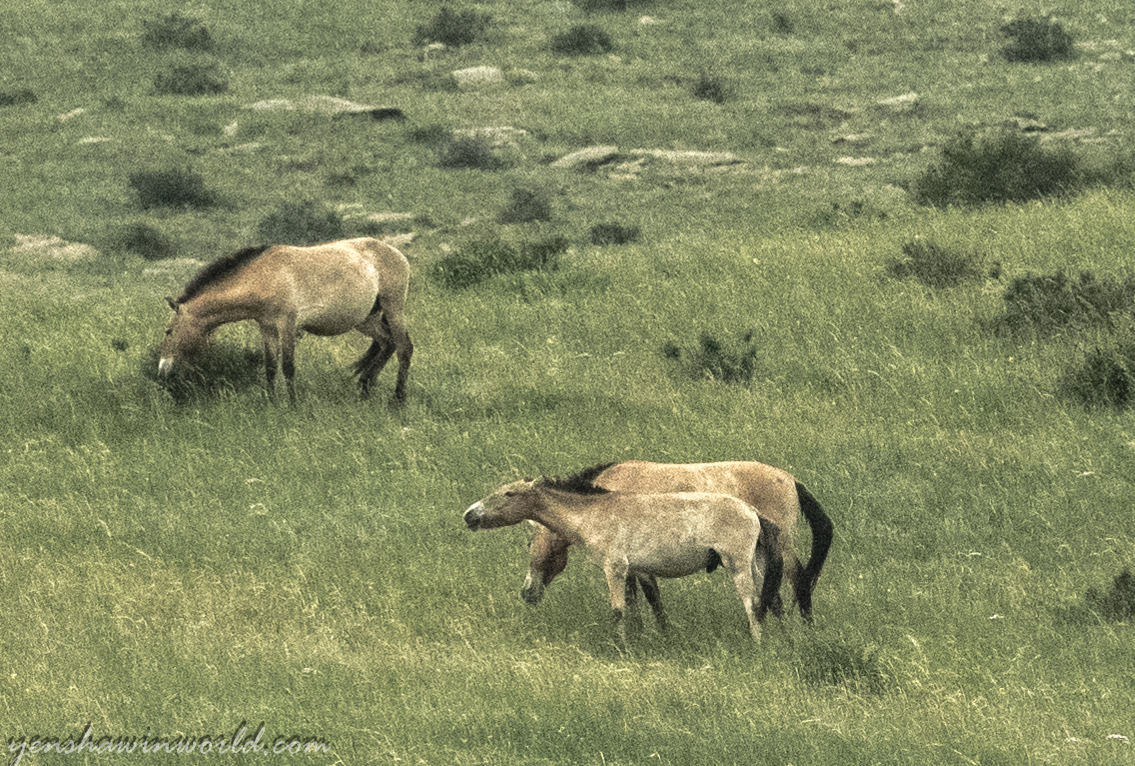
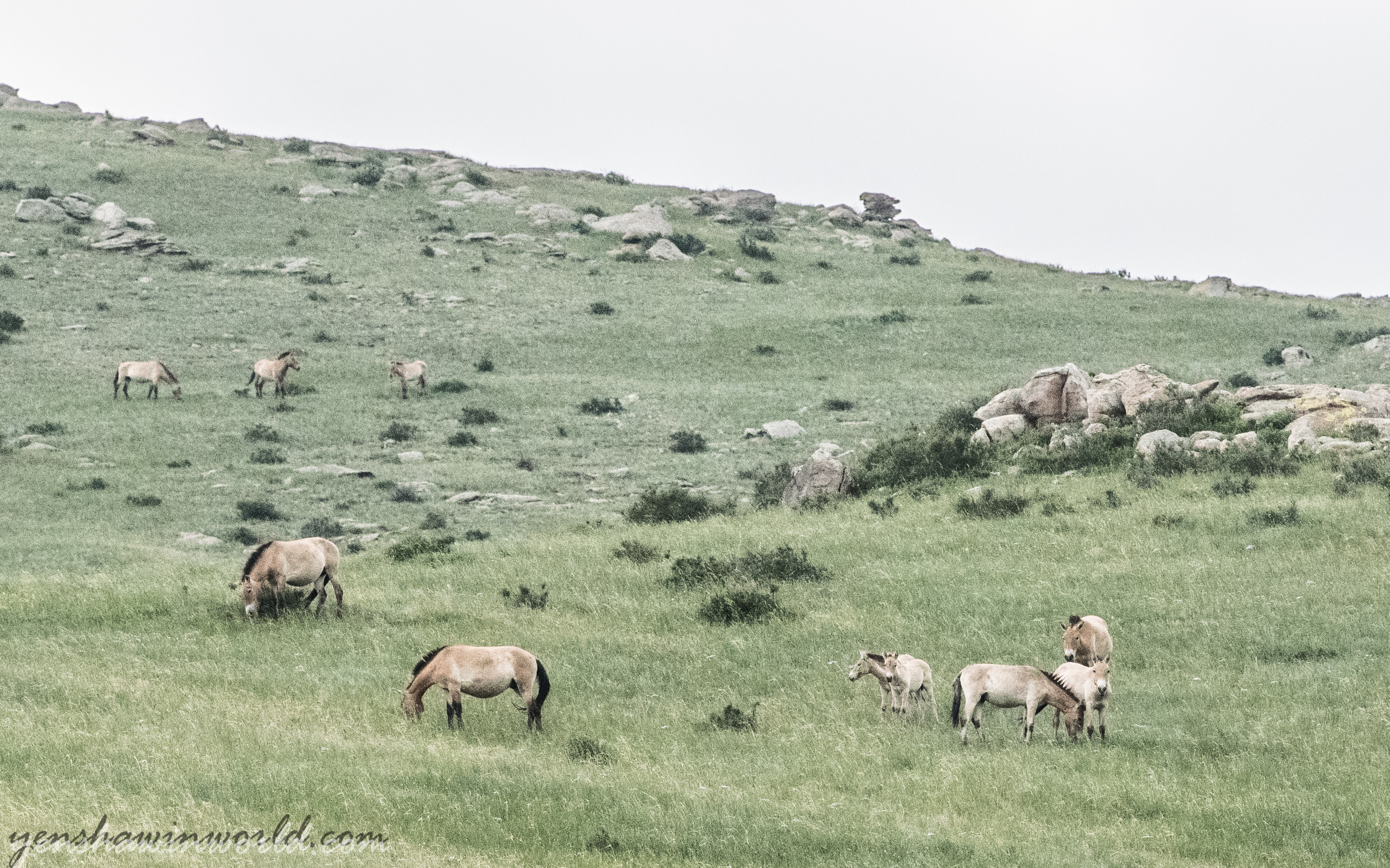
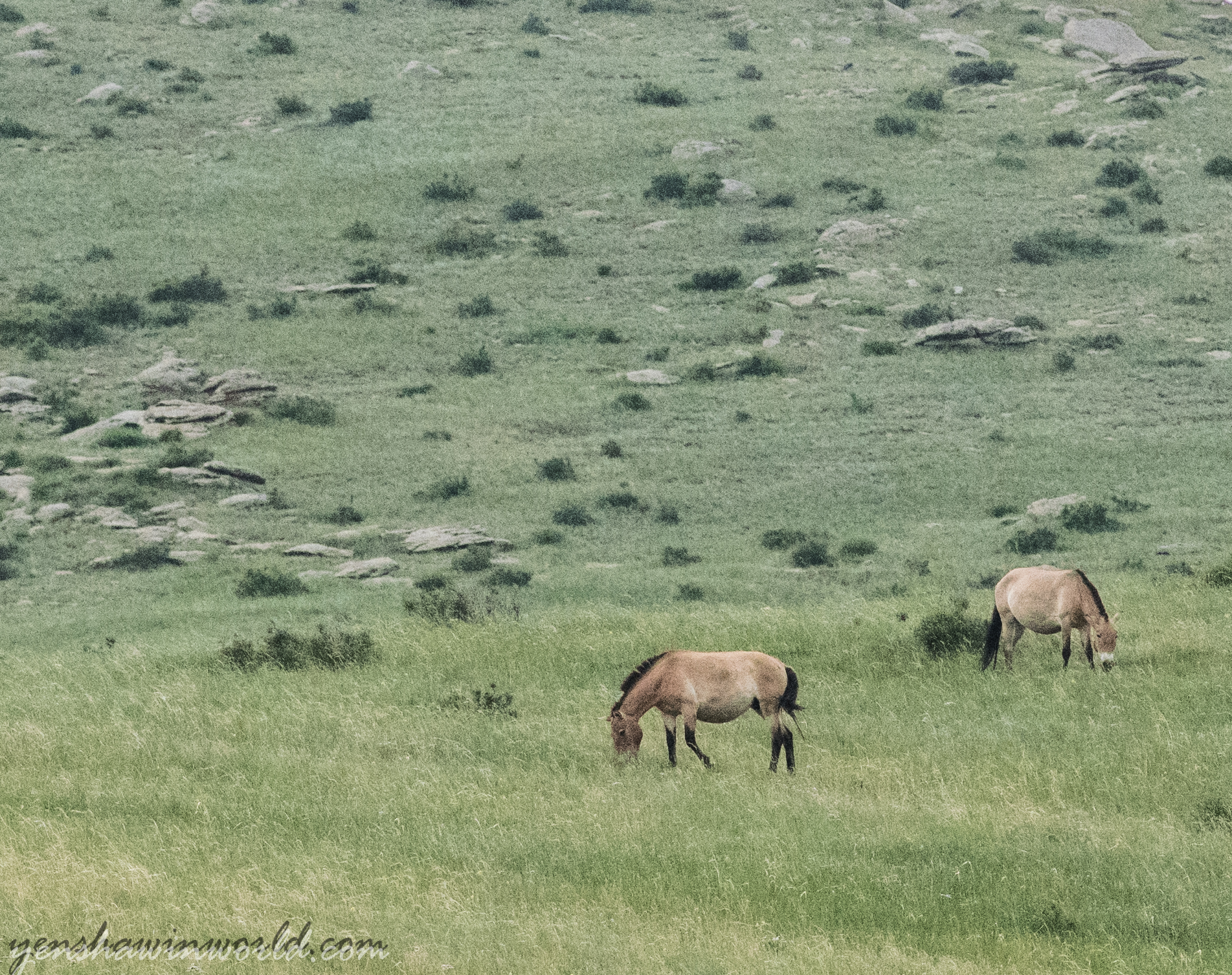
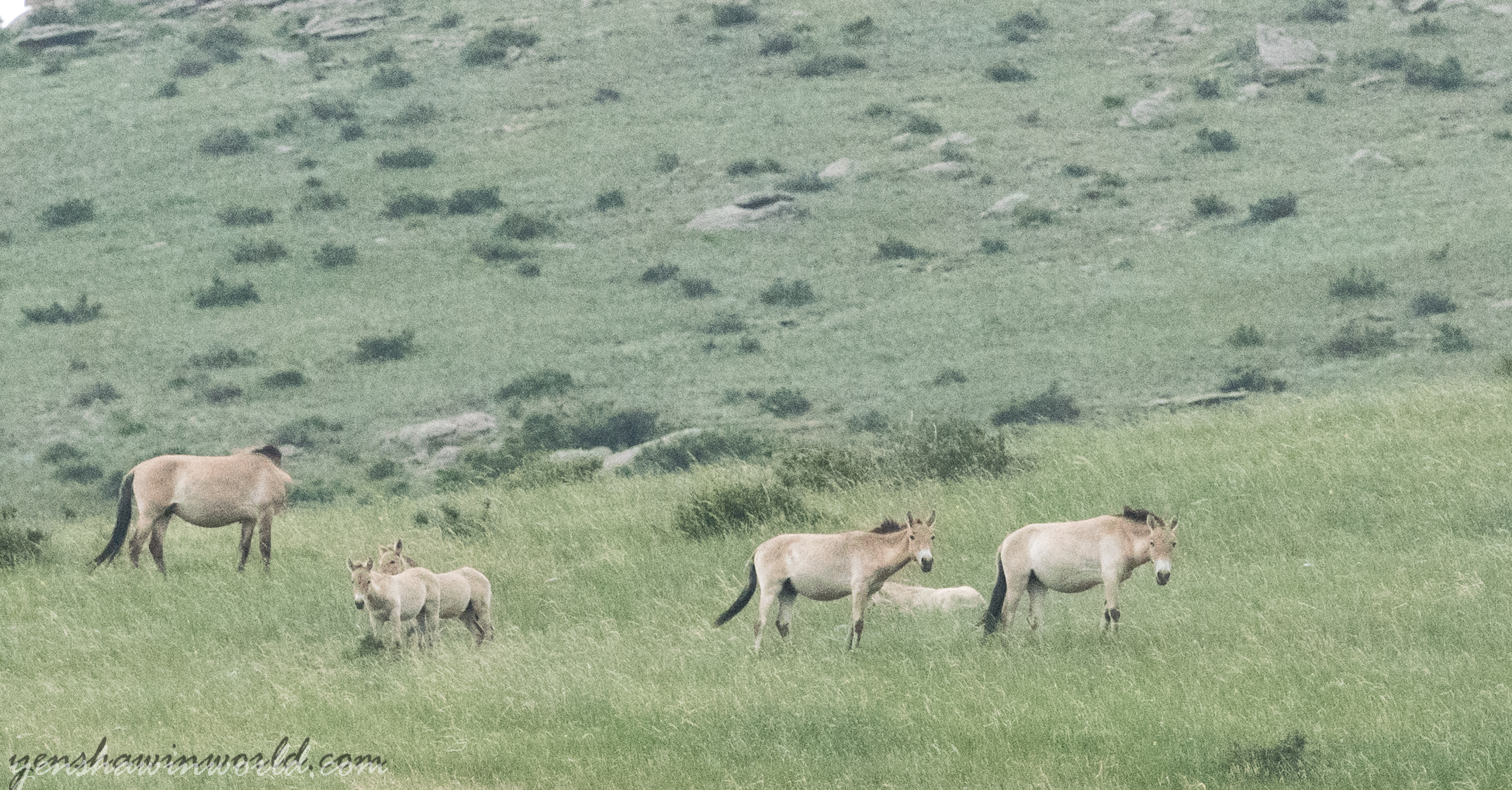
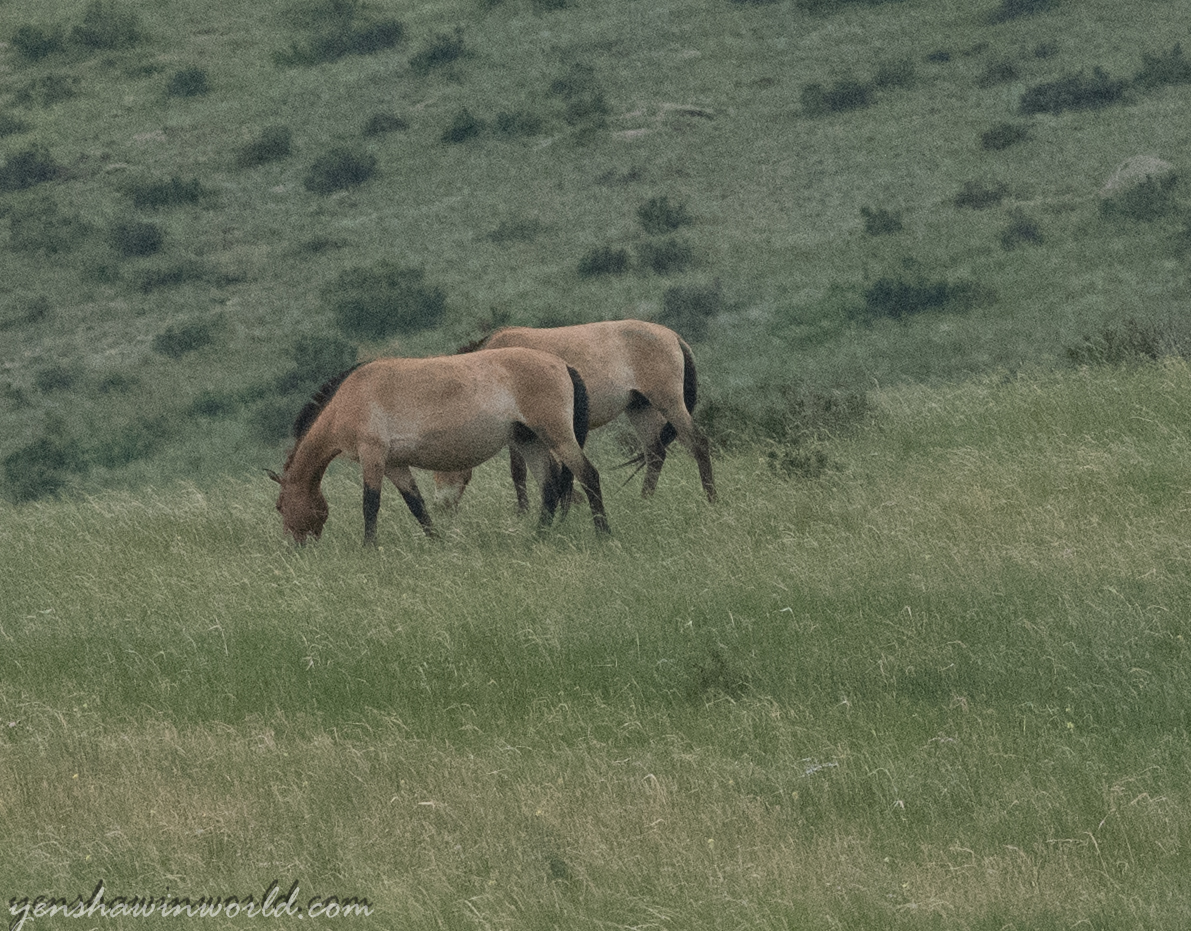
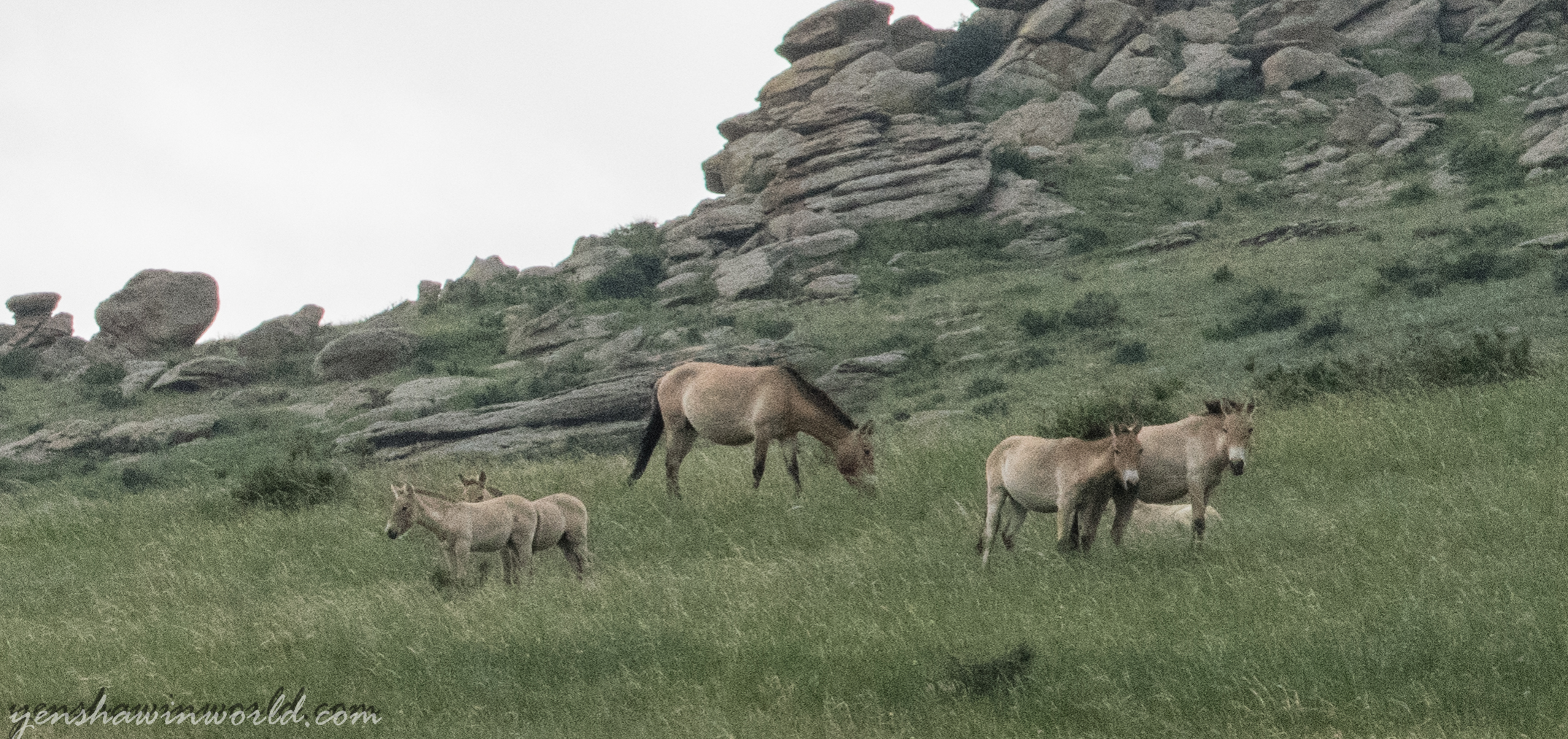
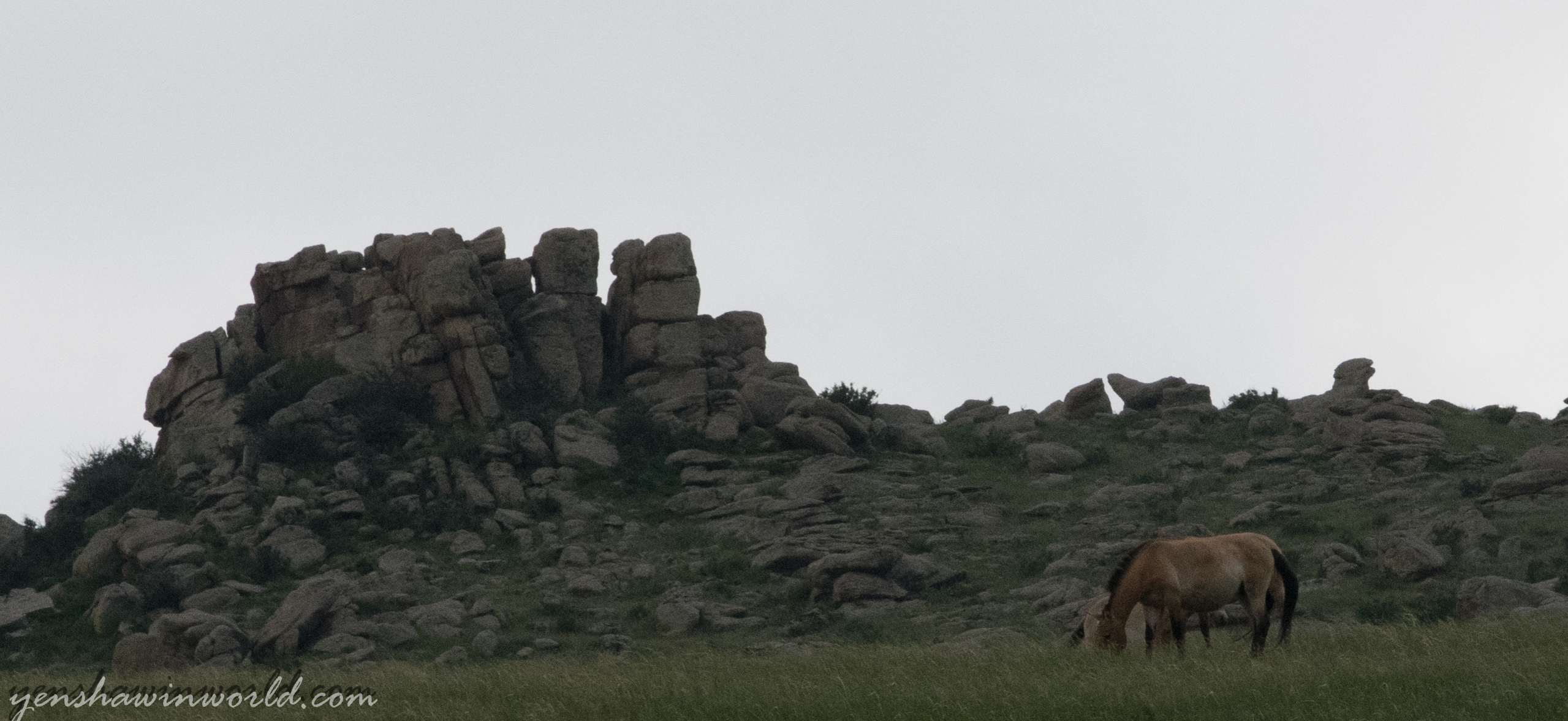
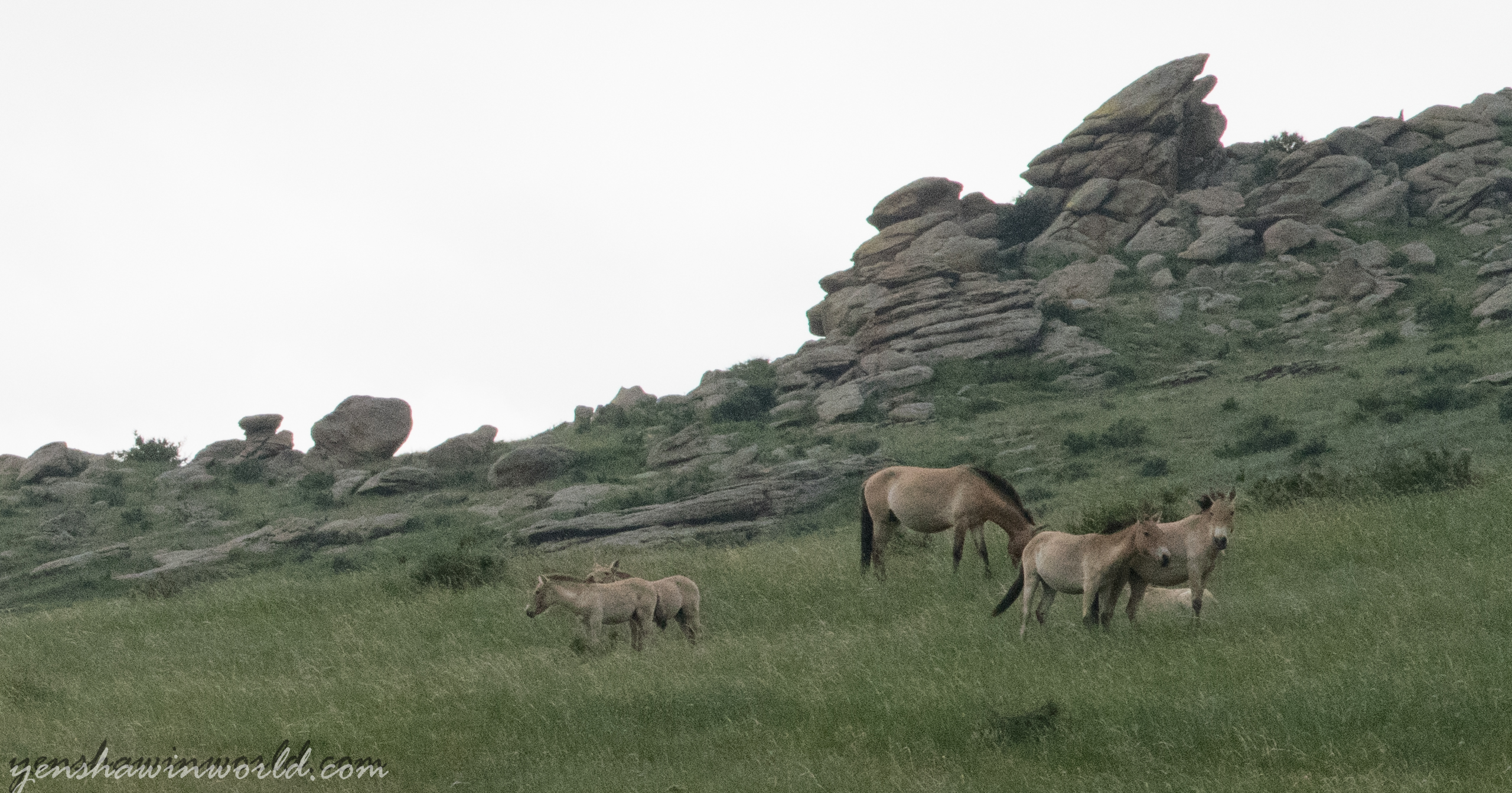
Hustai National Park boasts a good chance to see Marmot’s which are a small rodent that lives in the ground.  The other attraction there is the last wild horses in the world called the Przewalski Horse.  These horses have not been domesticated and look very different than the regular domesticated horses that we are used to riding.  They are mostly found in the steppes of central Asia and at one time were extinct in the wild, but have been reintroduced.  It was very difficult to get near to these horses as you must keep within 300 meters of them, however I got as close as I could and got some pretty good photos of a small herd of them.  As you can see form the photos below, they look a lot different….


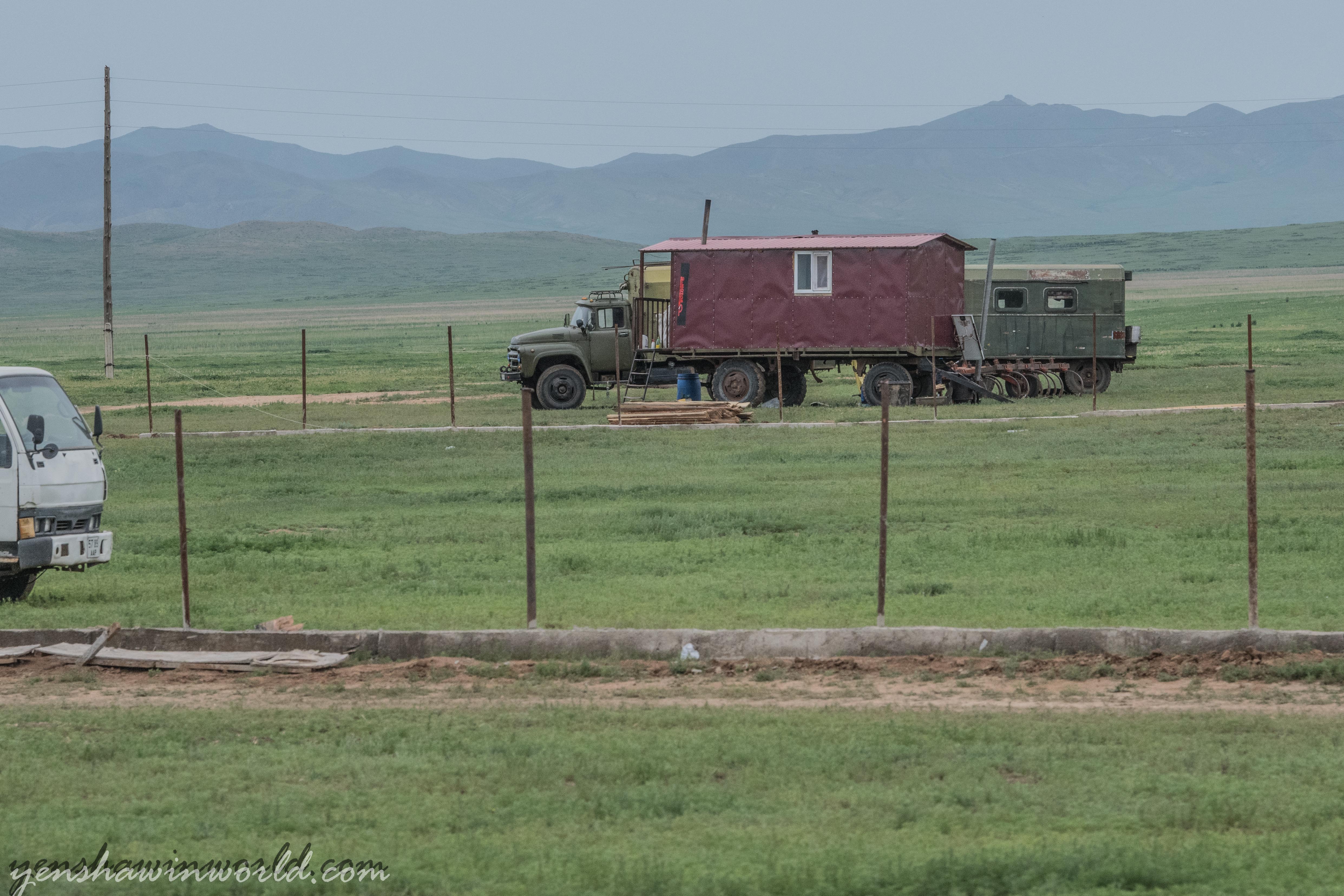
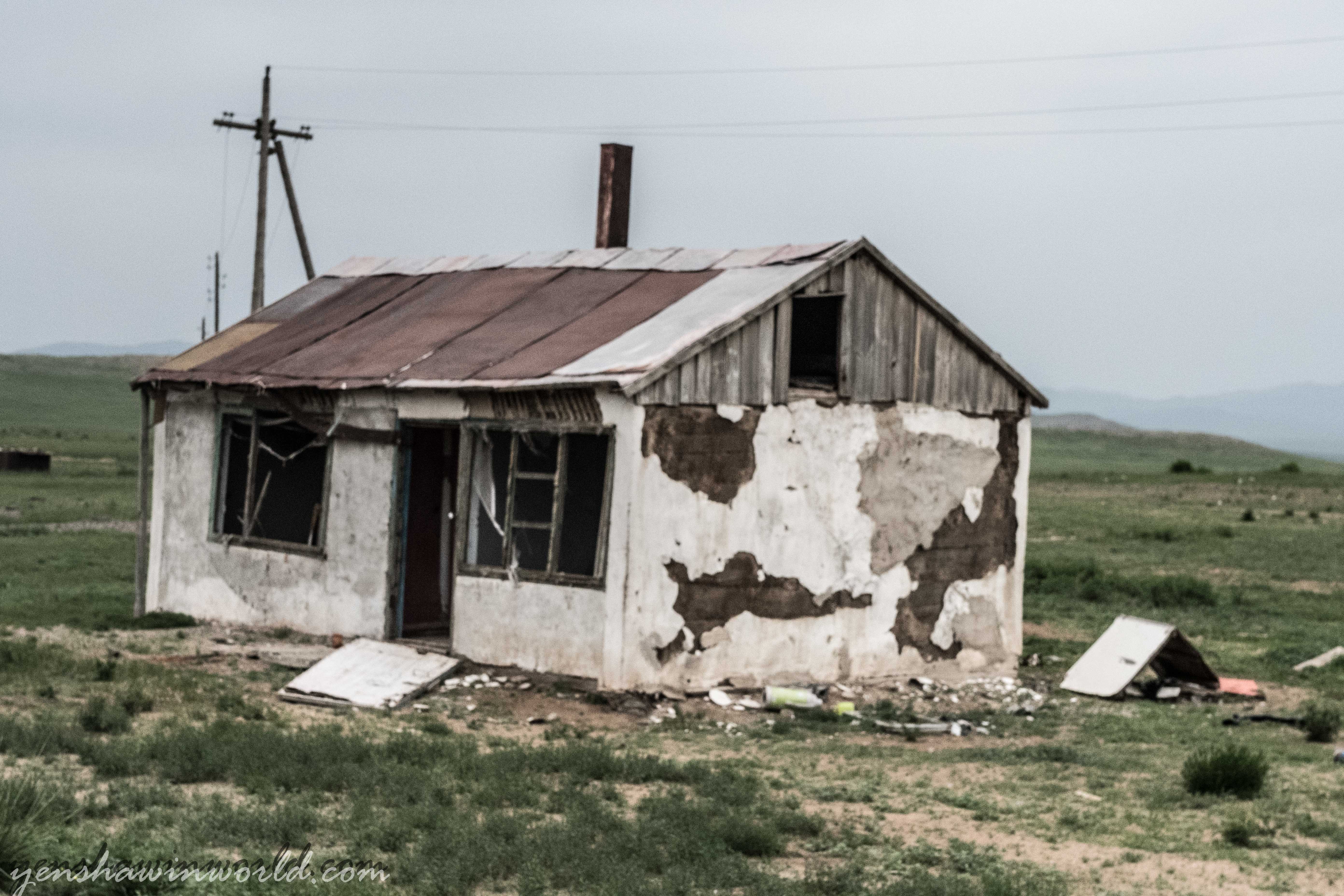

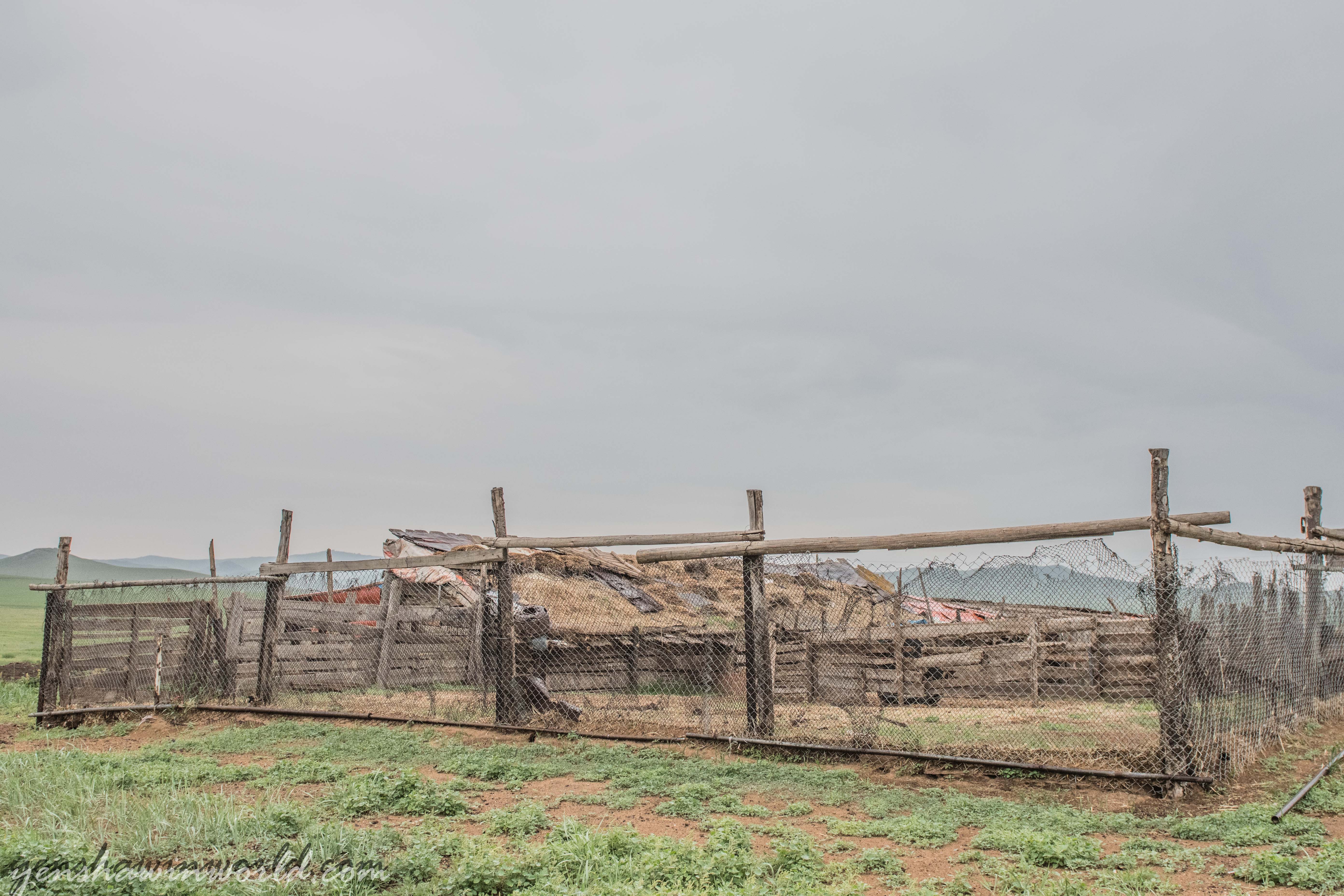
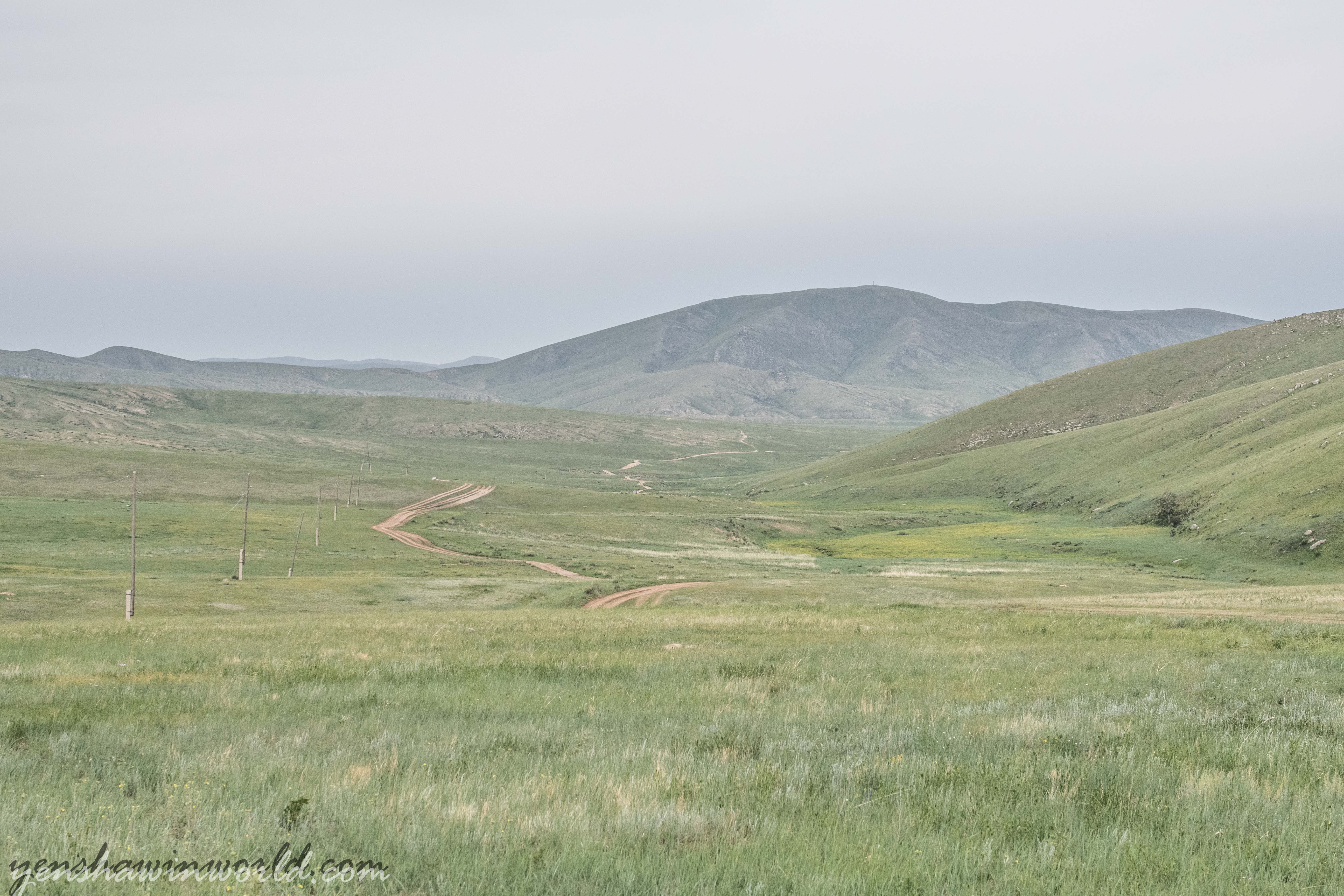

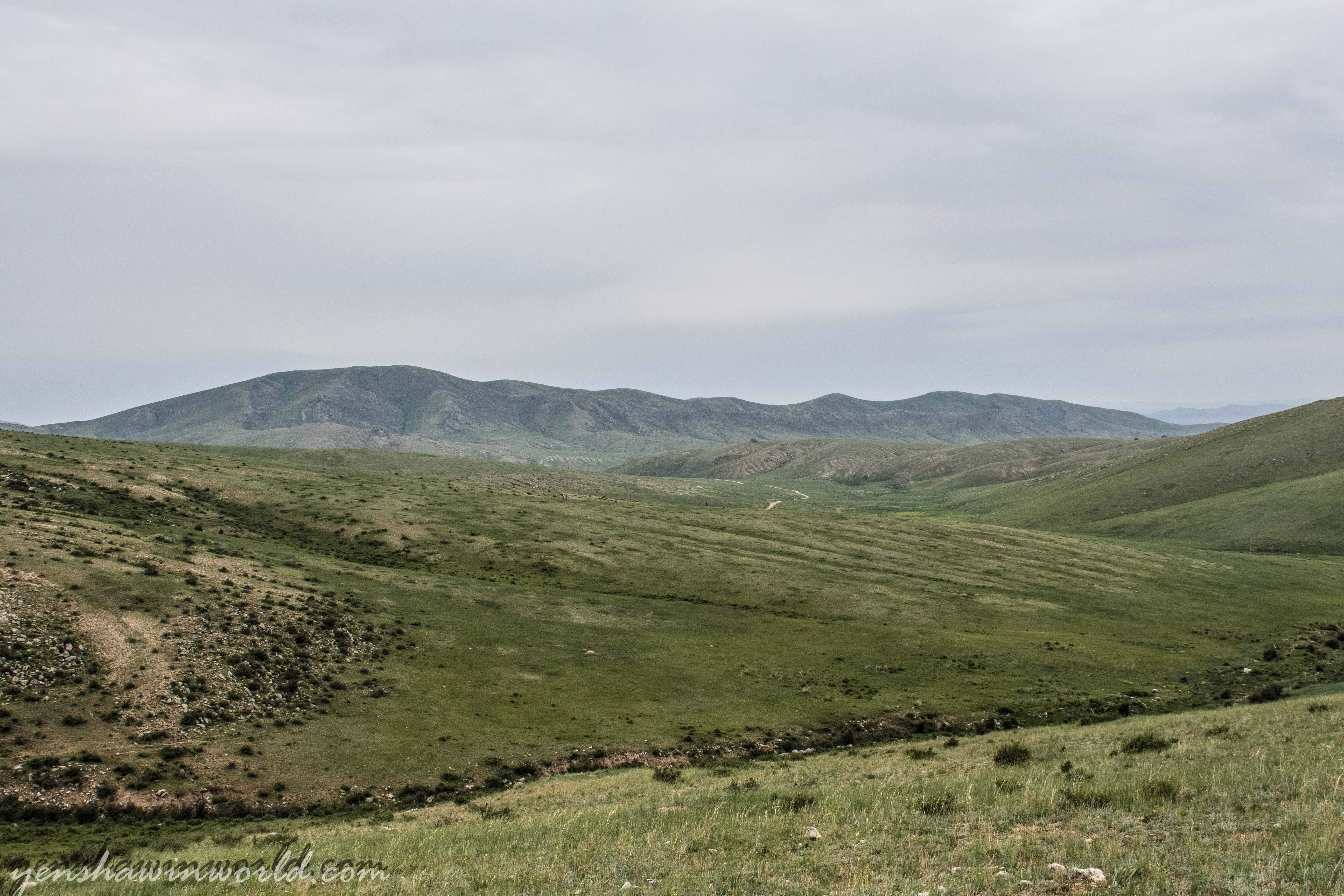



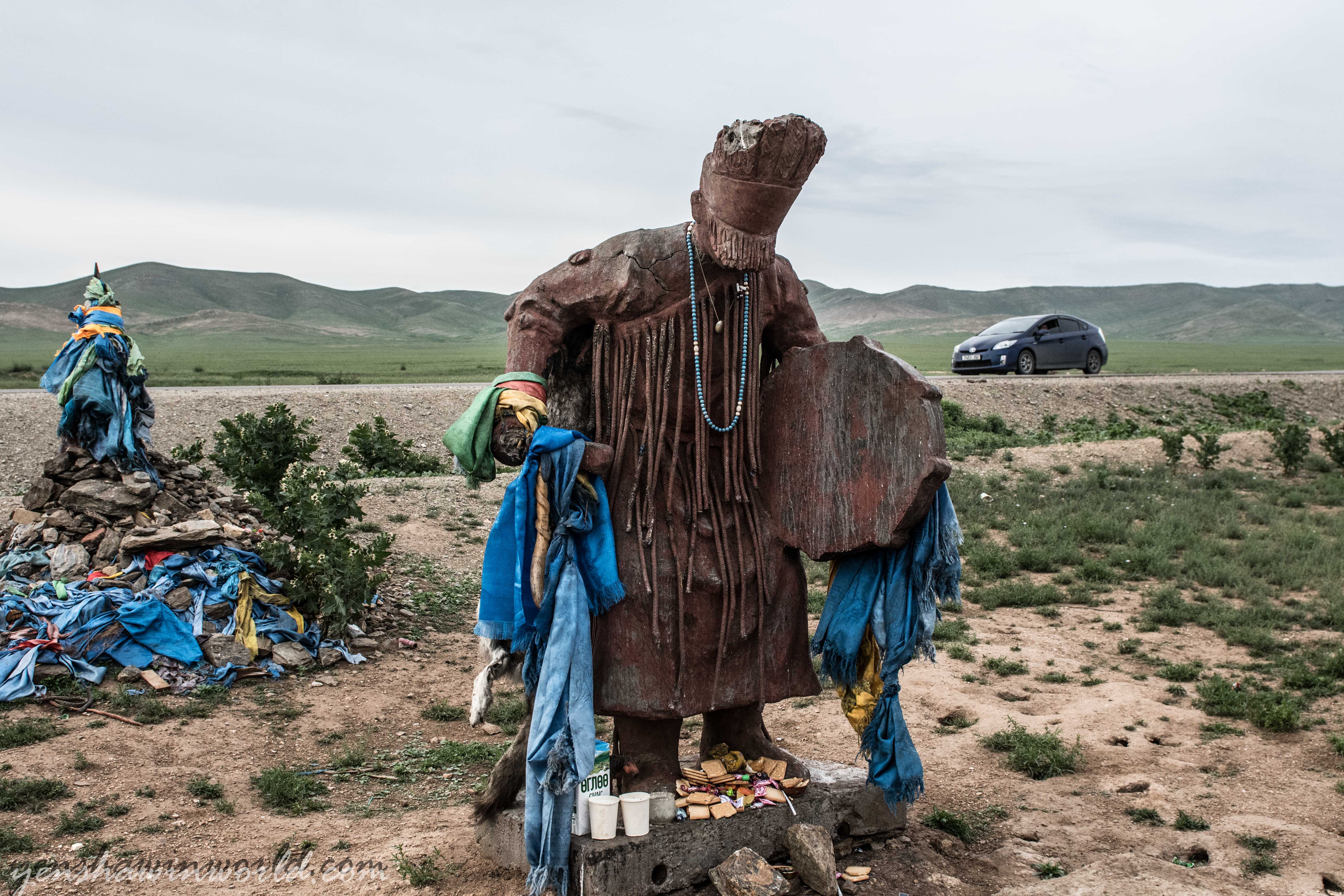
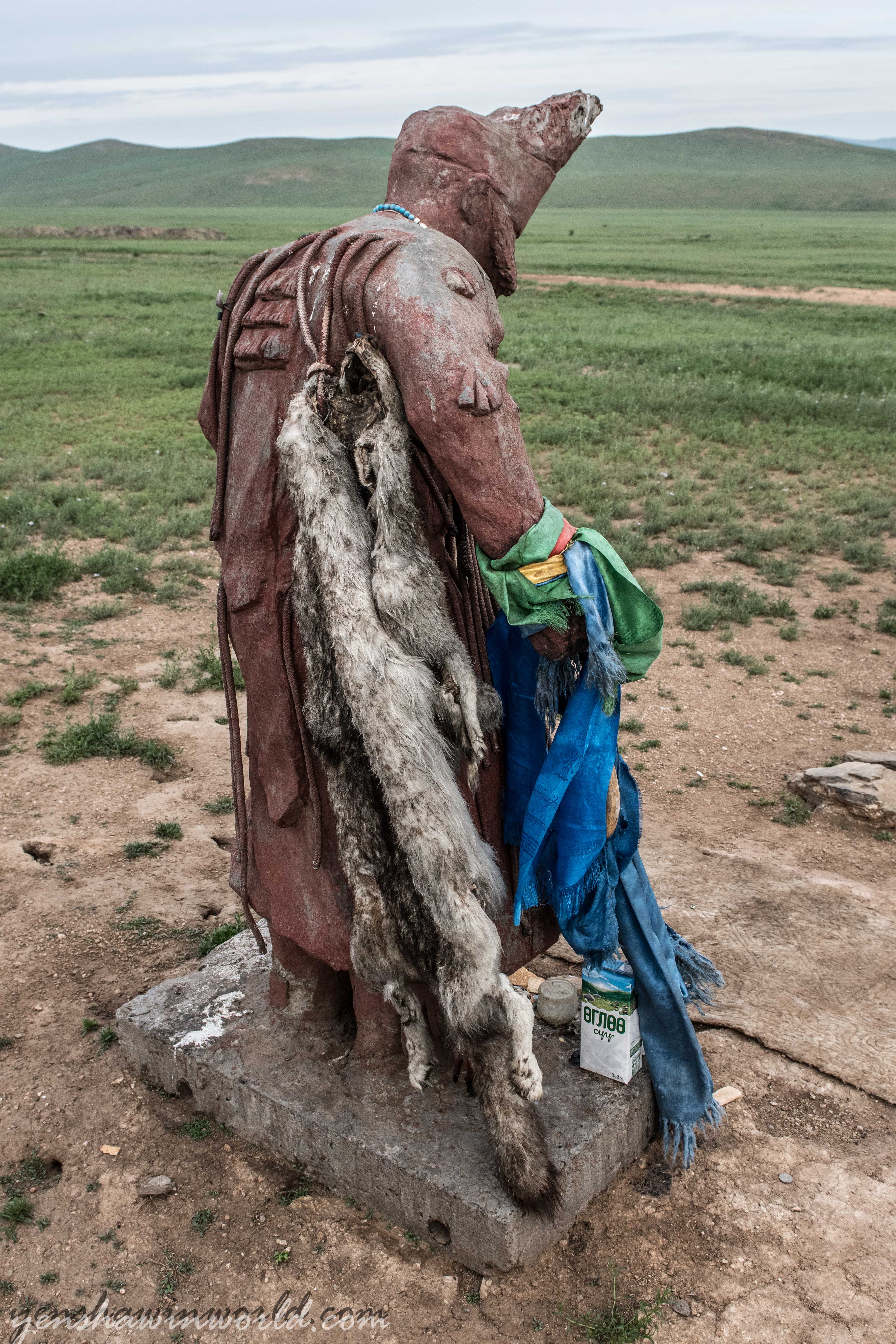
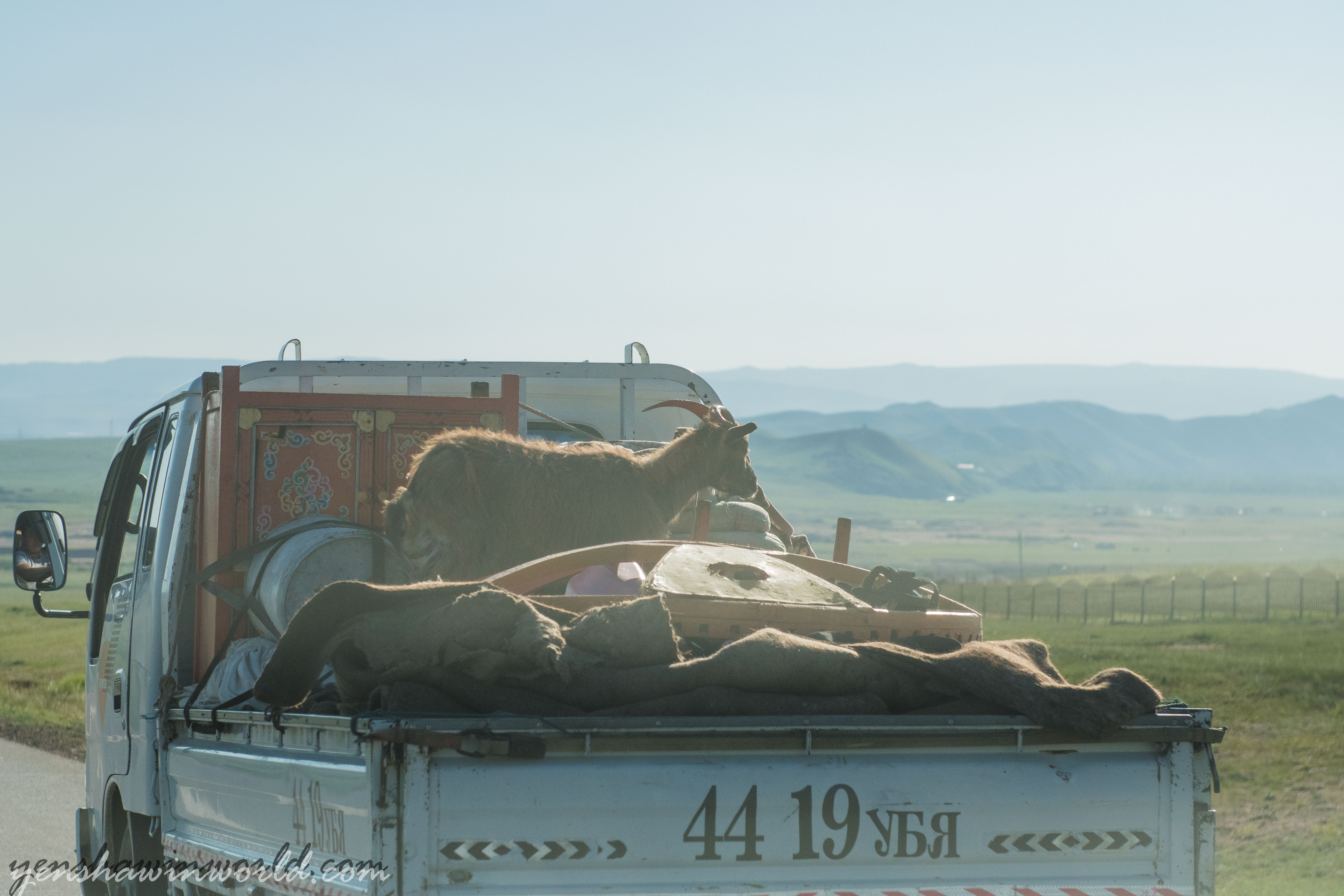
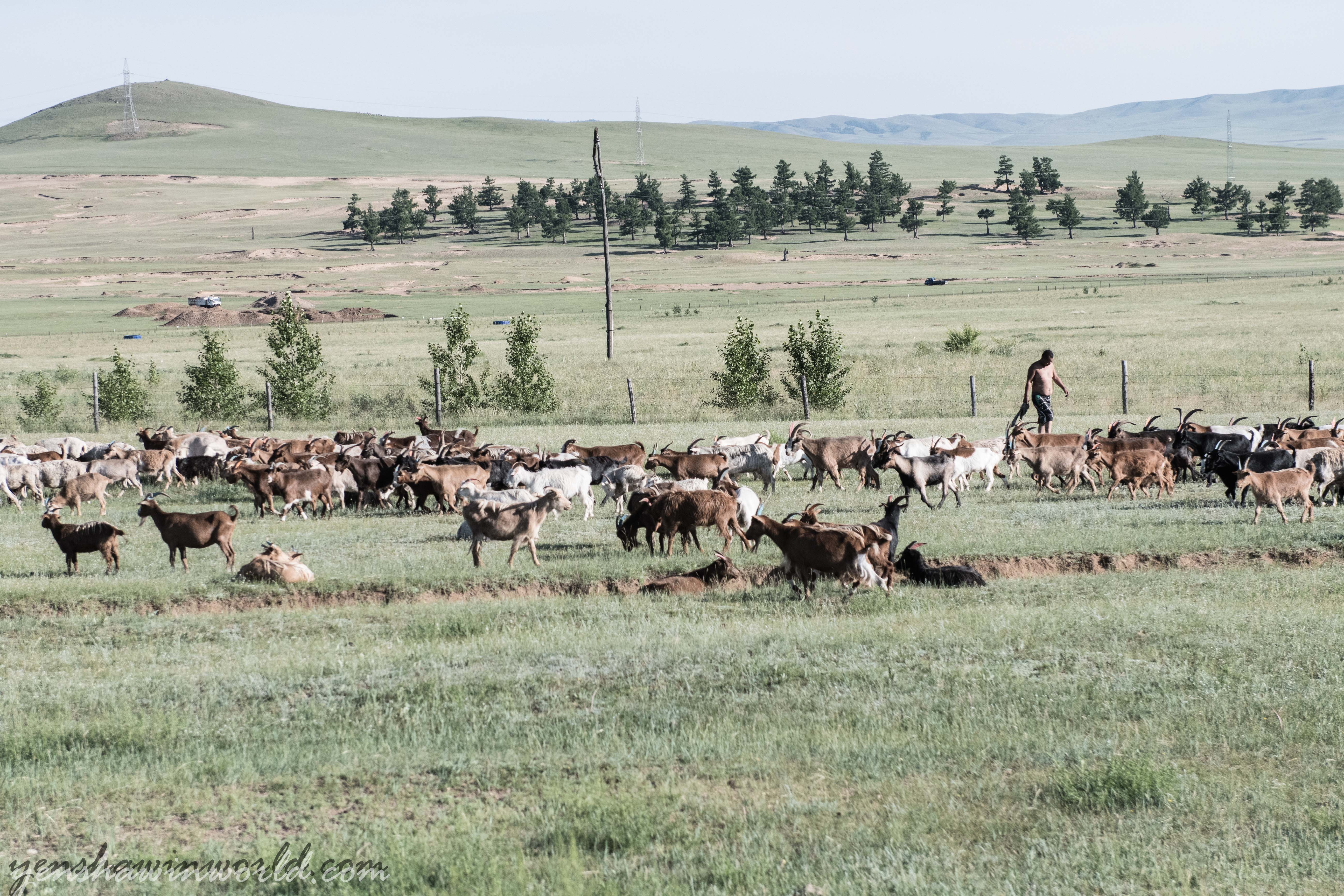
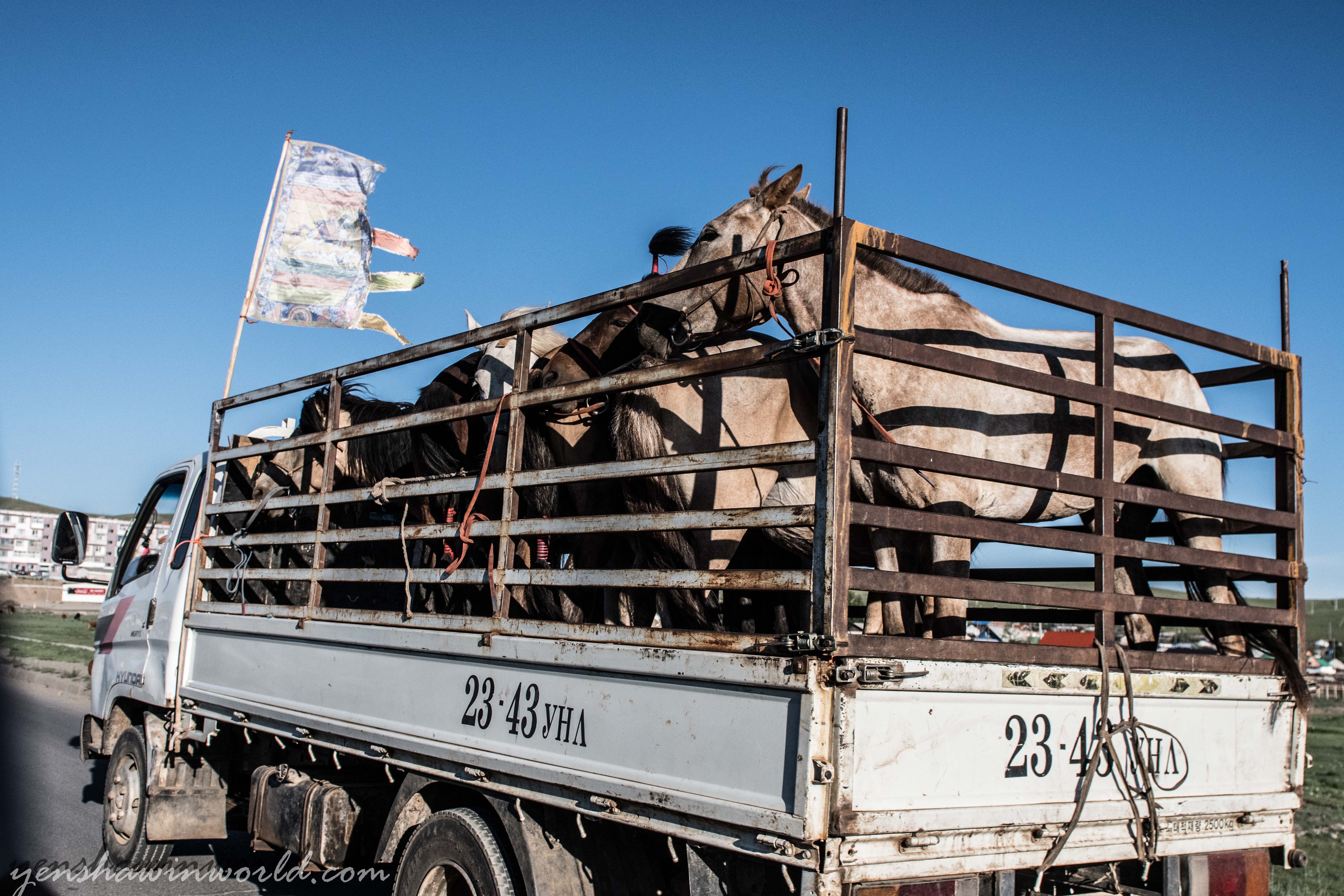
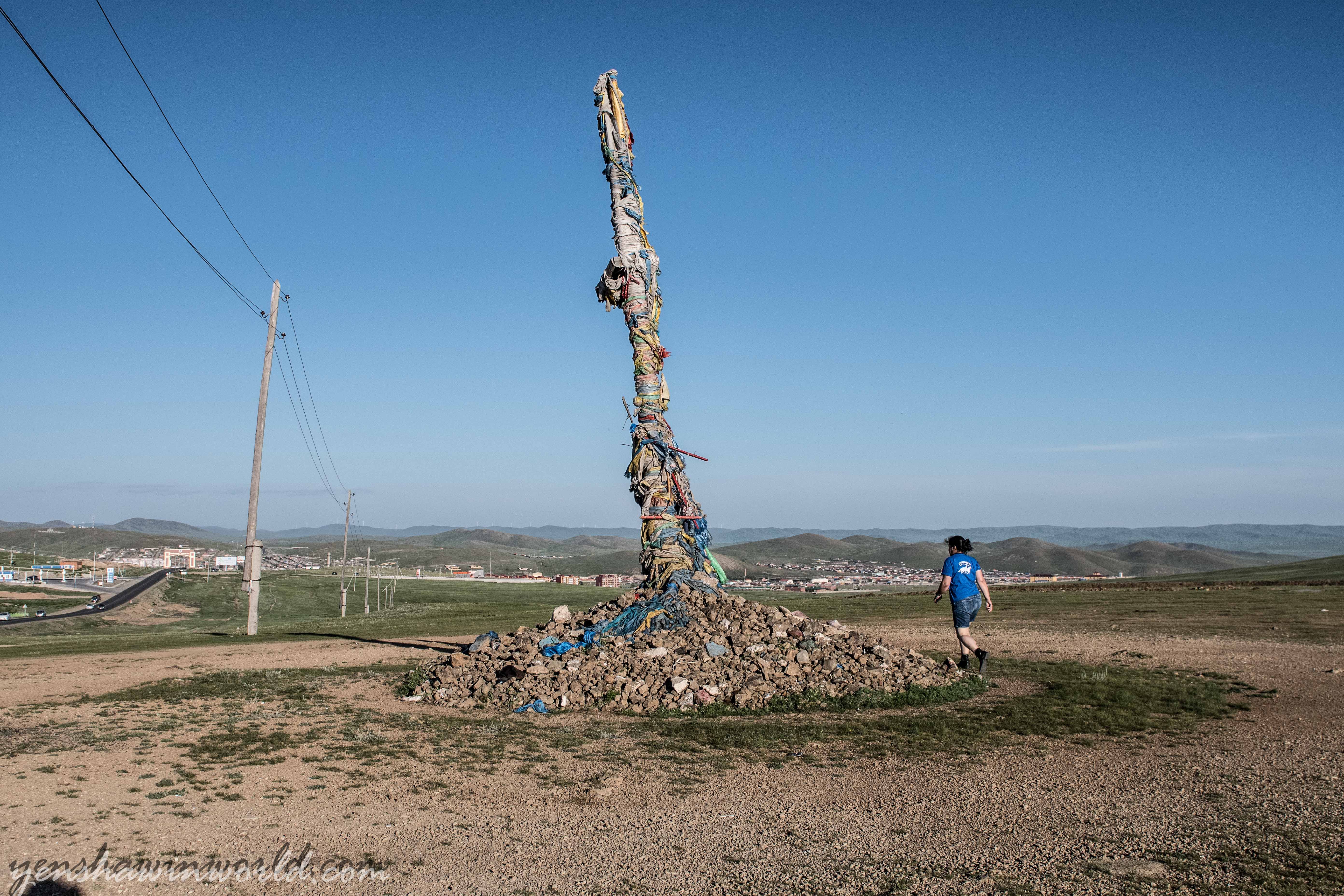
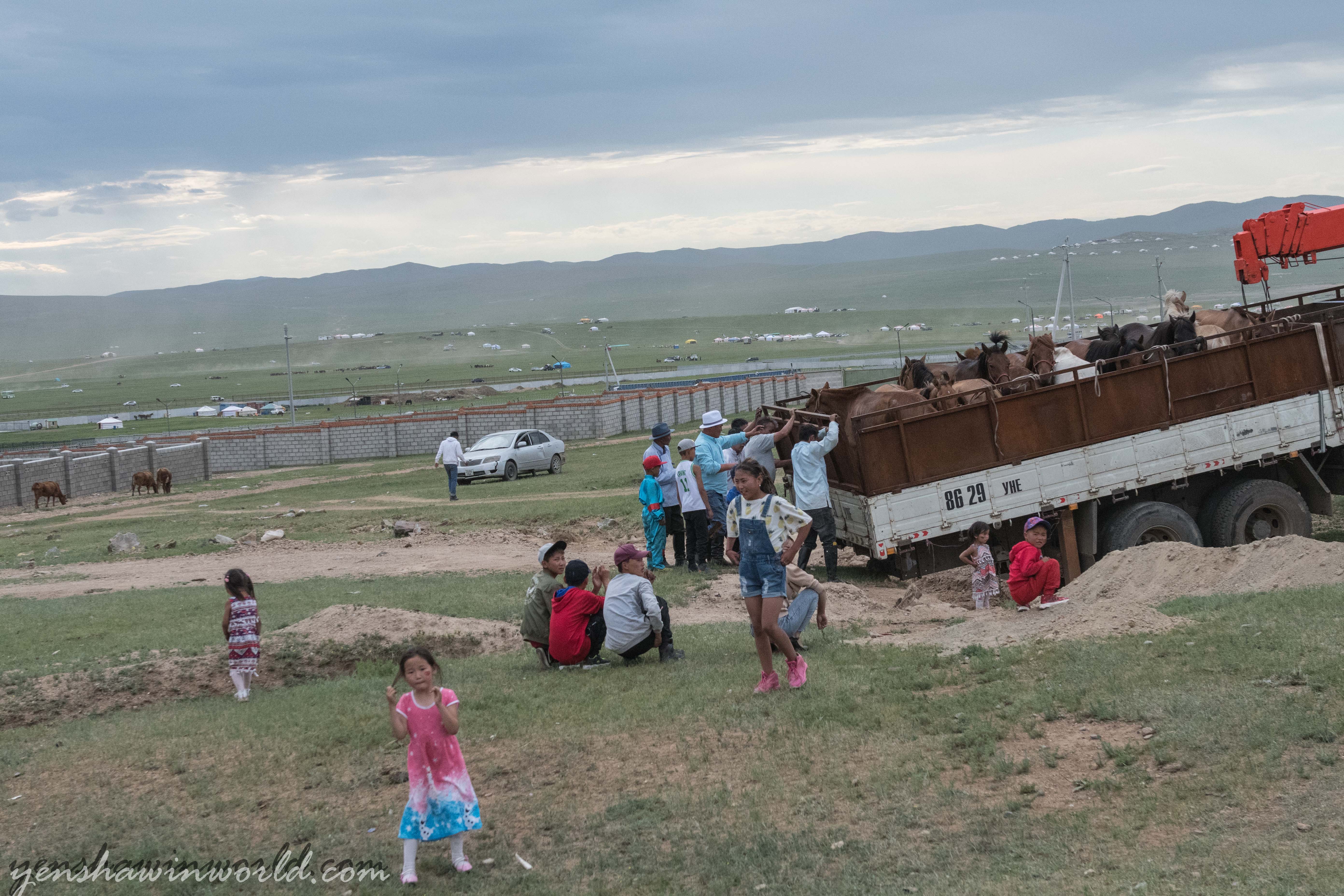
As you drive around (or ride horses) around the land you can see land from beautiful rolling hills to rocky lands.  A common sight it trucks full of horses are seen zooming down the highway as well as houses that are not surrounded by anything for miles.  A common sign on the side of the road would be a pole with flags surrounded by rocks and items of personal nature that people deem important.  It is a very ancient belief called Shamanism which is still practiced in pocketed parts of the world.  The legend goes that you take three rocks of varying sizes and walk in a circle and toss the rocks down each time.  Good Fortune is brought to those who do it…..

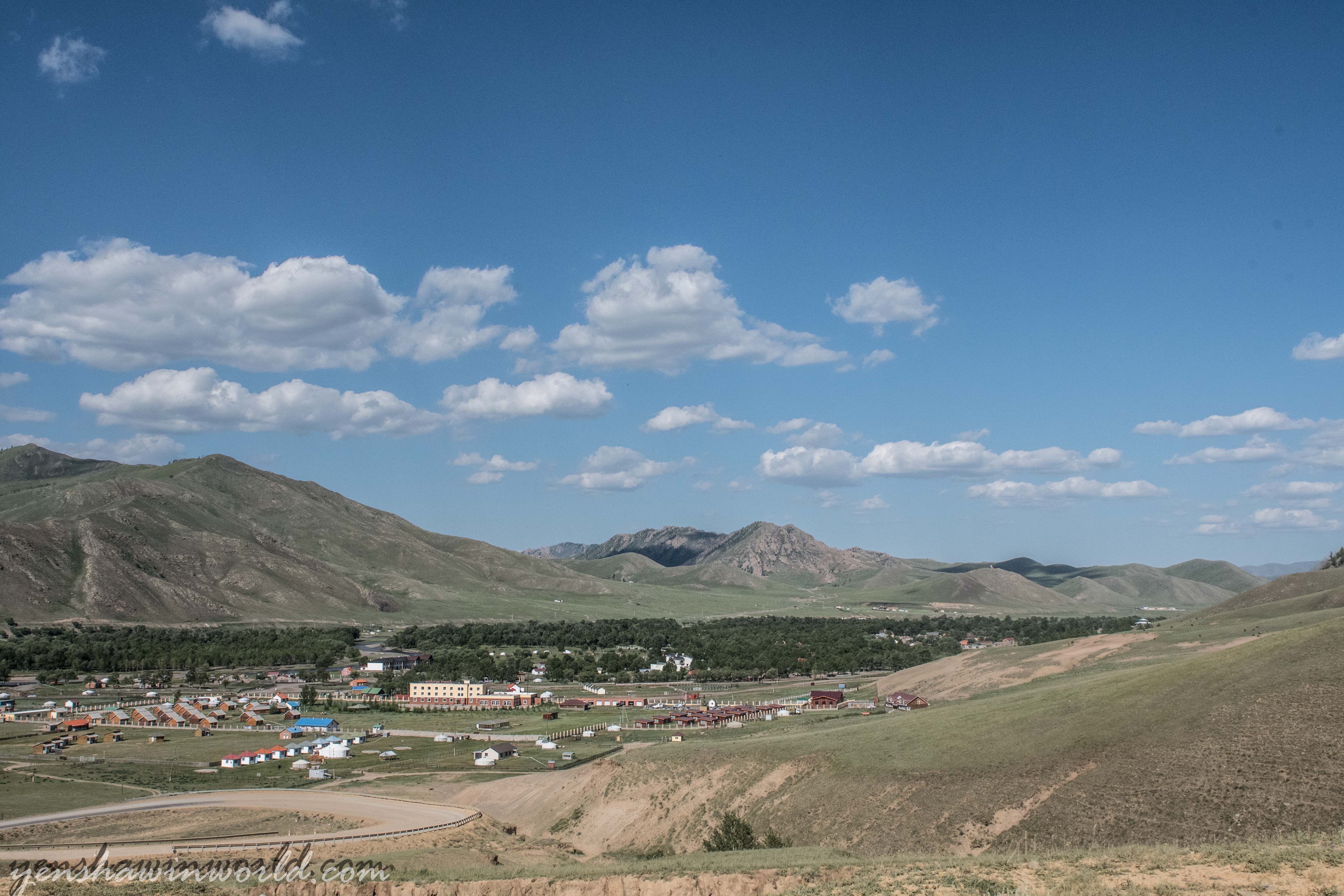
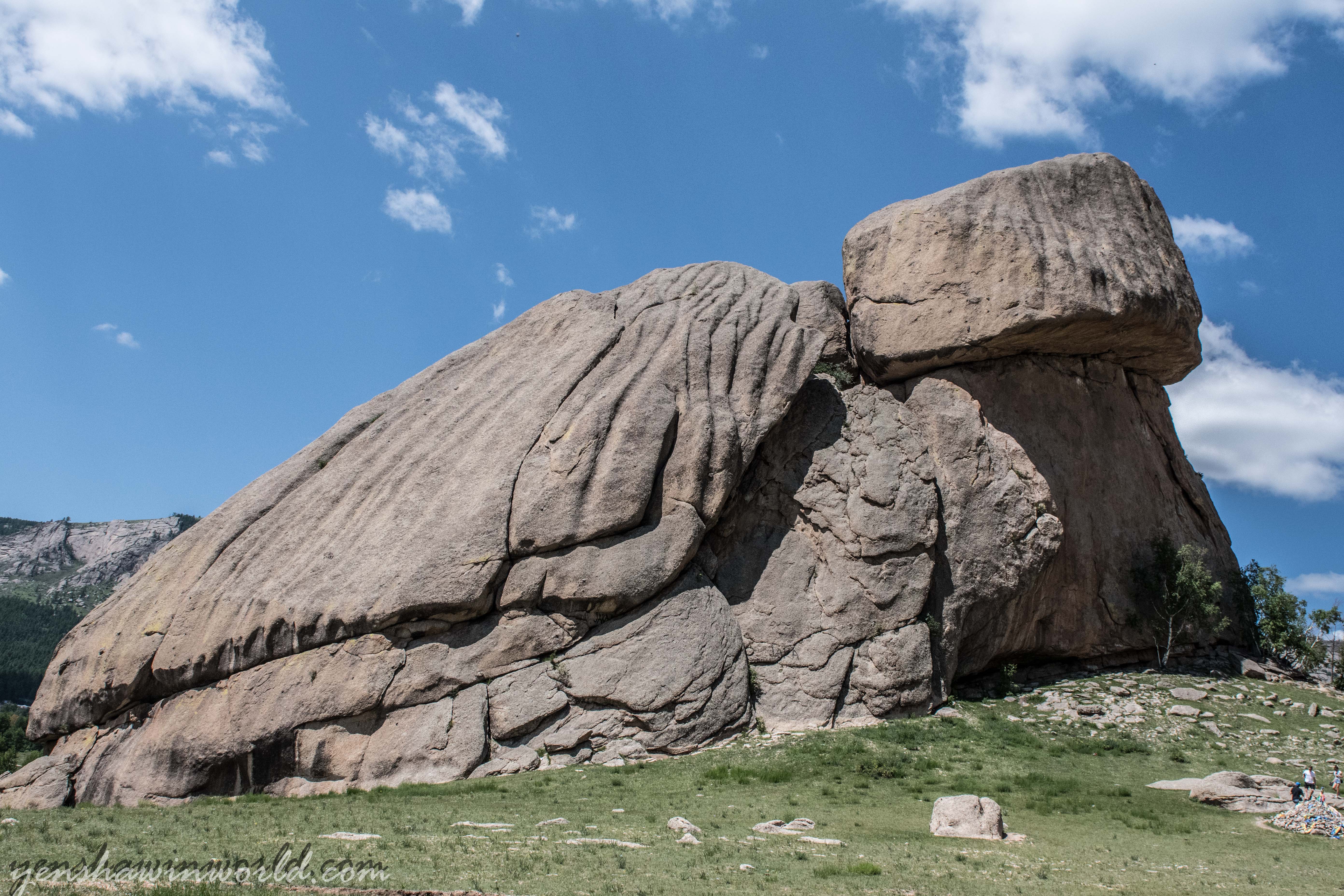
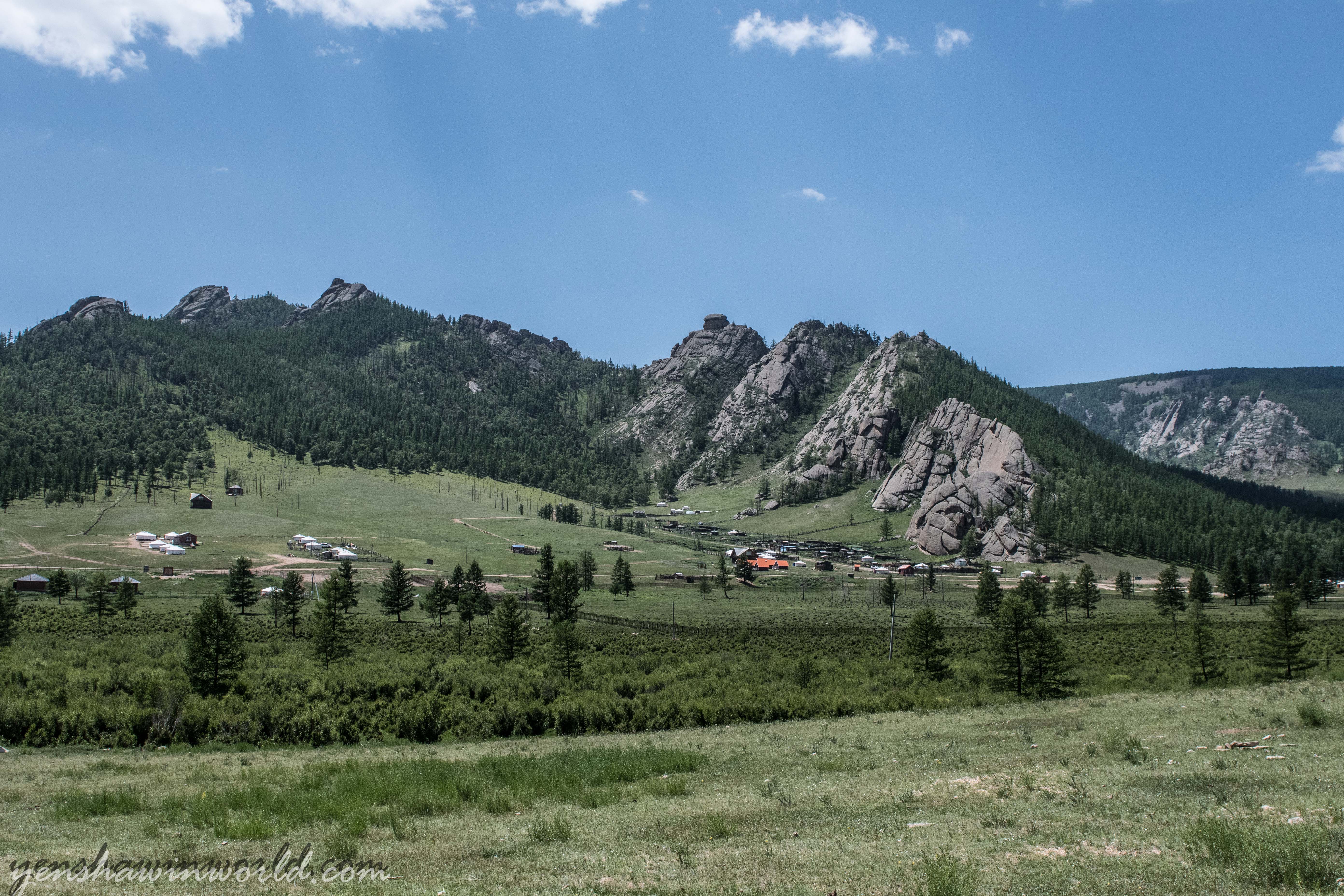
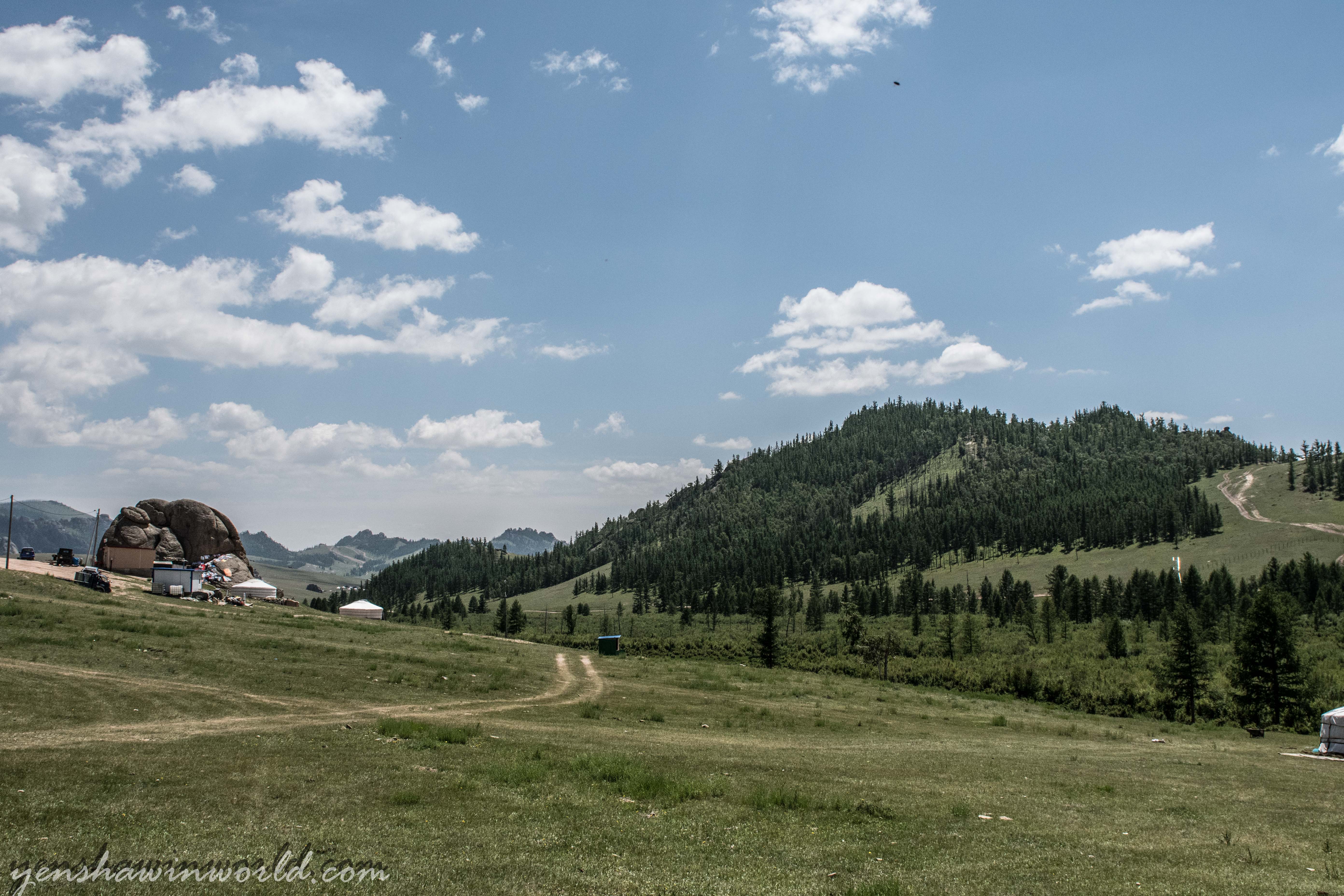
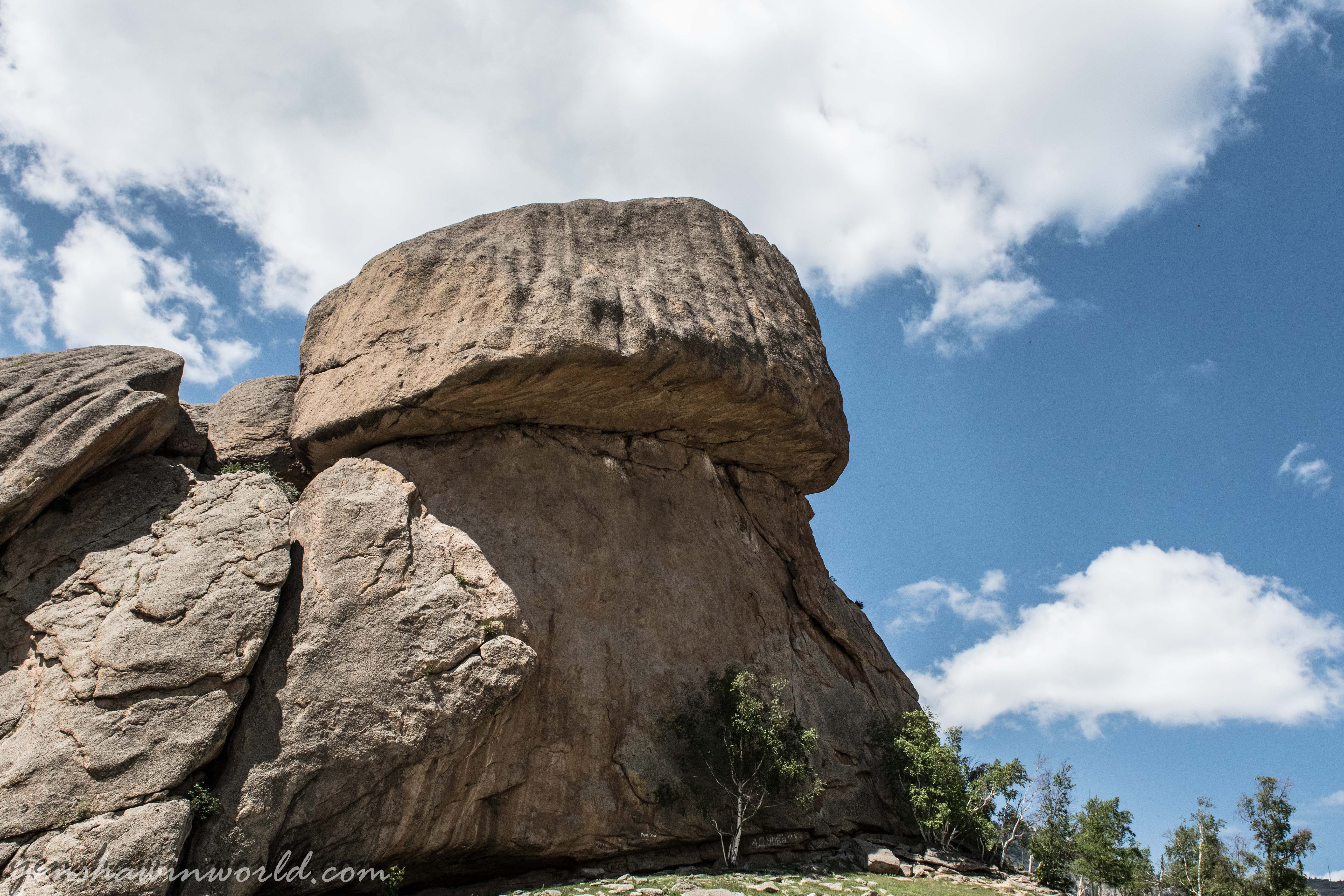
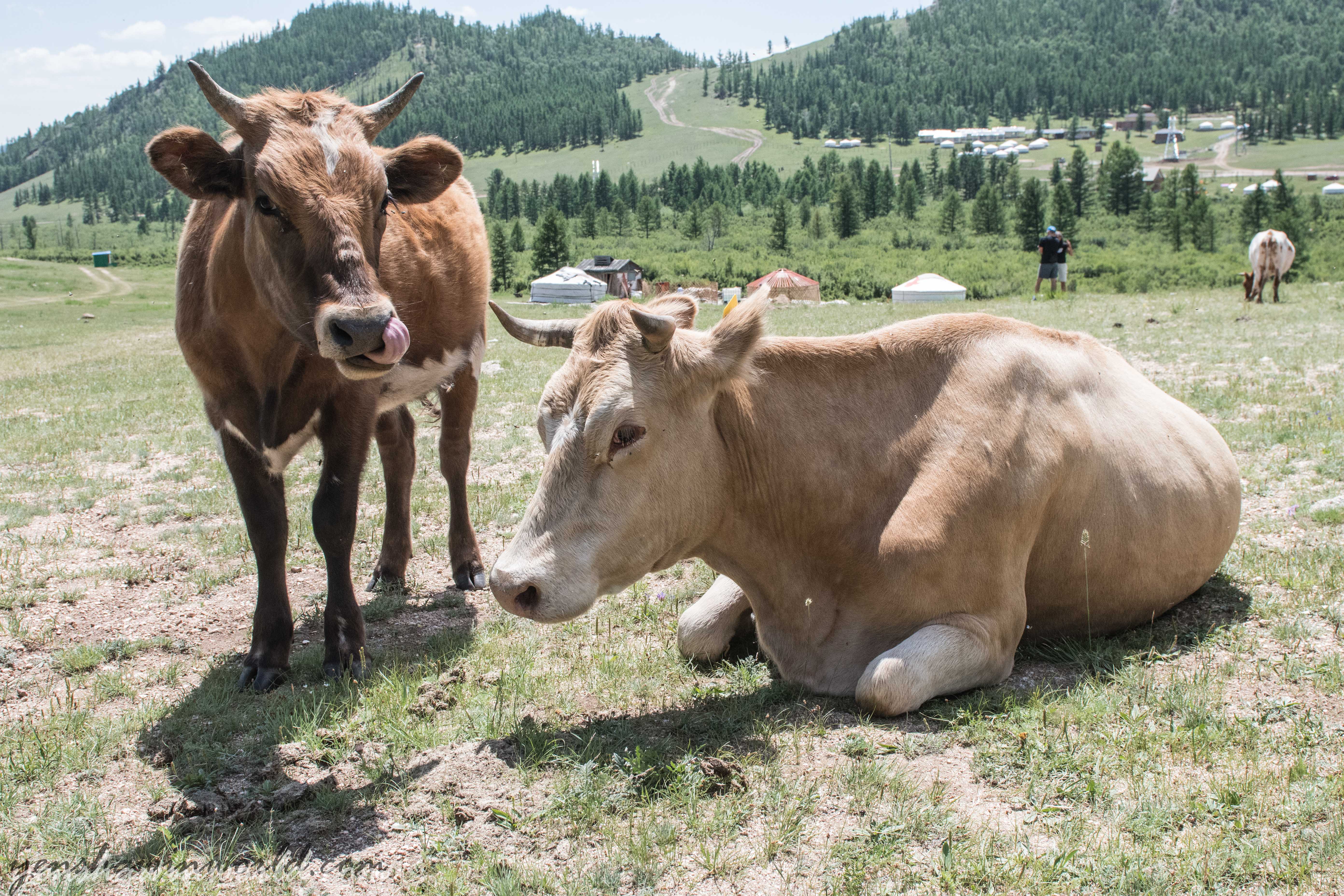
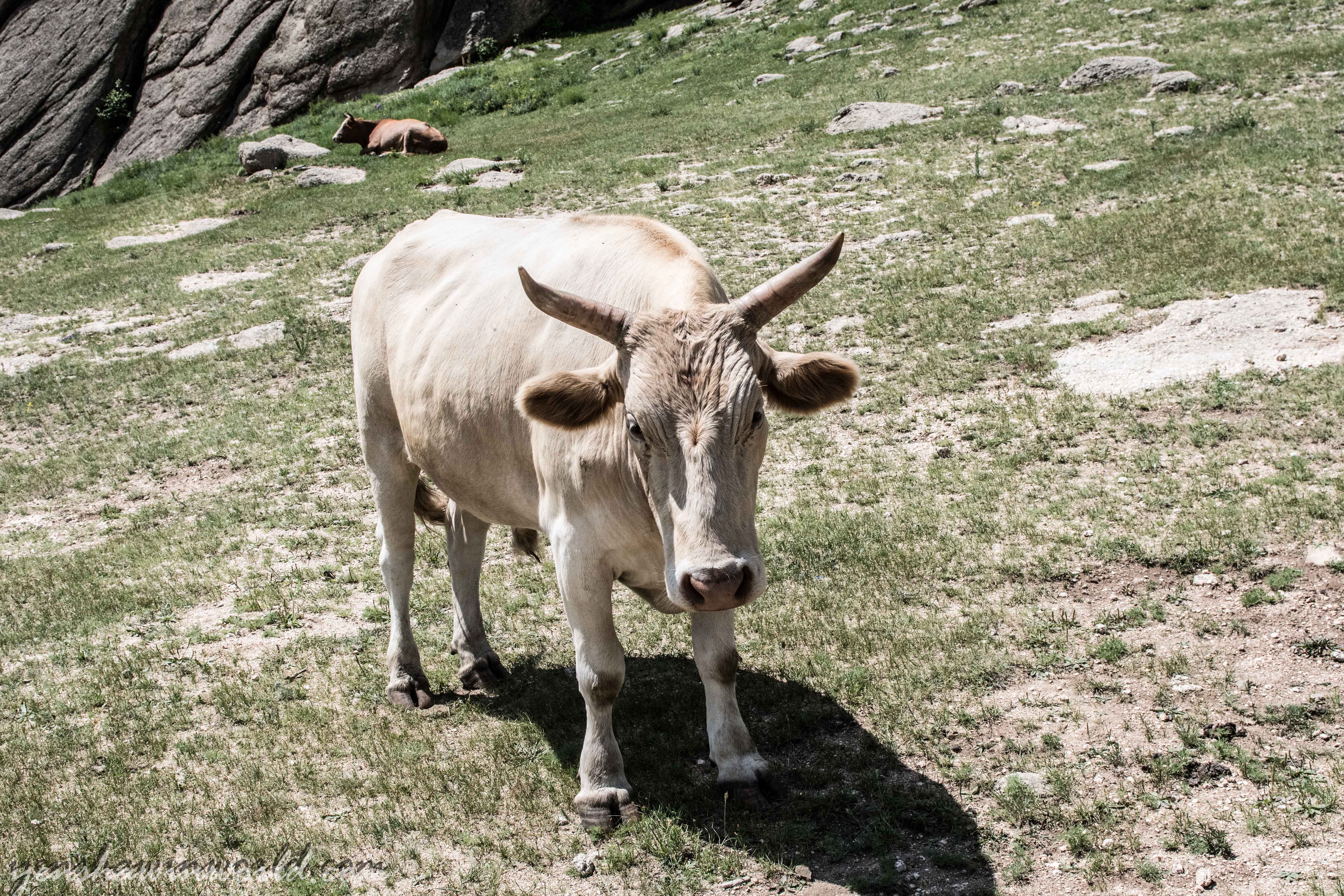
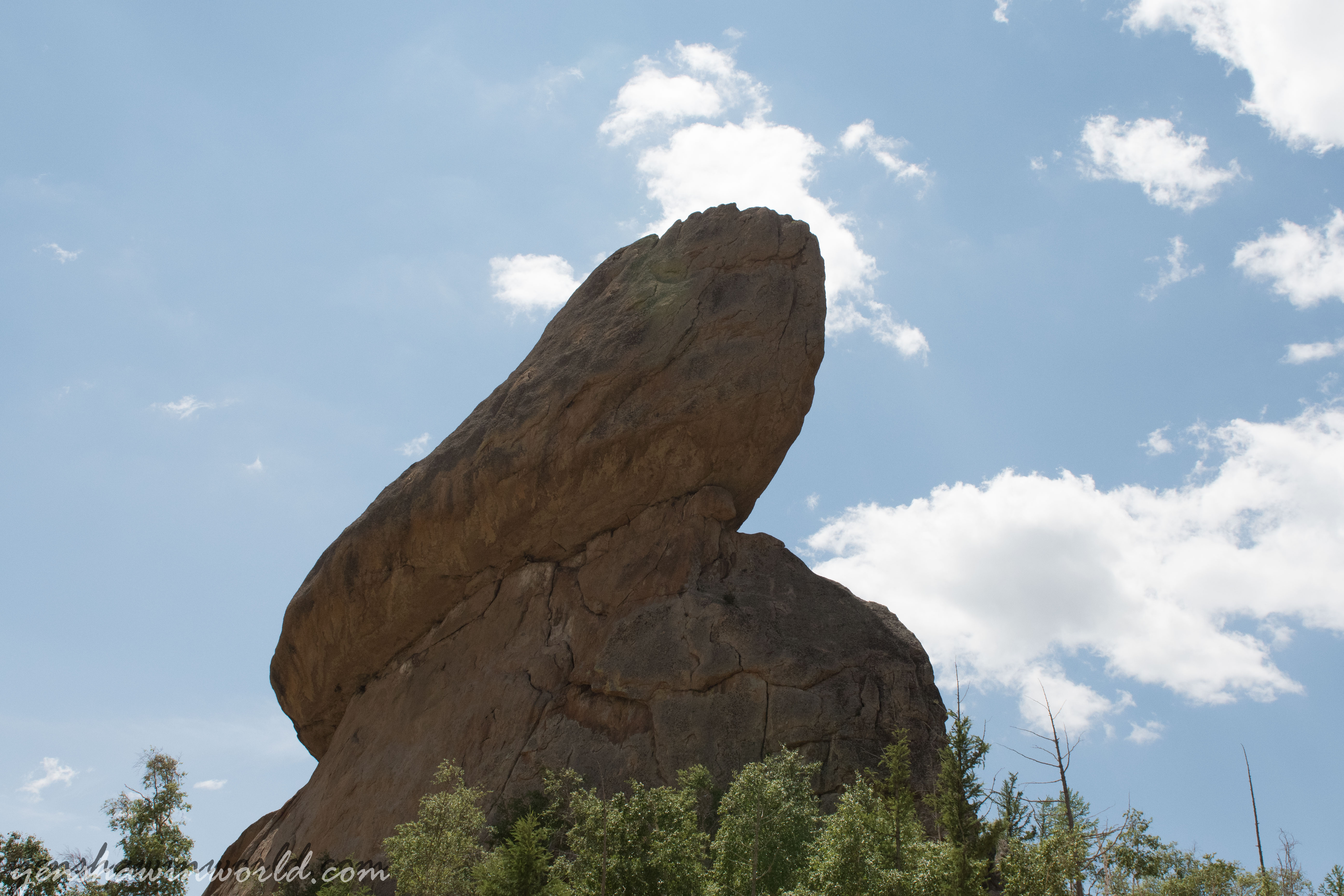
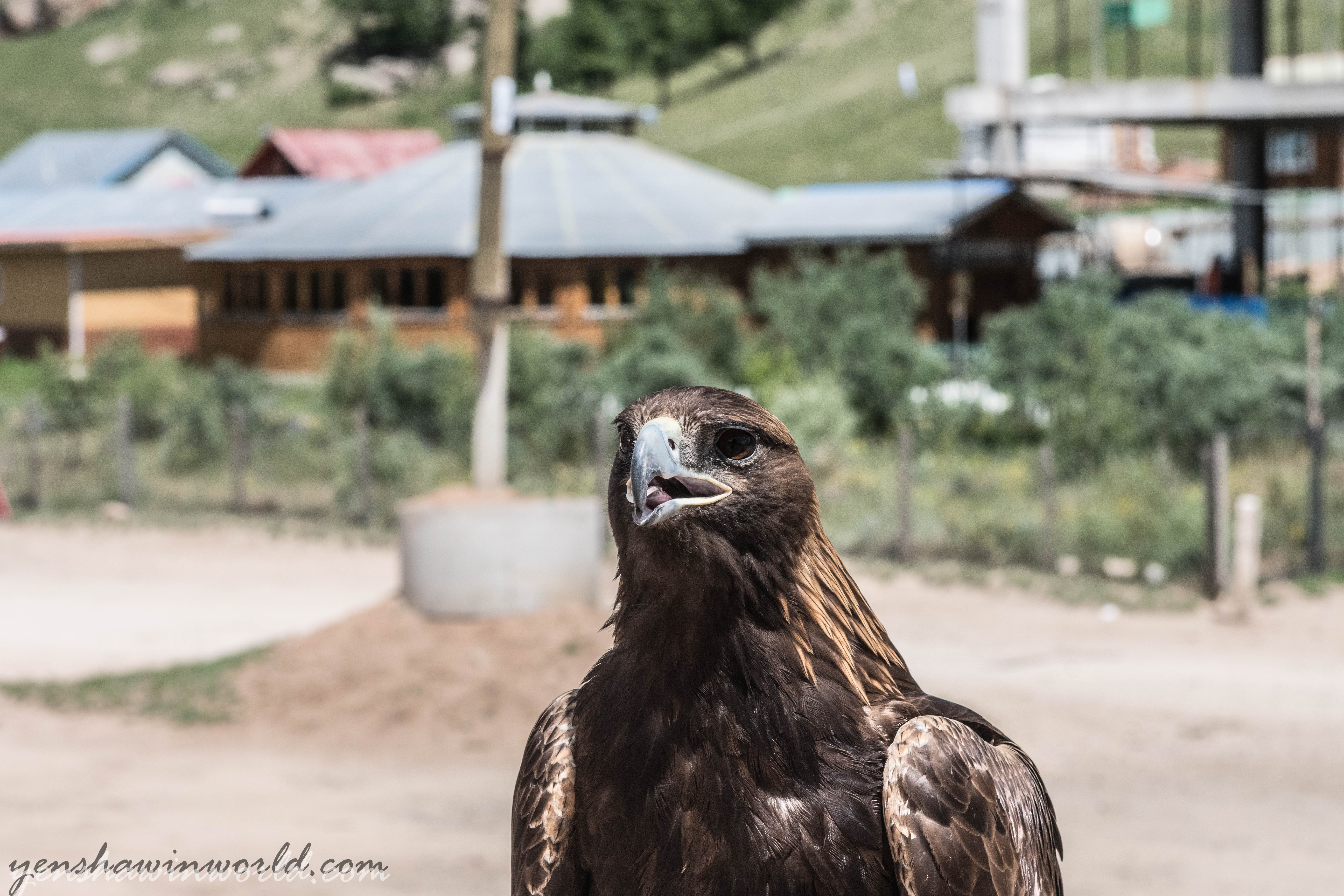
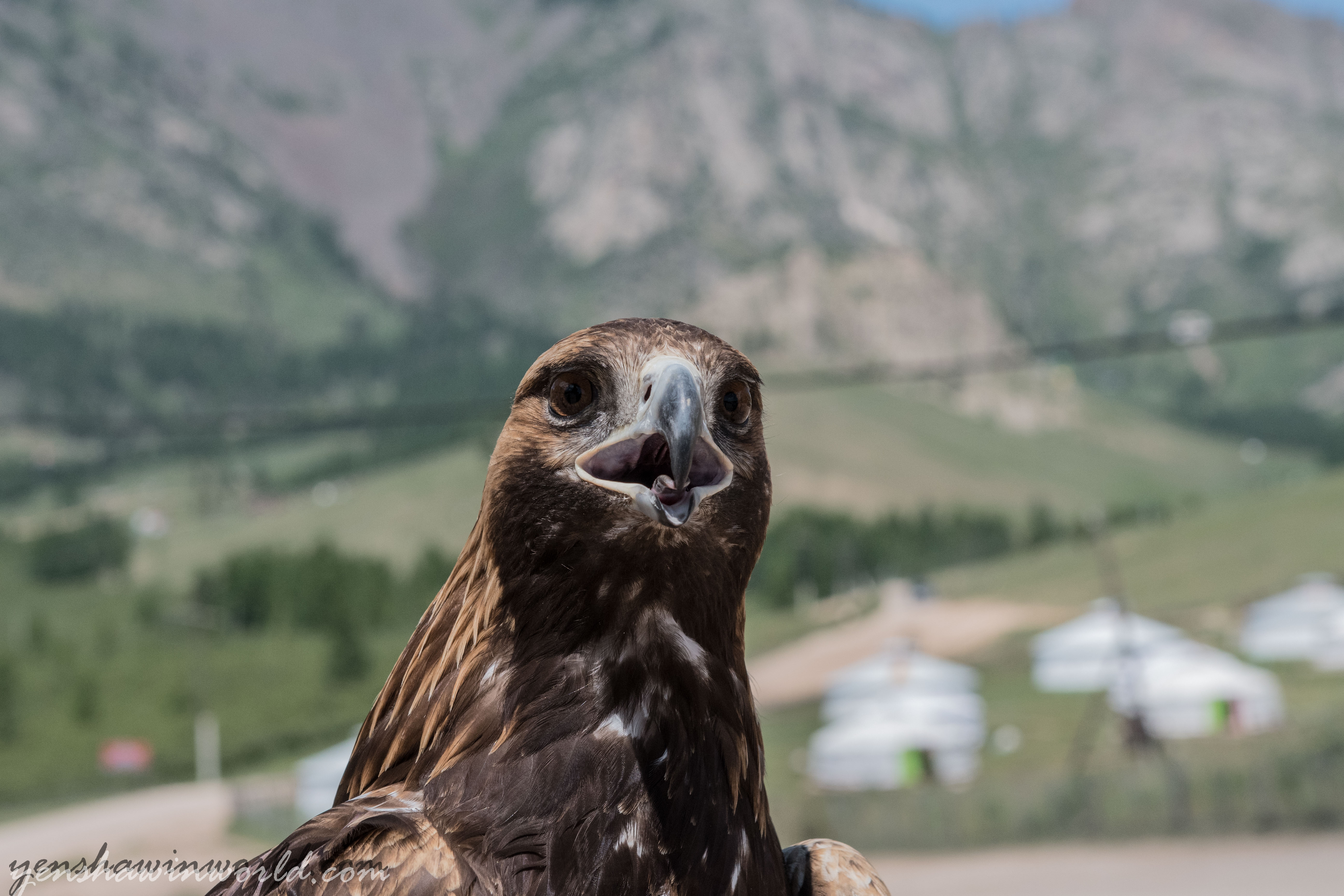
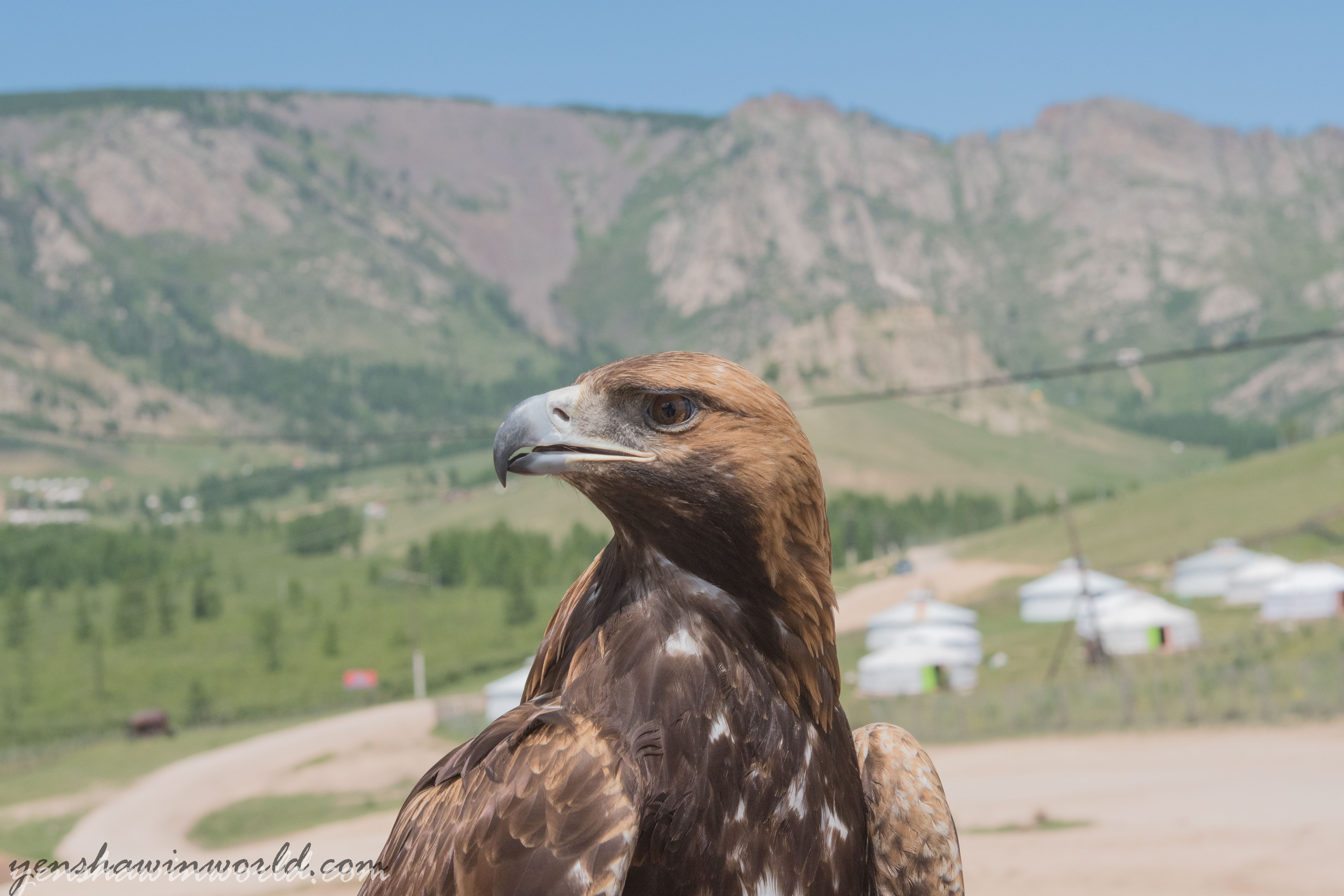
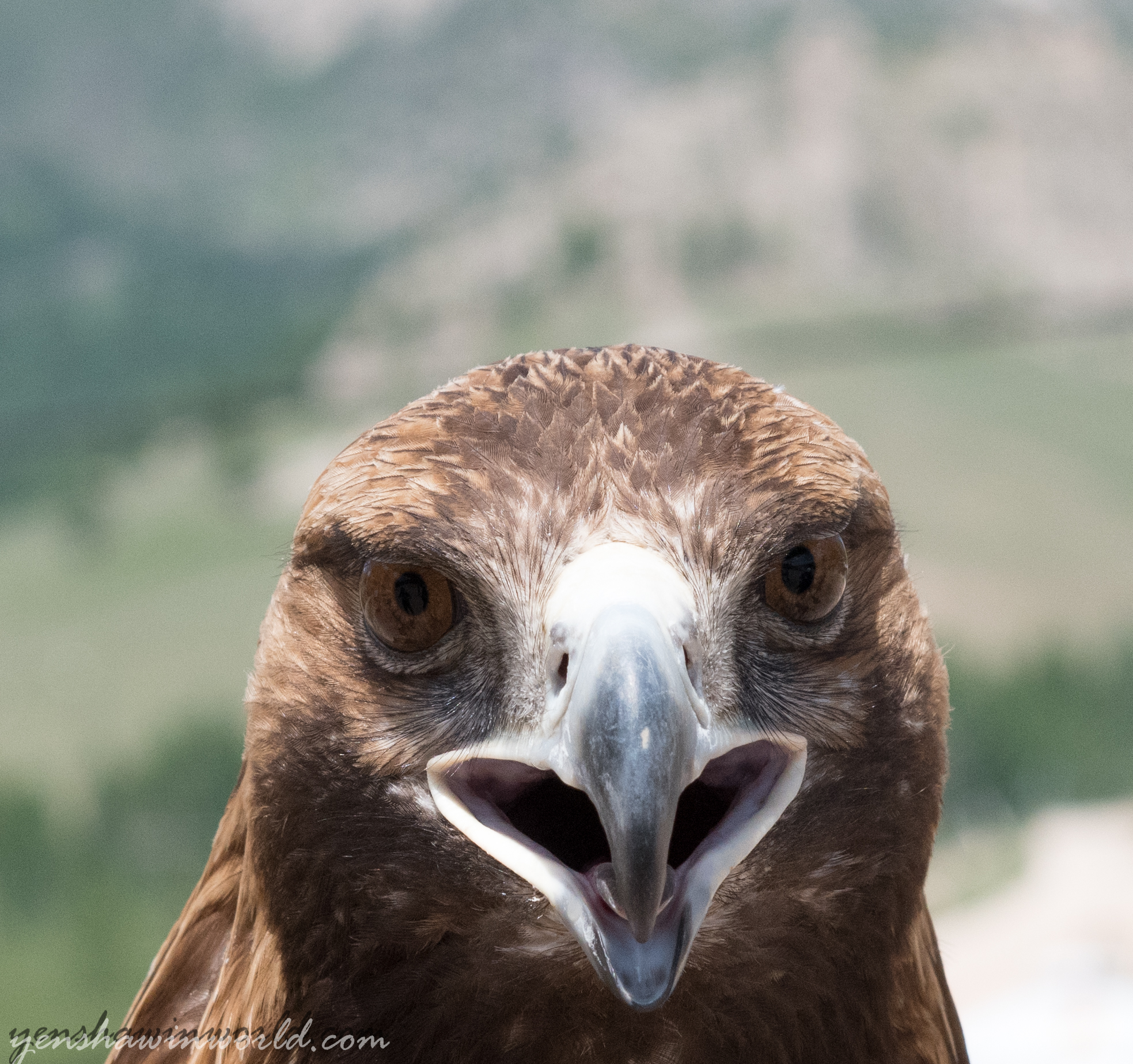
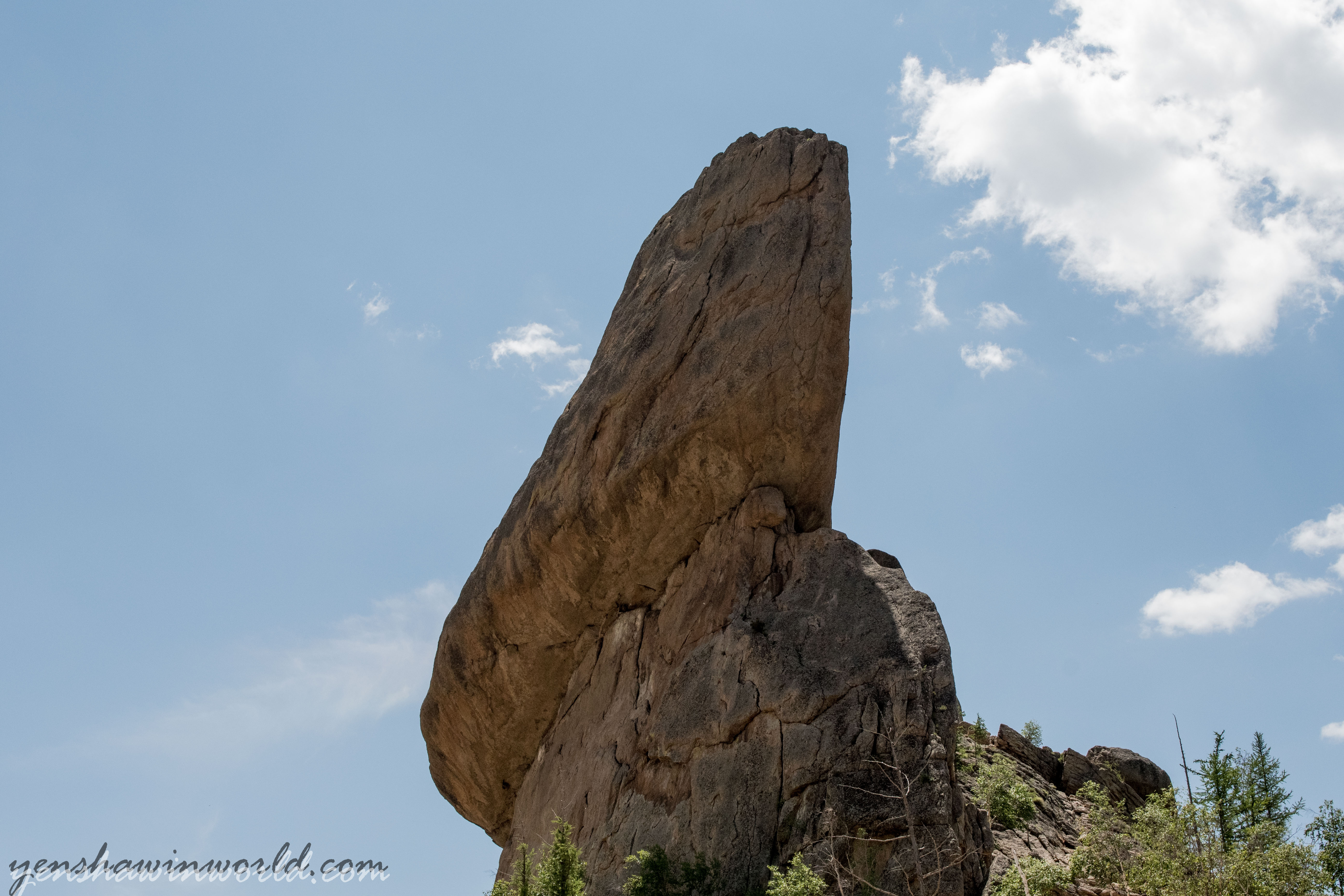
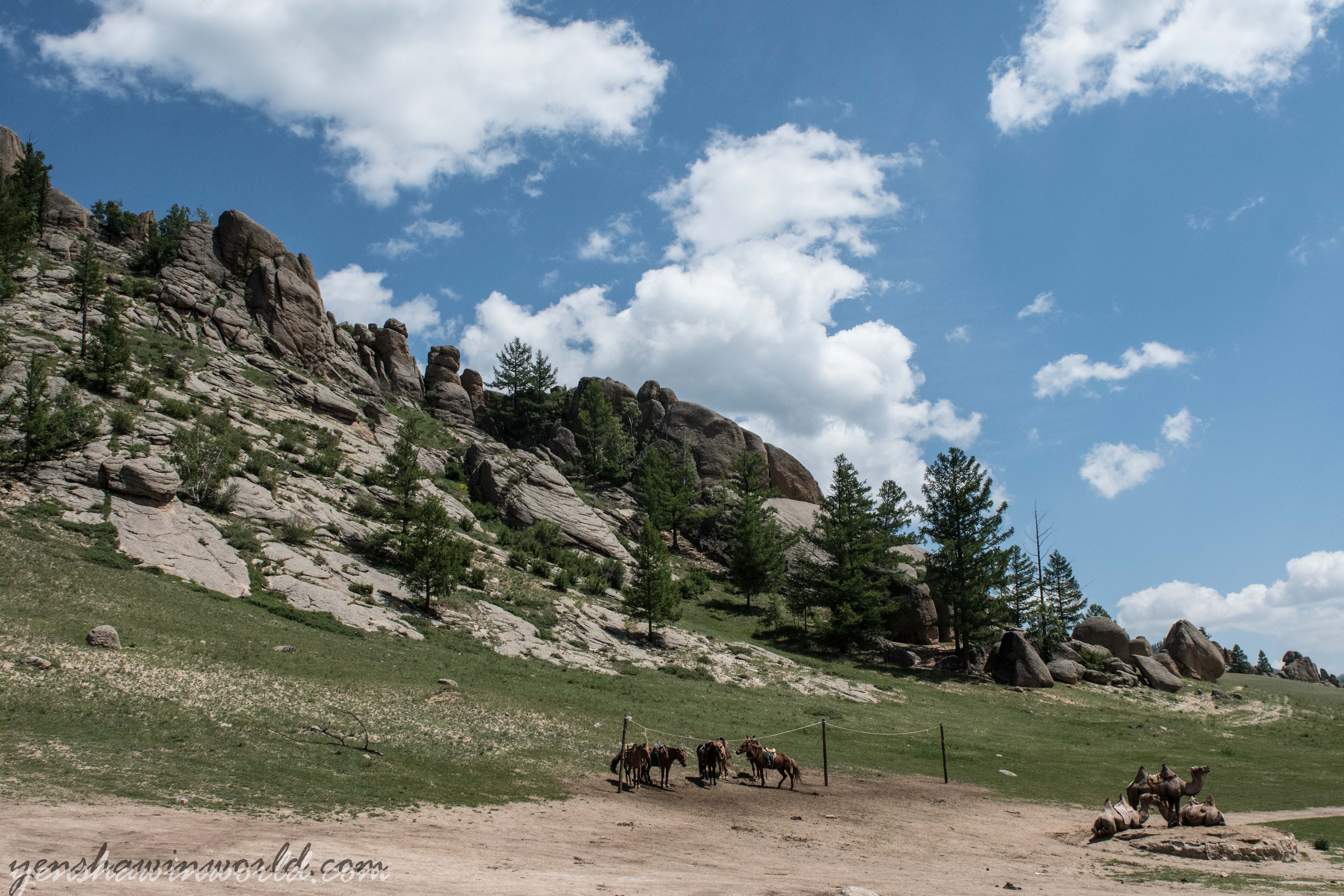
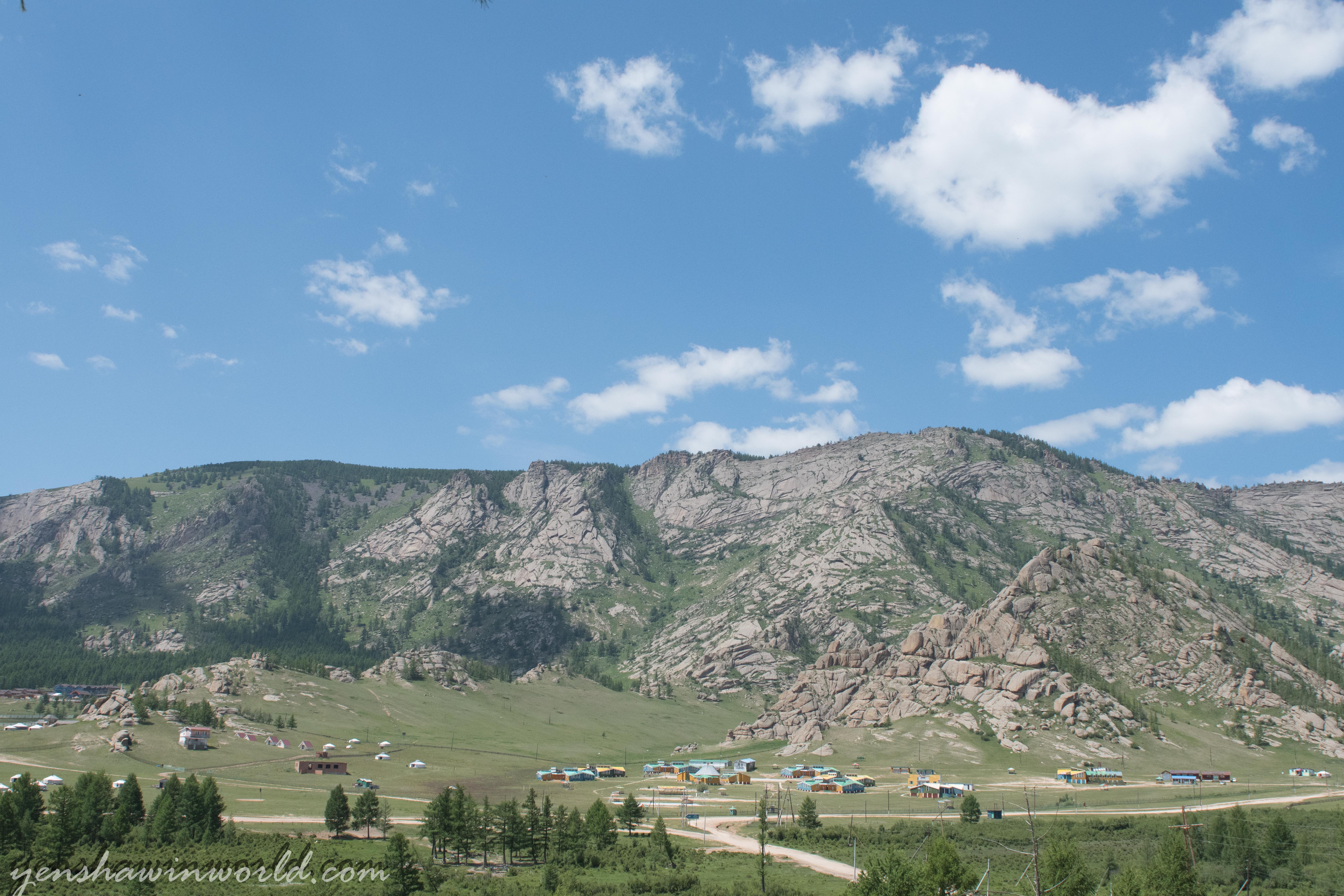
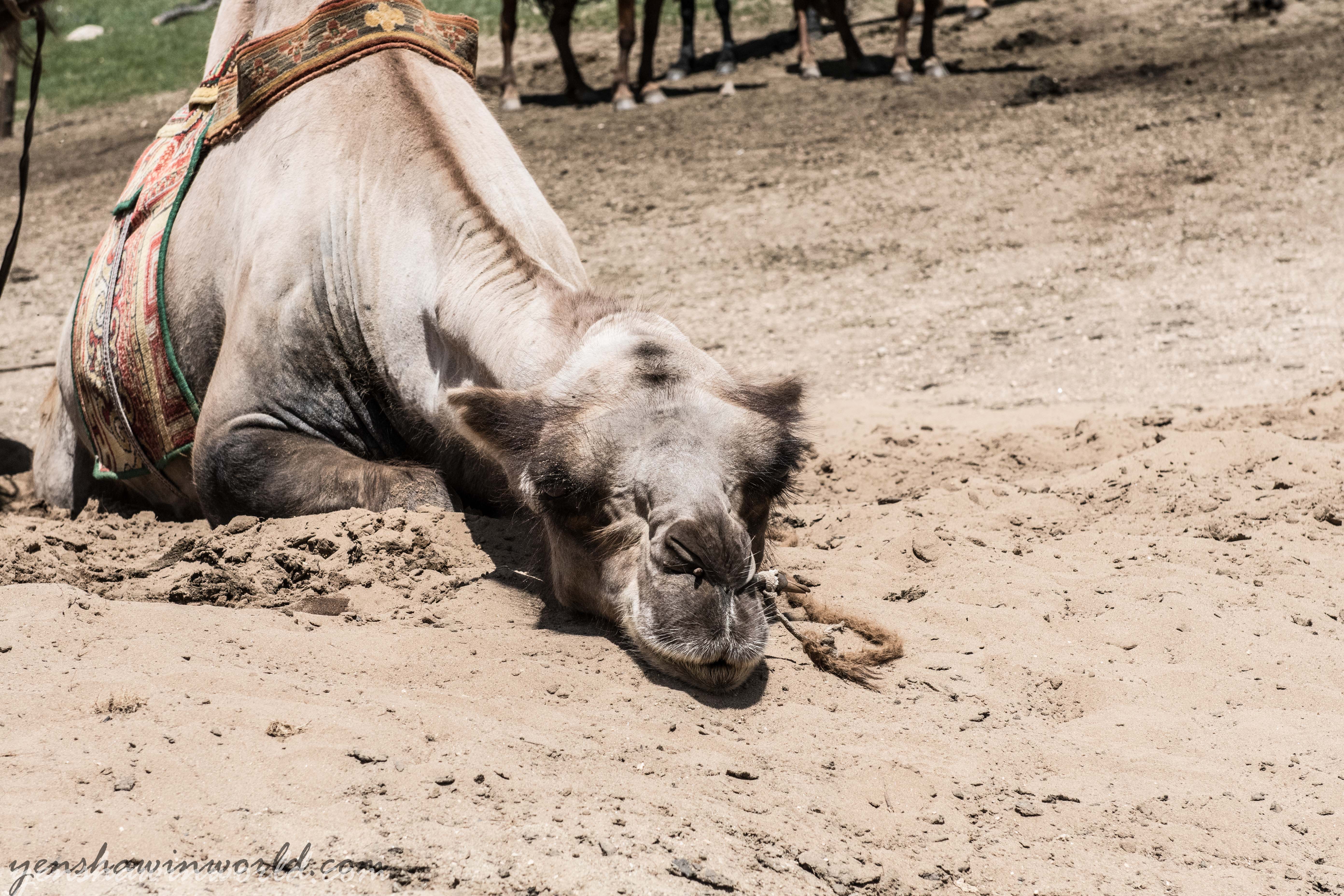
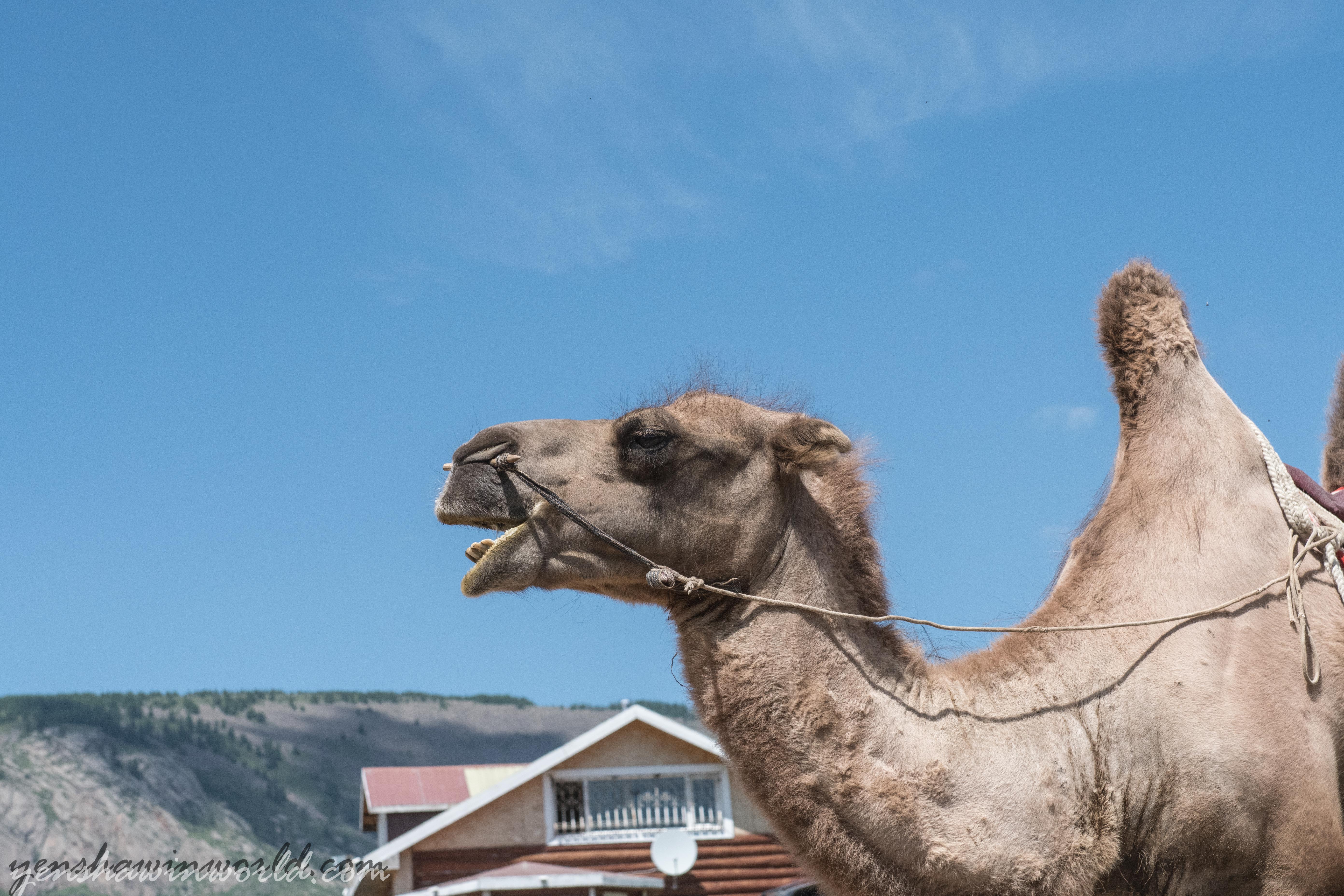
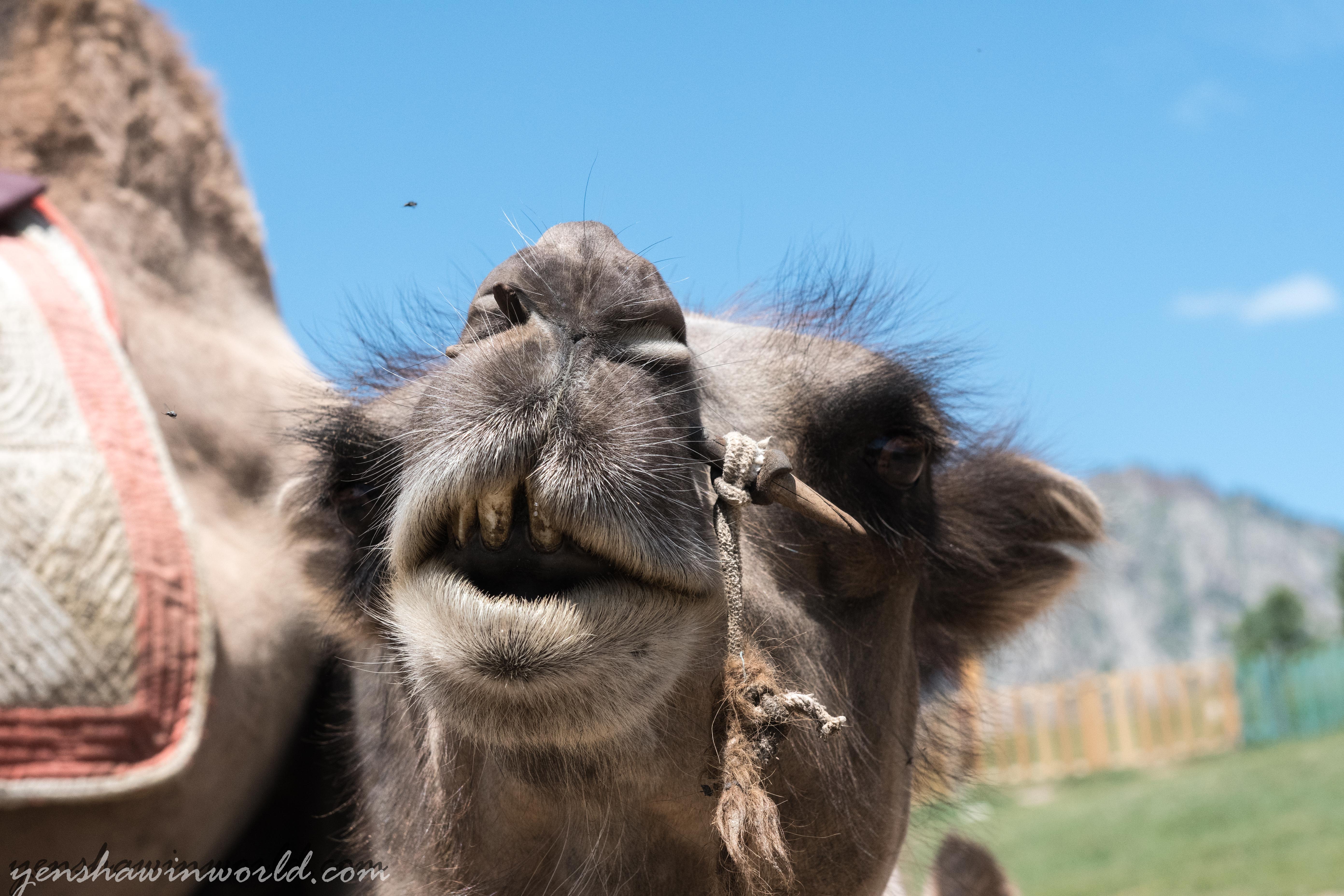
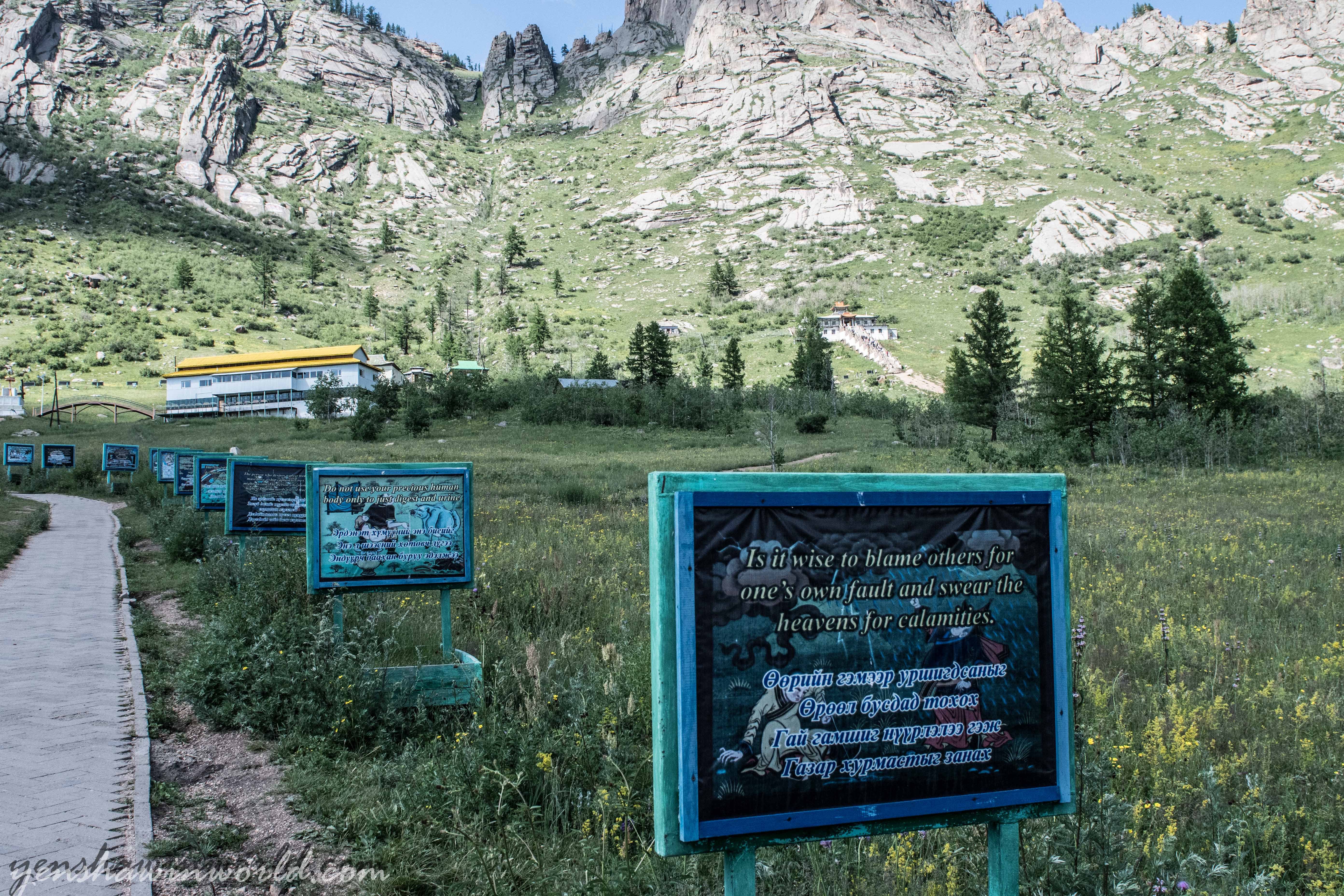
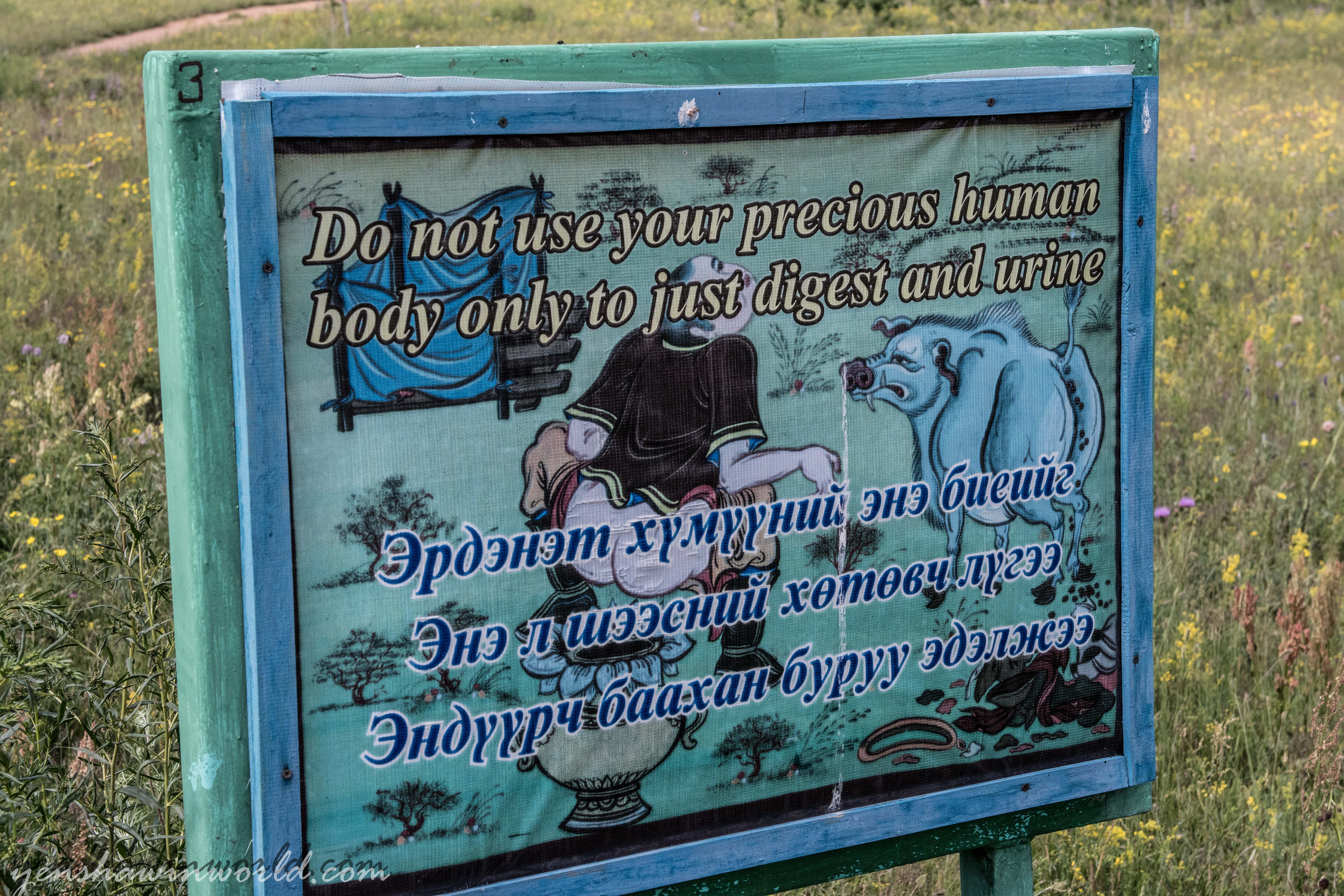
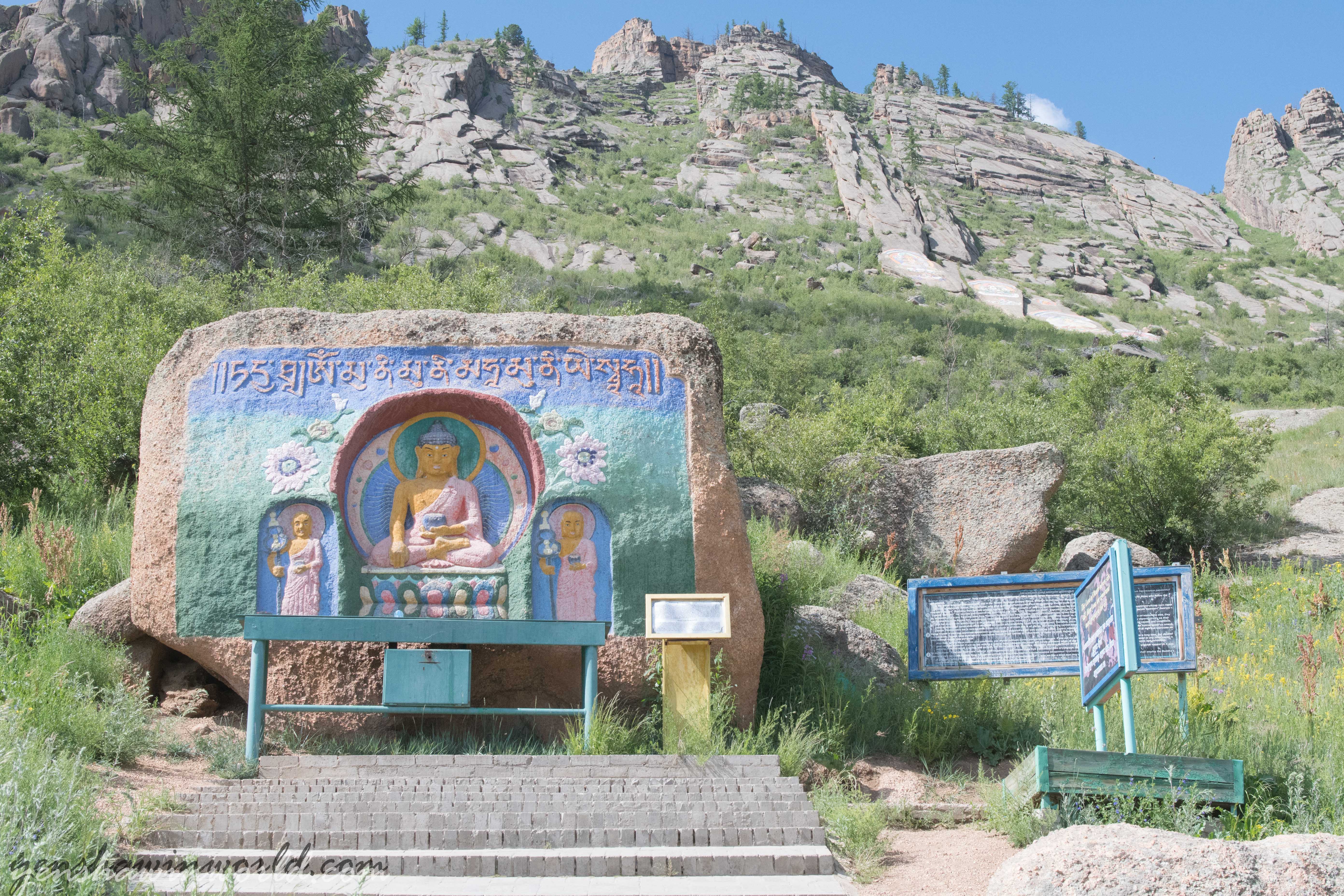
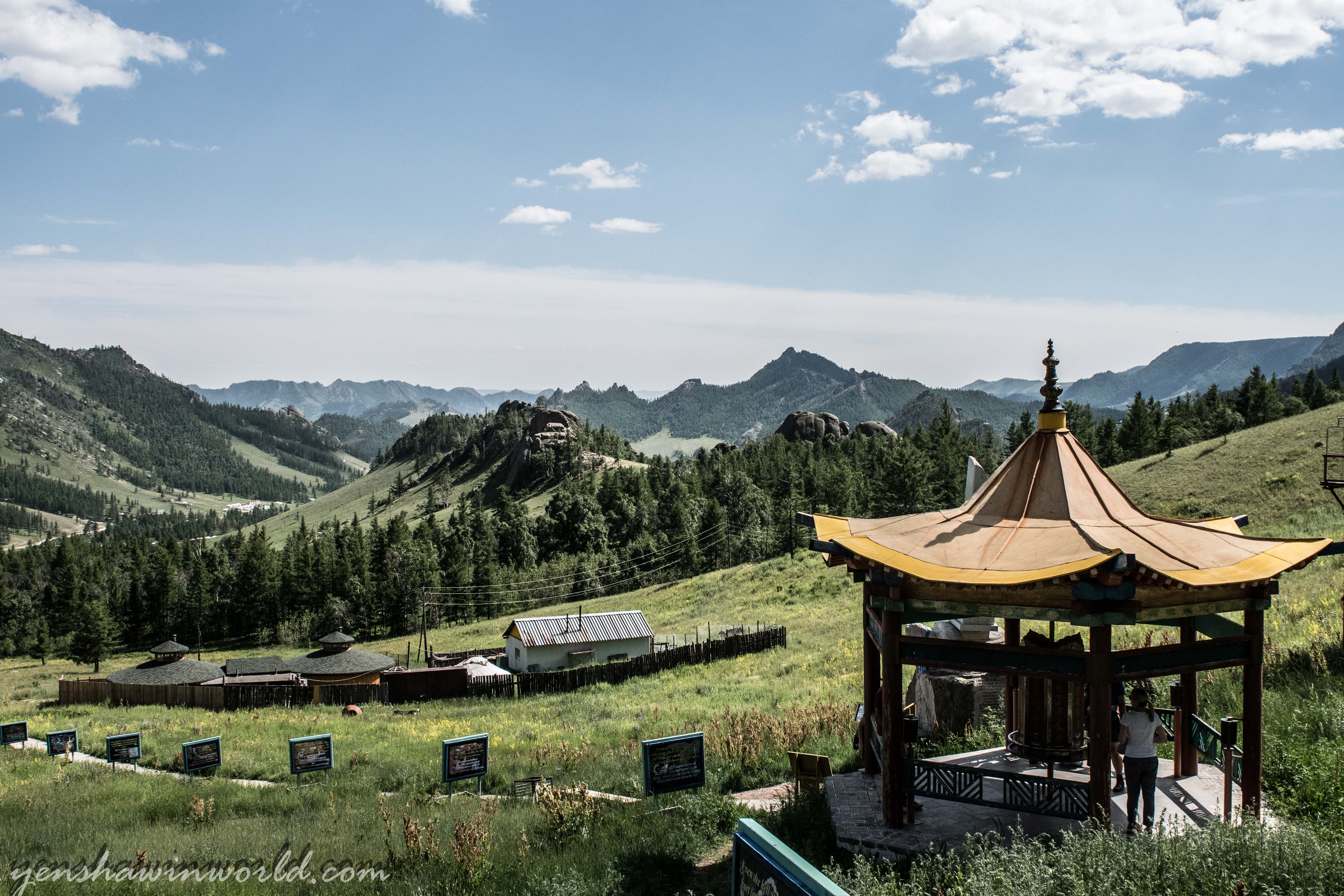
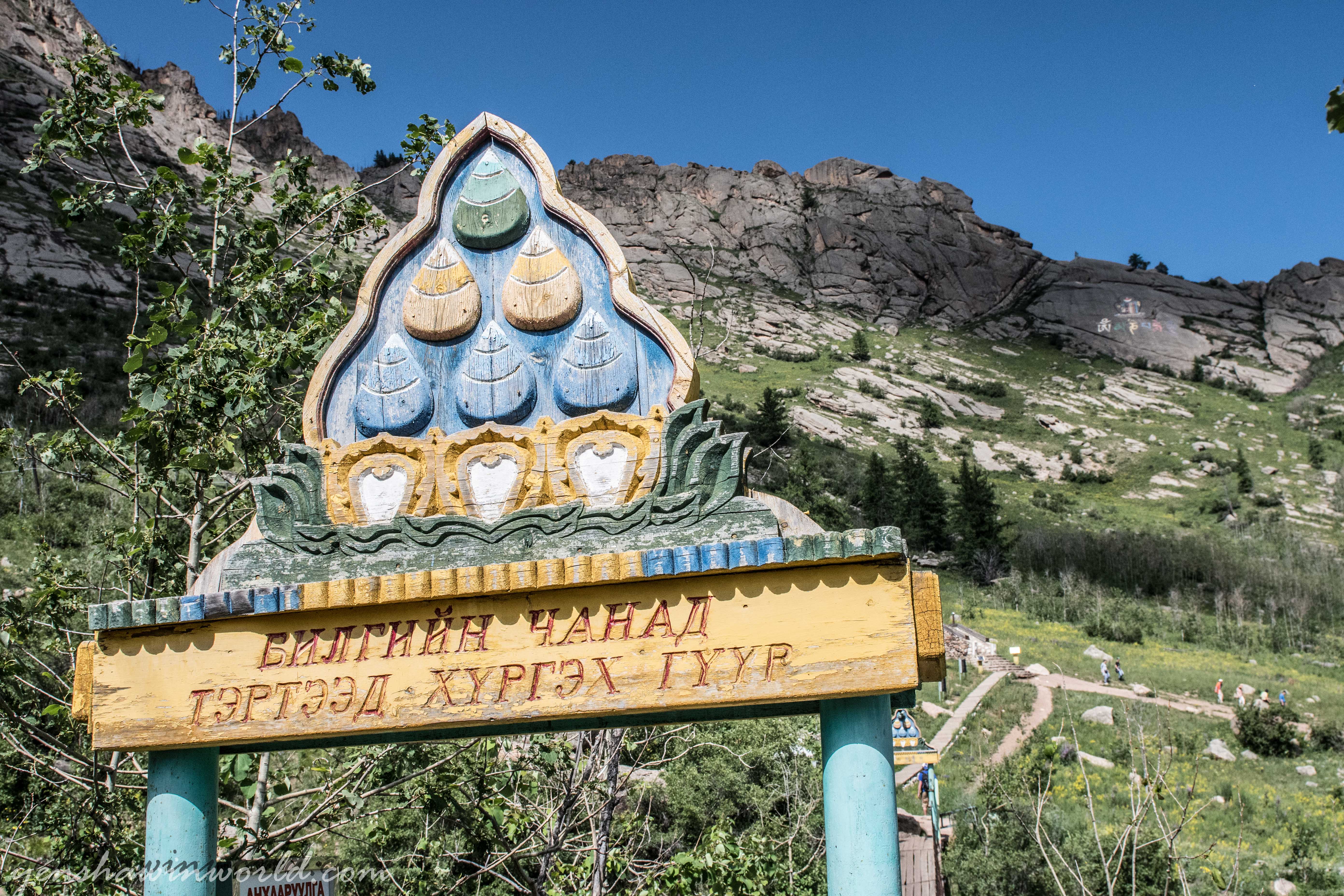
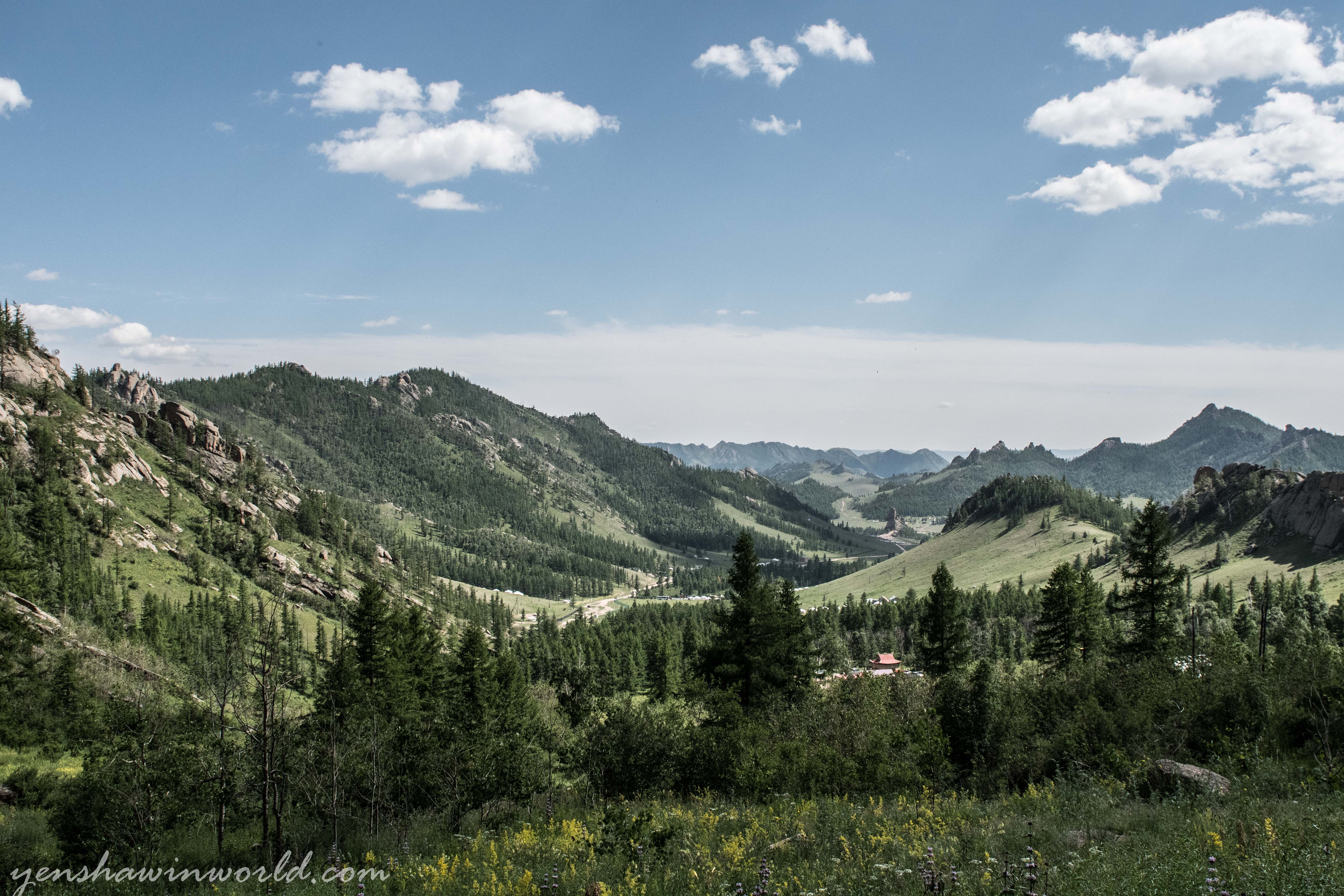



Another National Park which is in driving distance from UB is Terelj NP.  A few hours driving will take you through some lovely rolling hills, to pine forested mountains.  Here you can see the famous turtle rock which really does look like a turtle as well as Bactrian Camels, Eagles, Horses and Cows.  A walk up a steep path with beautiful Buddhist inscriptions on signs will take you to a beautiful temple that overlooks this once glacial valley.  Definitely a place you do not want to miss.

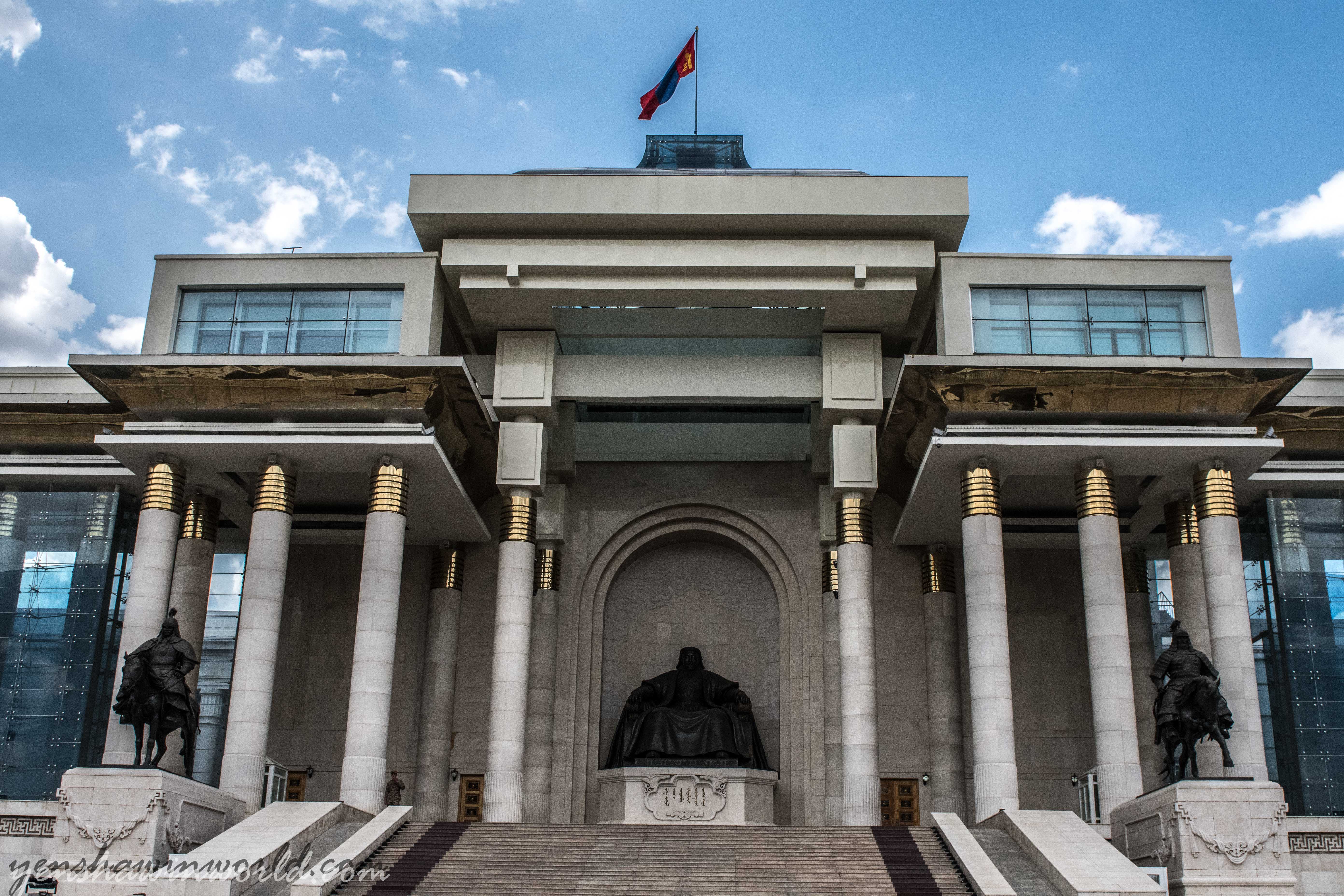
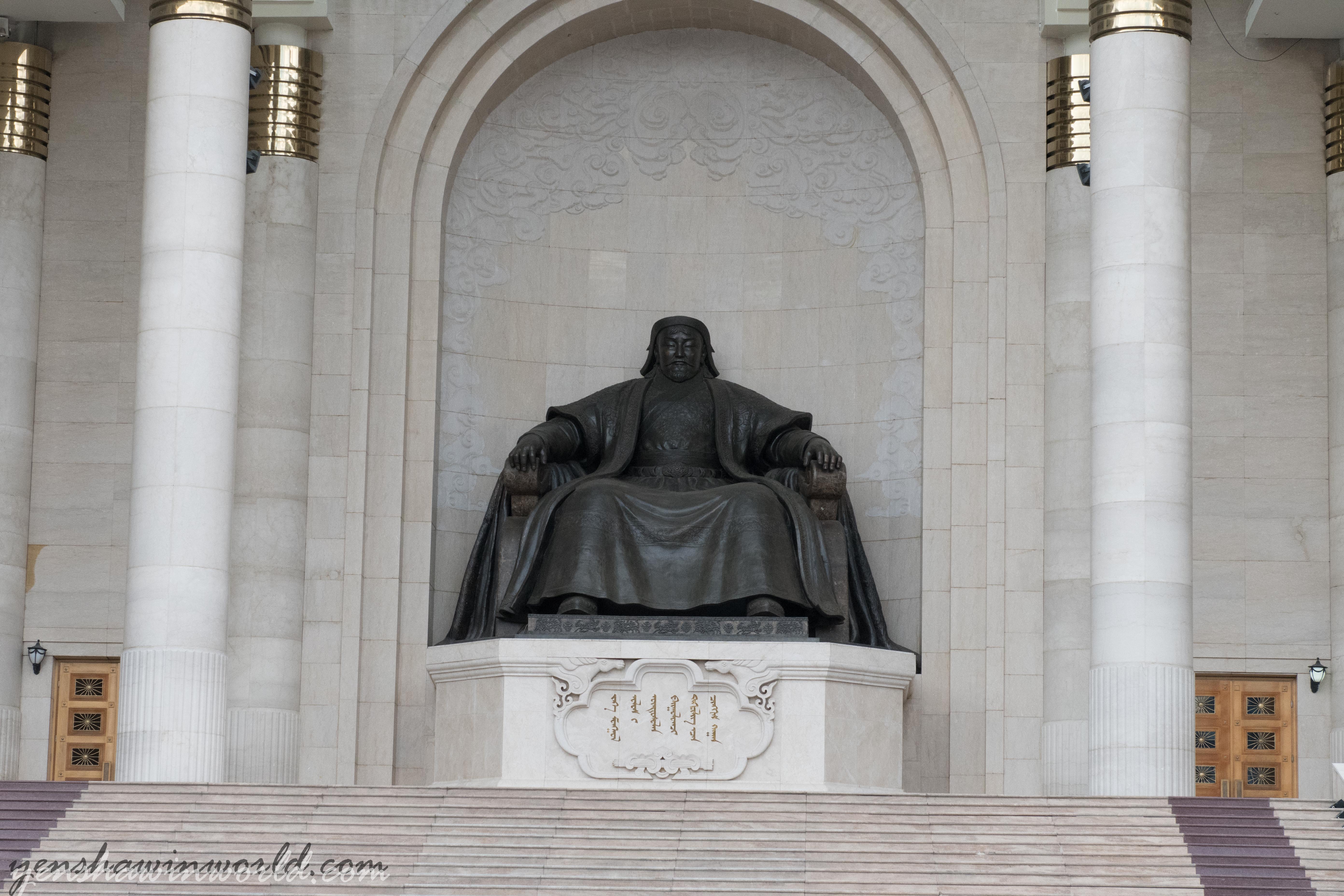
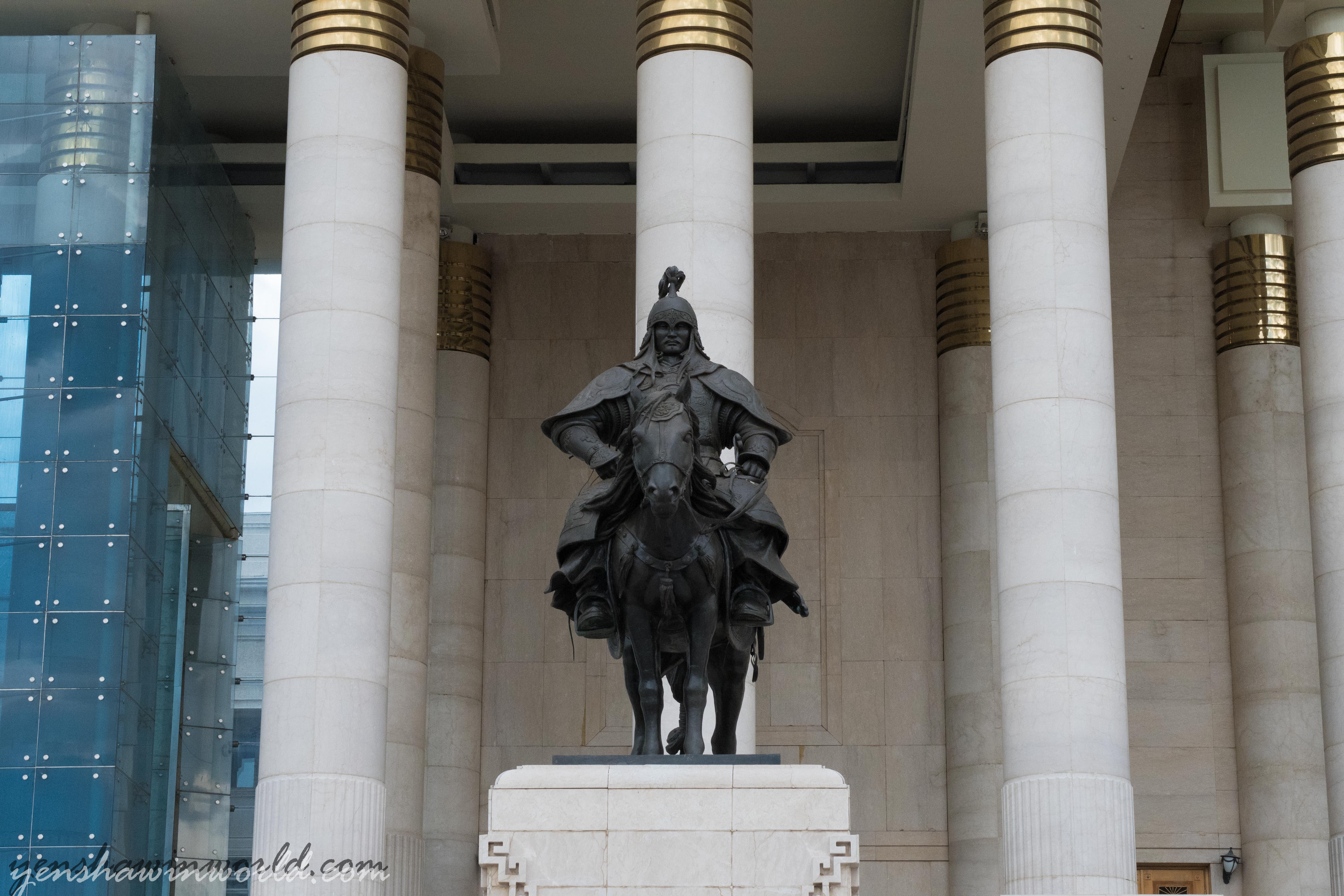
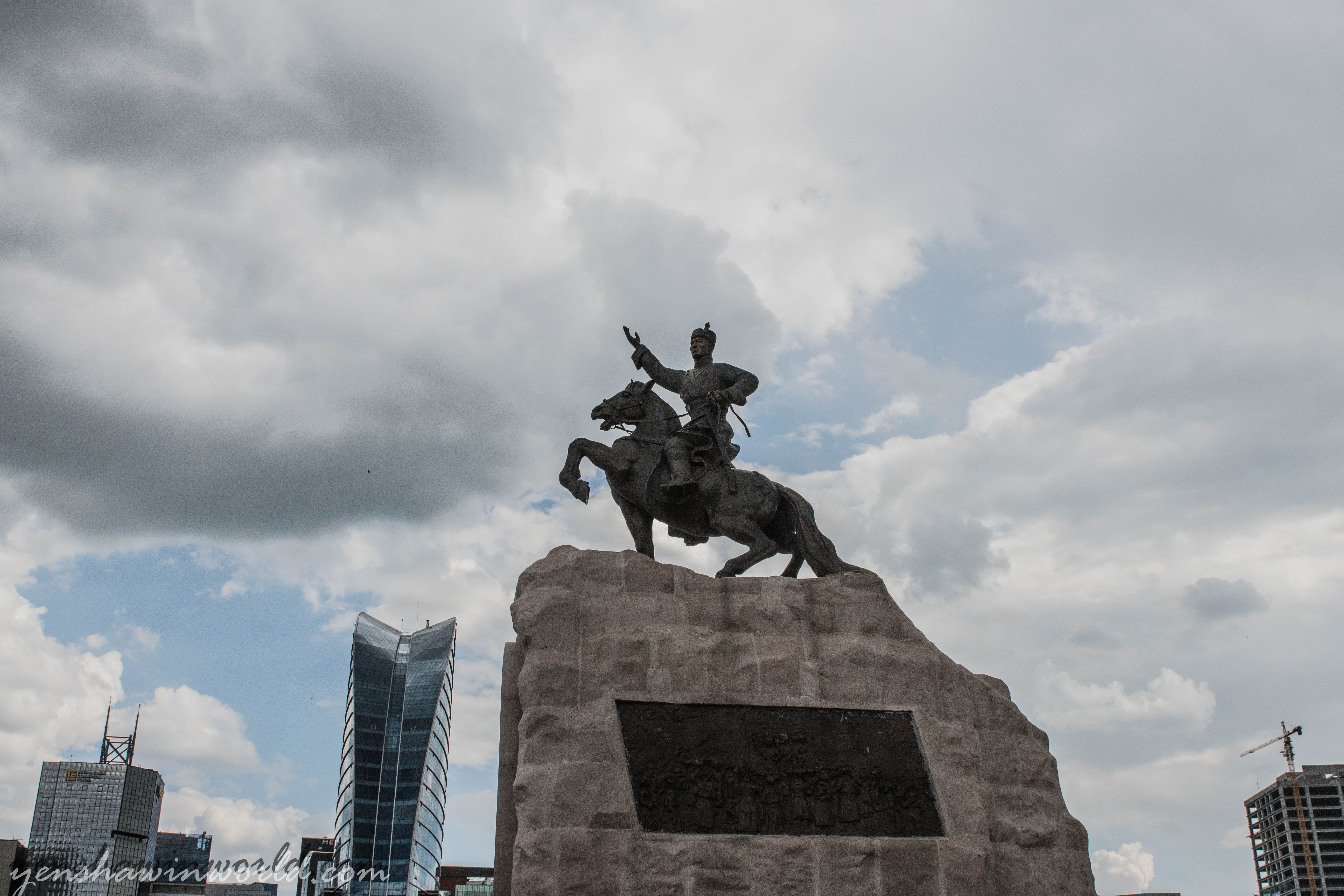
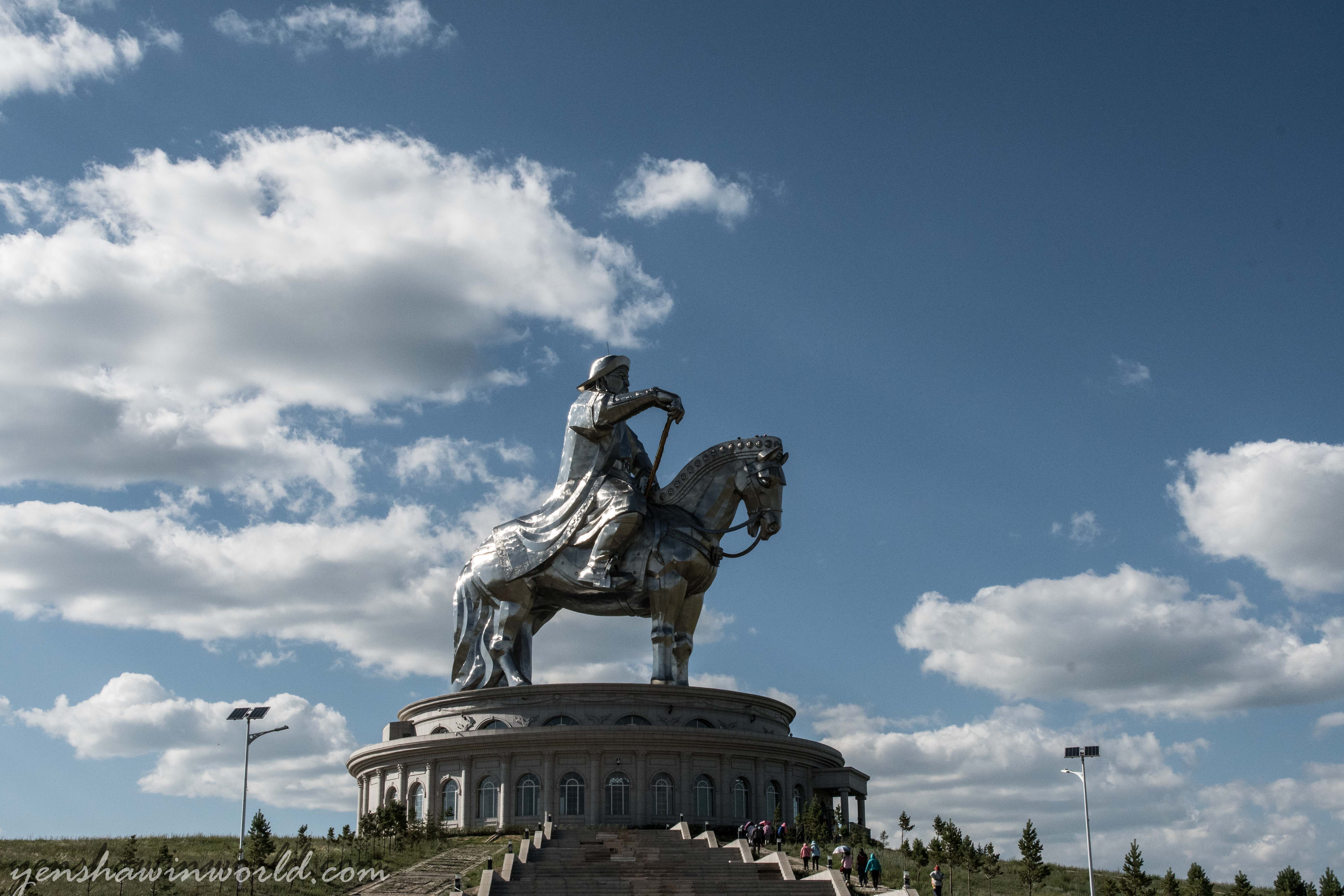
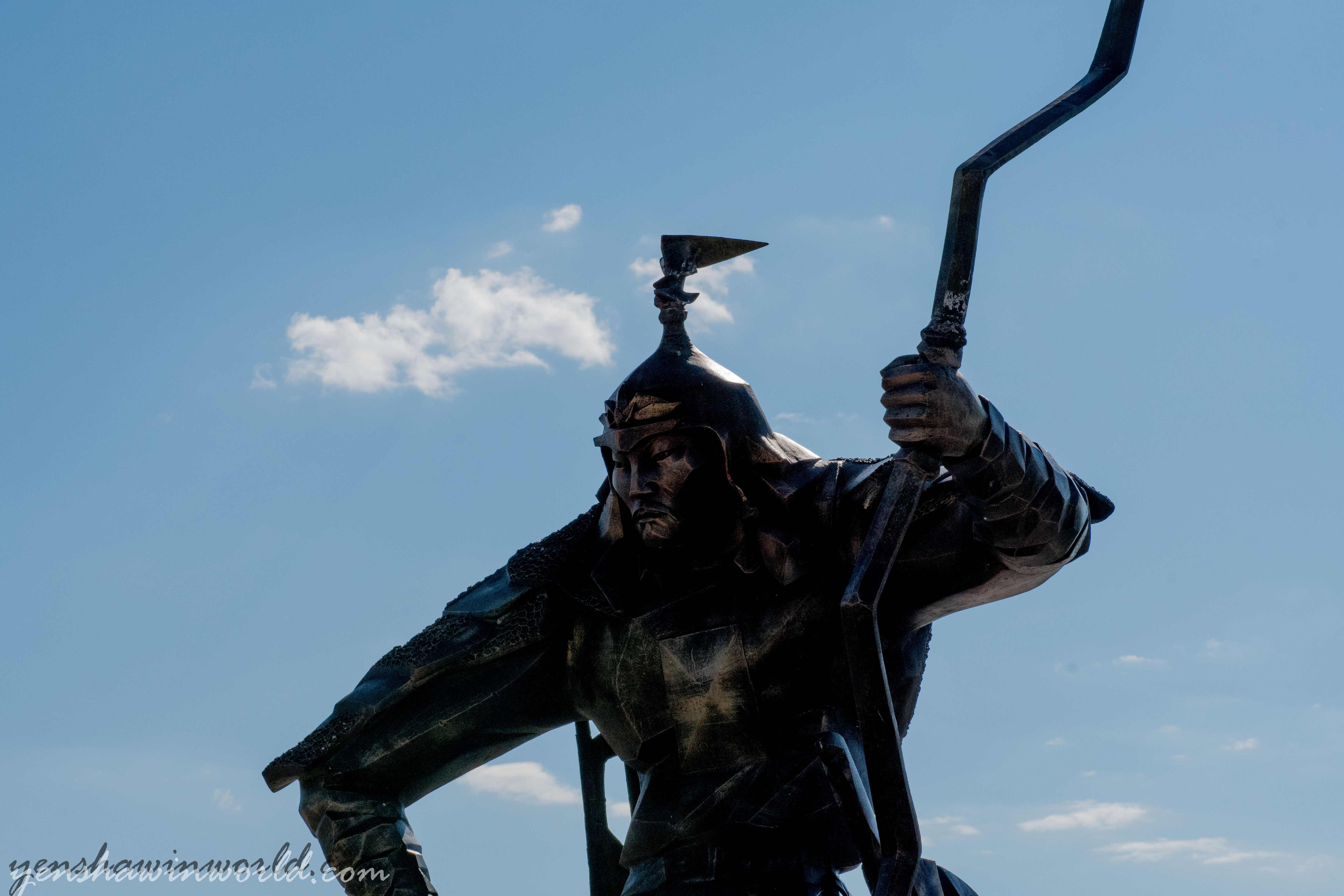
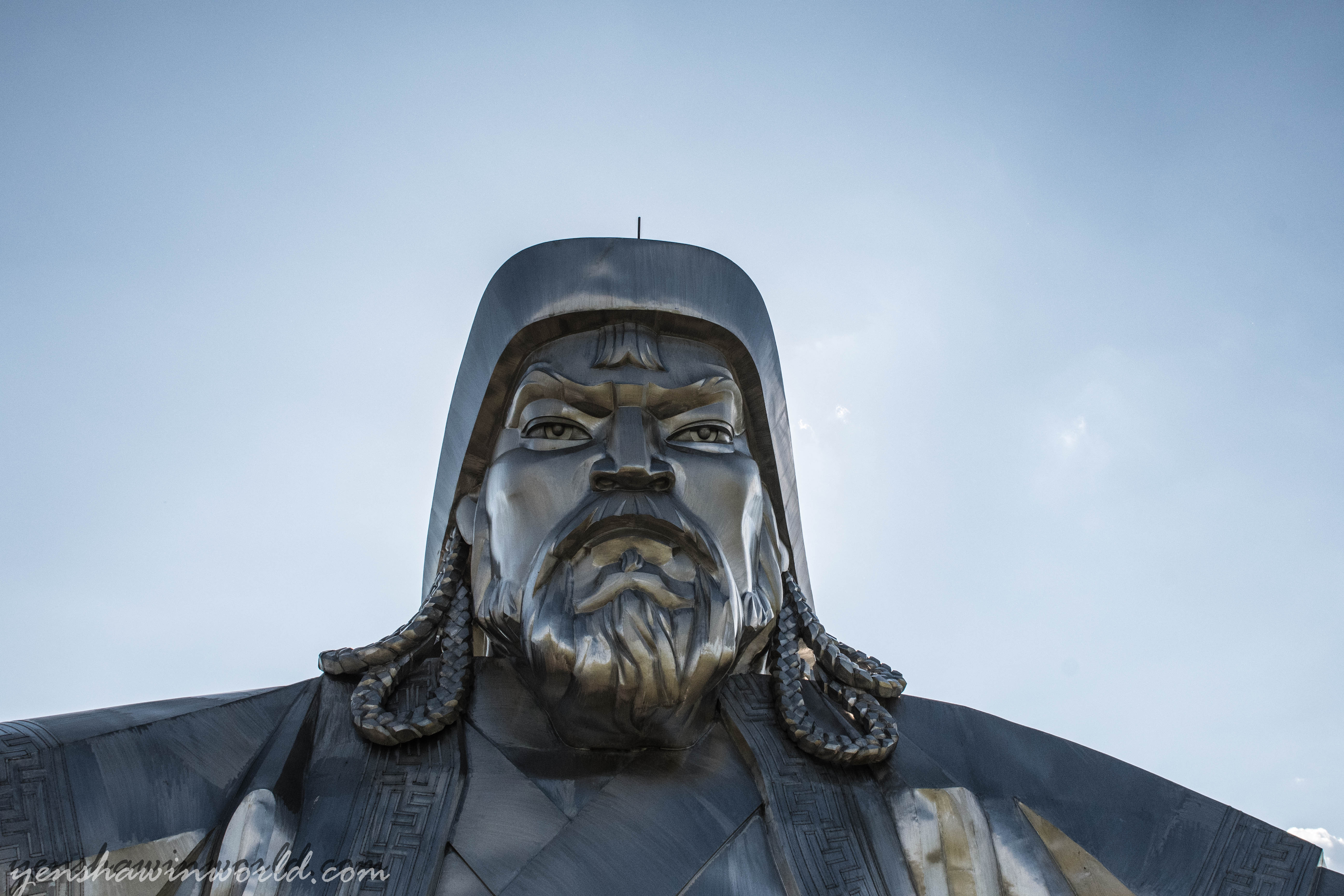
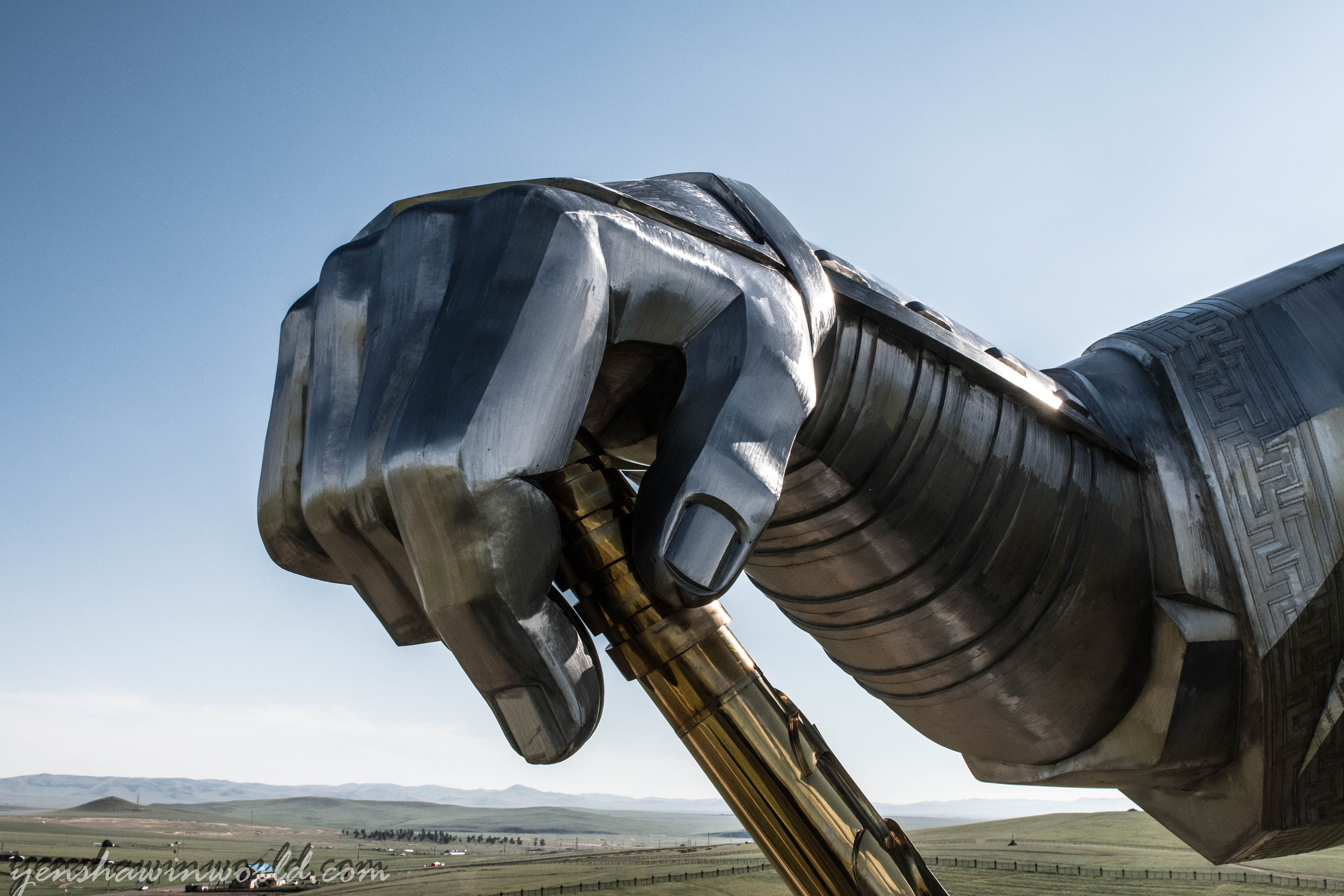
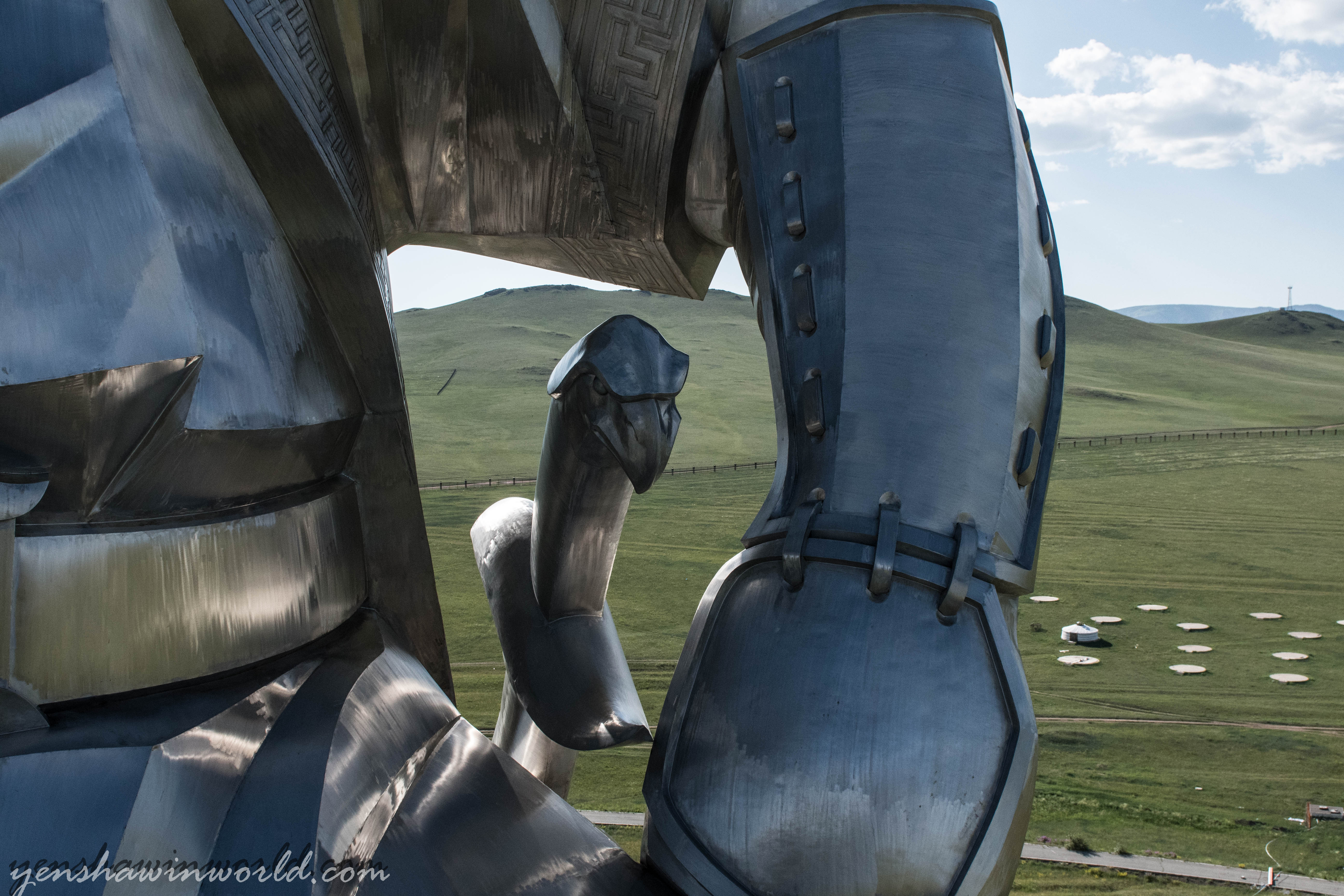
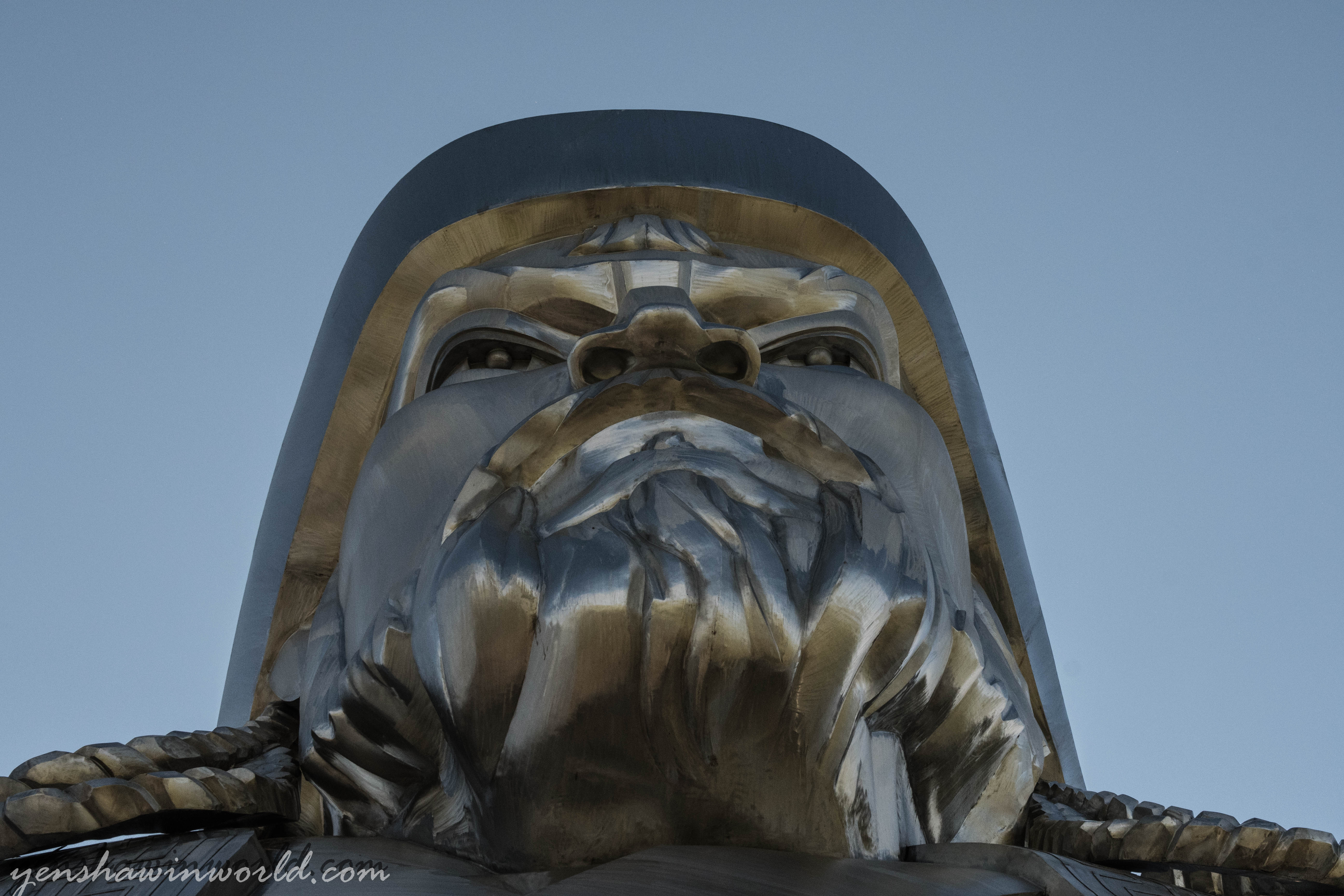
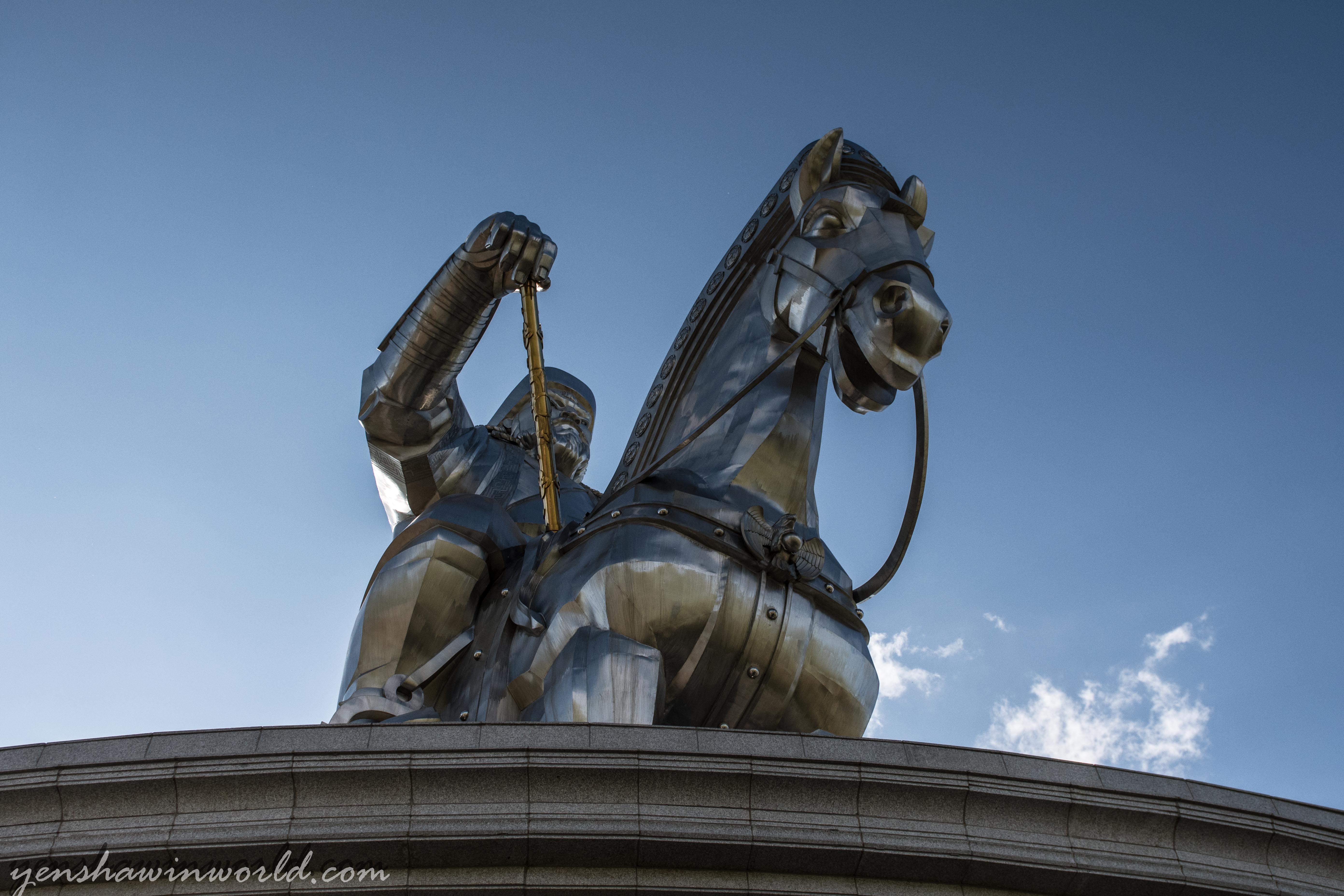
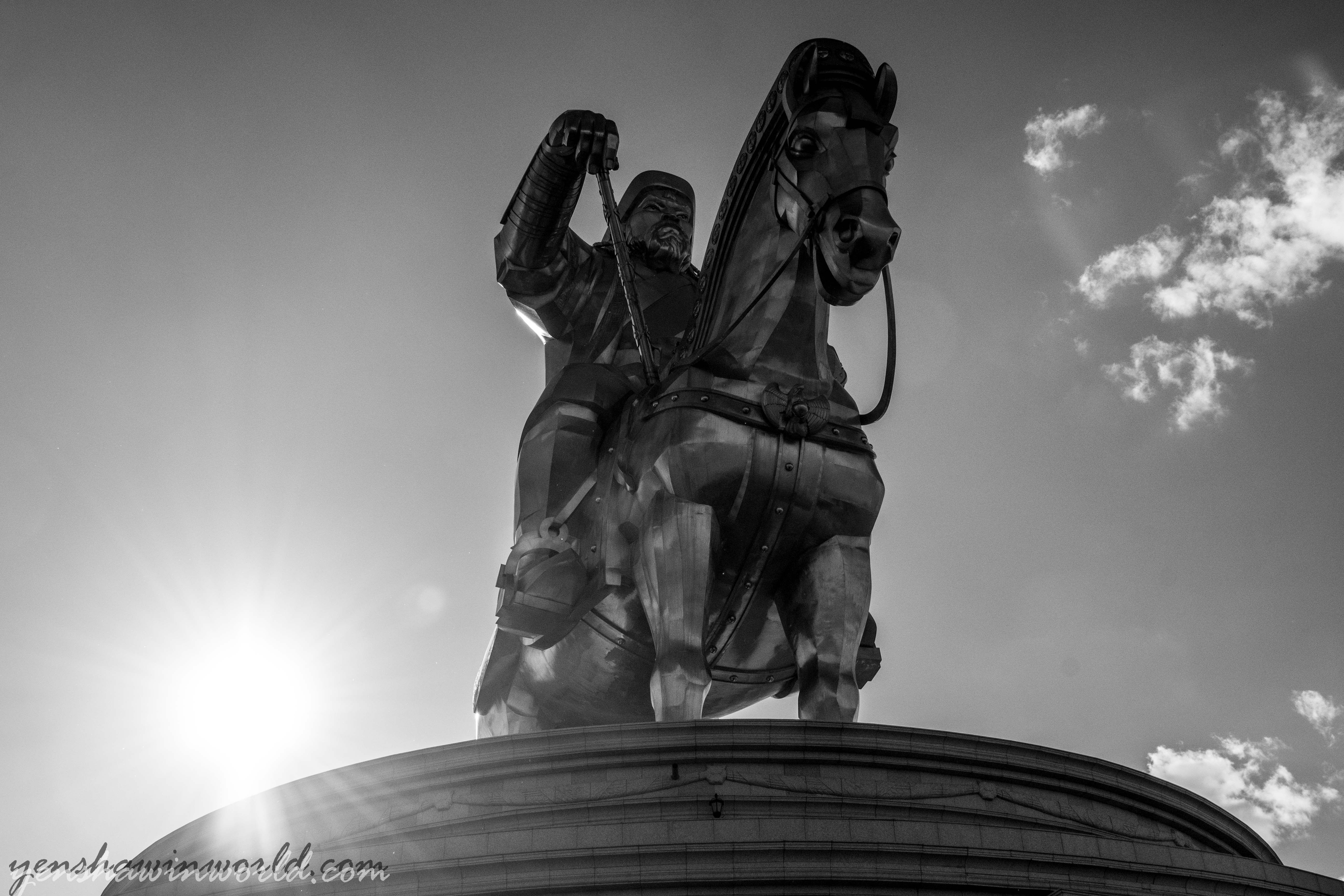
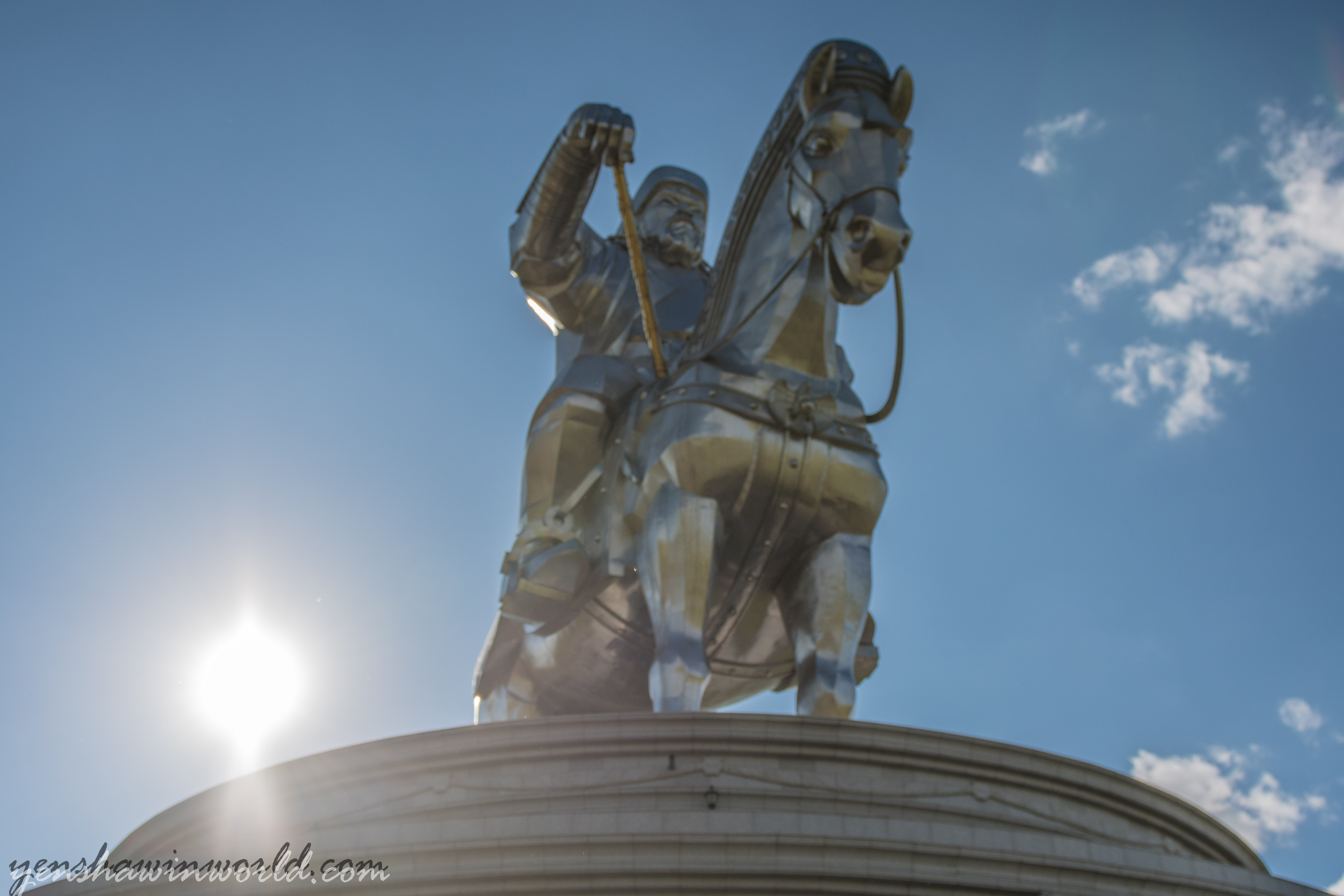
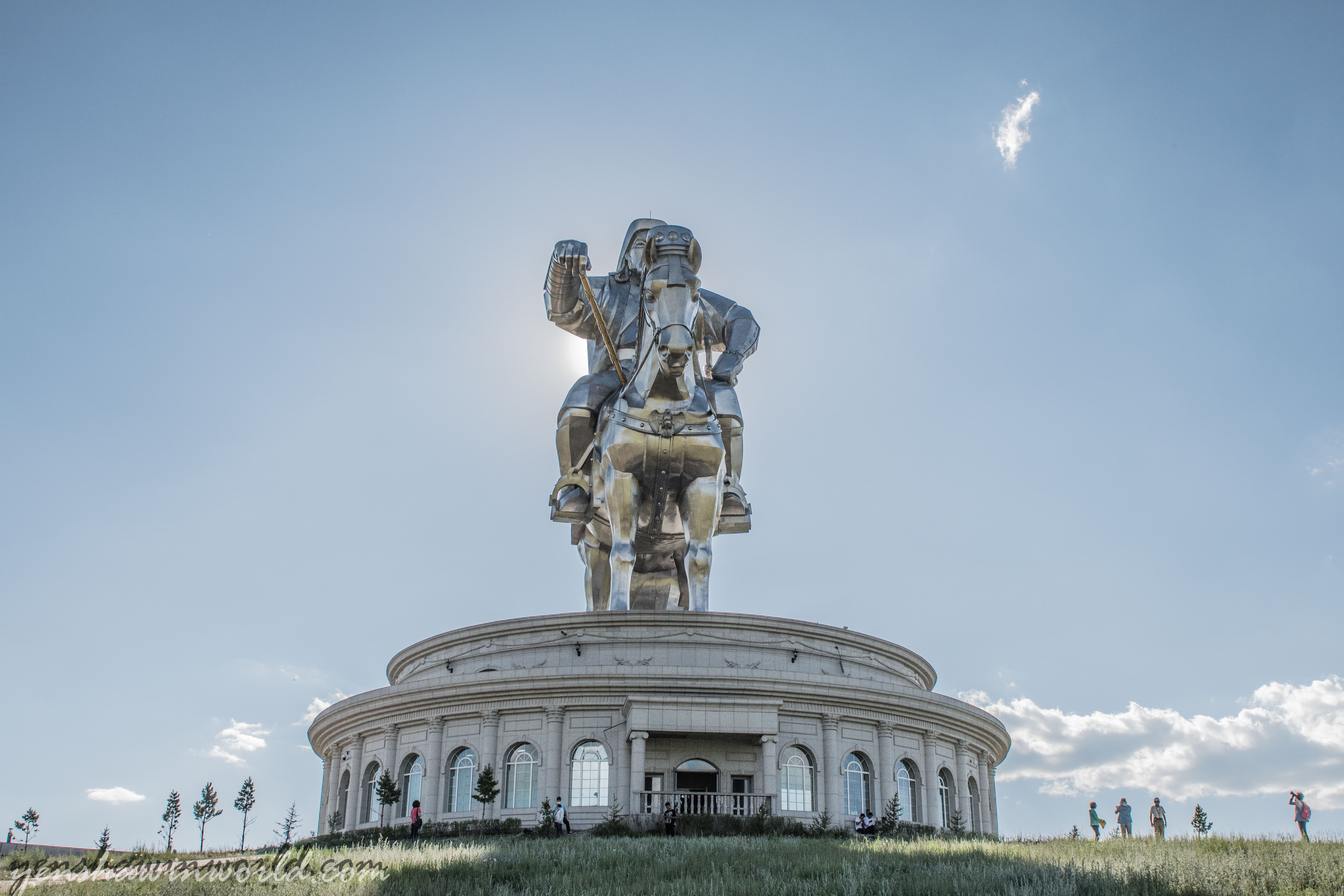
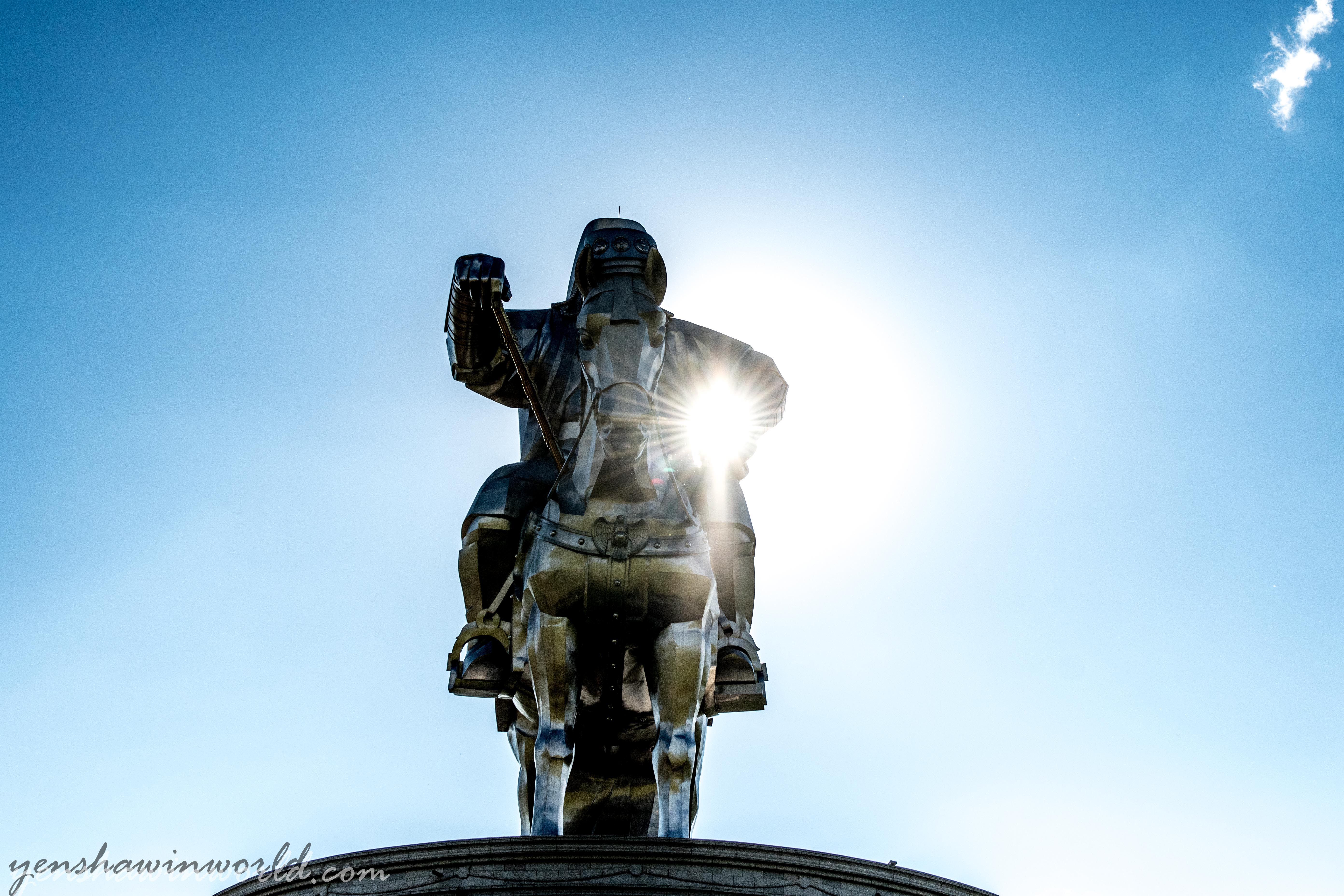
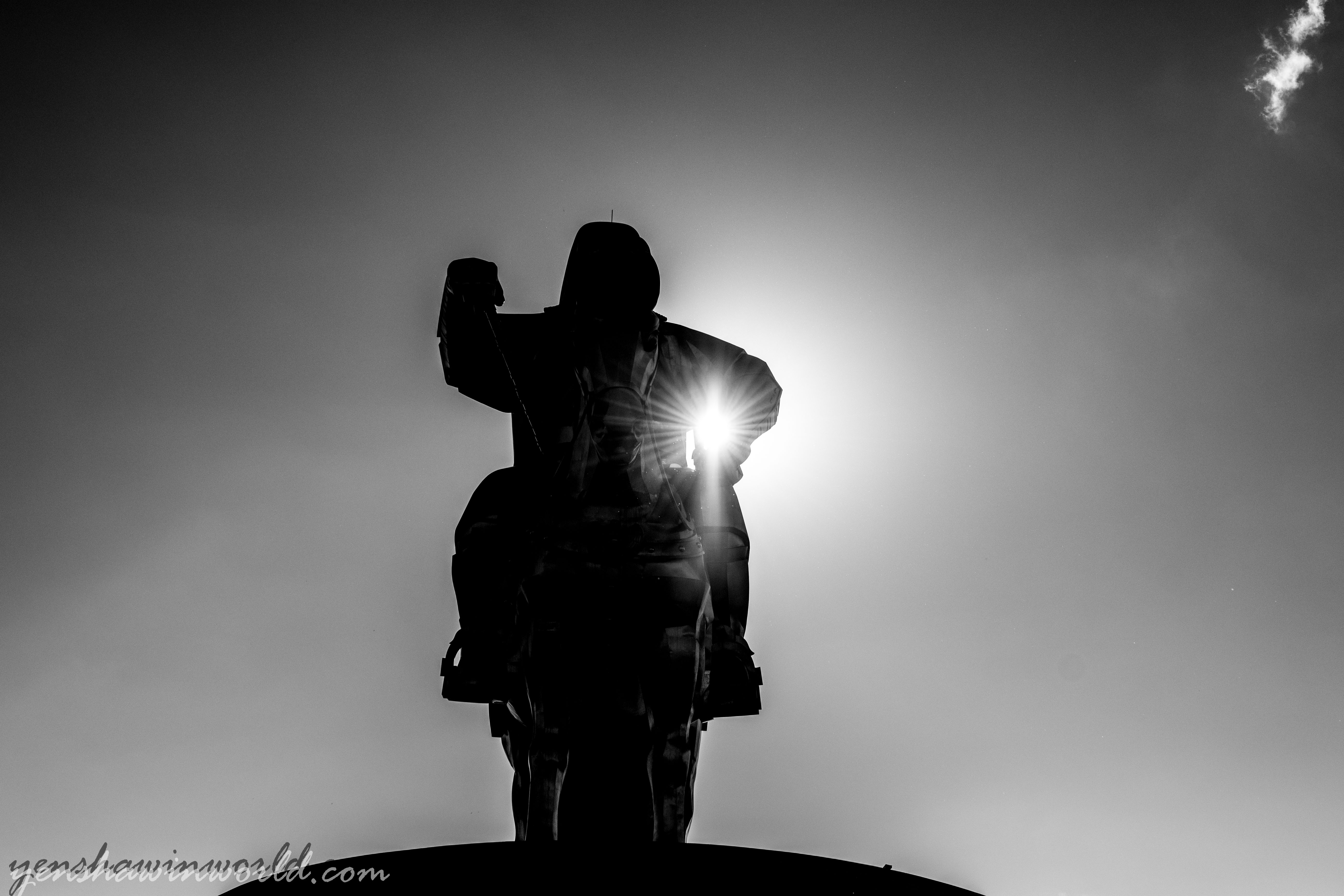
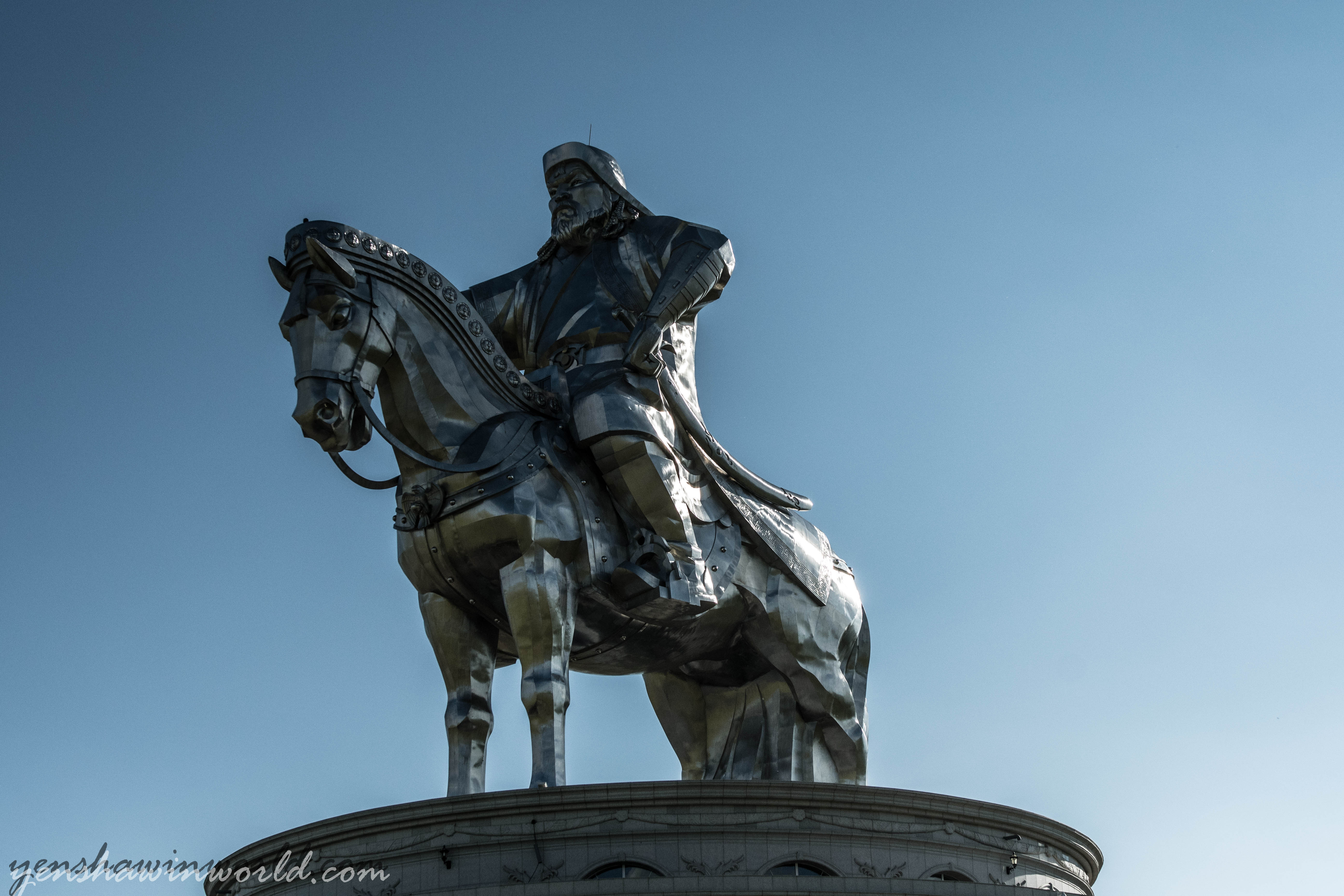
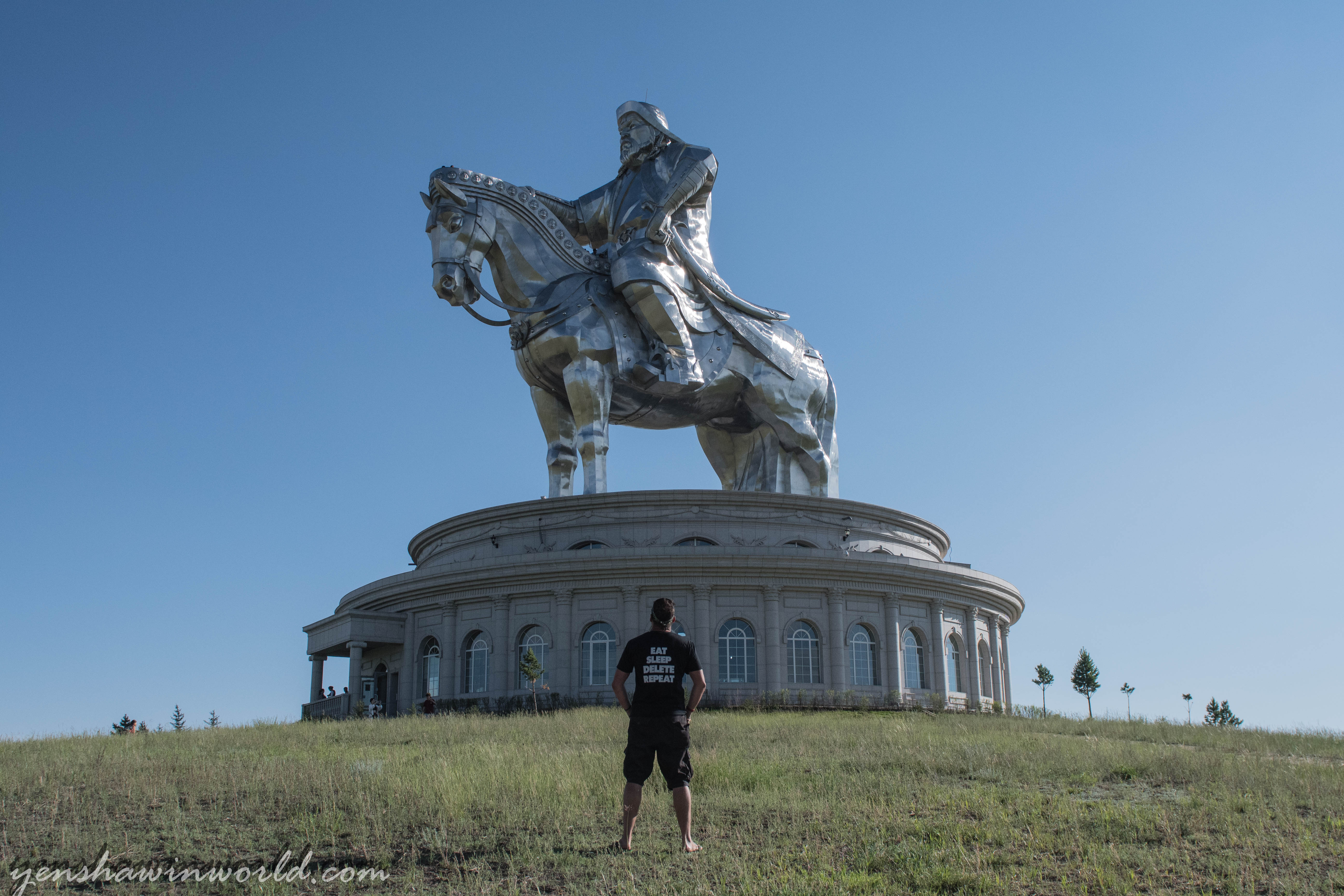
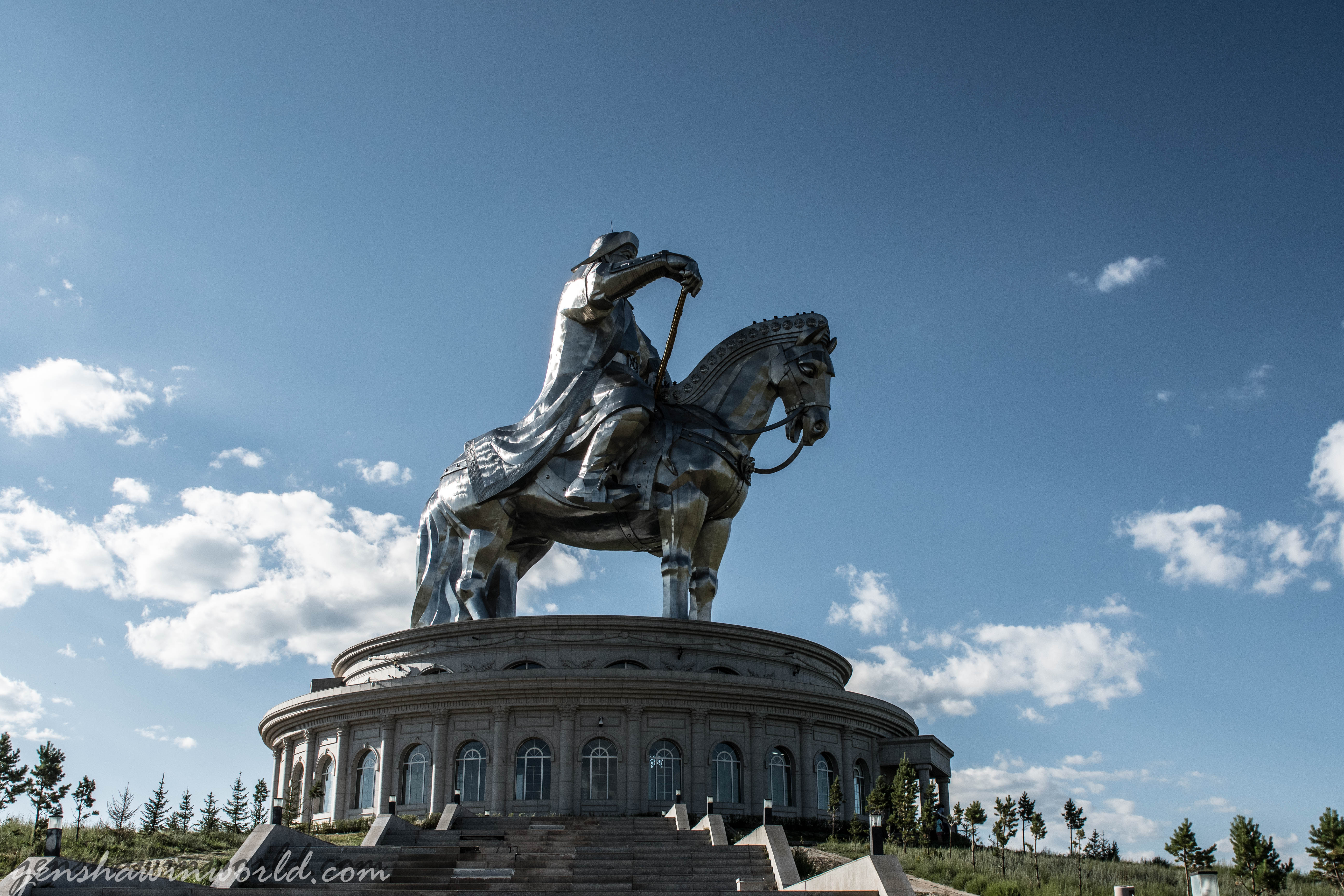
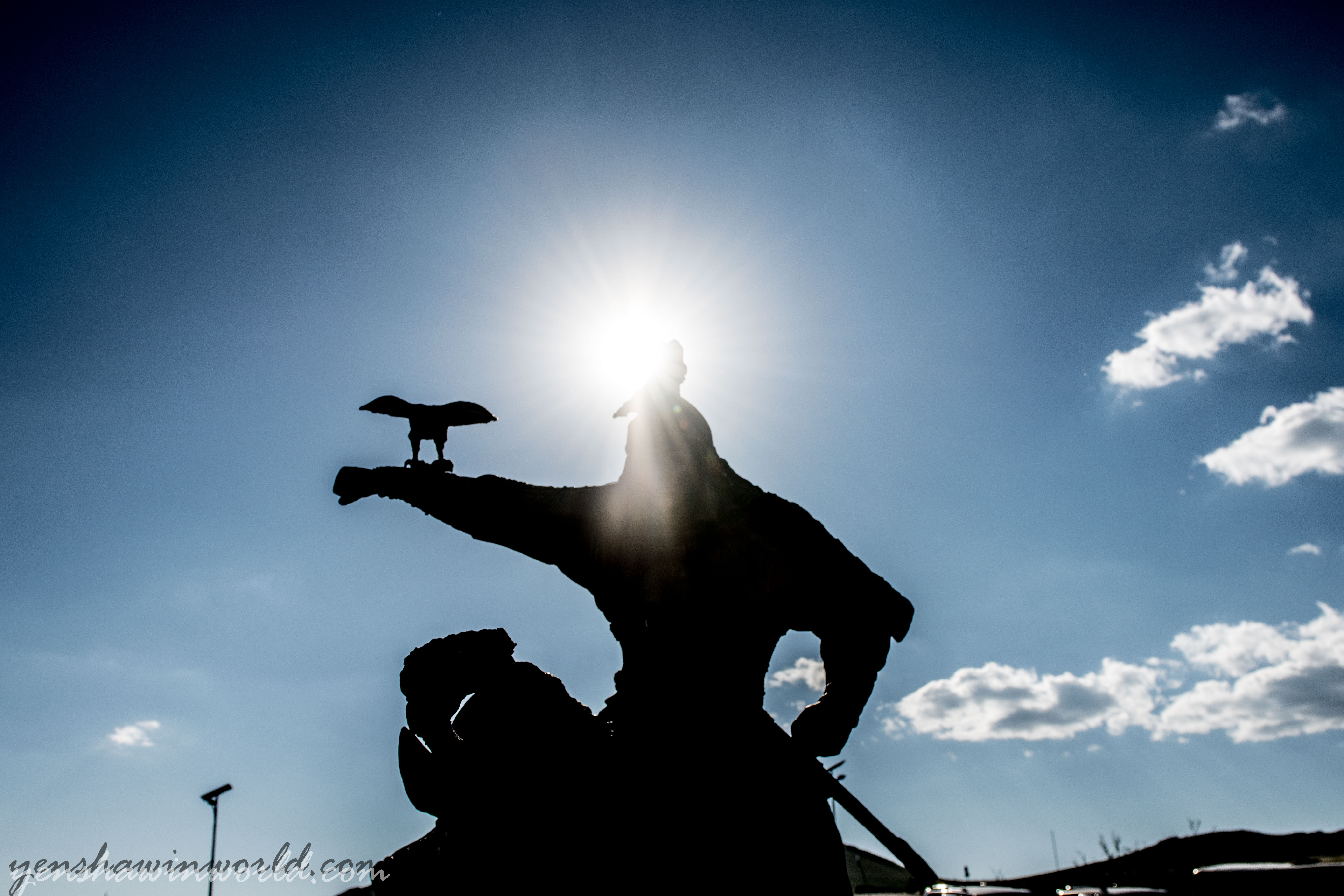
One of the highlights of Mongolia that I always wanted to see was the massive Genghis Khan statue.  The statue is about 40 meters tall and shows him on horseback on the bank of the Tuul River.  This is where he according to legend, found the golden whip.  The complex below has 36 columns representing the 36 khans from Genghis on.  This is part of a larger complex that when completed will spread acres in every direction.  This is definitely a great symbol for Mongolia as is the Eiffel Tower for France and Statue of Liberty for the United States.

Naadam Trek

Naadam is a festival that is widely regarded as the Olympics of Mongolia.  It has been going on for centuries in one form or another and I would regard it as the biggest holiday of the year.  The three games are Horse Racing, Wrestling, and Archery.  Women have started to participate in Horse Racing and Archery but not wrestling.  It has an opening ceremony which rivals that (not in pyrotechnics) of the Olympic opening games.  It is usually held on the 11-15 of each year in the capital of Ulaanbaatar, but it has smaller followings in other isolated parts of the country. 

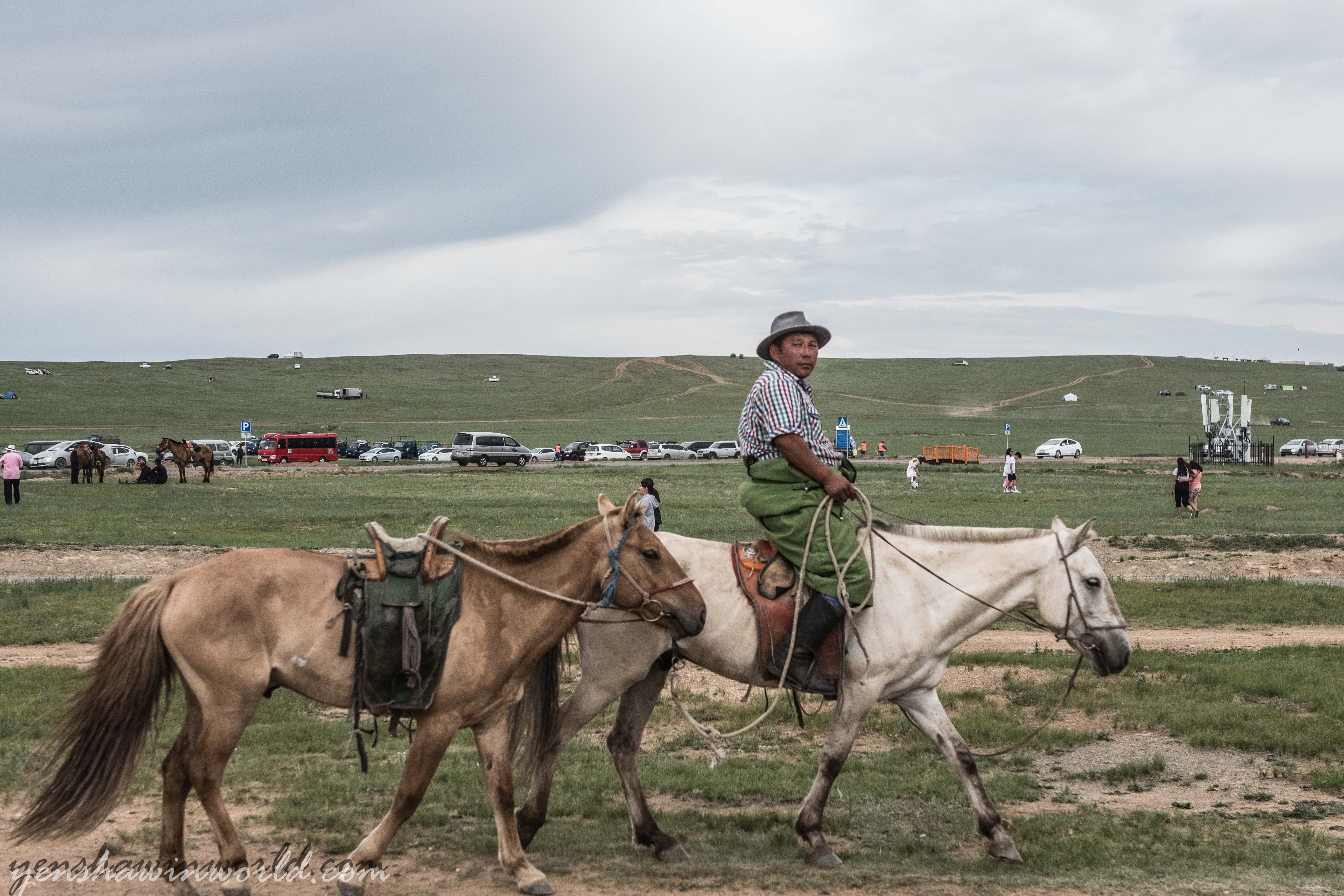
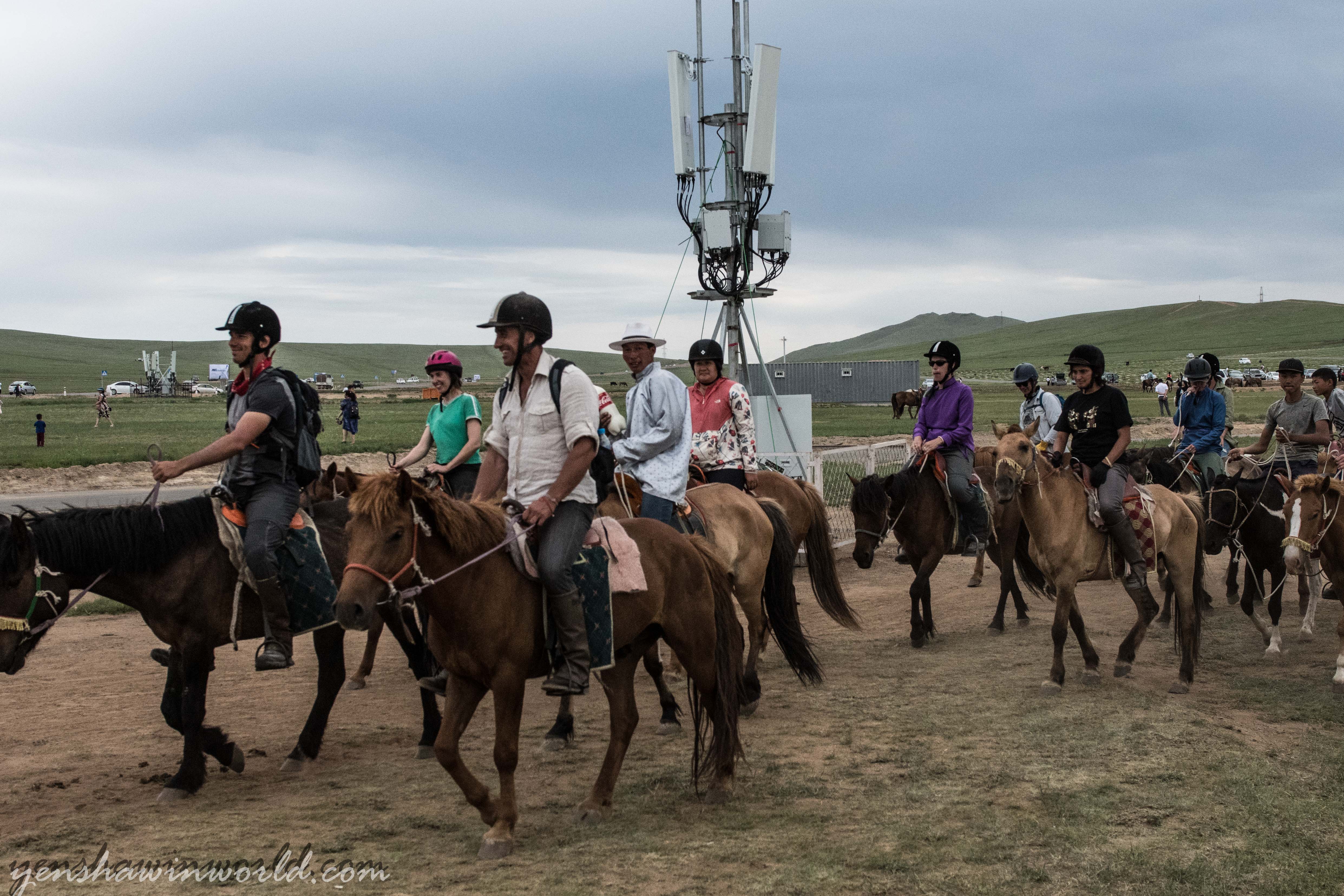
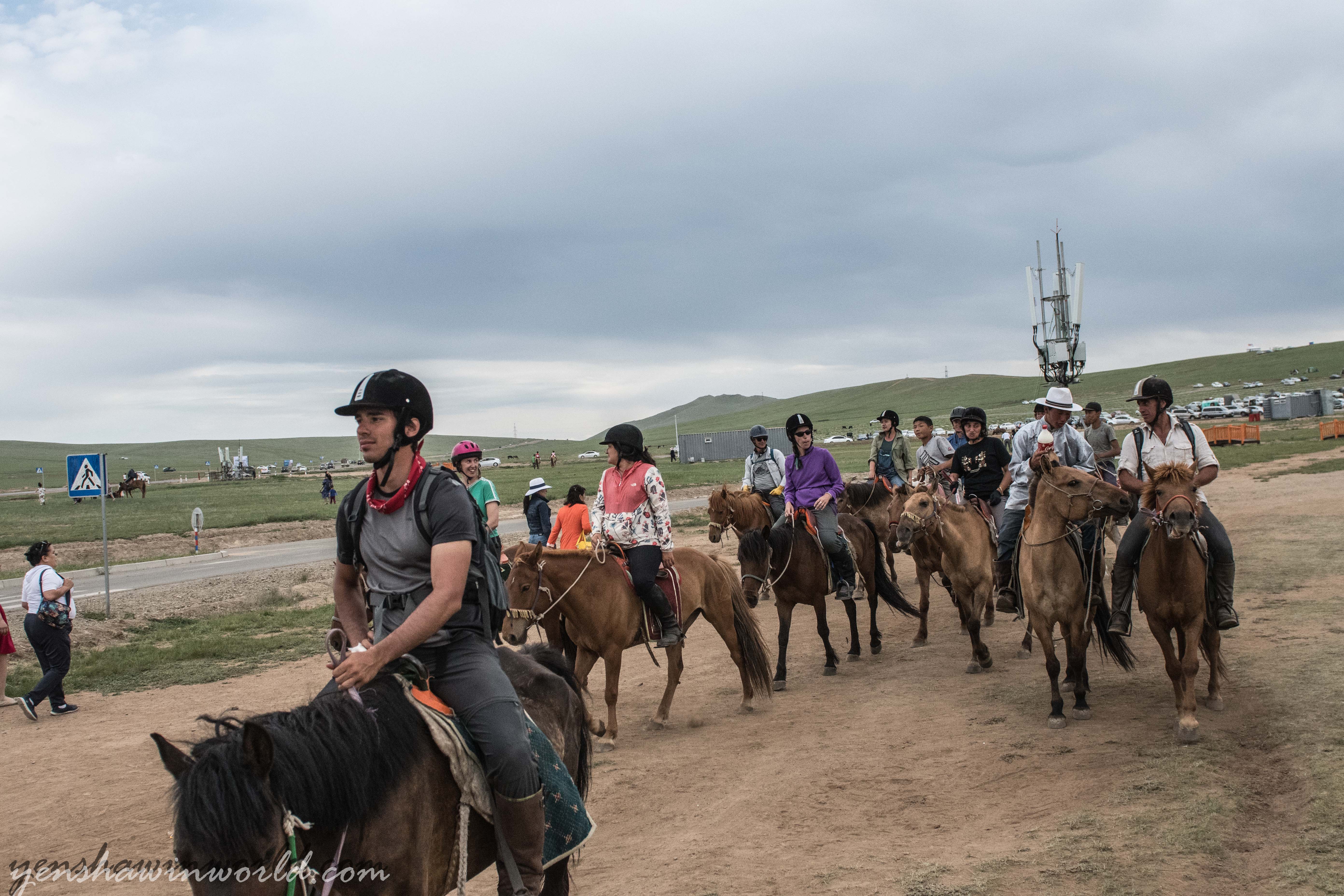
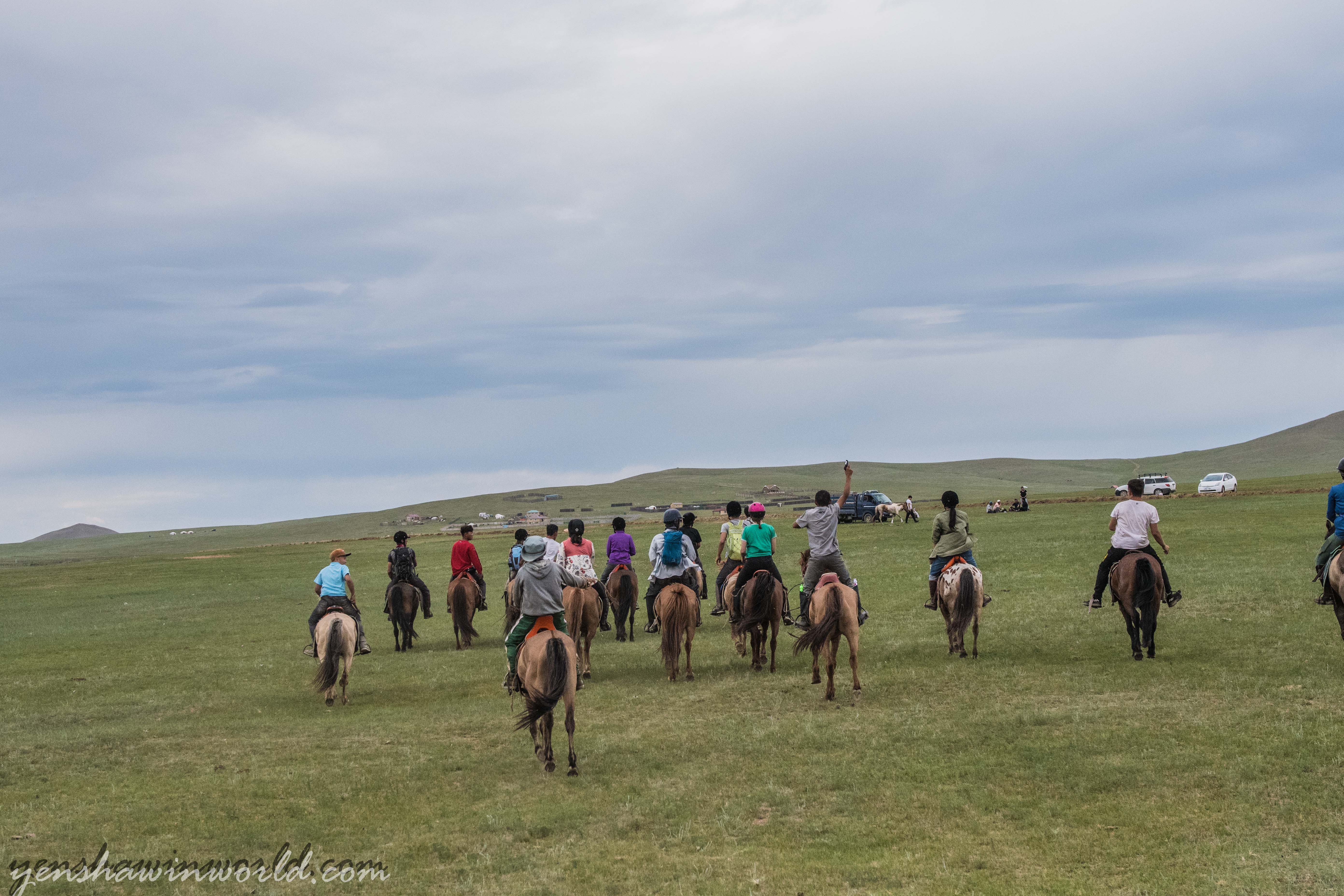
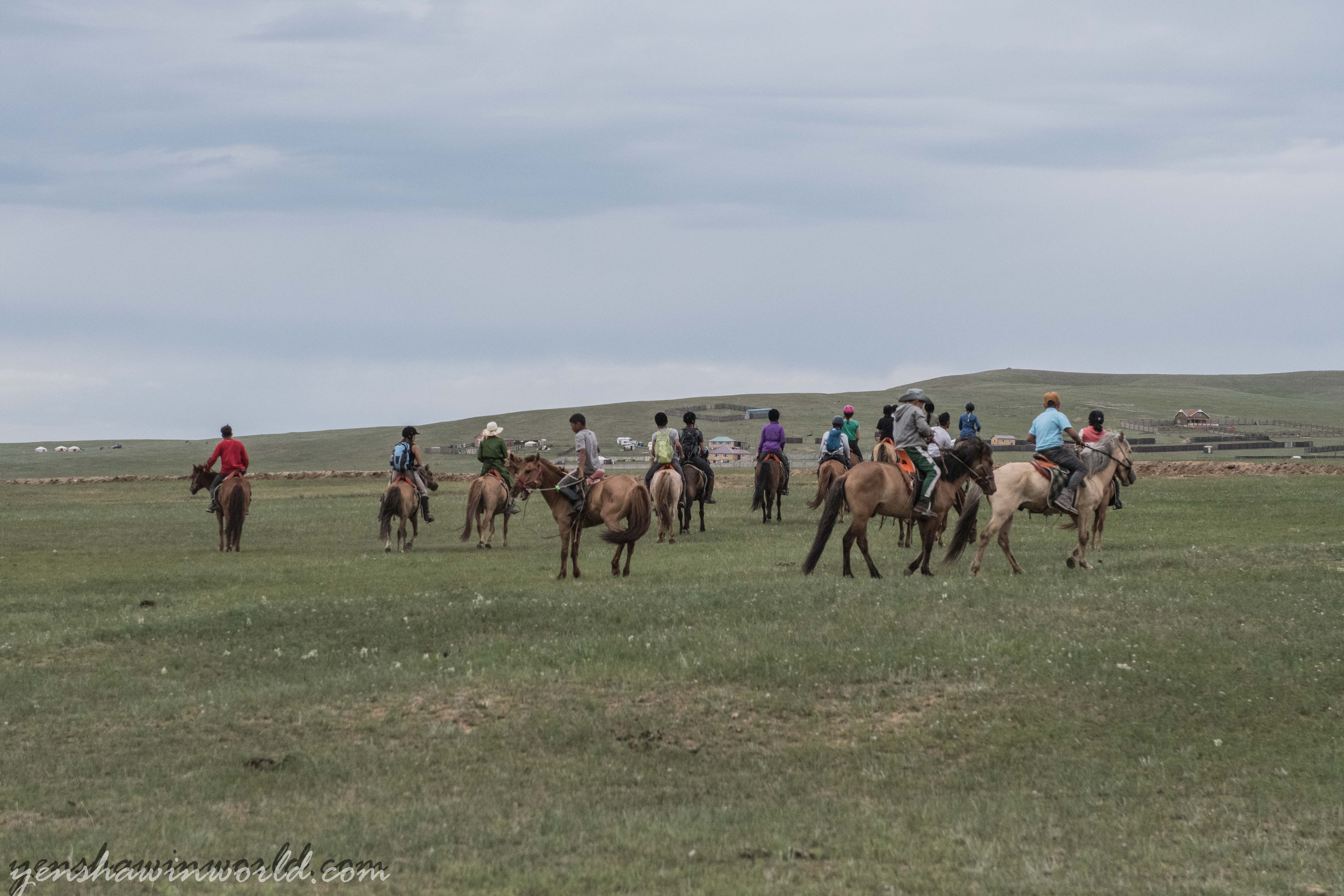
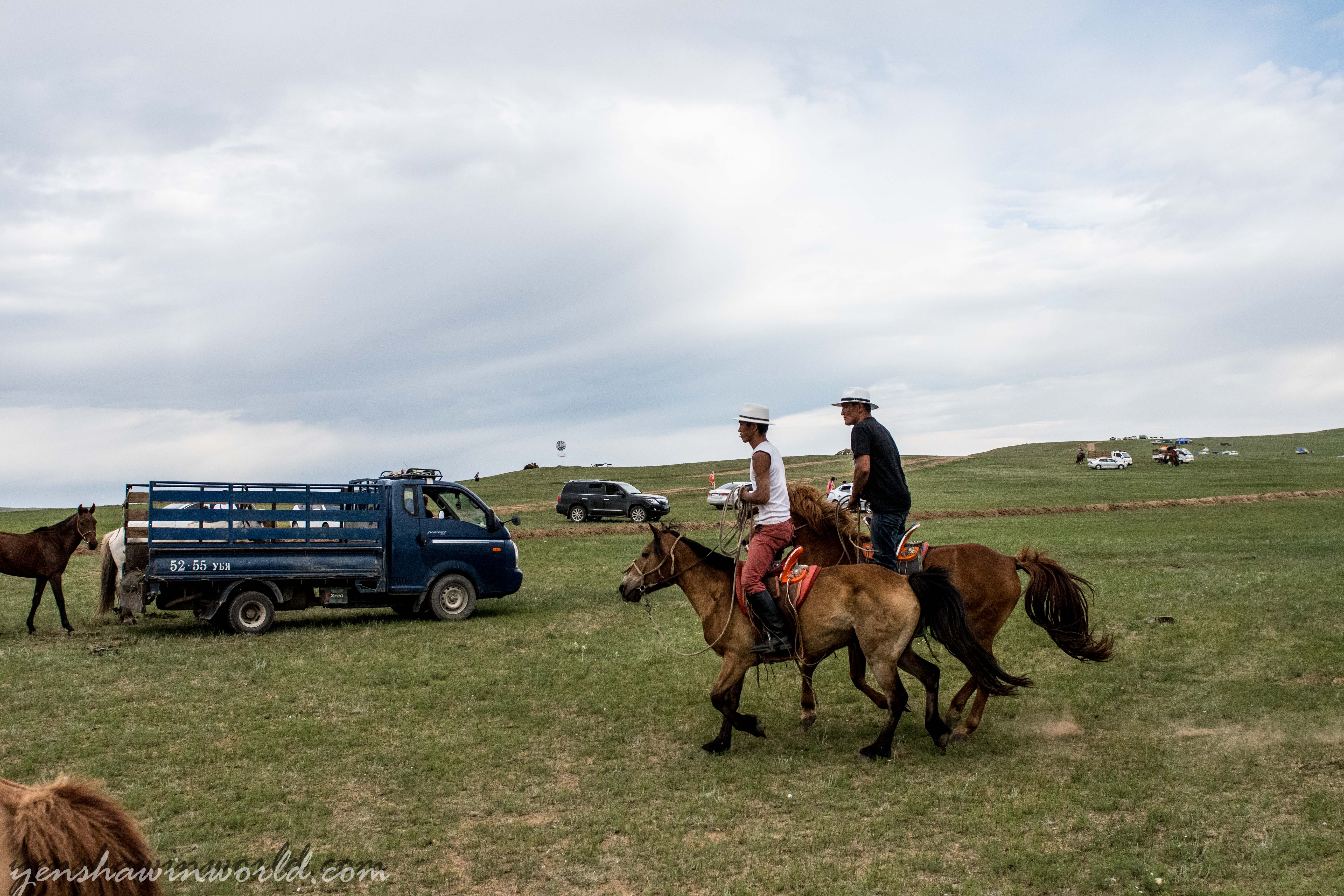
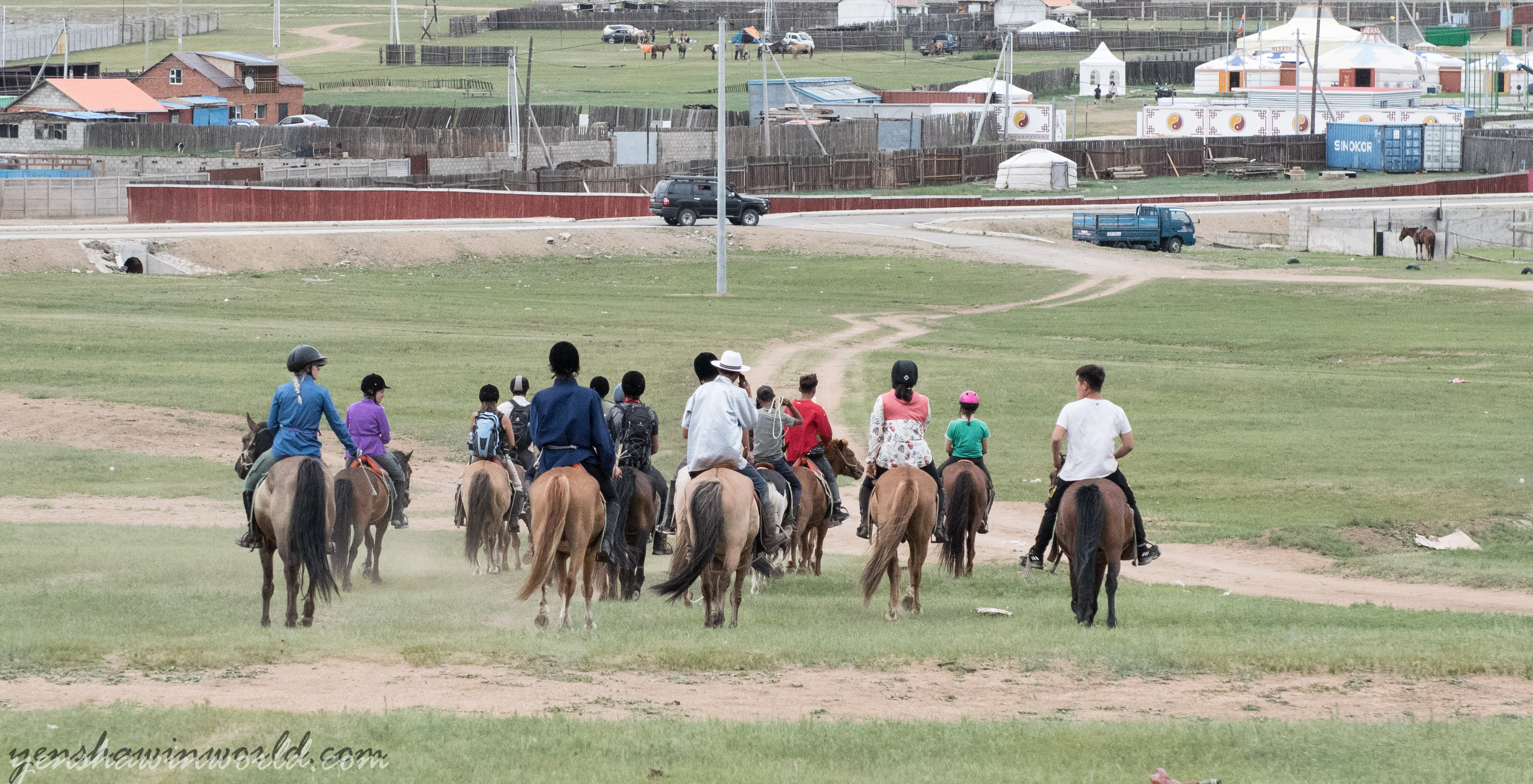
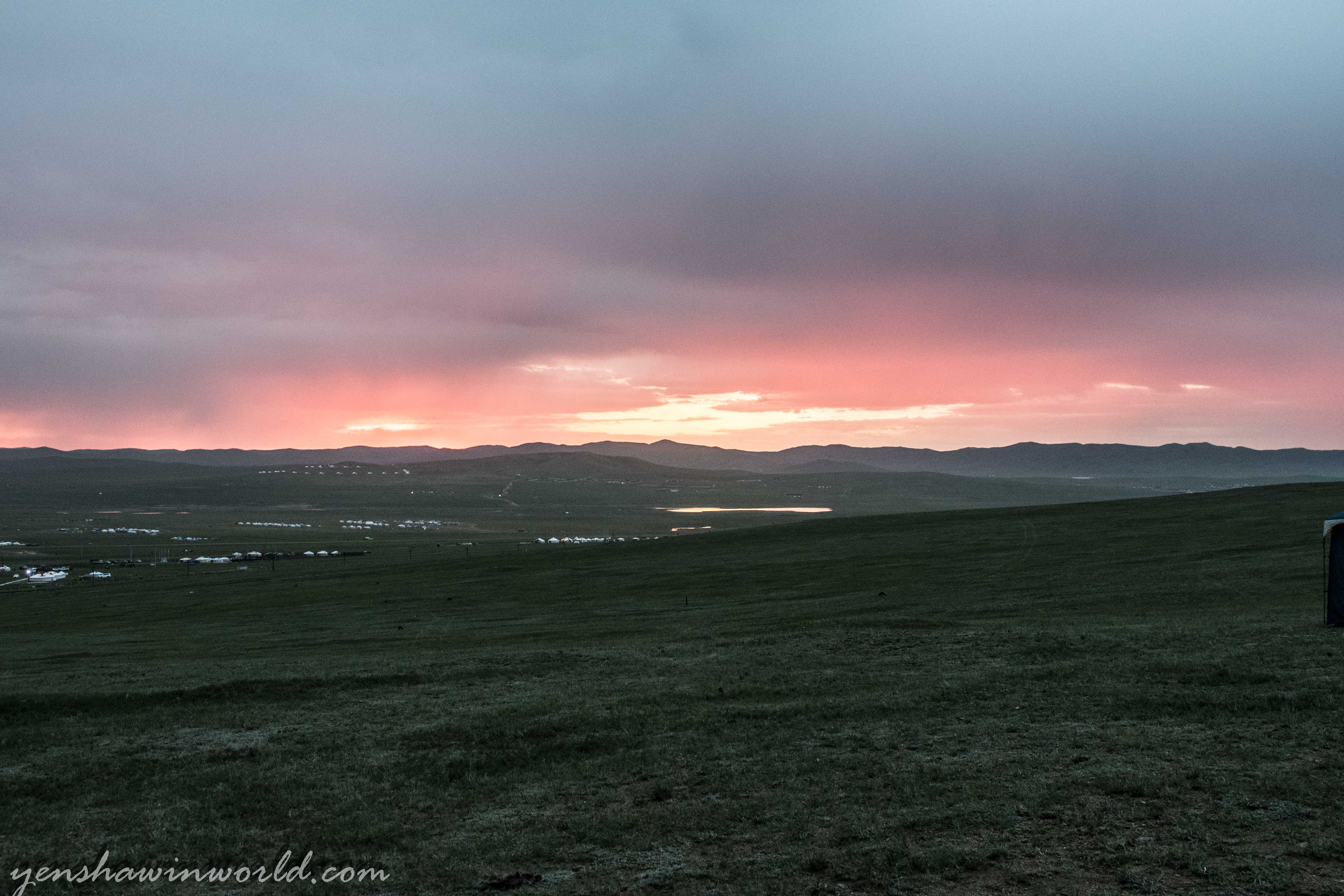
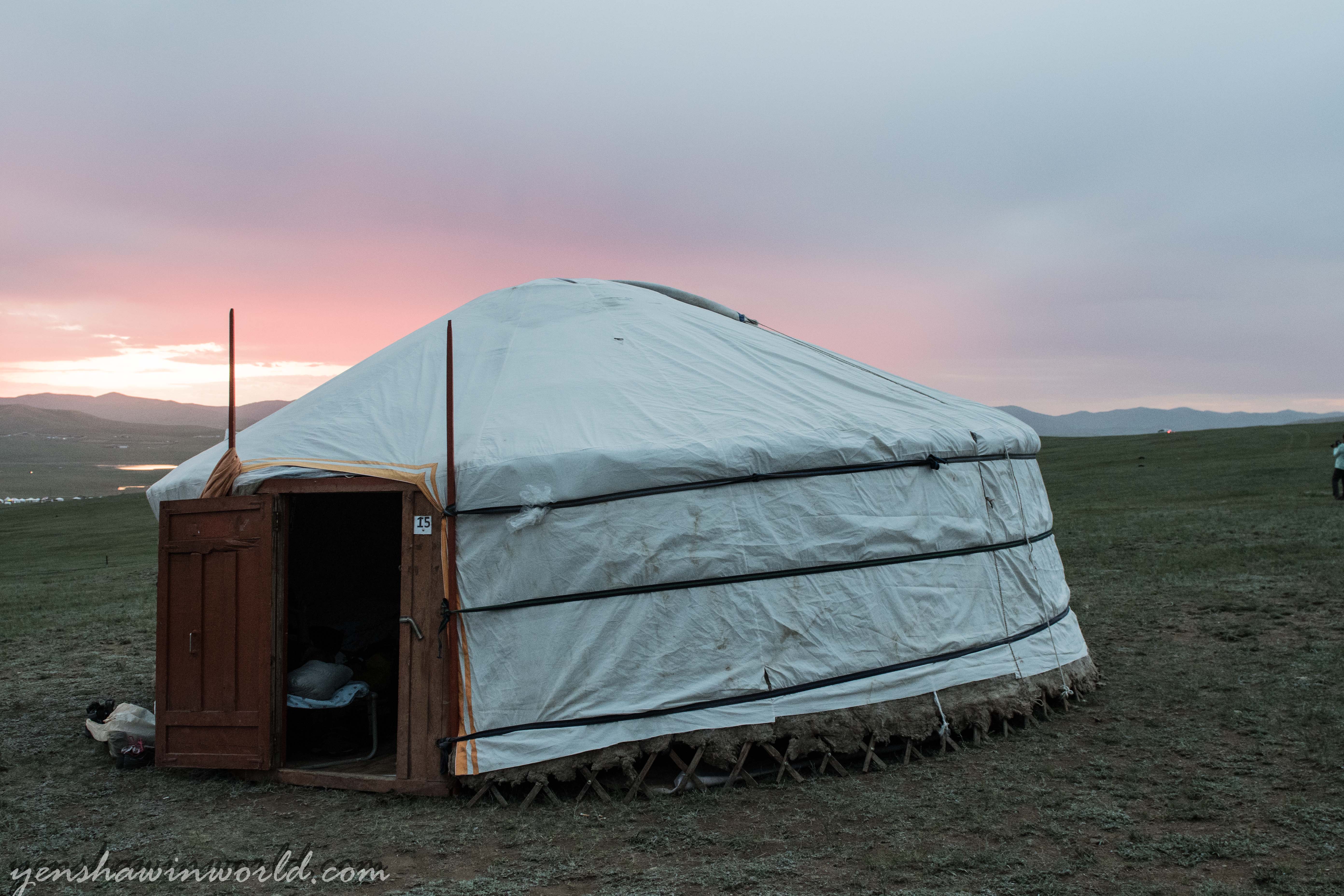
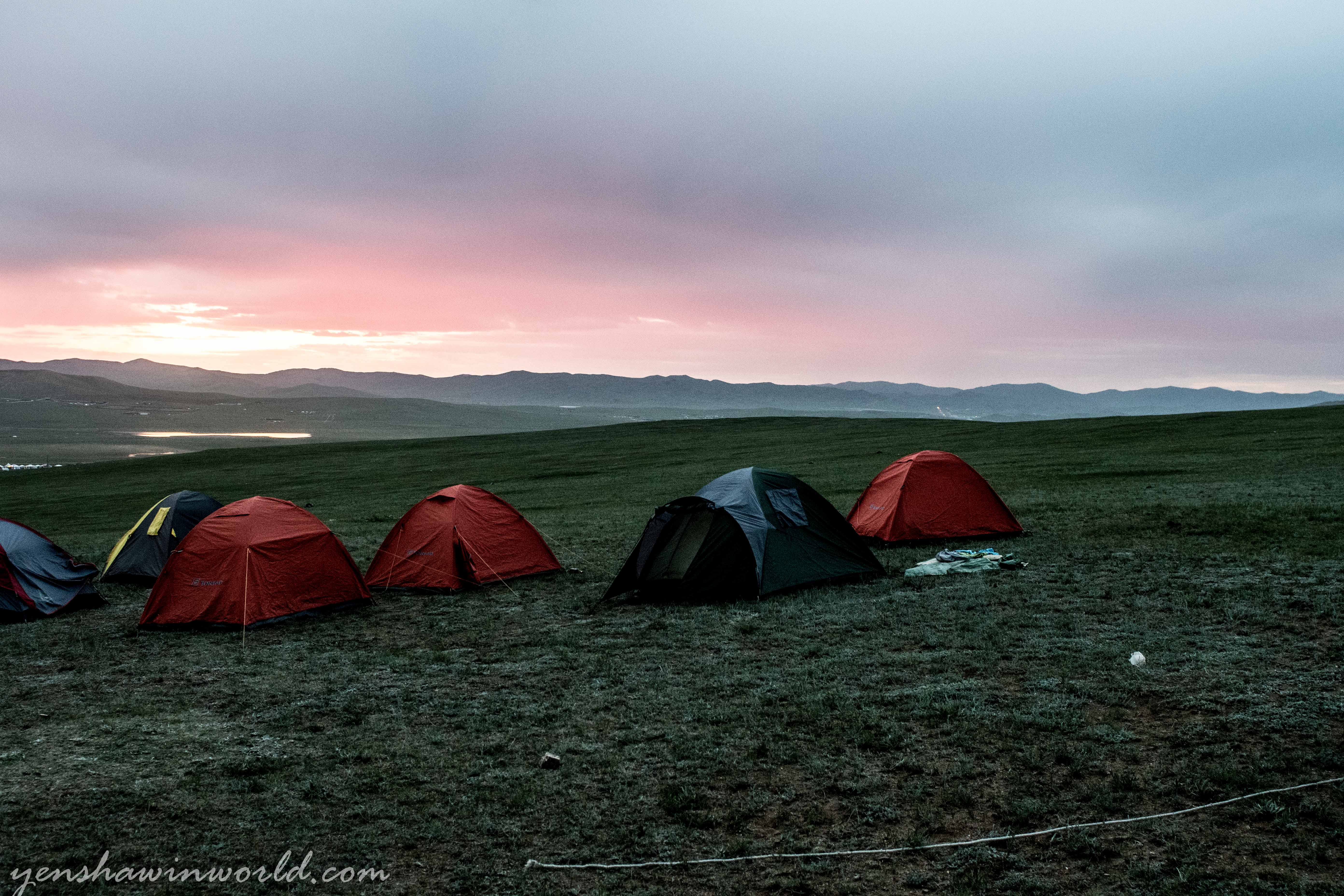
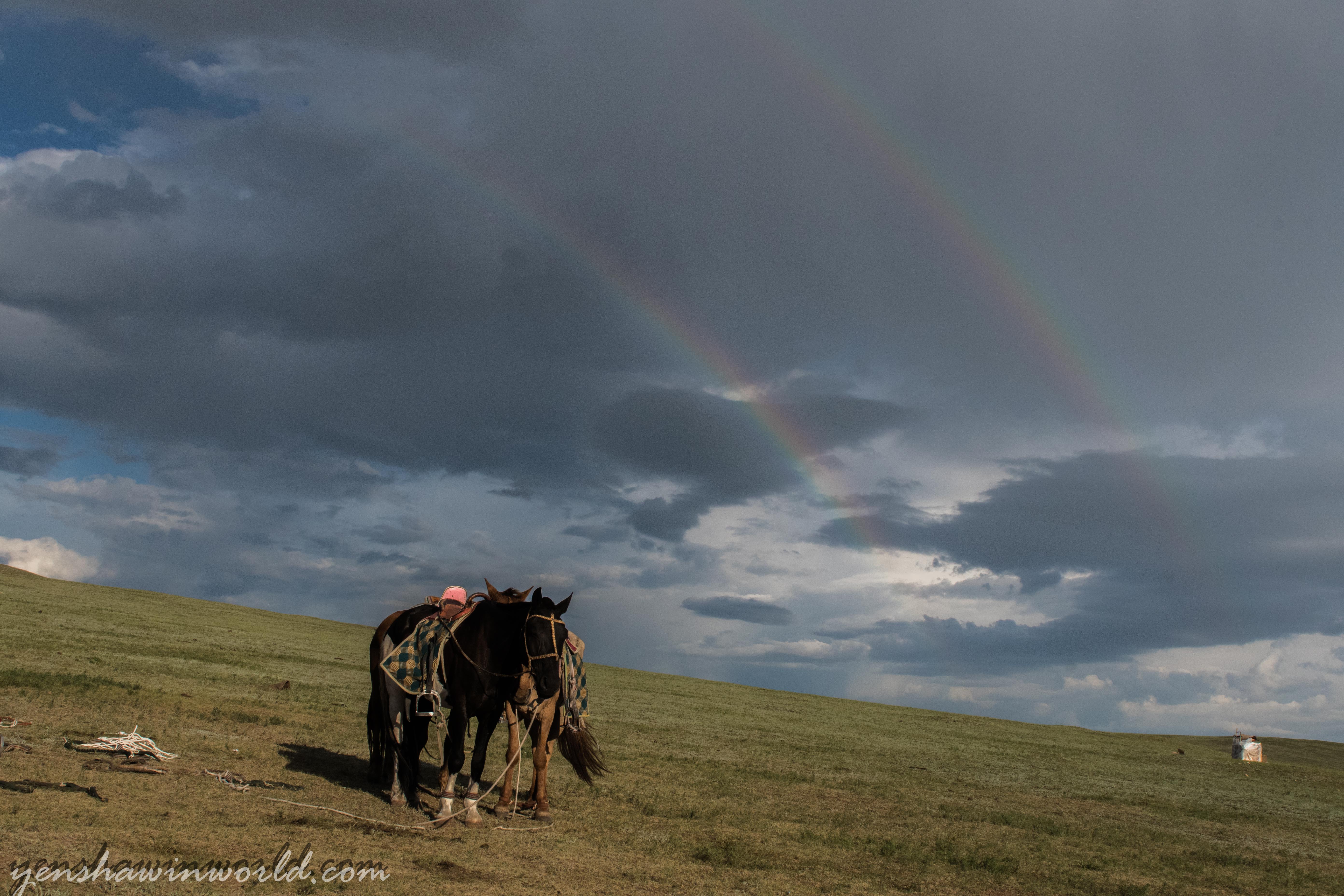
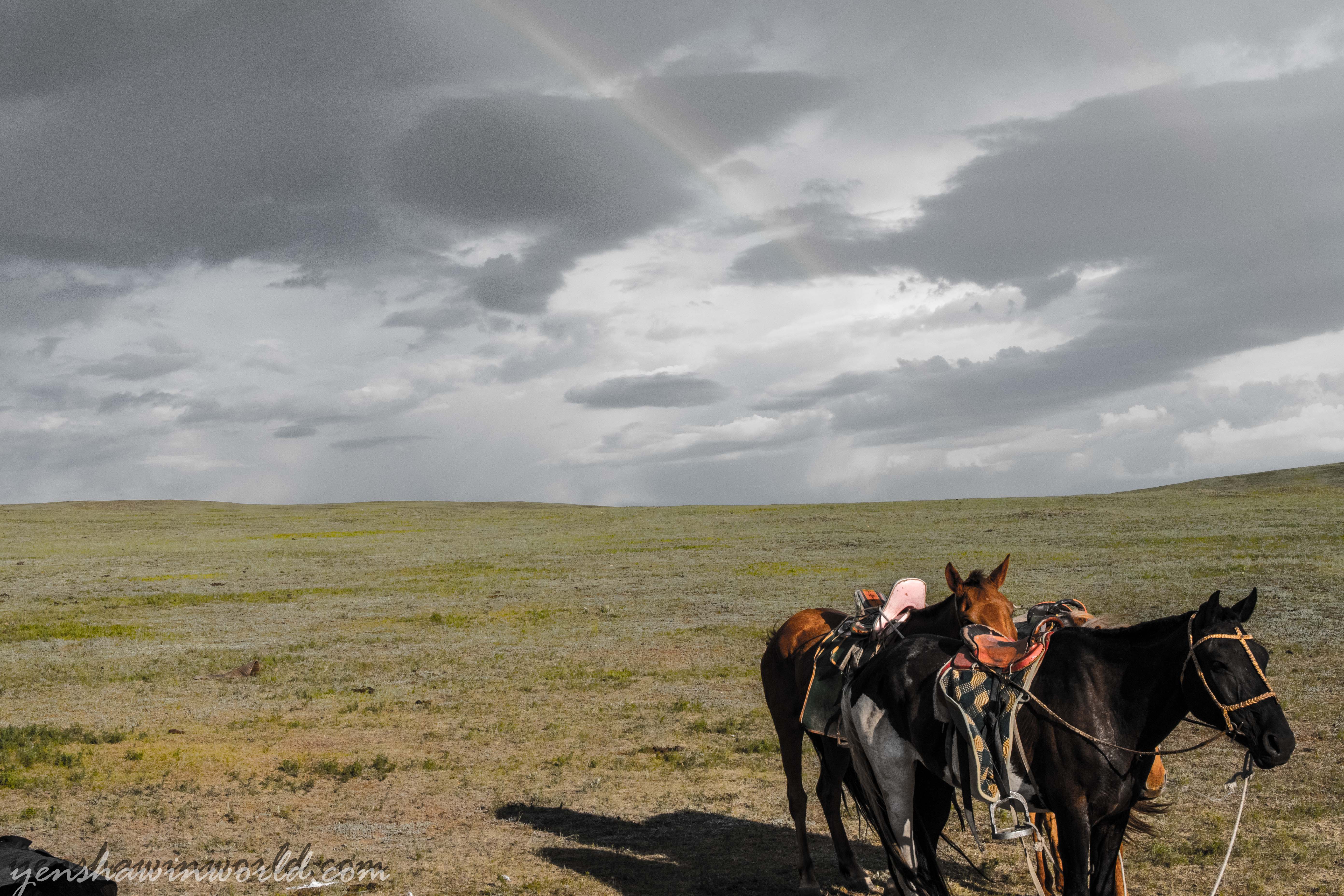
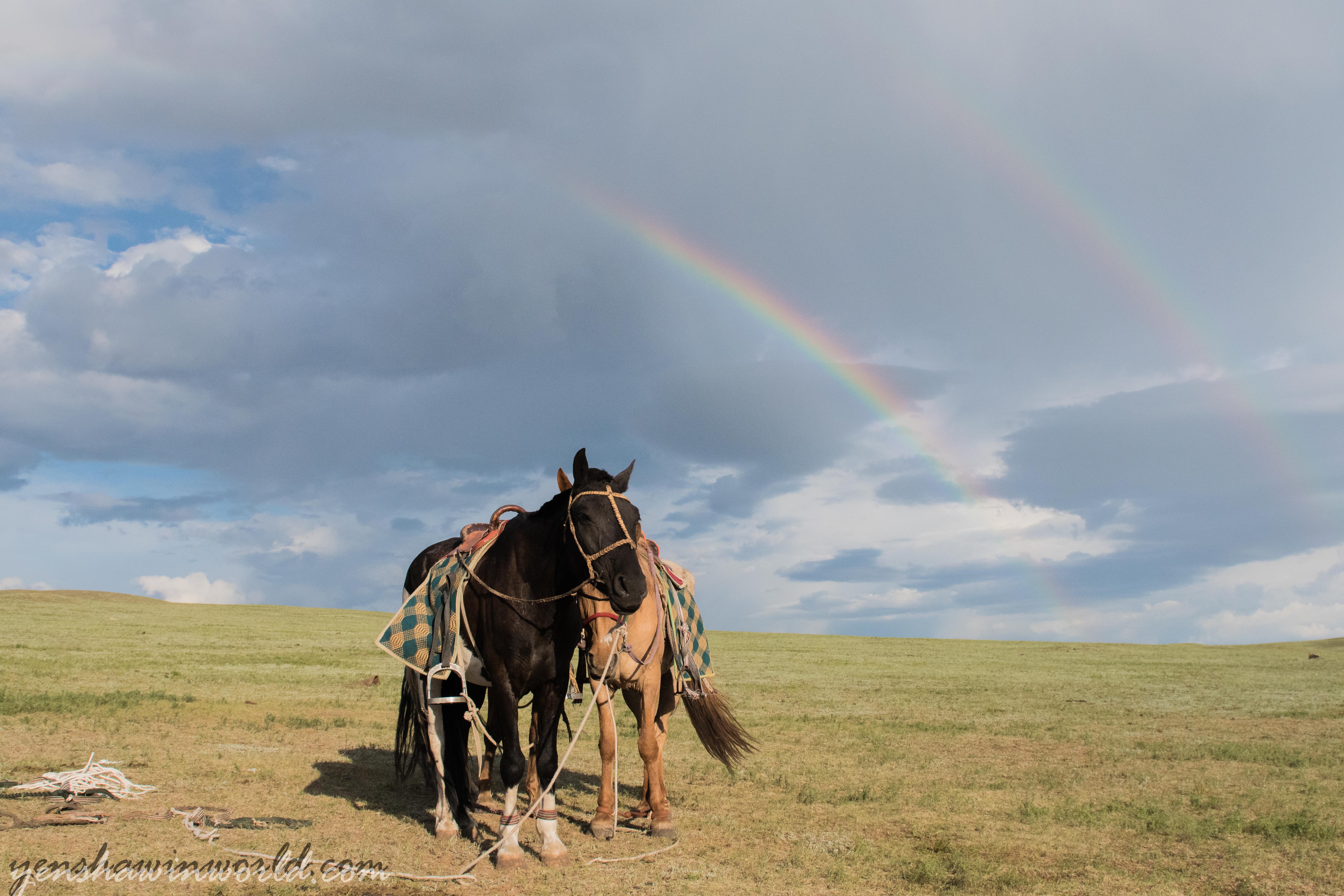


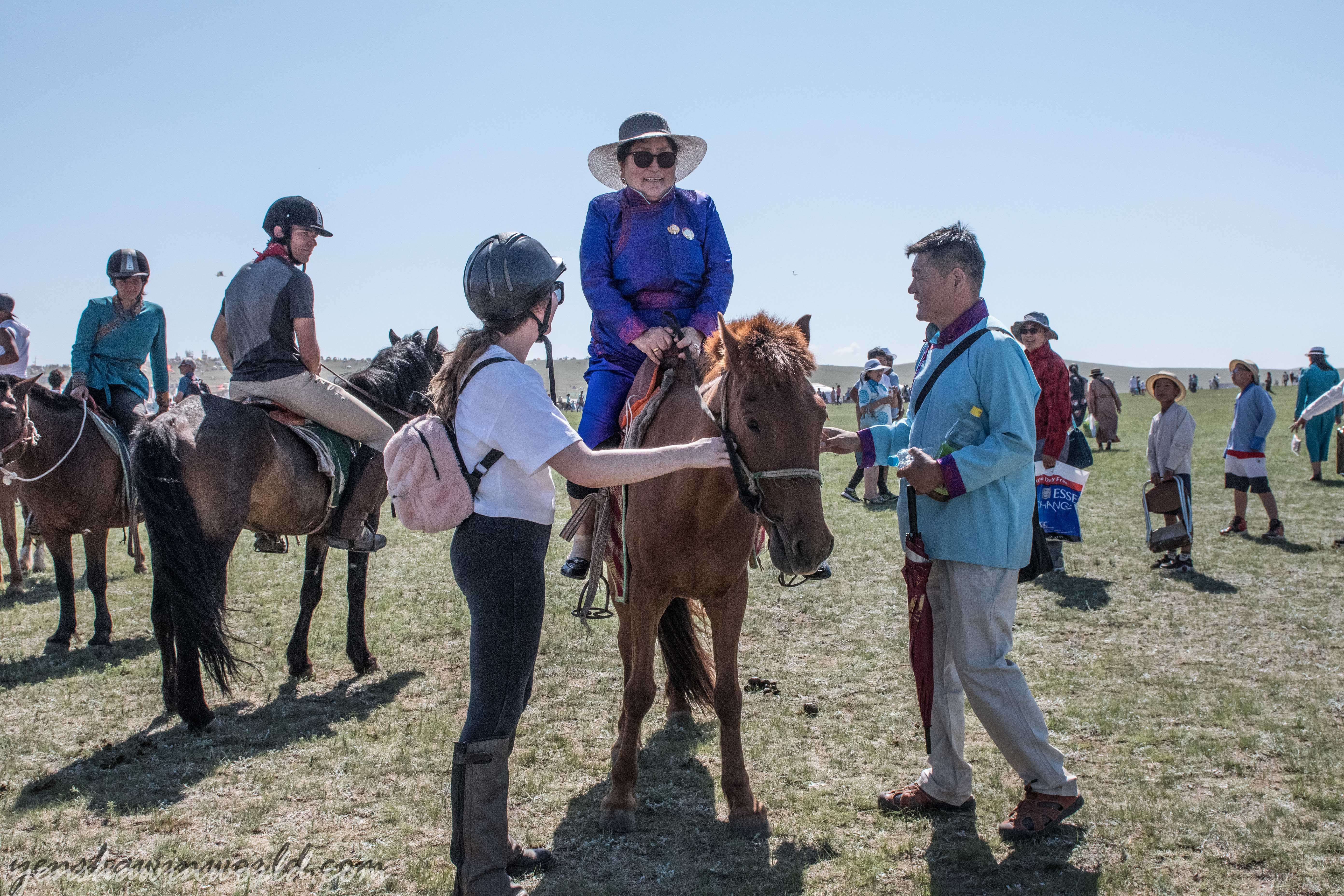
I thought the horse trek was the best way to see the racing, so we took the horses from the Stepperiders Camp about 50 kilometers to a very isolated hill with Yurts set up for us and pretty much lived without electricity for the next three nights.  The advantage of being here is that we were a short 20 minute horse ride to the grounds where the horse racing was.

Riding a horse Mongolian style was something that I Should of practiced before as 50 kilometers was a long journey.  I can honestly say that after about 25 kilometers, almost every part of my lower body hurt.  As the sun beat down, I wondered how long it would be to the camp where we were staying.  Luckily a little while before sunset we arrived at the beautiful camp and had dinner and retired to our Yurts. 

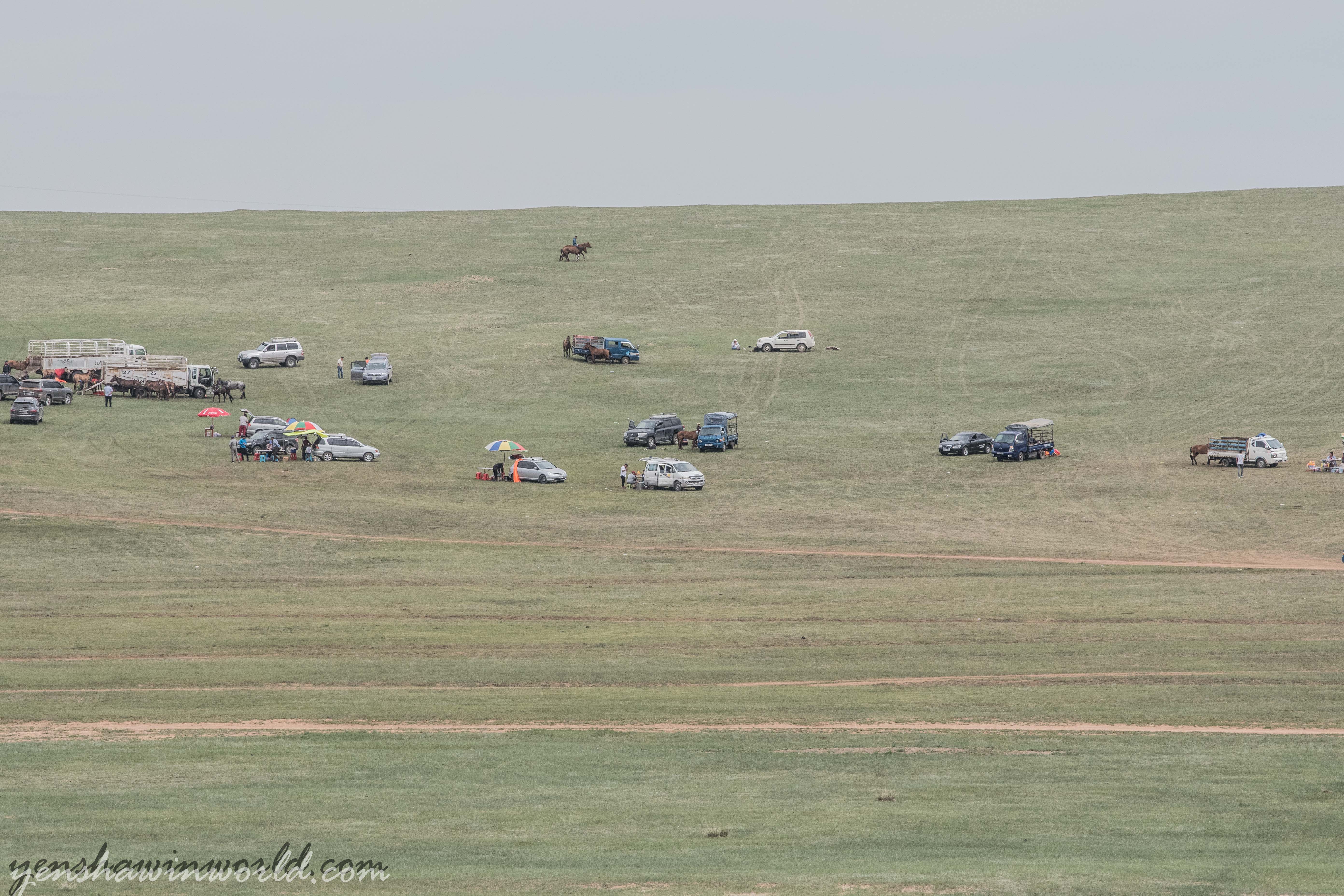
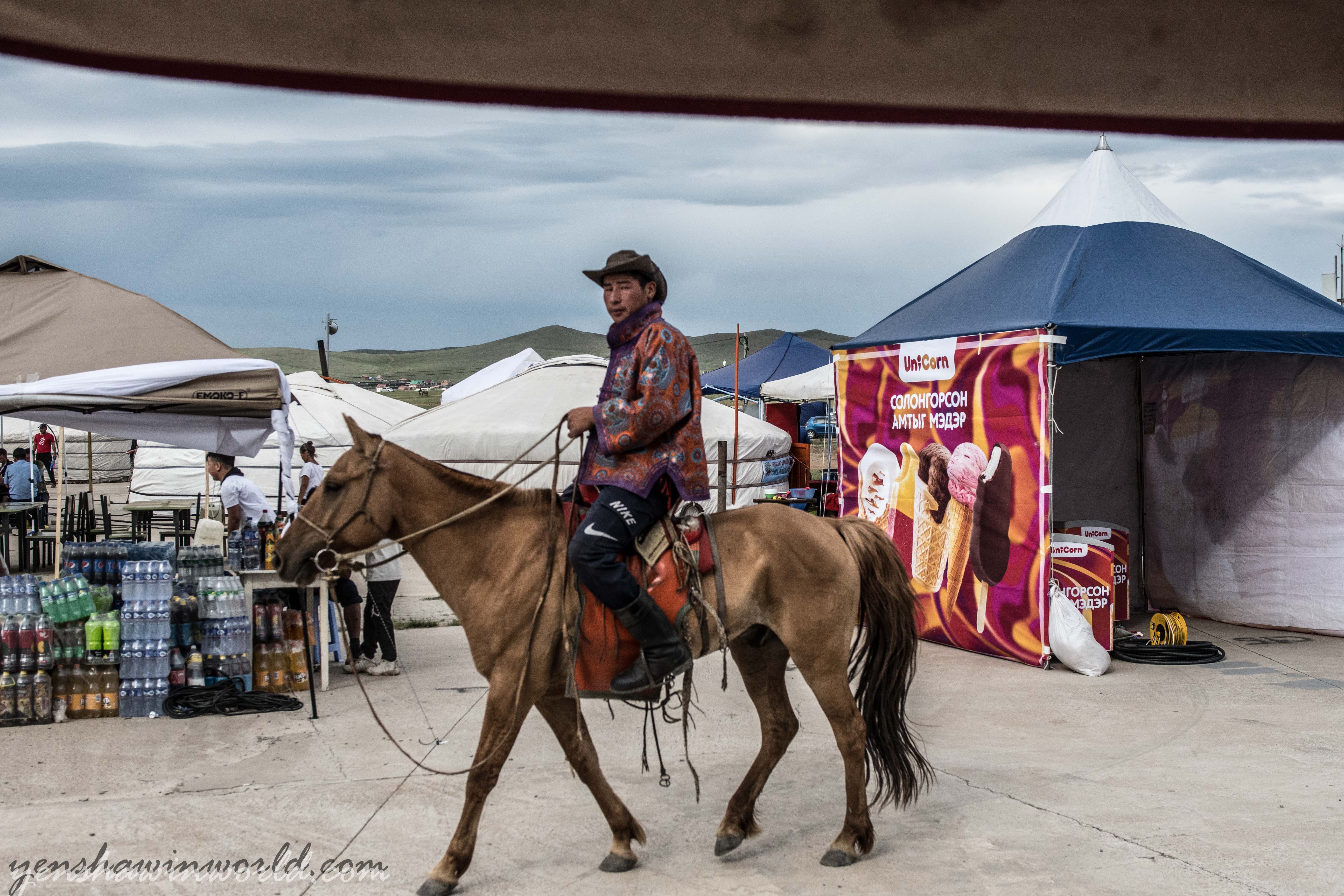
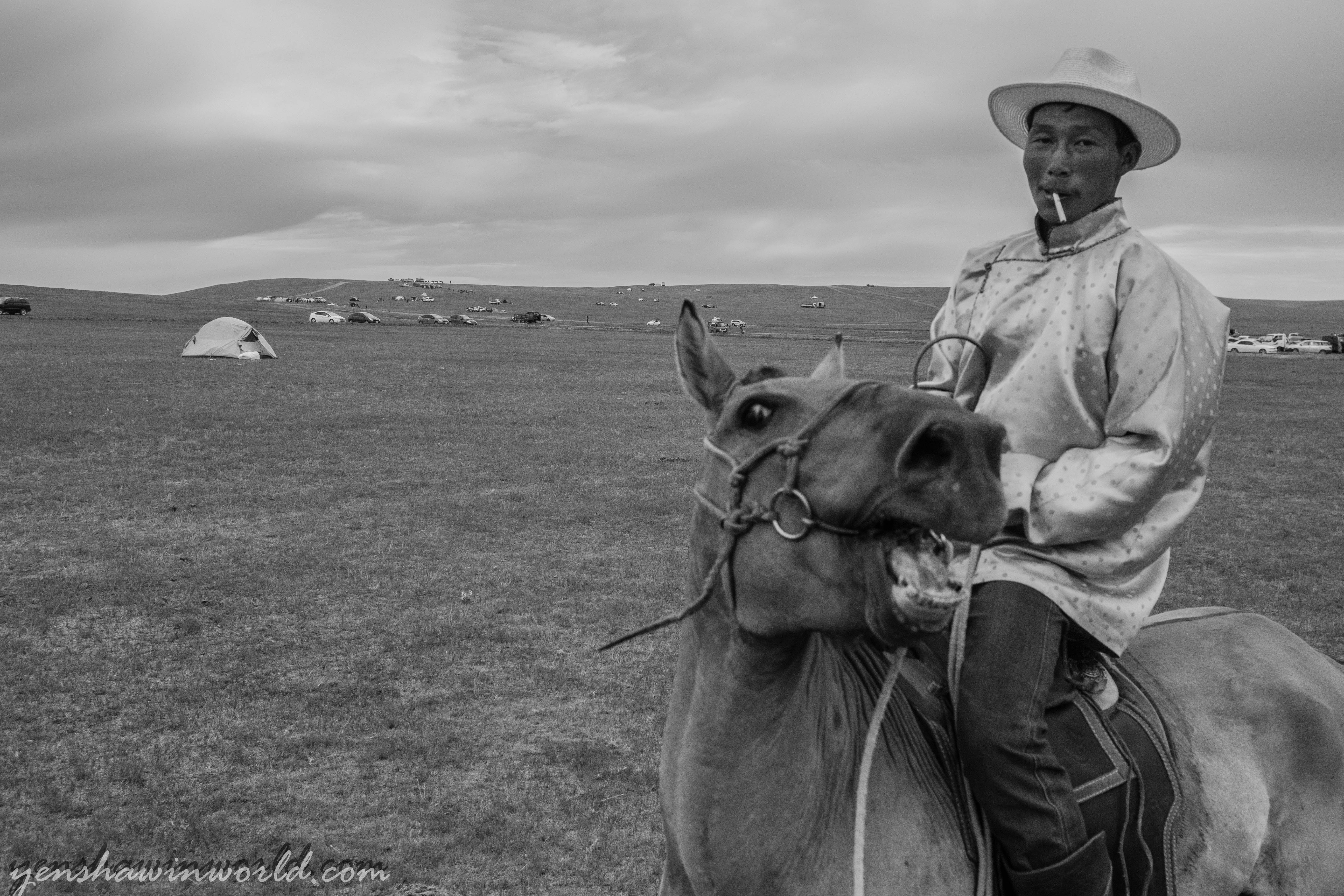

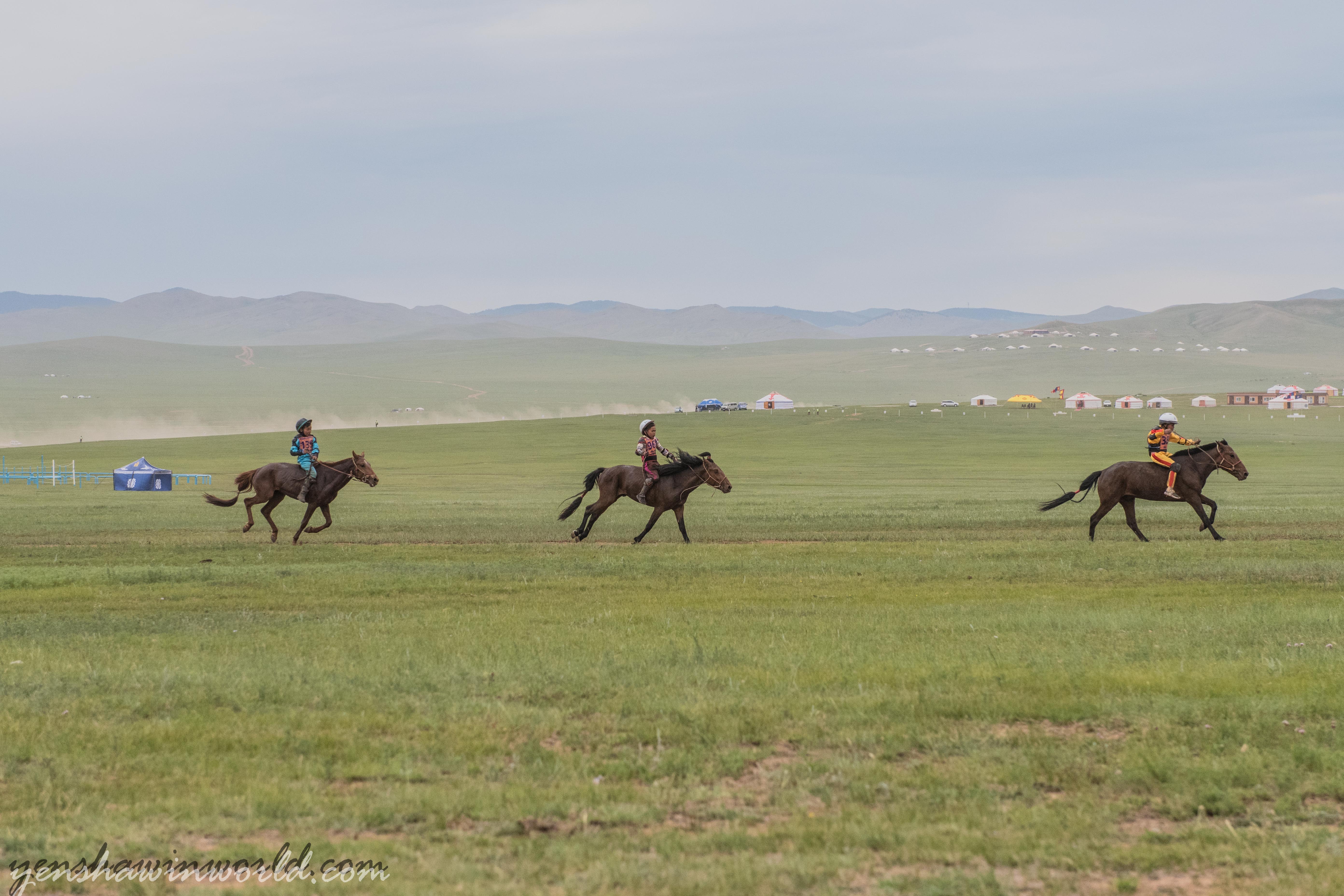
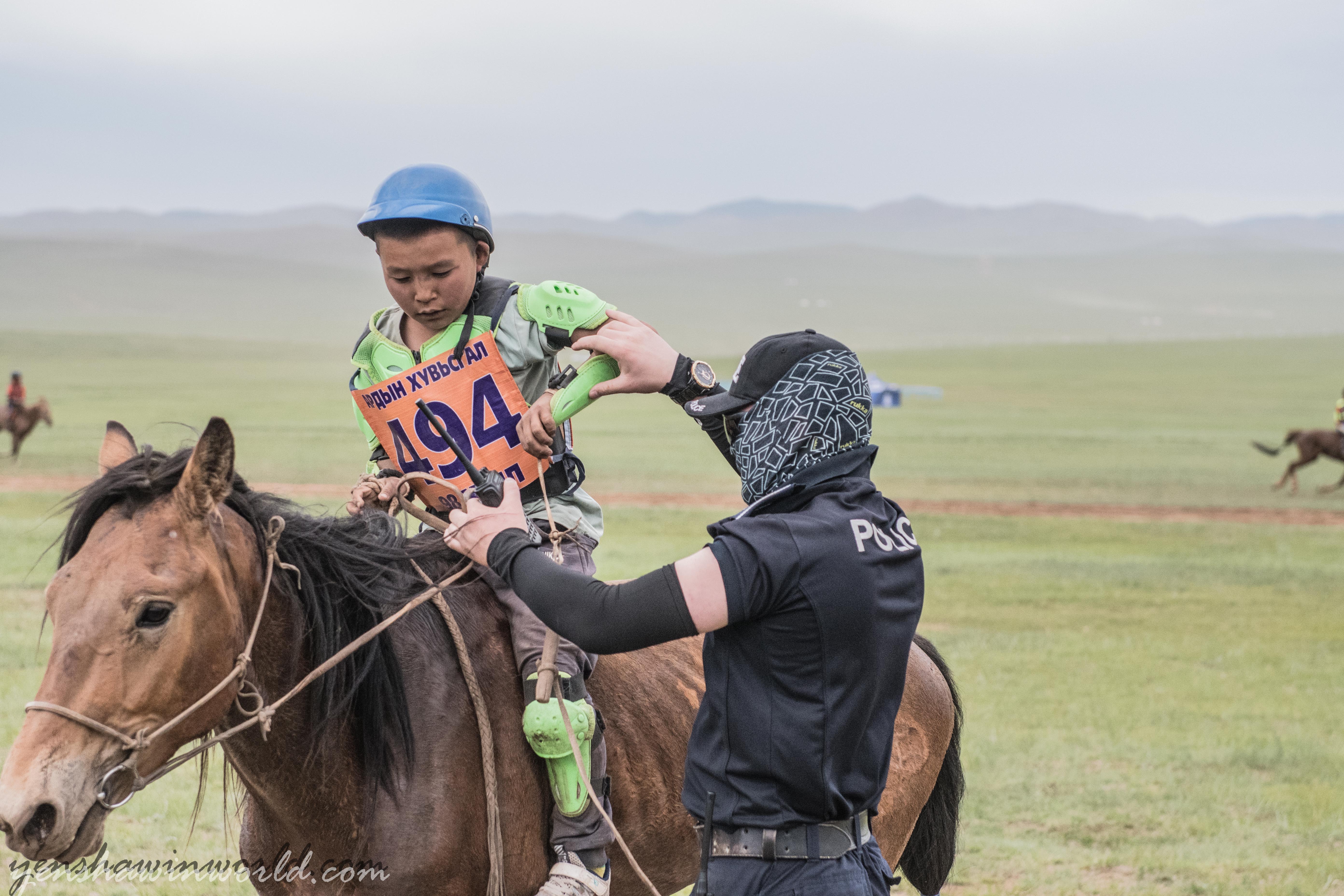
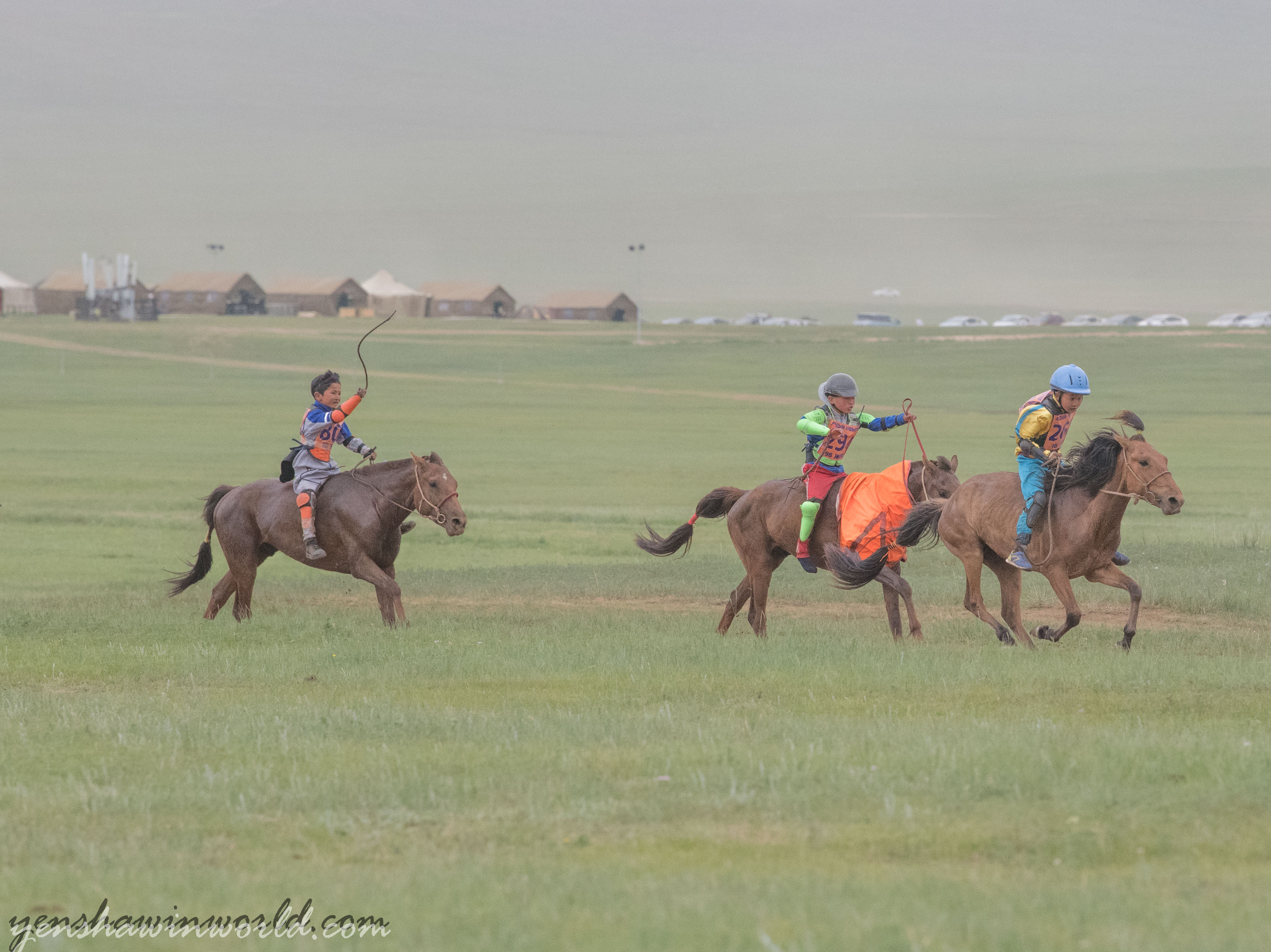
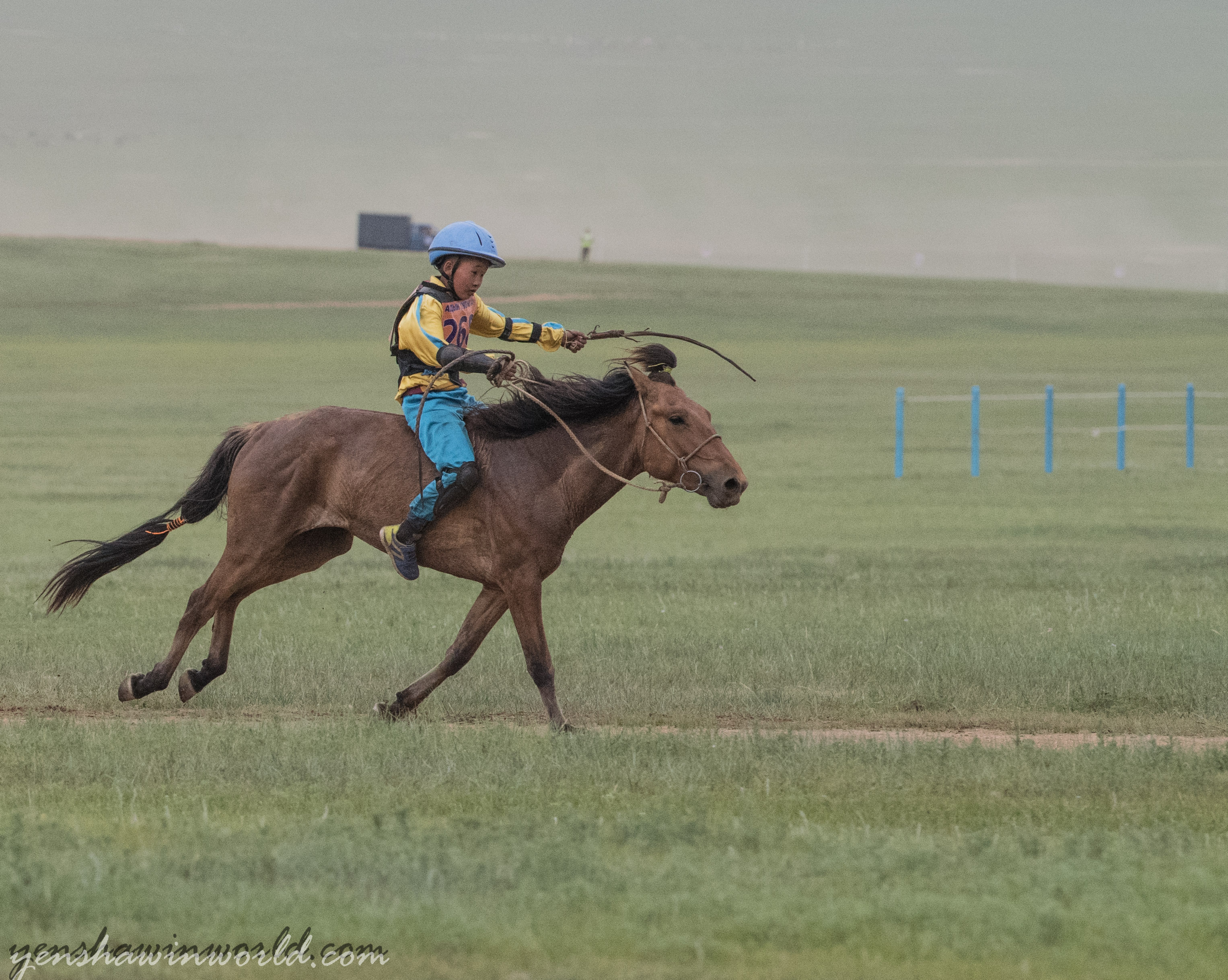


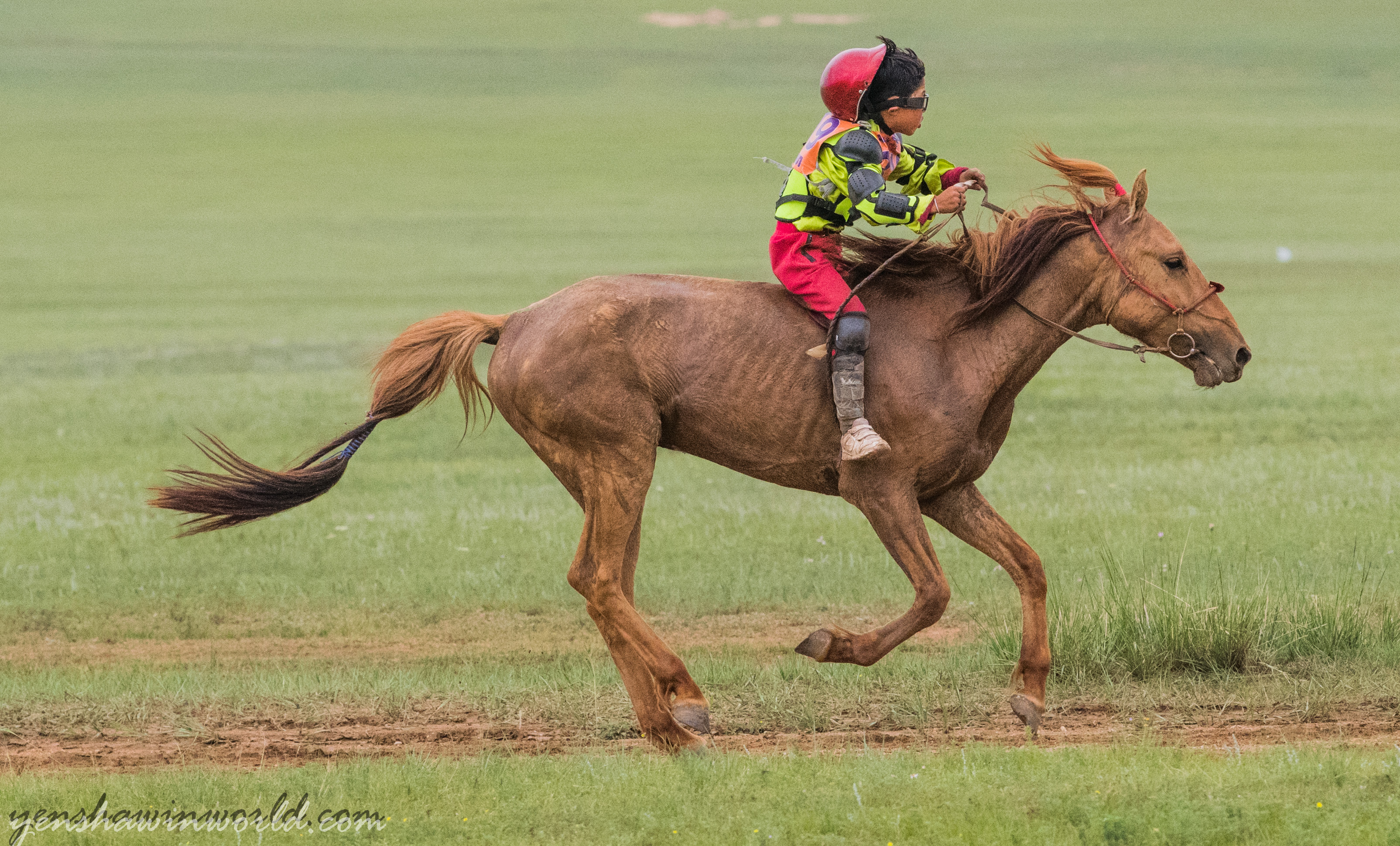
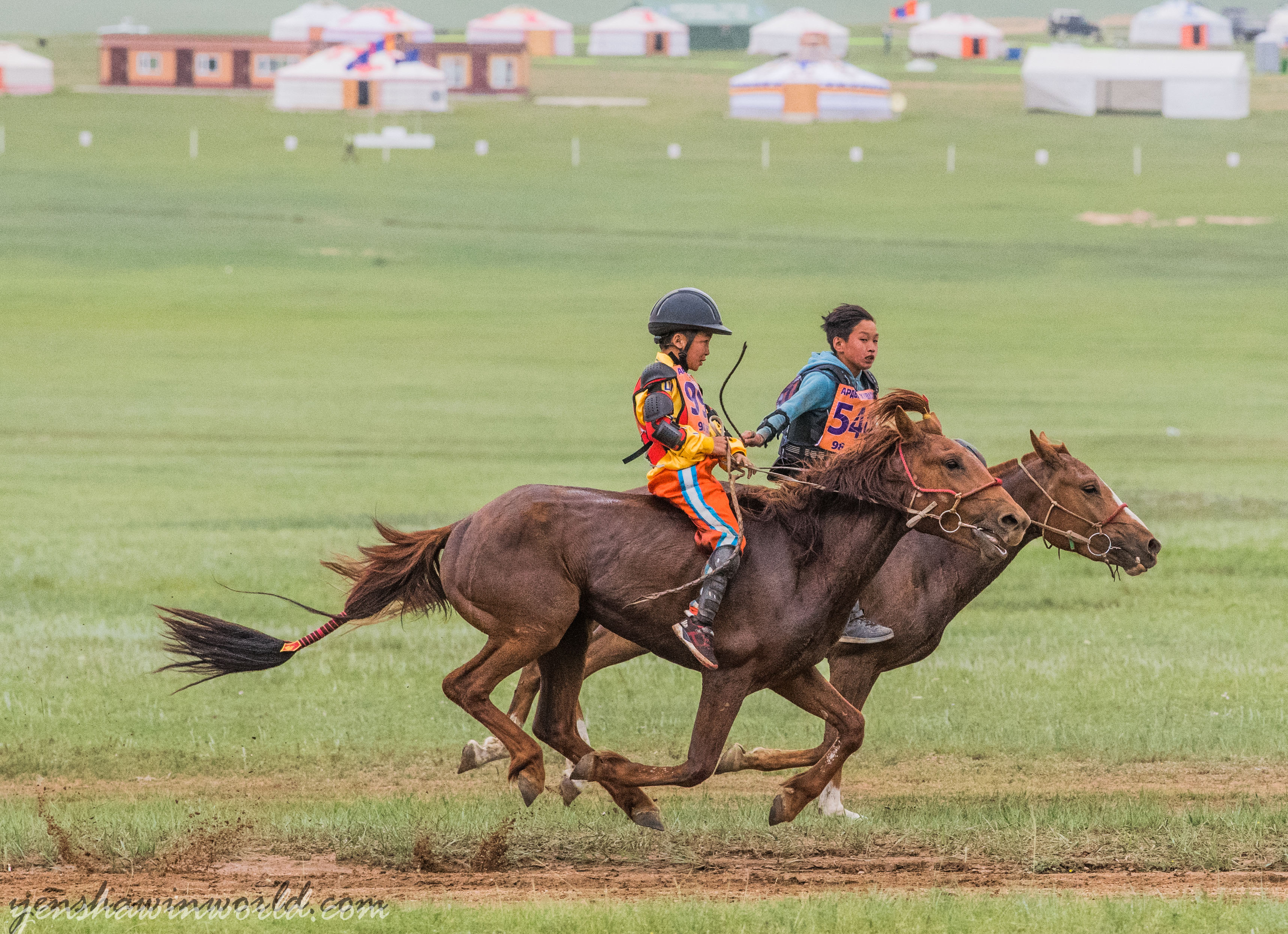
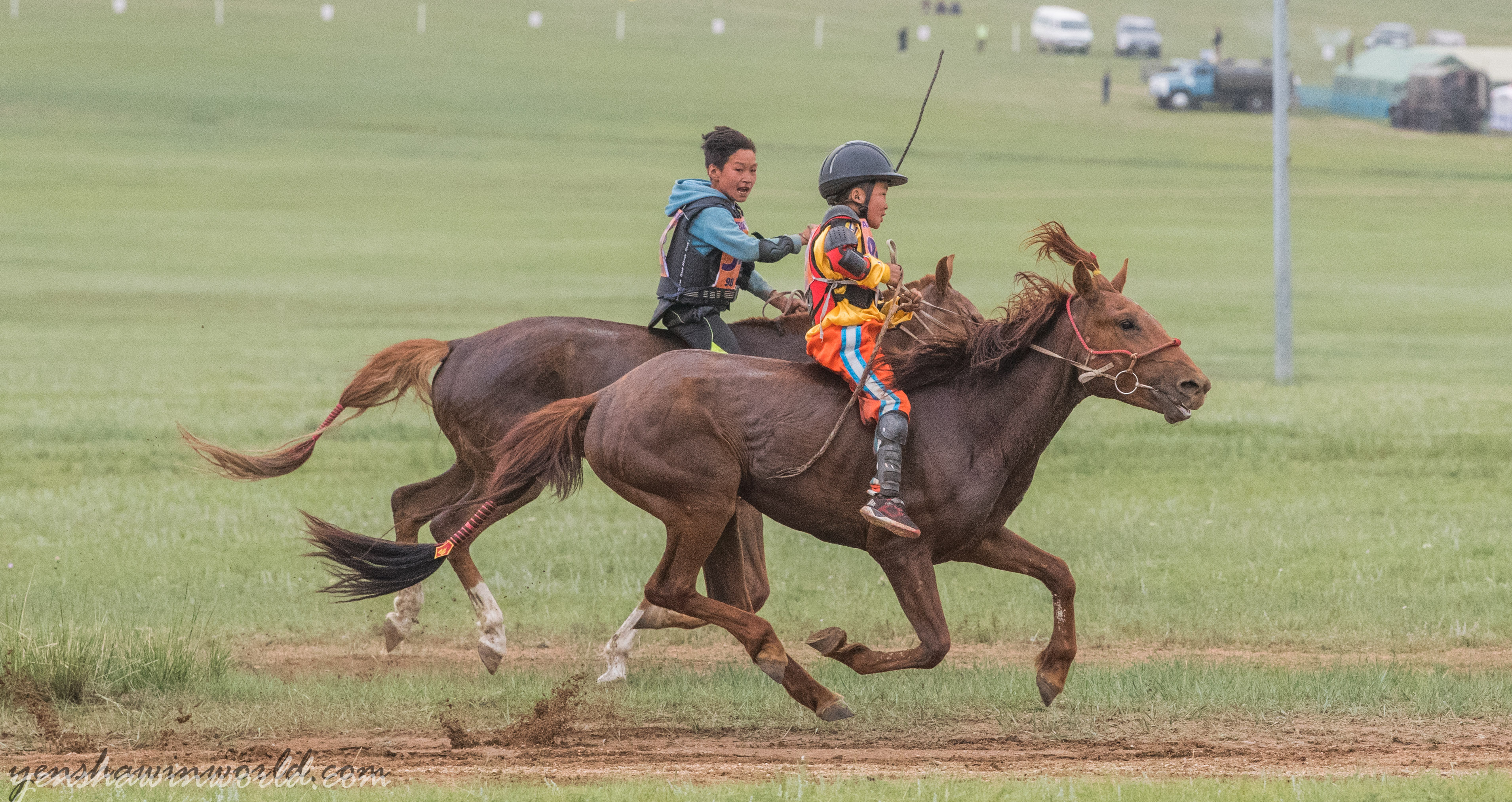

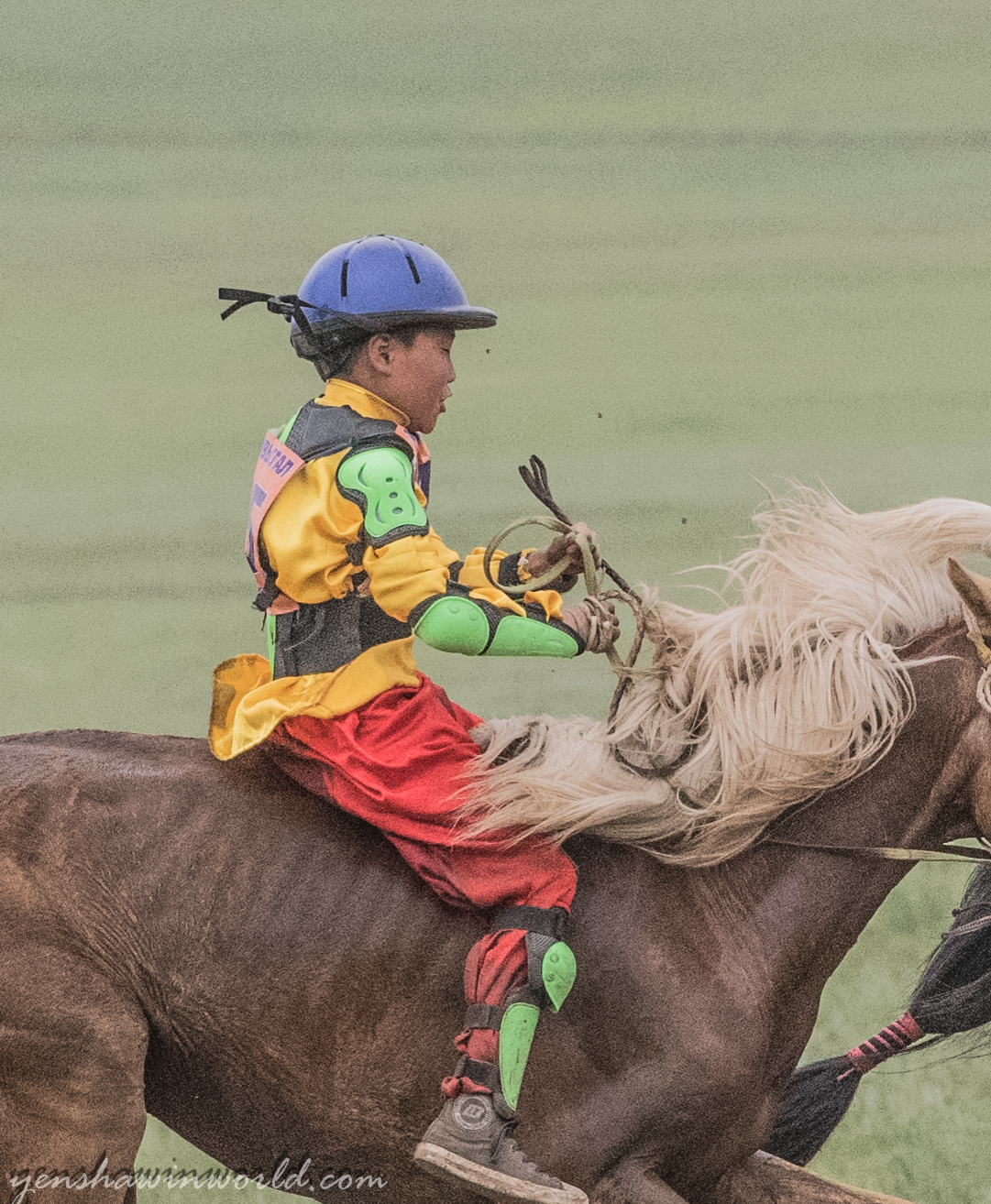

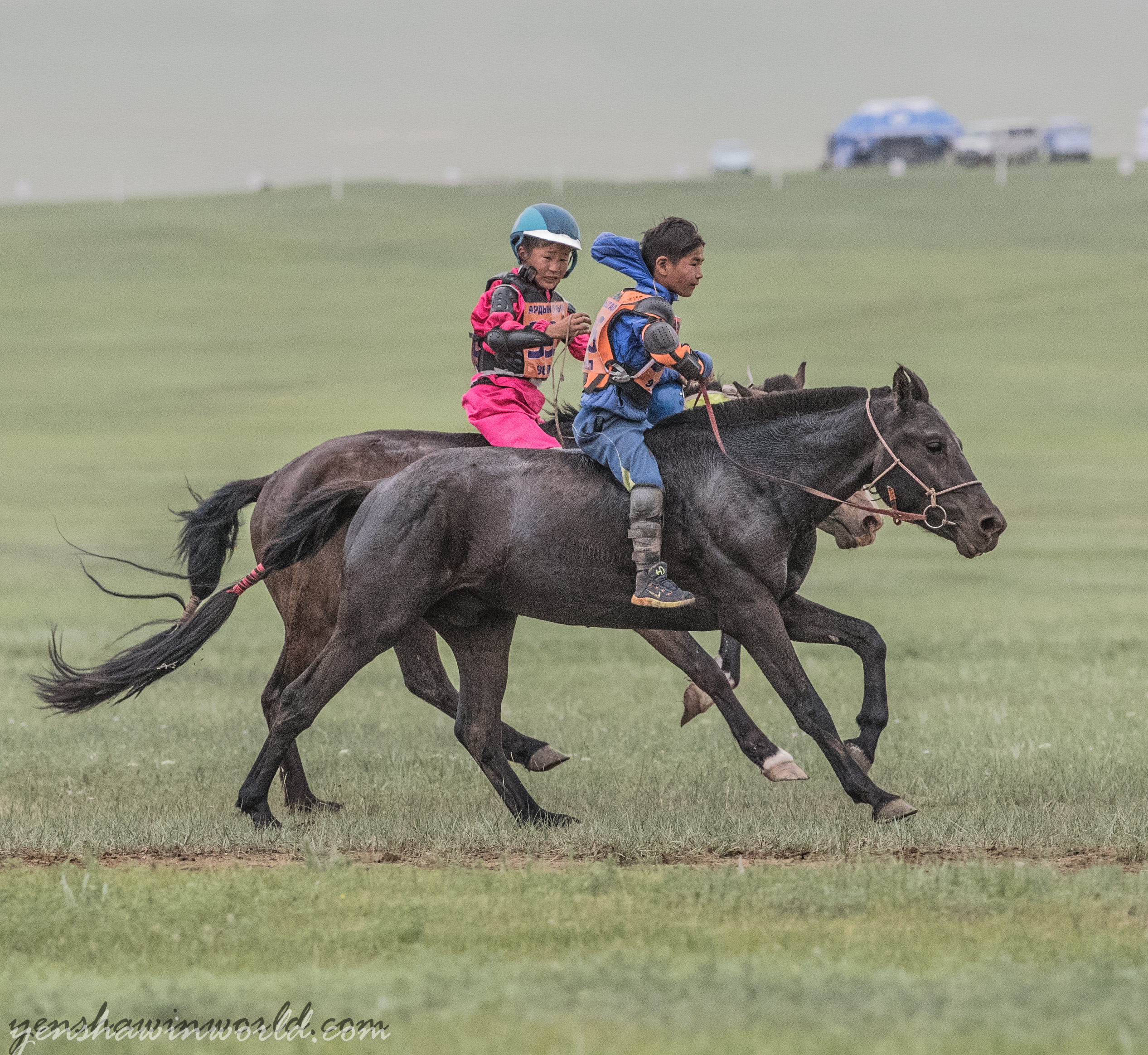

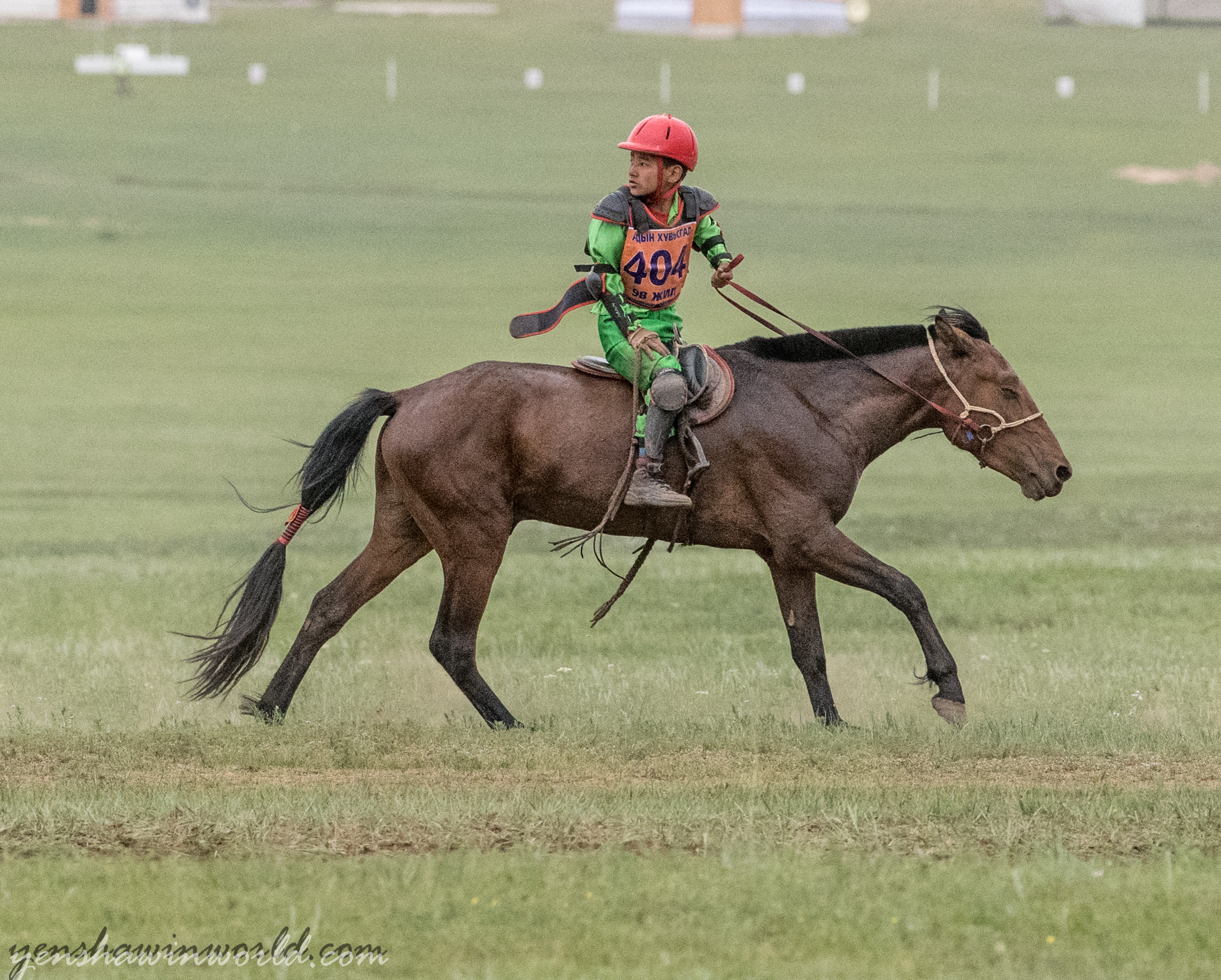
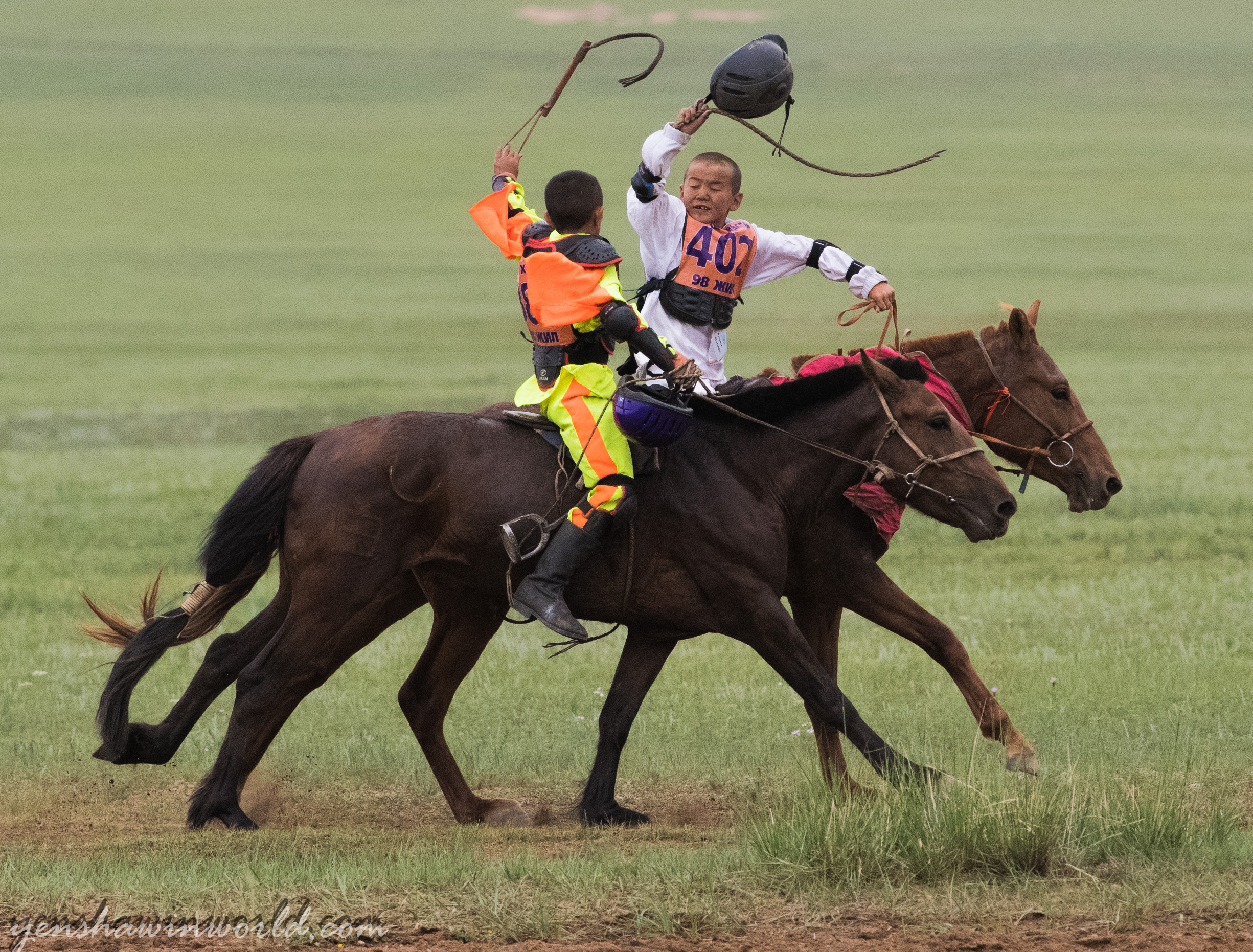
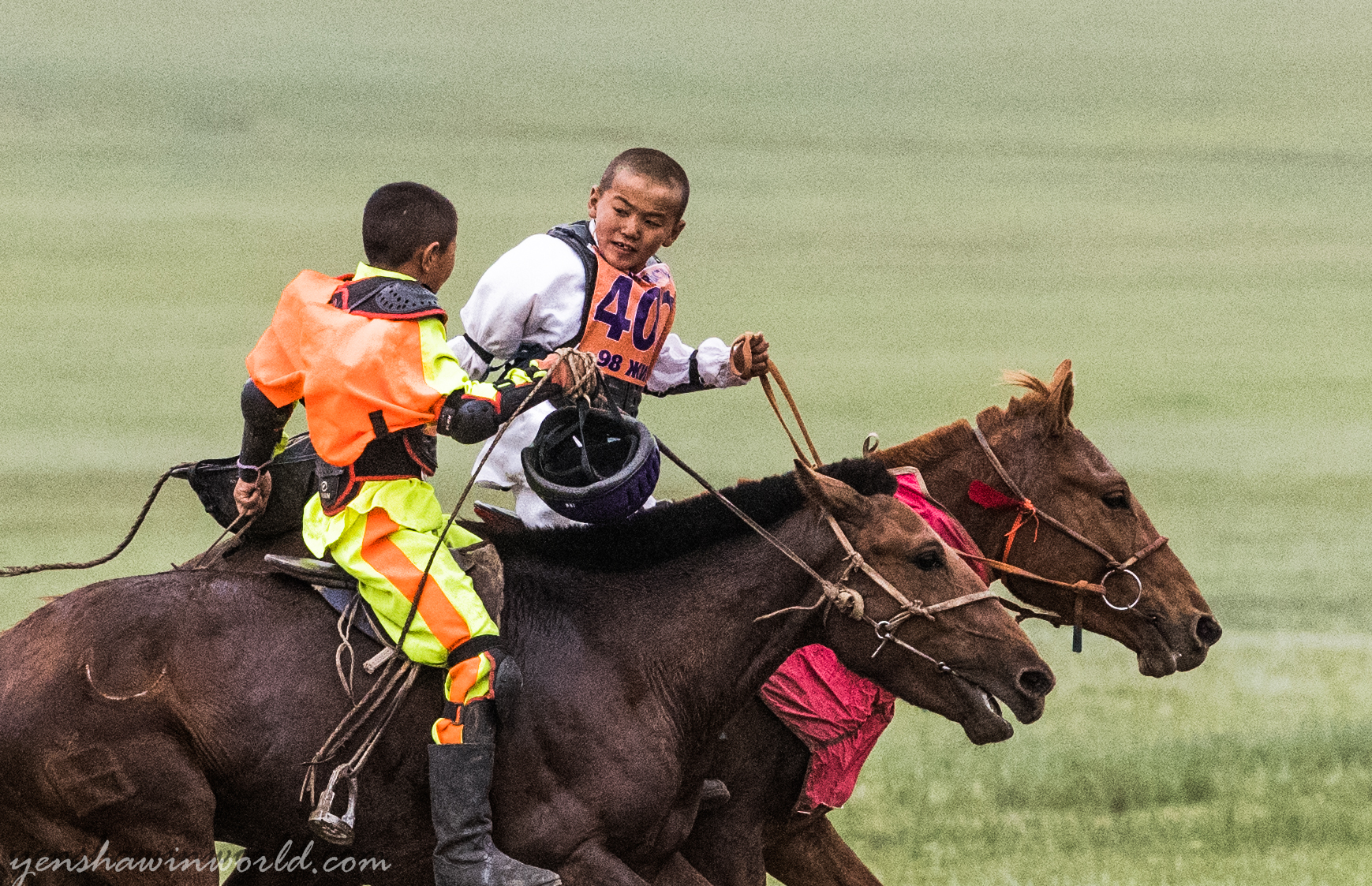

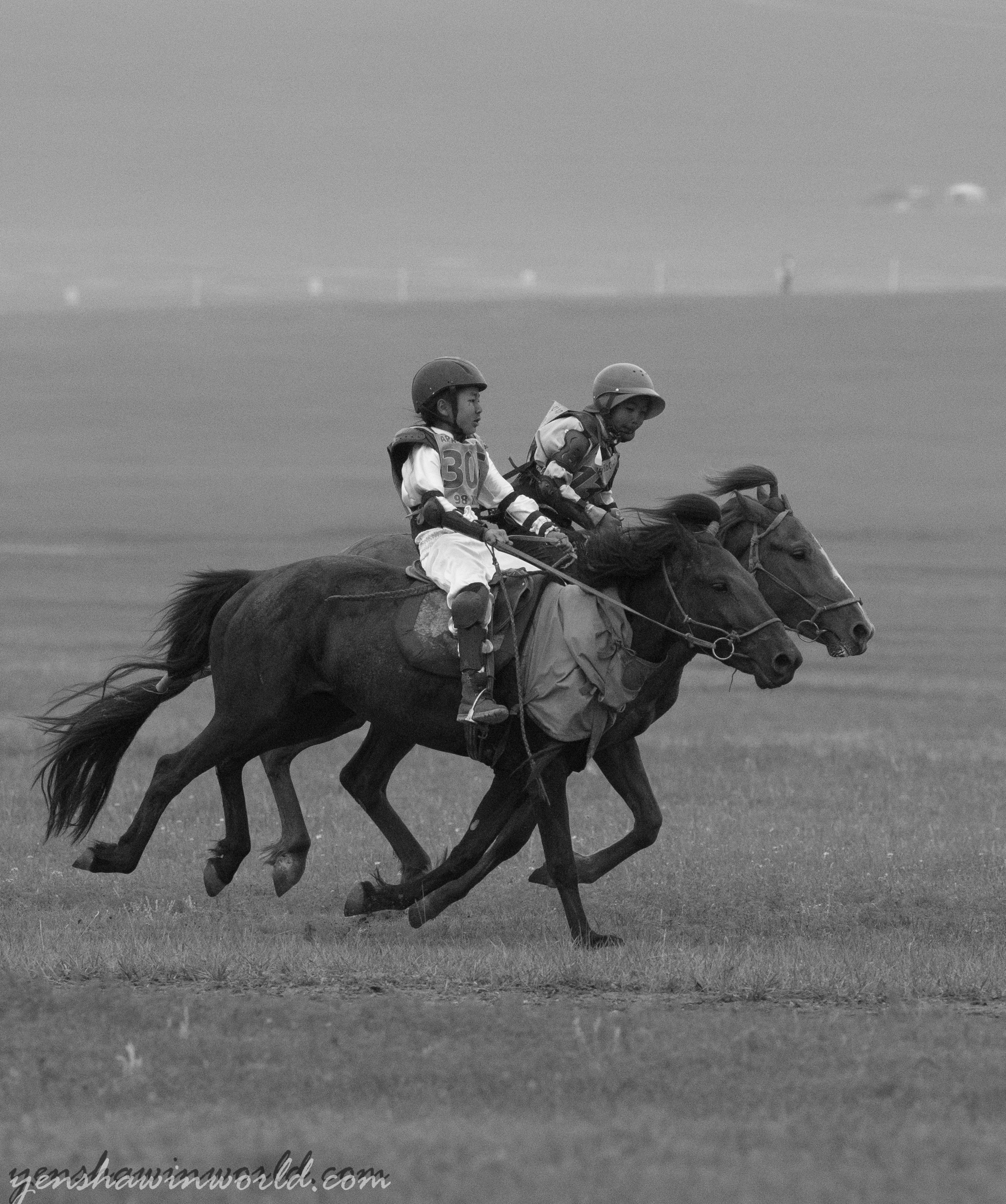
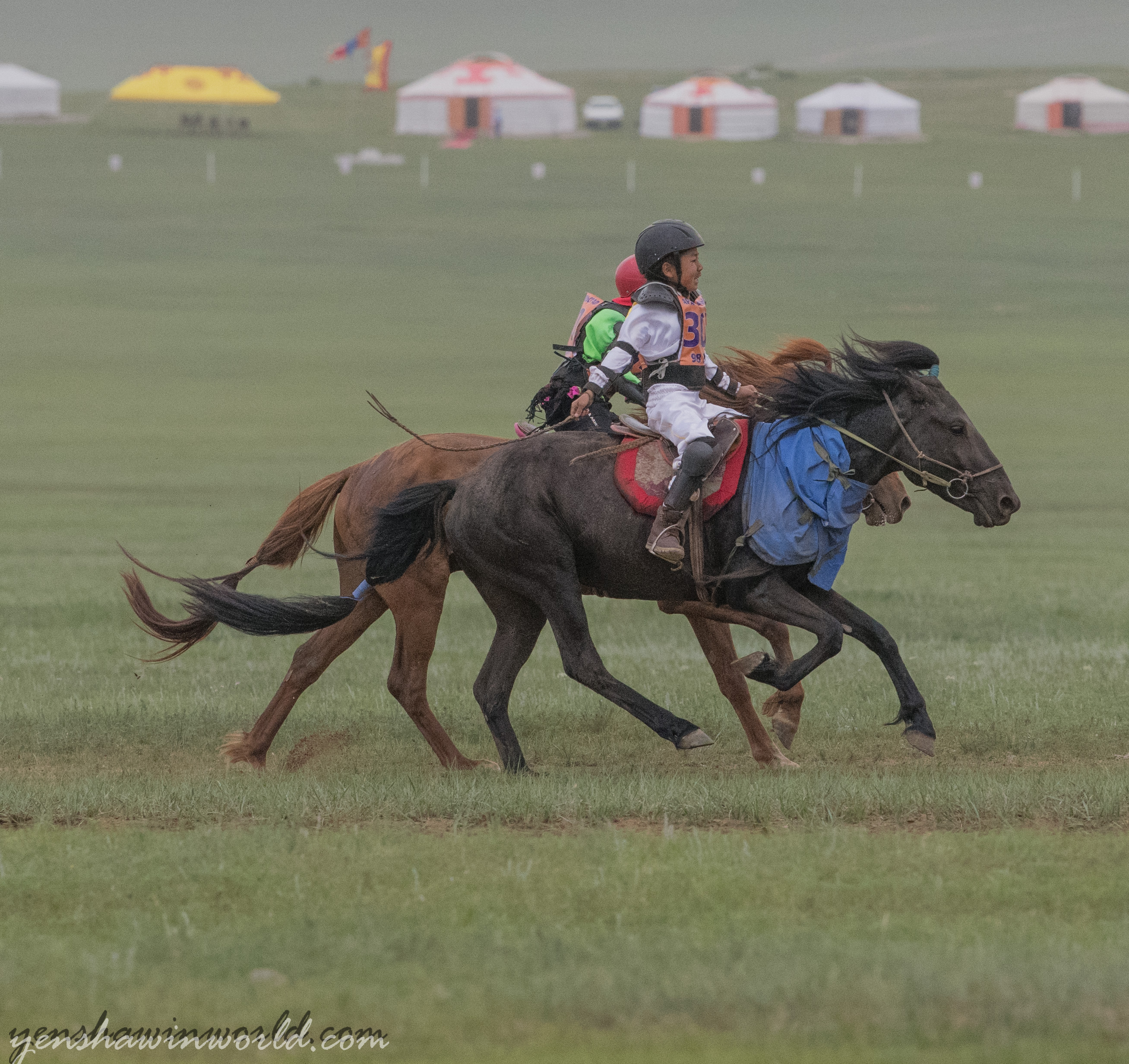


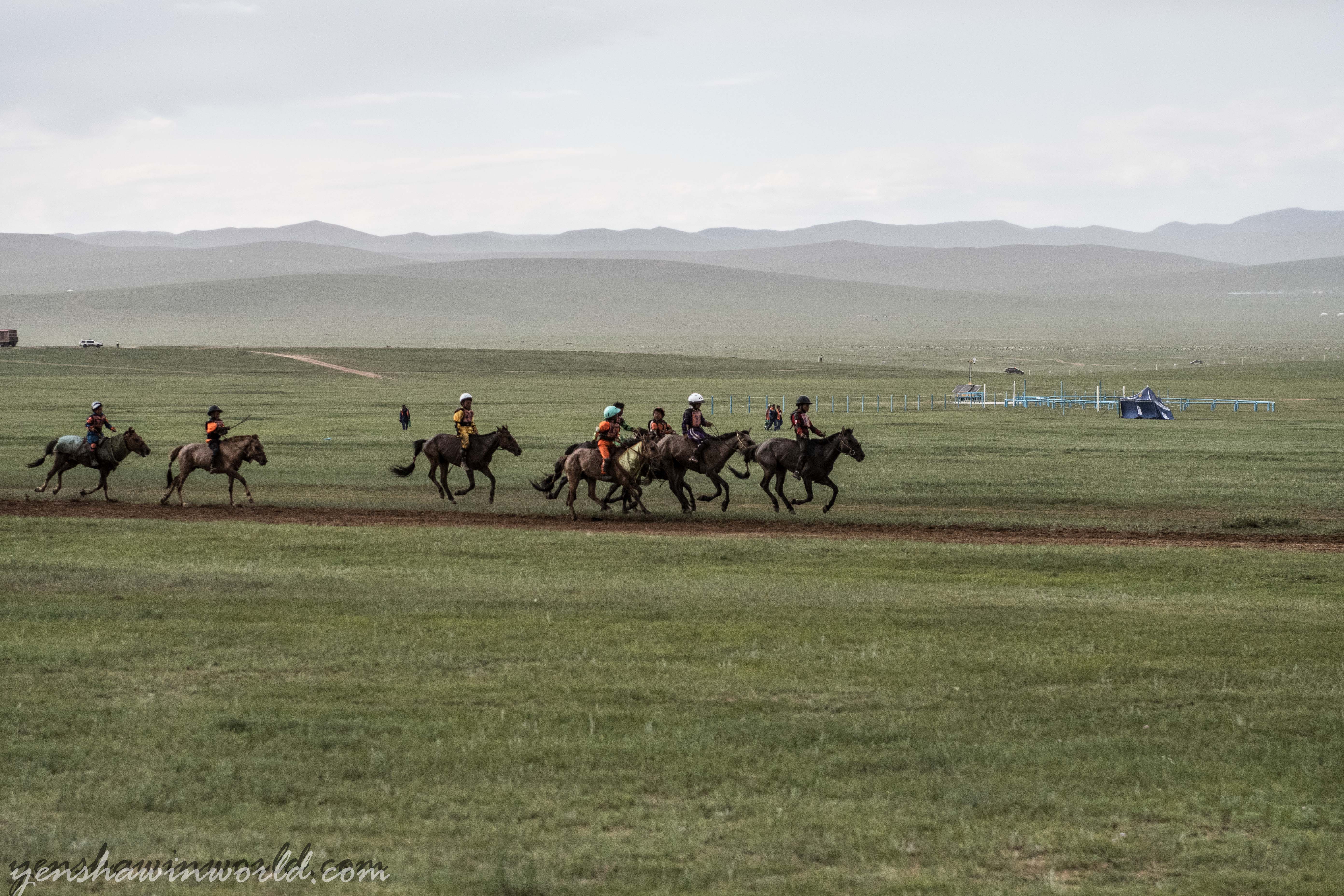
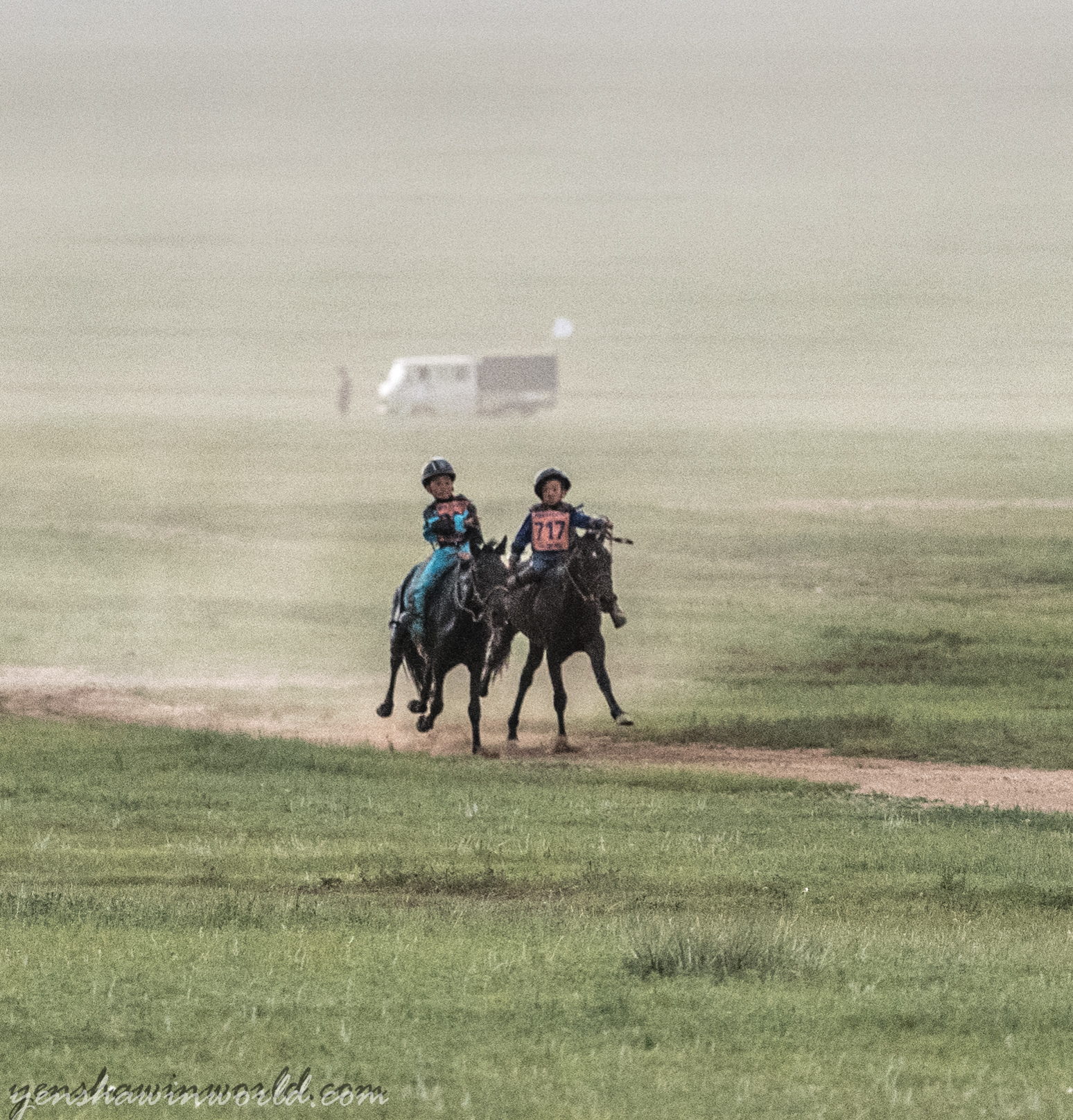


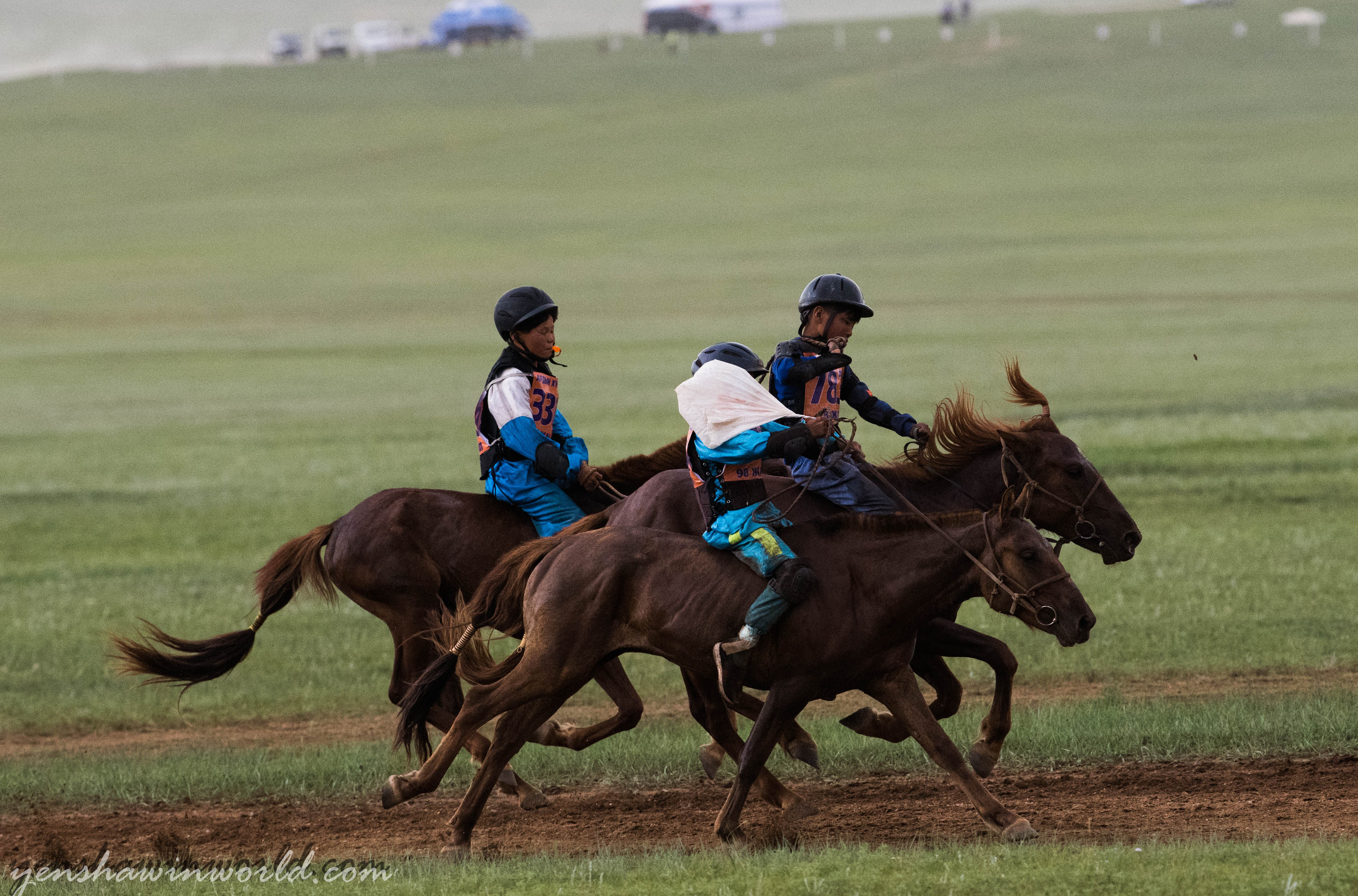
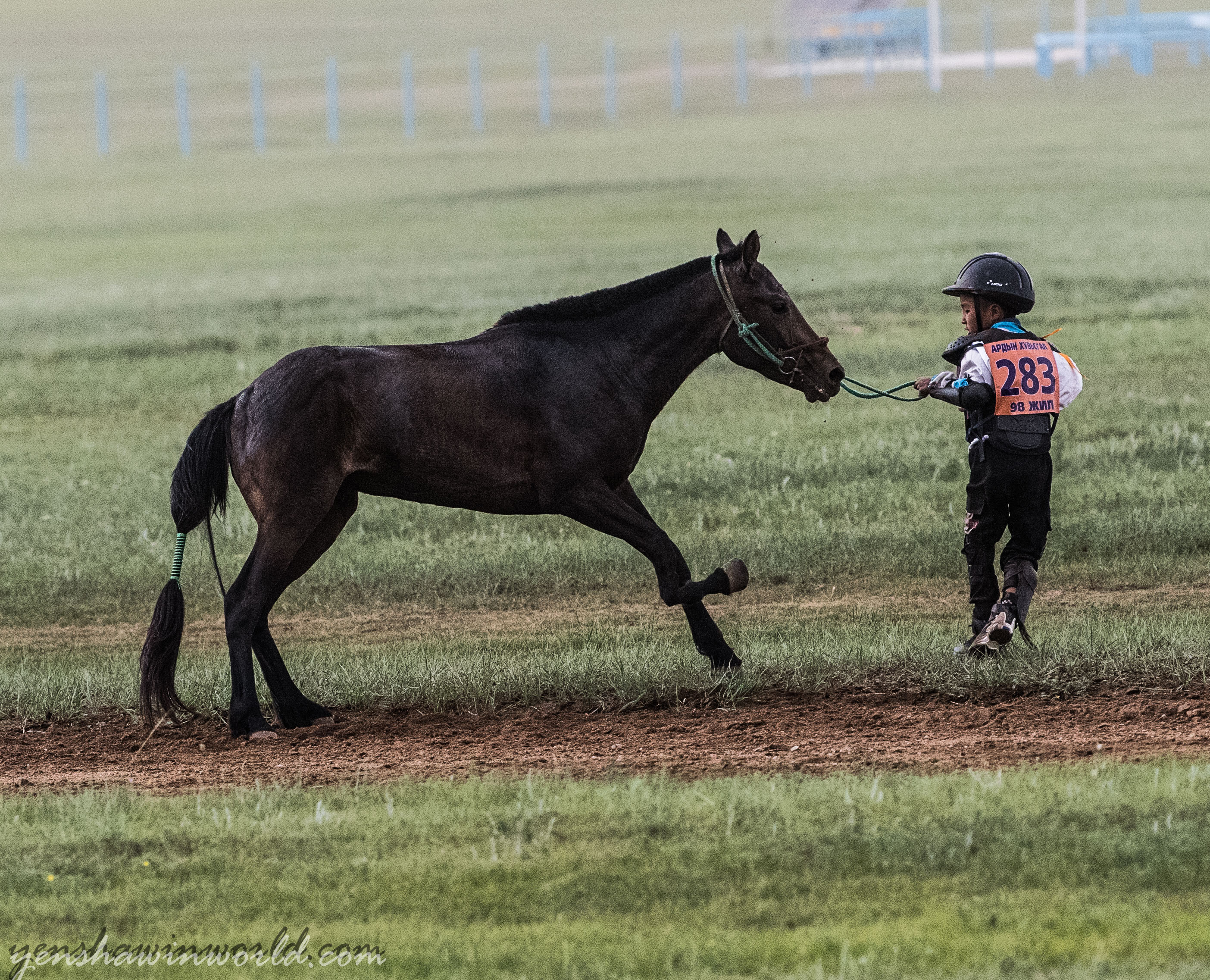



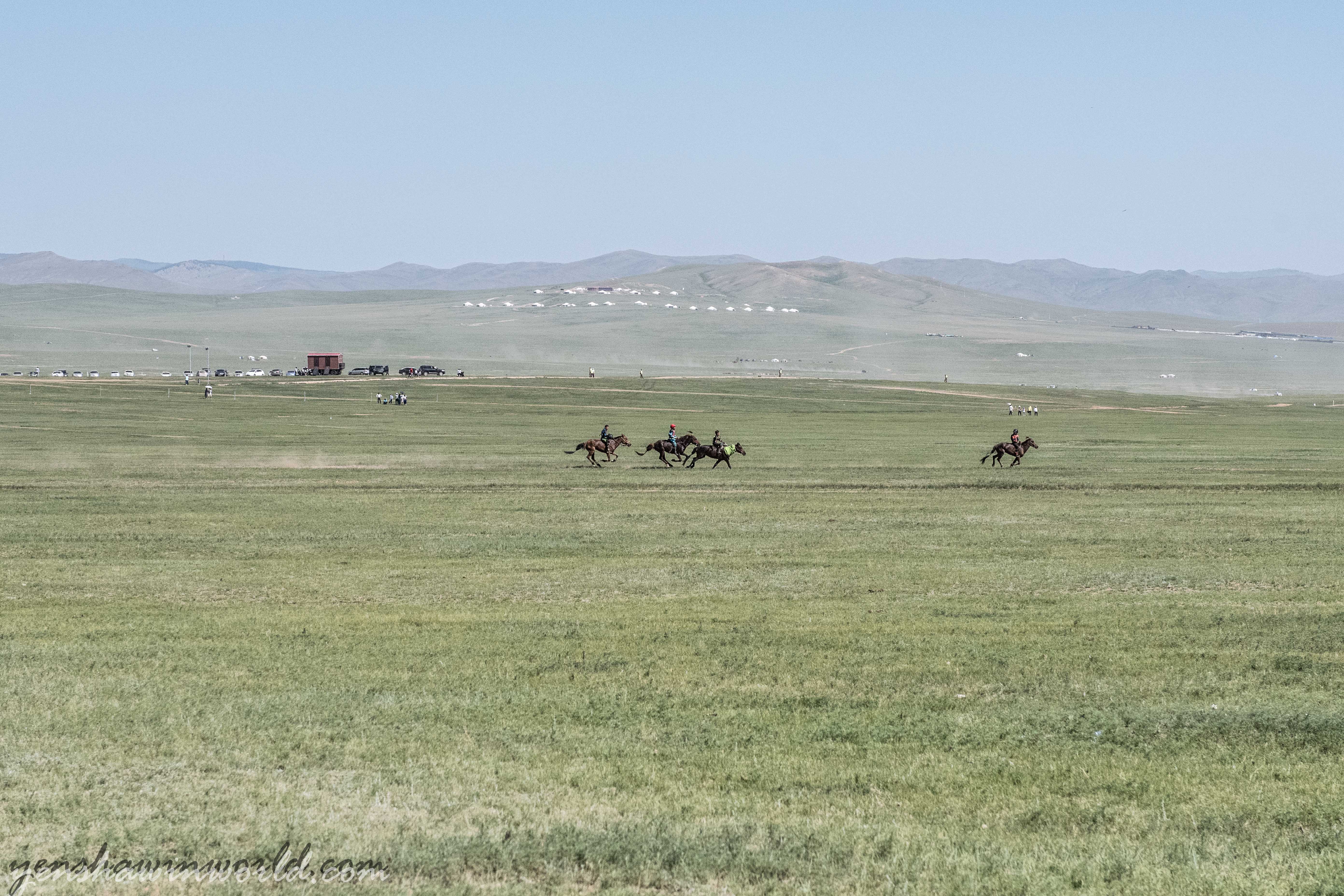
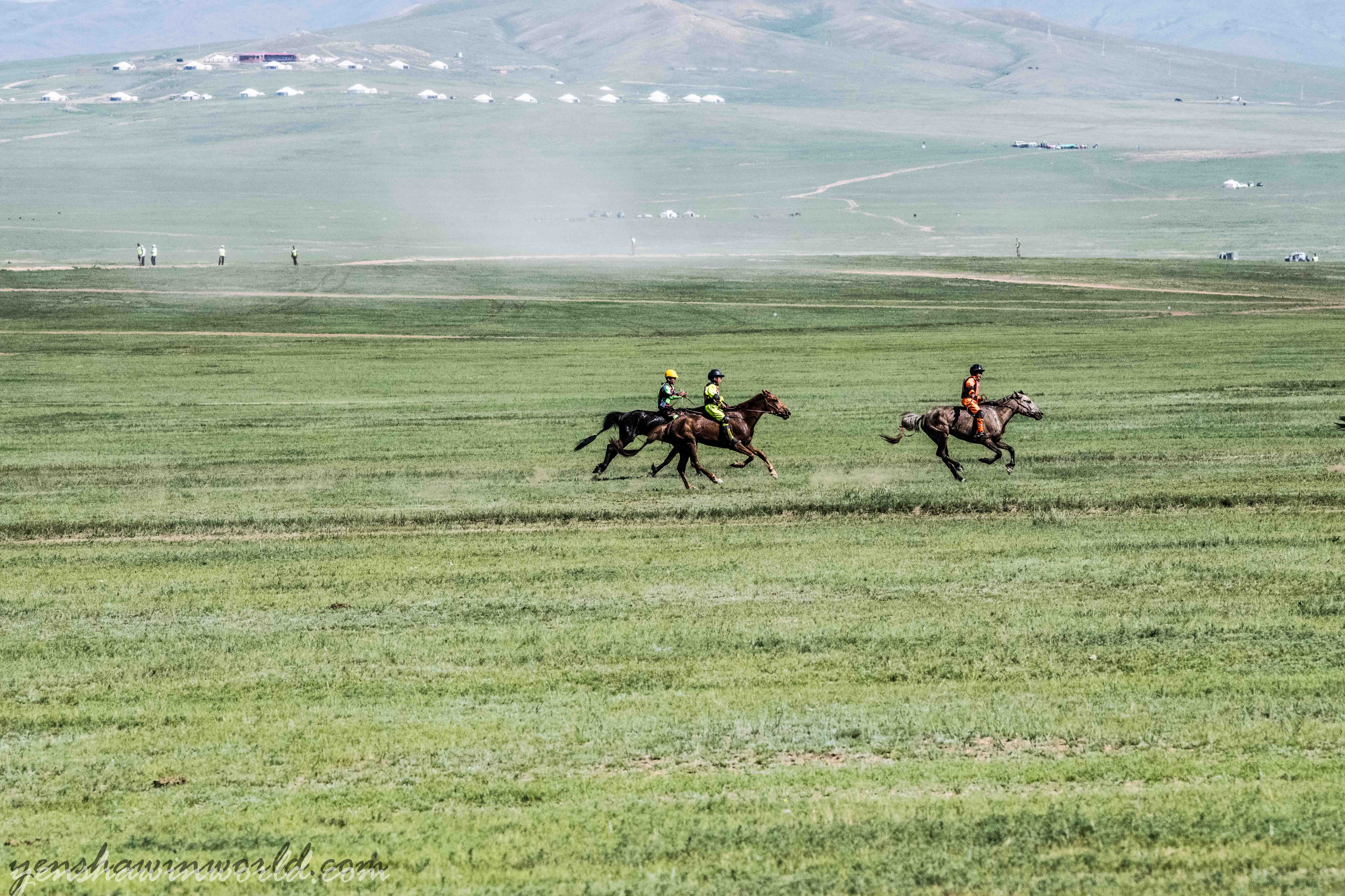
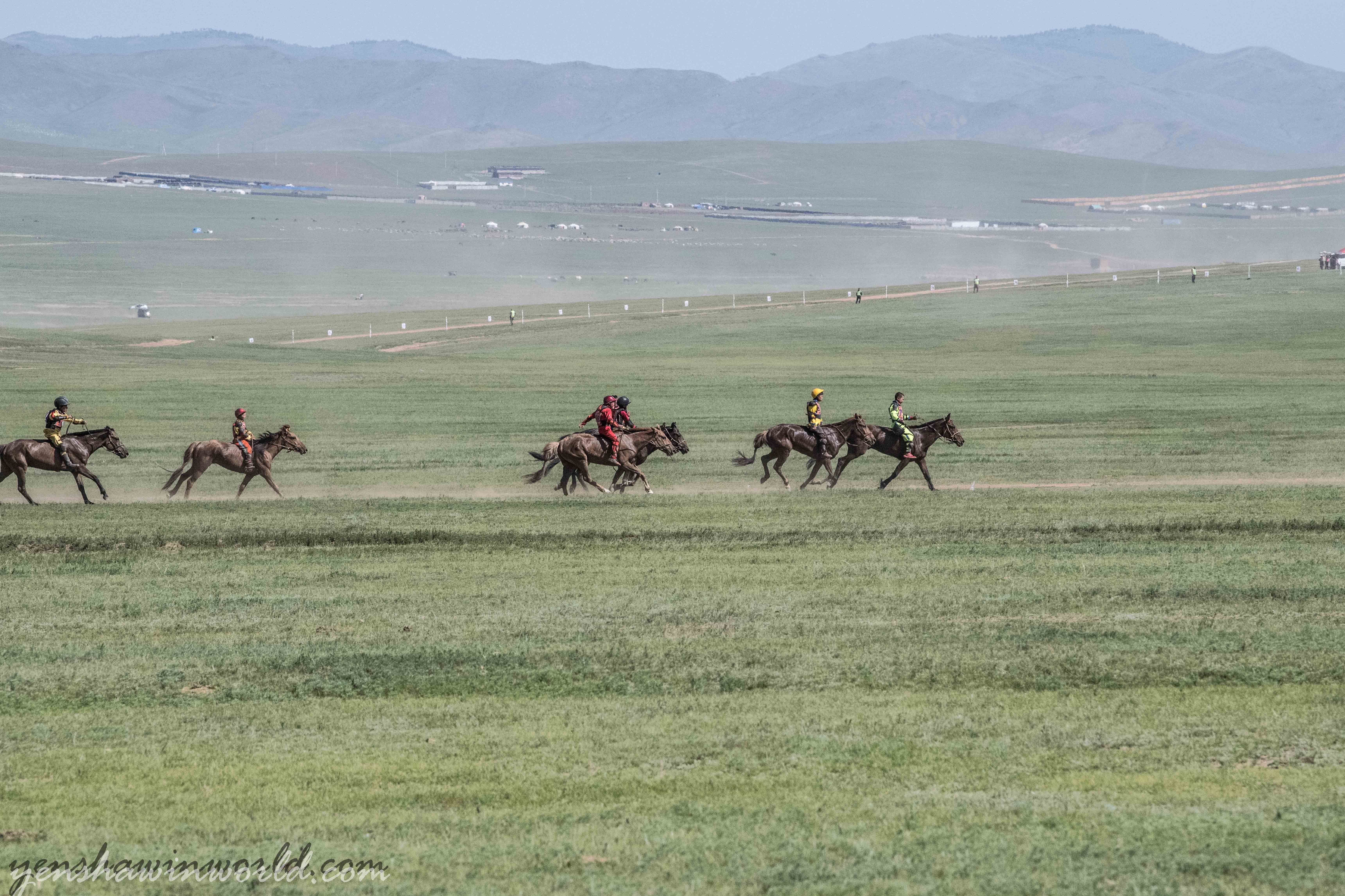

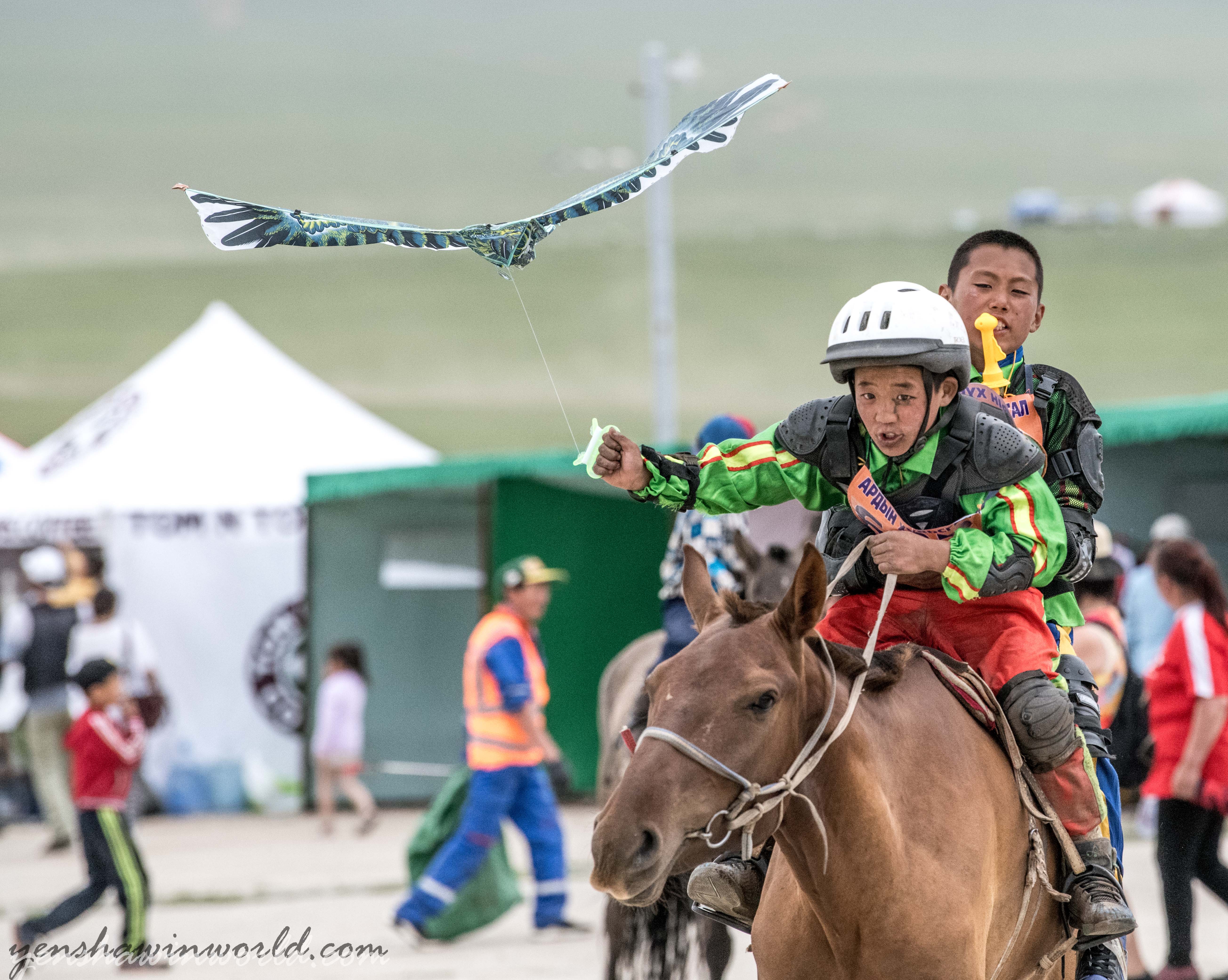



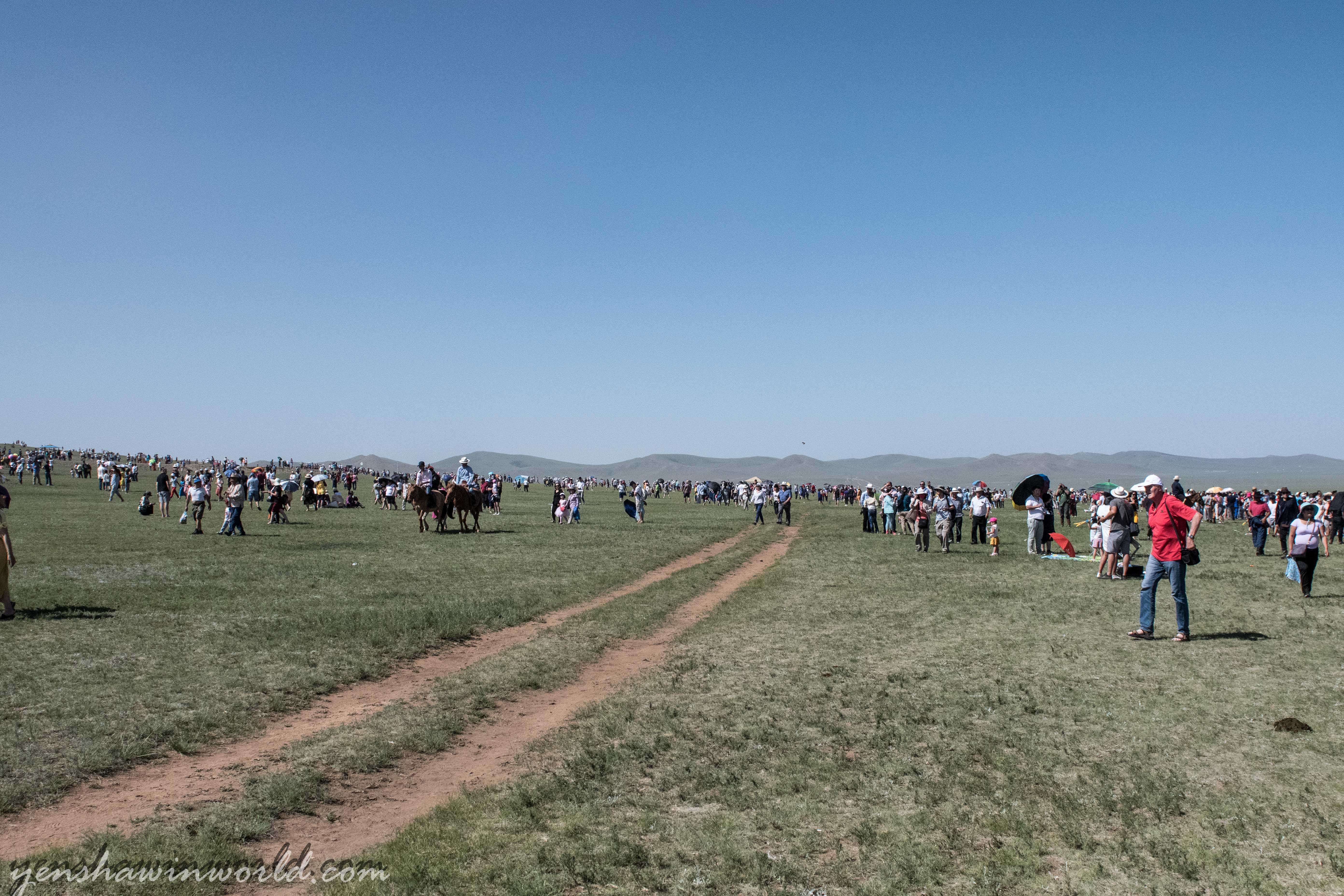
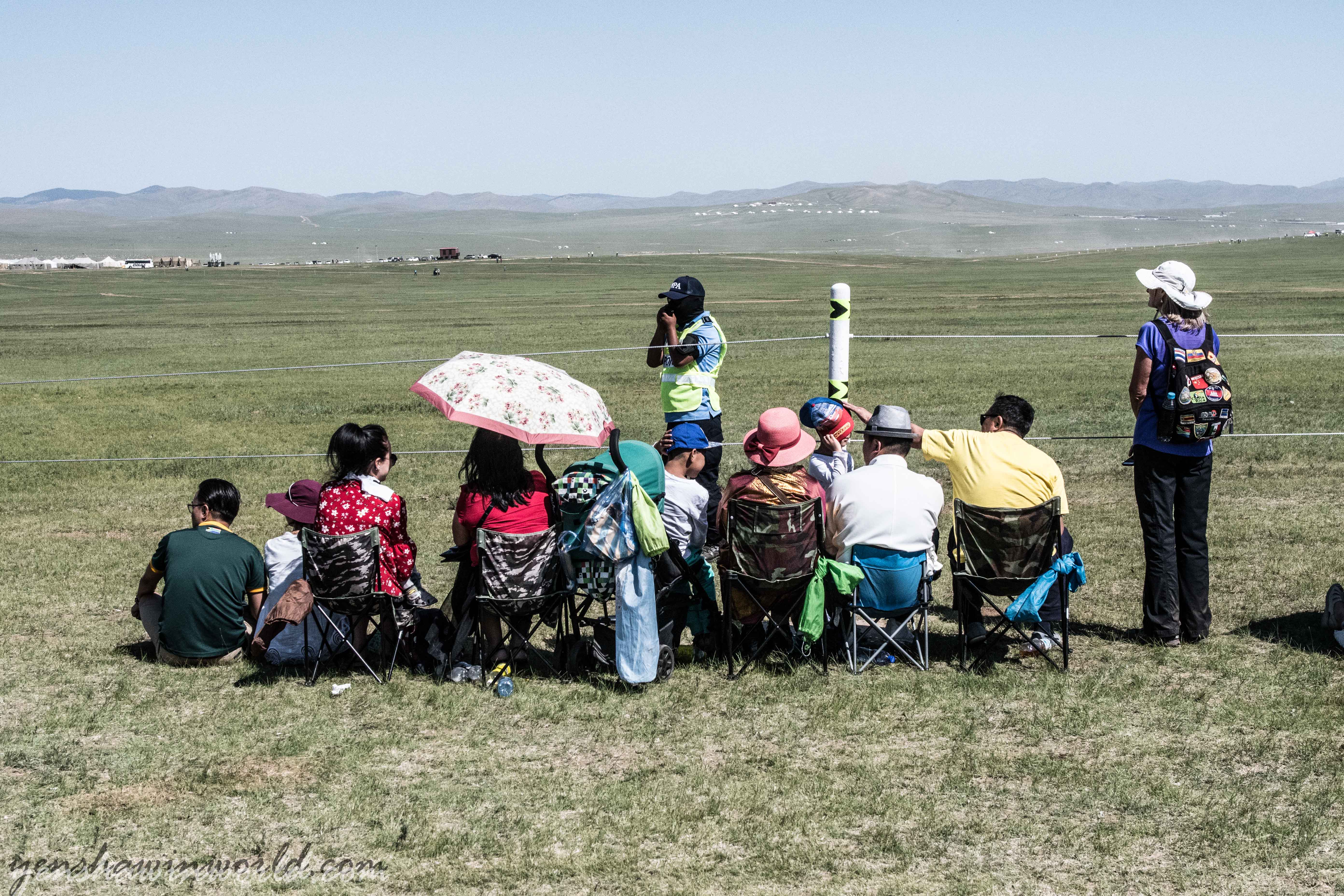
The next day we saddled up our horses again to take them about 20-25 minutes to the fairgrounds where the first races were held.  Unlike the short spring of western horse races, these last anywhere from 15-30 kilometers with horses ranging from 2 years on.  What is even more amazing is that kids ride these horses.  Usually the younger horses race the shorter distances and so on.  Children from 5-13 are on the horse as jockey’s, but it is the horse who usually gets the credit as this tests the skill of the horse.  While I was not there for the beginning, I was there toward the finish line in which I saw some interesting things:  Horses coming in with no jockeys, a horse that broke its foot near the finish line, two jockeys hitting each other while each trying to pass the other up, and a myriad of other things.  We were able to see two races on the first day, and one on the third day which are always very exciting. 

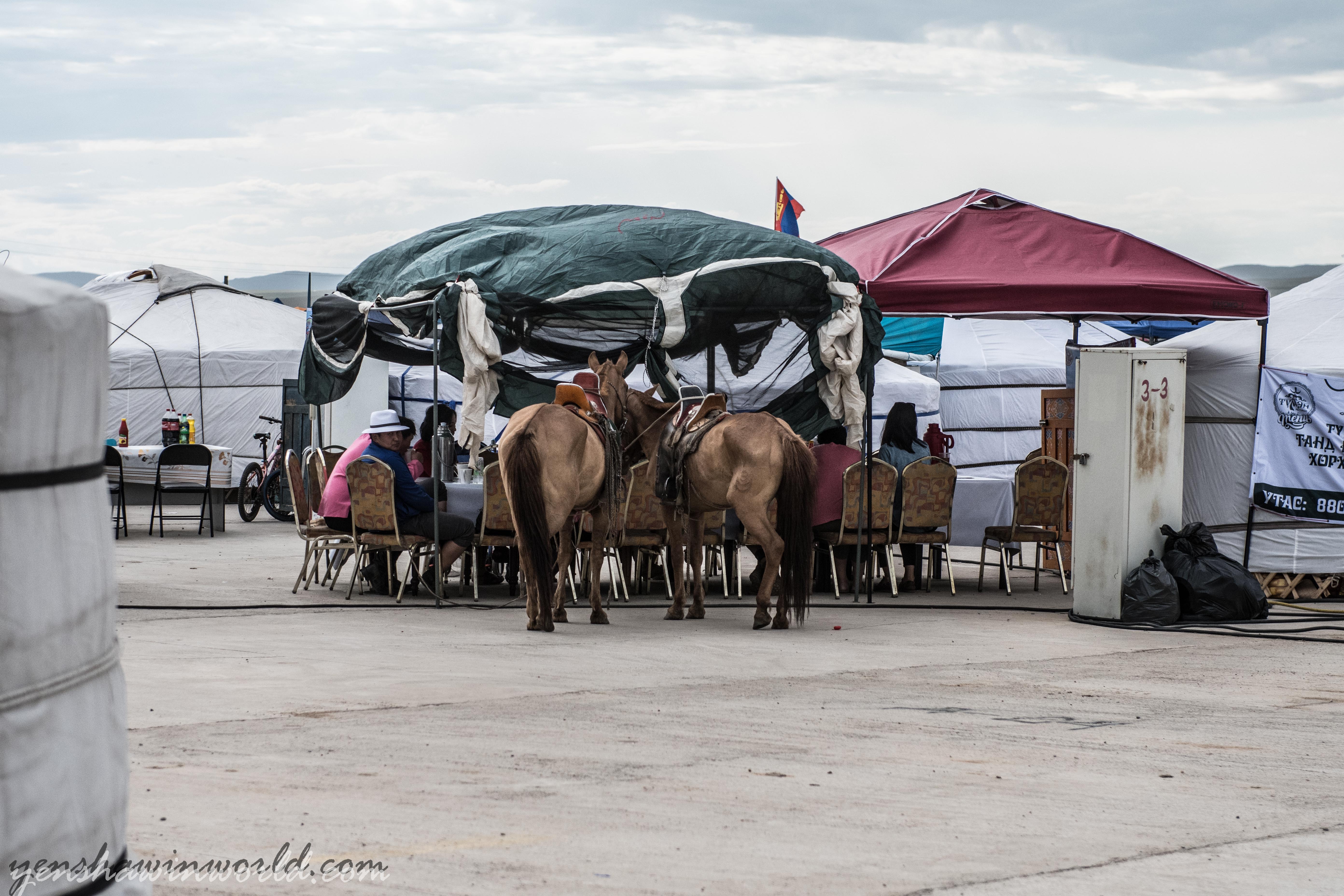

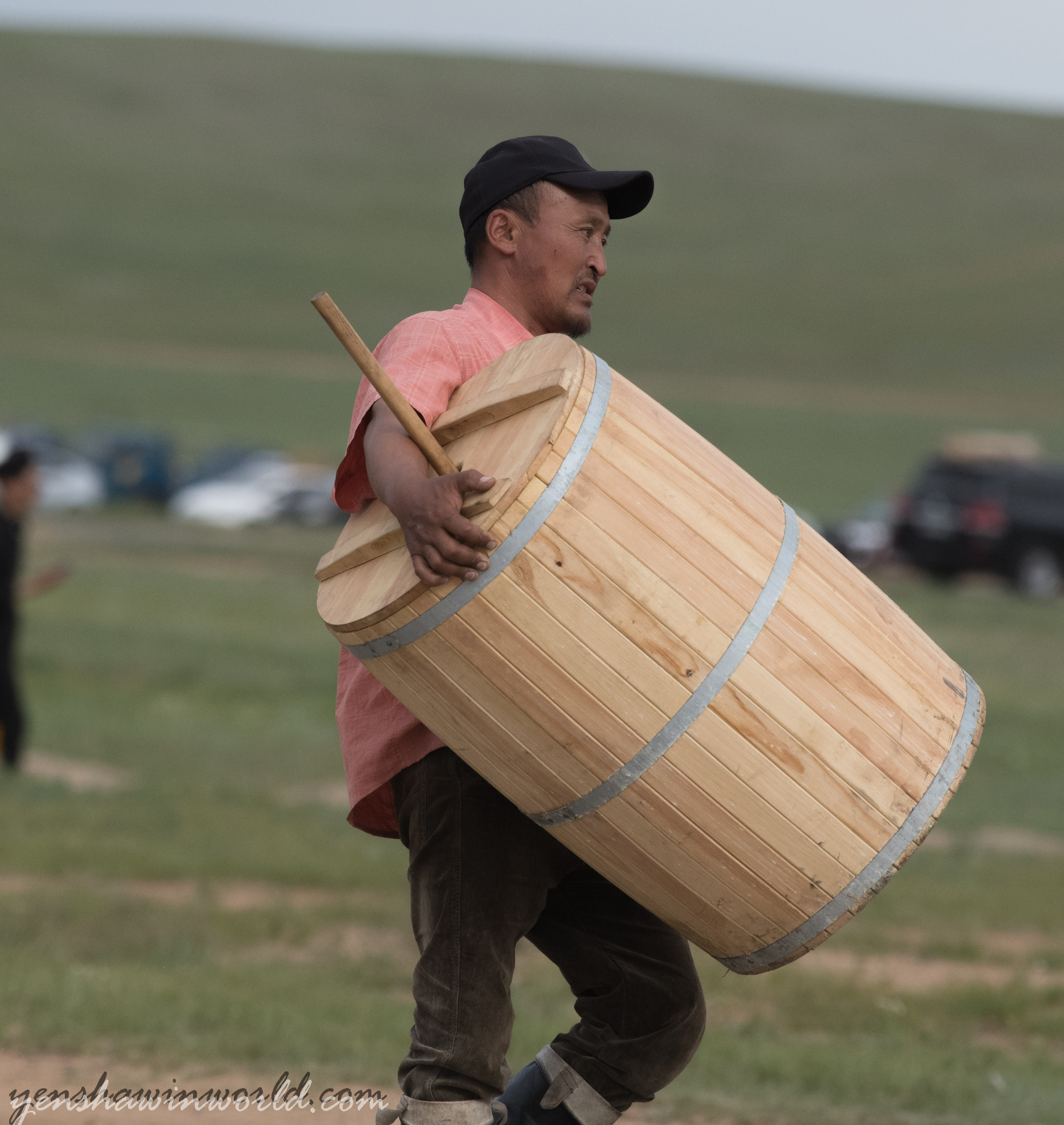
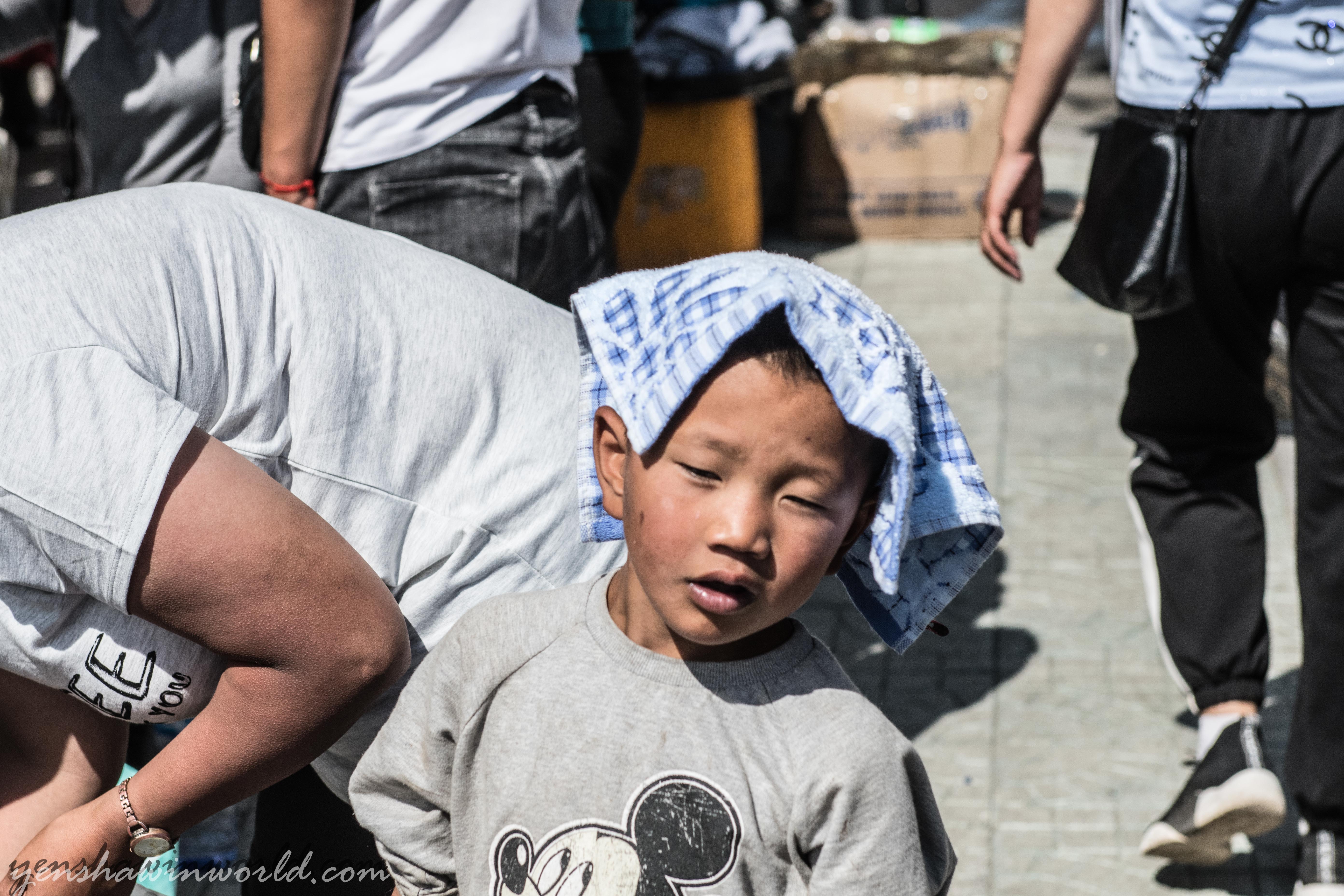
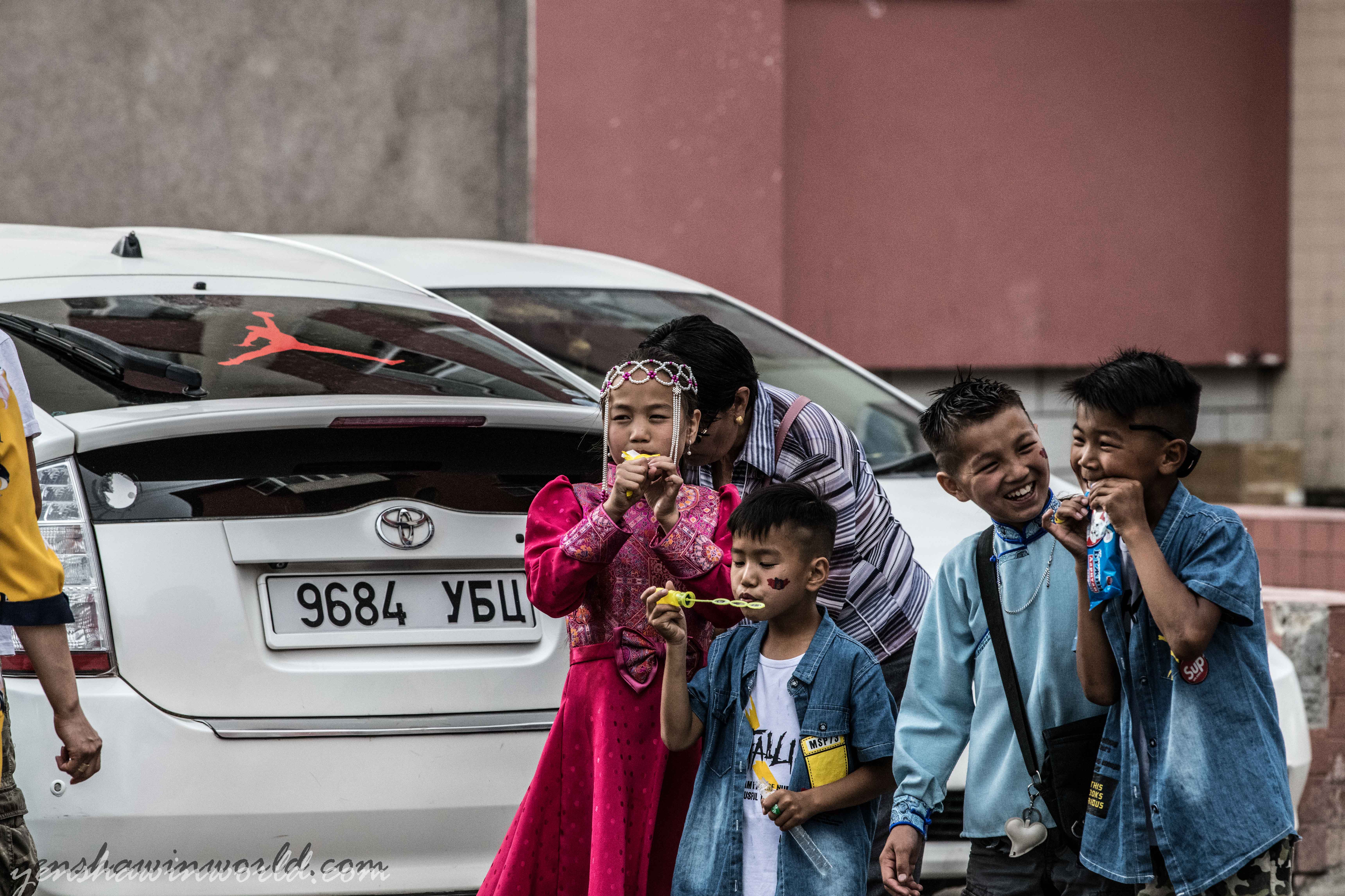
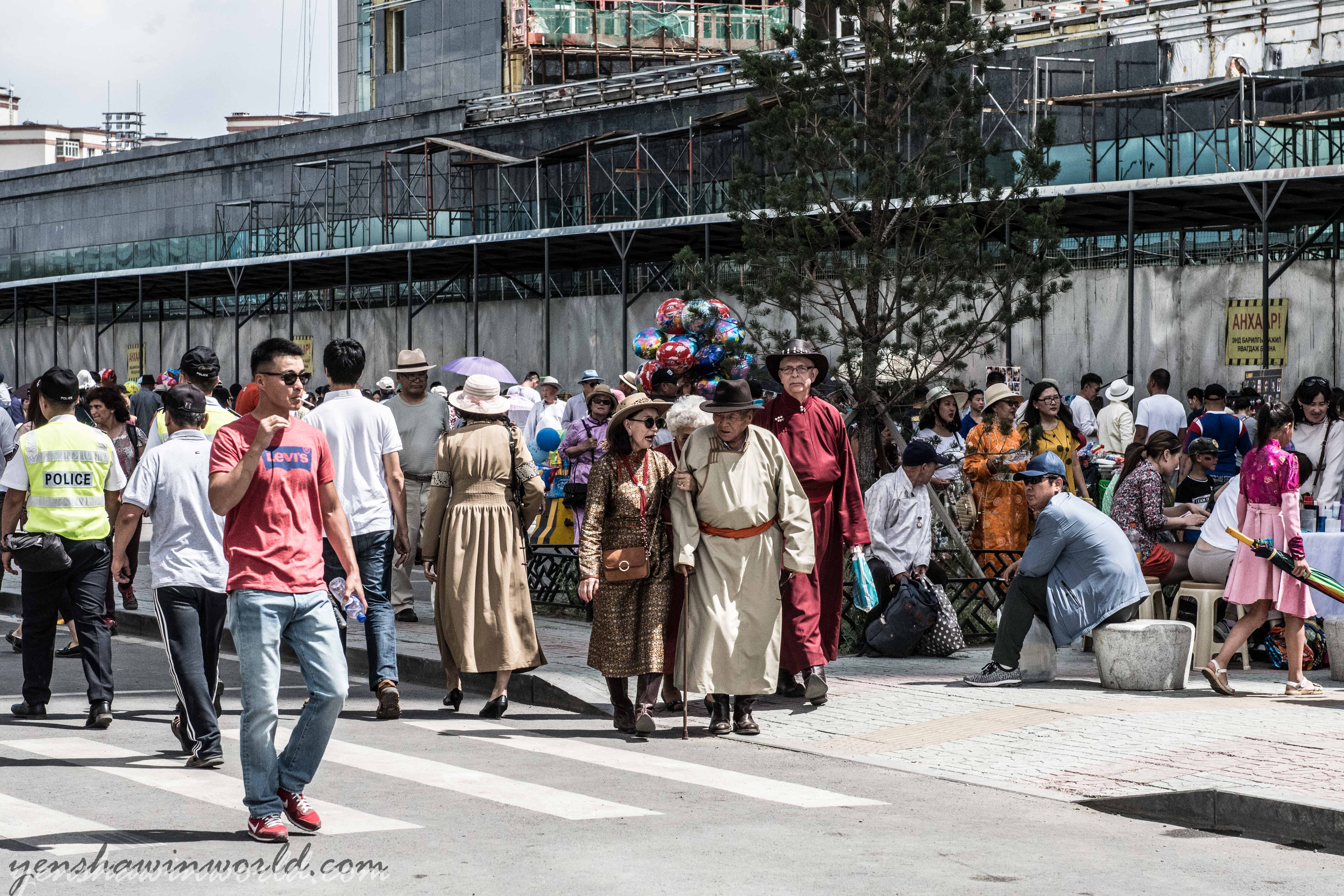
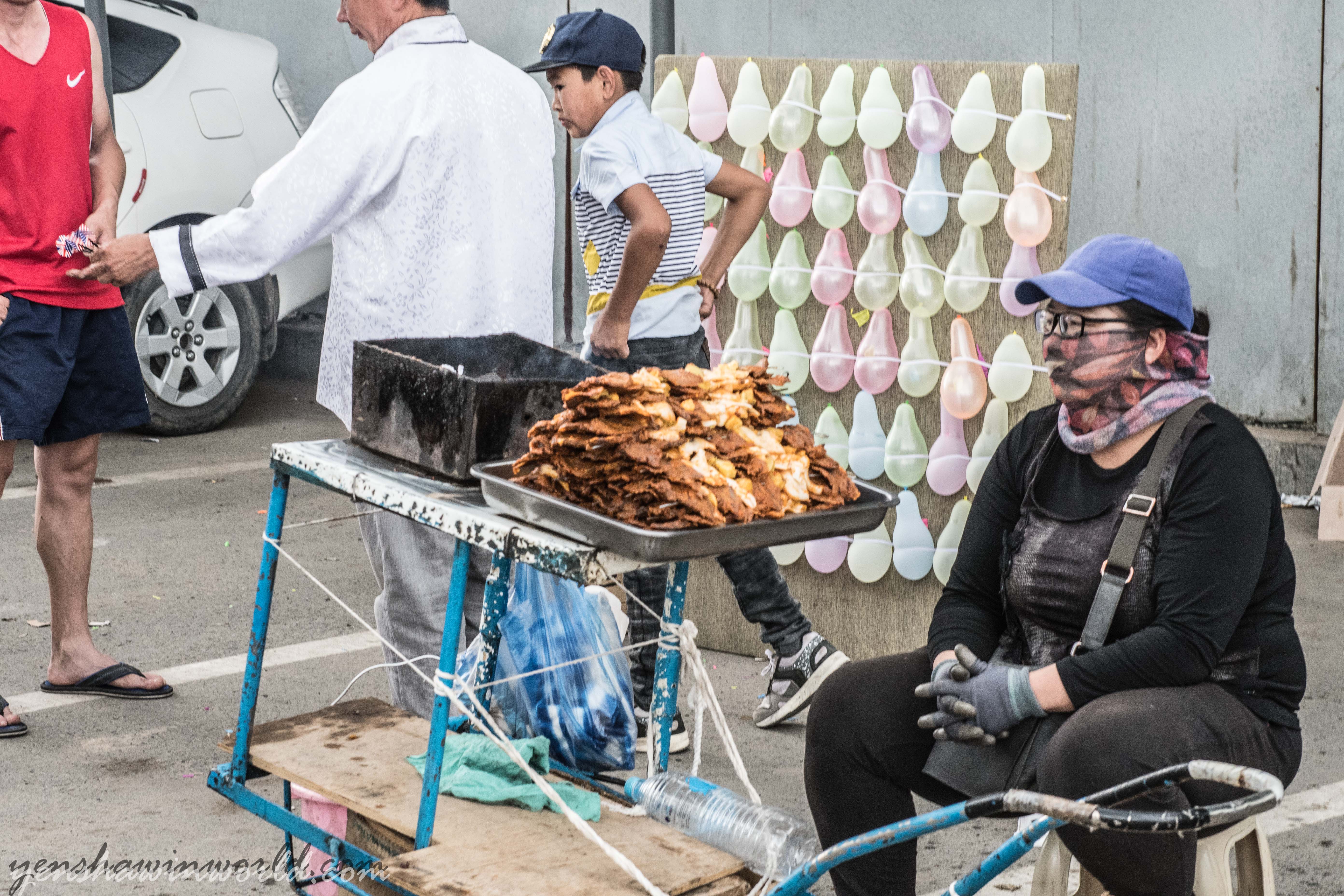
From the first to the third day an area with 50 little yurt shops had suddenly transformed into a small city to watch these races, with people just about everywhere!!!!!  

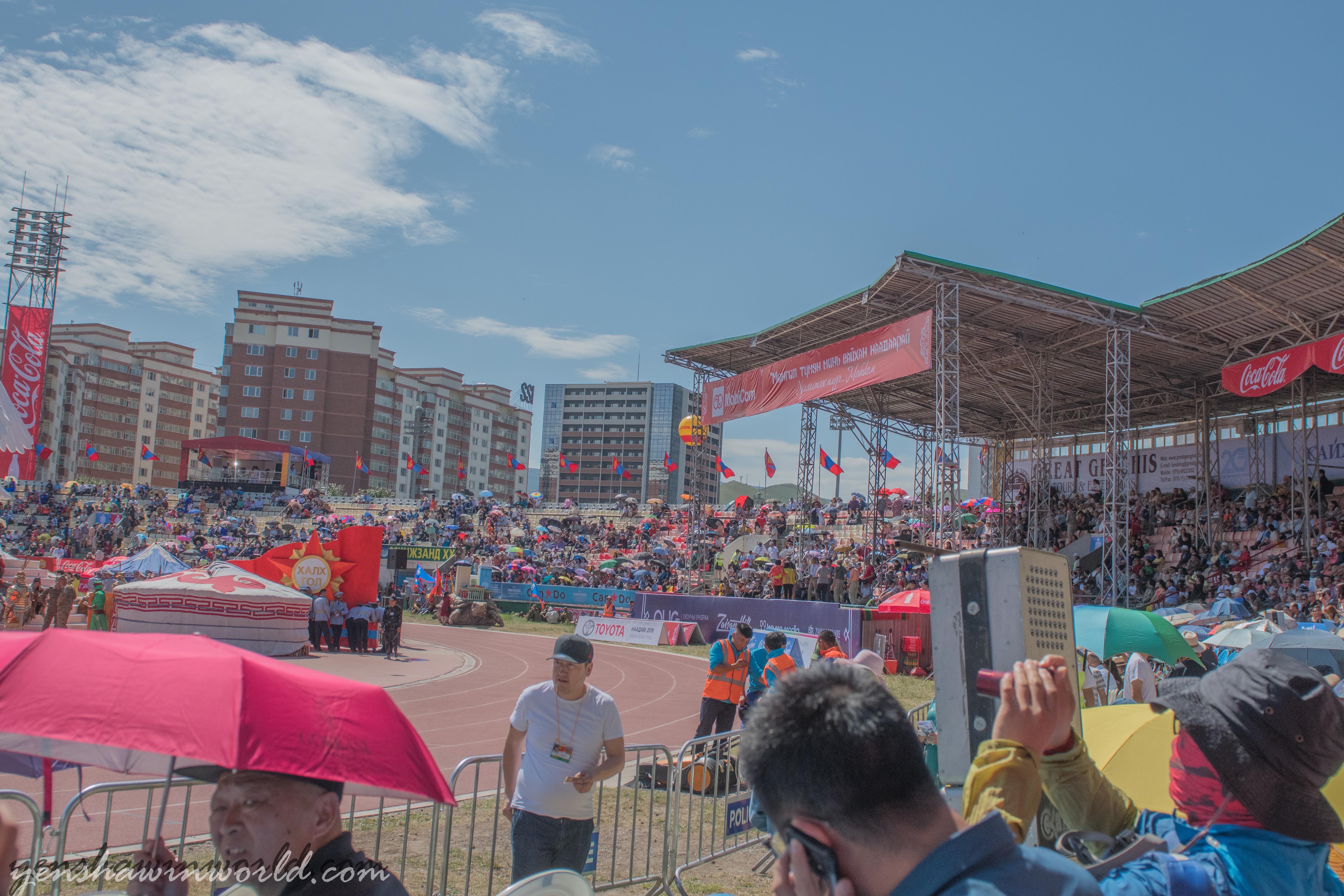
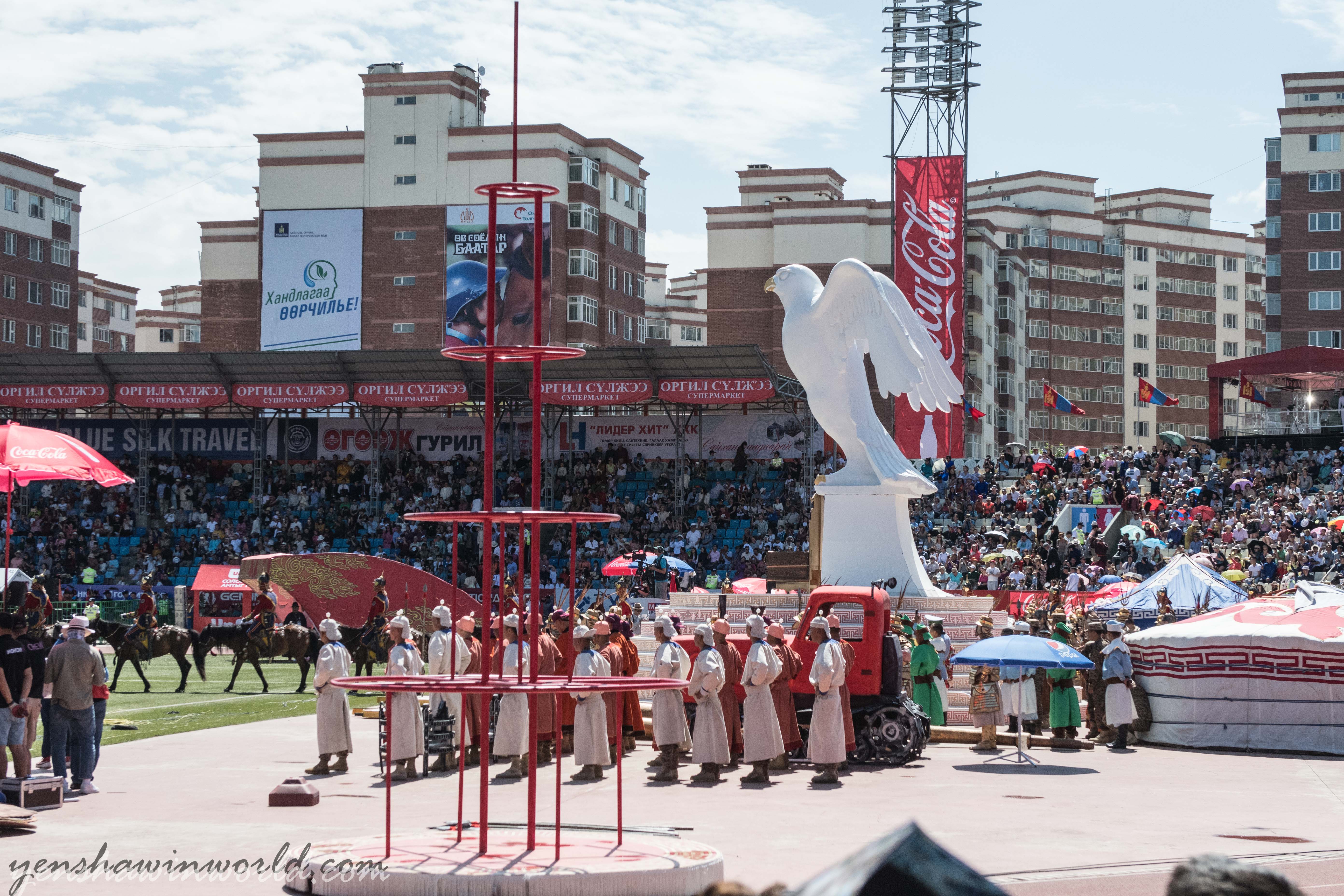
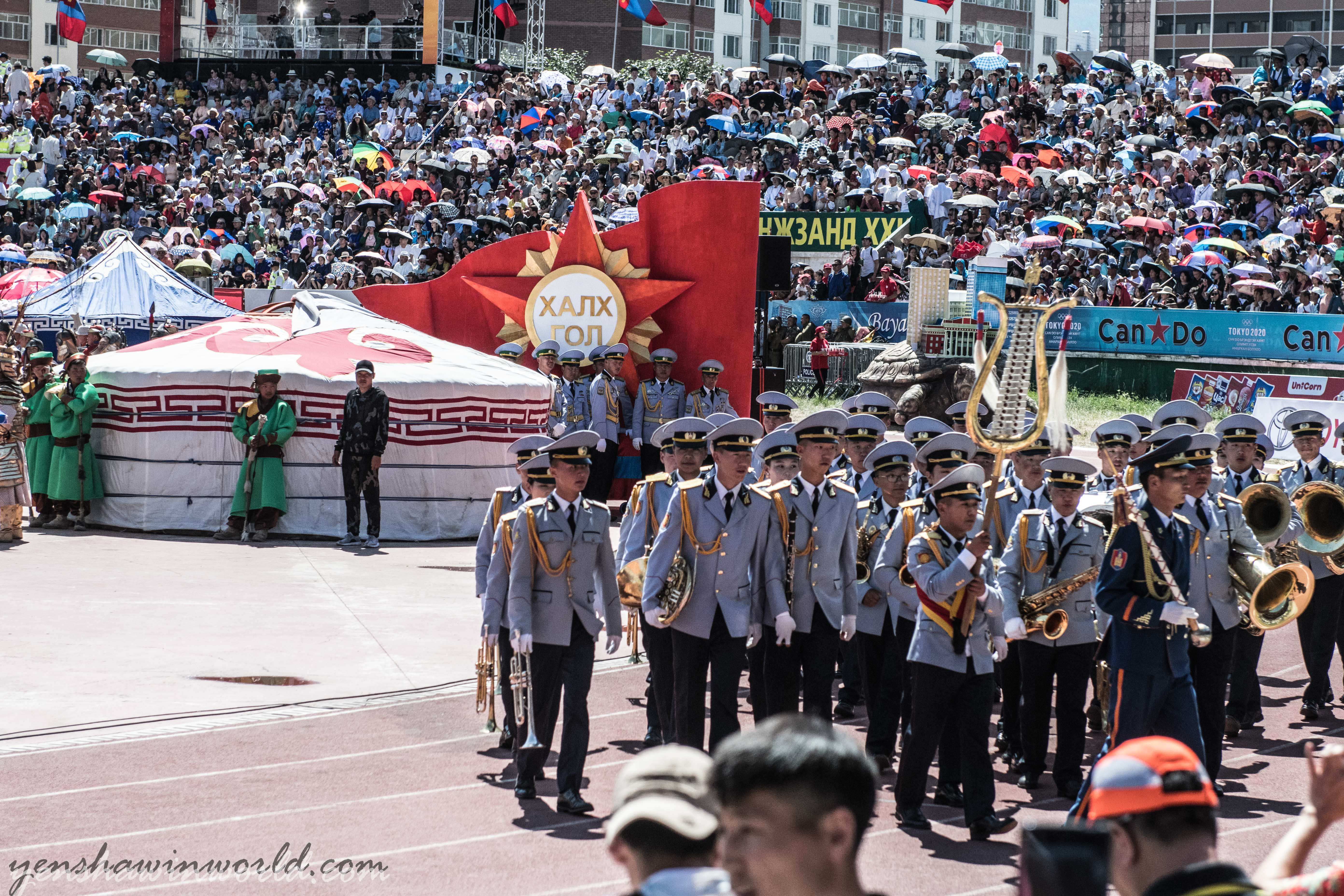
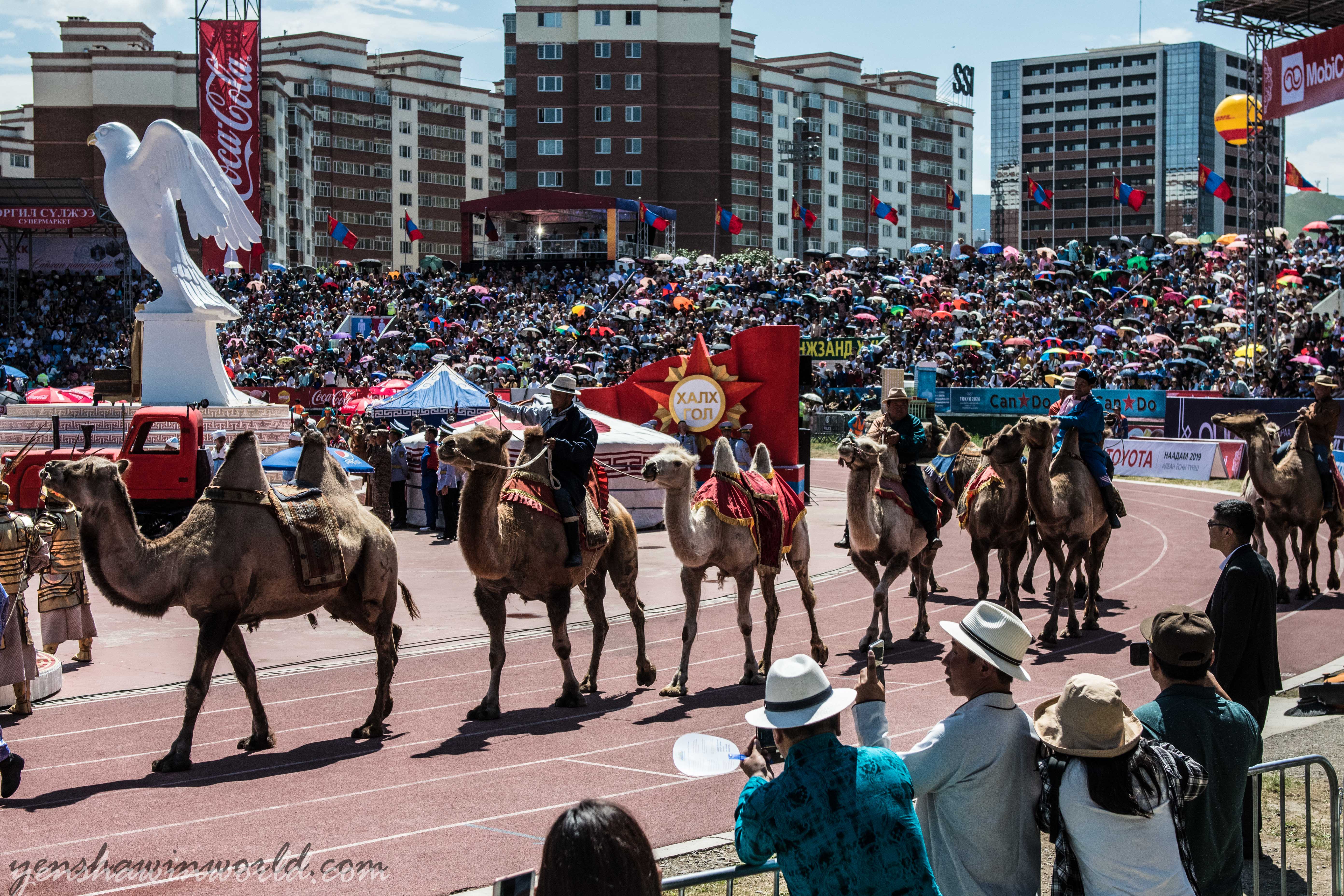
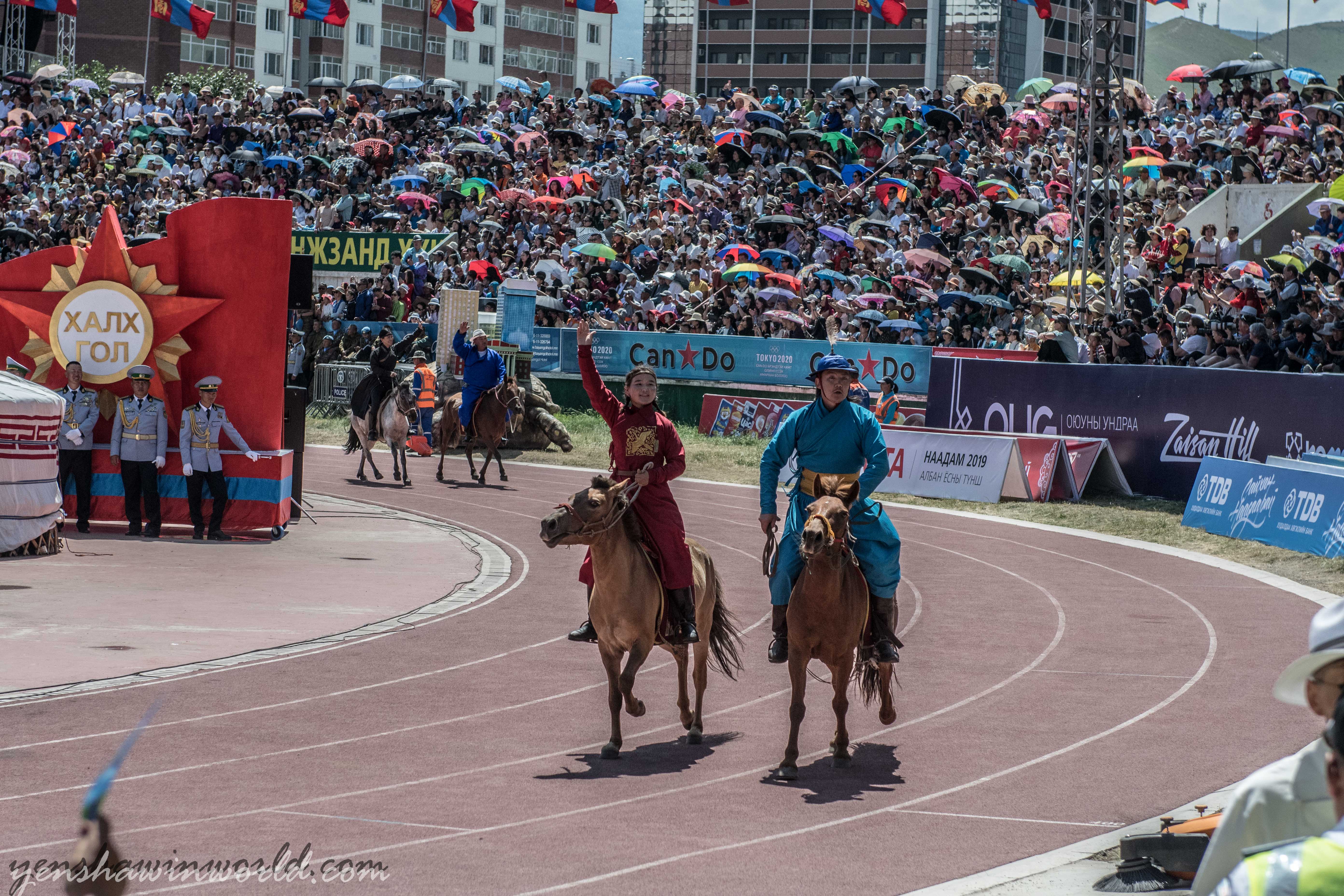
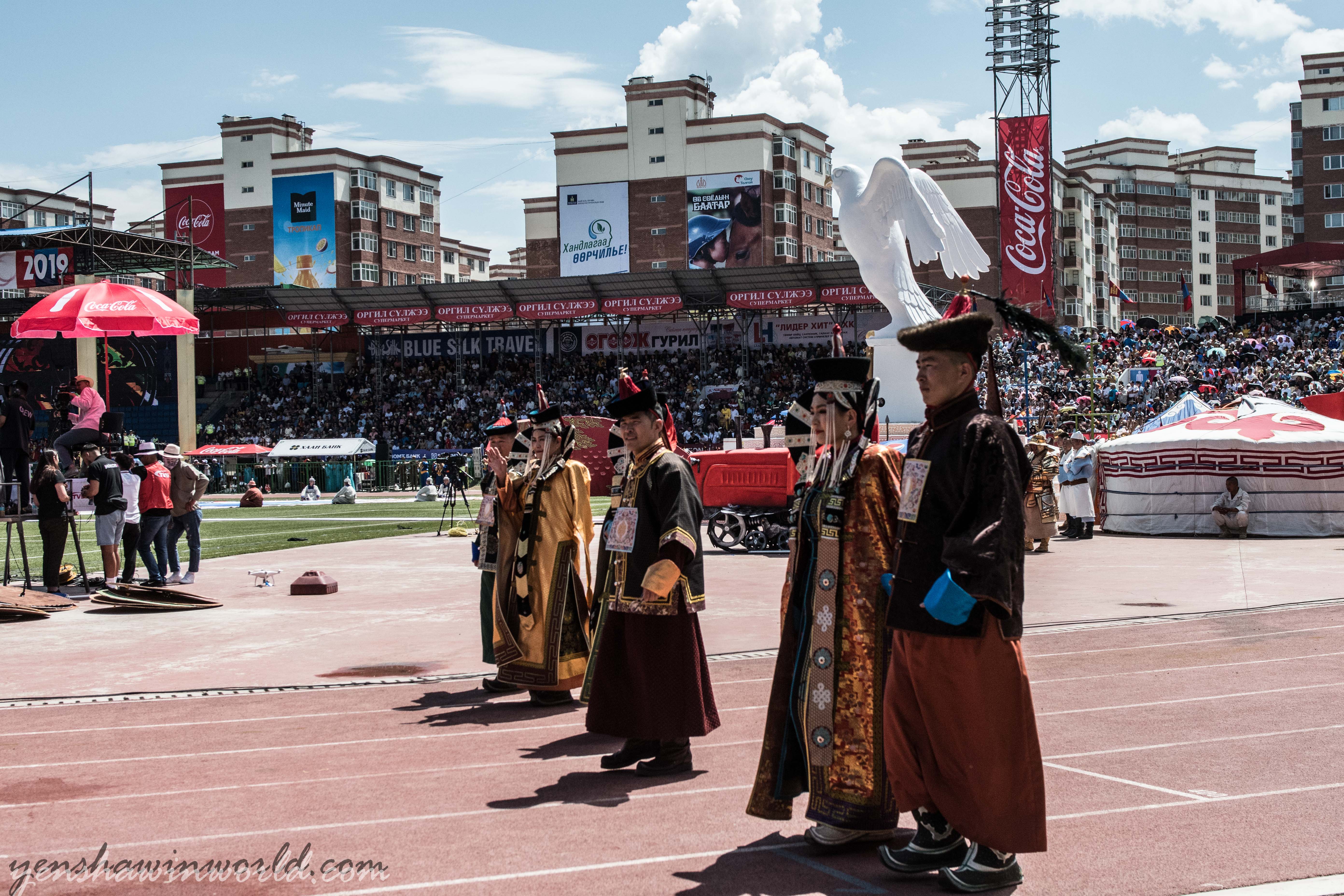
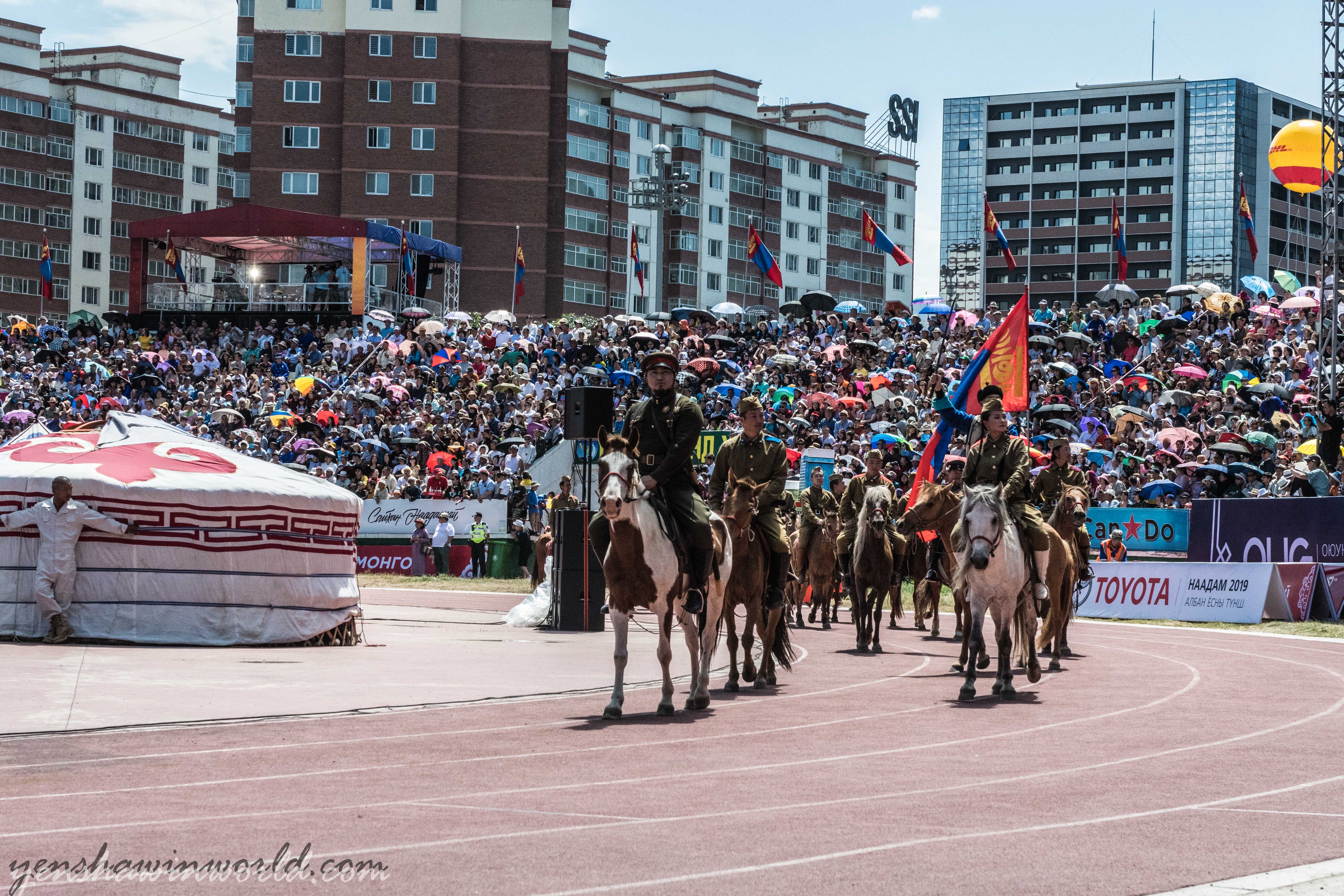
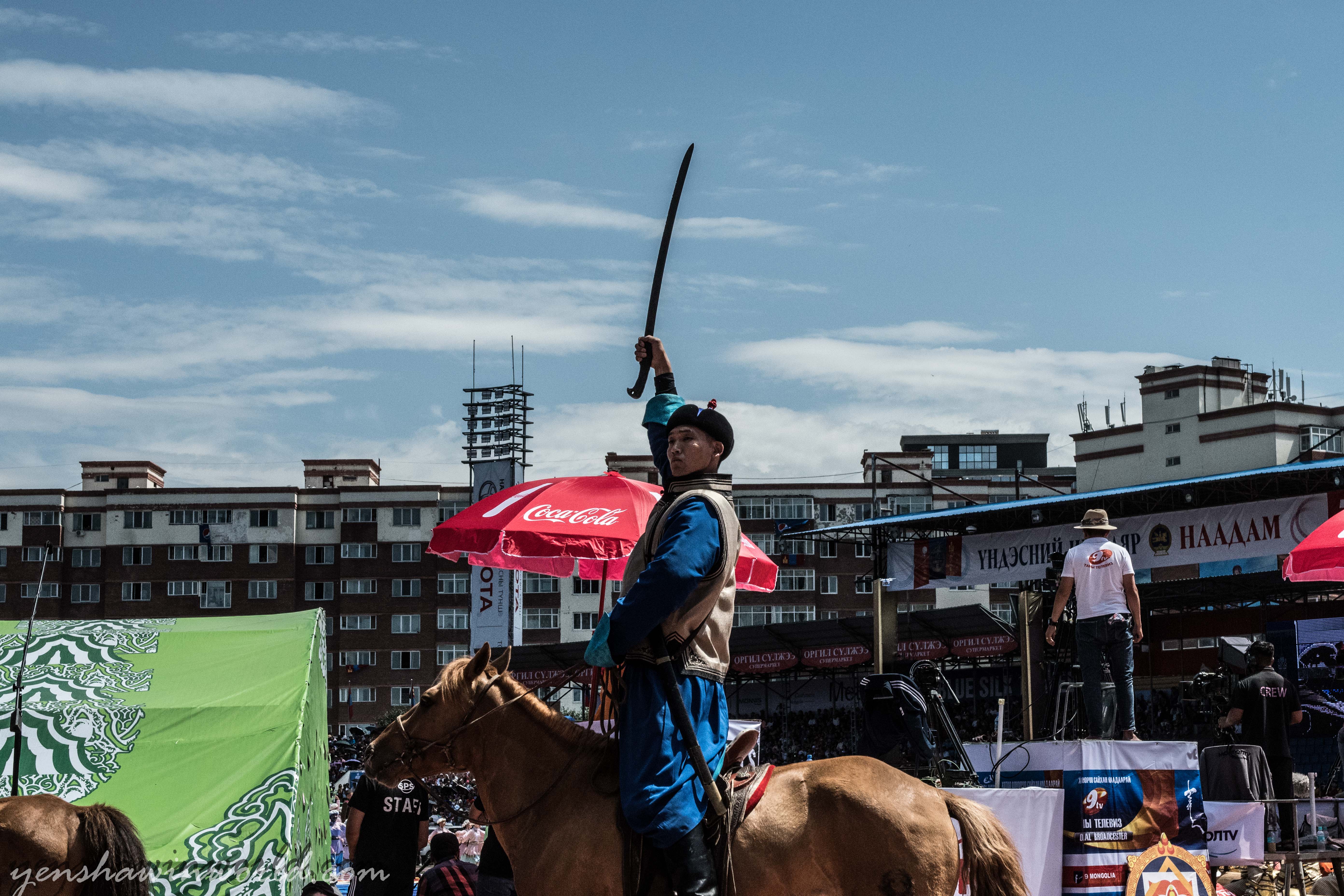
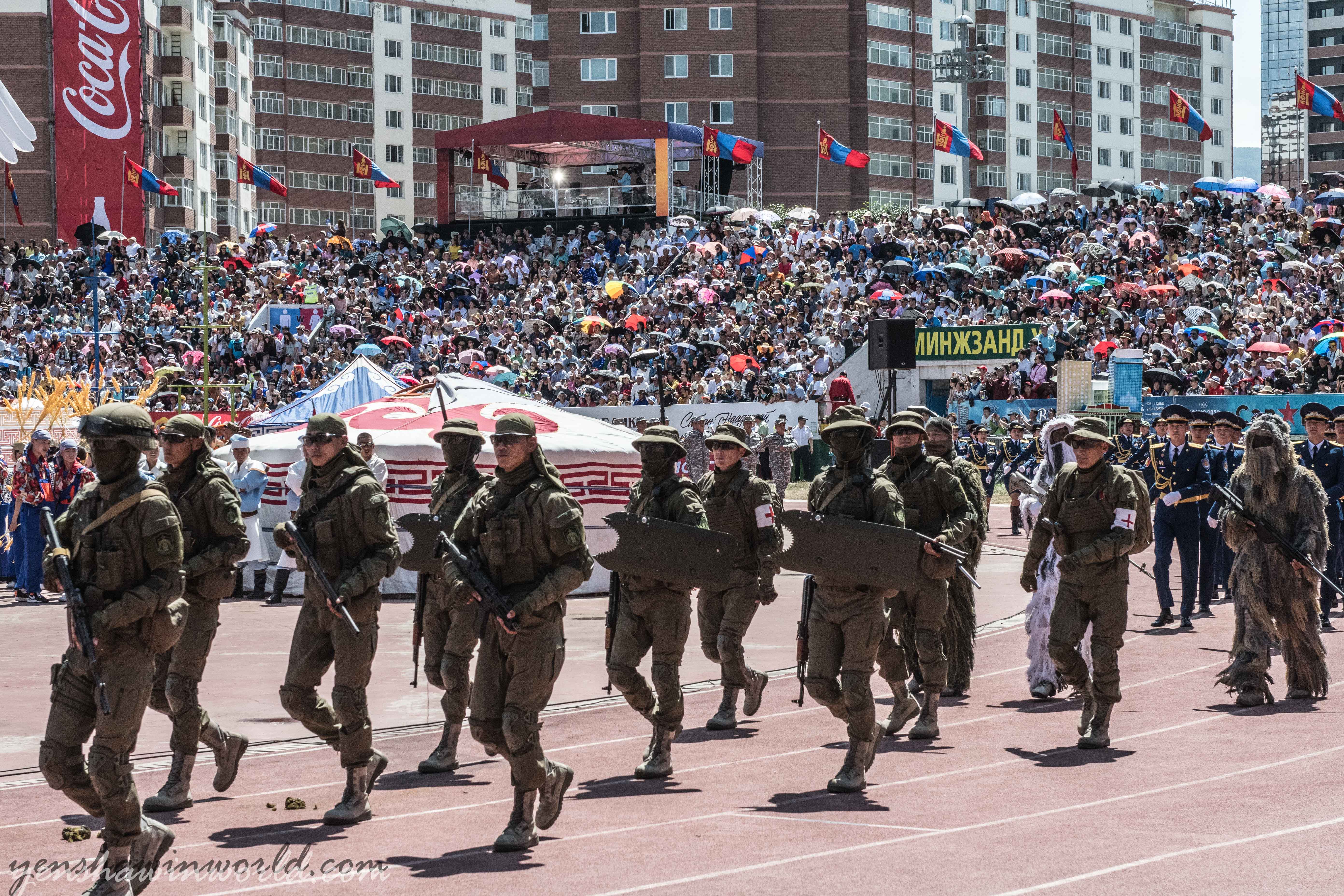
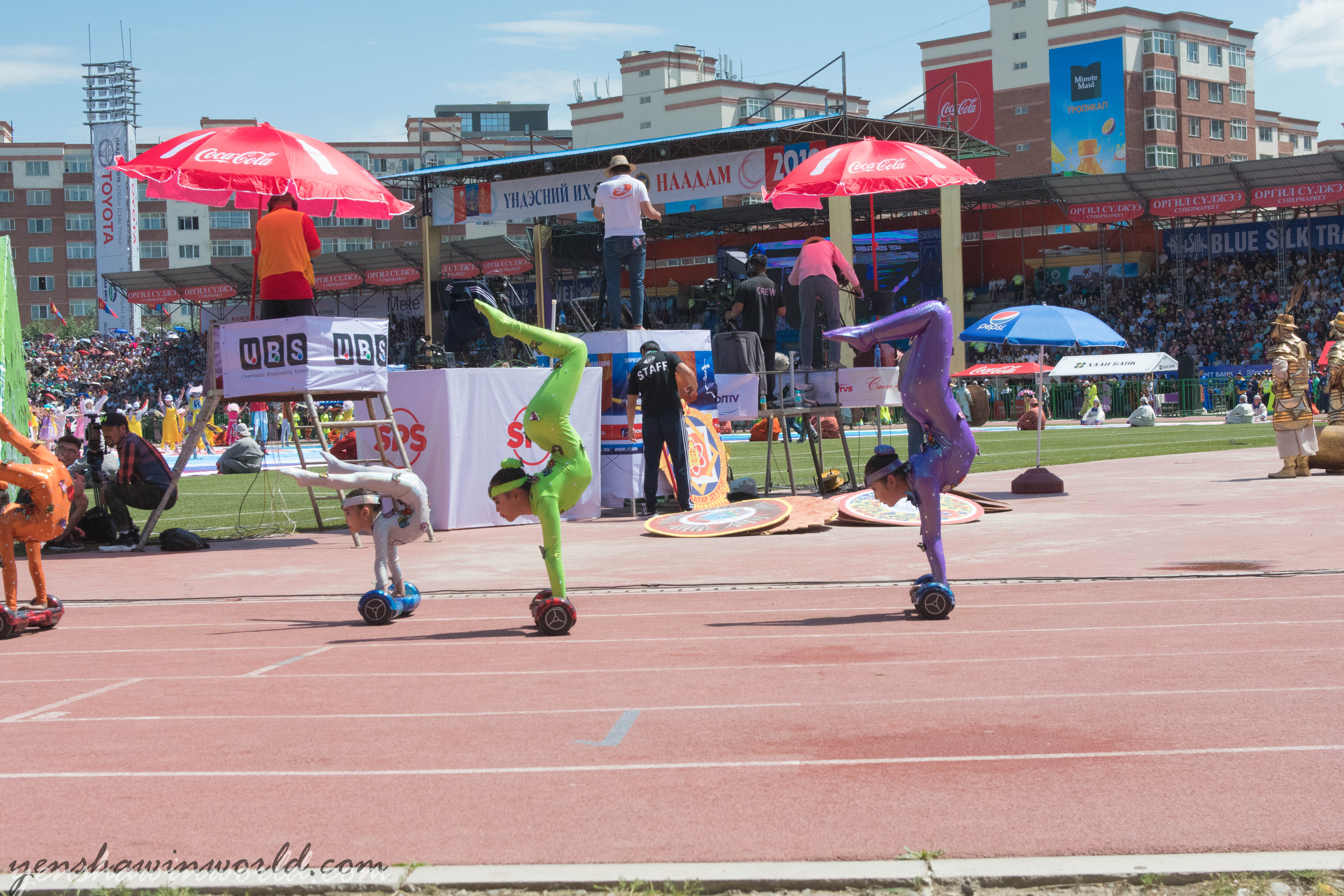
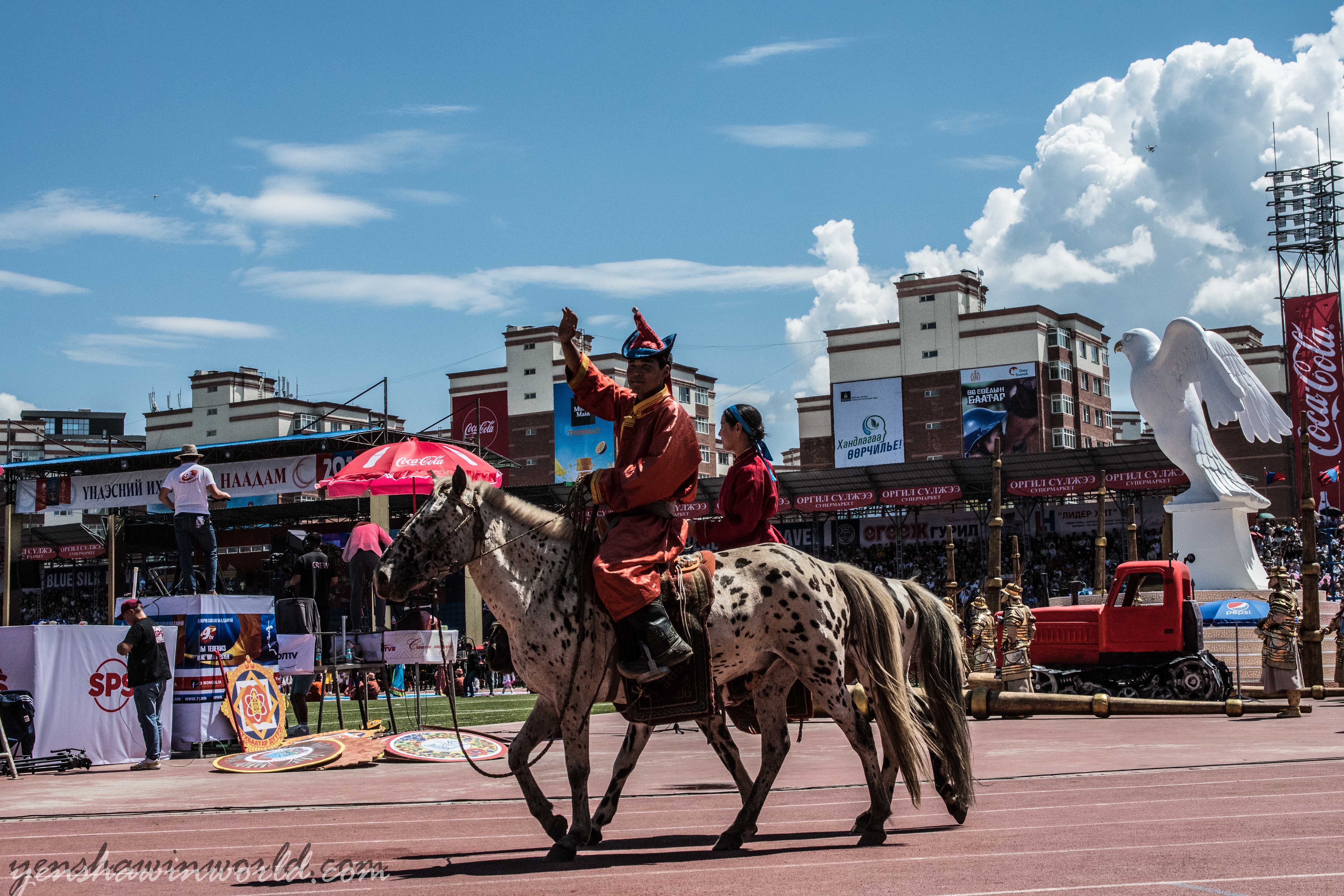
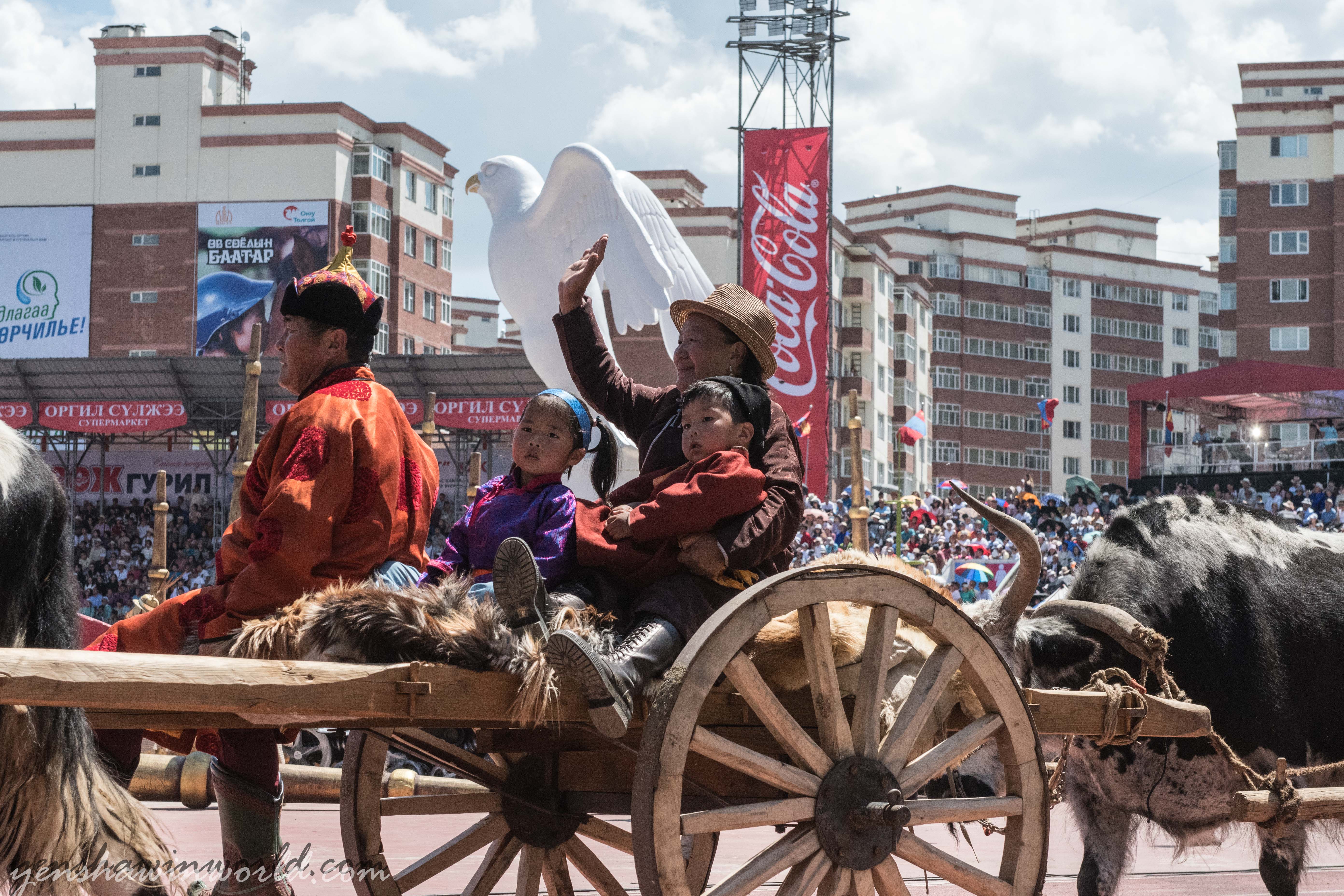
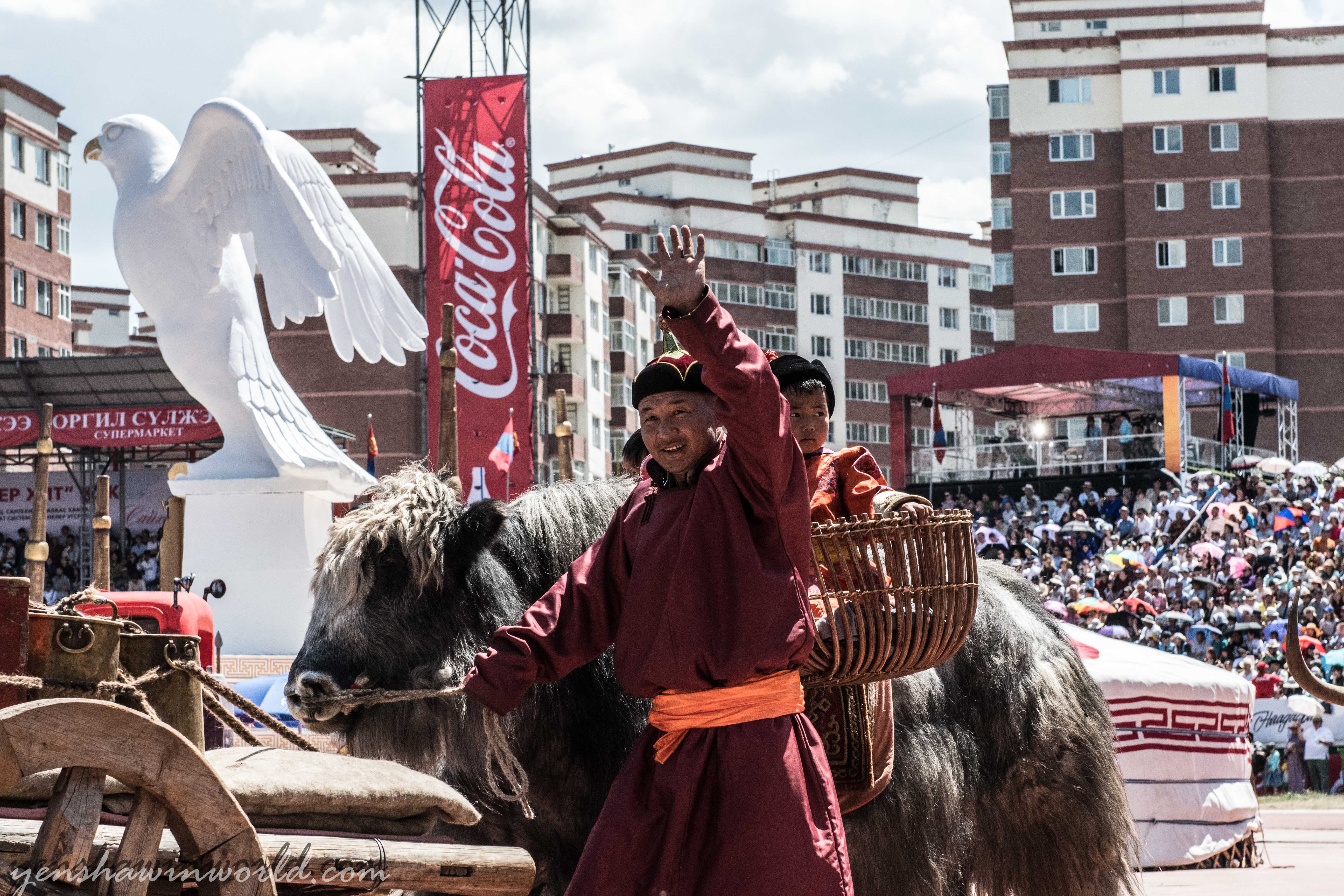
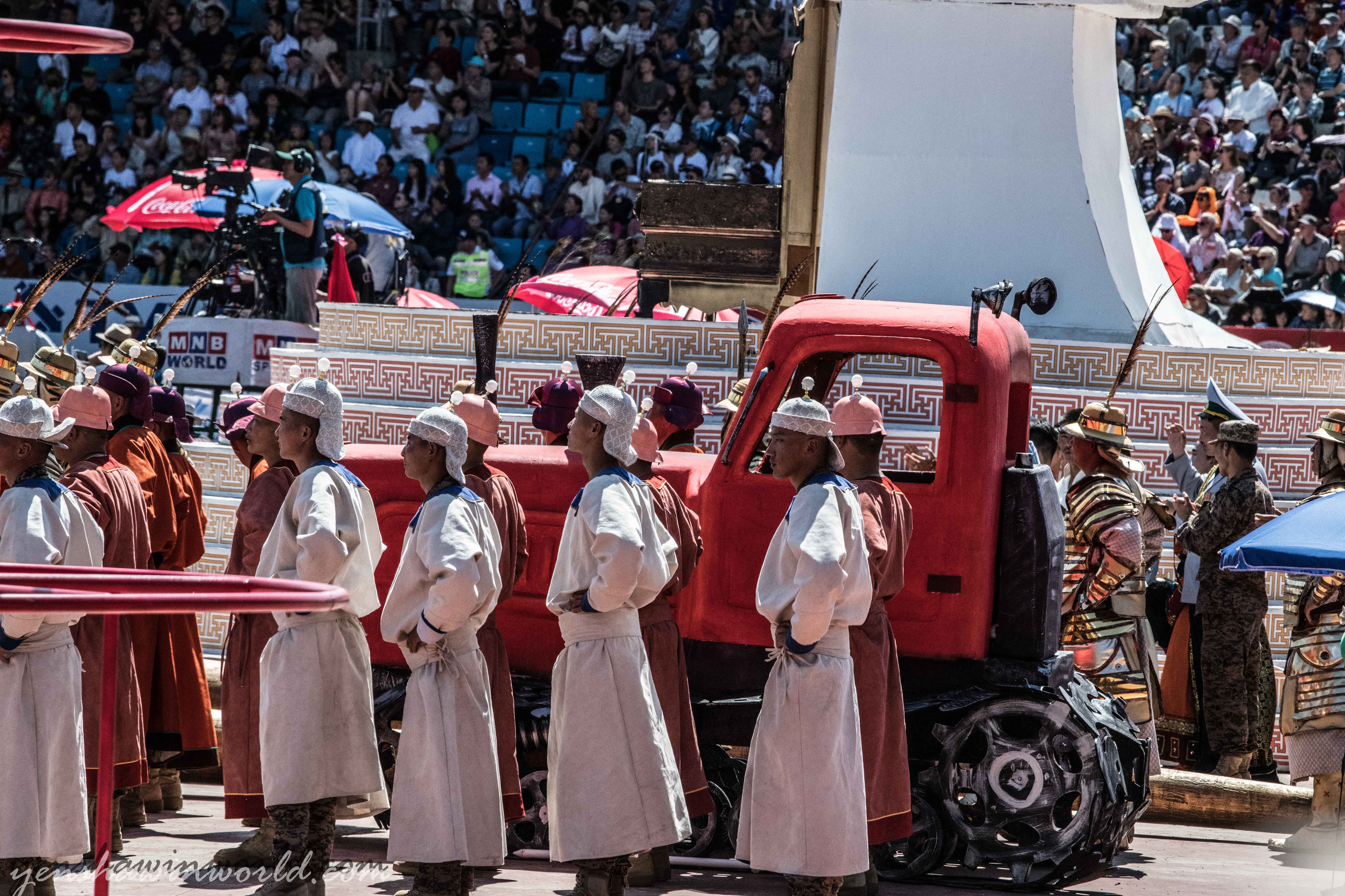
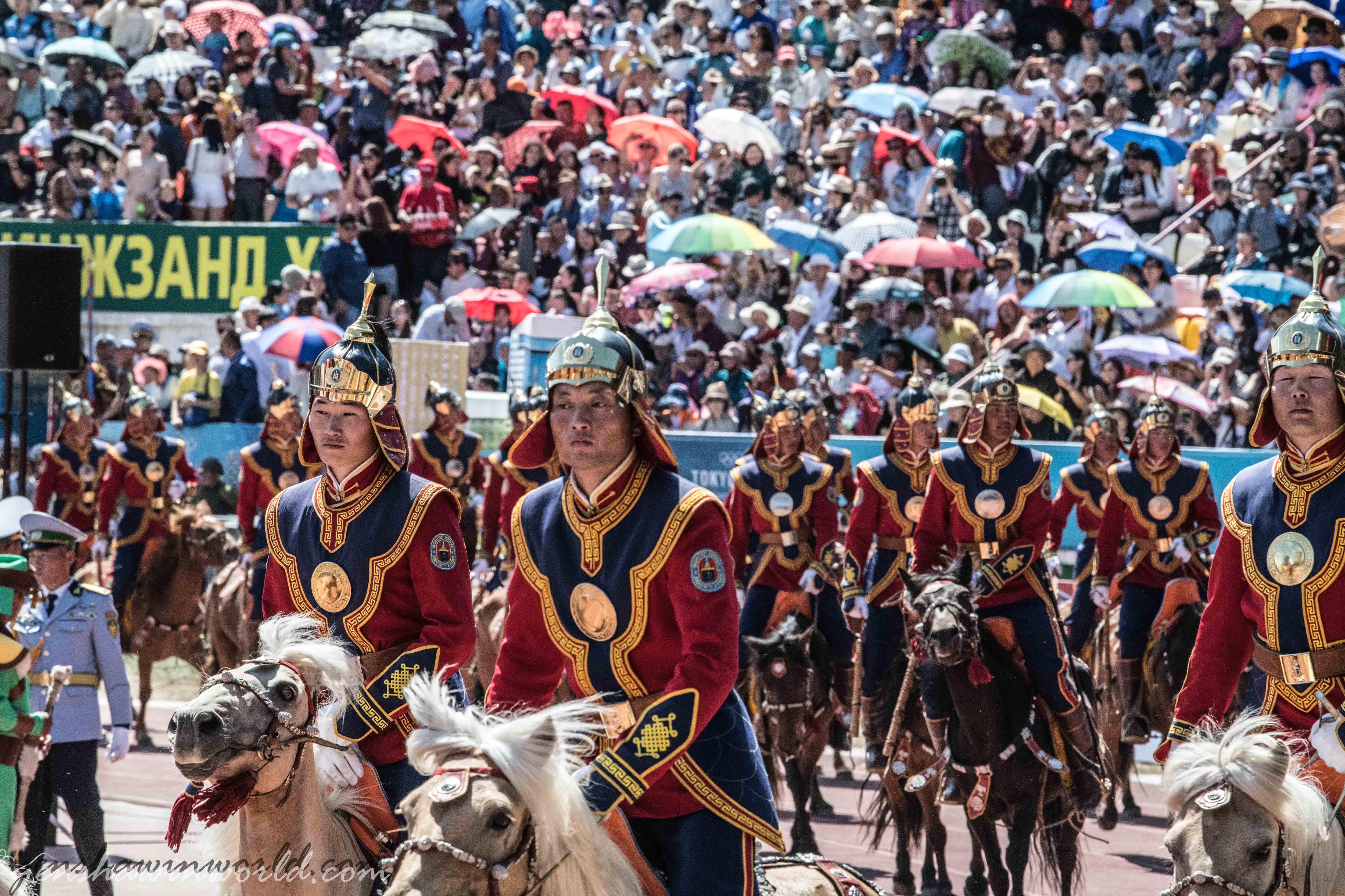
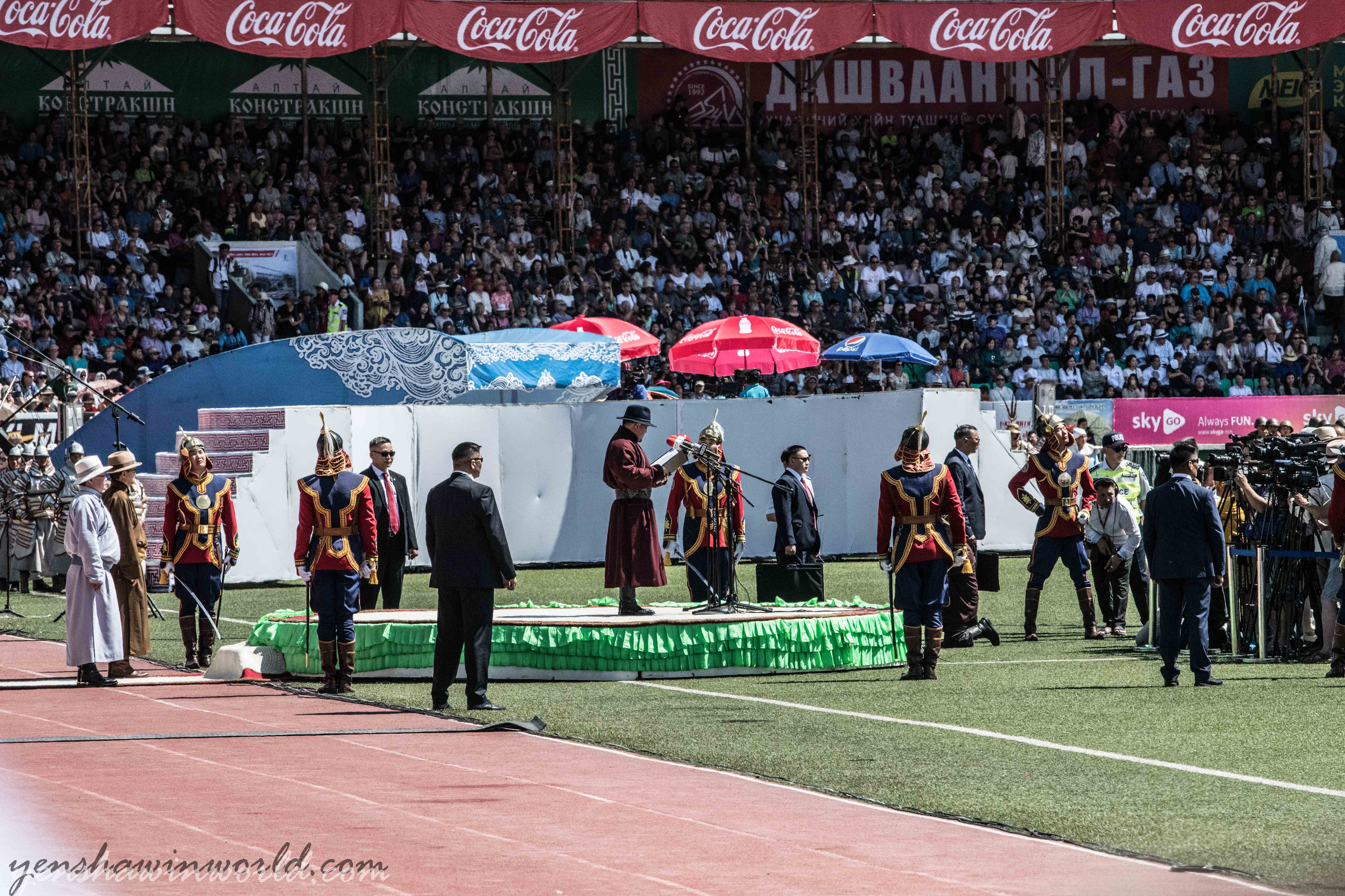
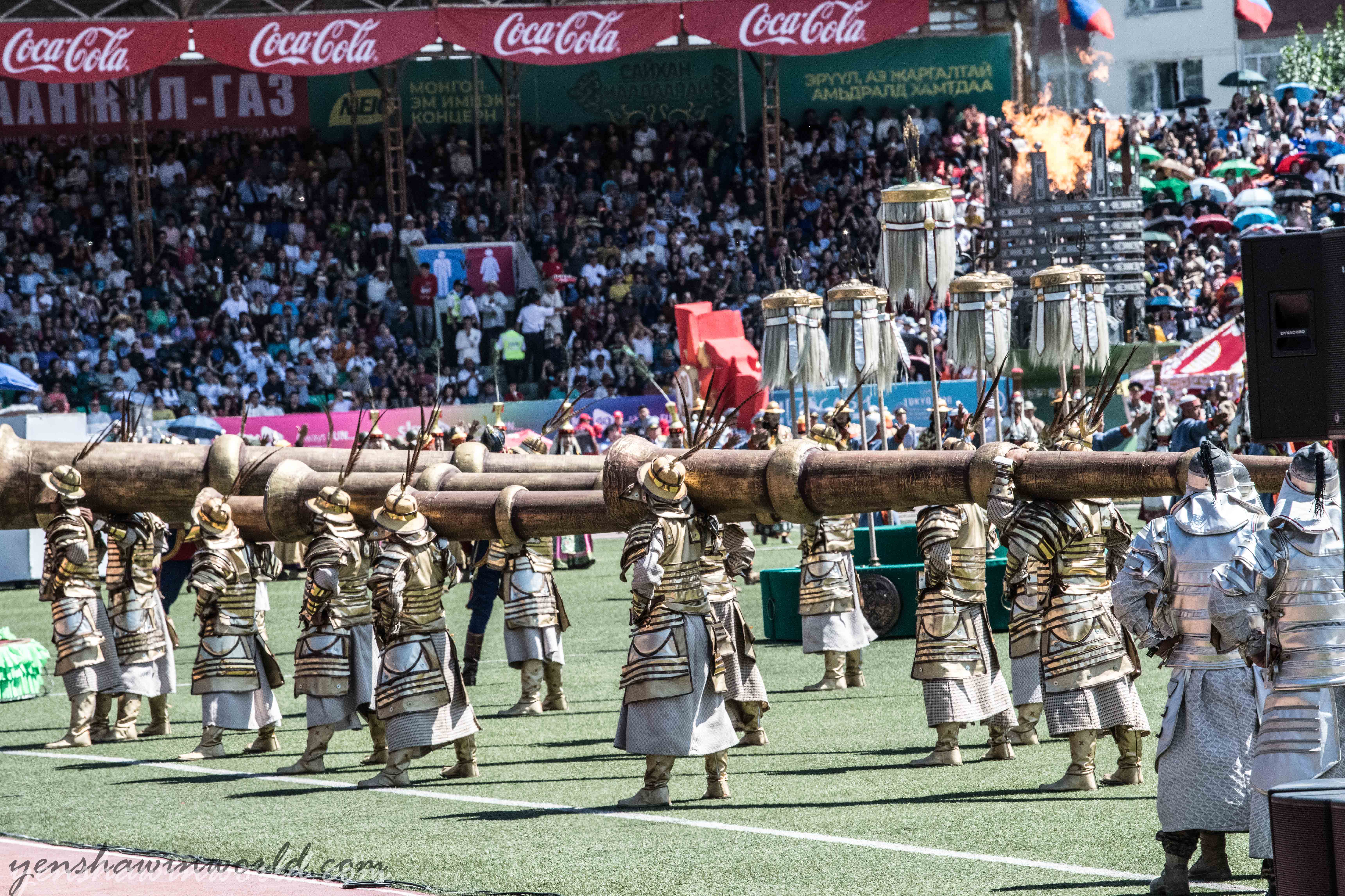
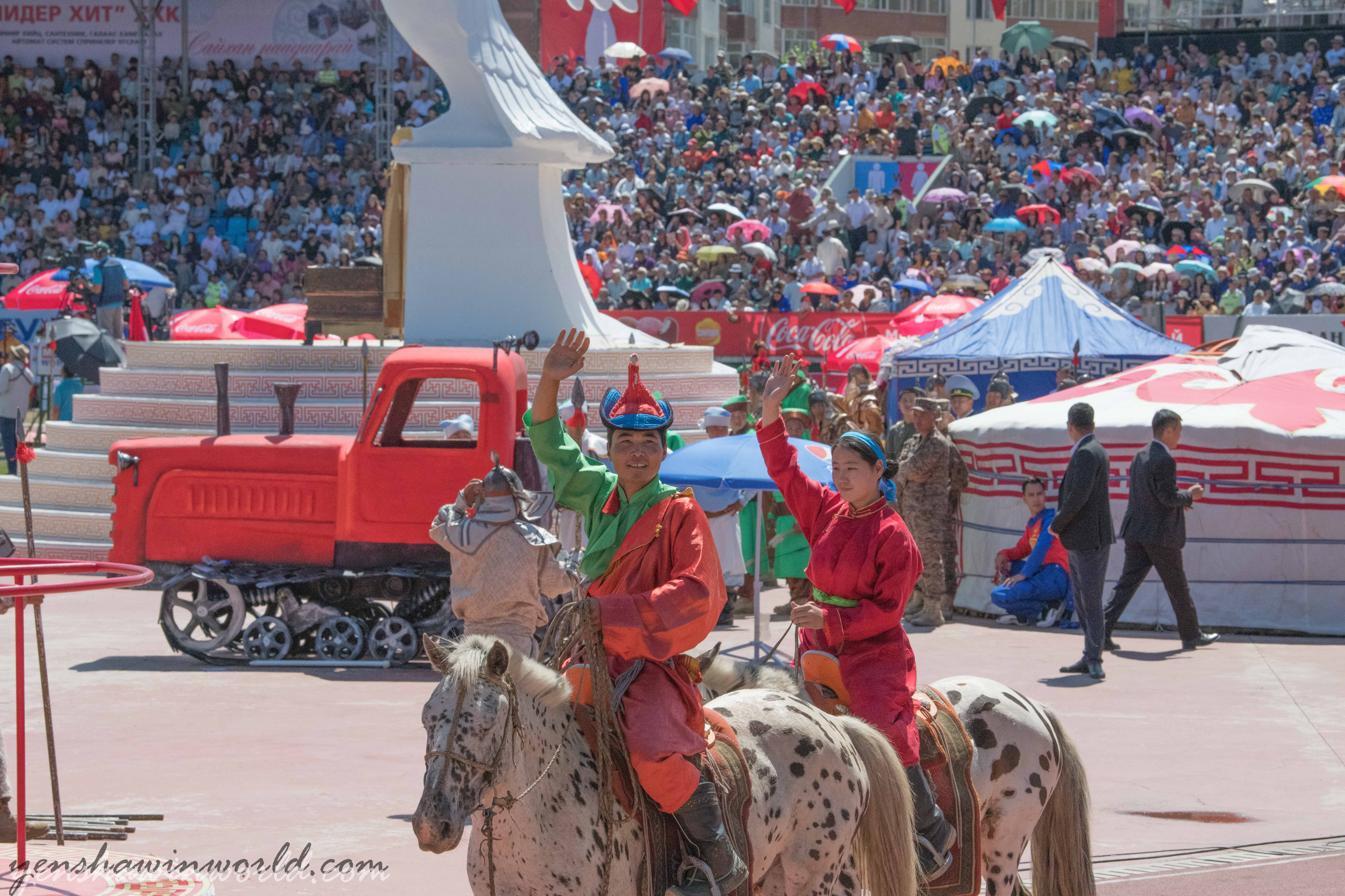
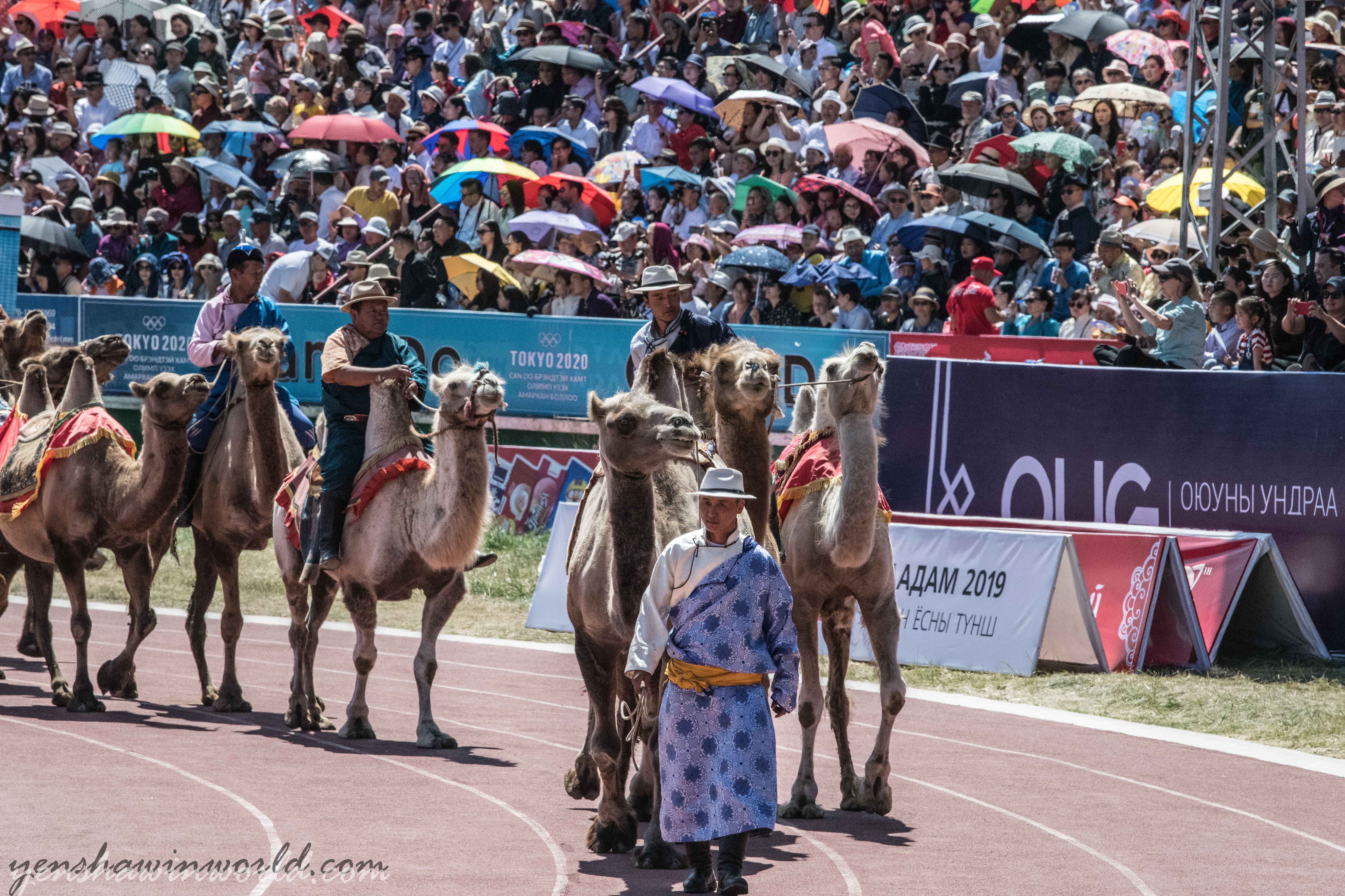
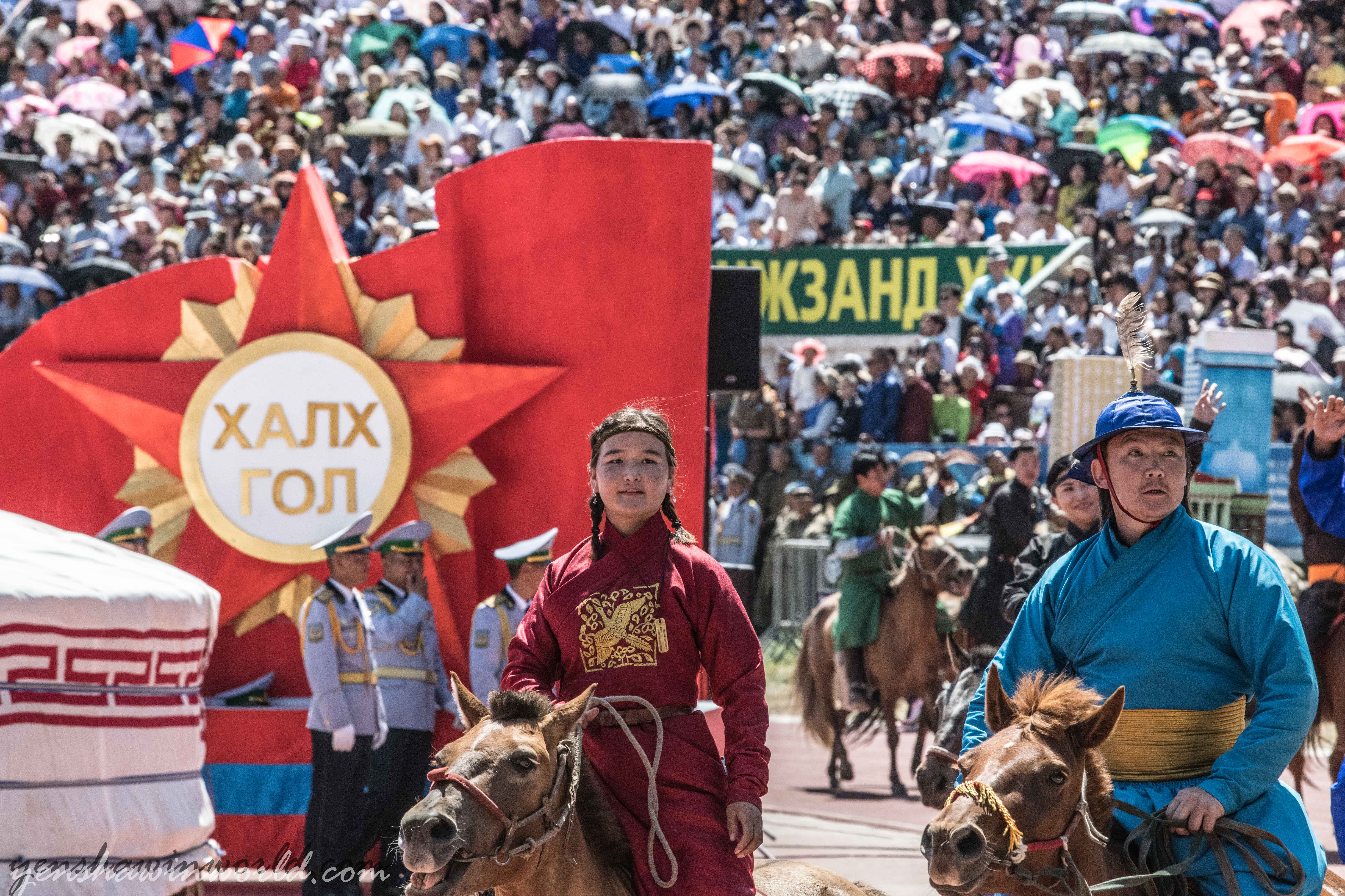
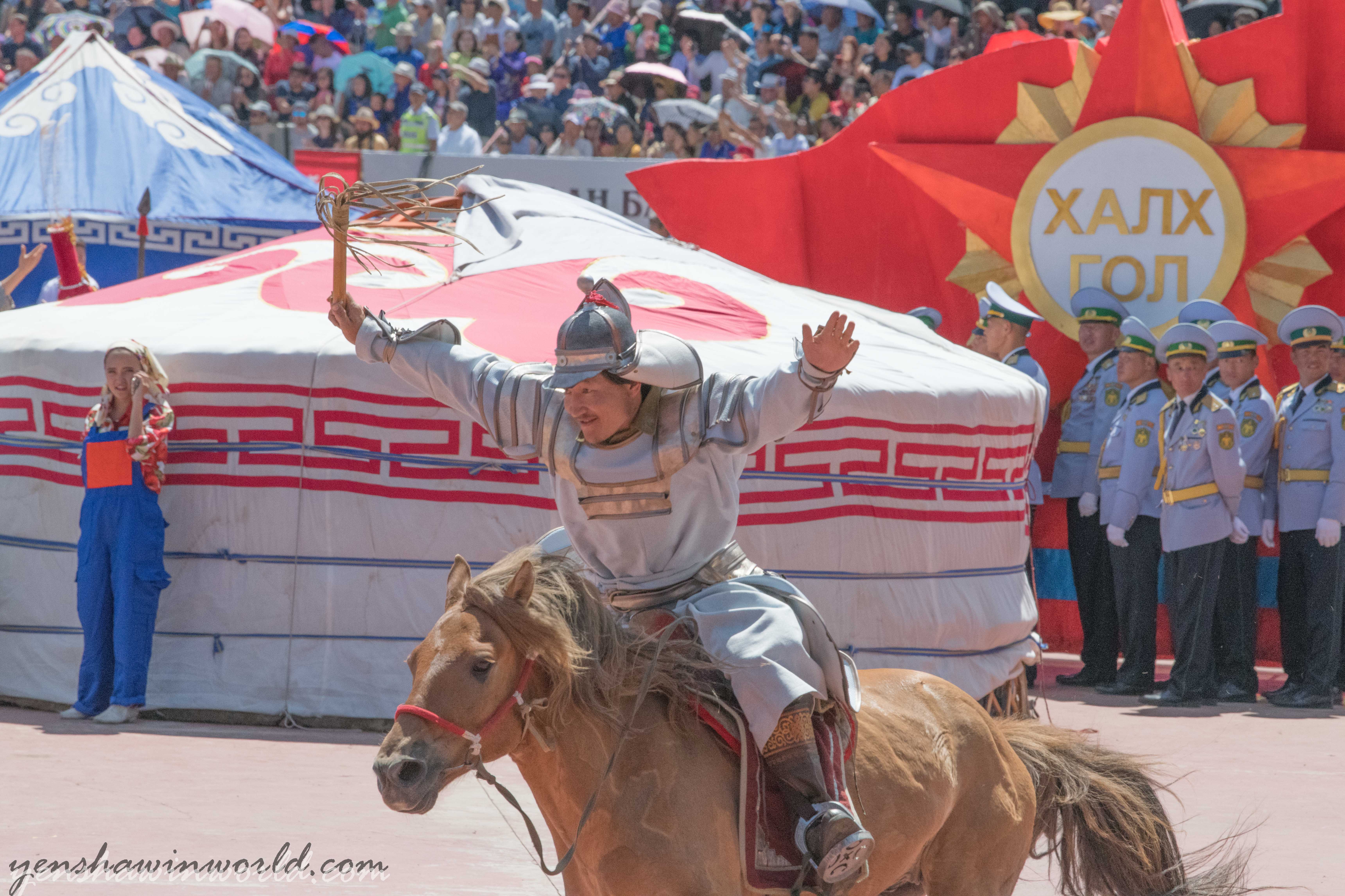
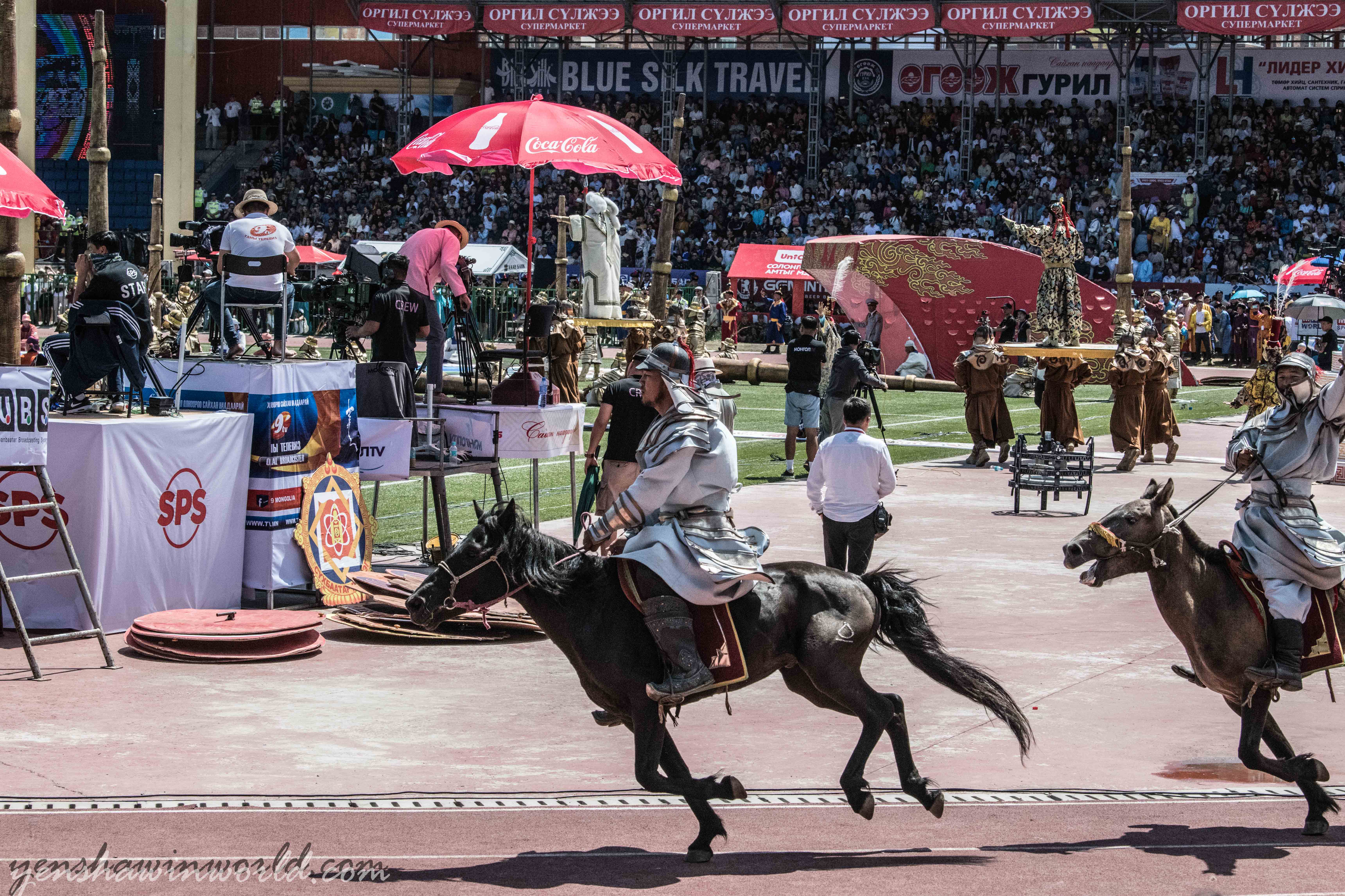
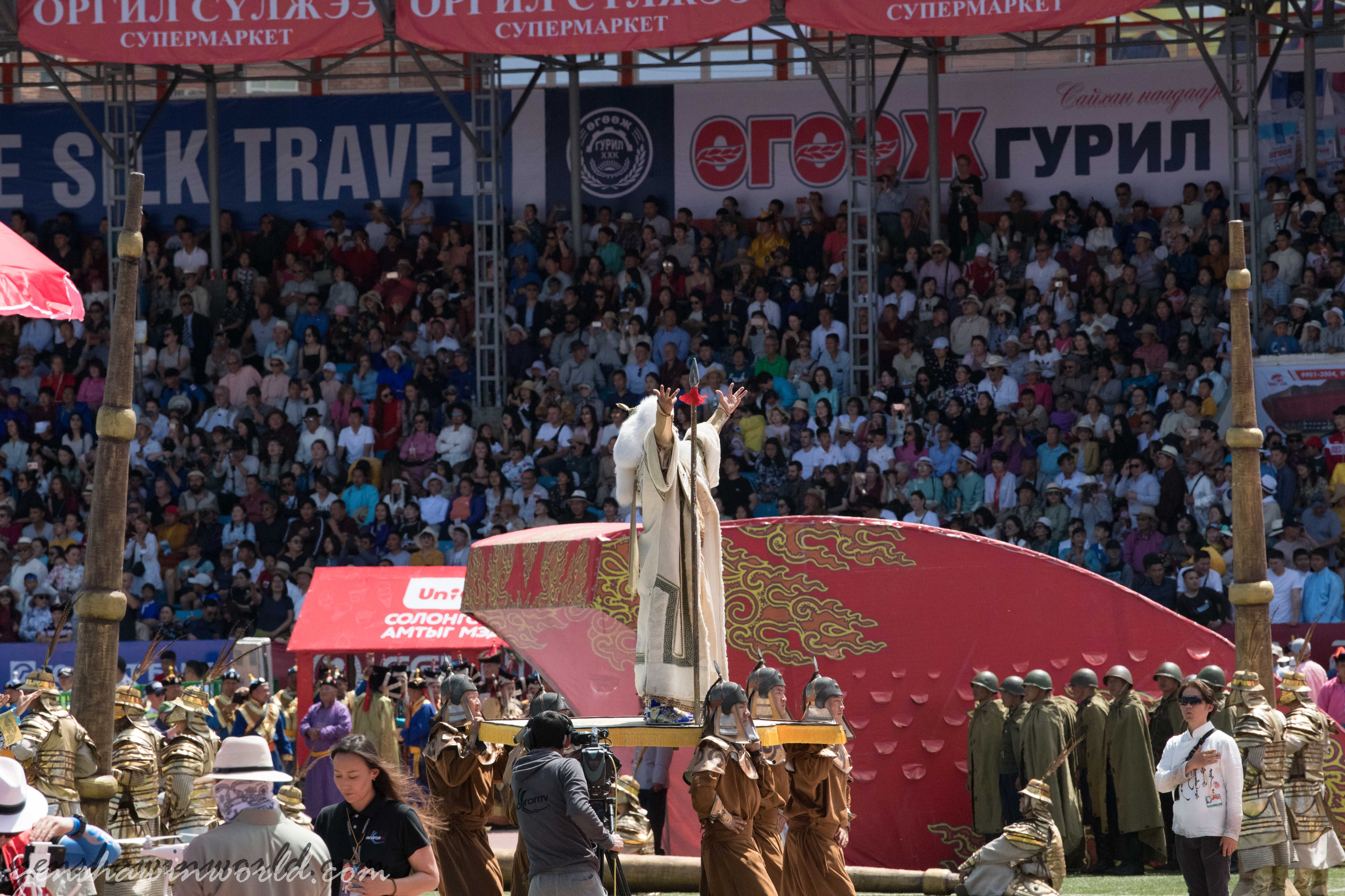
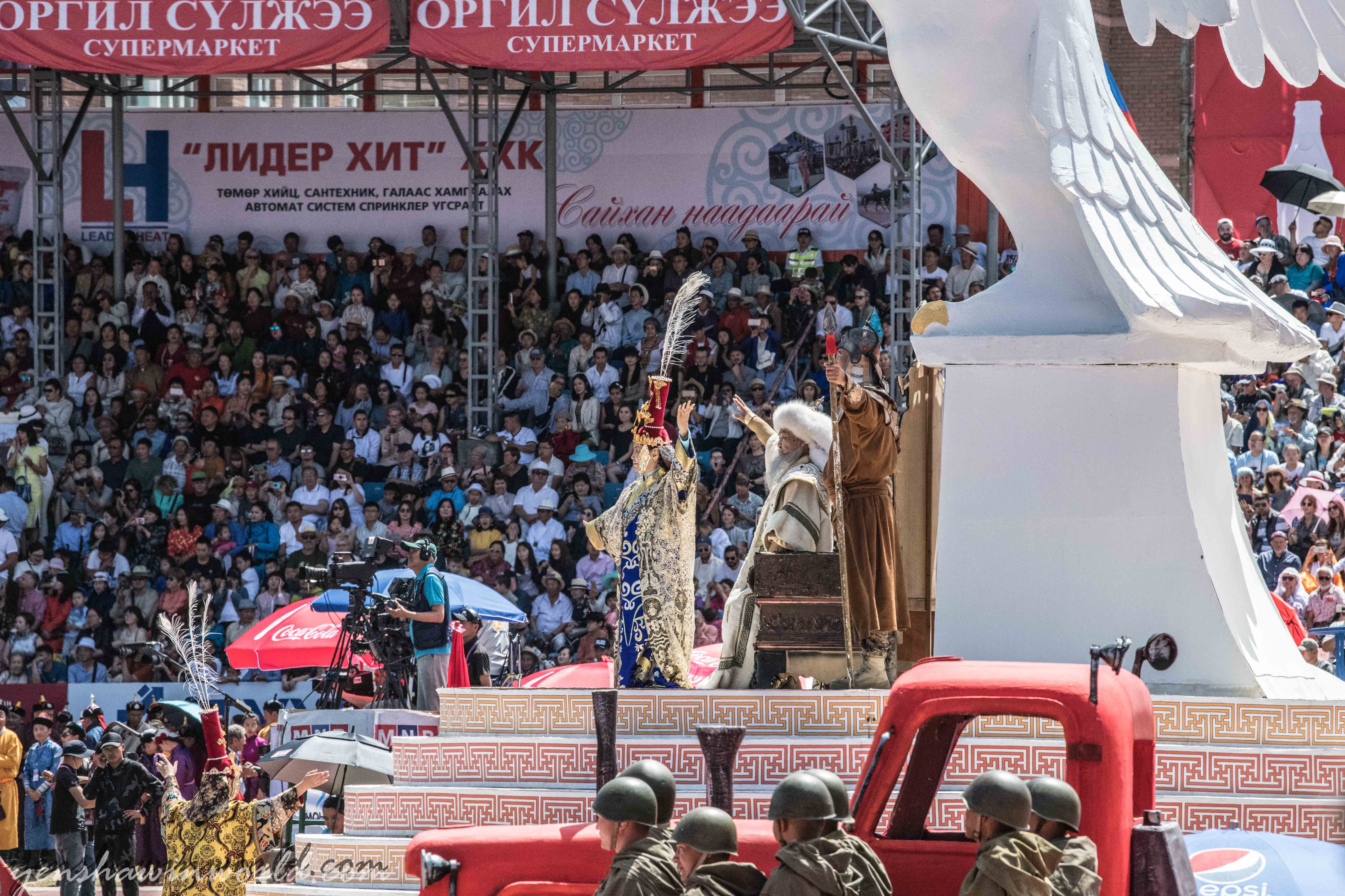
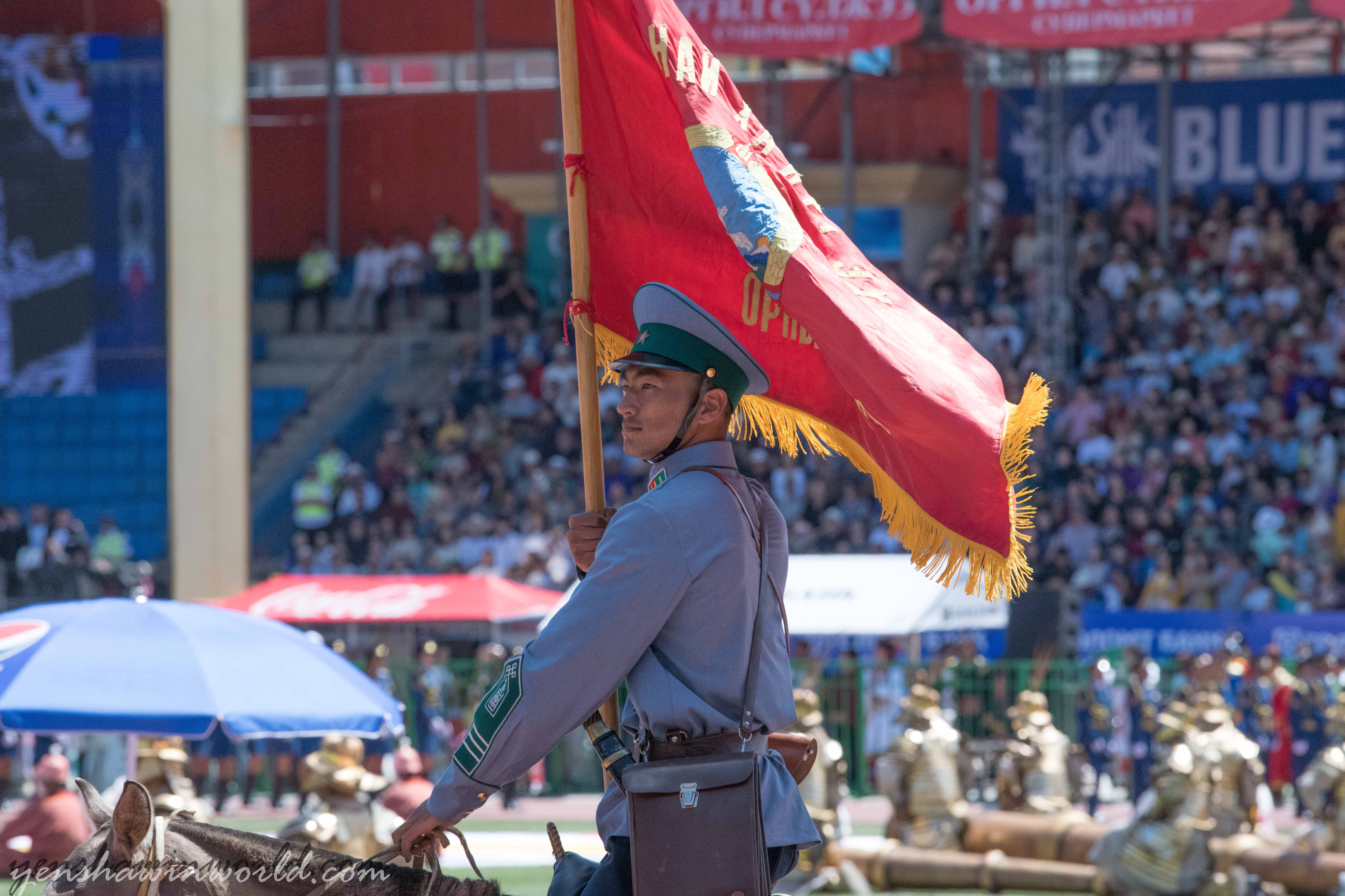
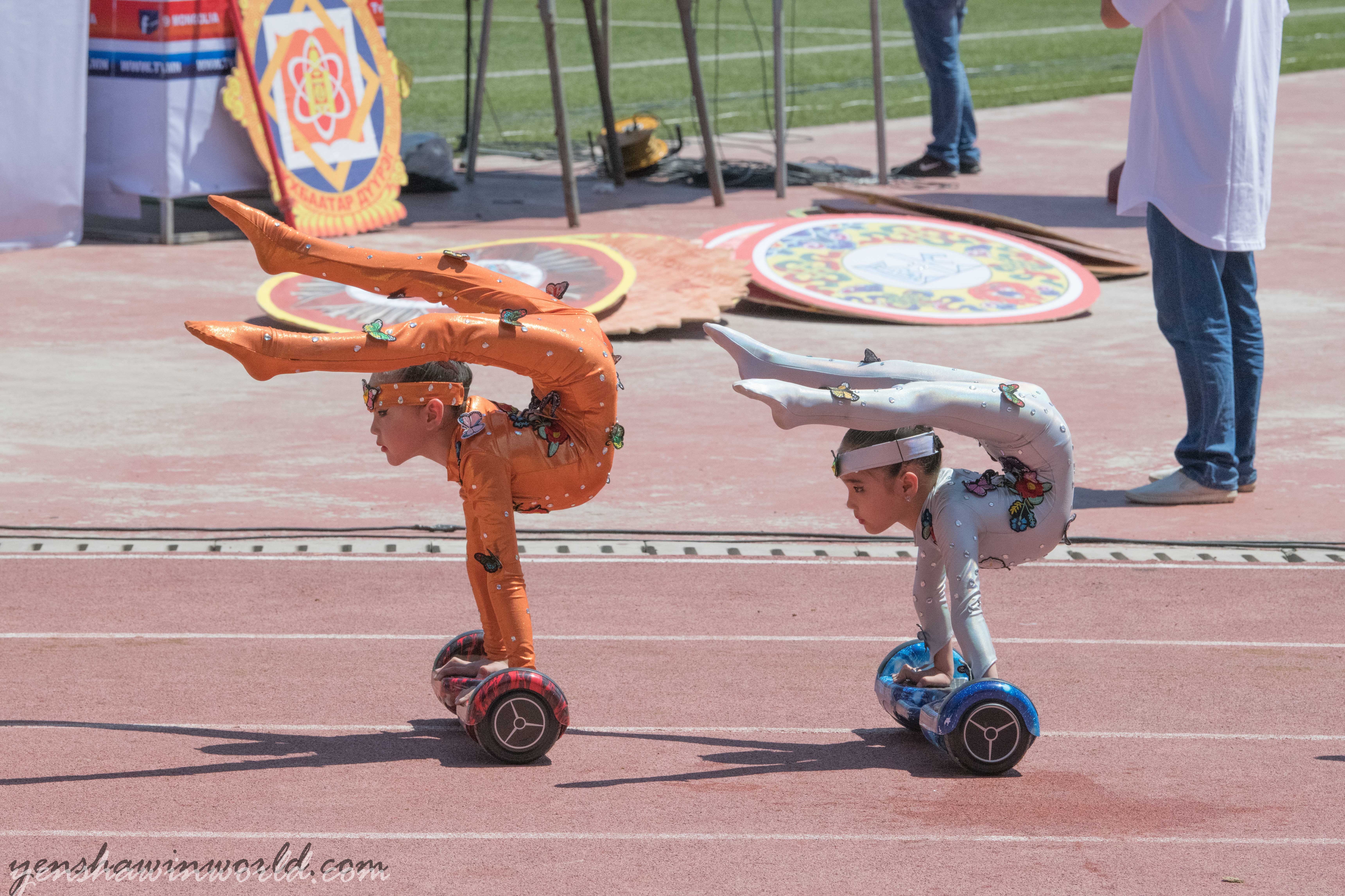
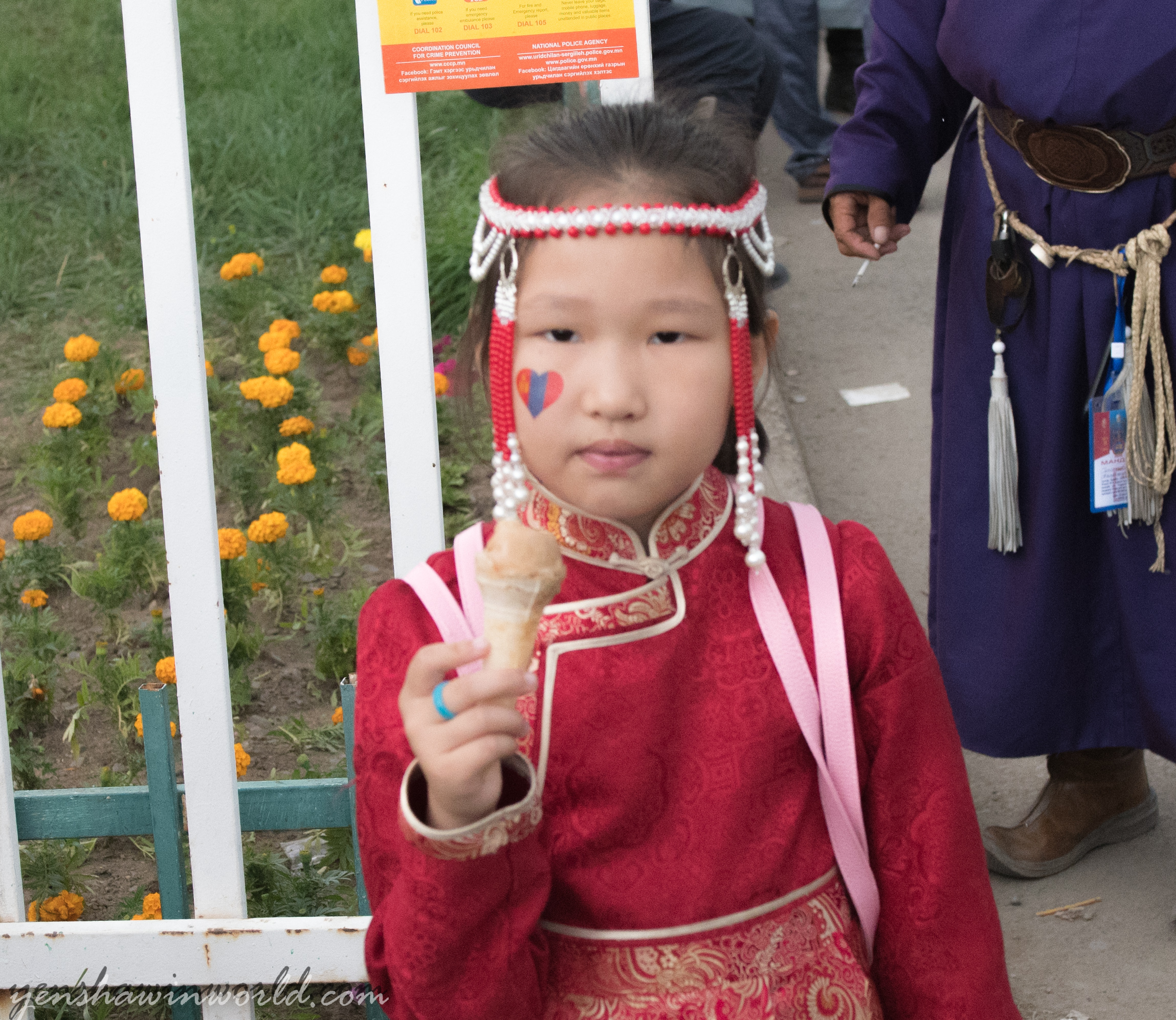
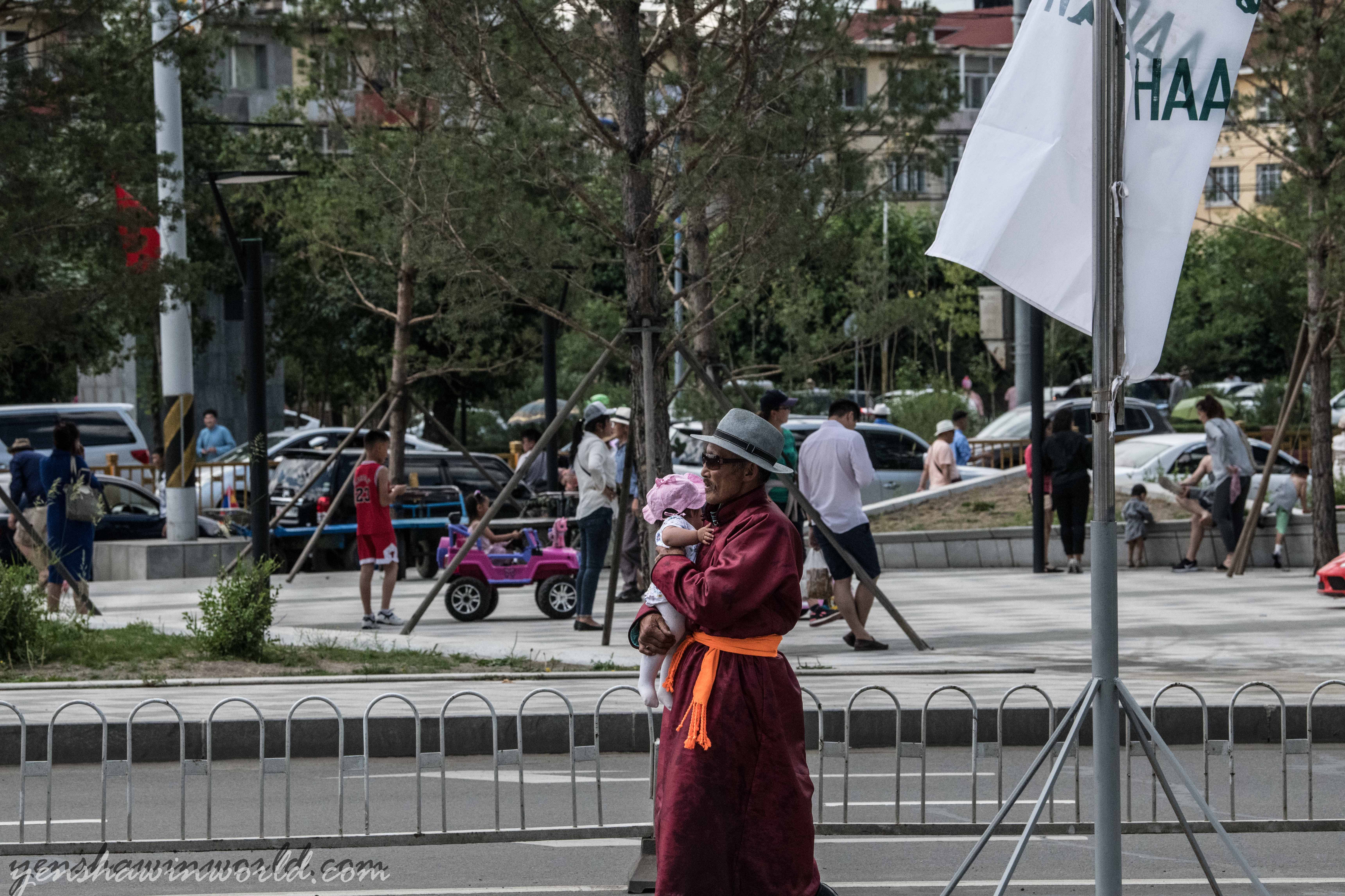
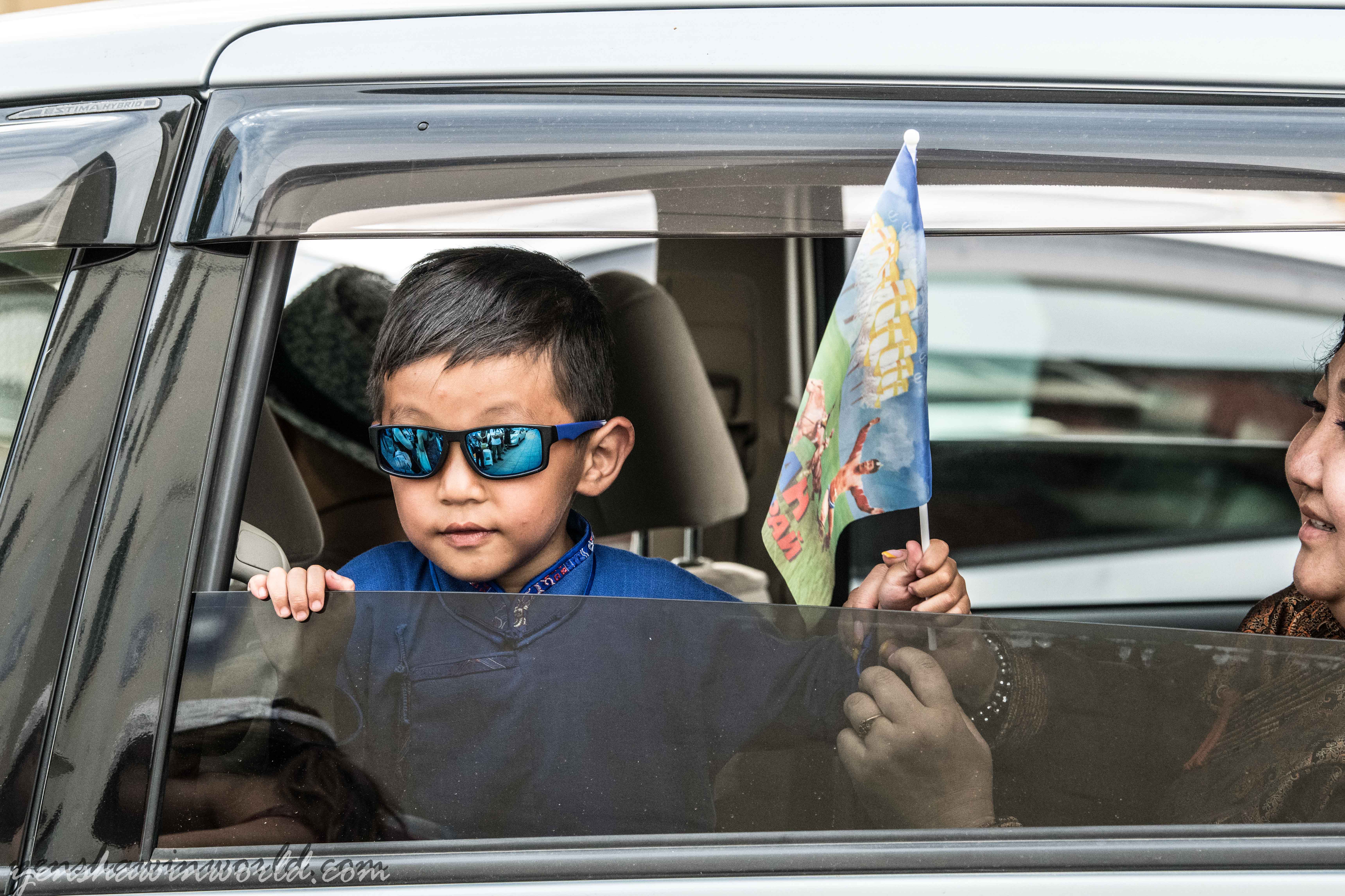
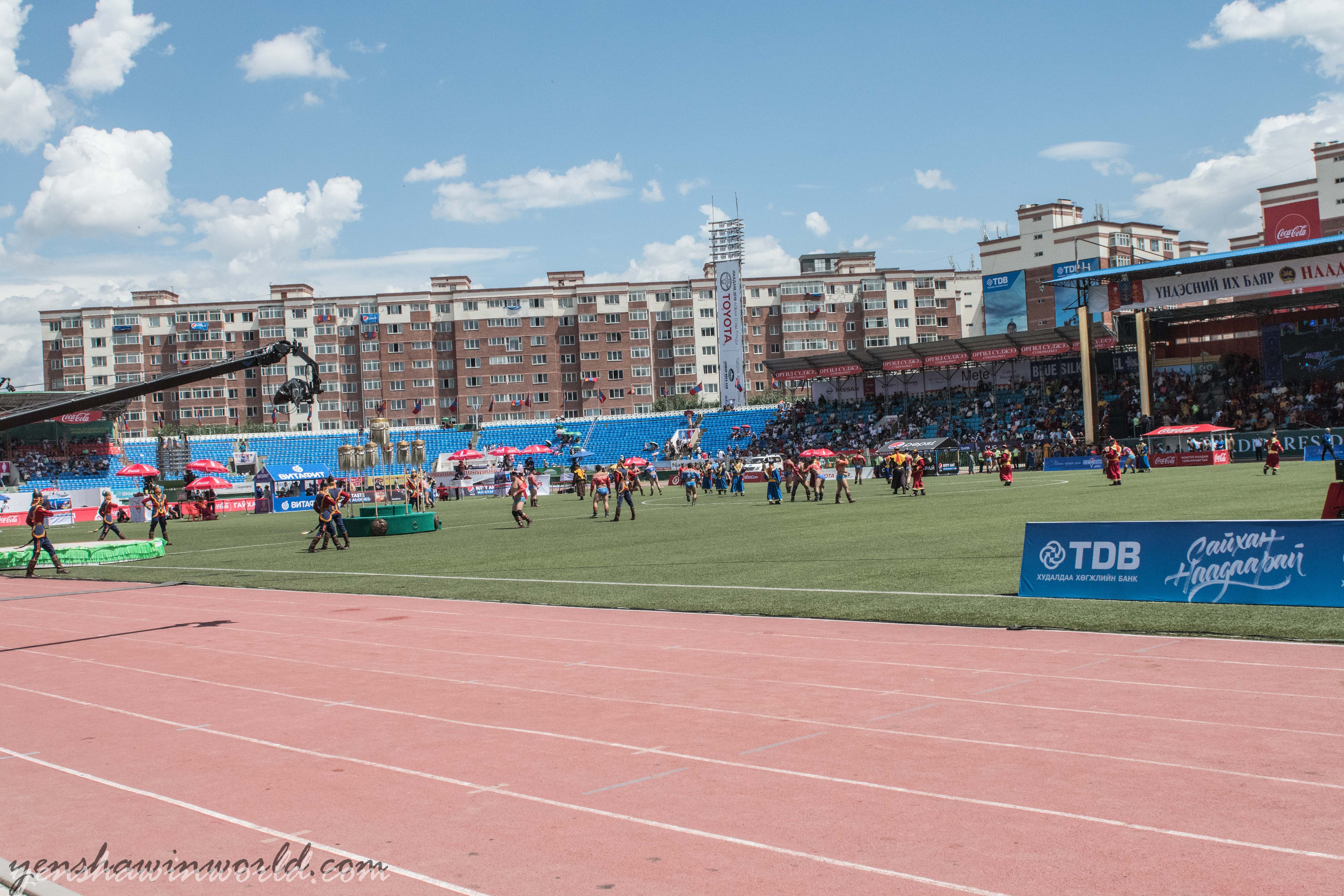
The opening ceremony of the games is typically held on July 11 in the capital UB at the main stadium downtown.  Even though everything was dictated in Mongolian, you can tell that the 1 hour and 30 minute ceremony went through their history from the Mongols sweeping across the lands, to the unification of Mongolia, to Communist times, to the current democratic rule.  They used people of all ages in this ceremony and animals that they typically use on a daily basis in the ceremony.  Even thought it was hot out and we were on the lower deck and had some of our view obstructed, I was watching it with great enthusiasm at all time.  The pictures below (though not all of them) tell a wonderful story of this great country….


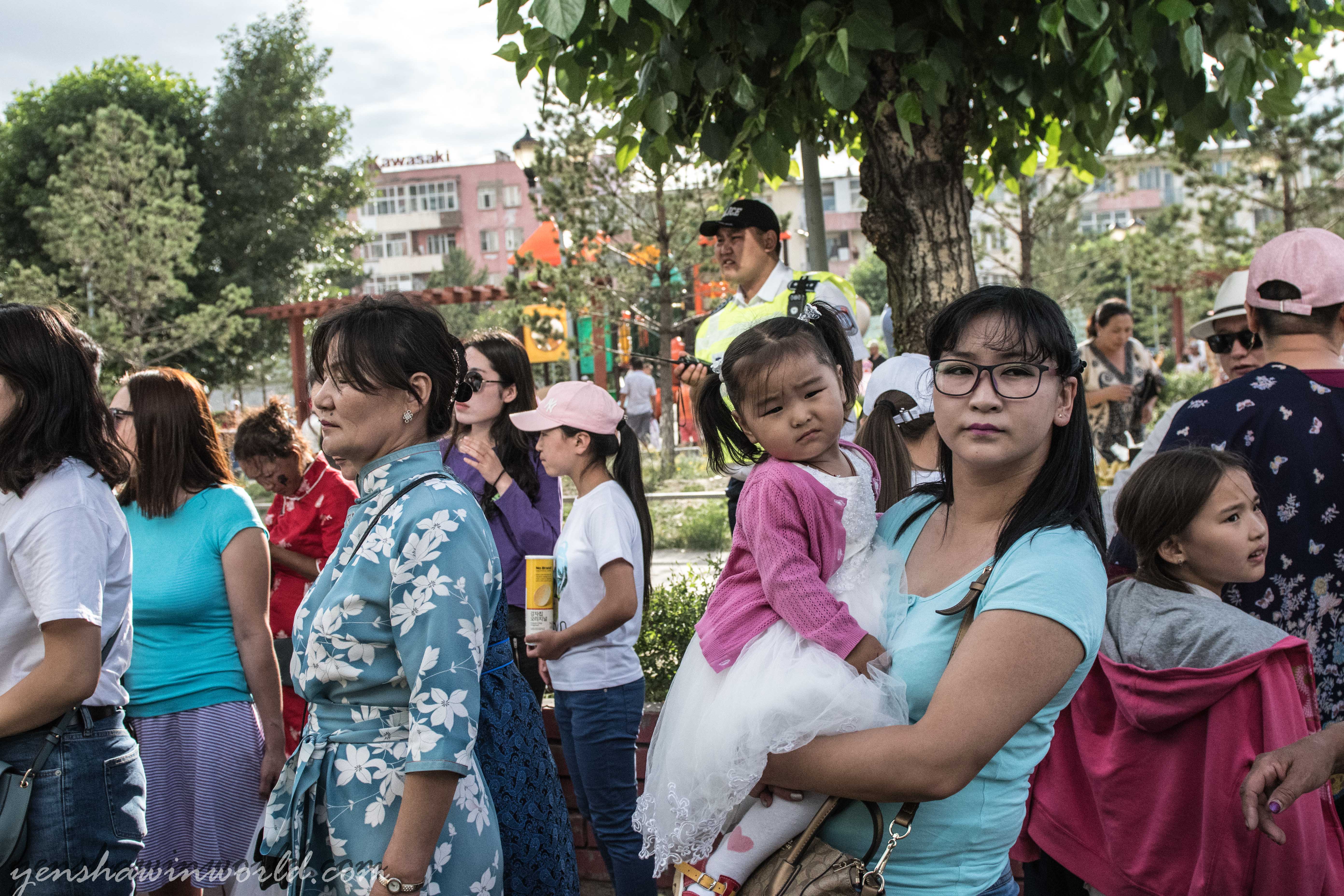
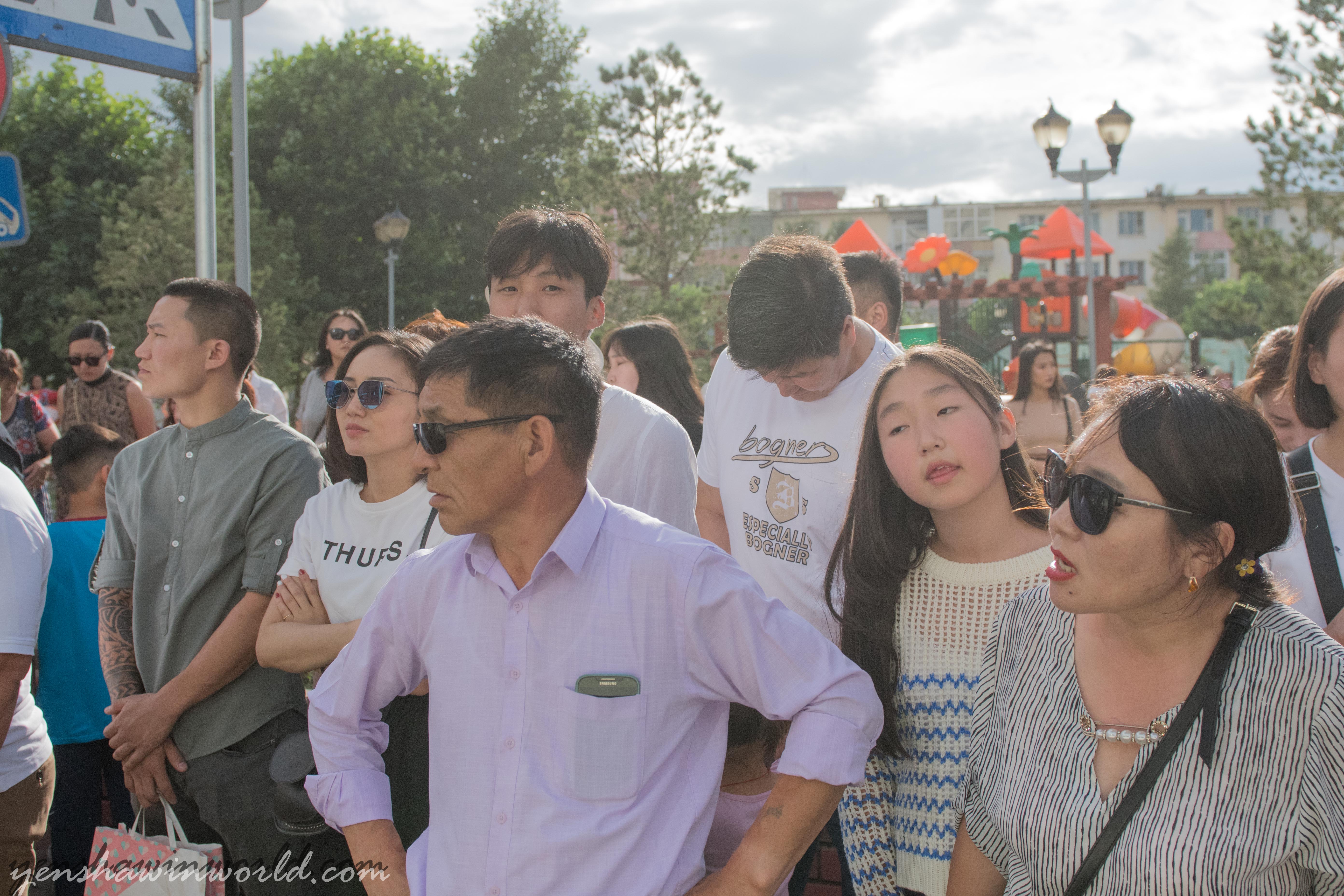
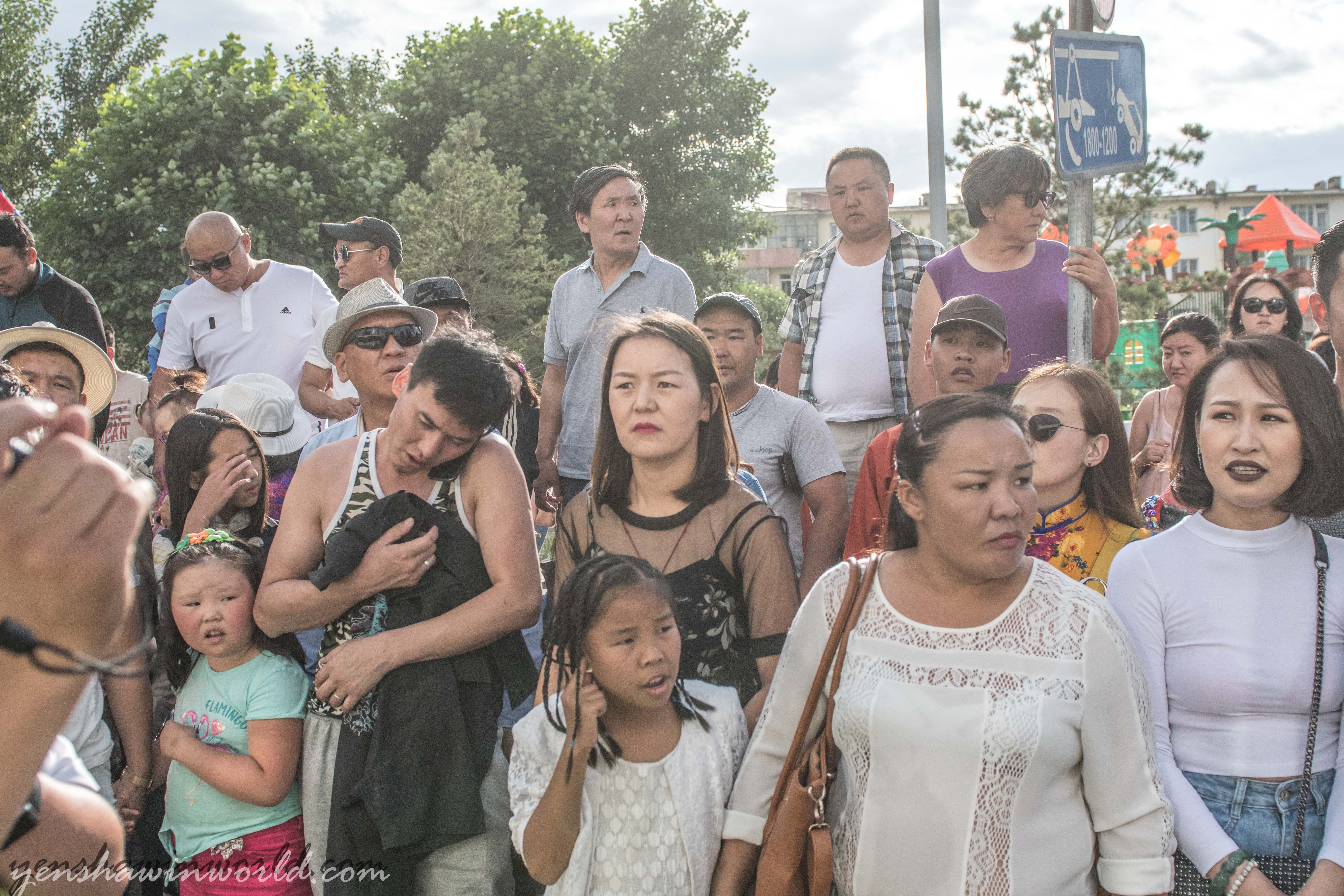
The mobs of people that came there from all ages were enthusiastic and ready to cheer on their great heritage:

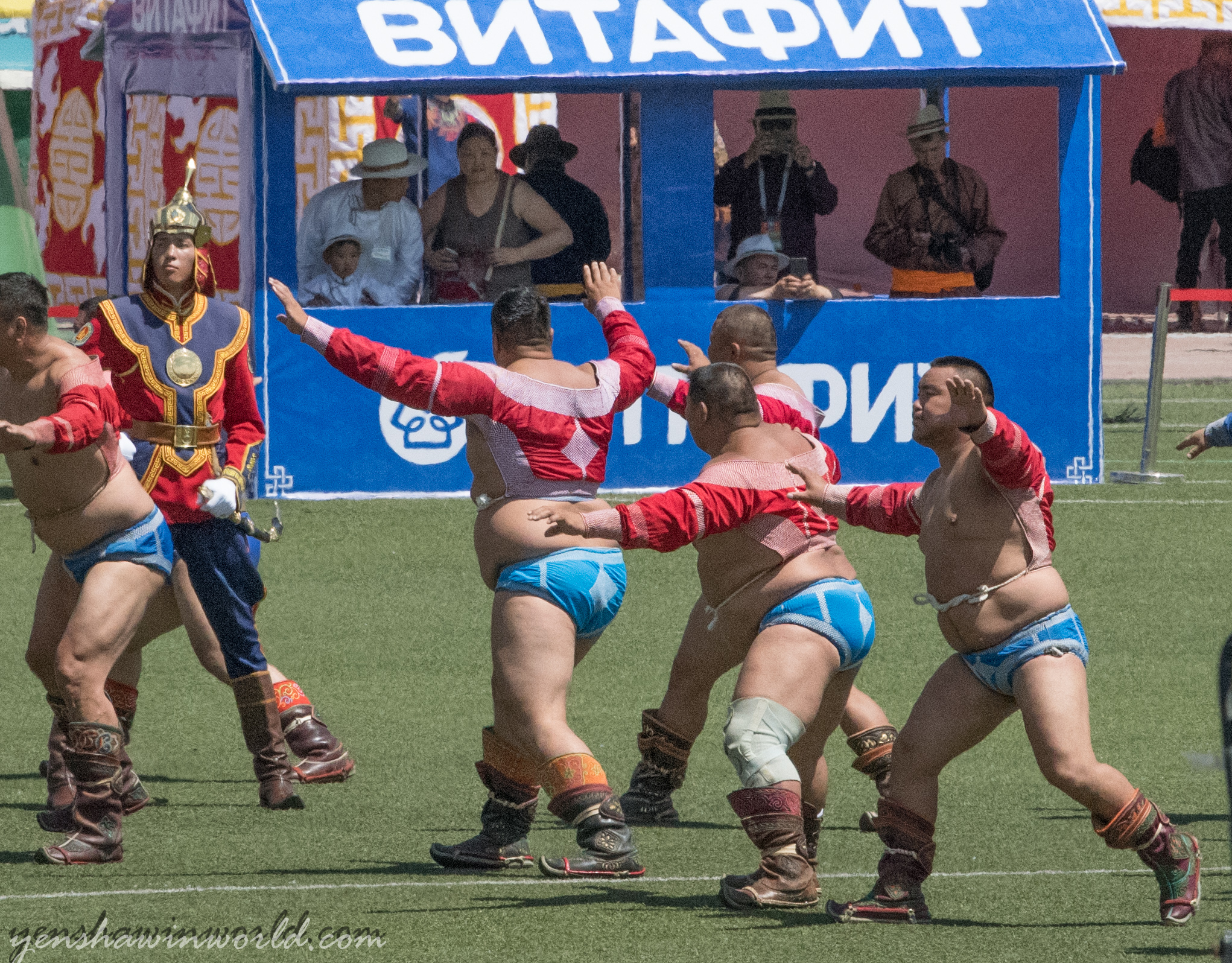
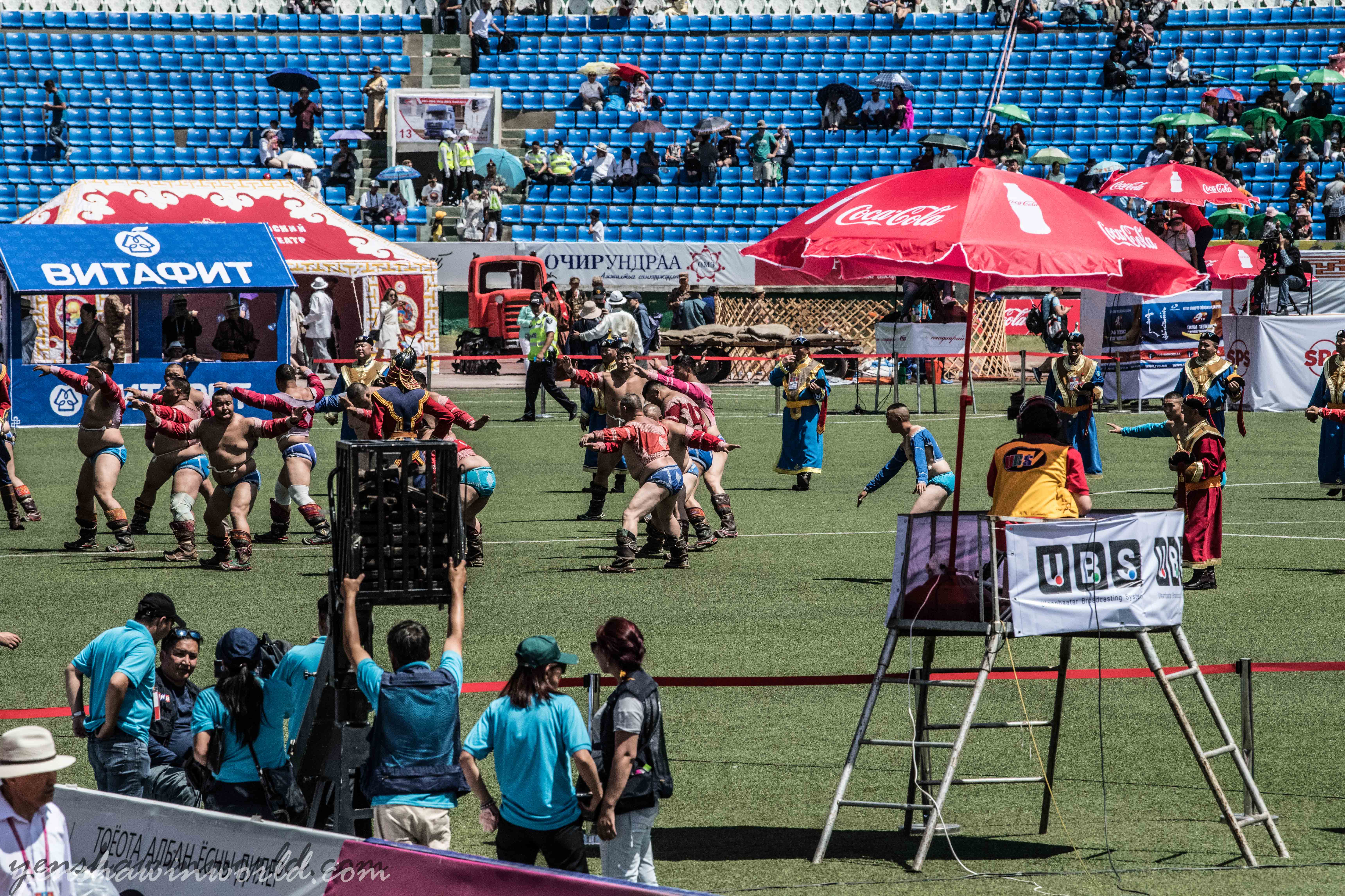
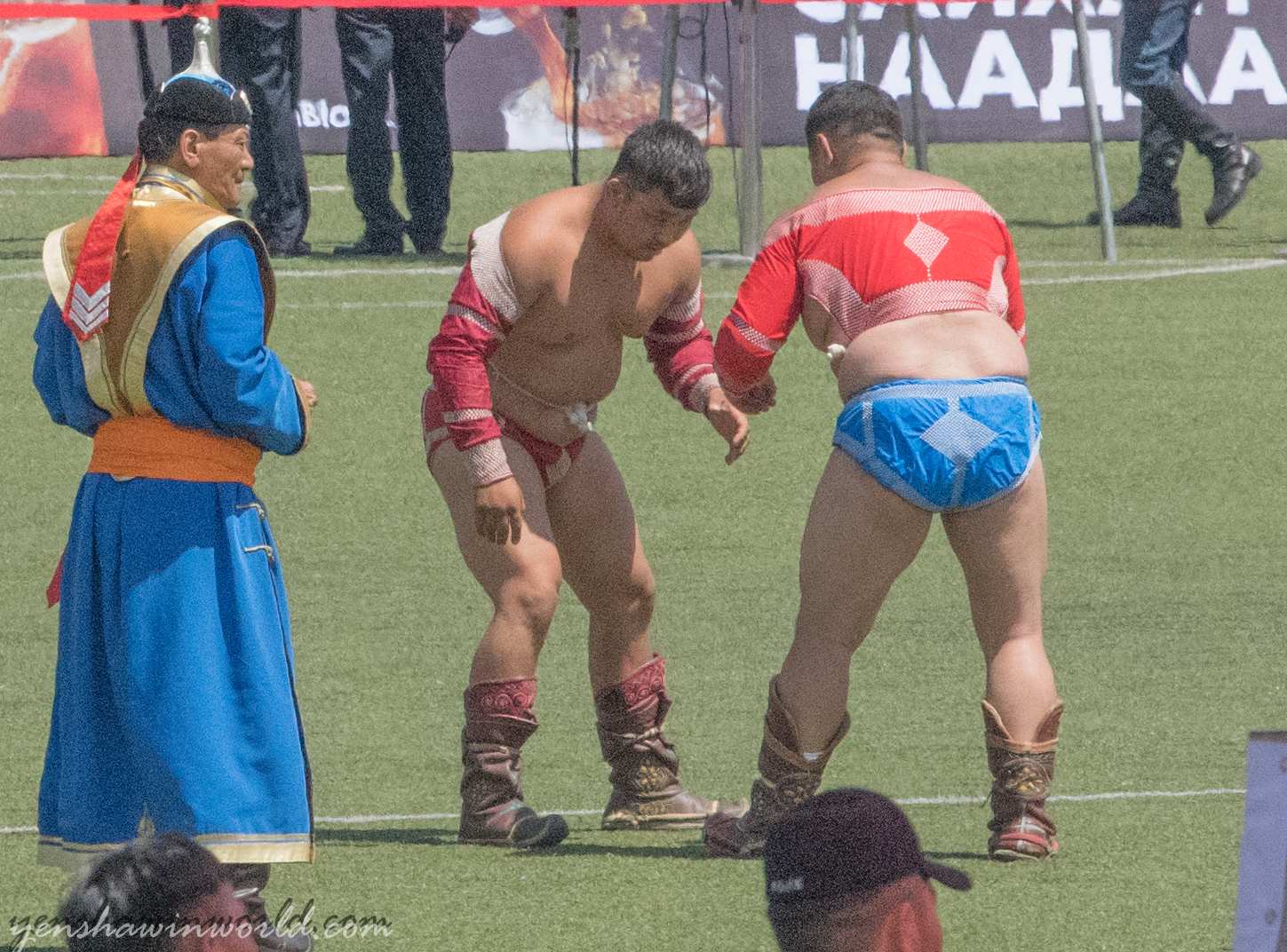
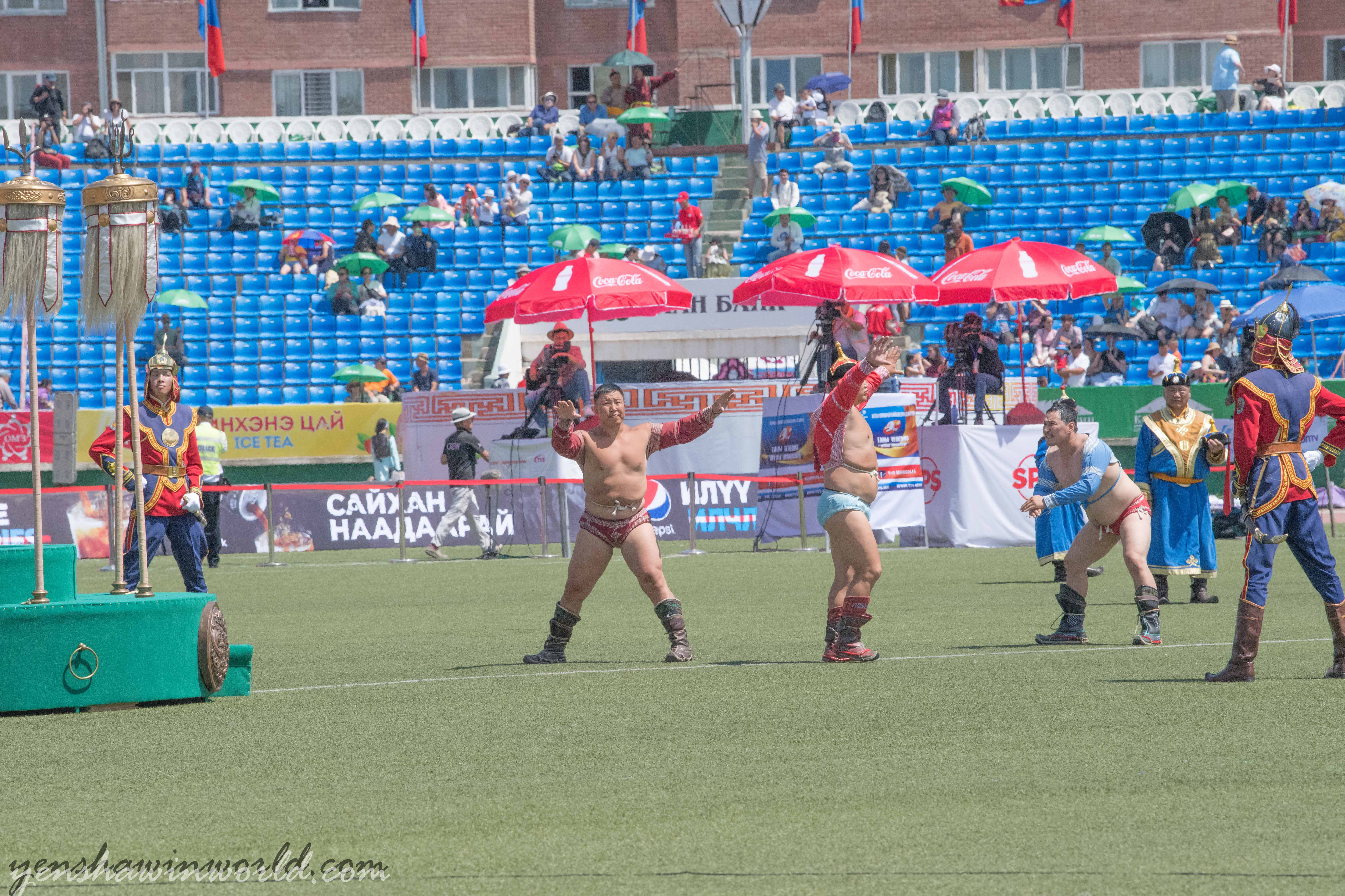
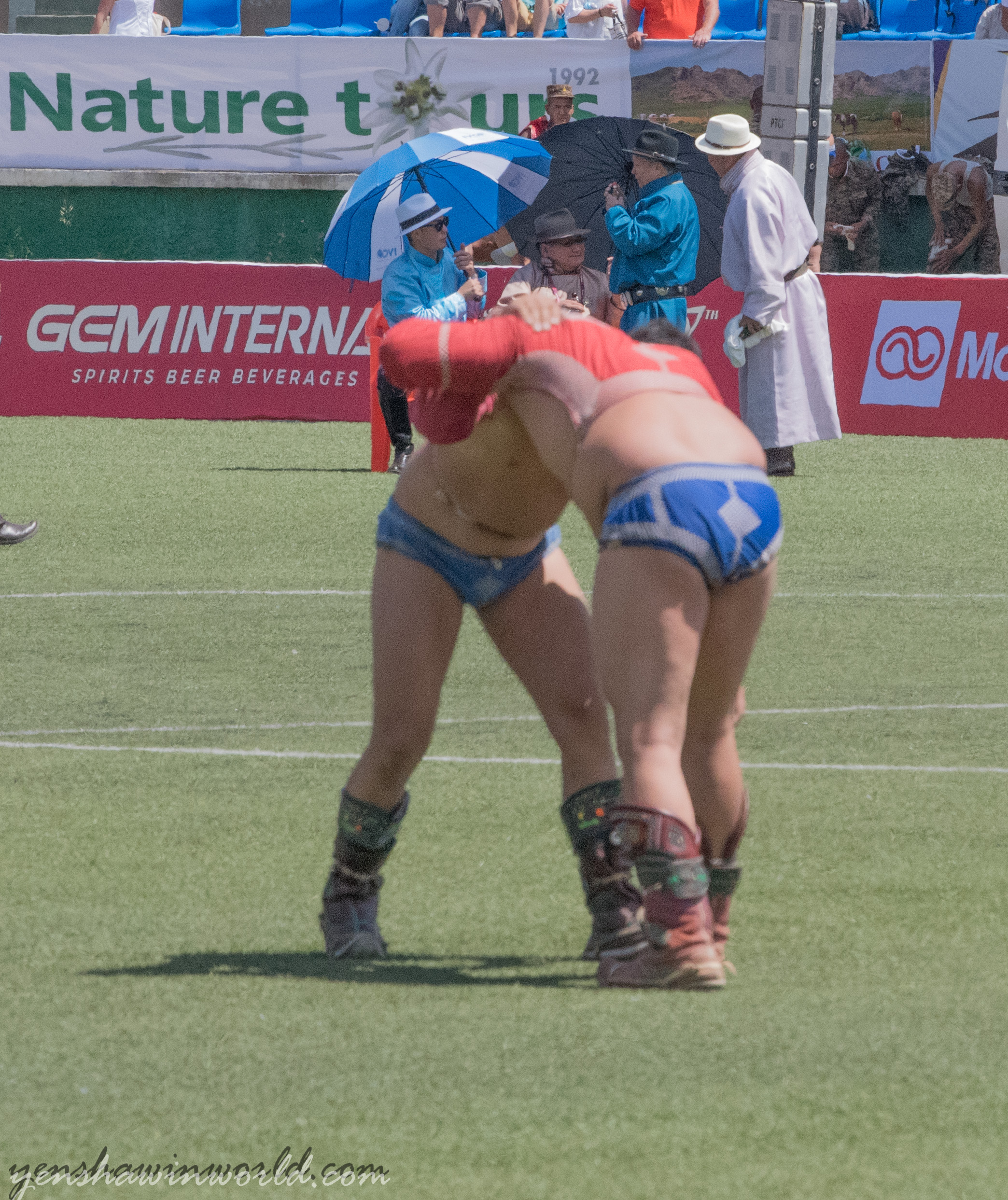
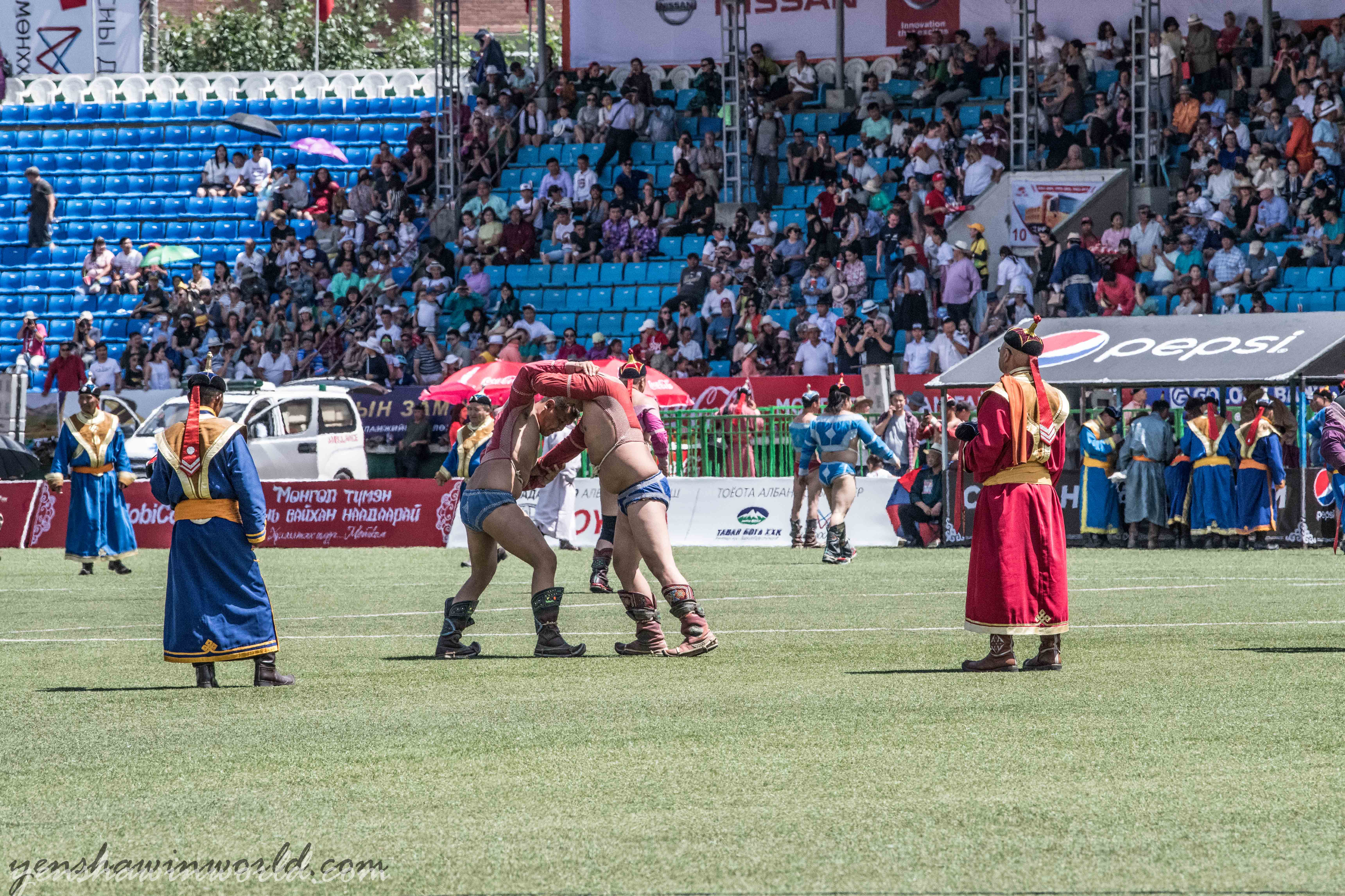
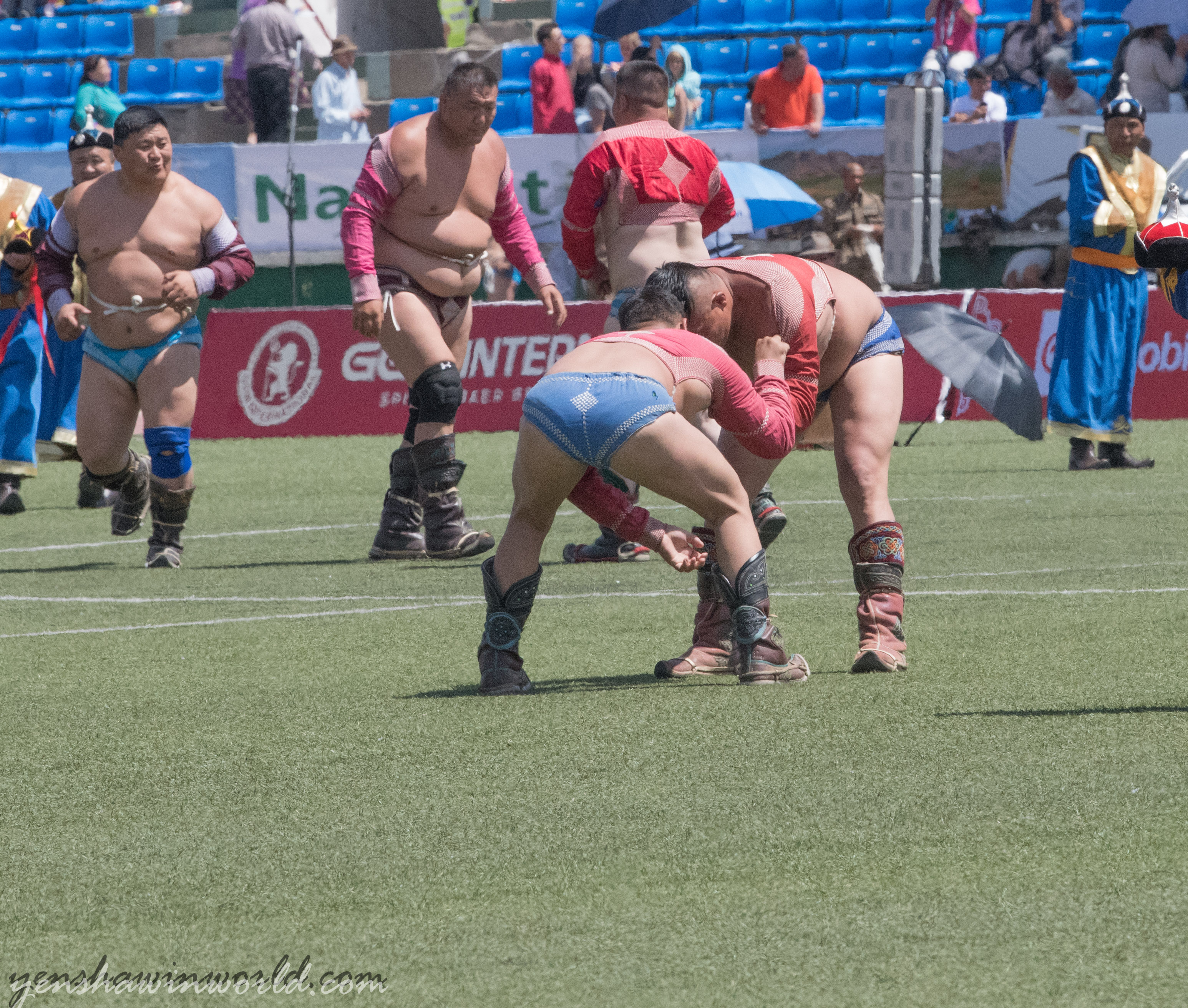
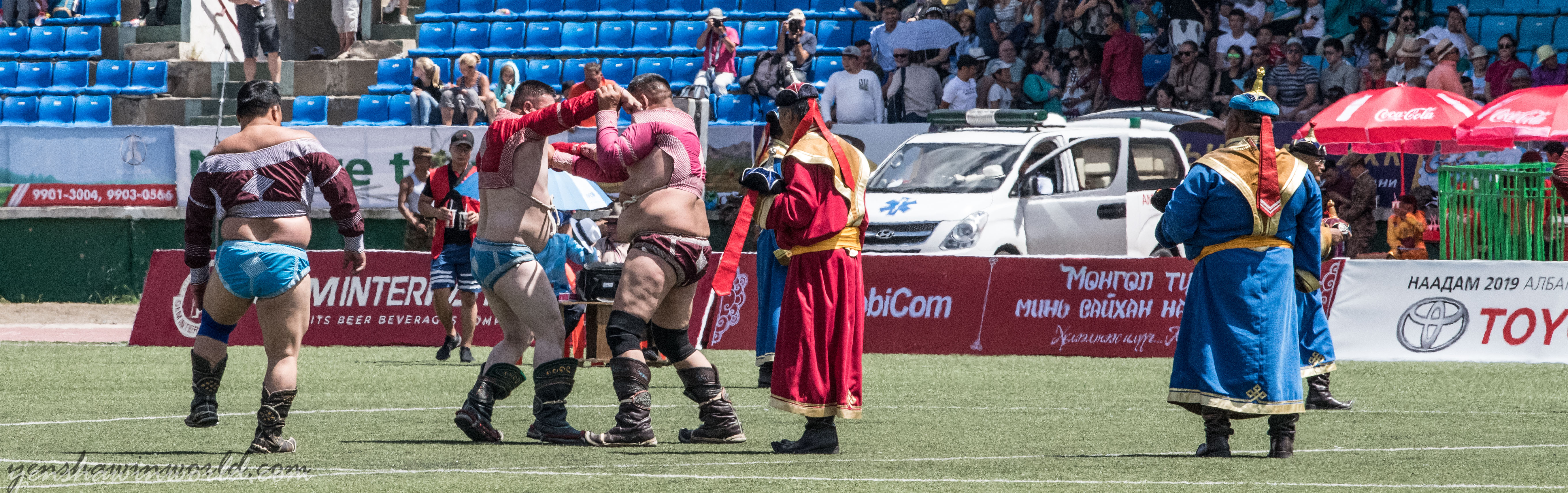
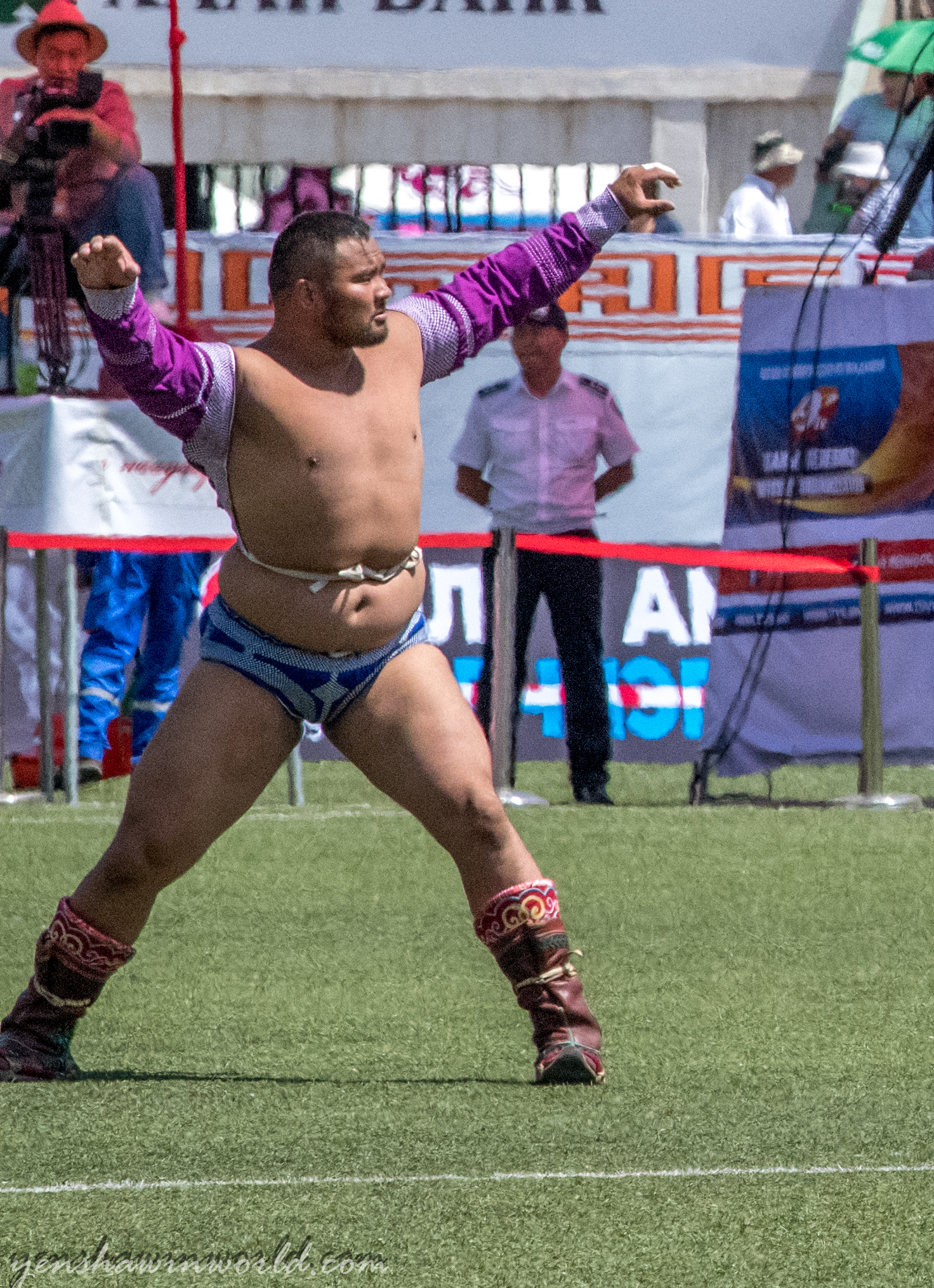
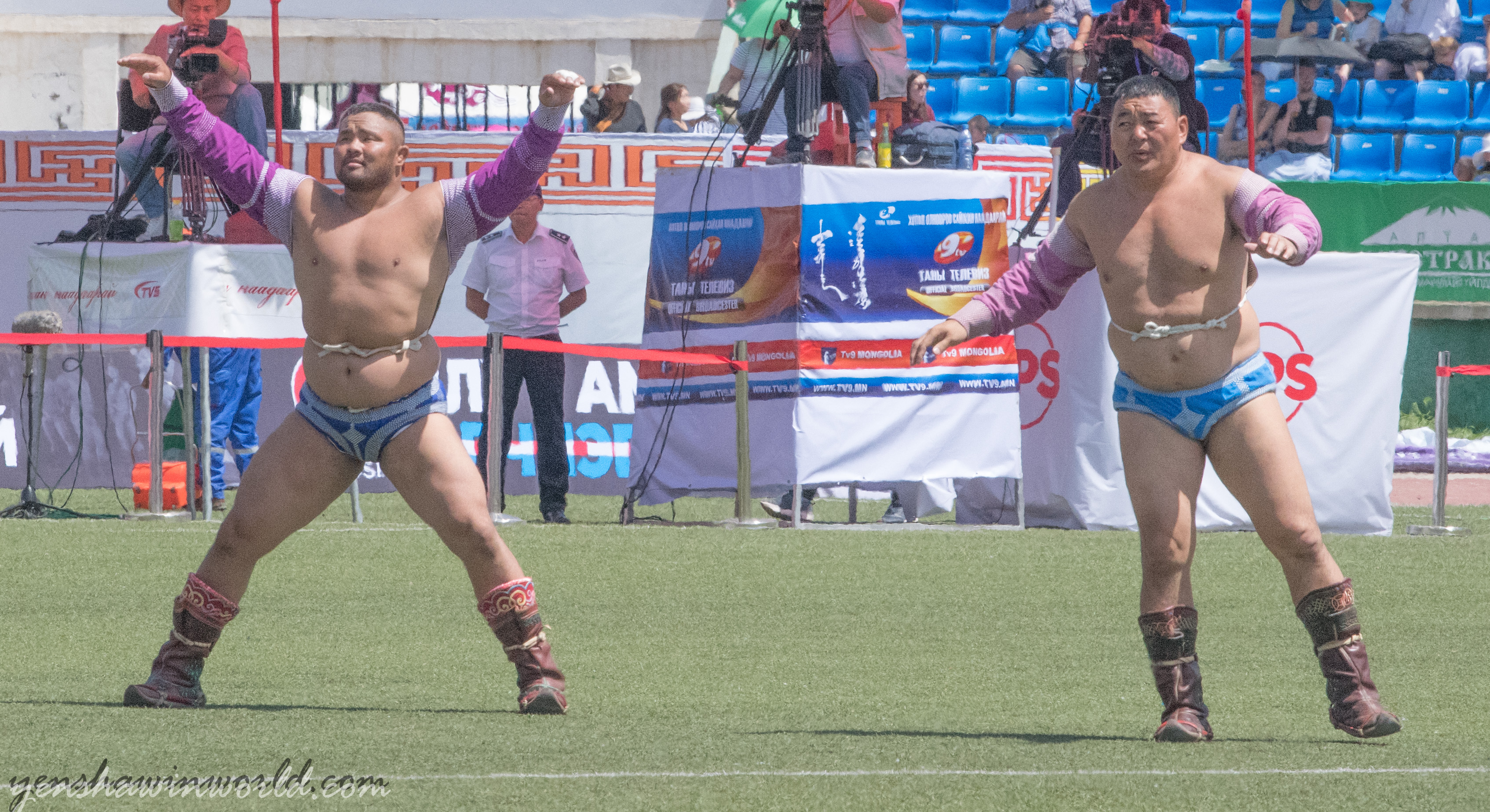
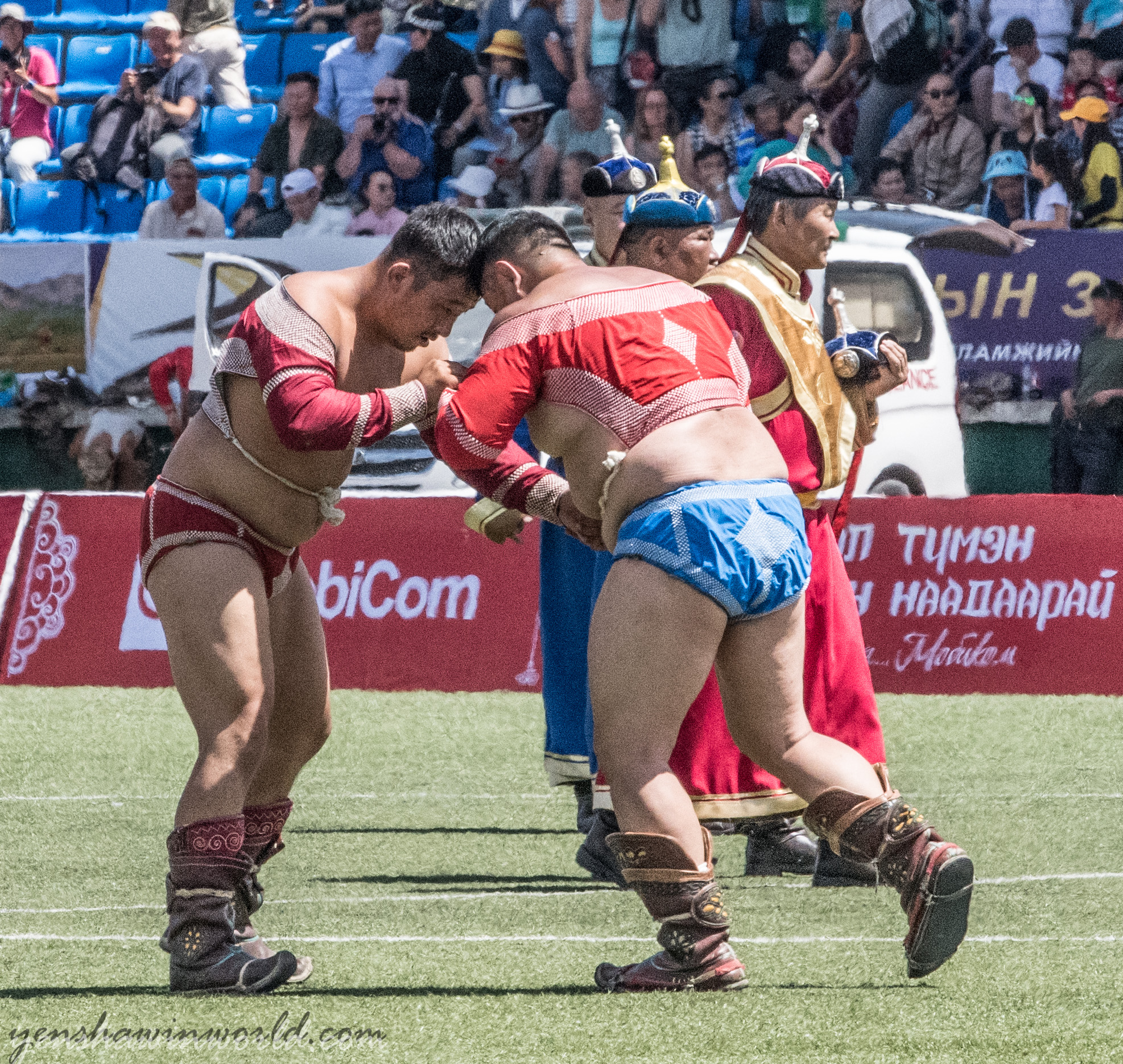
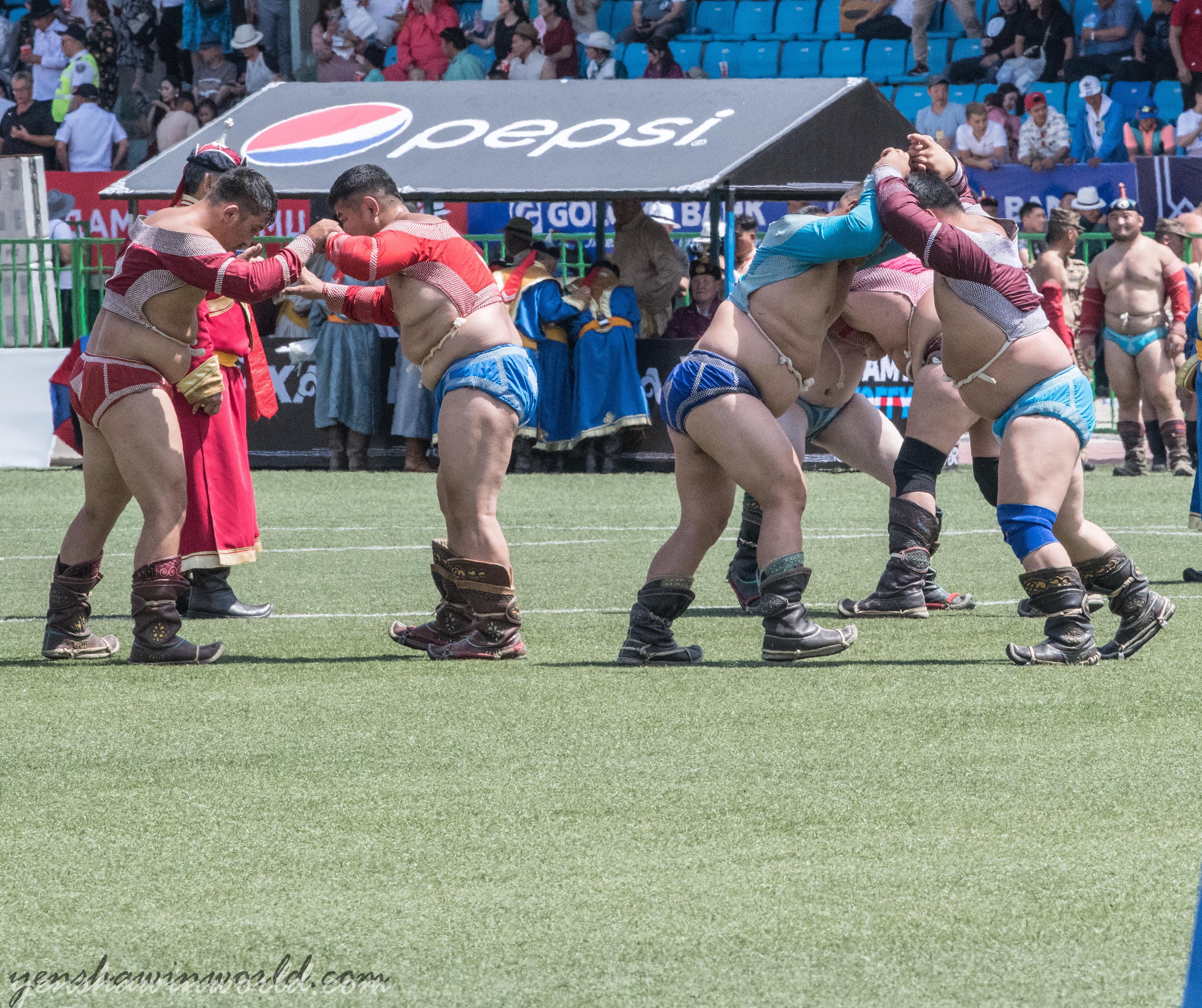
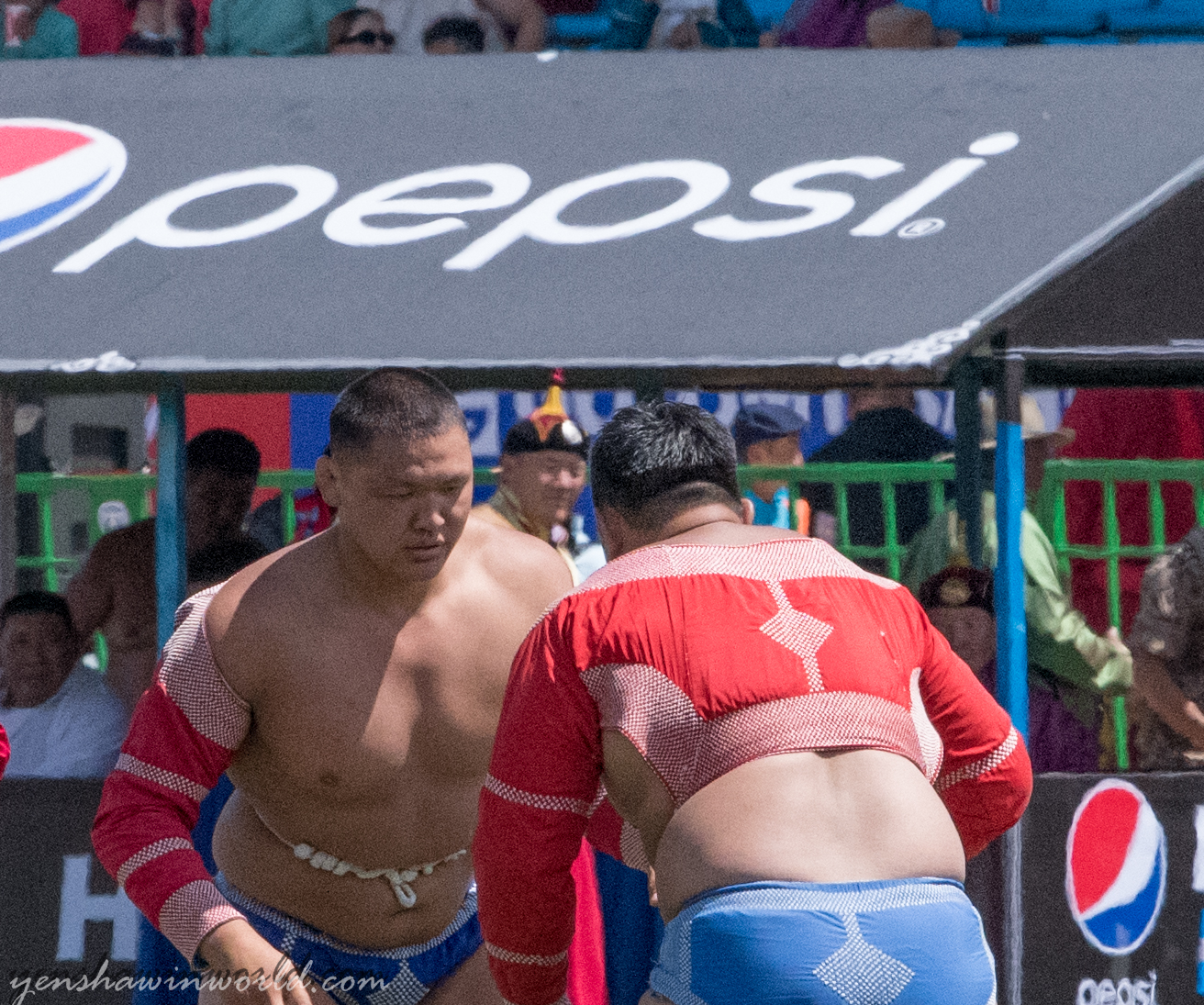
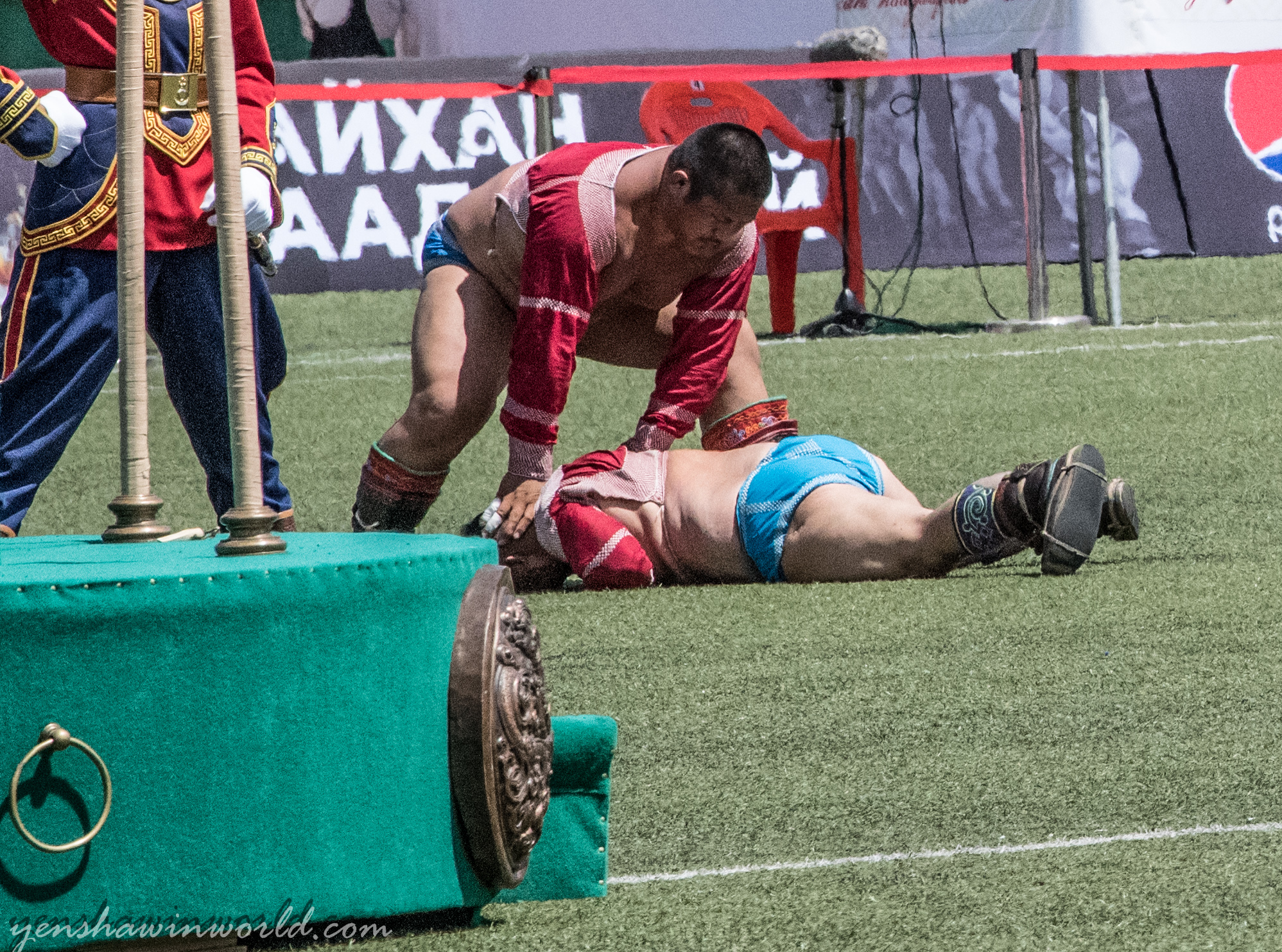
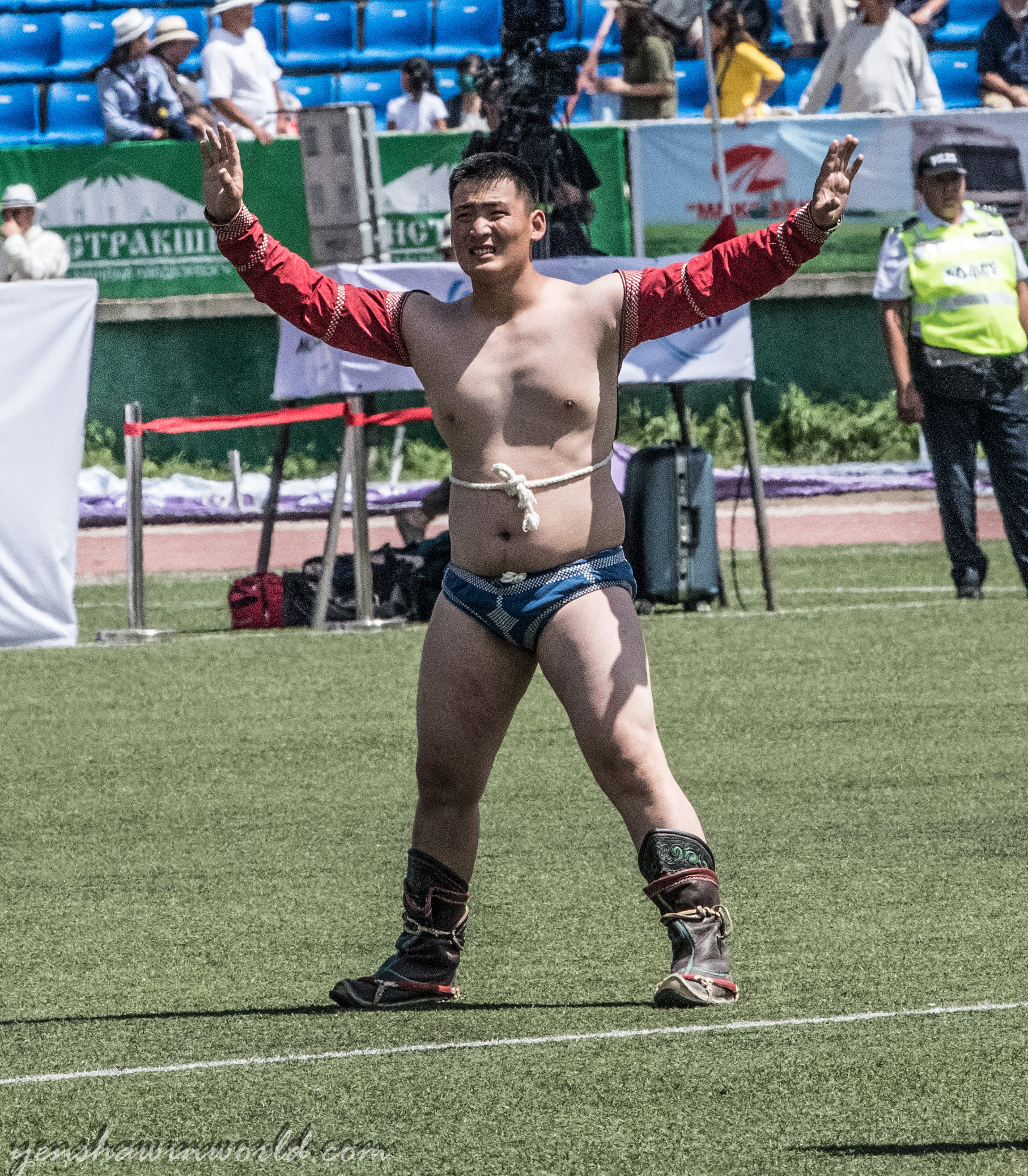
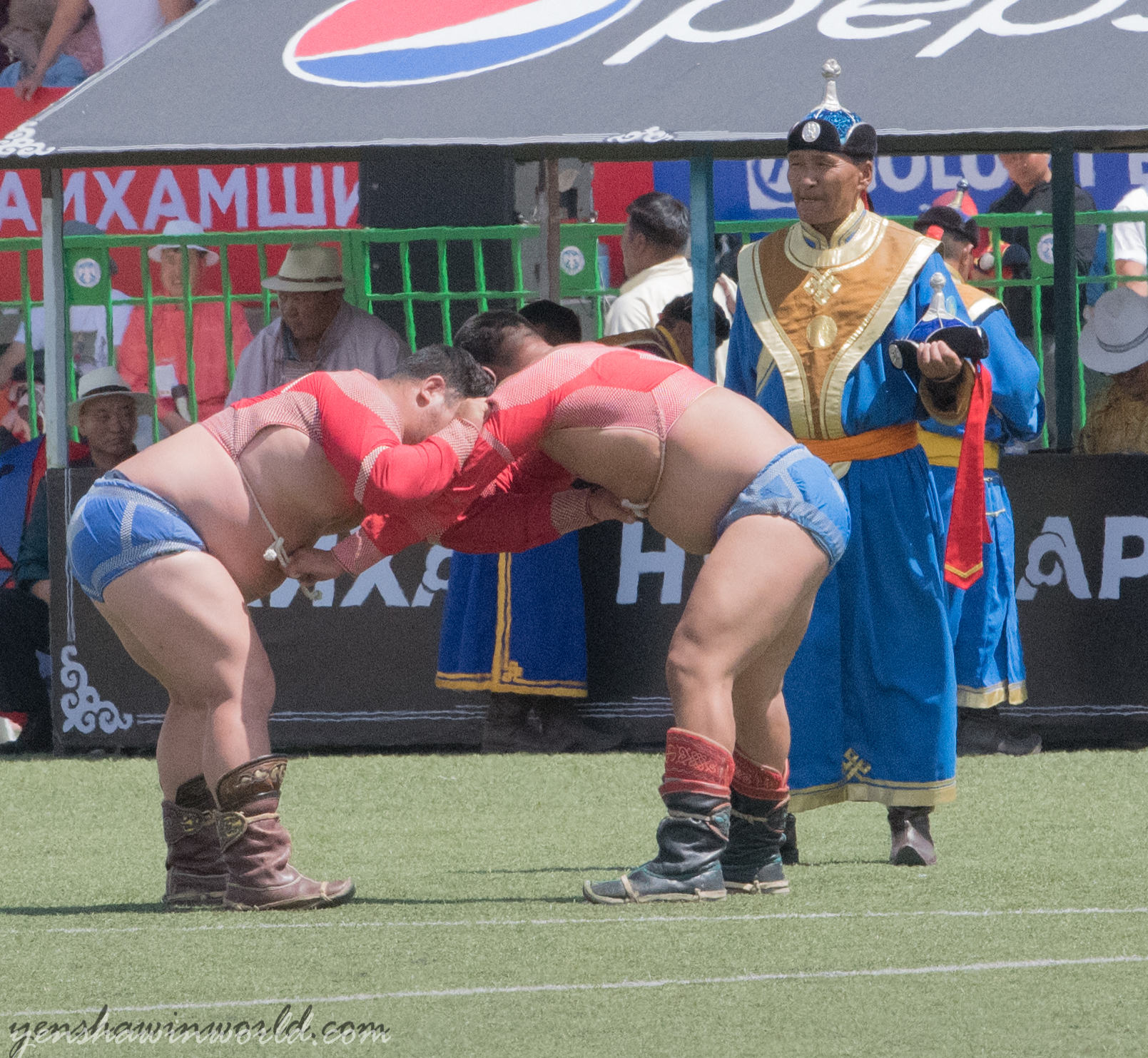
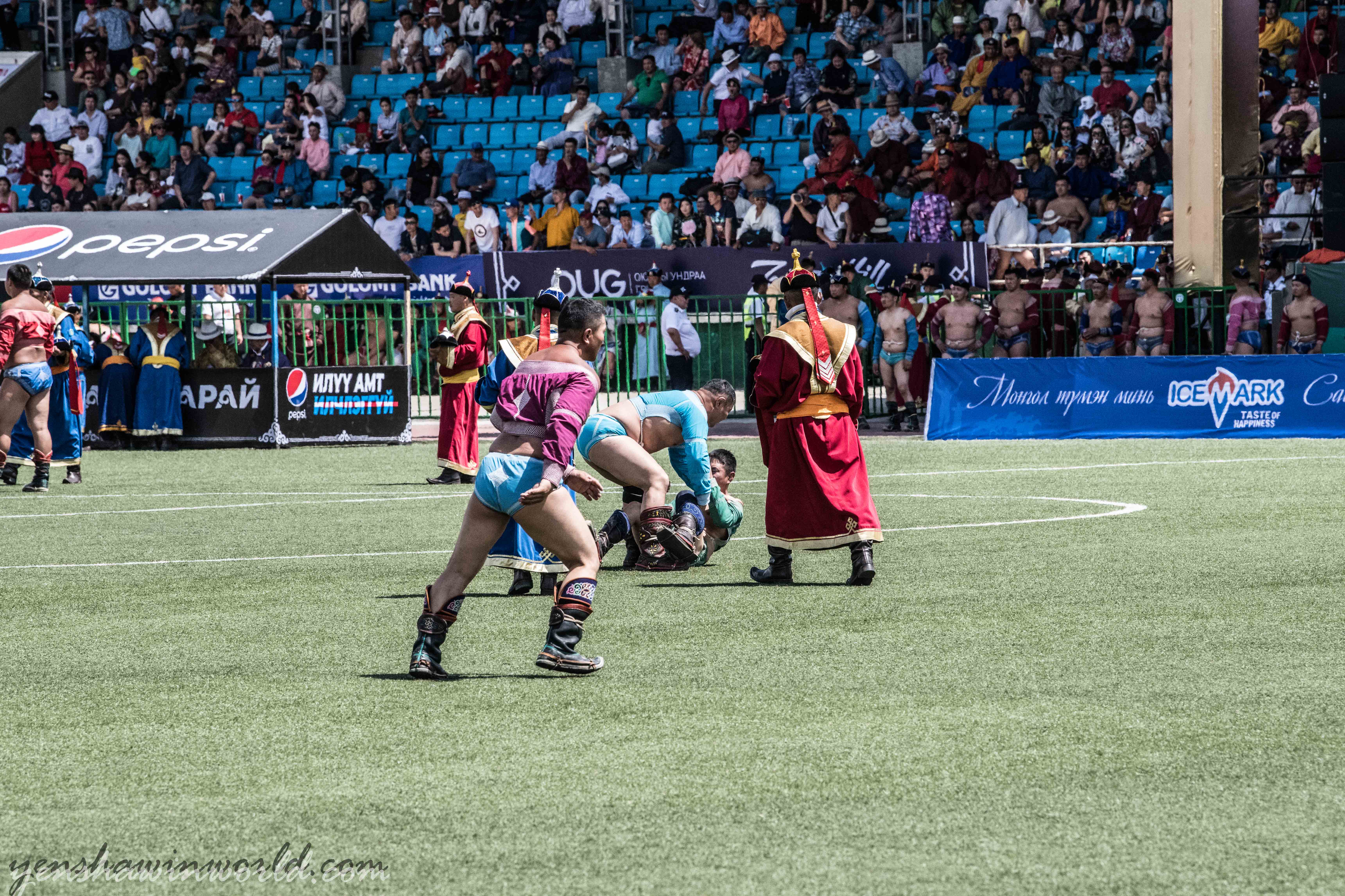
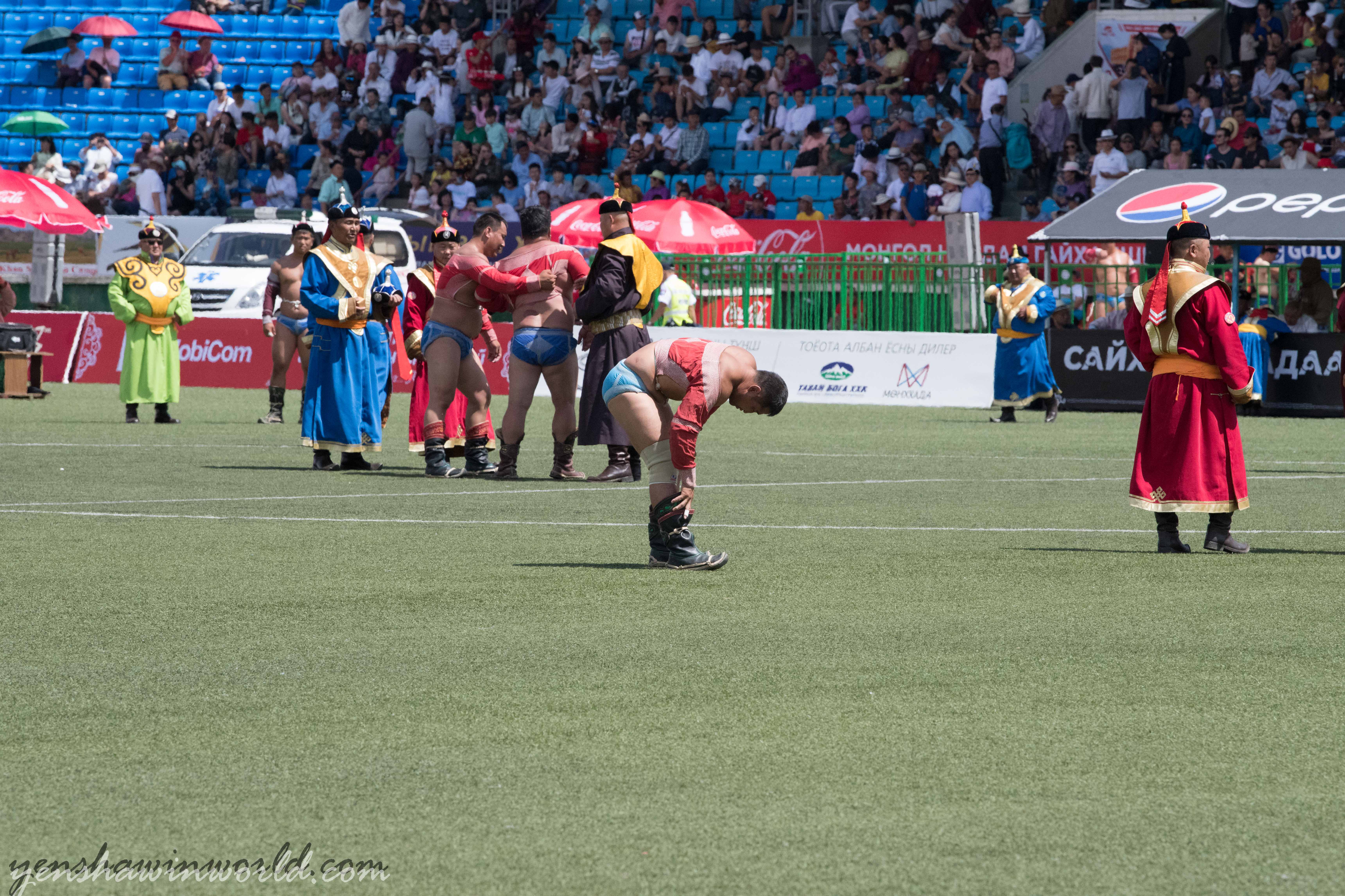
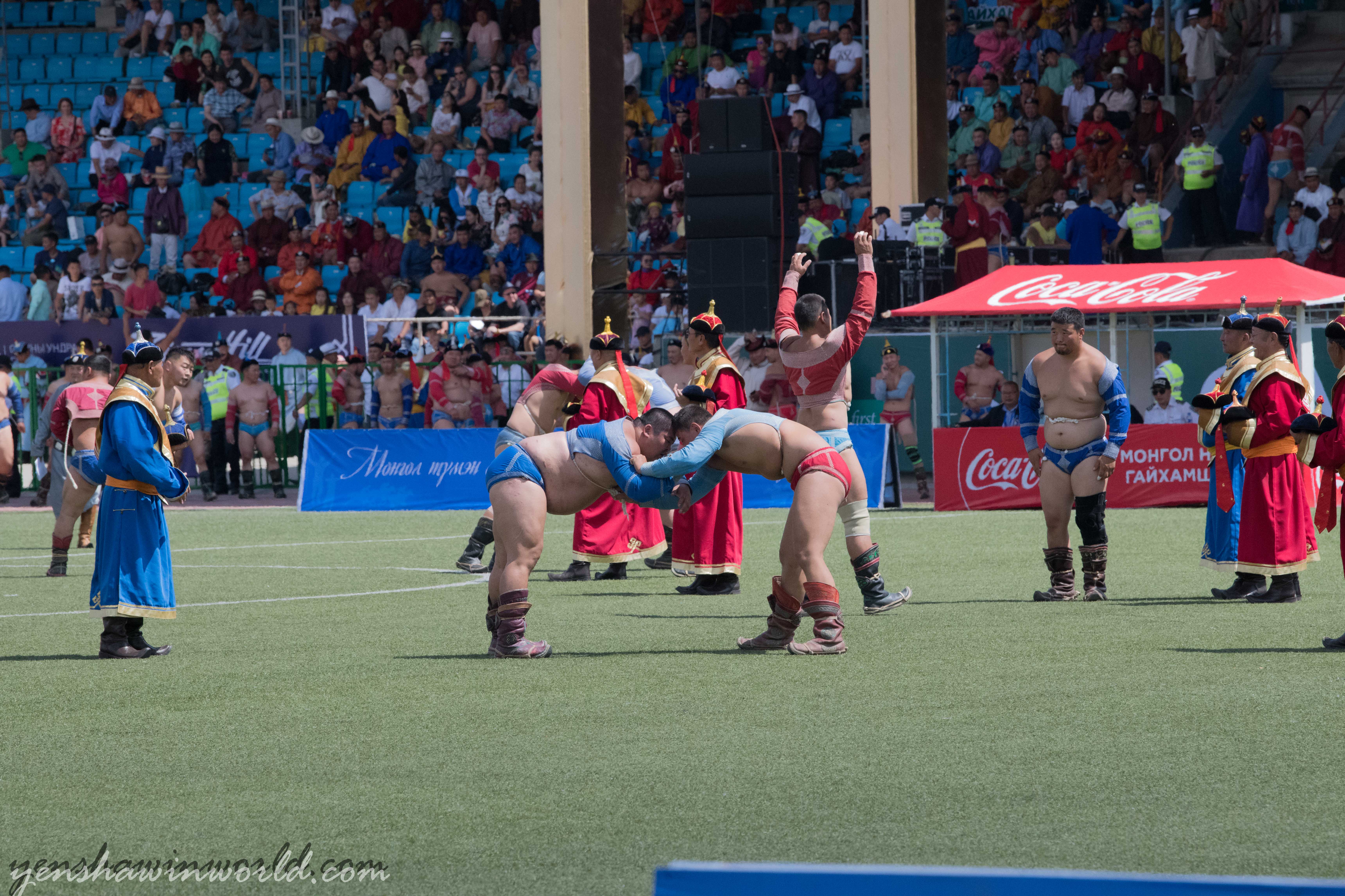
The wrestling for me was somewhere anticlimactic as it was far on the field while we were up in the stands, but it was still fun to watch (although I lost track of time and thought they were still warming up).  There is either 512 or 1024 Wrestlers (unverified as I got two different stories) that compete in a single elimination tournament that consists of rounds.  The wrestlers lose when any part of their body touches the ground with the exception of their feet or their hands.  They do little victory celebrations as well as entering celebrations and there could be as many as 8 fights going on at one time.  While my photos were not that good, because of sun position and distance from wrestlers, I tried to catch the essence of this sport below:

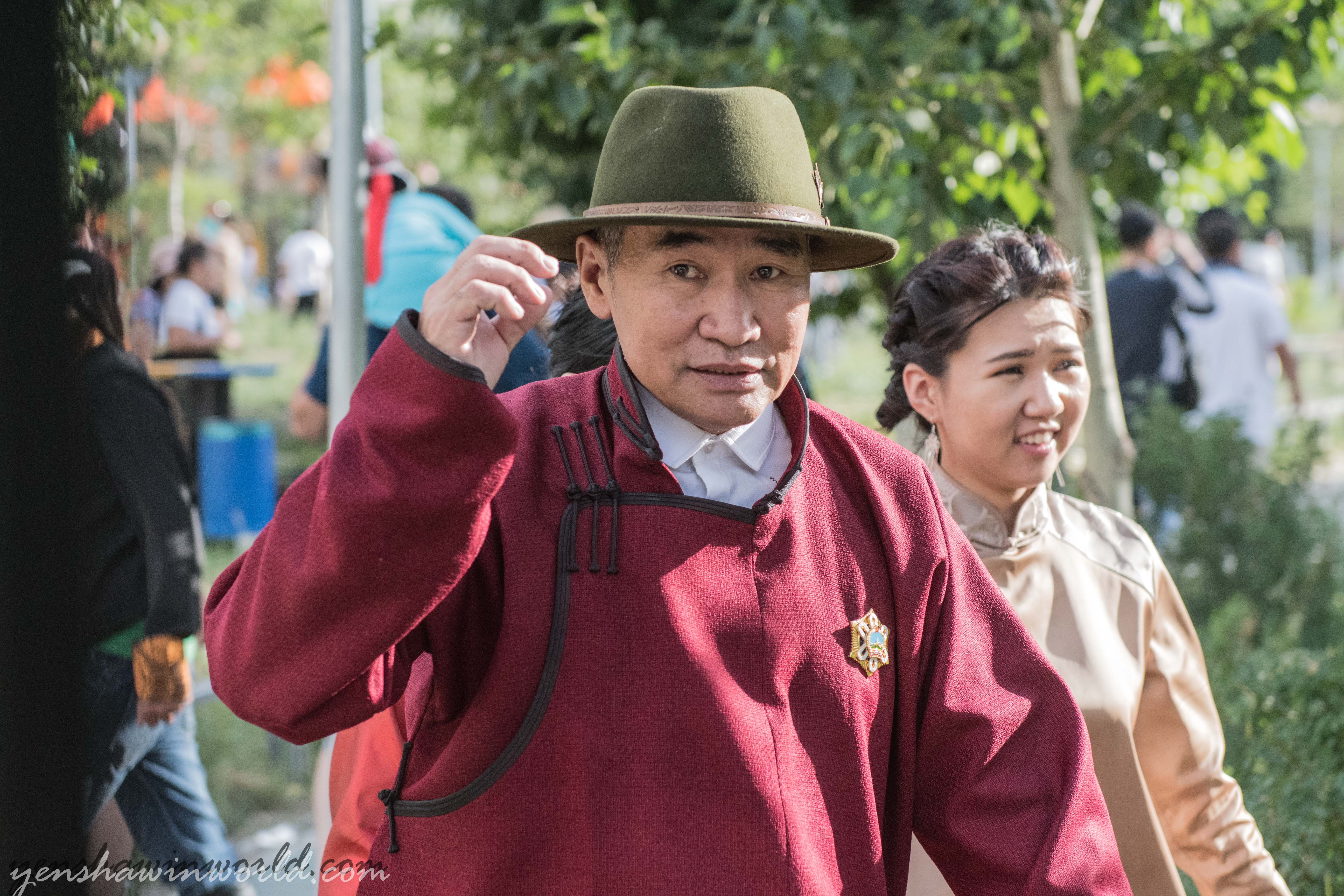
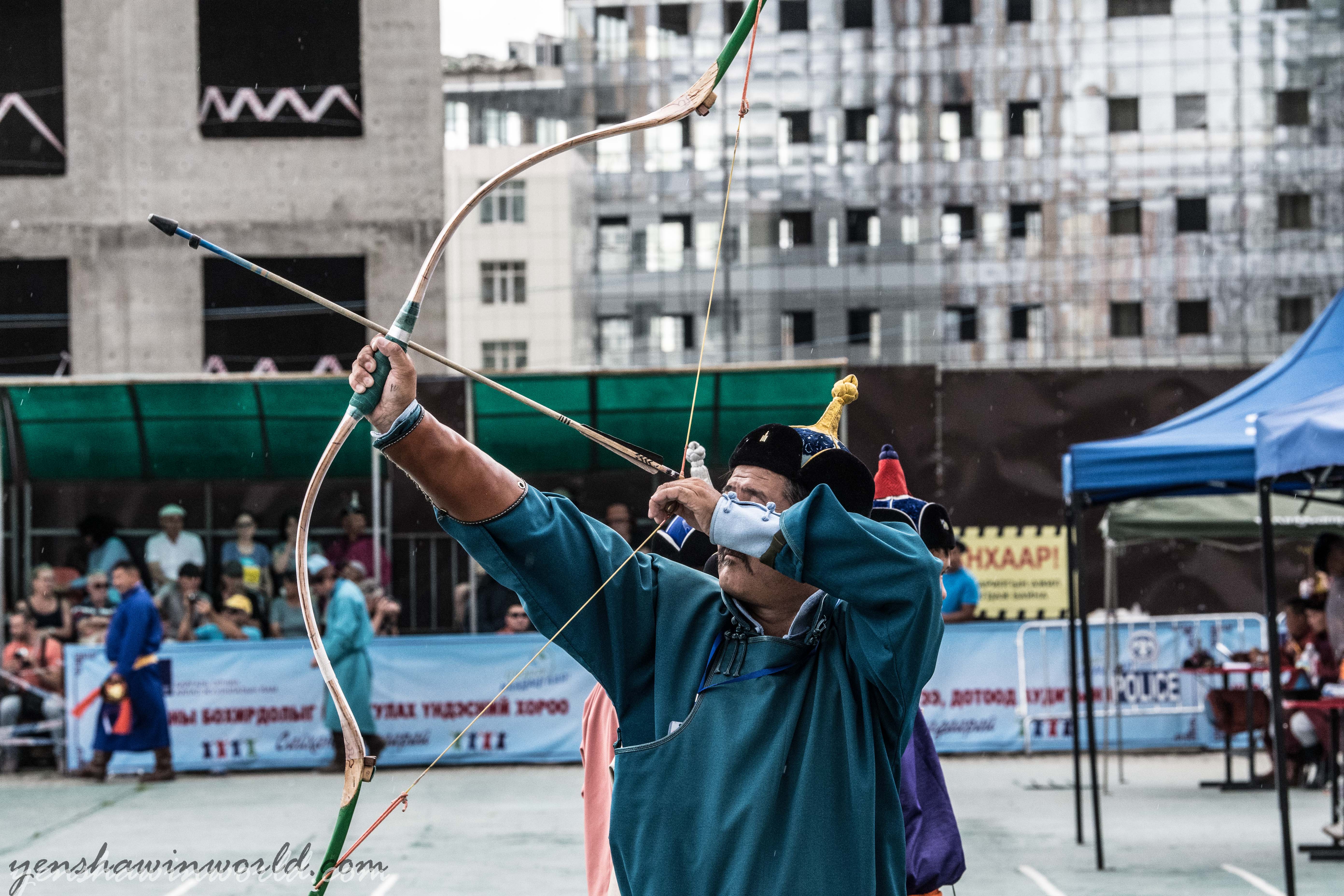
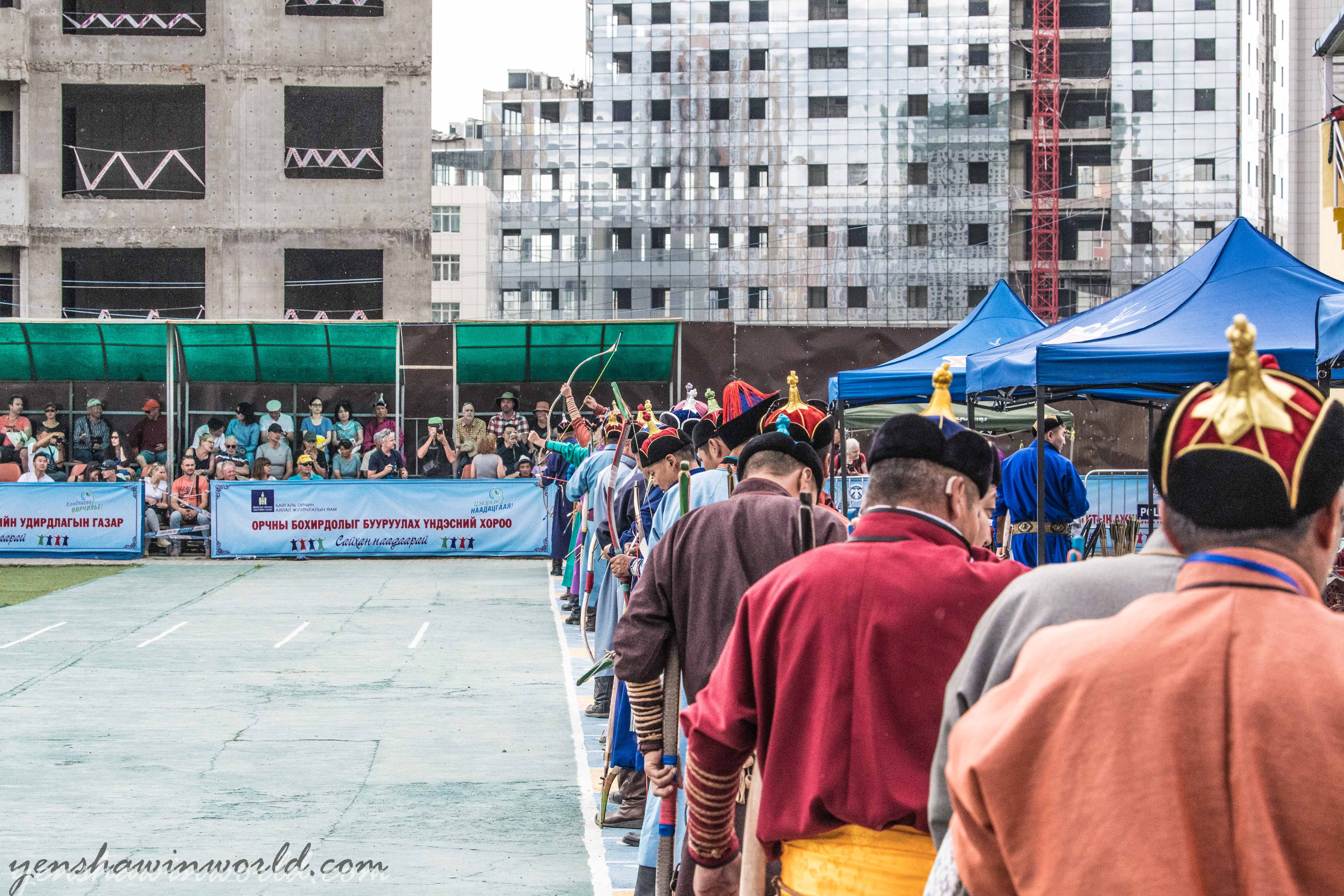
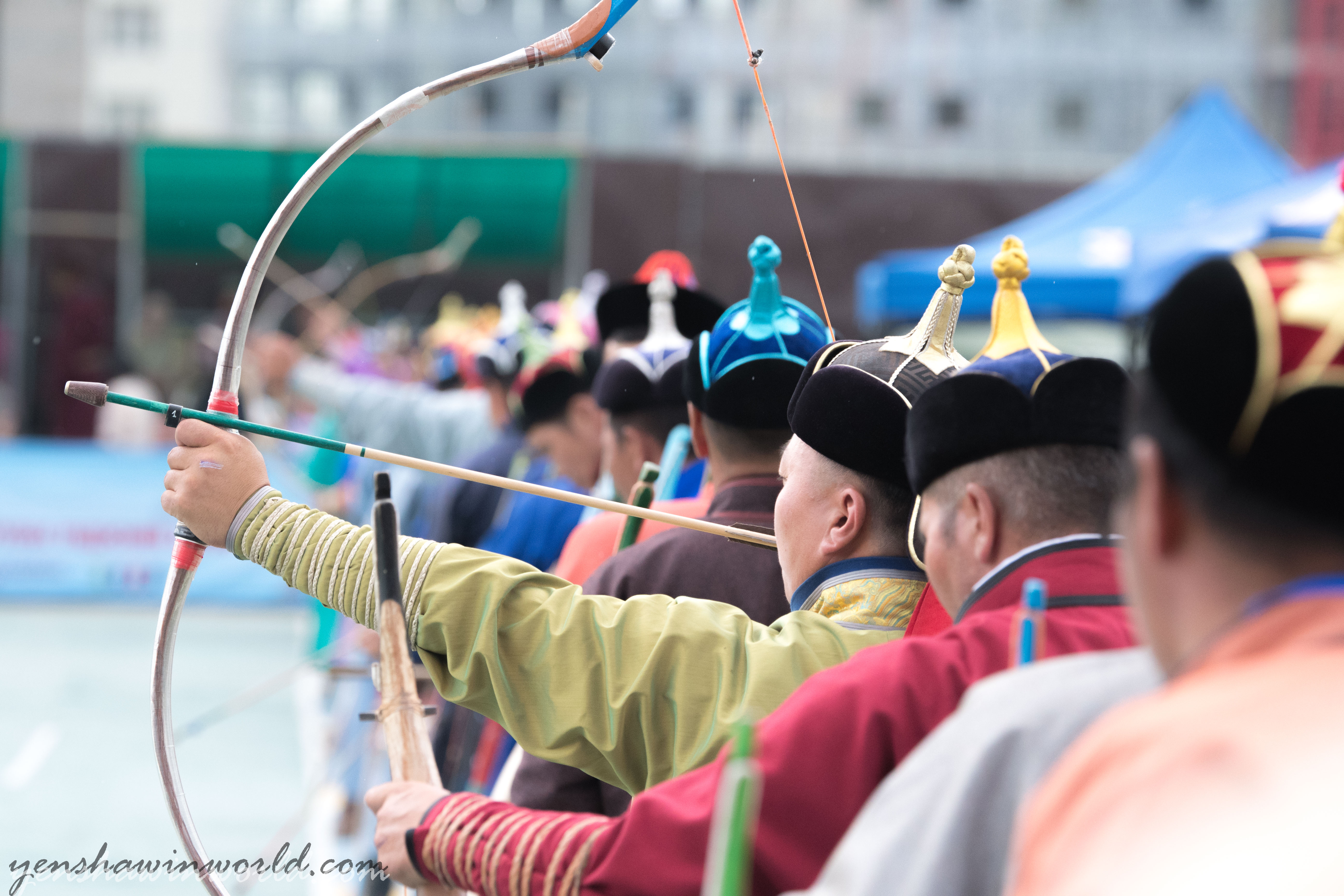
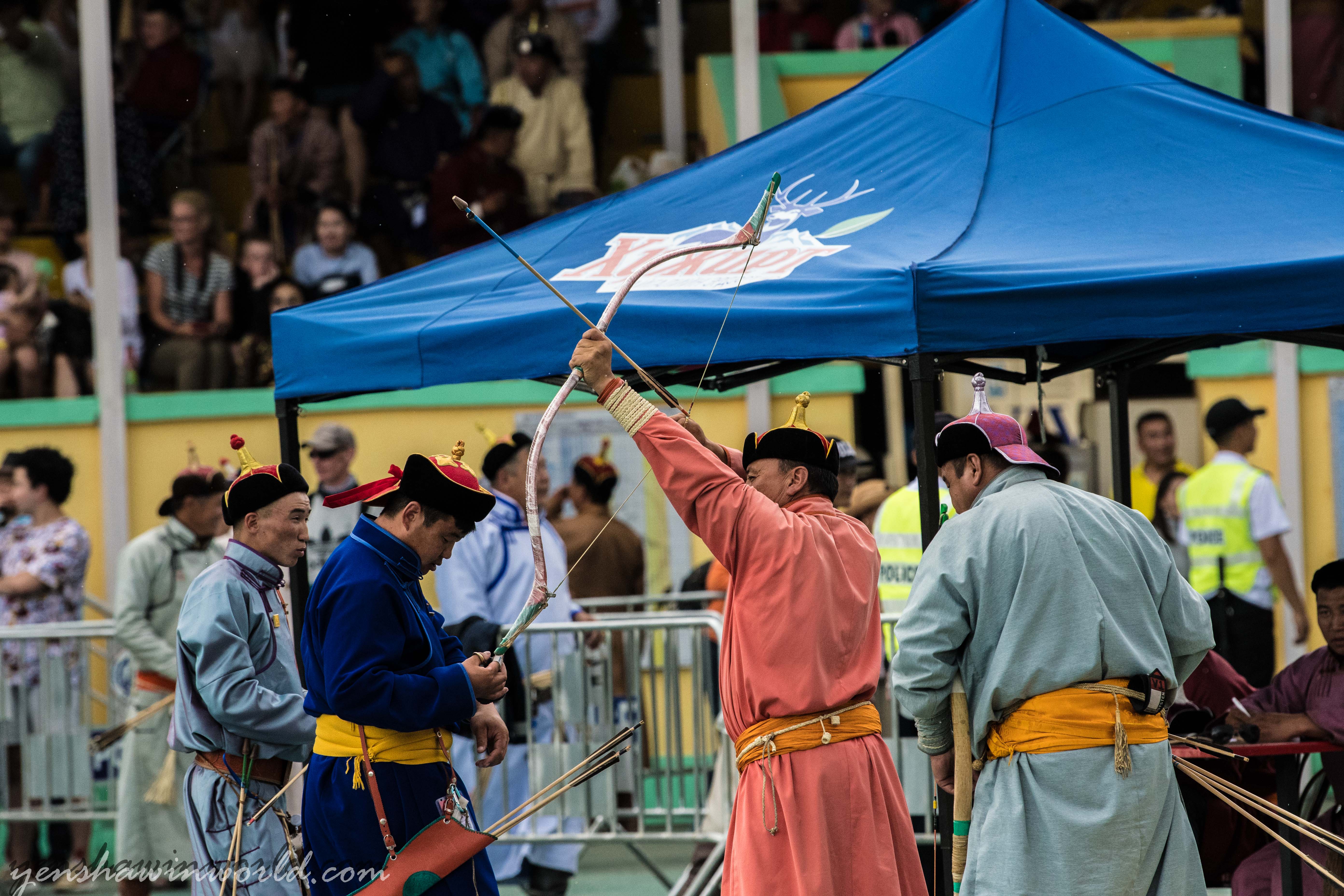
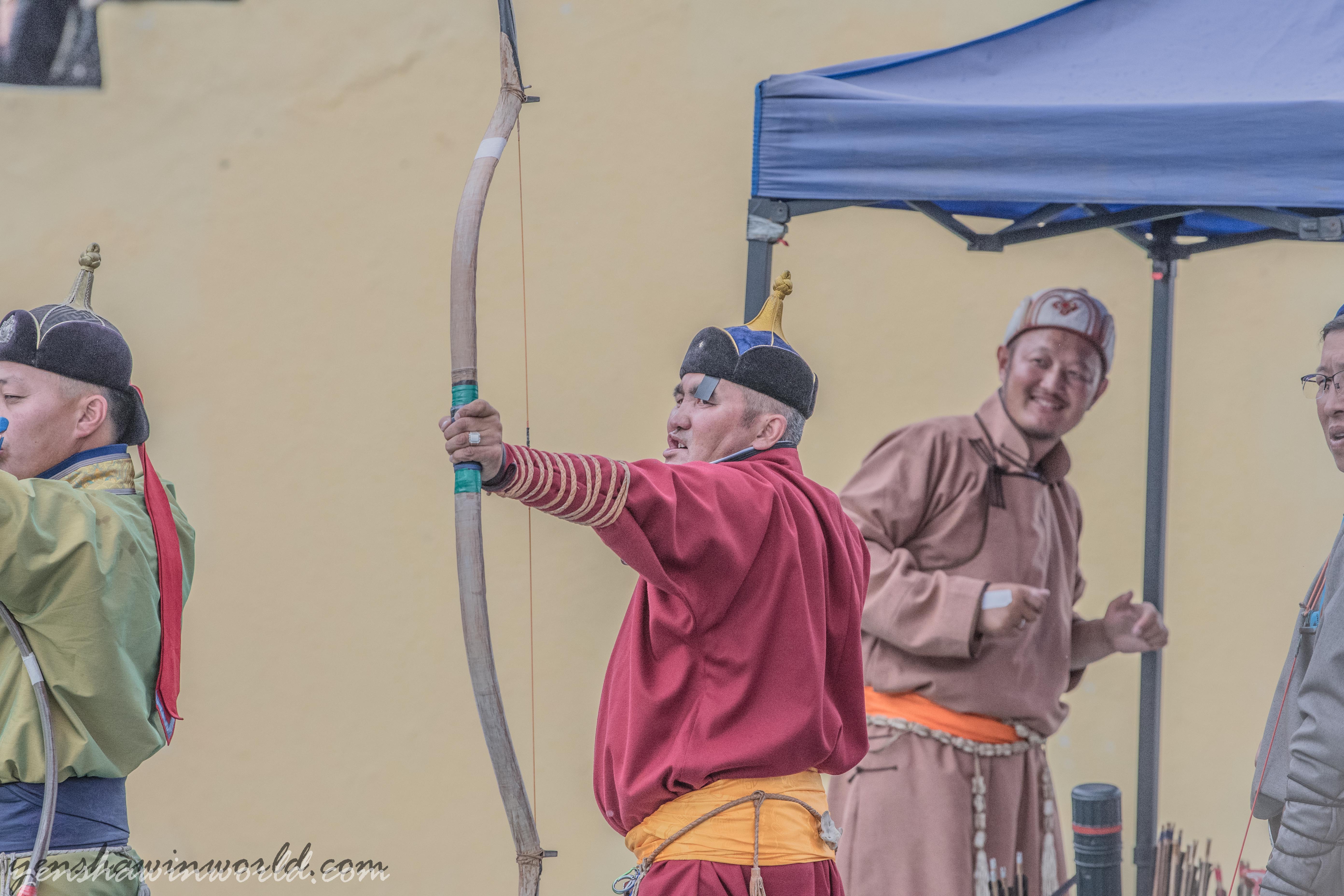
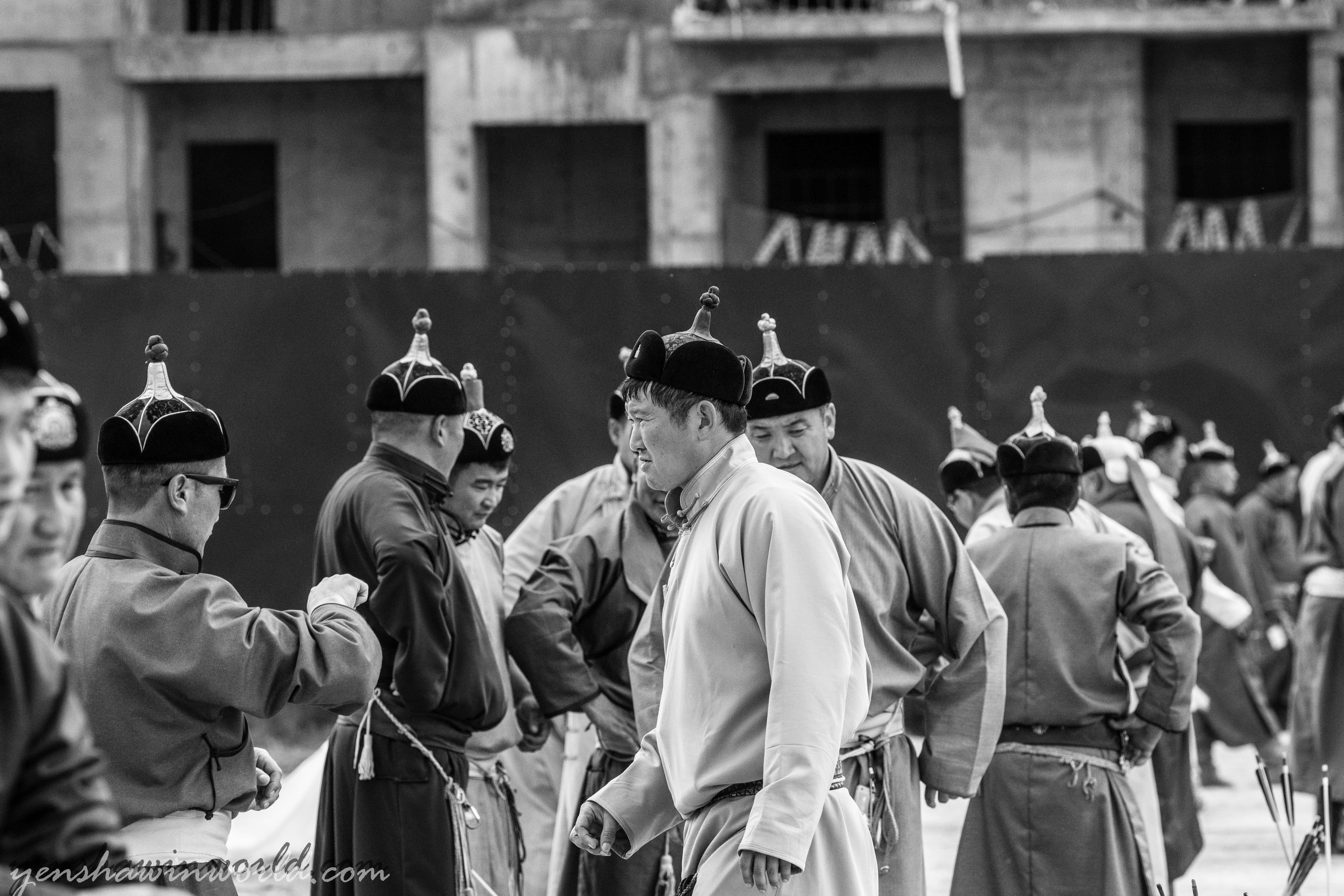
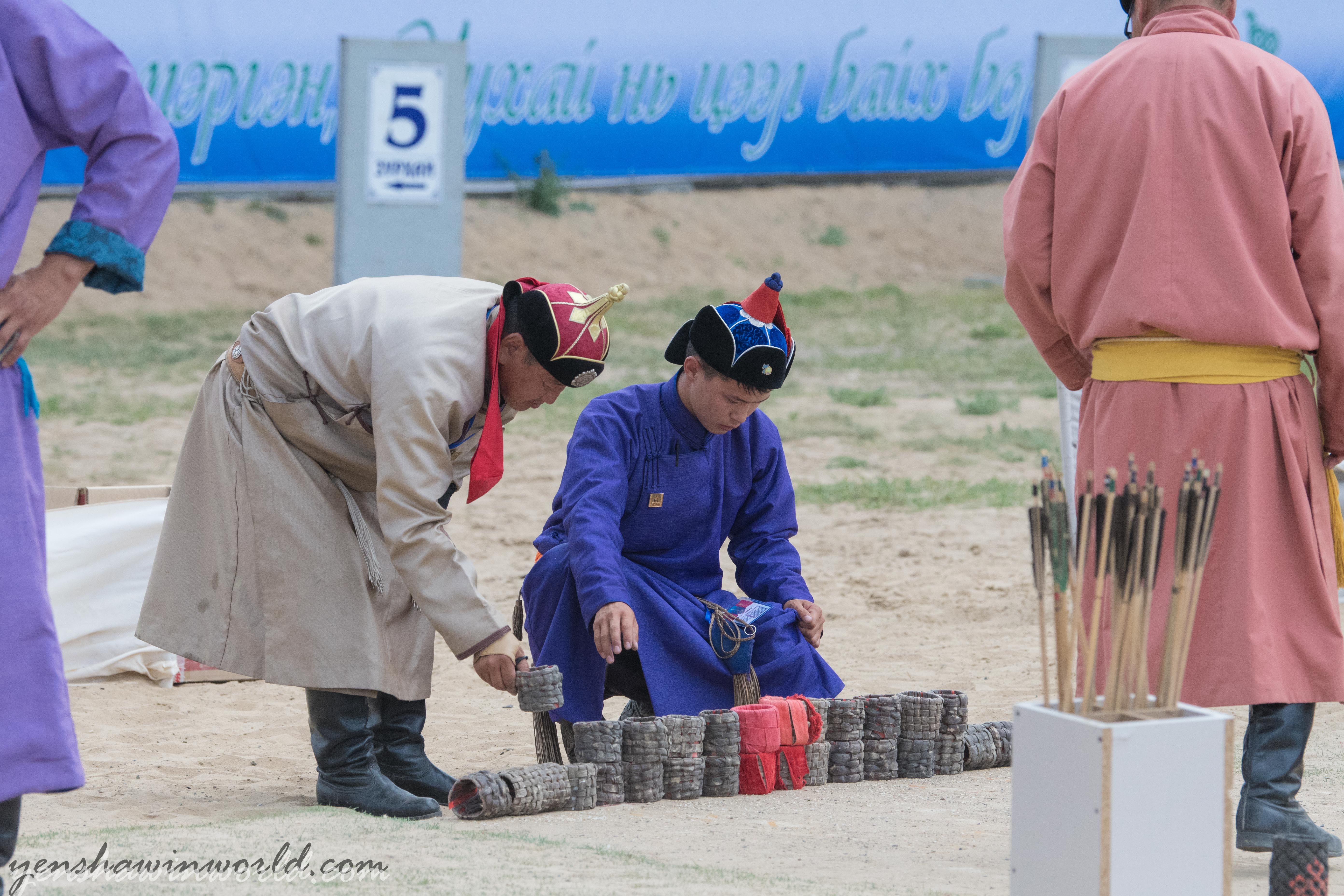
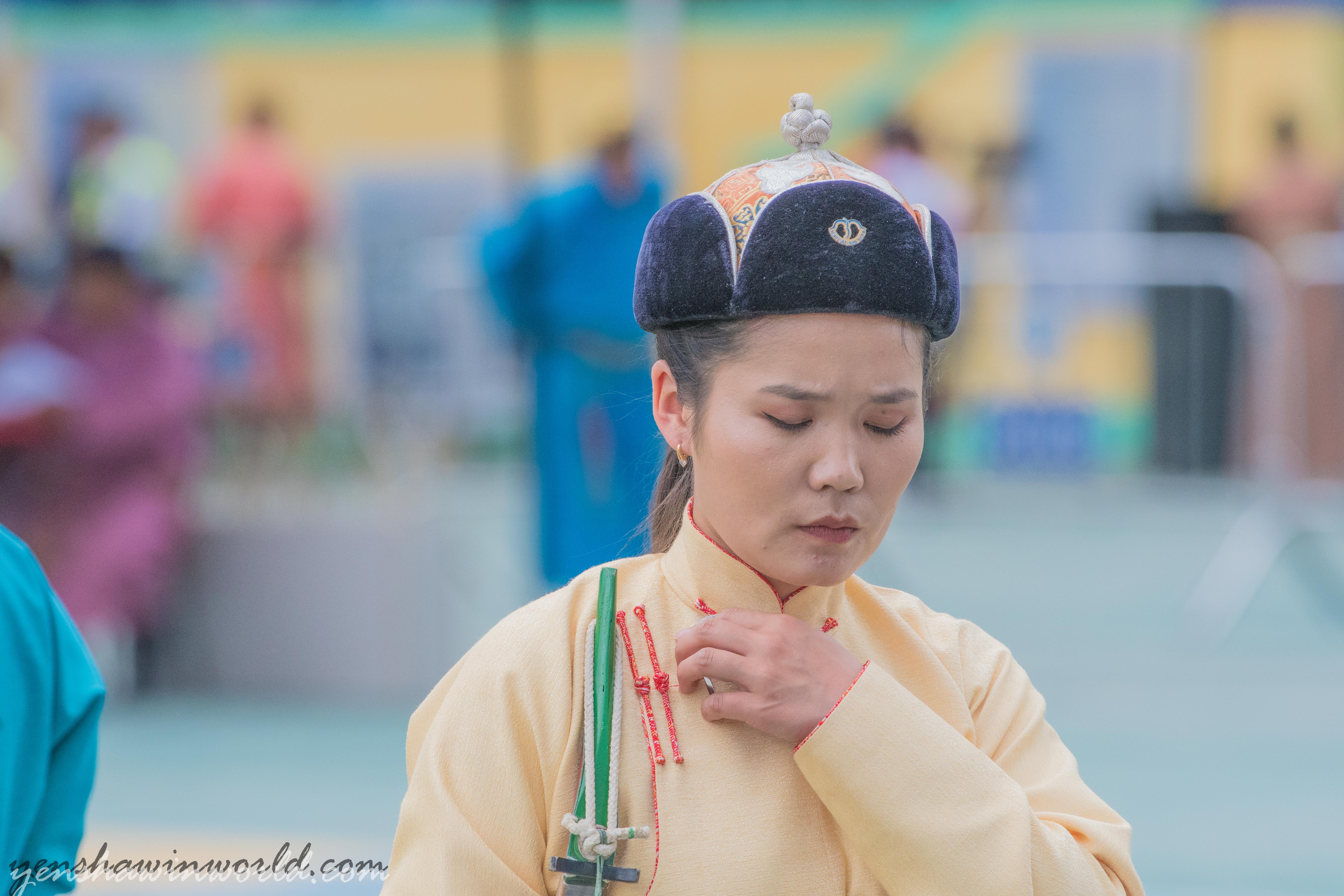
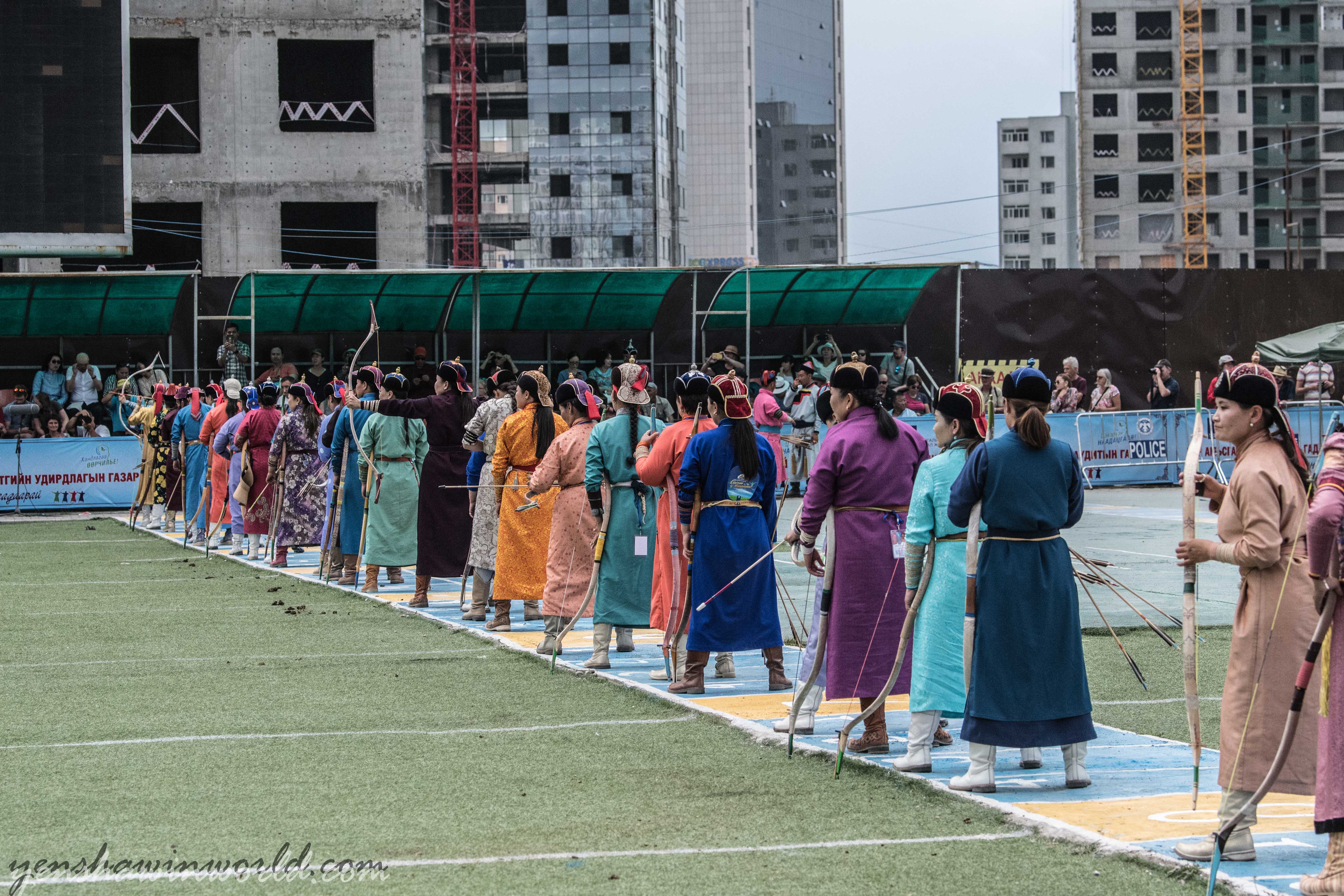
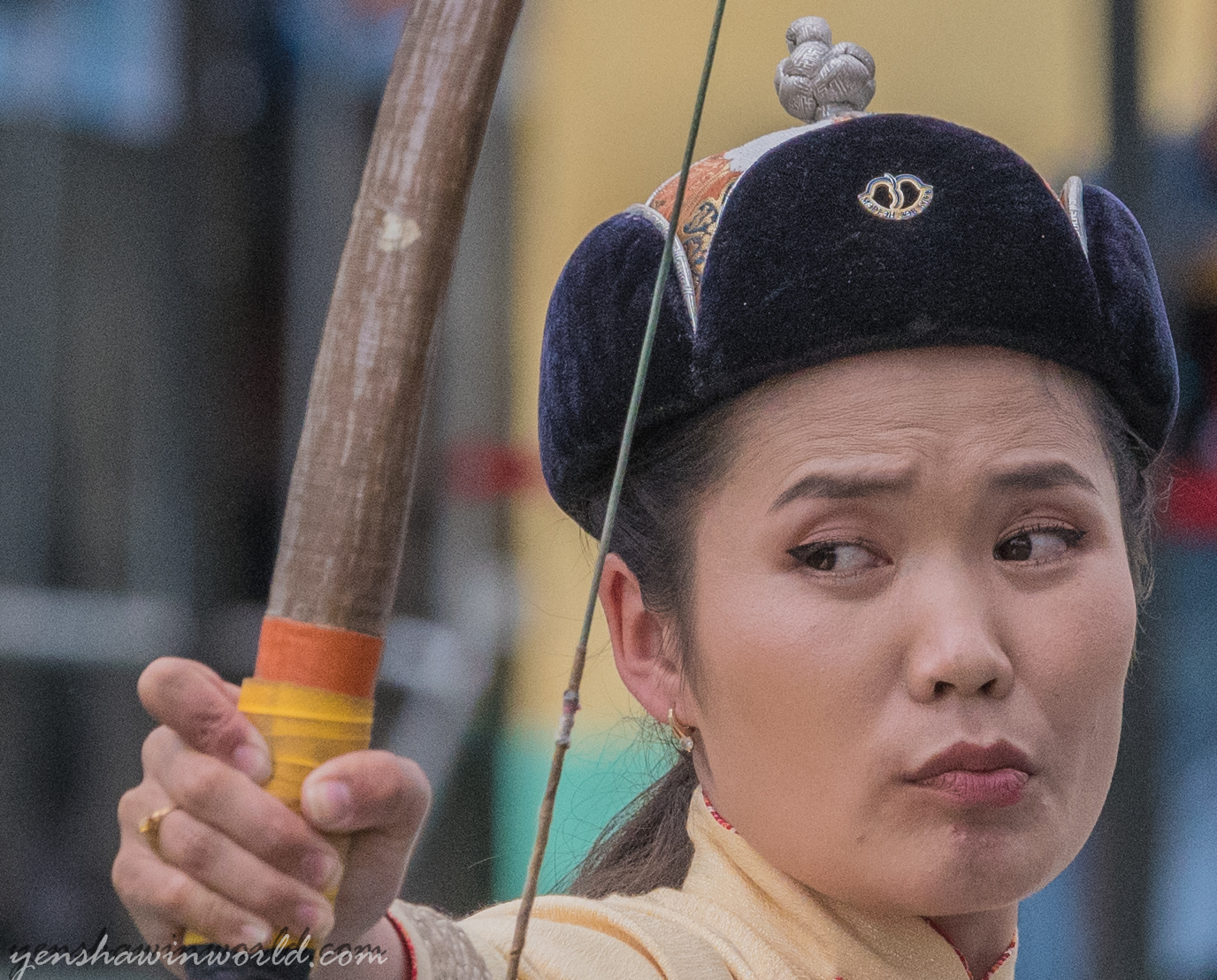
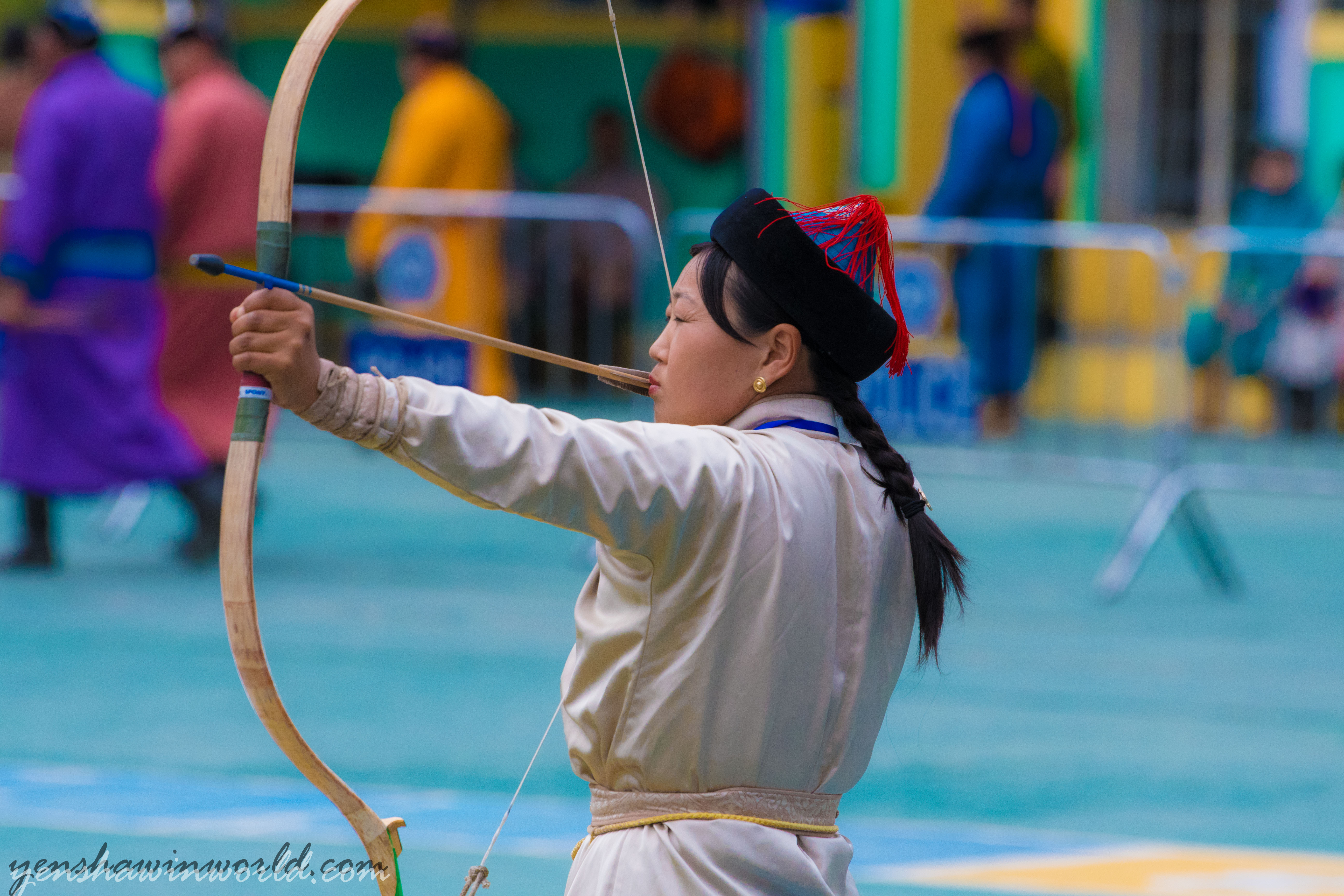
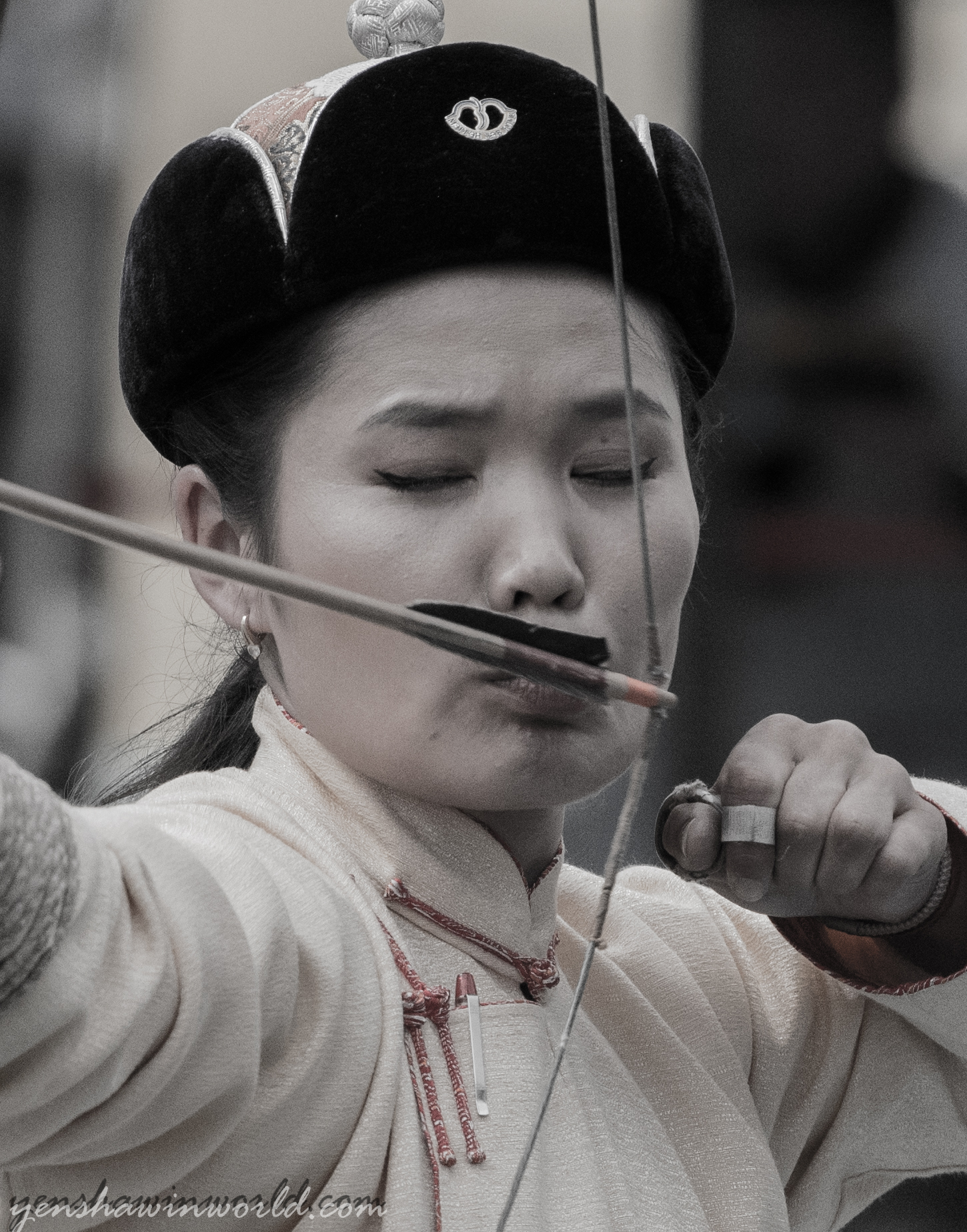
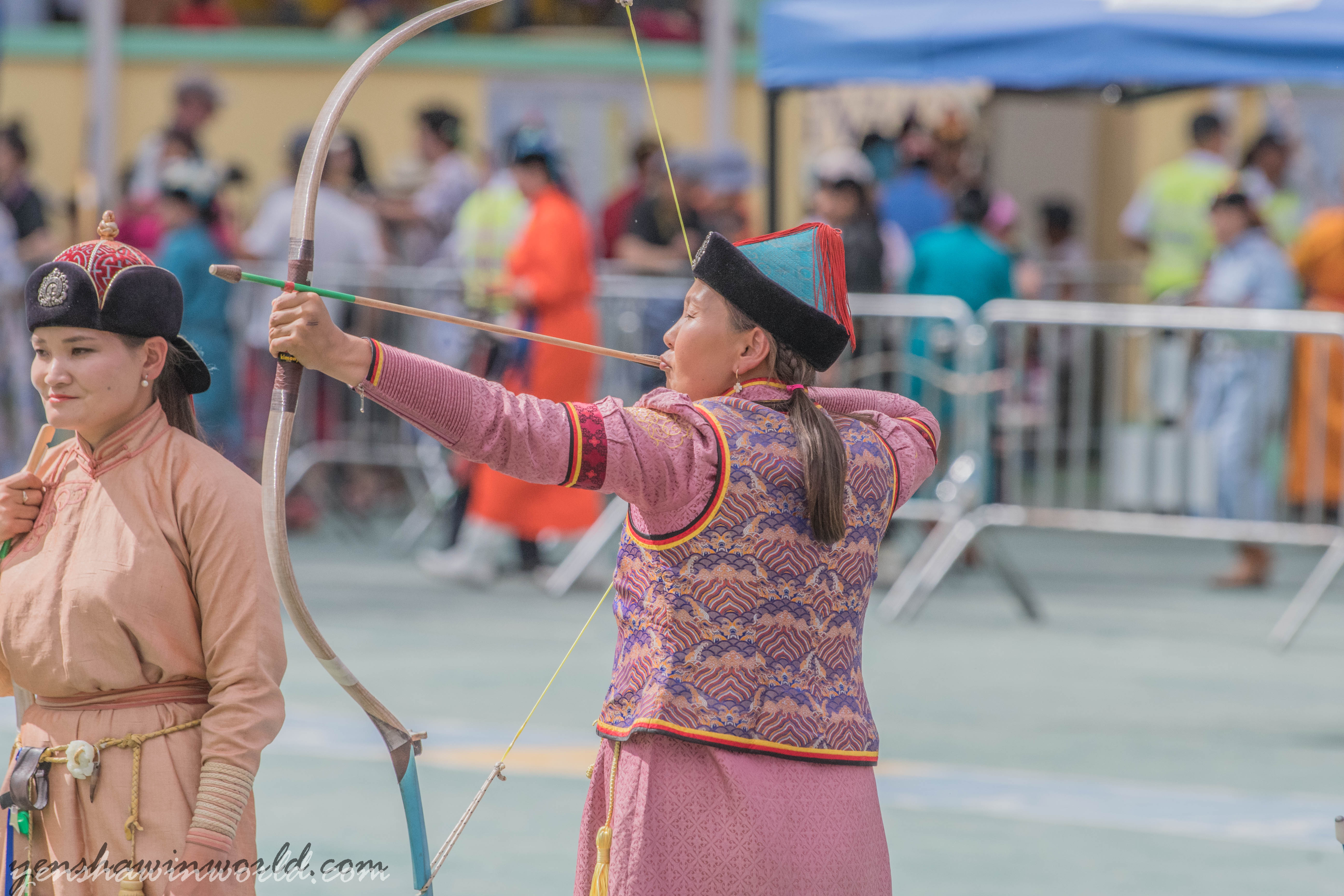
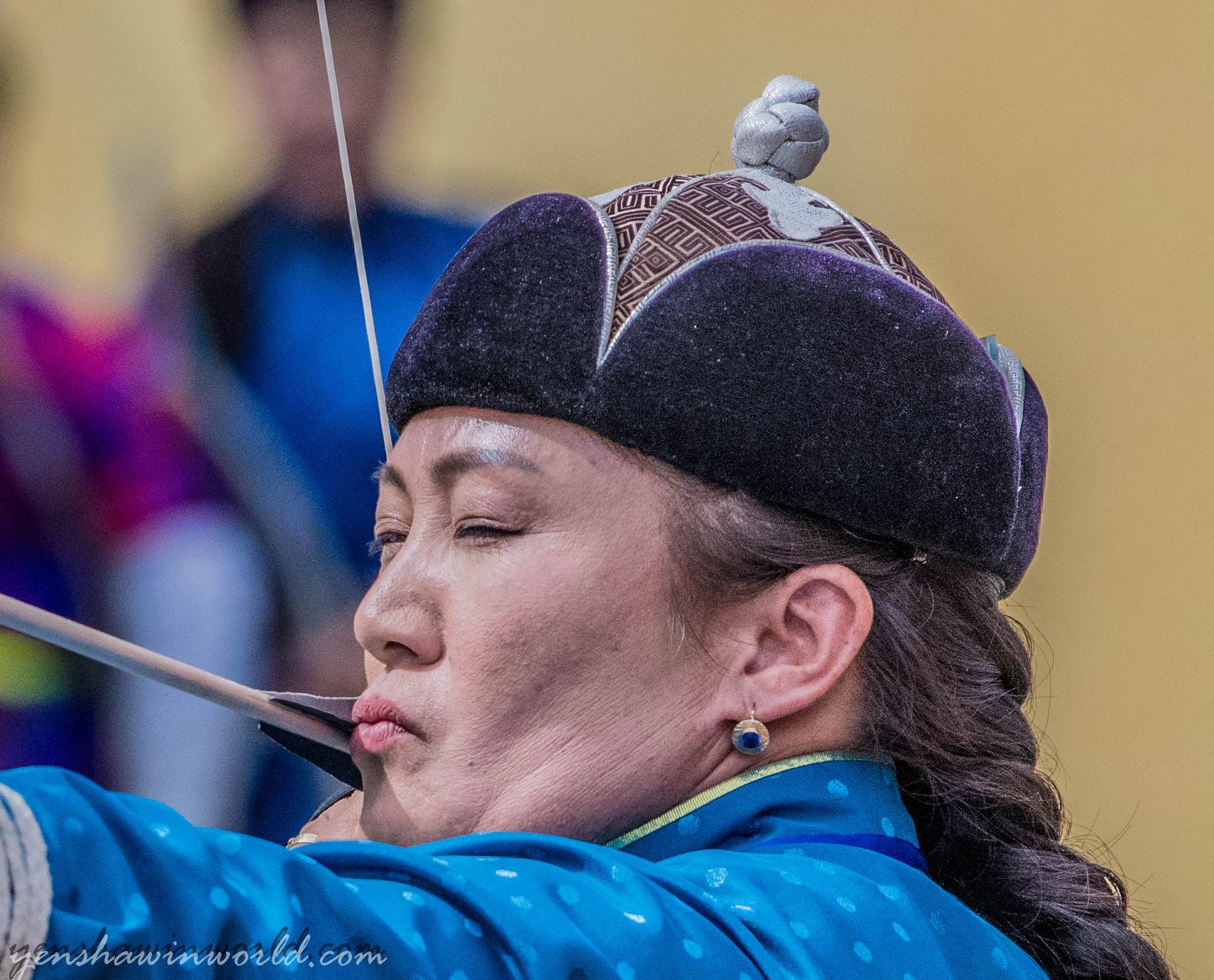
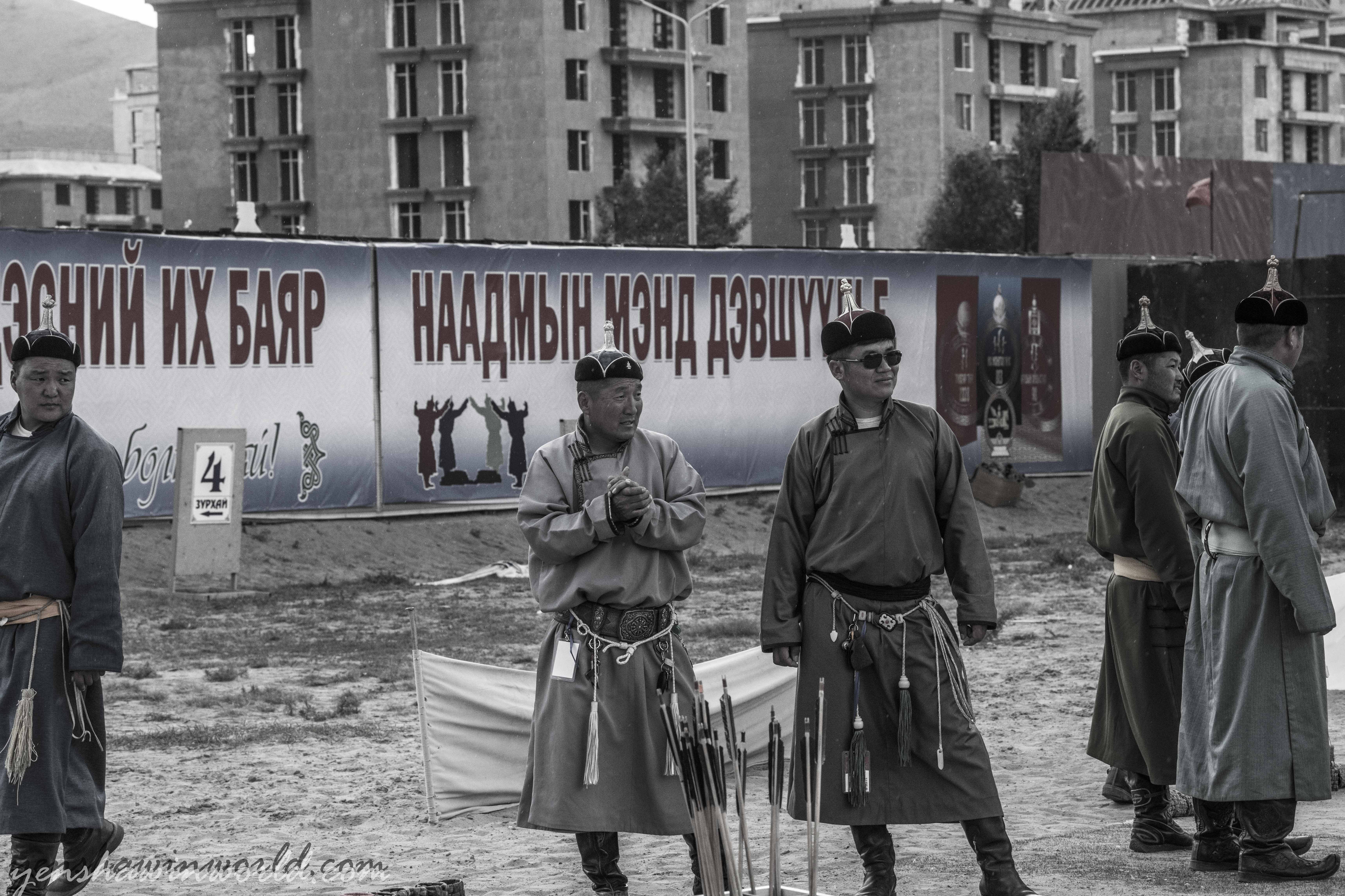
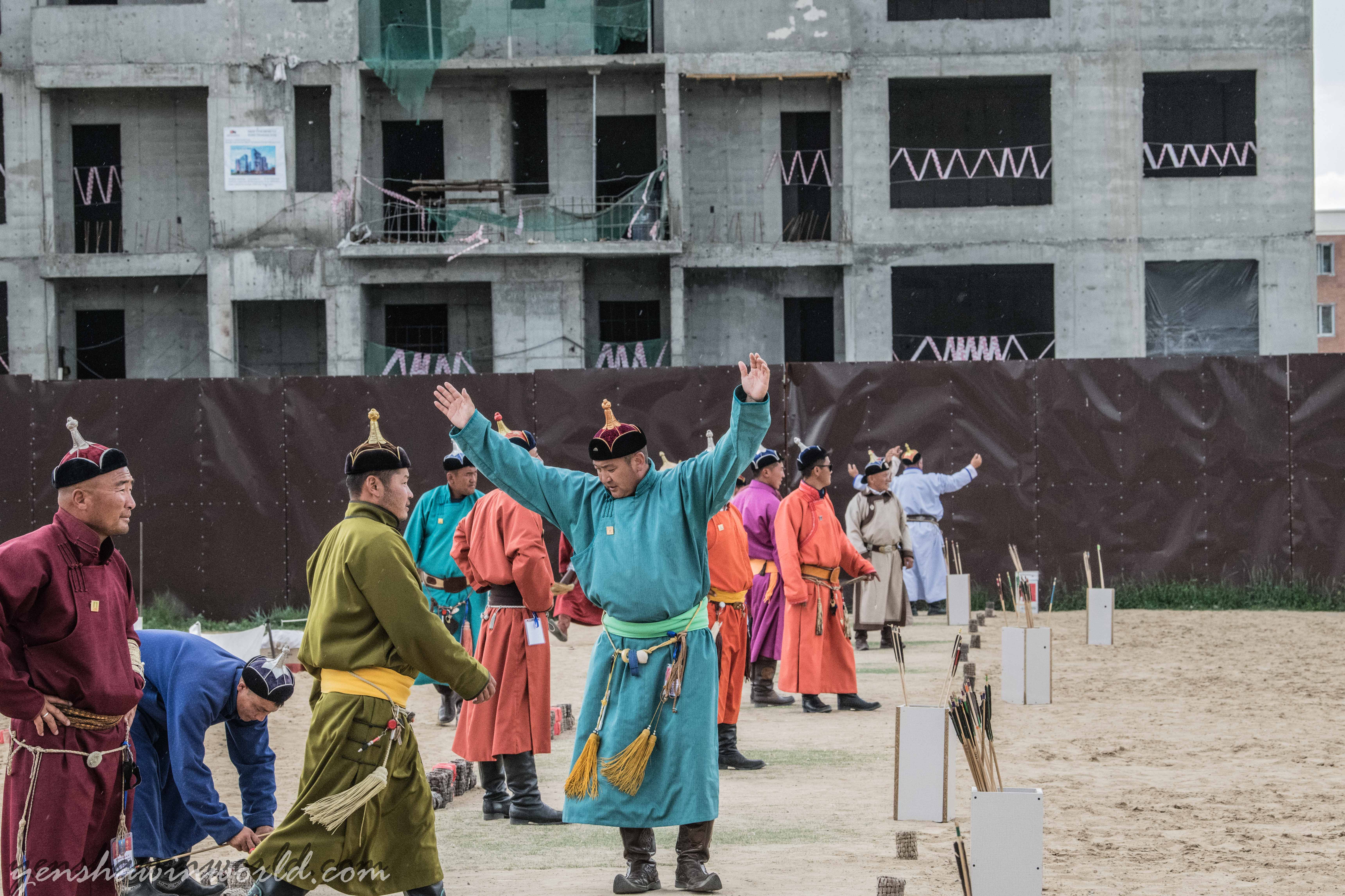
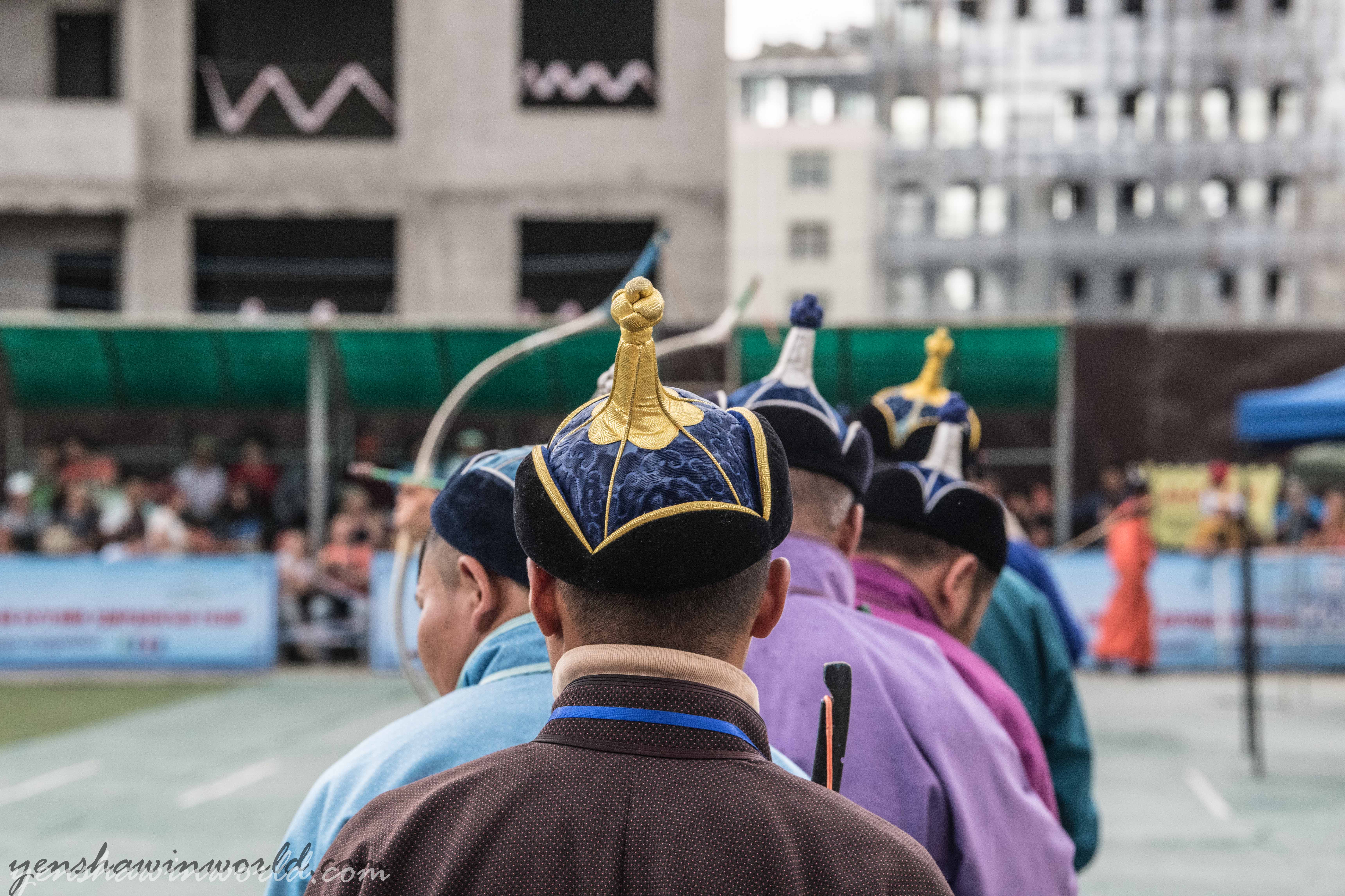
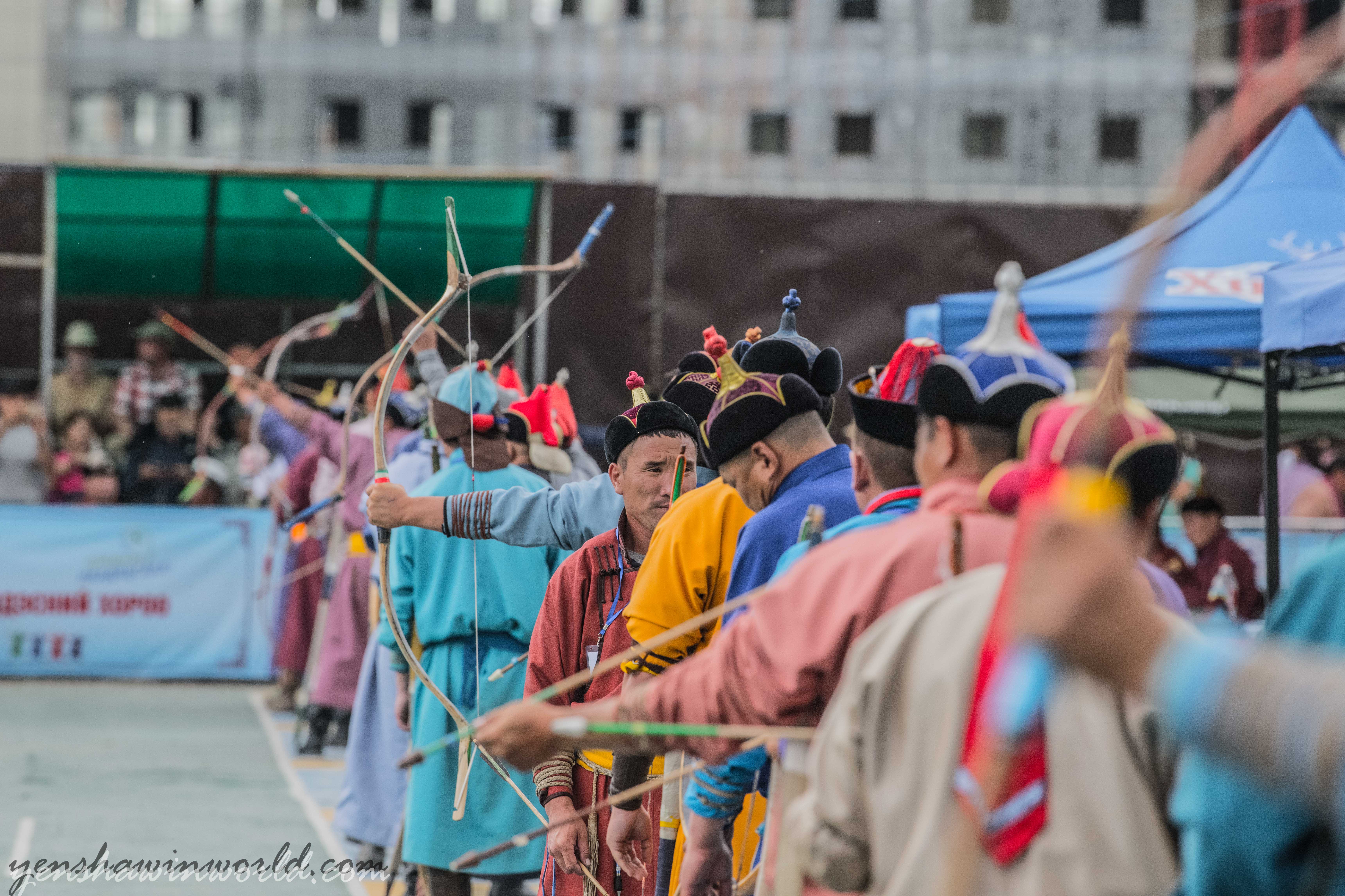
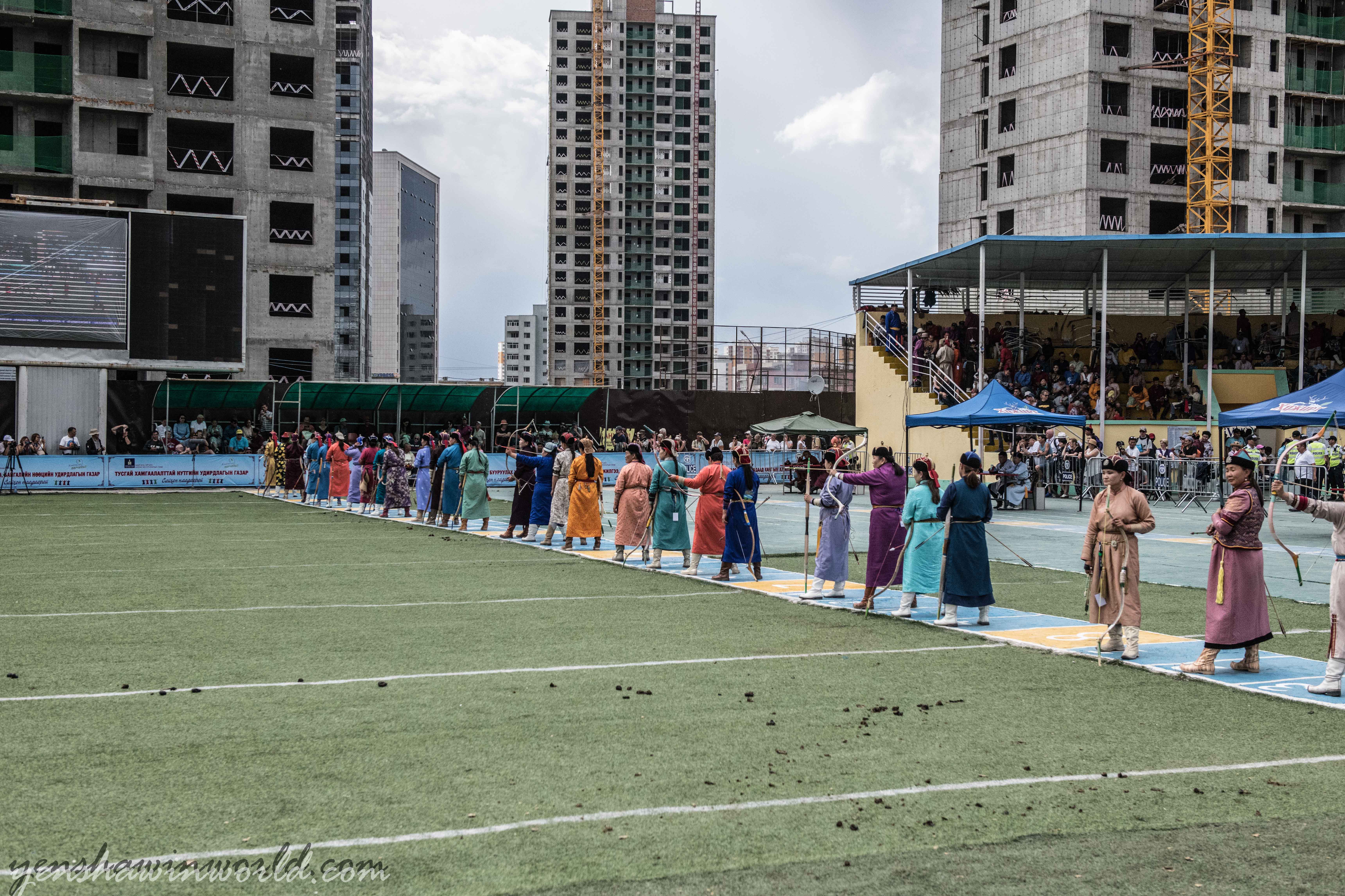
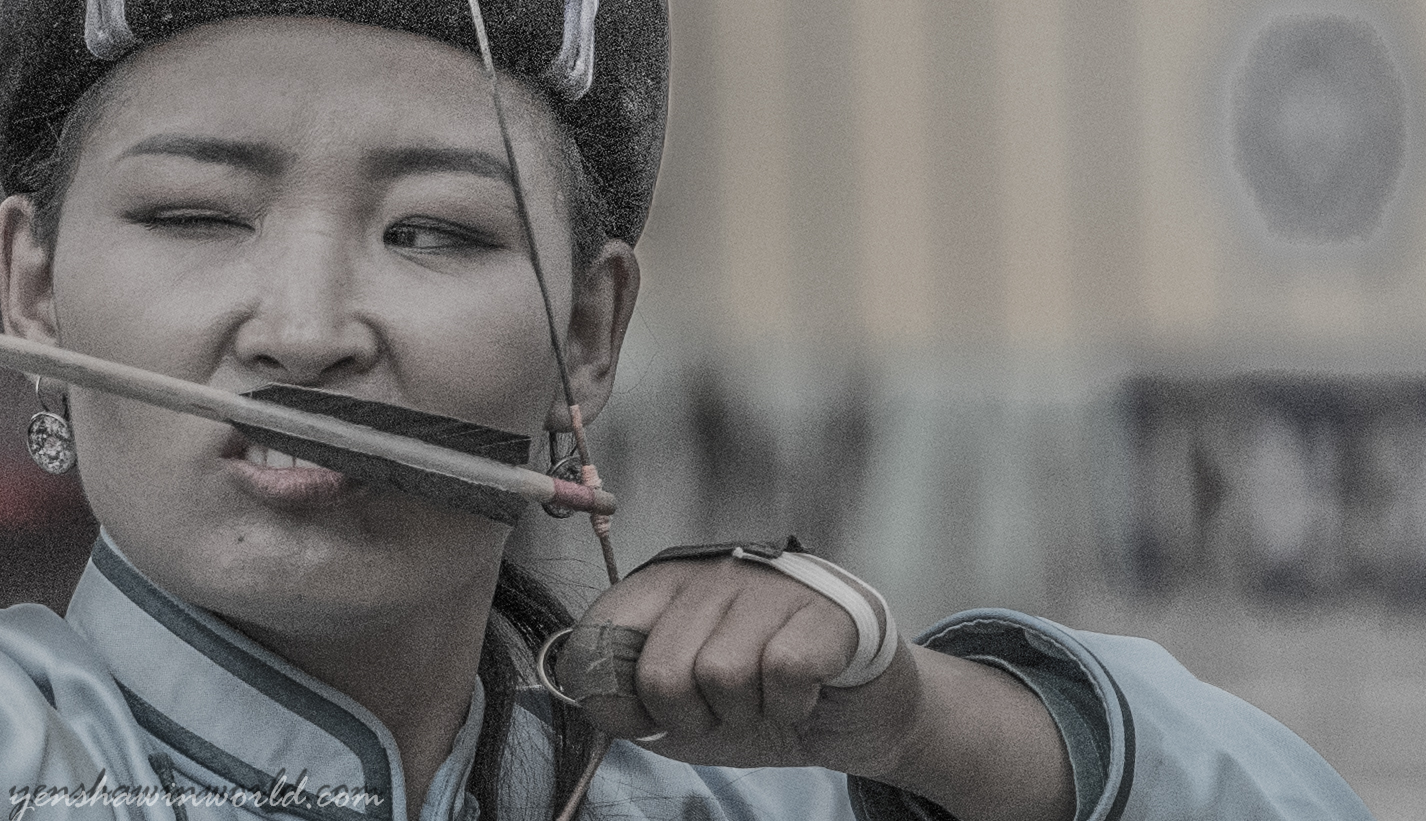
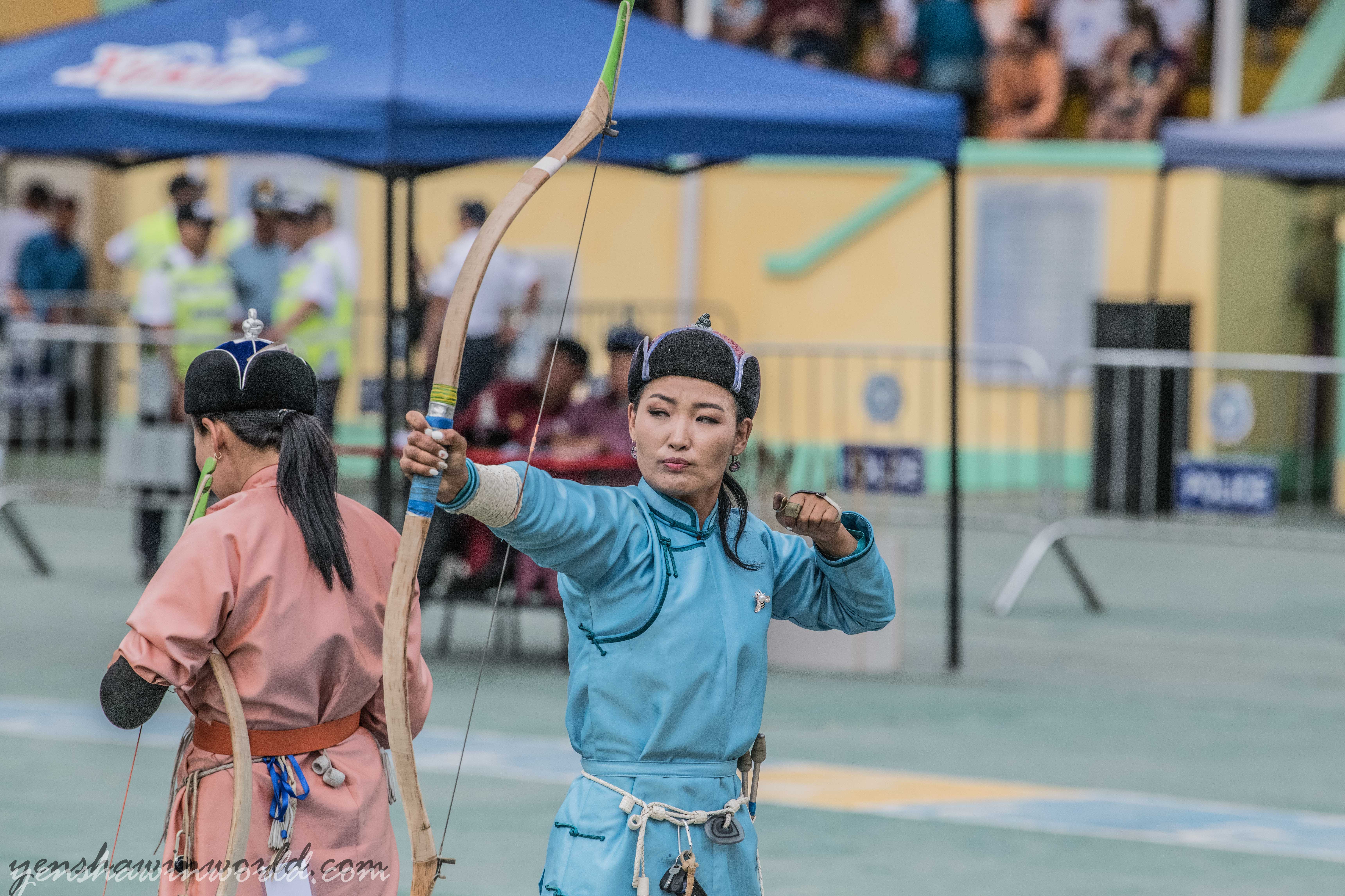
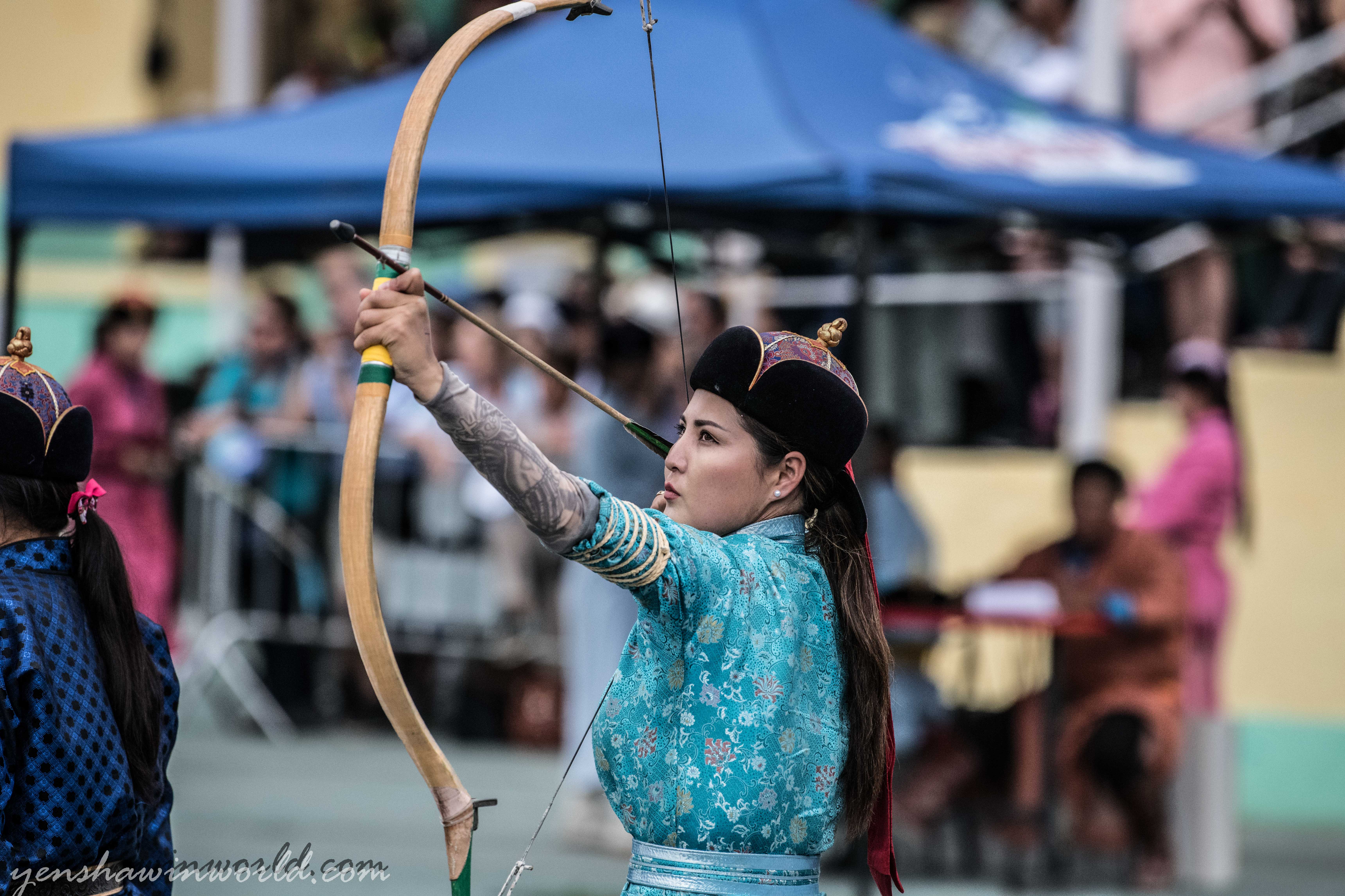
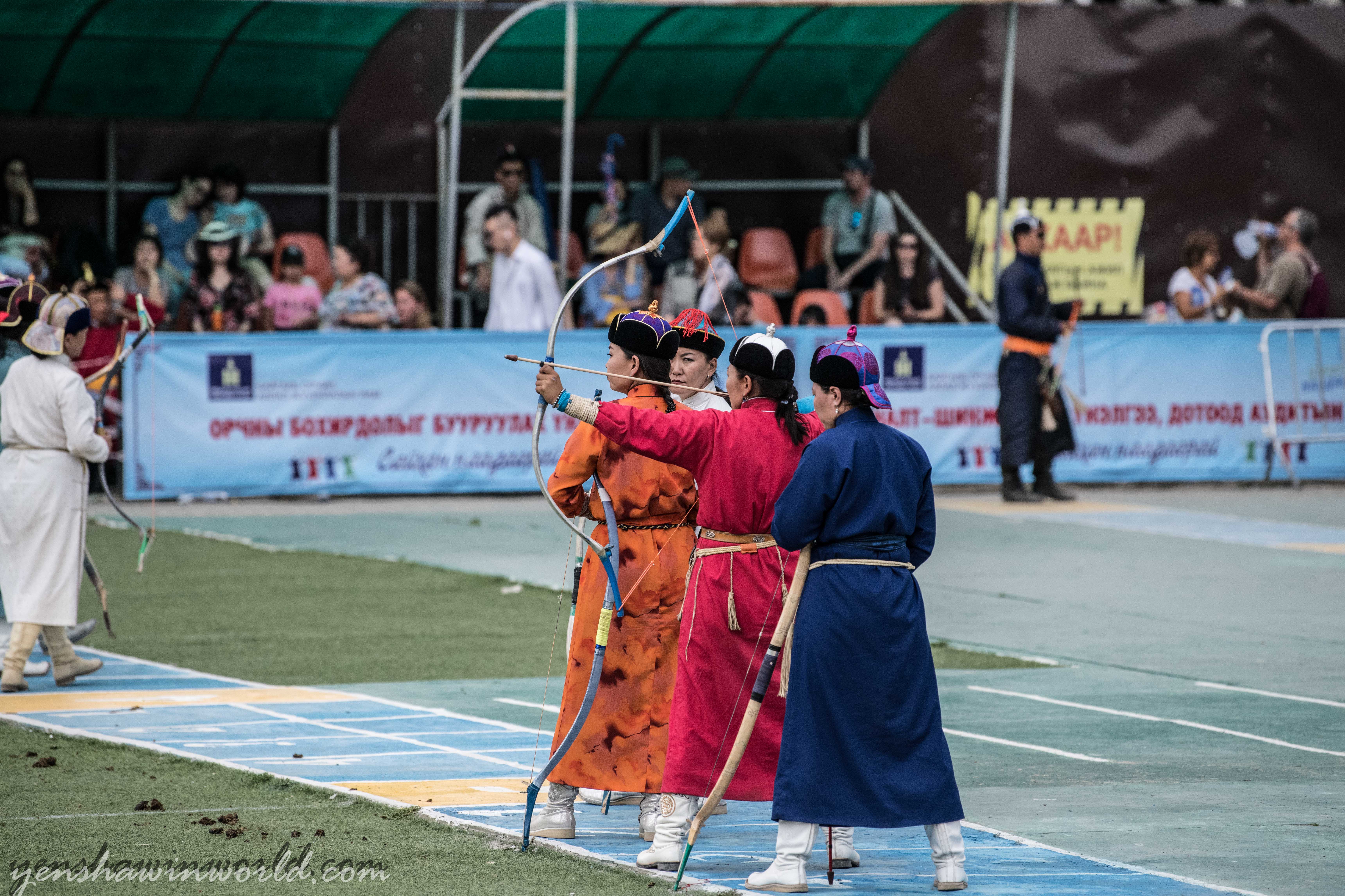
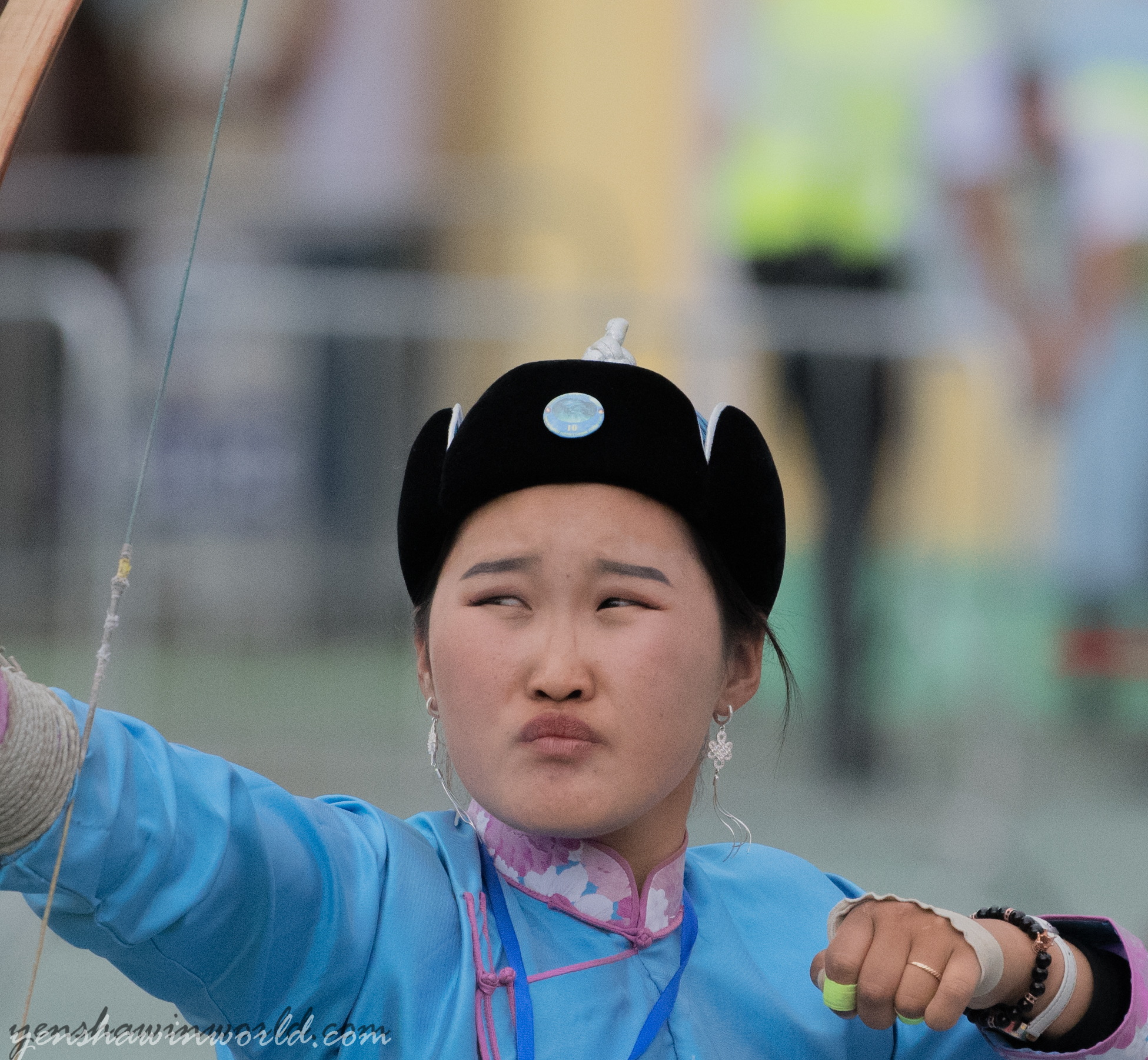
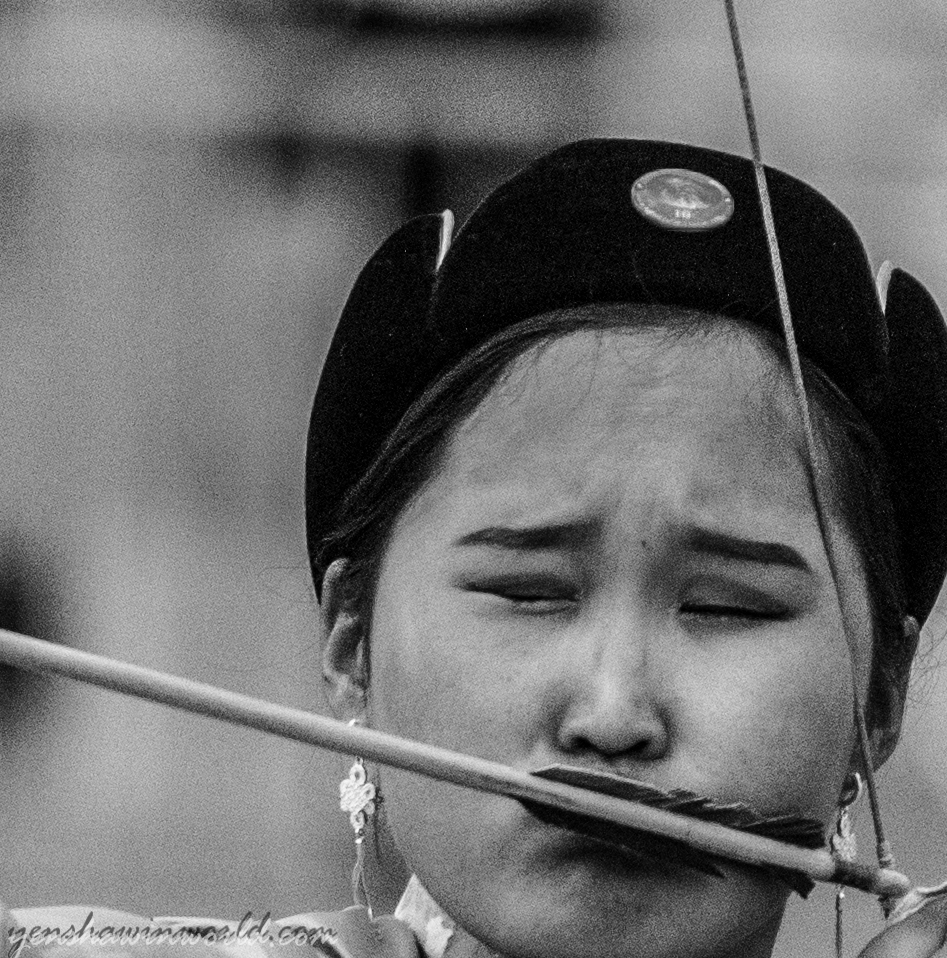
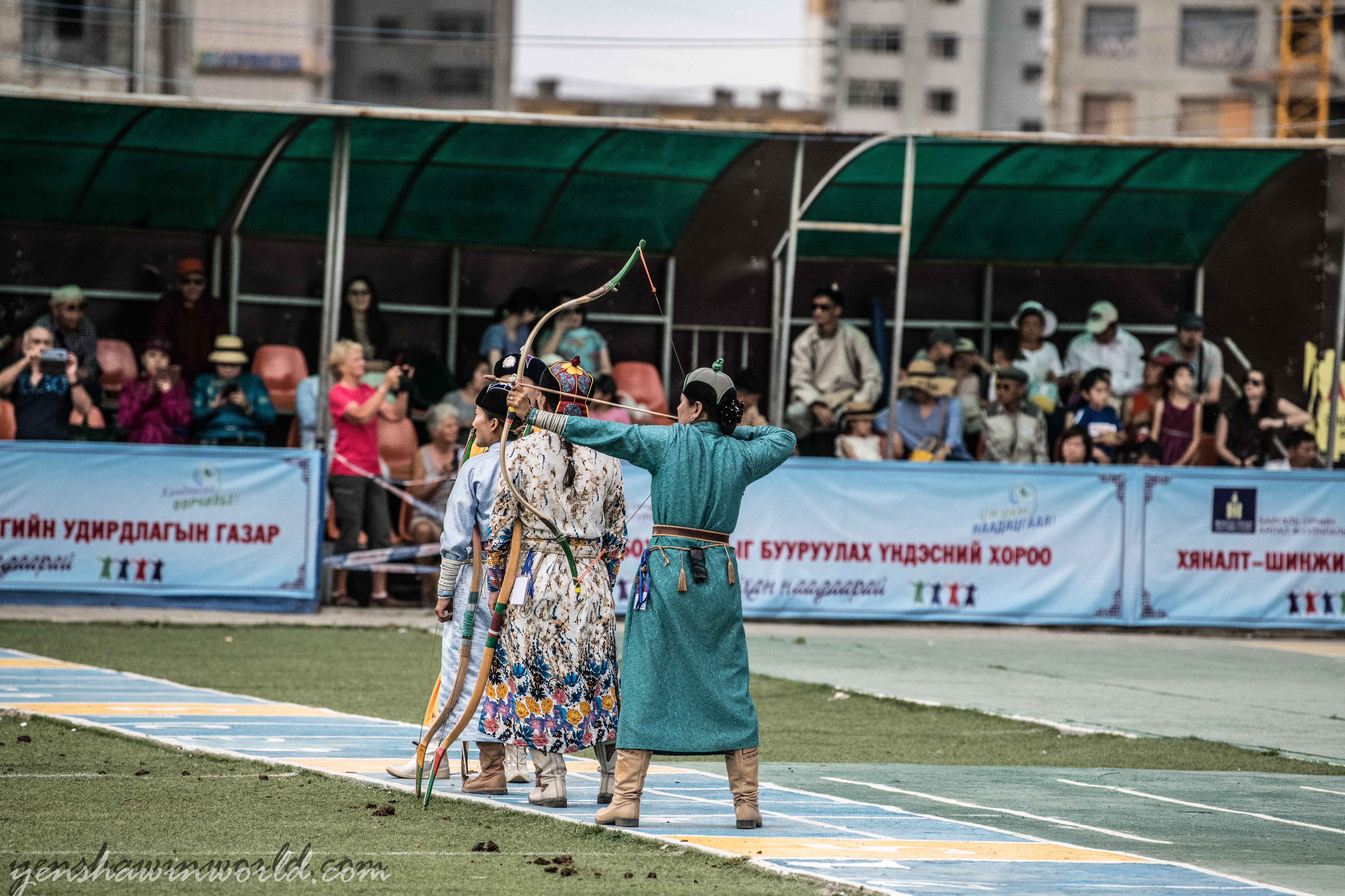
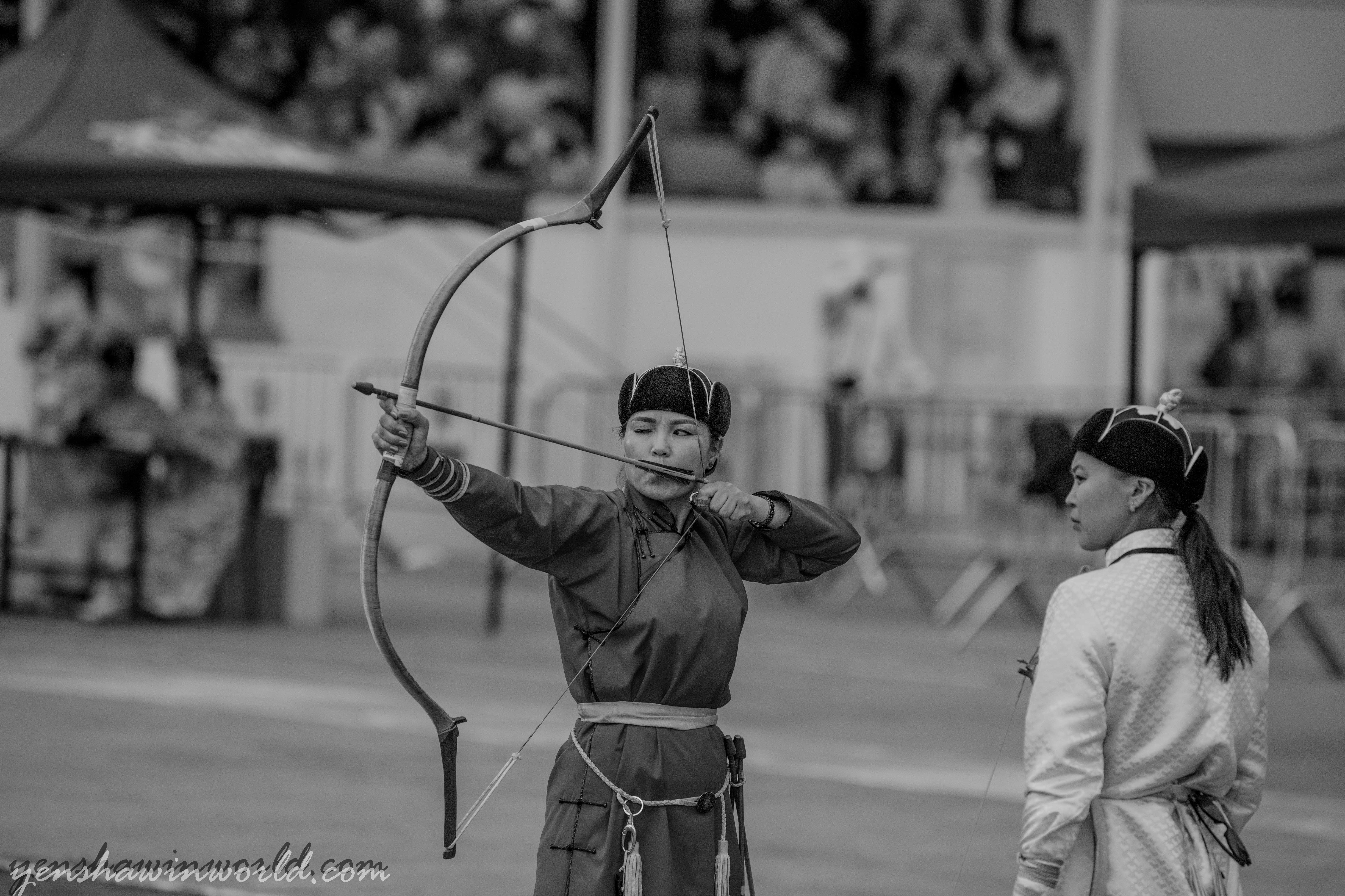
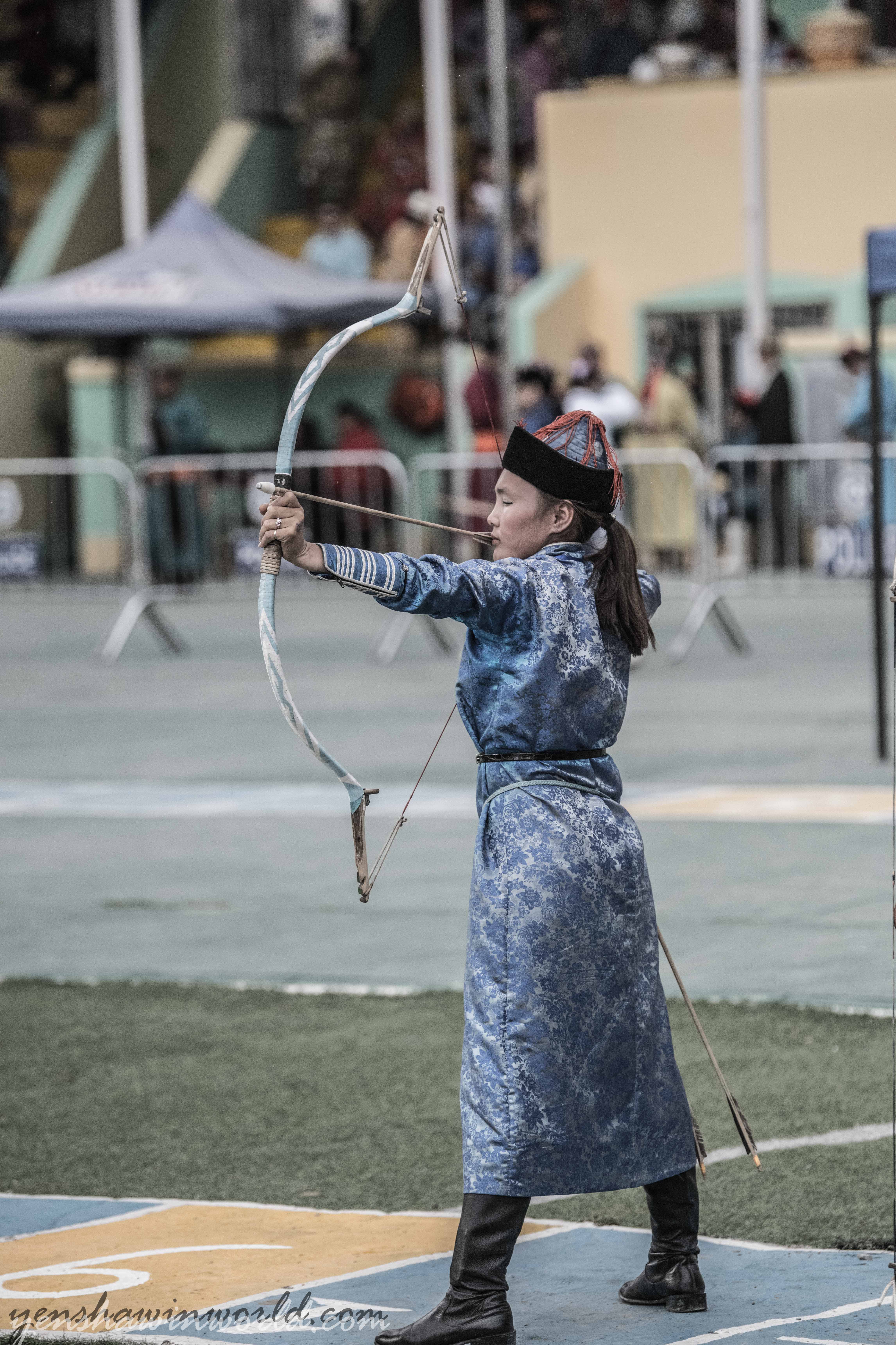
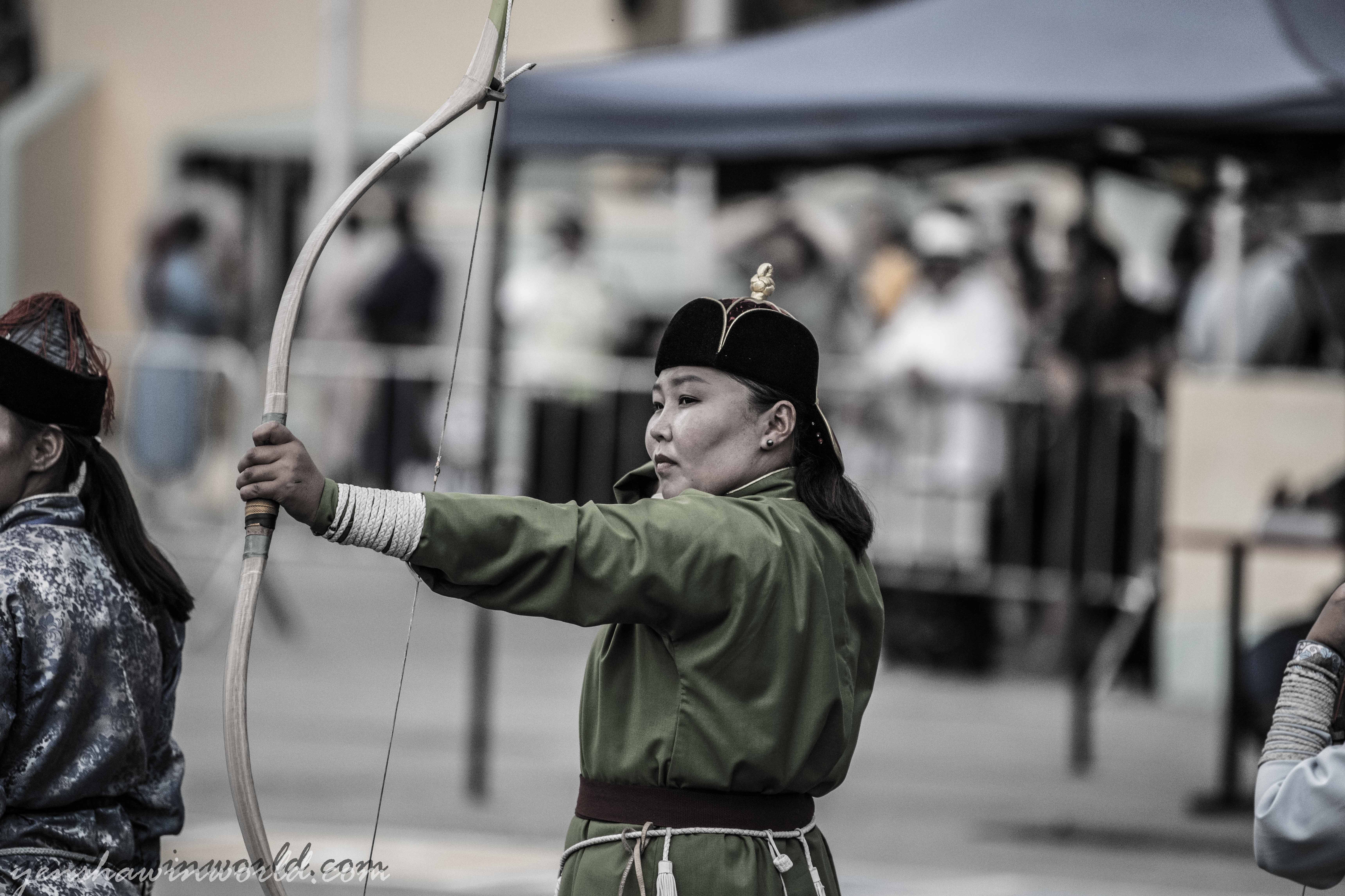
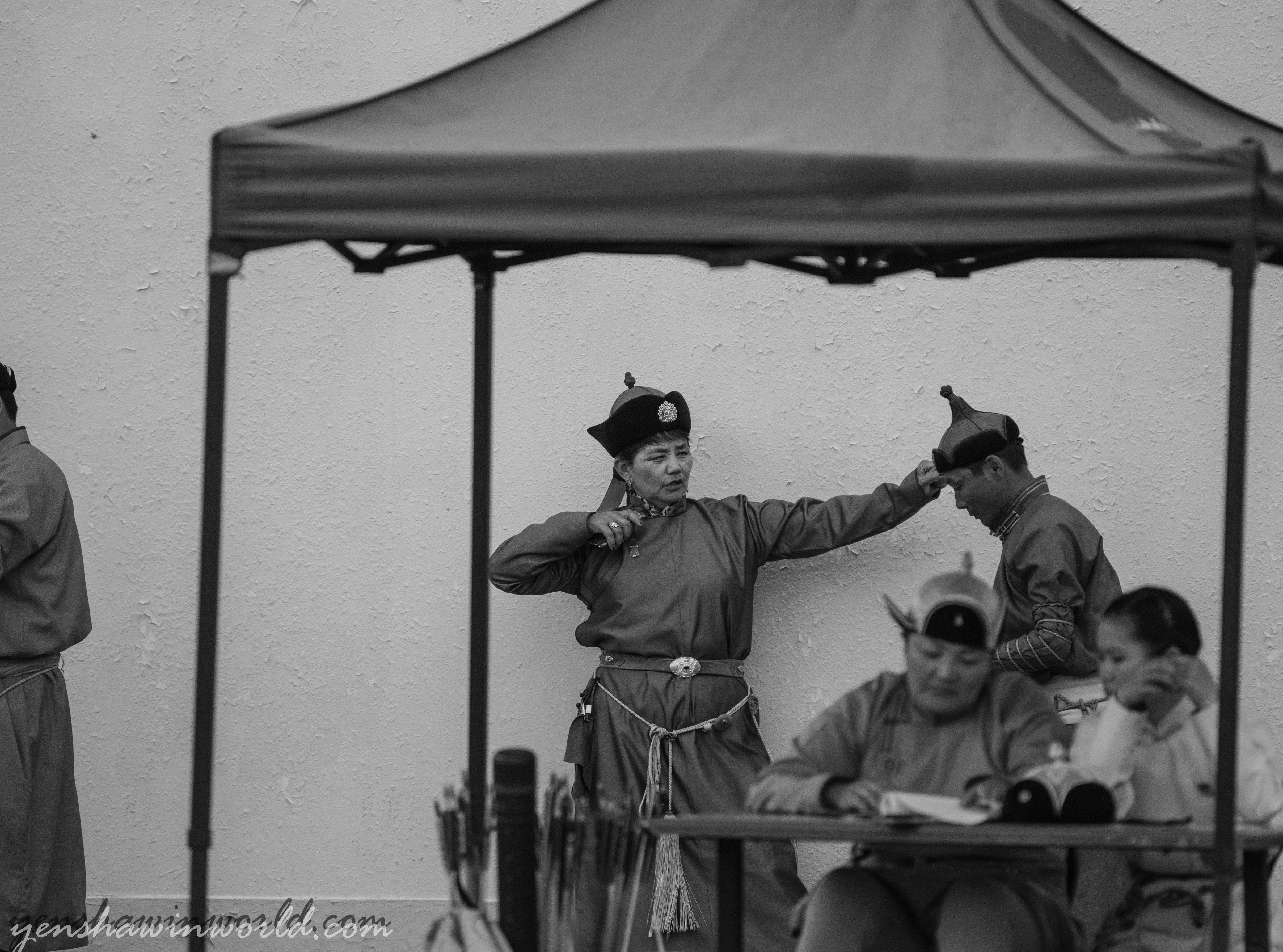
My favorite even was the archery, which was great for photography and for watching.  This is a competition which has men and women participating each gender rotation games.  Men shoot the arrows from 75 meters away, while women shoot from 65 meters away.  This is played with teams of ten in which each archer is given four arrows to hit 33 surs (small blocks) which are set up on the other side of the field.  They compete in this in the traditional clothing of Mongolia which makes them very colorful.  When a person hits the target, the judge yells and puts his hand up.  You get more points for hitting the surs in the center although I do not know how many more.  The surs forming a wall are then put back together after each hit until the team is out of arrows.  The winners are then granted the titles of national marksmen or women….

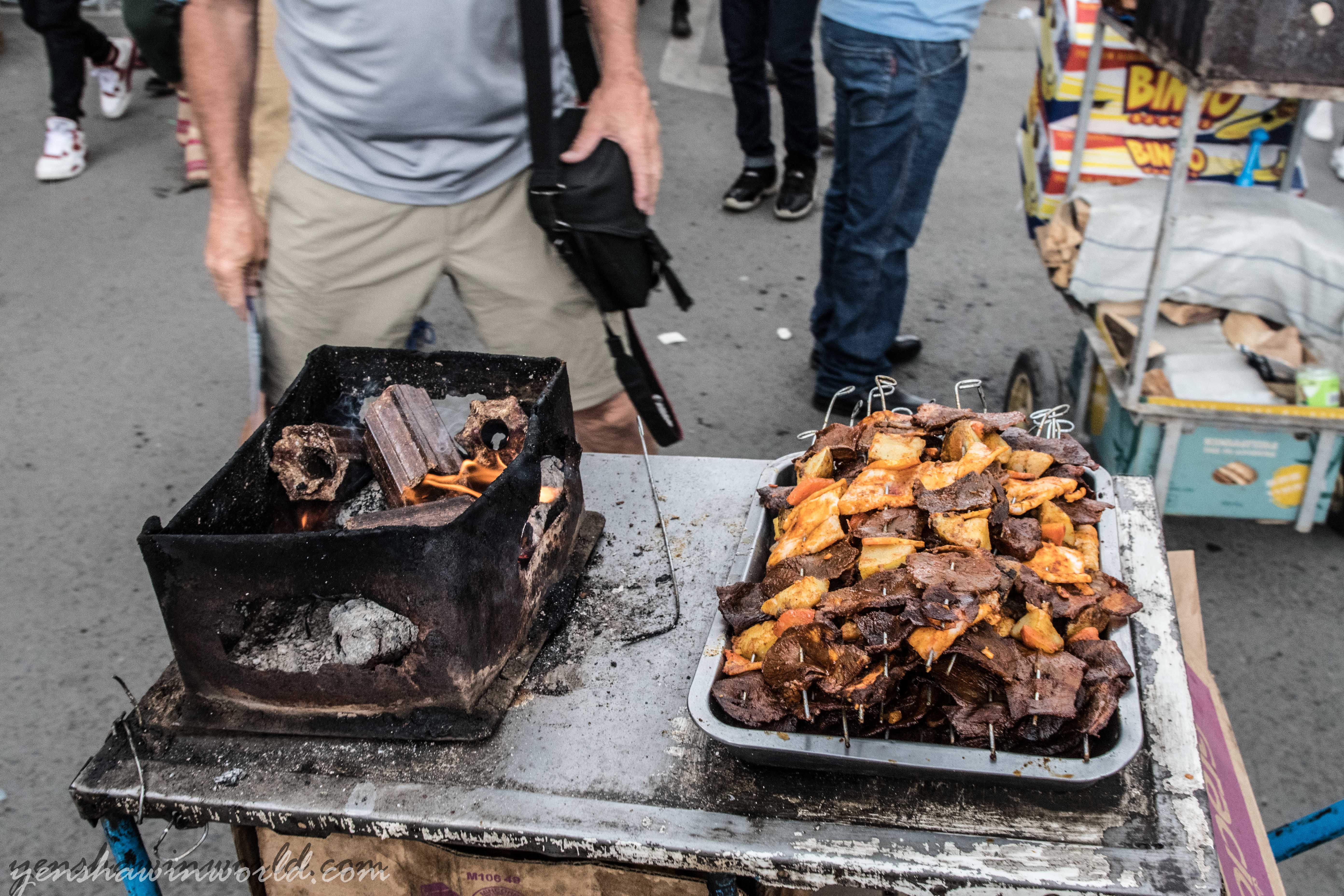
Overall, I really enjoyed Mongolia and all it had to offer.  The people are inquisitive and friendly which is hard to find in all countries today.  Their culture loves to eat meat and wash it down with a shot (or many of vodka).   They live a hard life of sometimes moving from place to place or extremes in temperature from hot and cold during the year, but it does not weather their spirit or their great work ethic.  The kids are some  of the strongest I have ever seen as most are learning to ride and control a horse before they can walk, and often help their parents out with jobs around the yurts or house.   It was my pleasure to be hosted by Stepperiders and their great family of volunteers, friends that were on the track and workers.  I WILL DEFINITELY BE BACK!!!! THAT IS A PROMISE!!!

Tibet



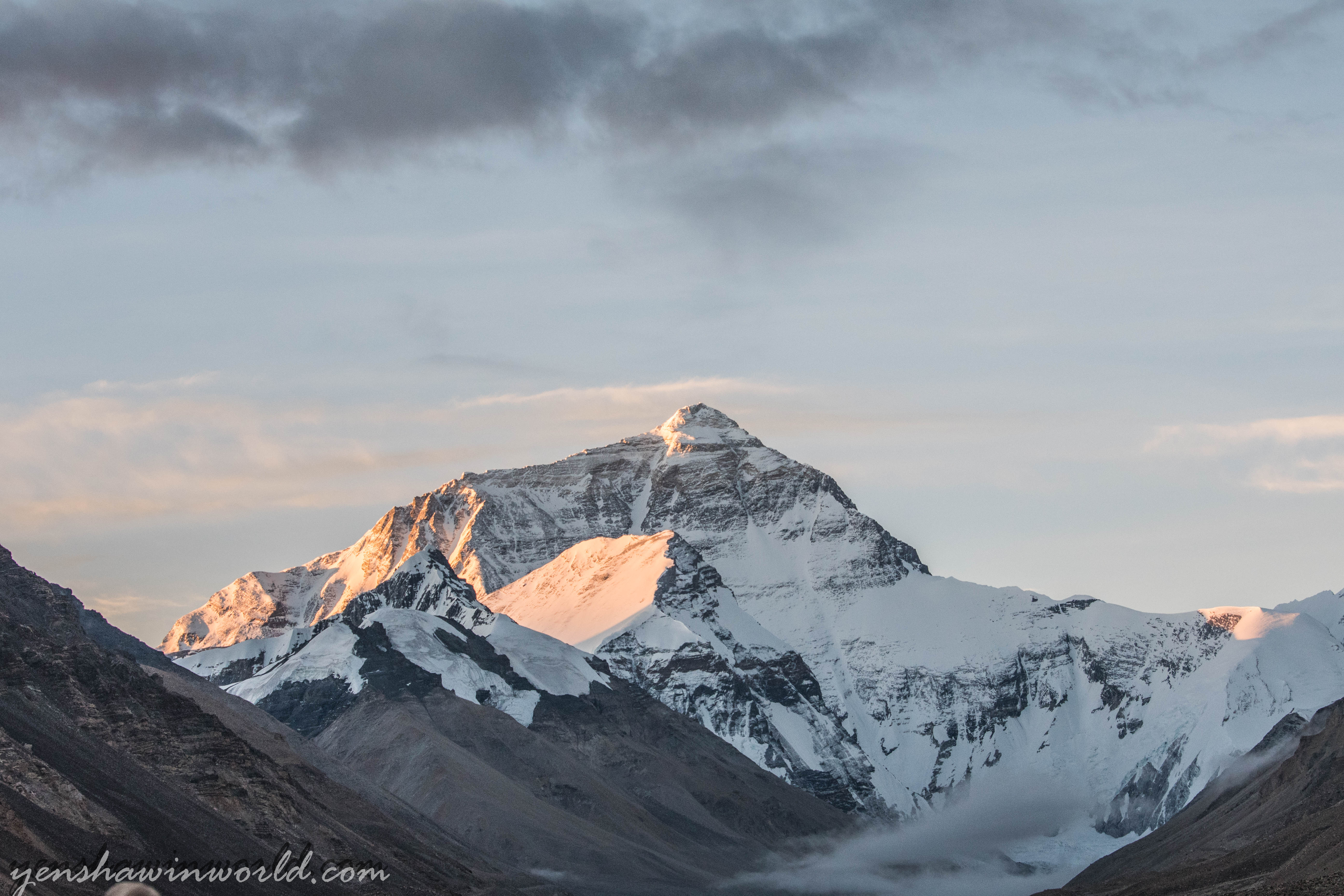
Mt. Everest at Sunrise

Tibet, also known as “The Rooftop of the World”, is an autonomous province of South Western China.  This is a land of two extreme, very hot and dry in the summer and very cold and snowy in the winter.  Since I have been a kid, I have heard stories from my grandma about how great this land is and stories about the Dalai Lama.  As I was in Bhutan last summer, and the architecture and the practice is Tibetan Buddhism is essentially the same, I decided to  check it out.

A Good company to book with if you are looking for an experience that can cater to a backpacker budget or a rich person budget would be Explore Tibet.  They took care of all of my questions and needs before the trip started and is very accommodating.  They can answer just about the hardest questions you have and really make you feel at home.  Thank you Explore Tibet for a great time and itinerary. Our guide Namgyal was one of the best guides that I had and his knowledge of the history and practices of the country were wonderful!!!!! He was very accommodating to everyone and he helped out with just about every person and their needs. I would highly recommend him and Explore Tibet to anyone wanting to go visit this country.

Flying into the capital Lhasa, you can start to see the lovely snowcapped mountains.  Most people visit here to see the North Peak of Mt. Everest and the many beautiful monasteries that are up to 1400 years old.  The monasteries look very similar to the Bhutanese monasteries, because they both practice the Tibetan form of Buddhism.  I can tell you that altitude sickness is a real thing as most of this country is located upwards of 3600 plus meters!!  It is smart for you to drink a lot of water, but even for the people who are good with hiking, the altitude will still affect you!!!




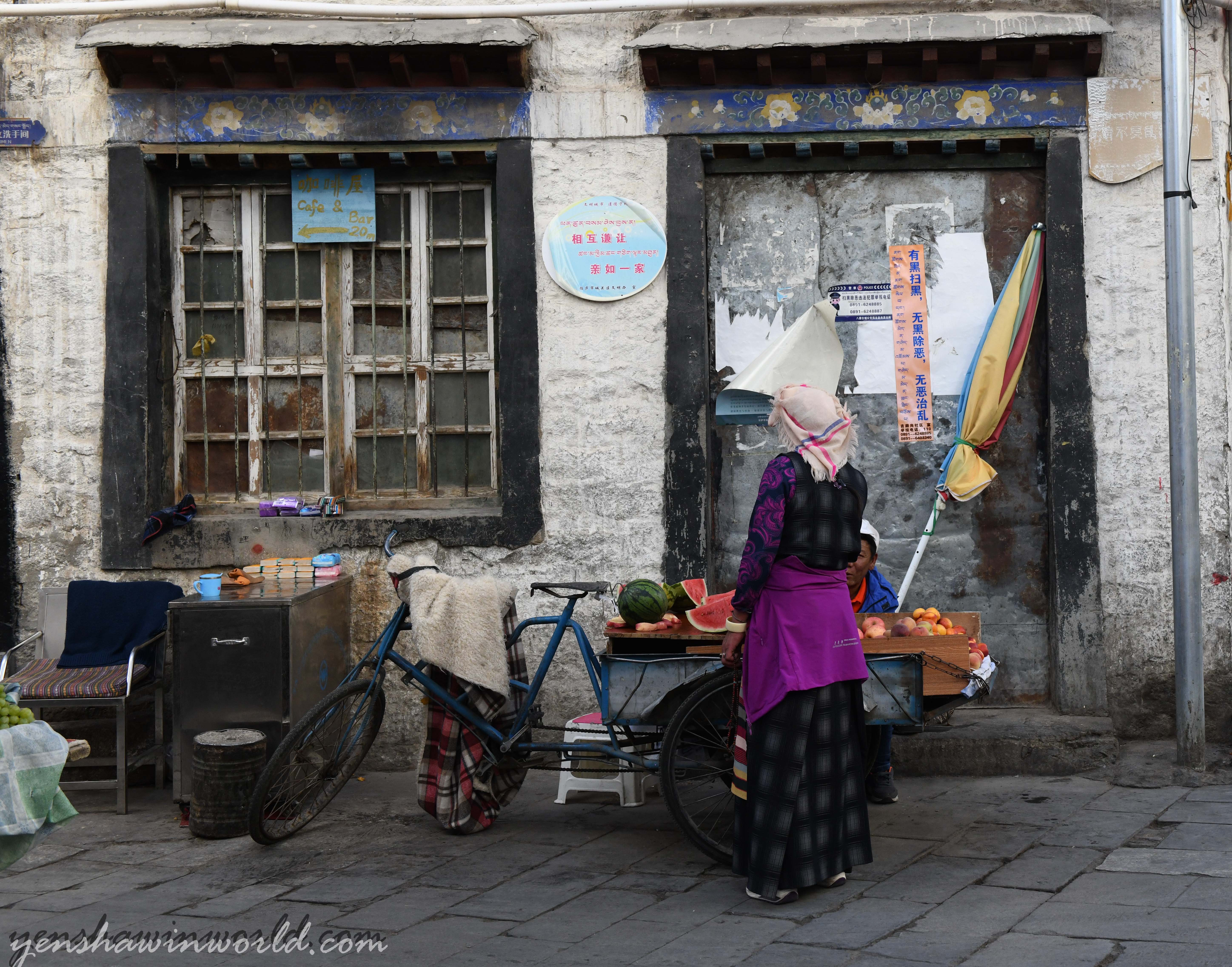





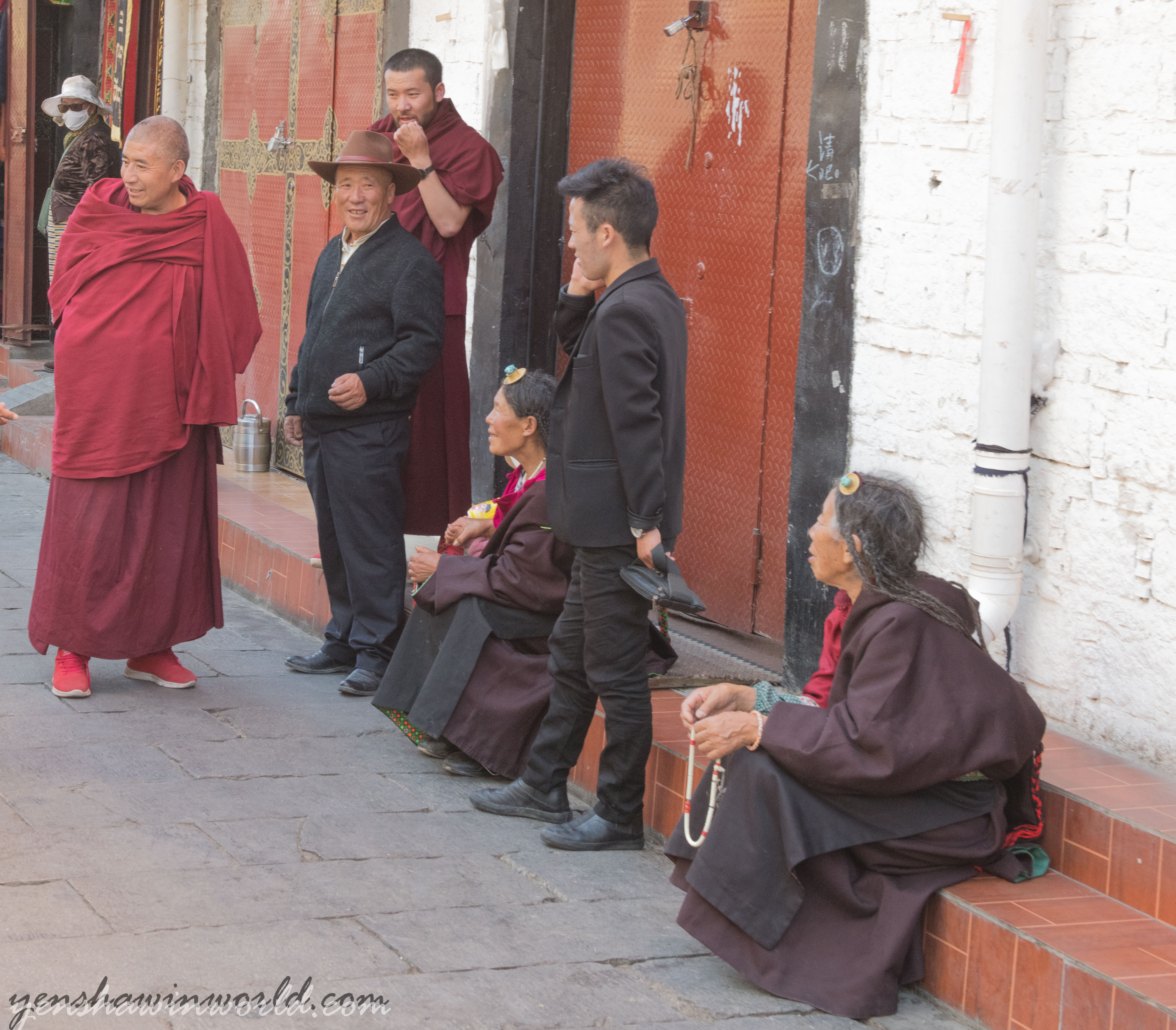

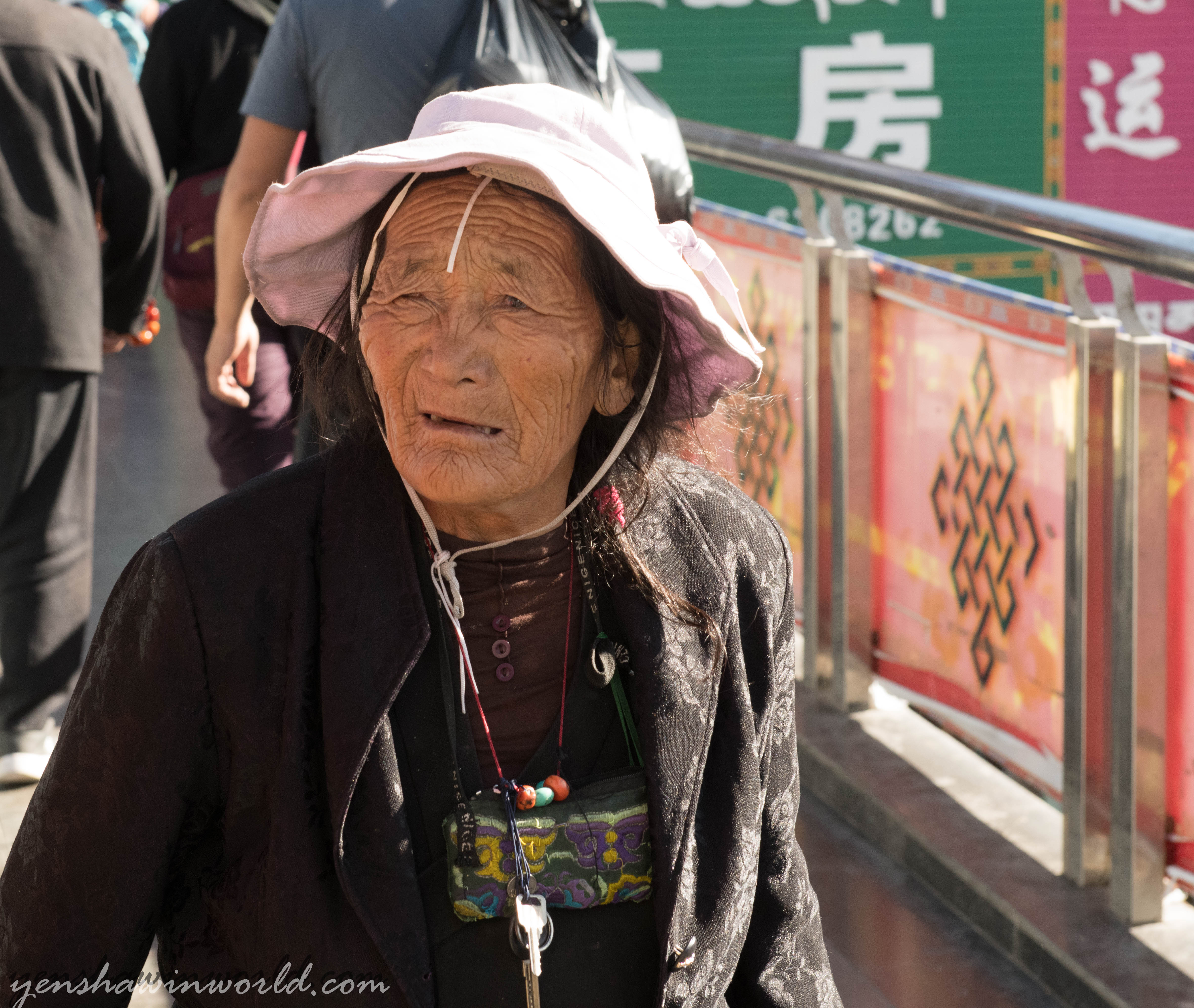






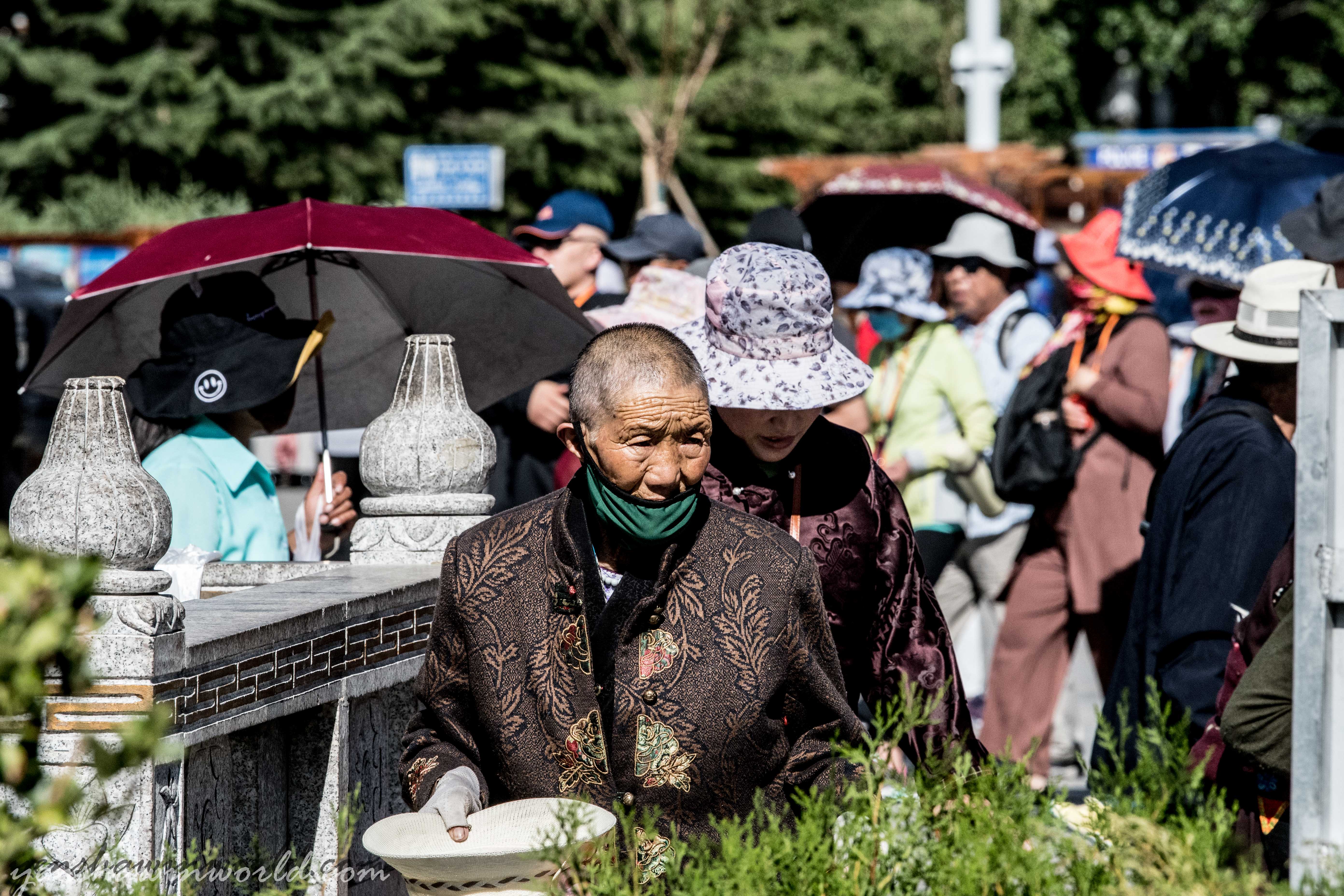
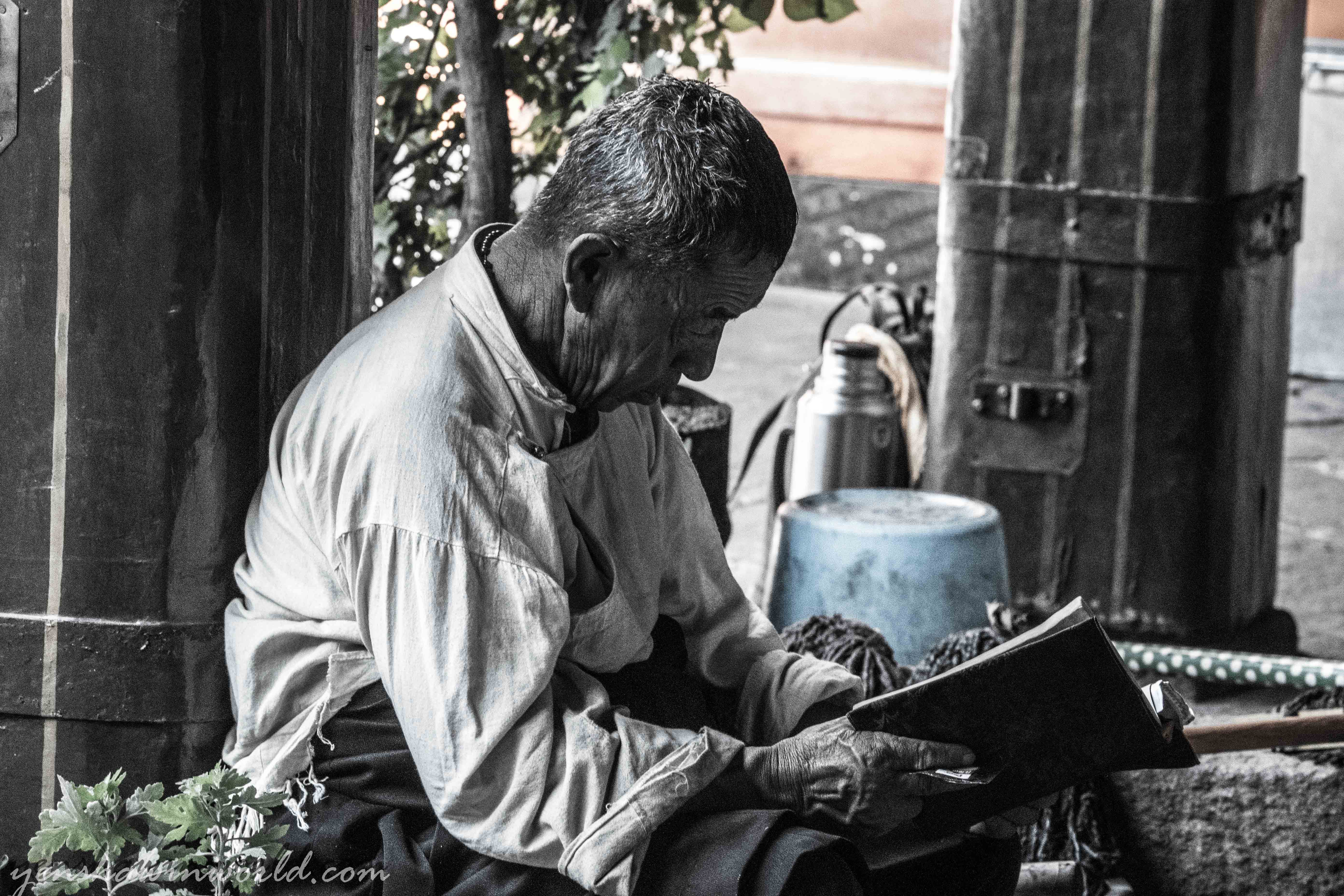
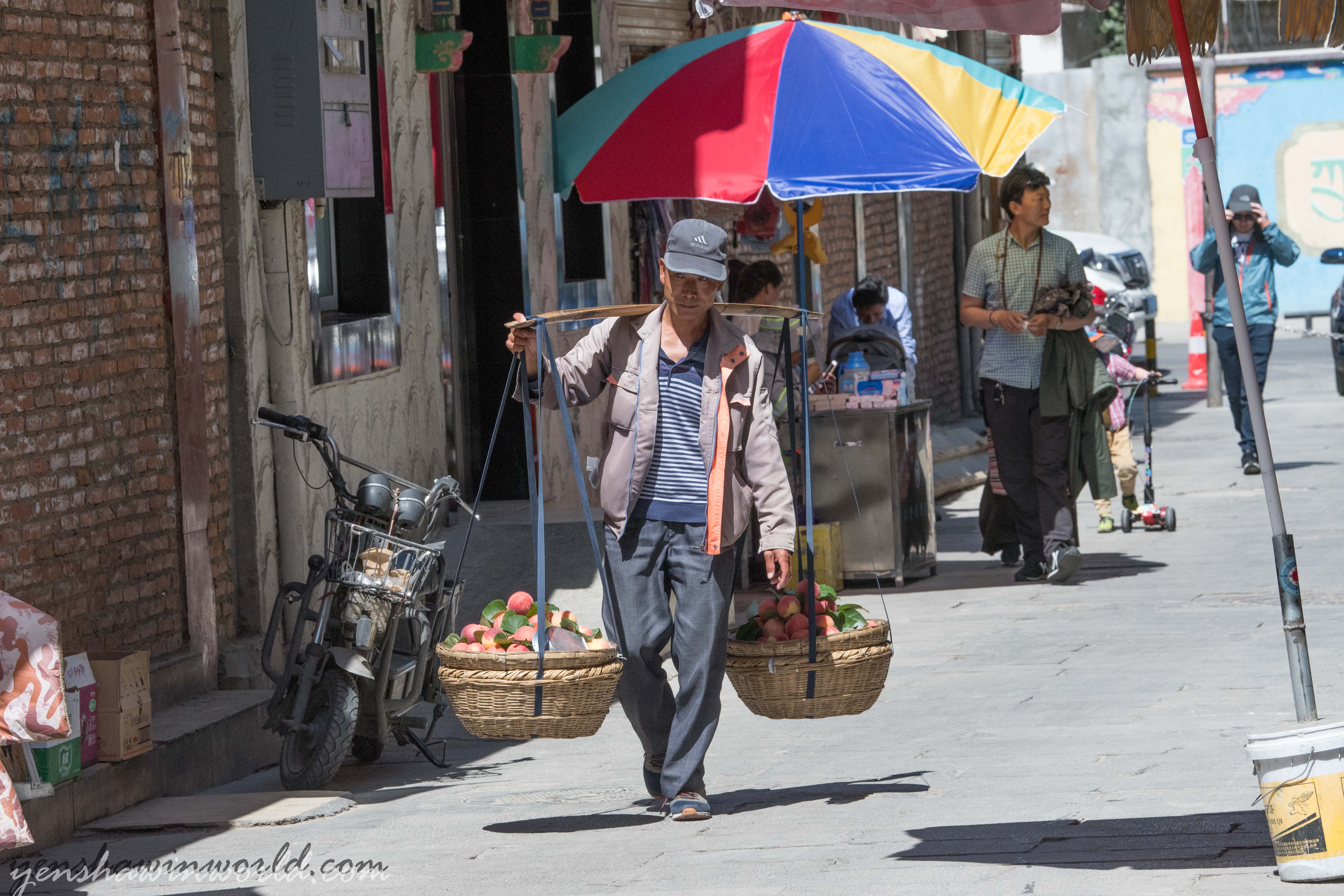




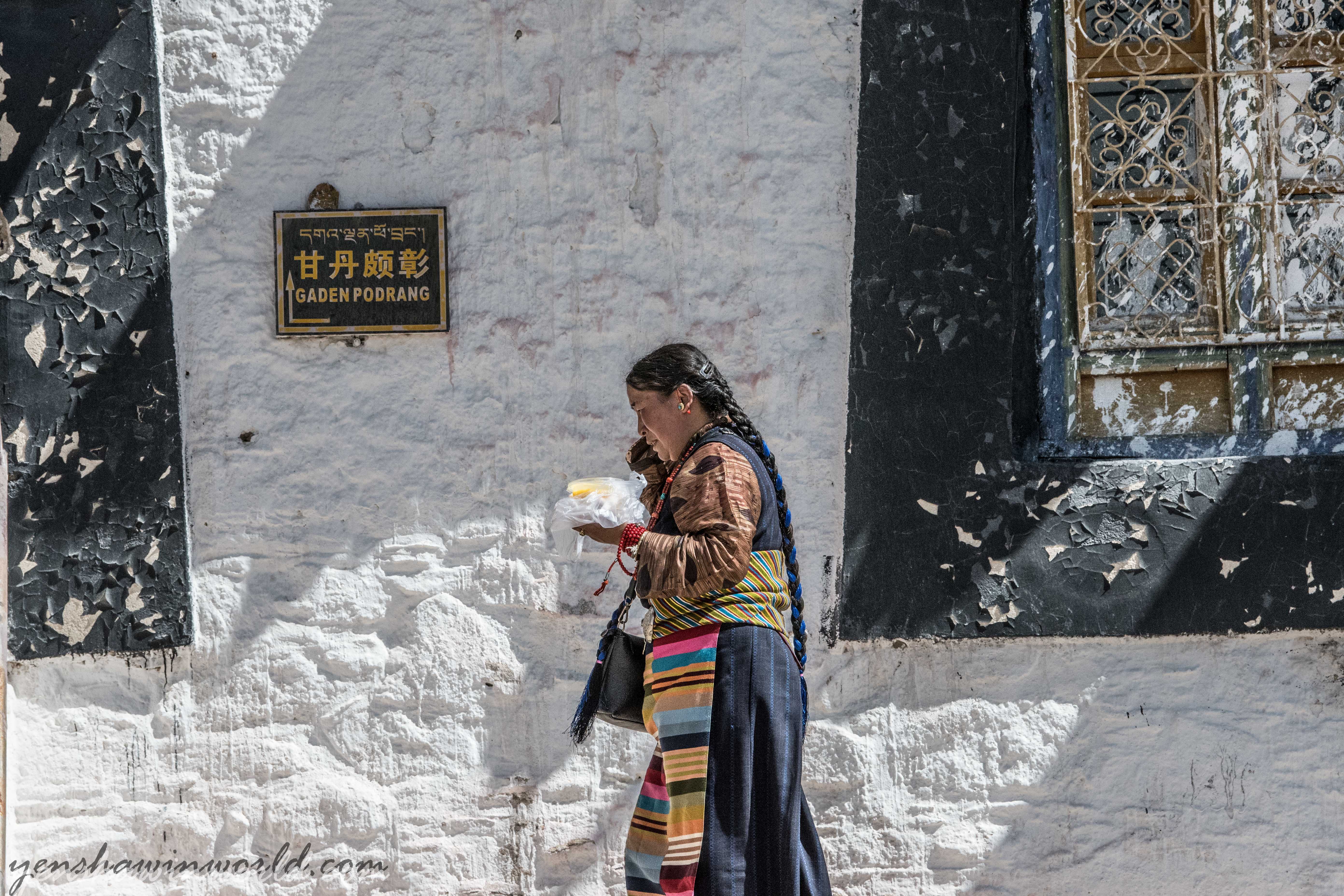
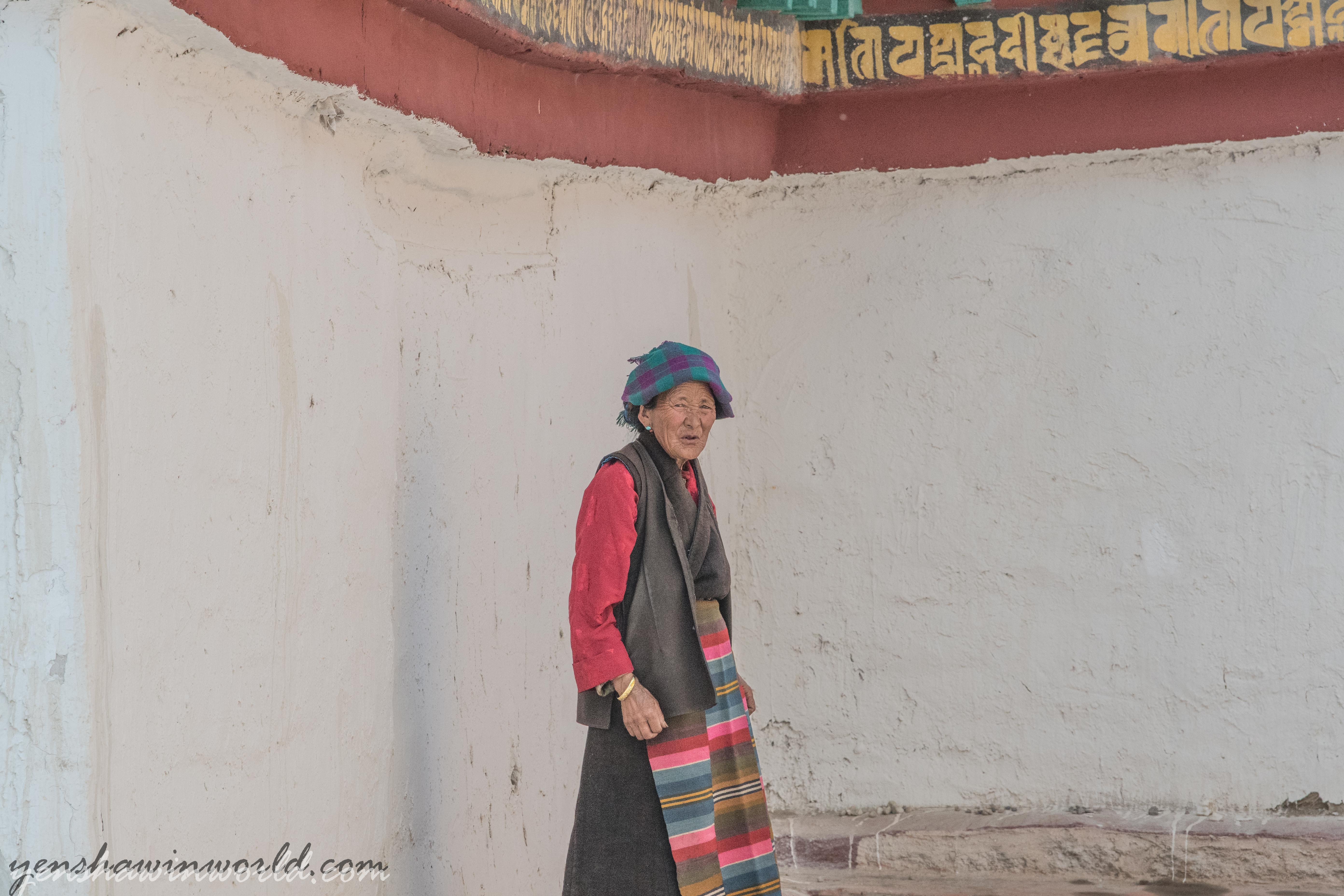
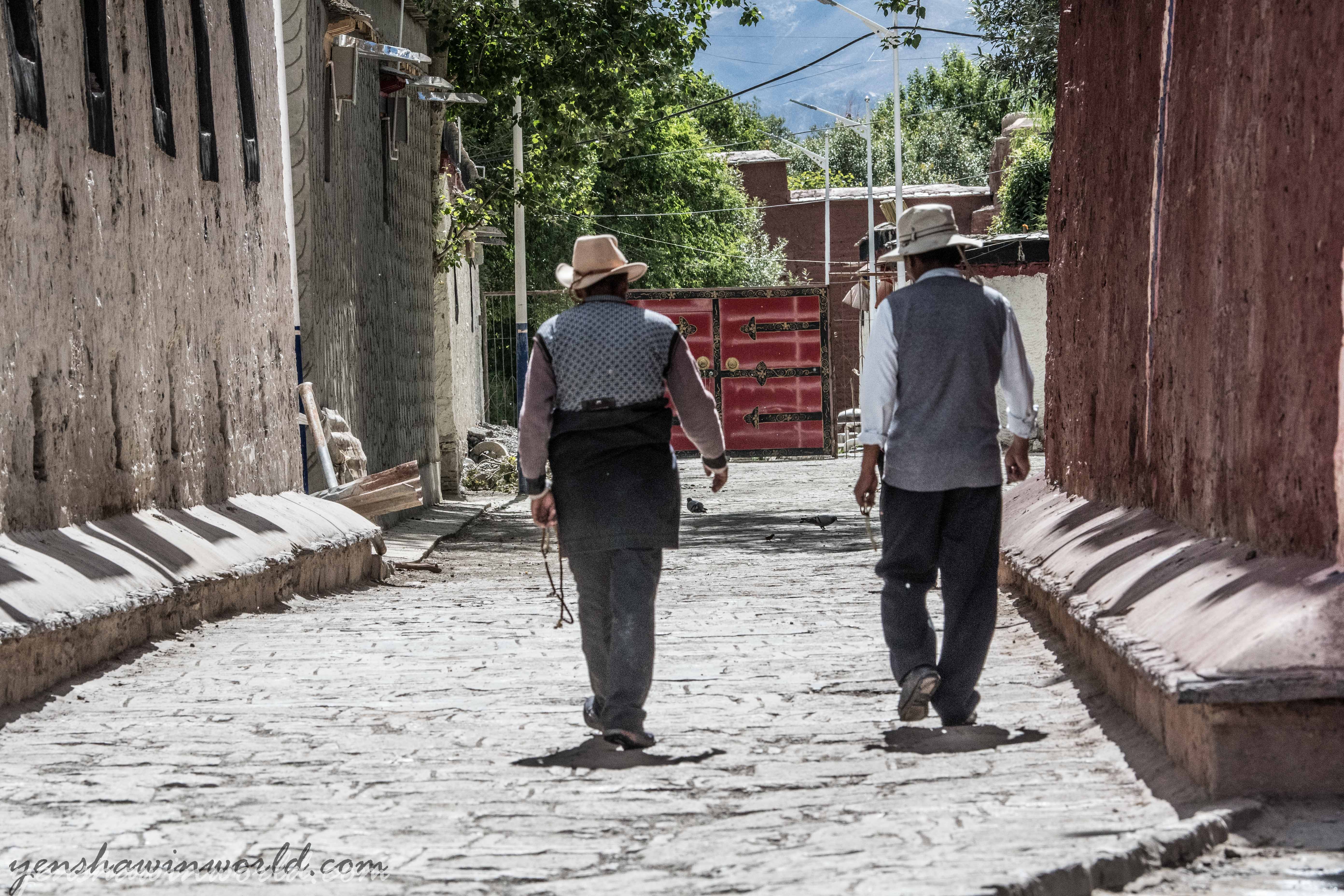
I am not usually fond of capital cities, but I found Lhasa to be one of a kind.   There is so many different alleys and streets you can walk down as one part of the city is more Tibetan and very traditional, while the other part of the city is Chinese with many new modern buildings and (a mall and IMAX yuck).  For the most part I stuck to the Tibetan side to see the wonderful monasteries as well as the beautiful winding streets and alley ways!!!



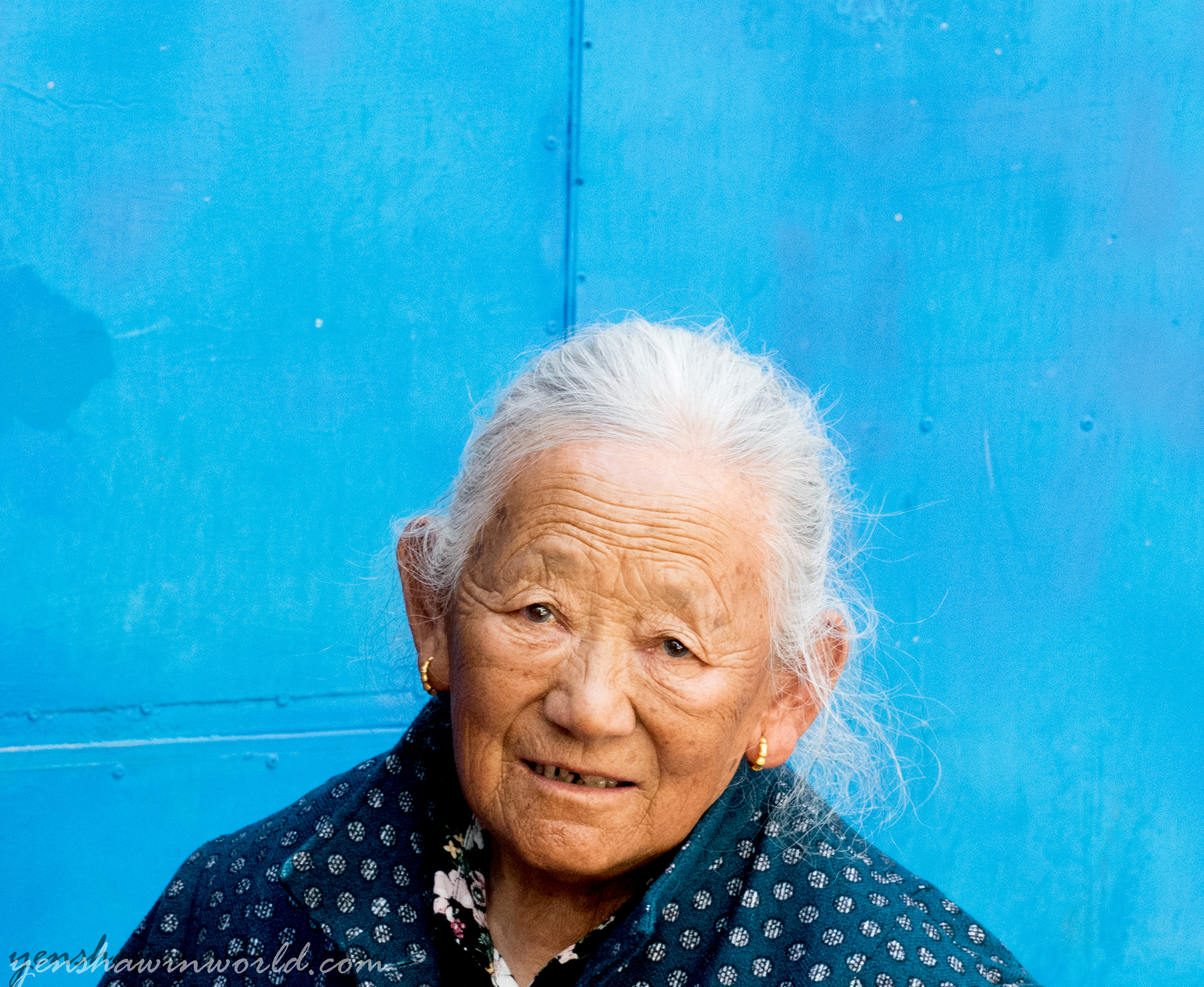
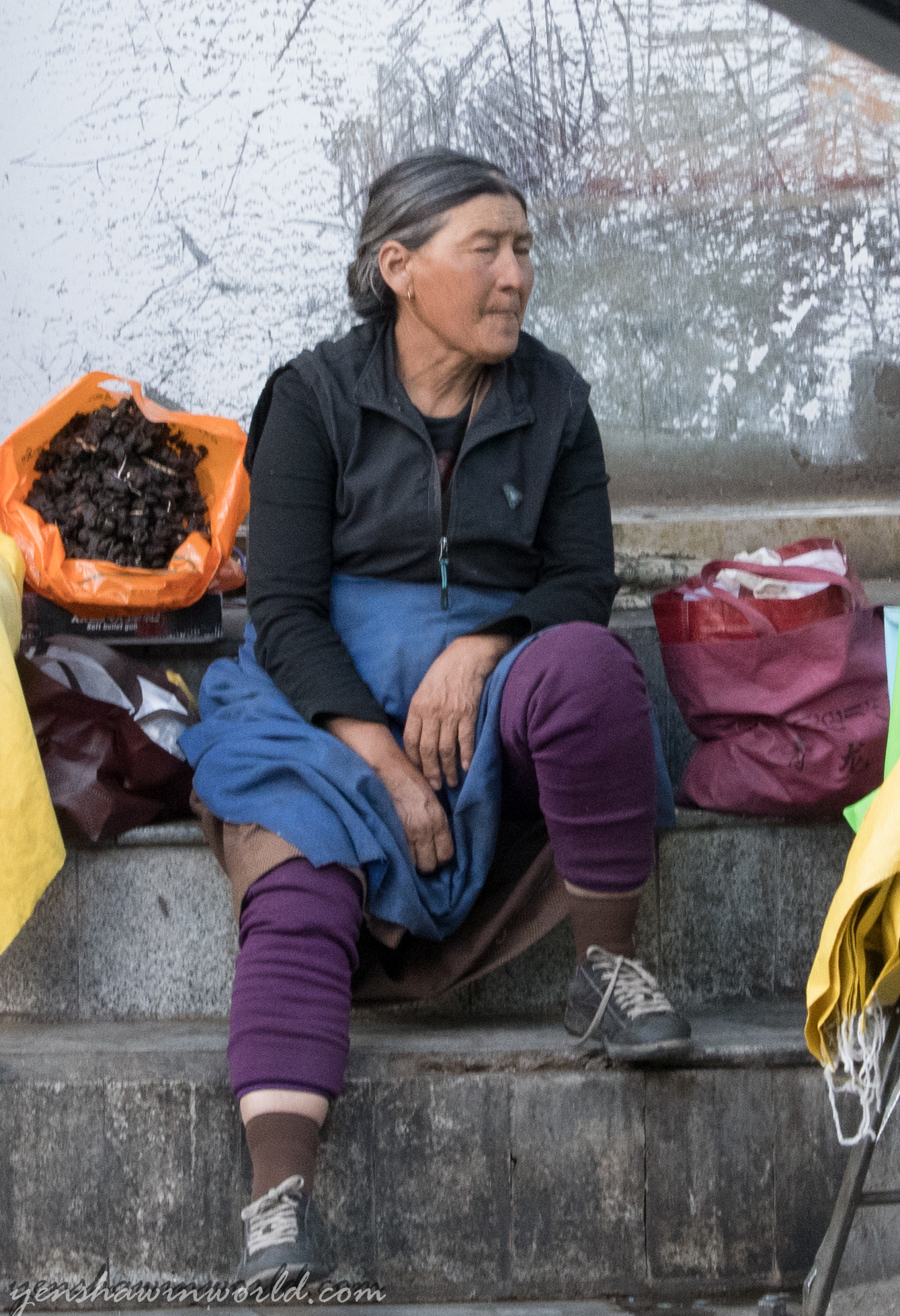

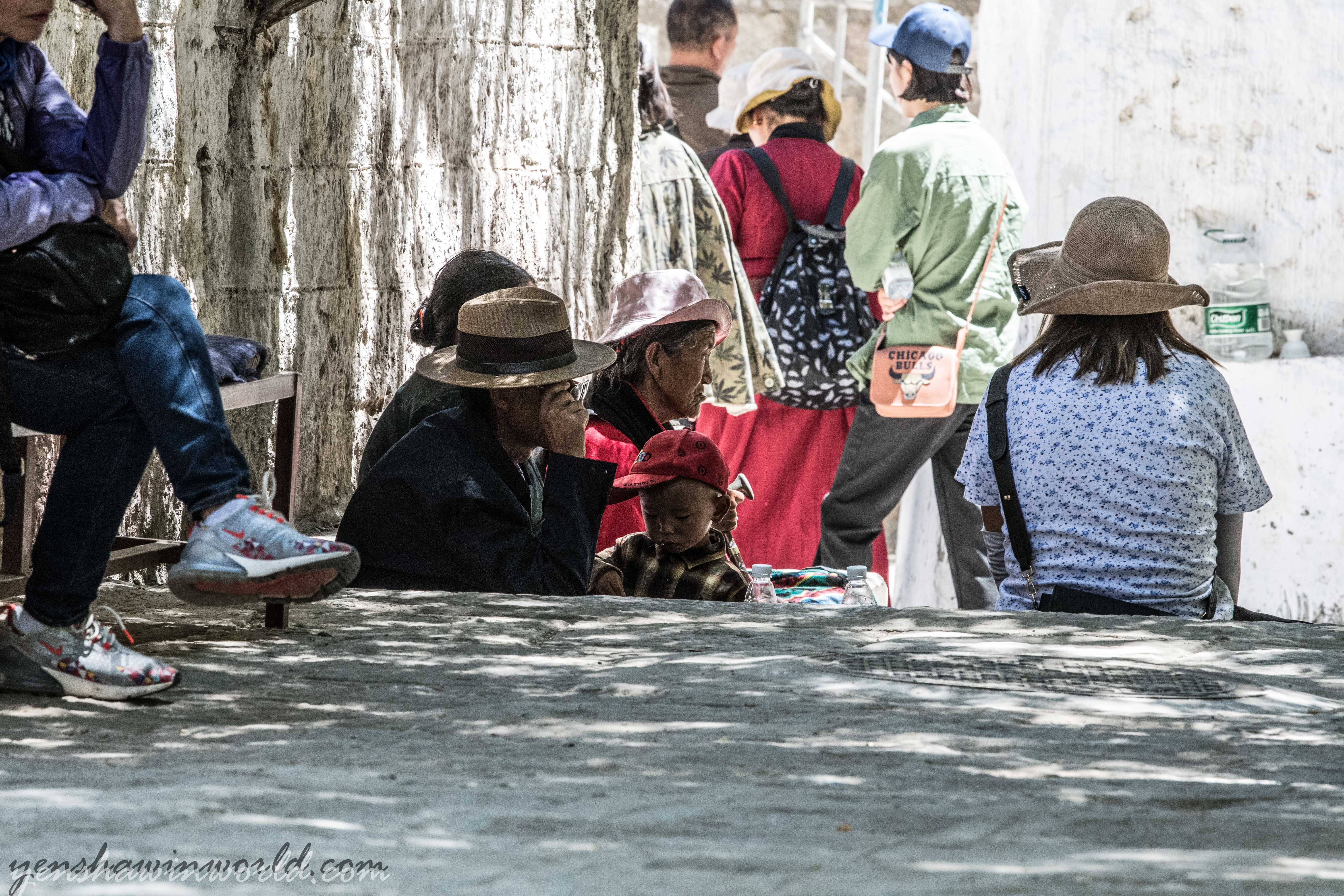
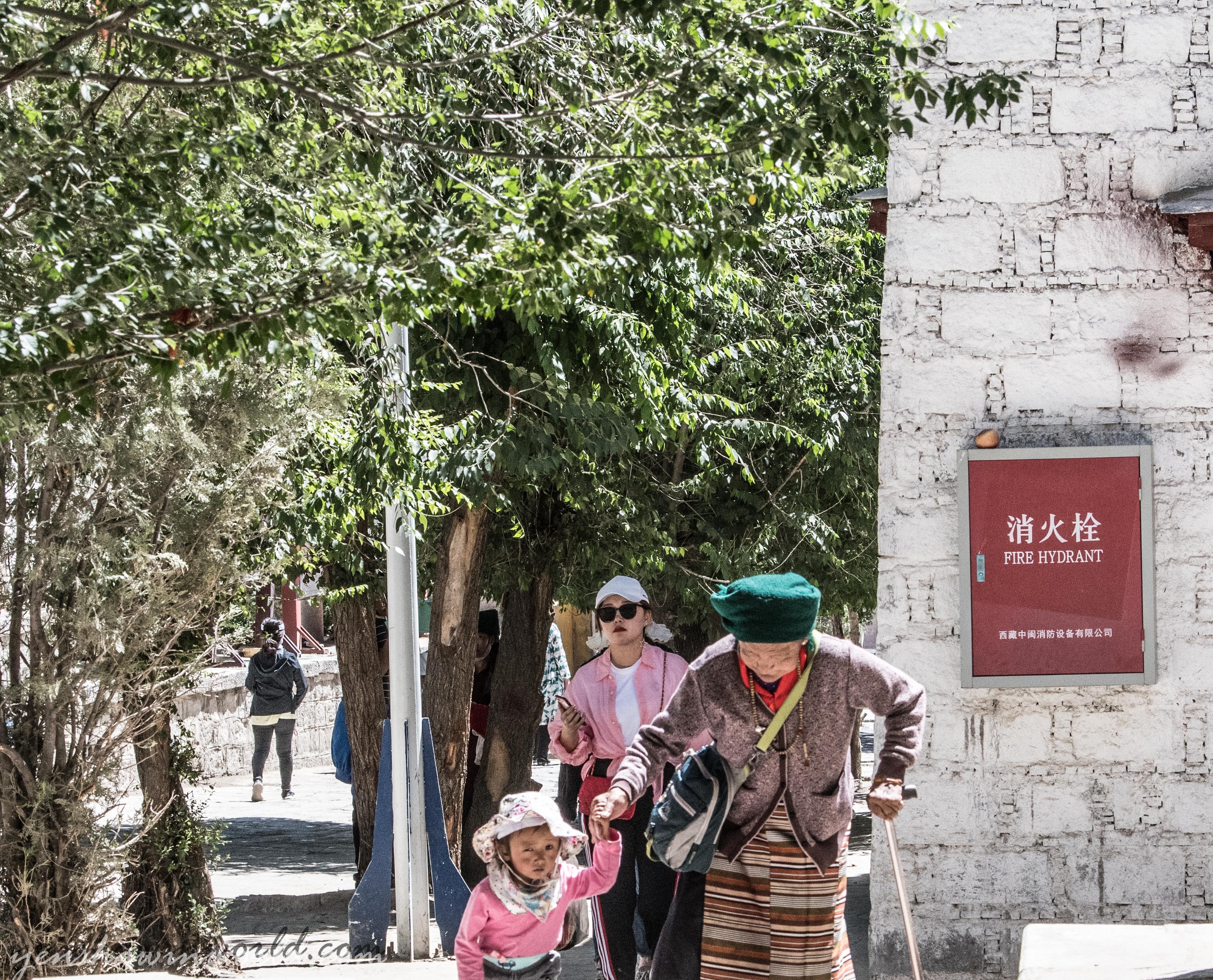
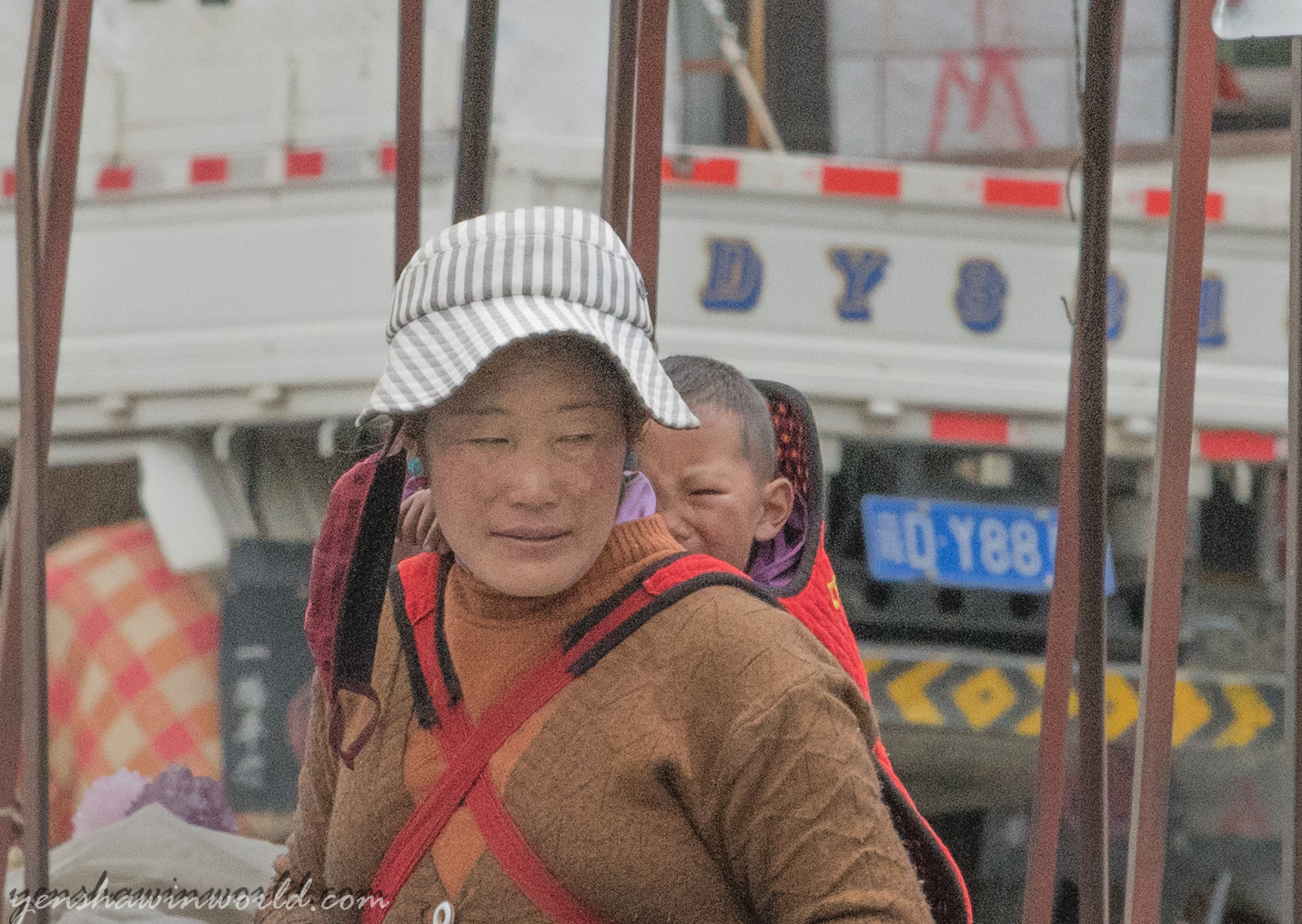
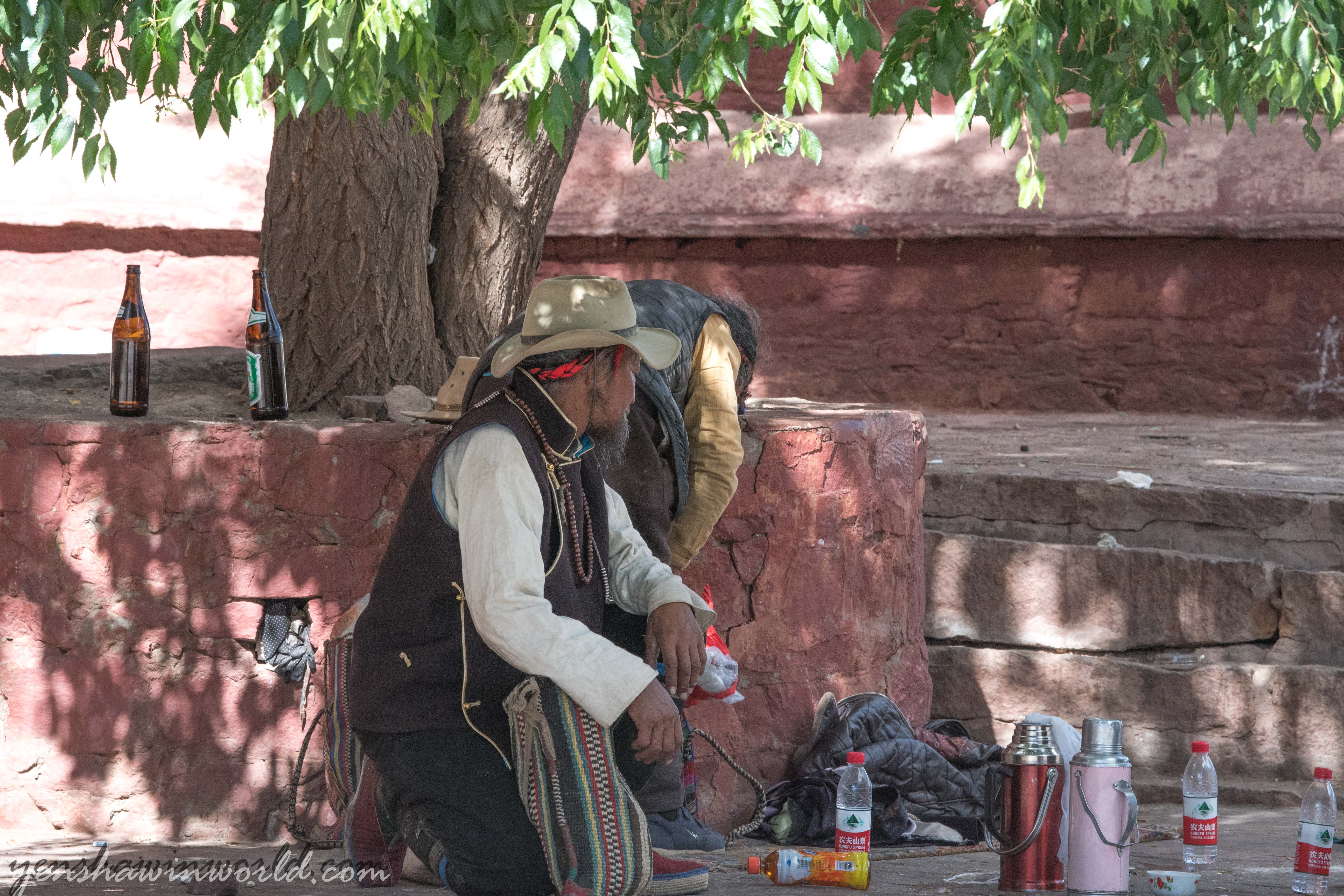
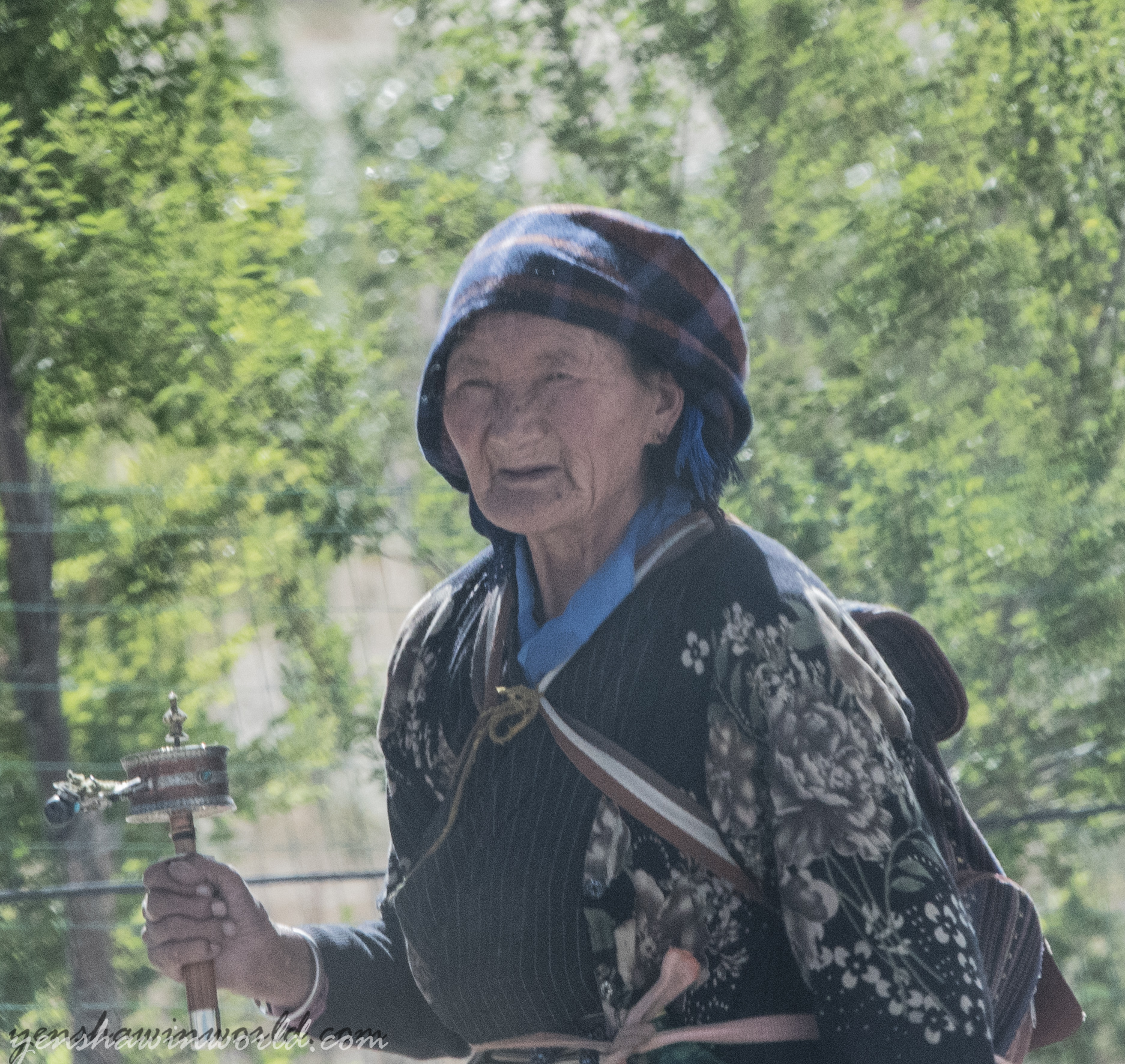
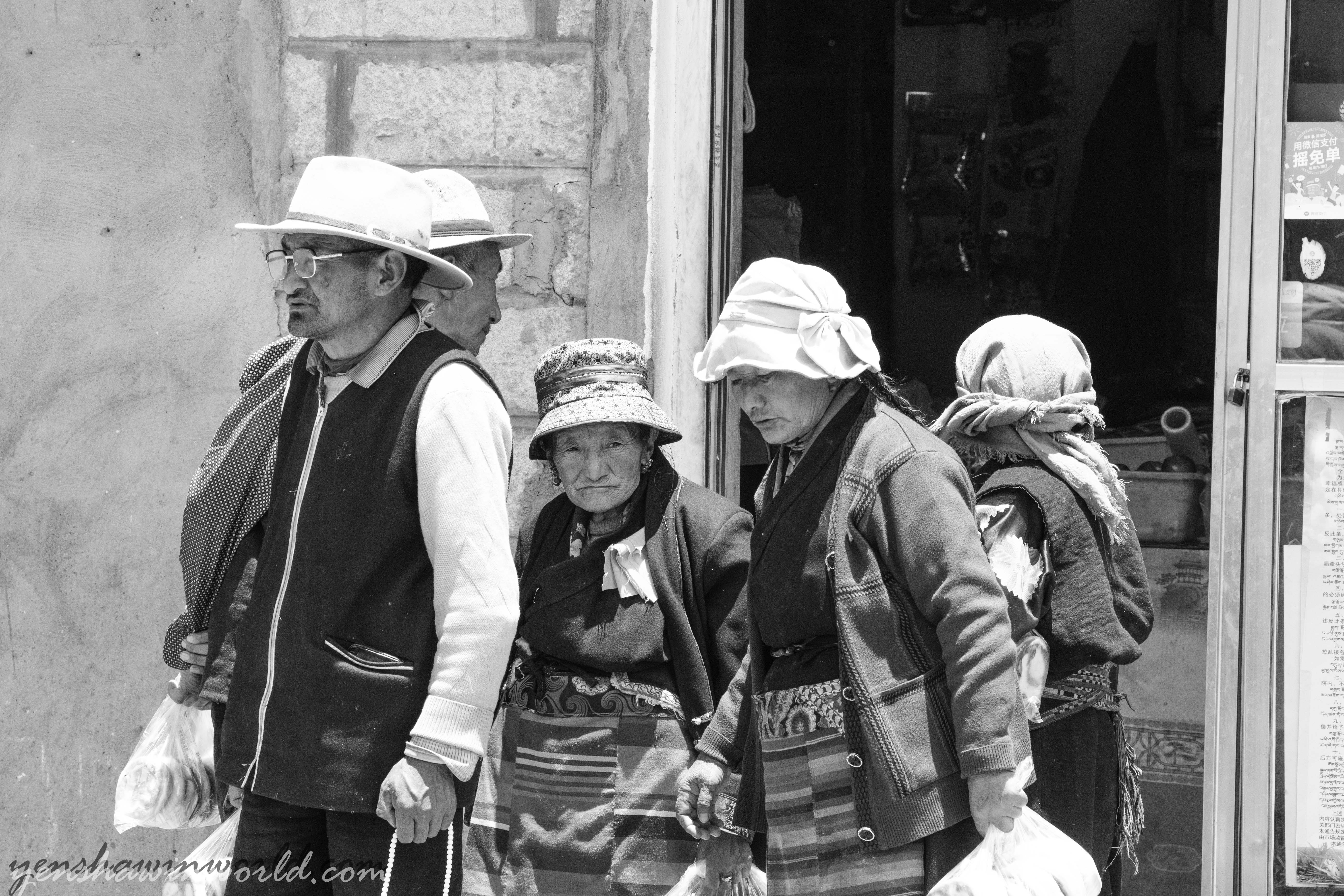

What made everything great here was the fact that the skies were always blue with billowing puffy white clouds 99.9 % of our stay.  You can walk just about anywhere and see local people living their everyday life.  Everyone was so friendly in the capital city always greeting you with a wonderful smile and inquiring about what you are doing in their distant land.  This in my opinion made visiting here all the more exciting and worthwhile..

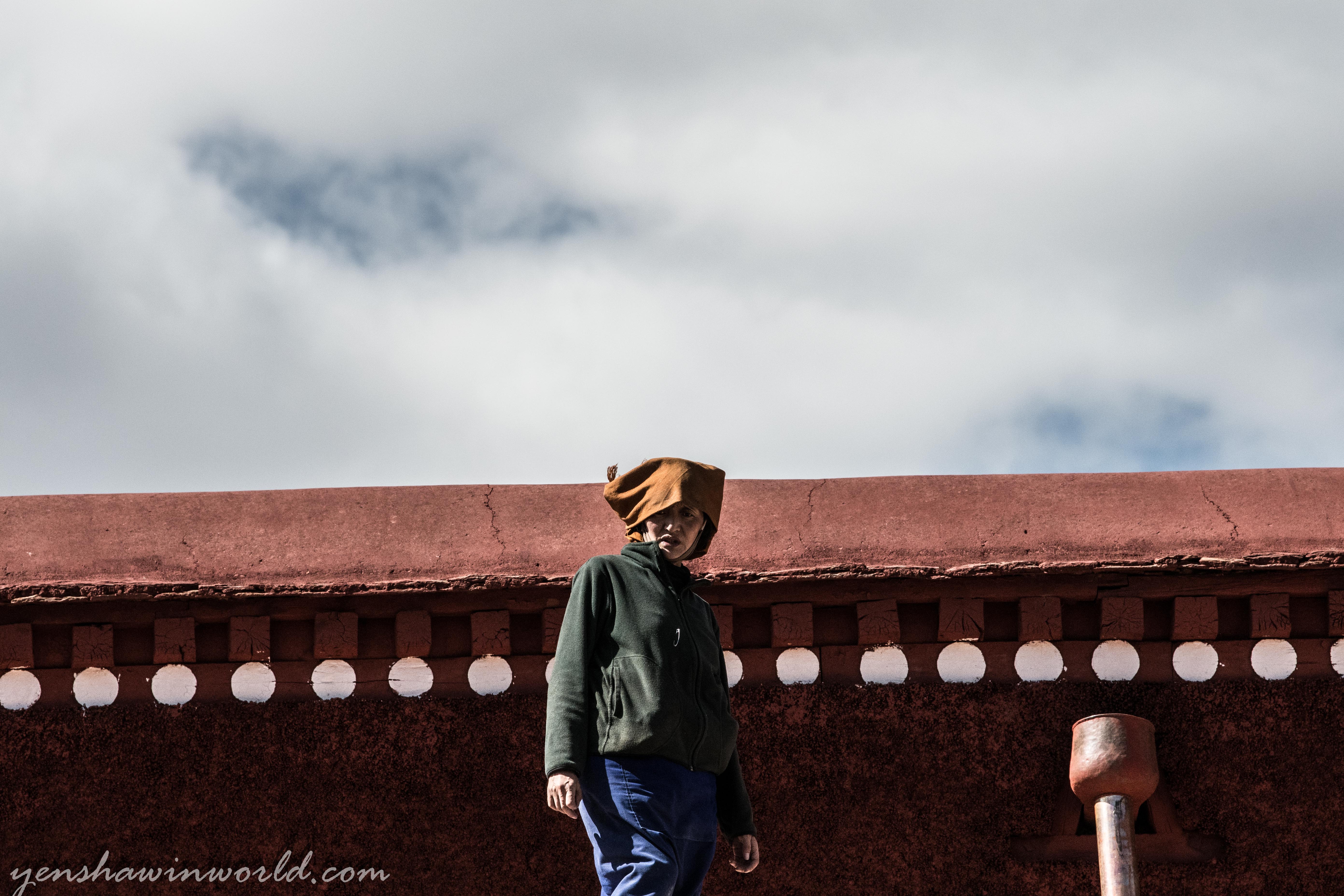
We were able to visit four monasteries during our visit in Lhasa, and I could of spent time in a few more.  I will give a brief description of them as they all had a similar layout, but very different history…..

Drepung Monastery


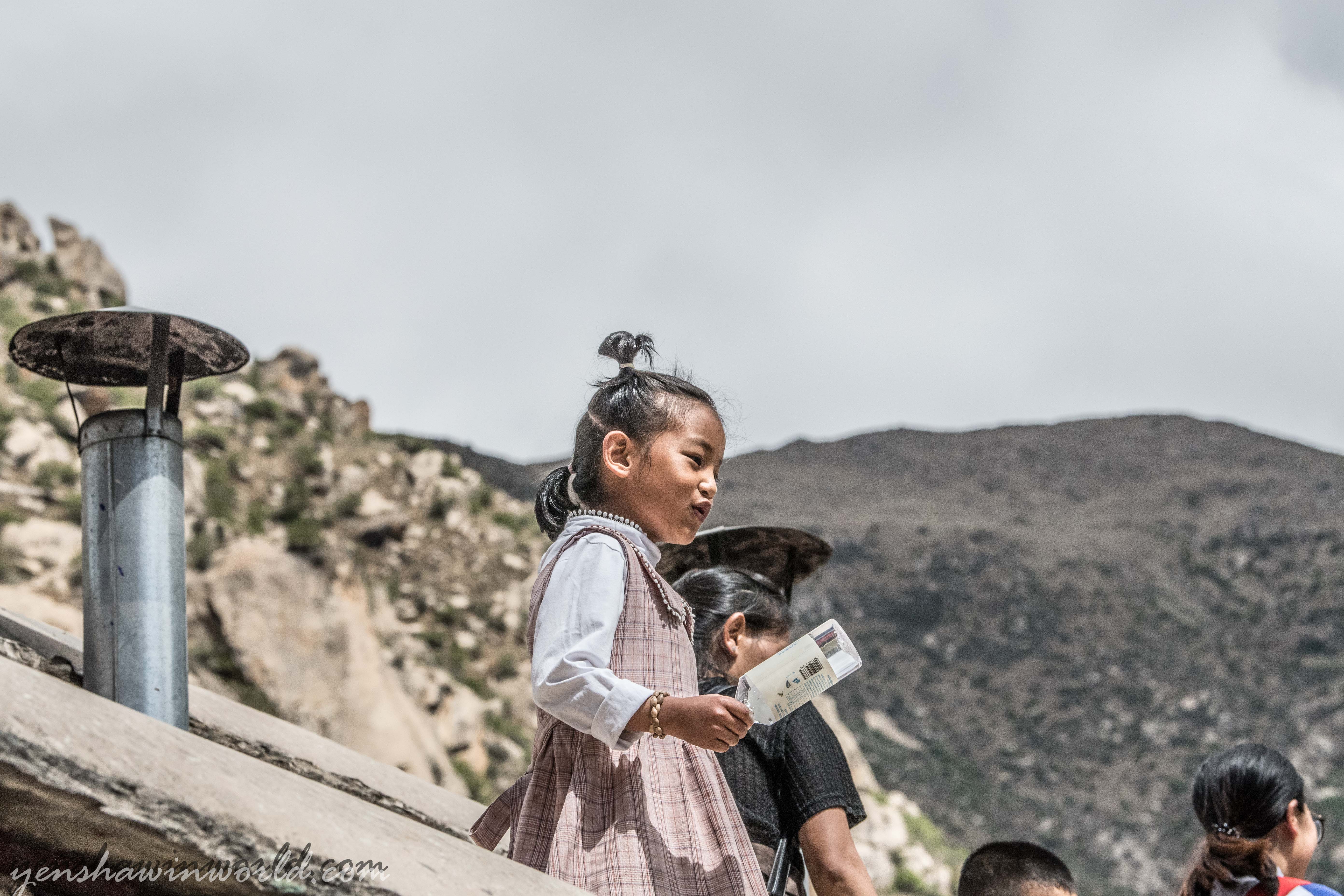
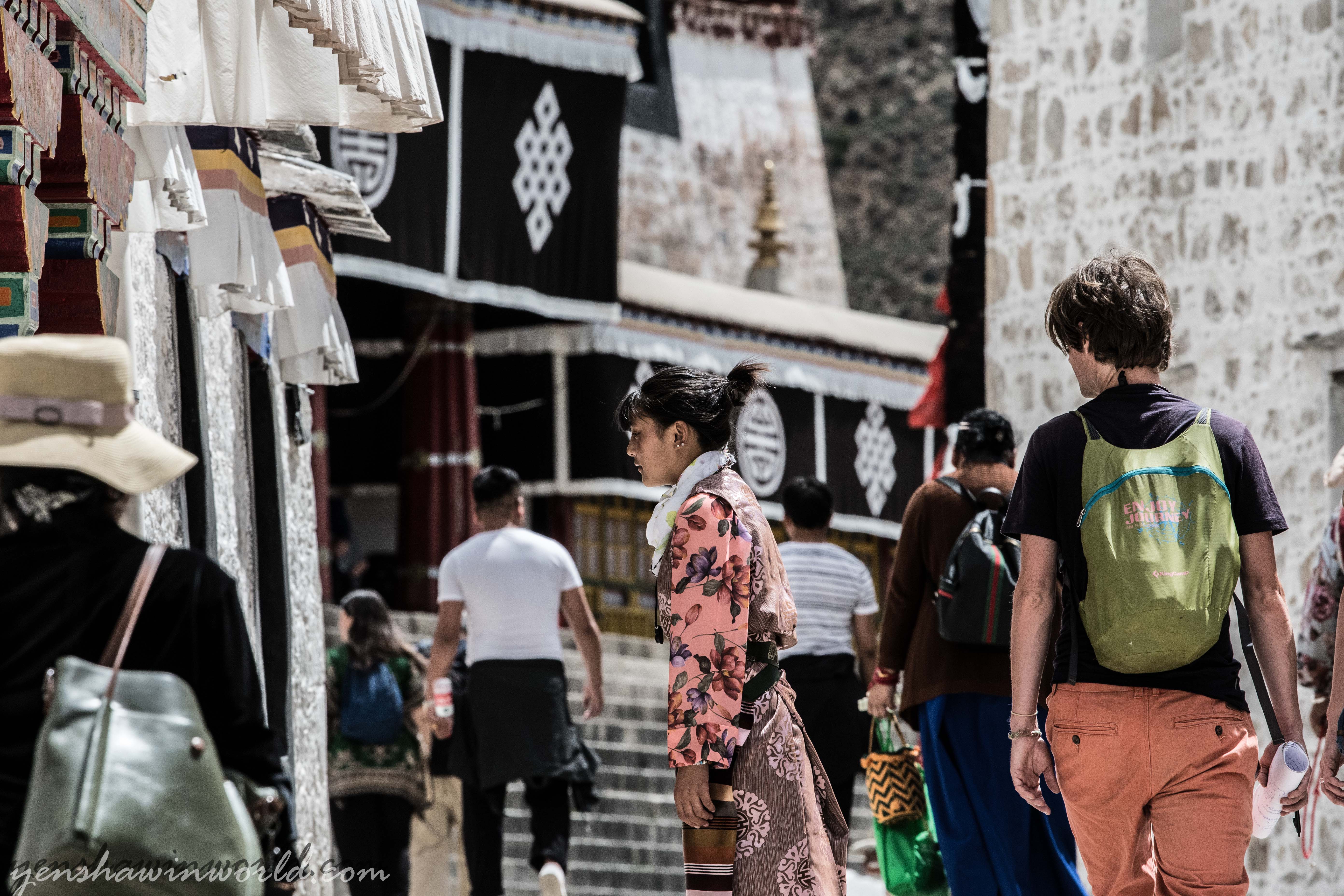
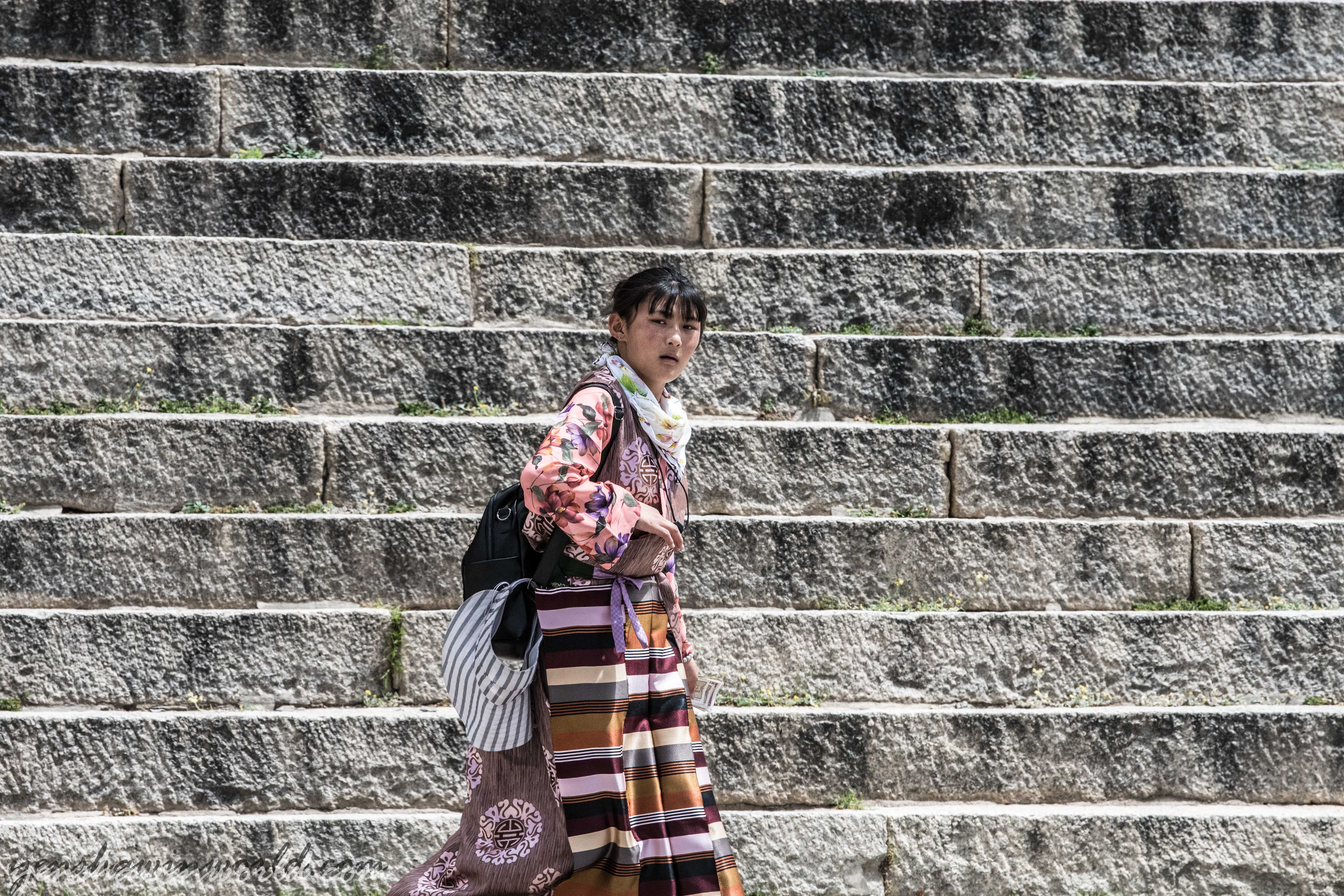
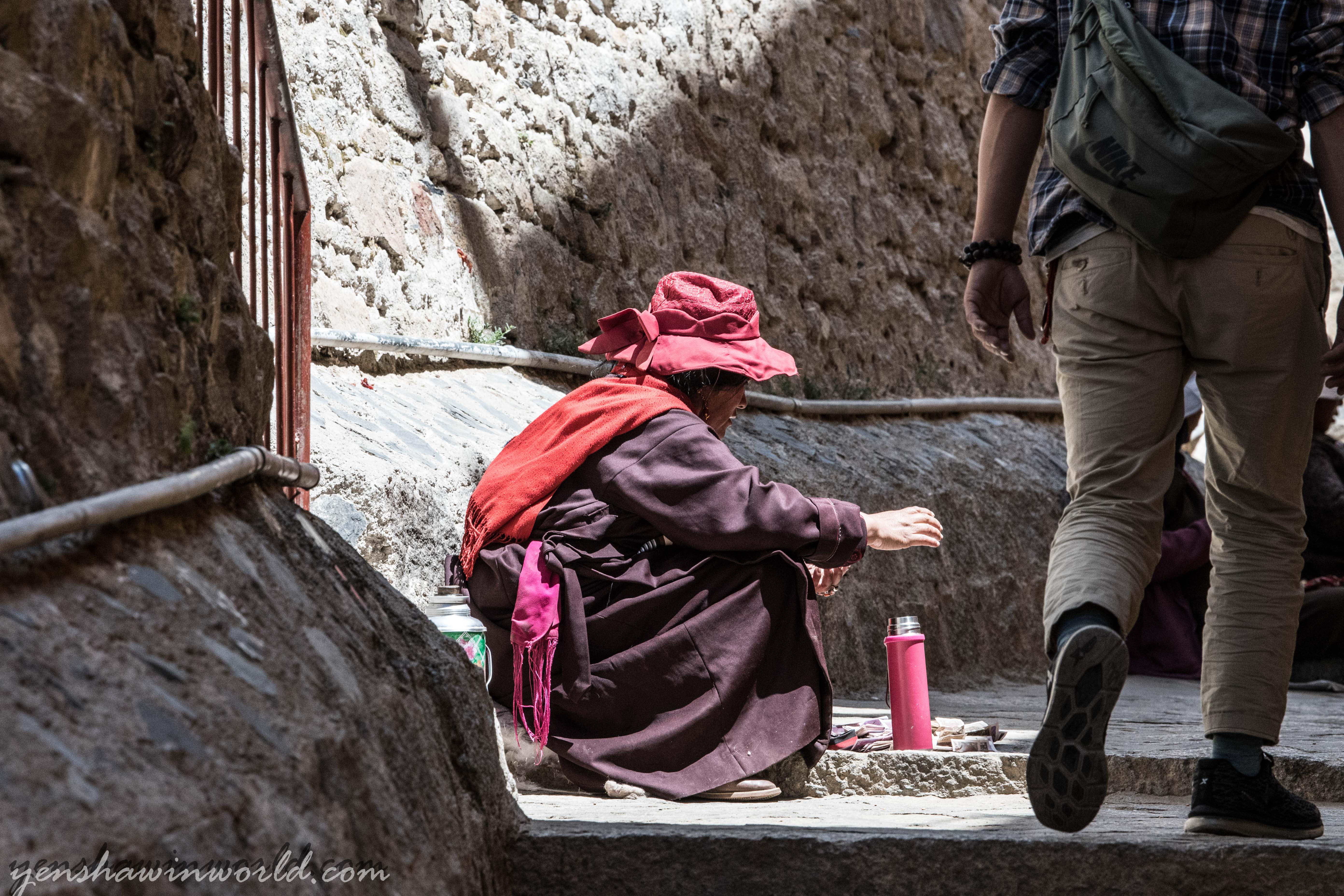
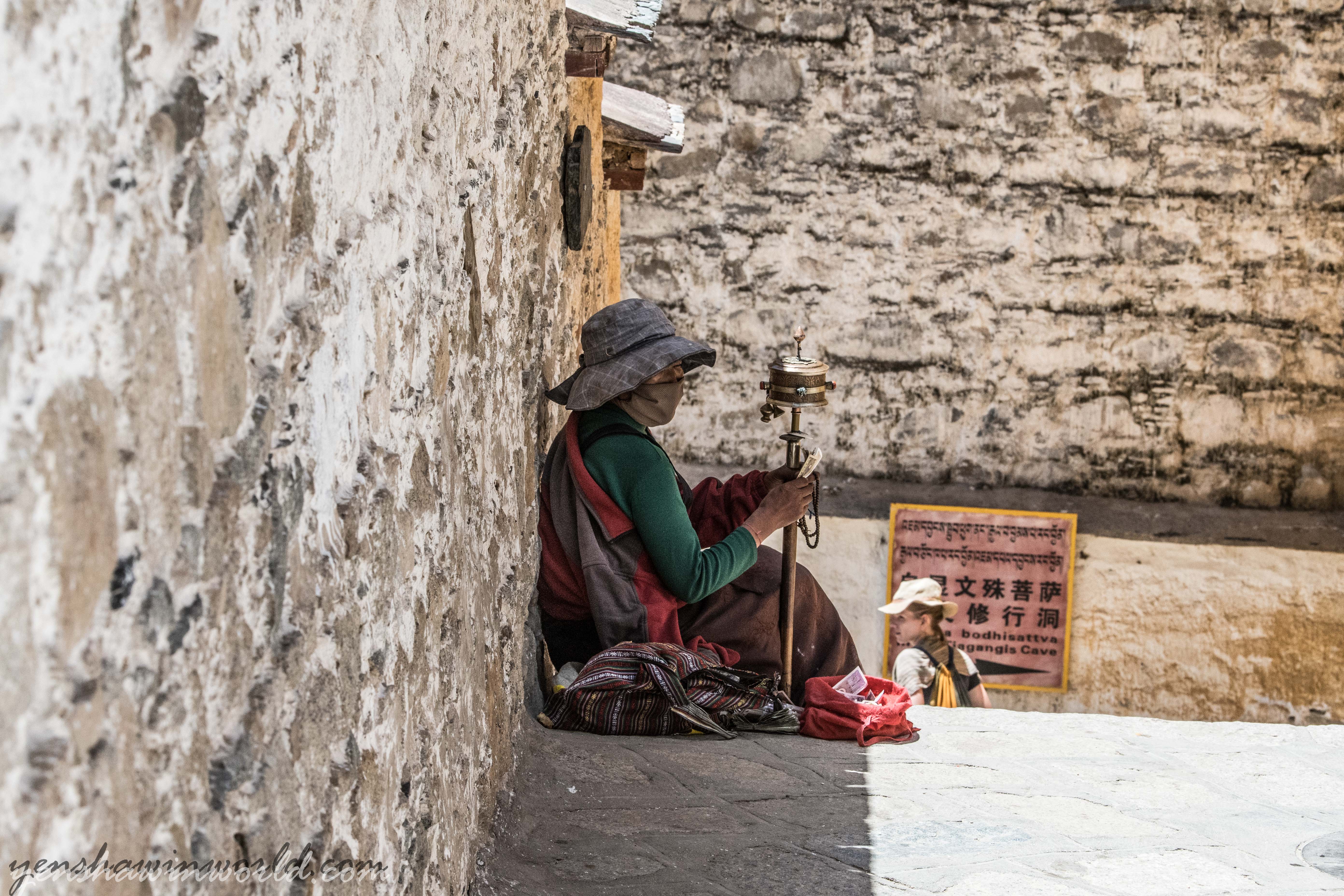



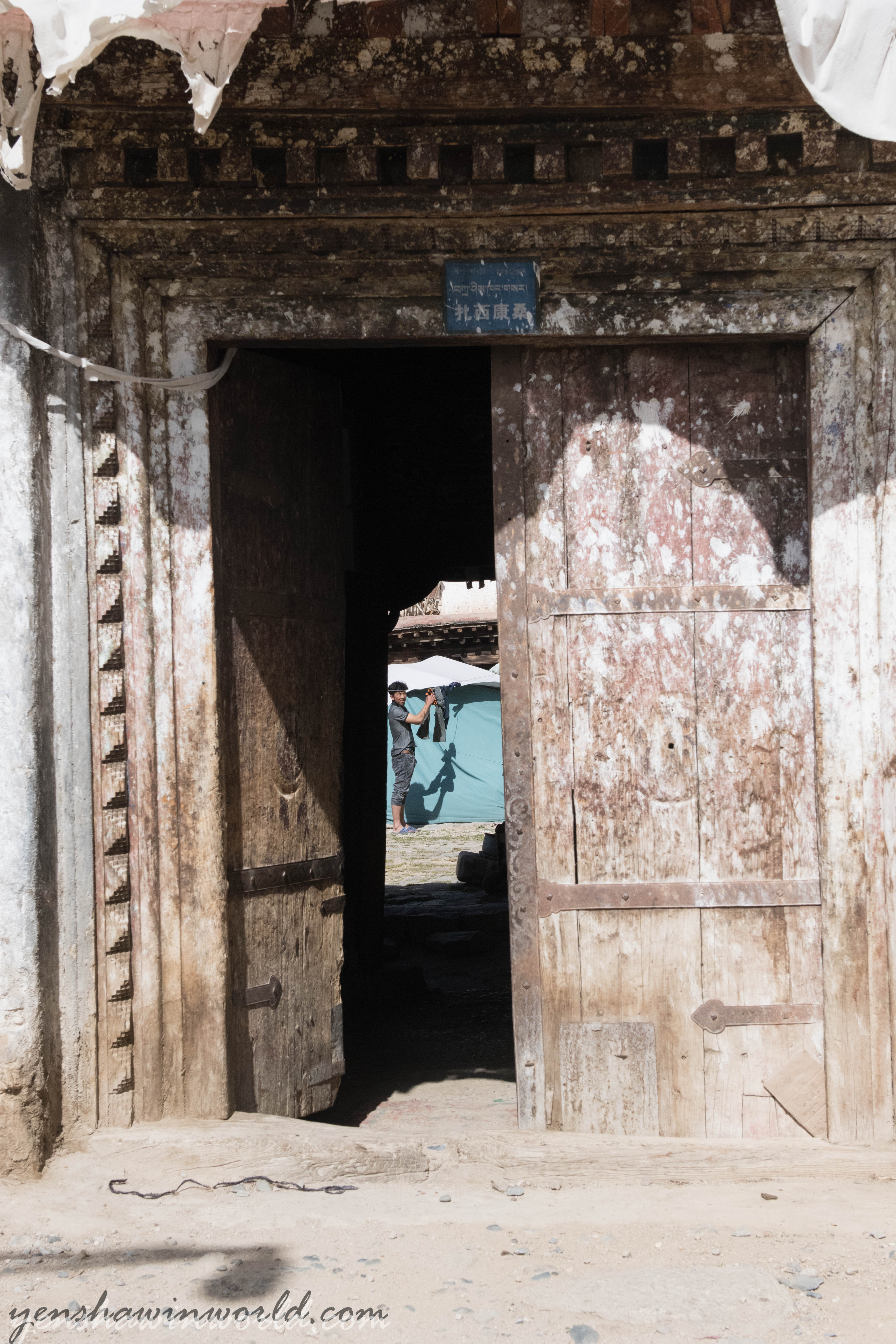









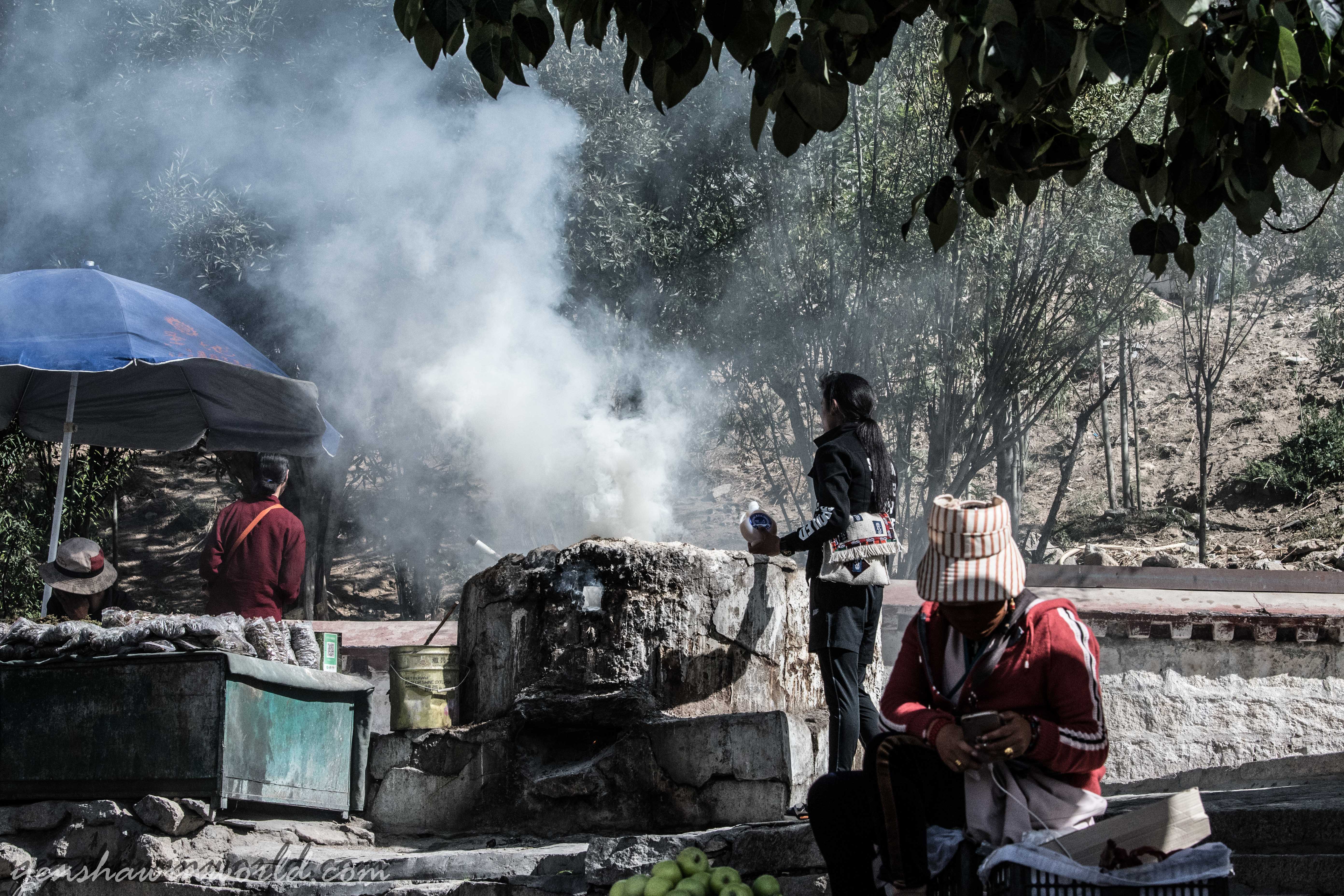
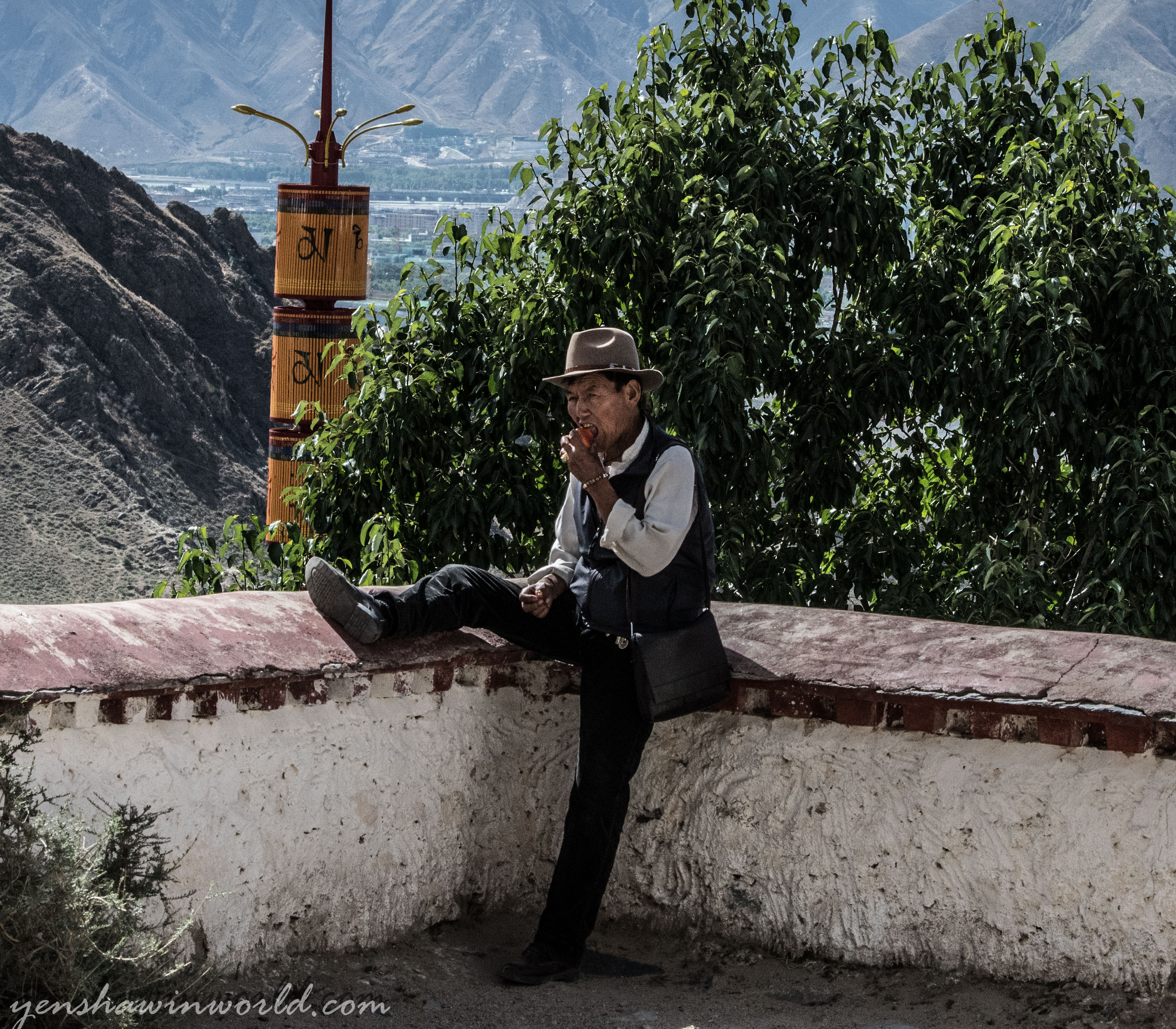
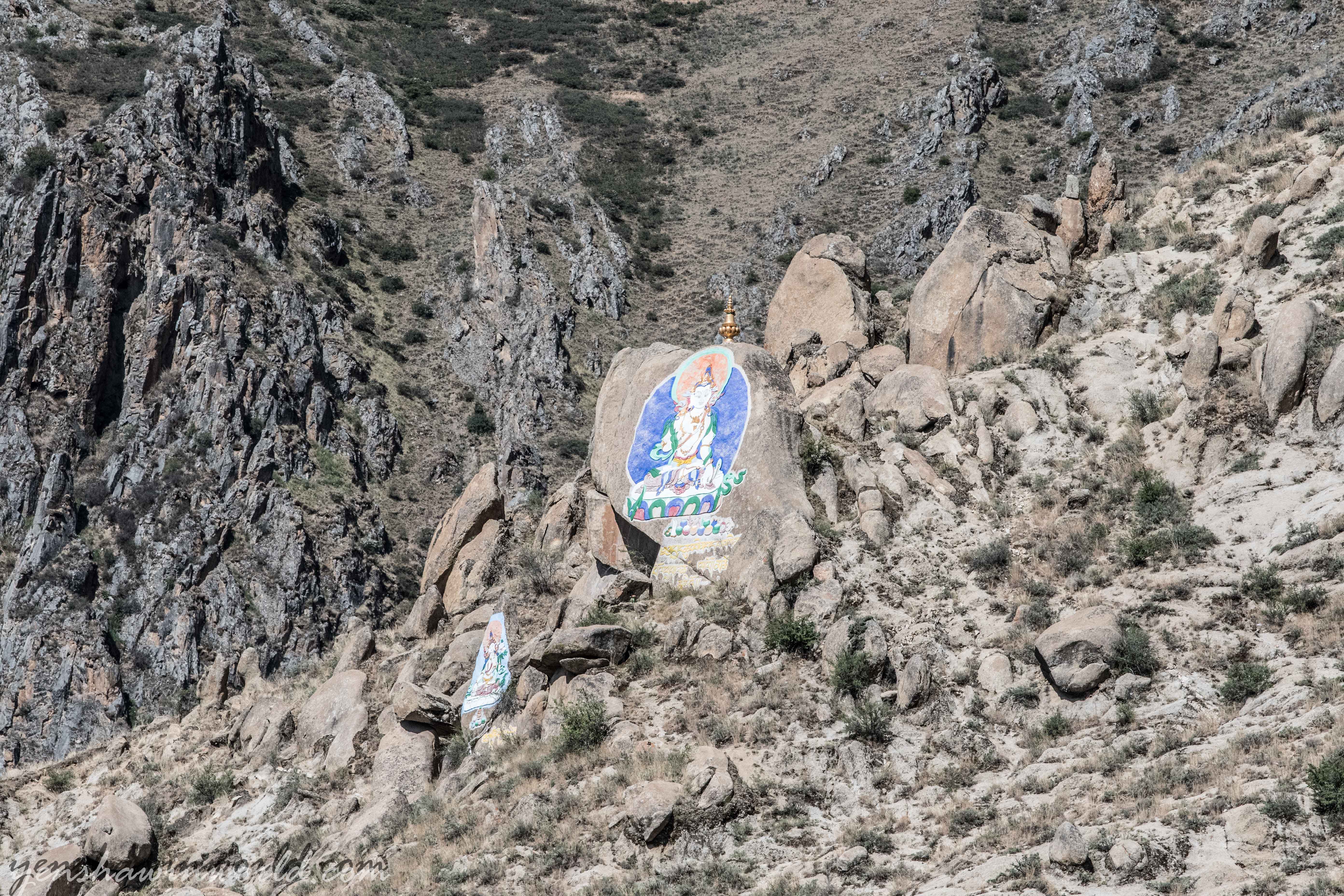



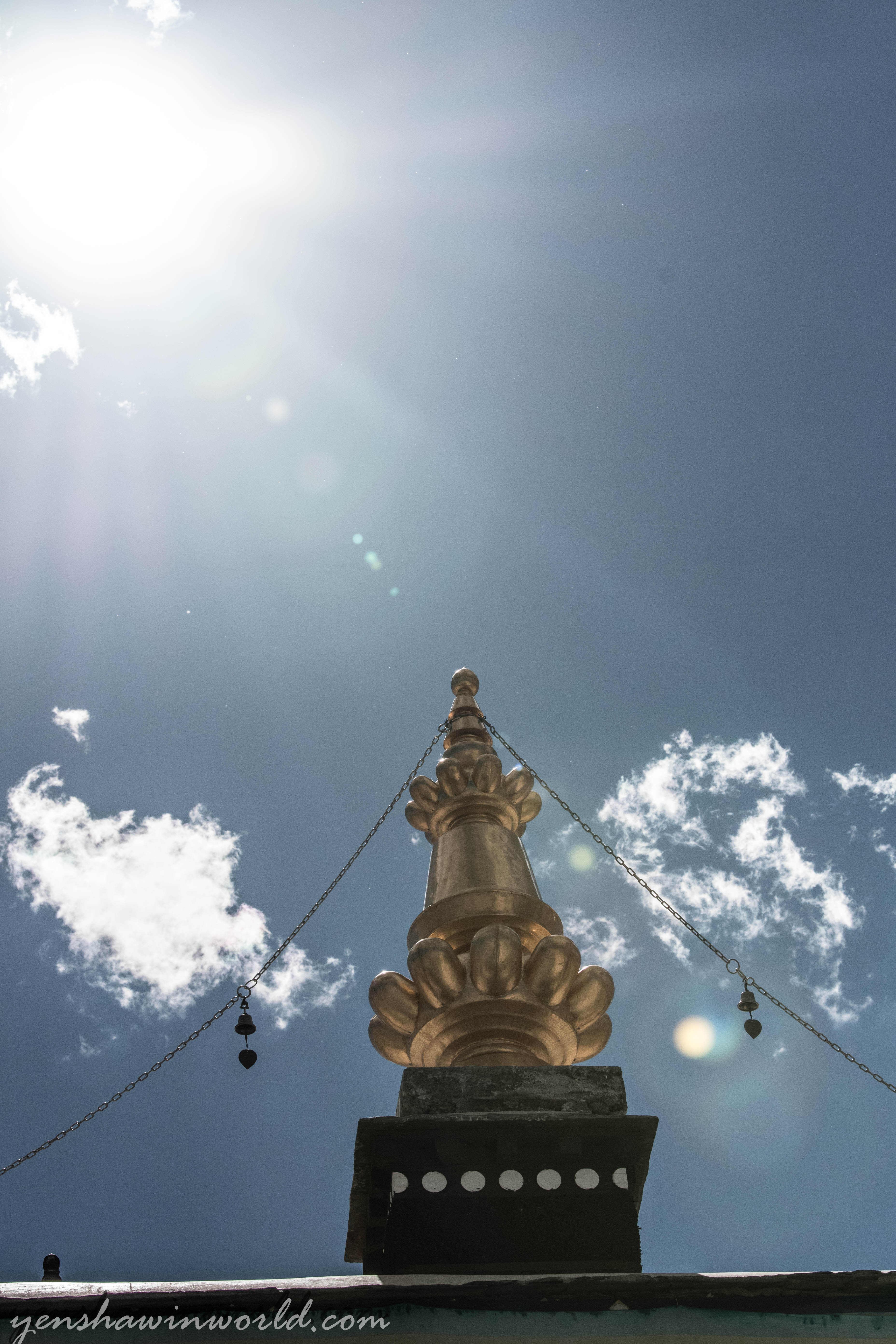

This was once one of the world’s biggest monasteries housing around 10,000 Monks.  It was a resident of the Dalai Lama for many years prior to the Potala Palace.  It has been destroyed several times, but has been rebuilt with even more grandeur than before.  The most interesting part of this monastery is that you can get lost in here with the many rooms and winding alleyways!!!  On the edge of the Monastery you can see a view of the city with the puffy white clouds above….


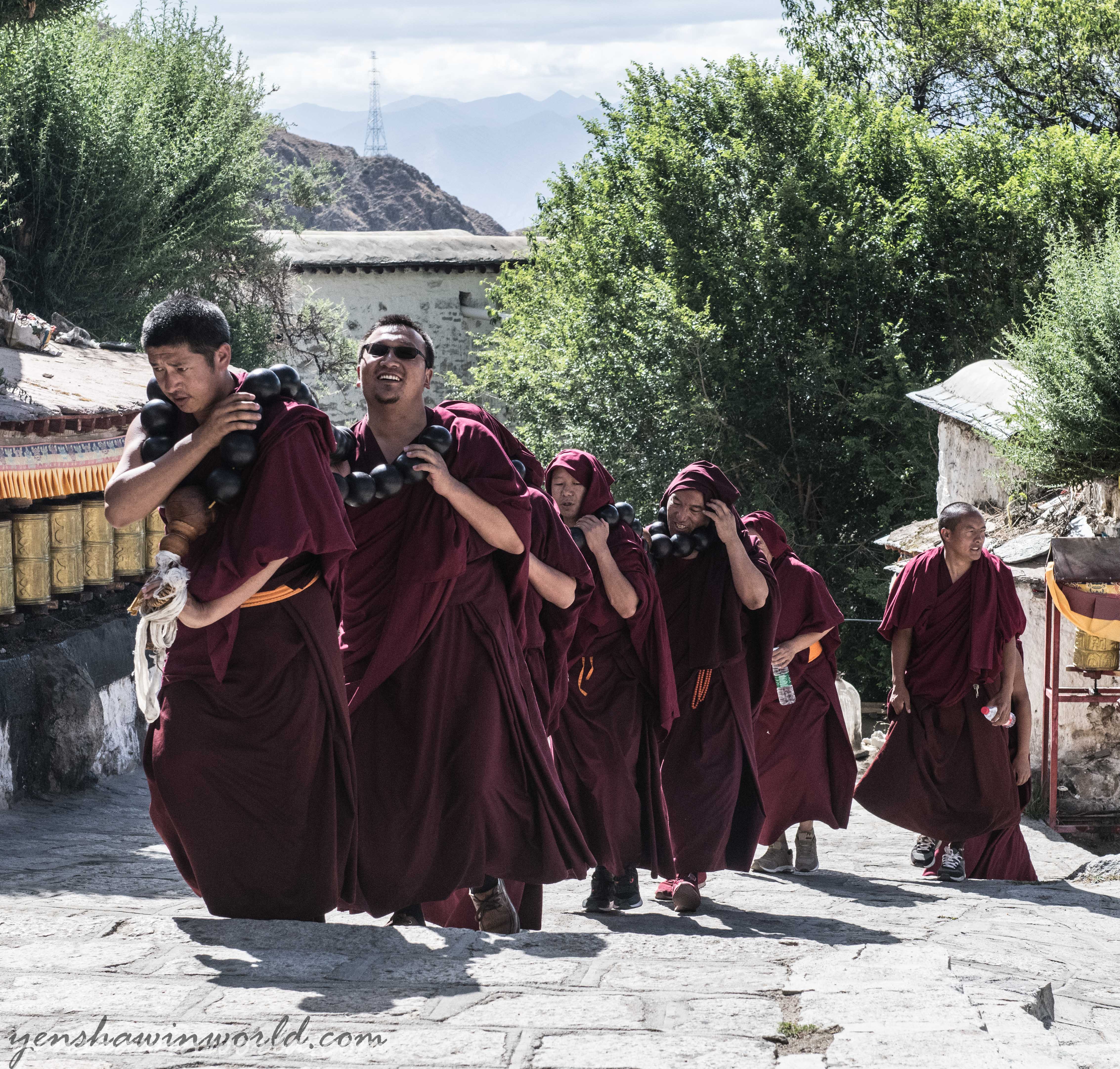

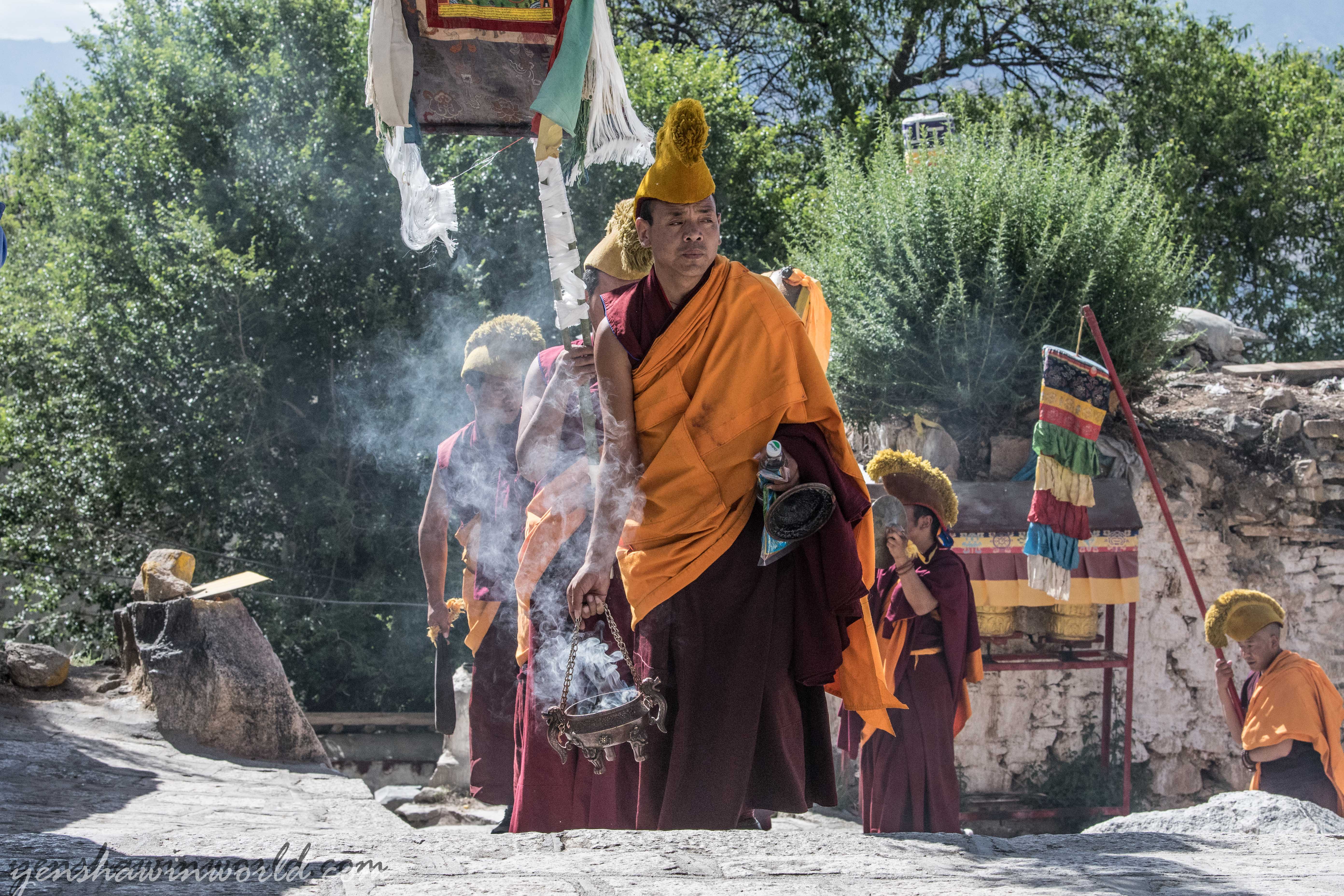
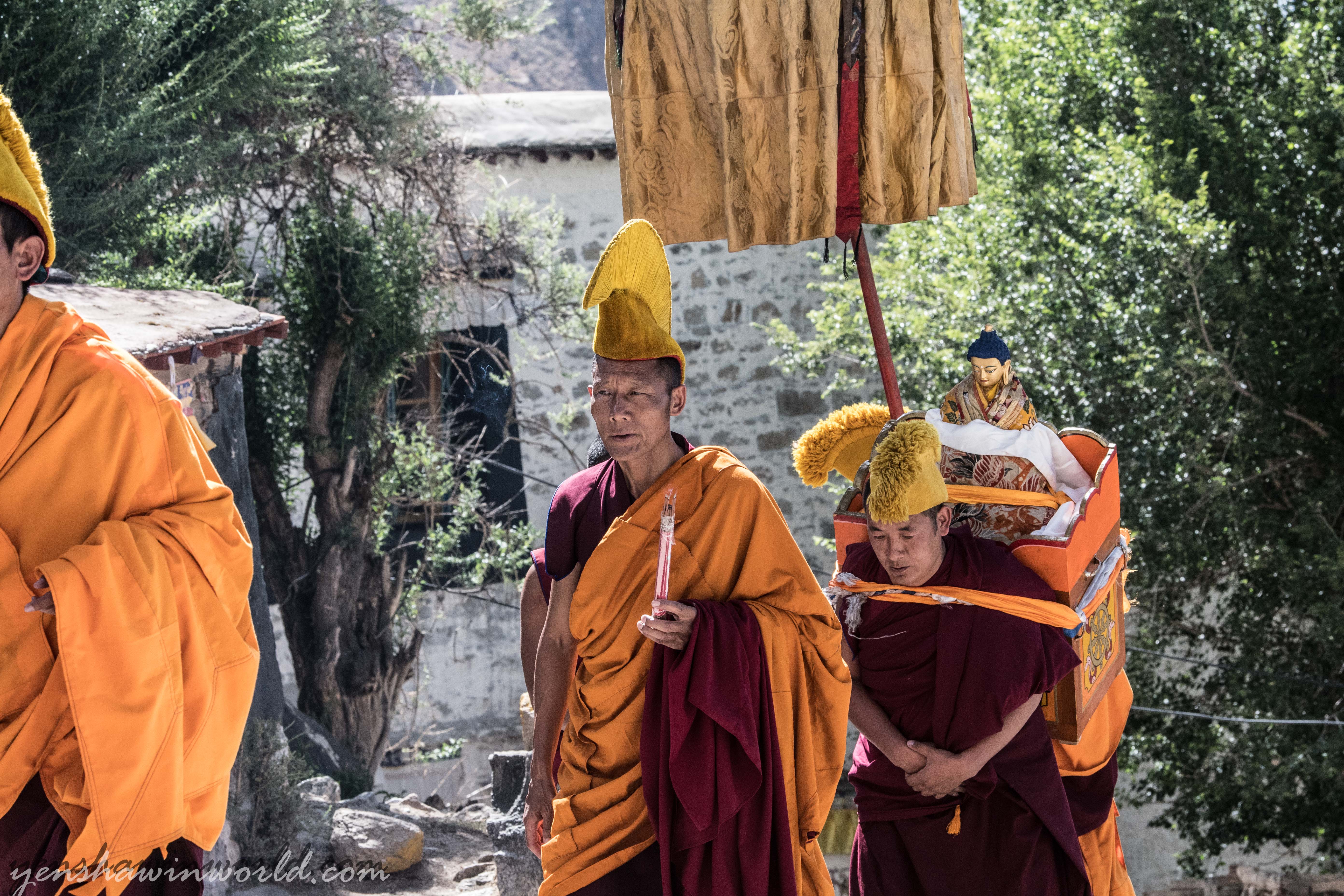
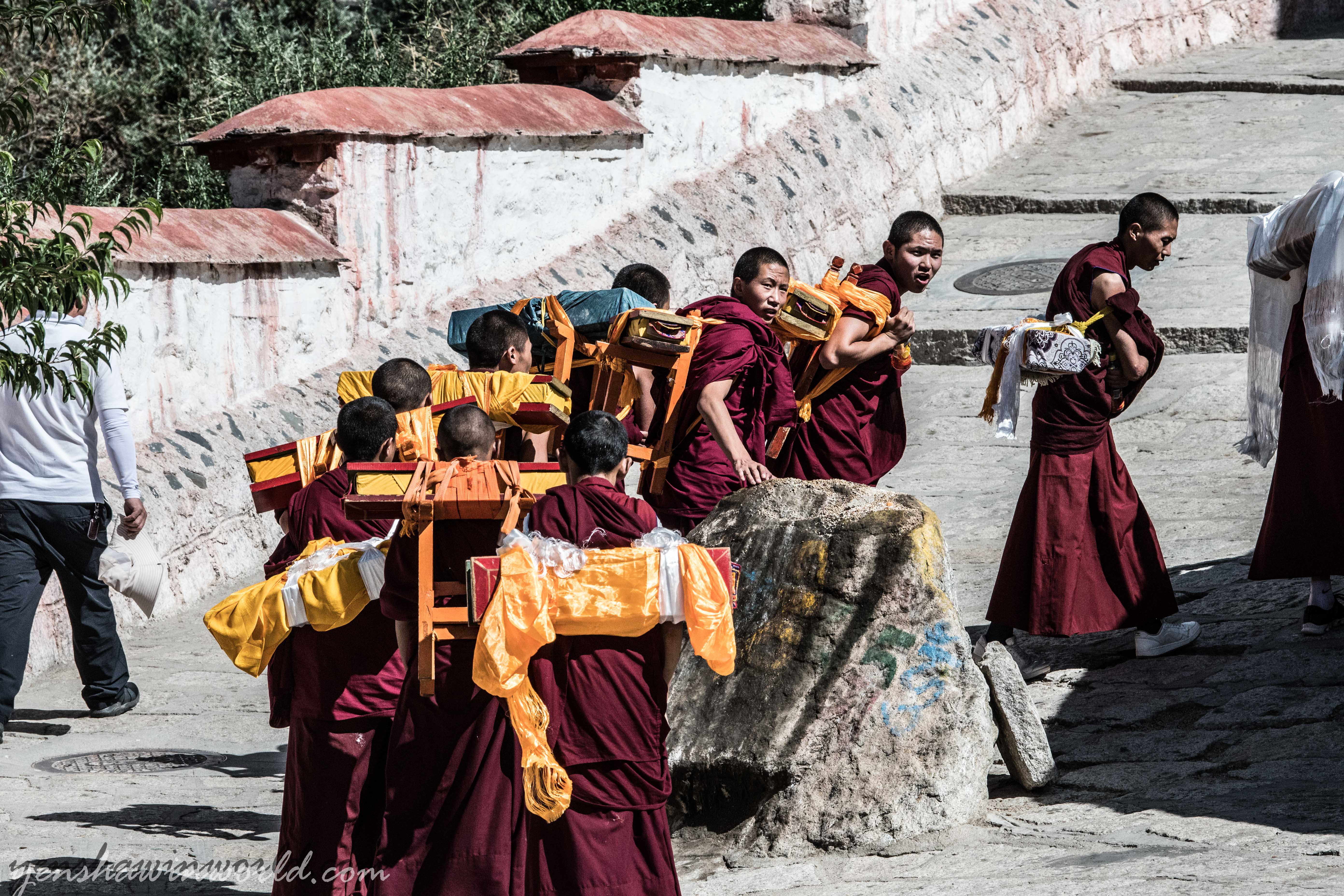
While we were on our excursion here, we saw a procession of monks (maybe almost 100).  When we asked our guide what they were doing, he mentioned that they were praying for  a rain dance as it had been one of the hottest summers in the last 10 years ,with very little rain.  Low and behold on our last day (as I was flying out of Lhasa), the rains certainly did come.  I am glad that they did not come while we were touring!!!

Sera Monastery



This monastery was built in the 15th Century.  It was not  as big as some of the other monasteries that we went to, however  it had something I had never seen before.  Monks from all over Tibet were in an area where they debate about three hours each day. They would debate about different philosophies in their Buddhist order and it was fun to watch them ask a question, and they clap their hands loud and wait for the person to answer.  While it was very hard to get photos in here, I did take a bit of video to see the Monks very eager to debate.

 Jokhang Monastery








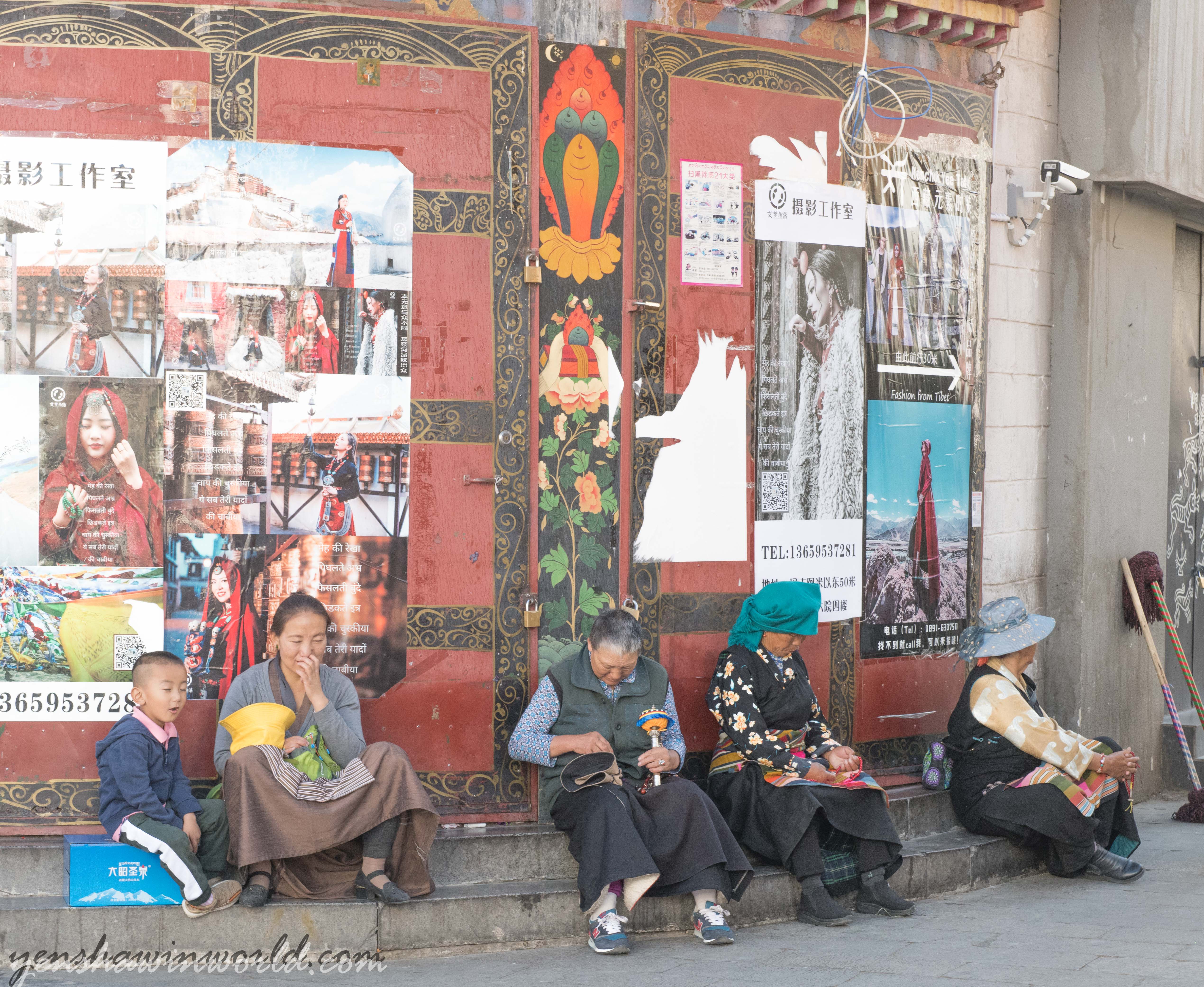







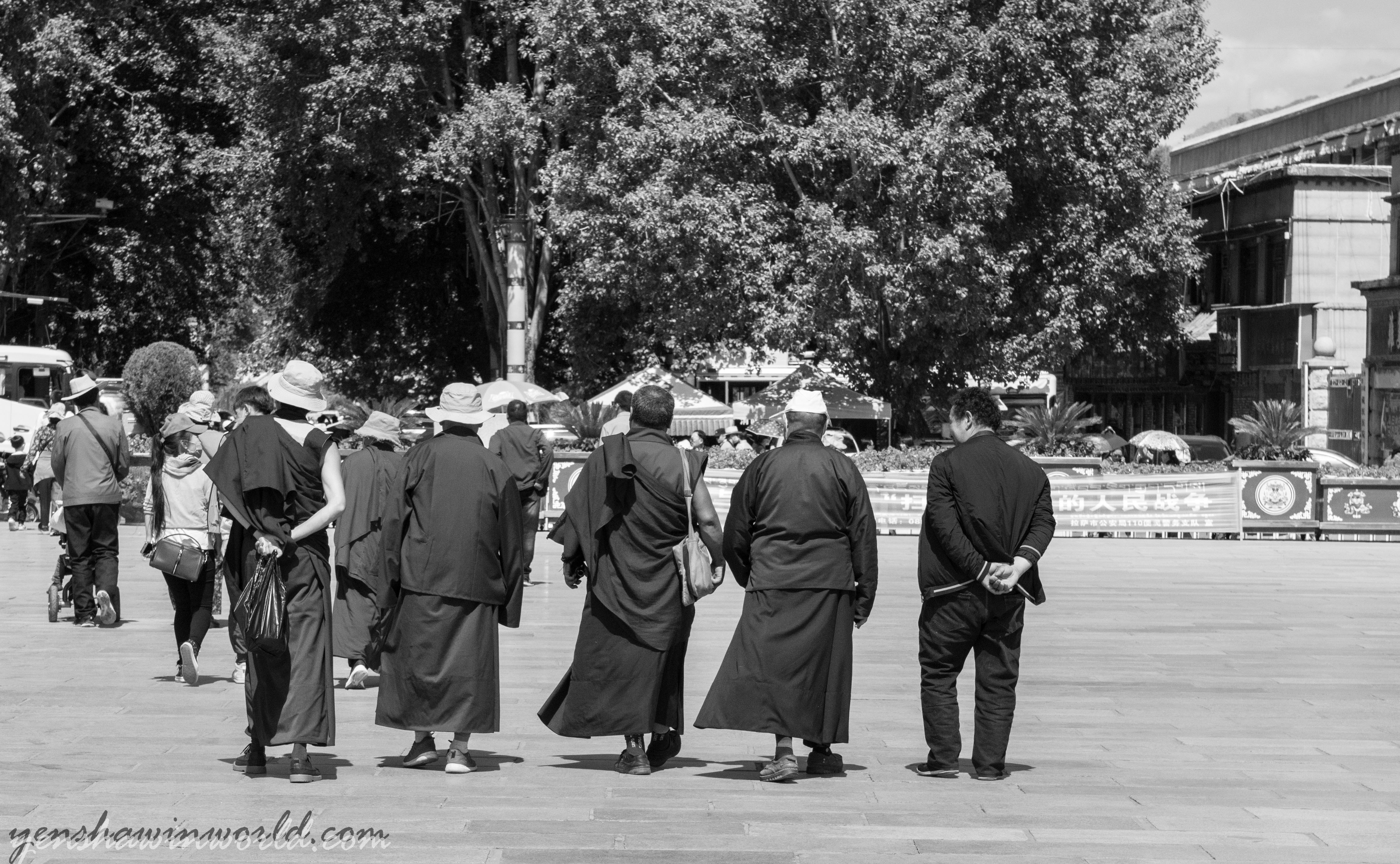

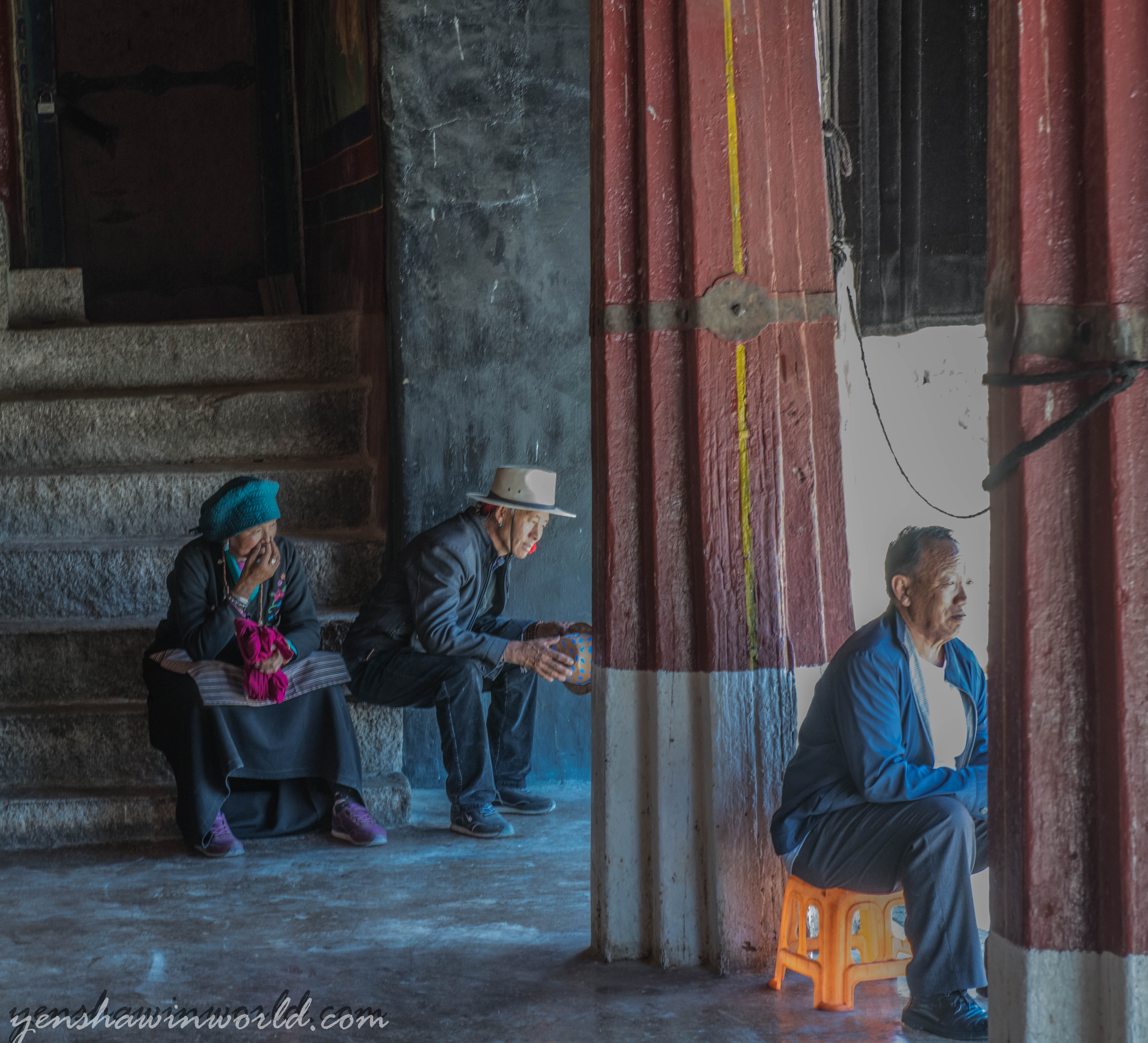
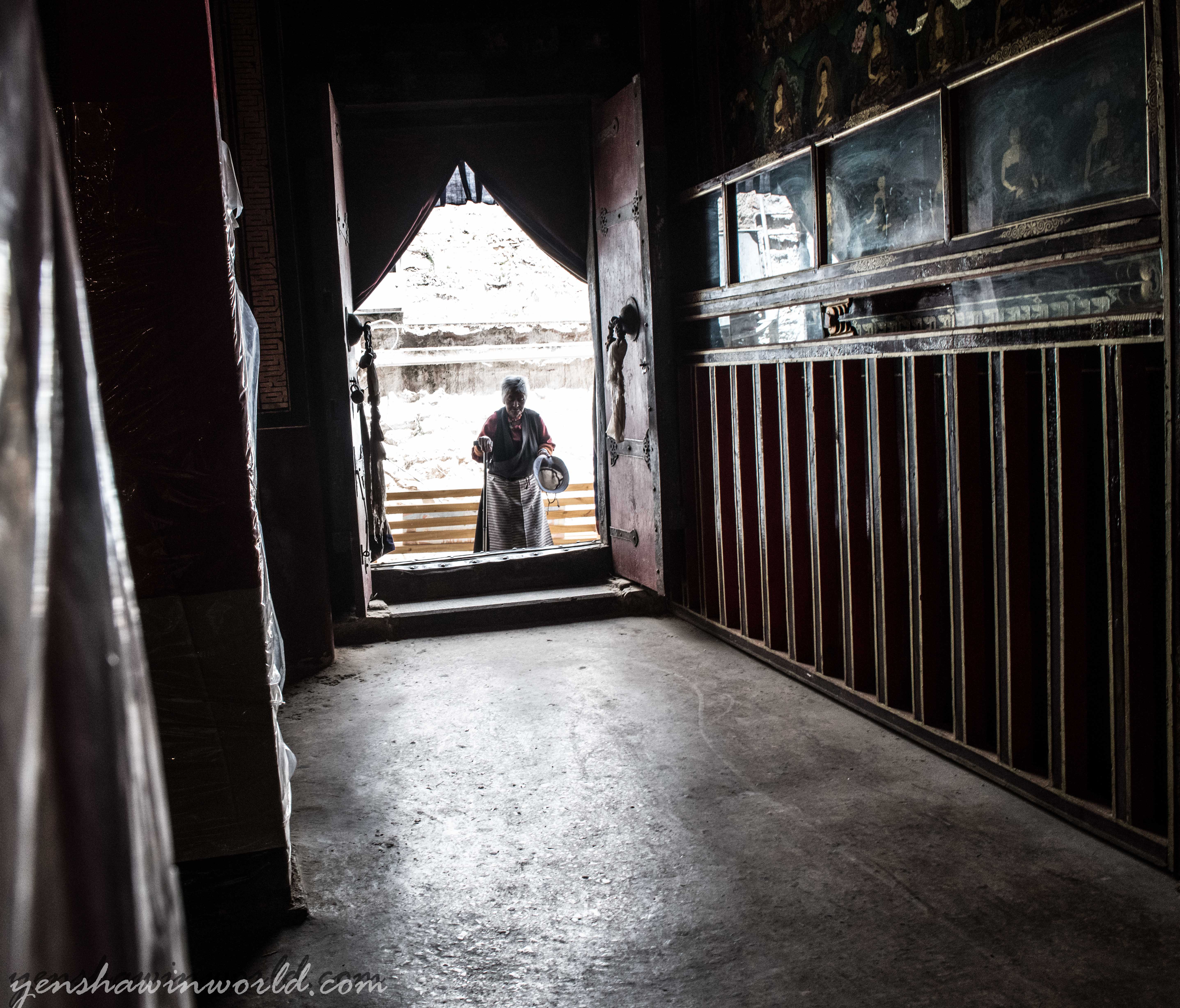









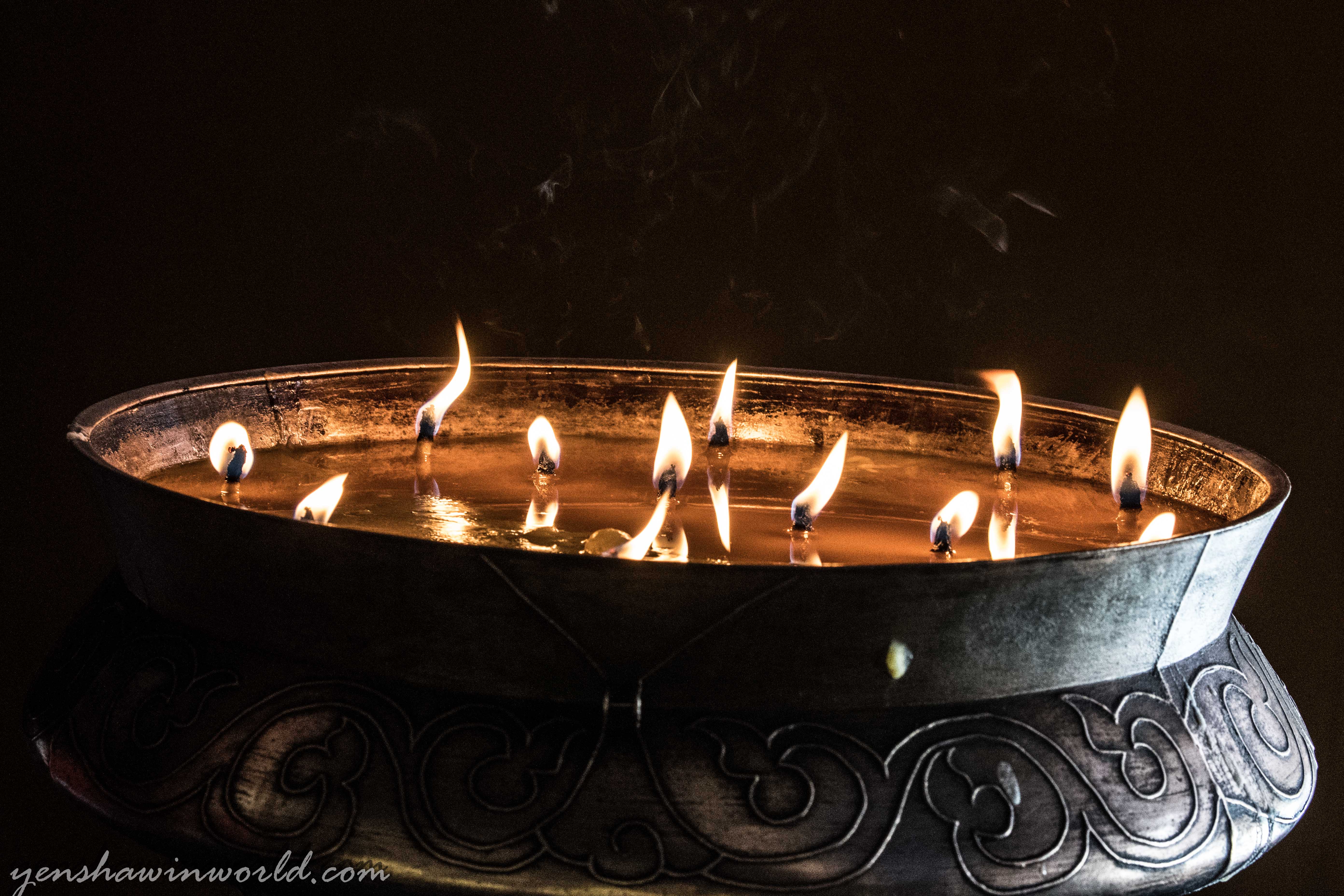
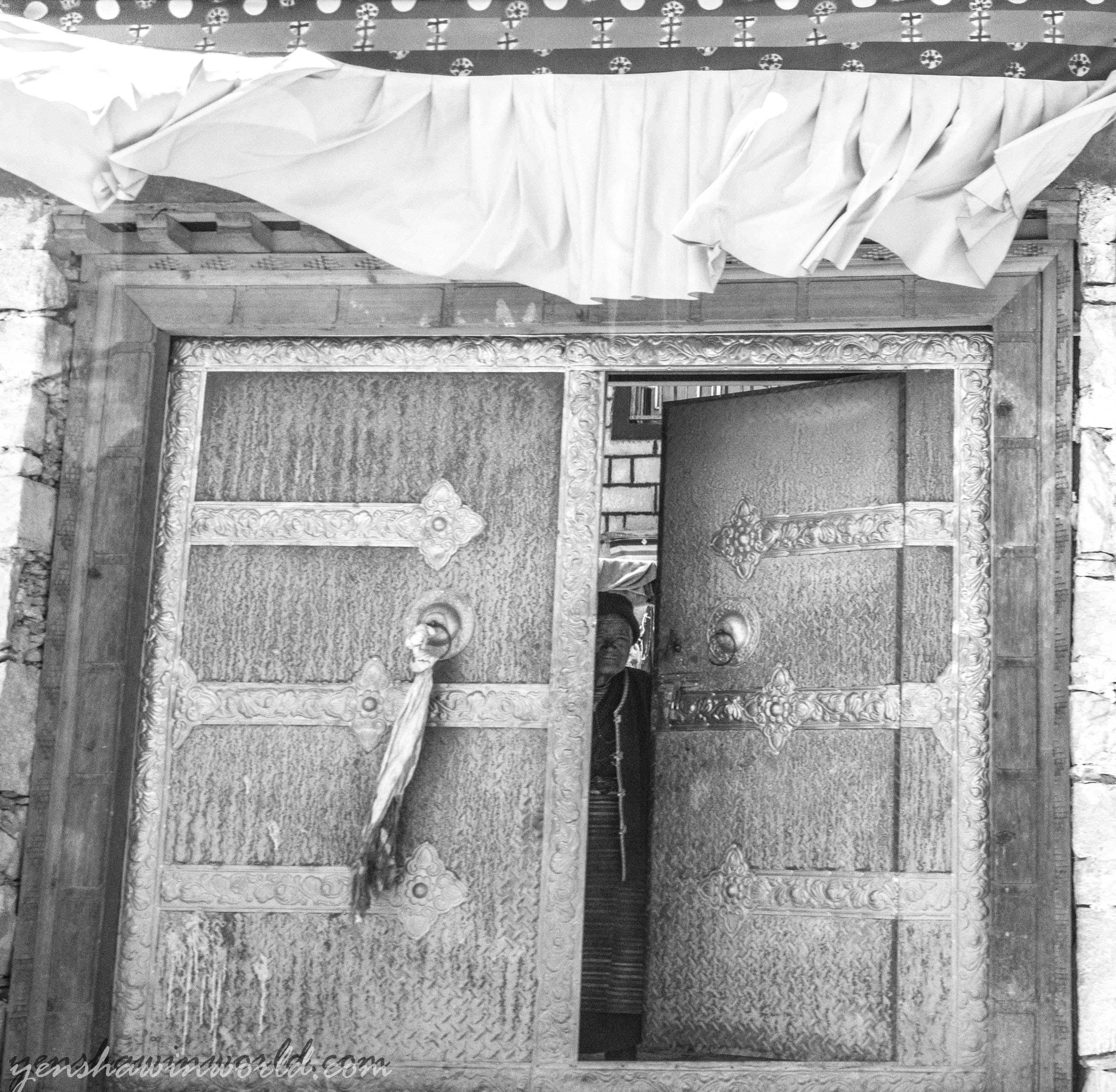
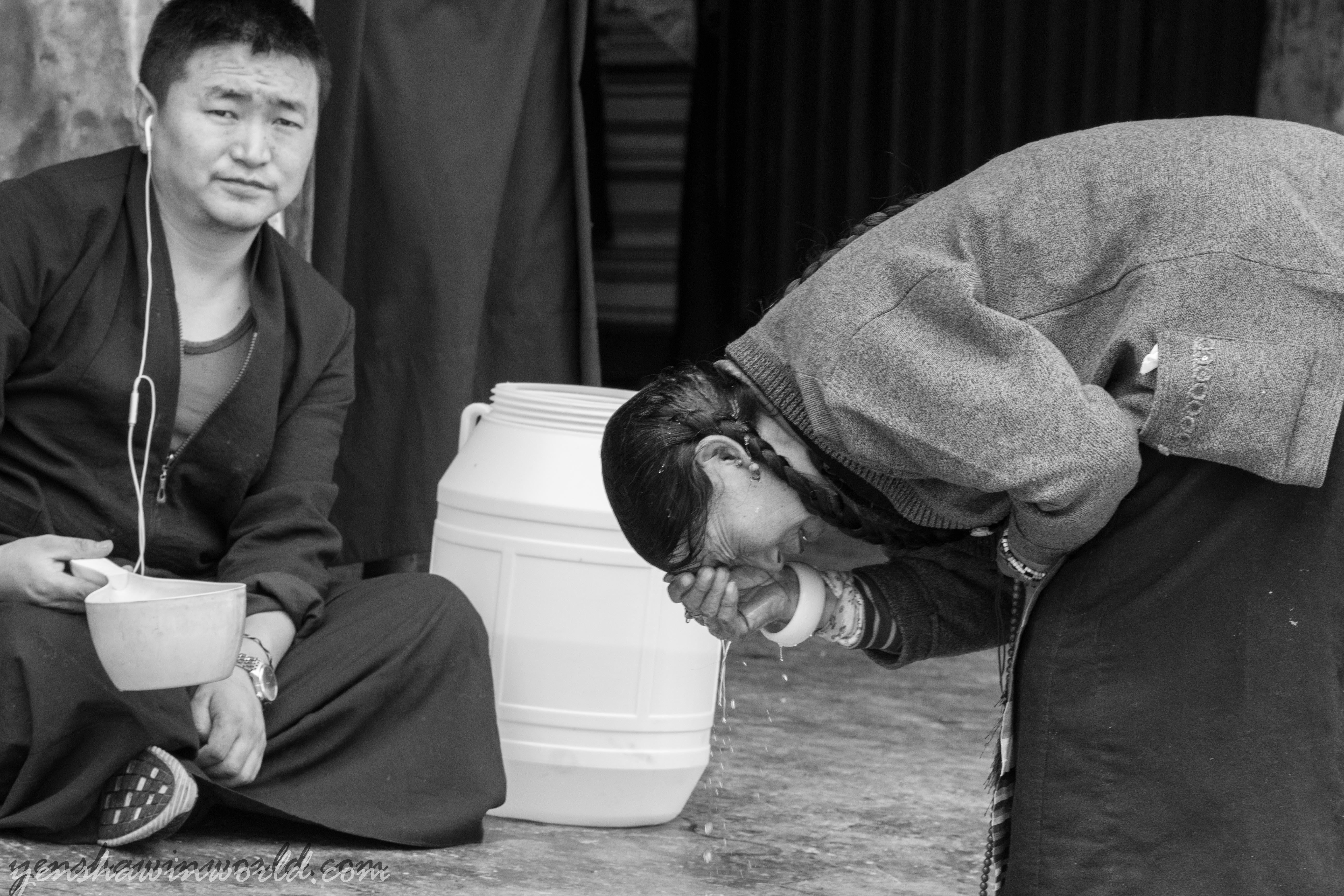
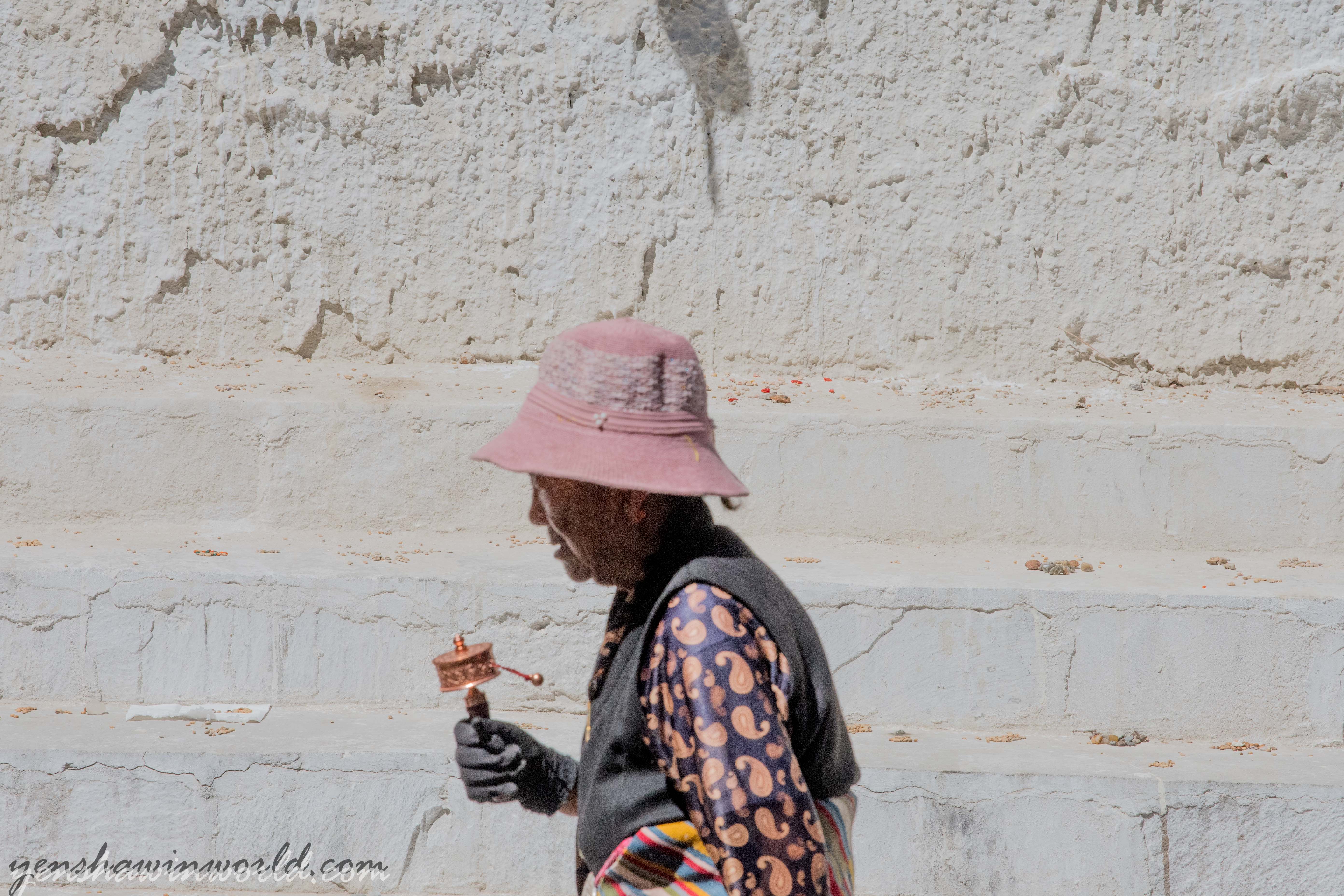
This temple is in the middle of Old Lhasa City. You can see the local pilgrims from very early in the morning praying outside with most doing an act of prostration many hundreds of times (looks tougher than most cross-fit exercises).  While photos were not allowed in the different parts of this temple, I did manage to snap a few of the areas outside.









Potala Palace (when you see pictures of Tibet, this is the one that pops up on the internet).





This palace is at the center of the city of Lhasa and can be seen from almost everywhere as it is the landmark of Tibetan architecture as well as being found on the 50 RMB Chinese note.  This was first built by a Tibetan king in the 7th Century, then added on and rebuilt in the 17th Century by the 5th Dalai Lama.  It was then used as his home and the seat of government in Tibet. In the heat is a long walk up which is about 300 plus steps and hundreds if not thousands of people each day.  Pictures are not allowed inside but the architectural engineering of this palace is amazing!!!   Since the 1990’s this has been listed as a UNESCO World Heritage Site.






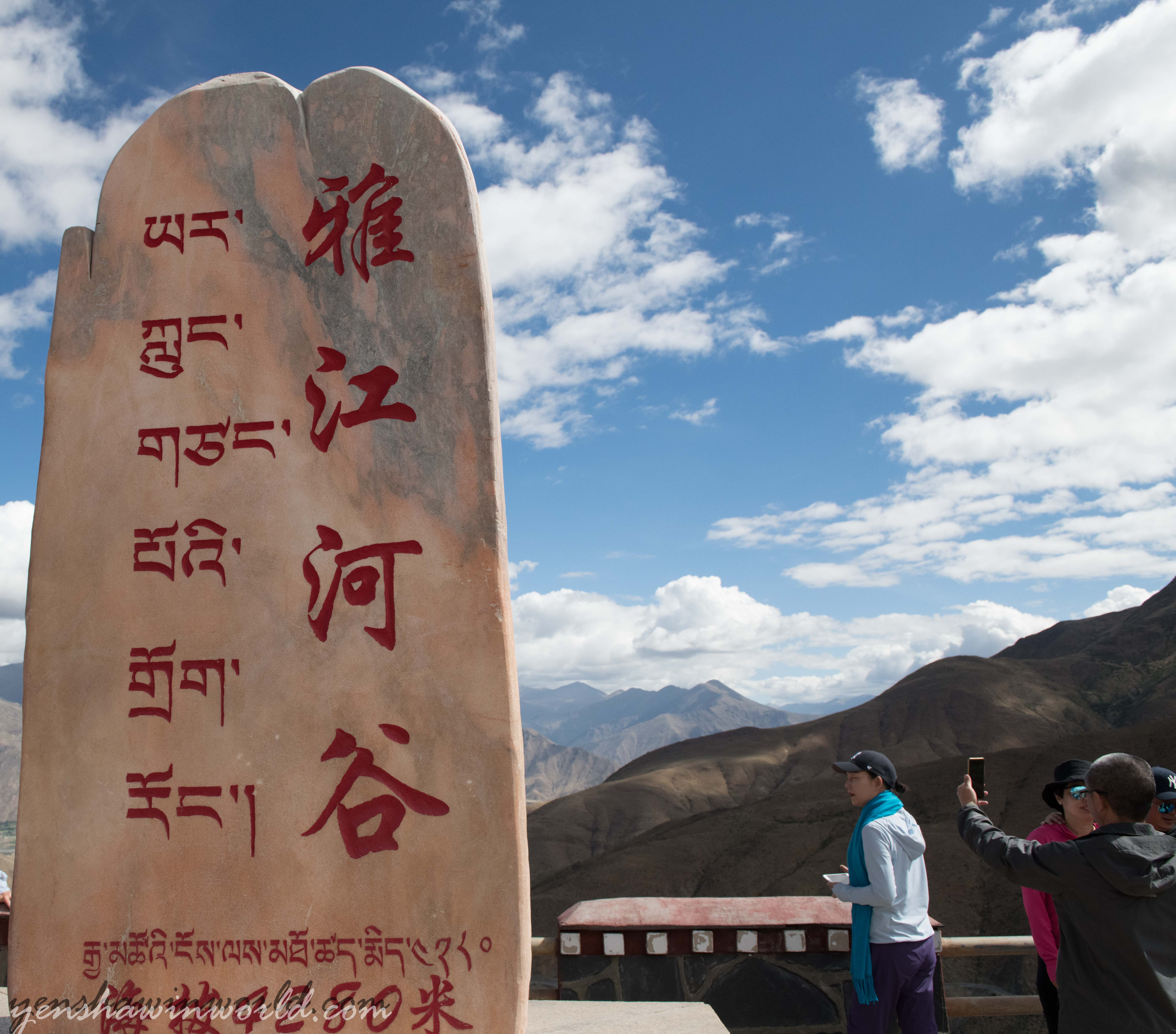











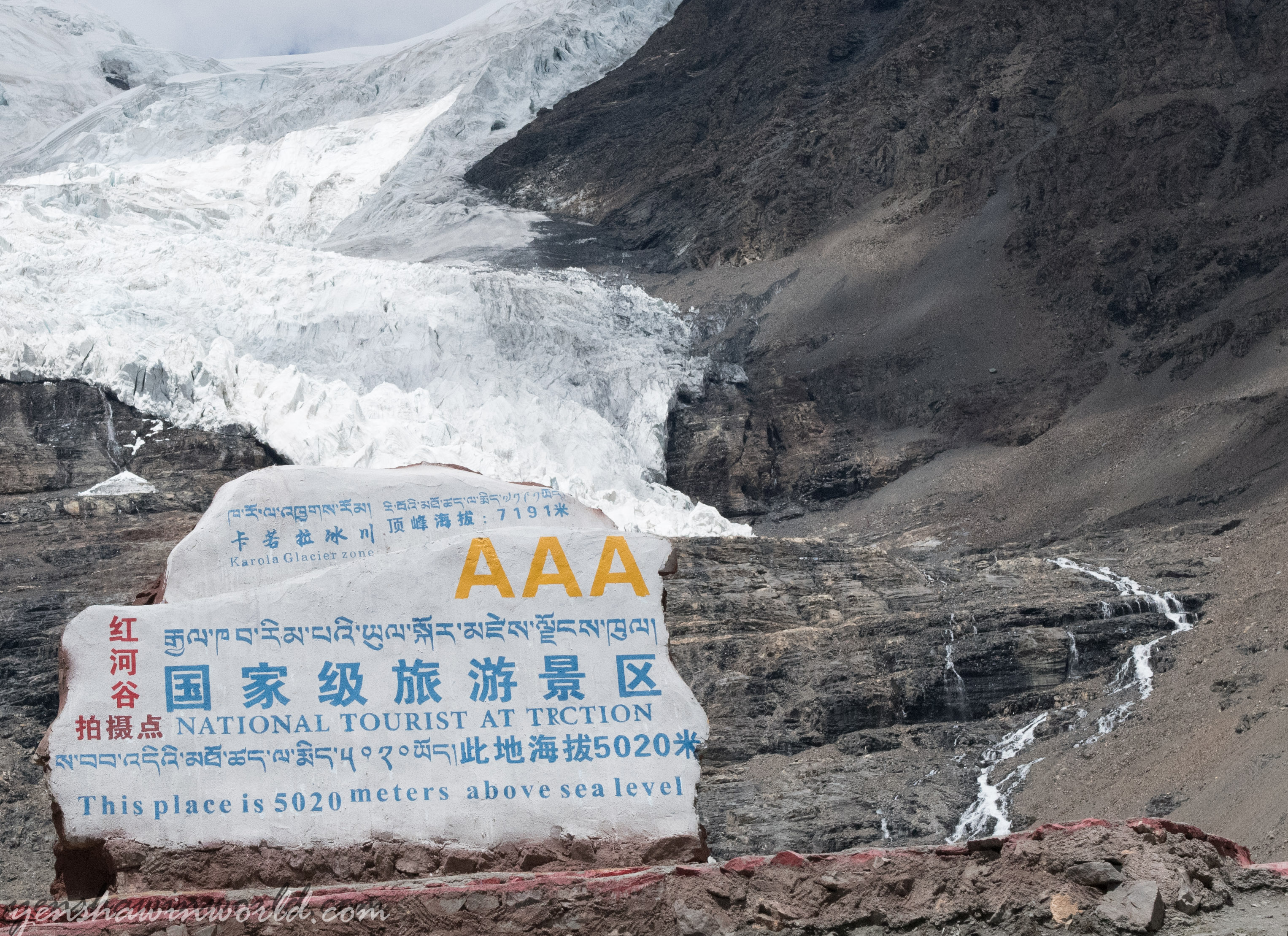


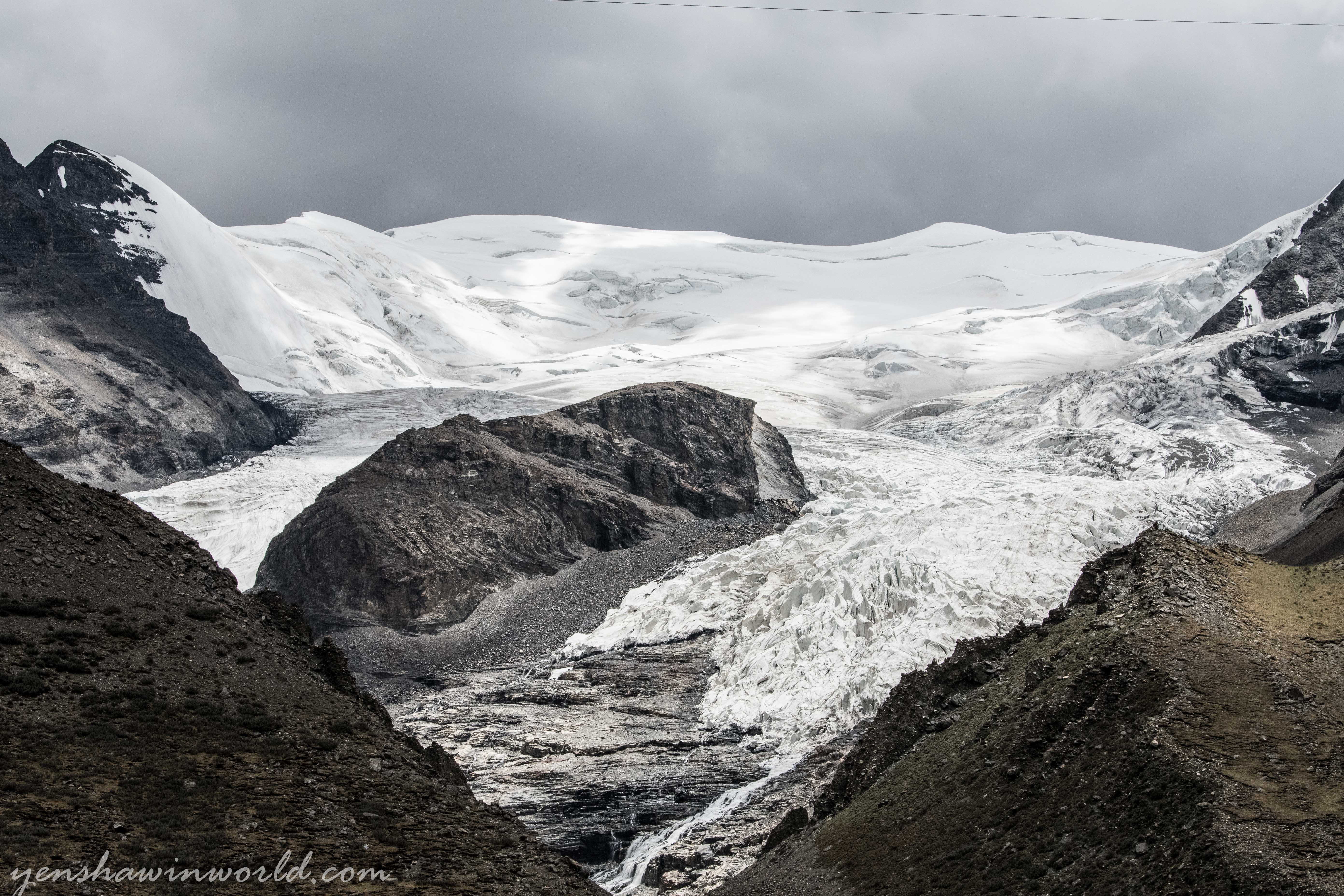
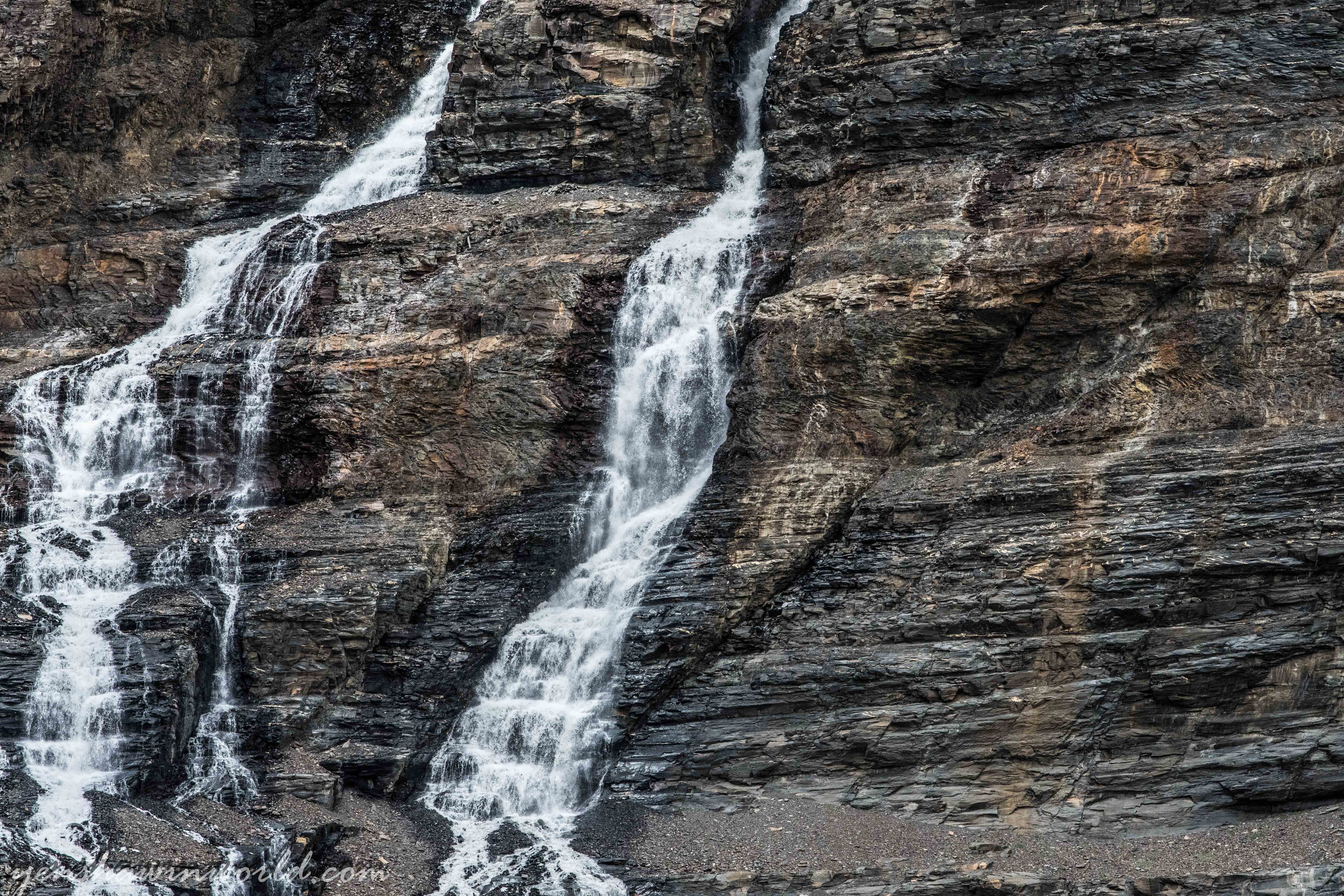
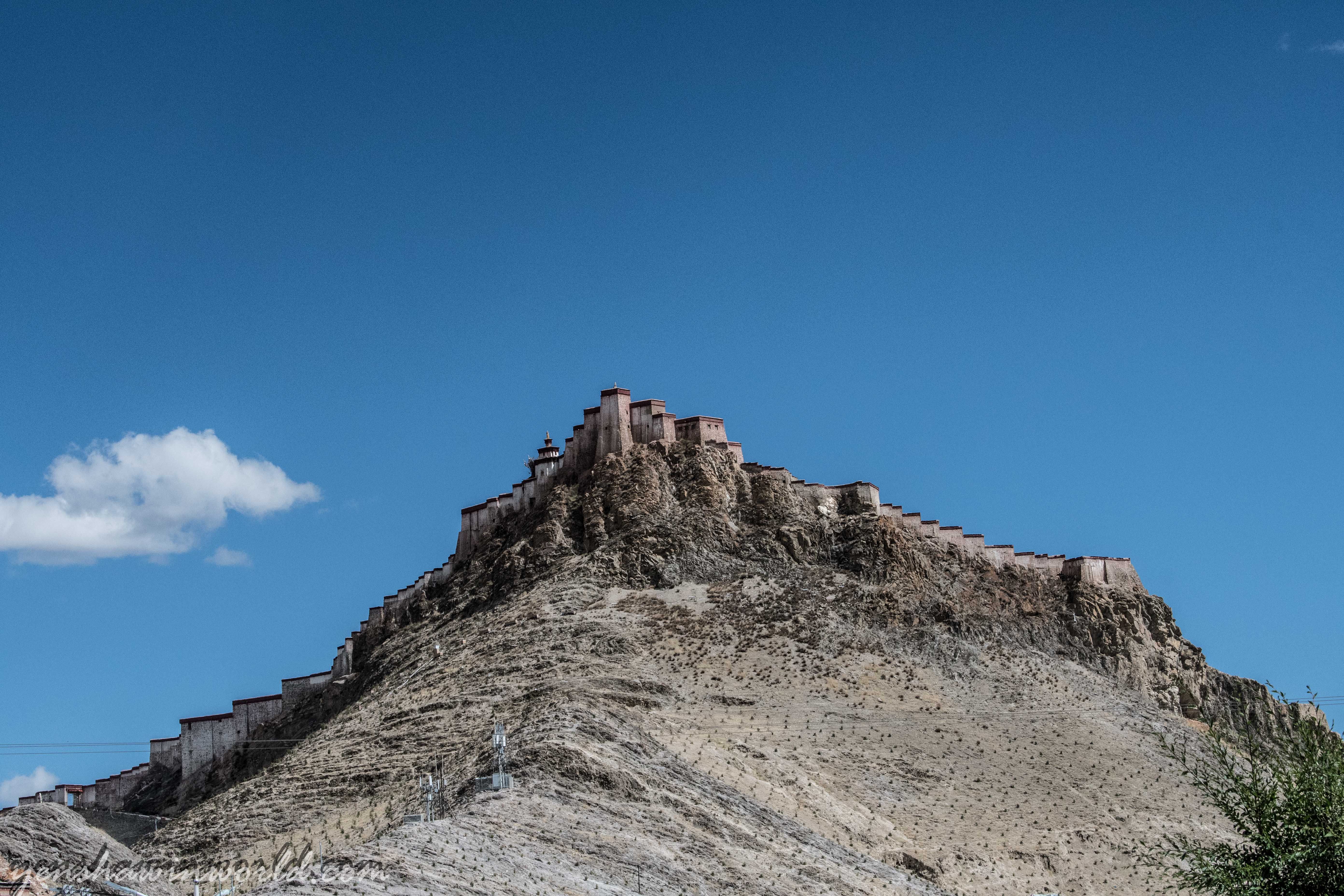








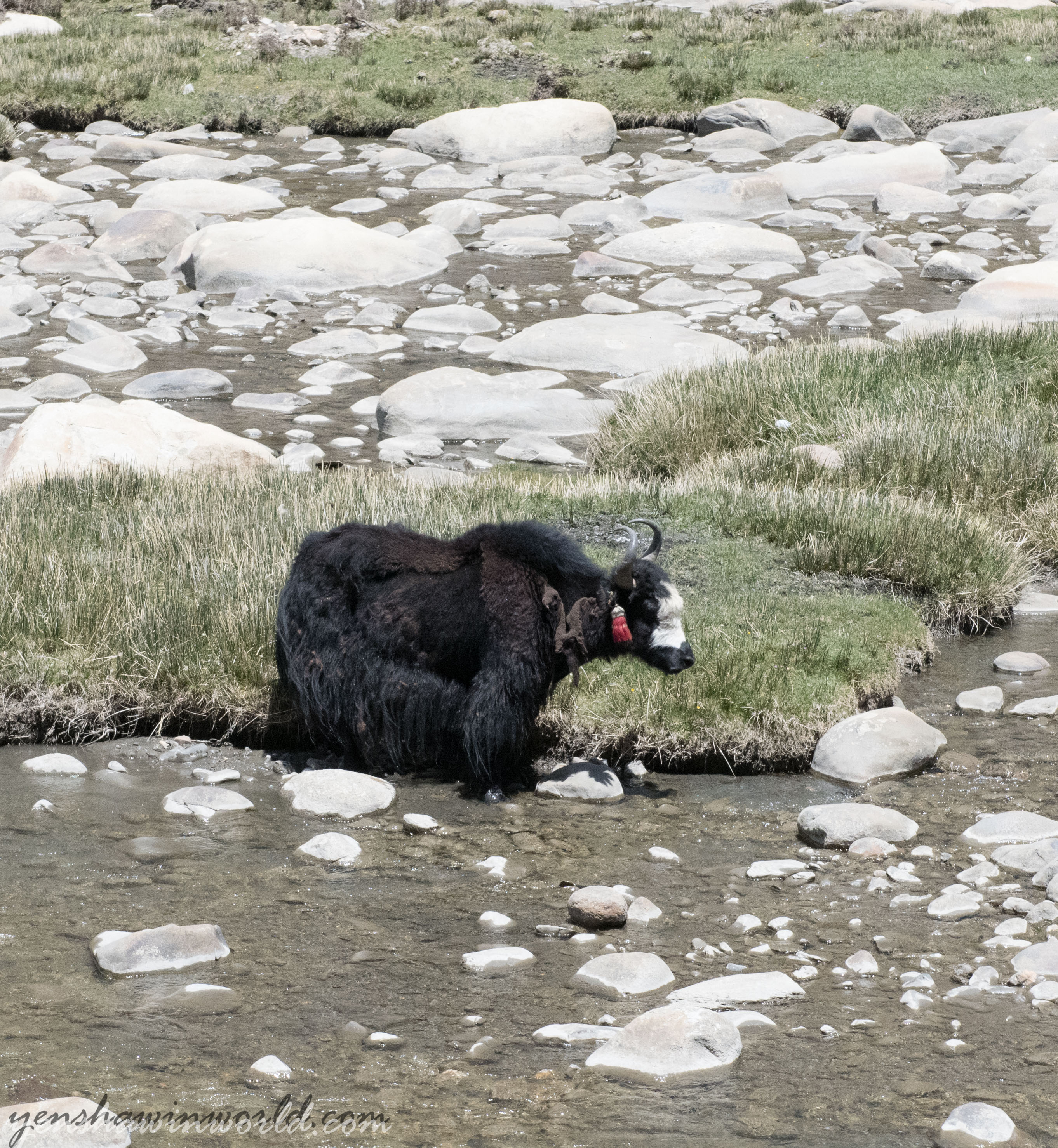



Leaving Lhasa, it was time to start our journey down to Shingatse as well as to Mt. Everest Base Camp.  This drive would prove to be the  most beautiful part of the trip.  As we drove from Lhasa we crossed the Lhasa River and kept with it until we headed up into the highlands where the roads were some of the most windy I had been on (until the next day).  We got up to Kampa La Pass which was 4700 meters which is probably the highest I have ever been.  There we feasted our eyes upon Yamdrok Lake, with its beautiful turquoise colored water sitting beneath snow-capped mountains in the distance.  We continued along the lake and saw traditional towns and people along the way.  As we climbed some more up in the mountains we stopped at Karo La which was 5150 meters to see the magnificent glacier- Mt. Nyechen Kangsar Glacier. This is about the time that I really started gasping for air since this was the highest I had ever been (until we hit another pass the next day).  As we went down the road to lower altitudes, you can notice the many yaks and goats and endless fields on the side of the highway.  Before arriving in Shingatse (second biggest city in Tibet), we stopped at the Kumbum  Stupa which is the largest Supa in Tibet!!!!  With the day being 12 hours in the car, I was extremely tired and ready for another long drive day to EBC!!!













From Shingatse, we ended up driving about 8 hours plus to EBC.  We ended up crossing several  passes one of which is Gyatso La and is about 5400 meters (which broke the other records of the highest I have been.  From here you can view the Himalaya Mountain range, each dwarfing under the mighty Mt. Eva rest.  We then crossed the Gawula Pass which is 5250 meters and here we can line up the different mountains:  Mt. Makalu, Mt. Lotse, Mt. Everest,  Mt. Cho Oyu, and Mt. Shishapama all towering over 8000 meters:

I



After this view it is down the switchbacks (98 of them) to the dry valley of Tasha Lom.  Another short drive, we got on Eco Electric busses to the Everest Base Camp…







The Everest Base Camp is one of the most beautiful parts of this valley.  They have moved it back from where it used to be and there is two parts, the tented camps, and the guesthouse.  We ended up staying at the guesthouse  with a nice little restaurant and bar that served cold and hot drinks and some very good noodle dishes.  From here, we can see one of the highest monasteries in the world which is Rongbuk monastery, which is home to both monks and nuns.  There are other higher monasteries, but this is the one that most people are able to get to.  Yaks and Goats are often seen running around out here in the rugged, cold landscape. 




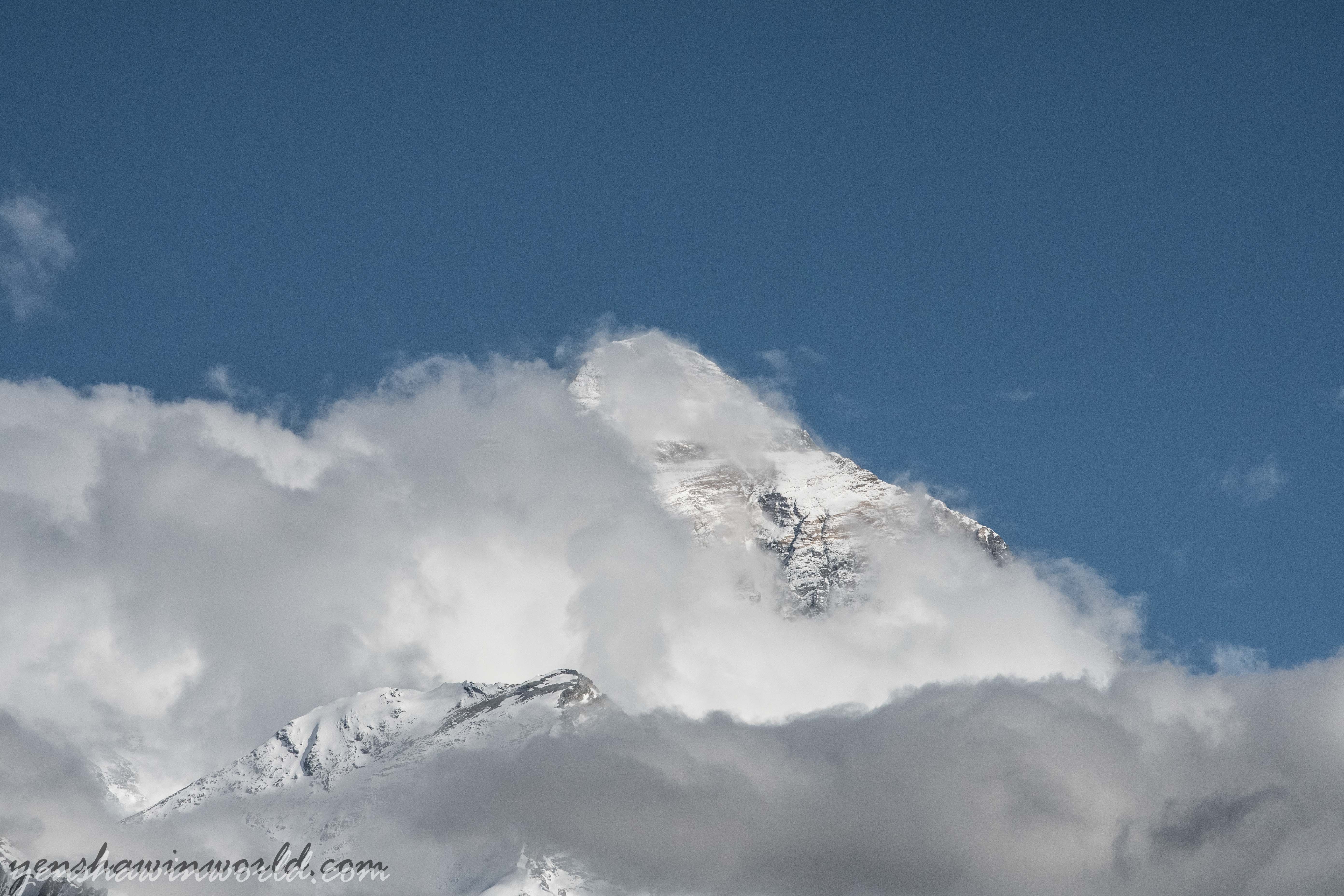
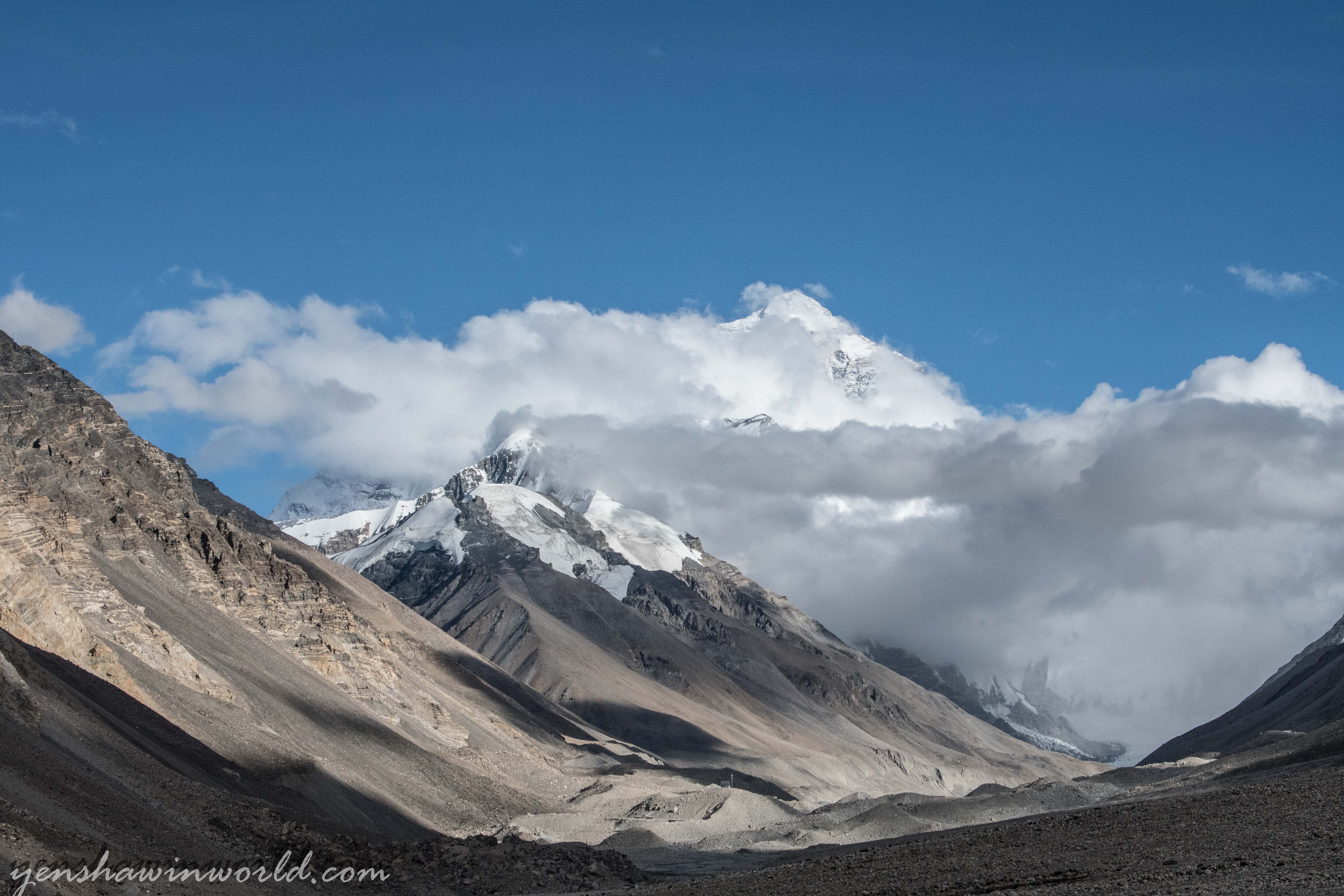
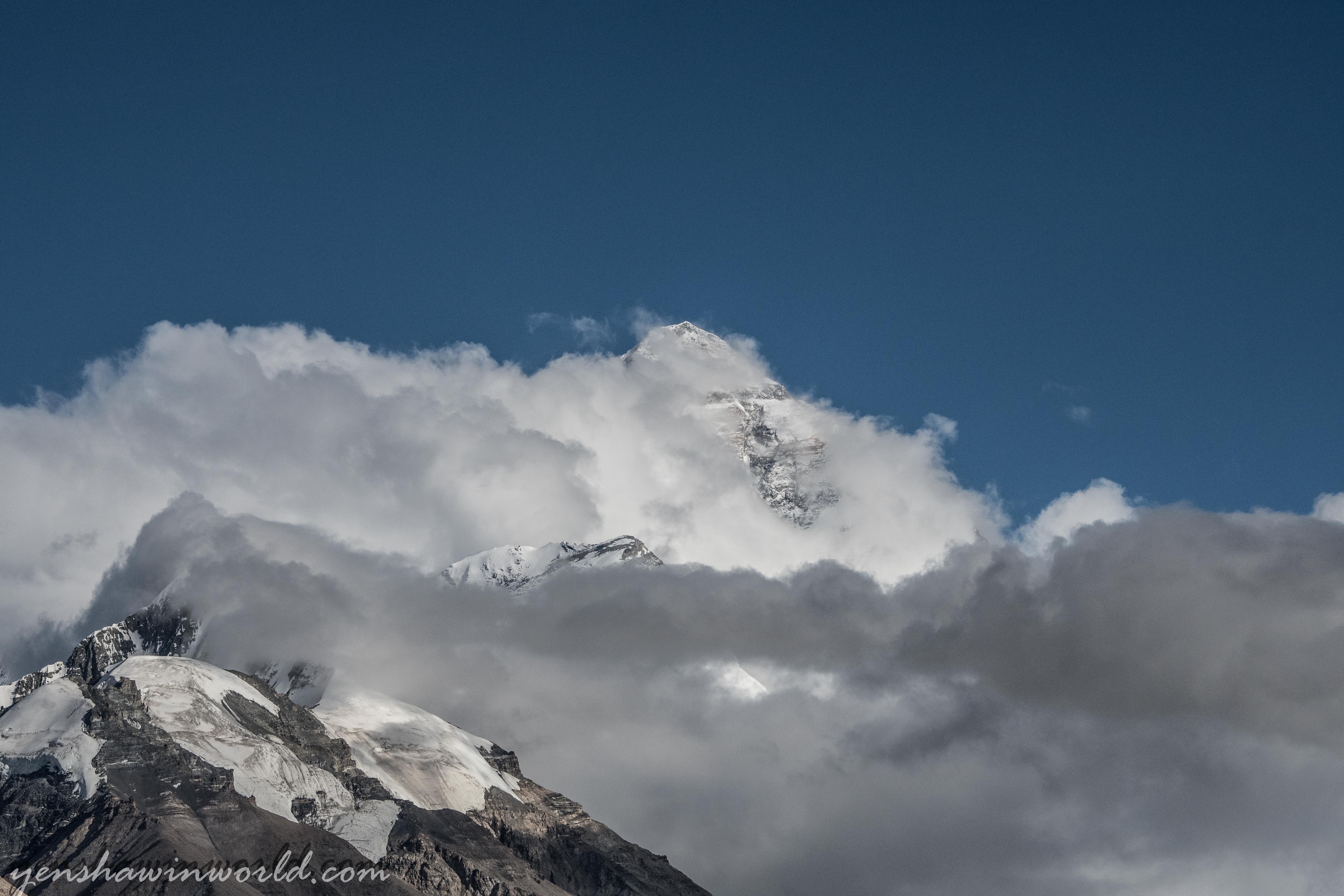
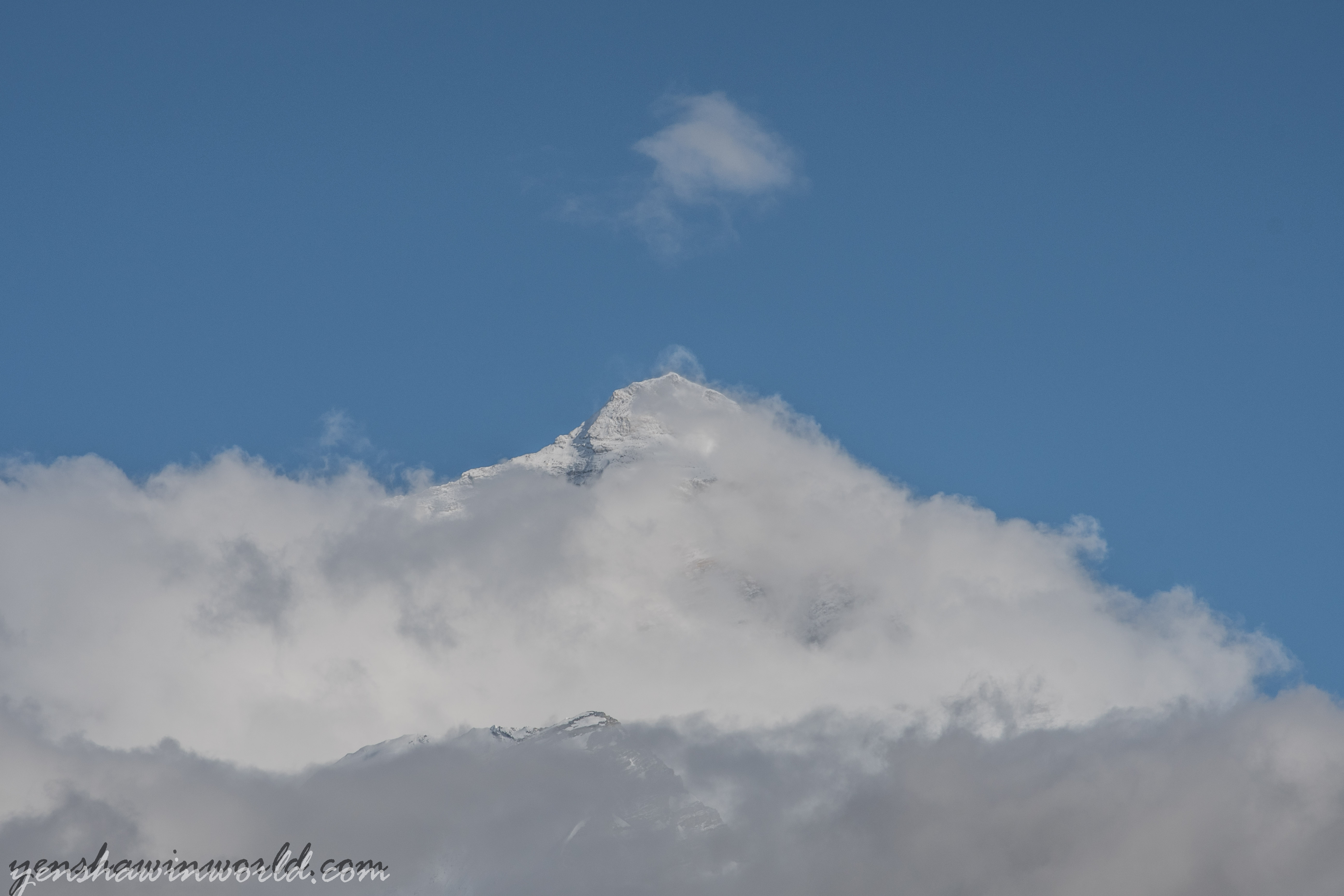
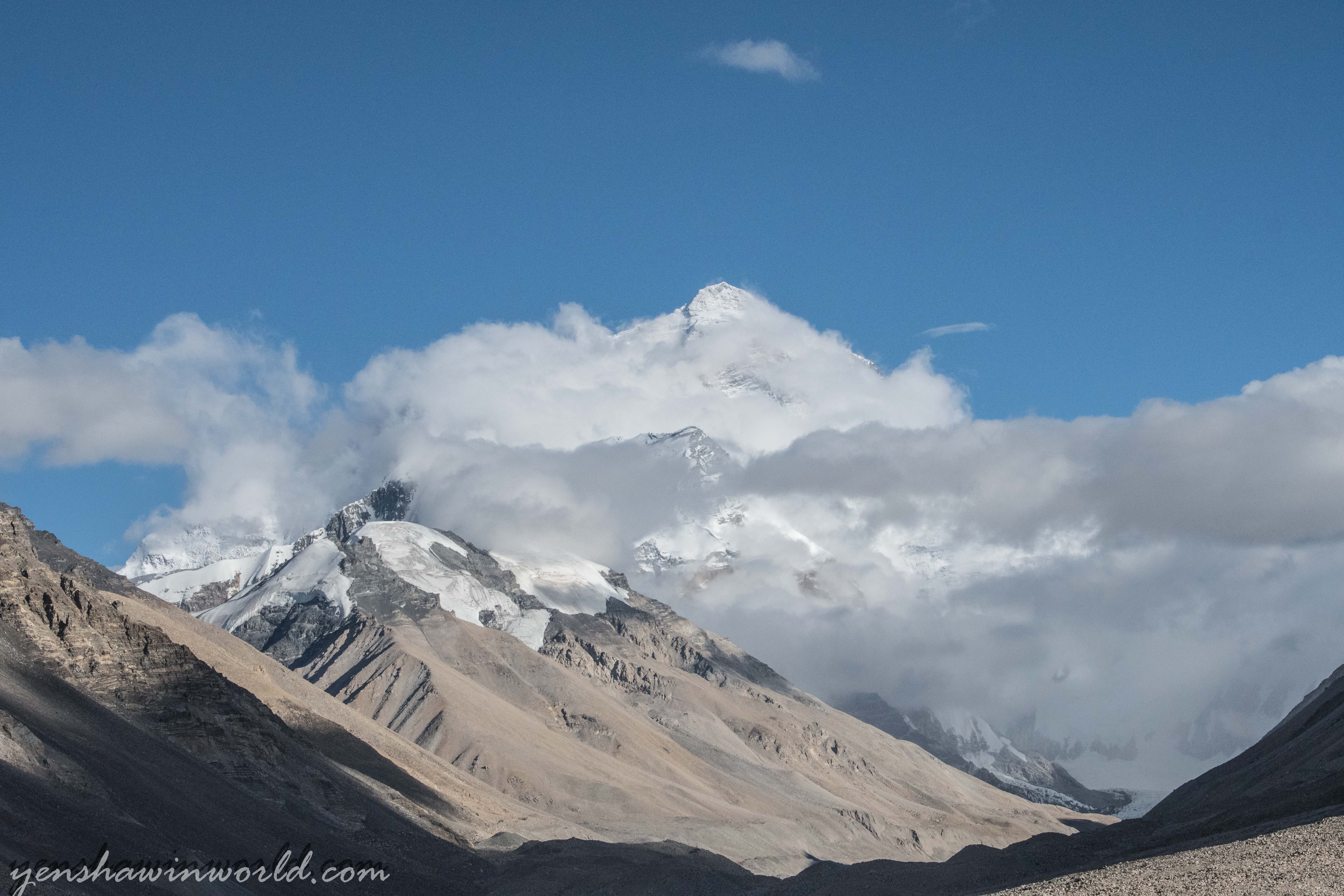
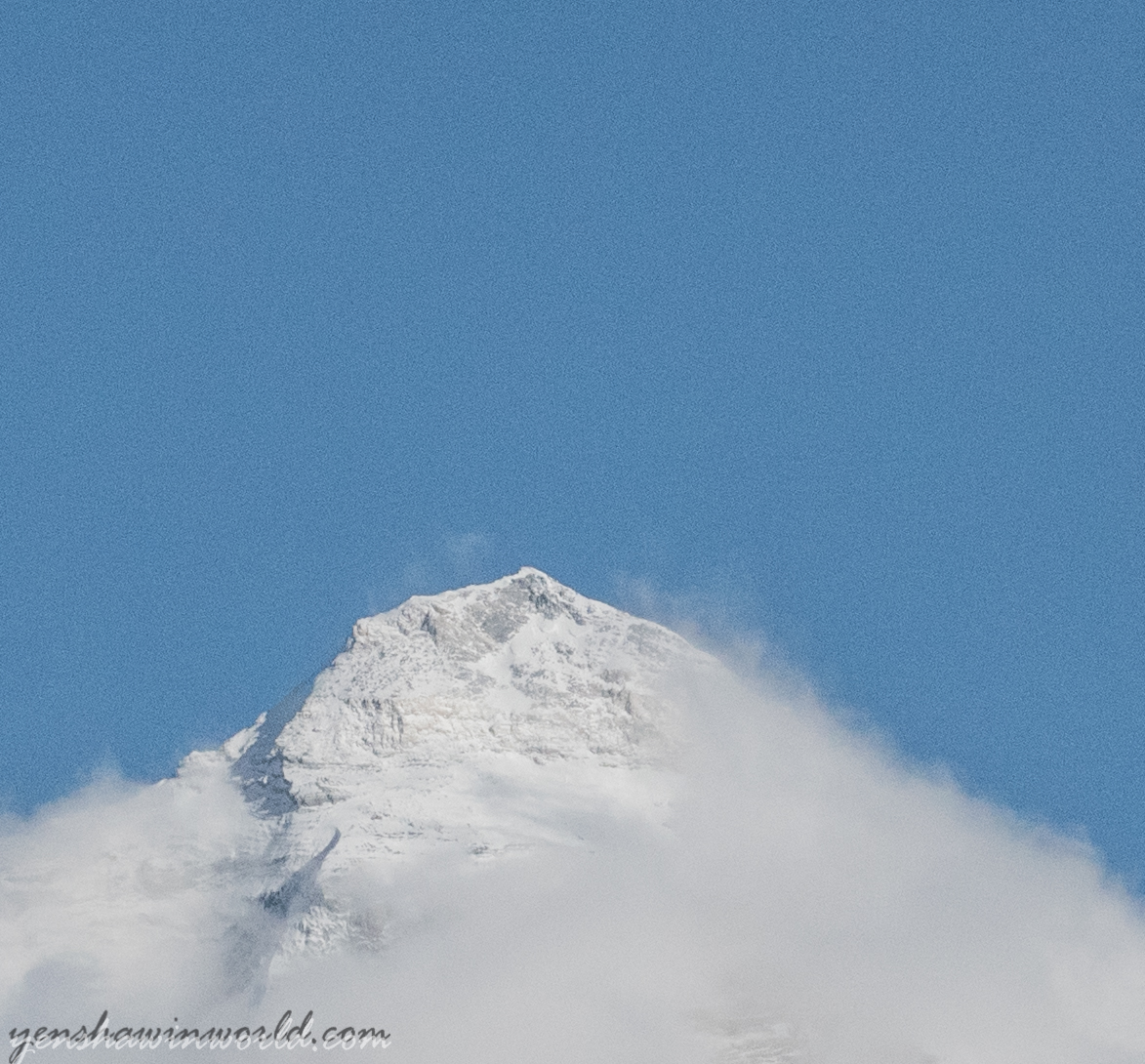
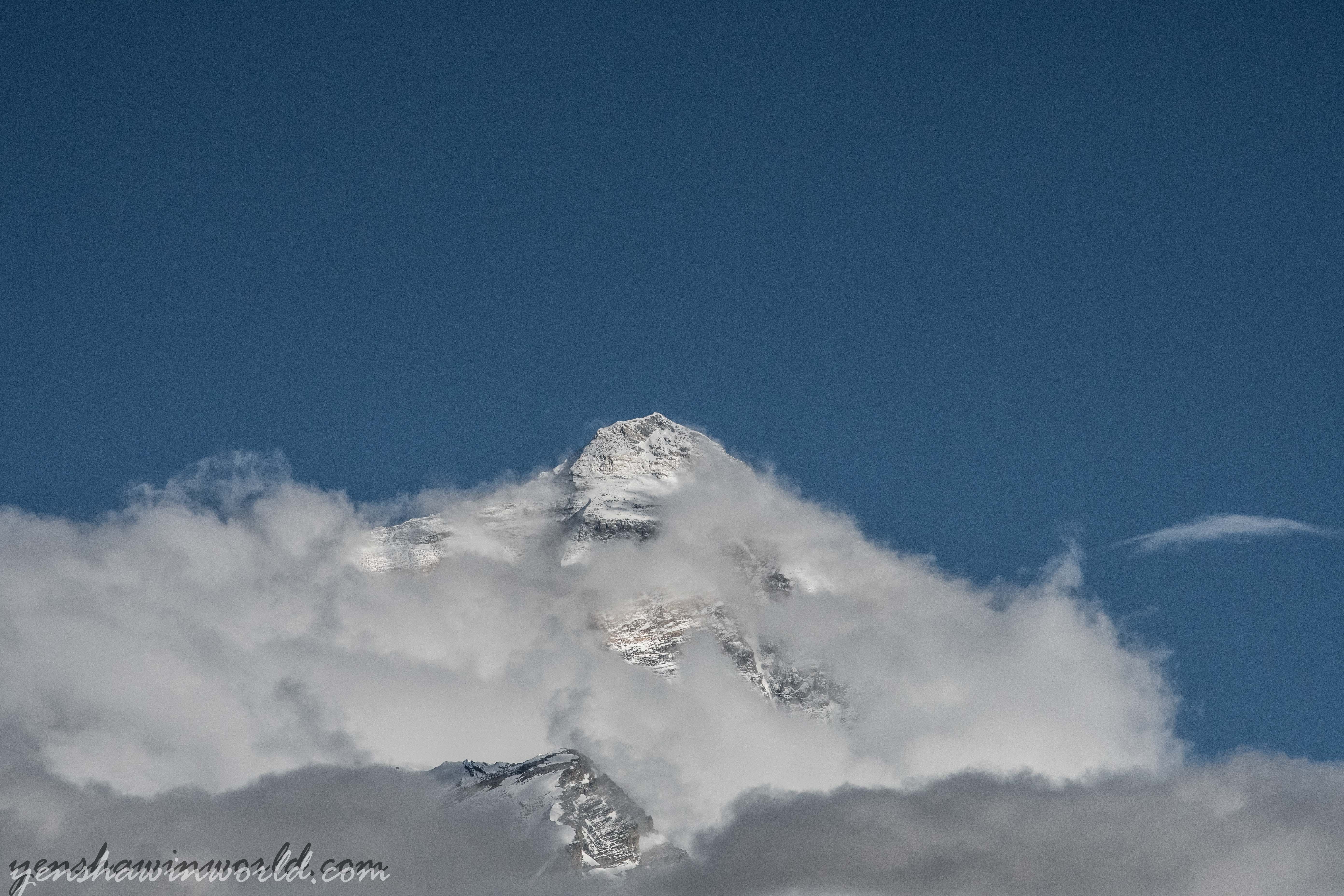
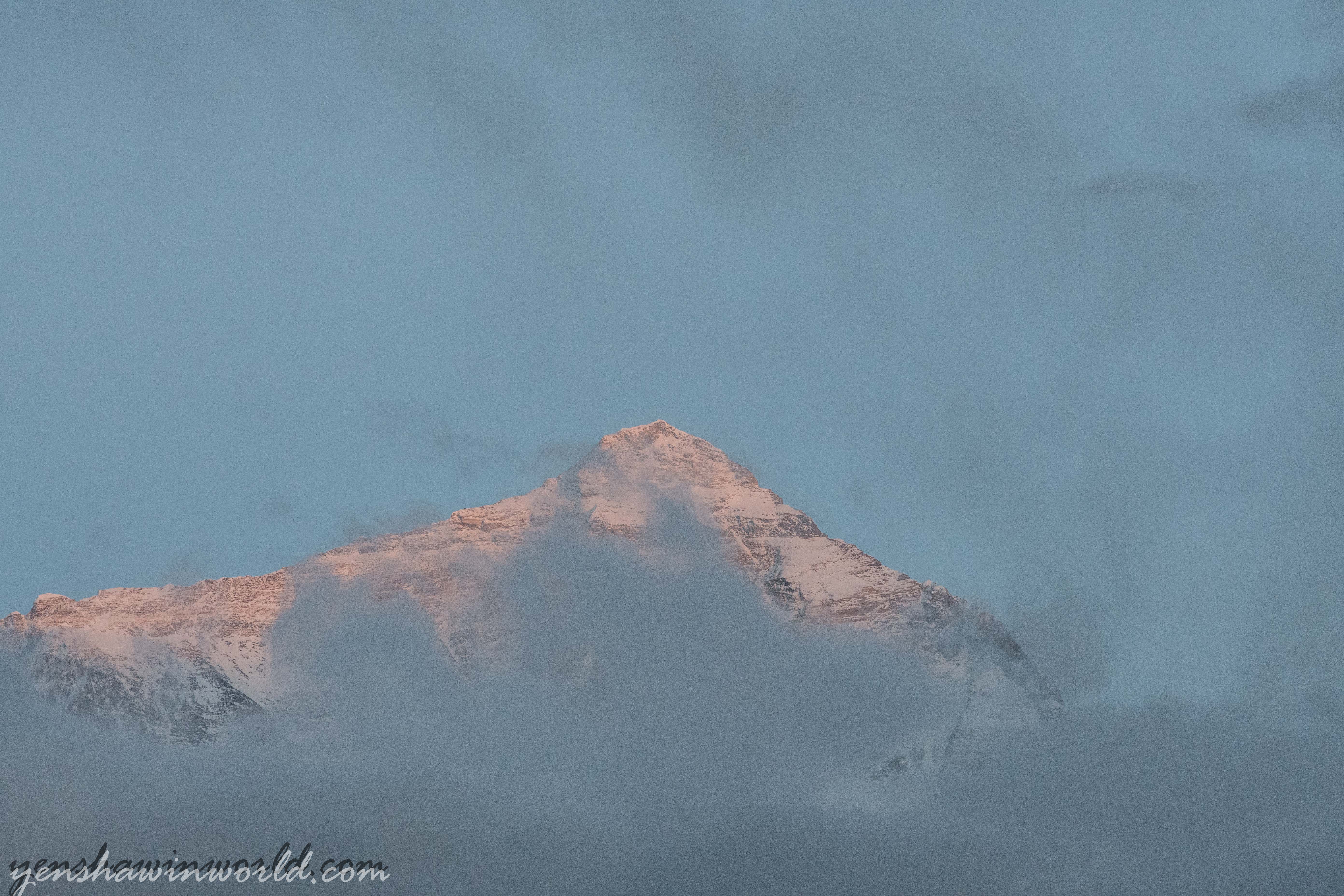
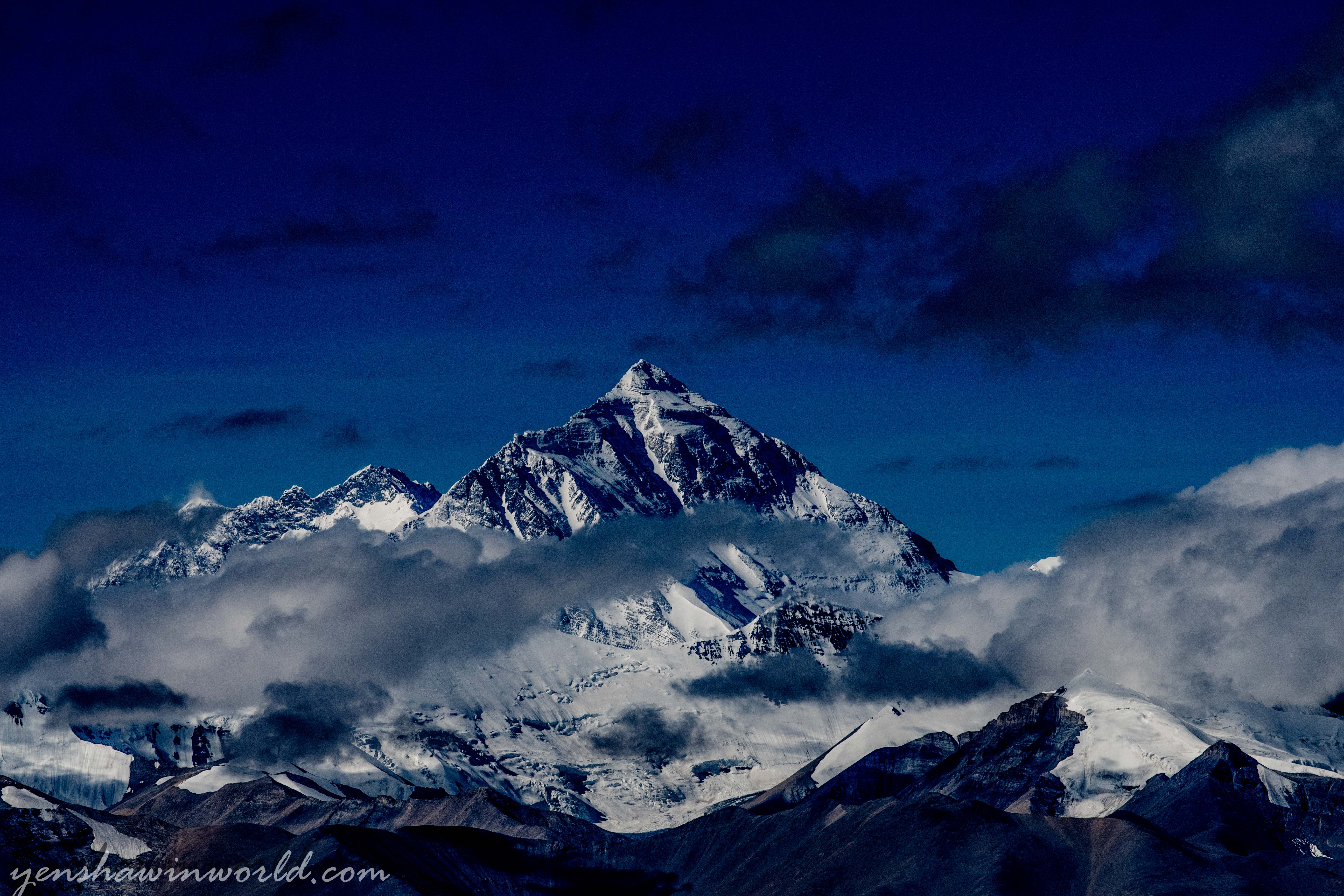
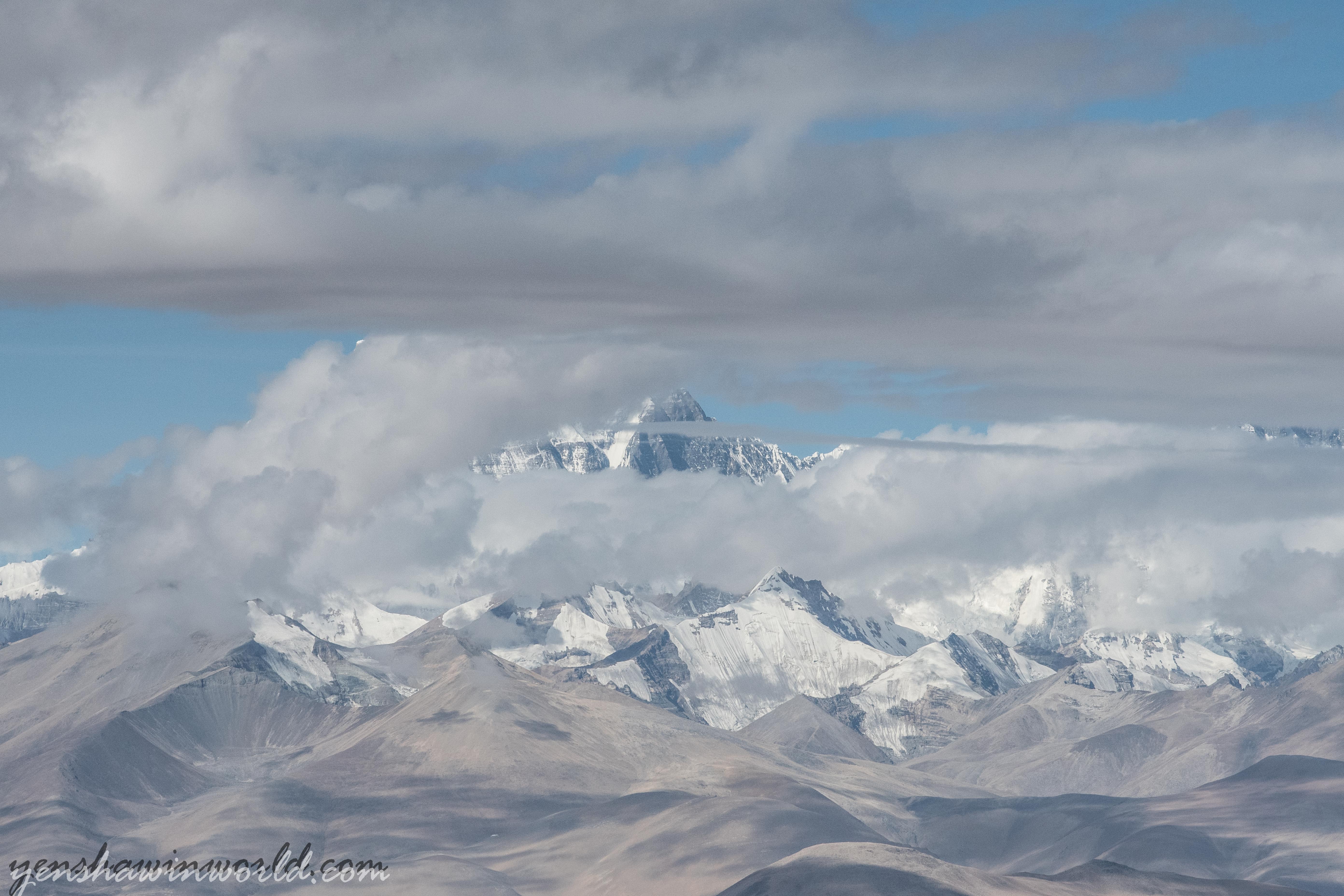

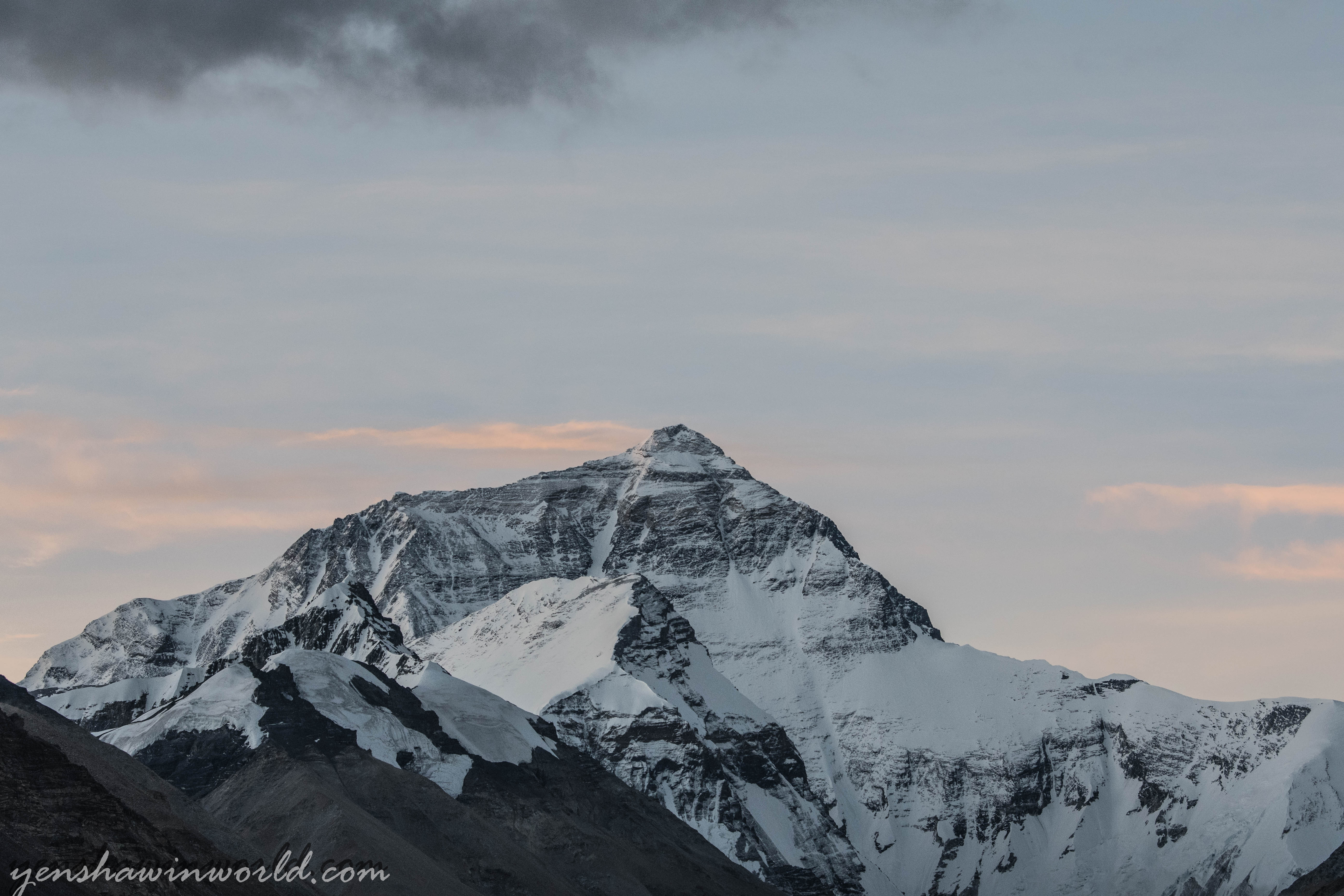
Seeing Mt. Everest is sometimes a hit and miss.  Usually in the evening the clouds are rolling around and you may be lucky enough to get a peak at the top before the sun goes down, or you may get the bottom of it, with the clouds blocking the top.  Sometimes patience out in the wind and cold is one of your best allies as in the evening, I just got a glimpse of the top and with my lens was able to photograph it in great detail.  After a light sleep (5200 meters),  I woke up early the next morning to see the sun rise and Mt. Everest completely free of any clouds around. This is one of the most impressive images I have ever seen and I will always remember it (in photographs and in my head).



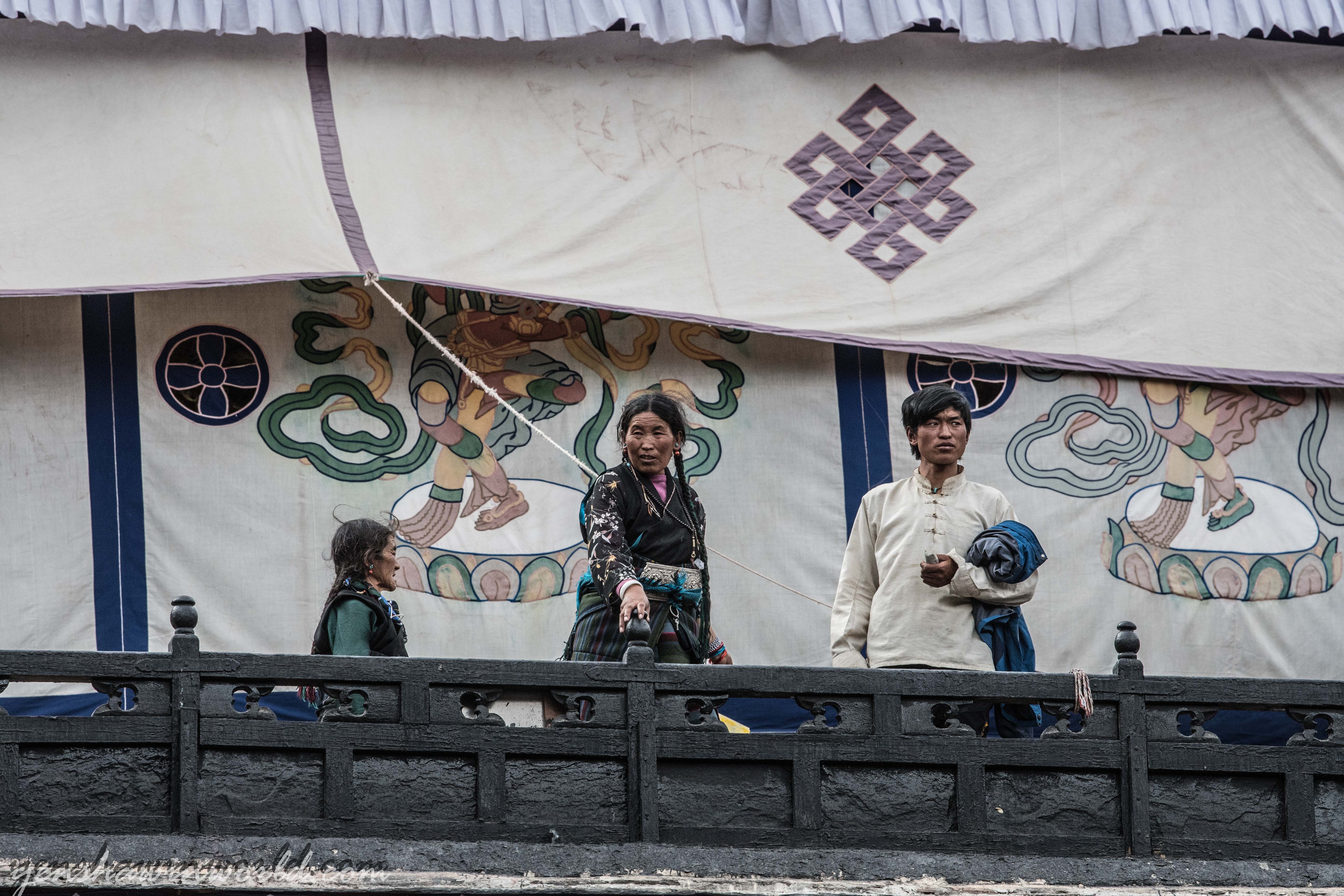
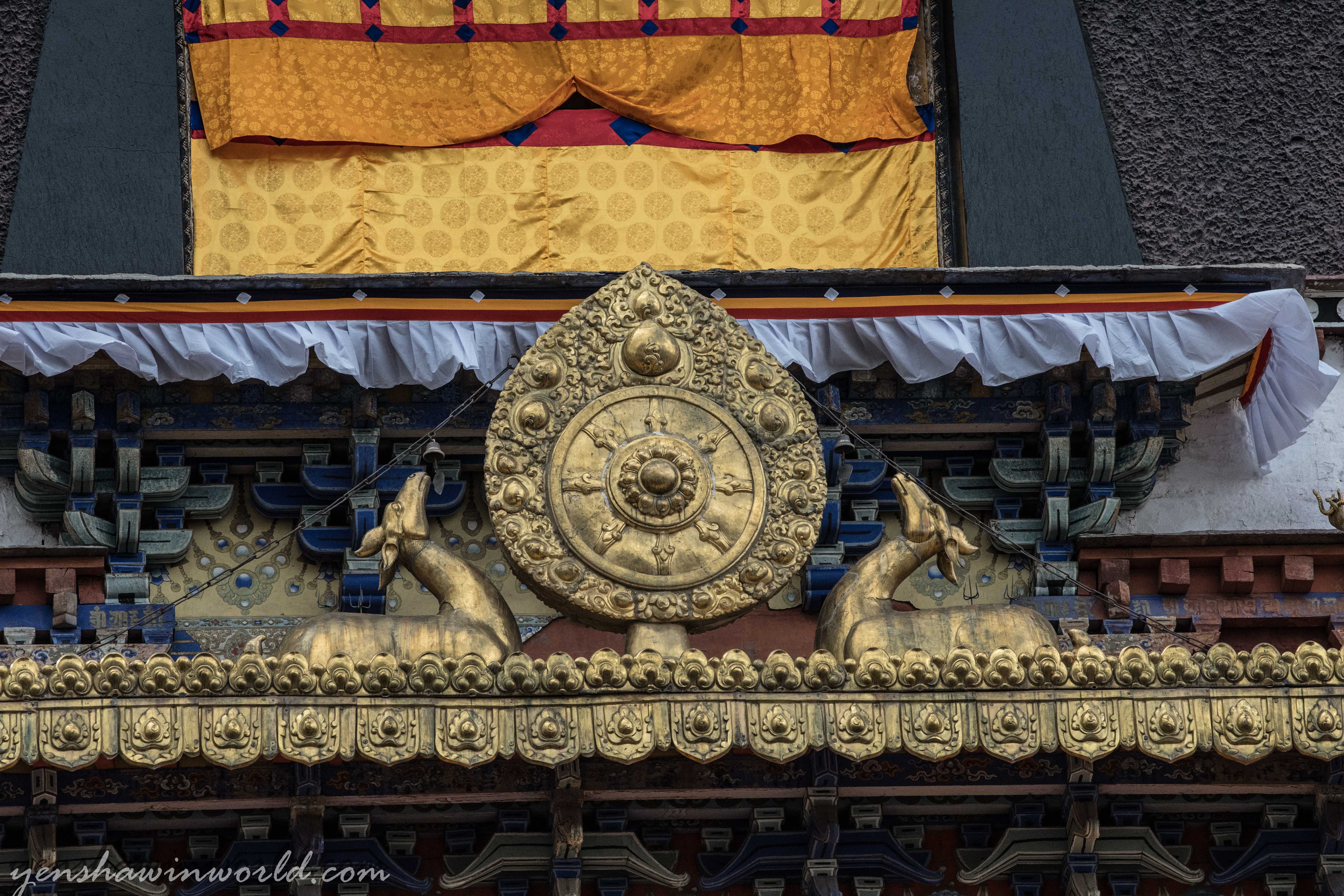













Leaving the next morning on the same road we came in on, we went back to Shigatse and go to the Tashi Lhunpo monastery.  This monastery was built by the 1st Dalai Lama in 1447 and became the seat of the Panchen Lama line and is home to many of their bodies.  The streets and paths are somewhat out of a medieval movie with many of the narrow walkways, going in all directions.  This I believe was one of the more impressive monasteries.   (no pictures allowed inside).


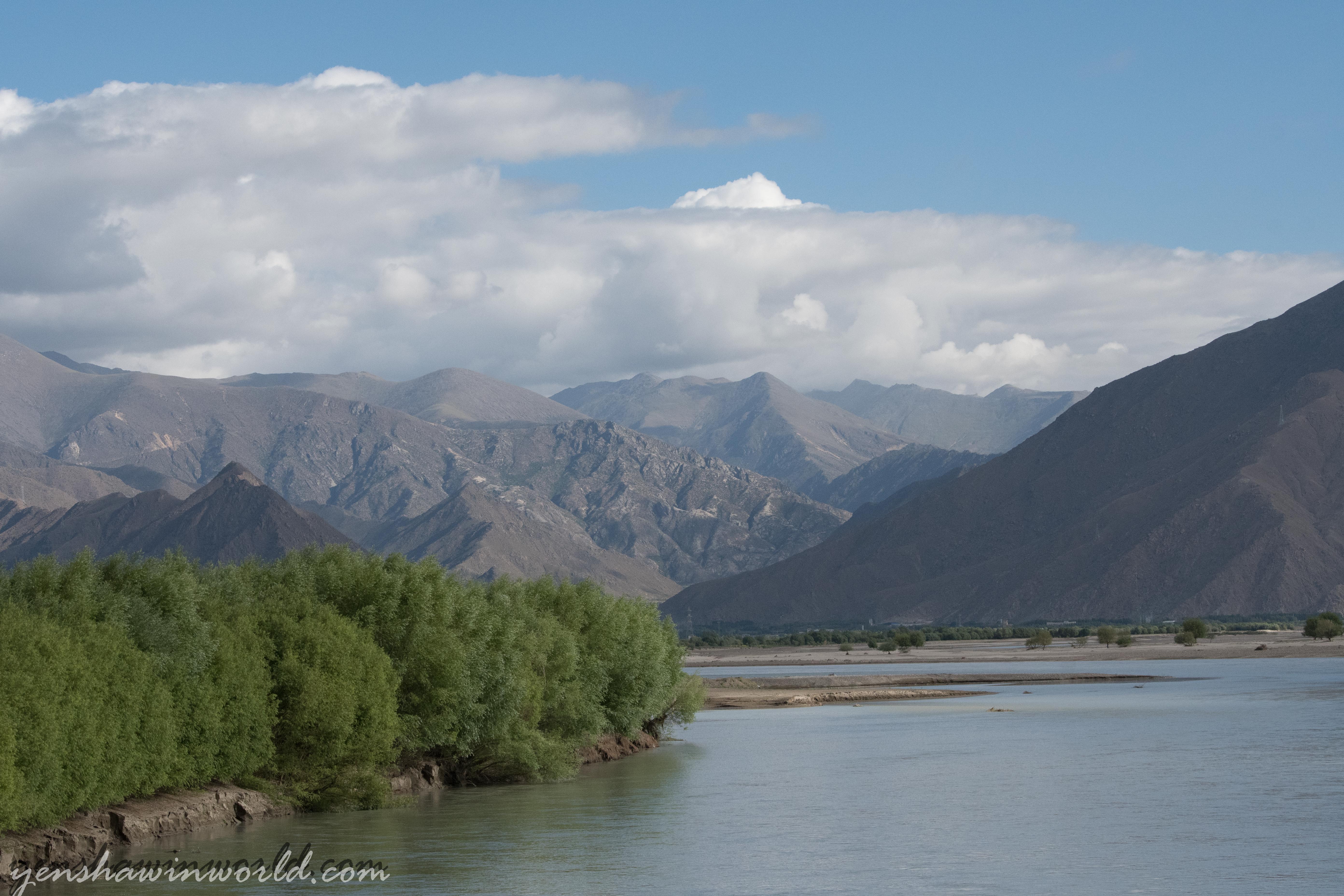




The next day, we head back to Lhasa on the Friendship Highway which runs along the mighty Brahmaputra River.  This river is a lifeline and one of the most holy rivers in India and runs through Bangladesh and into the Bay of Bengal.   On the way we stopped at some small shops and restaurants to see the local people going about their daily lives…

Overall this is a great country with friendly people and good food.  This is a place worth exploring for anyone and I will always have a small place for it in my heart.  Who knows, there is a good chance I could return here next year in order to see some of the more off the beaten path things.